When inflation is high and your investments aren’t keeping pace with rising prices, that can start to erode your money’s purchasing power. When this happens, many investors often look for ways to protect their wealth, and many turn to gold.
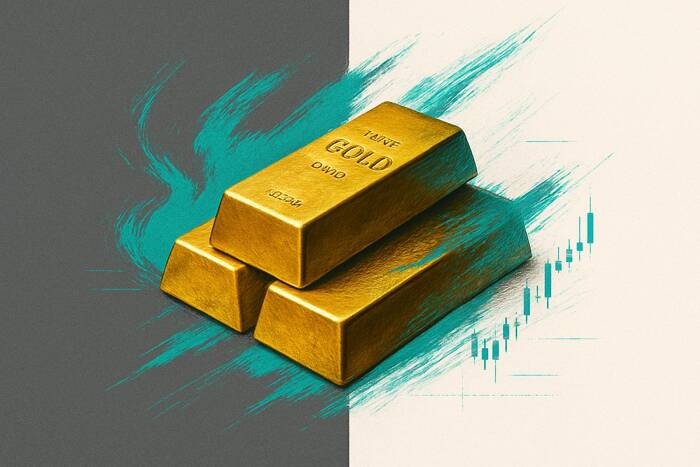
Gold has traditionally been viewed as a safe-haven asset that has the potential to hedge against inflation and retain its value during periods of economic volatility. But is gold a genuine hedge against inflation, and does it protect your money when consumer prices rise?
Here’s what you need to know about how gold responds to inflation and whether it deserves a place in your portfolio.
What is an inflation hedge?
An inflation hedge is an investment that protects you from the declining purchasing power of money due to inflation. In other words, these investments tend to maintain their value or increase it during inflationary periods. For example, if inflation goes up by 5% every year, an investment would need to generate at least a 5% return just to maintain its purchasing power before taxes and fees.
Inflation hedges can help you preserve your wealth by reducing the impact of rising prices on your investments. Some investments that have historically been used as inflation hedges are gold, real estate, commodities, and Treasury Inflation-Protected Securities (TIPS).
That said, not all inflation hedges perform equally well, and their performance can be affected by other factors like real interest rates, geopolitical uncertainty, the strength of the dollar, and investor demand.
How much gold should you own? Here’s what financial experts say
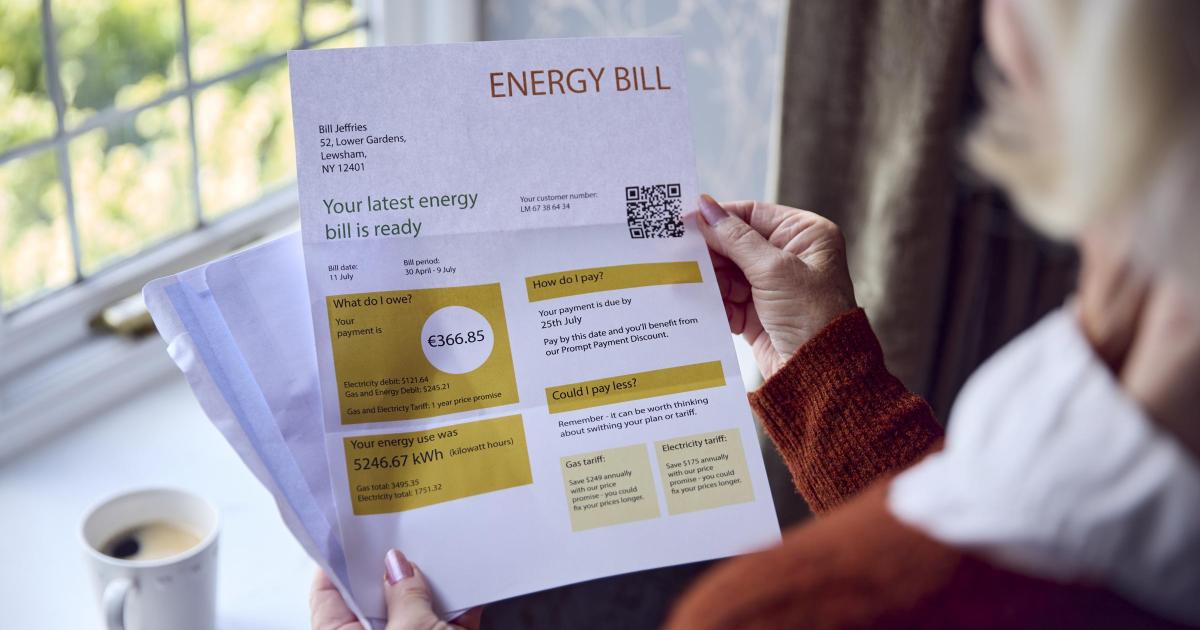
Why do investors need protection against inflation?
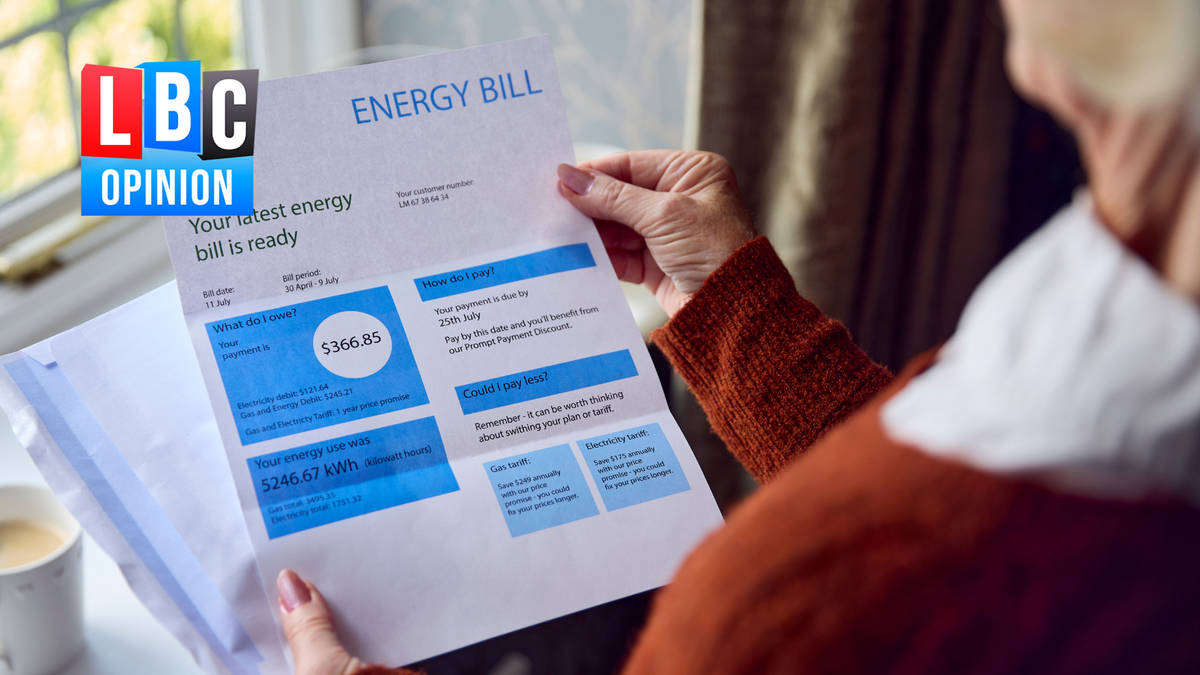
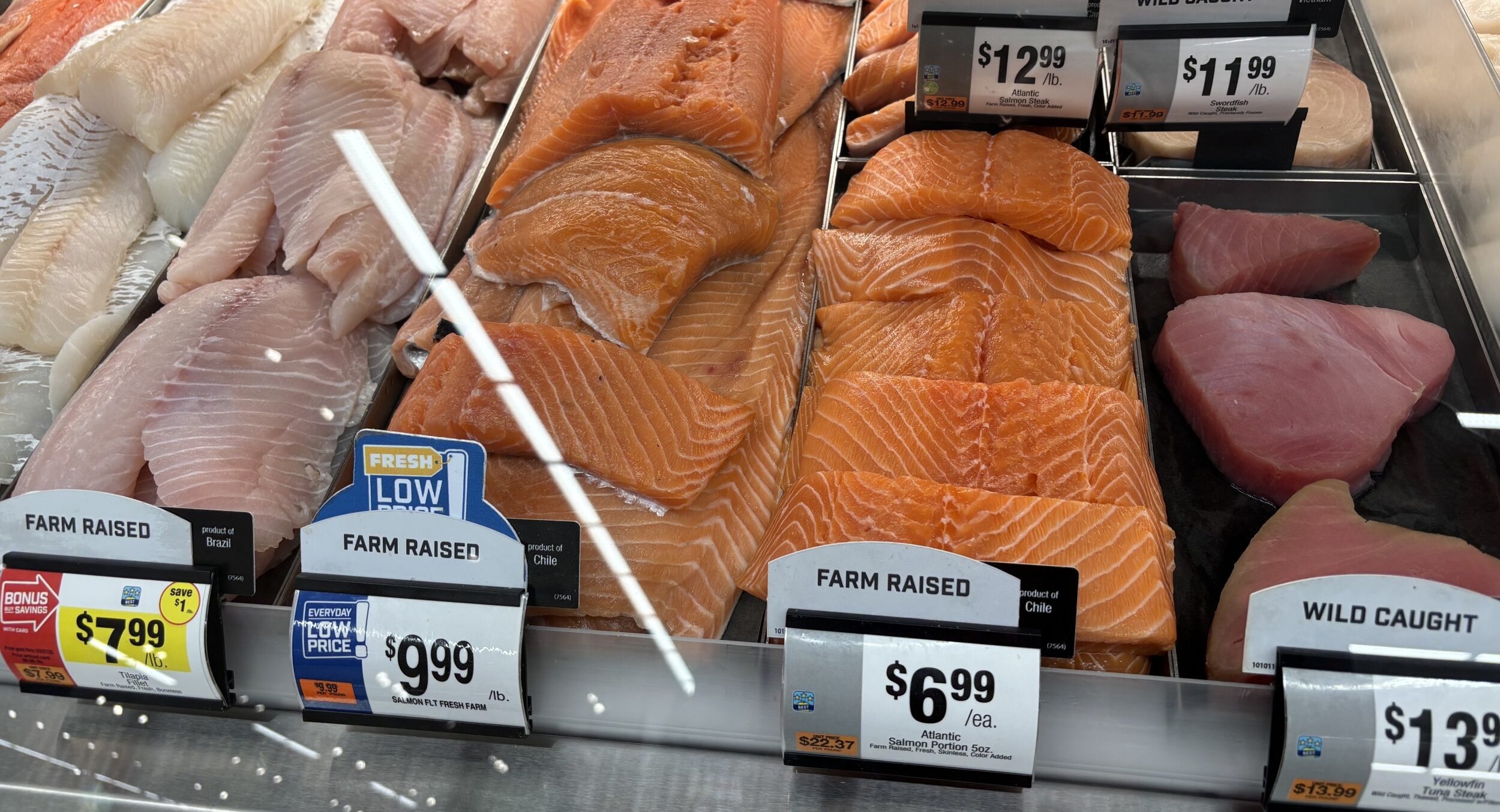
Investors need protection against inflation because rising prices can gradually erode the real value of savings. For example, if your money is sitting in a savings account earning less interest than the inflation rate, it will gradually lose purchasing power over time. That’s why many investors put some of their wealth in inflation hedges.
“However, you shouldn’t expect any single asset to protect you against every economic environment,” warned Elliott Orsillo, Co-founder and director of investments at Season Investments. “Gold can be a useful piece of the puzzle, but diversifying your investments is still very important.”
Is gold a good hedge against inflation?
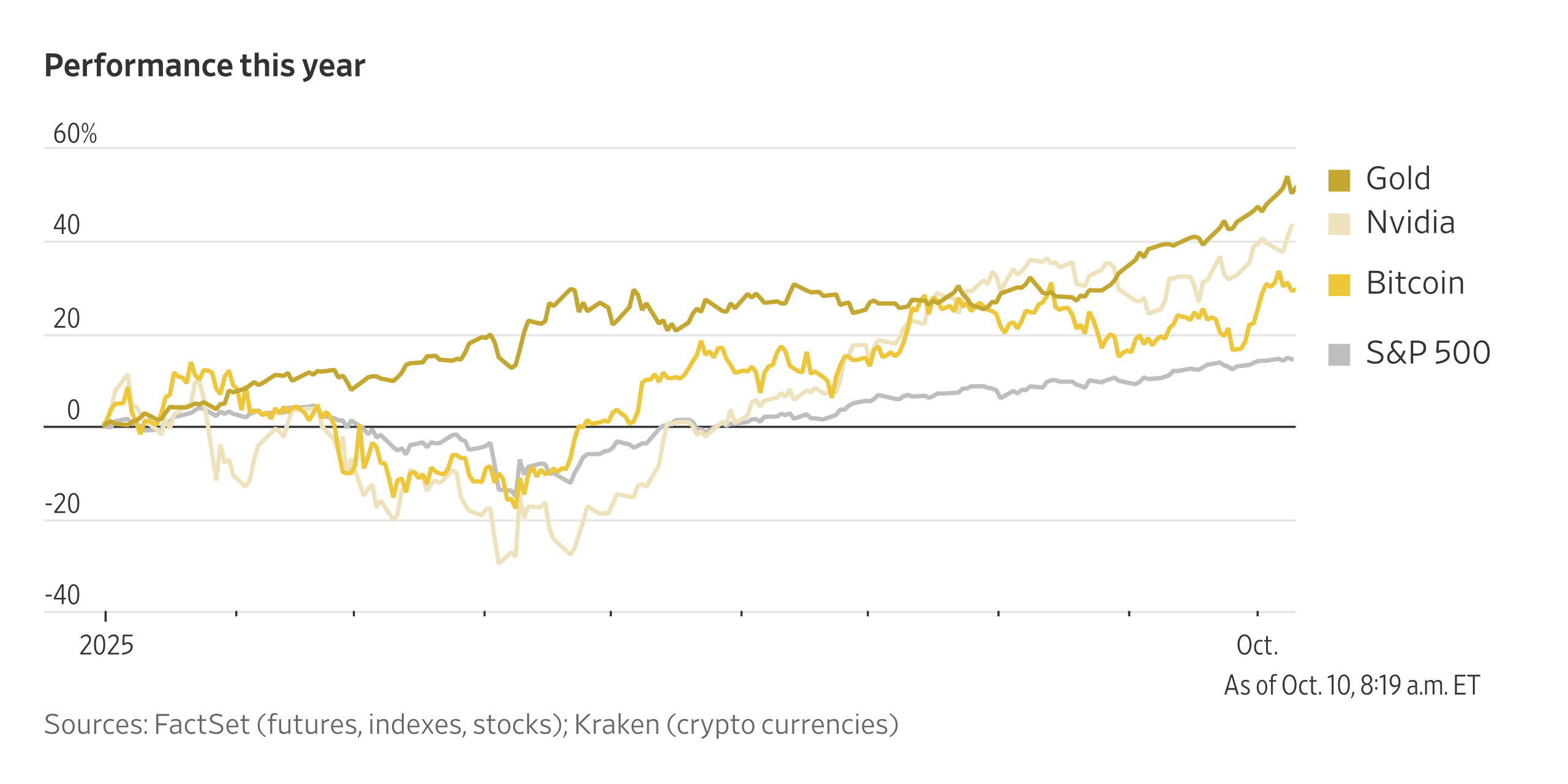
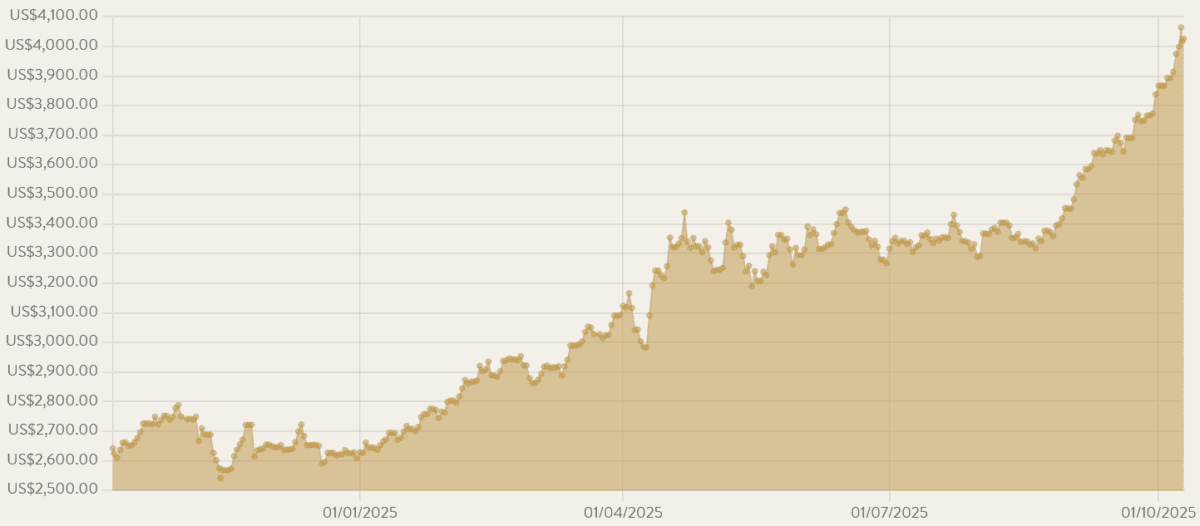
Unlike paper currencies, gold cannot be created through monetary policy. Its limited supply and worldwide demand contribute to its reputation as a store of value. But even though gold can be a good hedge against inflation over the long term, it doesn’t consistently protect investors against short-term price increases.
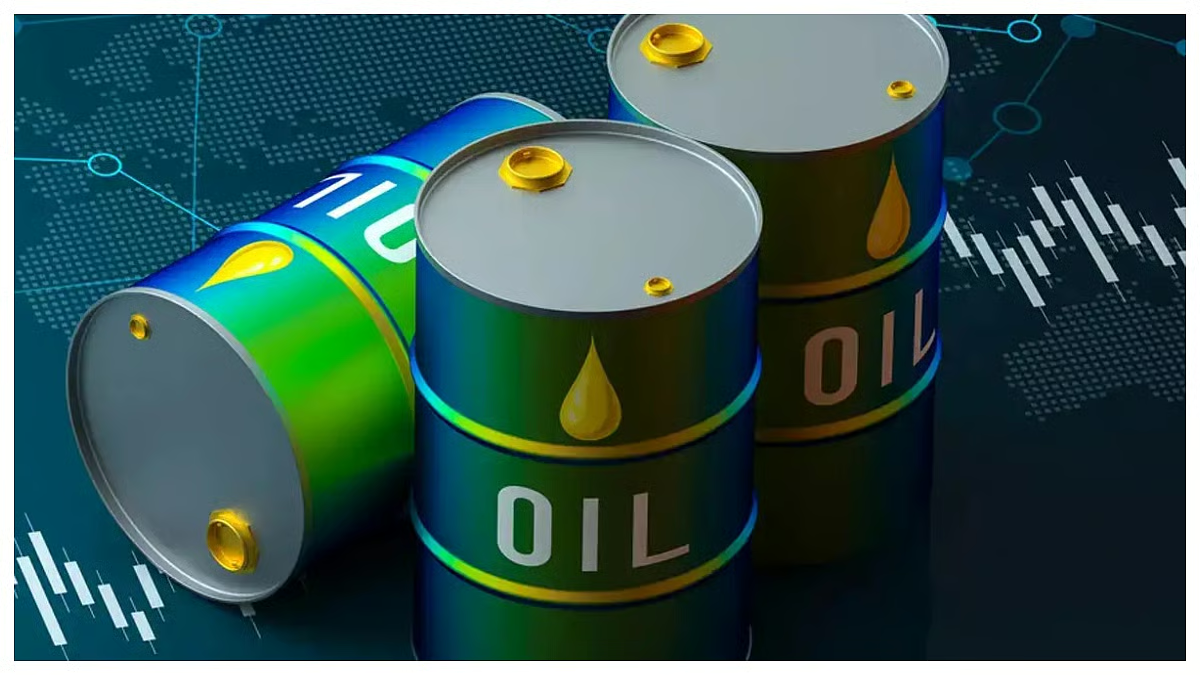
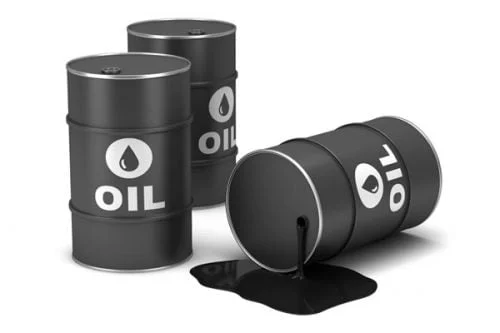
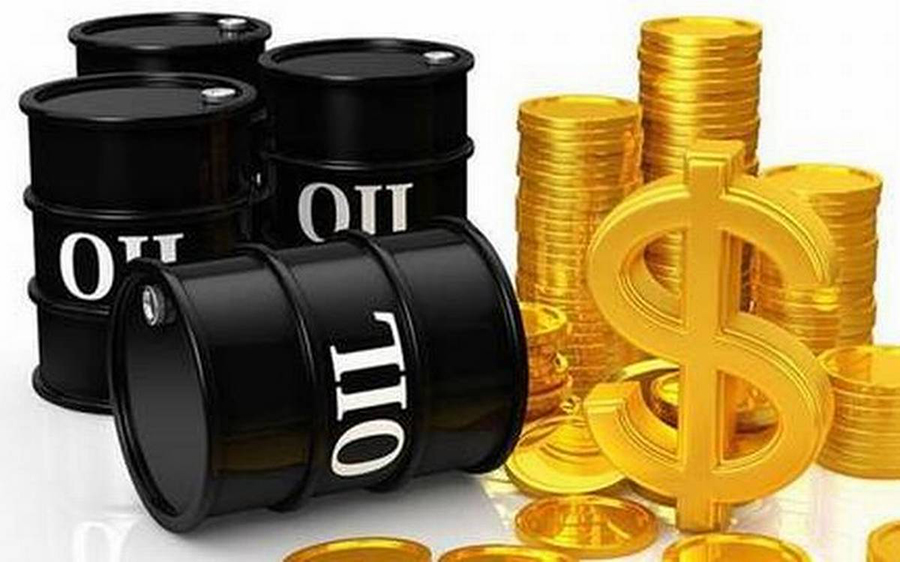
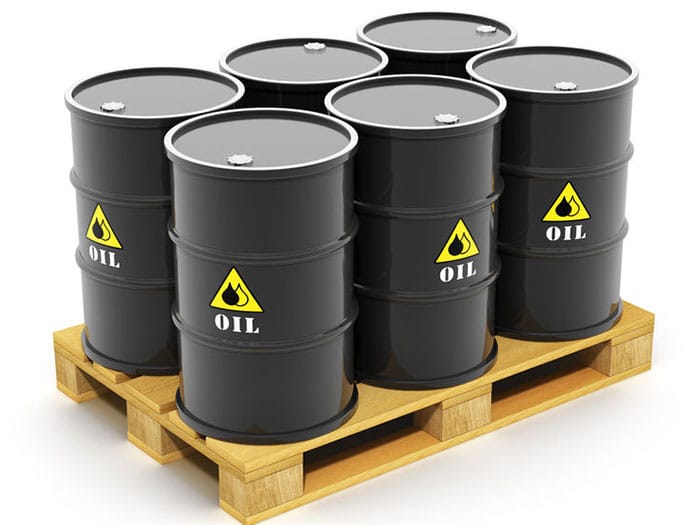
“Over the past 50 years, tangible assets like metals, real estate and materials have shown the strongest correlation with inflation. Gold and oil have the highest correlation with inflation. at 0.35,” said Dr. Jeffrey Goodrich, a financial professor at UCLA and the founder of JCG Private Wealth Management.
A correlation of 0.35 suggests that gold prices and inflation tend to move in the same direction, but the relationship isn’t particularly strong. And just because gold is often seen as an inflation hedge doesn’t mean it will 100% protect you from rising prices. Gold prices can also be affected by other factors like central banks’ decisions, the strength of the dollar and investor sentiment.
For example, if the Fed raises interest rates to keep inflation under control, investors will find yield-bearing assets like bonds and stocks more attractive. And since gold doesn’t generate interest, this can cause demand for gold to fall even when inflation is still high.
So, don’t just rely on gold alone to protect your wealth from inflation and make sure to diversify your portfolio.
Pros of investing in gold during inflation
Here’s why investing in gold during inflation can be worth it.
-
Protects your money’s purchasing power. Historically, gold has been able to hold its value over long periods, which makes it a potential hedge against inflation.
-
Diversifies your portfolio. Having gold in your portfolio can provide some diversification since it tends to behave differently from stocks and bonds.
-
Easy to buy and sell. Gold is widely traded worldwide, which makes it relatively easy to buy and sell.
Cons of gold as an inflation hedge
Though investing in gold has its advantages, it also comes with some downsides.
-
Doesn’t generate income. Stocks can pay dividends and bonds can earn interest, but physical gold doesn’t provide regular income.
-
Prices can fluctuate. Gold prices can fluctuate, so there’s no guarantee you’ll avoid losses.
-
Additional costs. When you buy physical gold, you also have to think about storage, insurance and dealer fees.
Gold vs. other inflation-hedging investments
Gold isn’t the only way to hedge a weakening U.S. dollar. Here are some other inflation-hedging investments worth looking into:
Real estate
Tangible assets like real estate tend to get more valuable with time, which makes them a solid place to put your money during an inflationary period. That said, investing in property typically comes with high transaction costs and ongoing maintenance expenses. Selling it also takes more time and effort than selling gold.
Stocks
Investing in stocks is another way to hedge against inflation since companies may raise prices to protect their profits and continue growing. Stocks also offer long-term growth potential and dividend income, which gold doesn’t provide.
However, inflation can also raise operating costs, squeeze profit margins, and hurt stock valuations, so make sure to perform your due diligence before investing.
Treasury inflation-protected securities
If you’re looking for an investment that’s more directly tied to inflation, consider Treasury inflation-protected securities.
TIPS are U.S. government bonds designed to help protect your money from rising consumer prices. Their principal value can adjust based on changes in the Consumer Price Index (CPI), which measures inflation.
“TIPS are the most direct tool for hedging against inflation because the principal adjusts with CPI, which makes them a good fit for a known future expense,” said Scott E. Jones, BFA™, CPFA®, CRPC®, RFC®, Founder and Financial Advisor at Genesis Wealth Advisor Group.
How can investors use gold to hedge against inflation?
There are many ways you can gain exposure to gold depending on your budget, financial goals and risk tolerance level.
Buying physical gold
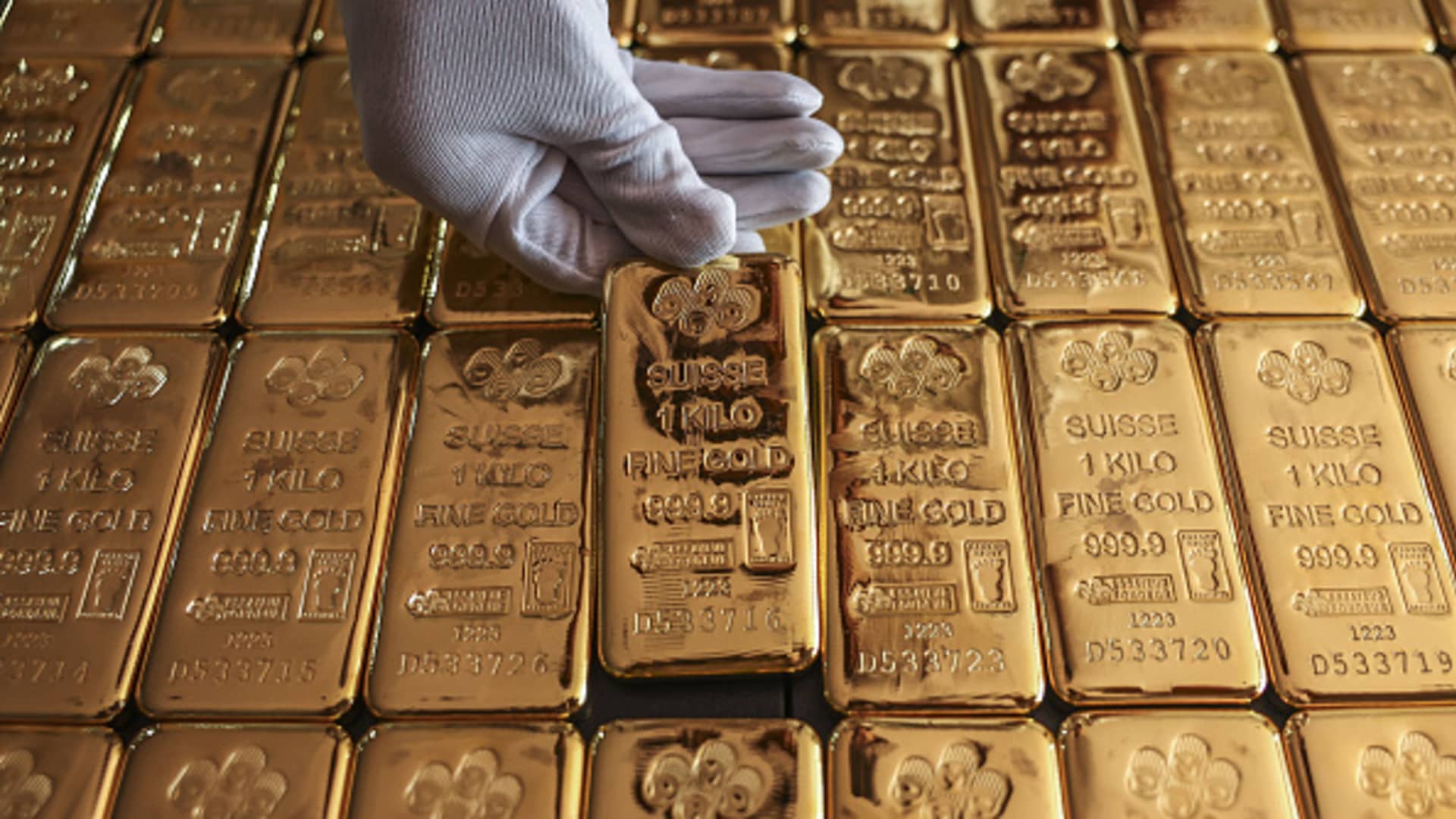
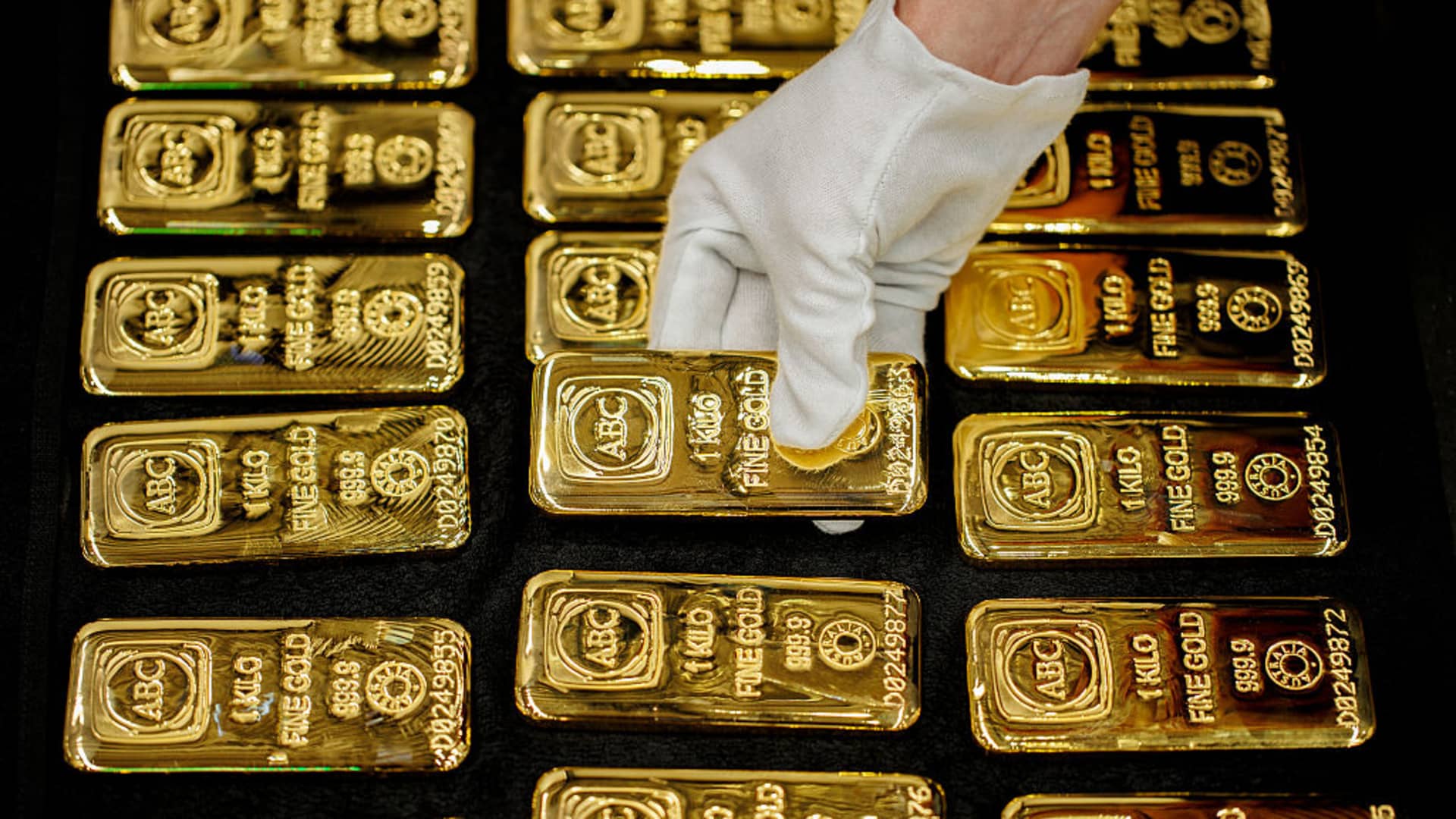
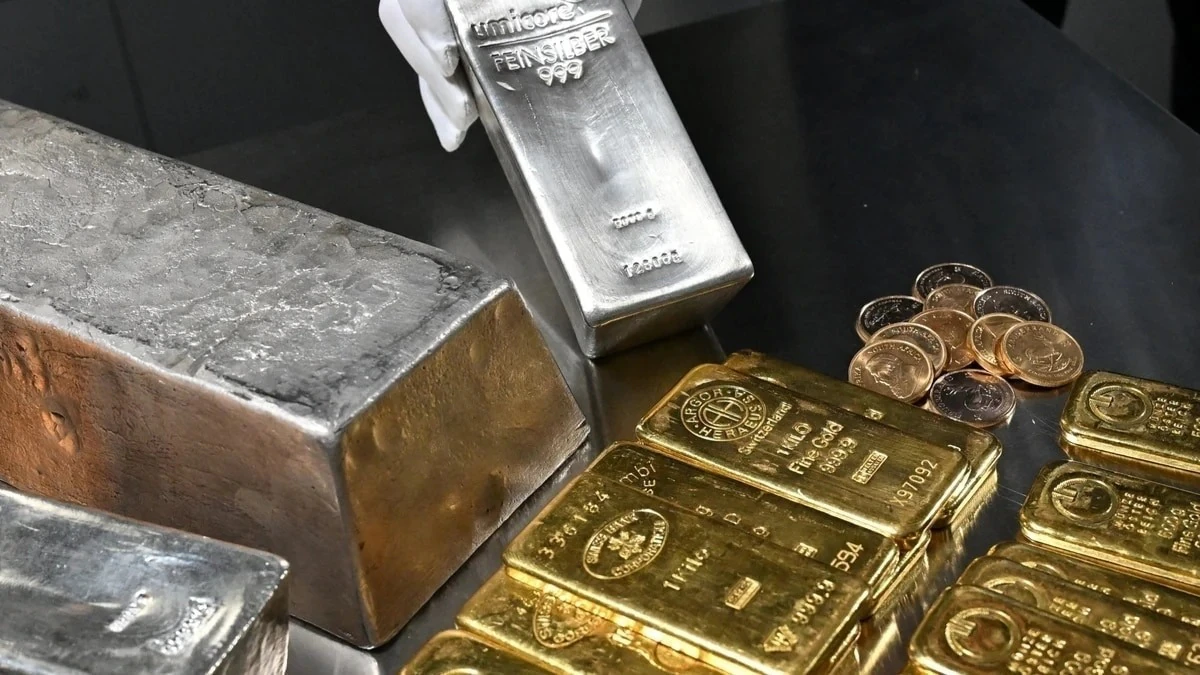
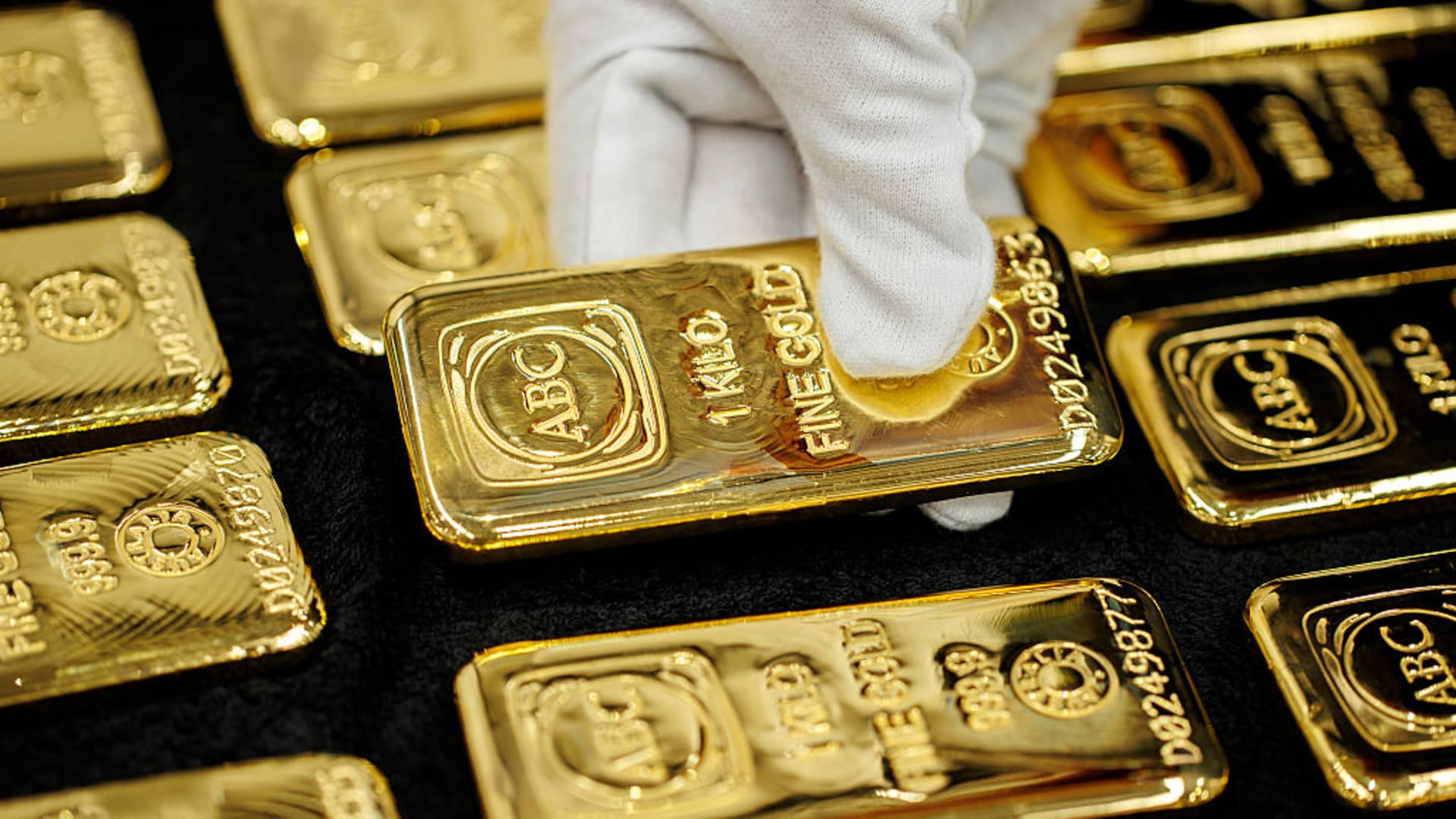
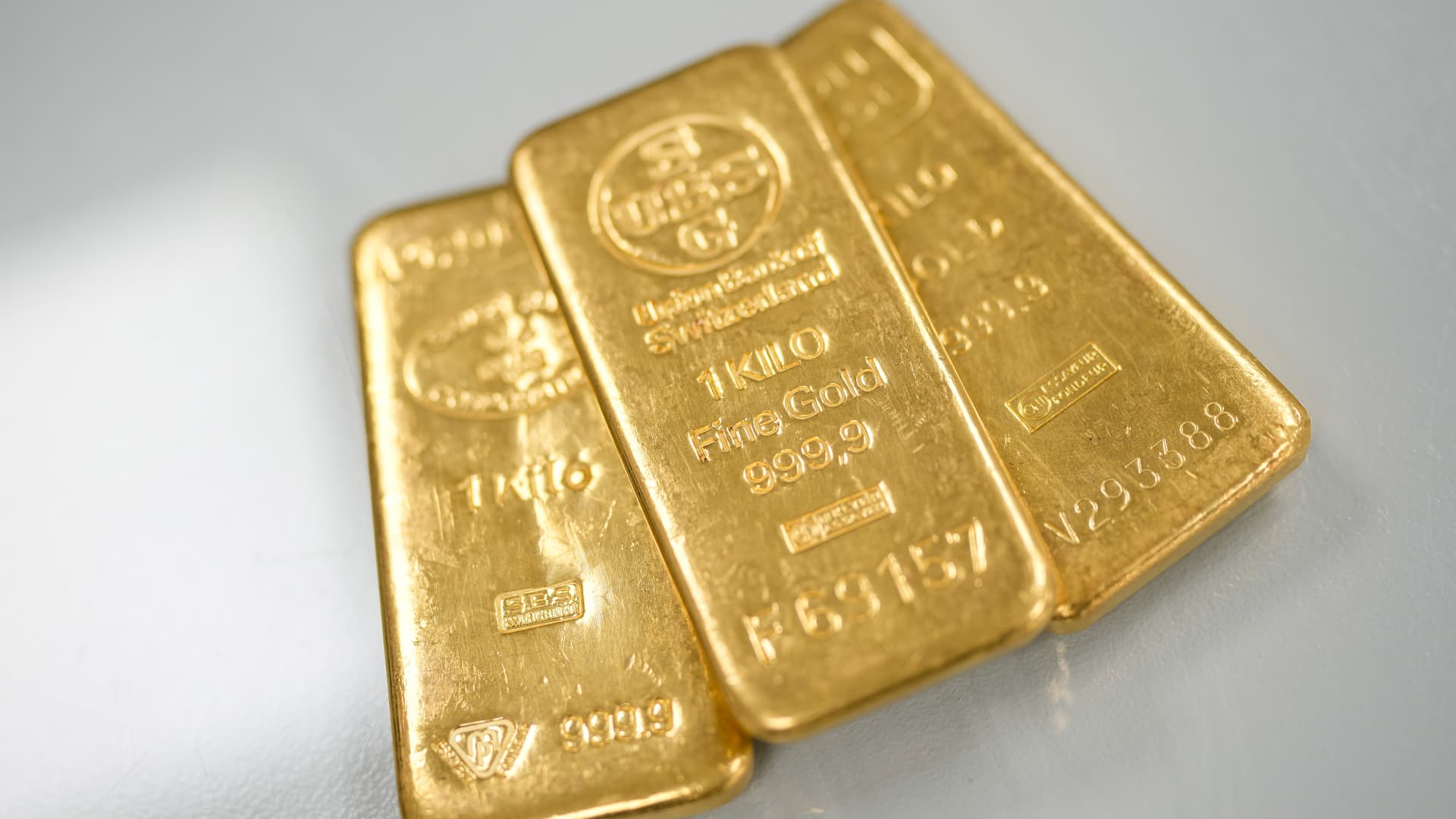
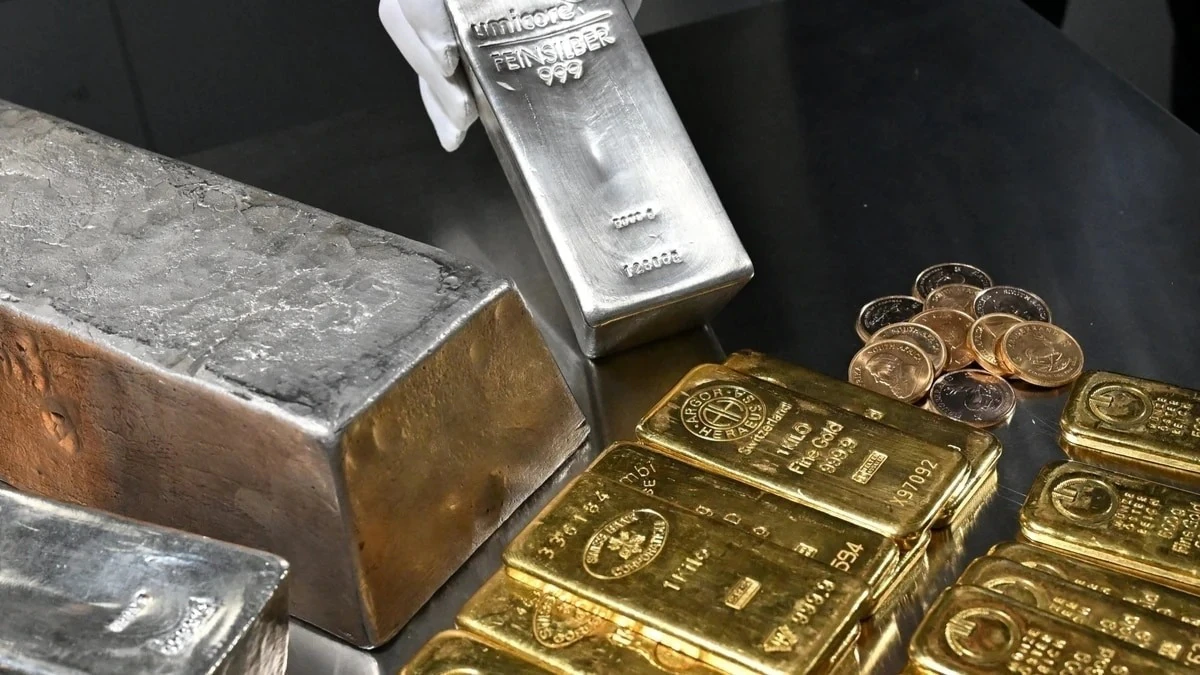
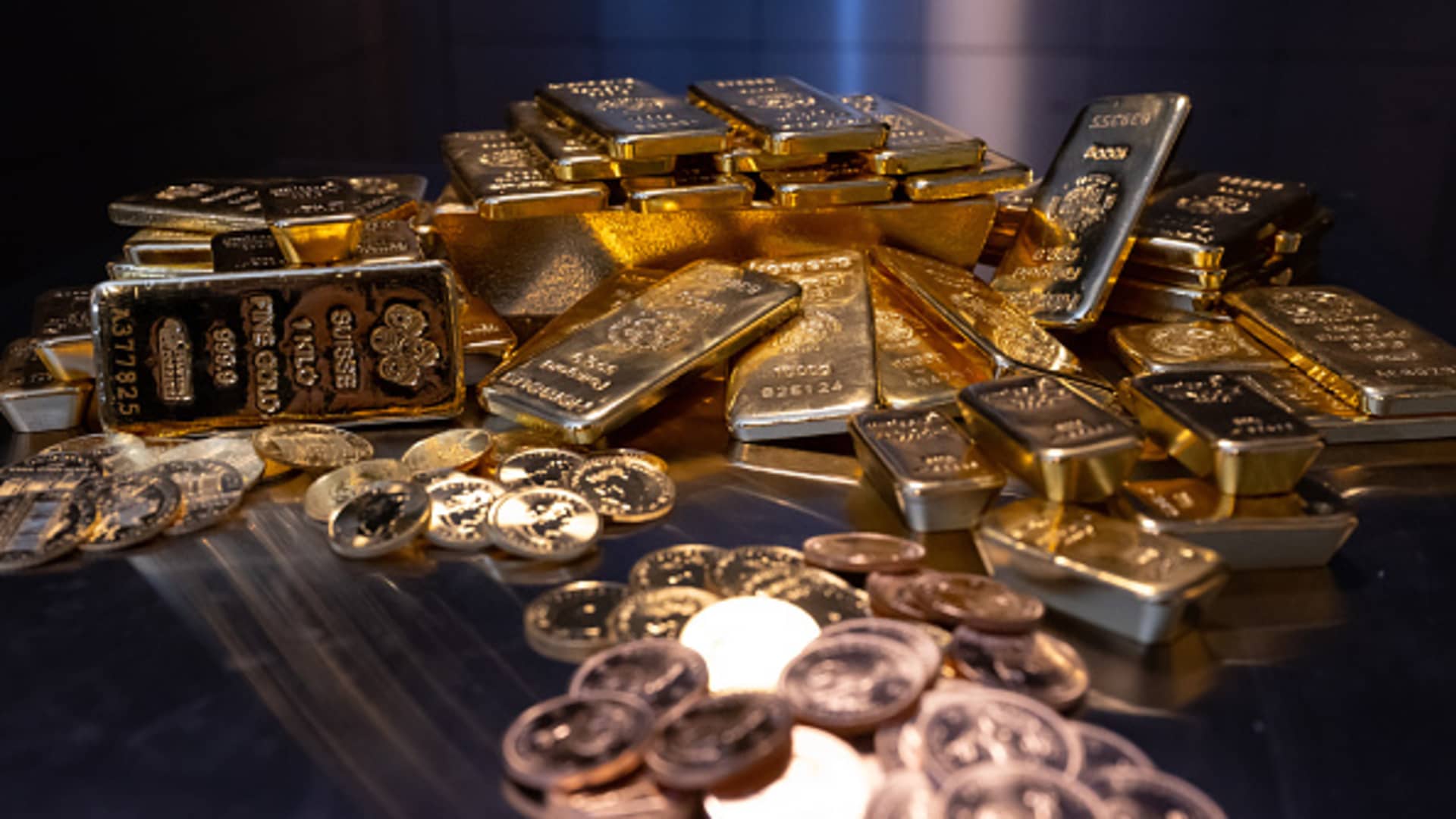
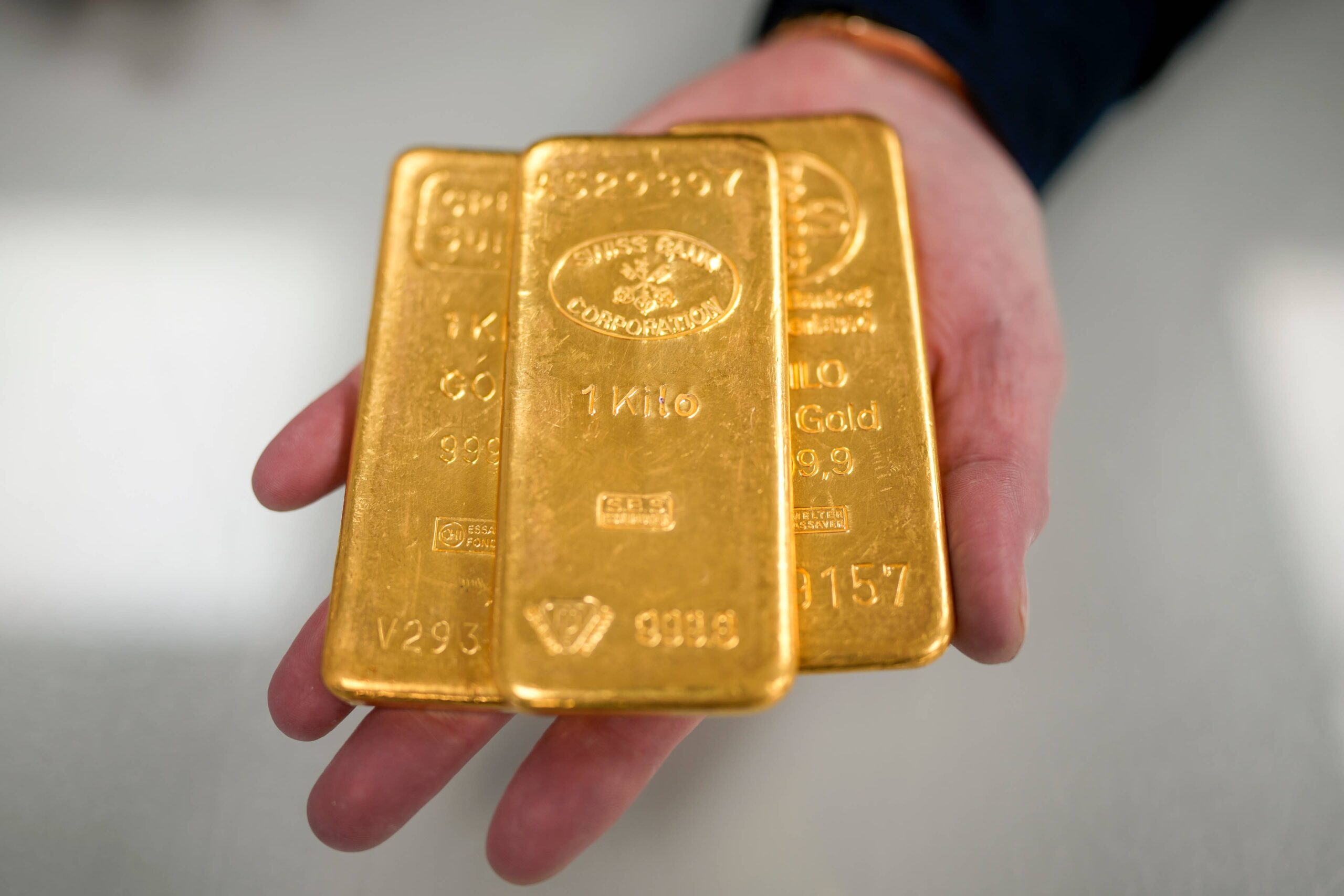
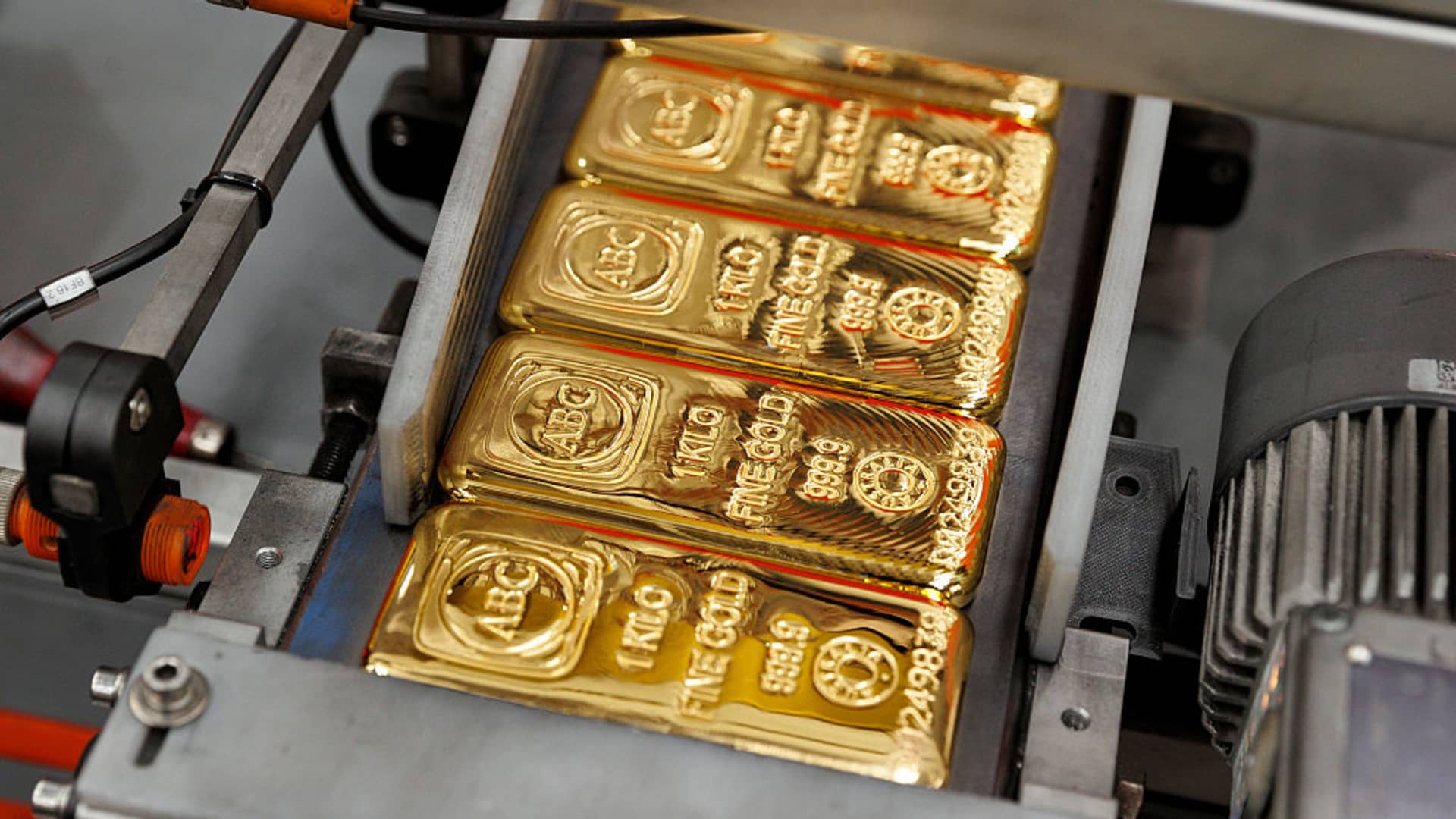
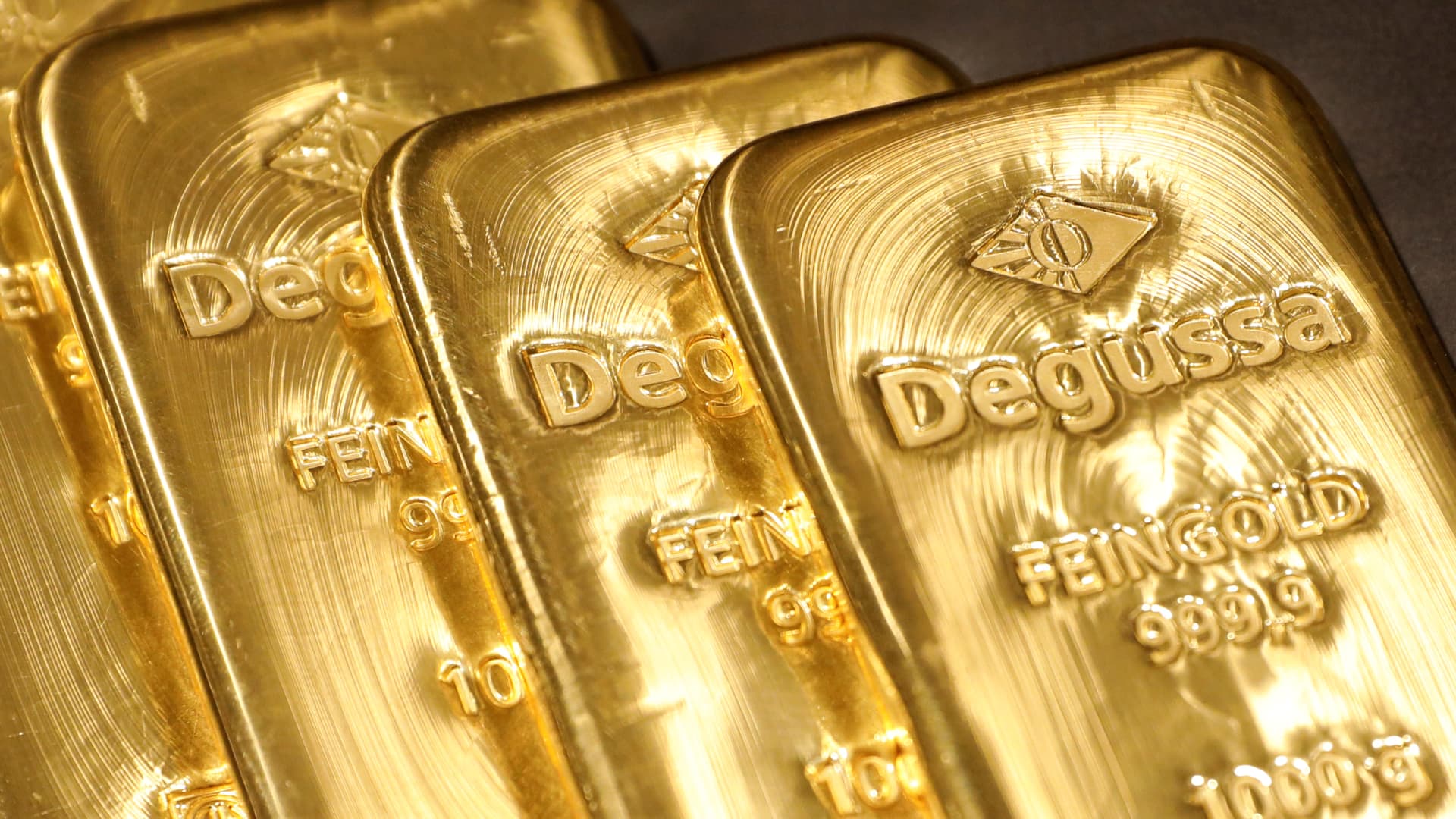
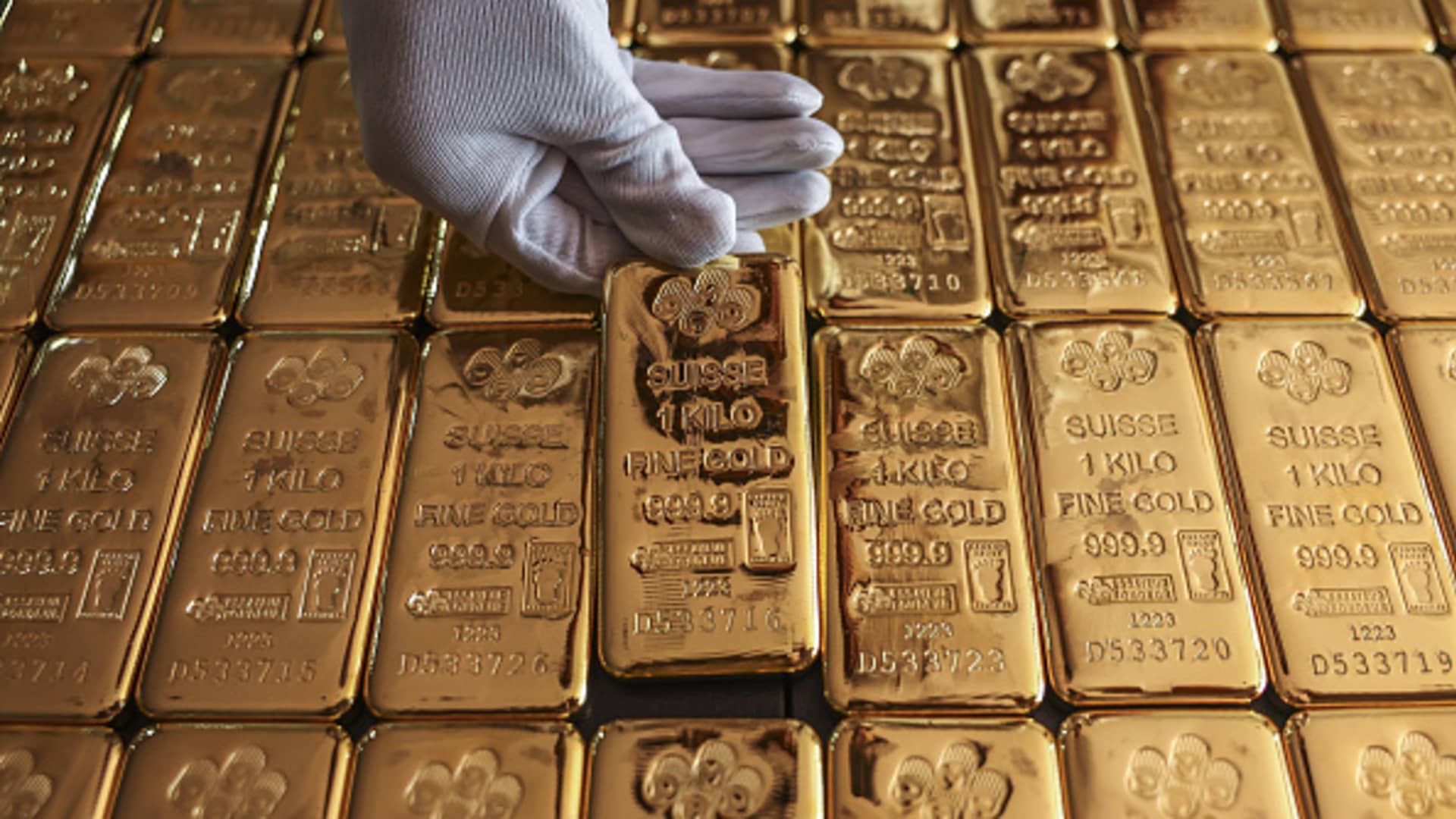
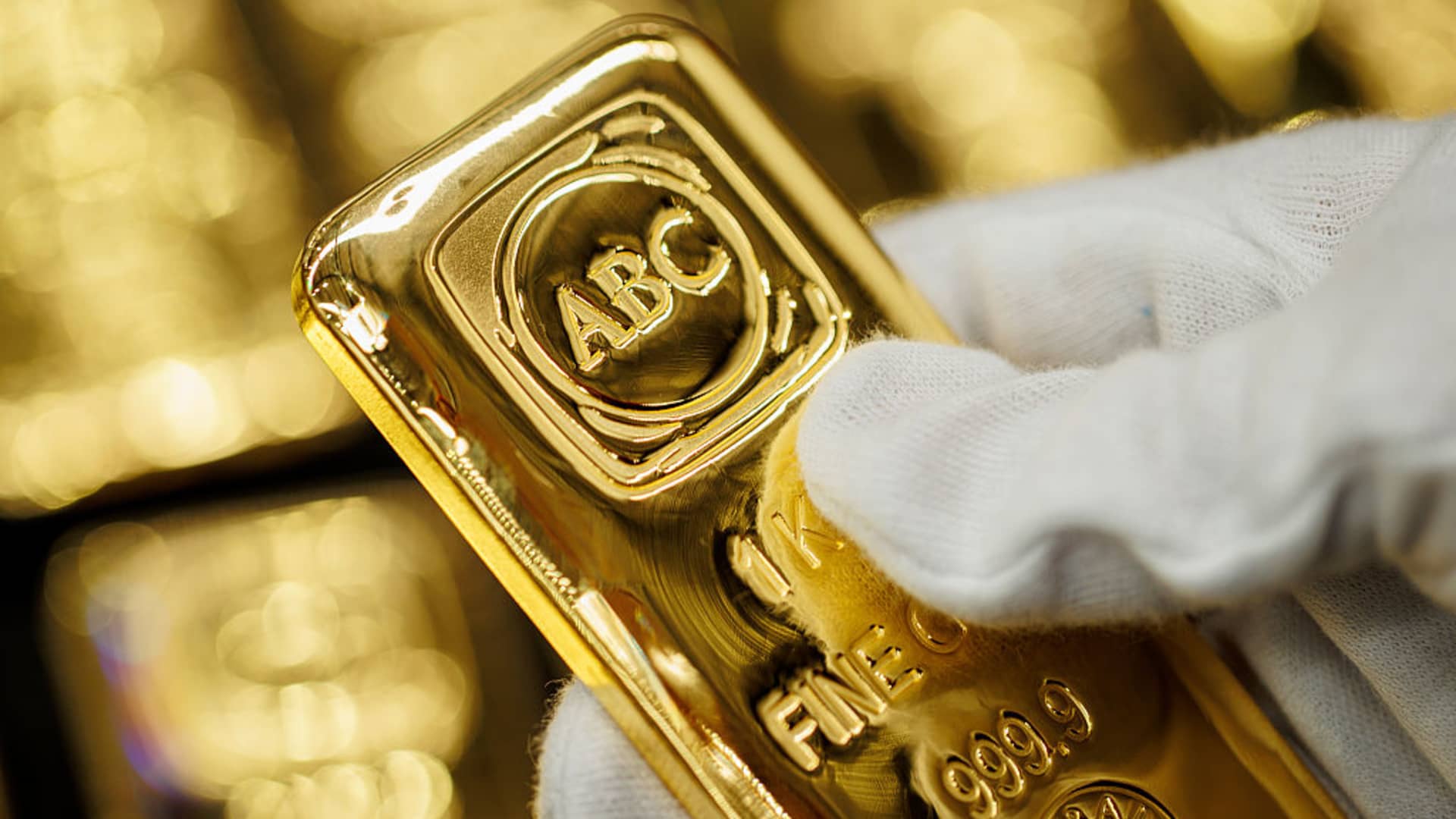
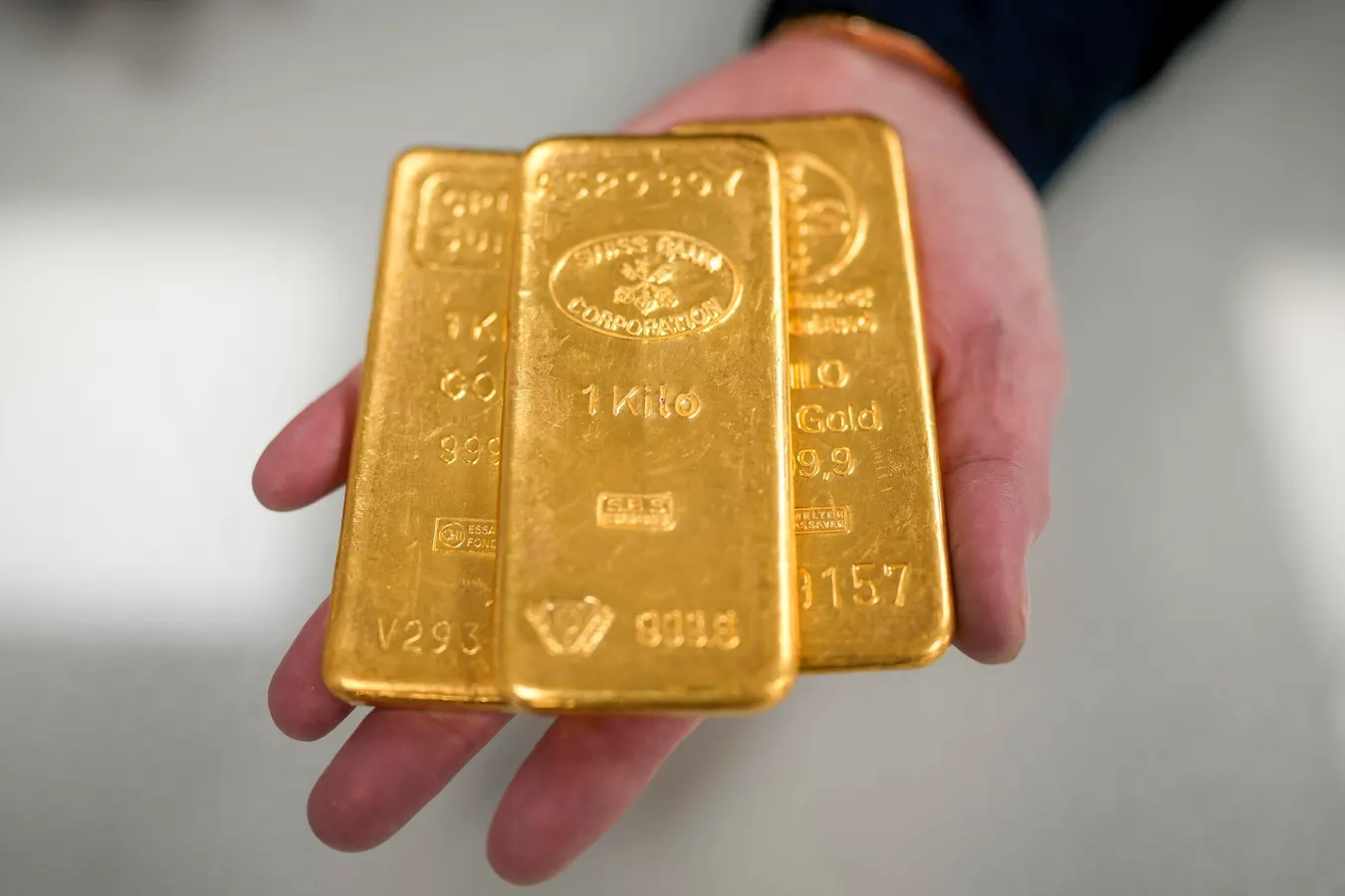
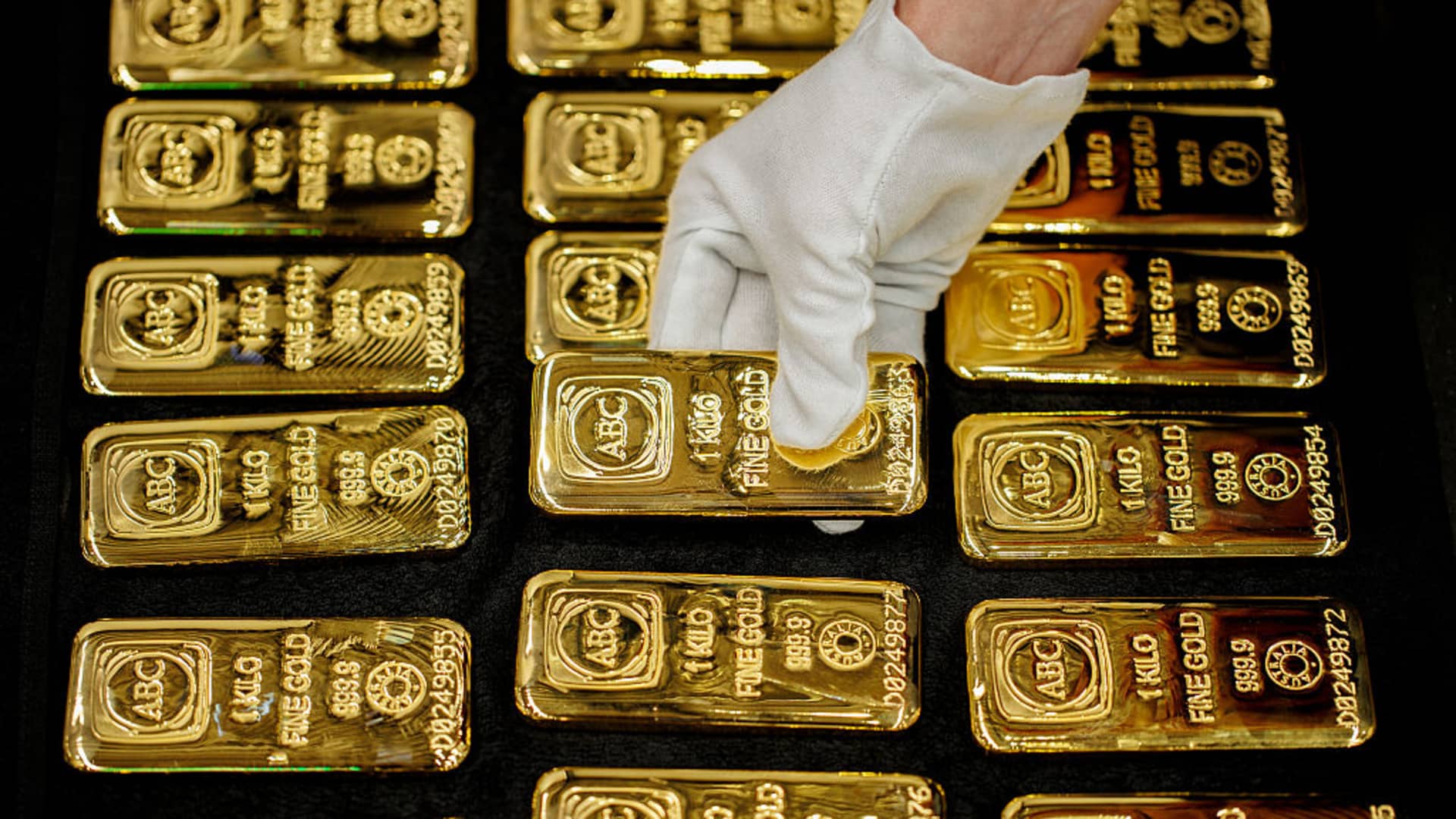
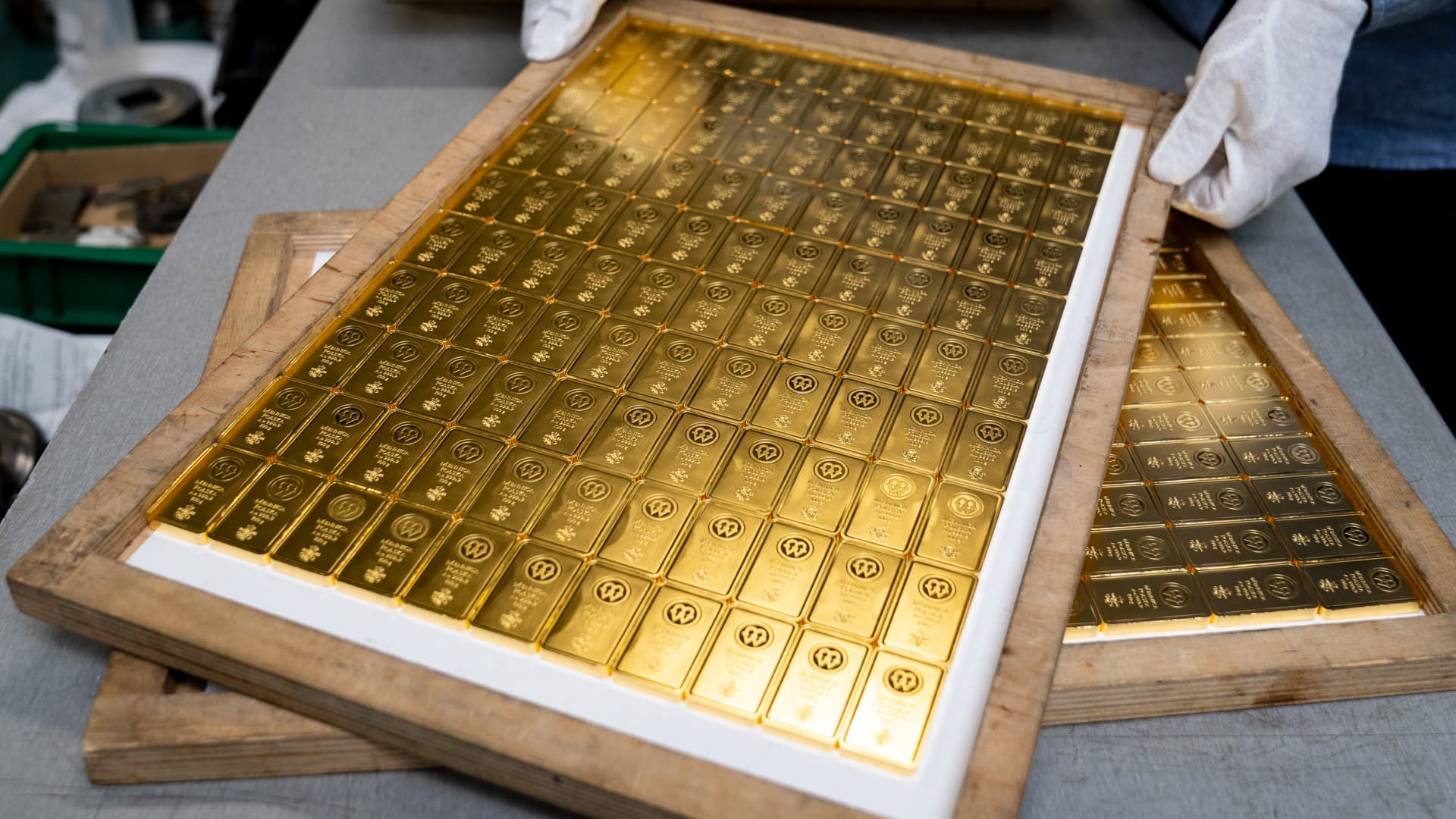
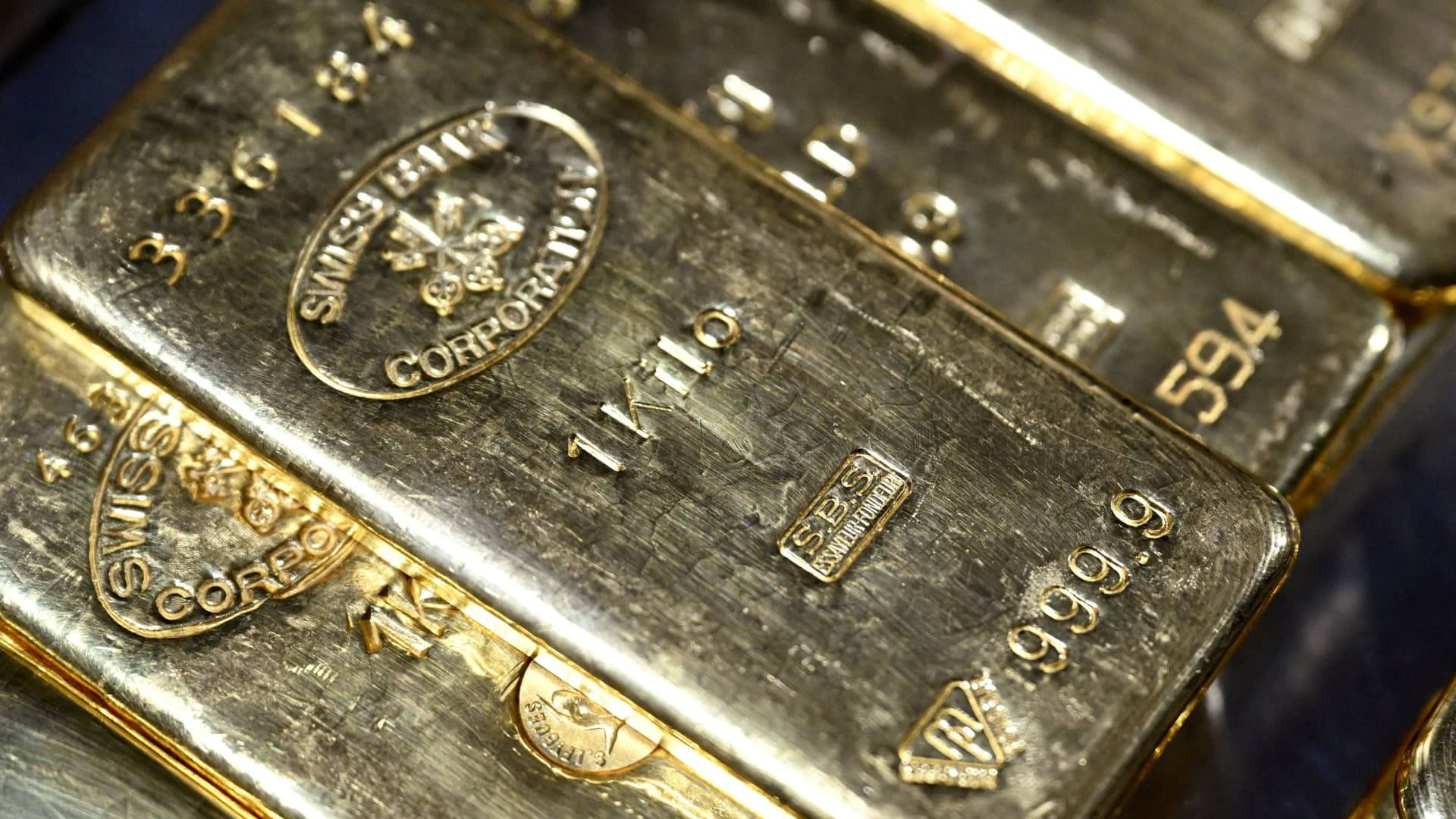
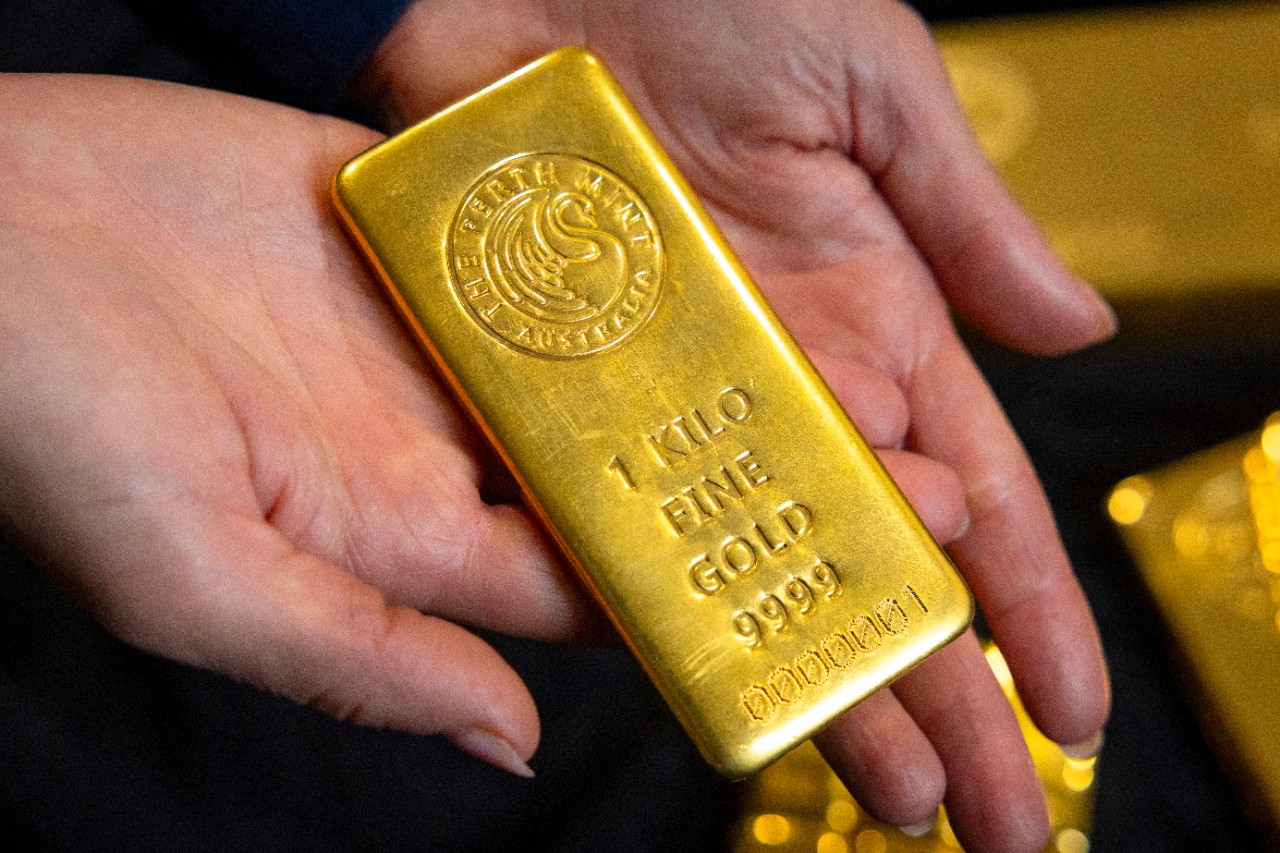
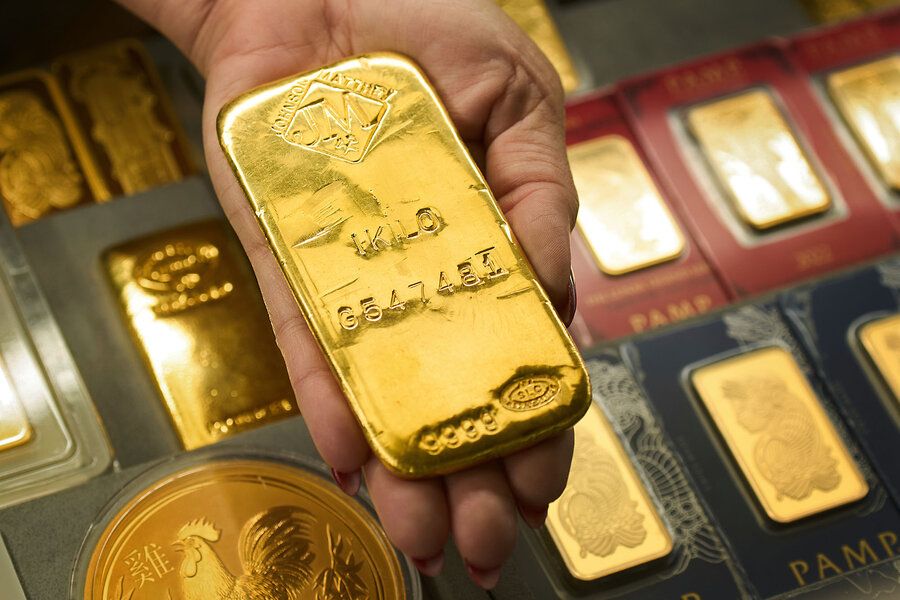
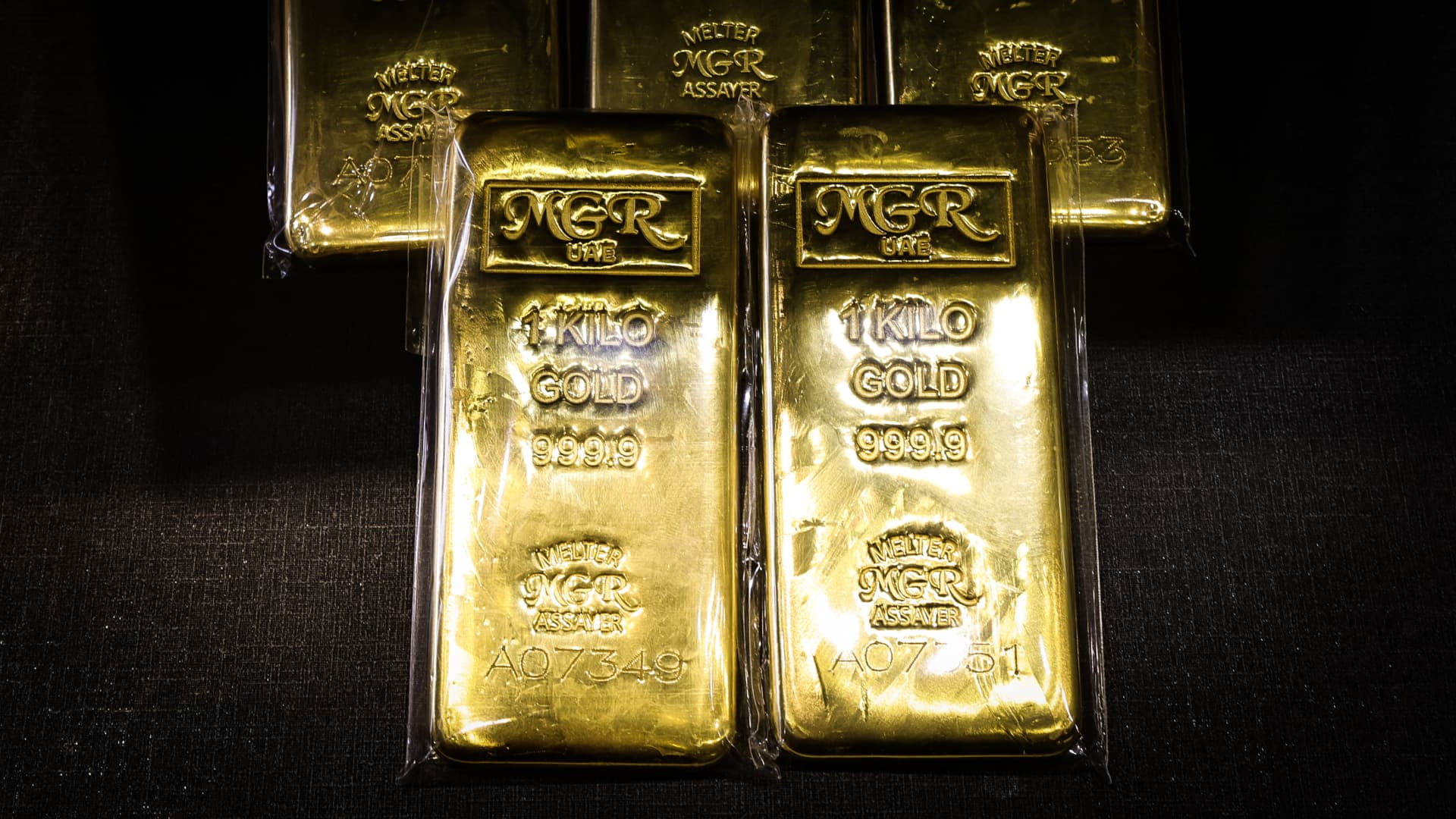
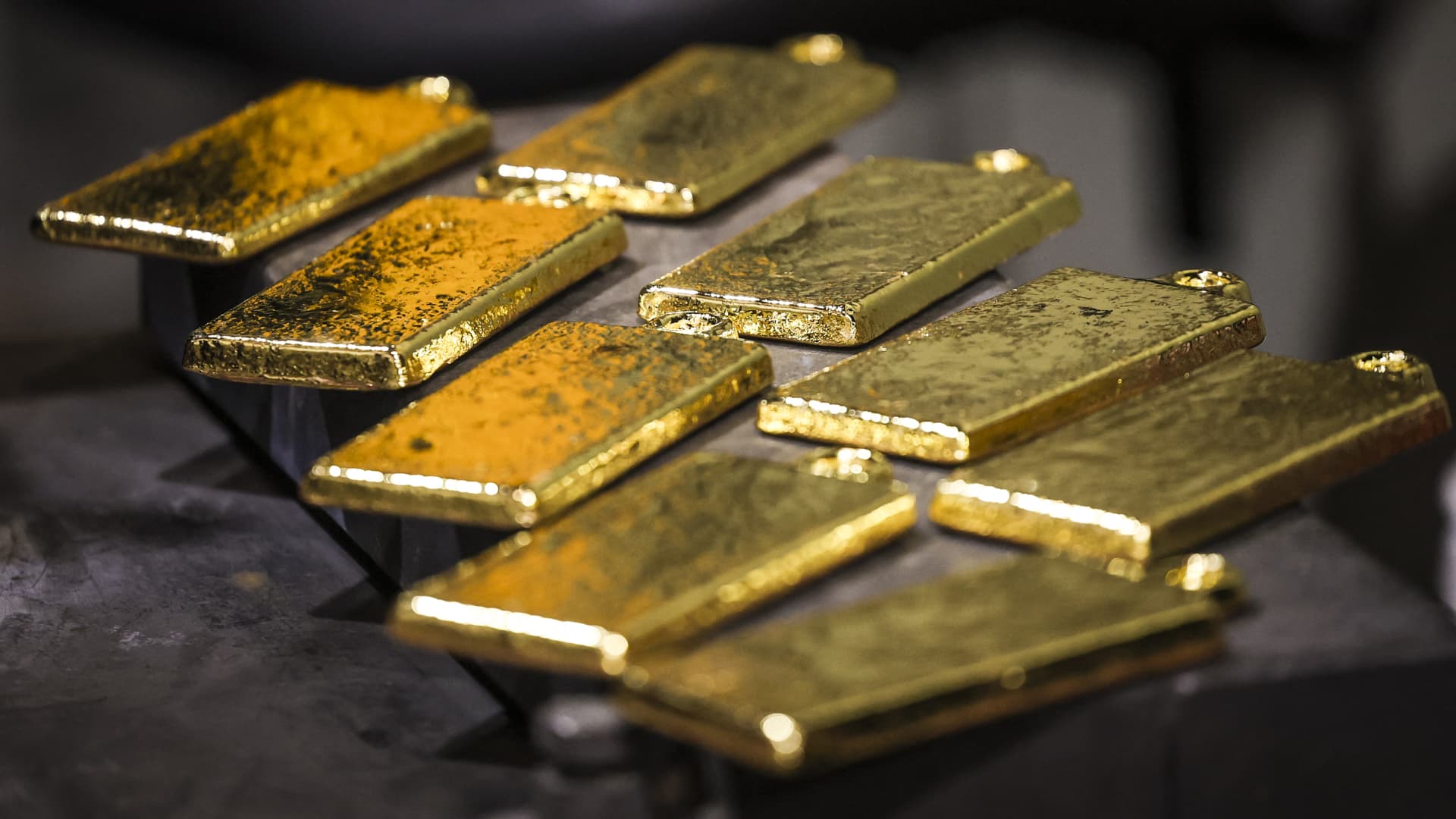
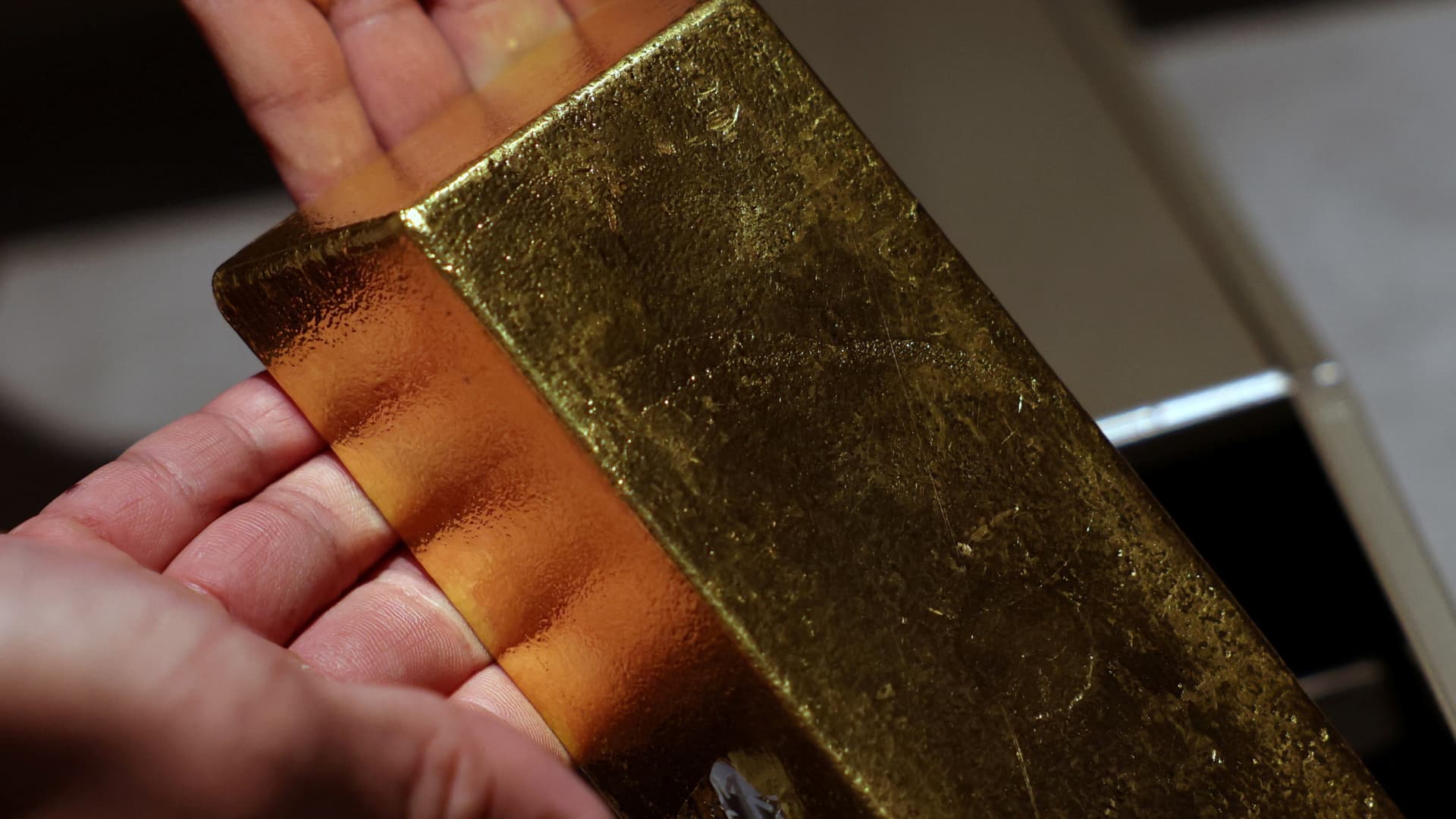
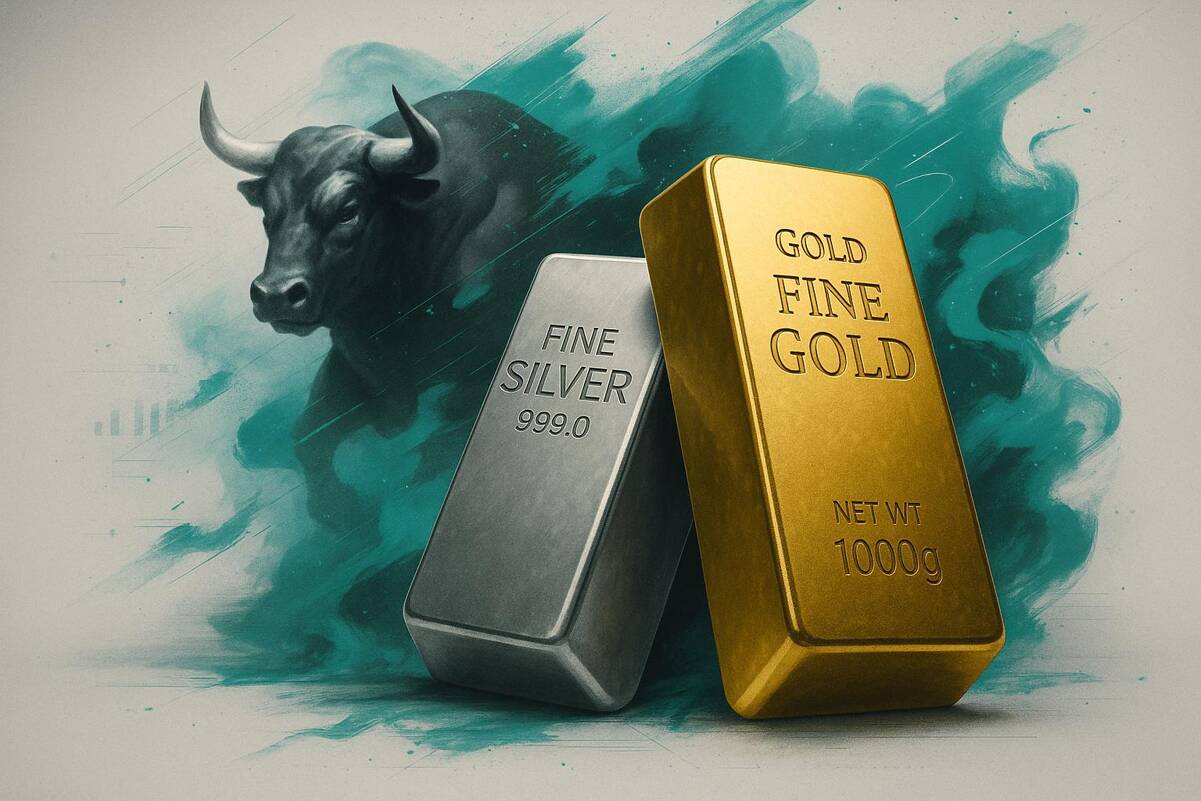
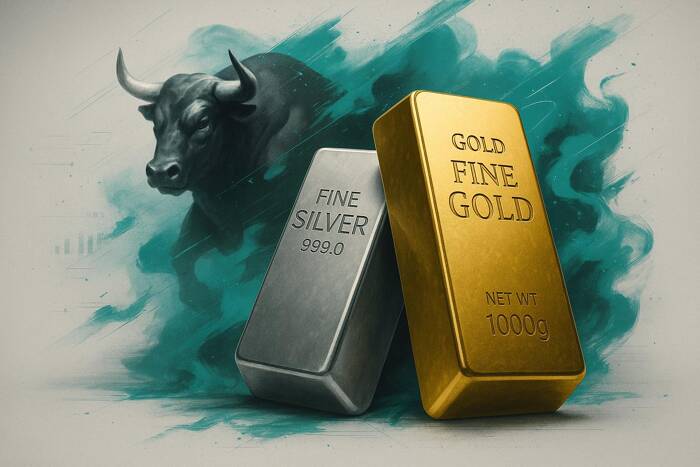
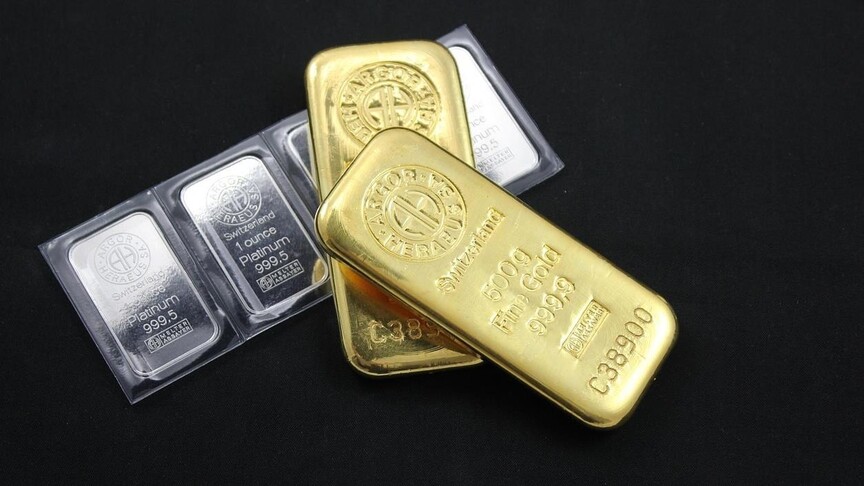
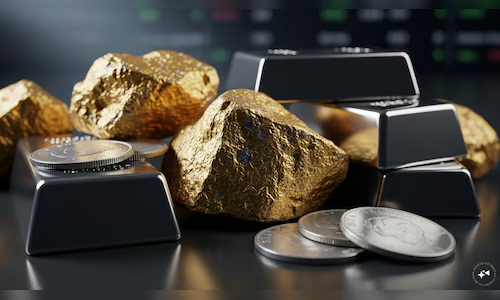
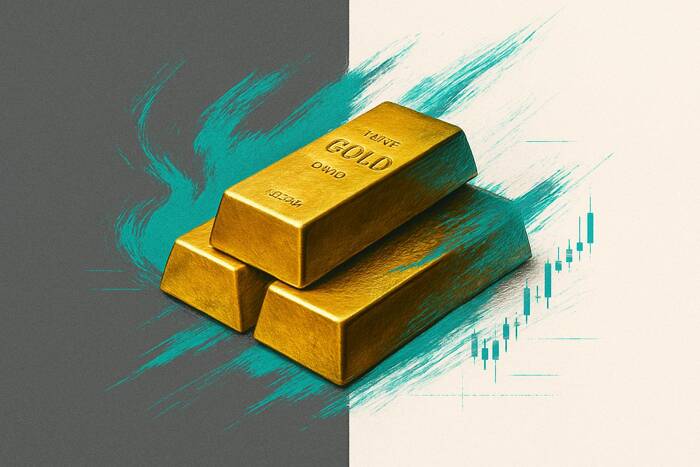
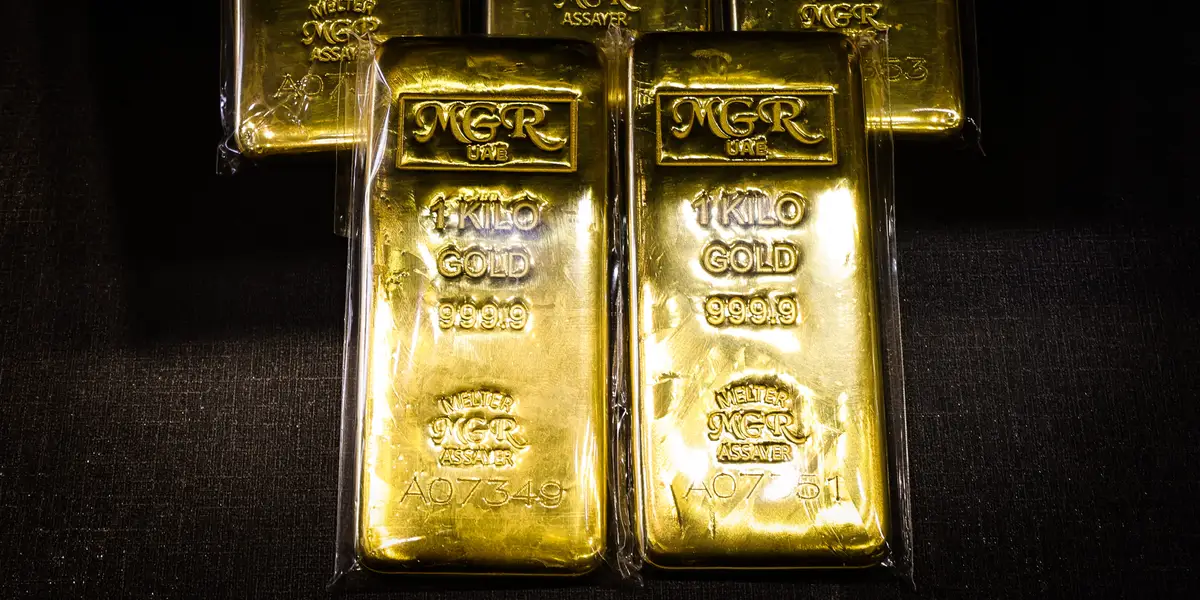
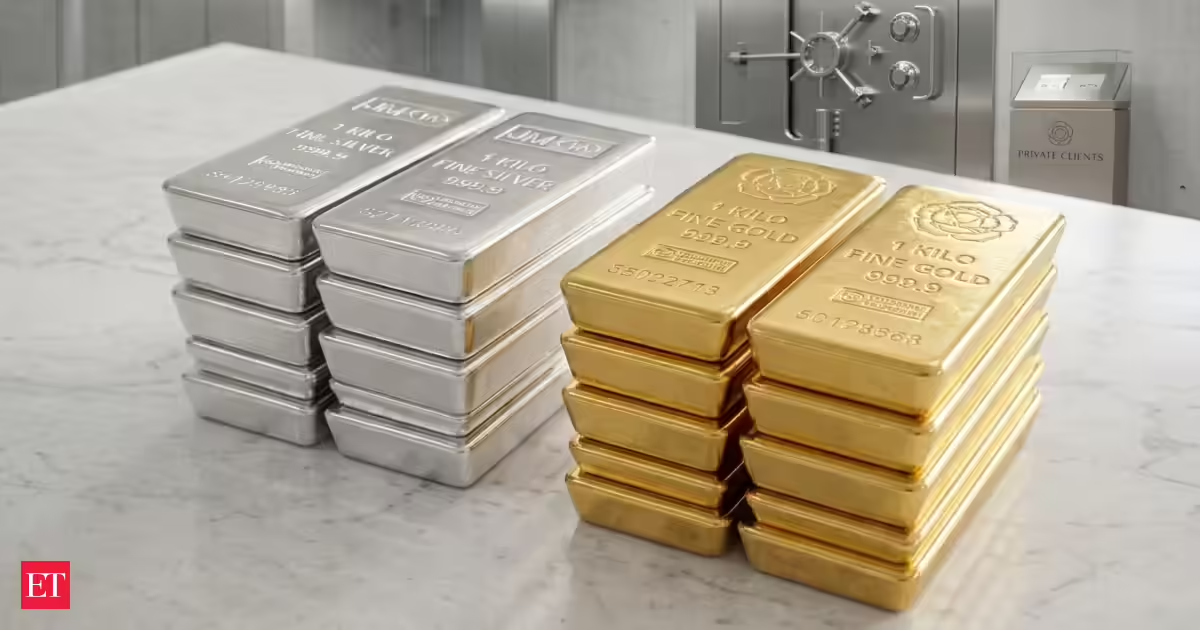
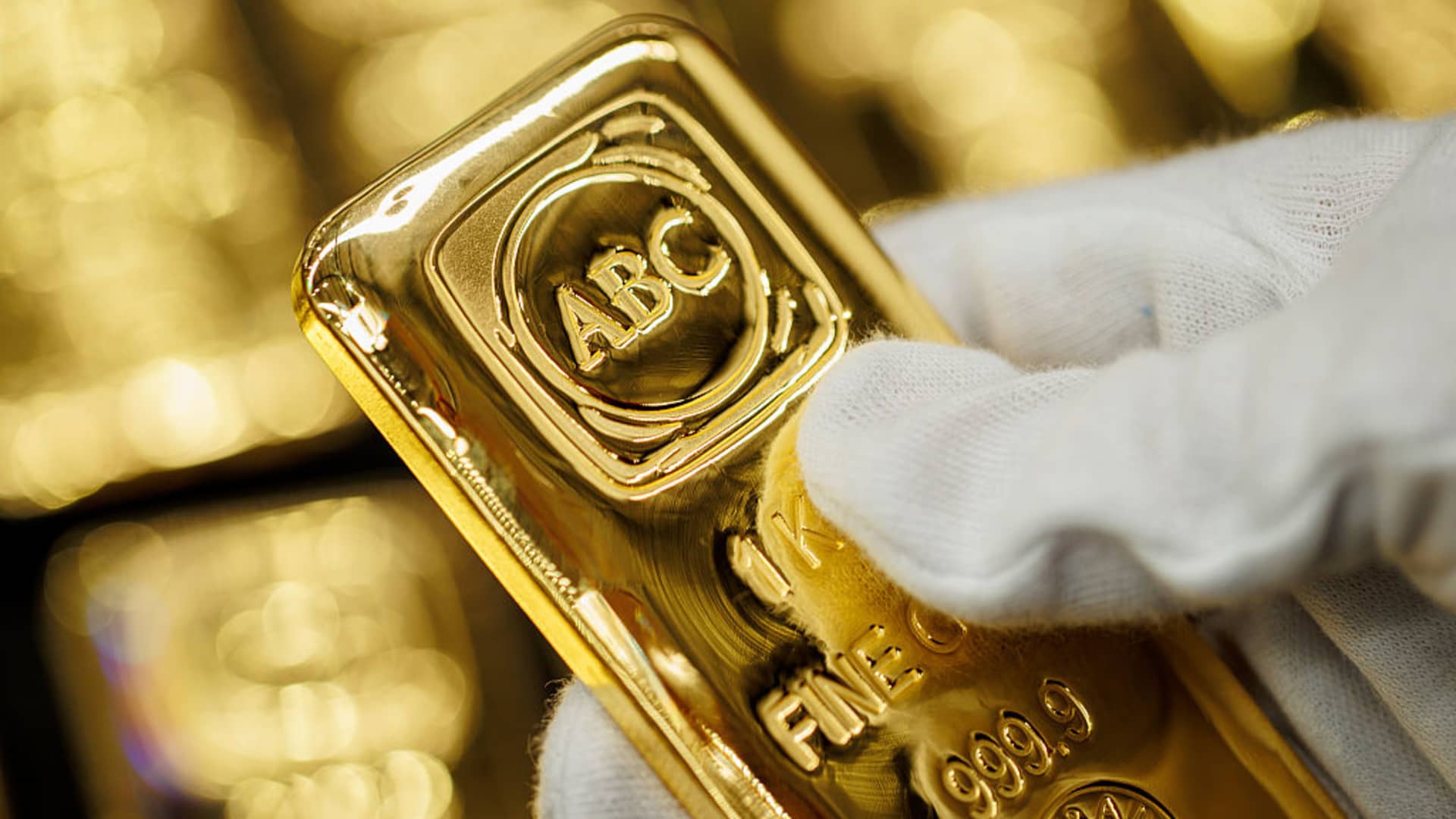
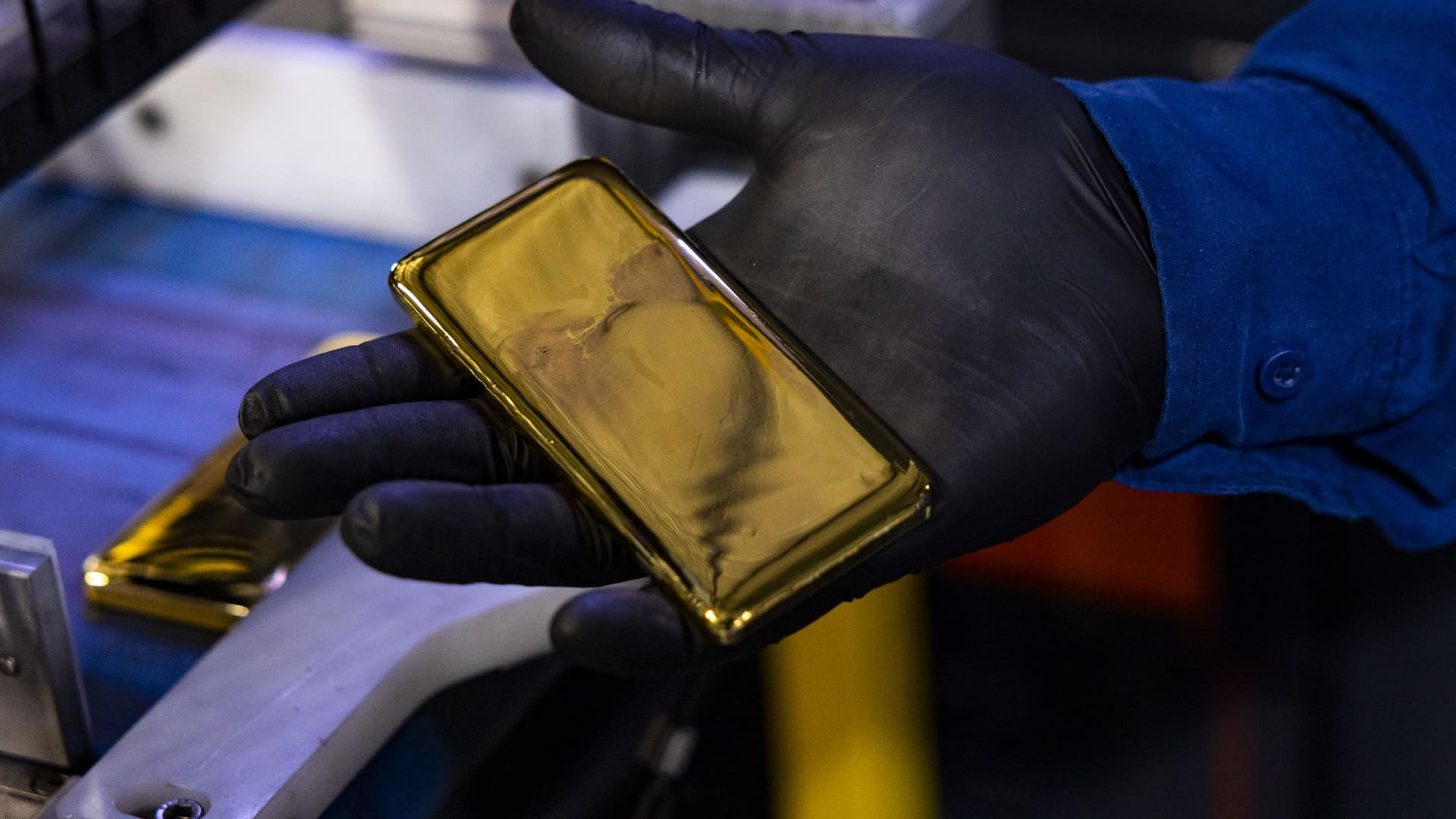
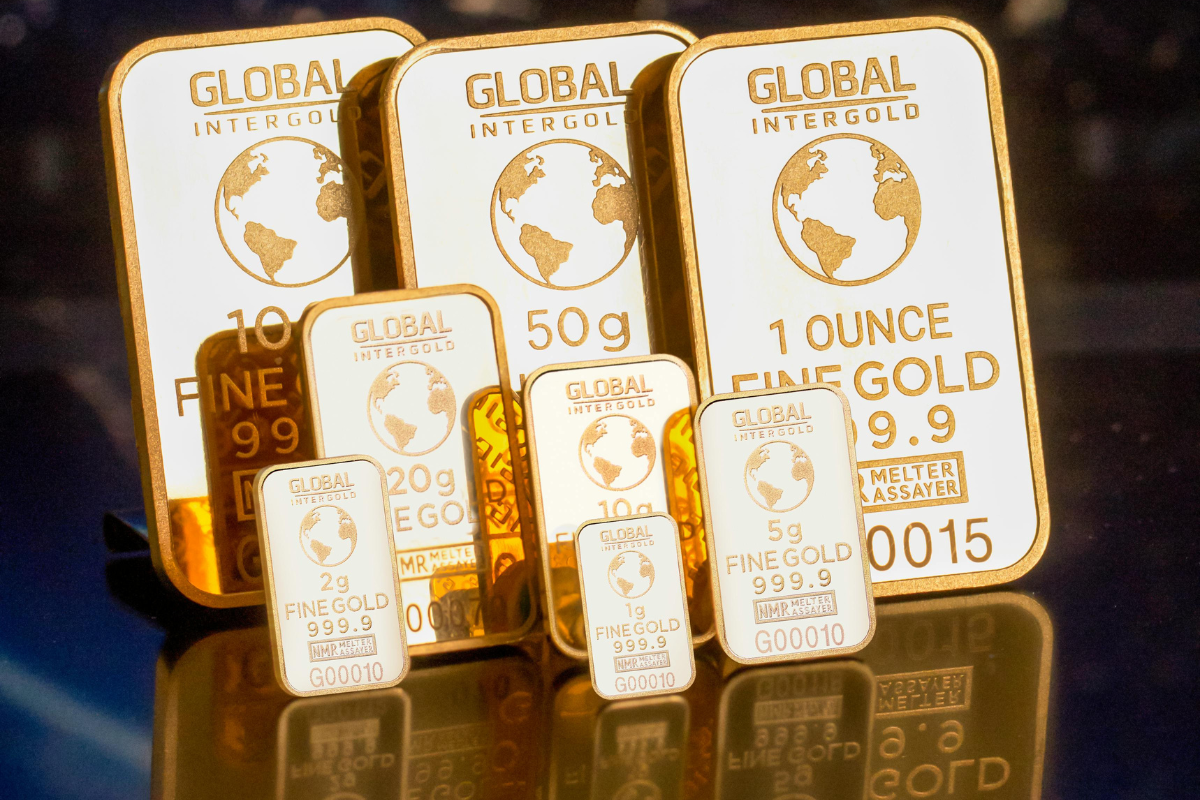
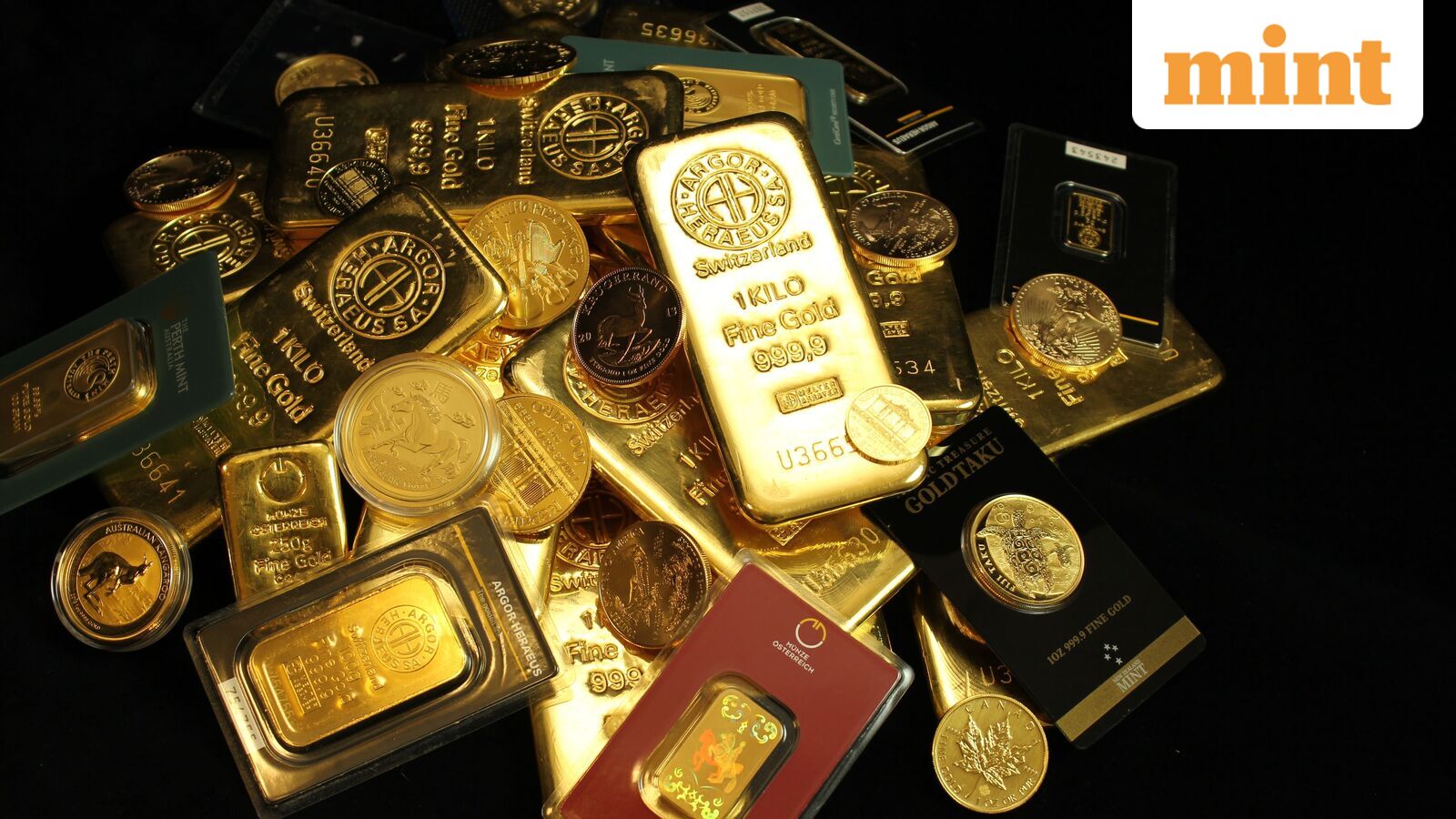
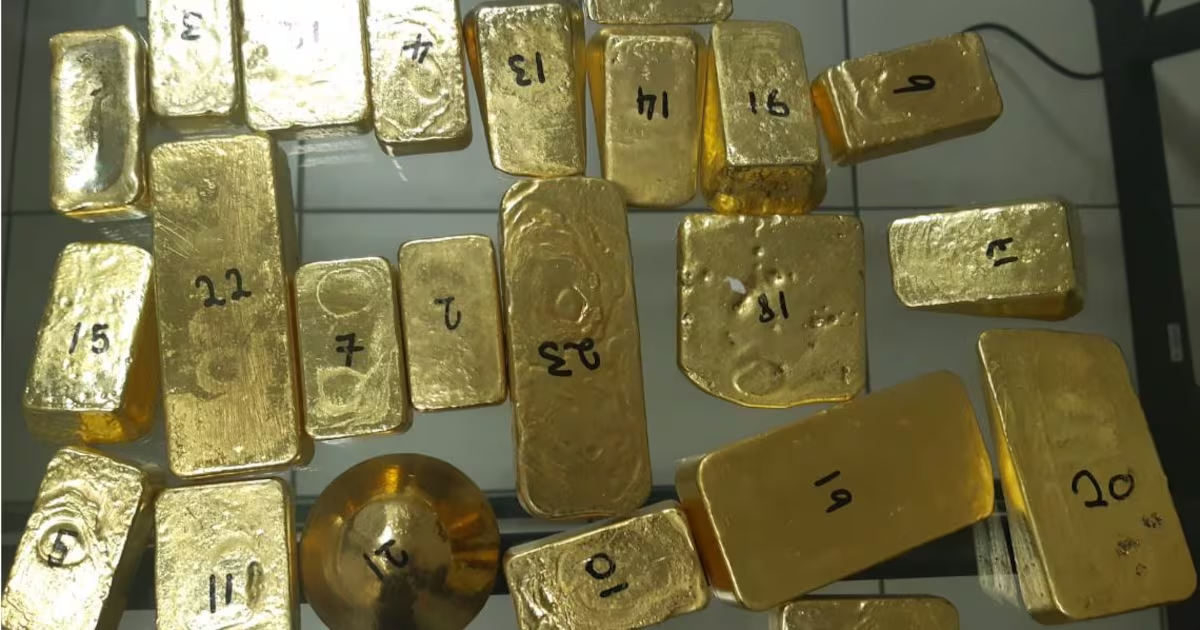
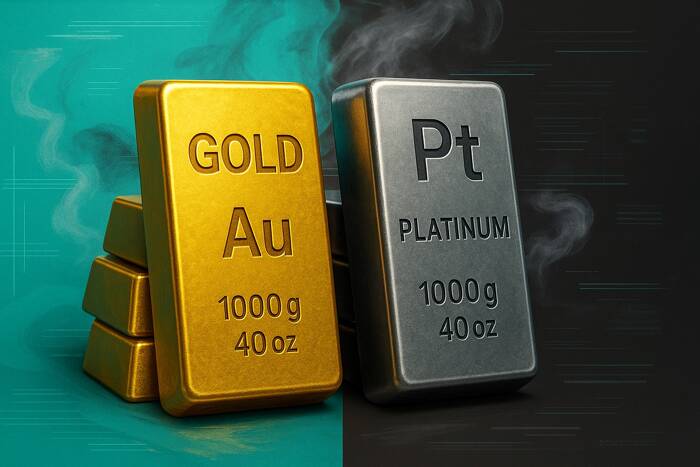
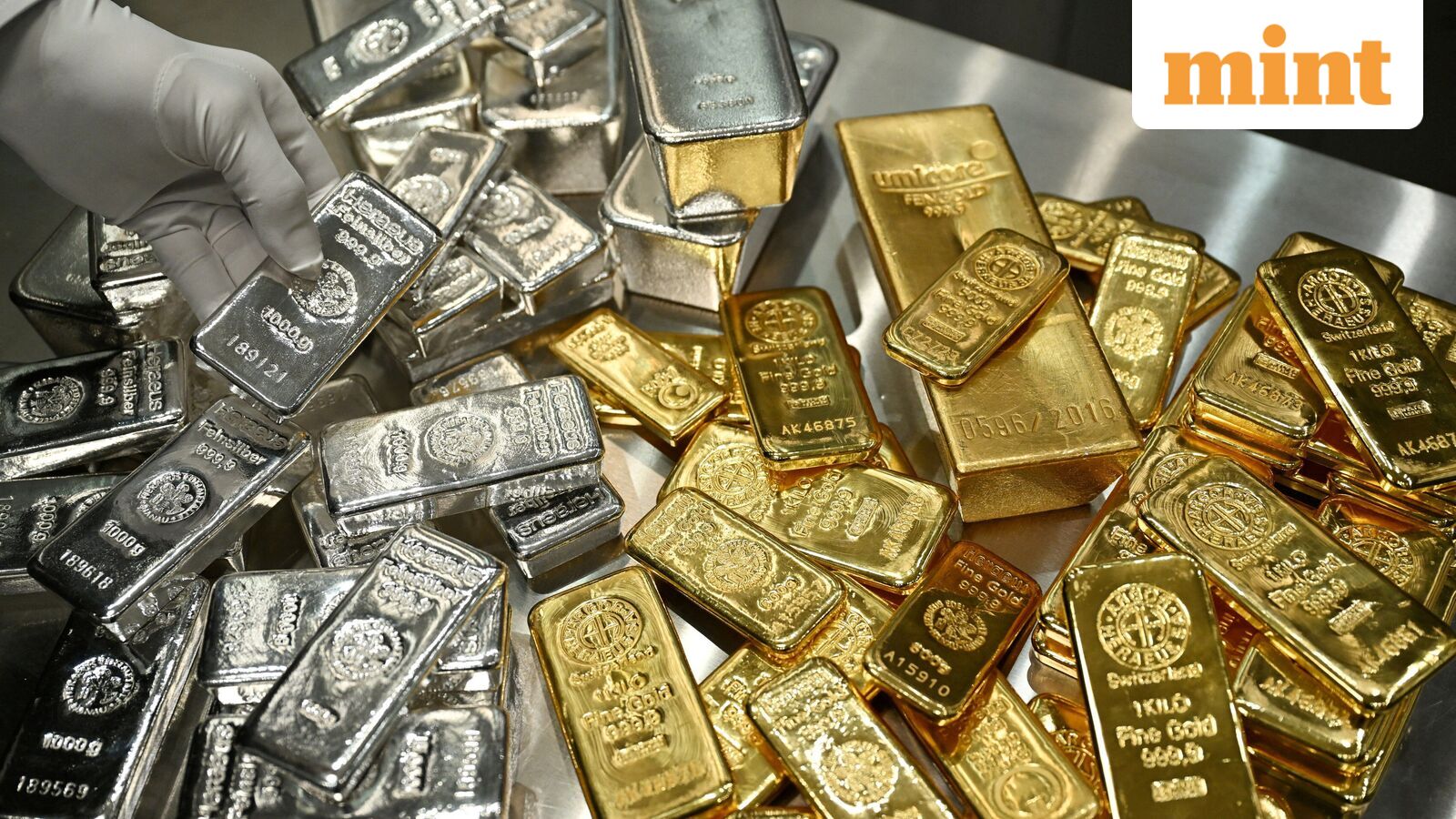
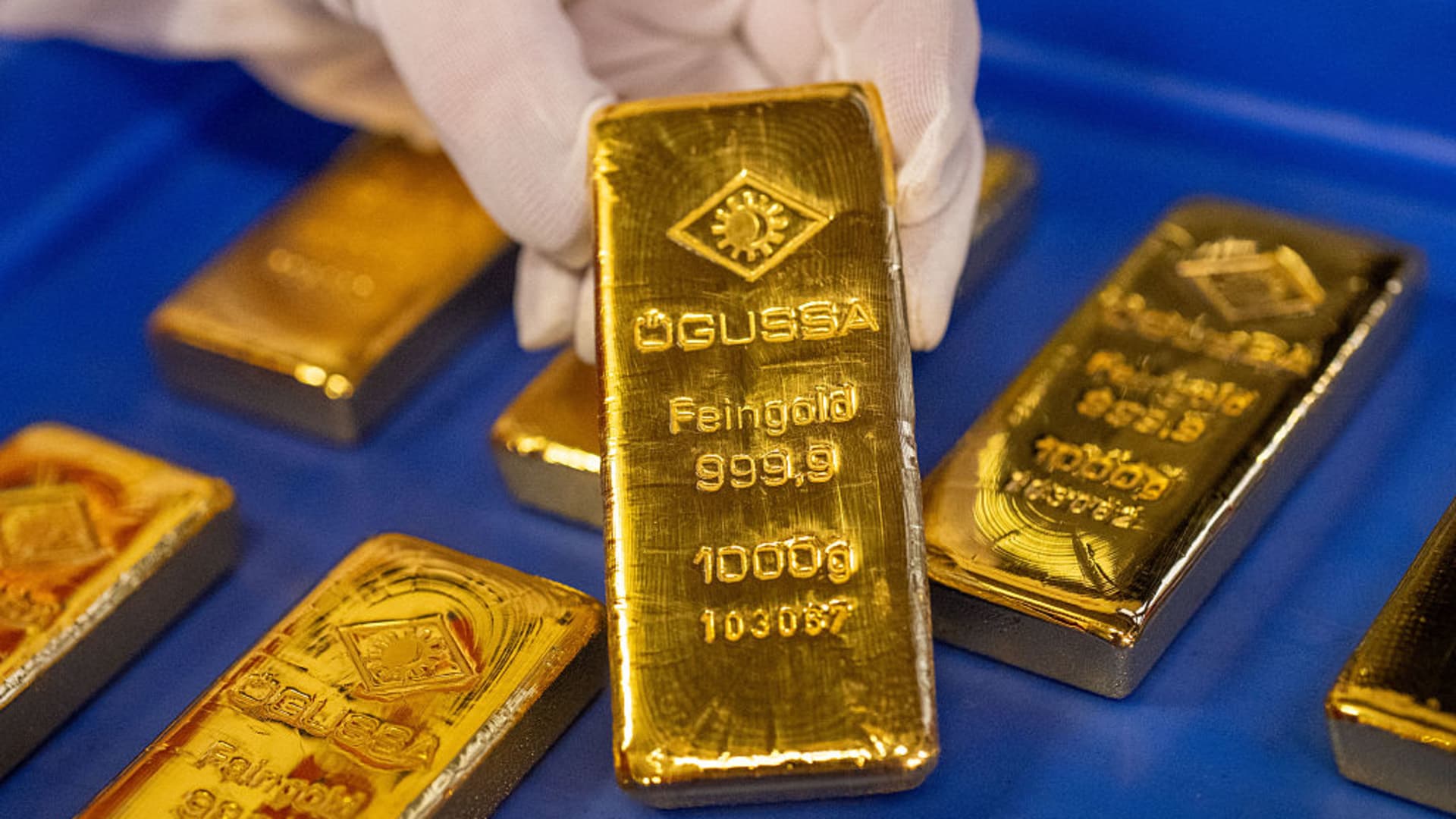
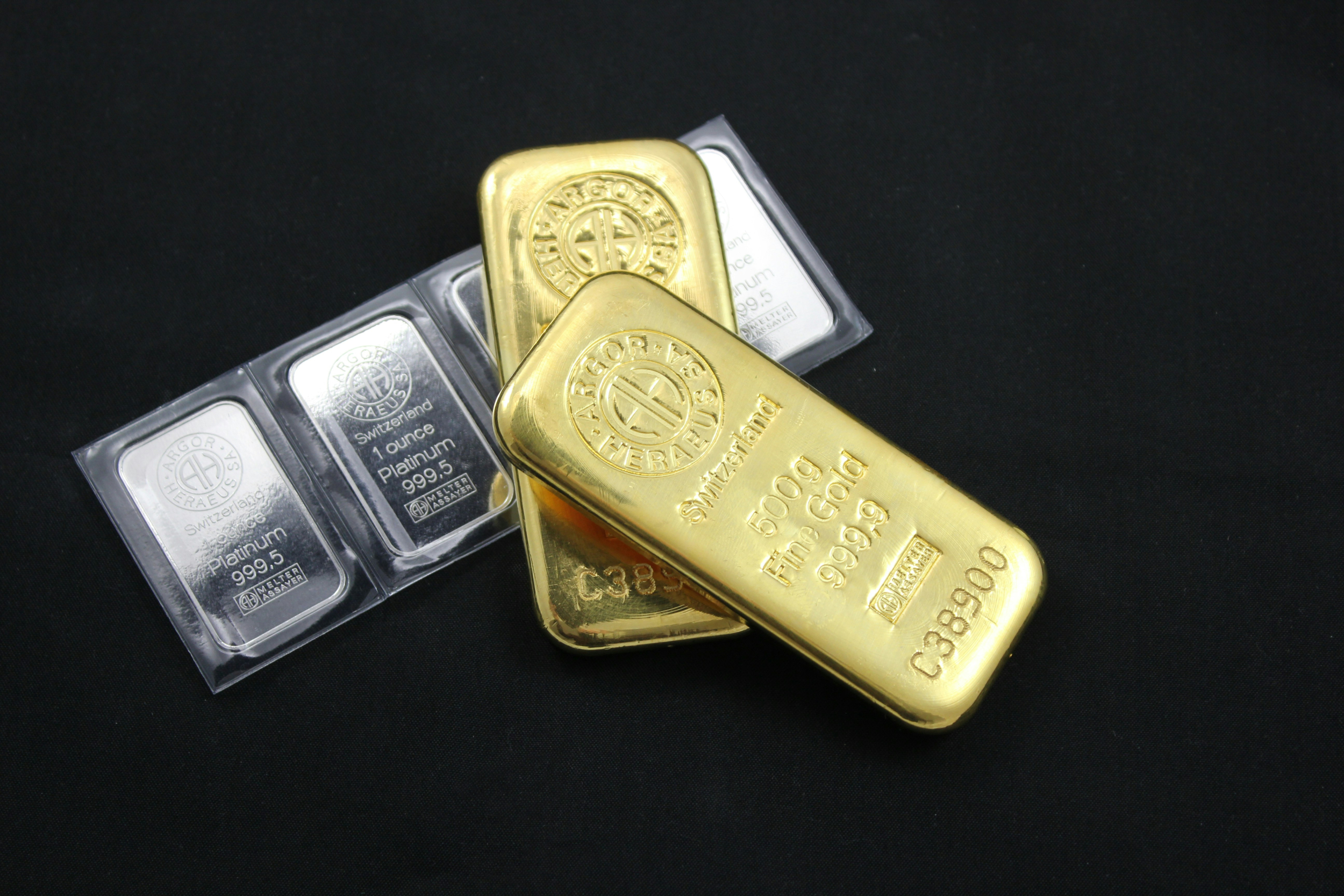
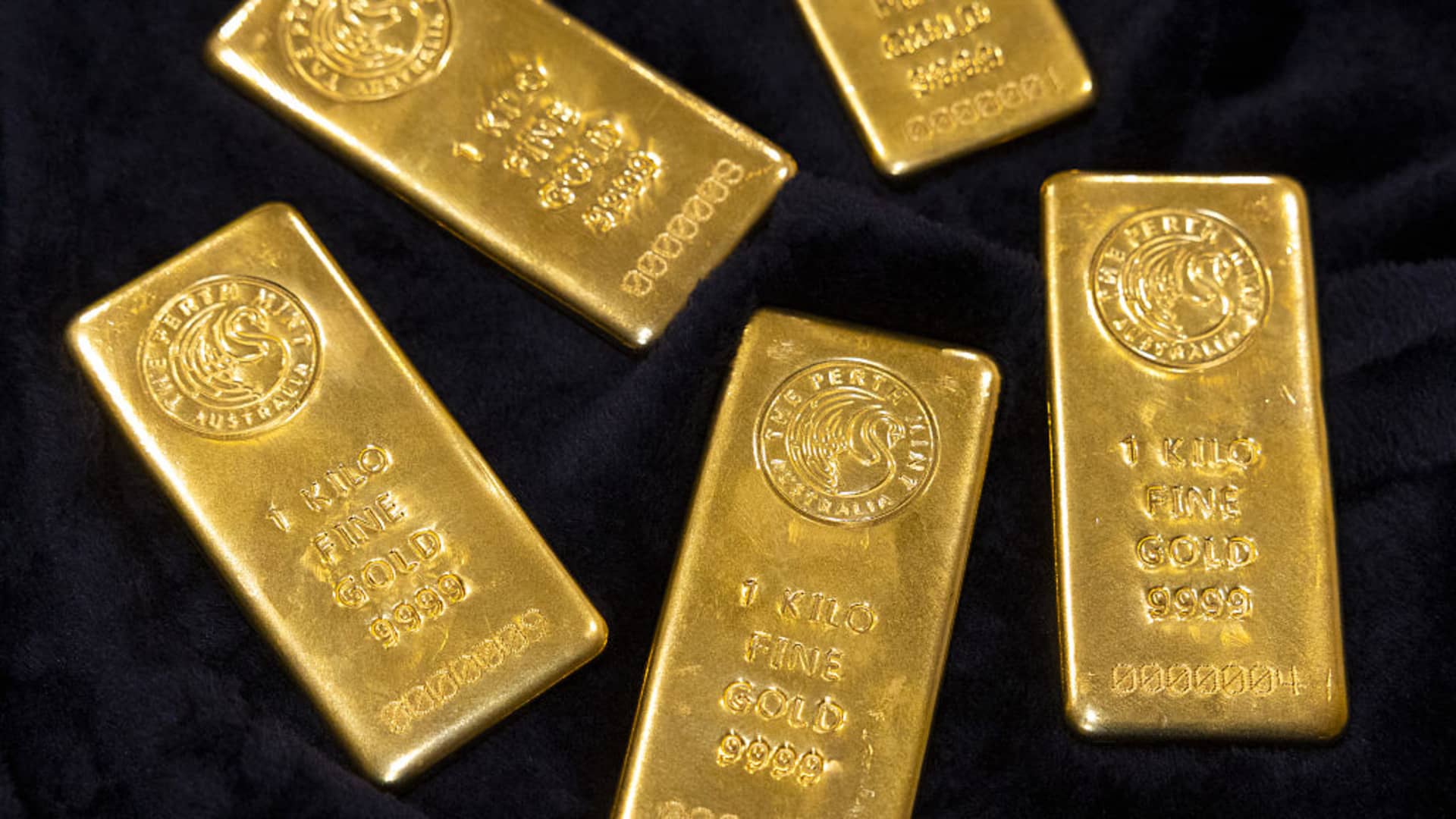
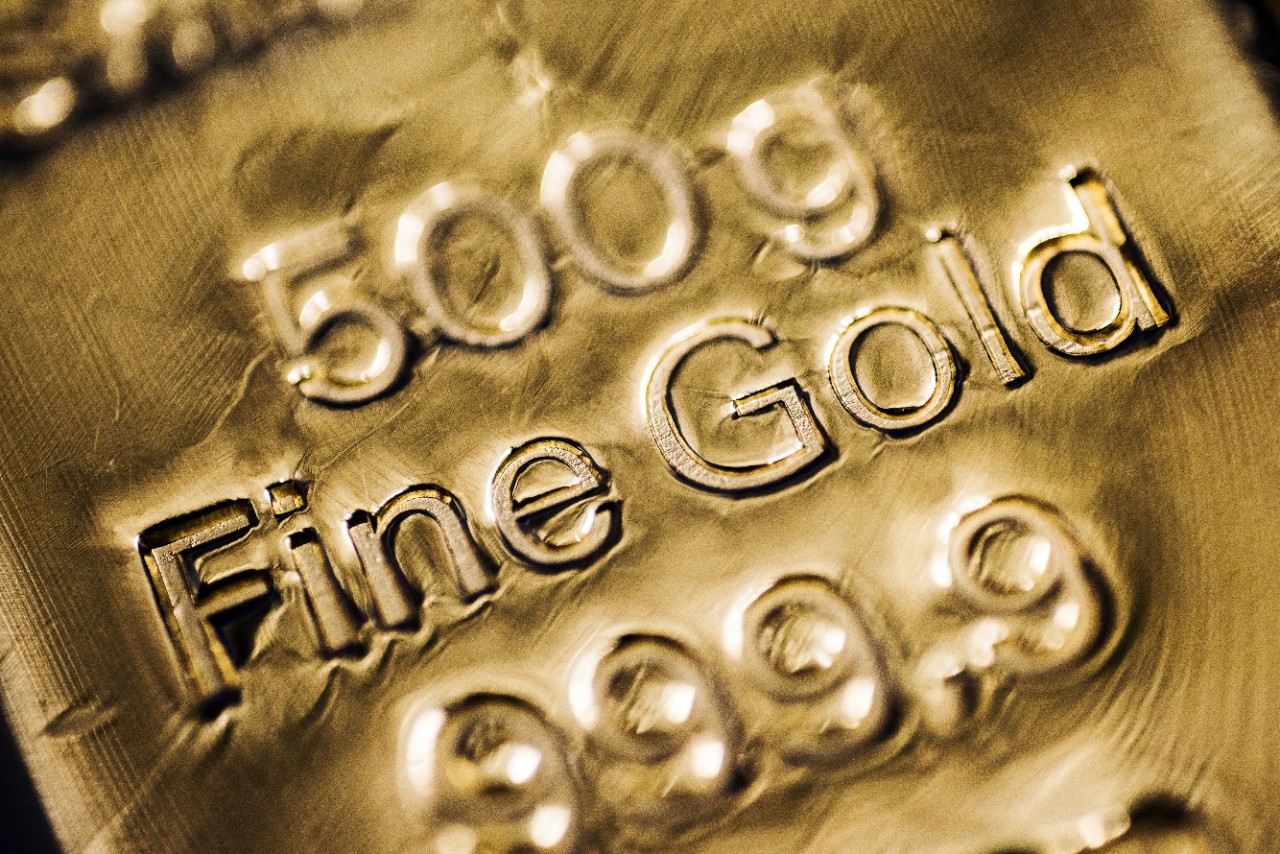
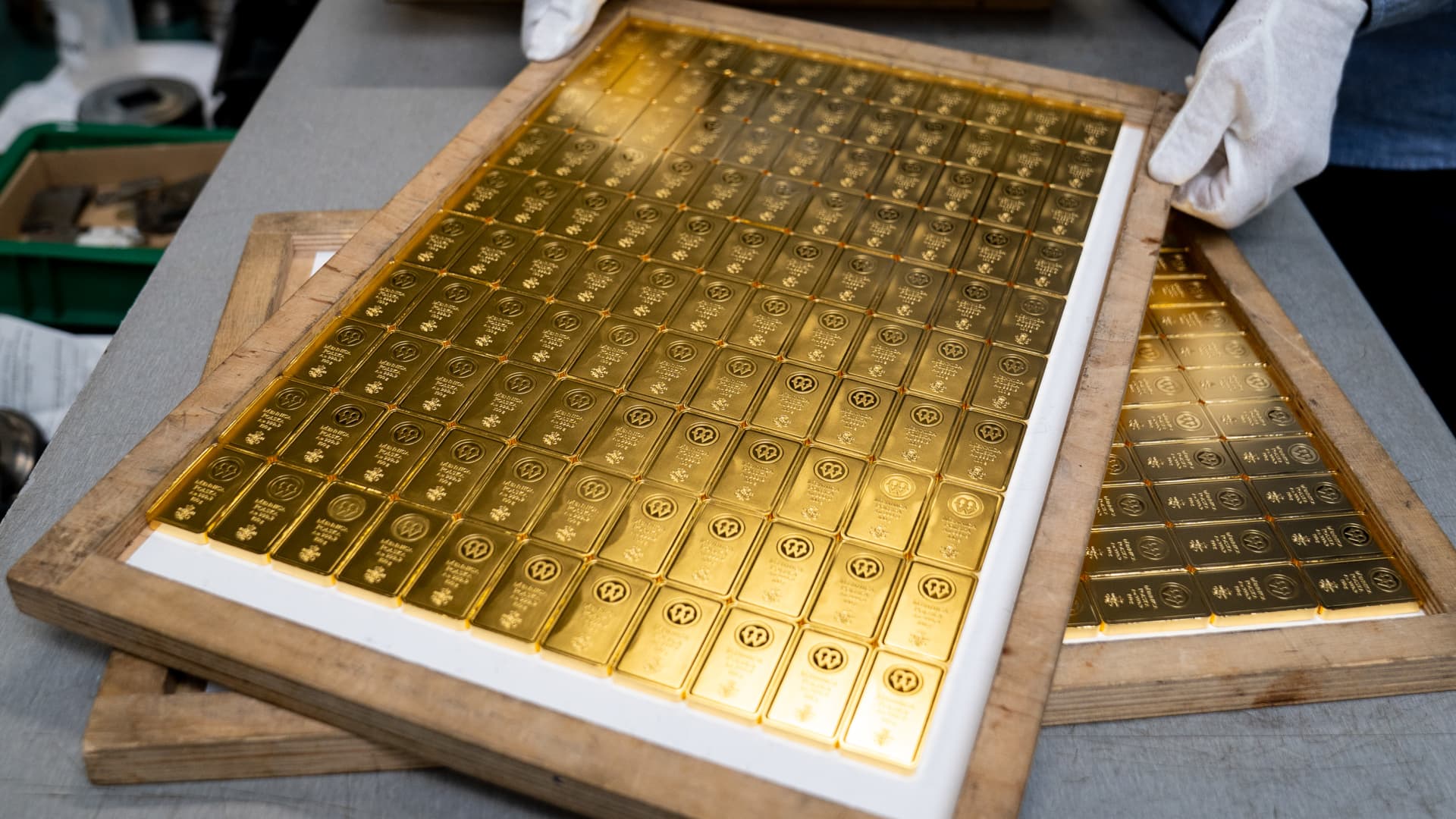
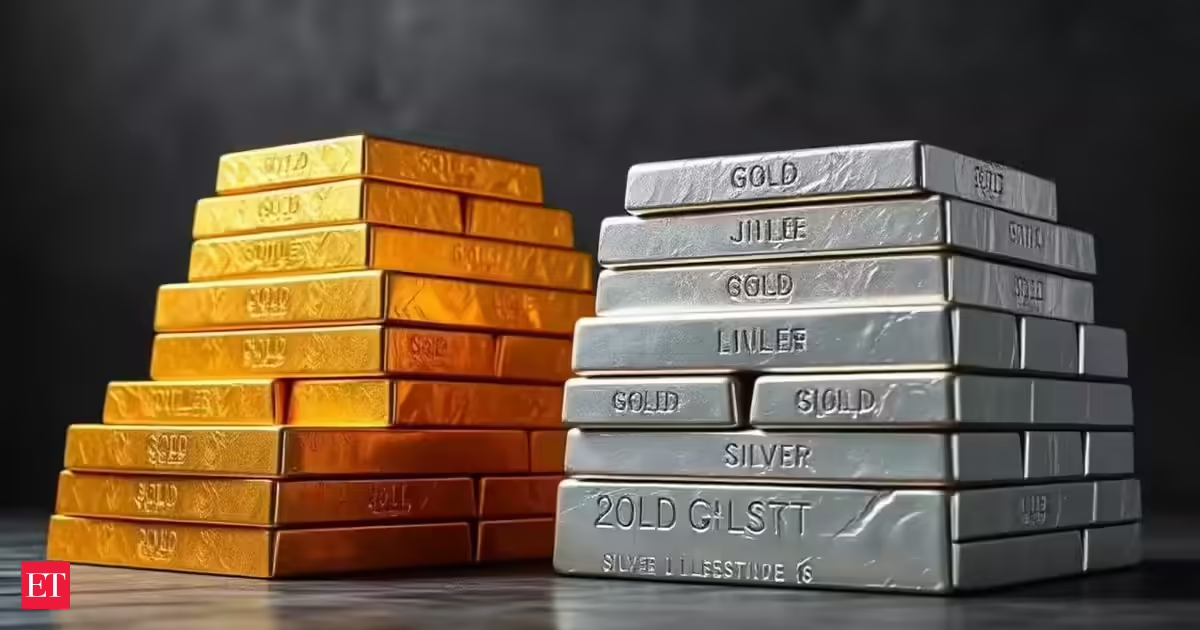
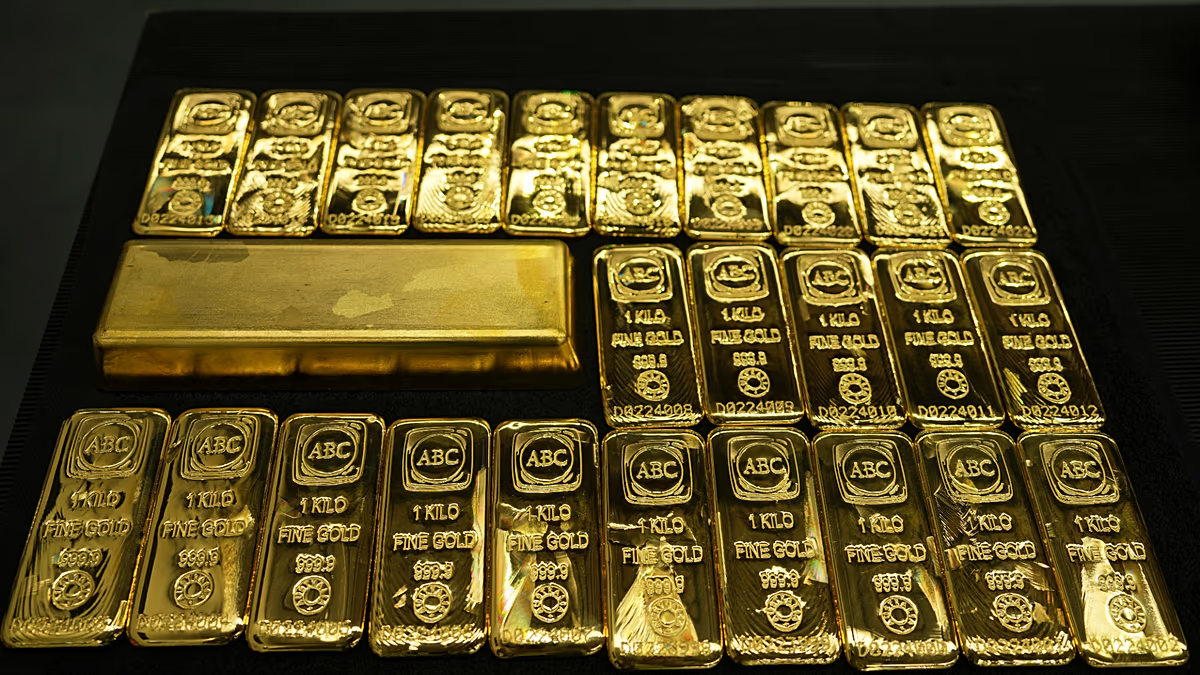
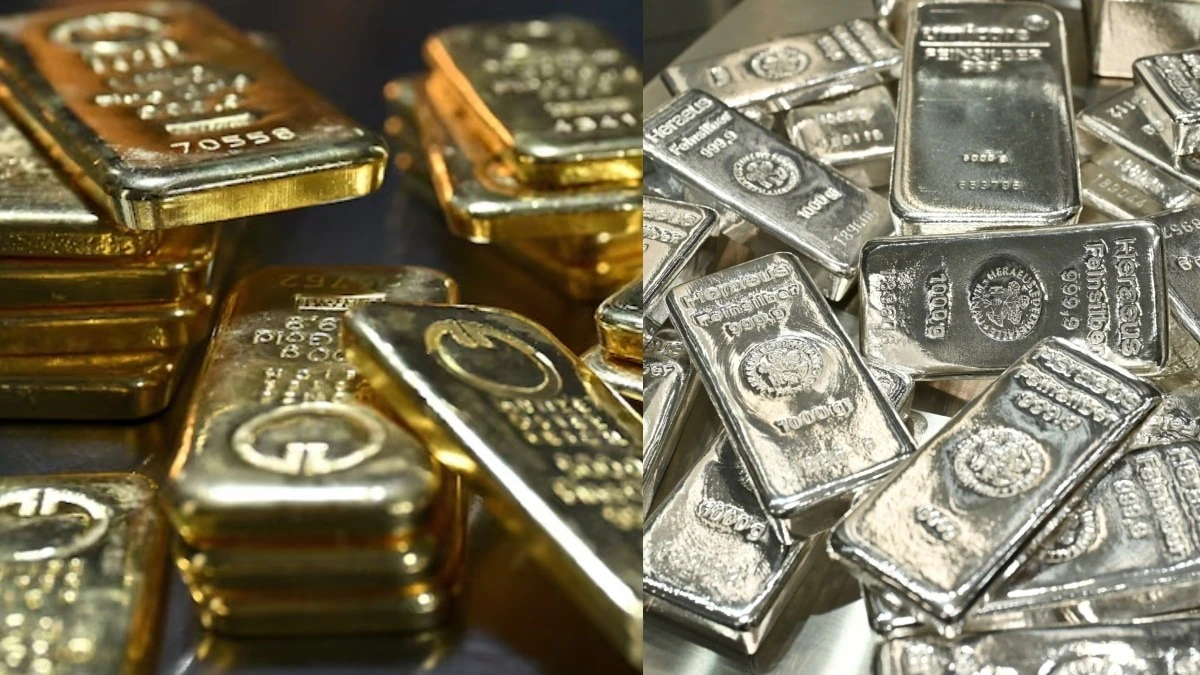
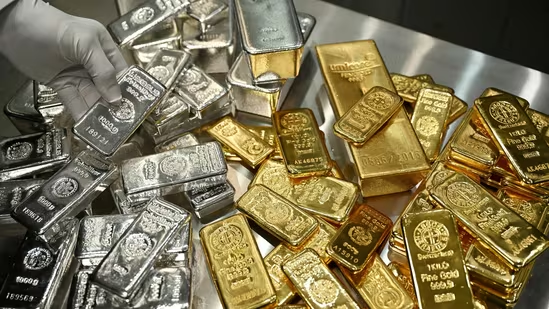
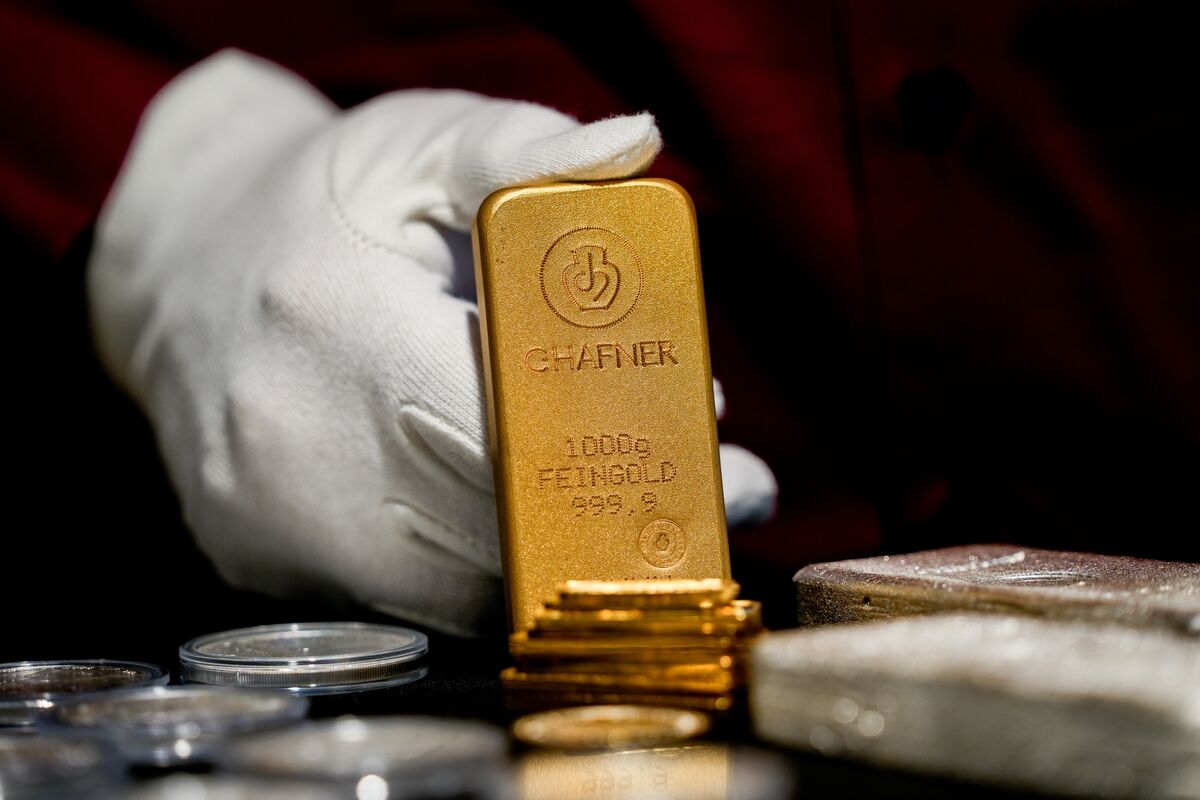
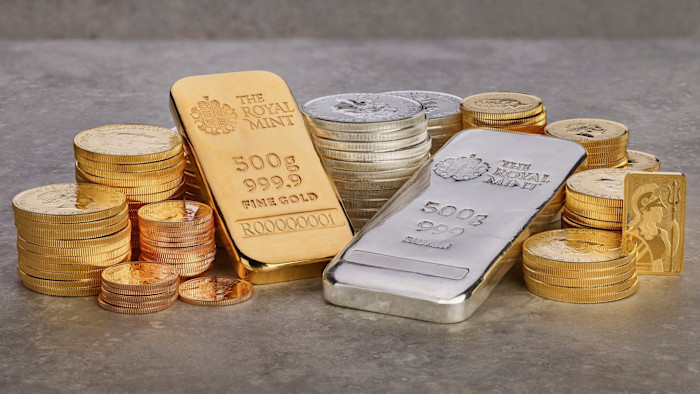
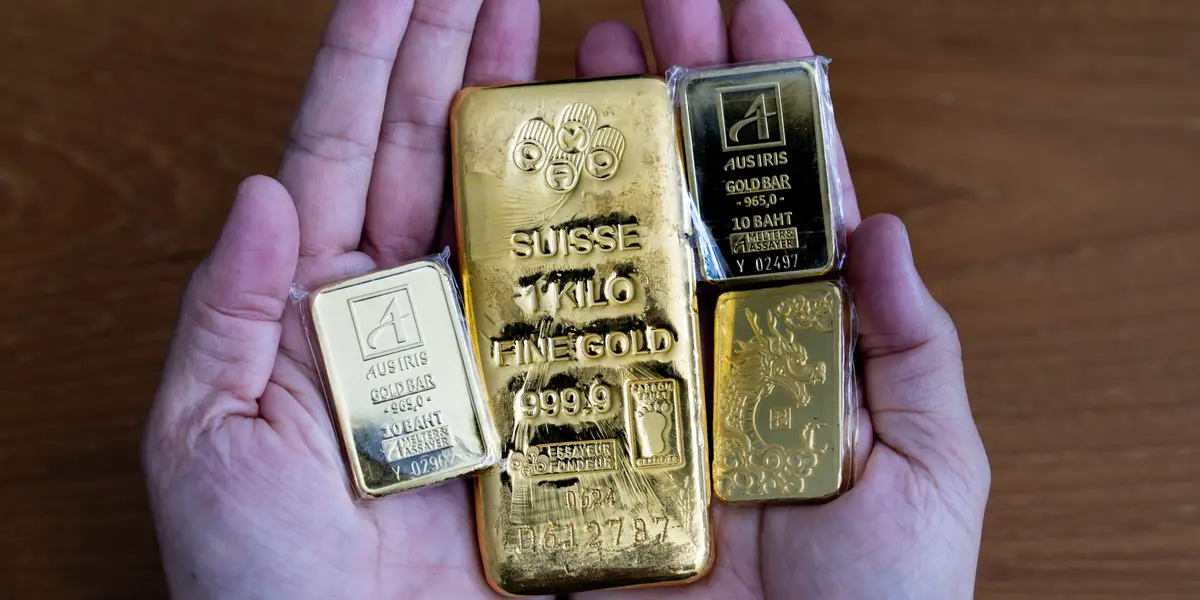
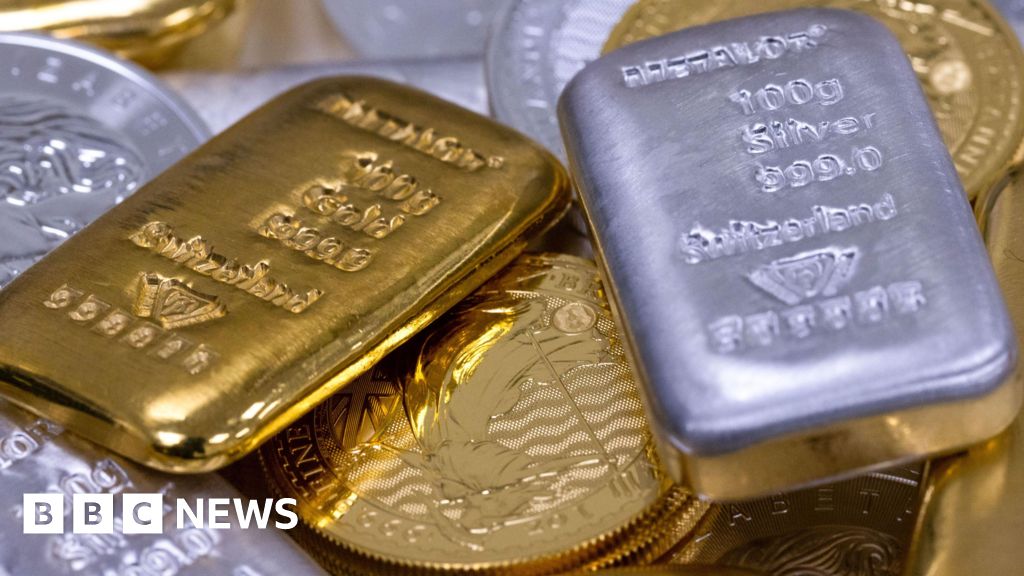
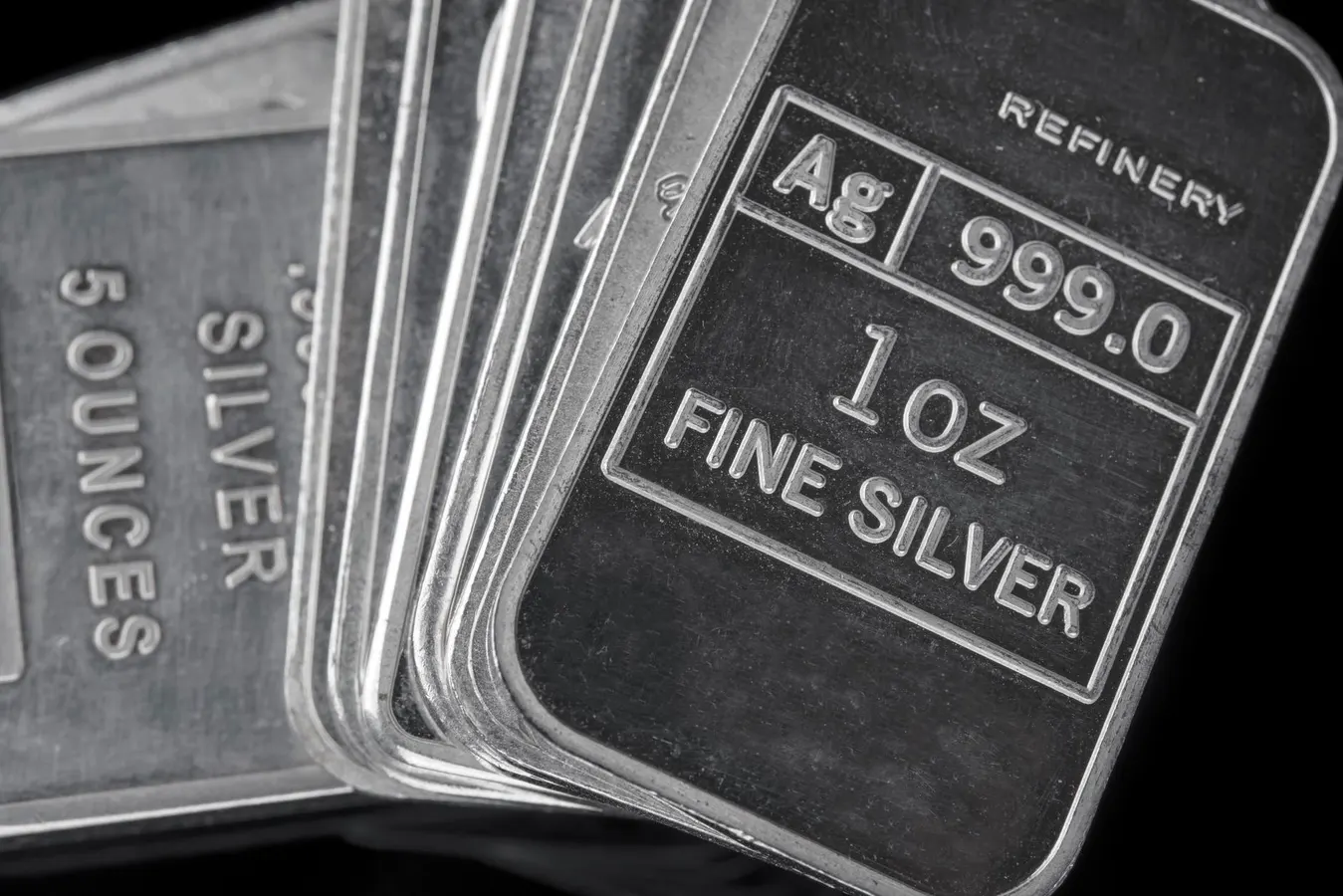
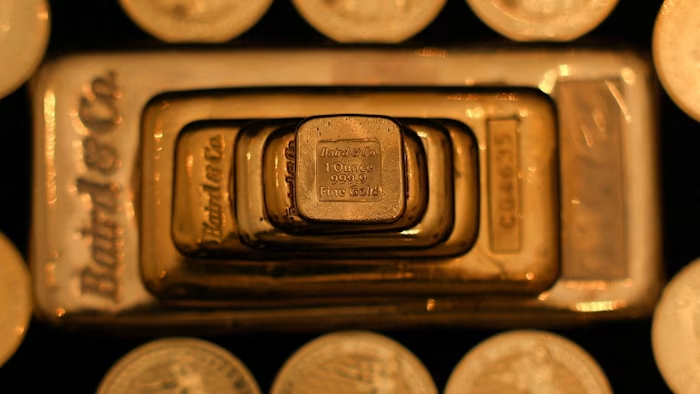
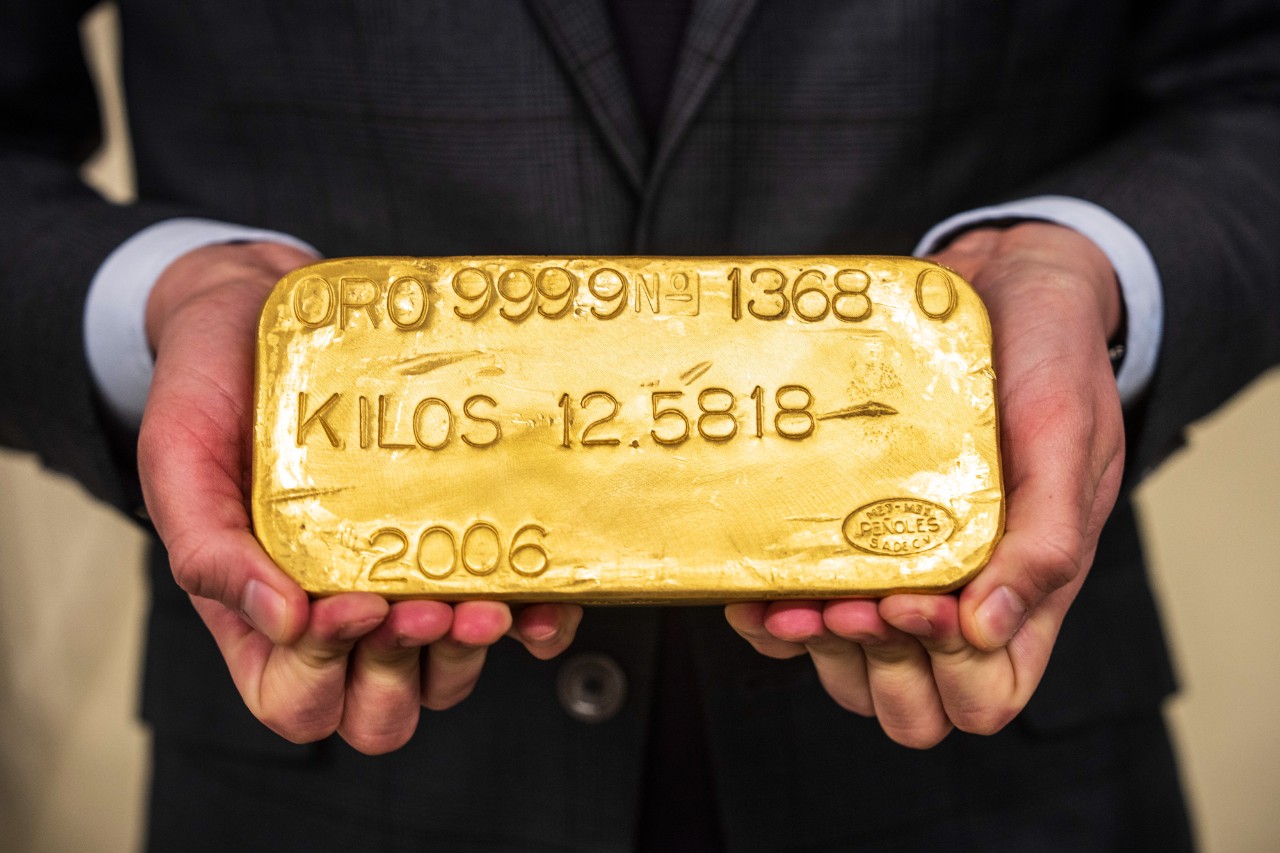
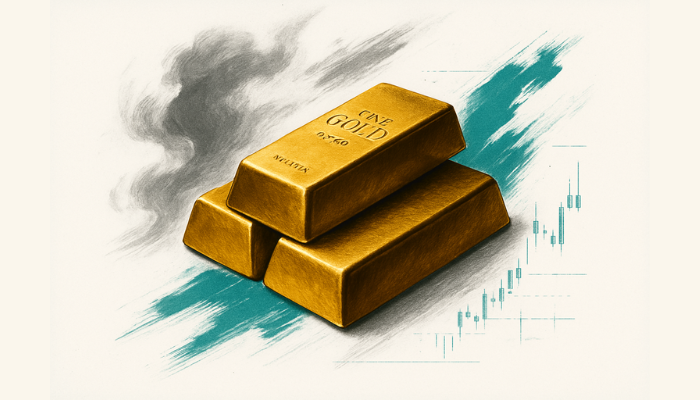
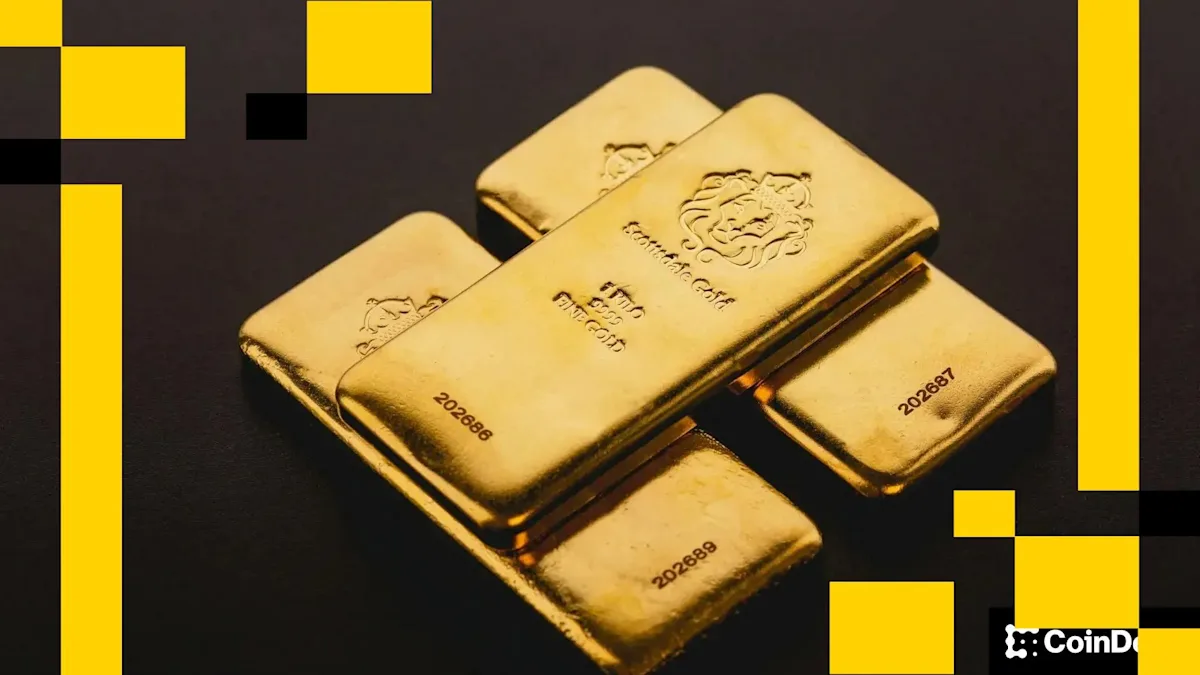
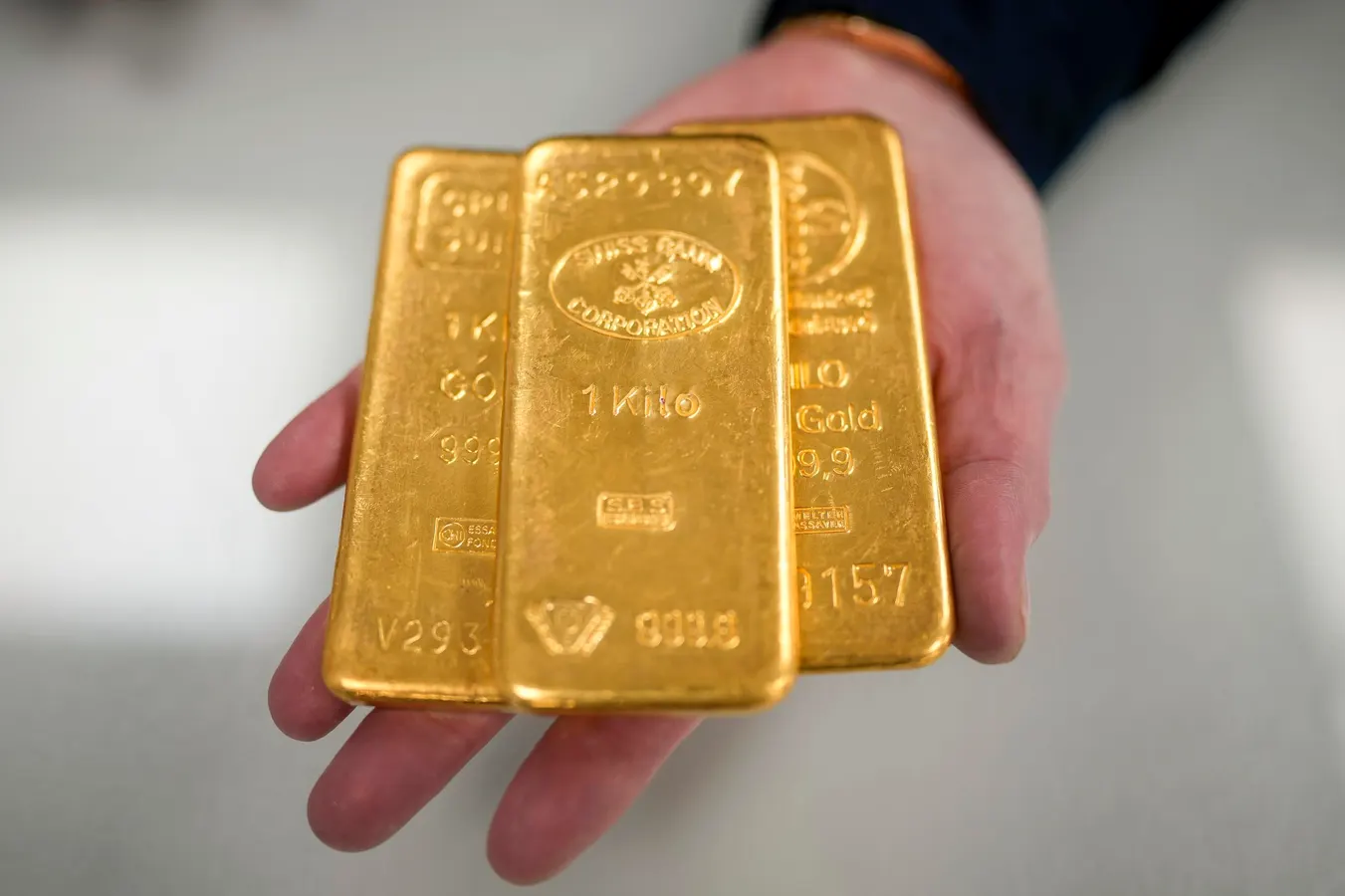
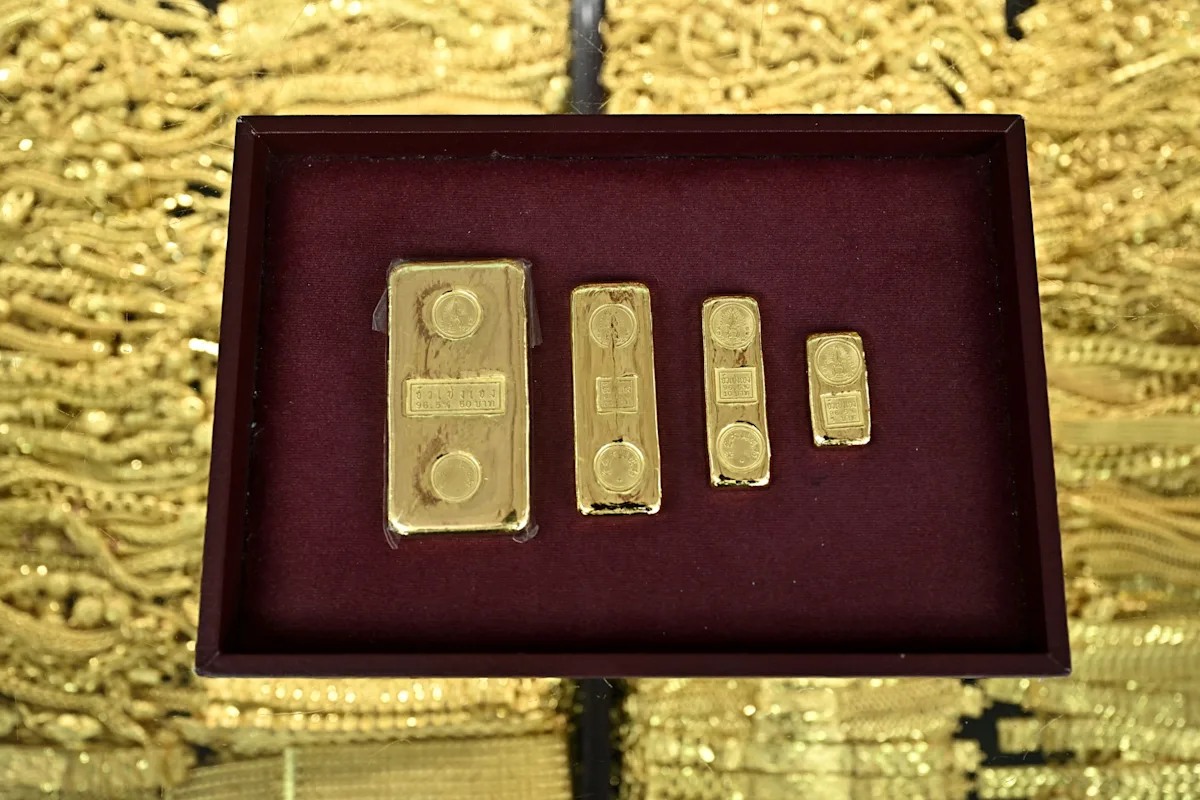
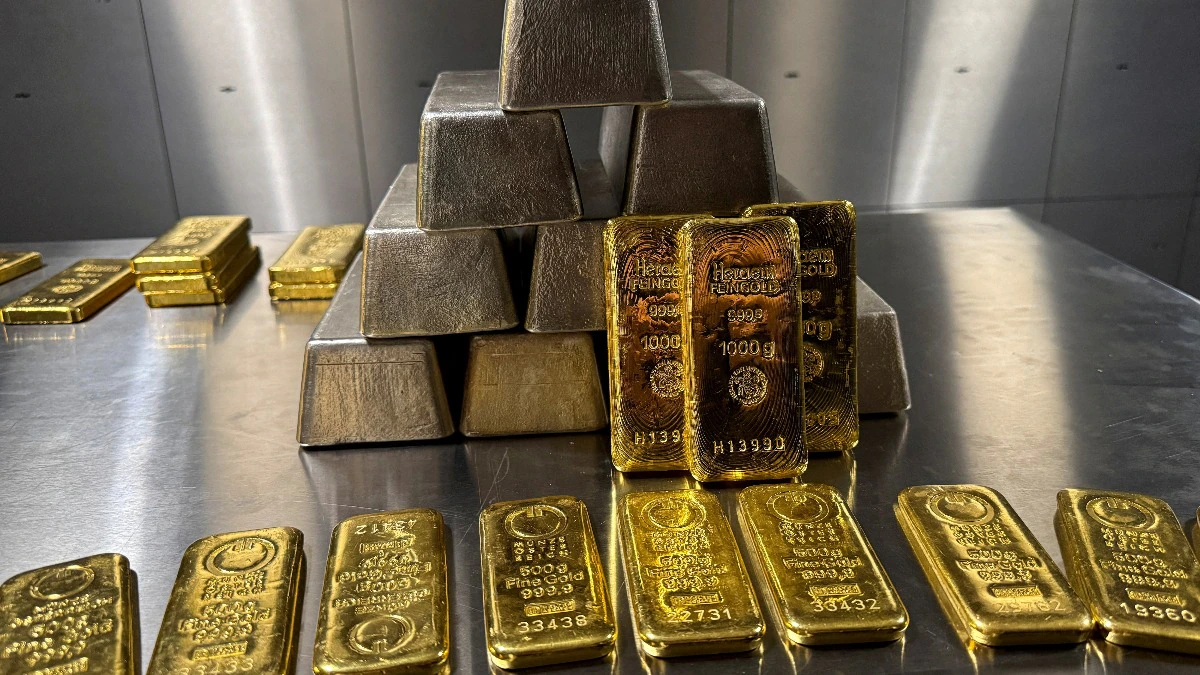
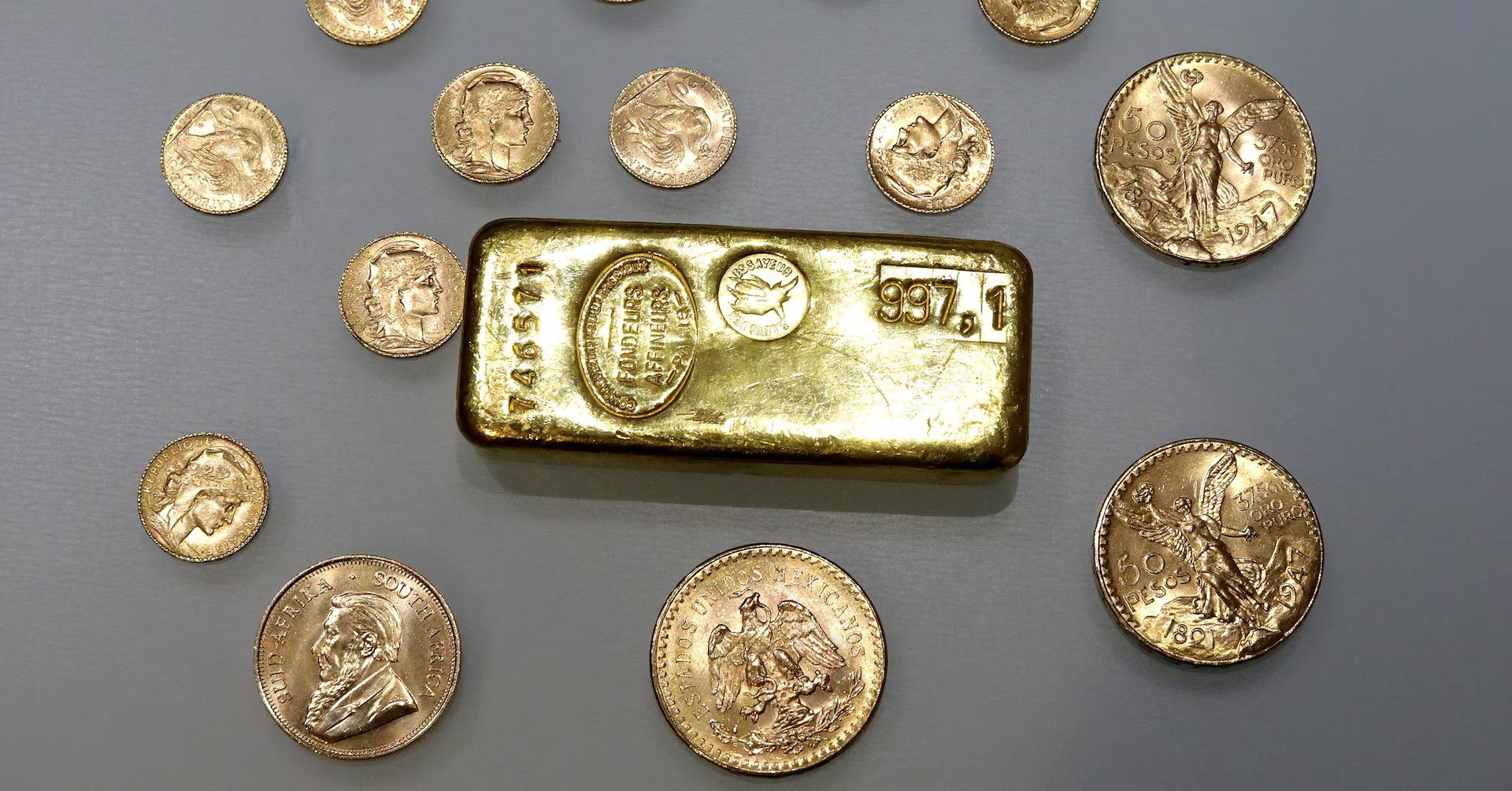
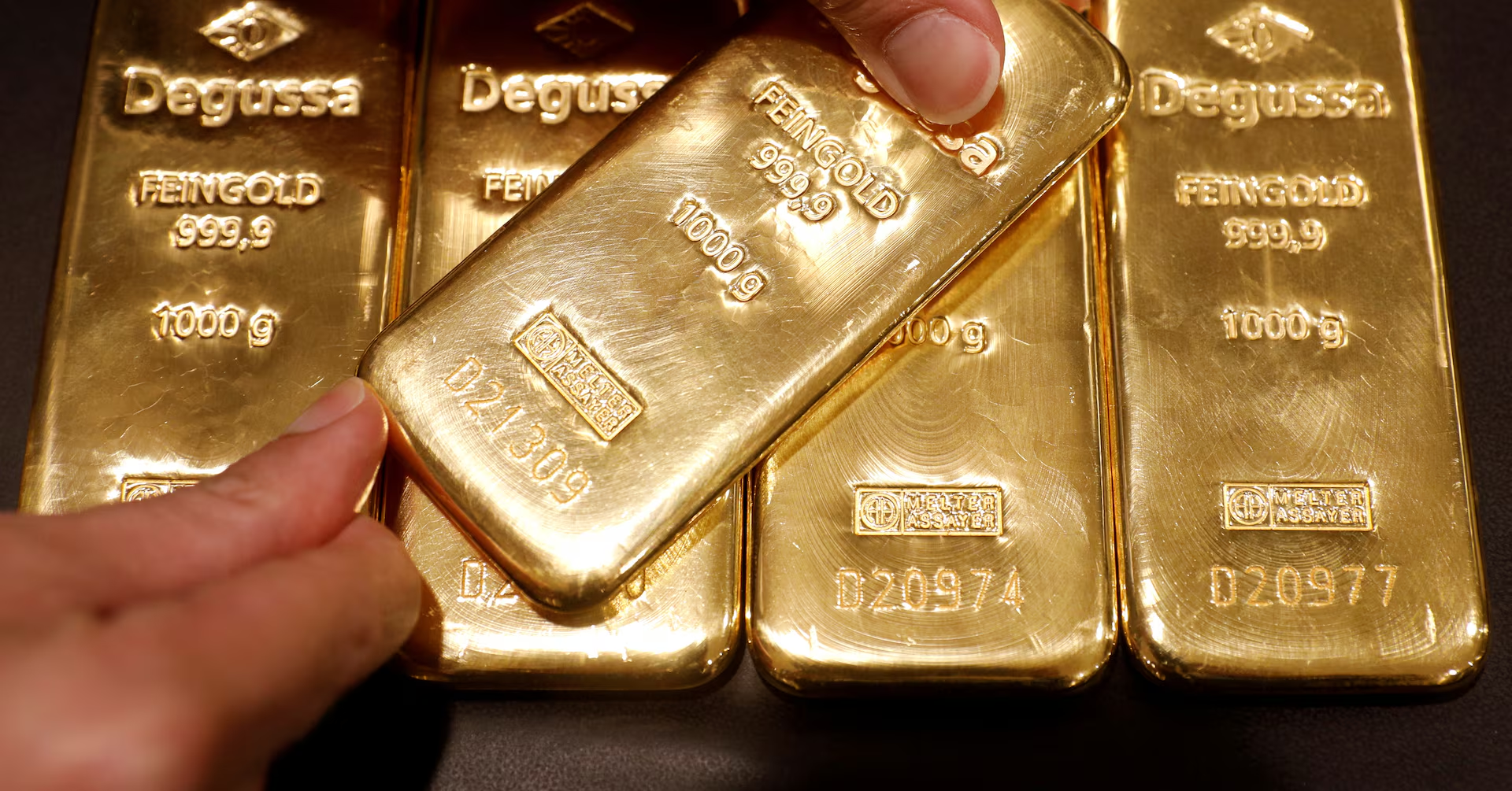
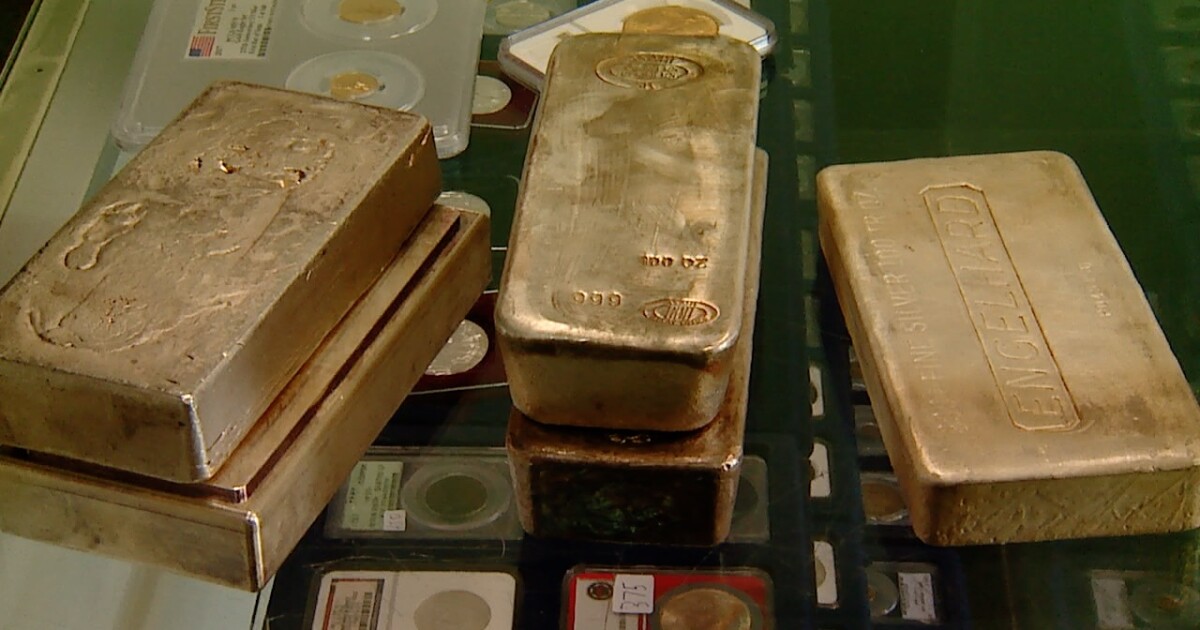
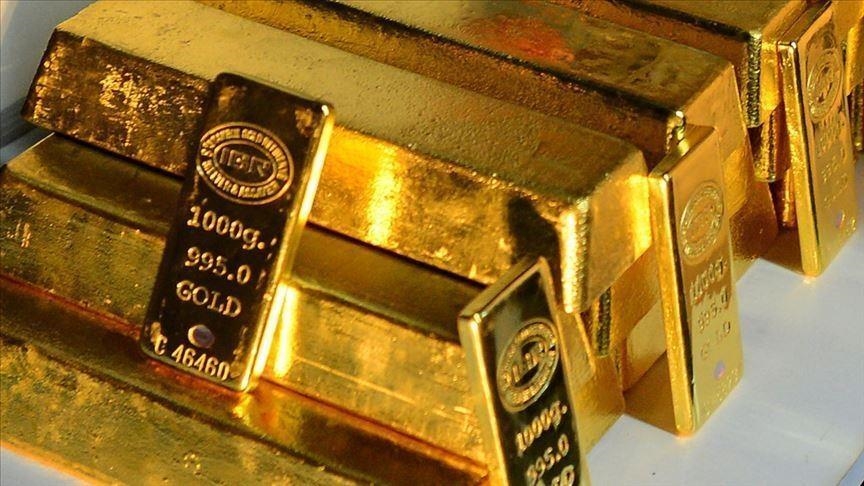
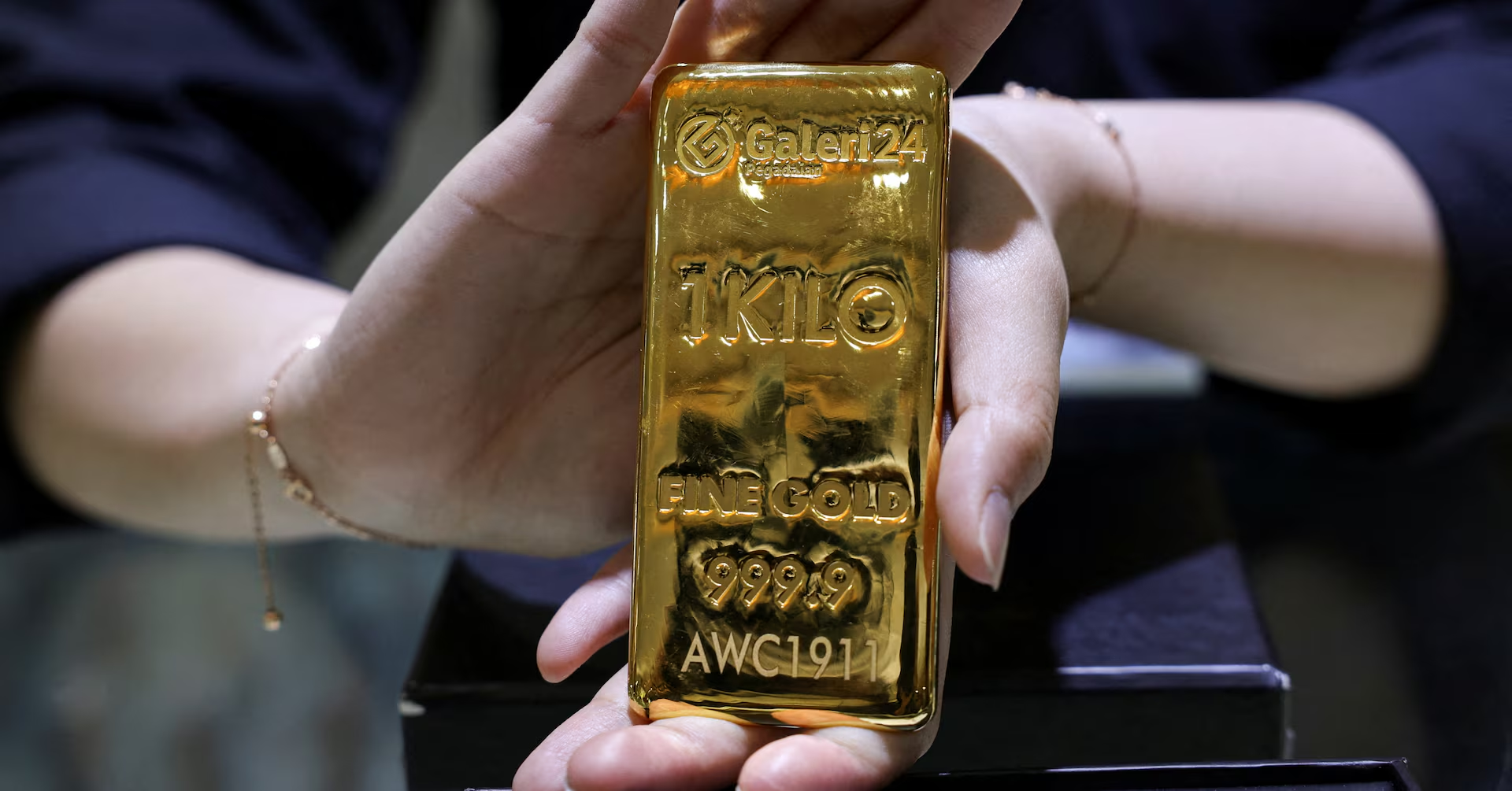
One way to invest in gold is to buy the metal directly, typically as gold bars or coins. This gives you ownership of a tangible asset without having to invest through a fund or brokerage account.
However, owning physical gold means you’ll need to figure out where to store it safely. You may also have to pay dealer markups when you buy and sell.
Investing in gold ETFs
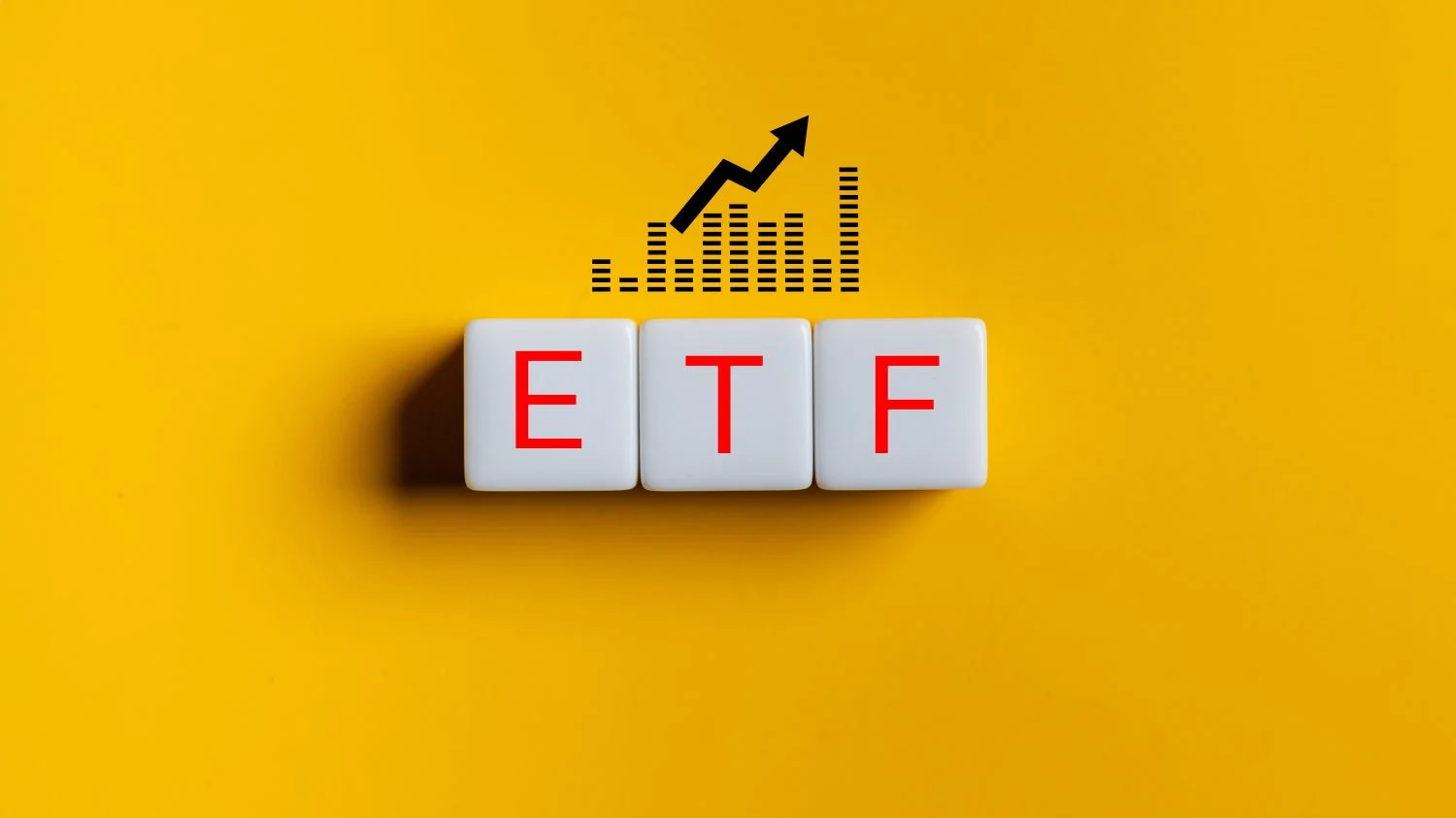
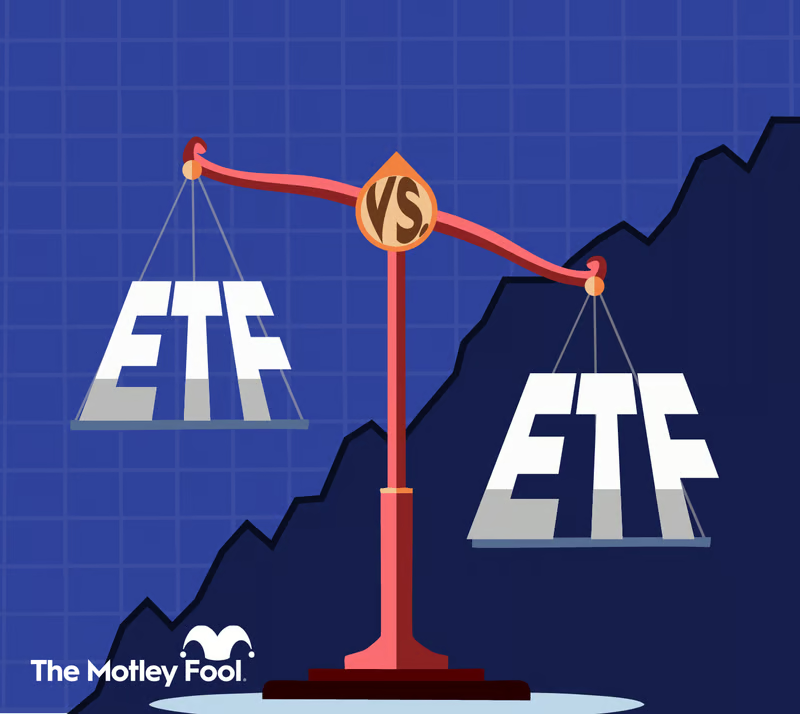
If you’d rather not deal with storing physical gold, look into gold exchange-traded funds (ETFs) instead. Gold ETFs let you invest in gold through a regular brokerage account, much like investing in stocks. Many of these funds hold physical gold and aim to track its price.
Gold ETF vs. physical gold: Which investment is better for you?
Investing in gold mining stocks
Another option is to buy shares of companies that mine and produce gold. When gold prices rise, these mining companies may see higher profit margins, which can lead to stronger stock performance. However, their performance also depends on factors like operating costs, company debt and production challenges.
Bottom line: Is gold a hedge against inflation?
Yes, gold can help preserve purchasing power over long periods, but it isn’t a reliable short-term hedge against every increase in inflation.
“Gold has done a good job preserving purchasing power over the long run, but I’d challenge the idea that it does as good a job over a short time horizon, since gold doesn’t come with a set schedule for when it protects purchasing power,” explained Evan Mills, MBA, Financial Advisor at Scholar Advising.
So if your goal is to protect your purchasing power, gold may be most useful as one part of a diversified investment strategy instead of a guaranteed safeguard against inflation.
FAQs about using gold as an inflation hedge
Is gold better than cash during inflation?
Gold is generally better than cash during inflation because it tends to preserve purchasing power over the long term. That said, gold prices can fluctuate, so there’s no guarantee that it can 100% protect your wealth against inflation.
Is gold a good investment during a recession?
Gold can be a good investment during a recession since it’s commonly considered a recession-proof investment. It’s also historically one of the first safe havens investors go to when markets start to weaken.
How much gold should you hold to protect against inflation?
How much gold you should hold to protect against inflation depends on your risk tolerance level and your financial goals. Some investors may decide to allocate 5%, and some may want to invest more. Talk to a financial adviser to figure out what’s best for you.
Is physical gold or a gold ETF better for inflation protection?
Both physical gold and gold ETFs can be solid options for inflation protection. The difference is that physical gold requires secure storage, whereas gold ETFs are generally easier to trade.
This article originally appeared on Money Group Affiliate: Gold has a reputation as an inflation hedge. Does it actually work?
Our editors independently choose our recommendations. Some content is produced with paid support from a third party, however our editorial decisions remain independent. If you buy through our links, the USA TODAY Network may earn a commission. Prices and availability may change.