Weekly Tokyo Market Summary
Period: Monday, September 14, 2026 – Friday, September 18, 2026
1. Summary of this week’s Tokyo market in one sentence
This week in the Tokyo stock market,
while the market moved past the Bank of Japan’s additional interest rate hike,
the Nikkei 225 rose supported by gains in U.S. stocks and semiconductor stock buying,
whereas the TOPIX struggled to gain momentum, marking a week where the temperature gap between the index and the overall market was notable
.
The Nikkei 225 rose significantly over the weekend,
recovering to the 65,000 yen level at the close.
However, on September 18, the number of declining stocks on the Tokyo Stock Exchange Prime Market
outnumbered the number of advancing stocks, meaning the market as a whole was not uniformly strong.
Buying concentrated in AI and semiconductor-related stocks, which have a large impact on the Nikkei 225,
pushed the index higher.
2. Weekly results for the Nikkei 225, TOPIX, and REITs
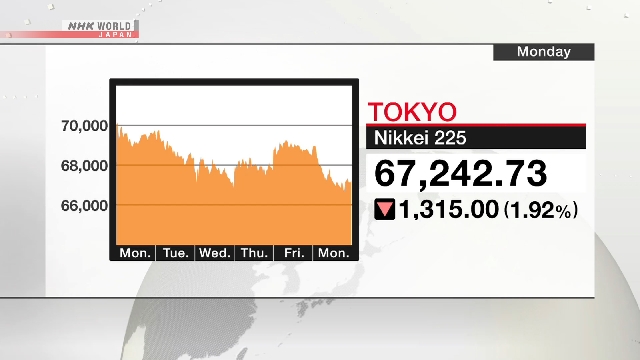
Nikkei 225 Stock Average
-
Beginning of week reference value: 63,621.22 yen
-
Weekend closing price: 65,018.95 yen
-
Weekly change: approx. +2.20%
The Nikkei 225 opened at 63,621.22 yen on September 14,
and rose to 65,018.95 yen by the 18th.
By simple calculation, this is an increase of approximately 1,398 yen for the week,
or a percentage increase of approximately 2.20%.
Since reference values may differ depending on
intraday prices or data providers,
we have organized this based on daily closing prices.
TOPIX
-
Beginning of week reference value: 4,058.21
-
Weekend closing price: 4,091.14
-
Weekly change: approx. +0.81%
The TOPIX saw a smaller
increase compared to the Nikkei 225.
It opened at 4,058.21 on September 14,
and closed at 4,091.14 on the 18th.
While the Nikkei 225 saw a significant rise over the weekend, the TOPIX fell slightly from the previous day,
making the divergence between the indices clear.
TSE REIT Index
Regarding the TSE REIT Index,
as the latest confirmed value published by JPX, the closing price on September 11 was 1,785.56 points.
This week, following the Bank of Japan’s additional interest rate hike,
due to concerns over rising borrowing costs,
the environment was such that it was difficult for it to show as strong a movement as the stock market.
USD/JPY
For USD/JPY, the yen weakened and the dollar strengthened from the 154 yen range at the beginning of the week to the high 156 yen range by the weekend.
-
September 14: 154 yen range
-
September 18: 156 yen range (high)
-
Weekly change: approximately 1-2% yen depreciation/dollar appreciation
The reason the yen weakened despite
the Bank of Japan raising its policy interest rate is that
rather than the rate hike itself,
the cautious stance toward future additional rate hikes
was what was focused on.
Meanwhile, the U.S. Federal Reserve (FRB) implemented a rate hike, and
the view that the Japan-U.S. interest rate gap would not shrink immediately
also led to dollar buying and yen selling.
3. The 5 main factors that moved the market this week
1. Bank of Japan raises policy interest rate to around 1.25%
On September 18, the Bank of Japan announced that it would raise the policy interest rate from around 1.00% to around 1.25%.
The rate hike was decided by a 7-2 vote,
and implementation will begin on September 24.
Since the market had anticipated the rate hike itself, there was no major confusion immediately following the announcement.
As a matter of fact, this means that the normalization of monetary policy has progressed one step further.
On the other hand, as for the market’s reaction,
the fact that the impression that the pace of additional rate hikes would accelerate rapidly did not strengthen became a source of relief
.
A rate hike is inherently a headwind for stock prices because it increases the borrowing burden for companies and mortgage burdens, but this time, because it was accepted as “within expectations,” uncertainty actually receded.
2. FRB rate hike and rise in U.S. high-tech stocks
On September 16, the Fed
raised the policy interest rate by 0.25%, setting the target range at 3.75–4.0%.
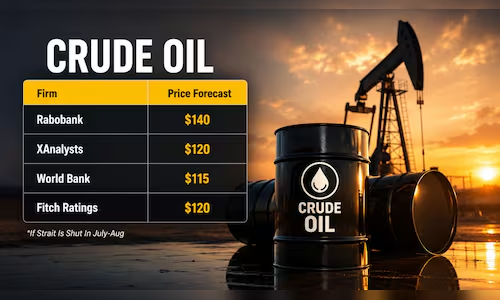
This is against a backdrop of persistent inflation, with high crude oil prices and strong demand driven by AI-related investments pushing up prices.
However, in the U.S. market, semiconductor-related stocks rose despite the interest rate hike.
In the U.S. market on September 17, the
NASDAQ Composite Index rose 1.69%,
the Philadelphia Semiconductor Index rose over 3%, and buying spilled over into AI and semiconductor stocks in the Tokyo market the following day.
Rising interest rates are generally unfavorable for high-PER growth stocks, but expectations for AI demand are strong, and
this time, expectations for earnings growth outweighed the impact of rising interest rates.
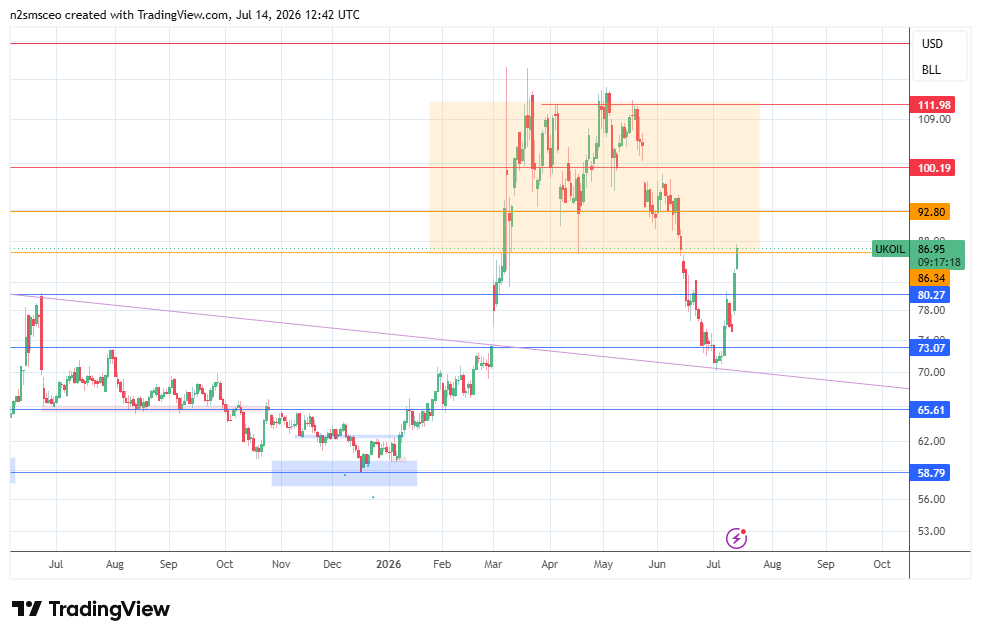
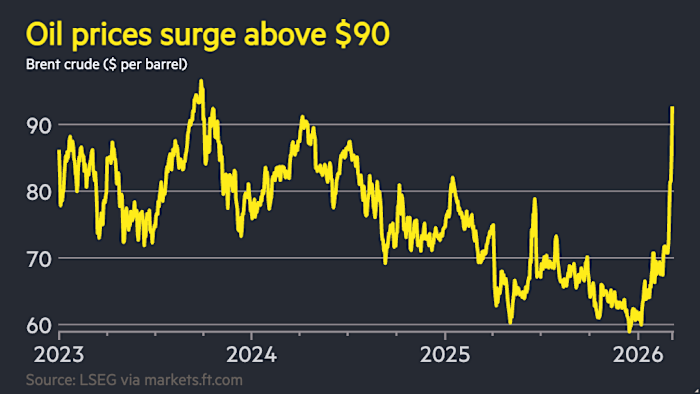
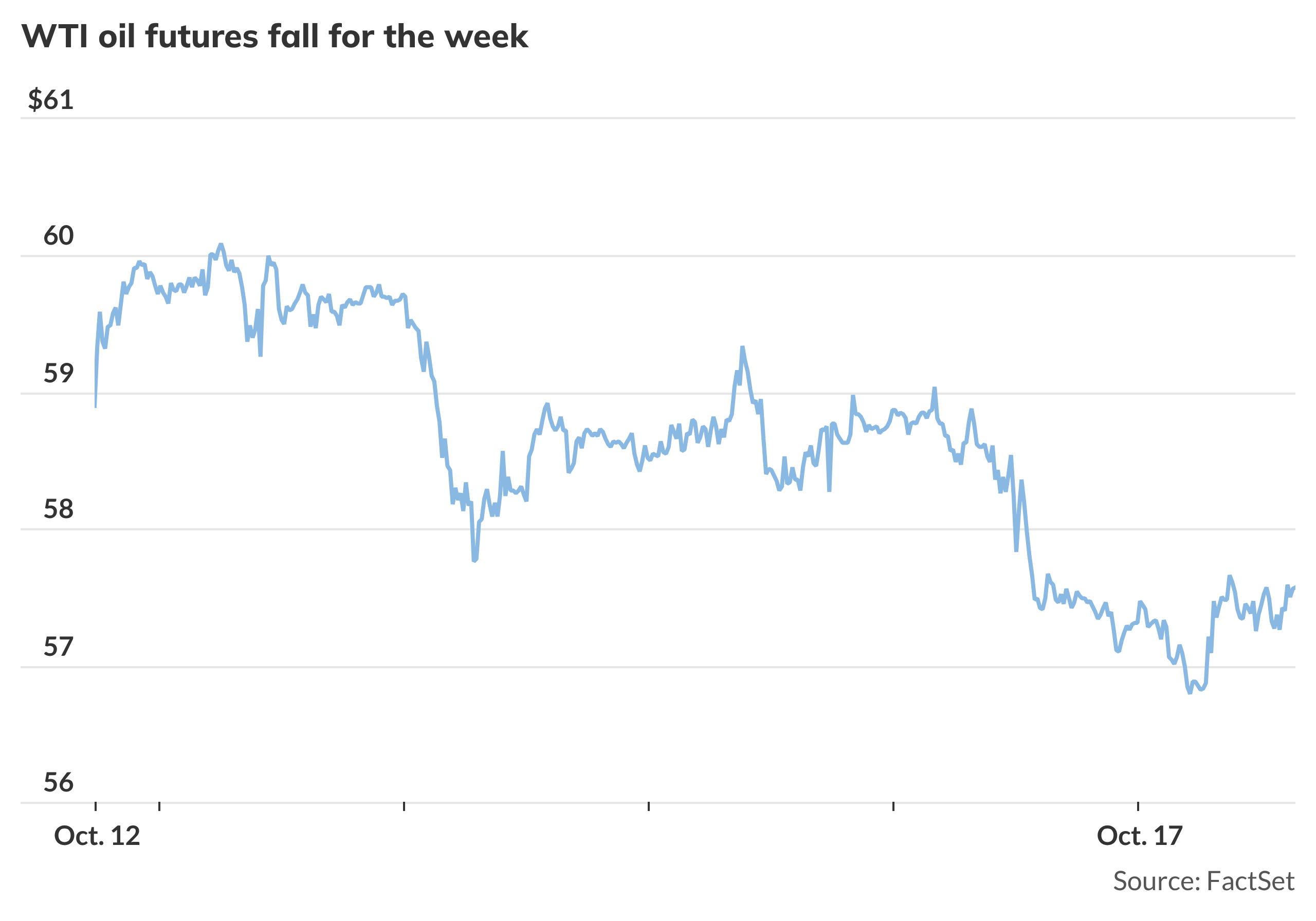
3. Rise in crude oil prices and weekend pullback
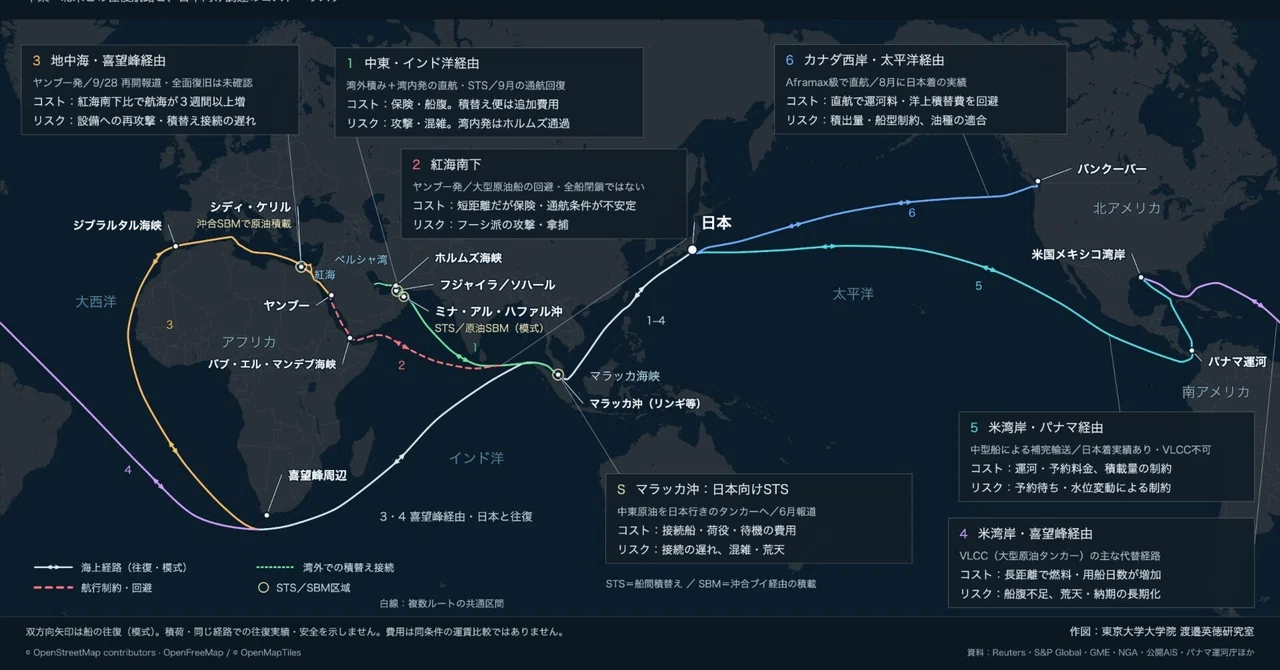
In the first half of the week, concerns over crude oil supply intensified following the escalation of tensions in the Middle East and
attacks on Saudi Arabian oil-related infrastructure.
When crude oil prices rise, costs for gasoline, electricity, logistics, and chemical products increase, which tends to put pressure on corporate profits.
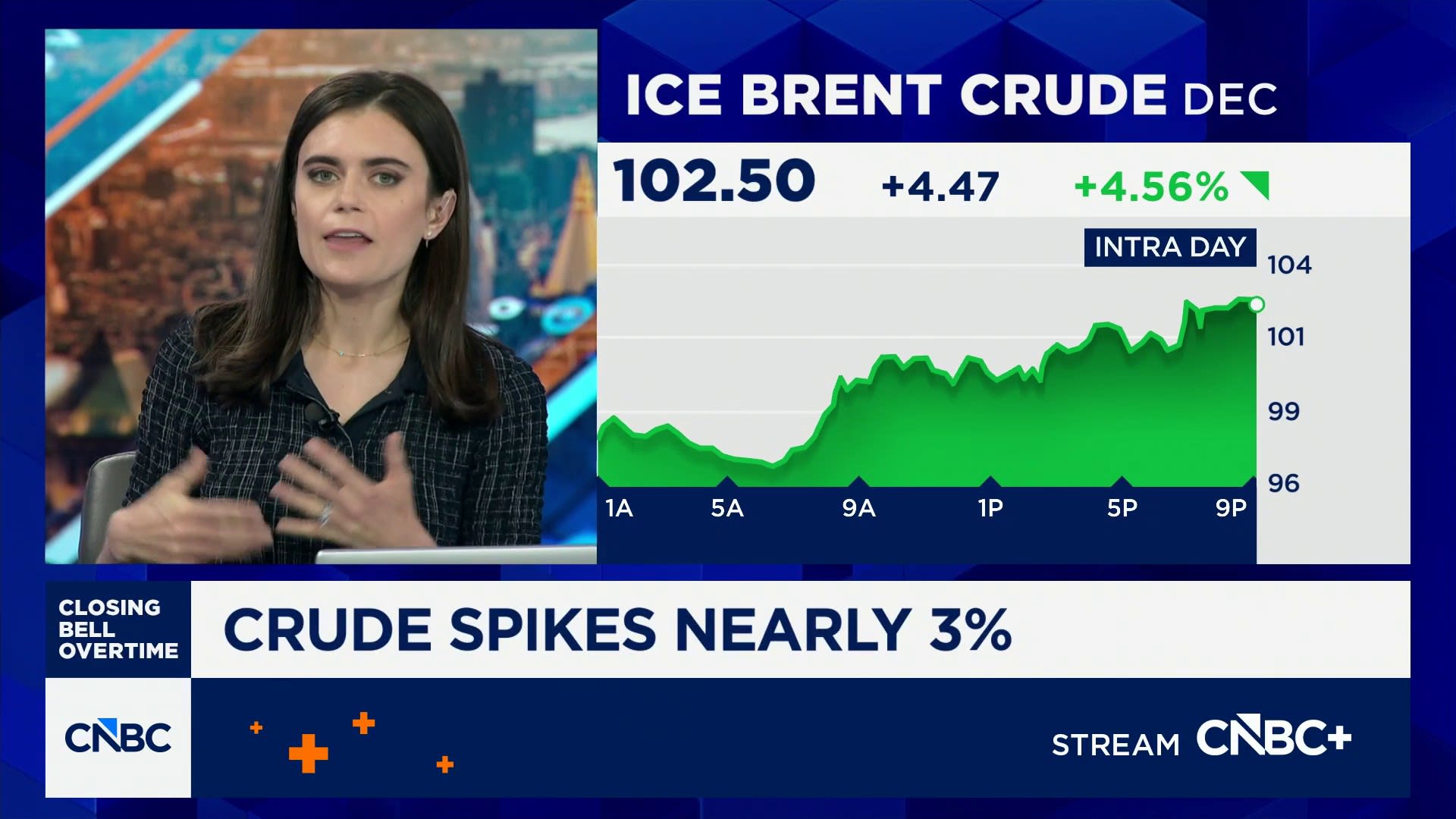
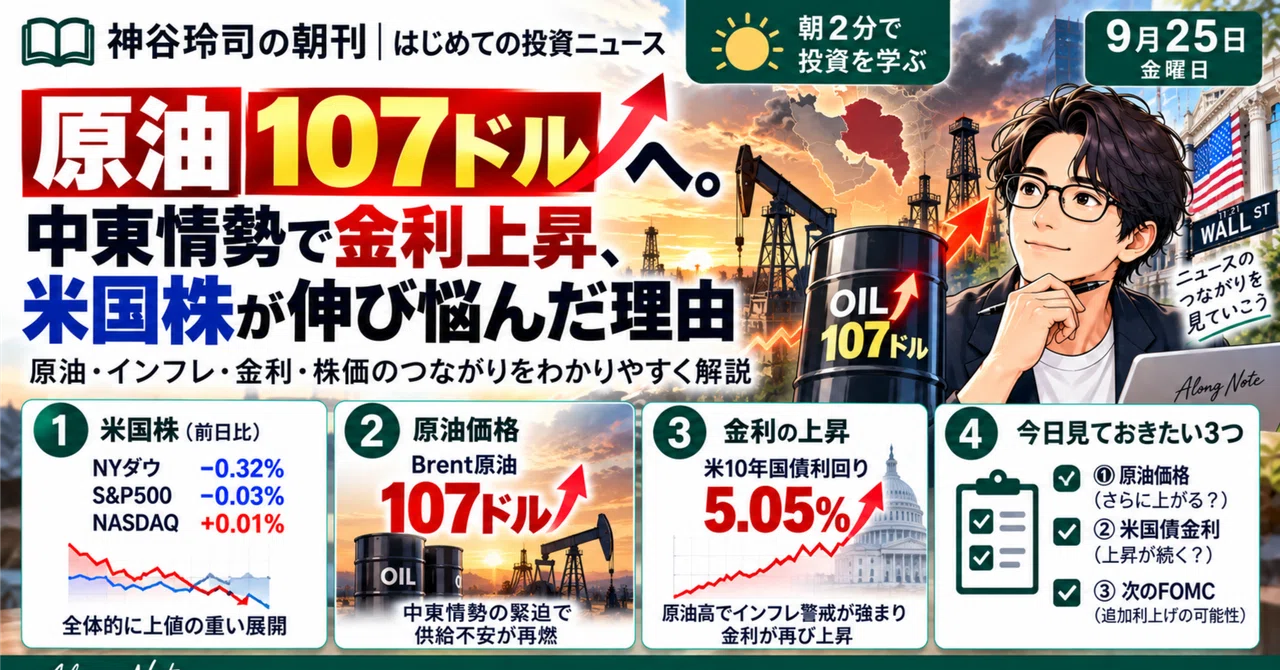
On the other hand, in the latter half of the week, expectations for a recovery in Saudi Arabian supply spread, and crude oil prices fell for three consecutive days. As of September 18, Brent crude oil had fallen to the $103 per barrel range, and was on track for a weekly decline of approximately 1.4%.
The slight easing of caution regarding high crude oil prices provided a sense of relief over the weekend for stocks sensitive to cost burdens, such as those in transportation, chemicals, and food.
4. A weak yen supported export companies and the Nikkei 225
Because the yen continued to weaken even after the Bank of Japan’s interest rate hike,
there was a view that profits in yen terms would likely expand for companies with large overseas sales, such as those in the automotive, electronics, and precision equipment sectors.
In particular, the Nikkei 225 is an index that is easily influenced by high-priced stocks and semiconductor stocks.
With the yen weakening and U.S. high-tech stocks rising simultaneously, Advantest, SoftBank Group, and Kioxia Holdings pushed the index higher.
5. Differences in the ‘composition’ of the Nikkei 225 and TOPIX
On September 18, while the Nikkei 225 rose by 882.70 yen,
the TOPIX fell by 3.05 points.
On the Tokyo Stock Exchange Prime Market, there were 511 advancing stocks against 1,003 declining stocks.
This shows that just because the Nikkei 225 rose, it does not mean the entire market was broadly higher.
When a few large-cap stocks with high index weighting rise,
the Nikkei 225 rises significantly.
However, if the TOPIX, which reflects the price movements of a wide range of stocks, is weak,
it is possible that the market rally lacks breadth.
4. Trends by Industry
Industries with Notable Gains
○ Semiconductors and Electric Appliances
Against the backdrop of rising U.S. semiconductor stocks and expectations for AI investment, semiconductor manufacturing equipment, electronic components, and data center-related stocks were bought.
Representative examples include Advantest, Kioxia Holdings, Lasertec, and Tokyo Electron. Advantest, in particular, has a significant impact on the Nikkei 225, and its stock price increase pushed up the index as a whole.
○ Banking and Insurance
Rising domestic interest rates have the potential to lead to improvements in lending rates and investment yields for banks.
Therefore, bank stocks tend to be bought during periods of interest rate hikes by the Bank of Japan.
However, rising interest rates also bring other risks to financial institutions through falling prices of held bonds and increased borrowing burdens for companies.
It is not just a simple matter of ‘interest rate hikes mean higher bank stocks’.
One must also check bond valuations and credit costs rather than simply assuming that interest rate hikes lead to higher bank stock prices.
○ Information, Communications, and AI-related
In addition to growth expectations for AI-related sectors,
the rise in U.S. stocks provided a tailwind.
For stocks expected to have high growth rates,
there are times when funds flow into them even during periods of rising interest rates.
Industries with Notable Declines
■ Real Estate and REITs
Due to the Bank of Japan’s interest rate hikes,
concerns have emerged that borrowing rates and new procurement costs will rise.
For investors, the difference between dividend yields and long-term interest rates is important for REITs.
When interest rates rise, the yields on government bonds and other assets become relatively more attractive, which tends to put downward pressure on REIT prices.
■ Transportation Equipment and Automobiles
While a weak yen is a tailwind for export companies,
the increase in consumer burdens due to high crude oil prices and rising interest rates
is not necessarily positive for automotive demand.
For each stock, you need to
distinguish between export ratios, sales regions, and raw material costs.
■ Trading companies and some value stocks
Because funds were concentrated in semiconductor stocks over the weekend, profit-taking sales occurred in some value stocks that had been bought earlier in the week, such as trading companies and banks.
Rather than an increase in funds across the entire market, it was easier to understand the development as
funds shifting toward AI and semiconductor-related stocks.
⑤ Notable stocks and themes
Advantest
Following the rise in U.S. semiconductor stocks, it was bought as a semiconductor testing-related stock. There is a view that as the performance of AI-related semiconductors improves, the importance of the inspection process will increase.
However, for stocks that have risen significantly, expectations may be running ahead of actual performance. I would like to confirm the sustainability of semiconductor demand, capital investment plans, and changes in orders.
SoftBank Group
Due to expectations for AI-related investments, it became one of the stocks pushing up the Nikkei 225. While expectations tend to gather around the corporate value and asset value of its investments, it is a stock where valuation fluctuations of held shares are large, and price movements tend to be volatile.
Kioxia Holdings
It attracted attention due to expectations for memory semiconductors and AI-related demand. While profits grow significantly during the recovery phase of the semiconductor market, earnings fluctuations also become large when supply and demand worsen.
Bank stocks
Following the Bank of Japan’s interest rate hike, the benefits of rising interest rates were recognized. However, while interest rate hikes have positive aspects for bank earnings, there are also negative aspects such as valuation losses on held bonds and increased burdens on borrowing companies.
⑥ REIT market movements
In this week’s REIT market, there was a lack of upward drivers like the semiconductor-led gains in the stock market, and it was a week where the Bank of Japan’s additional interest rate hikes were likely to act as a drag.
REITs are products that hold real estate with funds collected from investors and distribute rental income and the like. Generally, when long-term interest rates rise, the following three points are considered.
-
The possibility that borrowing costs will rise, reducing the source of funds for distributions
-
The cost of raising funds for new property acquisitions will increase
-
The attractiveness of REIT yields will relatively decline compared to government bond yields
On the other hand, there are also REITs that have factors capable of absorbing rising interest rates, such as rising office rents, hotel demand, and the stable operation of logistics facilities.
Therefore, it is important not to group all REITs together, but to check the debt ratio, the proportion of fixed-rate loans,
the type of property, and the stability of dividends instead.
⑦ Key Points to Watch Next Week
1. The Yen Exchange Rate After the Bank of Japan’s Rate Hike
Since the rate hike will be implemented starting September 24, the focus is on whether the dollar-yen will move toward a stronger yen,
or whether the yen will continue to weaken against the backdrop of high U.S. interest rates.
A stronger yen would be a tailwind for import-oriented and domestic demand-driven companies, while
it would be a headwind for the profits of export companies.
Conversely, if the yen continues to weaken, export stocks and companies with large overseas sales
will likely be favored.
2. Digesting Bank of Japan Governor Ueda’s Remarks
The market is trying to gauge the pace of future rate hikes
rather than the implementation of the rate hike itself.
It is important to see whether they will rush to raise rates further if inflation persists,
or whether they will proceed cautiously while monitoring the economy and wages.
3. Crude Oil Prices and the Situation in the Middle East
If crude oil prices rise again, inflation concerns will intensify,
potentially weighing on global long-term interest rates and stock prices.
Conversely, if supply concerns recede,
caution regarding cost burdens for transportation, chemicals, and retail will ease.
4. Will the Rise in AI and Semiconductor Stocks Continue?
The rise in the Nikkei 225 this week was supported by a concentration of funds in AI and semiconductor-related stocks. We want to see if the rise will continue next week, or if profit-taking will occur and funds will spread to other sectors.
5. Overseas Markets During the Holiday
Since the Japanese market will be closed for holidays starting September 21,
movements in U.S. stocks, crude oil, and foreign exchange while the domestic market is closed
may be reflected all at once on the next trading day, the 24th.
⑧ Things to Consider as an Individual Investor
From this week’s market, we can see that just because the Nikkei 225 is rising,
it does not necessarily mean that the stocks you hold will rise as well.
In particular, when only semiconductor stocks with high index weighting rise,
the Nikkei 225 looks strong.
However, if the TOPIX and the number of advancing/declining issues are weak,
the sense of security in the market as a whole cannot yet be called sufficient.
Also, while the Bank of Japan’s rate hike is a positive factor for bank stocks,
it could be a negative factor for REITs and real estate stocks.
When you see a policy change,
it is important to think separately about
“which assets it is a tailwind for” and “which assets it is a headwind for.”
As an individual investor, rather than reacting too much to short-term index gains,
you should check the following points.
-
To what extent the profits of your holdings are affected by exchange rates and crude oil prices
-
Will rising interest rates lead to changes in borrowing burdens or distributions?
-
Is the stock price increase due to improved performance, or is it driven by expectations?
-
Is there a financial structure capable of maintaining dividends or distributions?
⑨ Summary
In the Tokyo market this week, even as the Bank of Japan decided on an additional interest rate hike,
the rise in U.S. high-tech stocks and buying of semiconductor stocks pushed the Nikkei 225 higher.
On the other hand, the TOPIX remained only slightly higher, and
despite the Nikkei 225’s significant gains on September 18,
there were many declining stocks on the Tokyo Stock Exchange Prime Market.
What this movement reveals is that rather than the market as a whole being strong,
it was a market where funds were concentrated in a few large-cap stocks such as AI and semiconductors.
The Bank of Japan’s interest rate hike indicates a trend of the Japanese economy returning to a “world with interest rates.”
Moving forward, it is necessary to monitor not only the improvement in bank stock earnings,
but also the impact on REITs, real estate, and companies with high levels of debt.
Also, crude oil prices are fluctuating significantly due to the situation in the Middle East.
High crude oil prices tend to lead to rising interest rates through inflation,
which also affects corporate costs and personal consumption.
It will become increasingly important in future market analysis to view not just stock prices,
but crude oil, interest rates, and exchange rates as a single flow.
Lessons learned from this week’s market
-
The rise in the Nikkei 225 and the strength of the overall market need to be verified separately
-
While interest rate hikes may be a tailwind for bank stocks, they can be a headwind for REITs and real estate stocks
-
Since the impact of changes in crude oil, interest rates, and exchange rates varies by industry, it is important to think in terms of individual stocks
*Figures are based on the closing prices on September 18, 2026.