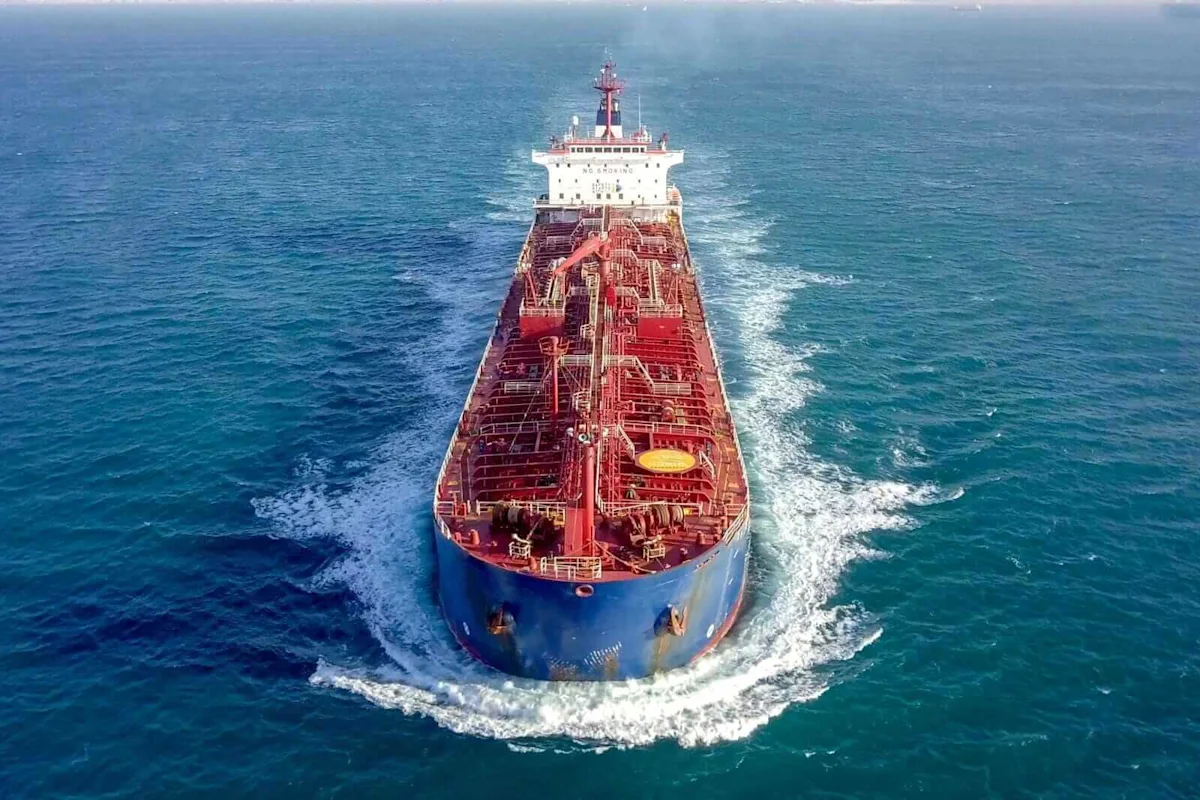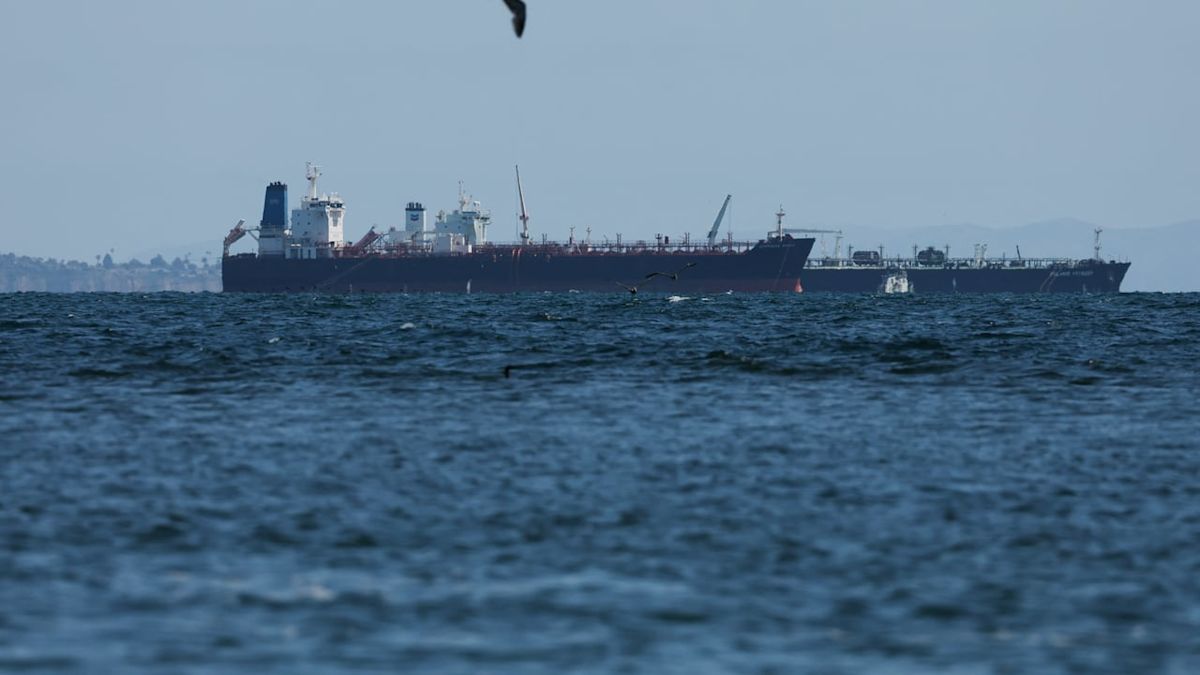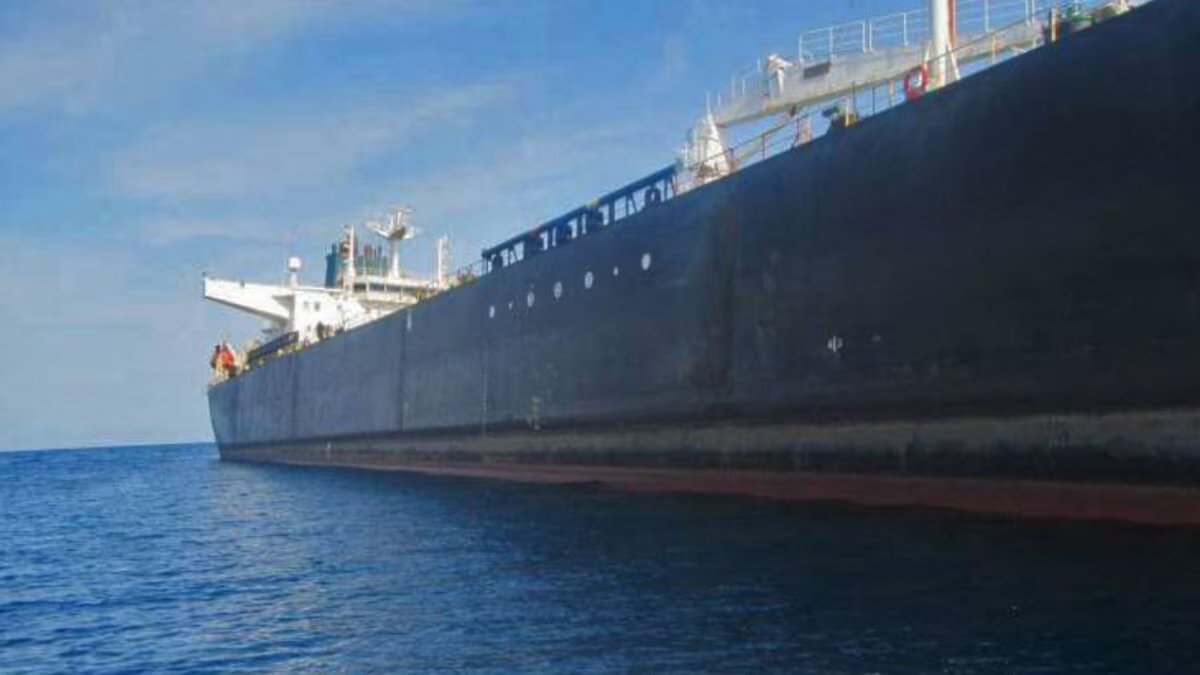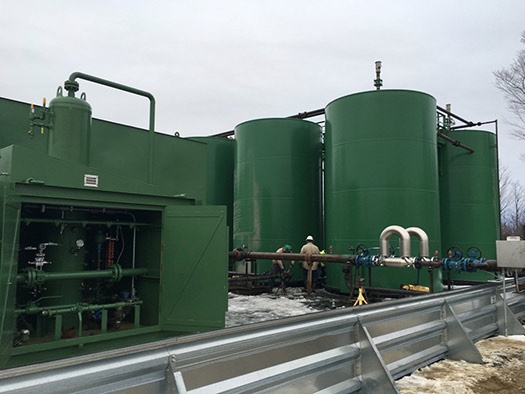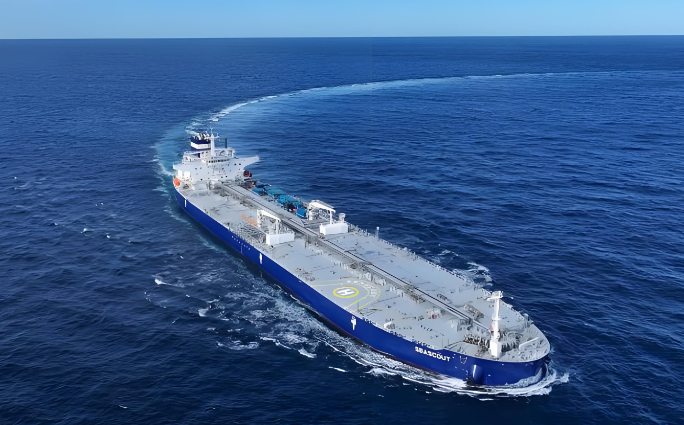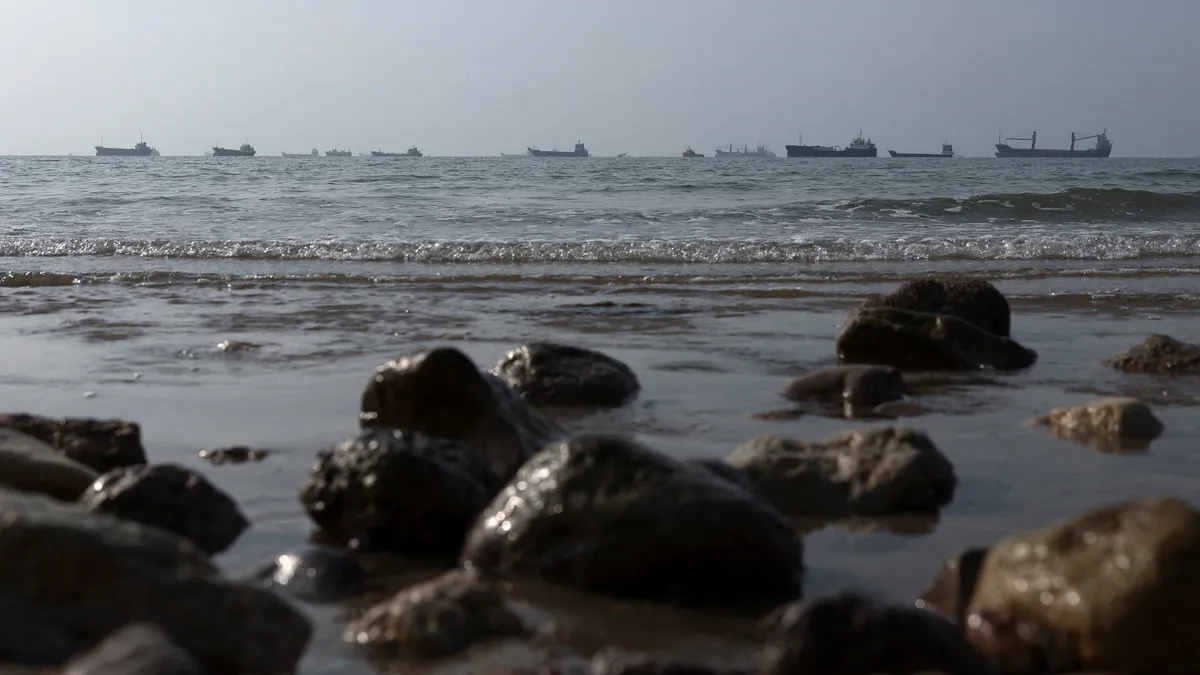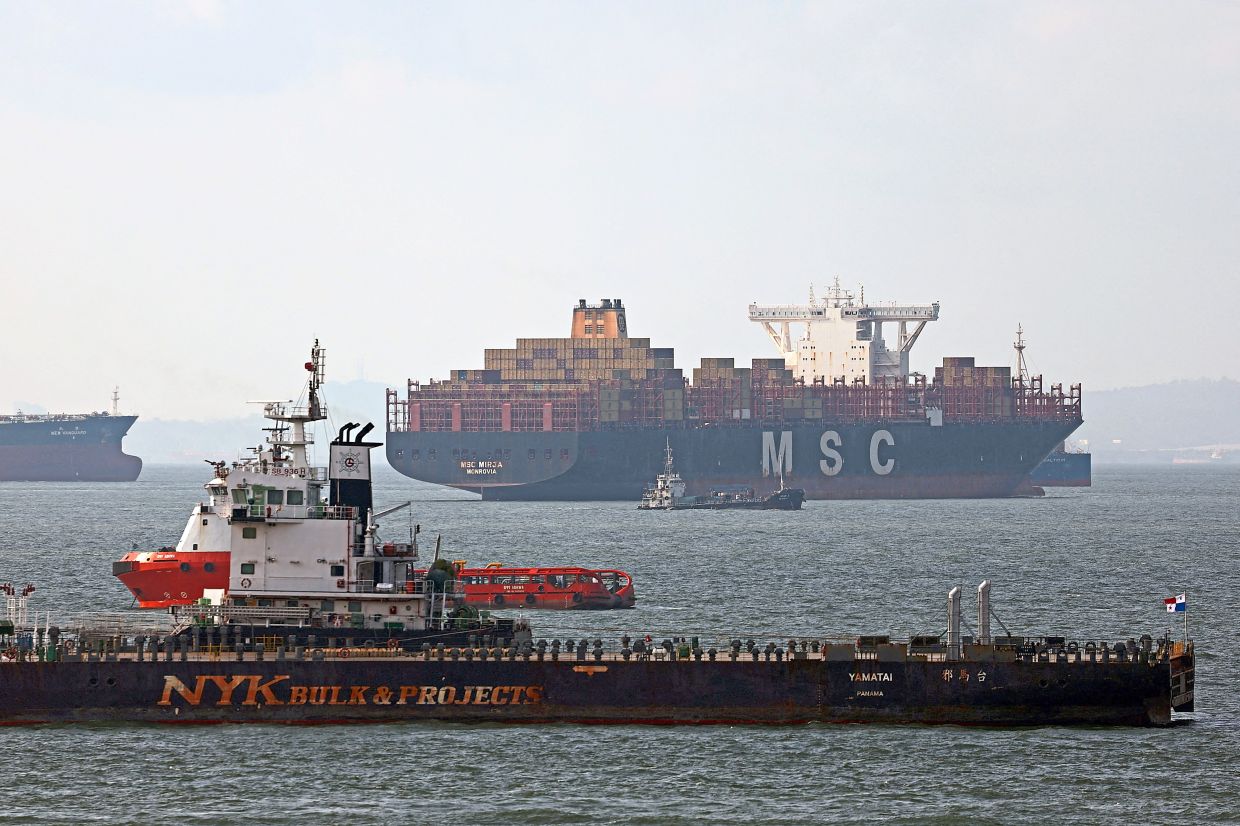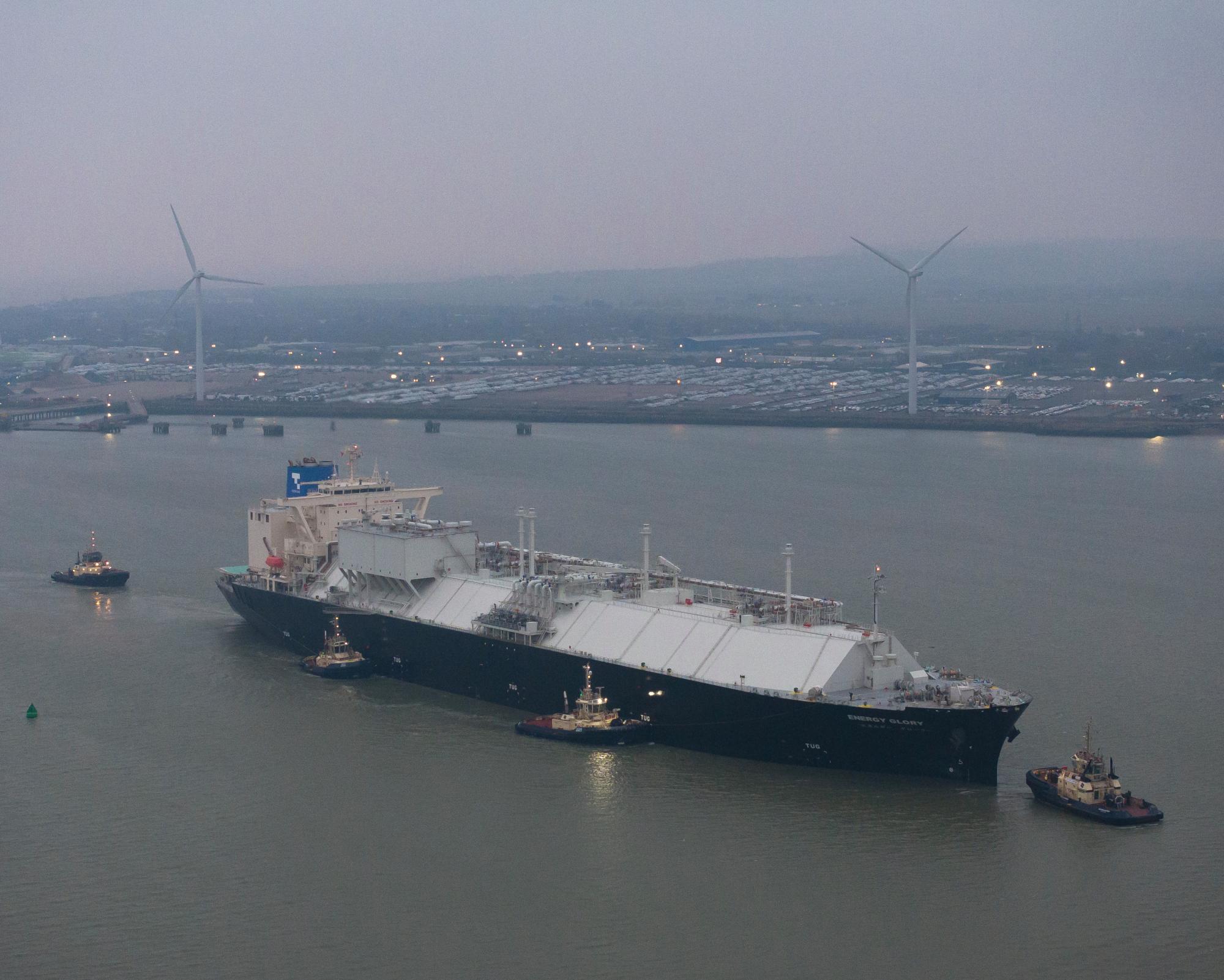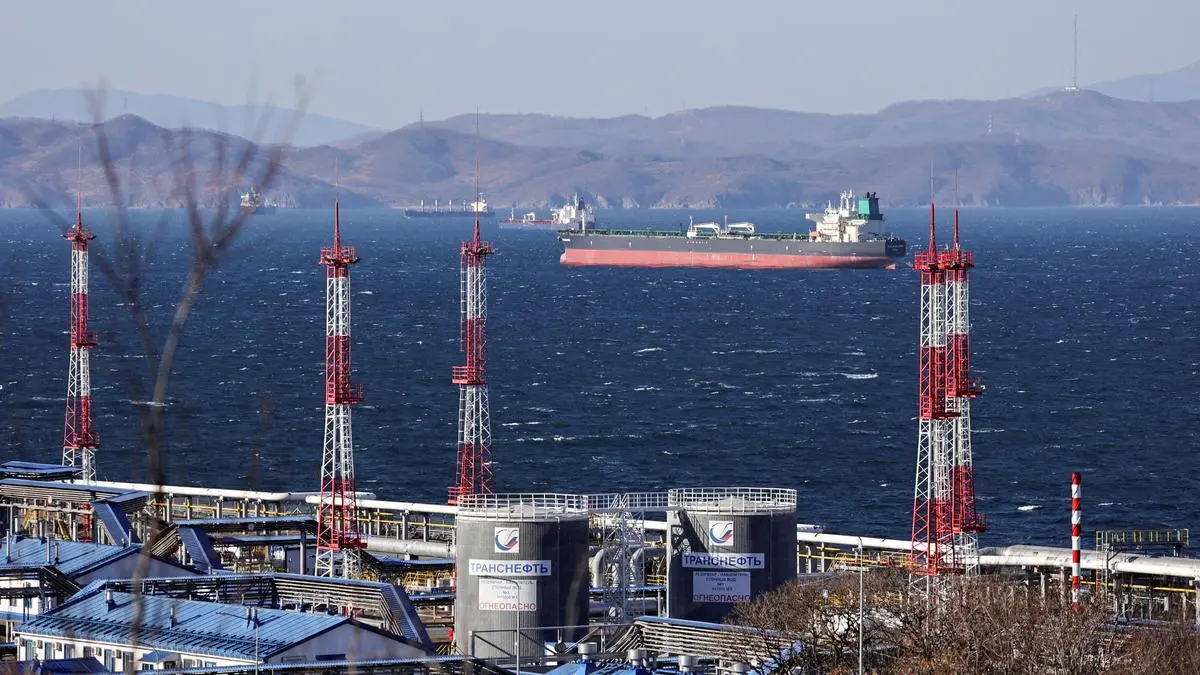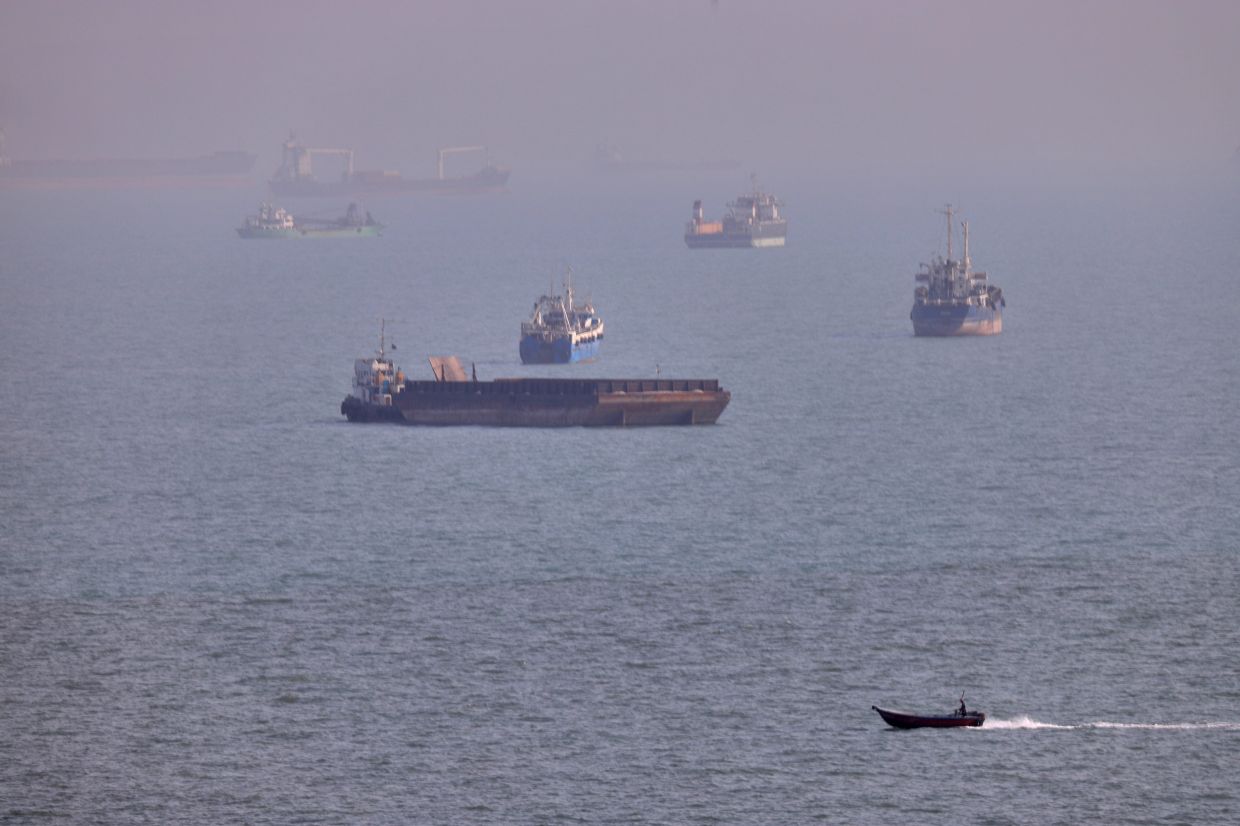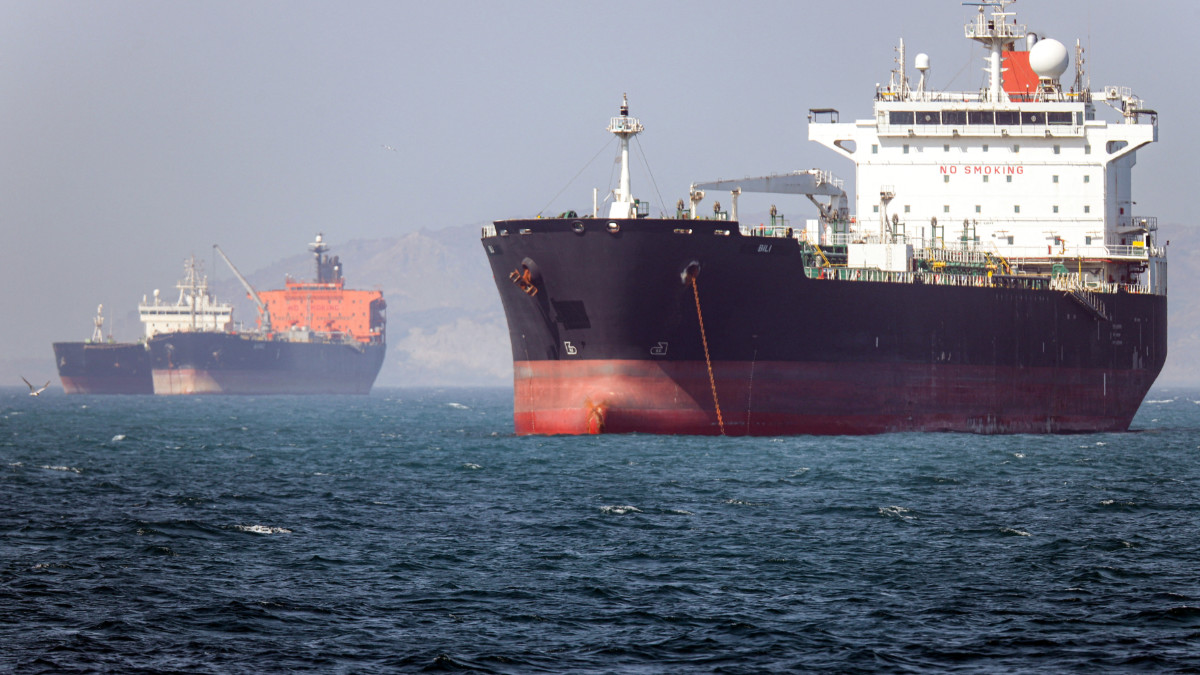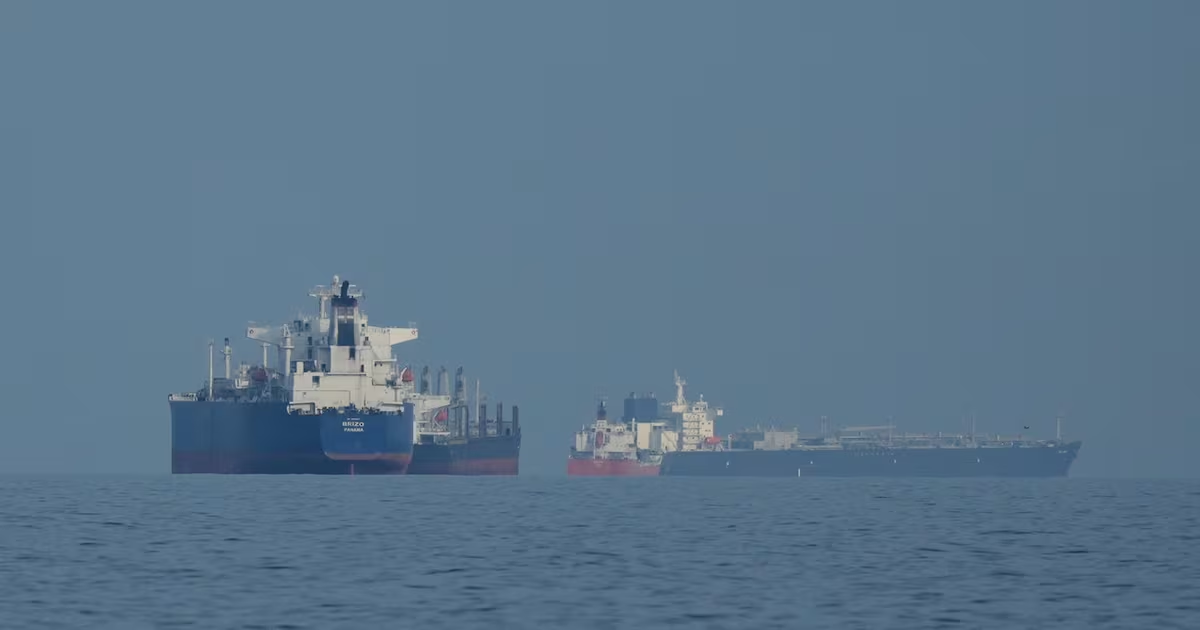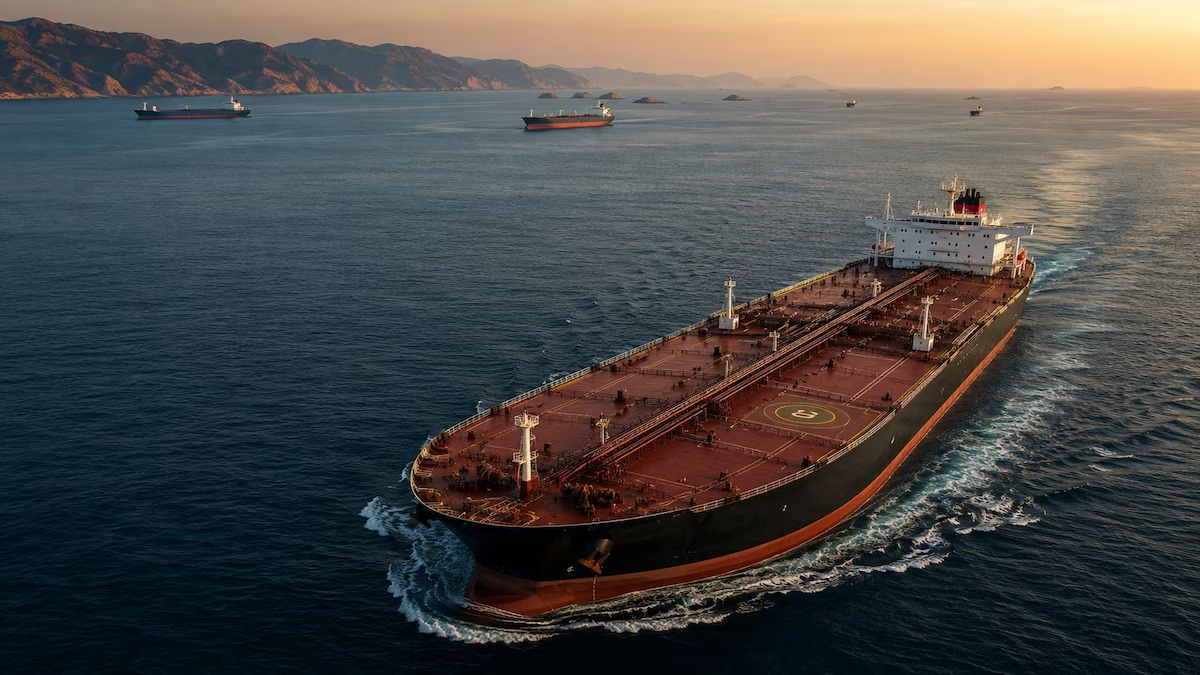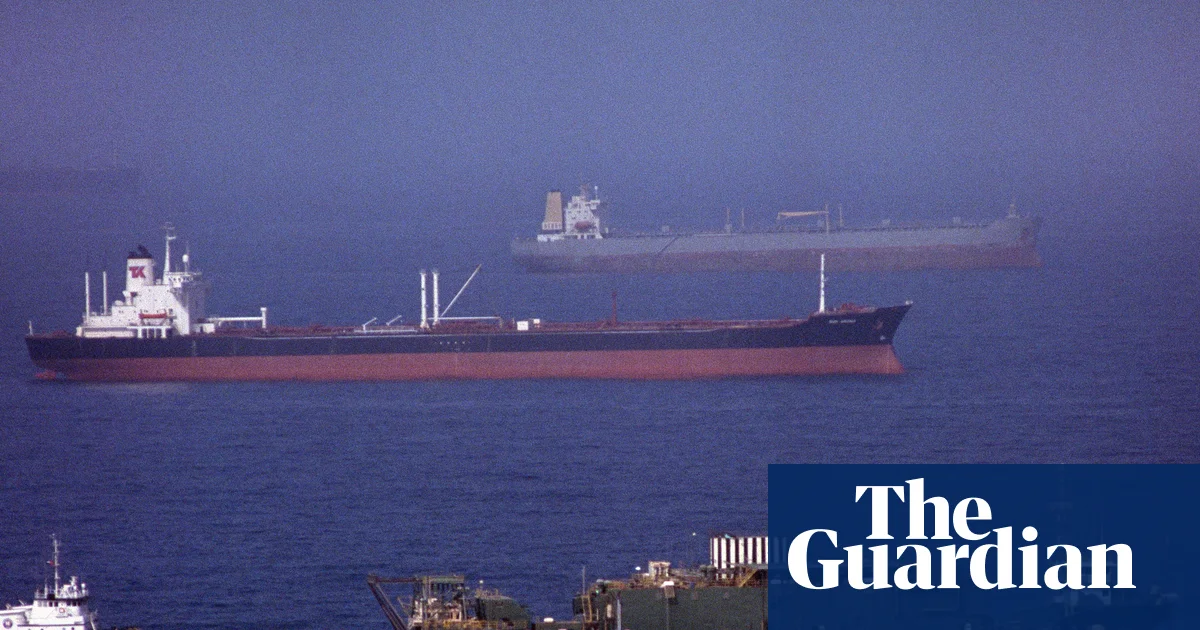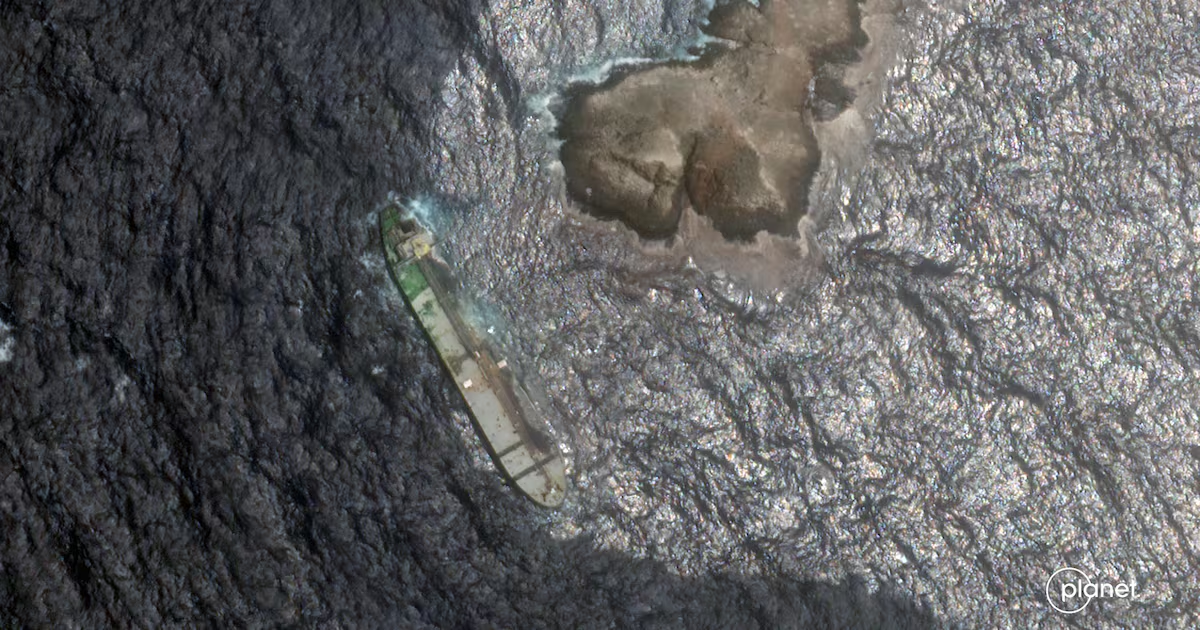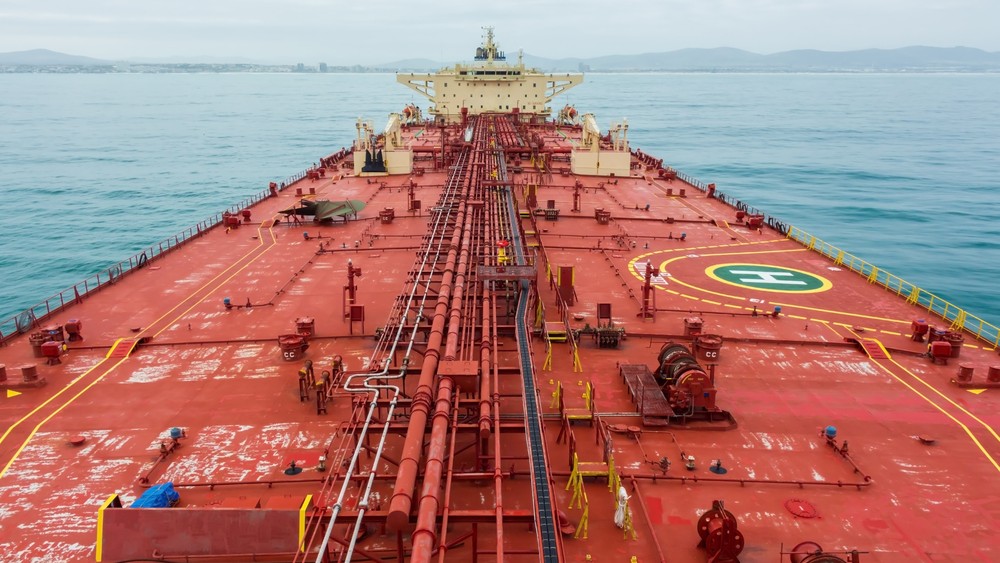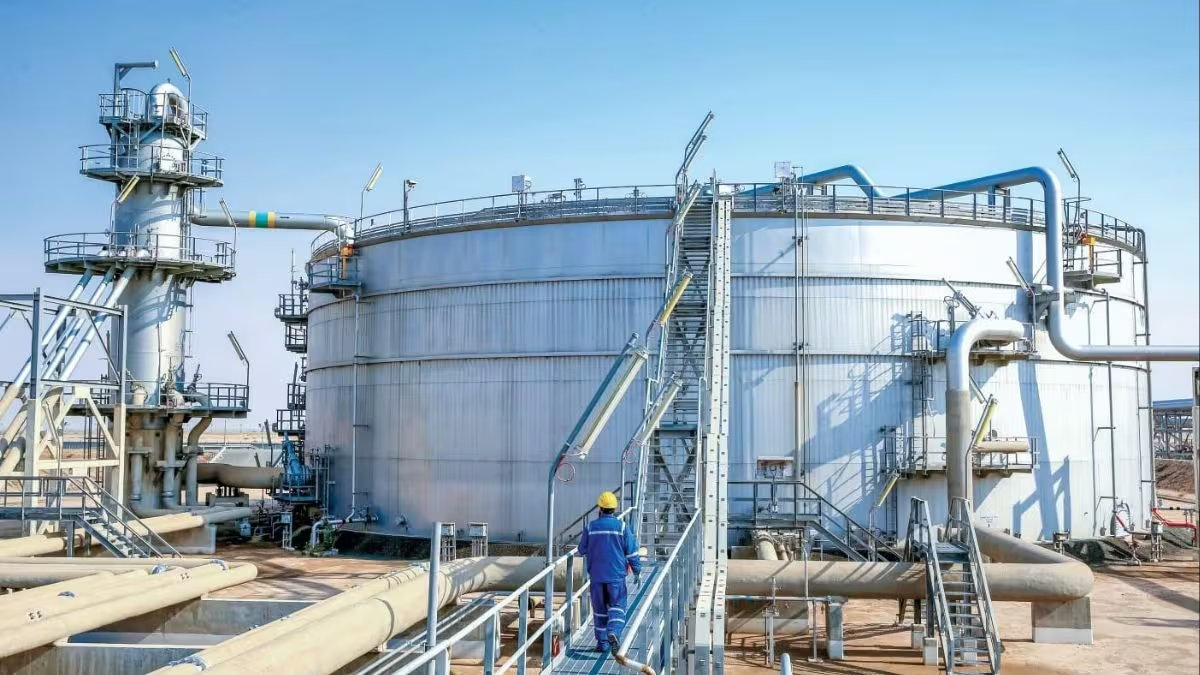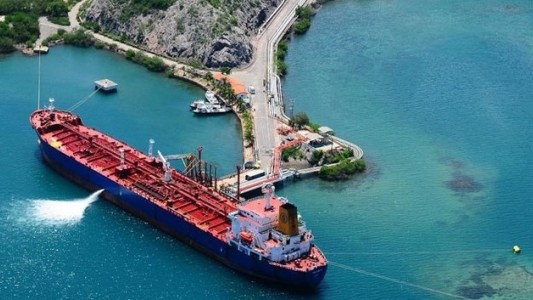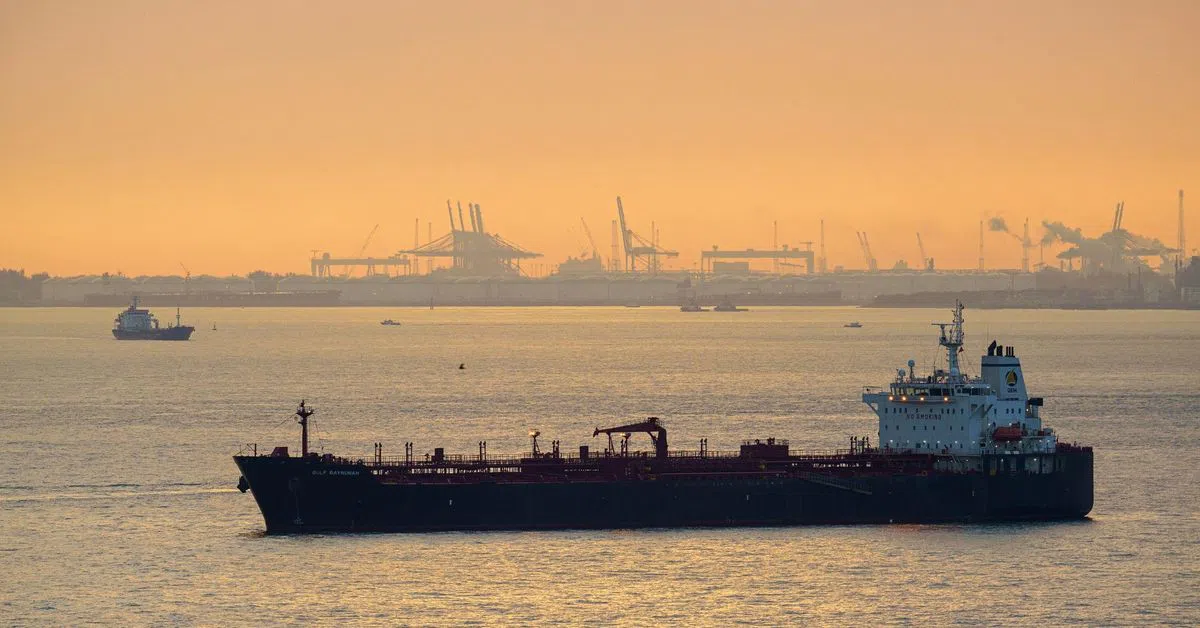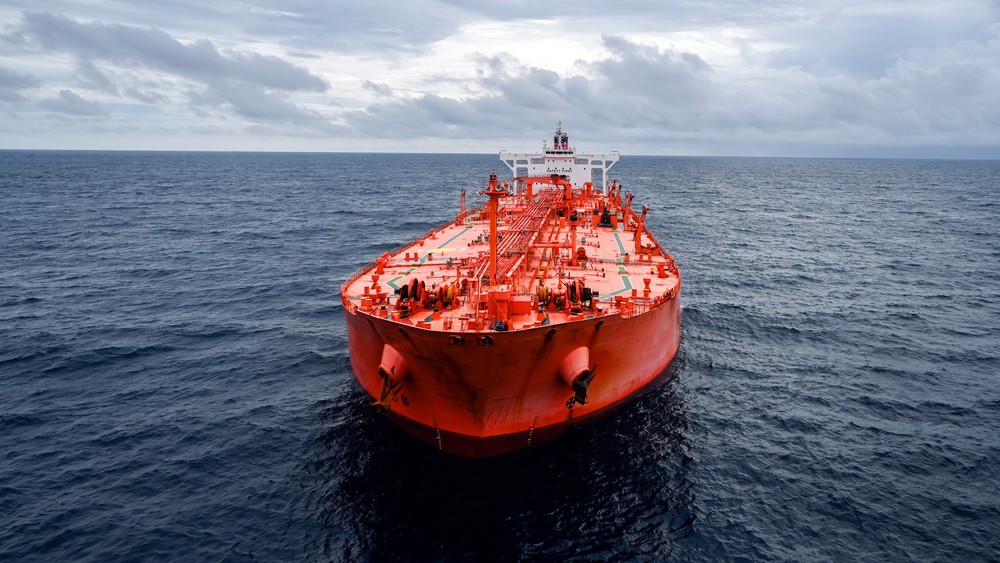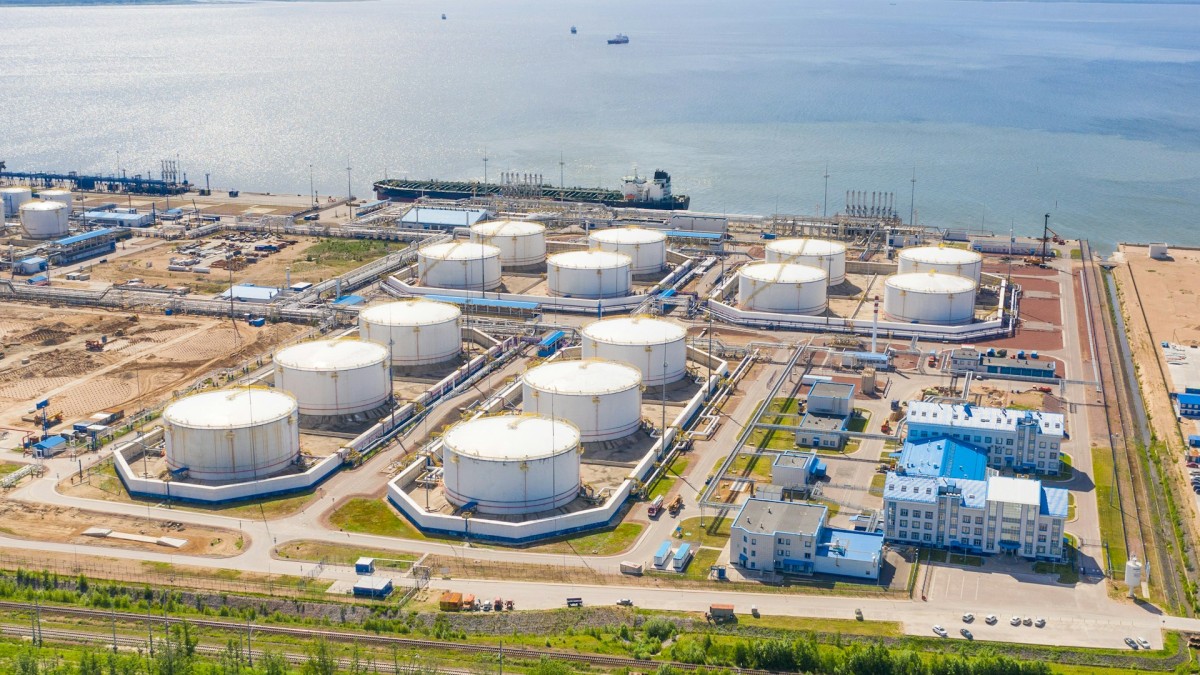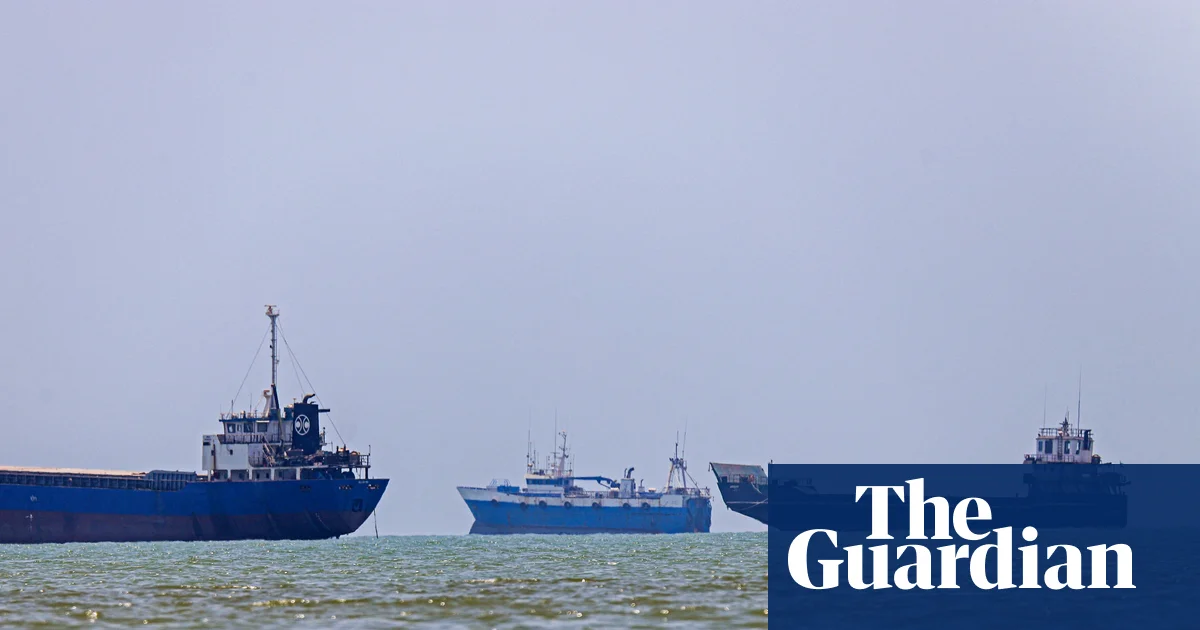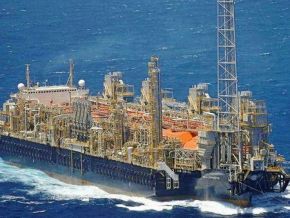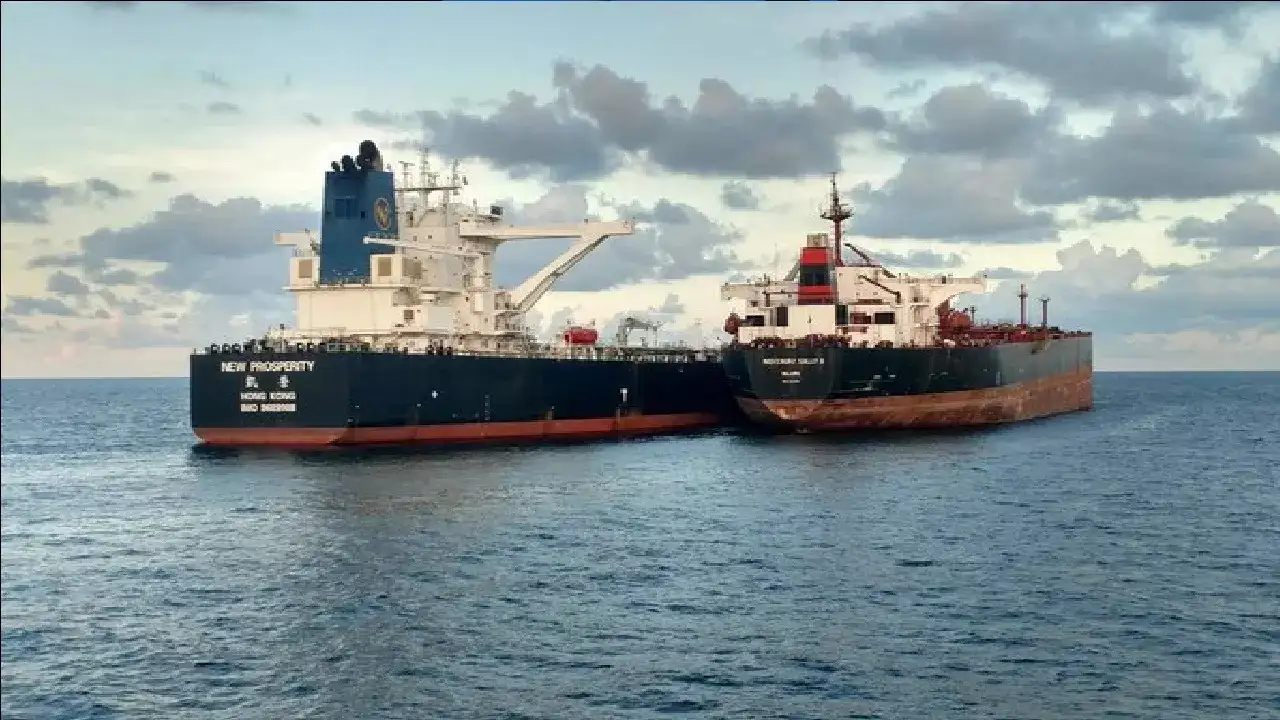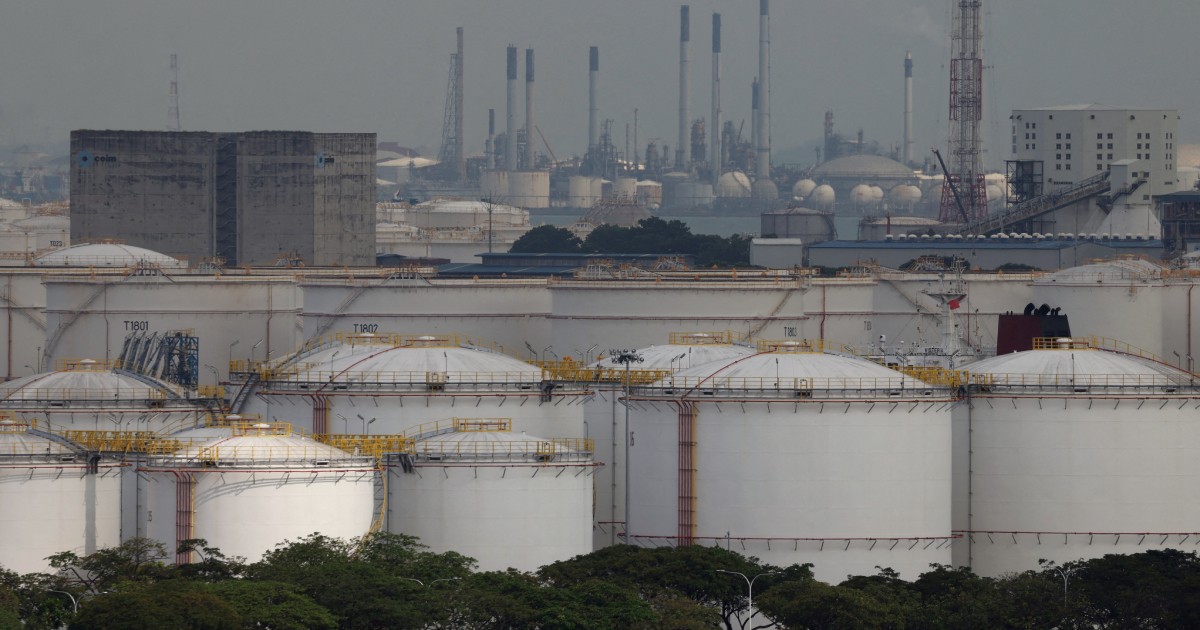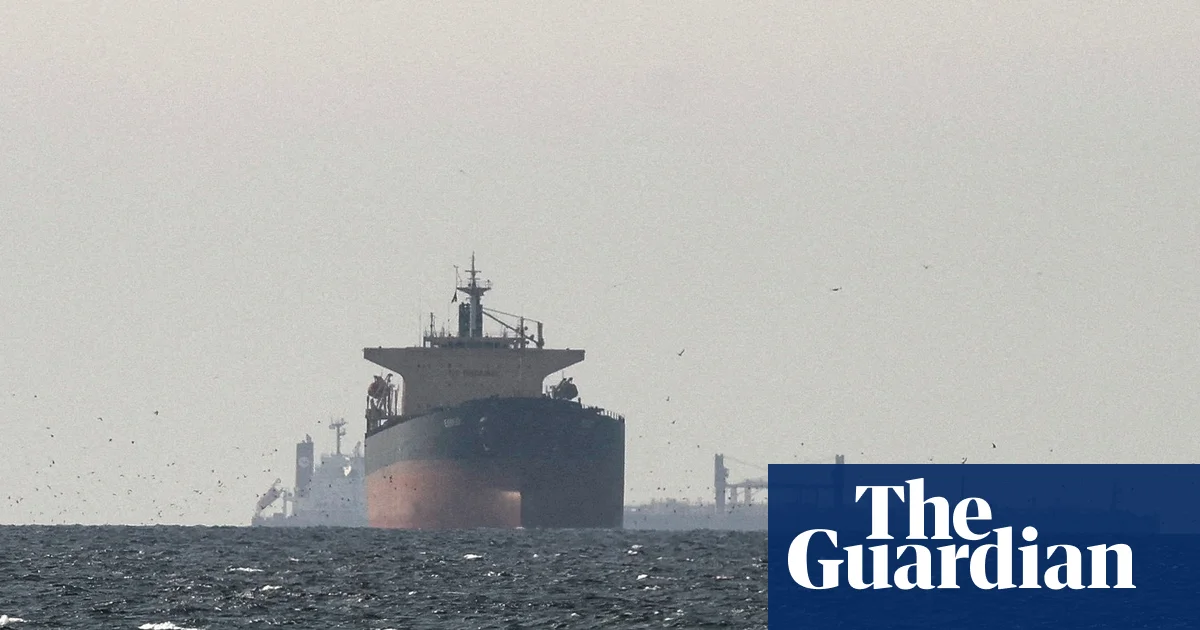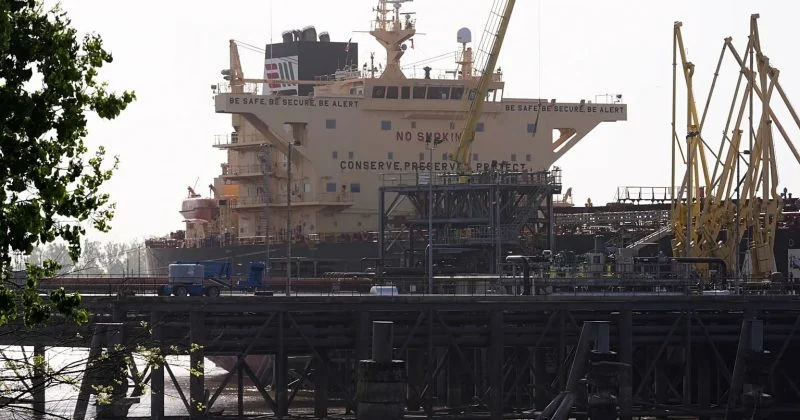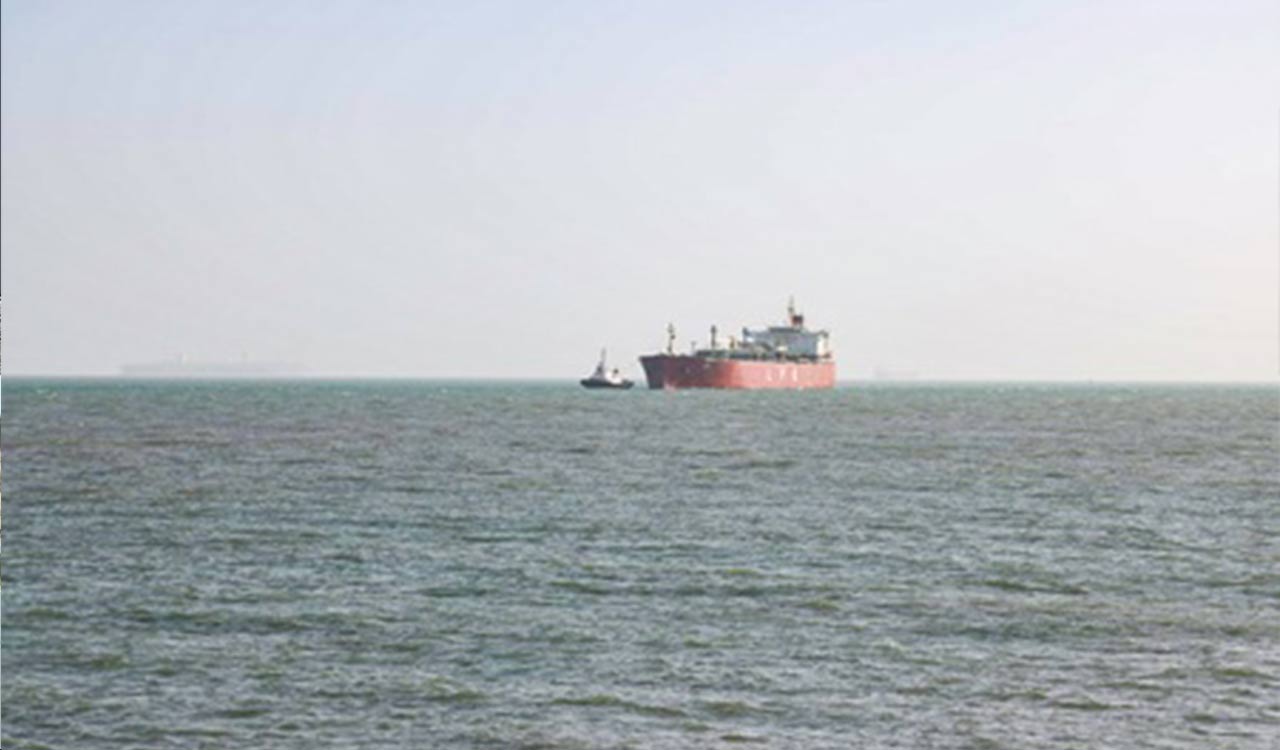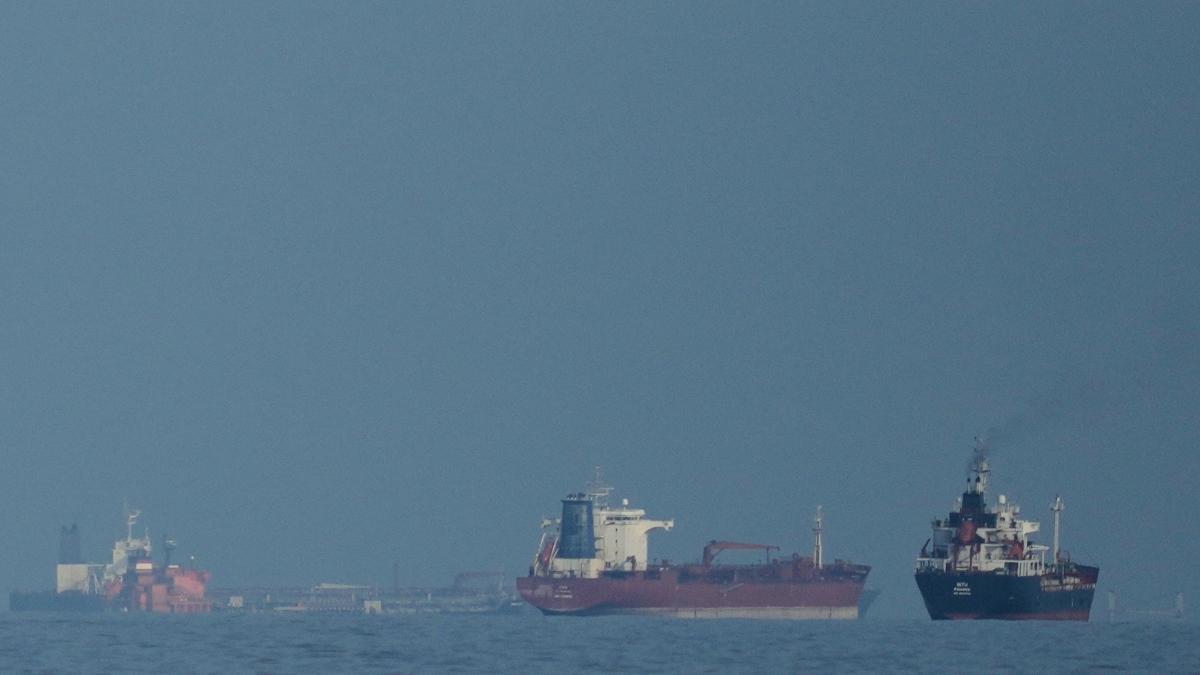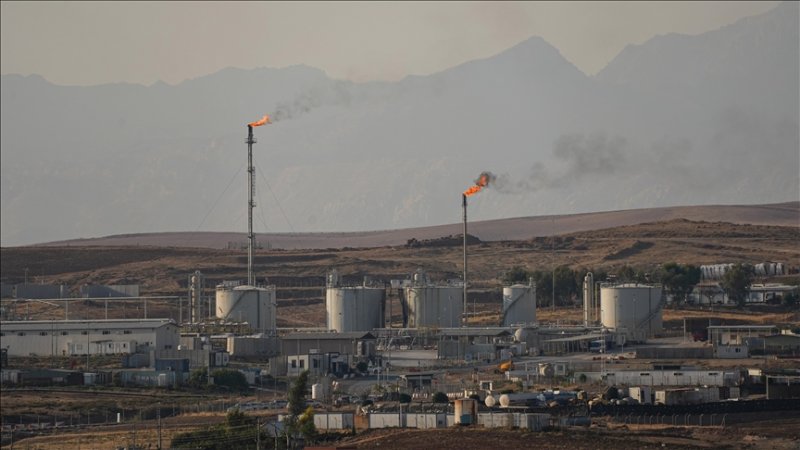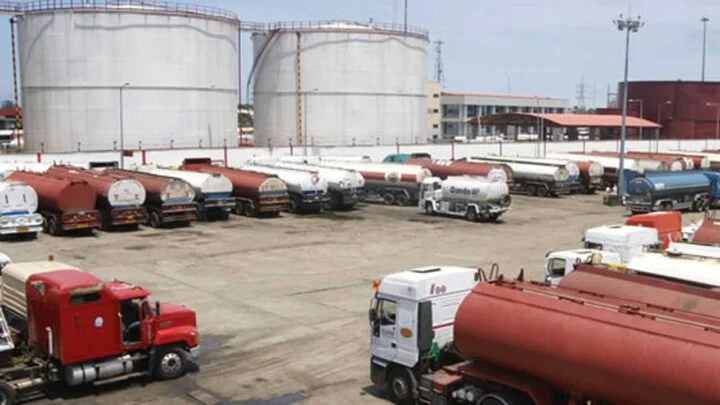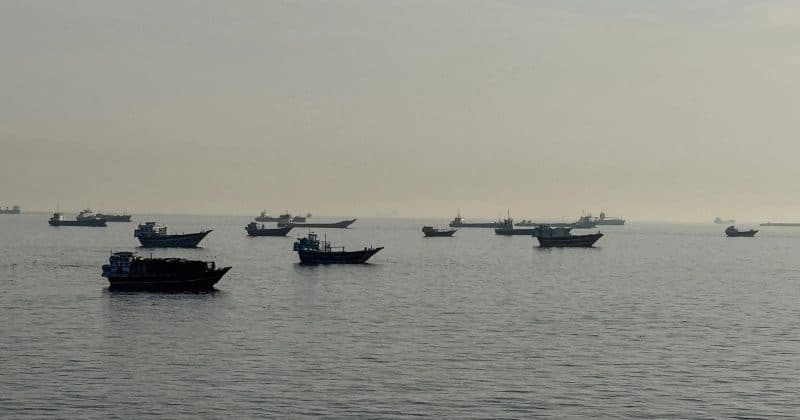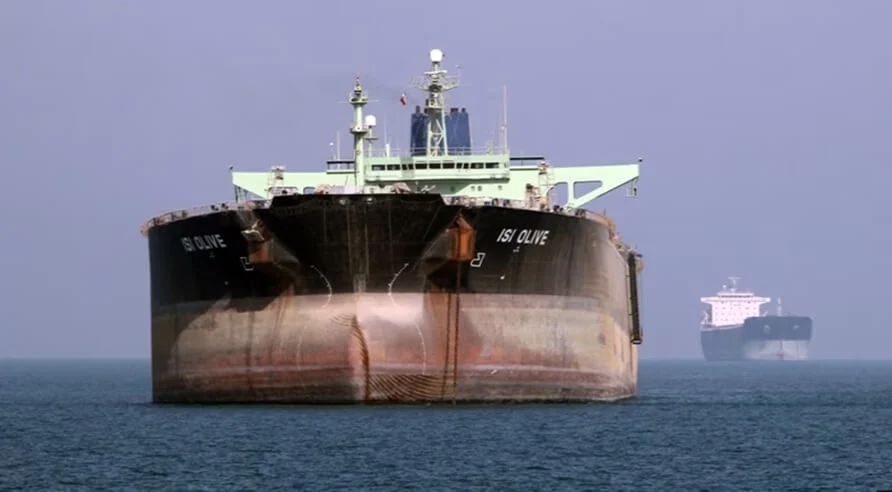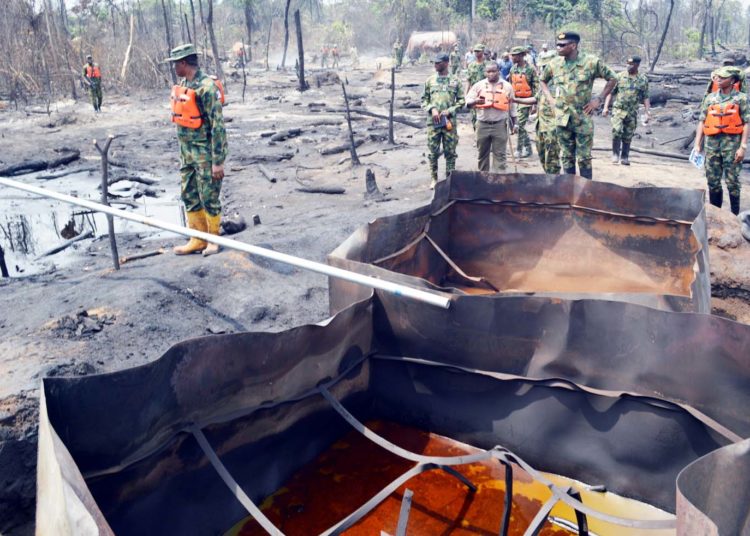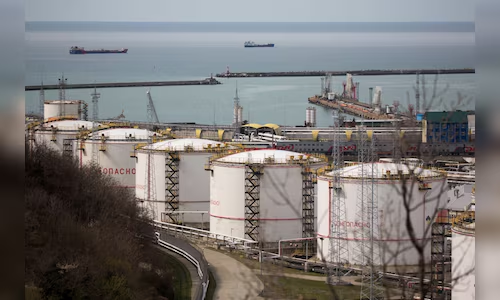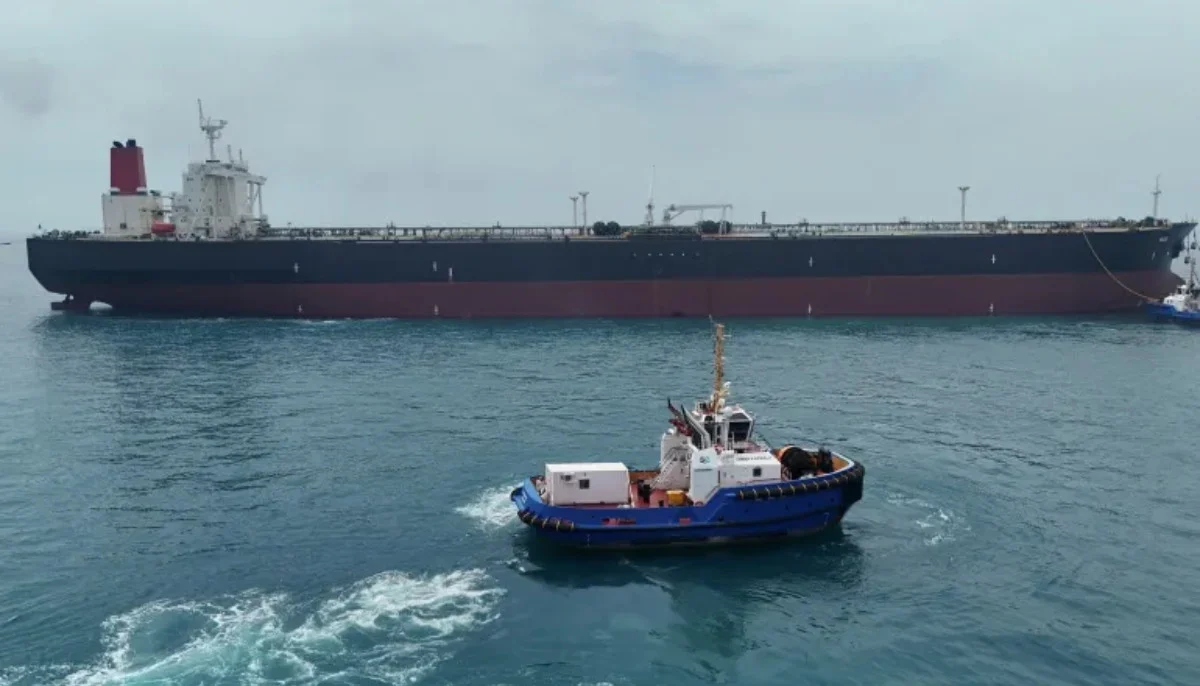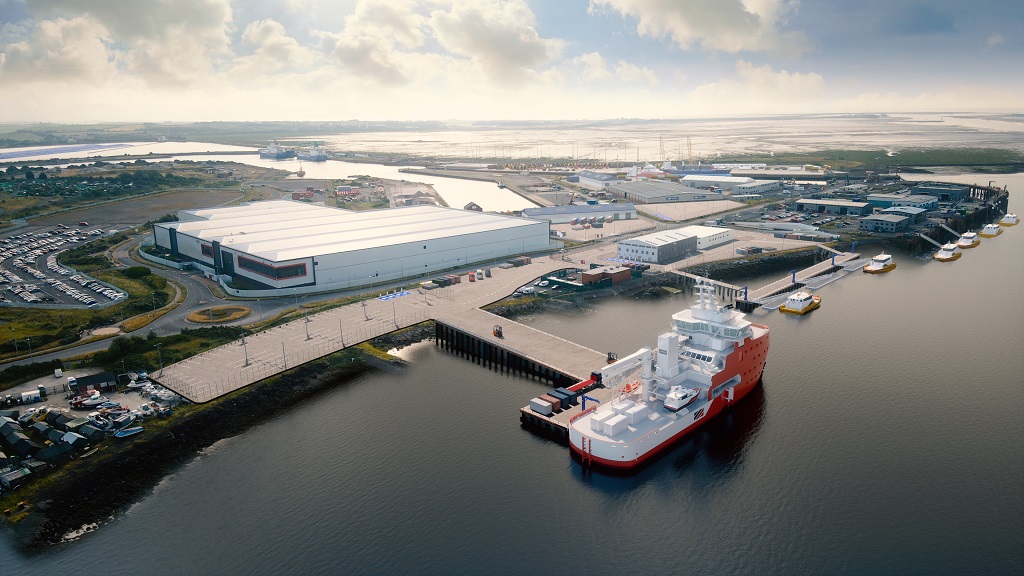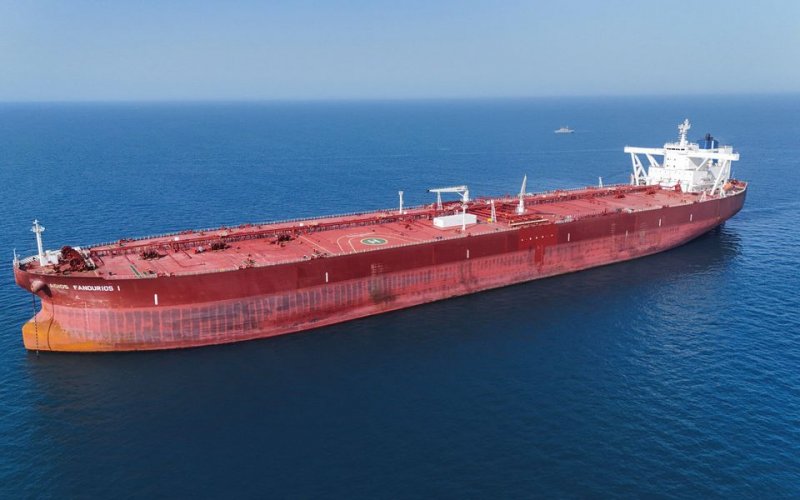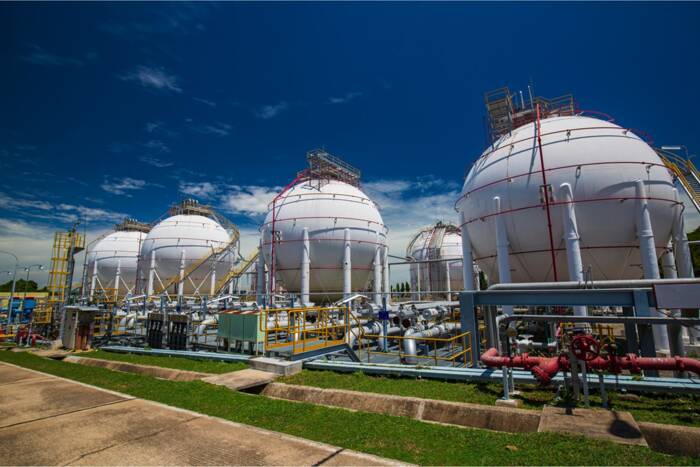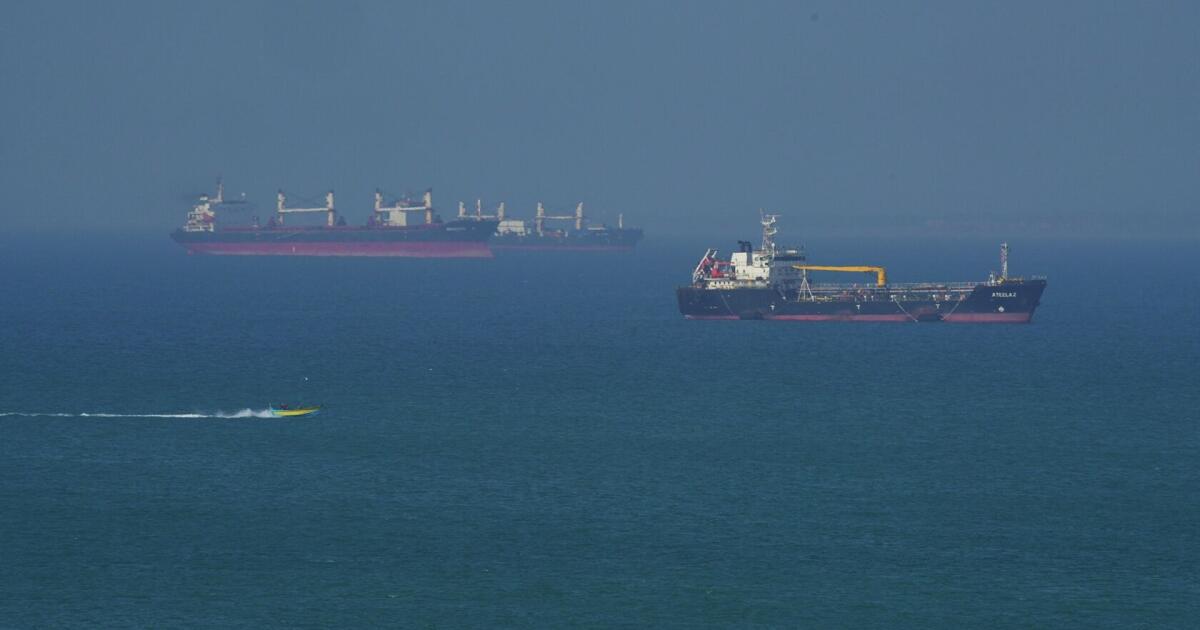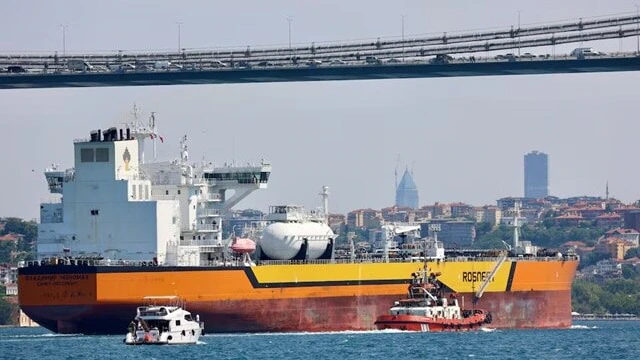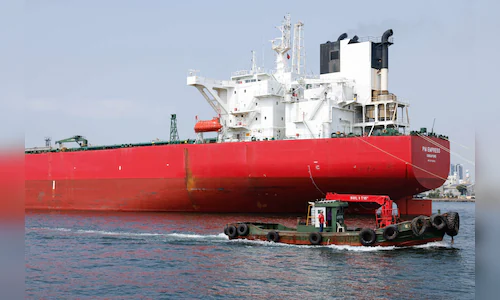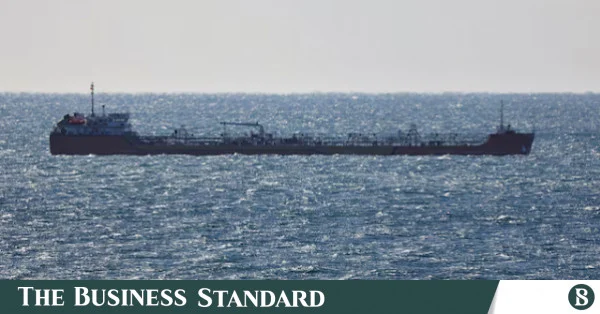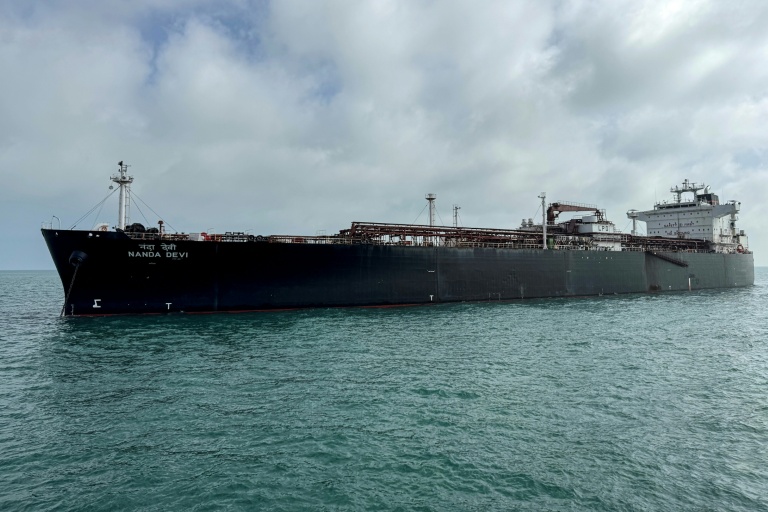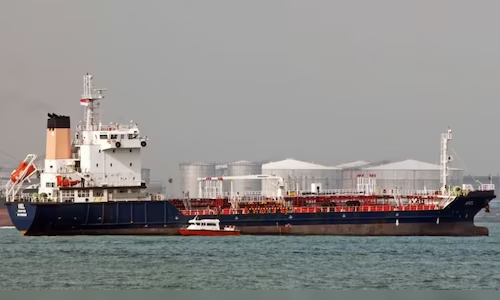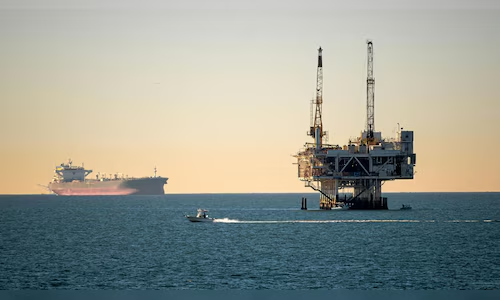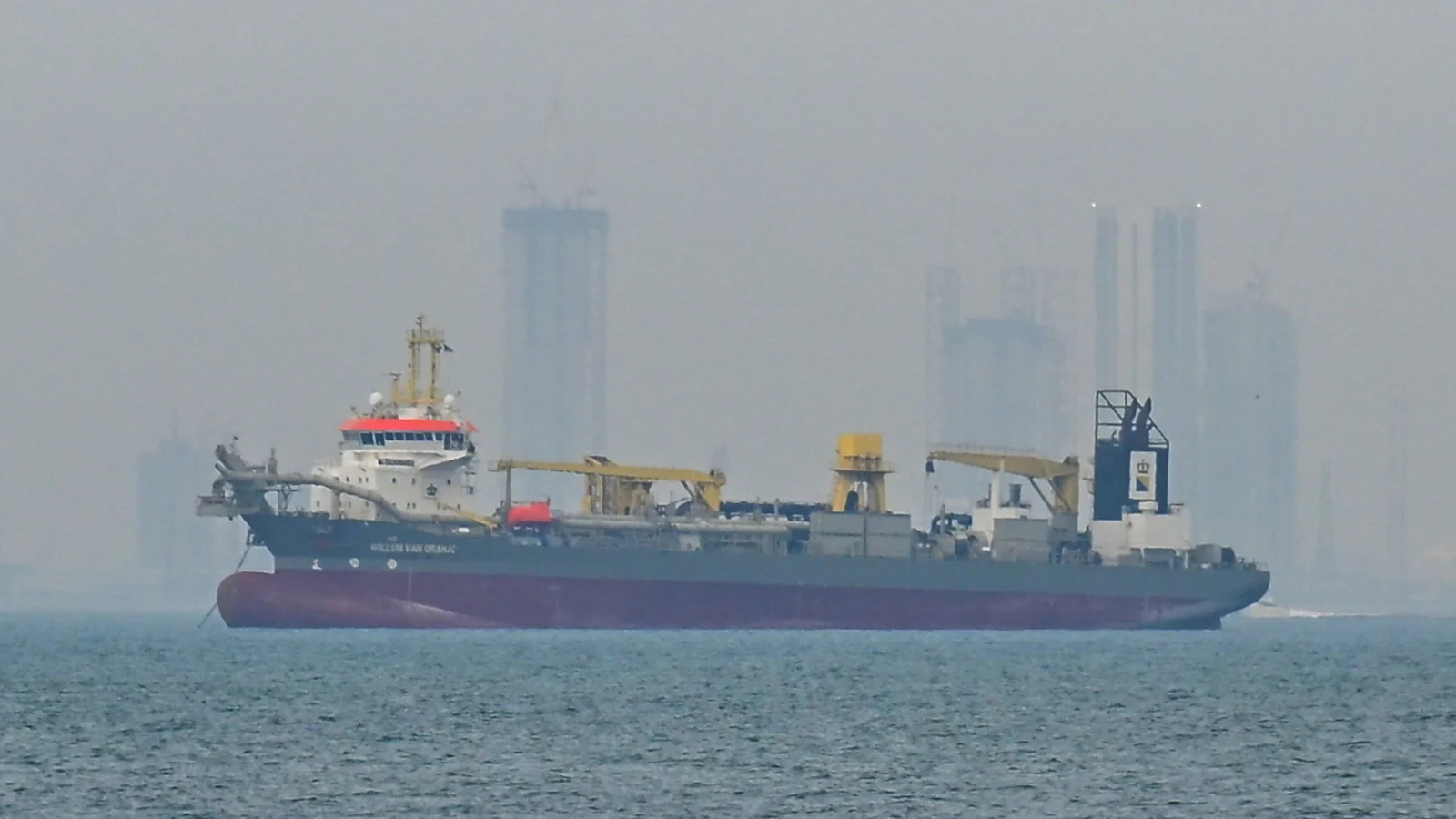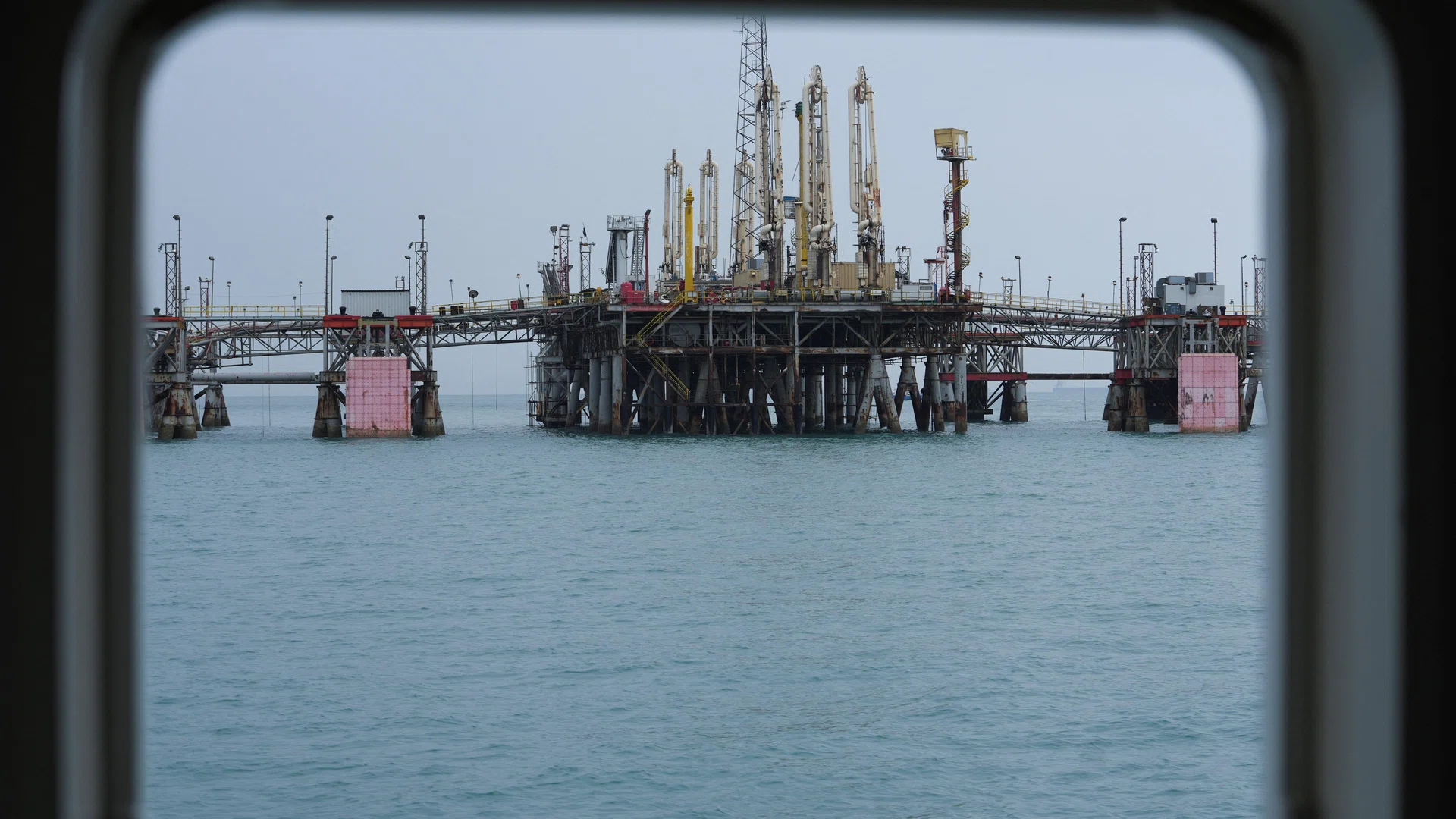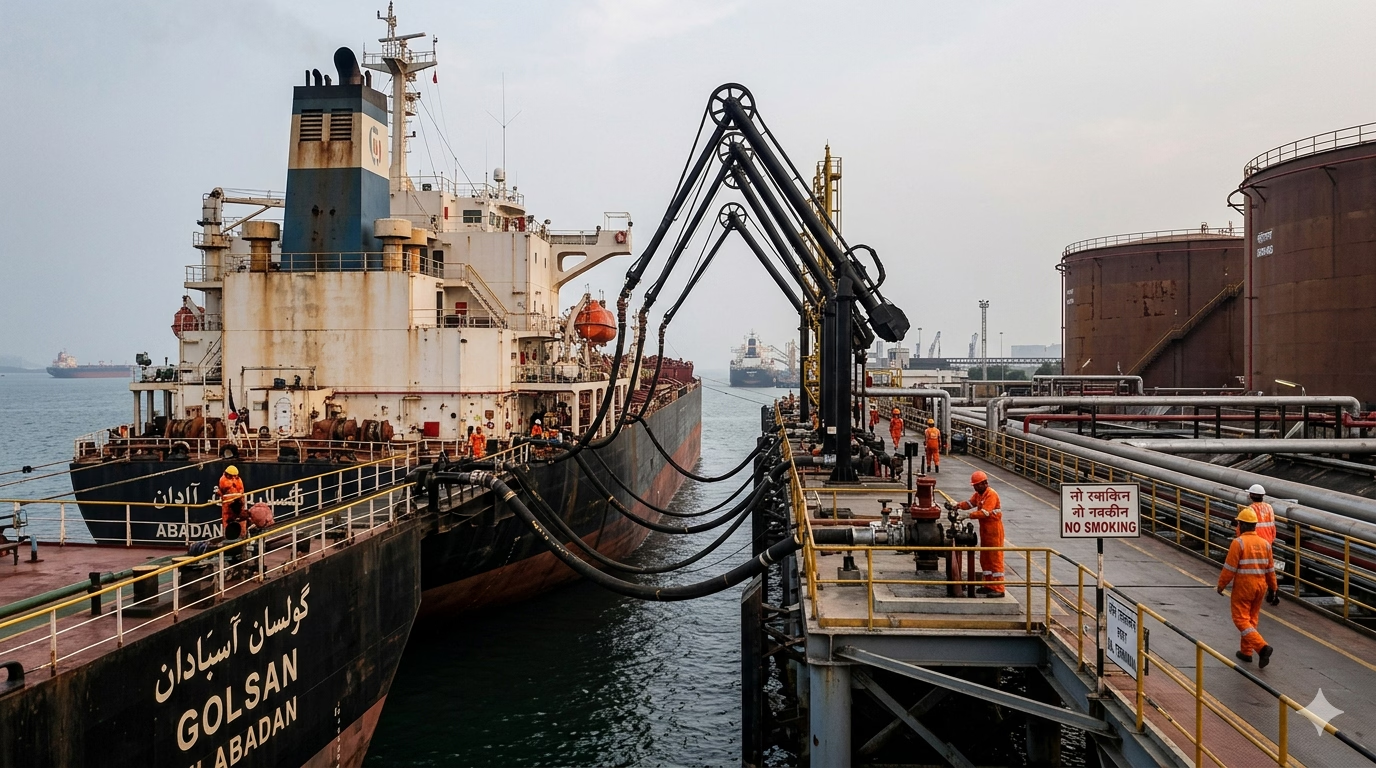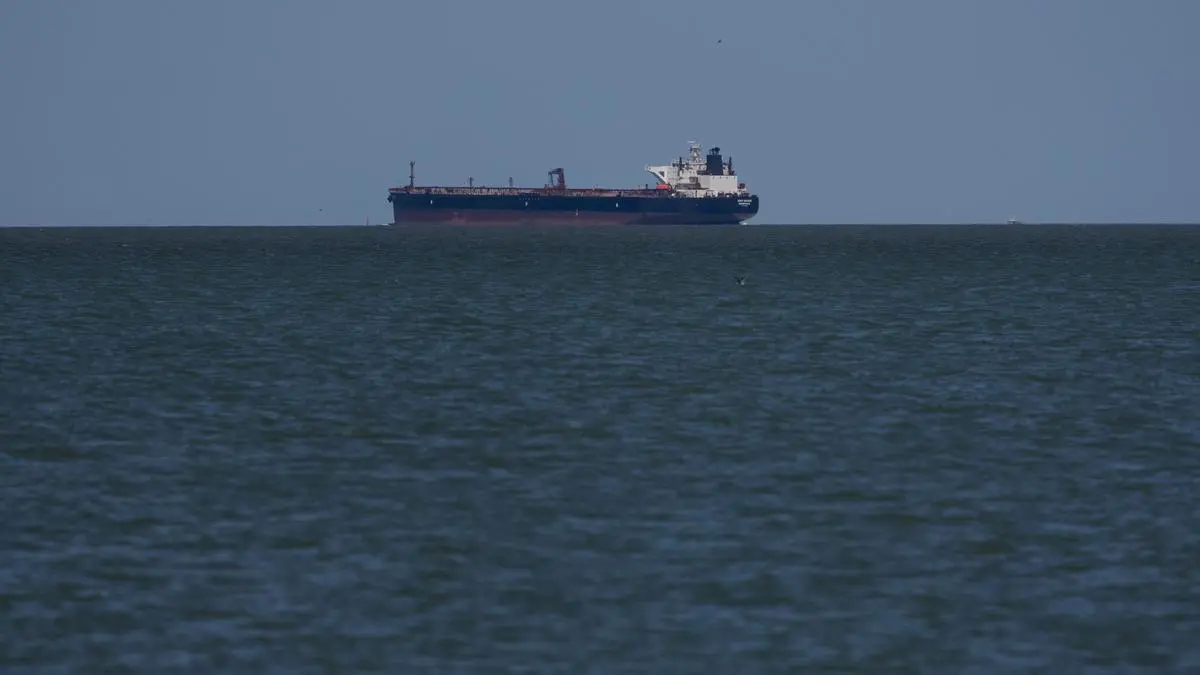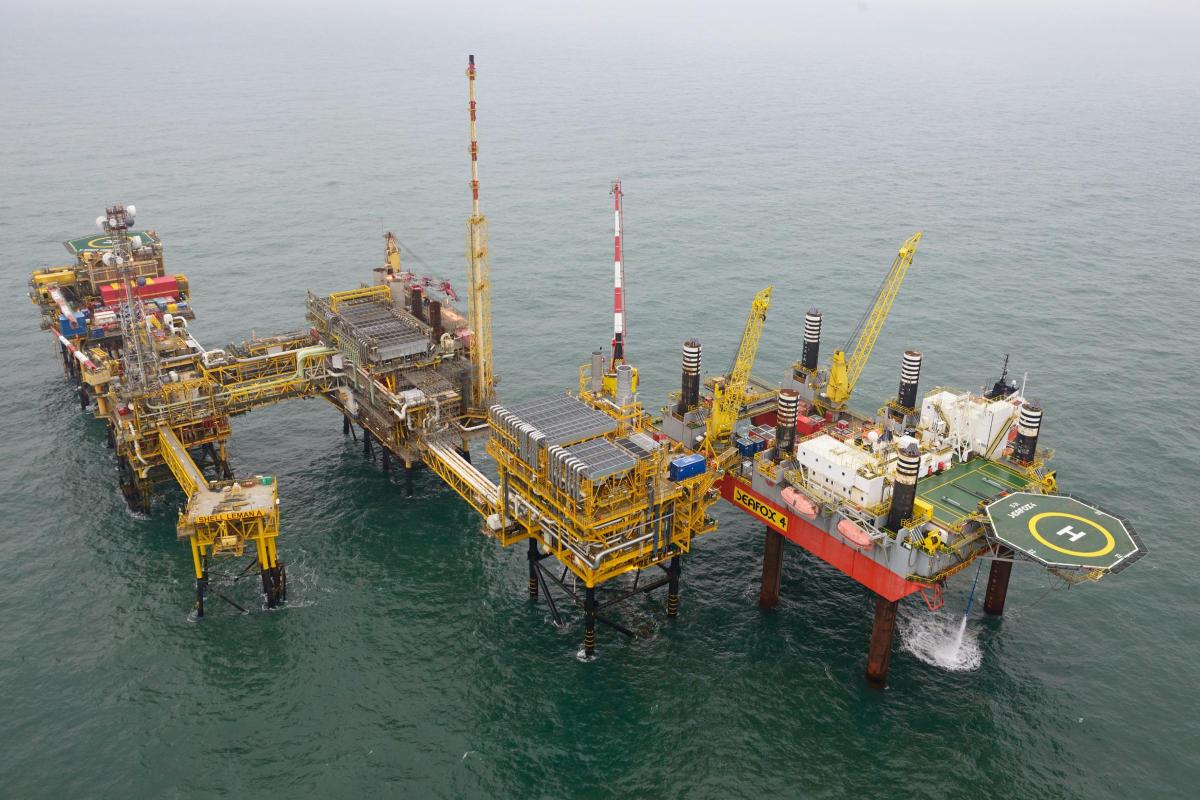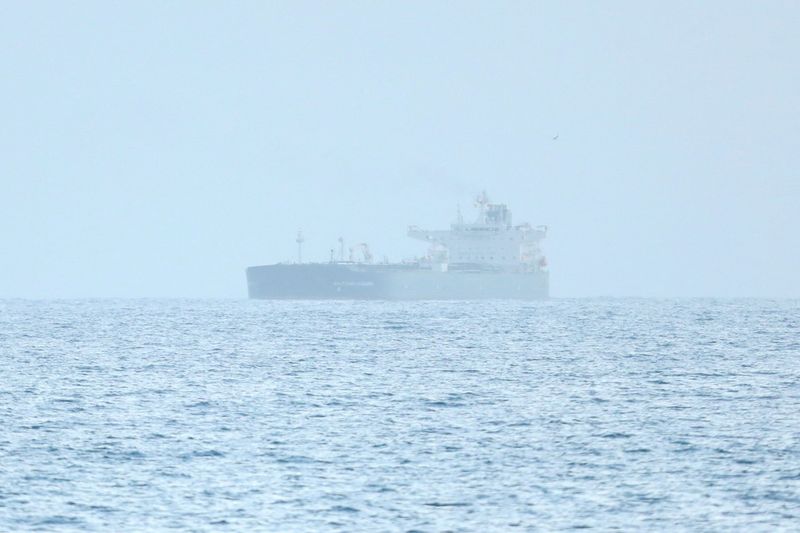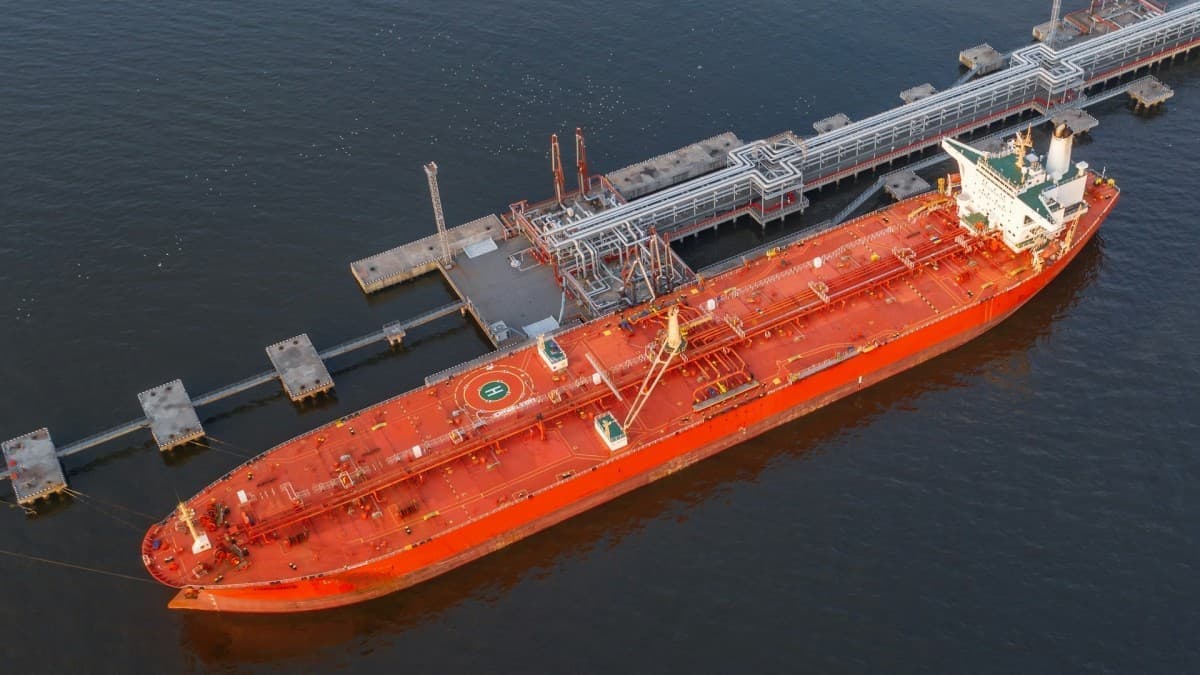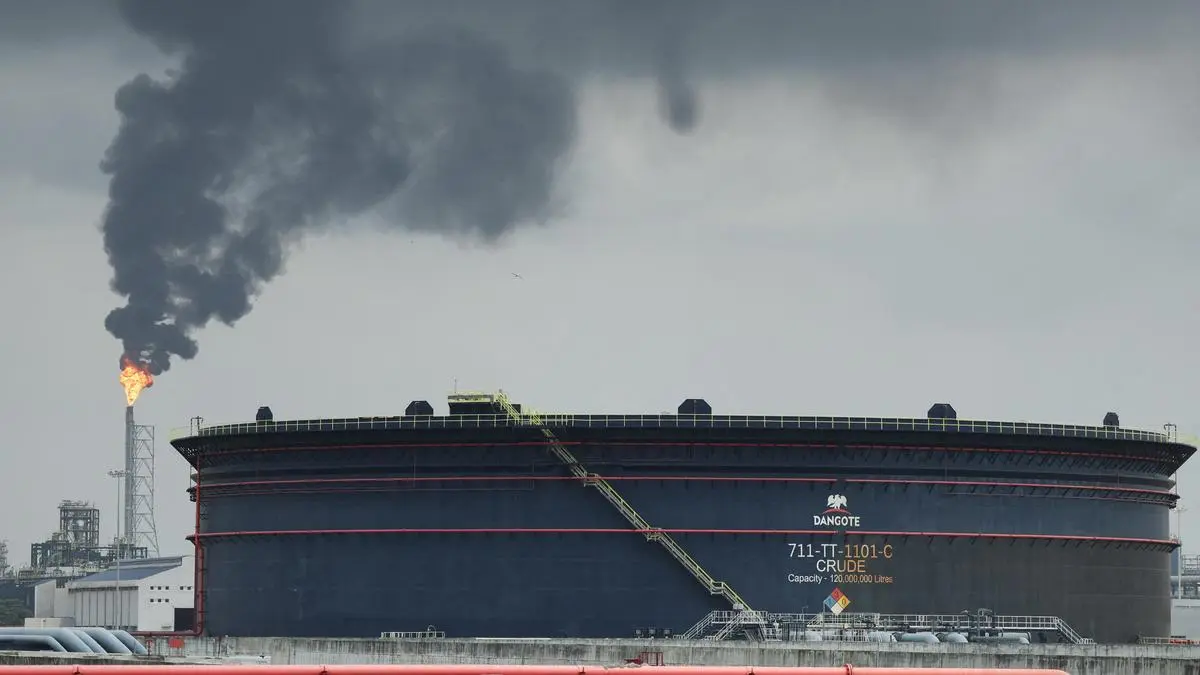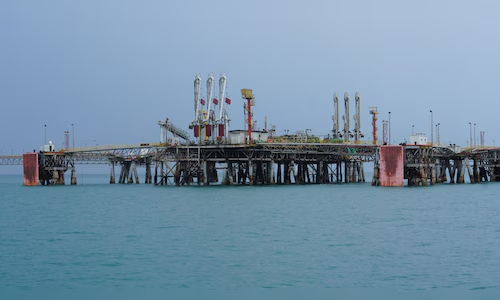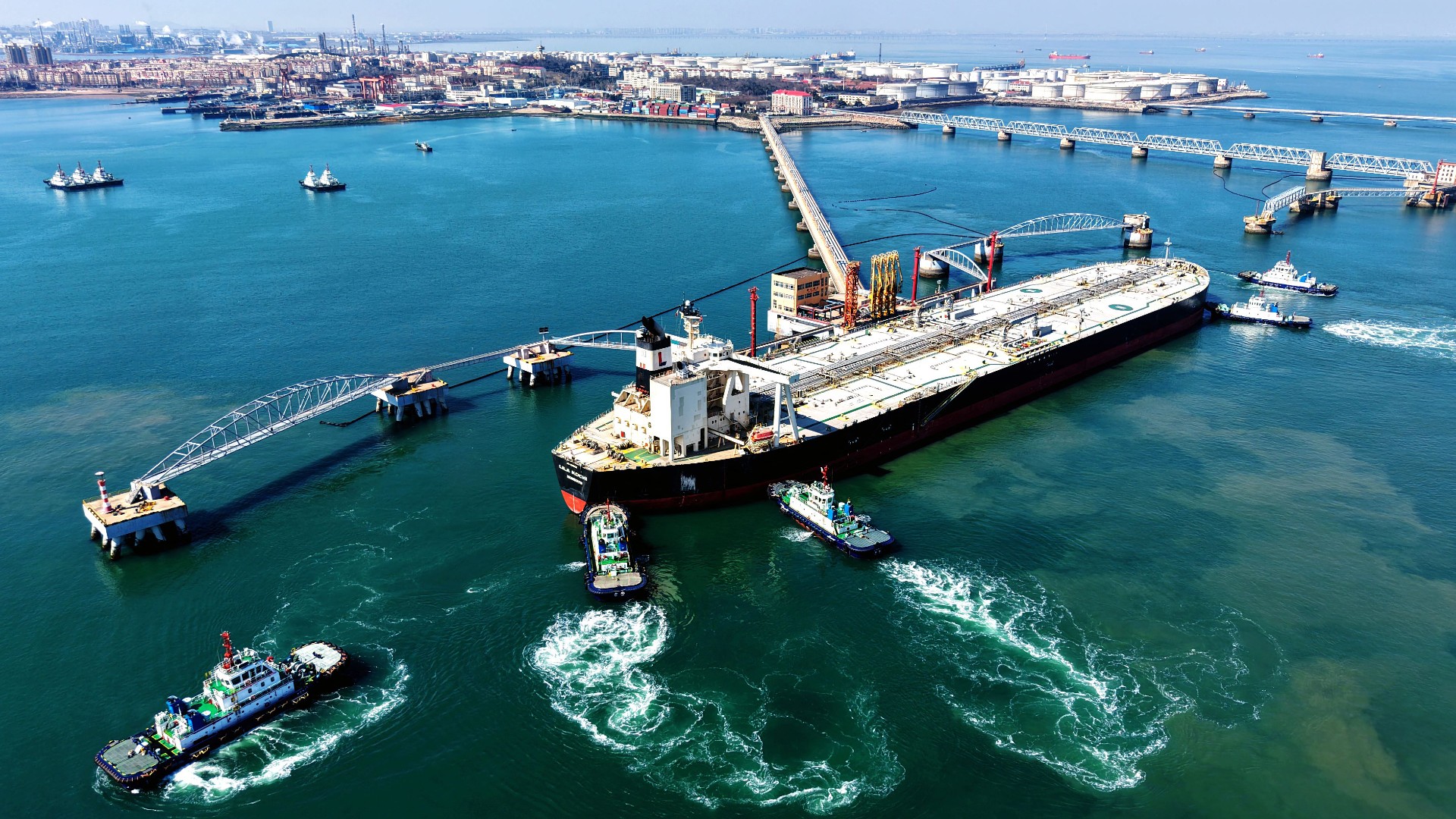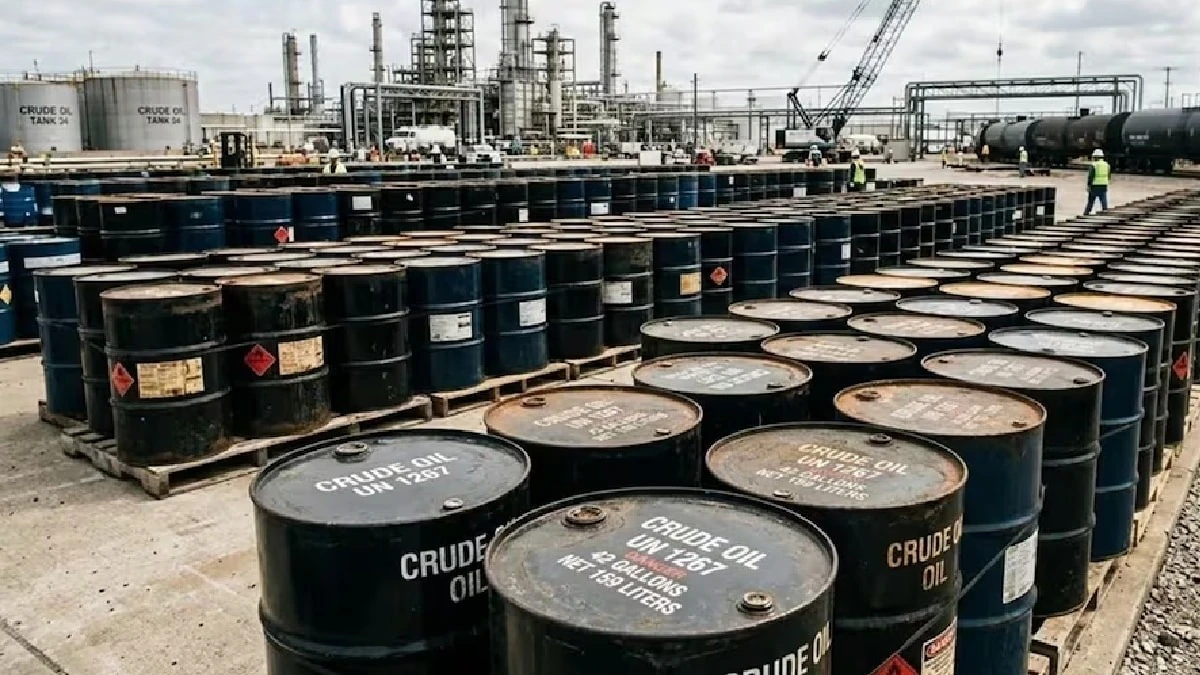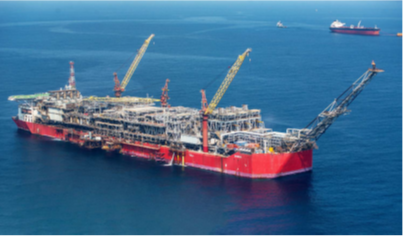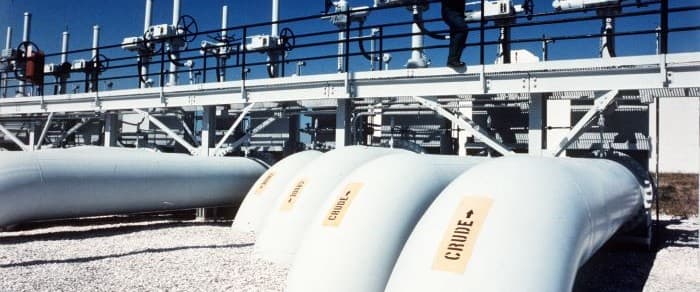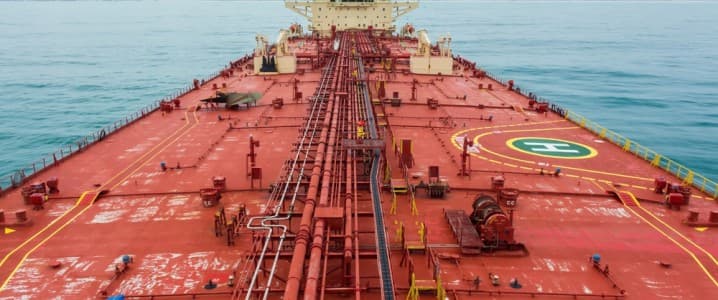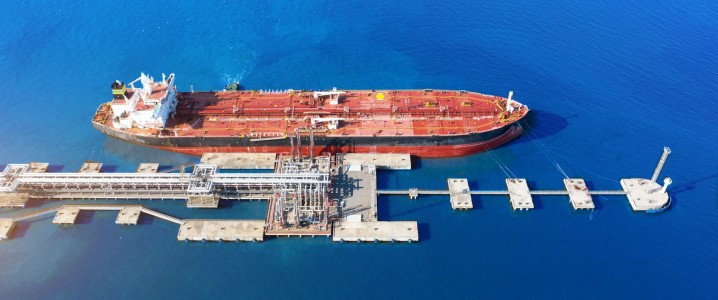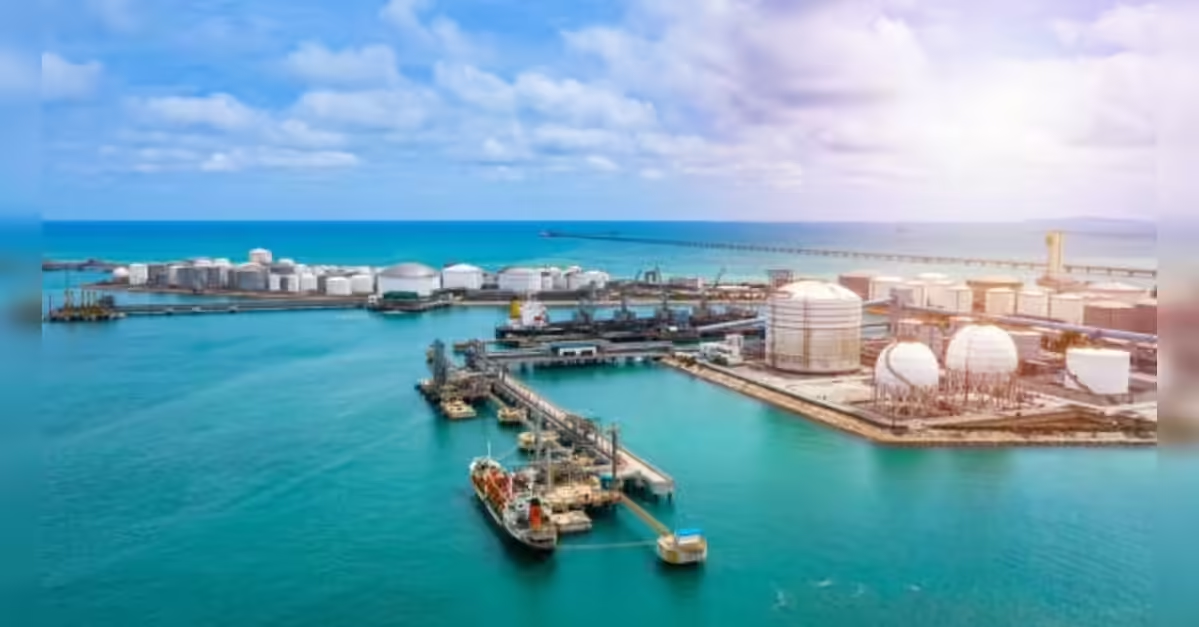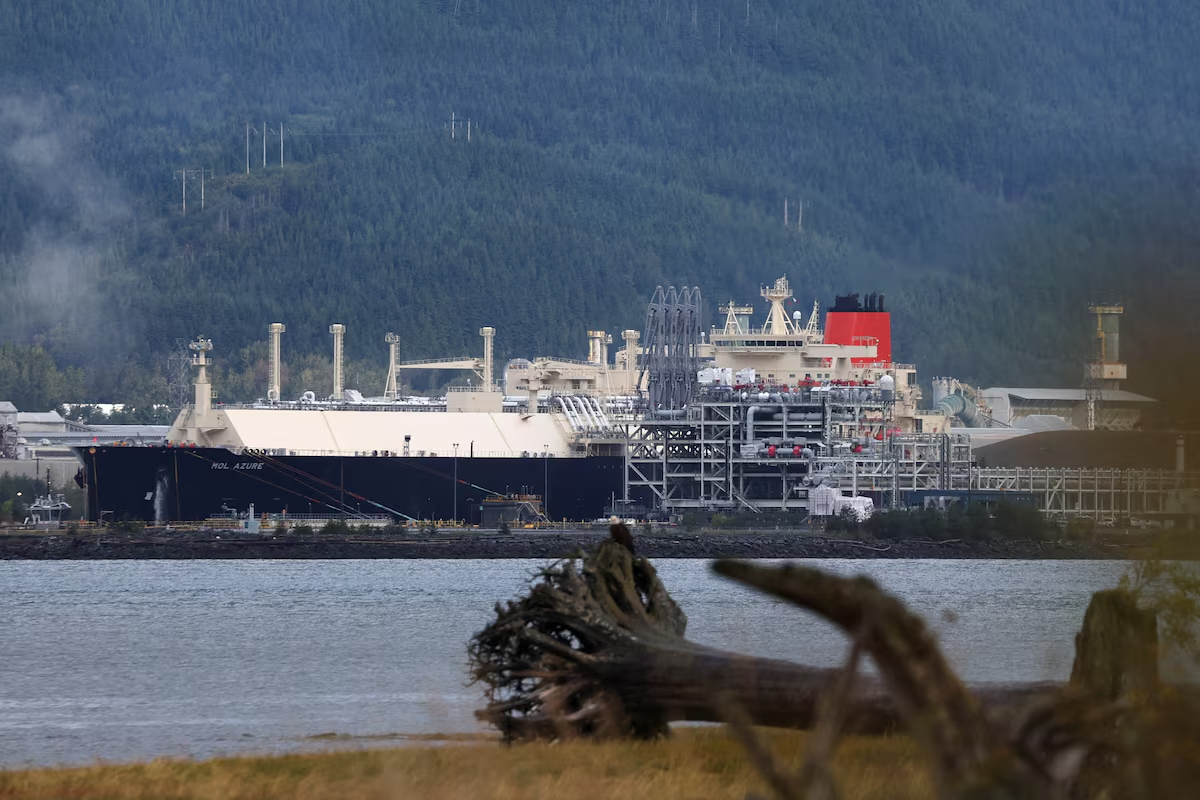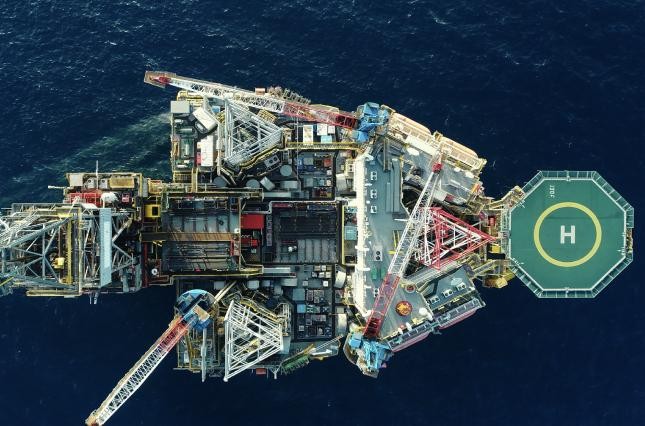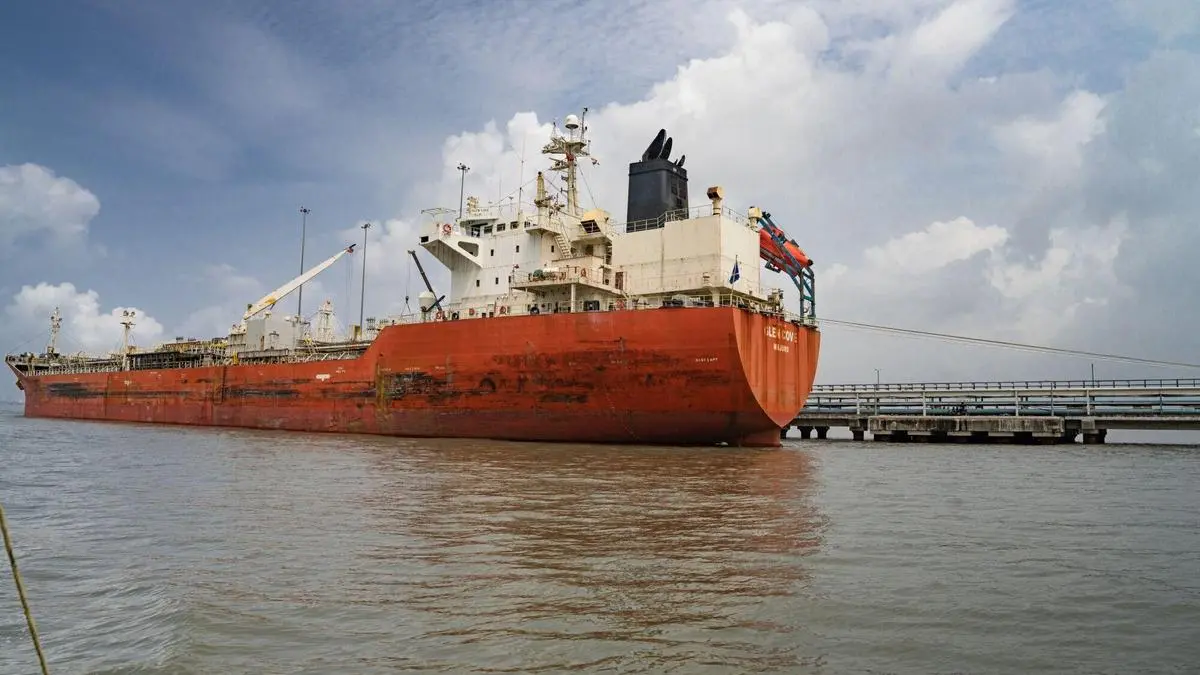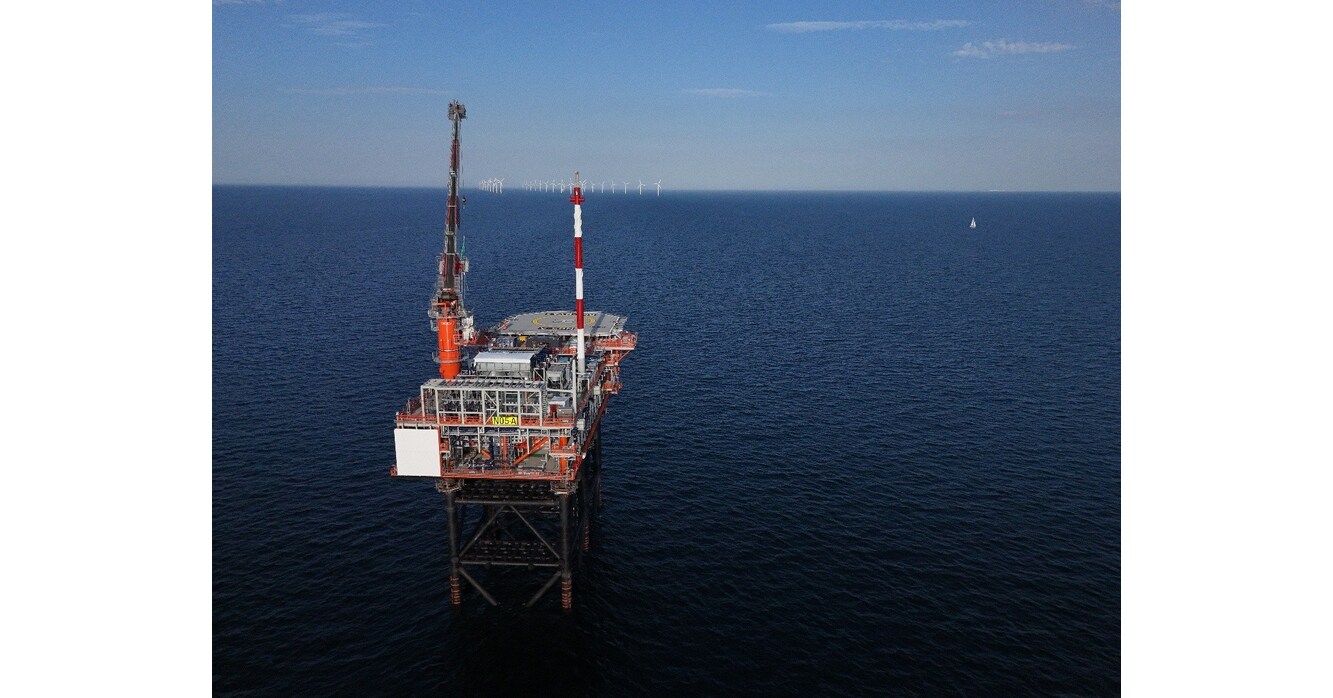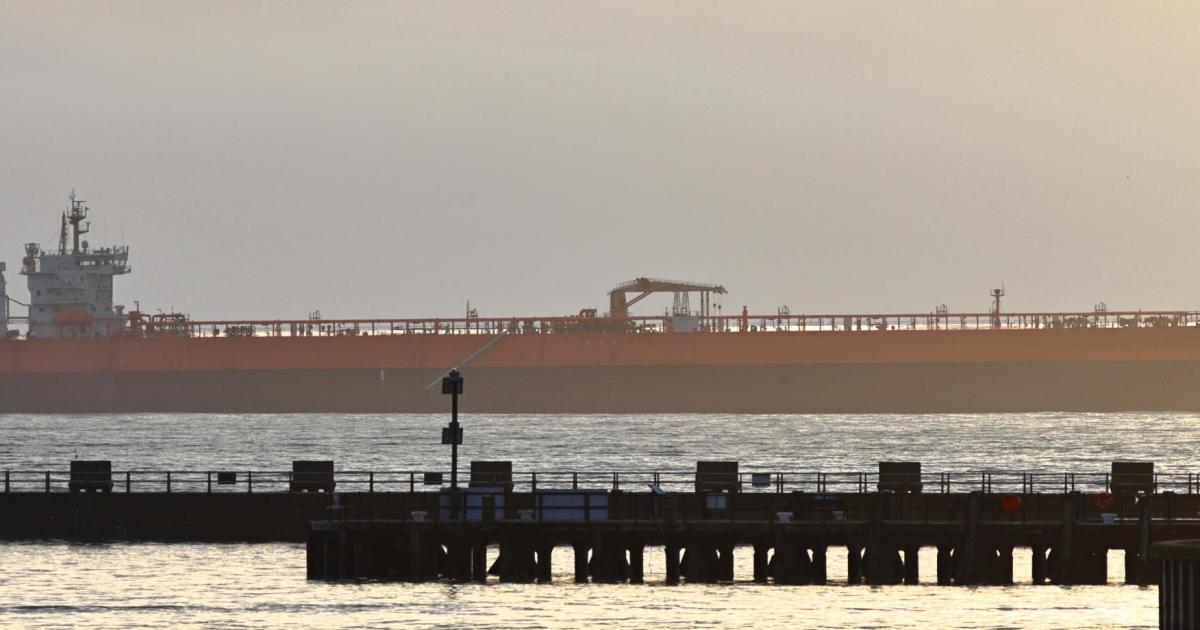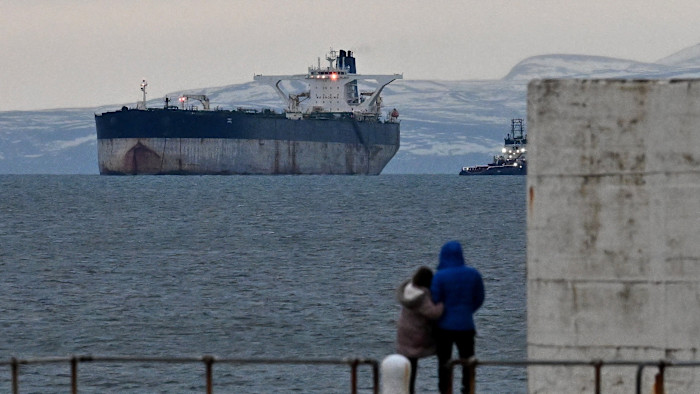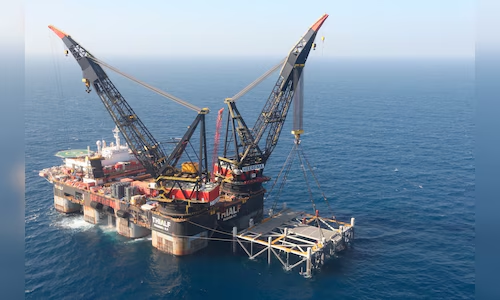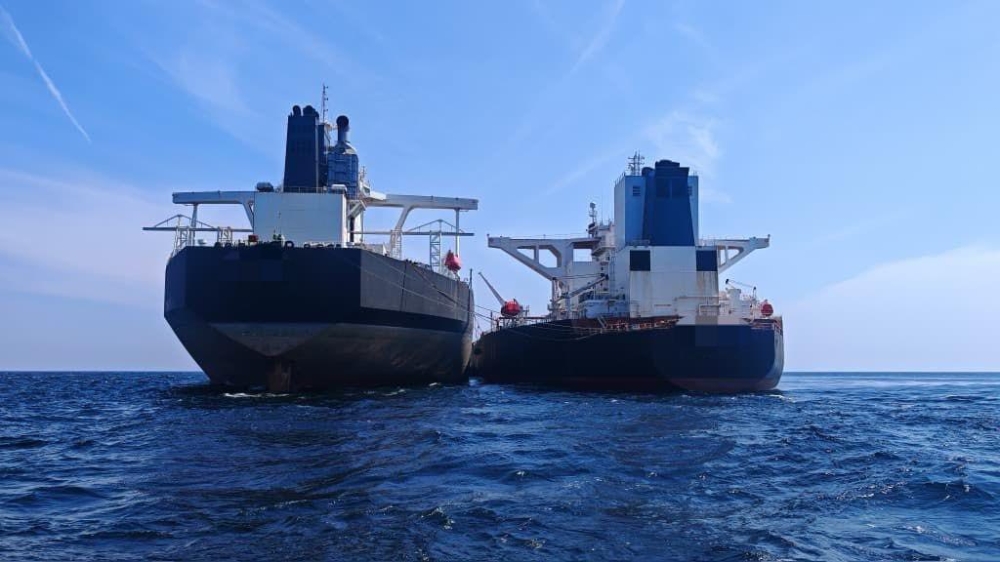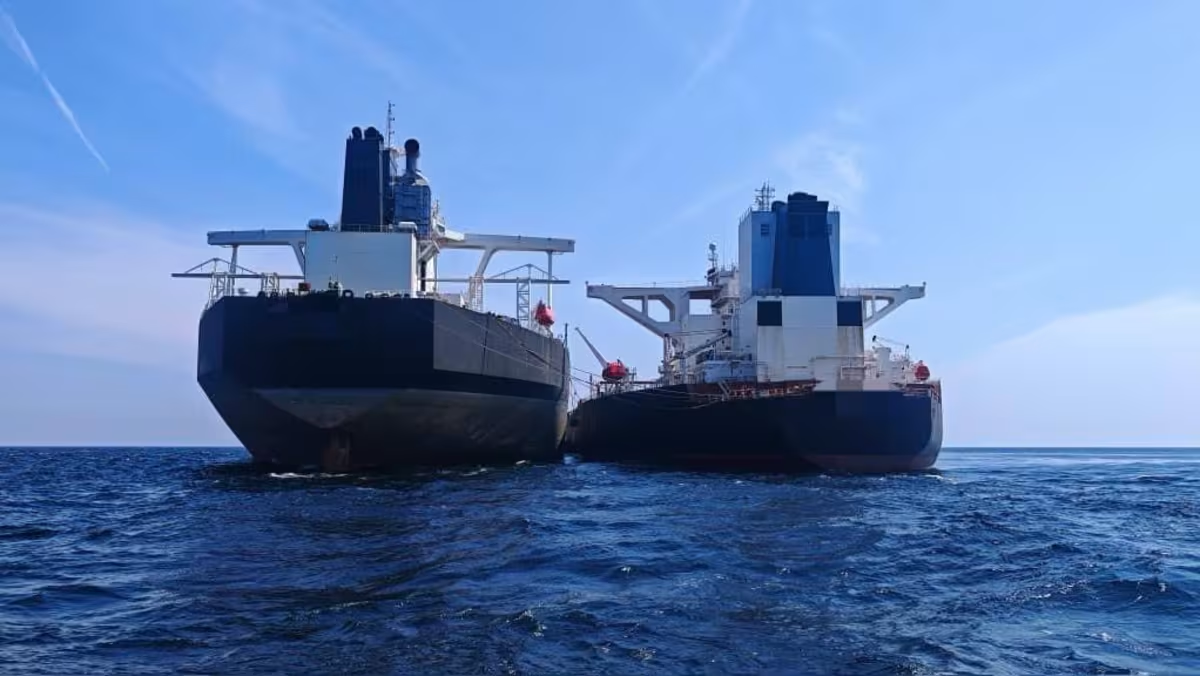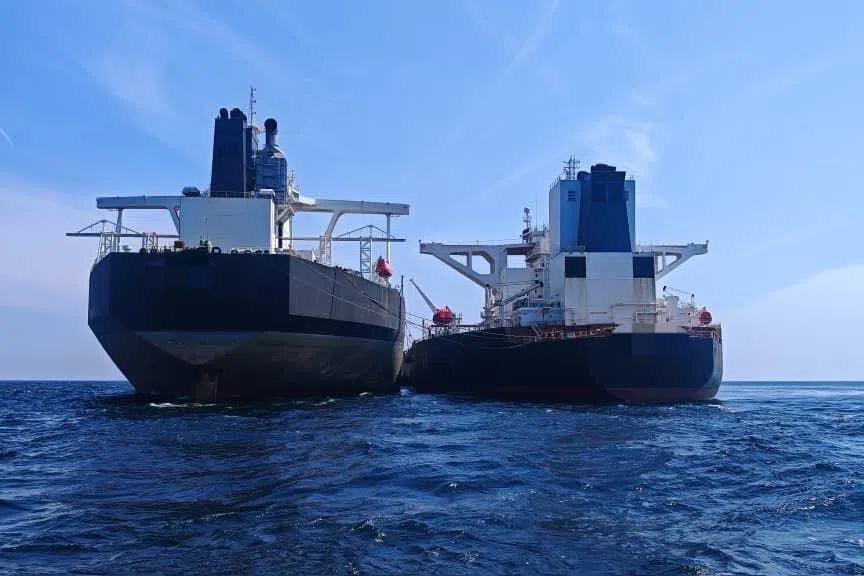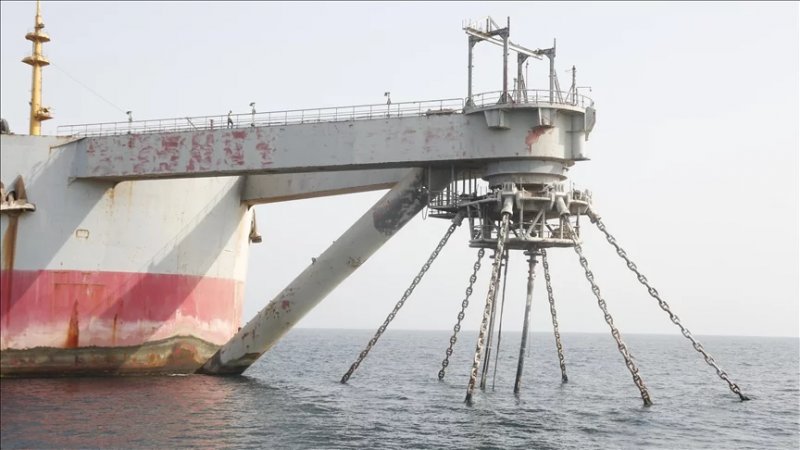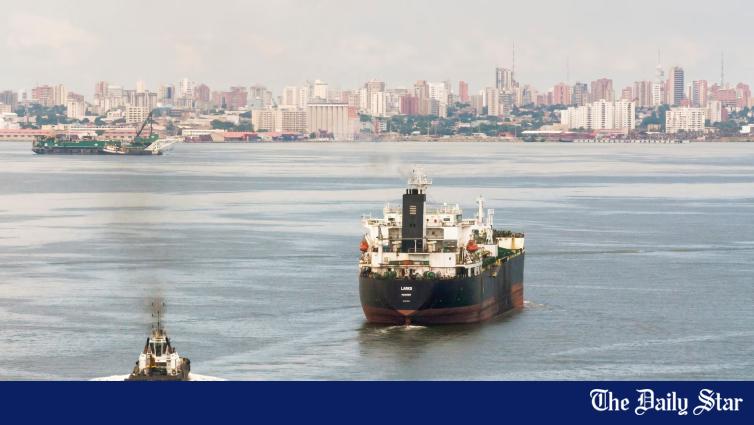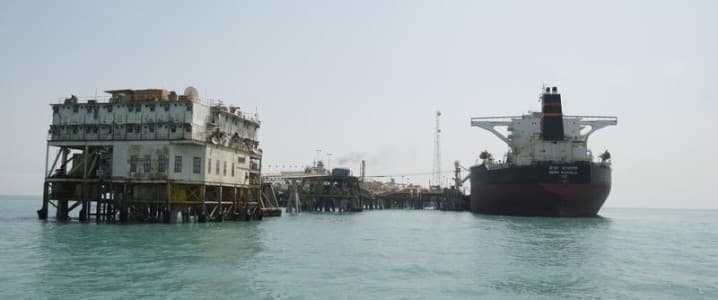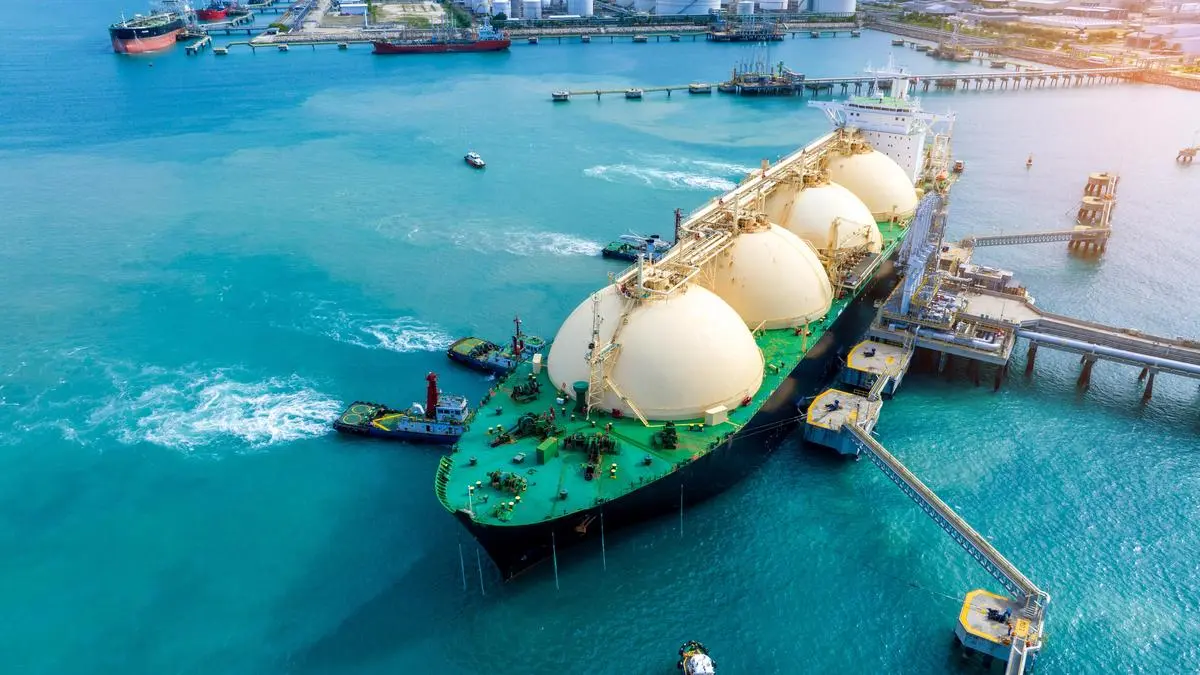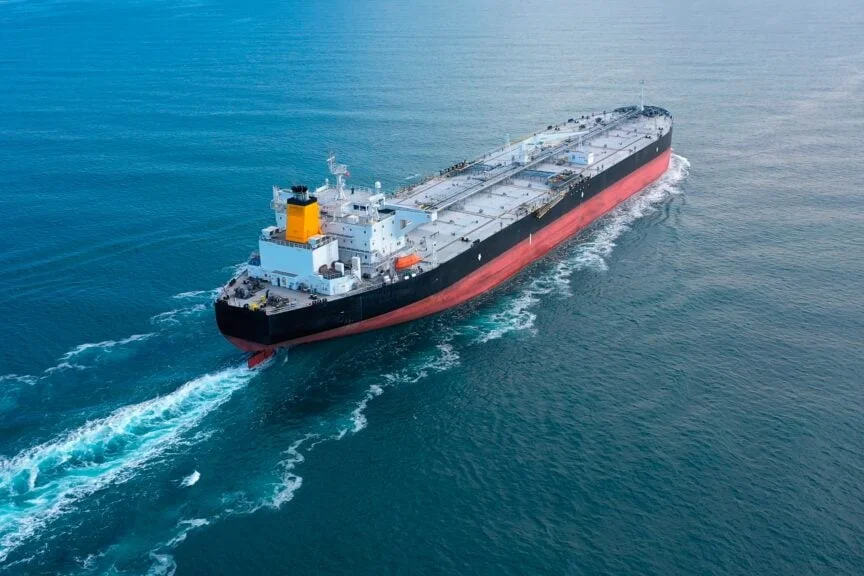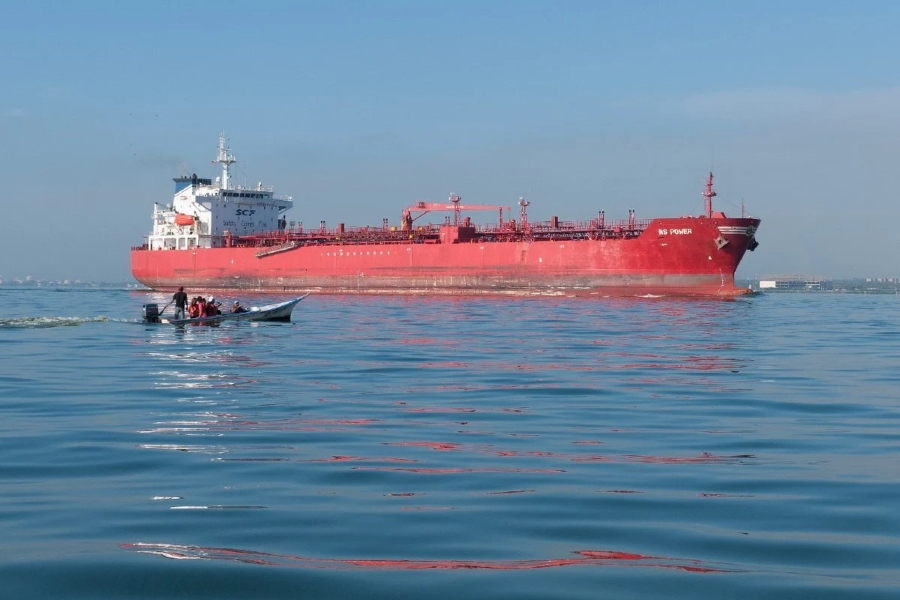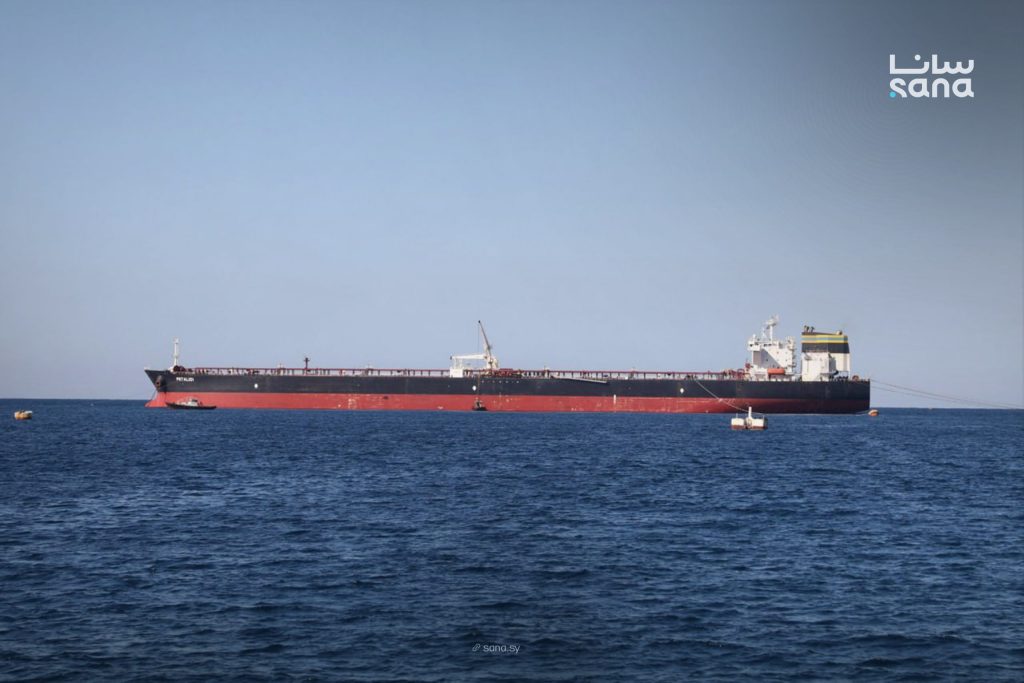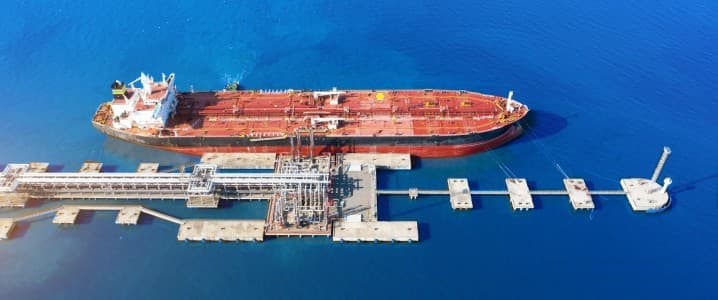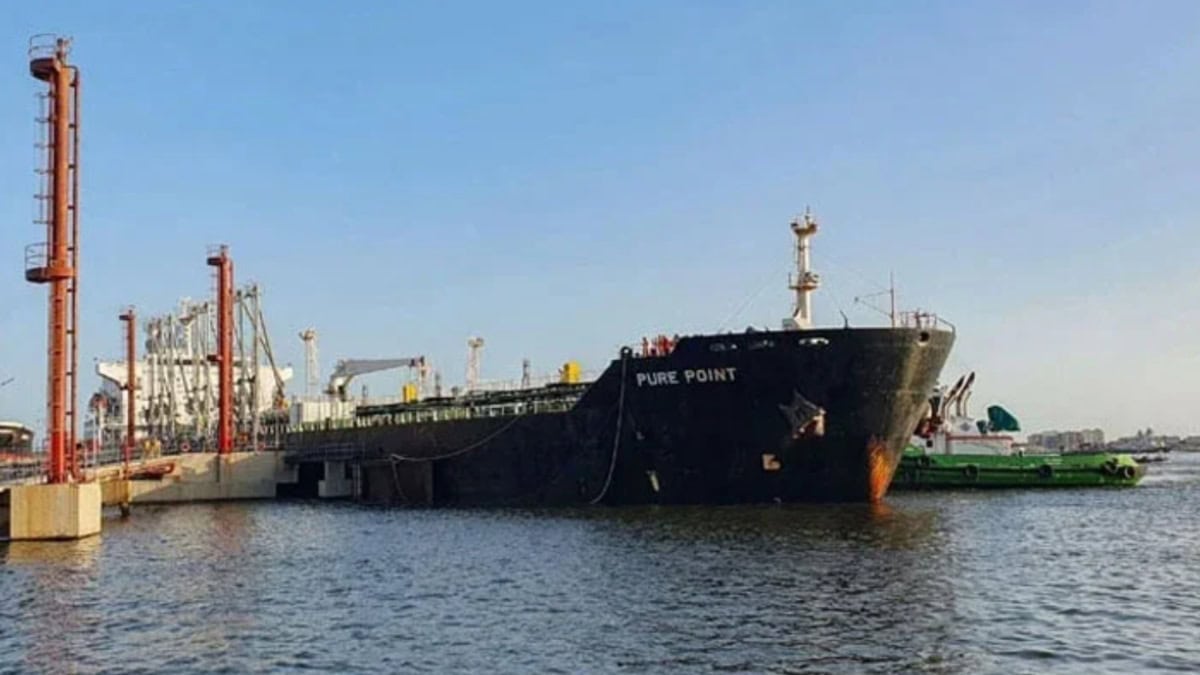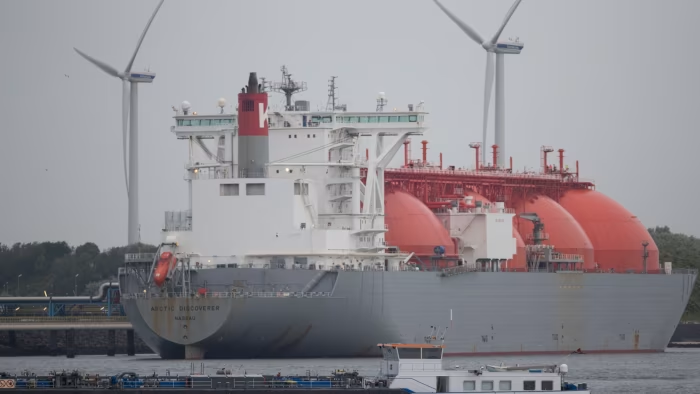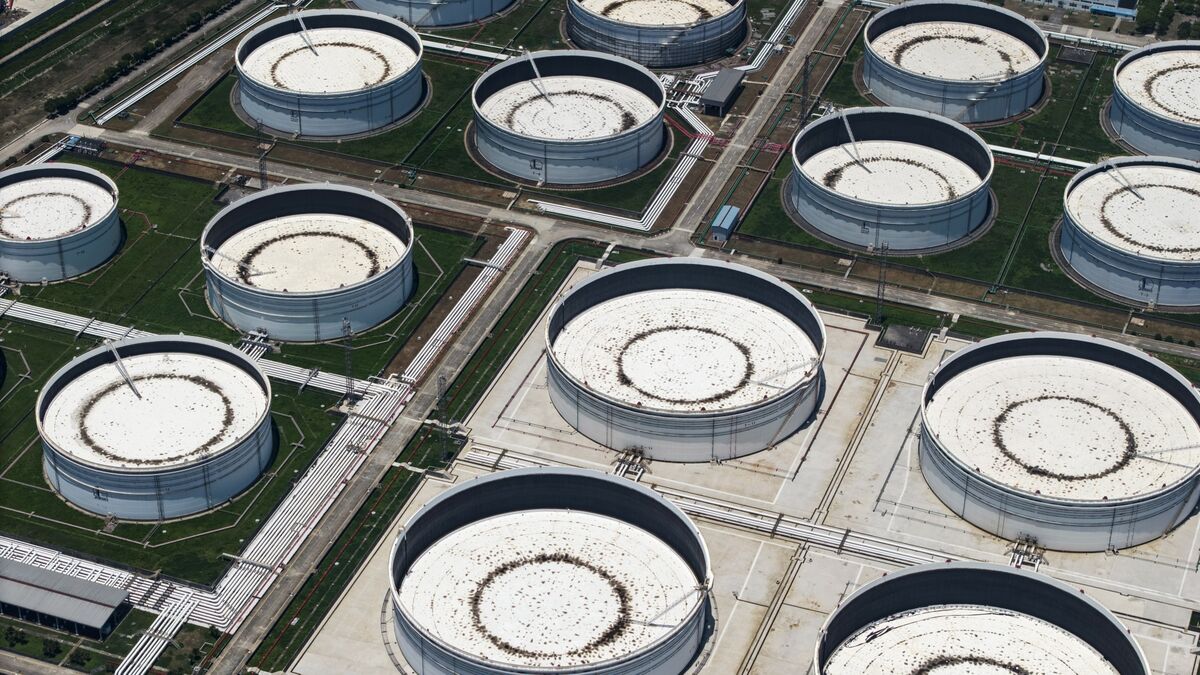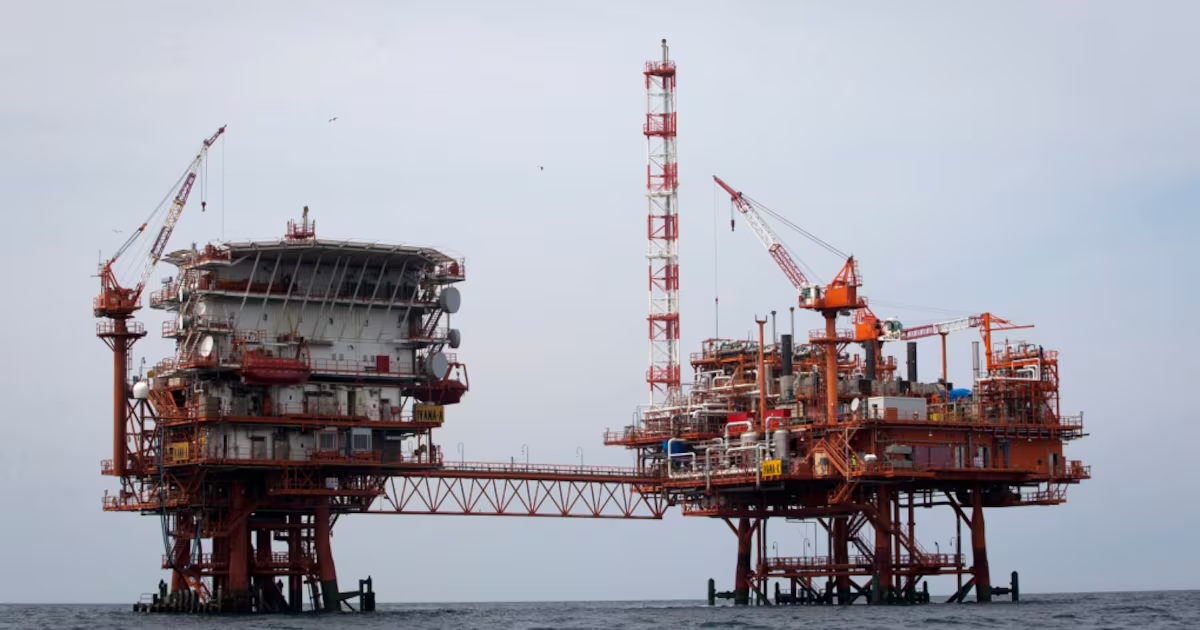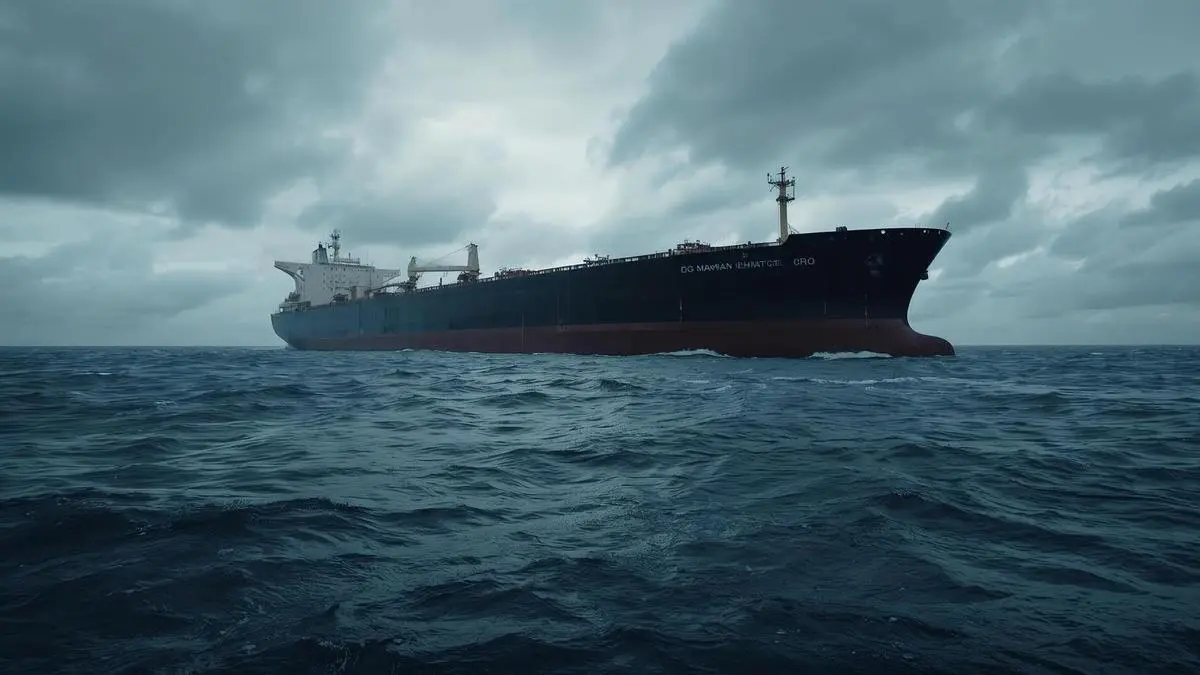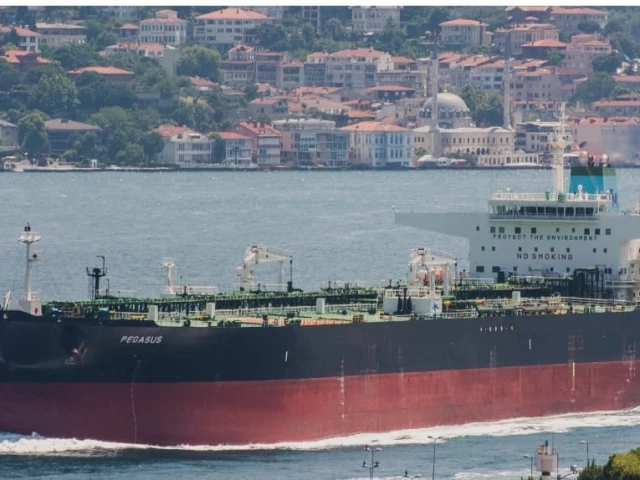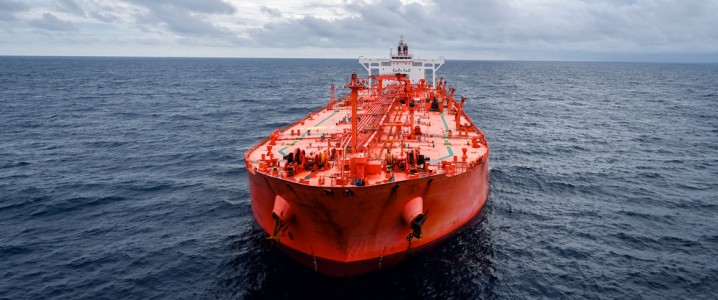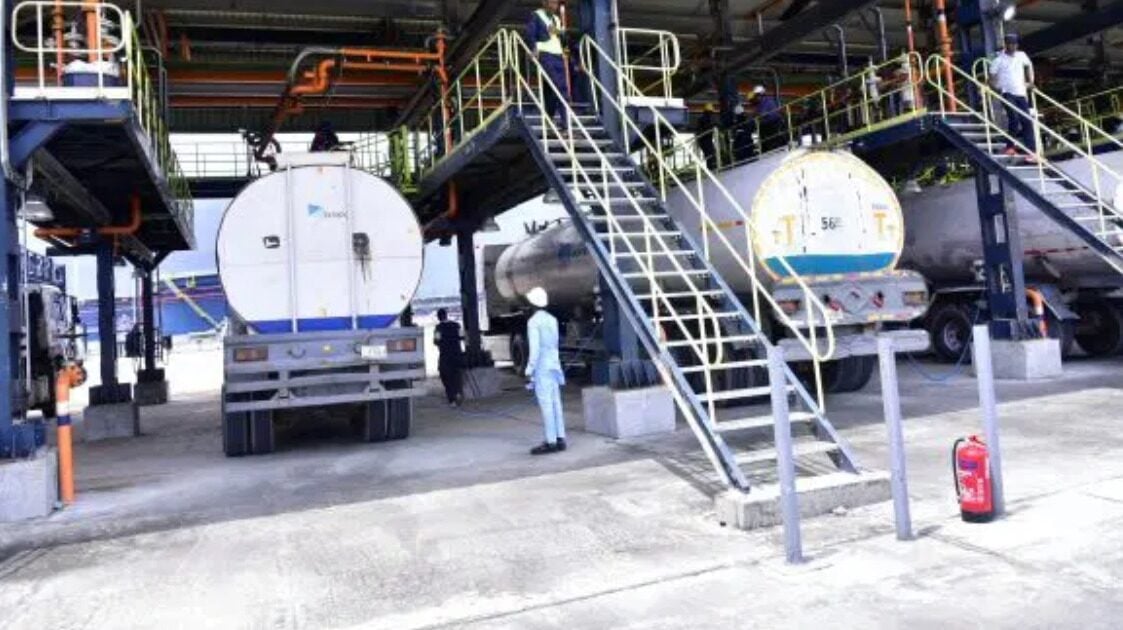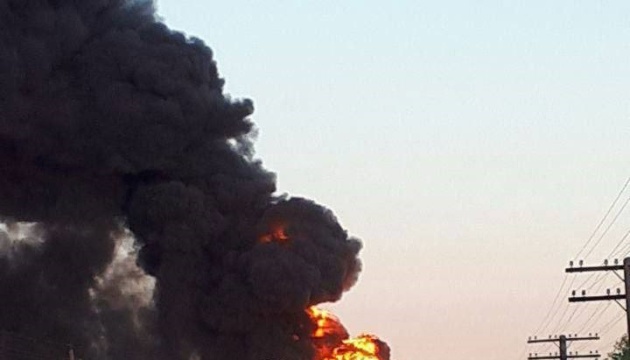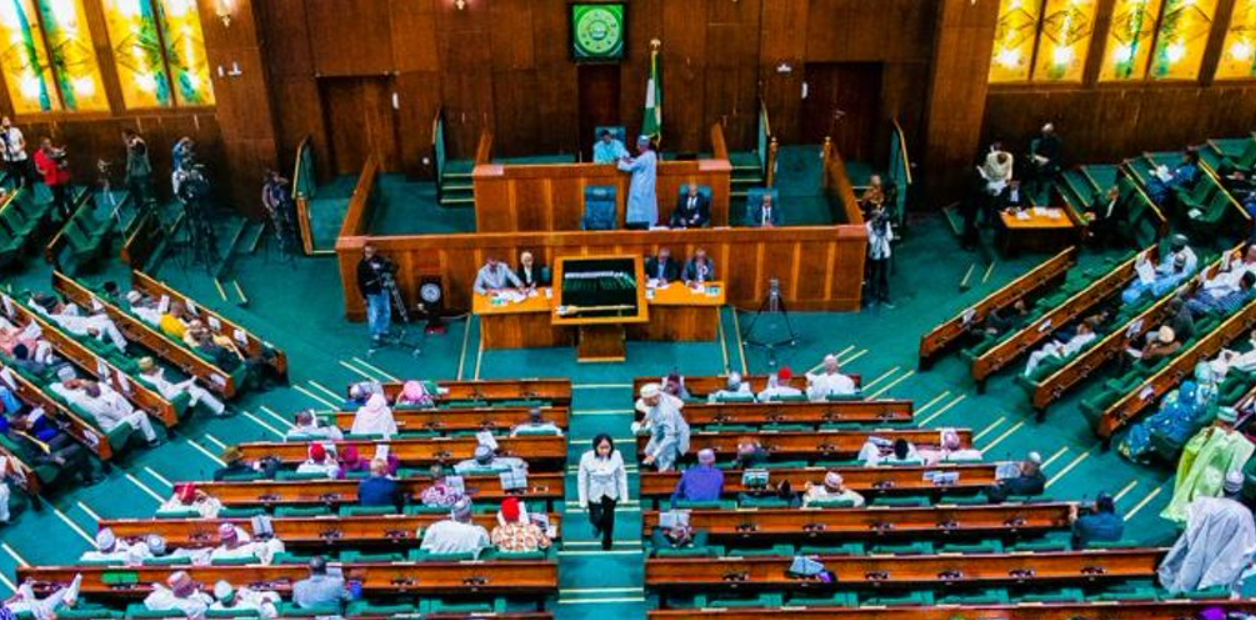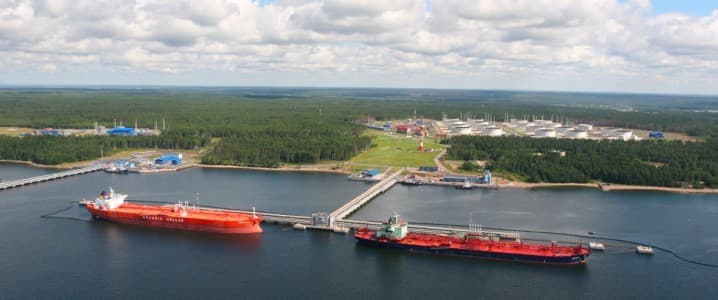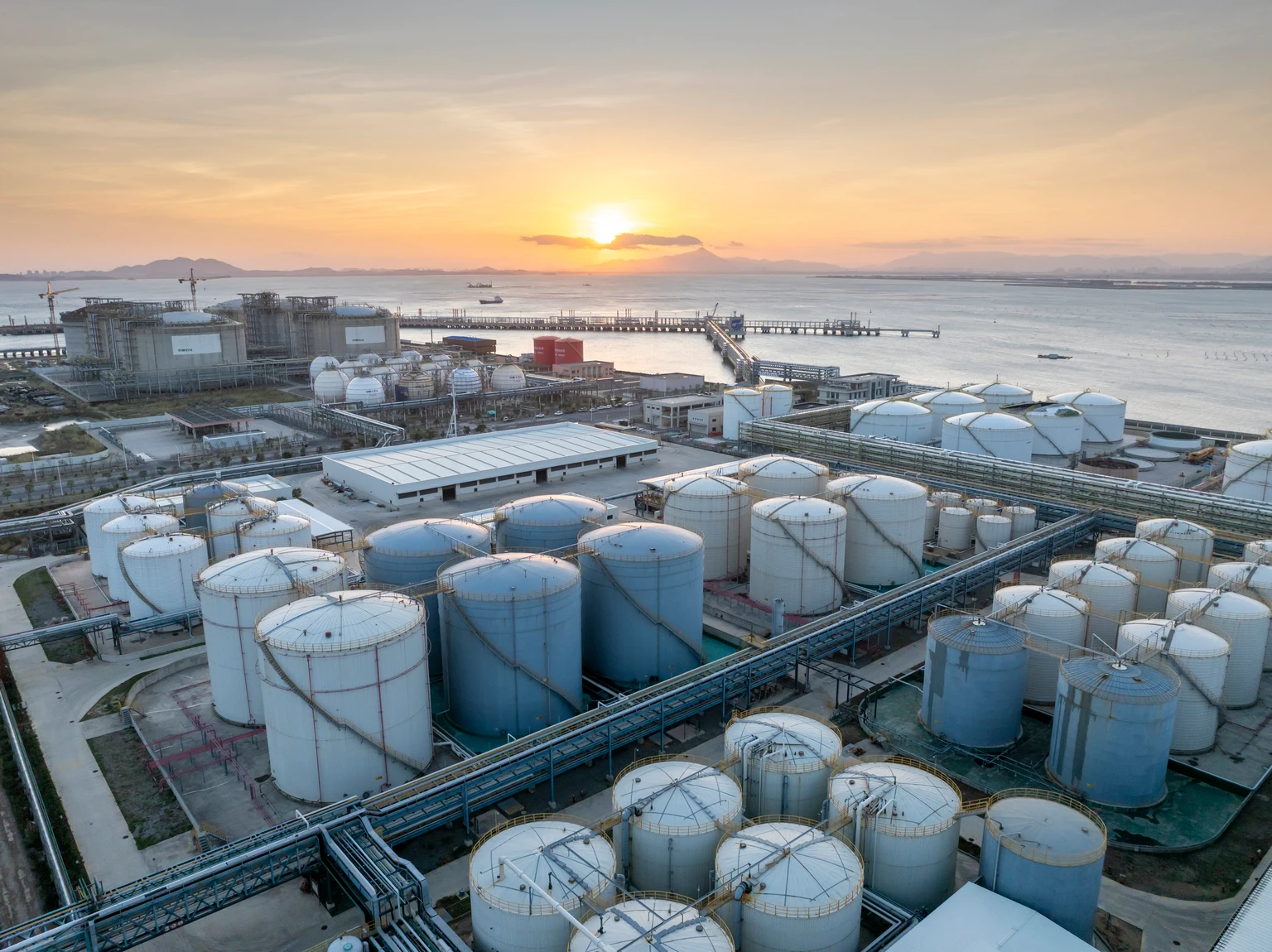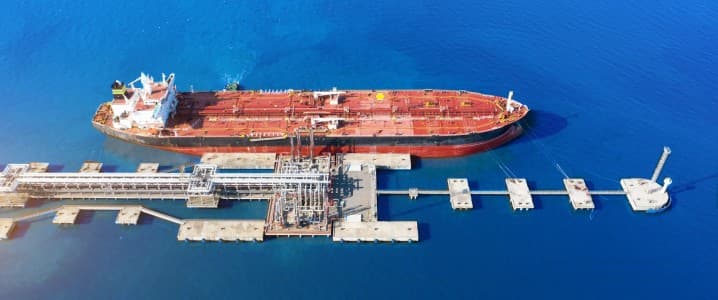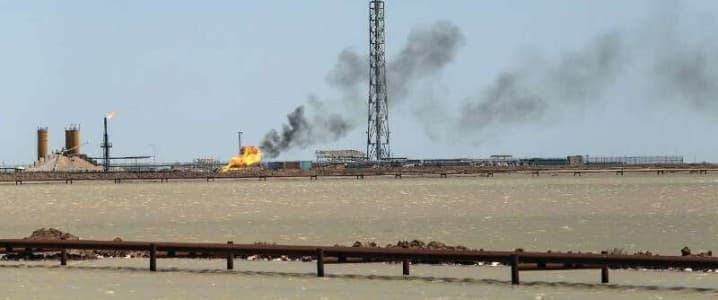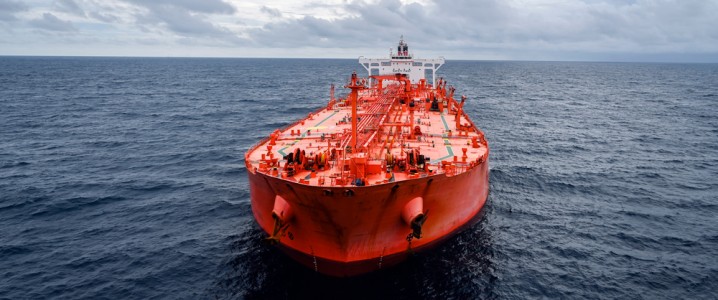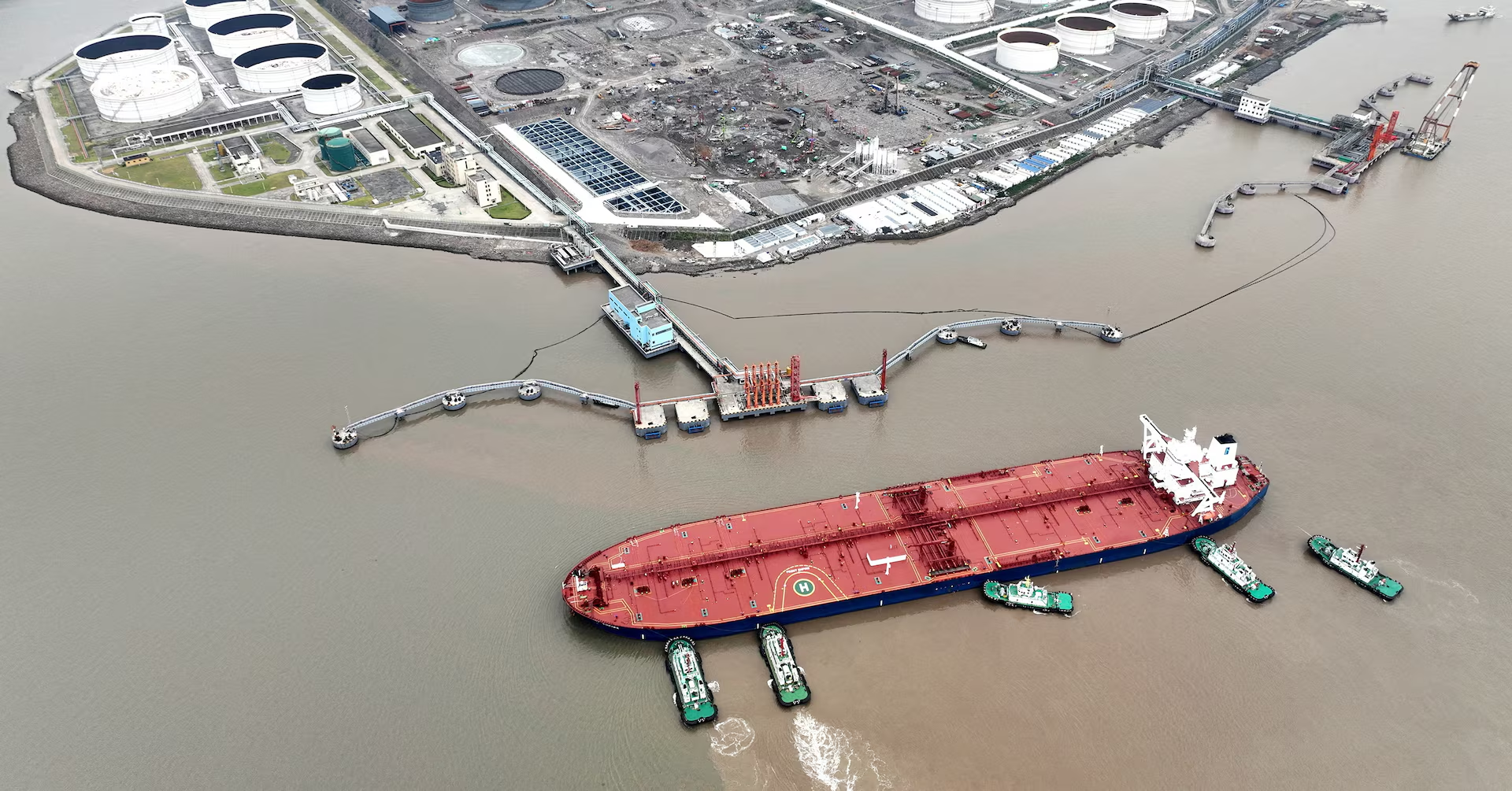
The Supreme Court has reversed the Court of Appeal’s judgment of 11 September 2025, ordering the seizure of the FPSO Tamara Tokoni and its crude oil cargo in a contractual dispute between First Bank Plc and one of its customers, General Hydrocarbons Limited (GHL).
A five-member panel of the apex court held, in a judgment on Friday, that the dispute was not admiralty-related but purely an allegation of breach of contract, over which the Federal High Court lacked jurisdiction.
It also held that the Federal High Court’s jurisdiction over contractual disputes is limited to contracts on matters expressly listed in Subsection (1) of Section 251 of the Constitution.
The Supreme Court further held that, since the Federal High Court, Port Harcourt Division, wrongly assumed jurisdiction to determine the case filed by First Bank in 2025, the Court of Appeal, which subsequently heard an appeal from the trial court’s decision, likewise lacked jurisdiction.
In the lead judgment prepared by Justice Emmanuel Agim but read on Friday by Justice Habeeb Abiru, the apex court said: “The cause of action is breach of the financing agreement by the appellant not paying the proceeds of the crude oil produced and lifted from OML120 into a collection account maintained by the appellant with the 1st respondent and diverting same elsewhere.”
“A dispute over the diversion of the sale of proceeds of produced and lifted crude oil in breach of a financing agreement is fundamentally a banking and commercial dispute. It is not a dispute over ownership of the FSPO, the cargo of crude oil or a ship’s freight. The contractual promise to pay the sale proceeds into a designated account as a condition for financing the production of the crude oil creates, at most, a contractual right against the appellant, not a proprietary right in the crude oil.”
The apex court further held that the memorandum of understanding (MoU) and the further financing agreements signed by First Bank and GHL did not create a legal or equitable mortgage or a fixed charge or security interest over the produced crude oil itself or constitute an assignment of title in the crude by the appellant to the bank.
It added, “The bare contractual obligation of the appellant to pay the proceeds of sale of the produced and lifted crude oil from OML120 cannot give the first respondent (First Bank) the right to arrest and sell the cargo through an admiralty action. “
The Supreme Court was of the view that the suit filed by First Bank before the Port-Hacourt division of the Federal High Court, marked: FHC/PH/CS/02/2025, being solely for breach of the proceeds domiciliation clause in the MoU and further financing agreements, could not be a valid basis for the arrest, take over and sale of the crude oil cargo at the instance of the bank as the financier of the production of the said cargo.
It said, “Such a suit cannot be entertained and determined under the admiralty jurisdiction of the trial Federal High Court. The first respondent’s claim for diversion of the sale proceeds is ordinarily a contractual or debt recovery claim, not a maritime claim and falls outside the admiralty jurisdiction of the trial court.”
The apex court held that the admiralty jurisdiction of the Federal High Court extends only to matters expressly recognised as maritime claims, whether proprietary or general.
It added, “Proprietary maritime claims relate to ownership or possession of a ship or mortgage over a ship or its freight or dispute between co-owners of a ship.
“A general maritime claim refers to a claim for loss of or damage to goods carried by a ship and a claim out of an agreement relating to the carriage of goods or persons by a ship or to the use or hire of a ship, whether by charter party or otherwise.
“It is obvious that the first respondent’s suit No. FHC/PH/CS/02/2025 is neither a general maritime claim nor a proprietary maritime claim.
“It is a claim for breach of contract to pay proceeds of sale of produced crude oil into a designated account and recovery of the diverted proceeds.”
The apex court said the contract to pay the proceeds of the sale of crude oil produced into a designated account is not connected to any of the subject matters listed in Section 251(1) of the Constitution as constituting the subject-matter jurisdiction of the Federal High Court.
The Supreme Court said, “The trial Federal High Court lacked the subject matter jurisdiction to entertain the claim in suit No. FHC/PH/CS/02/2025. Therefore, its exercise of jurisdiction over the suit is a nullity.
“Equally, appeal No. CA/PH/292/2025 arising from Suit No. FHC/PH/CS/02/2025 and the proceedings in the said appeal and all the decisions and orders made therein in exercise of jurisdiction in respect of suit No. FHC/PH/CS/02/2025 are equally a nullity.
“Accordingly, the orders made by the Court of Appeal on September 11, 2025, for inter alia, the arrest and sale of the cargo of crude oil on board FPSO Tamara Tokoni are hereby set aside.
“In the light of the foregoing, no useful purpose would be served by determining all other issues raised for determination in this appeal. On the whole, this appeal succeeds. It is hereby allowed.
“The judgment of the Court of Appeal delivered on September 11, 2025, in appeal No. CA/PH/292/2025 and all the orders made therein are hereby set aside.
“It is hereby further ordered that the Chief Registrar of the Court of Appeal and the Admiralty Marshal forthwith release from their possession and control and hand over to the appellant (GHL) the said cargo of crude oil on board FPSO Tamari Tokoni.
“The first respondent shall pay costs of N5million to the appellant as costs.”