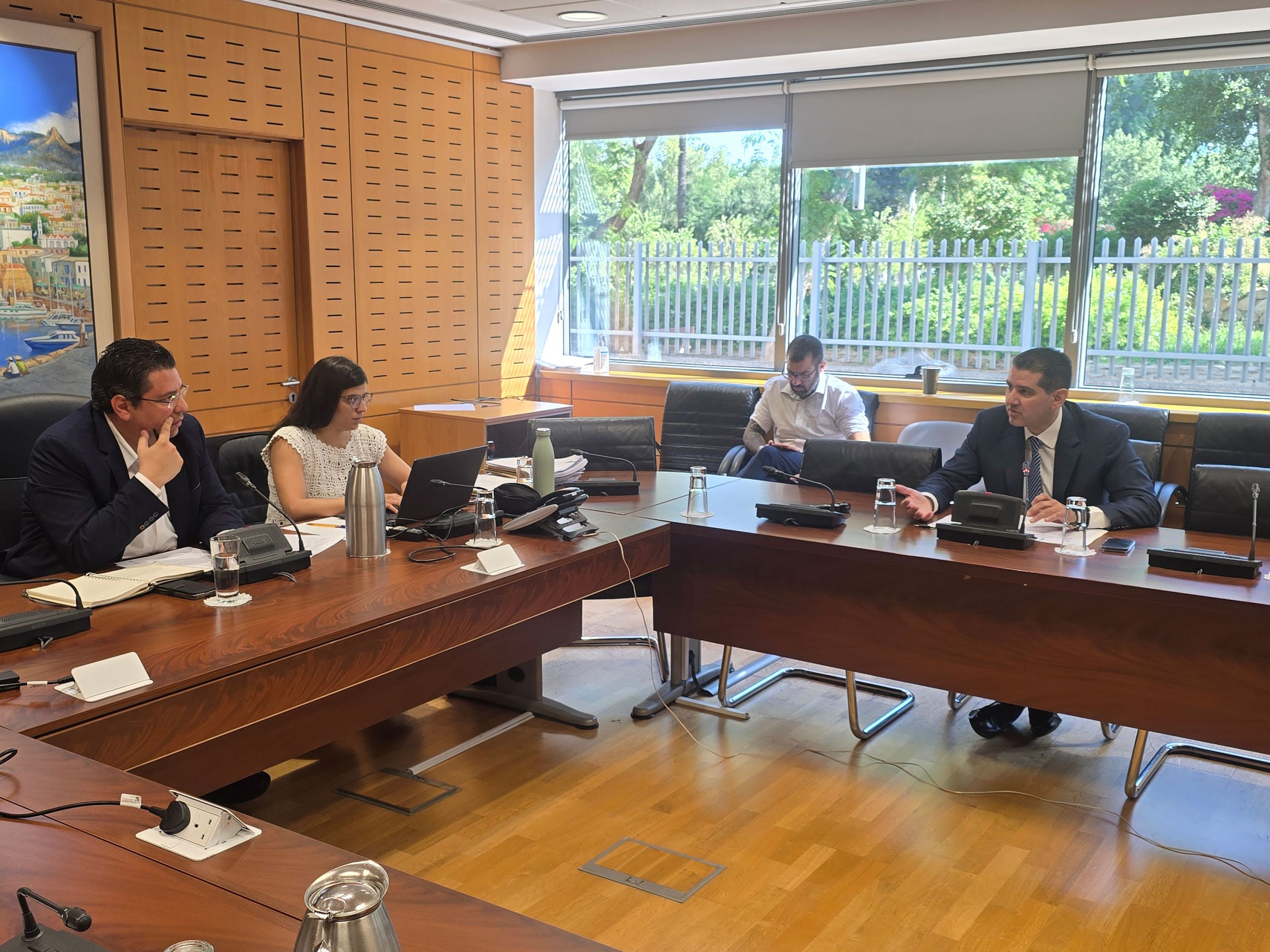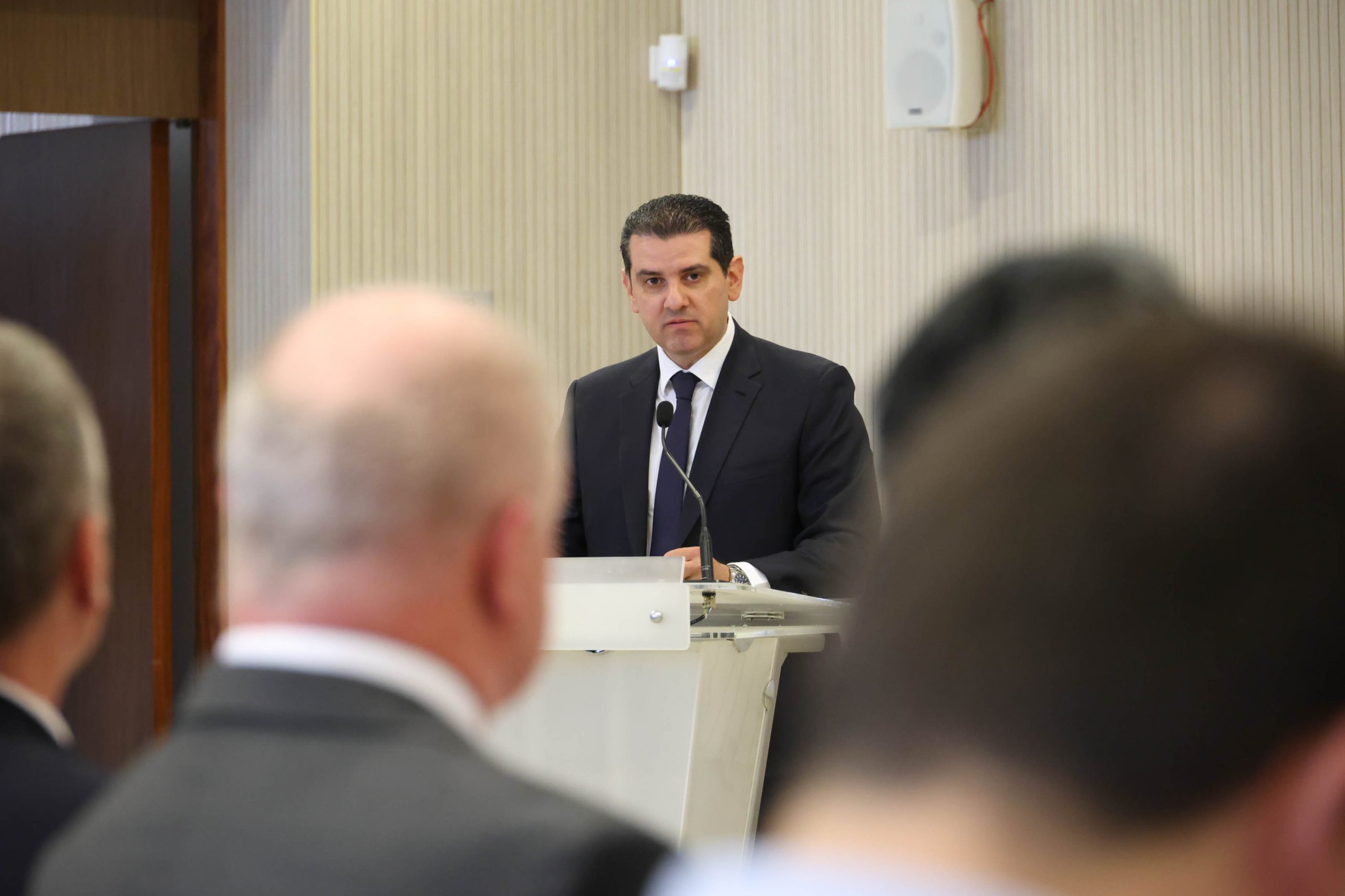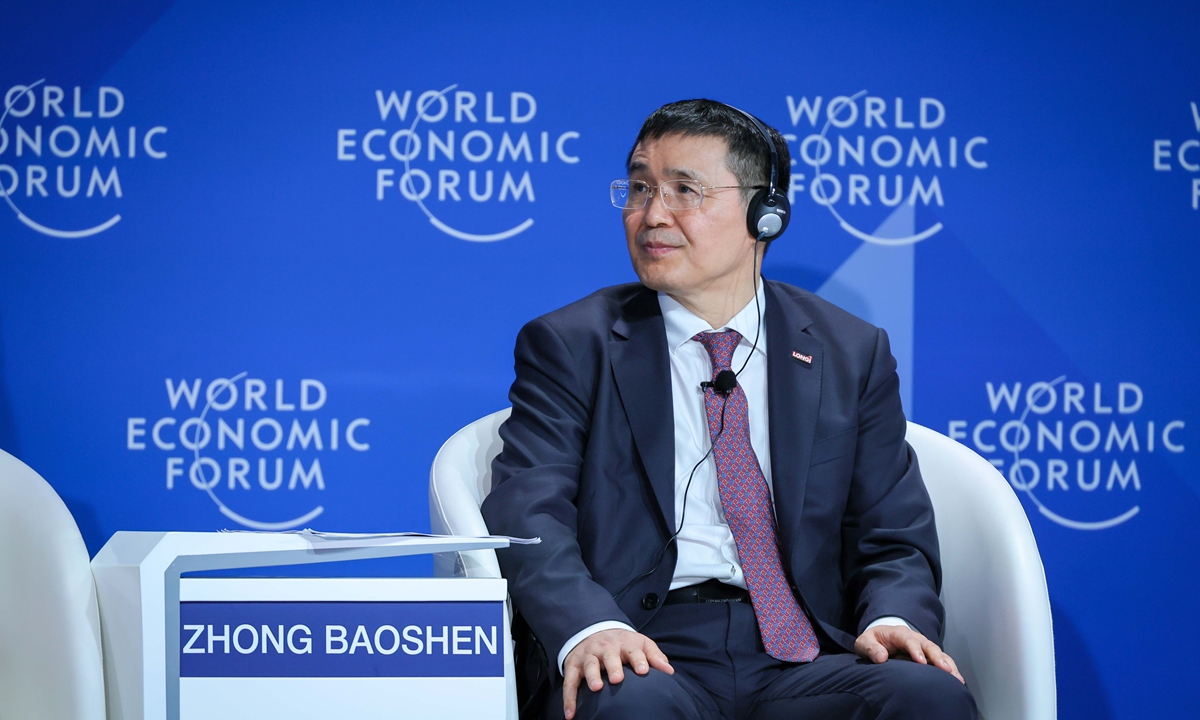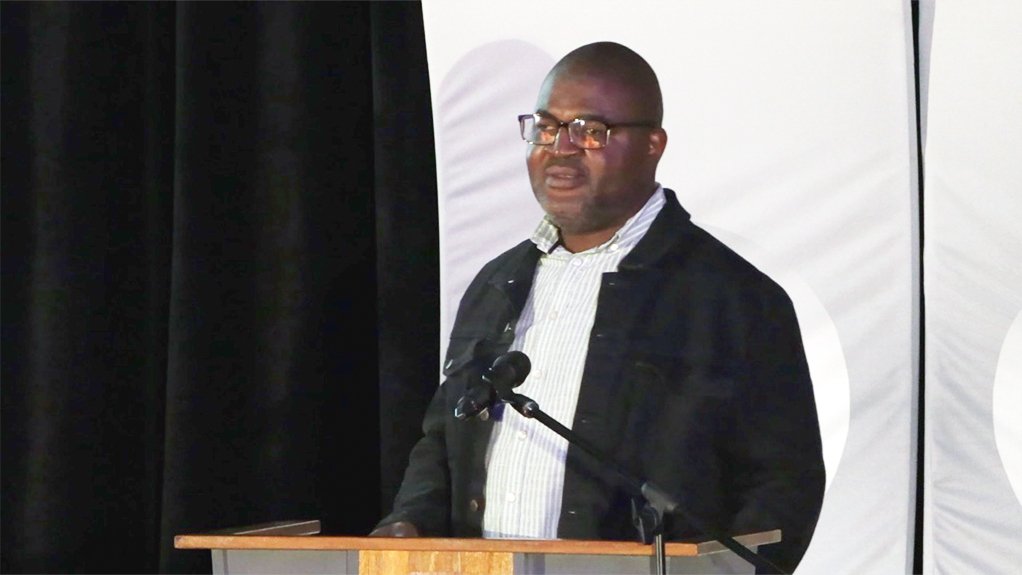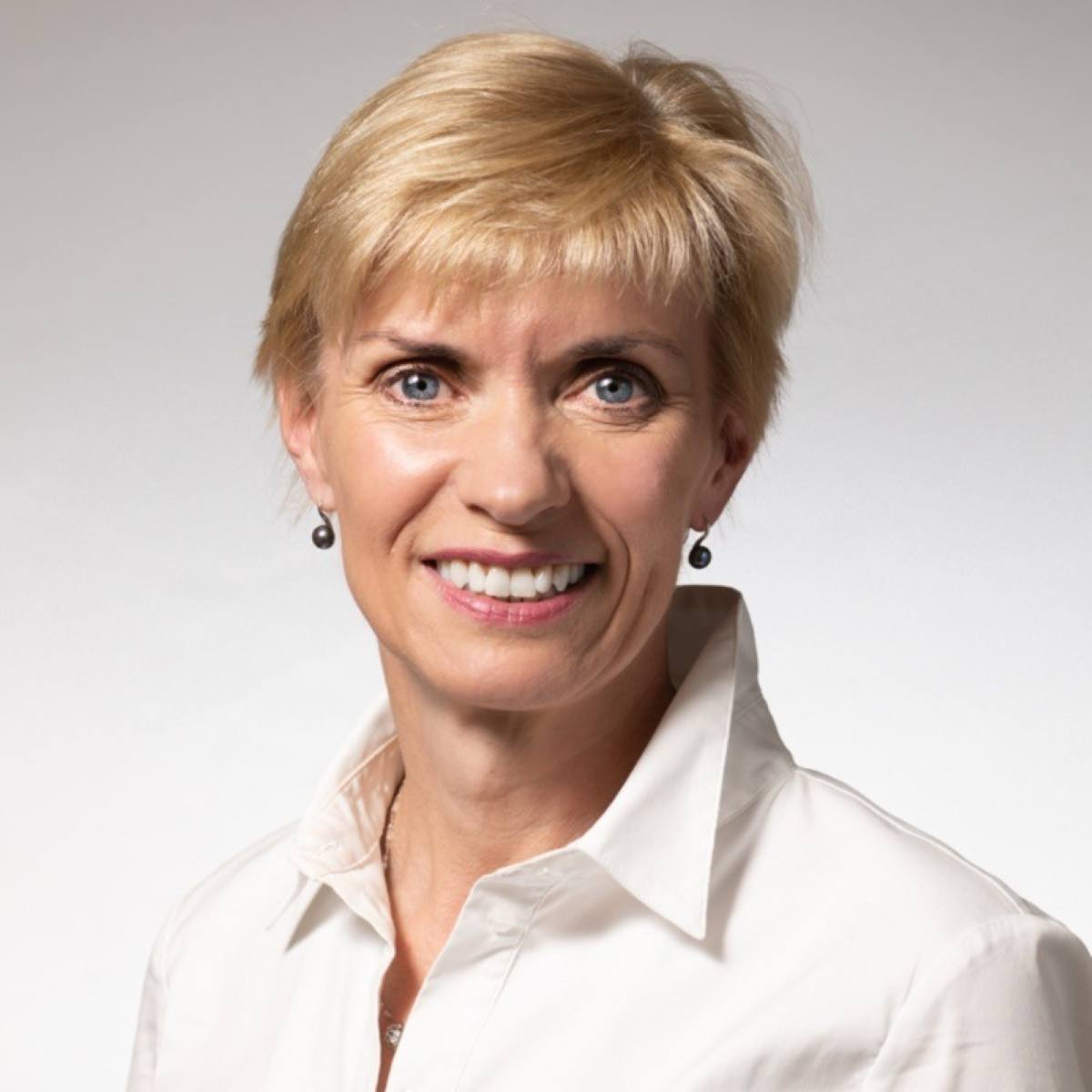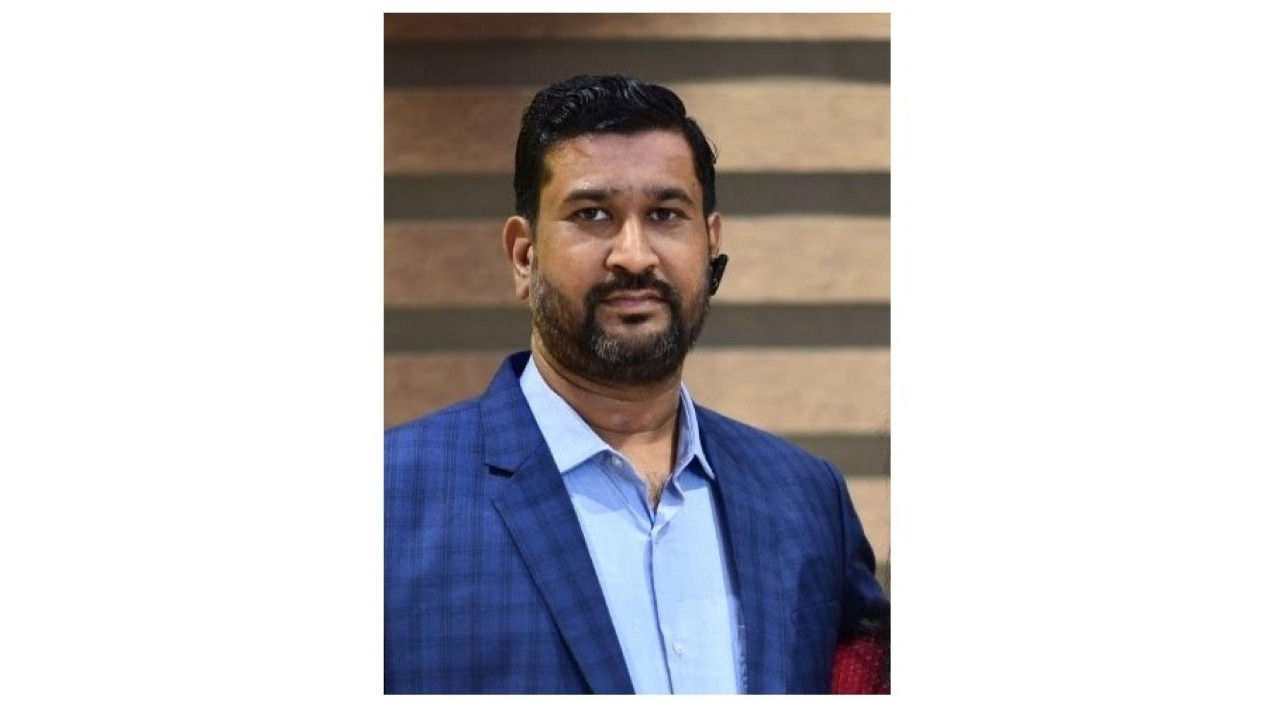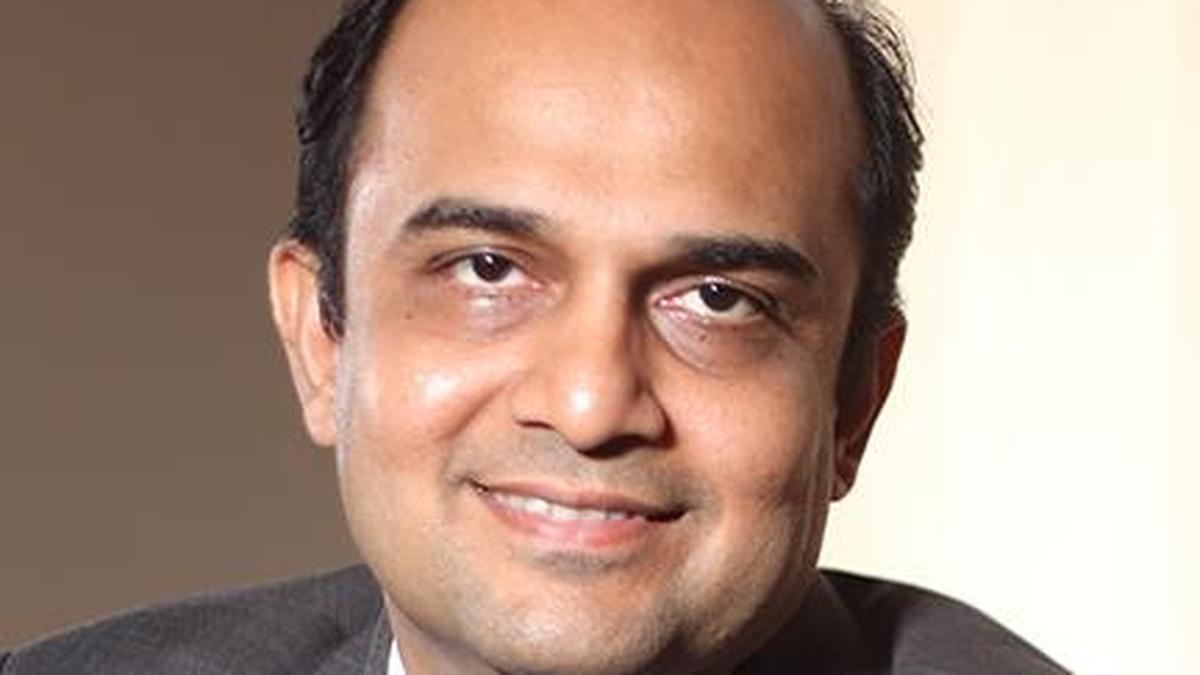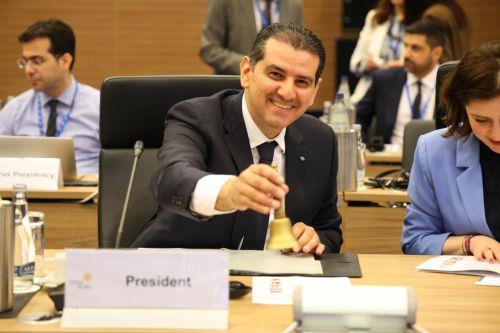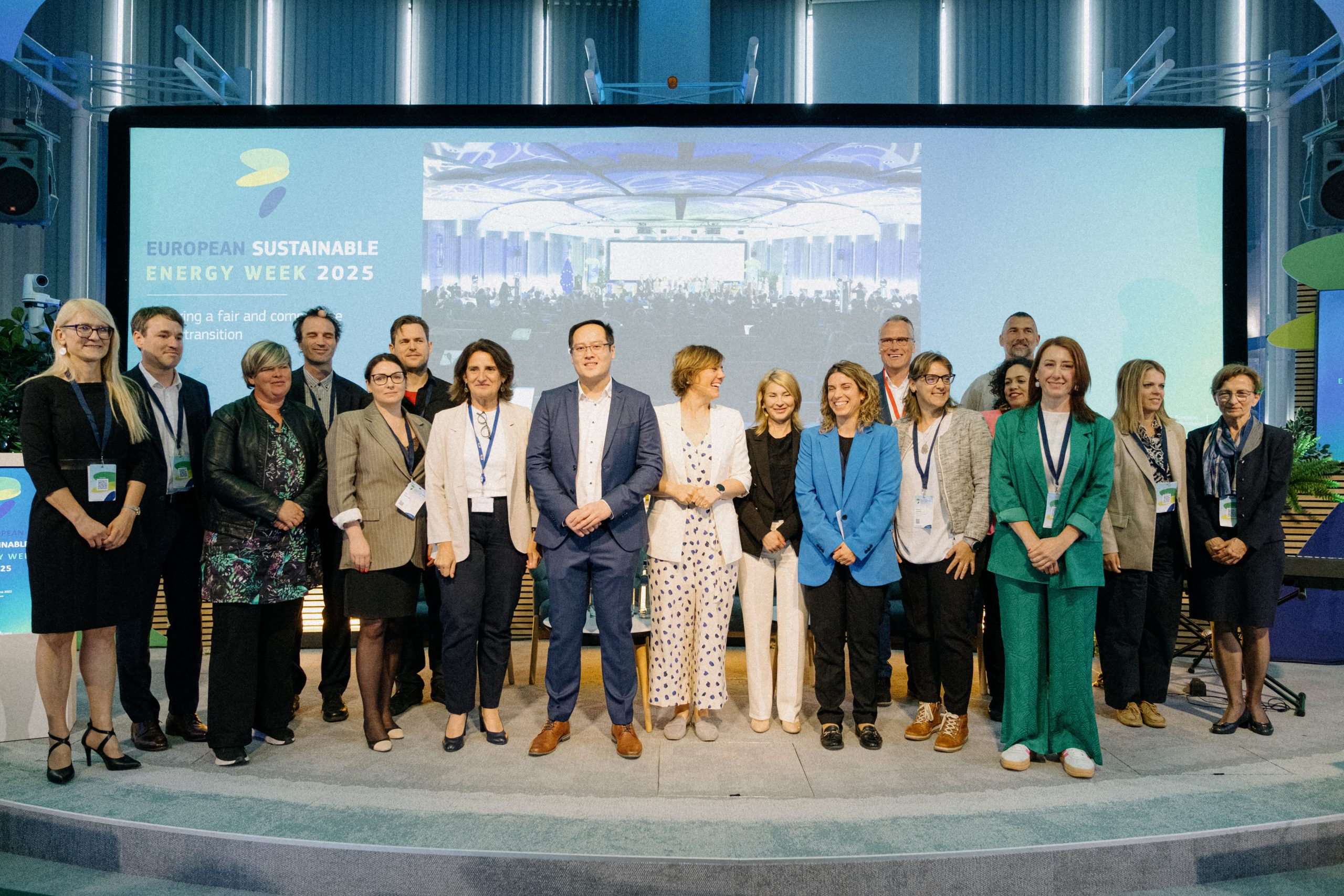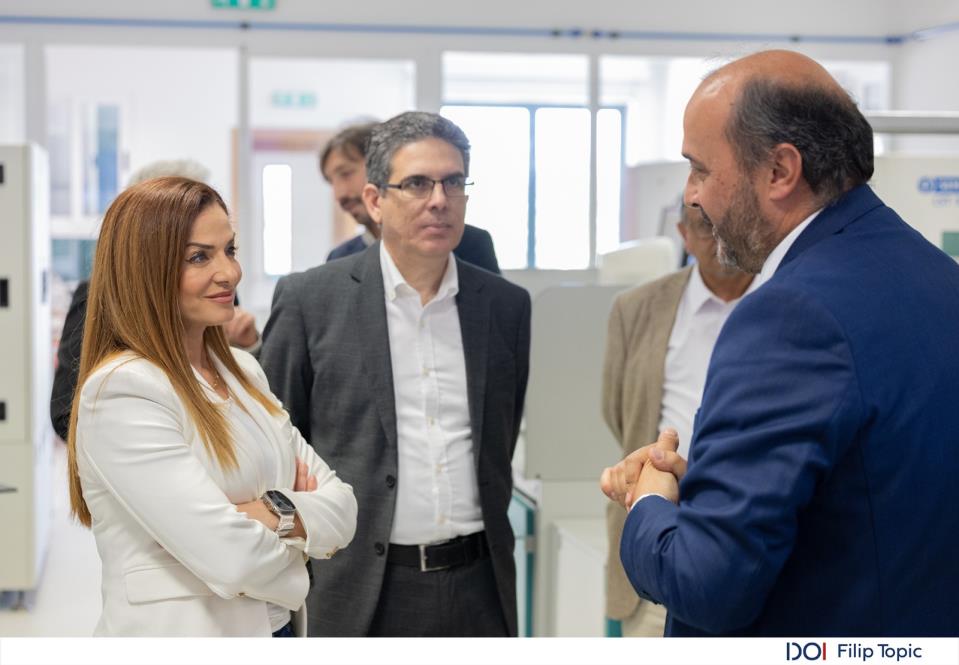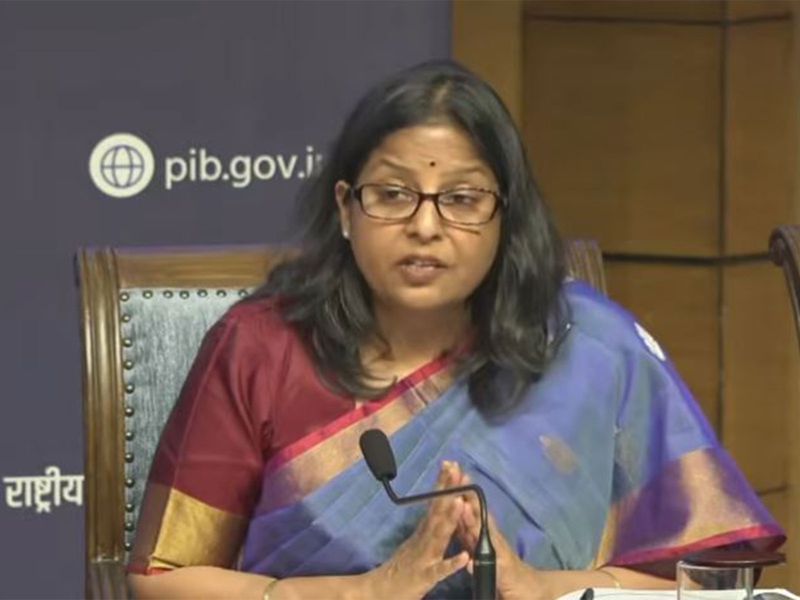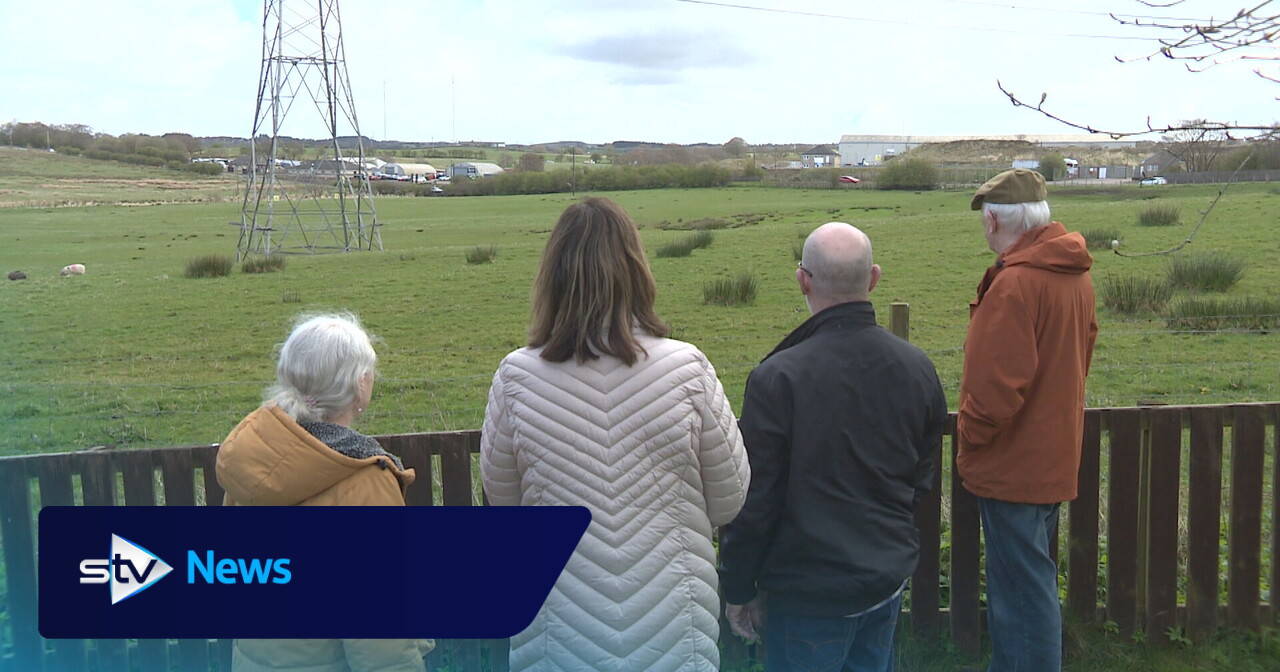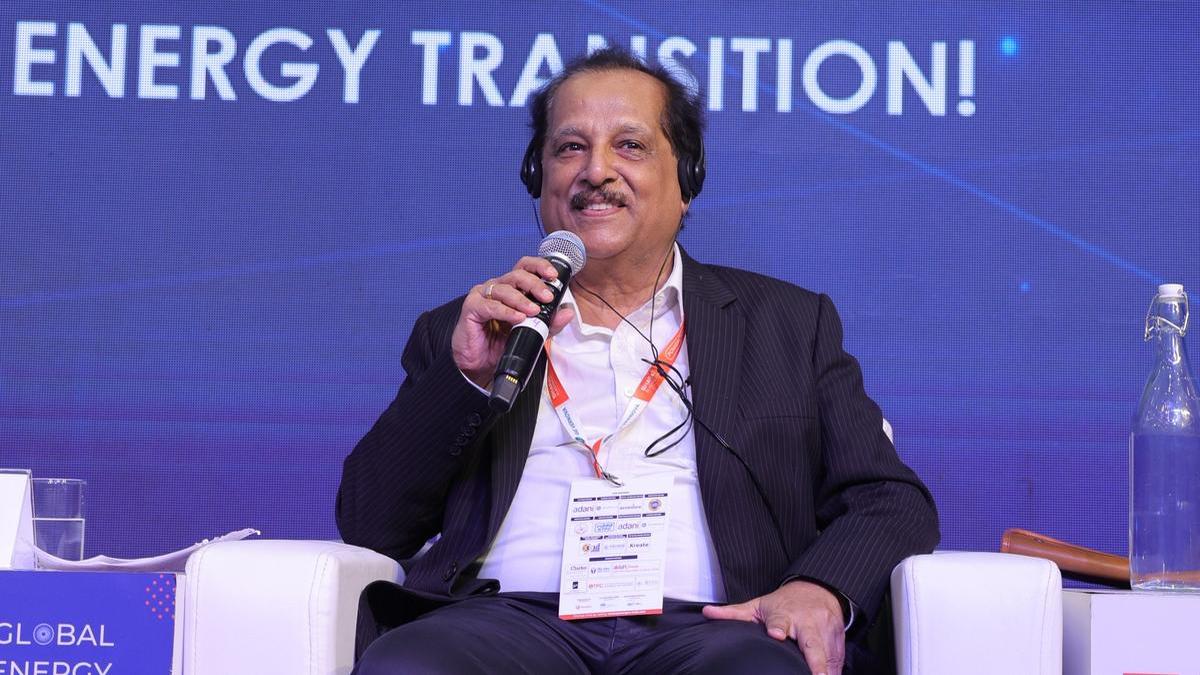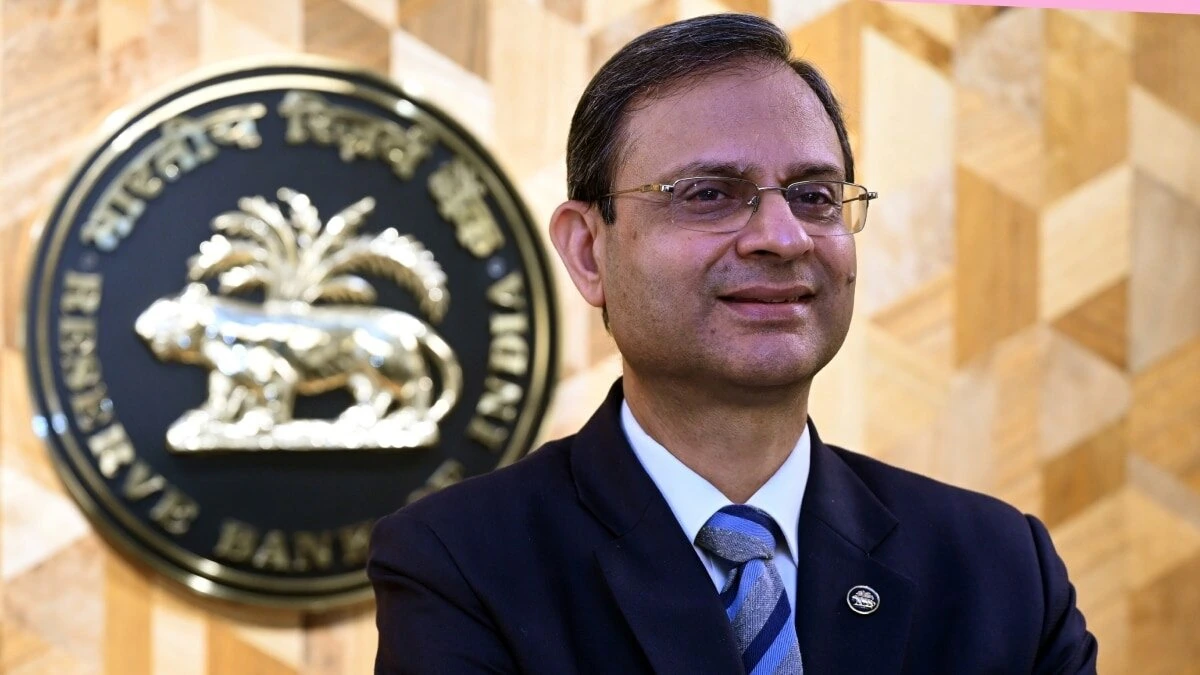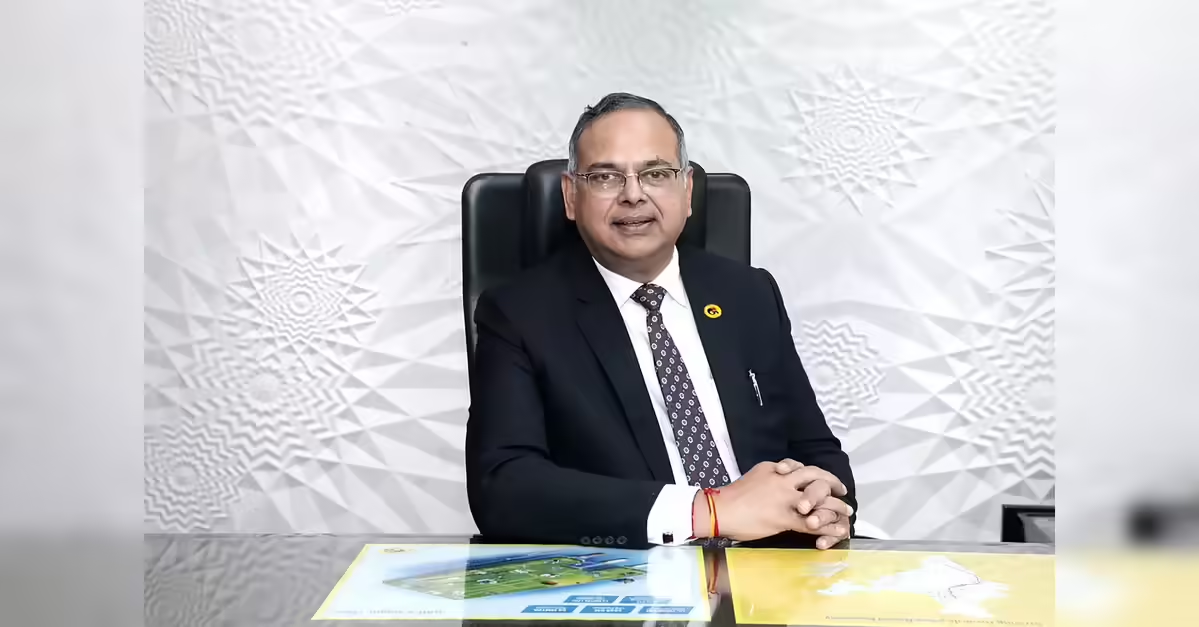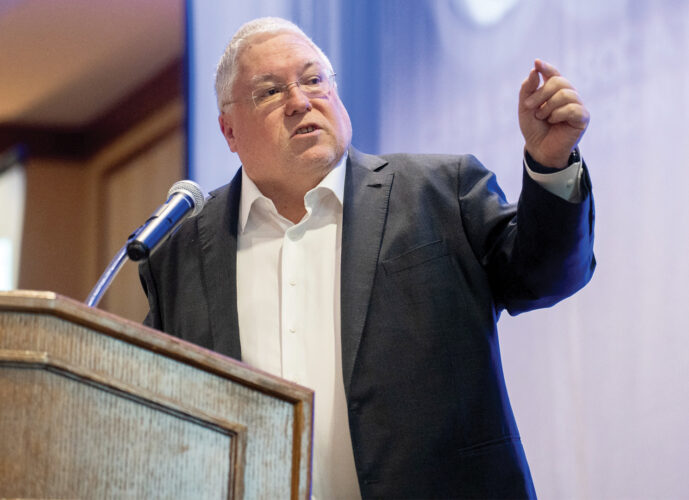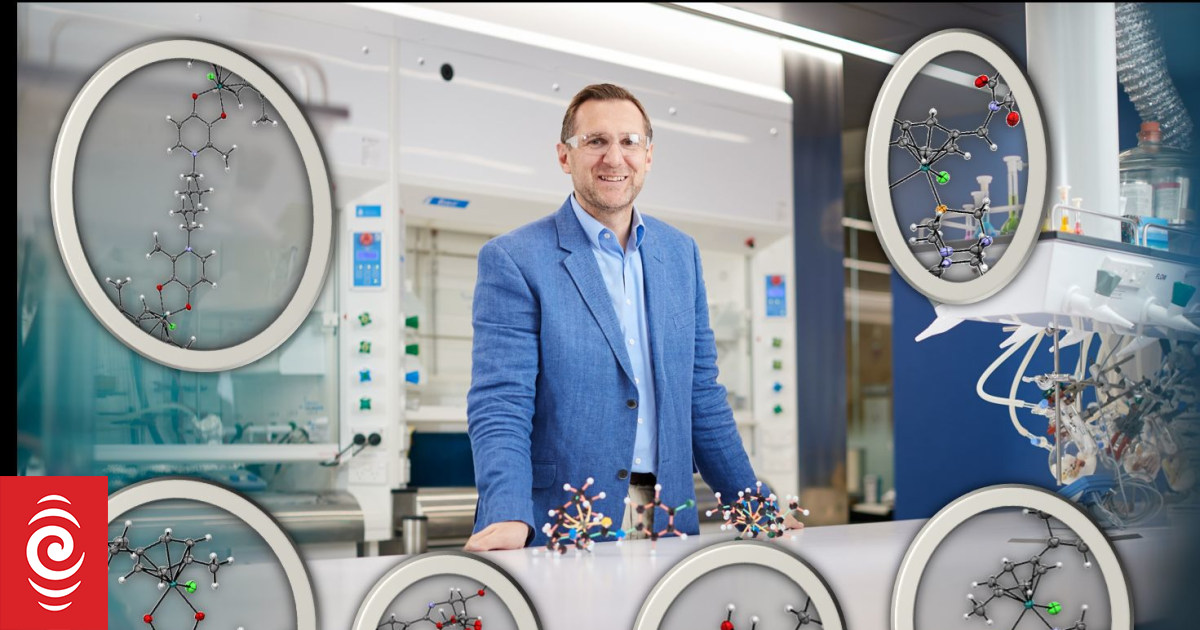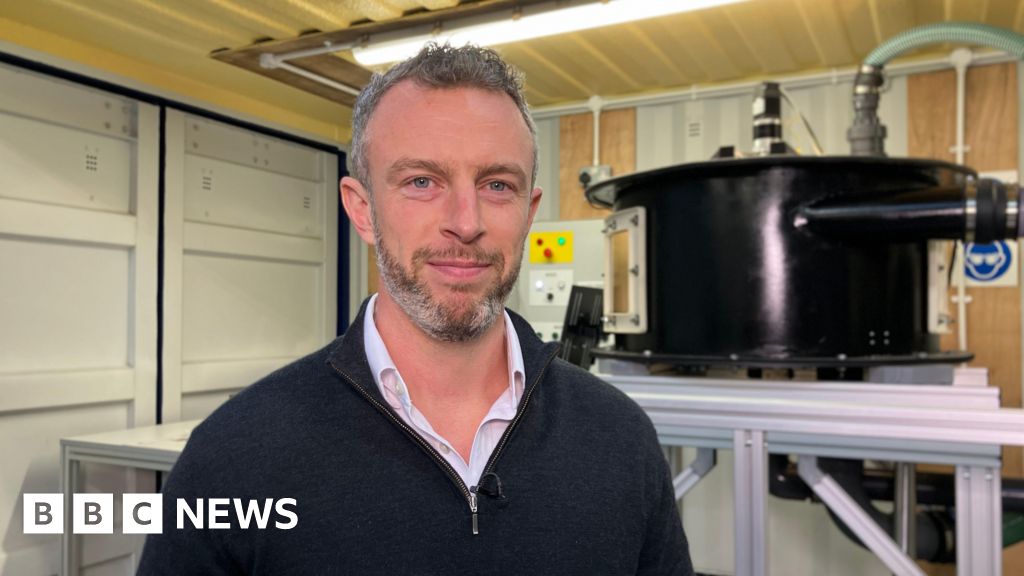

Matt Parry, head of power and energy demand, Renewable Energy Association; James Palmer, head of commercial land, Apatura Energy; Russell Wilkie, director, Ravenscraig Limited; Michael Hunter, head of commercial, Apatura Energy; Magnus Llewellin, director of policy and membership, Prosper (Image credit: Neil Davidson)
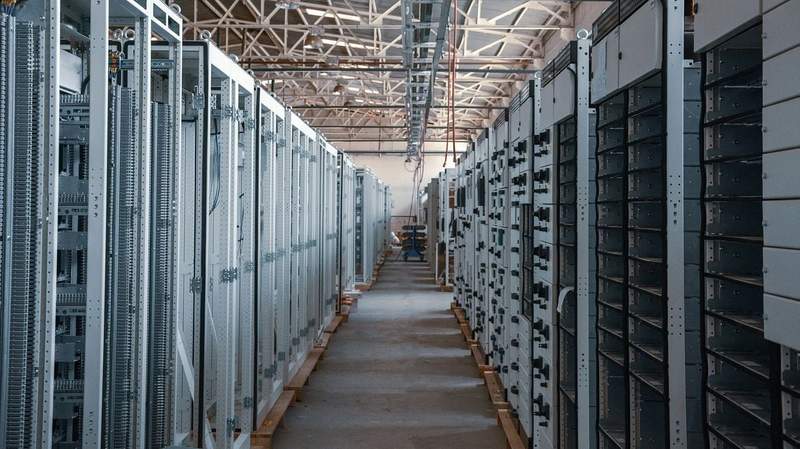
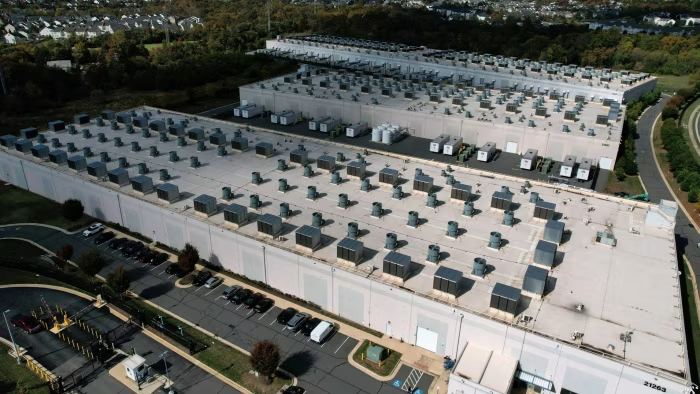
Organisations representing businesses across the energy sector in Scotland have today launched an industry charter, which sets out five core principles they believe should underpin the design and development of all new data centres in Scotland.
‘Delivering green data centres in Scotland’ directly addresses potential opportunities around data centre development, with principles on renewable energy, energy efficiency, water consumption, district heat and community benefits, and has the support of a range of organisations including Prosper, the Renewable Energy Association, Ravenscraig Ltd, Heat Network Scotland and Apatura Energy.
Crucially, the report highlights benefits that well-sited data centres can bring to an overstretched electricity system, plus looks in detail at the predicted water use of a modern data centre built to the highest environmental standards.


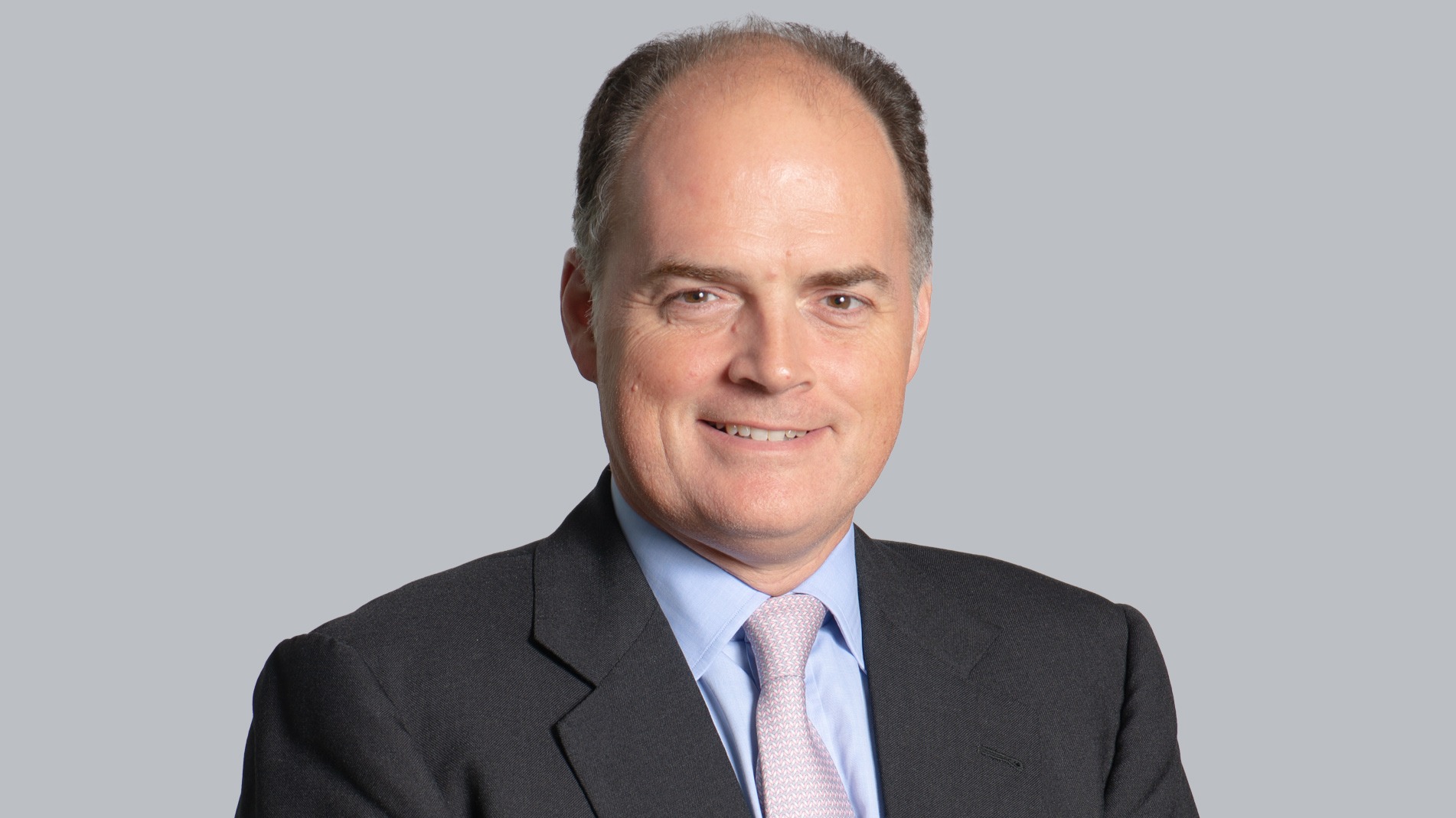
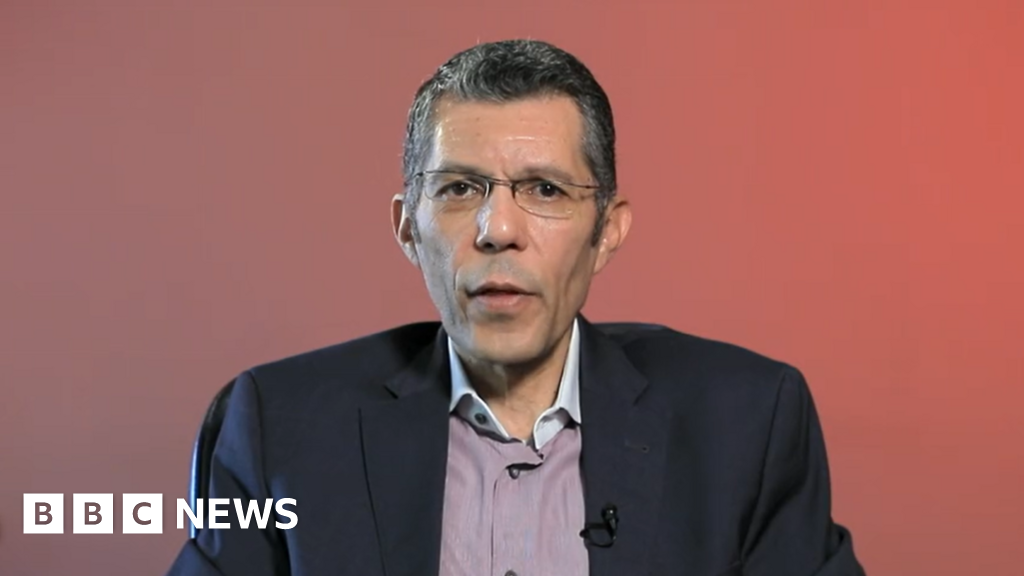
Speaking on behalf of the charter’s supporters, Giles Hanglin, chief executive of data centre developer Apatura Energy, said: “Data centres are an established and essential feature of daily life, underpinning the way we shop, communicate and learn, to lifesaving medical research, climate modelling, and the systems that support banking, transport, and telecommunications.
“The UK Government recognises data centres as ‘Critical National Infrastructure’, putting them on a par with energy, water, and emergency services; whilst the Scottish Government views green data centres as ‘essential infrastructure’ which, if designed sustainably, can deliver secure, low-carbon operations, support local communities, boost employment, and drive economic growth.
“However, at present, we rely heavily on data centres in locations outside Scotland, from the USA and Norway to England, Dublin and Dubai.”
Data centres have already been identified in the Scottish Government’s Green Industrial Strategy as a target industry for investment. They are also highlighted in Scotland’s Fourth National Planning Framework (NPF4), which identifies green data centres as a National Development that are a ‘fundamentally important utility’ supporting Scotland’s economic and social needs.


Mr Hanglin continued: “In the last year, there has been a significant increase in proposals to develop data centres in Scotland, driven by global demand and the country’s natural advantages including a cool climate, abundant renewable energy and availability of land.
“Fortunately, Scotland has some of the most rigorous planning and environmental regulations in the world, meaning data centres developed here will have a lower impact than those built elsewhere. Plus, they can bring significant inward investment, jobs and community benefit.
“This charter sets out five core principles which we believe should underpin the development of all data centres in Scotland – ensuring they are built to the very highest sustainability standards.”
The charter also addresses common misunderstandings head on, such as the quantity of water a data centre will use.
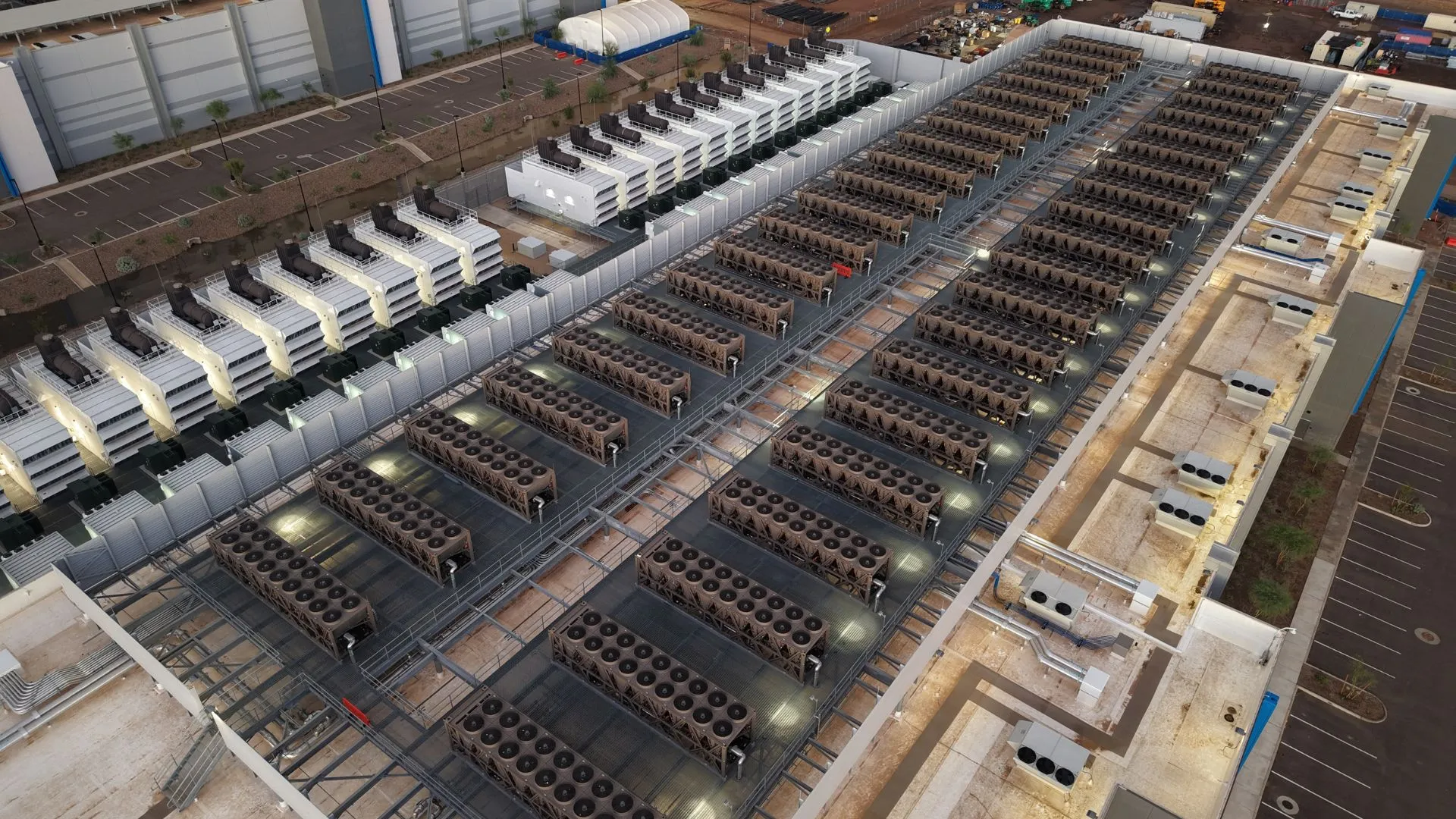
Mr Hanglin added: “A lot of the information on water use is based on historical US data where evaporative cooling has been used in some locations. However, a modern green data centre in Scotland, using a closed loop cooling system, would have a ‘first fill’ equivalent to the annual water use of 44 homes, with less ongoing water use thereafter.
“I would encourage anyone interested in data centre development to read the report, where they will find well sourced, current industry information,” Hanglin concludes.
The five core principles are:
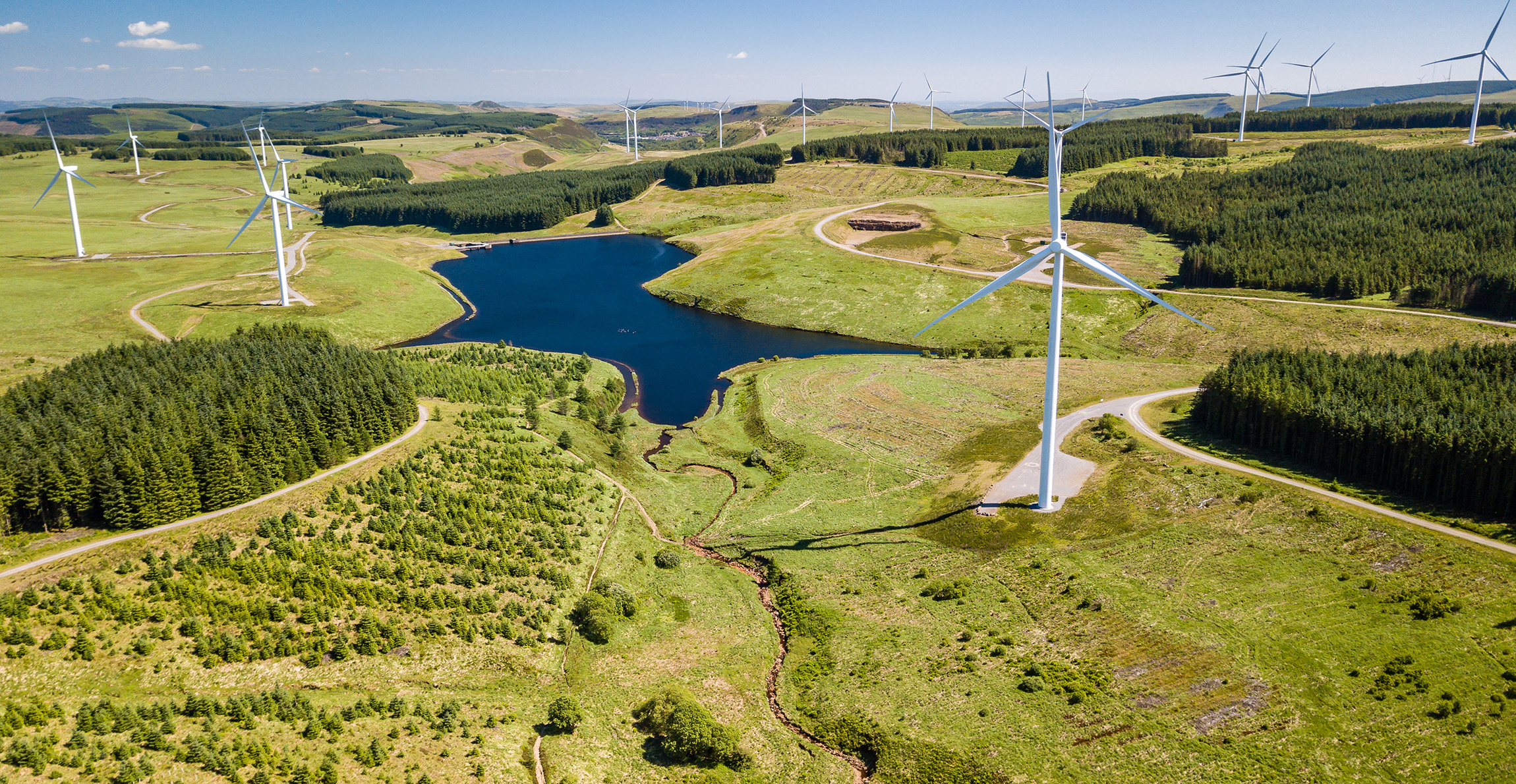
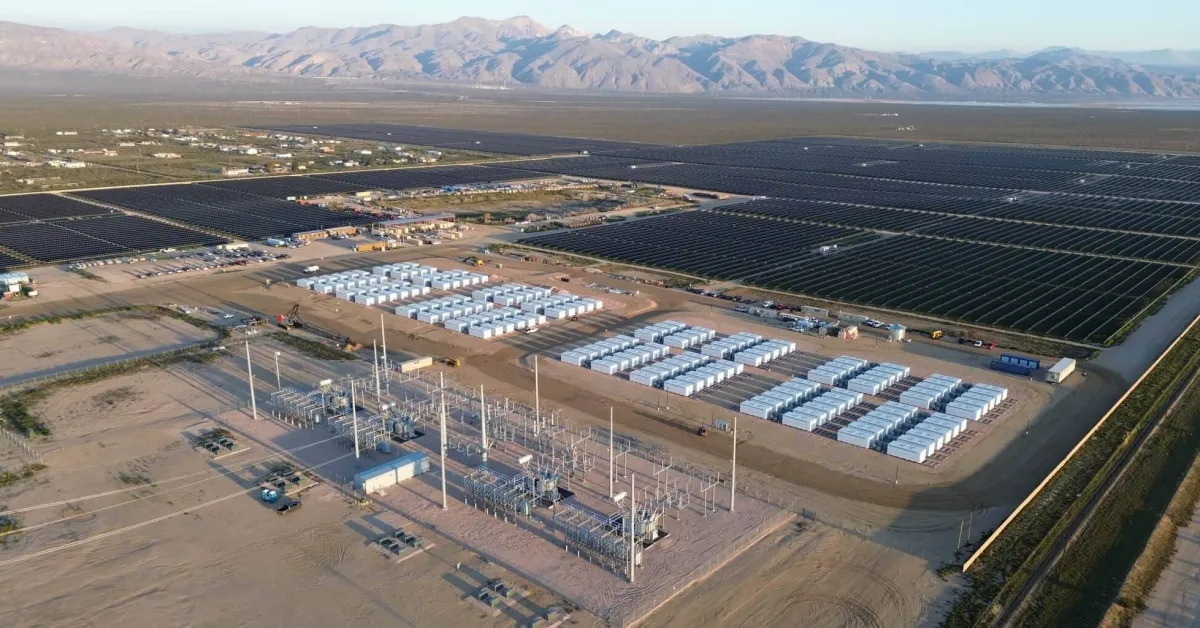
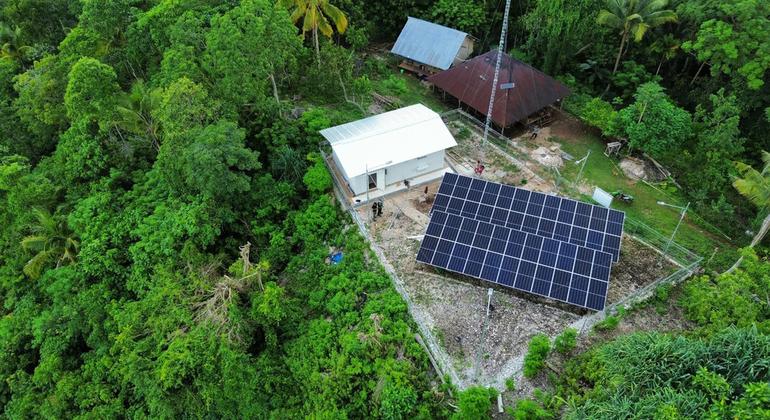
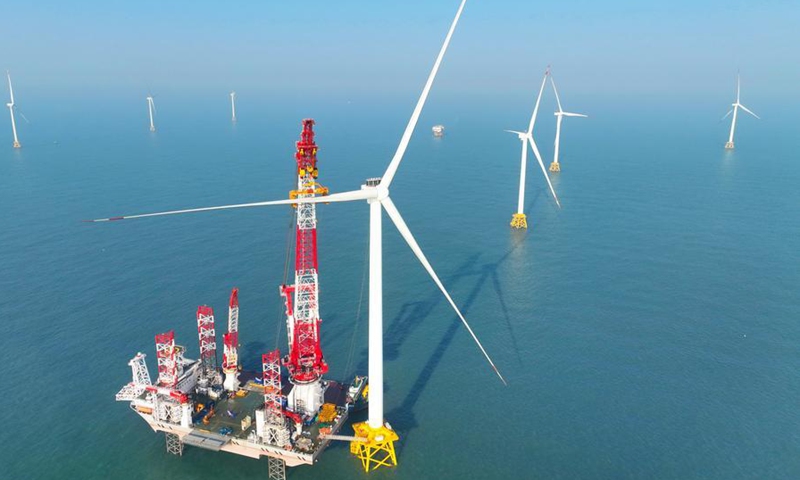
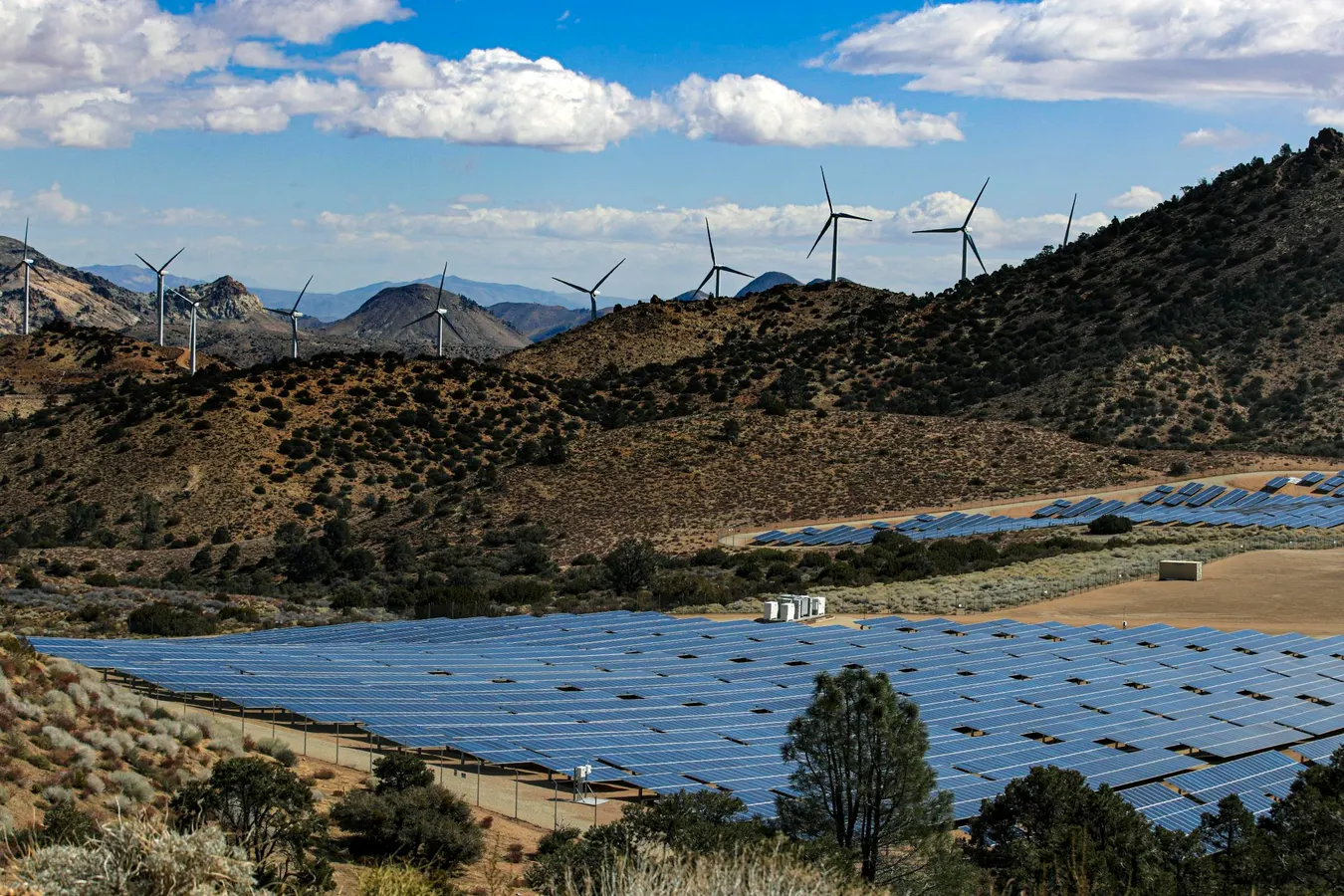
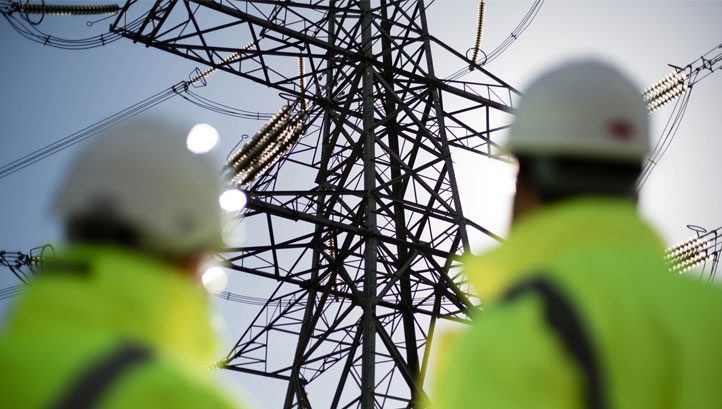
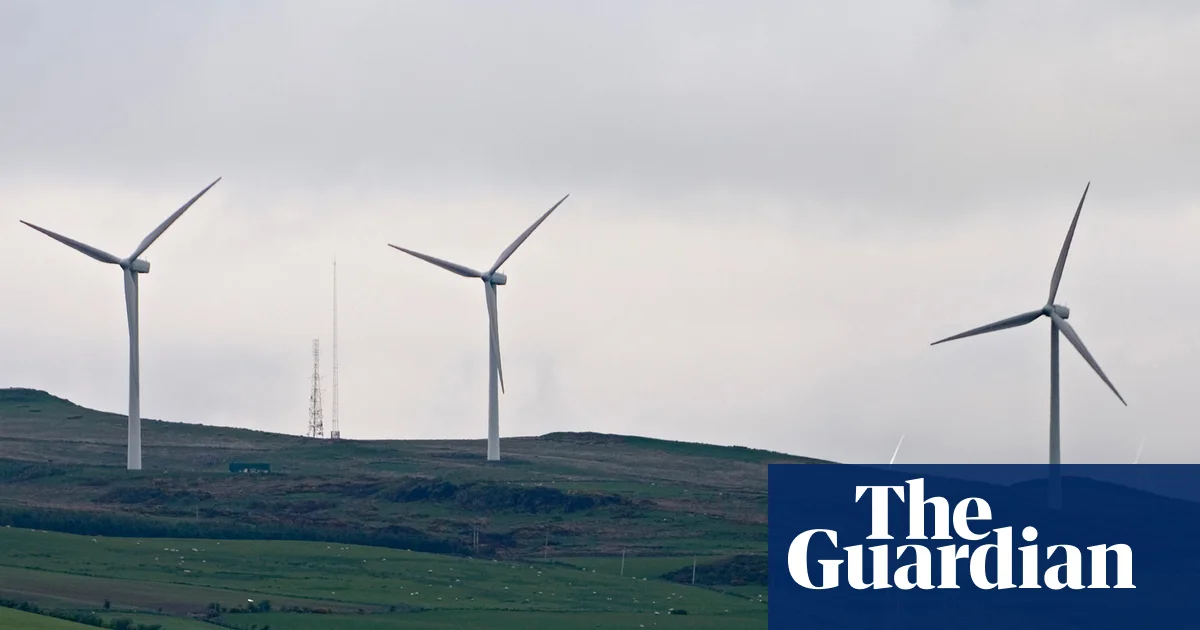
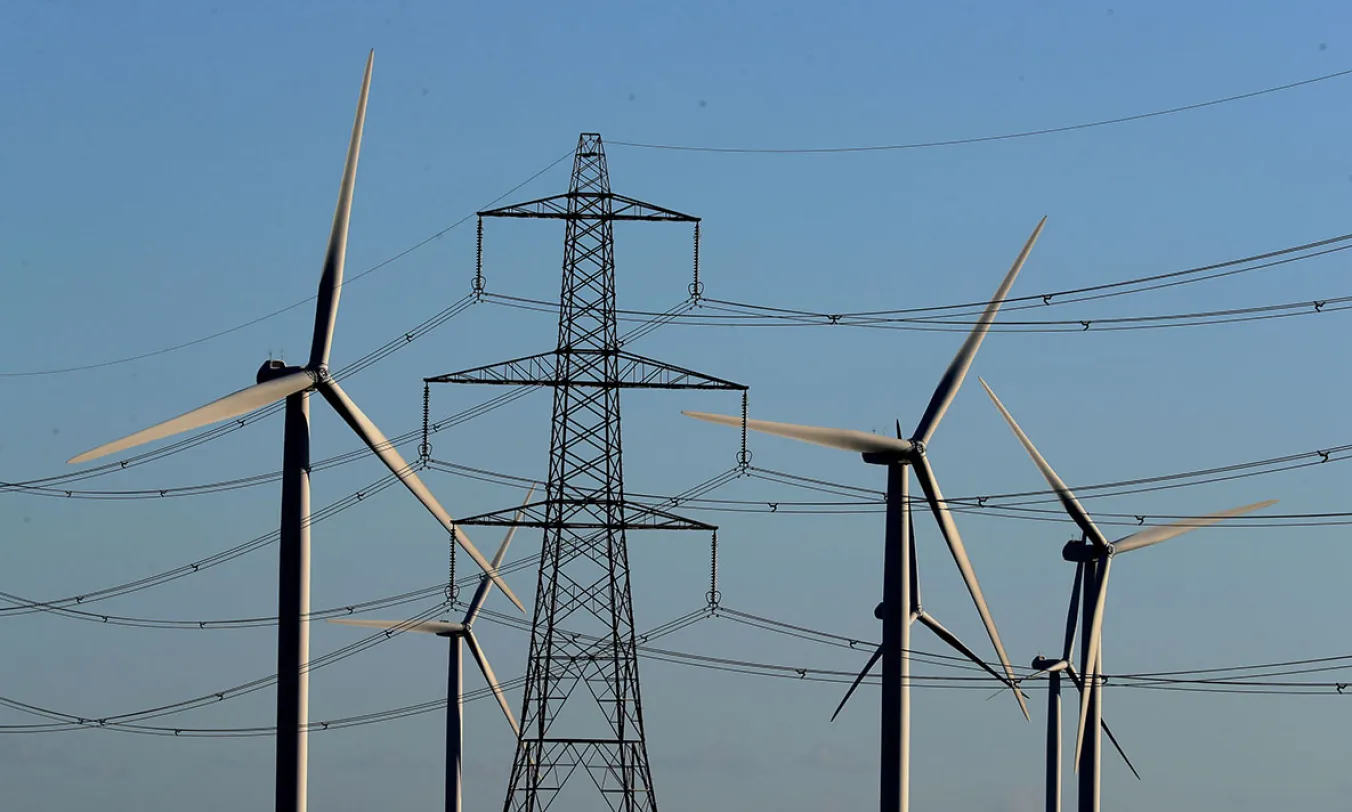
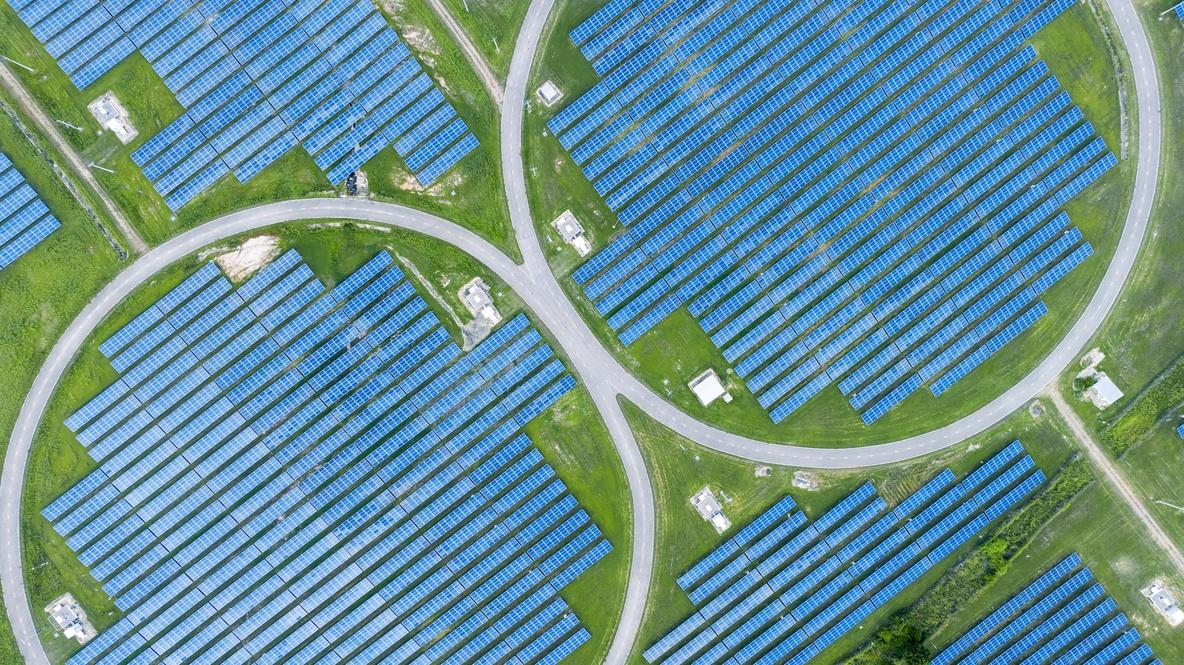
- Renewable energy. Data centres should maximise the use of low-carbon electricity, including direct connection to renewable generation where feasible.
- Energy efficiency. All data centres should be built to high energy-efficiency standards and comply fully with the Building (Scotland) Regulations, including Energy Performance Certificates (EPCs) on completion, with a commitment to continuous lifecycle monitoring, evidenced improvements, and accountability.
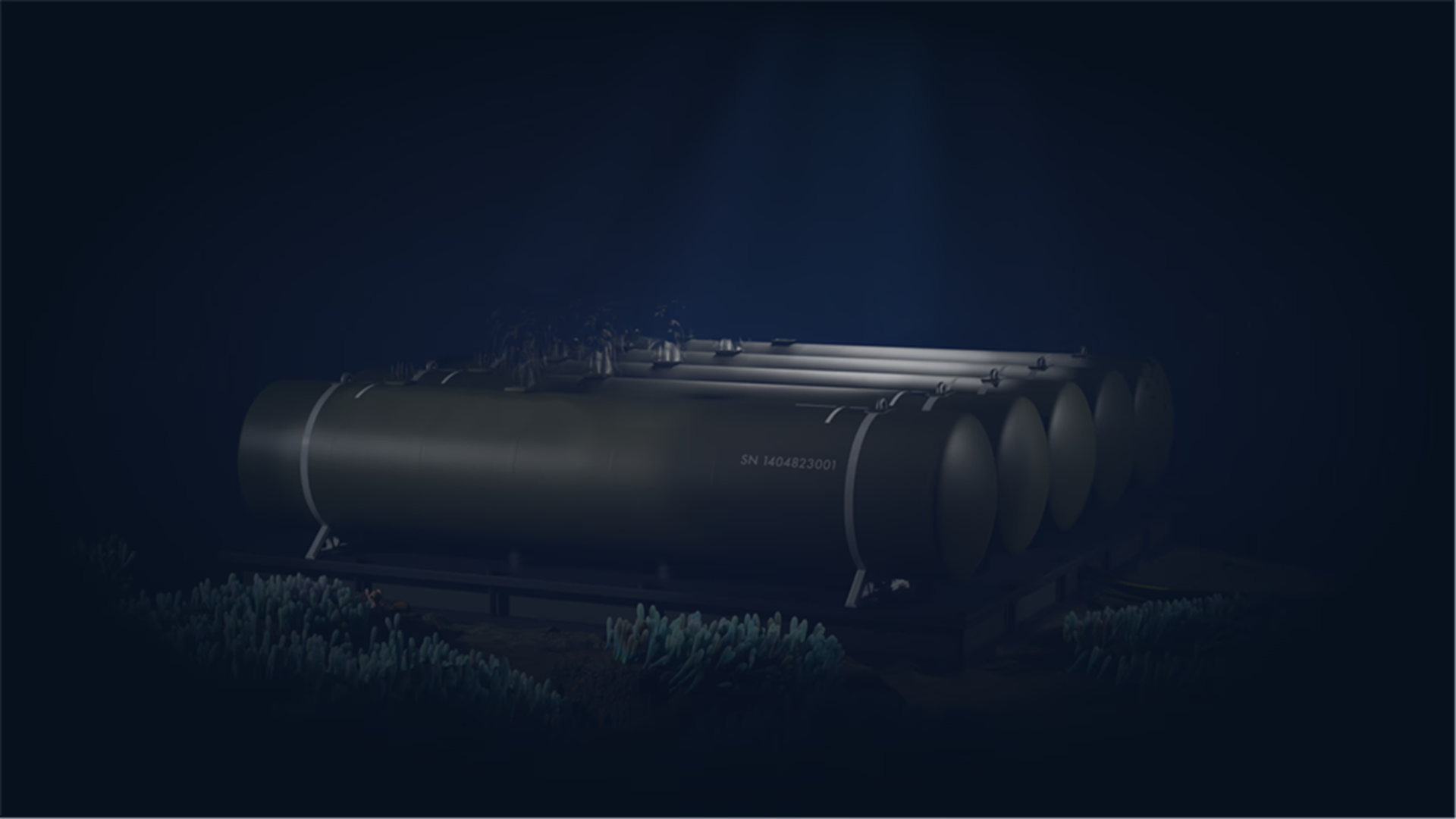
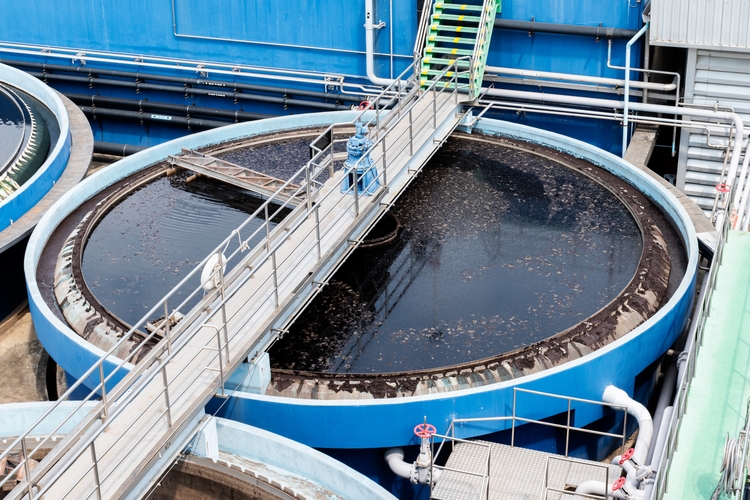
- Water consumption. Data centres should be located in water-abundant areas, utilising closed-loop cooling systems where possible that minimise water use and reduce demand impacts.
- District heat networks. All new data centres should be ‘district heat ready’, built with the necessary offtake technology to enable local businesses, communities and nearby land users to connect efficiently to heat network infrastructure.
- Community benefits. Data centre deployment should aim to maximise net economic benefit, including local and community socio-economic benefits such as employment, associated business and supply chain opportunities.