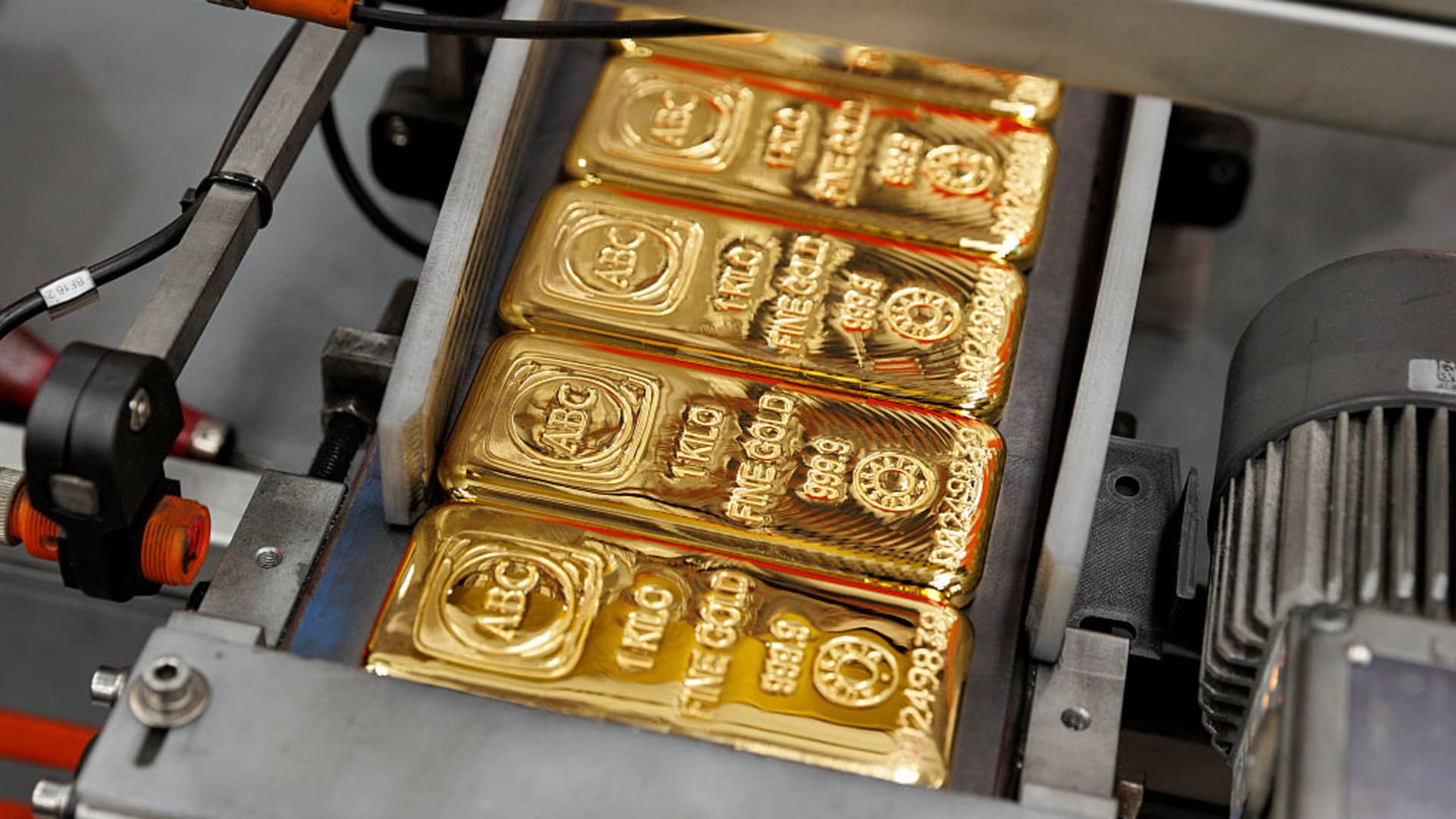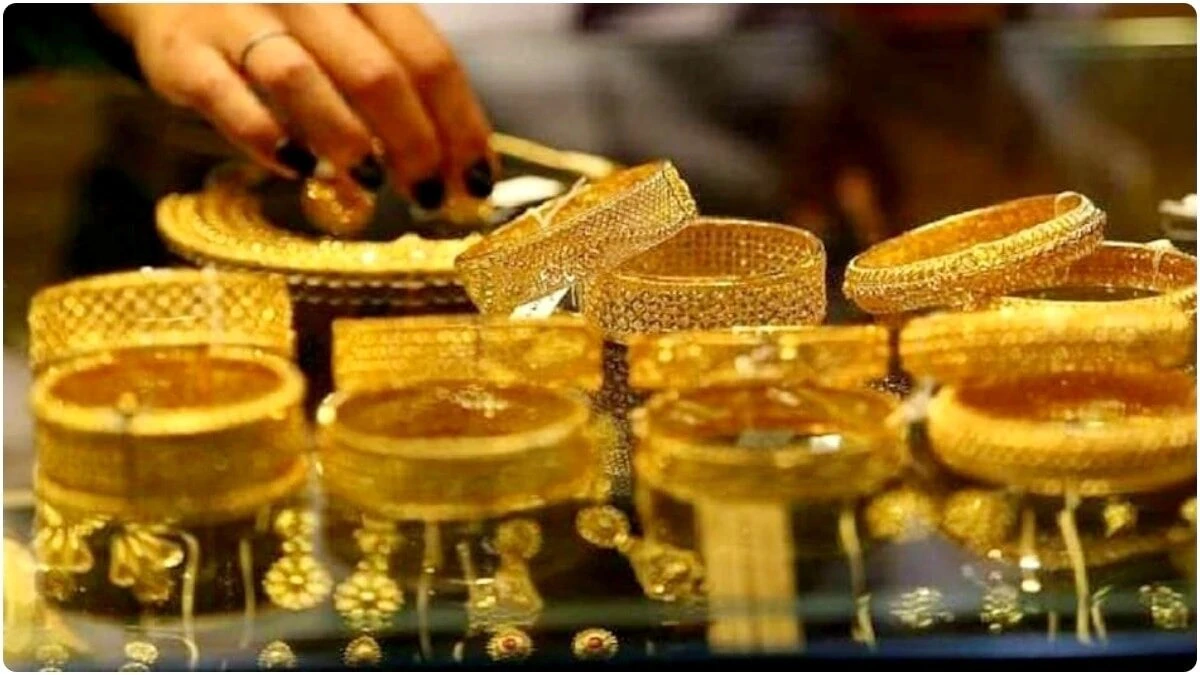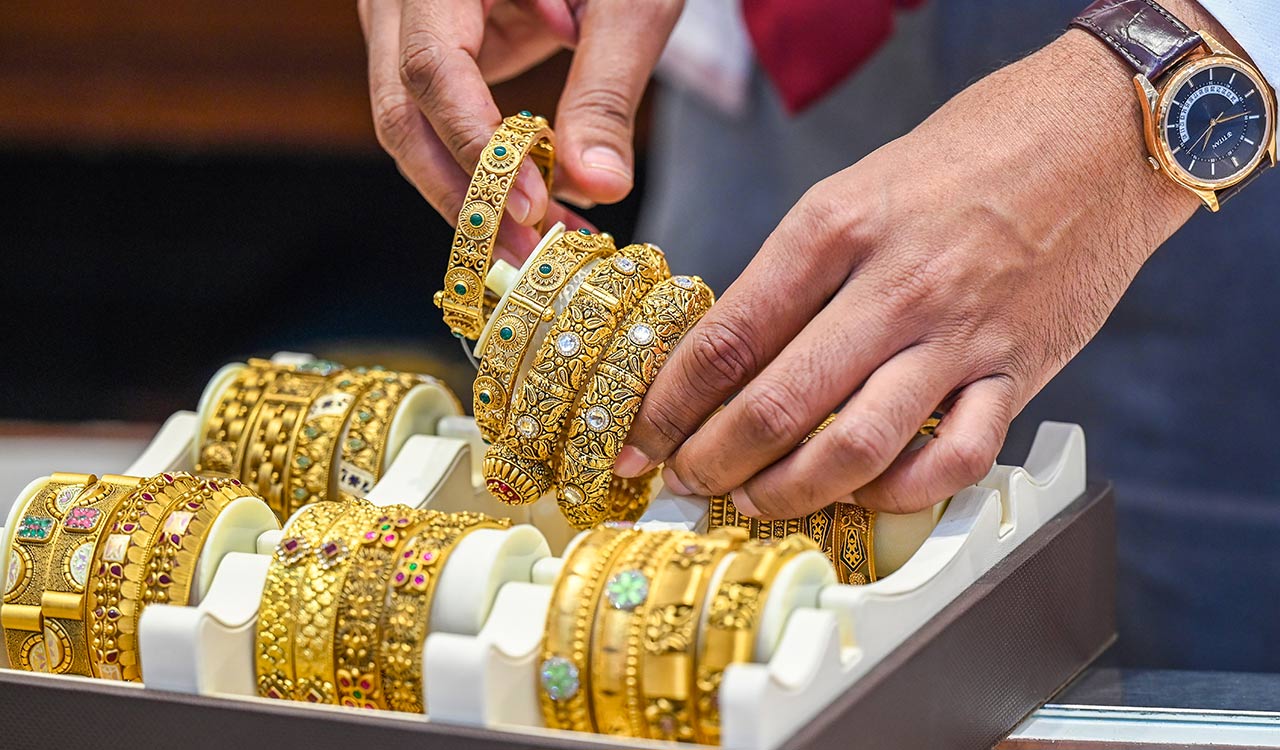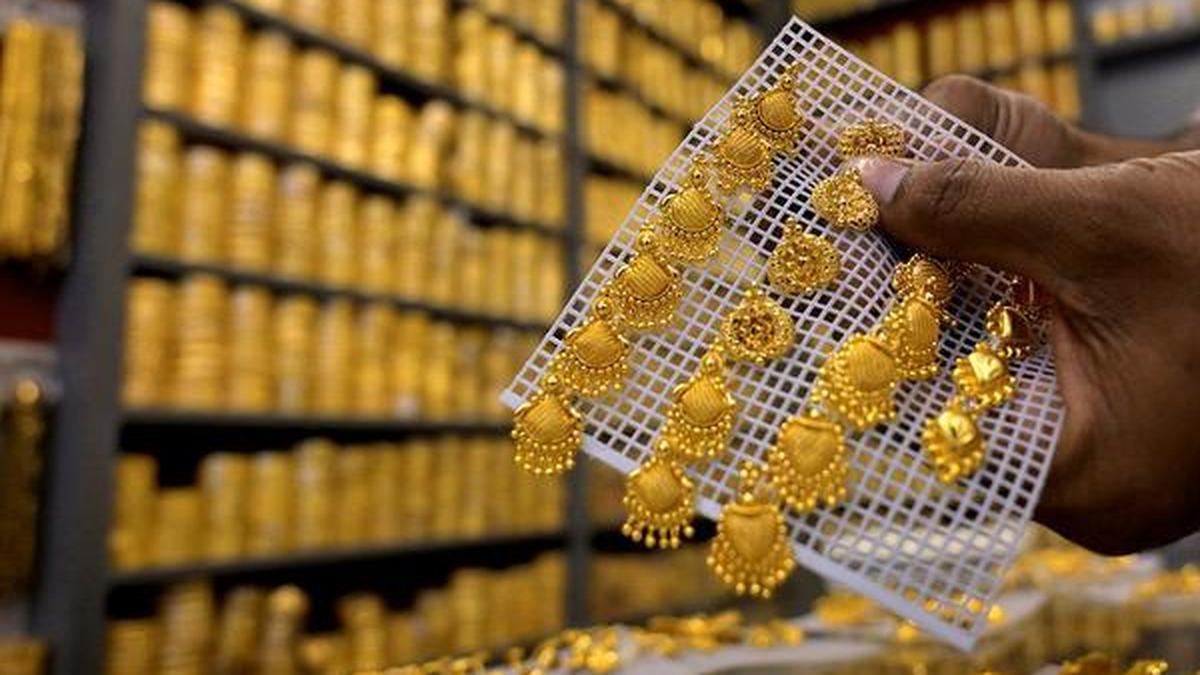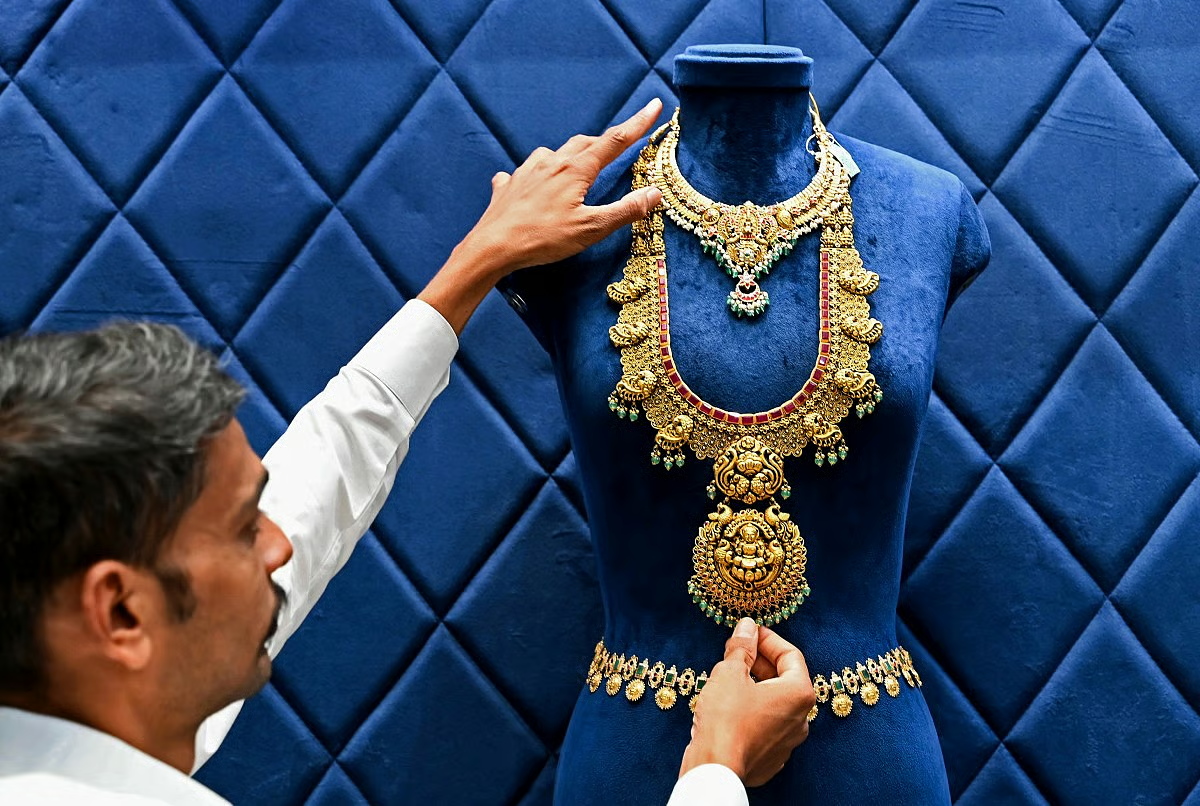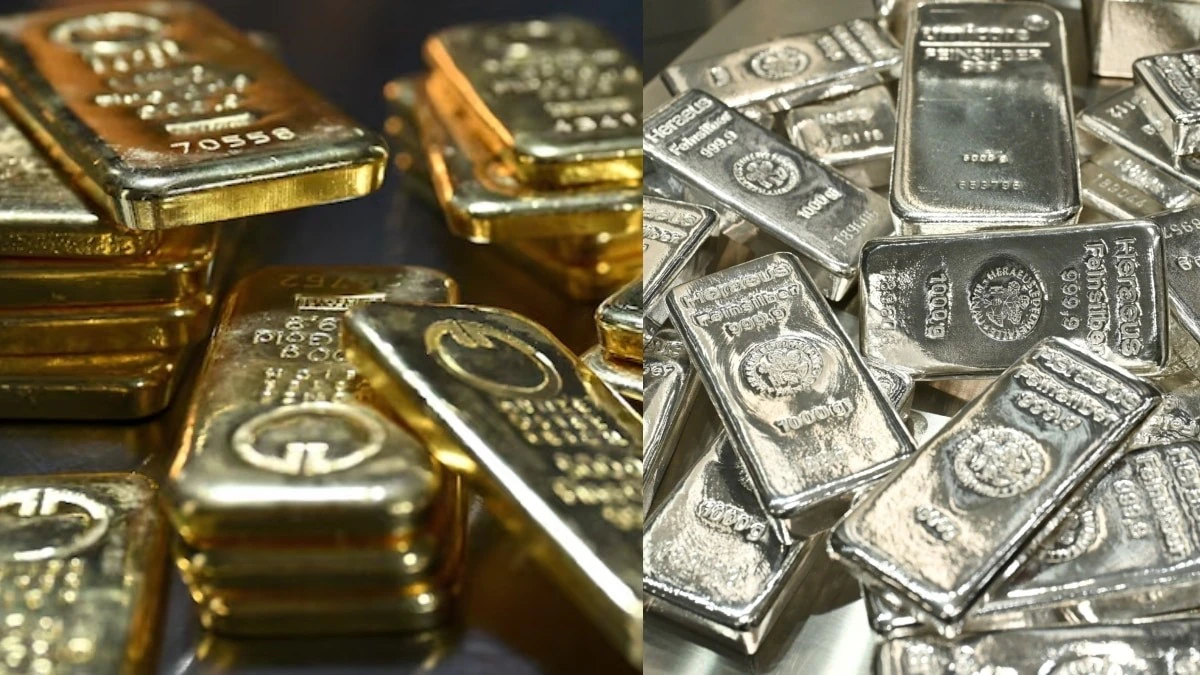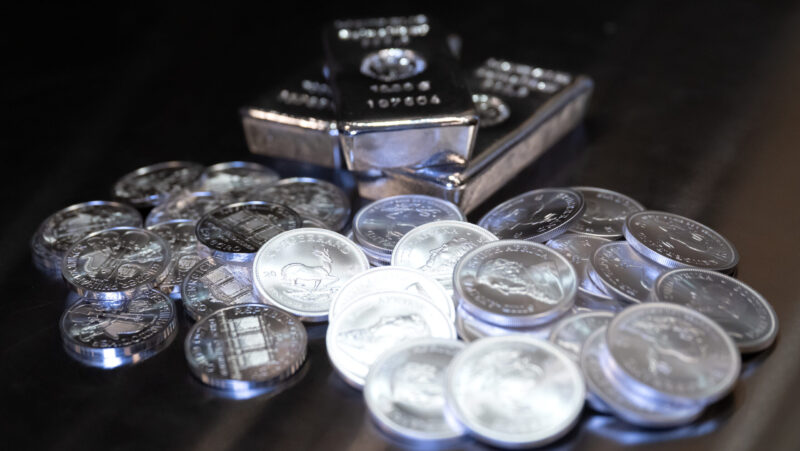
Gold import duty has been increased by the government to curb rising demand and ease the pressure on the growing current account deficit. The import duty has been effectively increased from 6% to 15%, a hike of 9% that includes 10% basic customs duty and a 5% Agriculture Infrastructure and Development Cess. A few days back, Prime Minister Modi appealed to Indians to postpone gold purchases by a year.
So what are the alternatives?
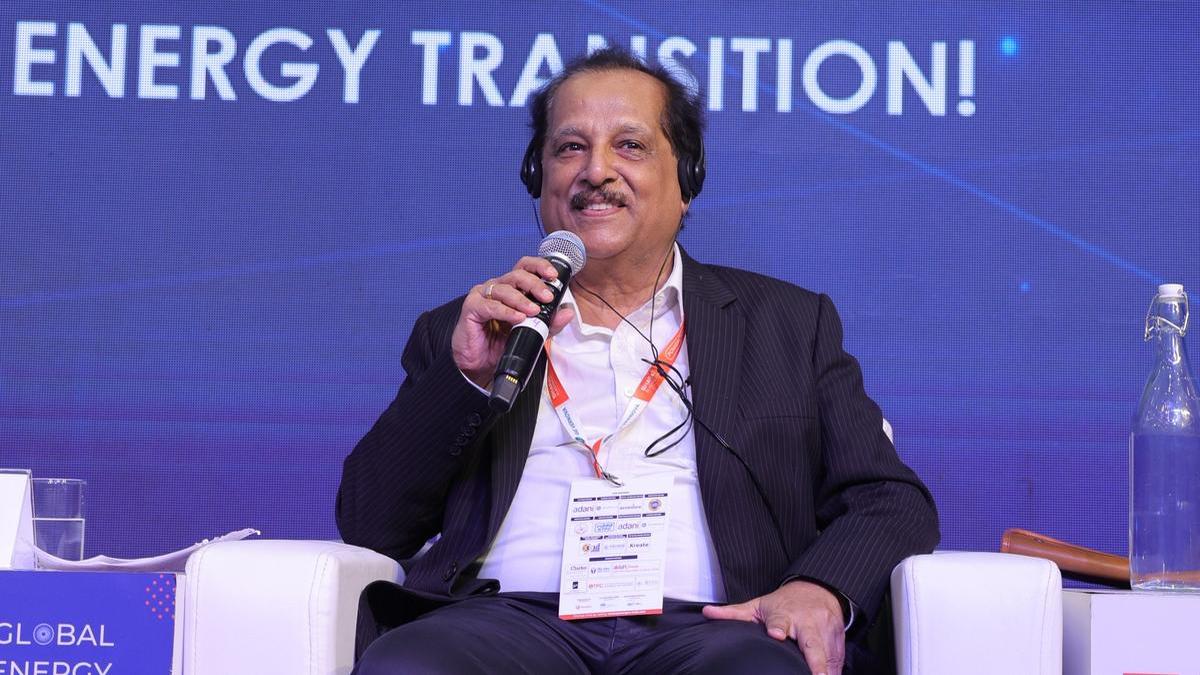
Many industry stakeholders have started asking the government for a Gold Monetisation Scheme. “A more durable solution to managing the current account impact of precious metal imports lies in improving domestic gold monetisation schemes and developing liquid gold-backed financial products, instruments that channel demand without requiring physical import at all. The duty hike is understandable as a short-term signal, but it risks being a policy that looks good on paper and leaks badly in practice,” says Sawrikar.
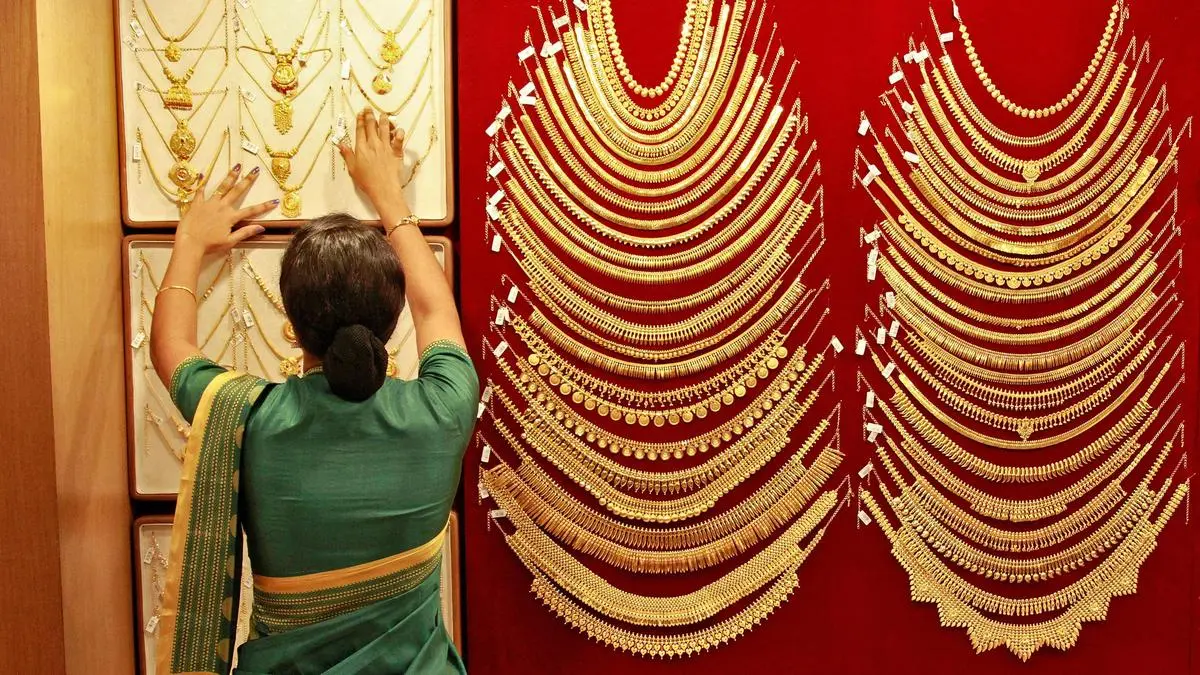
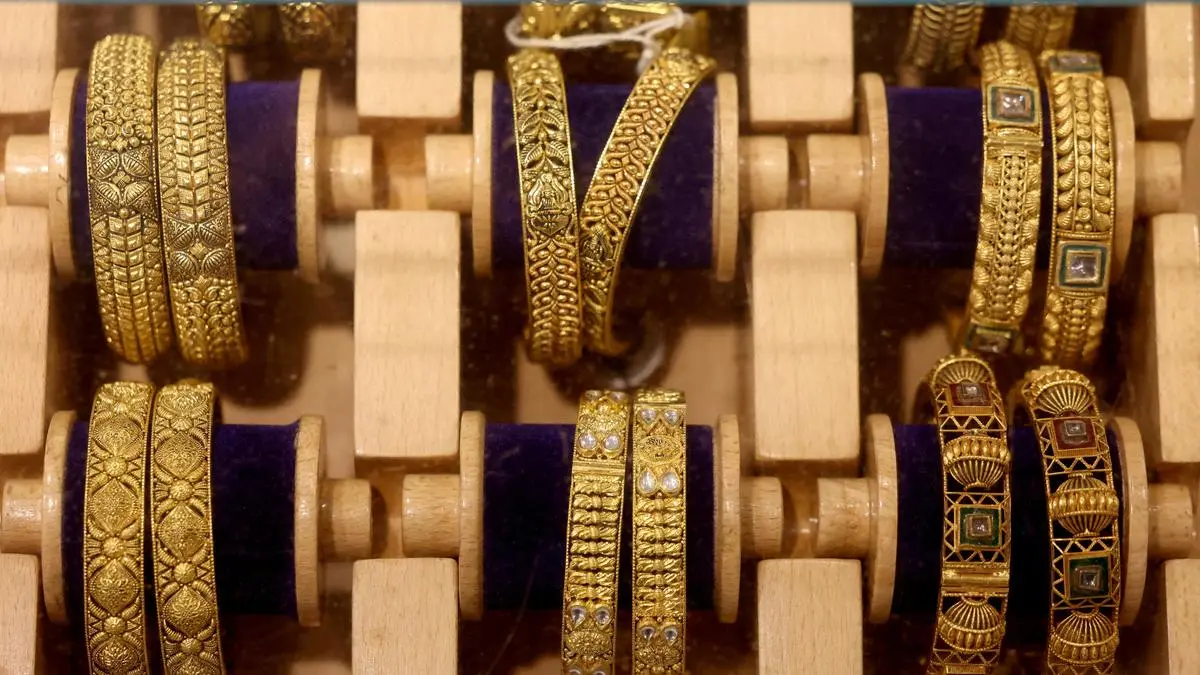
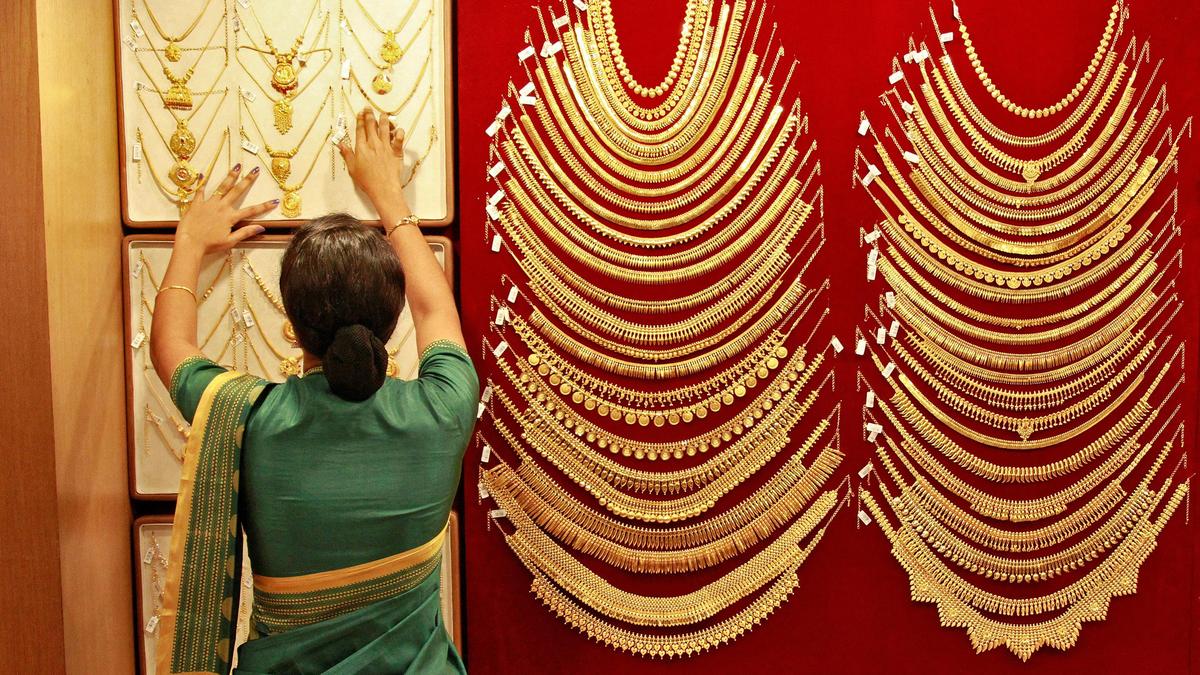
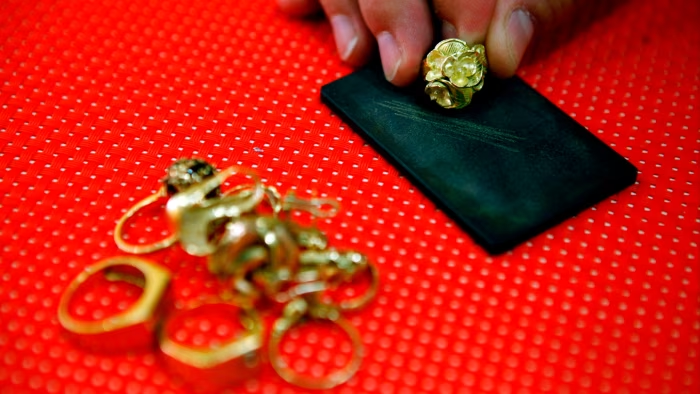
Indian households, reportedly, hold over 25,000 tonnes of gold. To meet domestic demand, India imports over 700 tonnes of gold. To set off at least some of that import volume, recycling existing gold holdings with Indians can be one alternative.
However, the Reserve Bank of India (RBI) Gold Monetisation Scheme (GMS), 2015, is already in place and may see renewed traction in the months ahead. However, the government discontinued the Medium Term (5-7 years) and Long Term Government Deposit (12-15 years) components of the GMS effective March 26, 2025. The Short Term Bank Deposit (1–3 years) of GMS is currently available with select banks.
Meanwhile, All India Gem & Jewellery Domestic Council (GJC) has submitted a refined, jeweller-integrated framework for GMS, developed through structured stakeholder consultations across the banking, refining, and jewellery sectors. The proposed model is designed to address existing structural inefficiencies and significantly enhance the scheme’s adoption and effectiveness.
What the Gold Monetisation Scheme aims to achieve is to mobilise the idle gold lying in households, institutions, corporates and temple trusts of the country and thereby reduce import volume.
So, what is the Gold Monetisation Scheme, and how does it work for Indians keeping gold jewellery at home or in bank lockers?
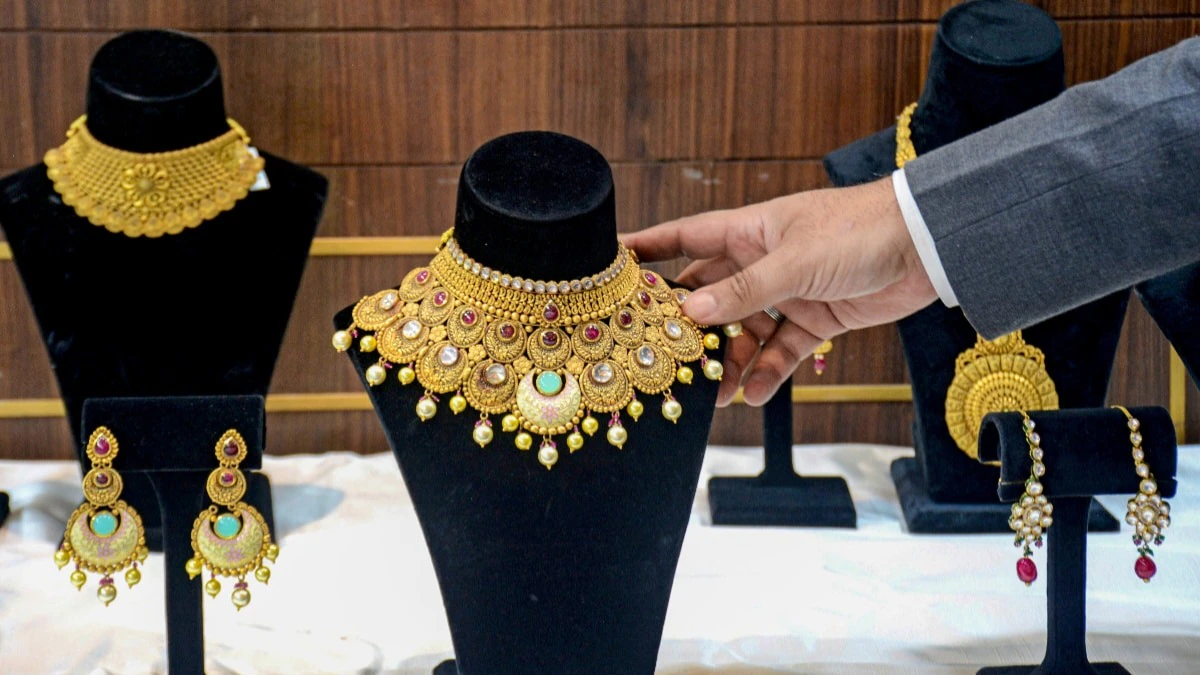
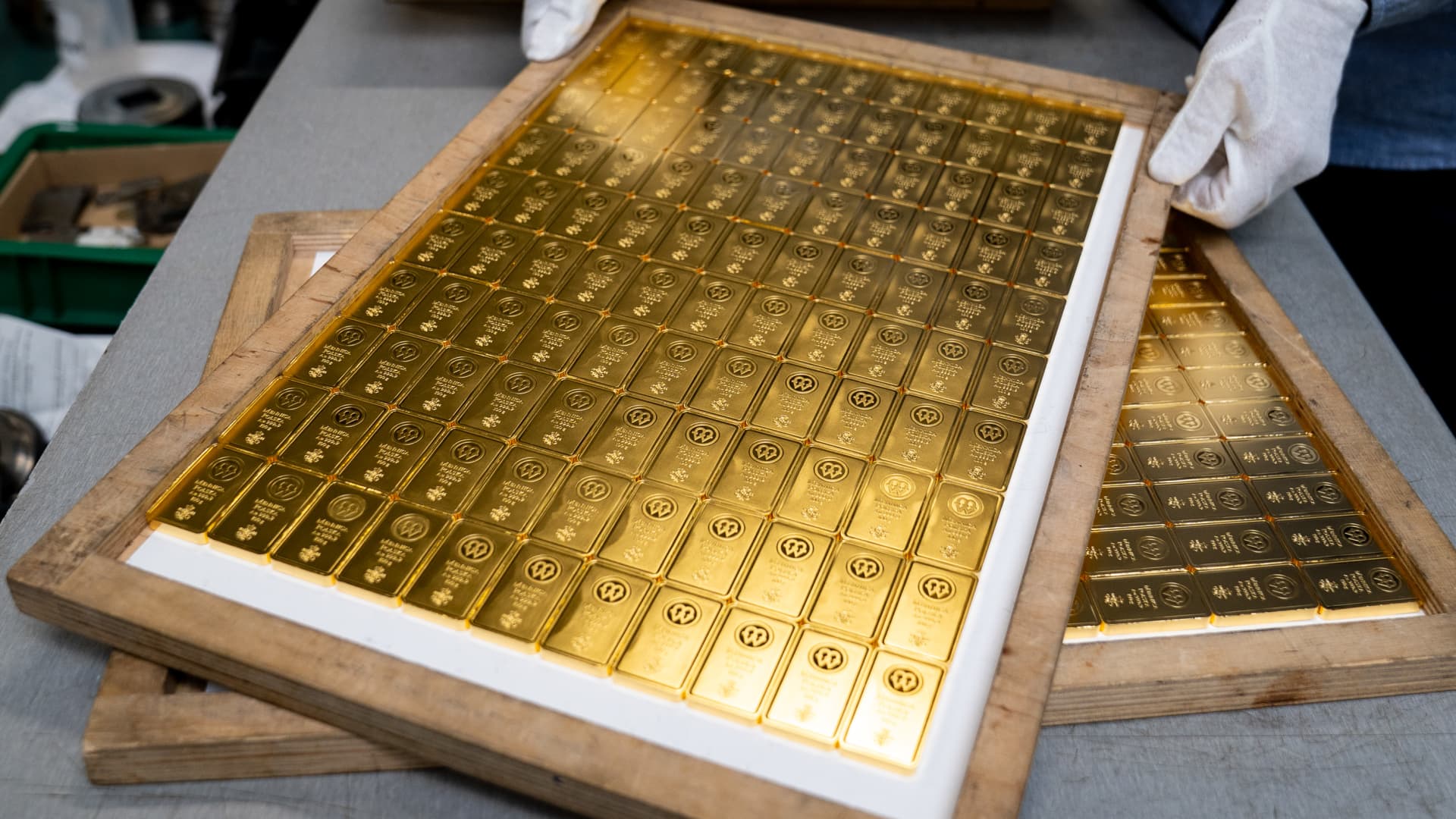
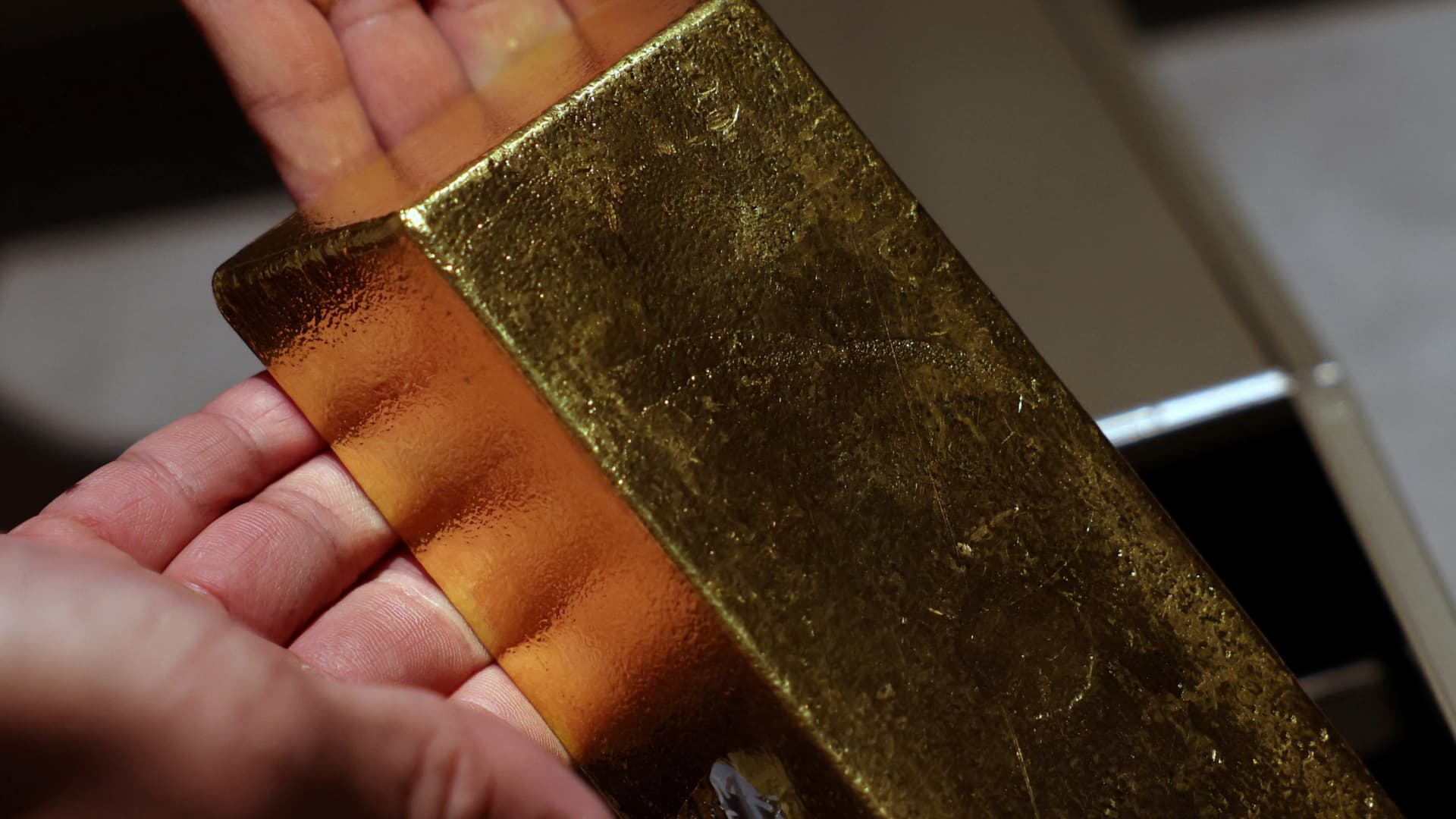
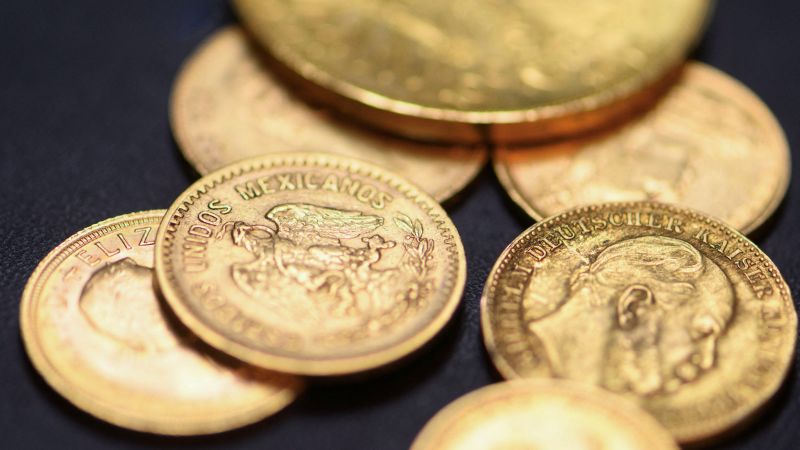
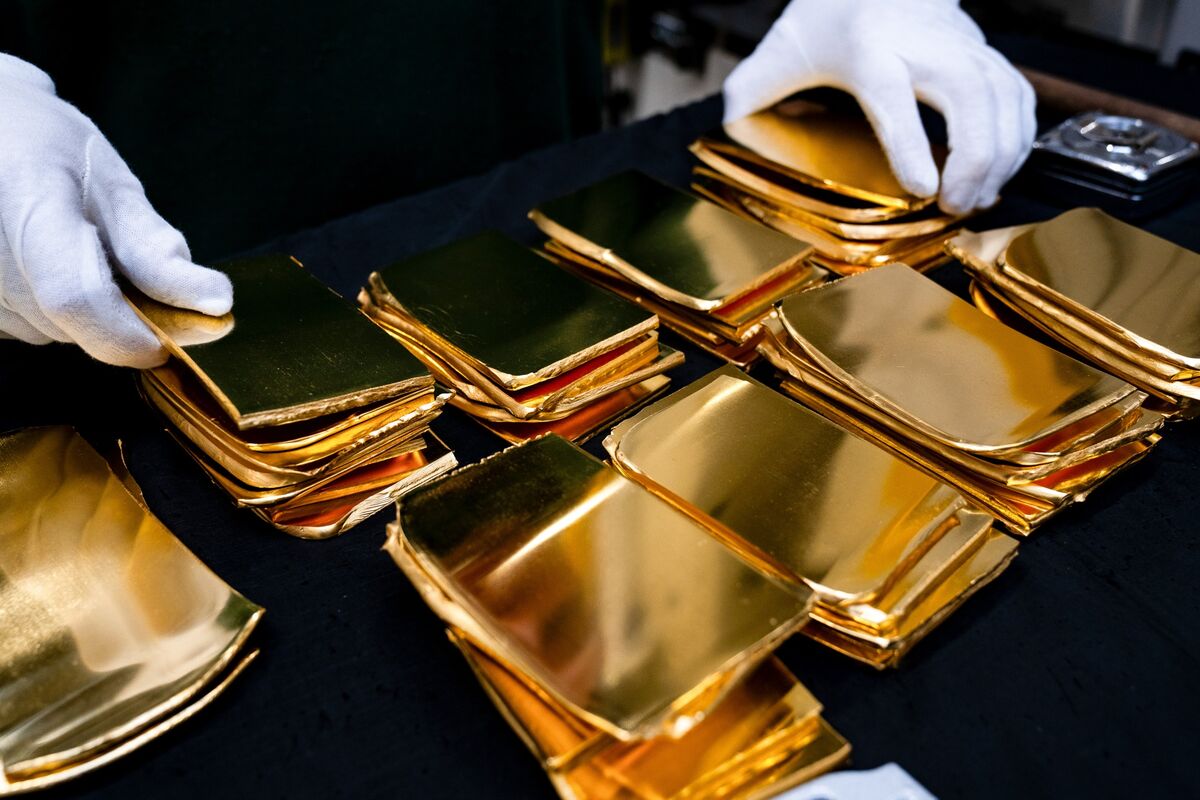
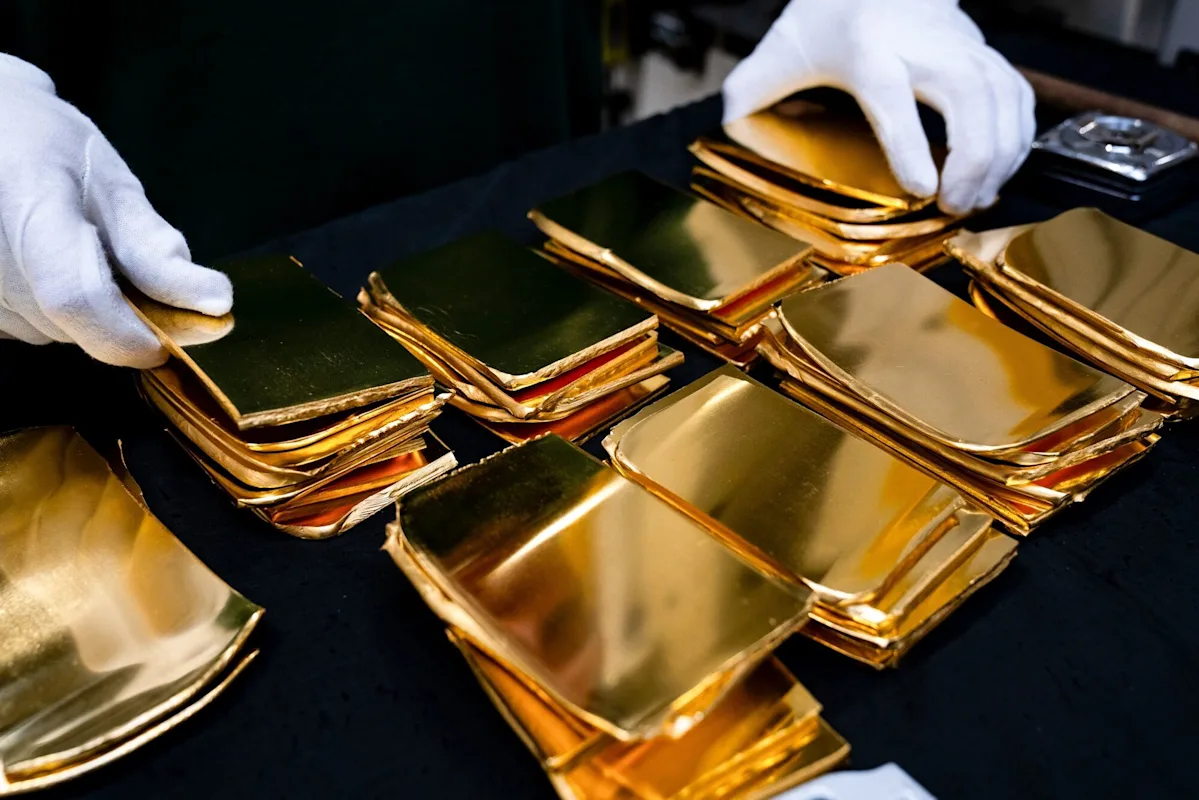
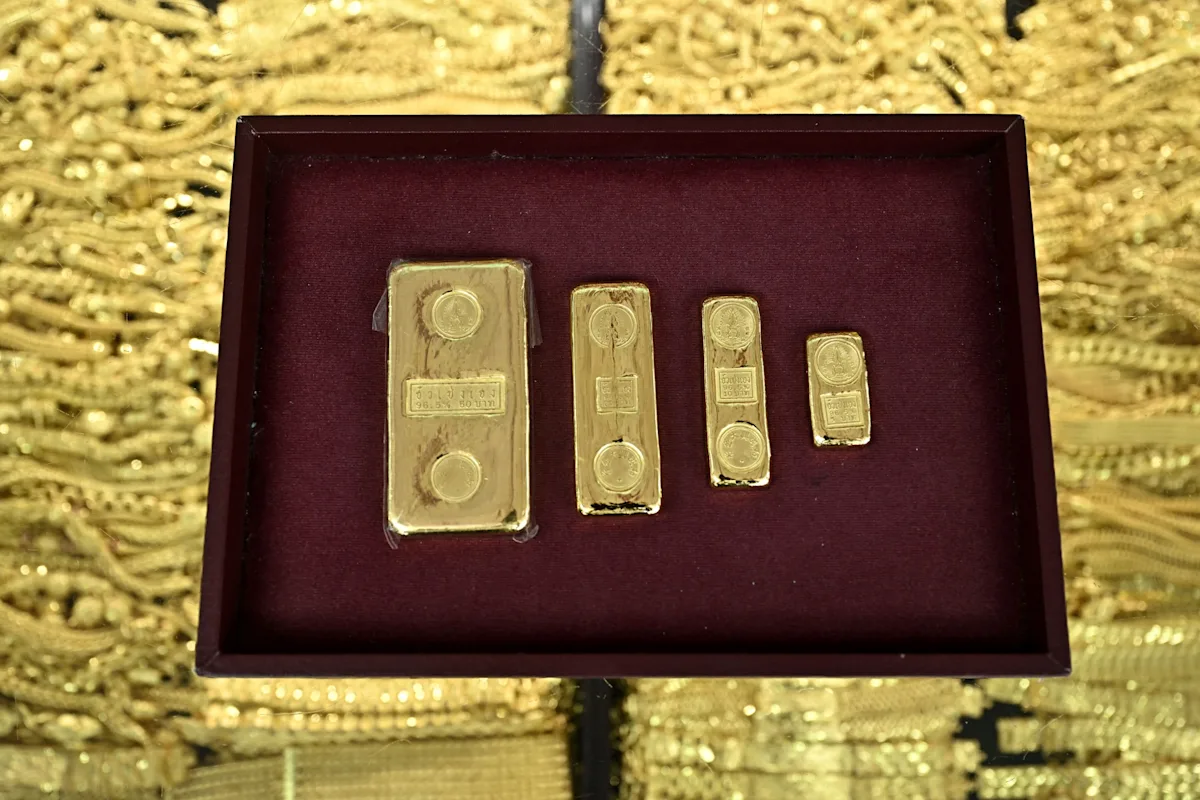
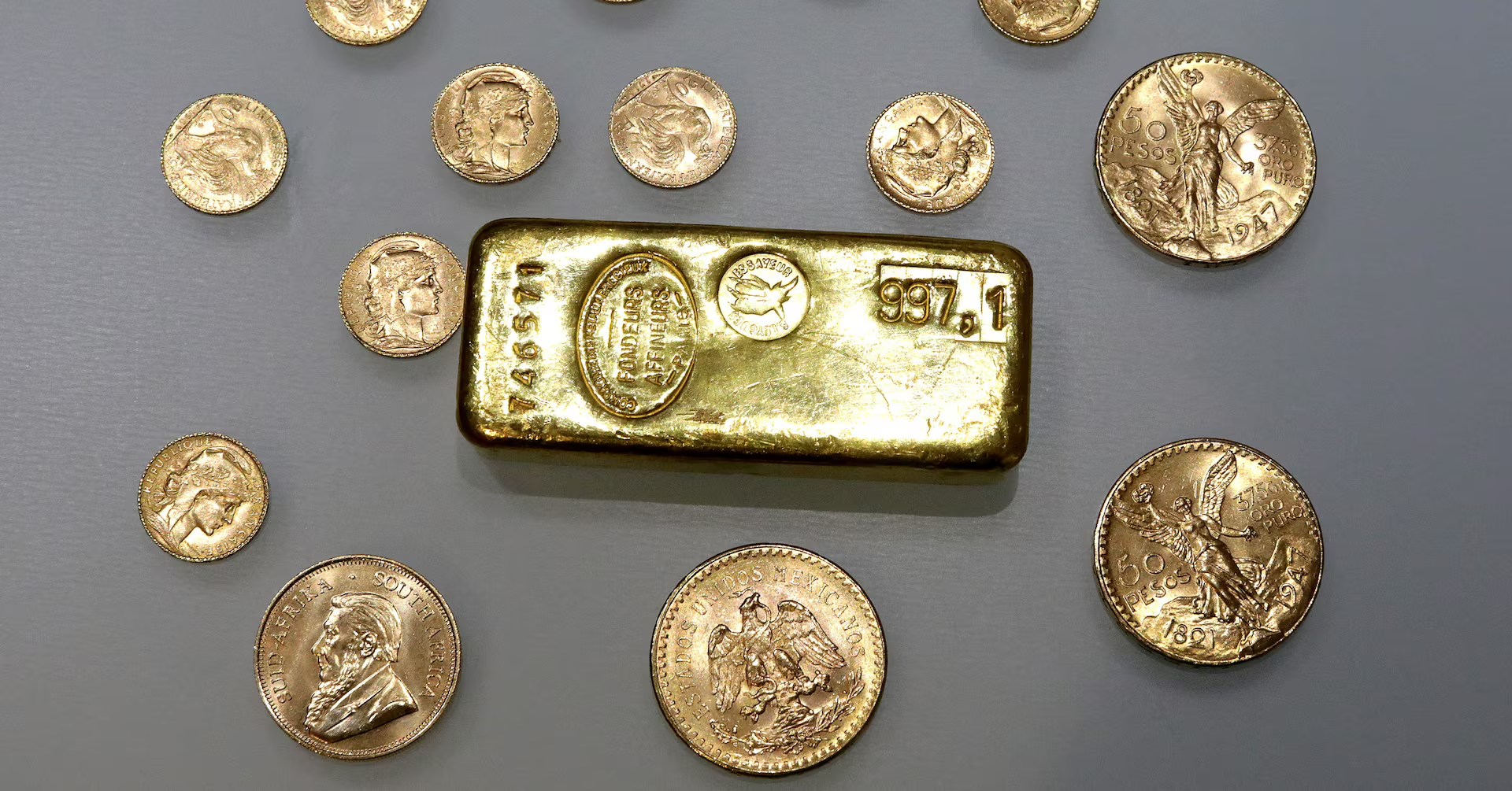
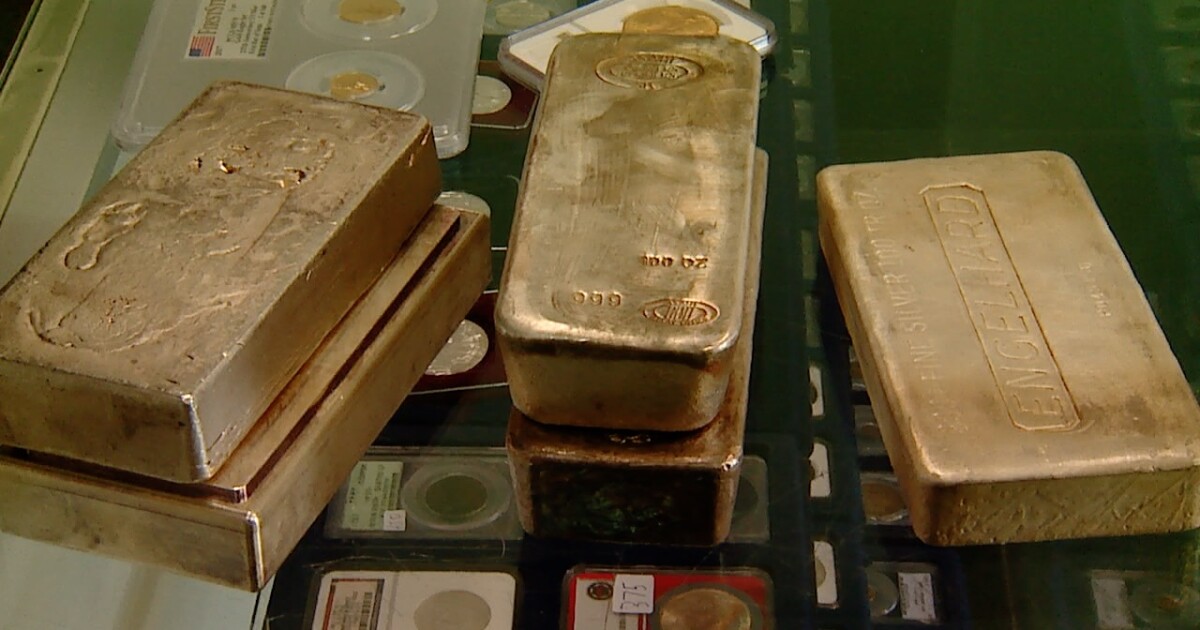
Simply put, under the Gold Monetisation Scheme, any Indian can deposit gold jewellery, including coins and bars, with a bank for a fixed period. On maturity, one can either opt to get the cash value of gold at the prevailing prices or get physical gold. Also, during the period of deposit, the bank will pay an interest depending on the value of the gold deposited with them.
What Happens on Maturity
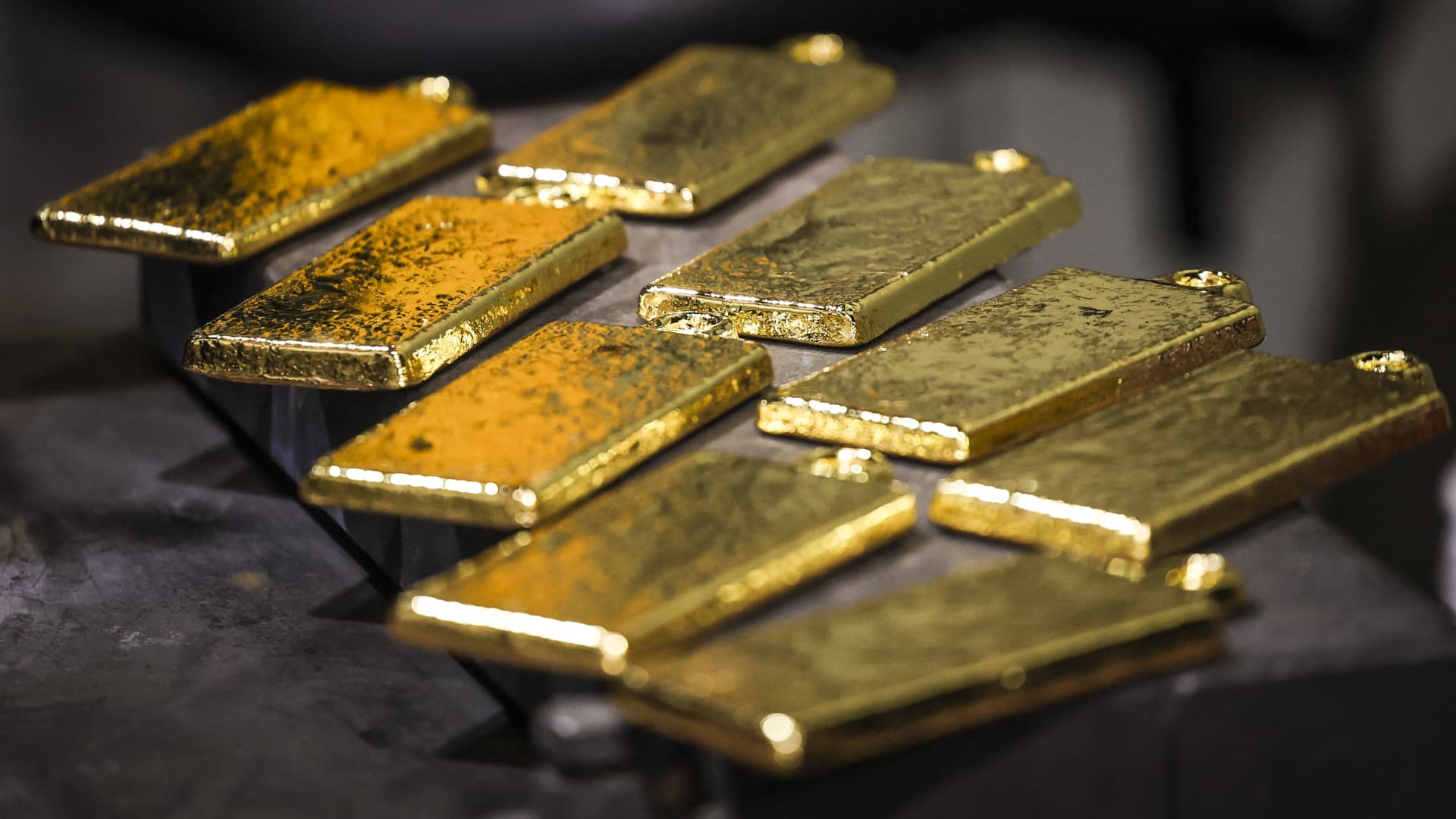
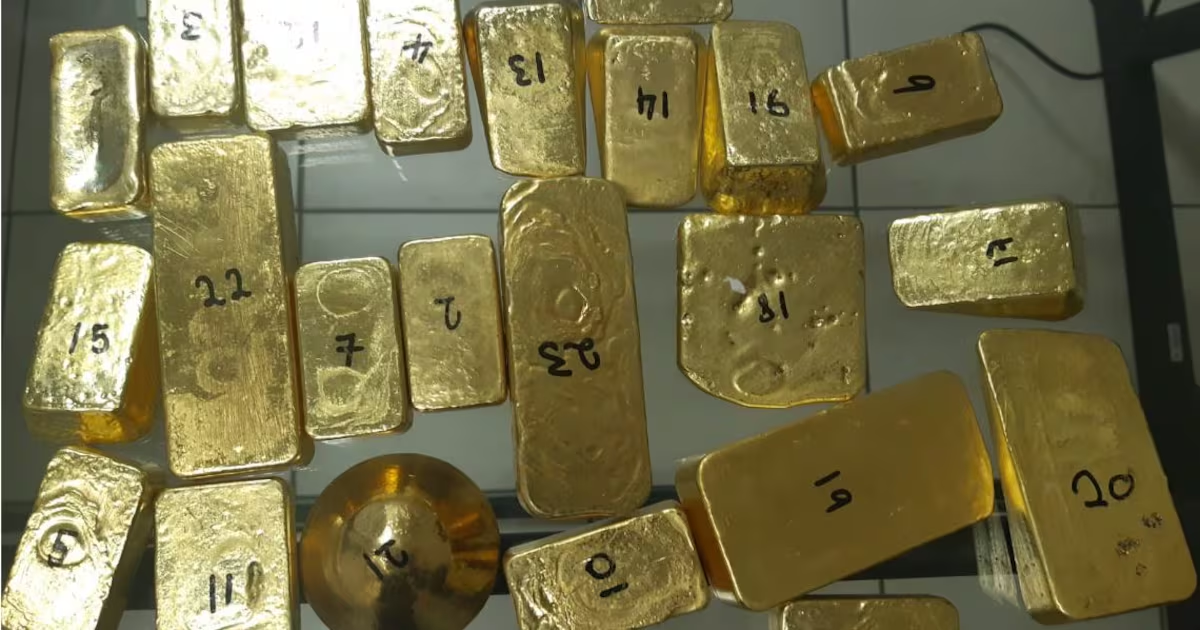
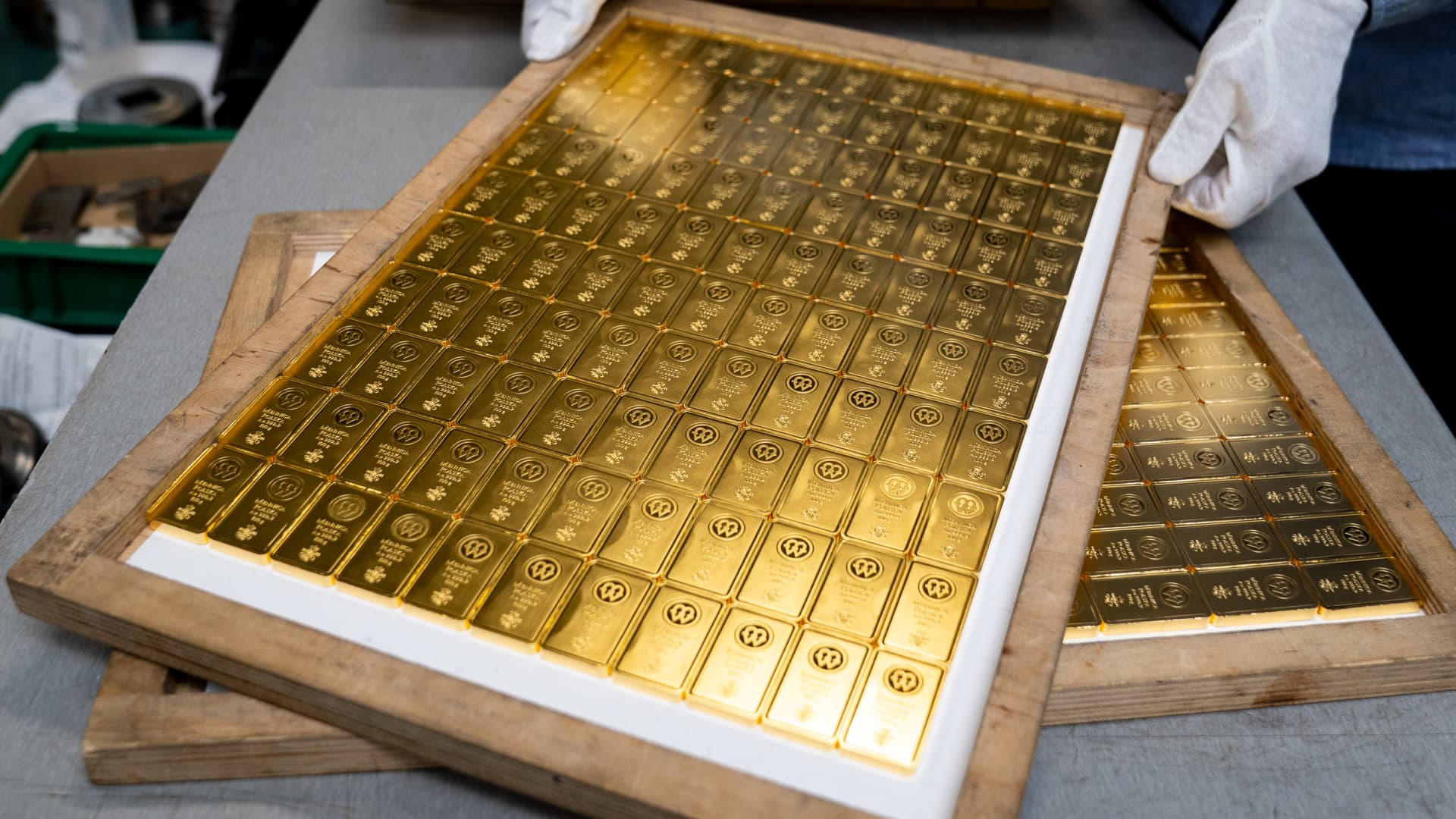
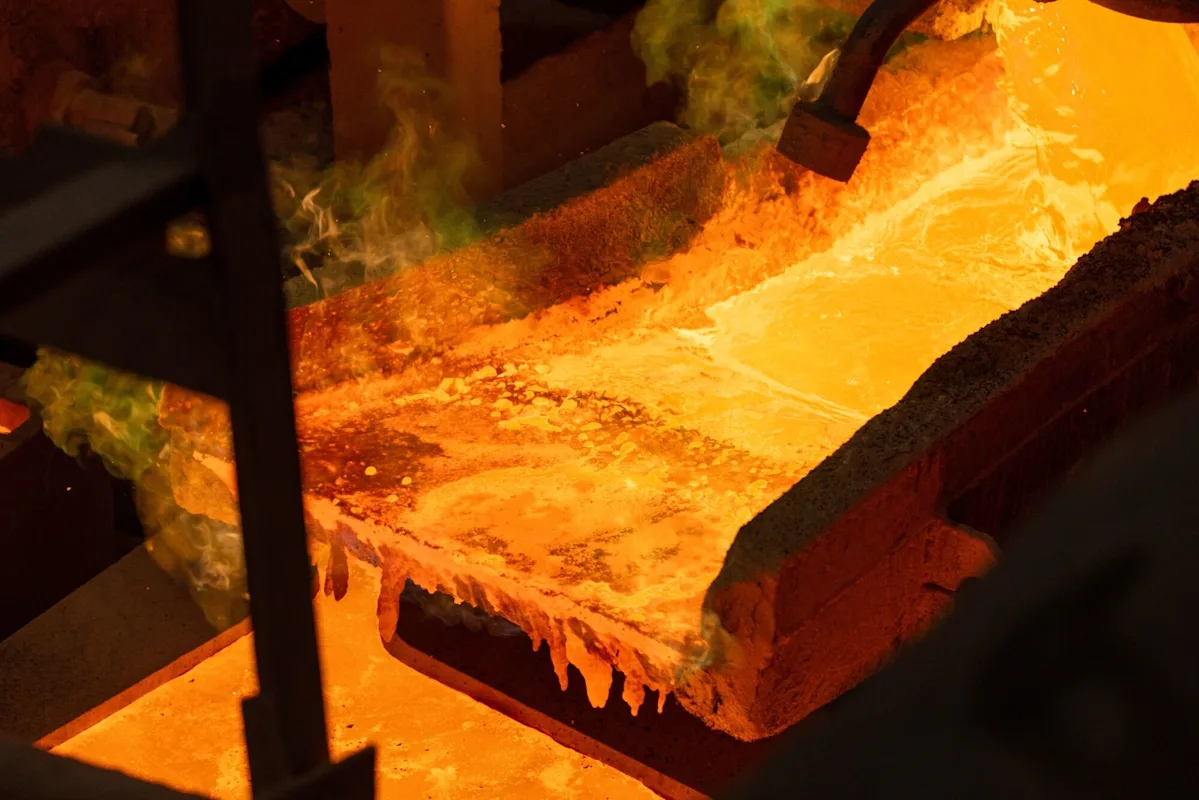
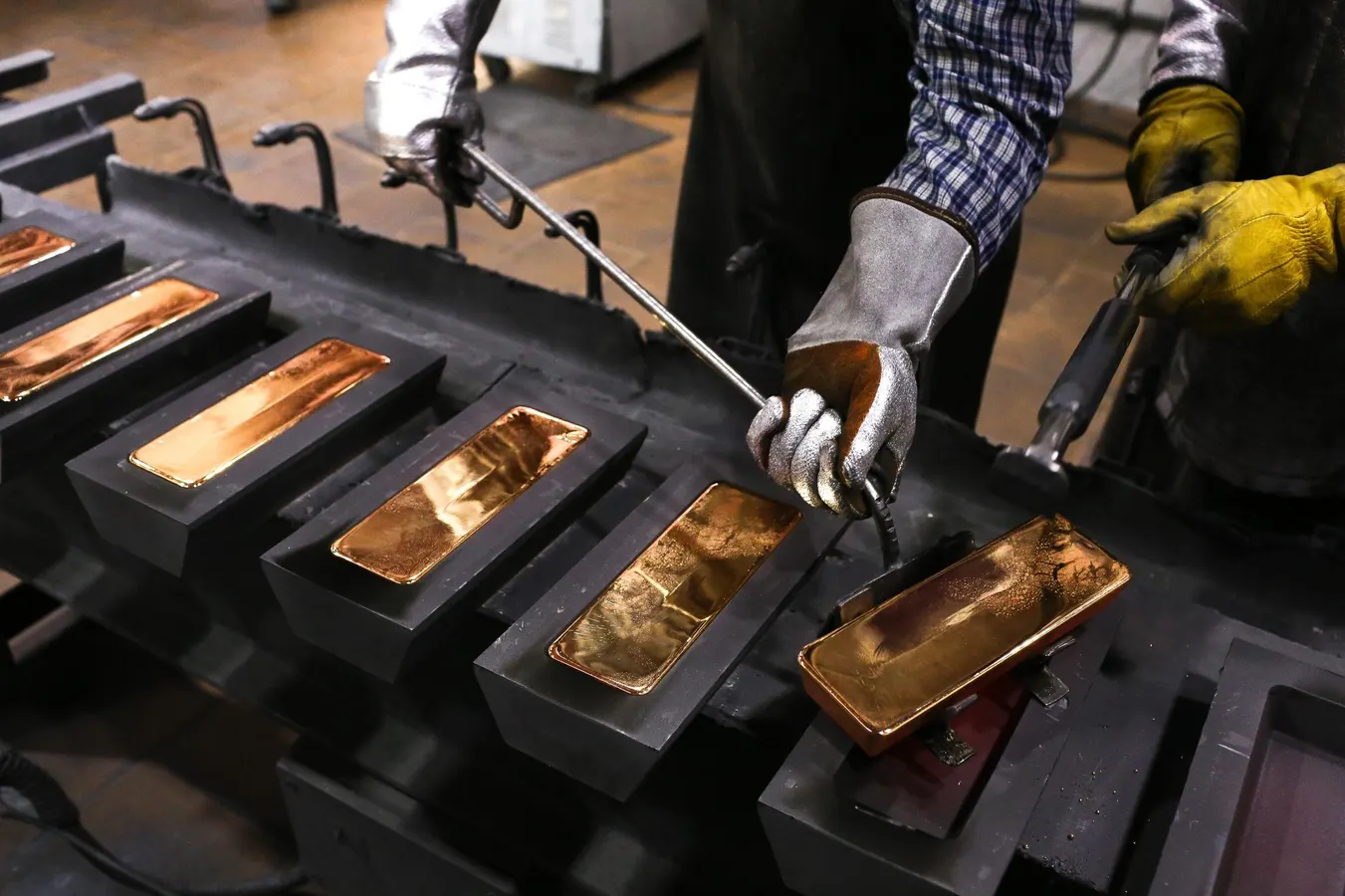
There is, however, a catch. The main disadvantage of the Gold Monetisation Scheme — for many Indians — is that the same jewellery is not returned at maturity. The jewellery will be melted down and stored as gold bars, and any embedded studs or stones will be removed and returned before the valuation process begins.
During purity valuation, impurities if any, will reduce the gold deposit amount. If redemption is in gold, payment will be made in bars or coins, with any fractional amounts converted to cash at current rates during redemption.
How the Process Works
The operational part of gold monetisation process involves several steps. To begin, one has to open a zero-balance gold deposit account after meeting the KYC requirements with any designated bank. The next step is to find out the nearest Collection and Purity Testing Centre (CPTC) from the bank’s authorised list and approach it directly. Check its fee structure upfront.
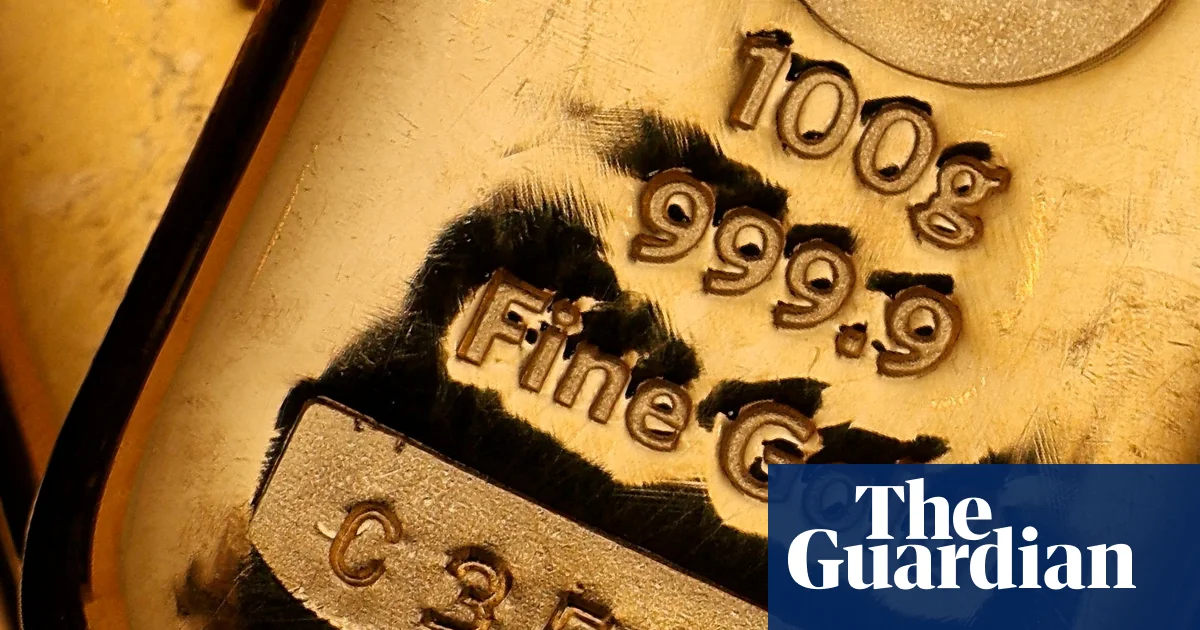
Now, before tendering the raw gold, the depositor must indicate the name of the designated bank with whom he would like to place the deposit. Once the gold is handed over, the CPTC assays it and issues a receipt, showing the standard gold of 995 fineness on behalf of the designated bank.
Simultaneously, the CPTC sends ‘advice’ to the designated bank regarding the acceptance of the deposit. The designated bank will then credit the deposit account with the amount of 995 fineness gold as indicated in the CPTC’s advice, 30 days after receipt of gold at the CPTC.
The depositor must then produce the receipt issued by the CPTC to the designated bank branch, either in person or by post. On submission of this receipt, the designated bank issues the final deposit certificate on the same day or 30 days after the date of tendering of gold at the CPTC, whichever is later.
Key Things to Watch Out For
Depositing gold under the Gold Monetisation Scheme is largely a two-step process. First, confirming the purity of the gold, followed by opening a Gold Deposit Account at an authorized bank branch. Currently, banks are accepting gold deposits only under the Short Term Bank Deposit of GMS, for a period of 1-3 years.
Before handing over the gold, there are some key things to confirm. Not all banks offer regular interest — some may offer accumulated interest only on maturity. Also, check whether premature withdrawal is available and under what conditions. Most importantly, find out how the bank will redeem the deposit on maturity — in cash or in gold.
Disclaimer: The Gold Monetisation Scheme details cited in this article are based on RBI guidelines and publicly available information at the time of publication. Interest rates, tenure options, and redemption terms vary across banks. Readers are strongly advised to consult their designated bank before making any deposit decisions.