
Highlights
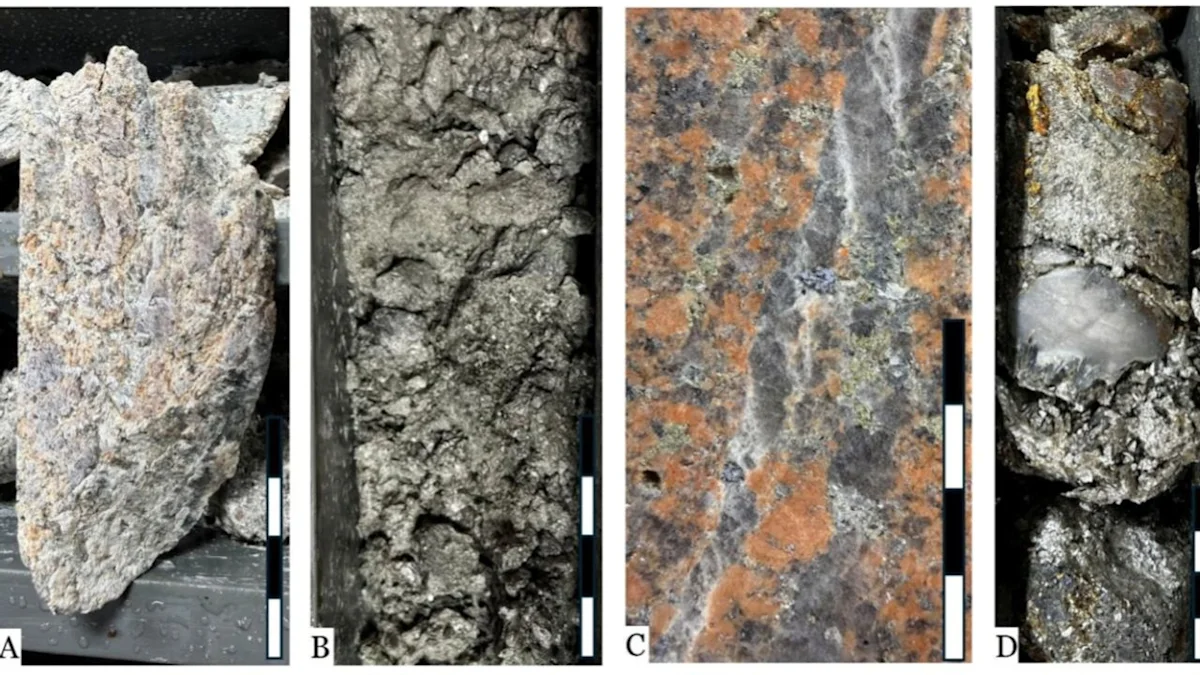
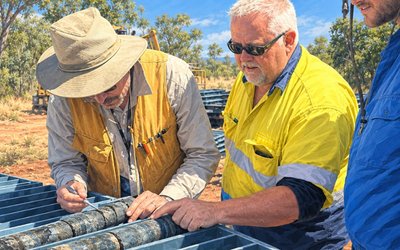
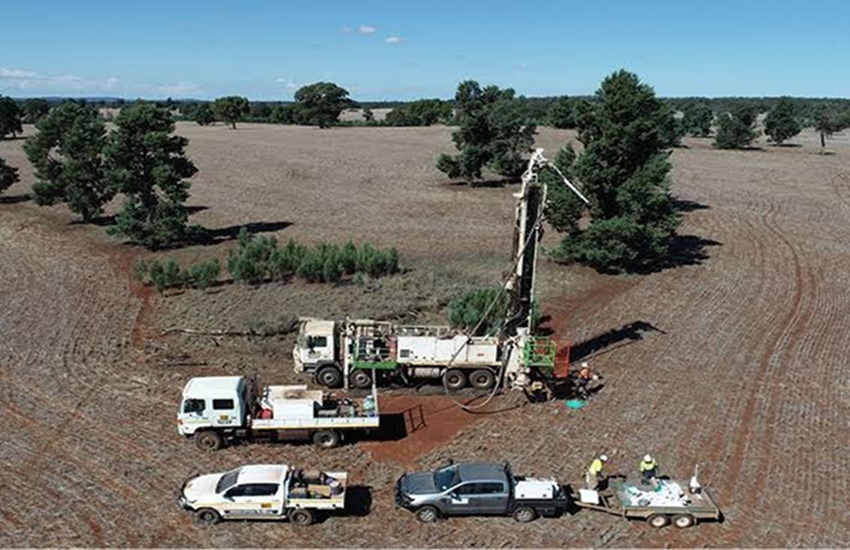
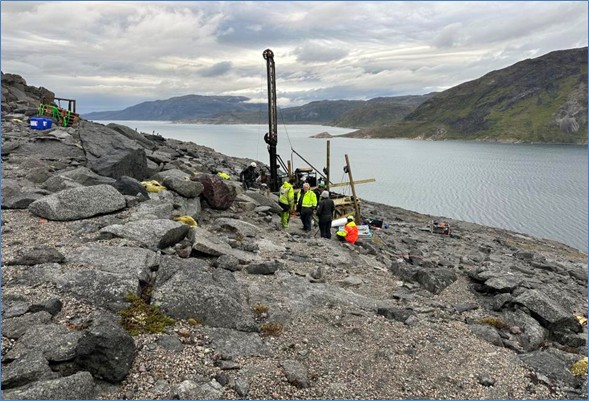
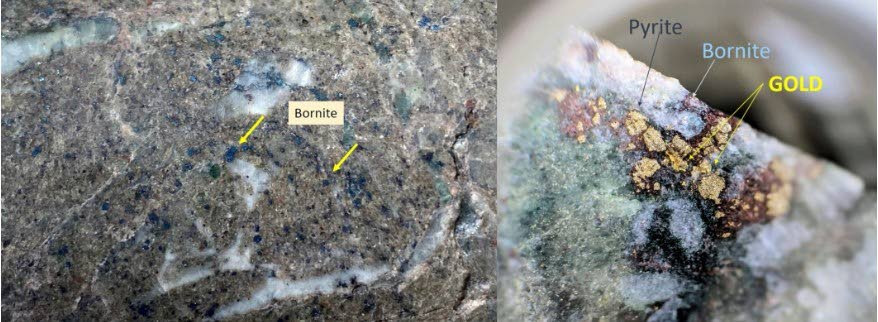
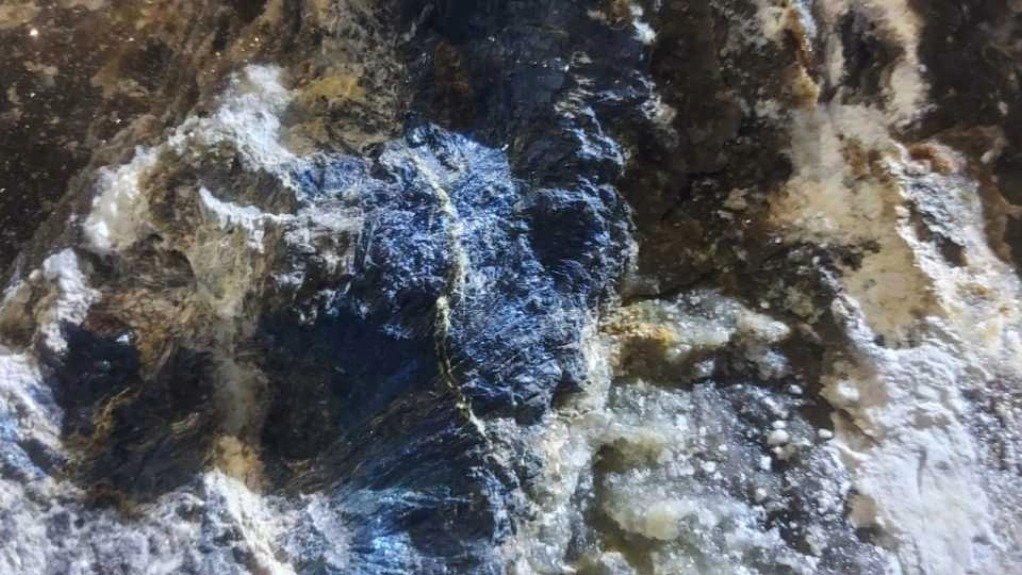
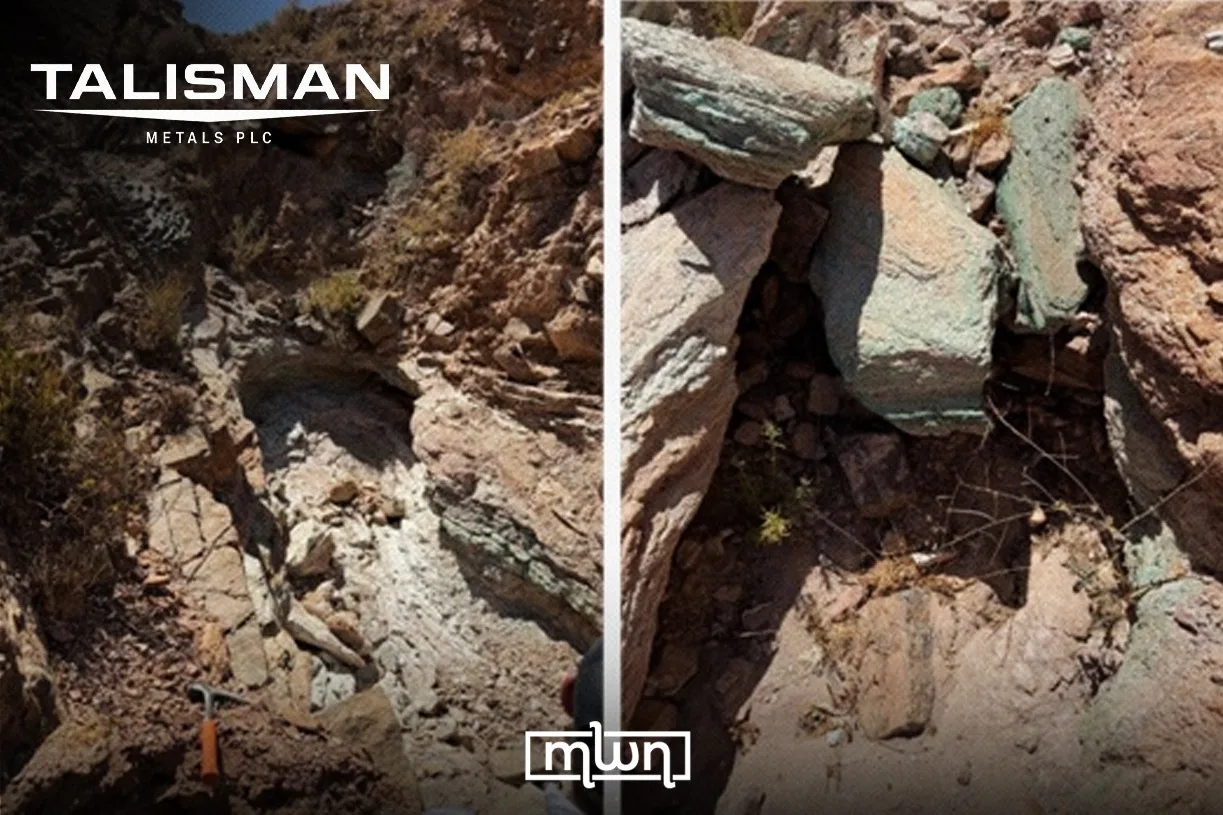
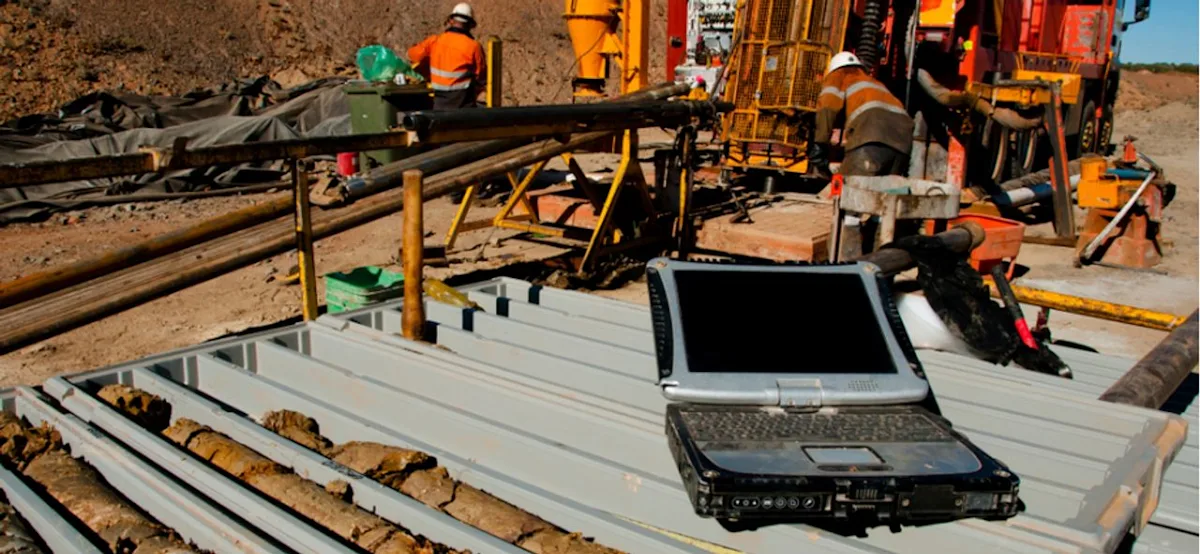
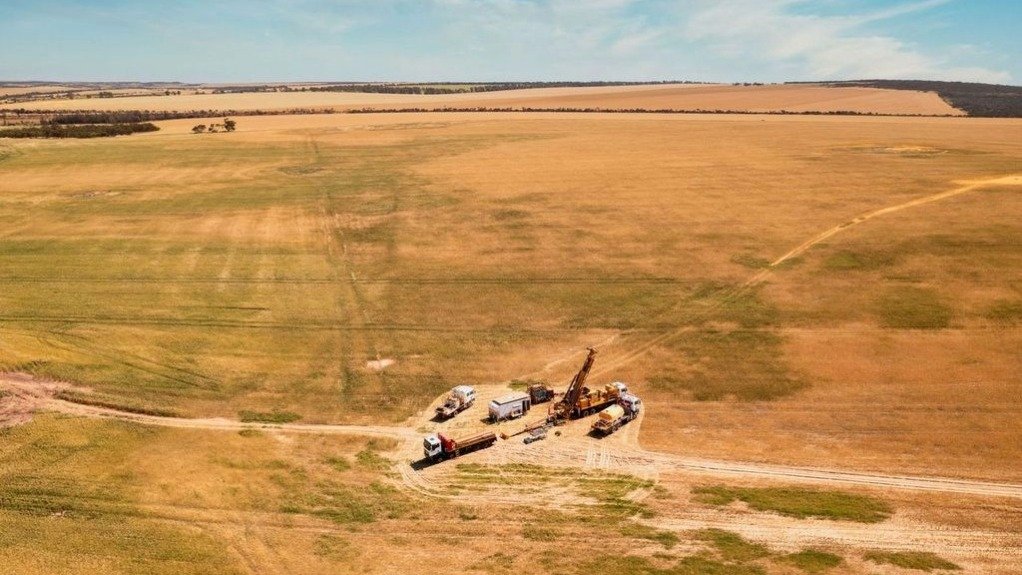
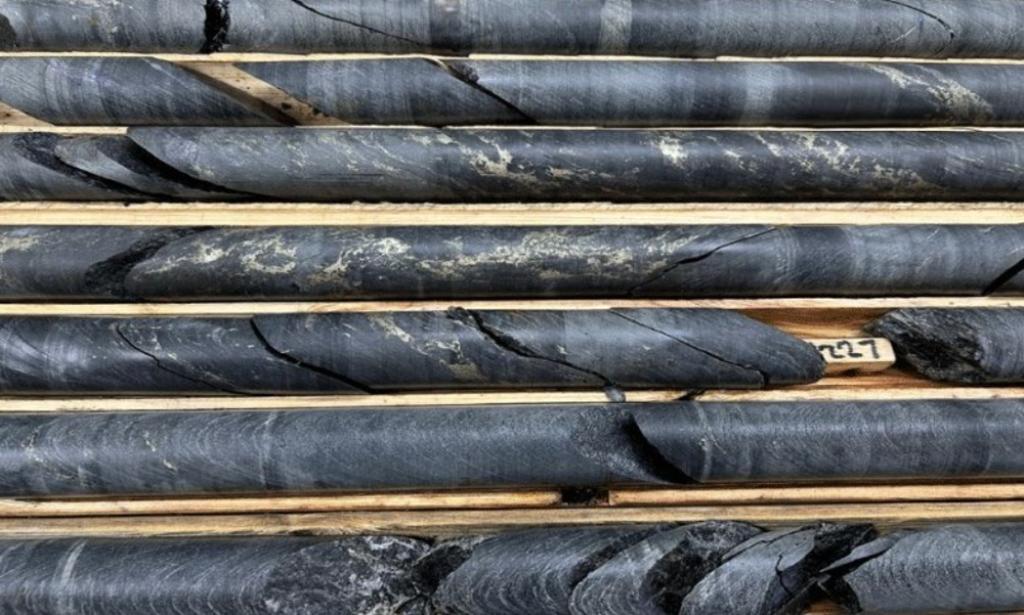
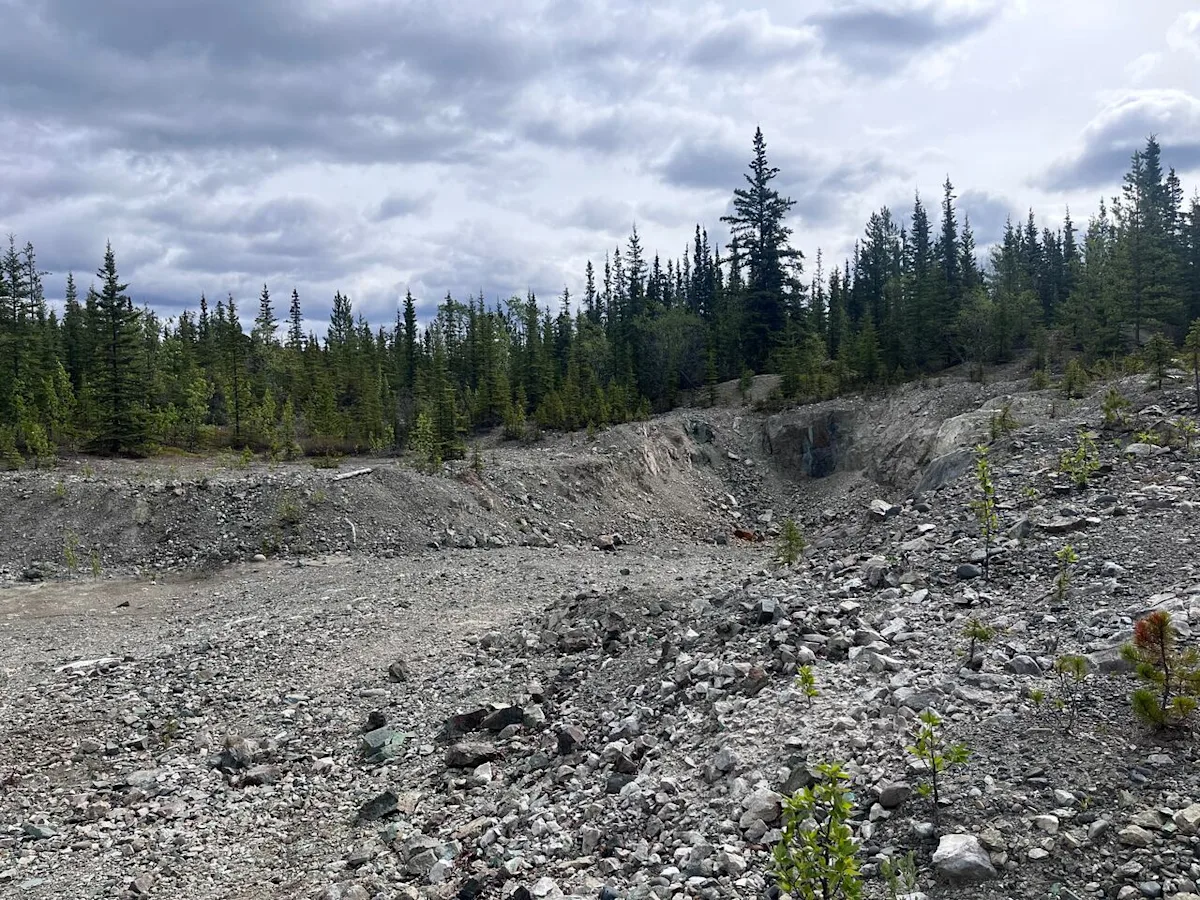
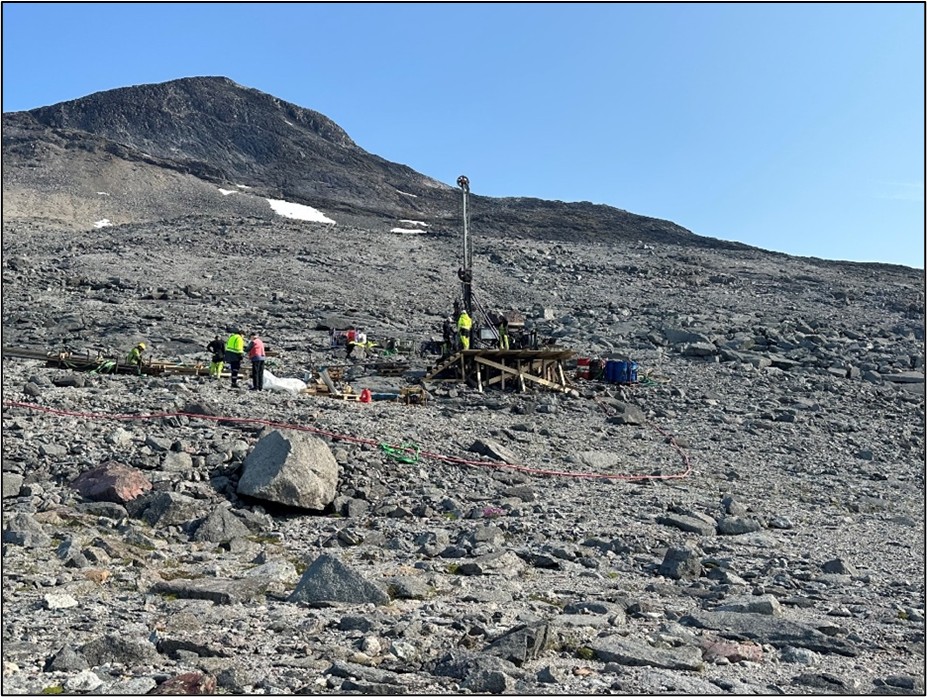
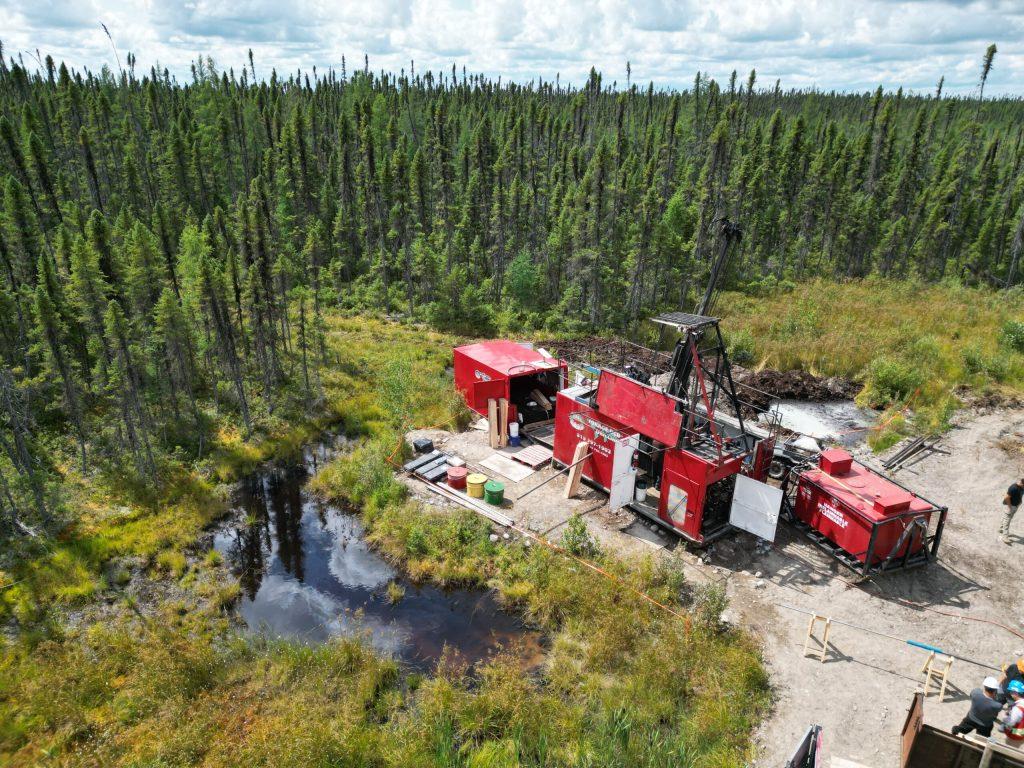
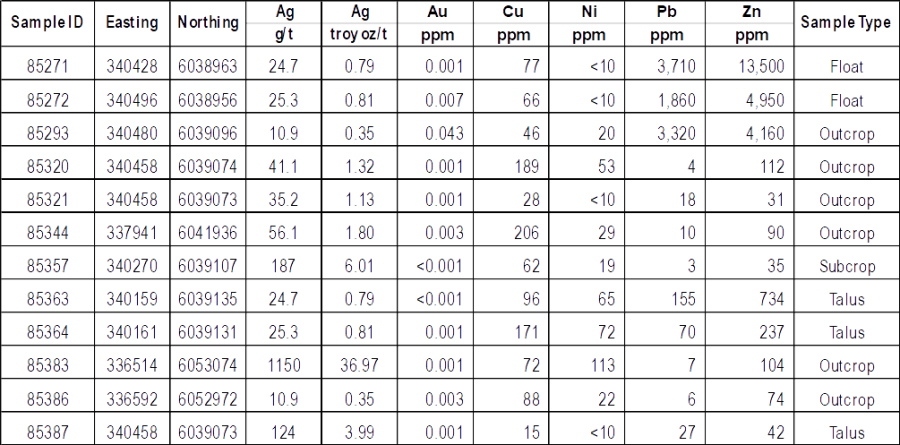
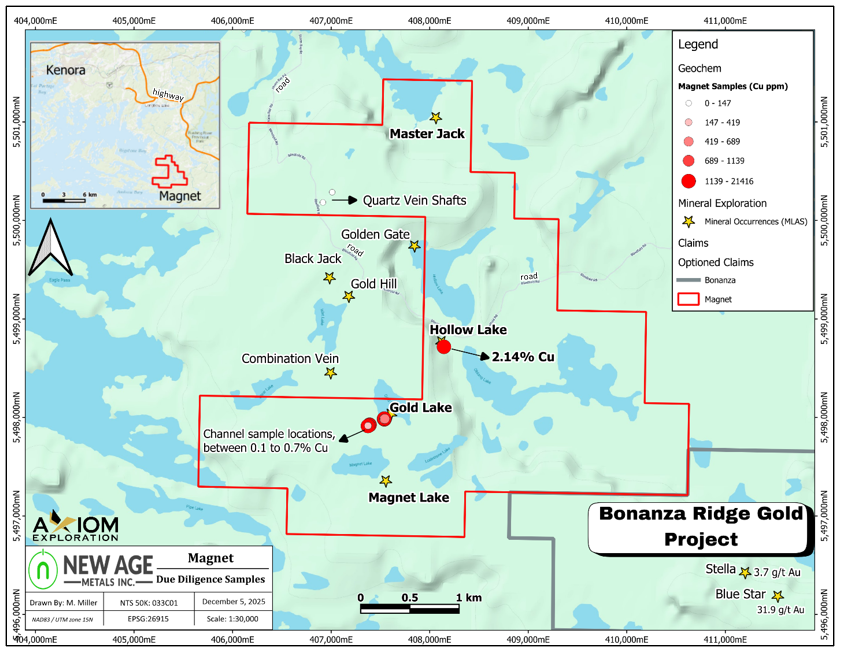
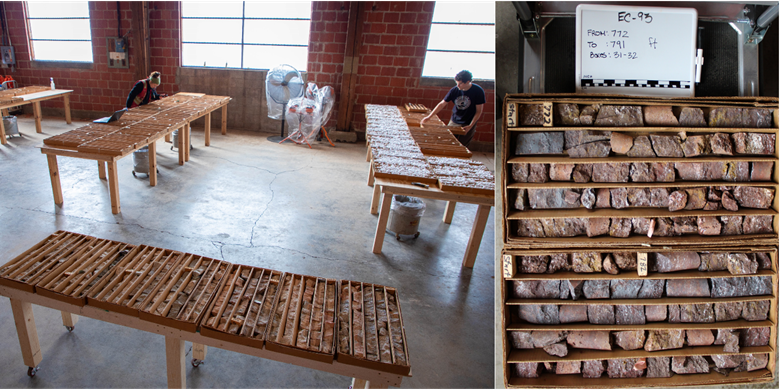
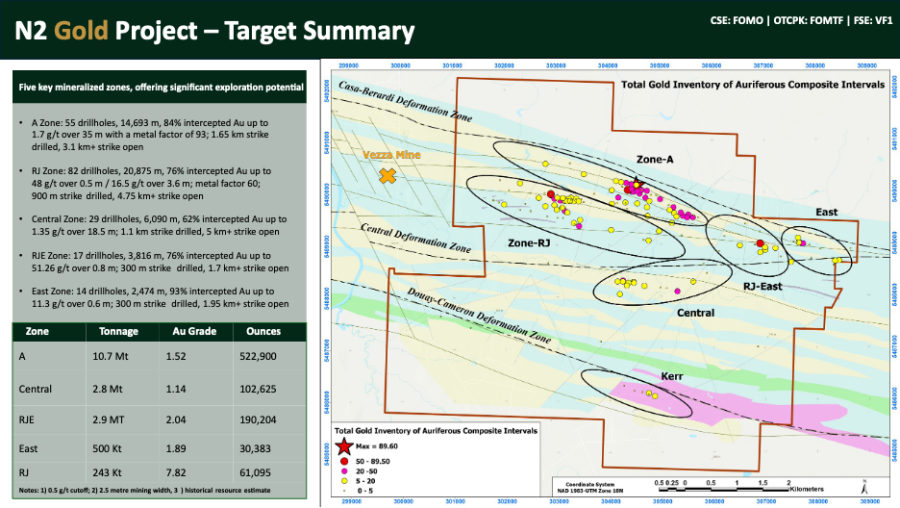
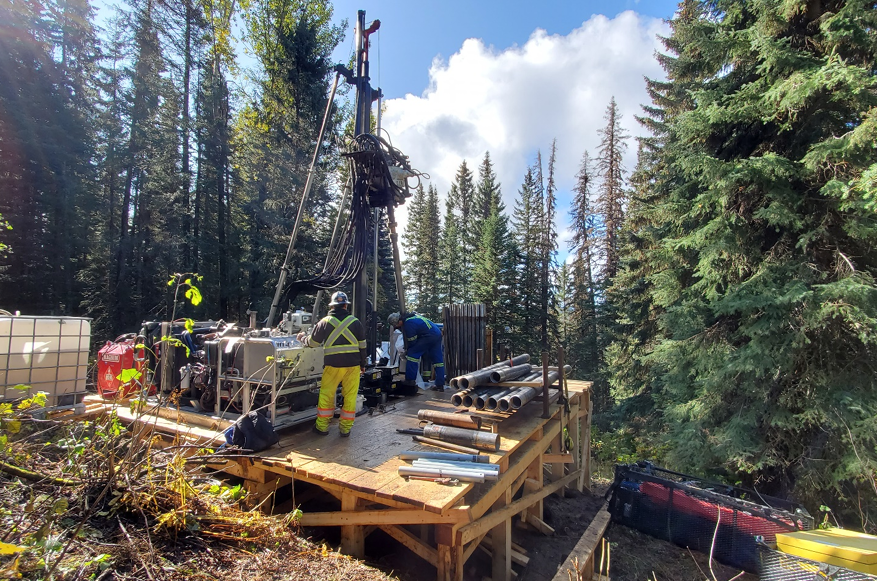
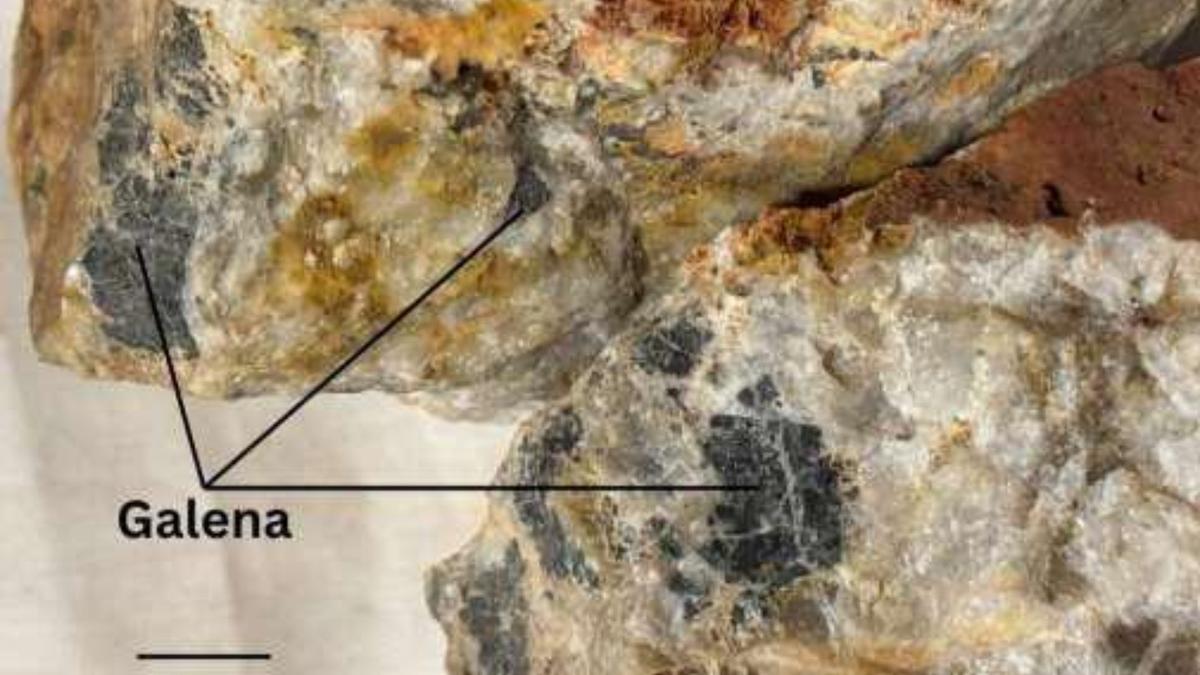
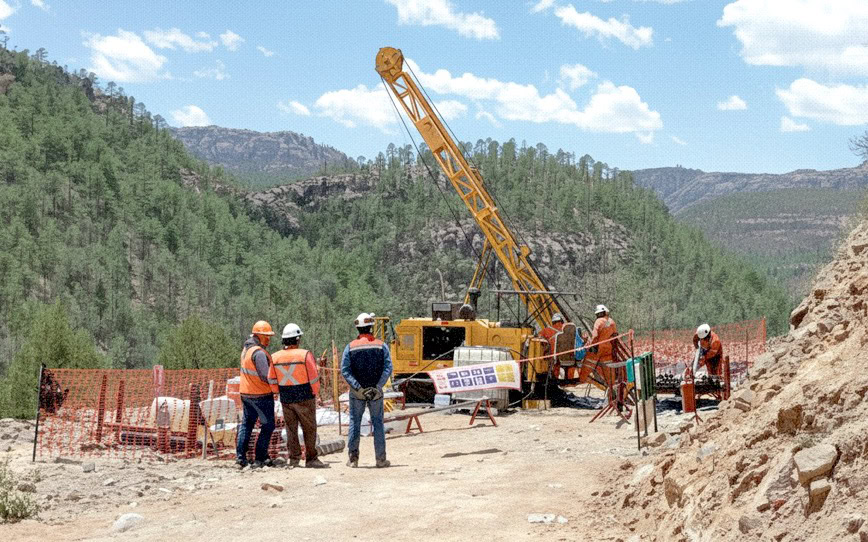
- The AIM-listed metals processor and miner highlighted a number of high-grade intercepts across the drilled section.
- Jubilee has received a mine development plan and schedule for Molefe and expects an updated resource calculation before the end of the year.
- Proceeds from the disposal of the Large Waste Project in South Africa are earmarked to strengthen the balance sheet and accelerate investment in Zambia.
Key developments
The AIM-listed metals processor and miner highlighted a number of high-grade intercepts across the drilled section. Readers can follow related updates in our Penny Stocks section.
About Jubilee Metals
Jubilee Metals
(LSE:JLP)
2.00
GBX
-0.150
6.977%
Last Updated at: 2026-10-27T16:40:00Z
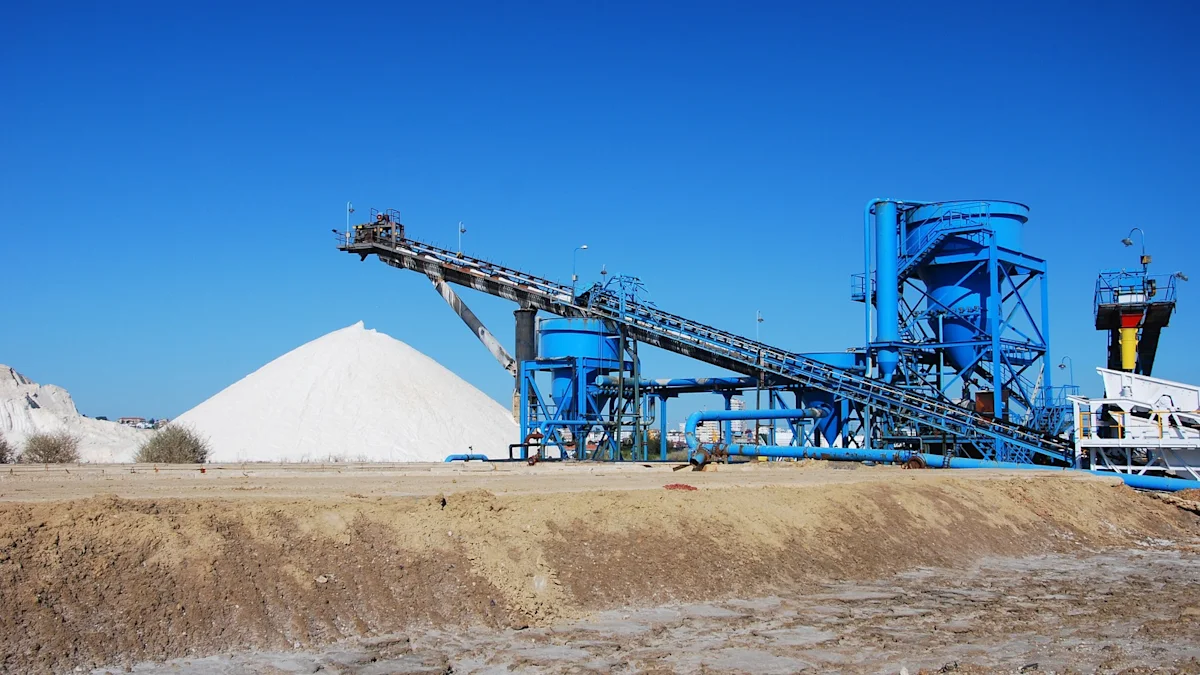
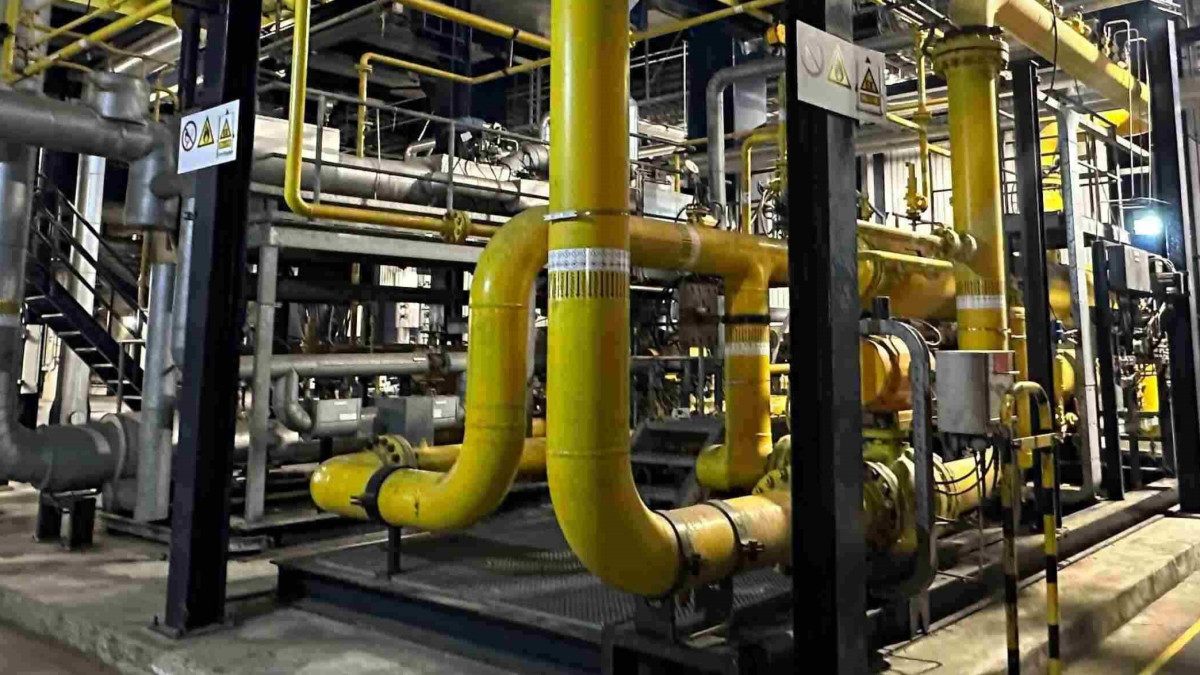
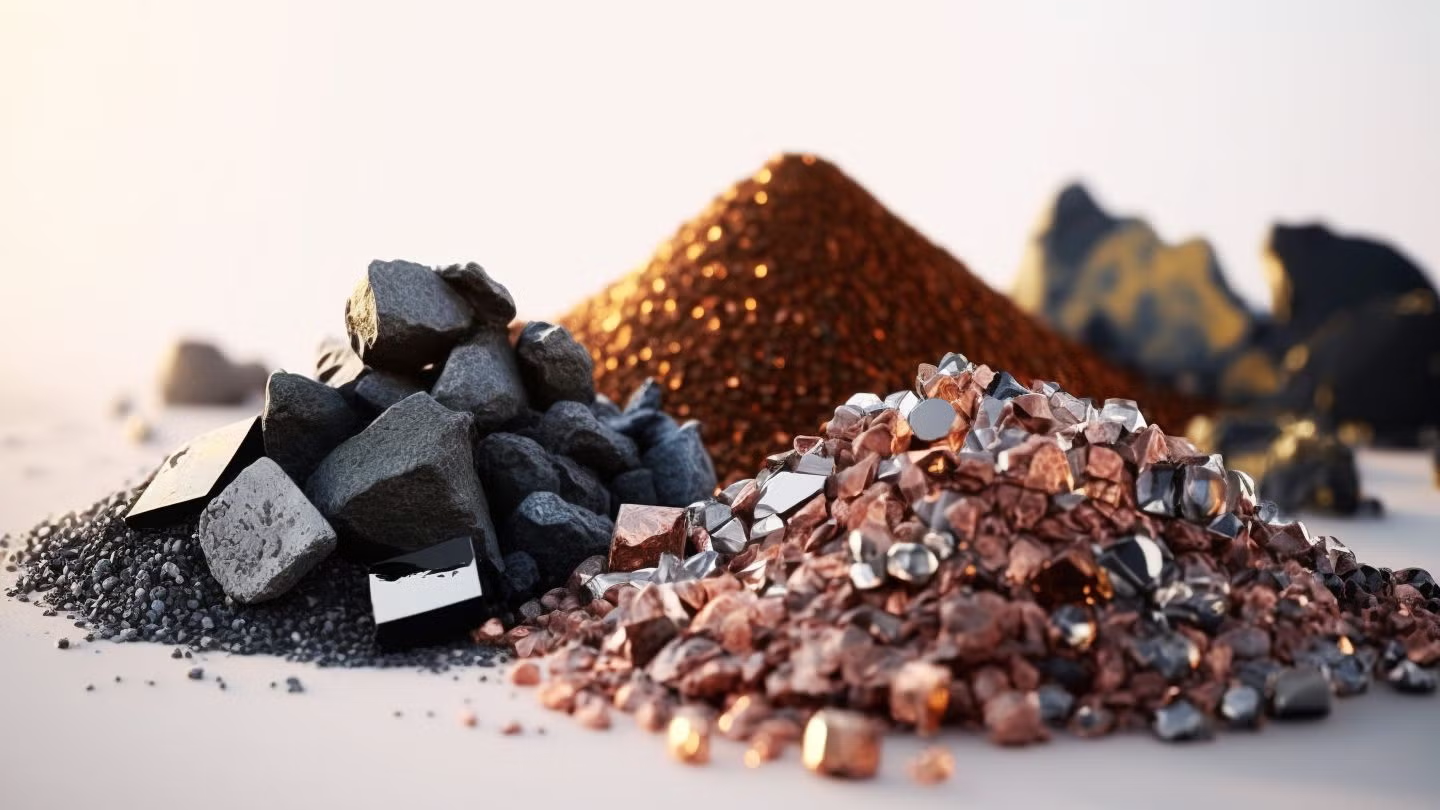
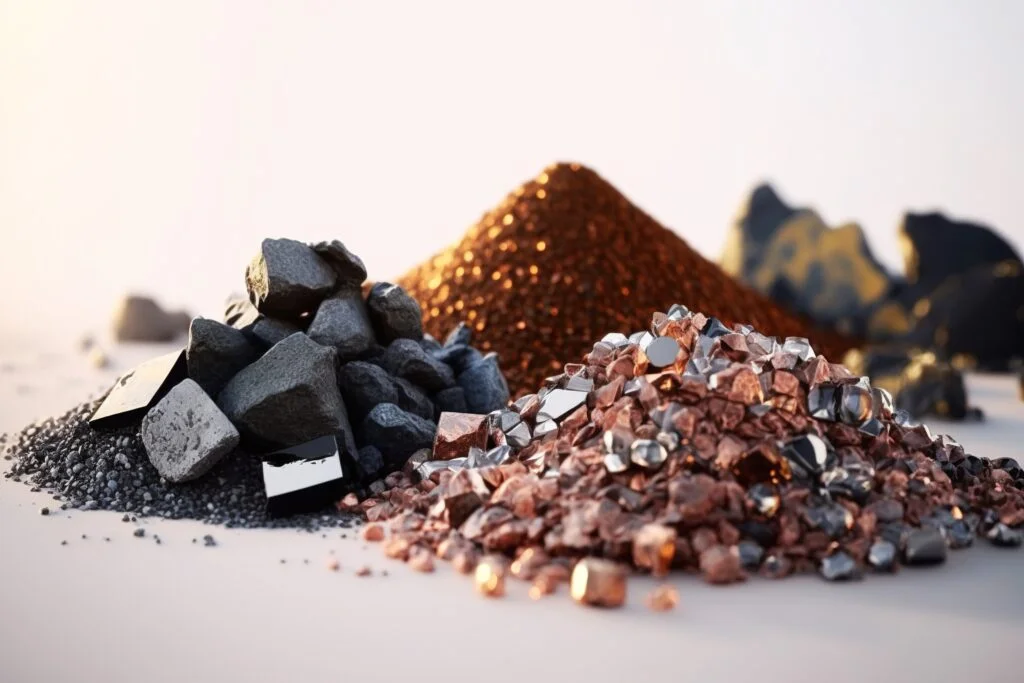
is a diversified metals processing company. It recovers copper, chrome and platinum group metals from mine tailings and other materials in South Africa and Zambia.
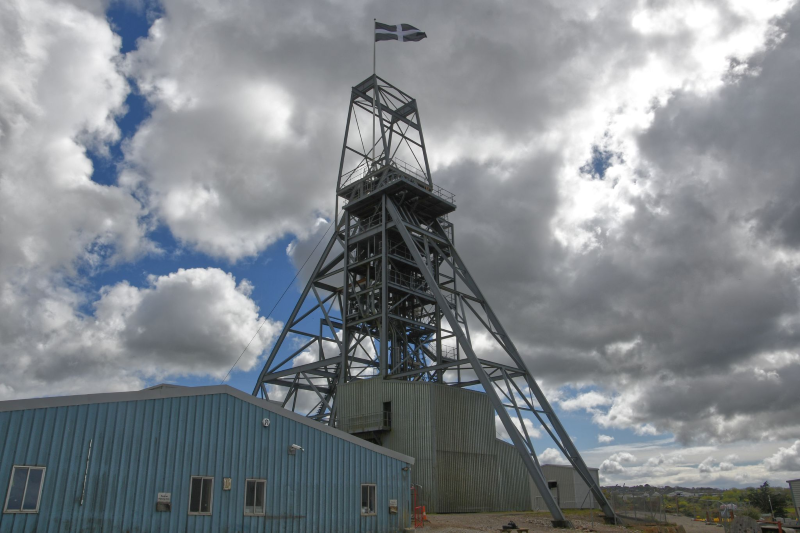
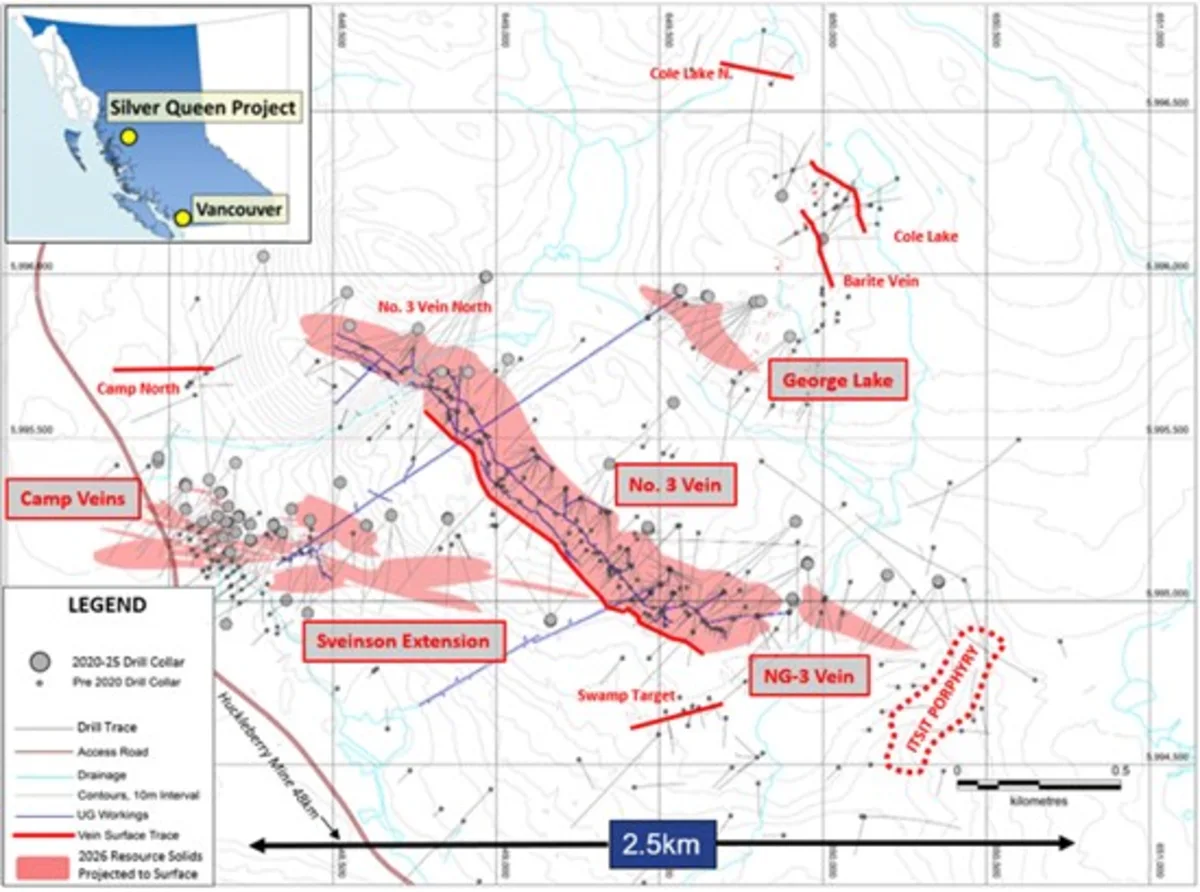
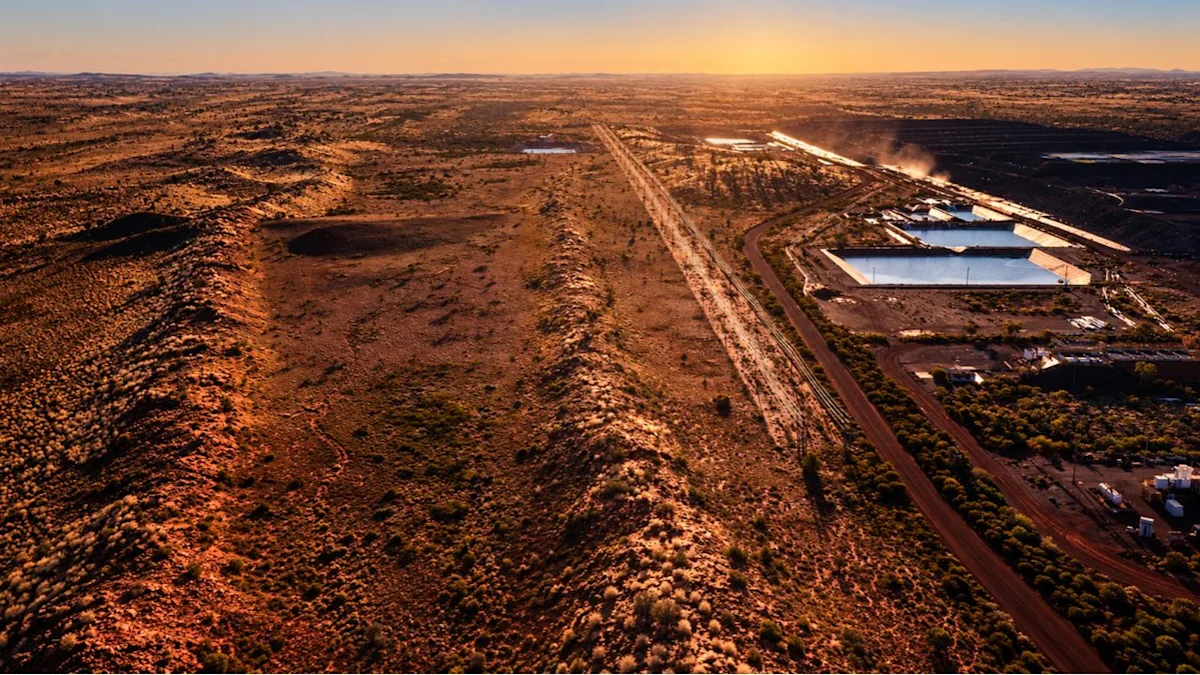
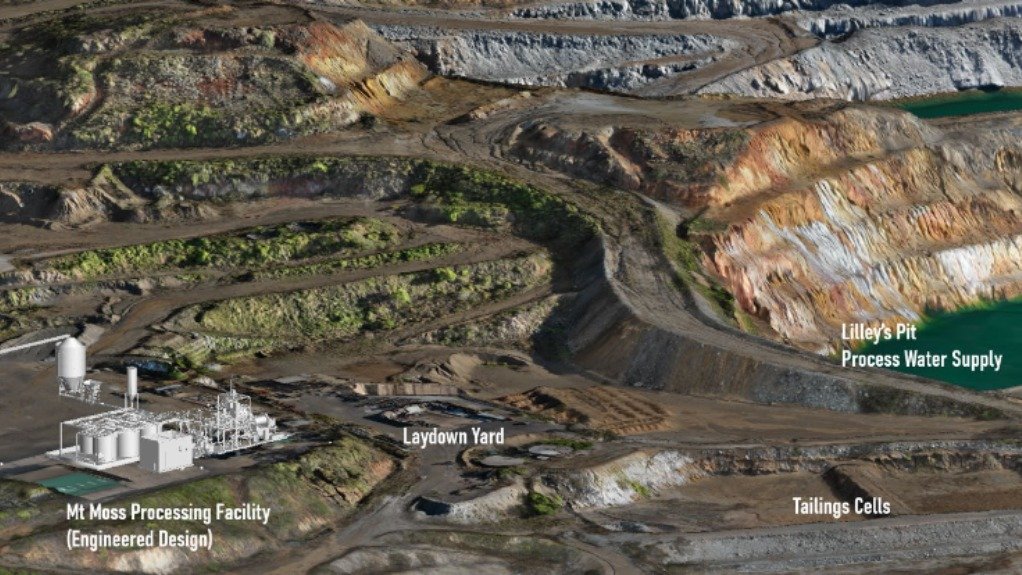
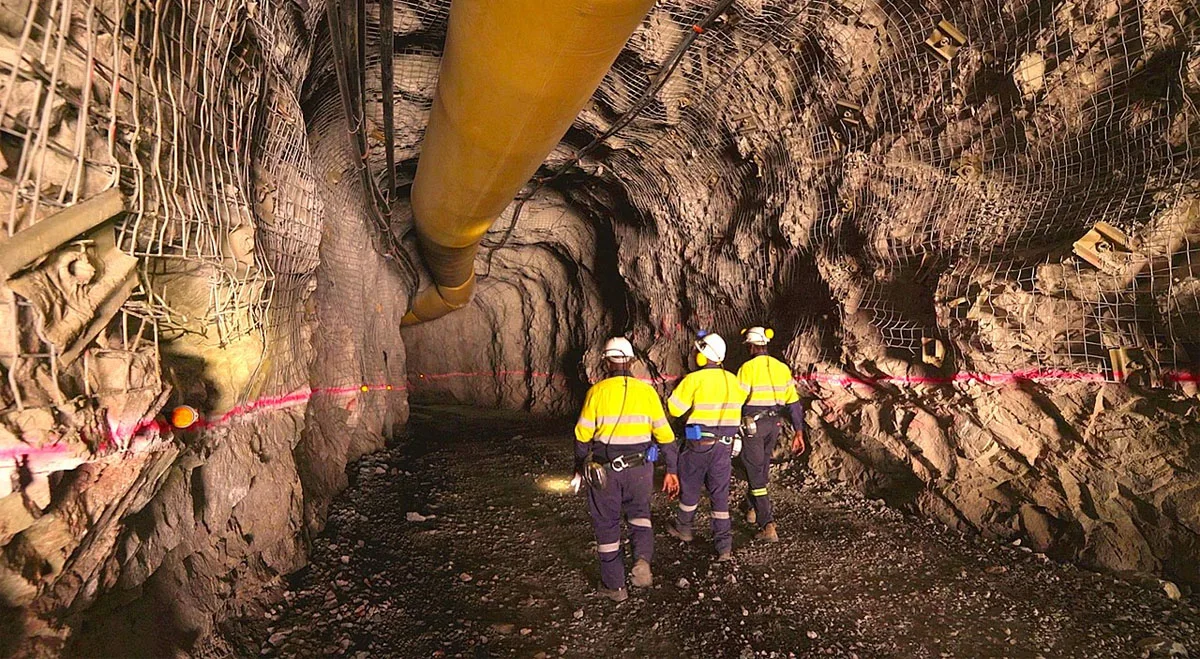
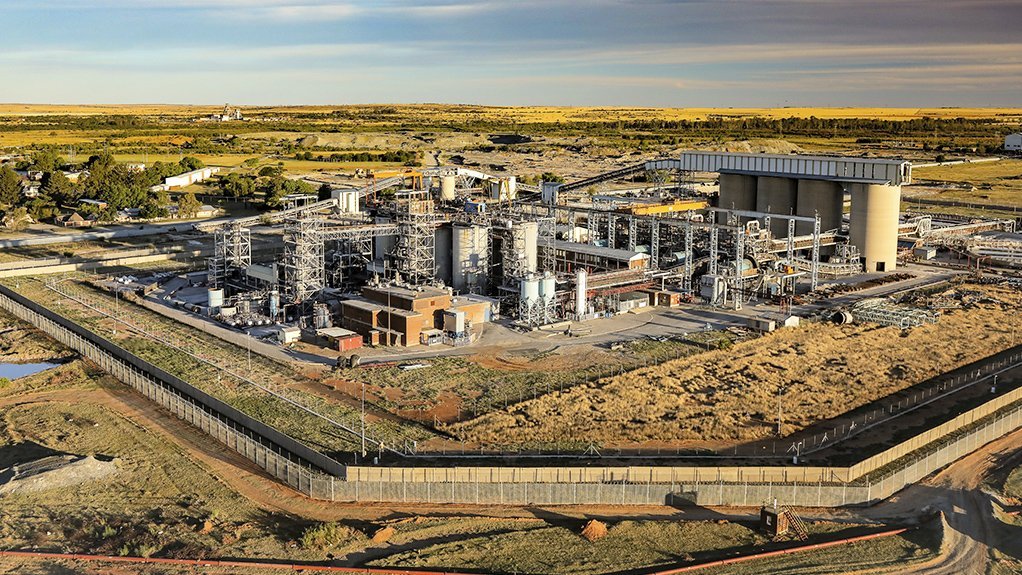
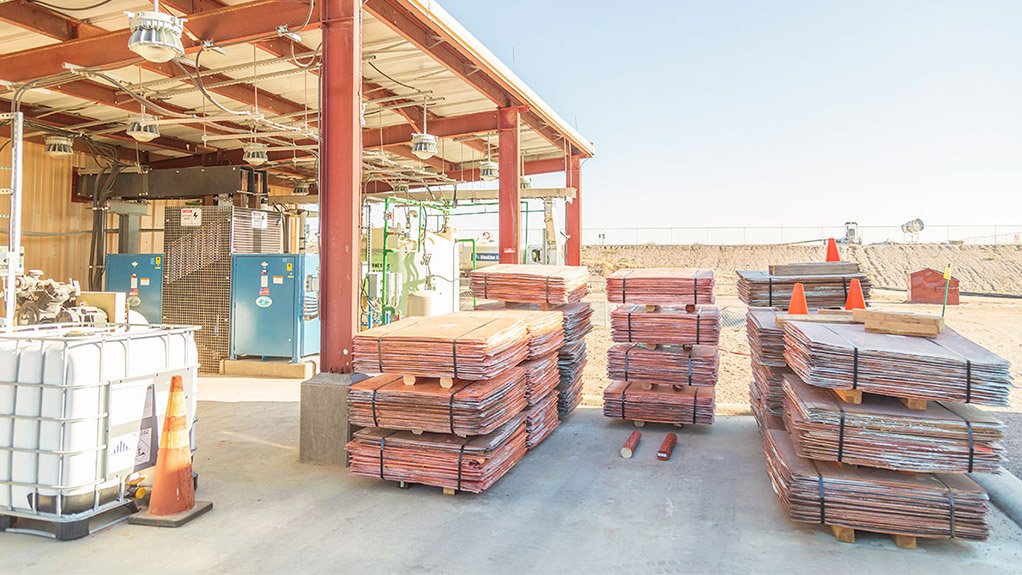
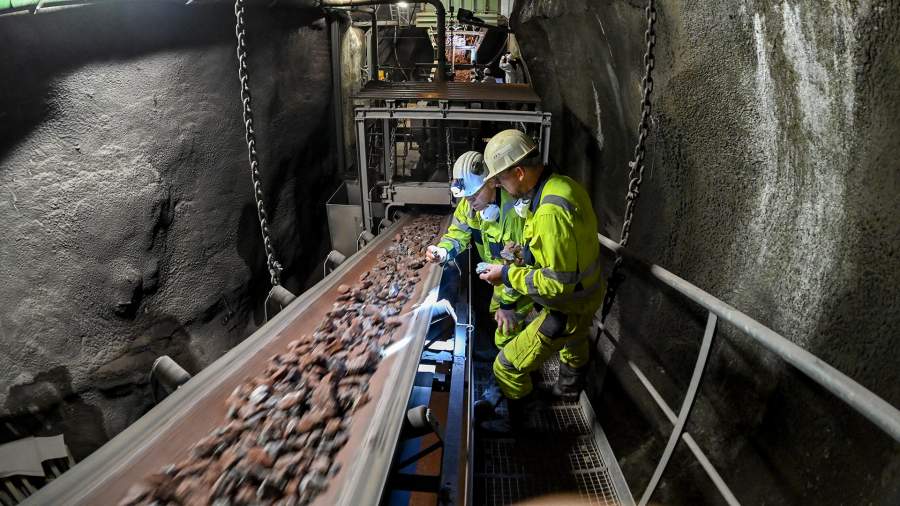
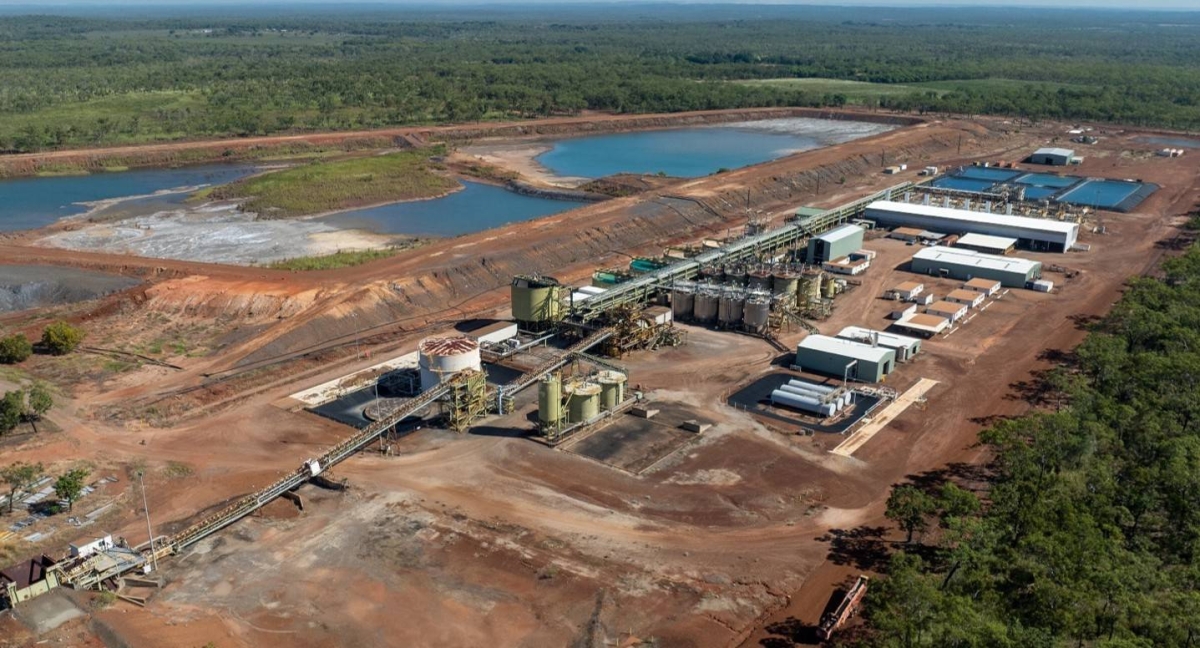
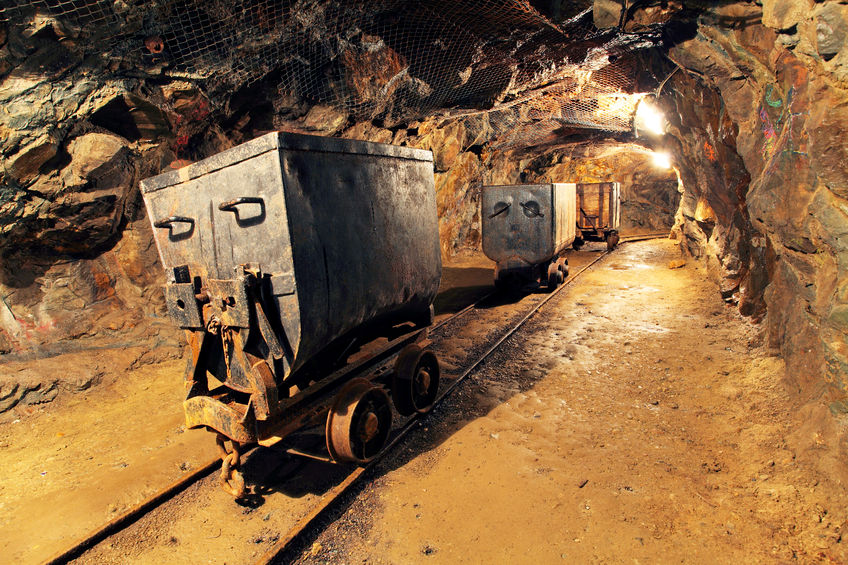
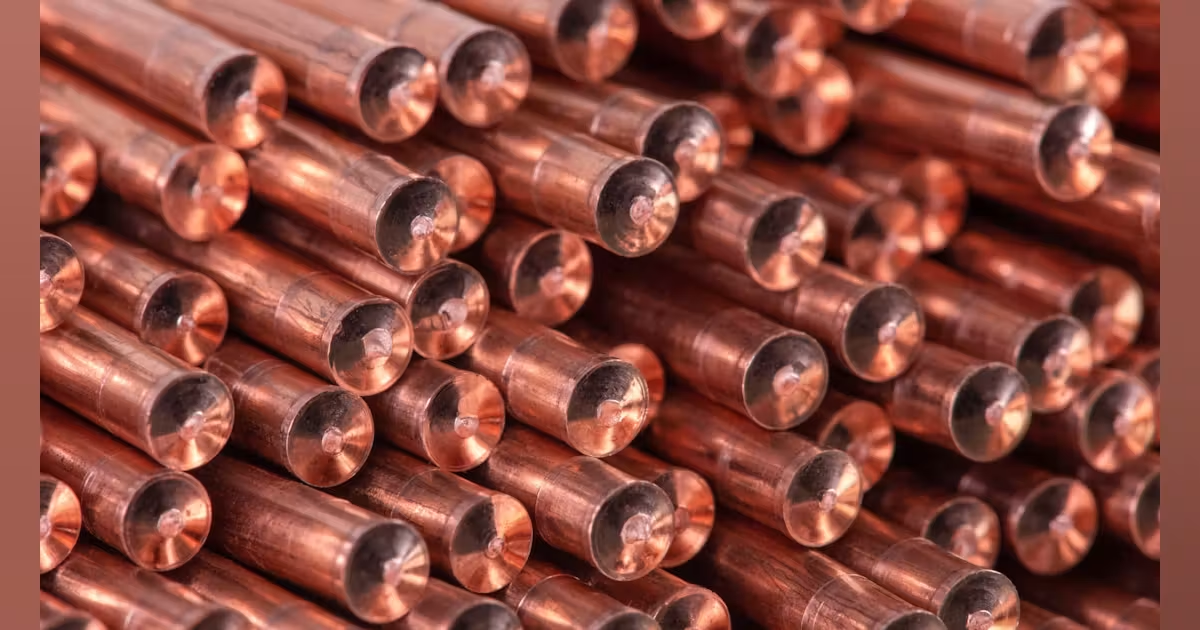
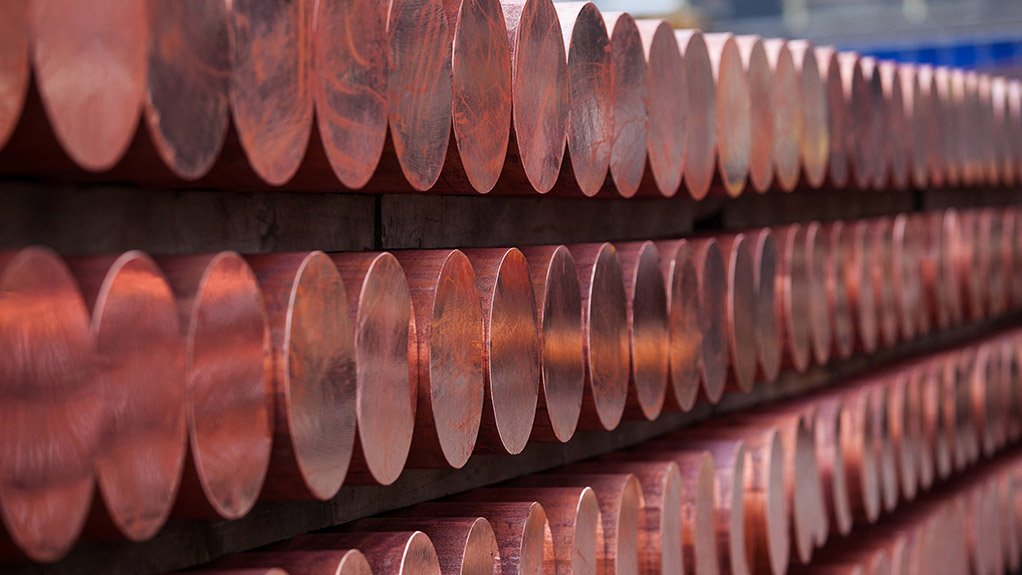
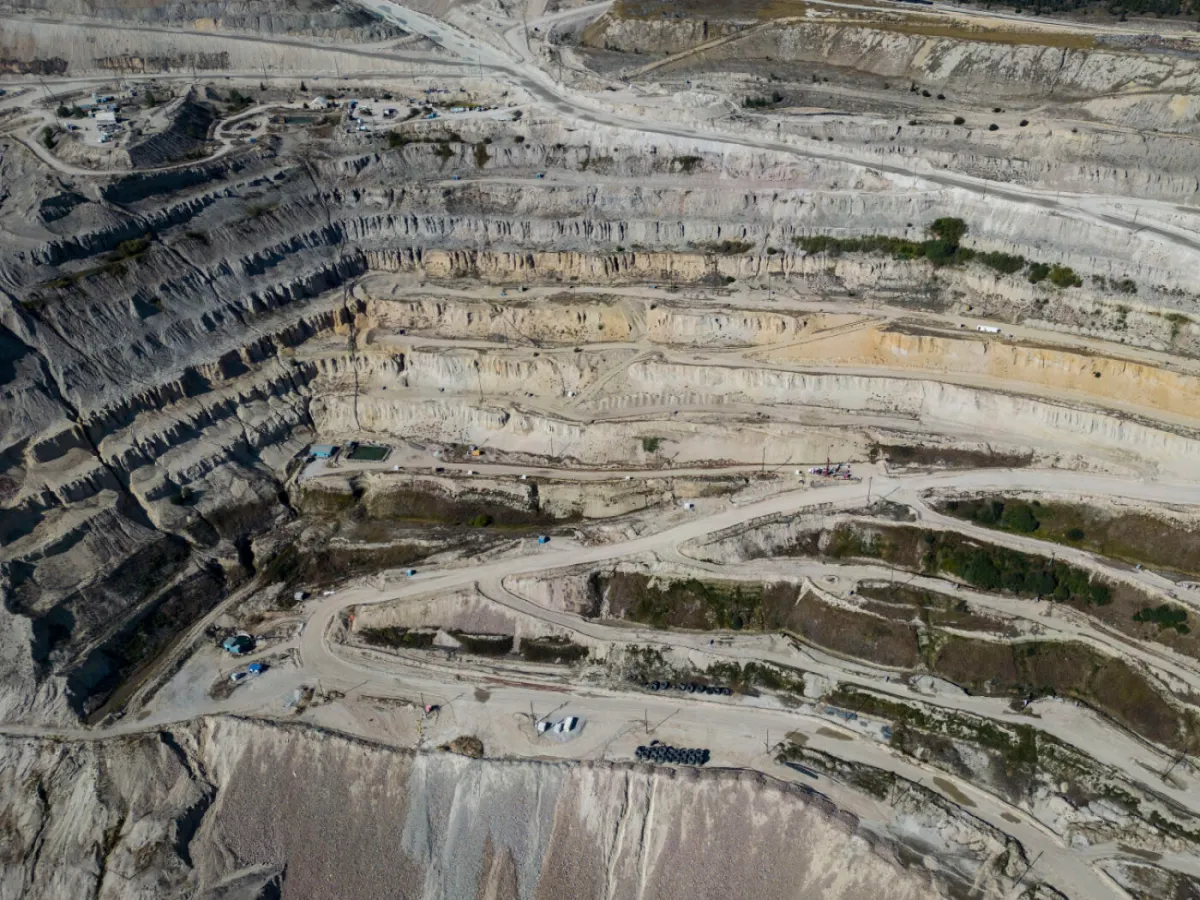
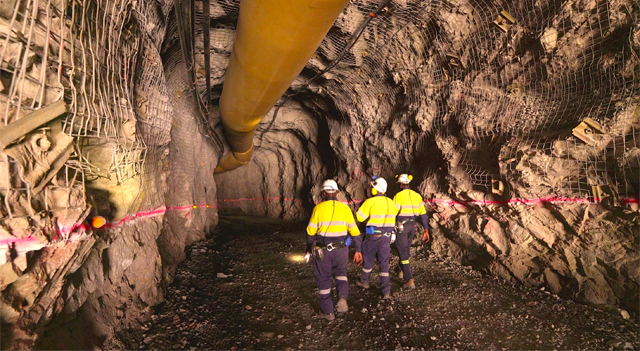
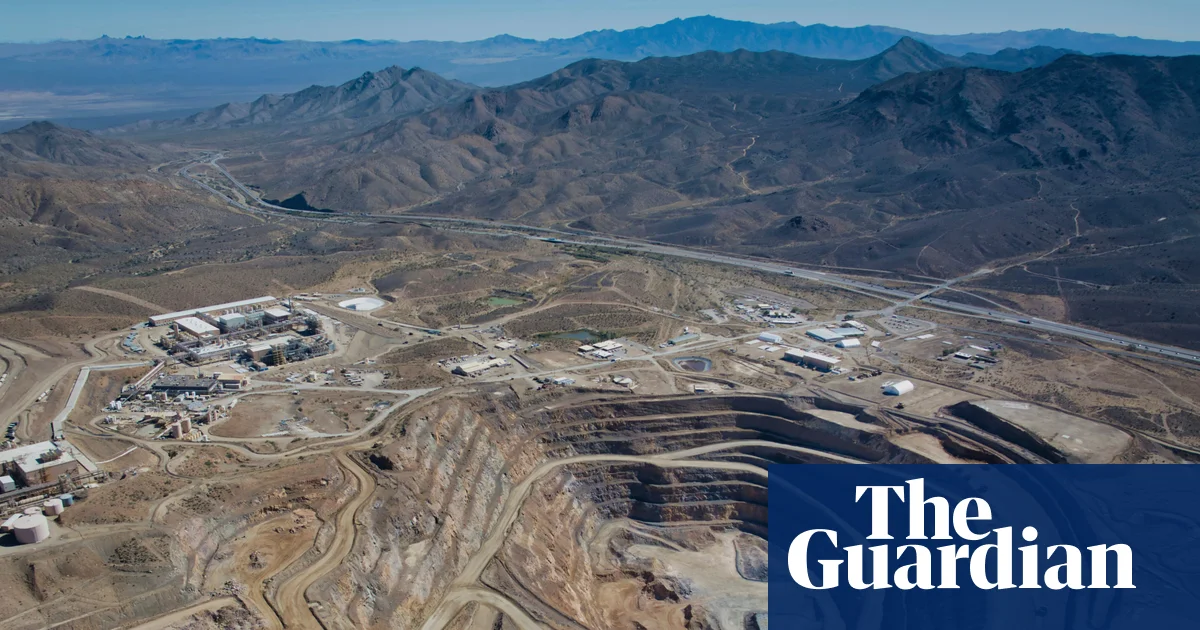
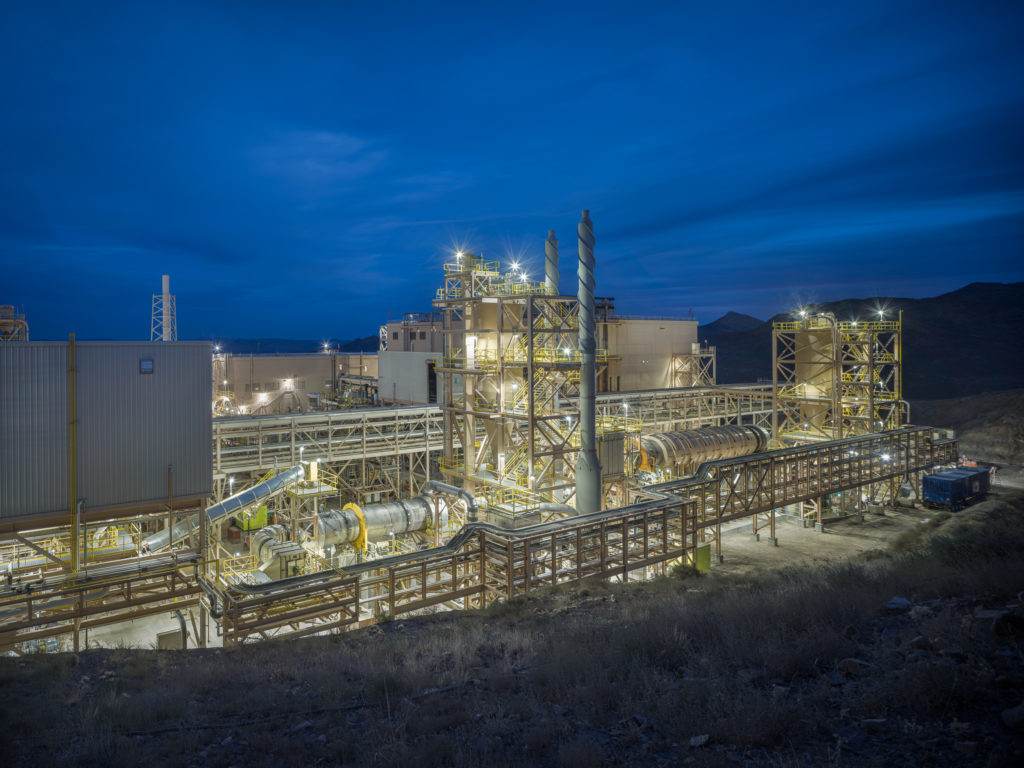
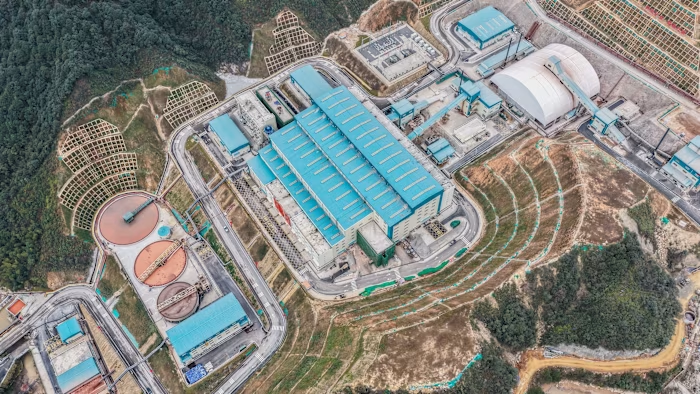
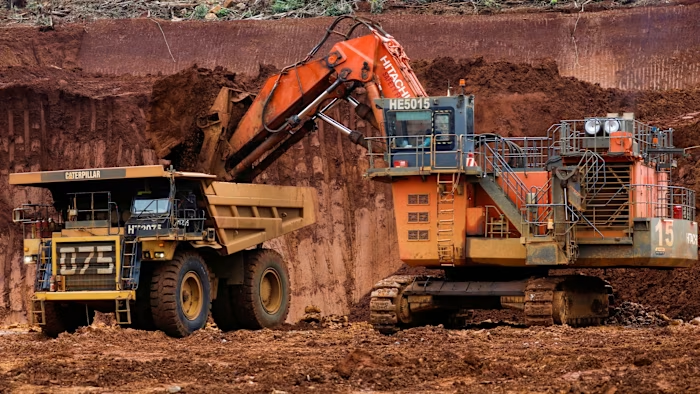
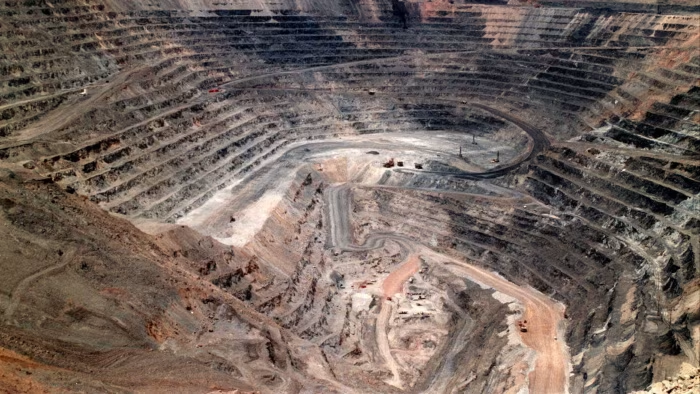
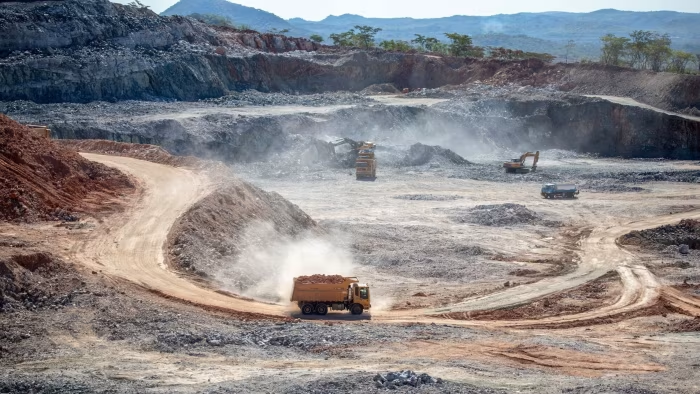
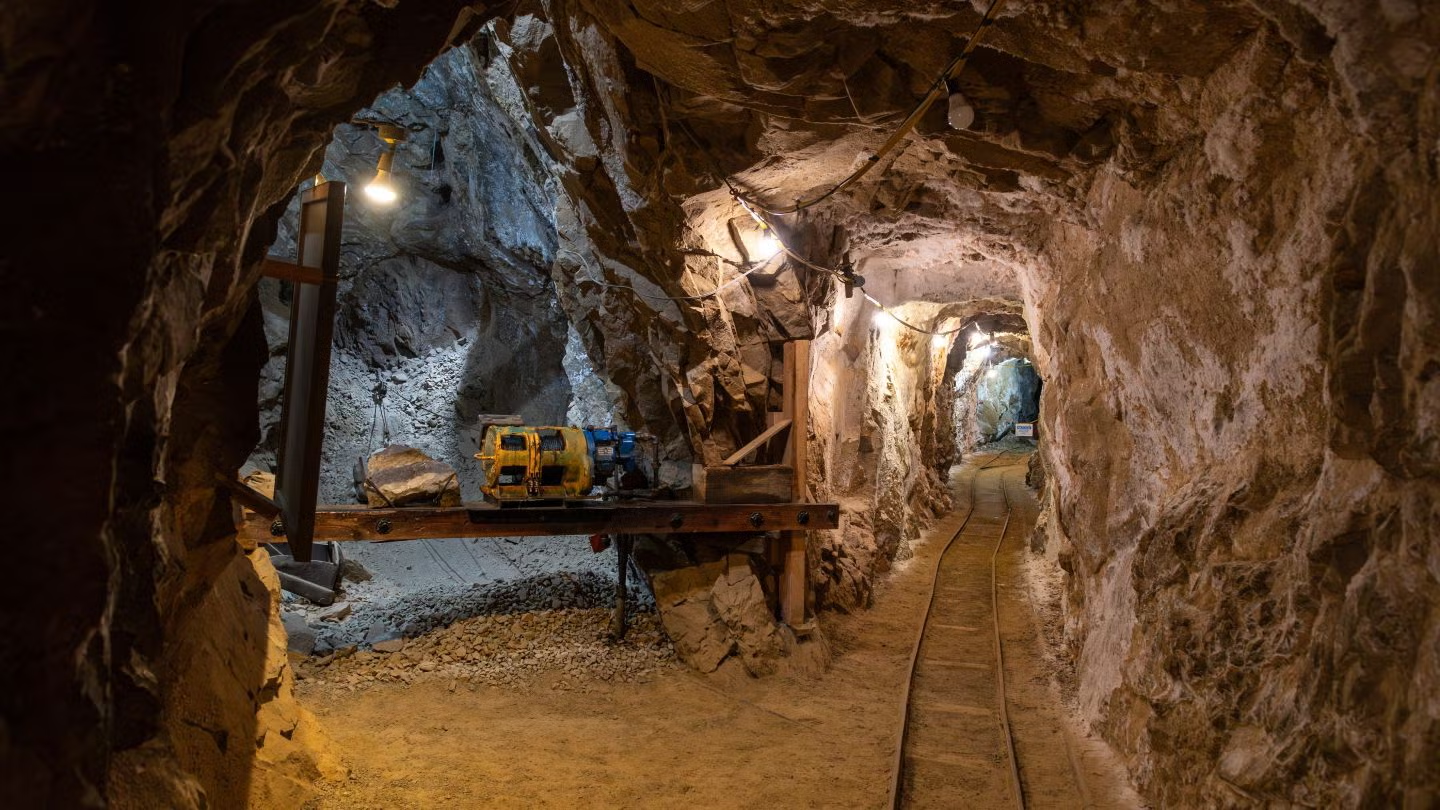
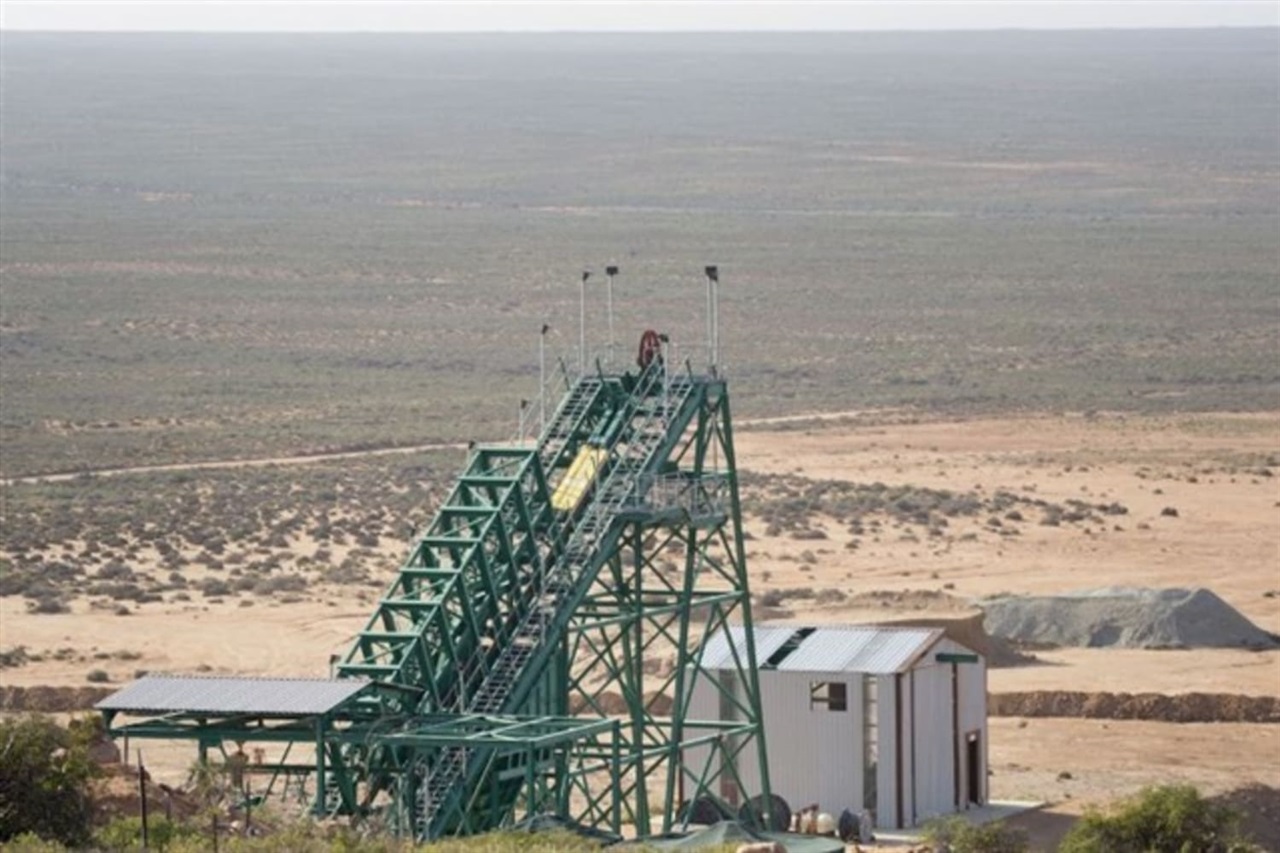
Molefe has become the centrepiece of Jubilee’s strategy to grow its own copper feed rather than relying solely on third-party material.
Mine Development Plan And Resource Update Ahead
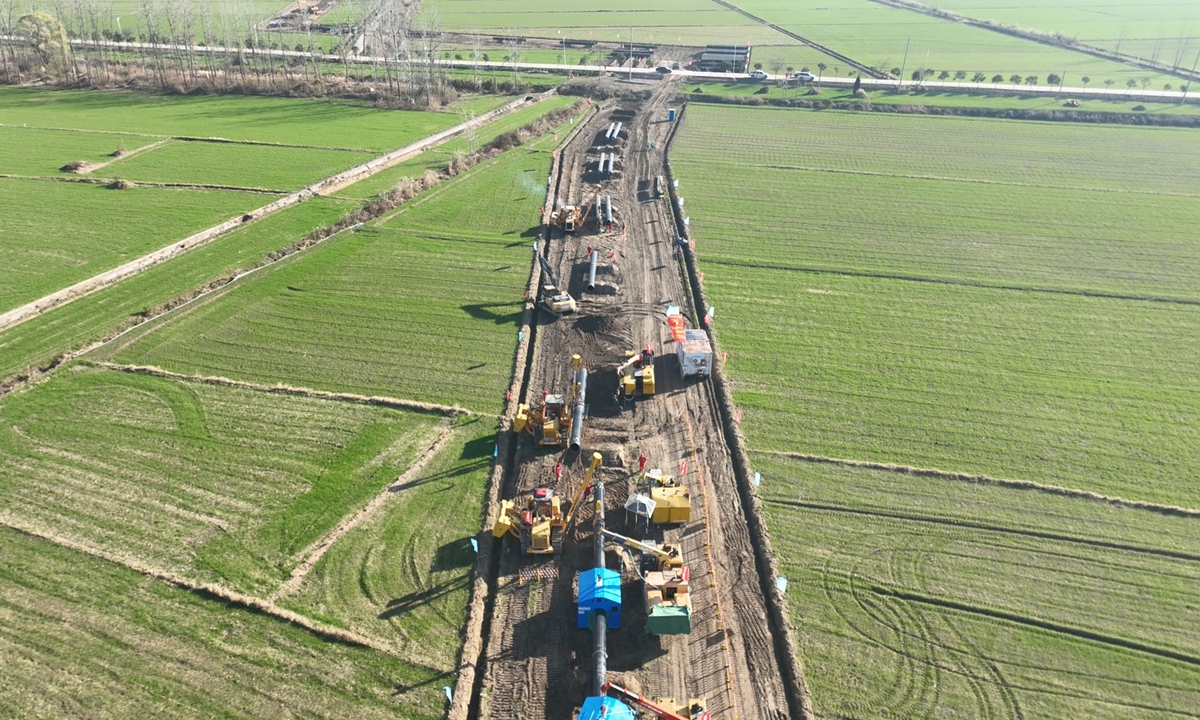
The plan provides the operational framework for ramping up mining activity to supply the company’s processing facilities in the region.
Large Waste Project Sale Moves Forward
In early October, Jubilee provided an update on the disposal of its Large Waste Project in South Africa, confirming that legal due diligence had been completed and that a defined period for technical due diligence and final transaction documentation had begun. For context, the largest companies on London’s junior market are tracked by the FTSE AIM 100 Index and the FTSE AIM UK 50 INDEX, benchmarks many investors use when comparing AIM-quoted names such as Jubilee Metals. A deposit was expected from the purchaser shortly after the announcement.
A preferred purchaser had been selected for the project in late August.
Capital Redirected Towards Zambia
Jubilee has made clear that the proceeds are intended to strengthen the balance sheet and to fund accelerated investment in its Zambian operations, with Molefe foremost among them. The company announced a strategic transaction to accelerate copper growth in August, and its full-year production and operational update in September set out progress across its copper processing assets.
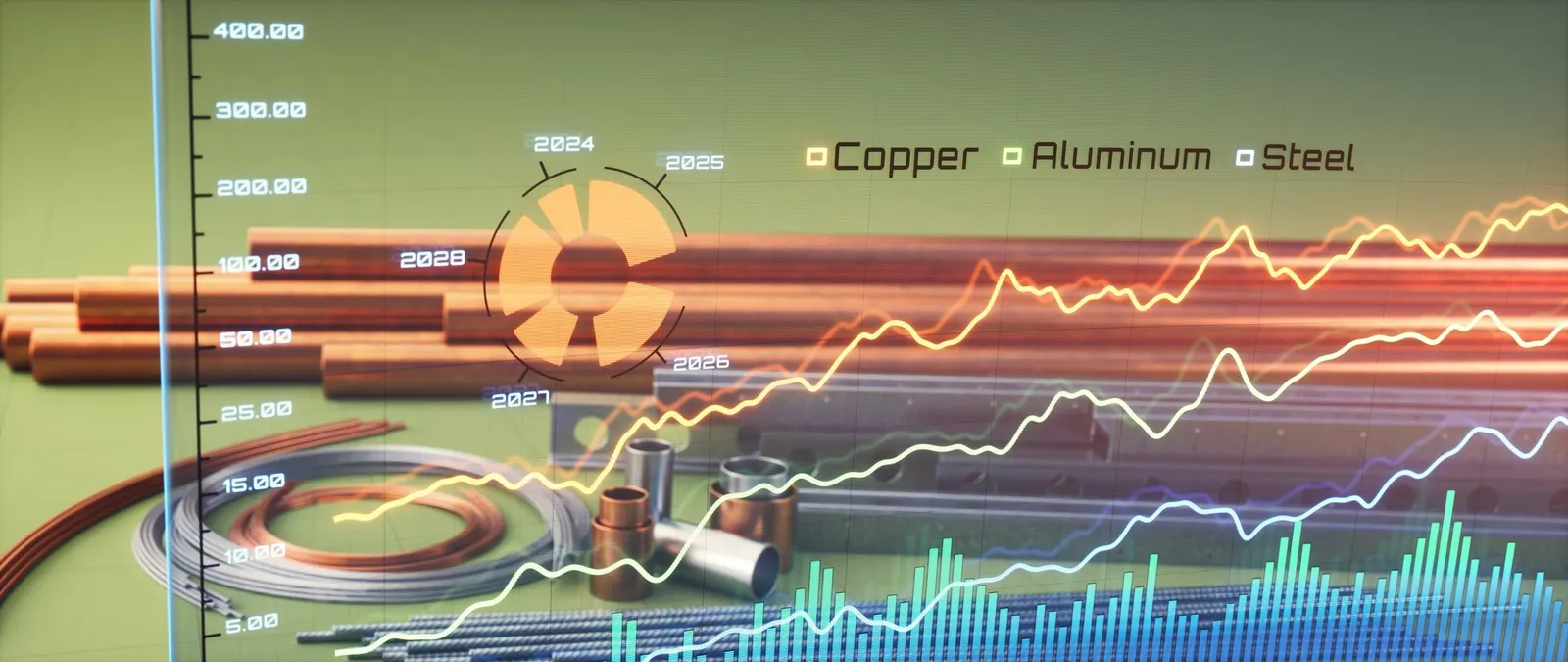
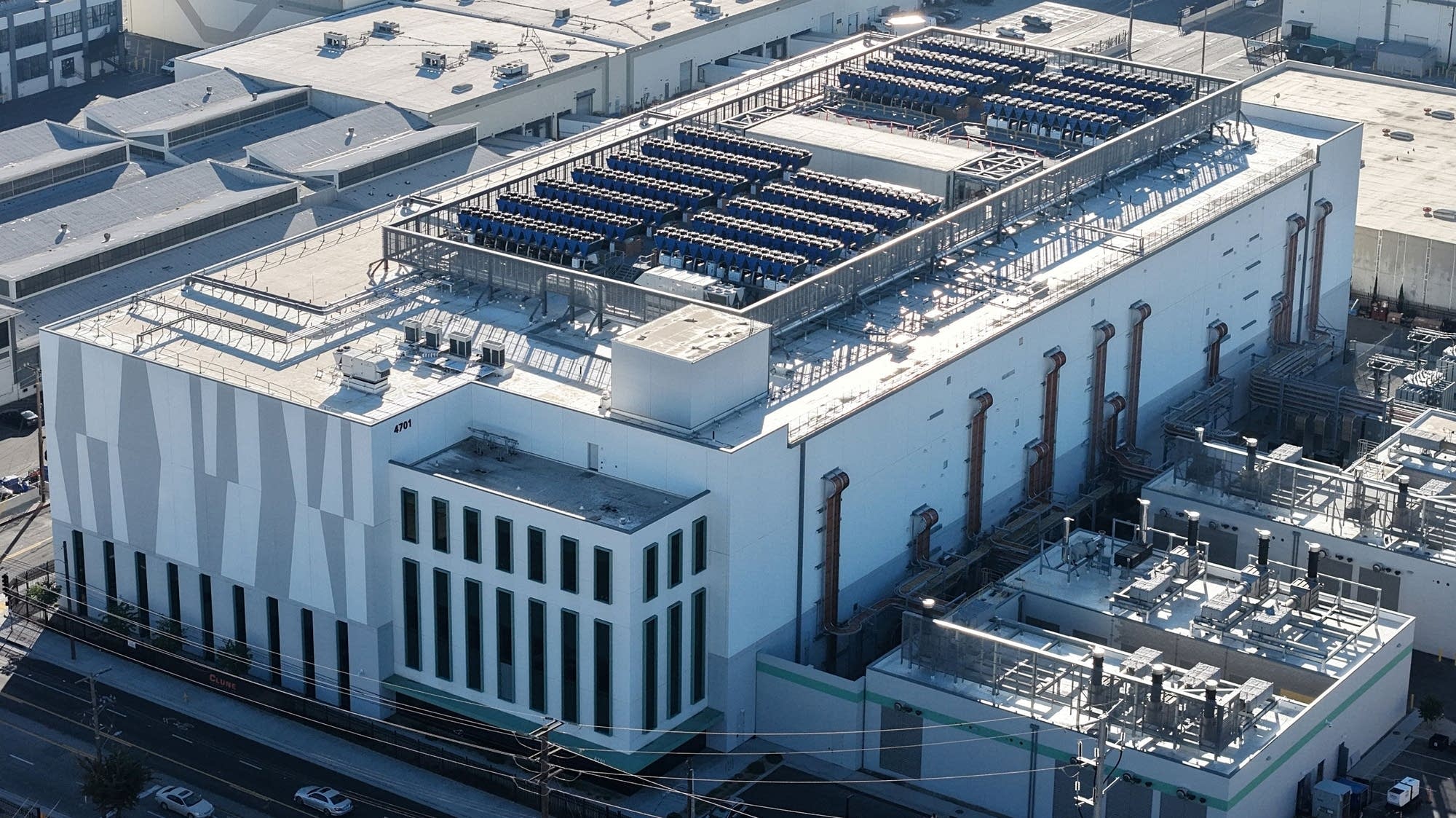
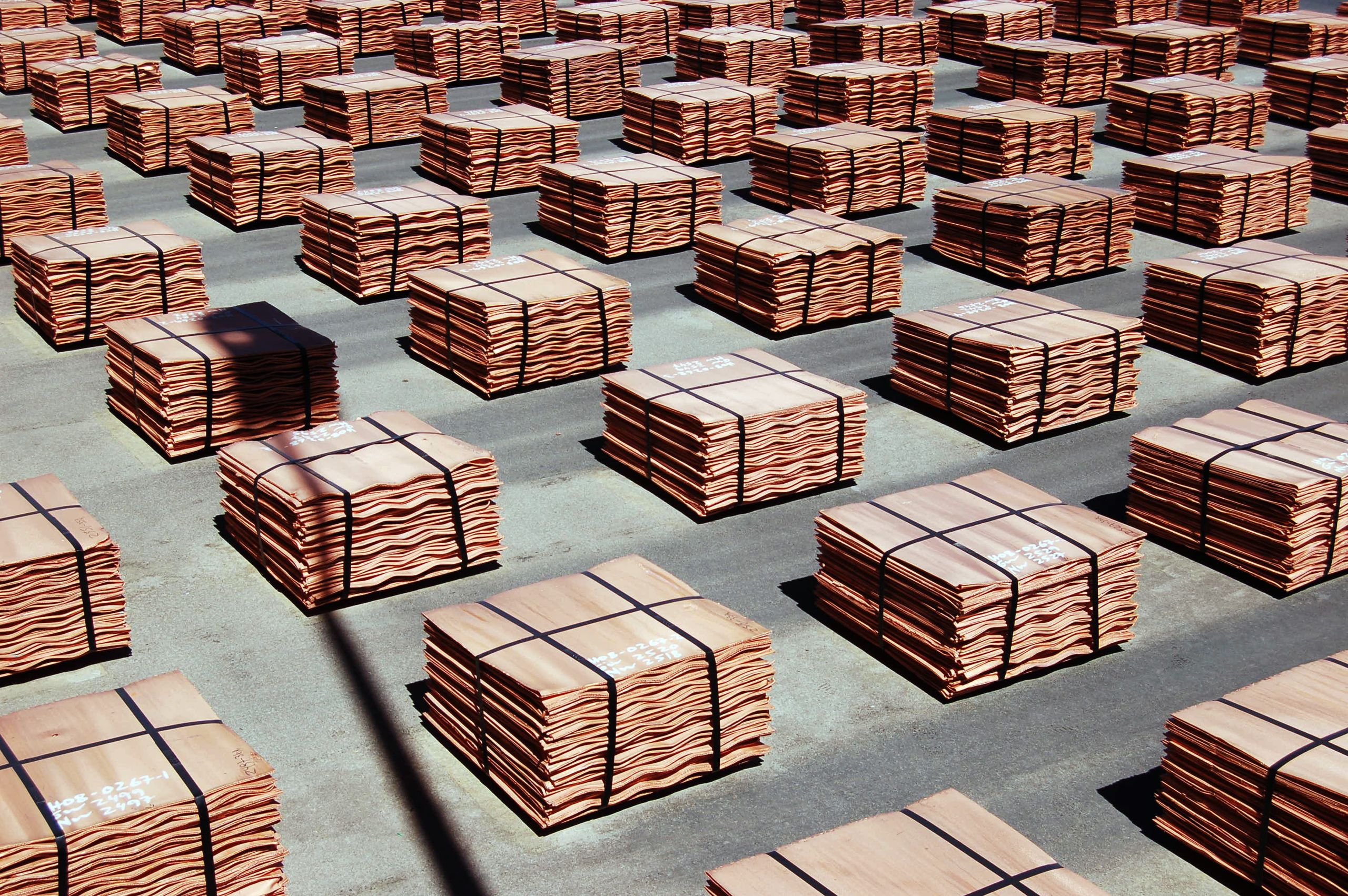
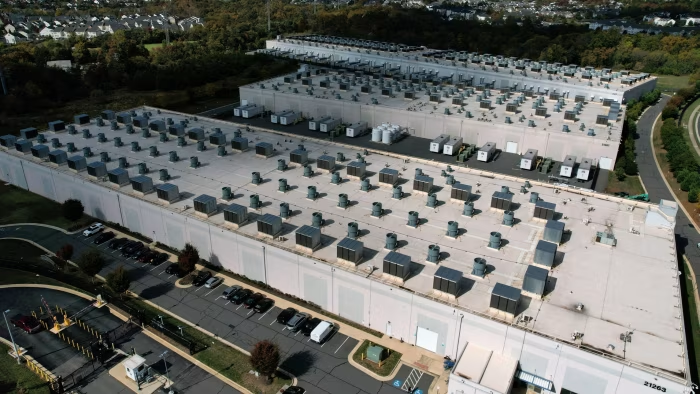
The pivot towards copper reflects the company’s view of the long-term demand outlook for the metal, driven by electrification, grid expansion and data centre construction.
What The Coming Months May Bring
The next catalysts for Jubilee are the completion of the technical due diligence period on the Large Waste Project, receipt of the sale proceeds and publication of the updated Molefe resource before the year end.
Jubilee’s shares trade at a low nominal price on AIM, and the company’s copper-focused news flow has made it a regular feature of small-cap mining discussions in London.
How penny stocks trade
Shares with a low price per share can move noticeably on relatively small trades, news flow or changes in sentiment. Investors usually focus on the underlying business, its exposure to economic activity and its balance sheet rather than the share price level itself. Restructuring plans and cost savings can be important signals for recovery.
How investors read company updates
Investors often compare each new update with earlier guidance to judge whether trading is improving, holding steady or slowing. Commentary on demand, costs and cash flow can matter as much as the headline numbers, because it shapes expectations for the months ahead. Changes in tone from management are watched closely by analysts and fund managers.
How market sentiment works
Share prices reflect expectations as well as results, so investors often consider both. Wider market conditions, interest rate expectations and sector trends can all influence how investors react. Over time, the direction of earnings and cash generation tends to matter most to long-term investors.
Where investors find updates
Useful information for investors usually arrives through company results statements, trading updates and announcements published via the London Stock Exchange’s regulatory news service. These set out changes to guidance, board commentary on trading and cash flow, and updates on borrowing or capital plans.
Understanding management guidance
Guidance gives investors a framework for following performance through the year. Companies typically set out expectations and then update them as trading develops. A reaffirmed outlook can provide reassurance, while upgrades or downgrades often trigger larger share price moves.
Why the balance sheet matters
A strong balance sheet gives a company flexibility to invest, make acquisitions or return cash to shareholders when conditions are favourable. Borrowing levels can matter more when interest rates change or market conditions shift. Investors often consider how a company funds its plans.
Areas investors follow
The next phase for any company usually depends on how well it executes its stated plans, how its markets develop and whether it can fund its ambitions on sensible terms. Management commentary at results and trading updates often provides the clearest guide to priorities. Investors often follow how a company’s plans translate into results over time.