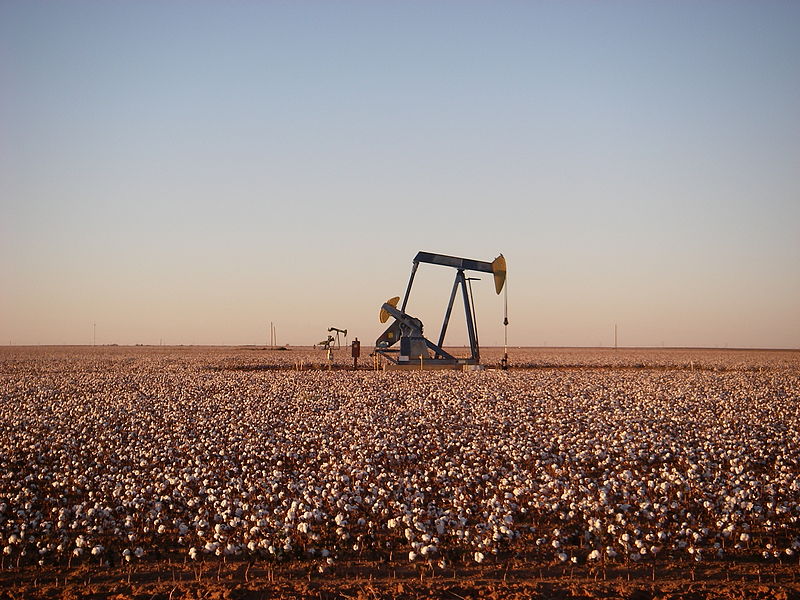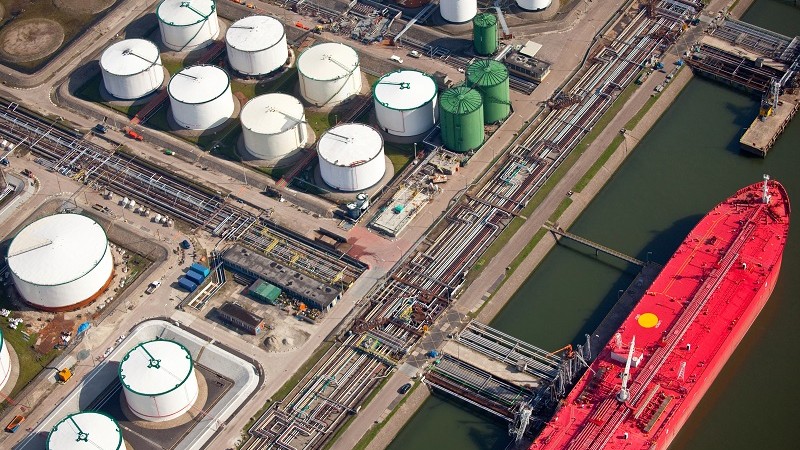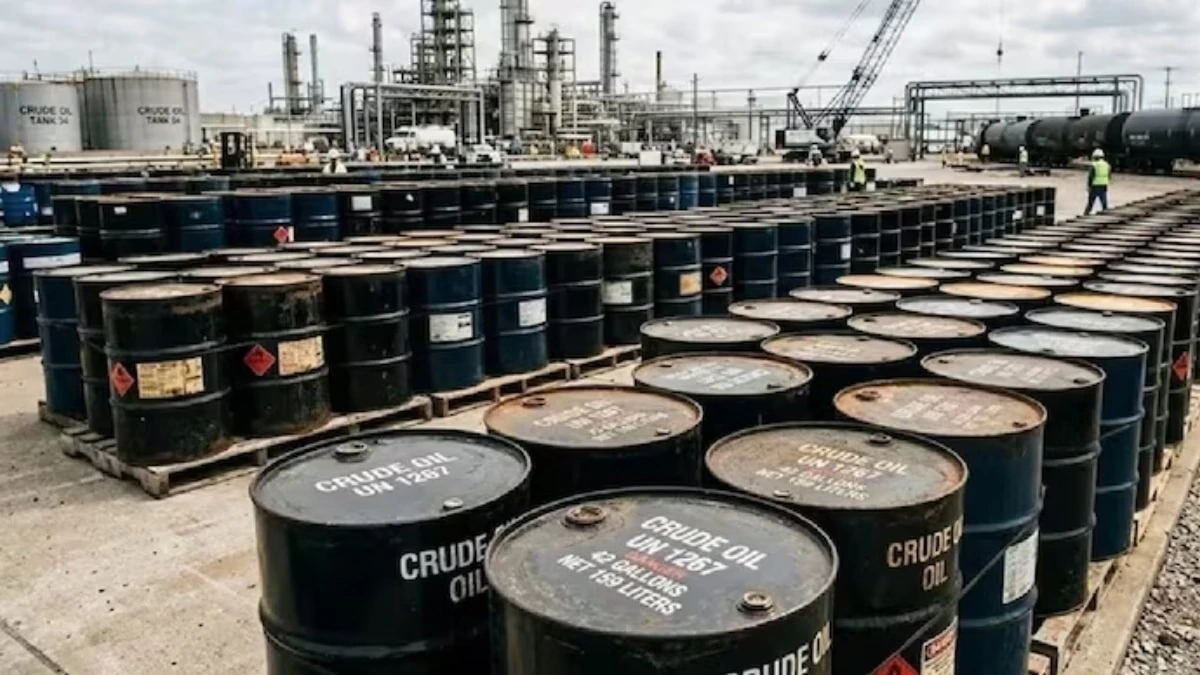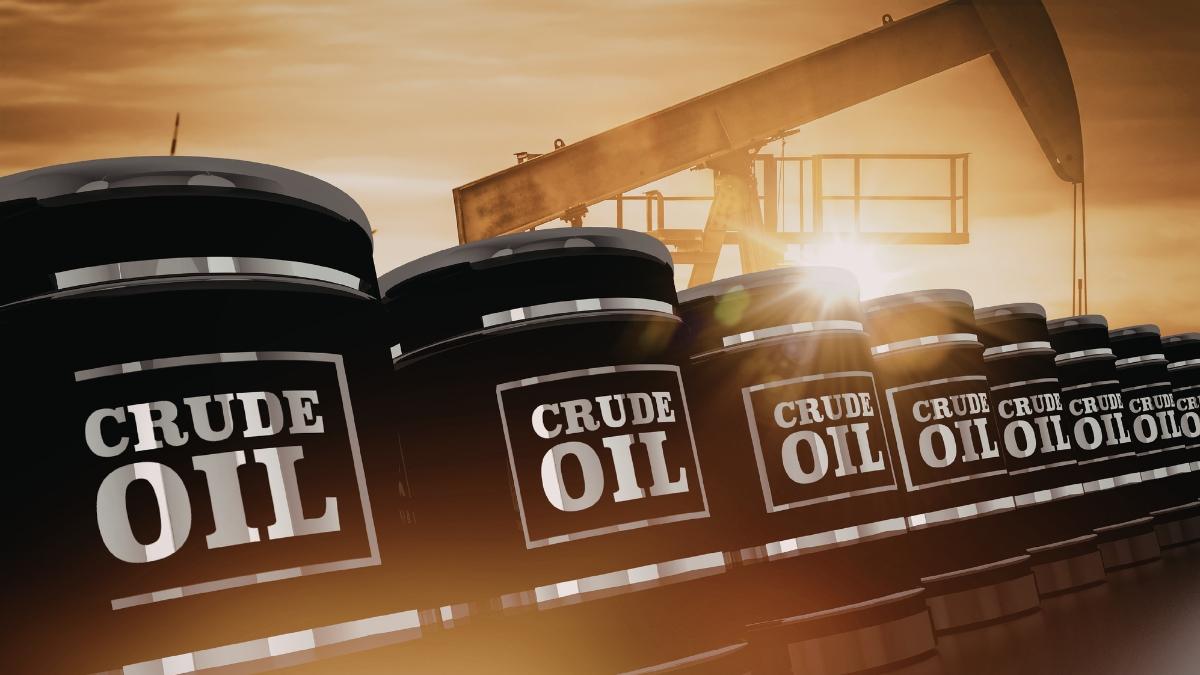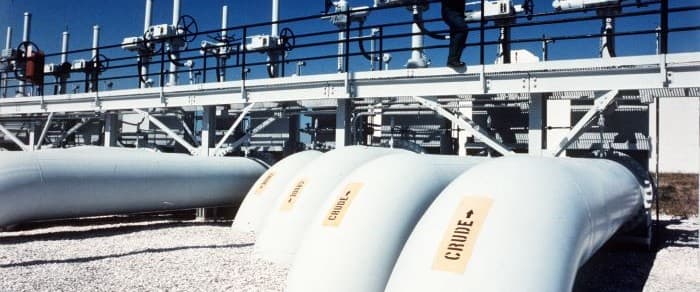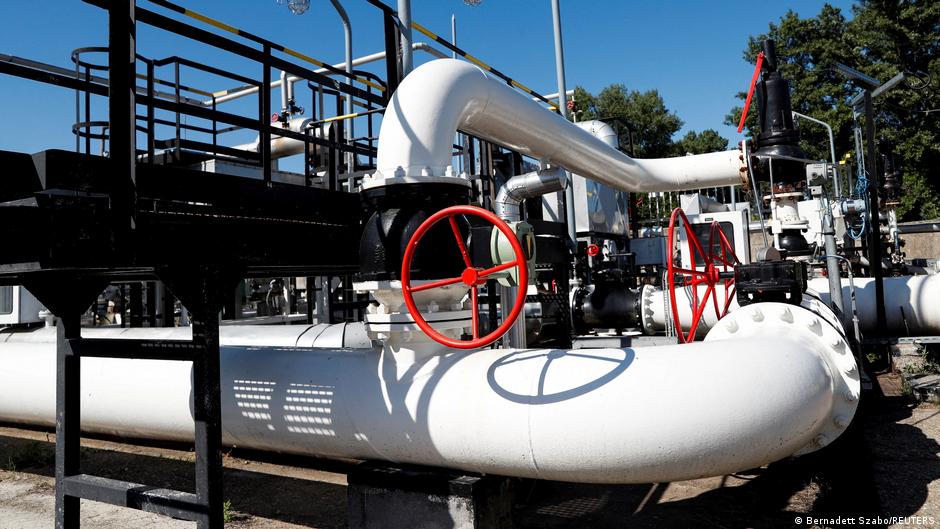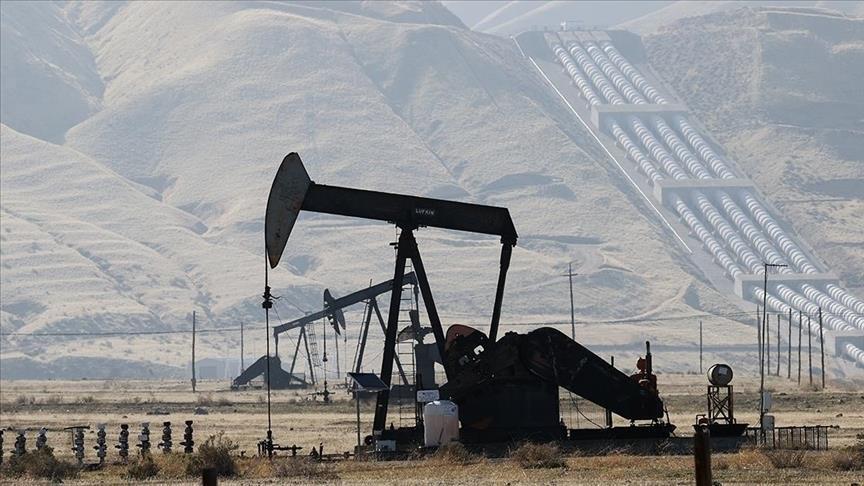
For decades, crude oil has funded Nigeria’s budget, propped up foreign exchange earnings and defined its place in the global economy. But with prices volatile, production constrained and the world shifting toward cleaner energy, experts are asking a new question: what comes next?
A growing set of non-oil exports is starting to provide an answer. From processed foods and petrochemicals to creative services and solid minerals, Nigeria is building industries that earn dollars, create jobs and are less exposed to the boom-and-bust cycle of oil.
While crude still accounts for more than 80 percent of export revenue, several sectors are scaling fast enough to rival it within the next decade. The shift is not about abandoning oil. It’s about diversification with urgency.
With a young population, a large domestic market and trade access through AfCFTA, Nigeria has the raw materials to turn agriculture, manufacturing and digital services into major foreign exchange earners.
These five exports are the ones experts say have the clearest path to outpace crude — if infrastructure, policy and investment keep pace.
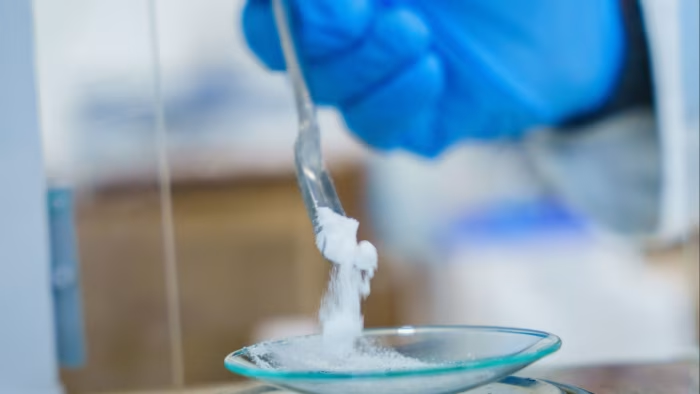
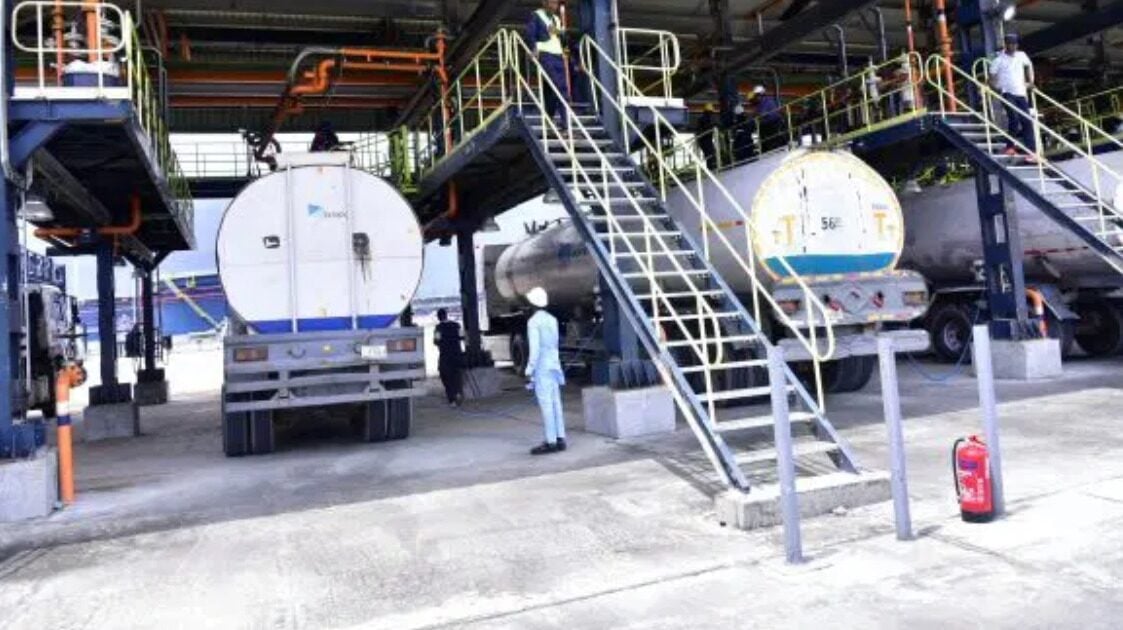
Urea production
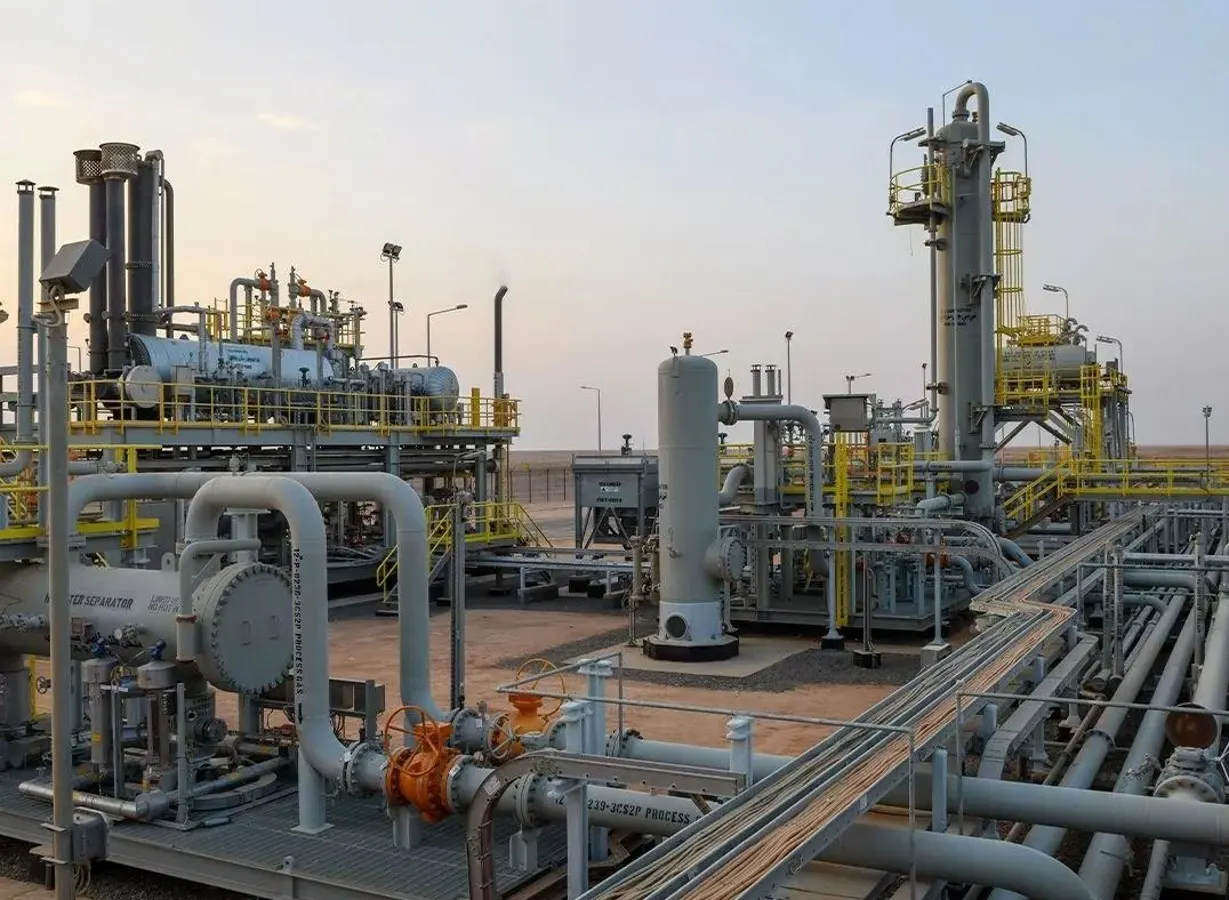
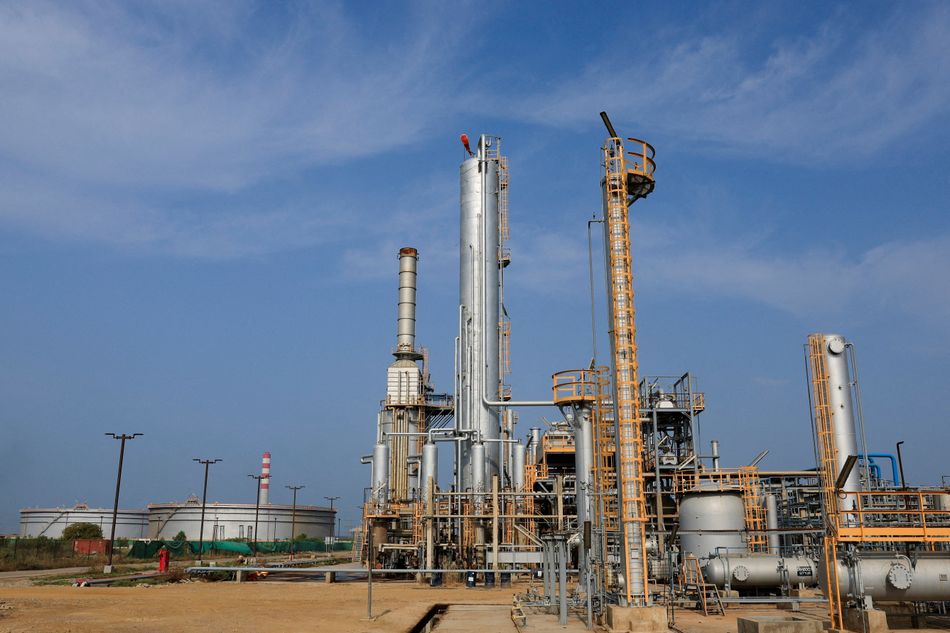
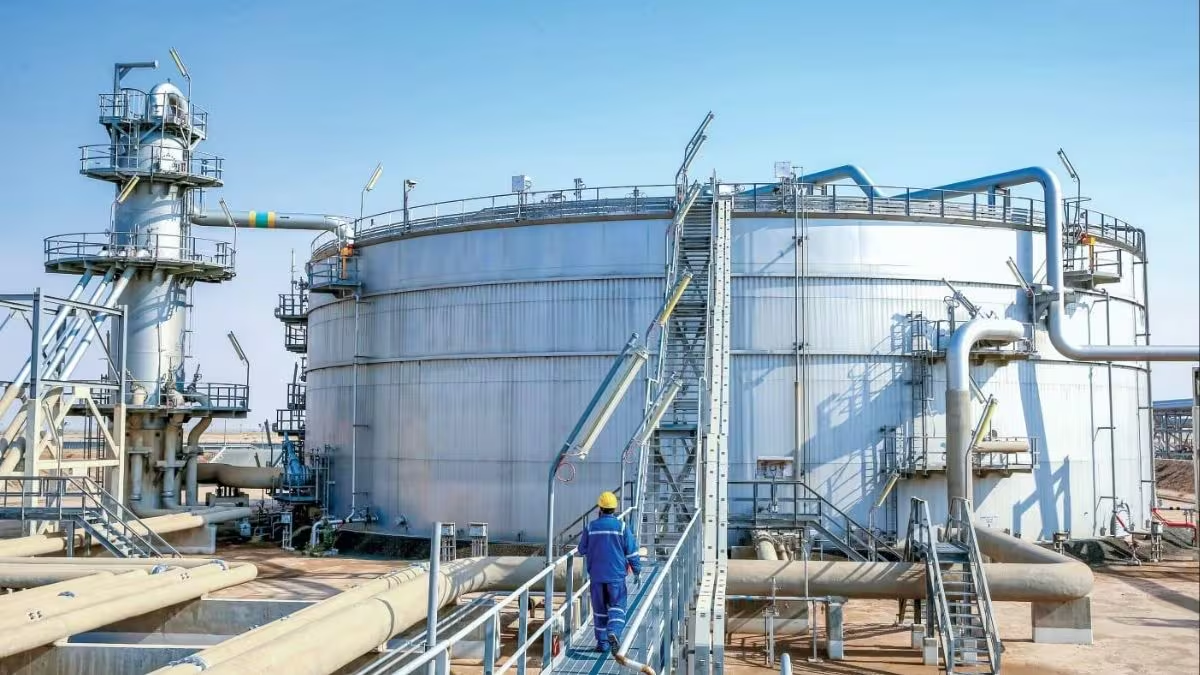
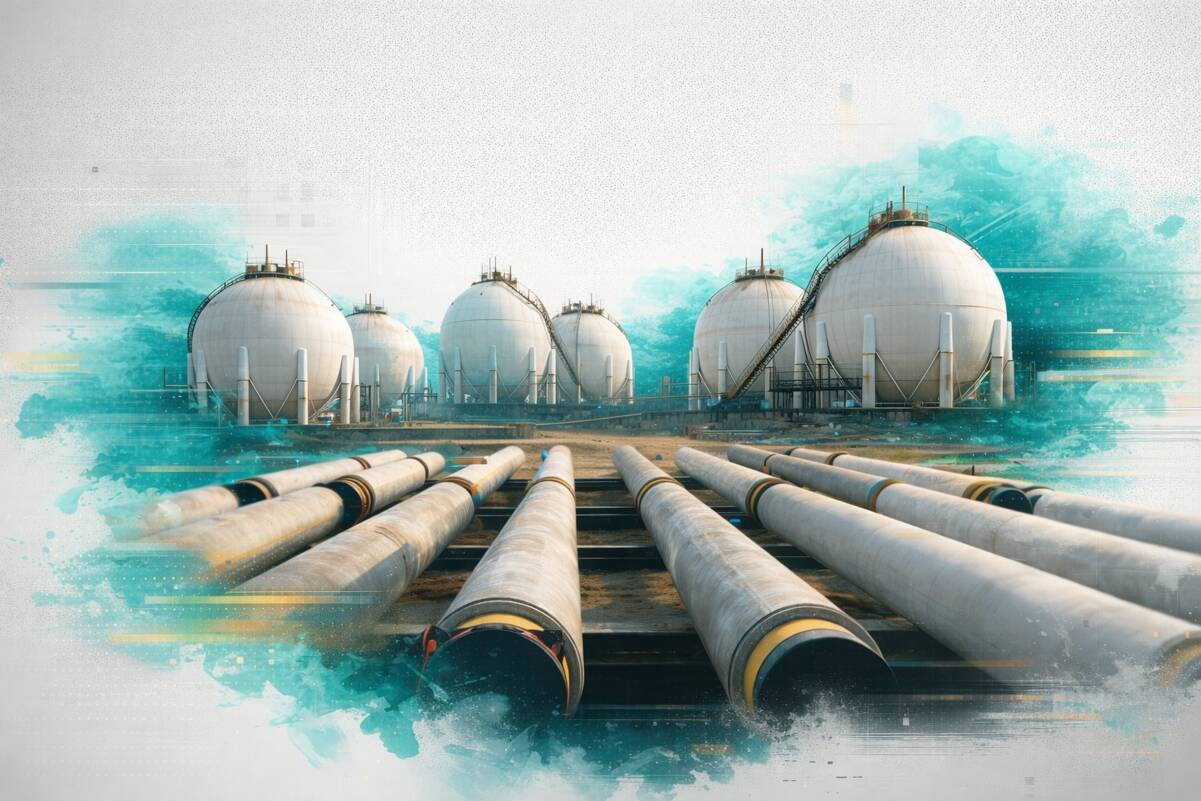
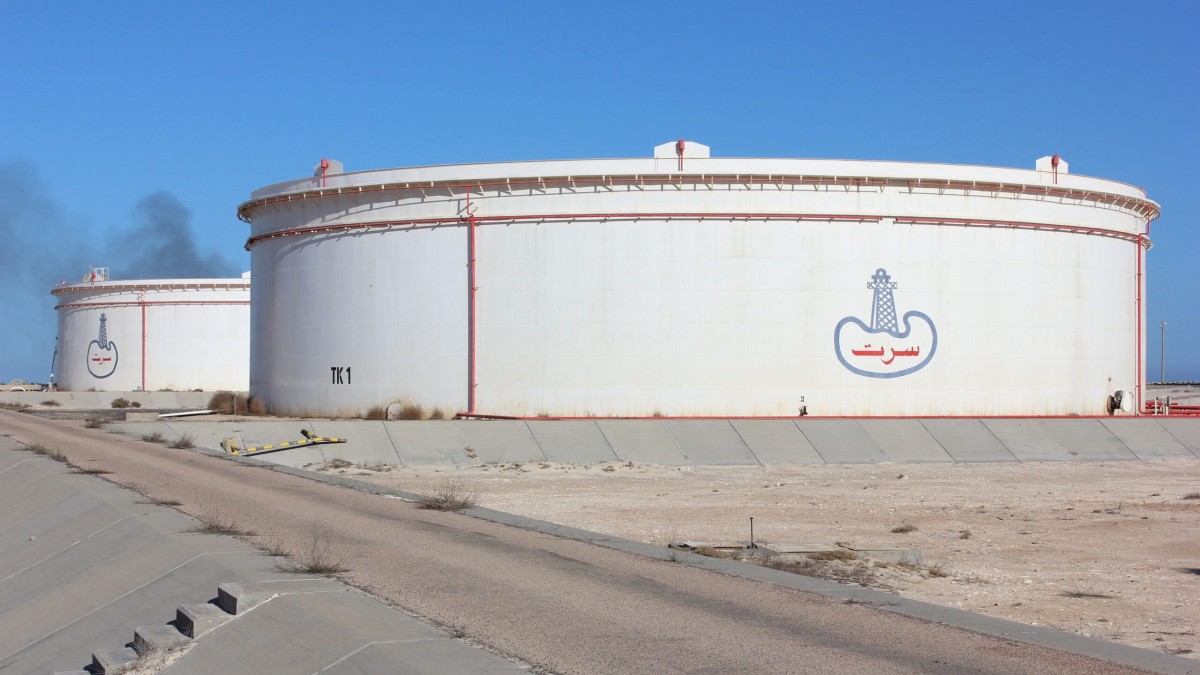
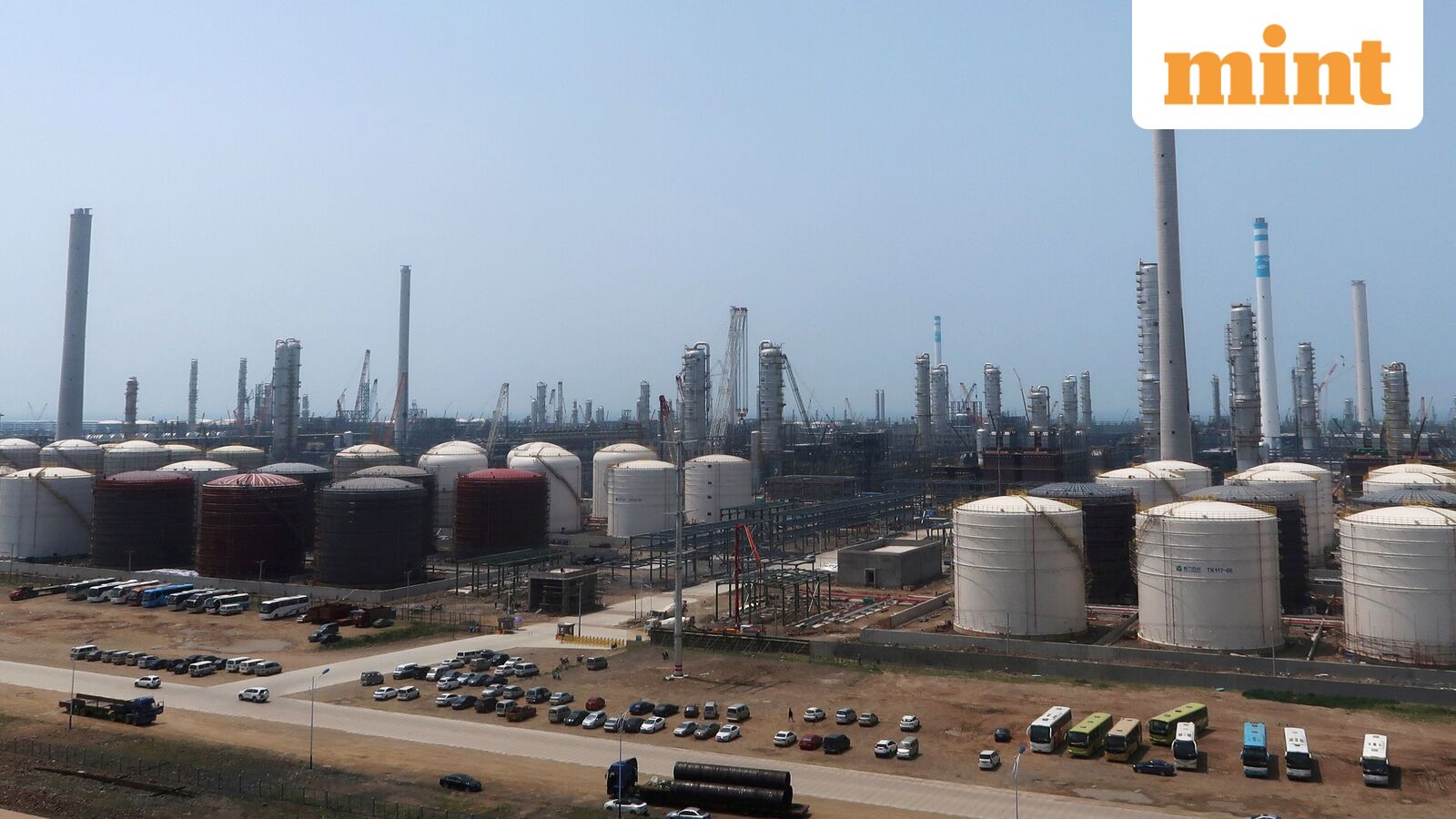
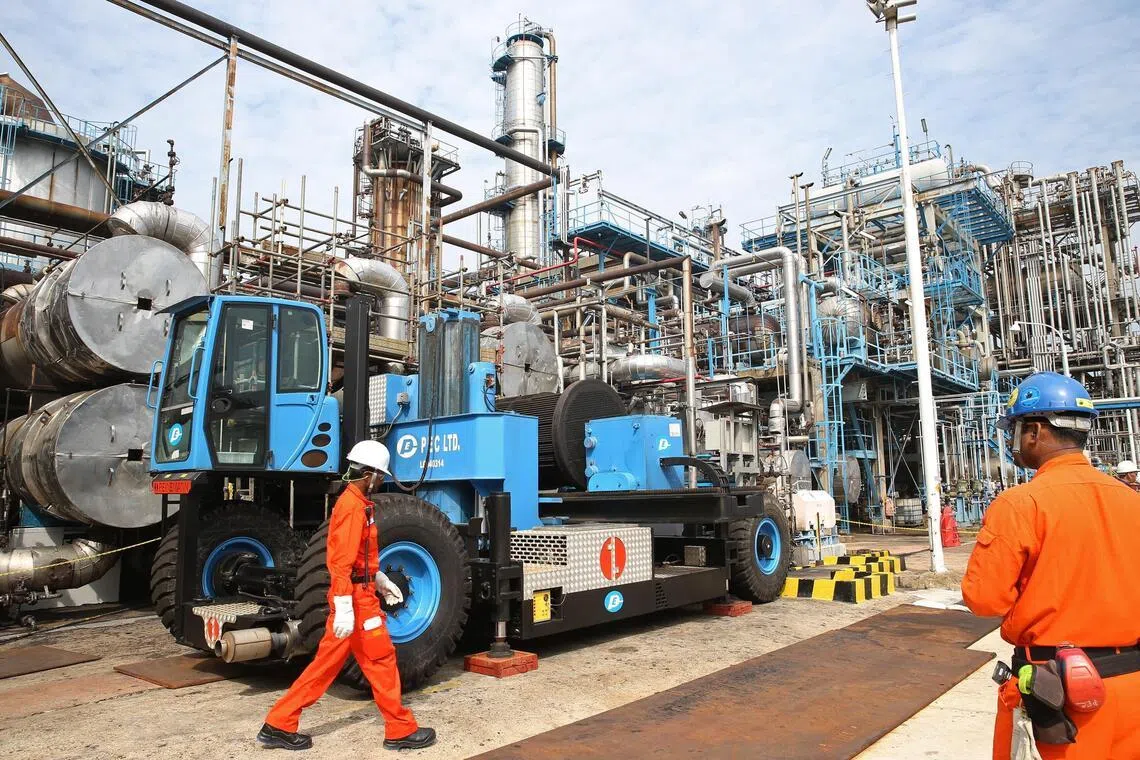
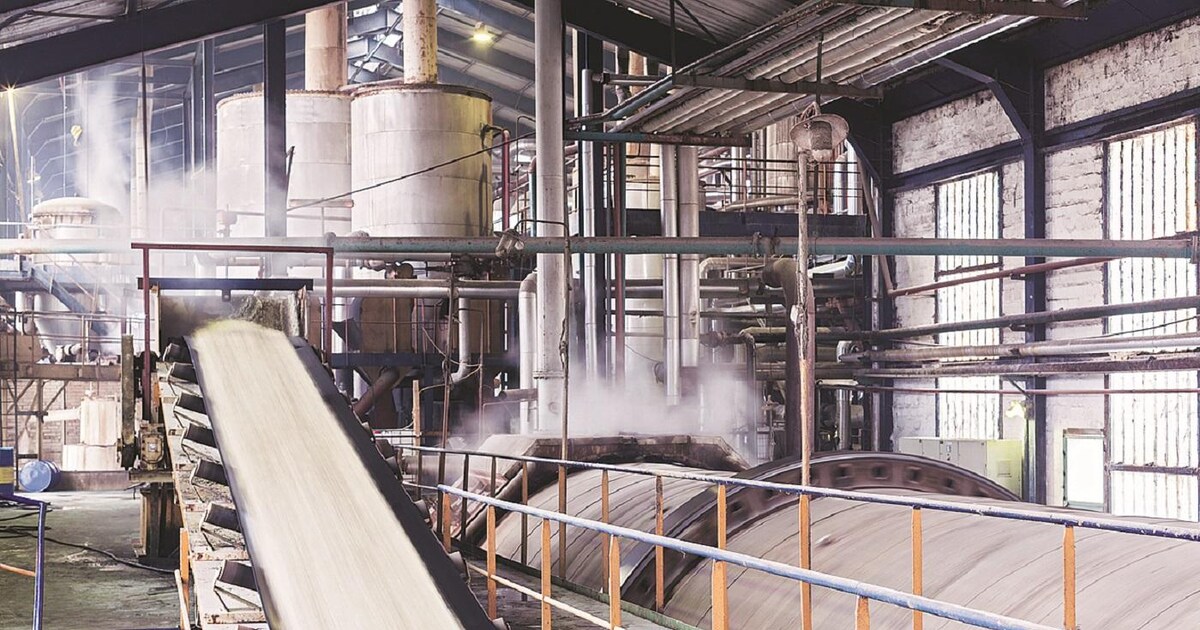
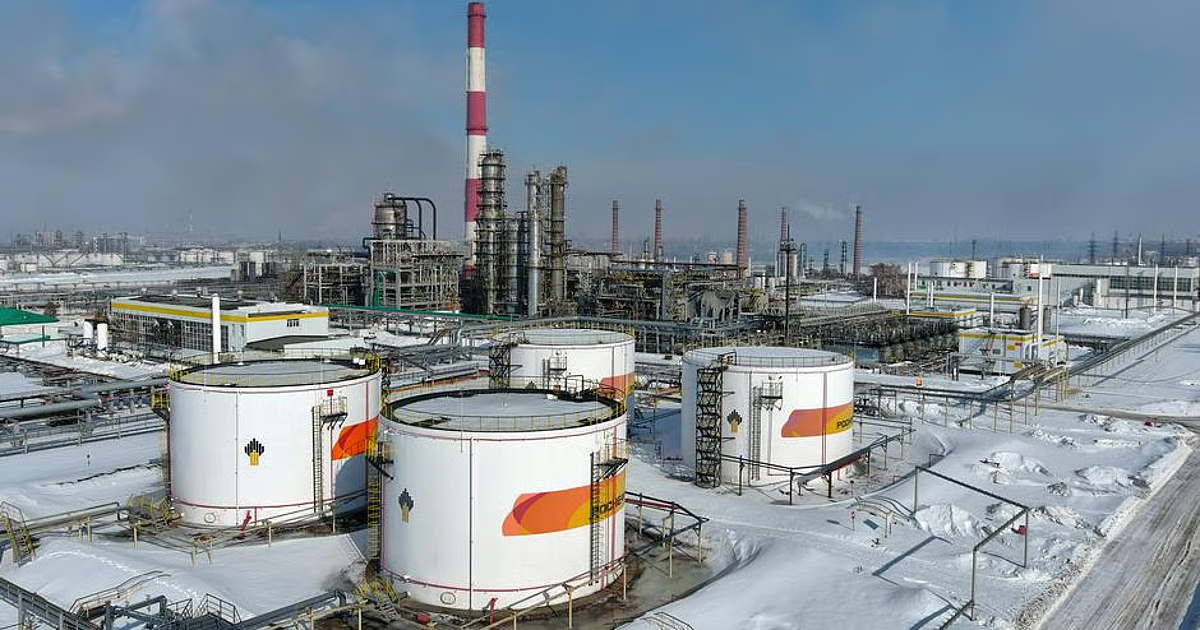
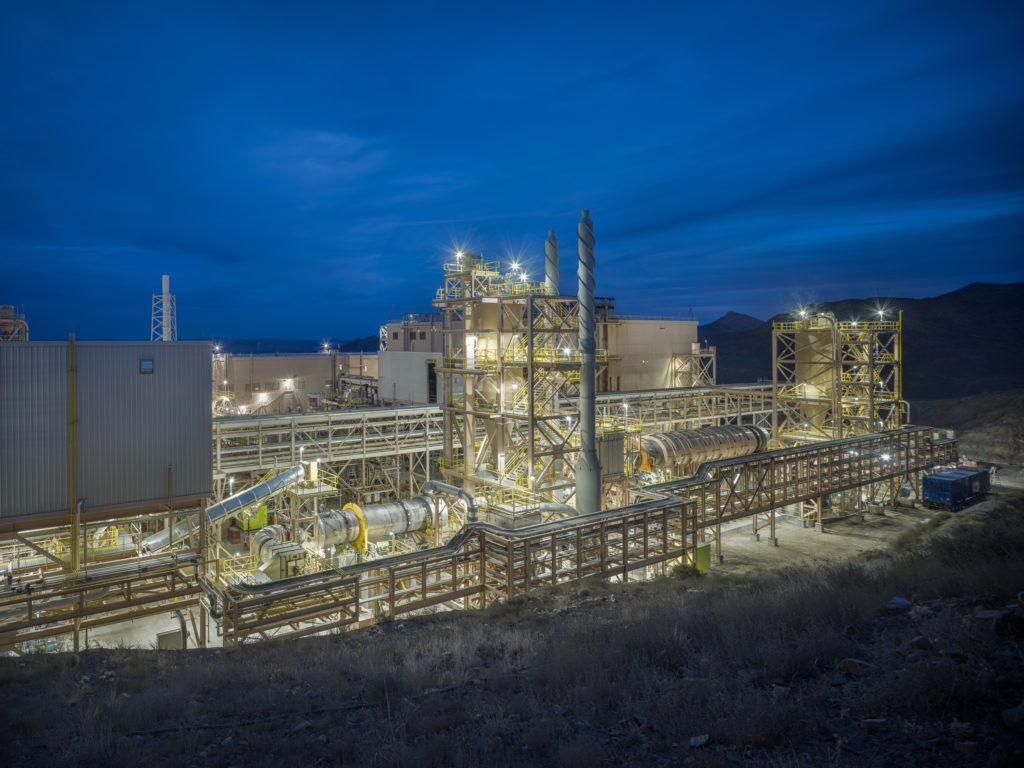
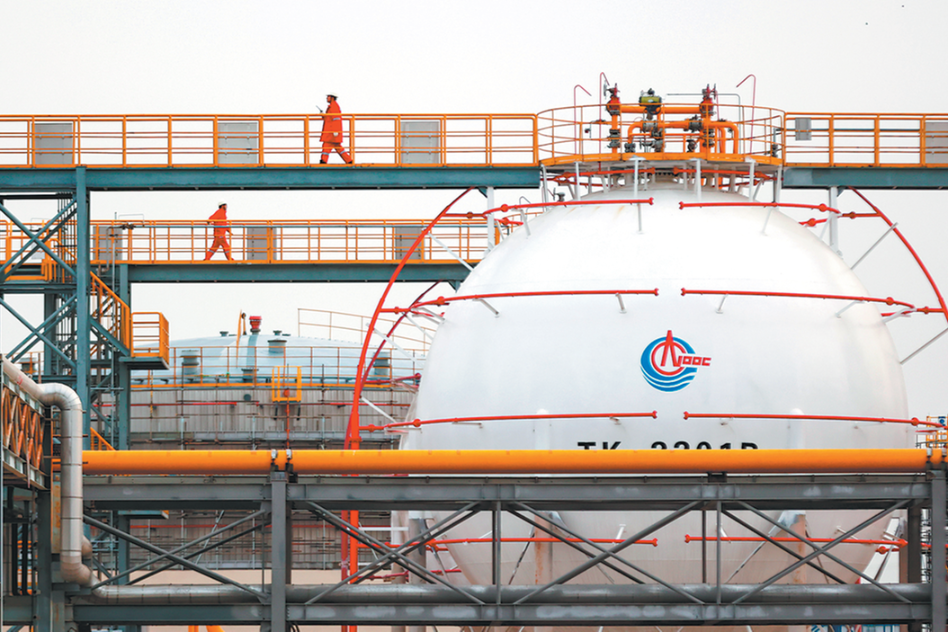
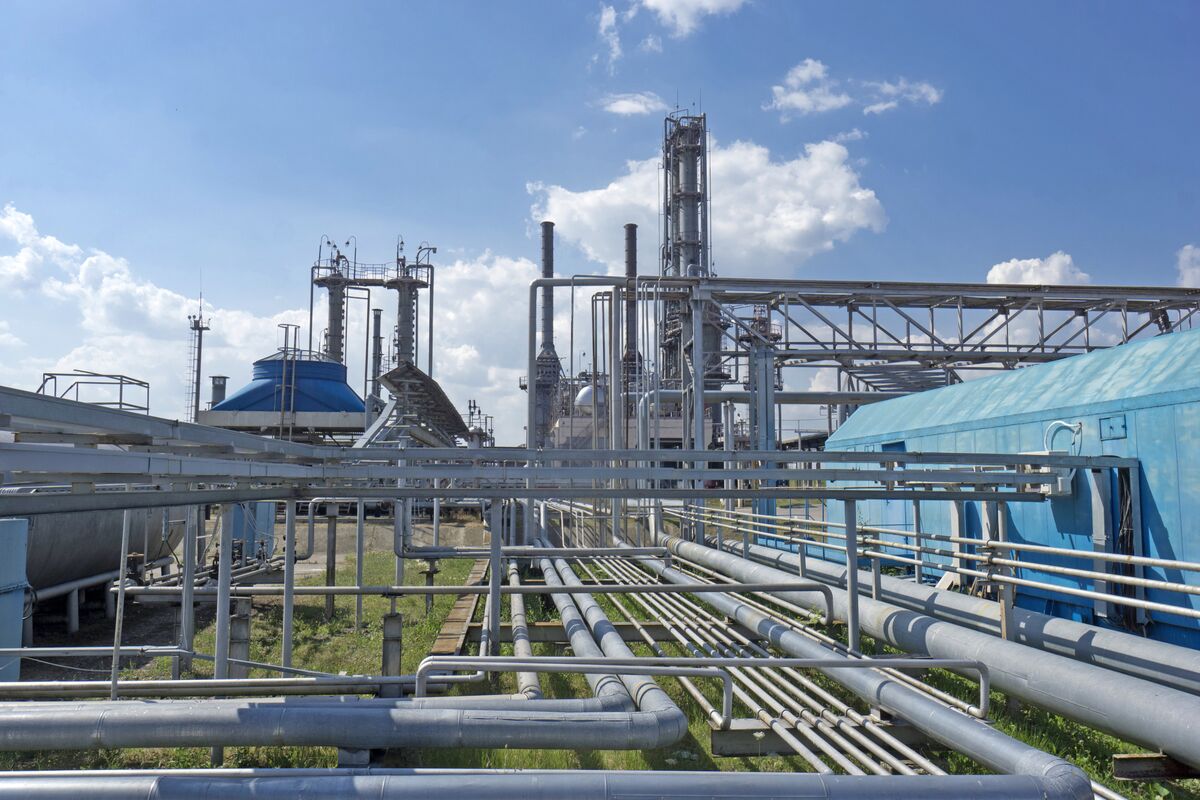
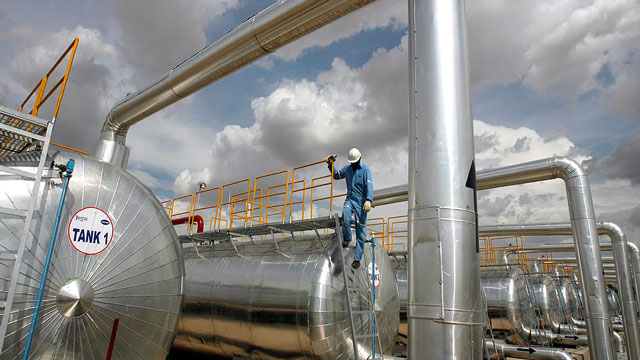
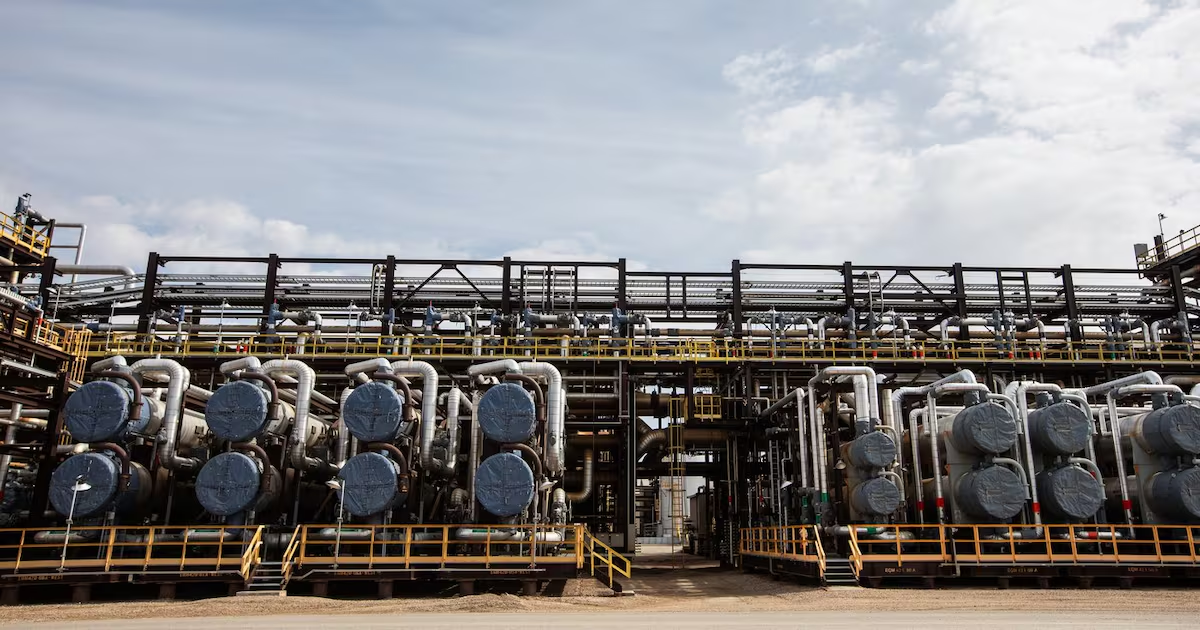
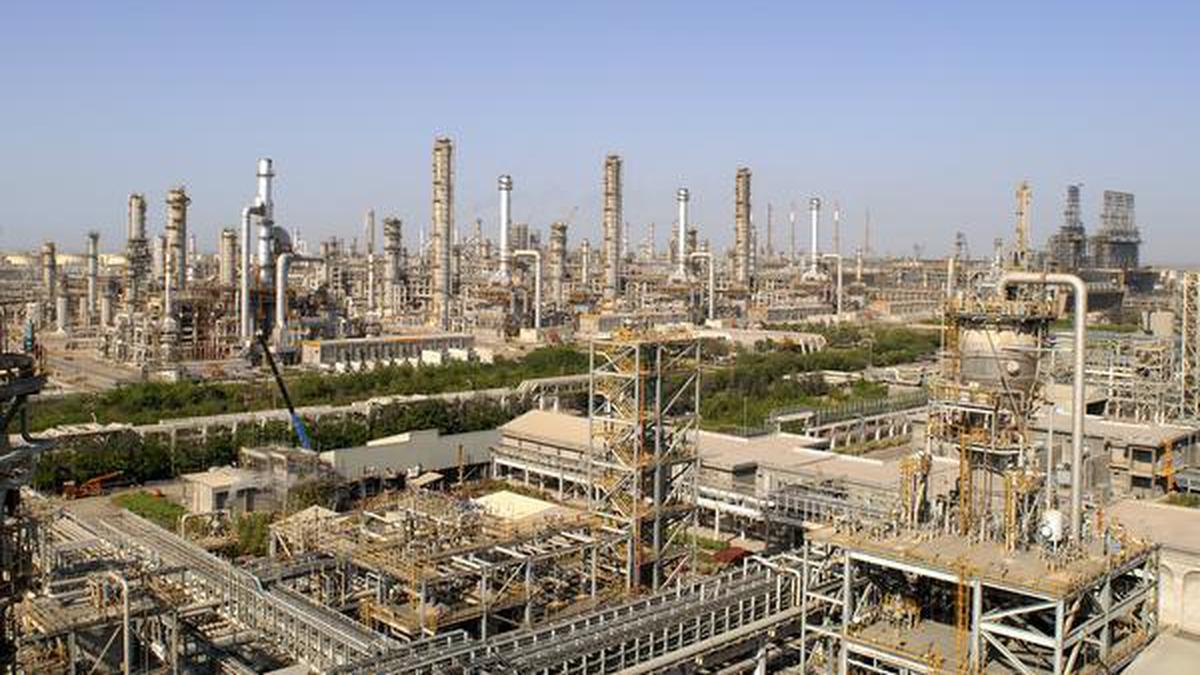
Industrial chemical processing has firmly taken the lead in Nigeria’s non-oil export drive.
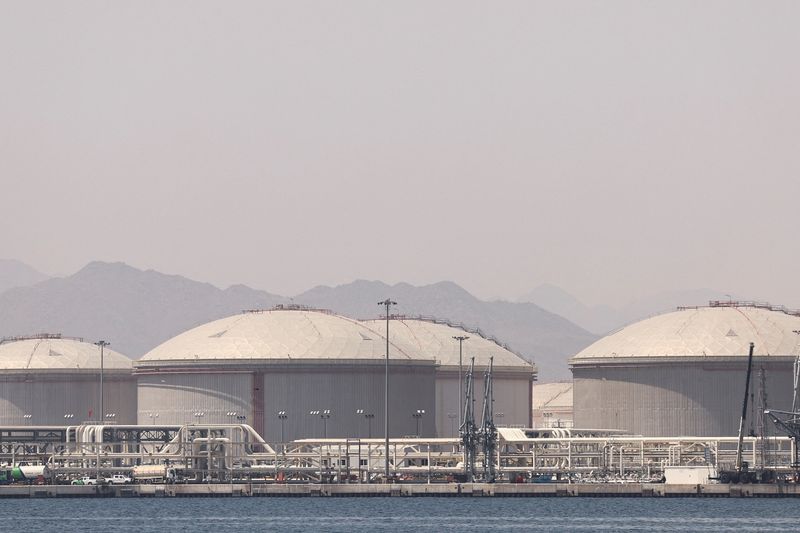
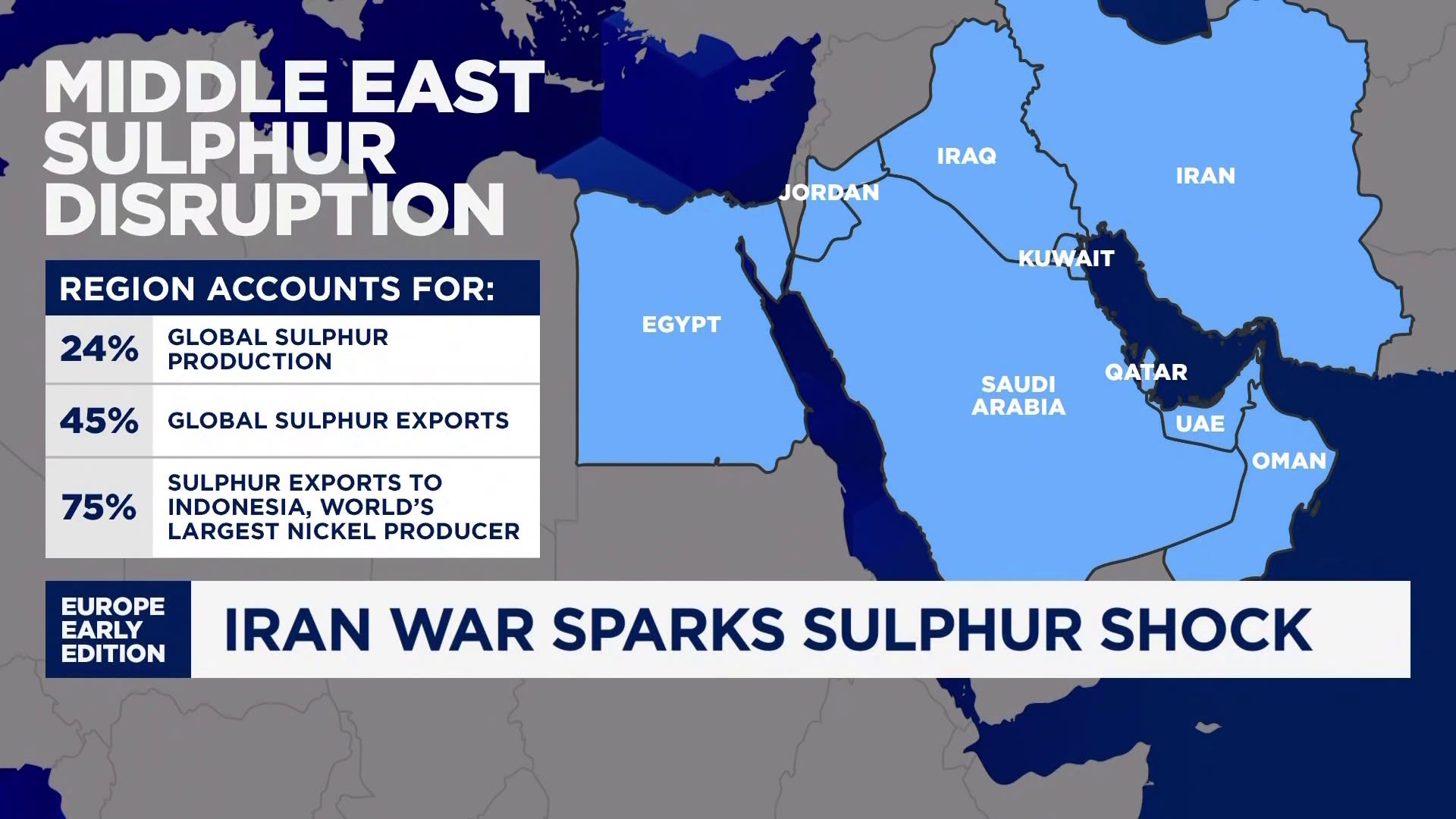
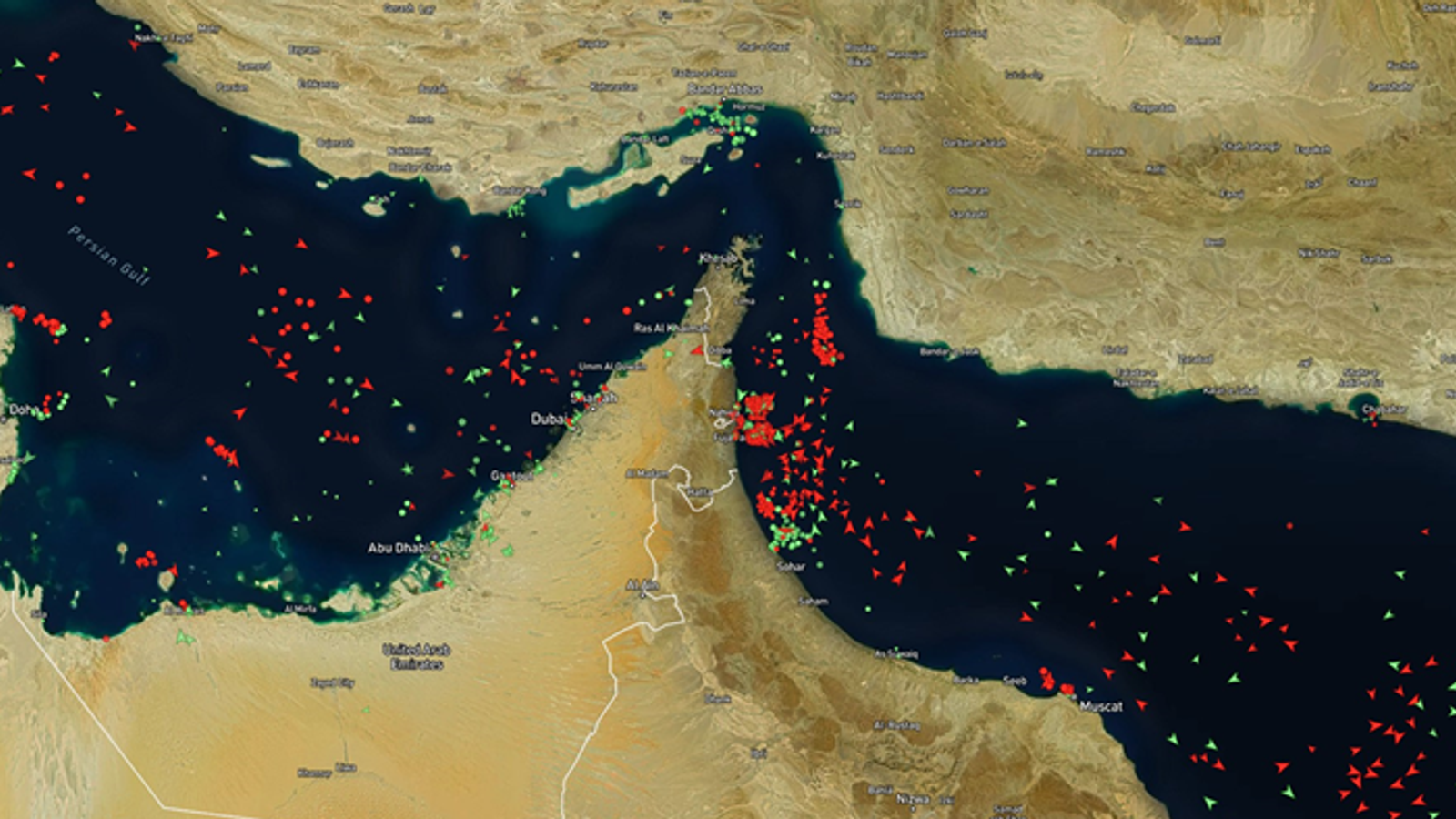
Nigeria’s urea exports surged 64 percent year-on-year in the first quarter as the Iran conflict disrupted a key shipping route accounting for 35 percent of global supplies.
The country’s urea exports surged to N1.3 trillion in the first quarter of 2026 from N797.7 billion in the same period of 2025, according to data from the National Bureau of Statistics.
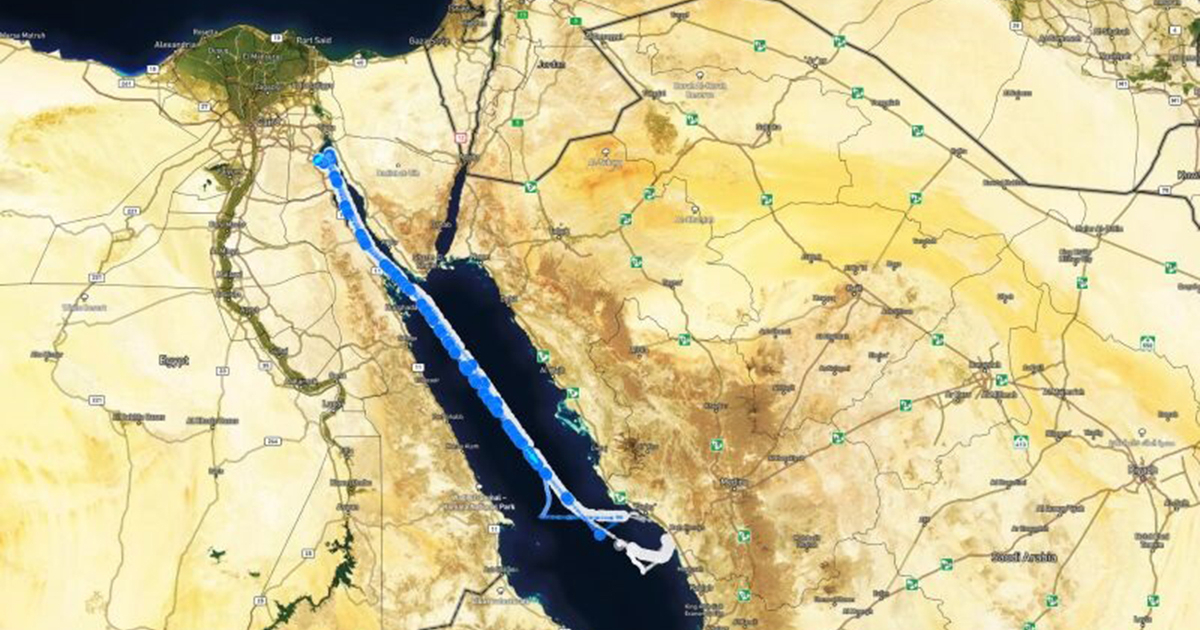
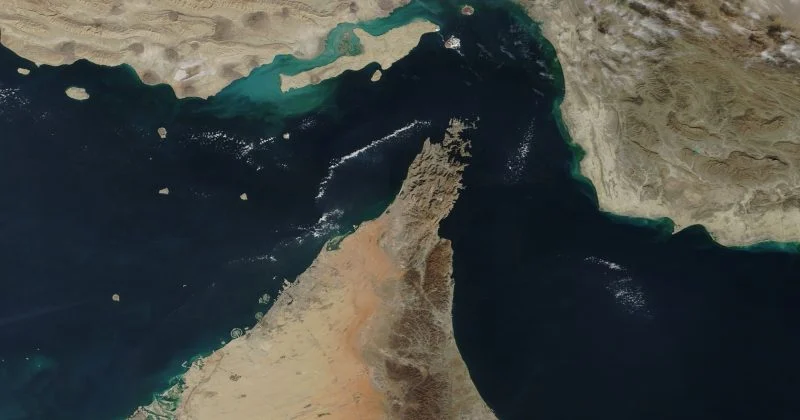
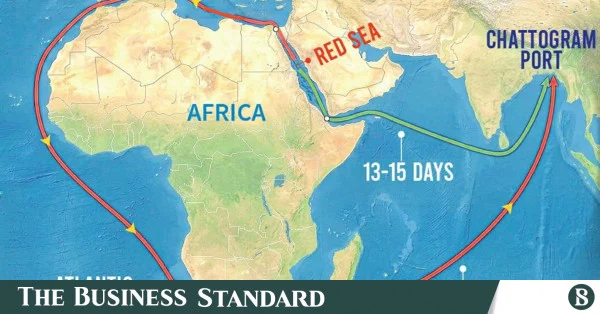
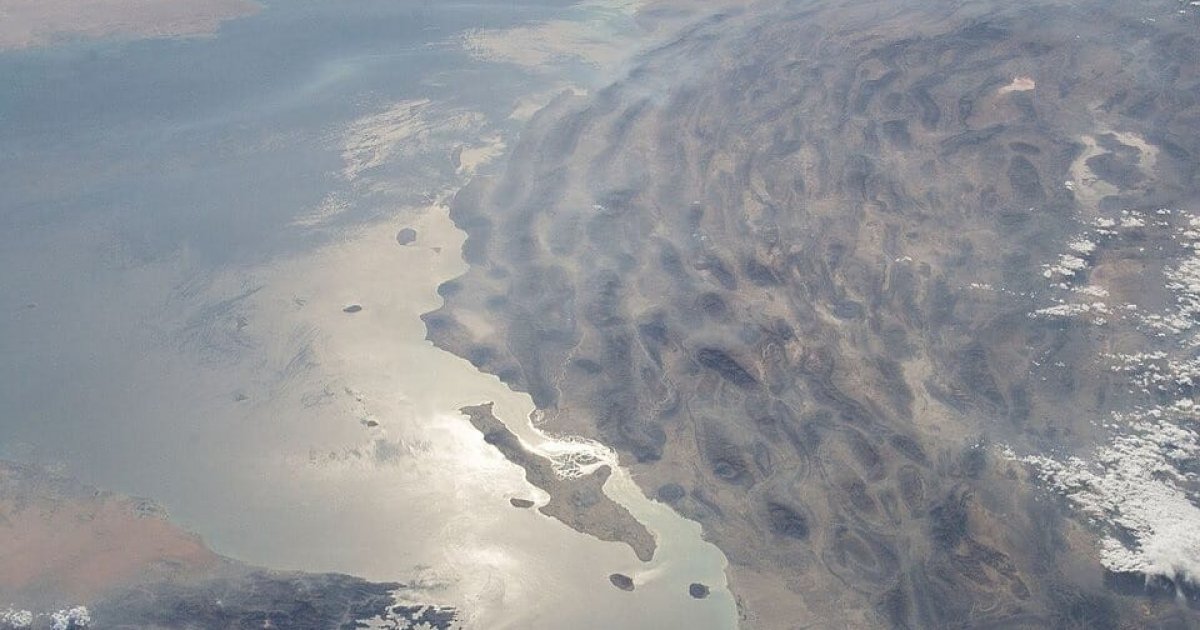
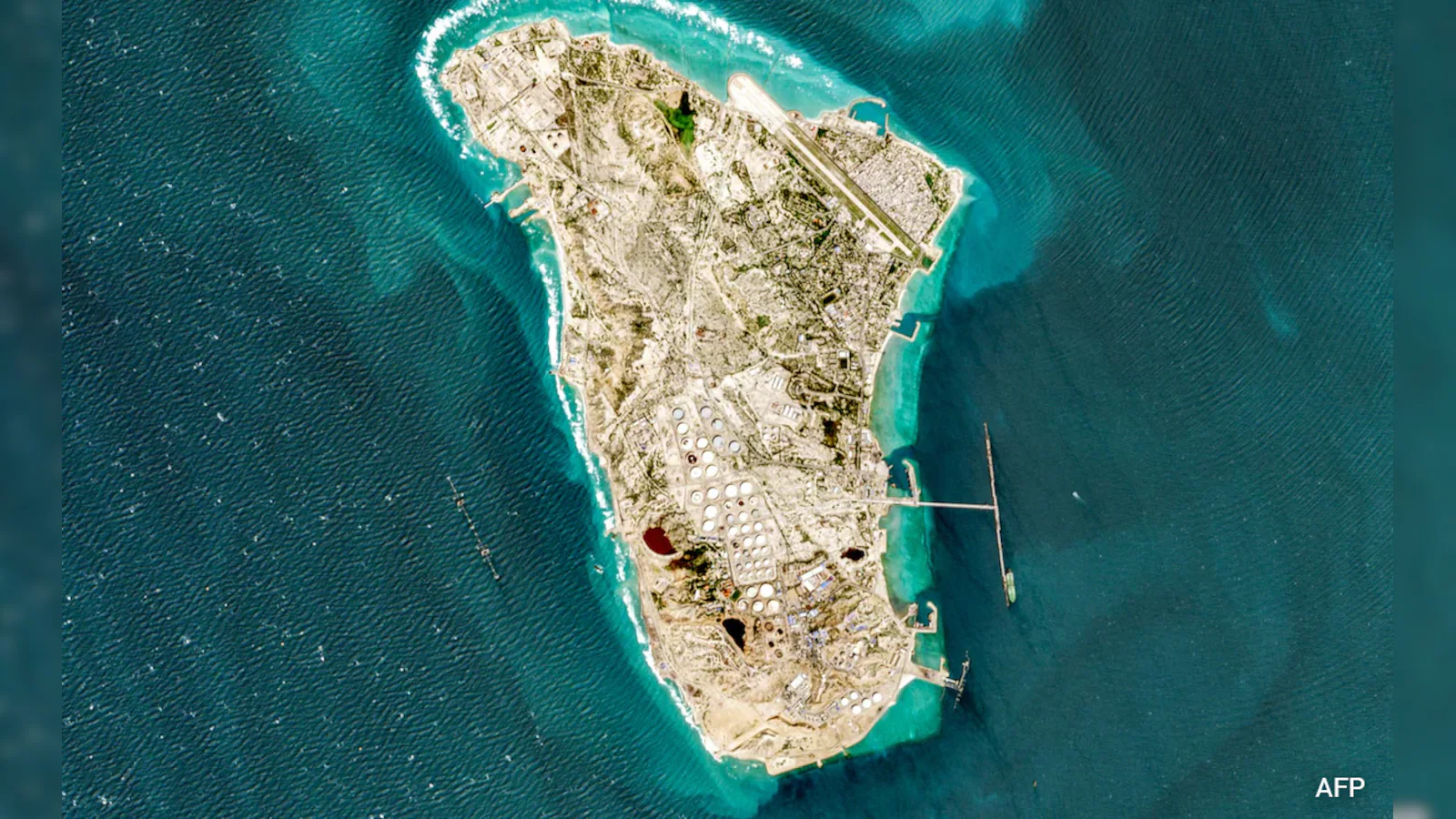
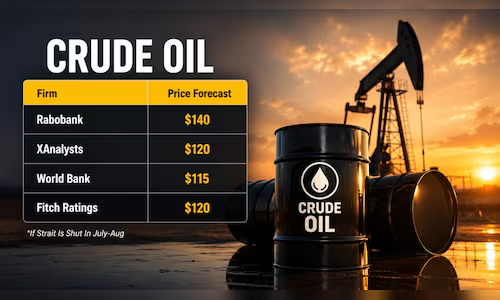
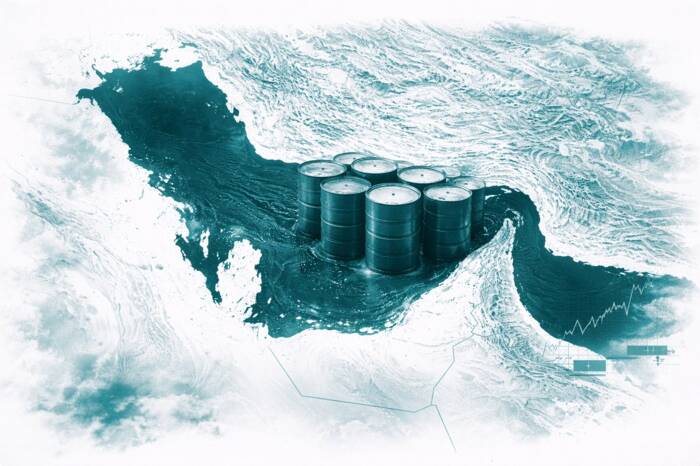
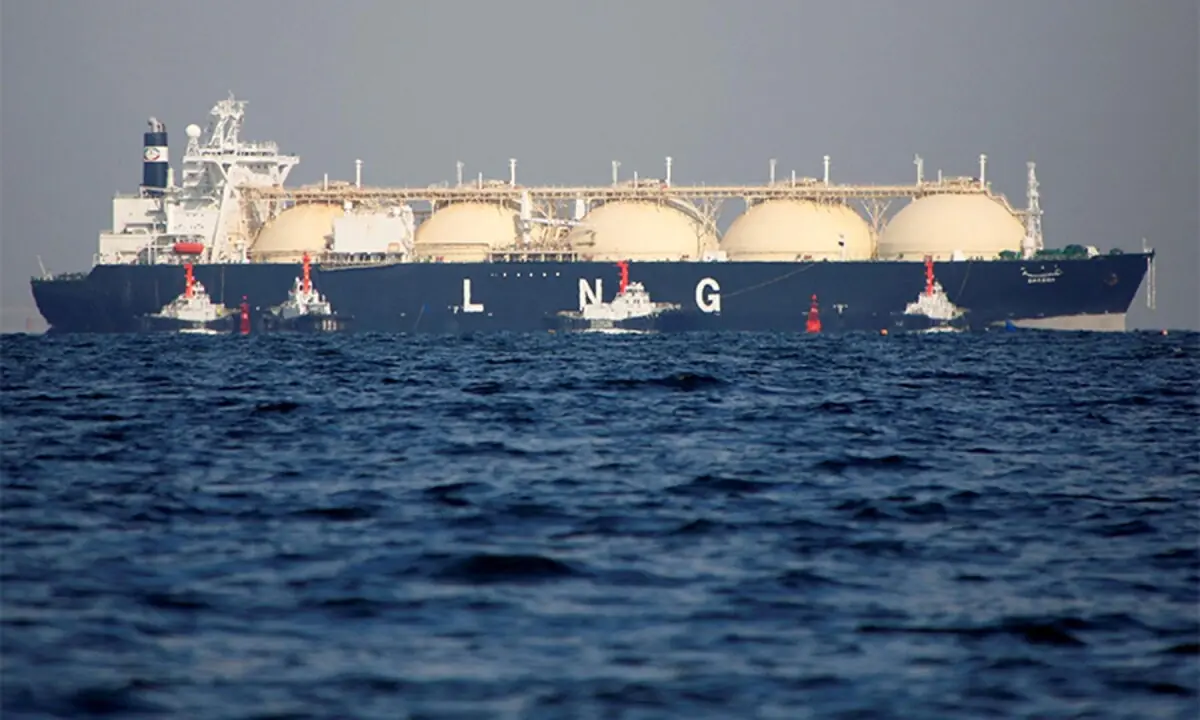
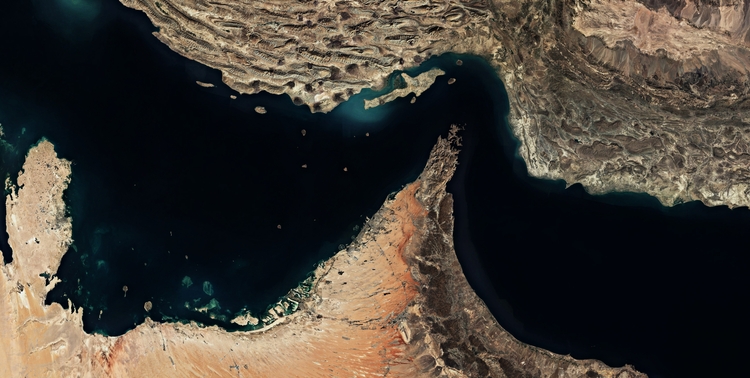
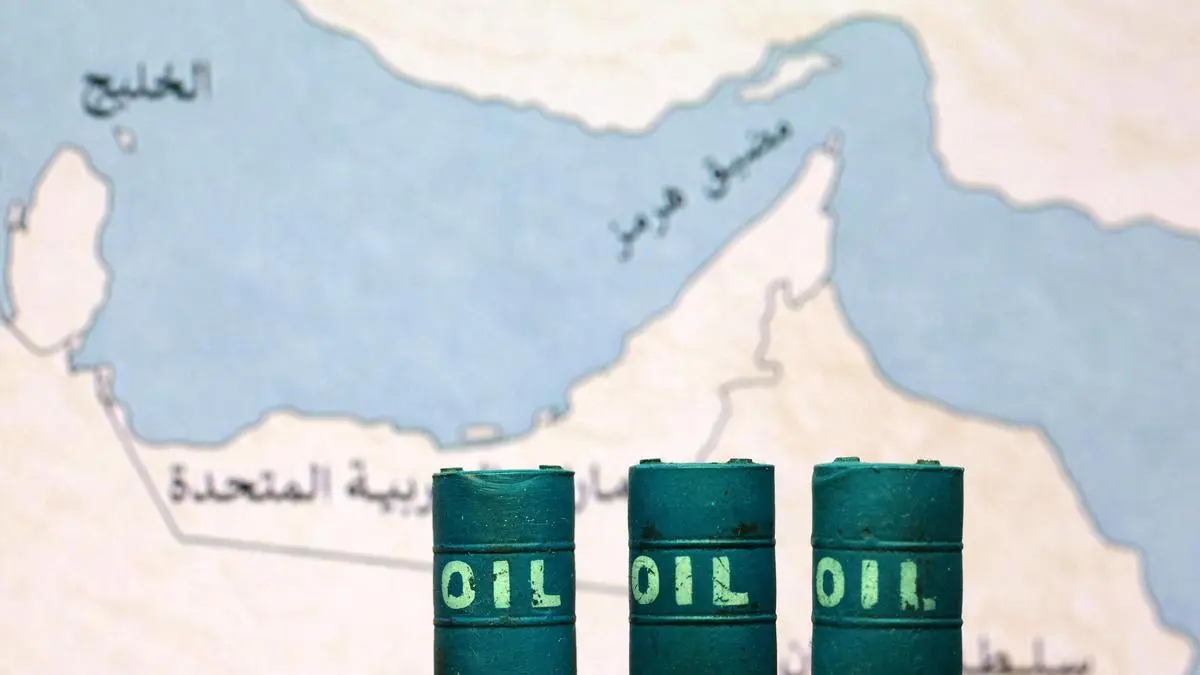
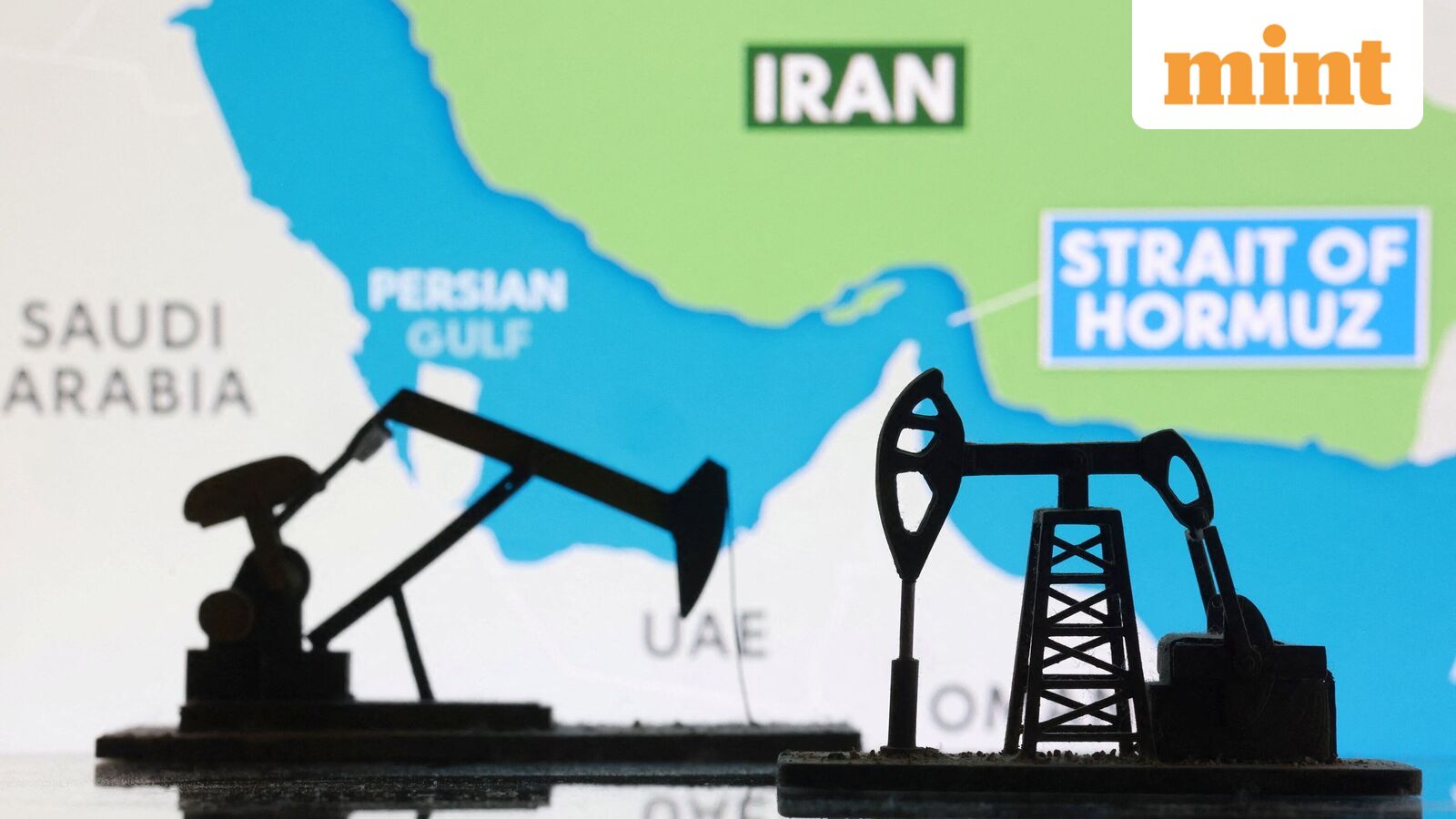
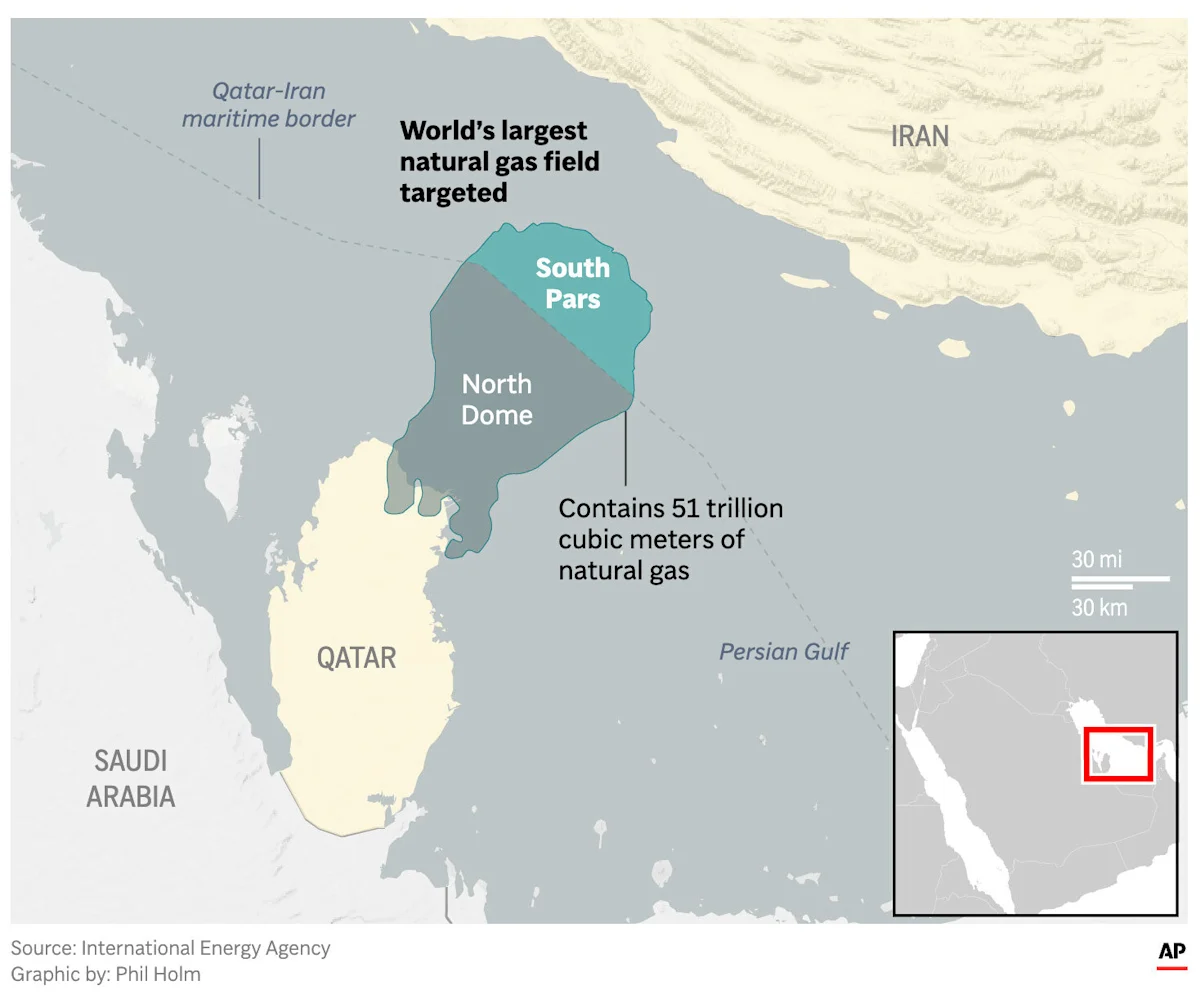
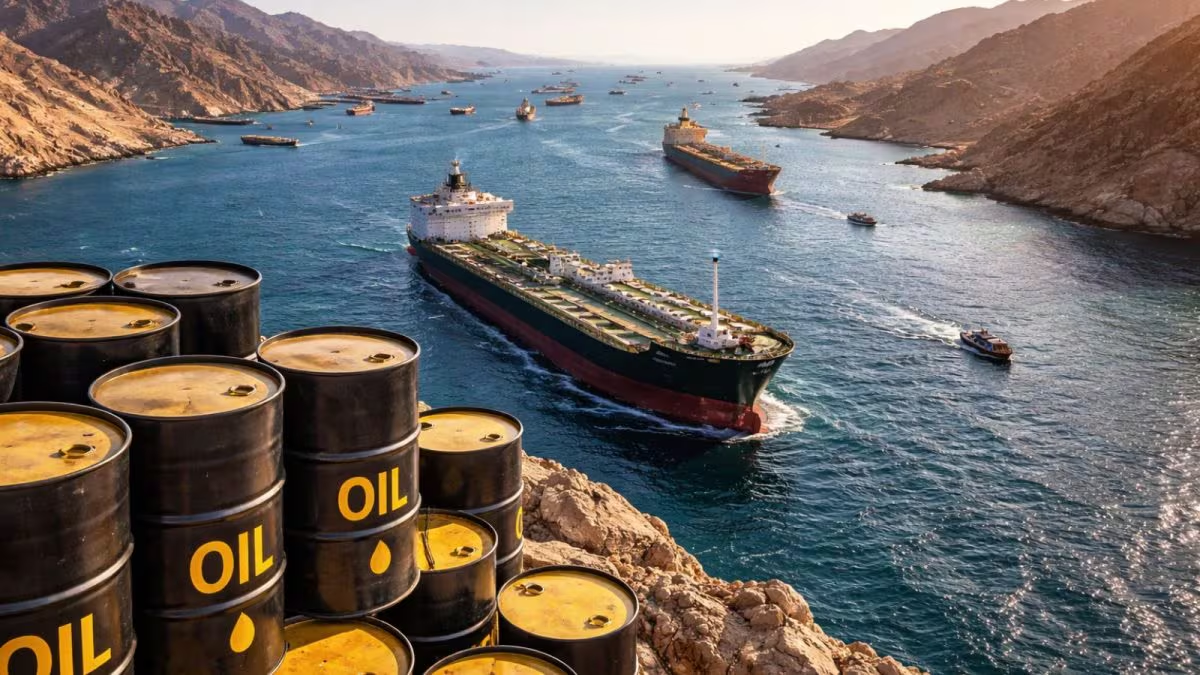
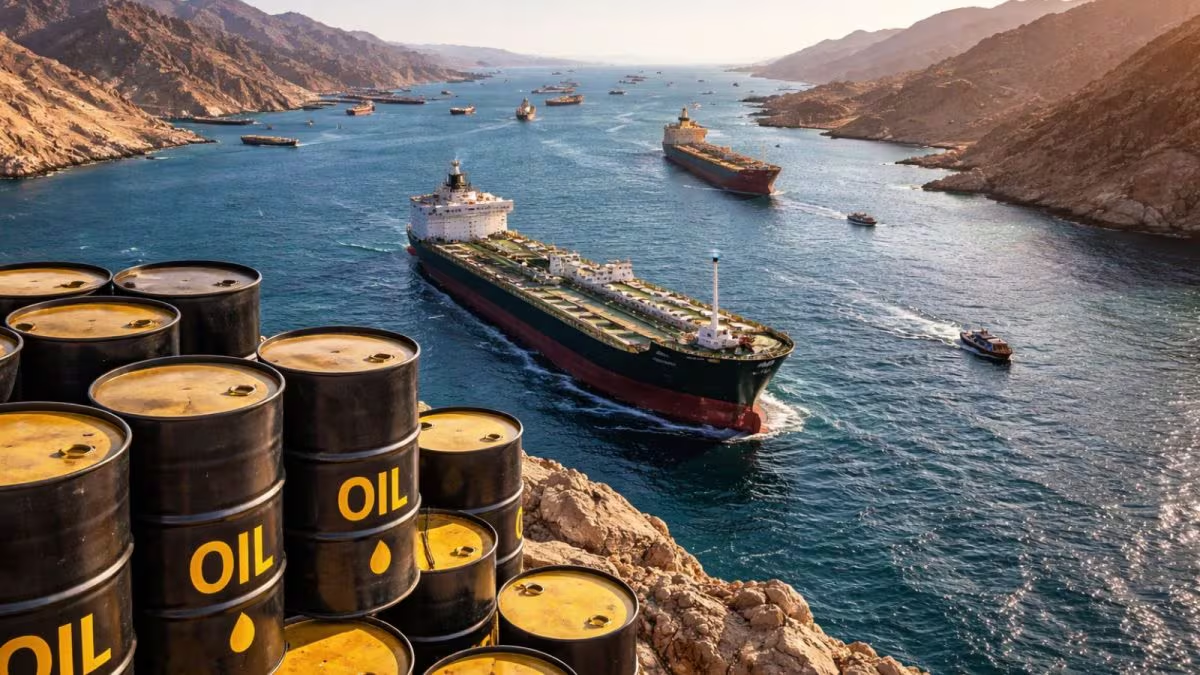
The Iran conflict closed the Strait of Hormuz, sending fertiliser prices soaring and diverting demand to other producers like Nigeria, which is ramping up urea exports to fill the gap.
Nigeria’s fertiliser producers are capitalising on the tight market, with shipments heading to Brazil, the United States, India, Ethiopia, and Ukraine.
The surge in urea exports is a boon for Nigeria’s economy, boosting the country’s non-oil export earnings.
“When you talk about 16,000 tons of fertilizer, it’s about $6.5 million to $7 million in revenue that will be coming into the country daily. With our export programme, our company will be the major supplier of foreign exchange earnings in Nigeria.”
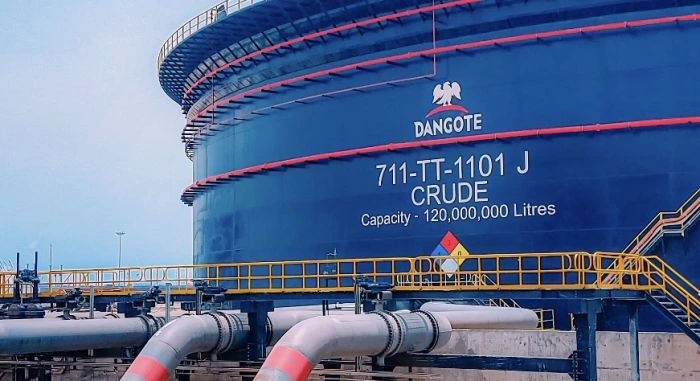
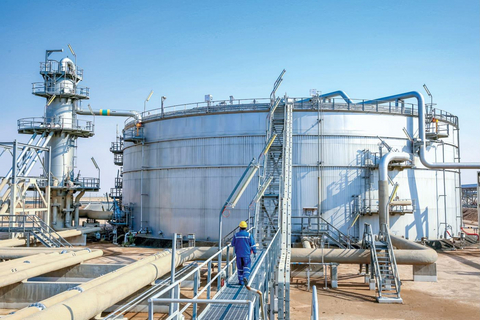
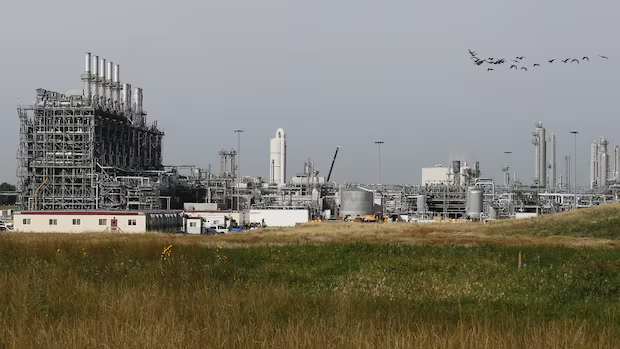
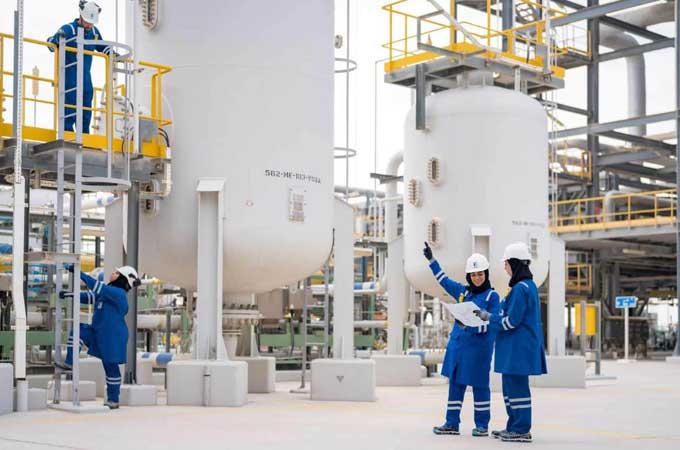
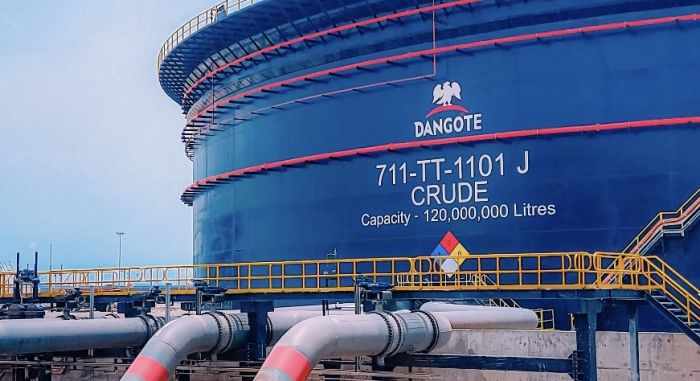
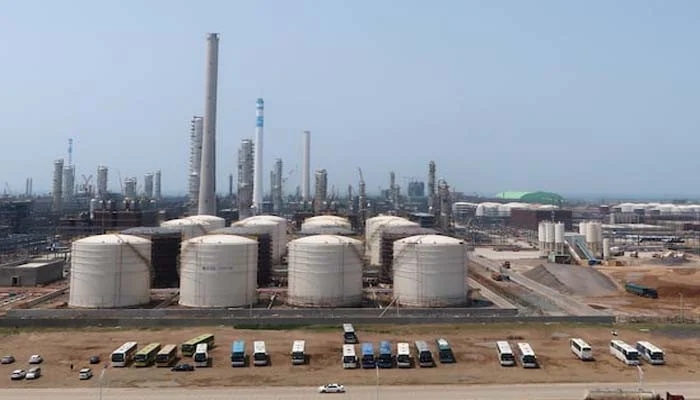
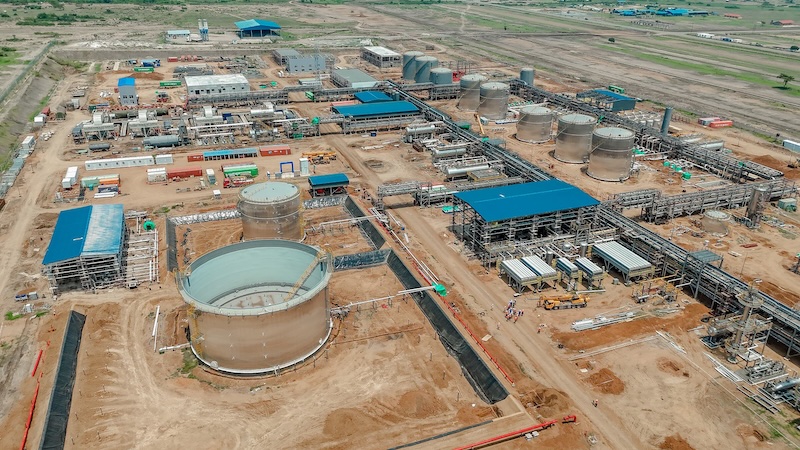
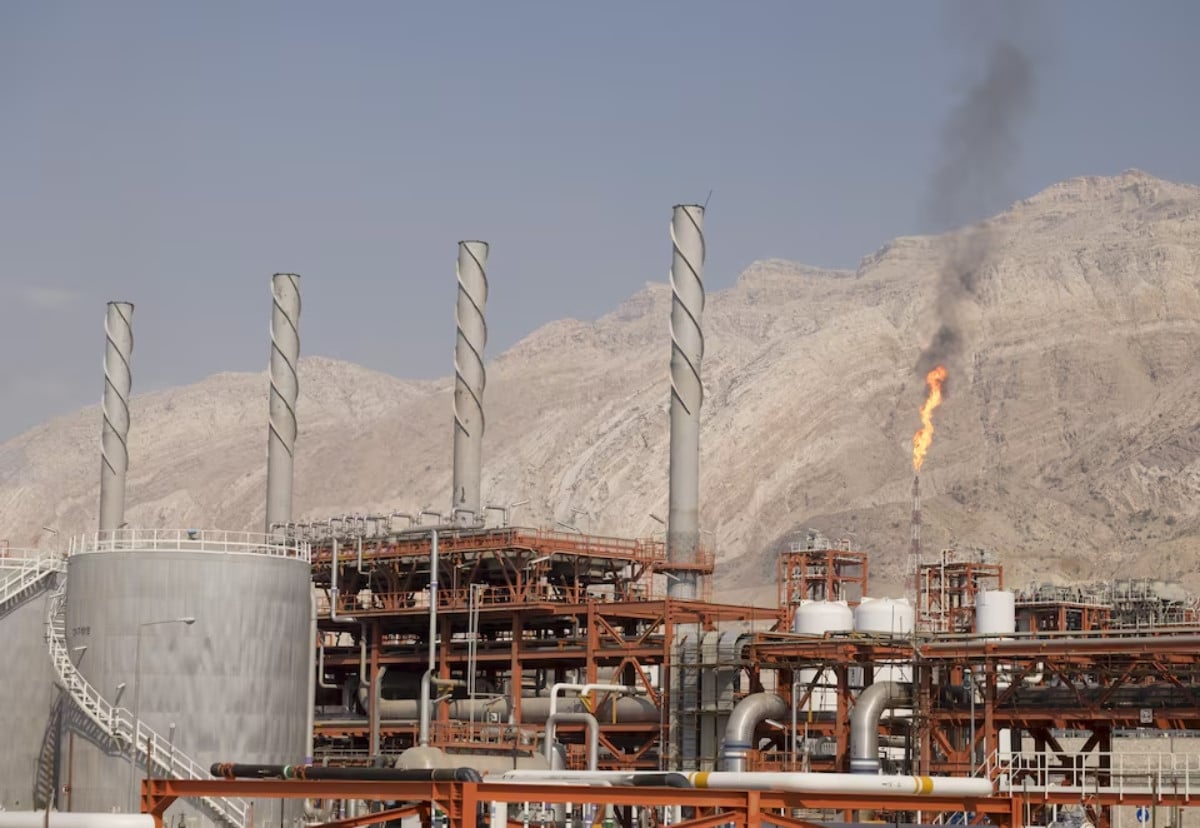
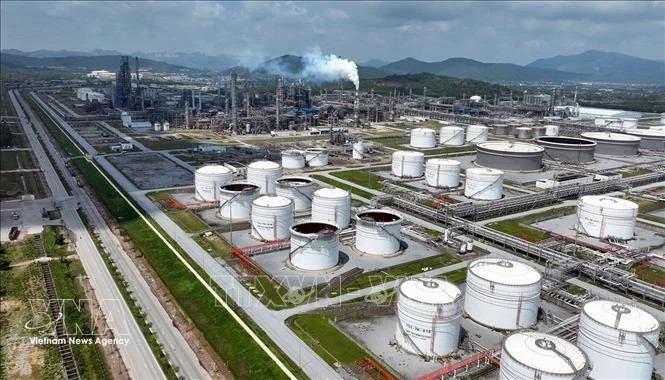
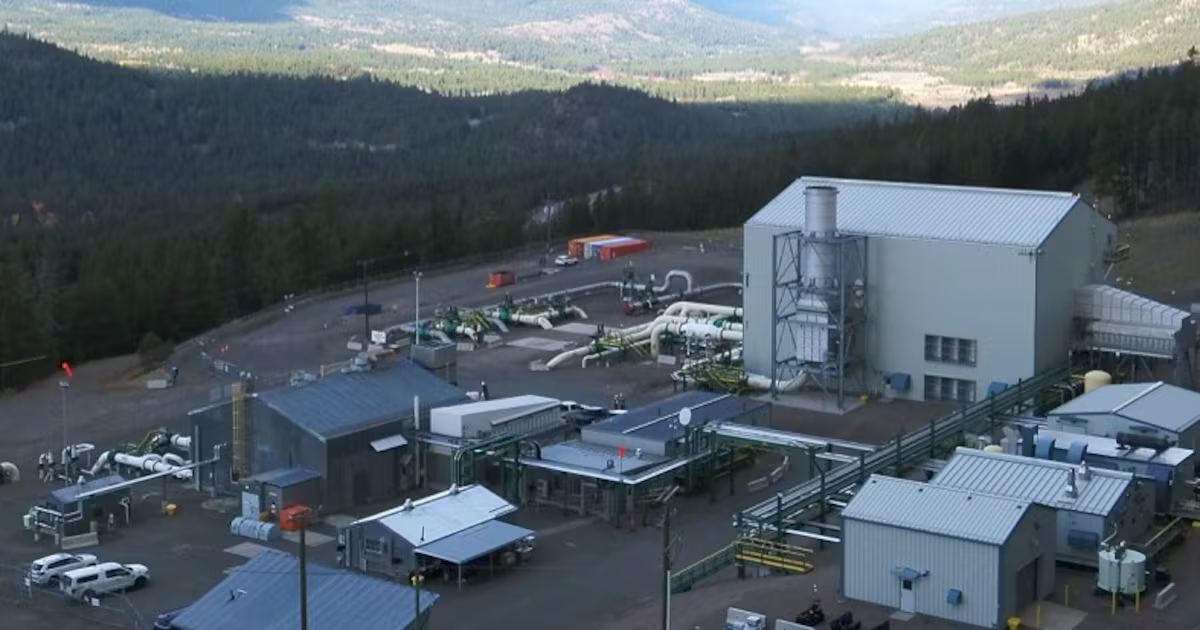
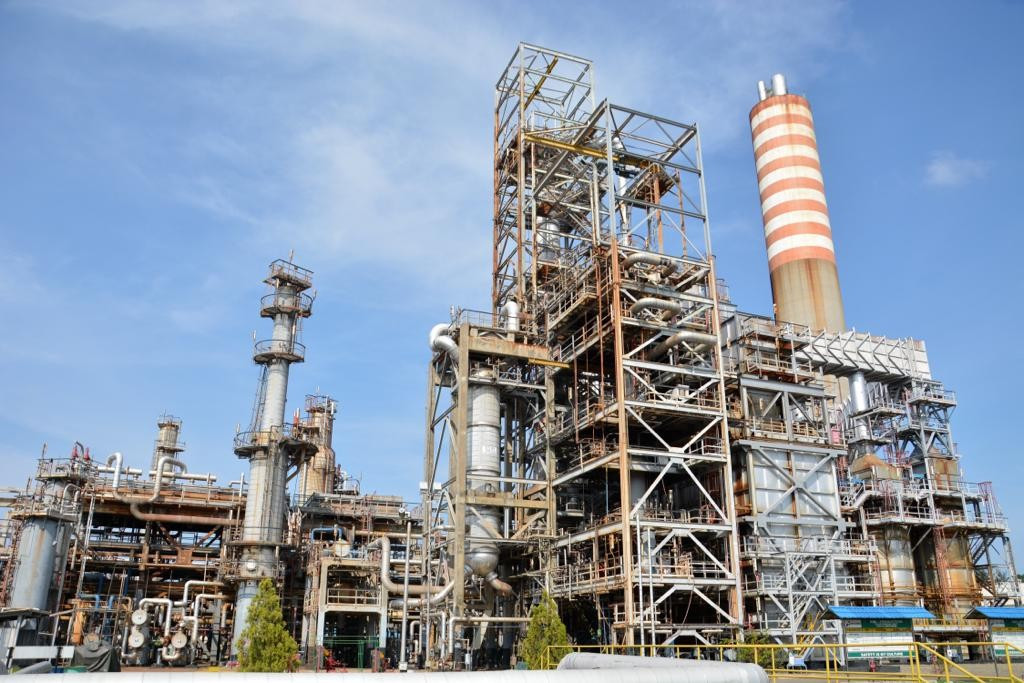
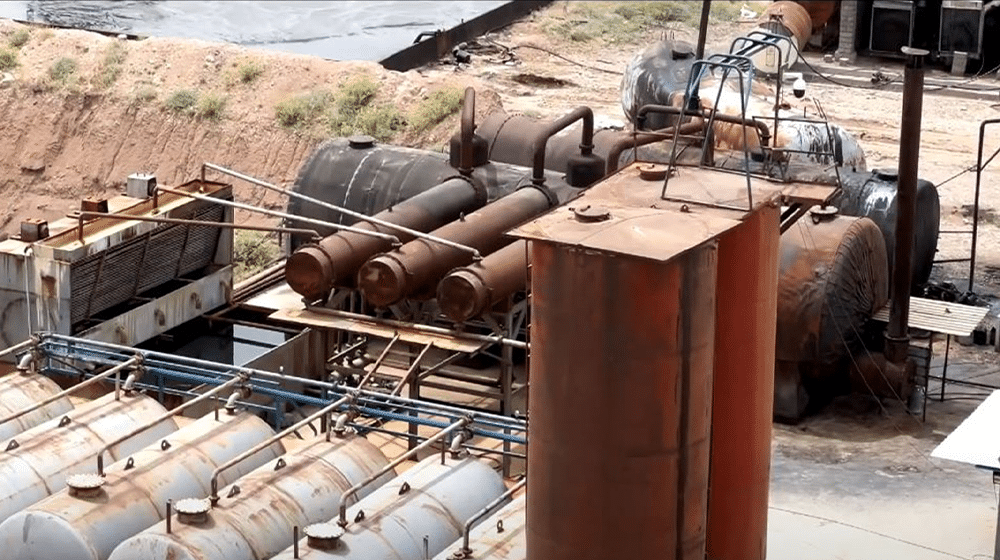
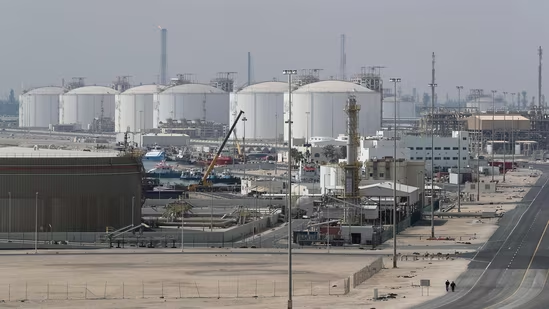
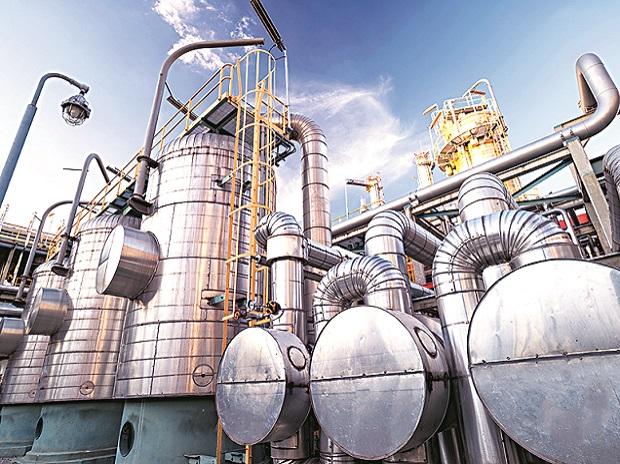
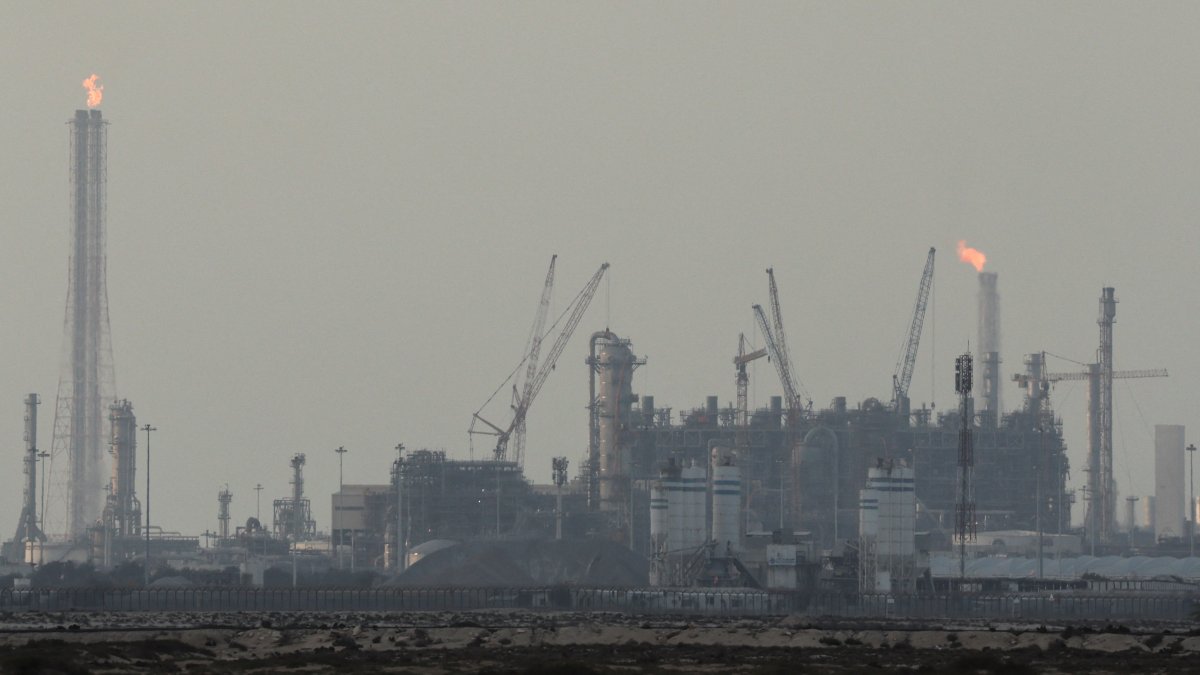
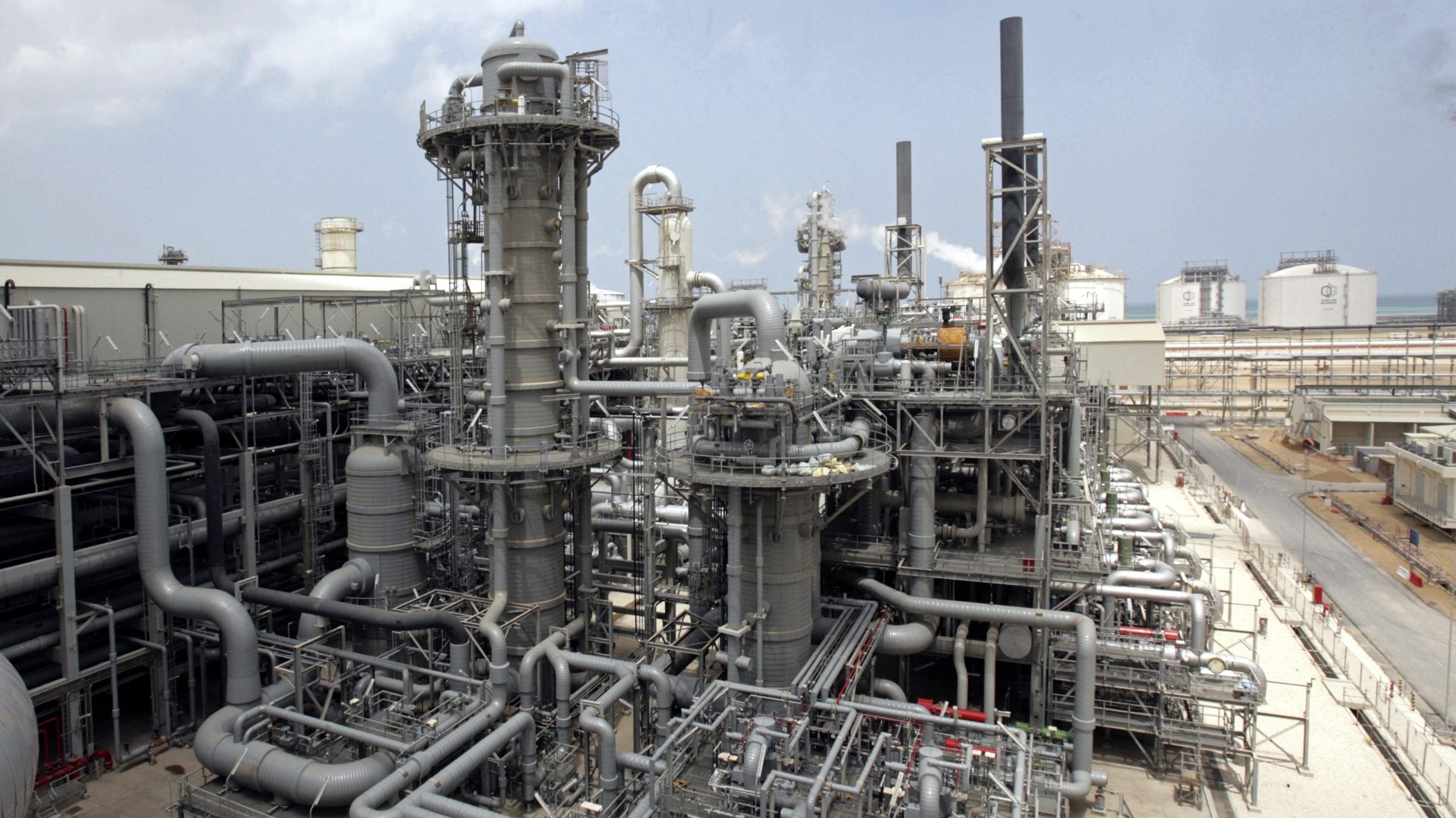
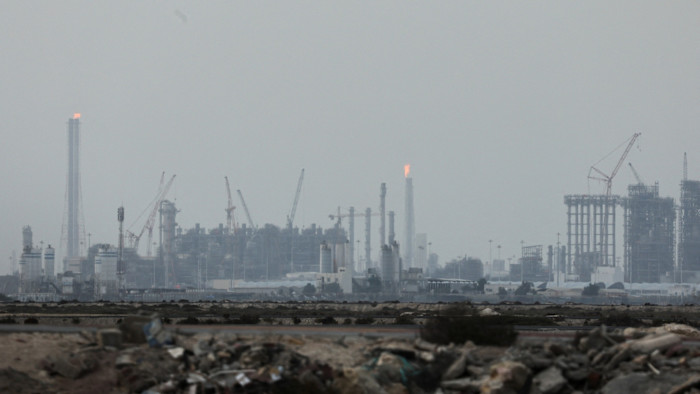
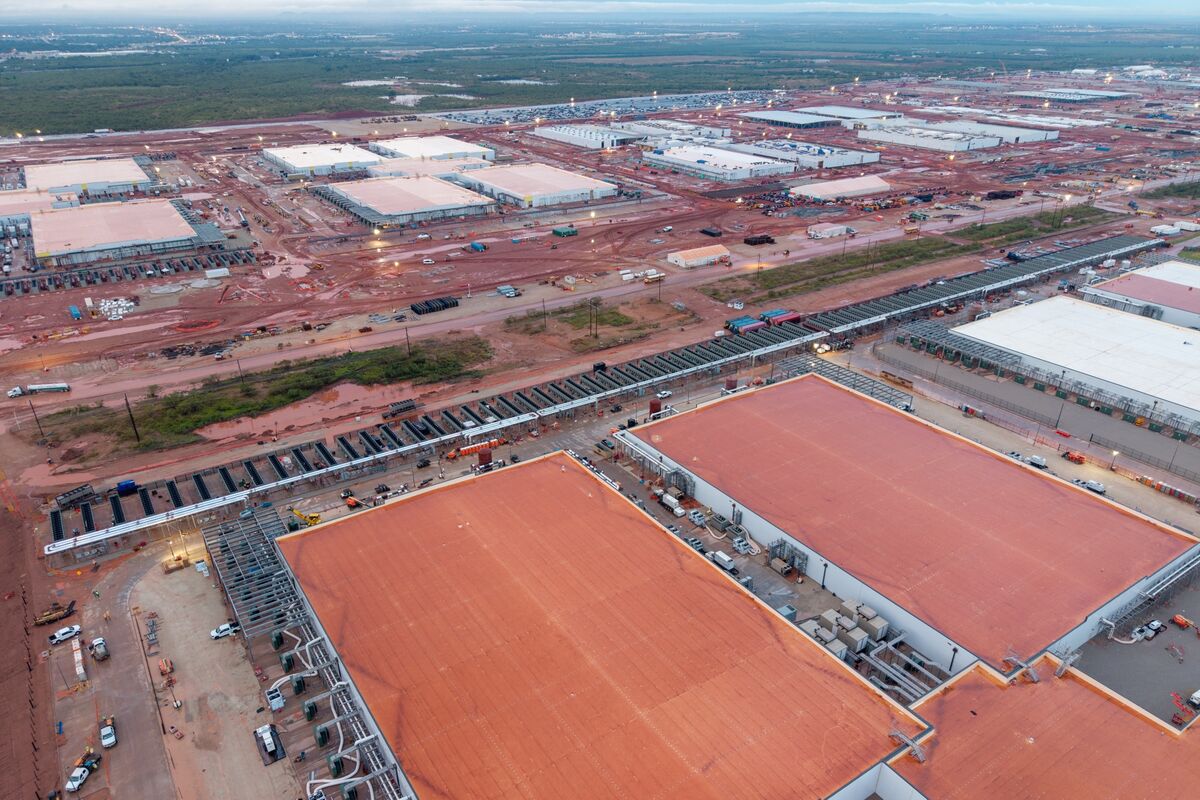
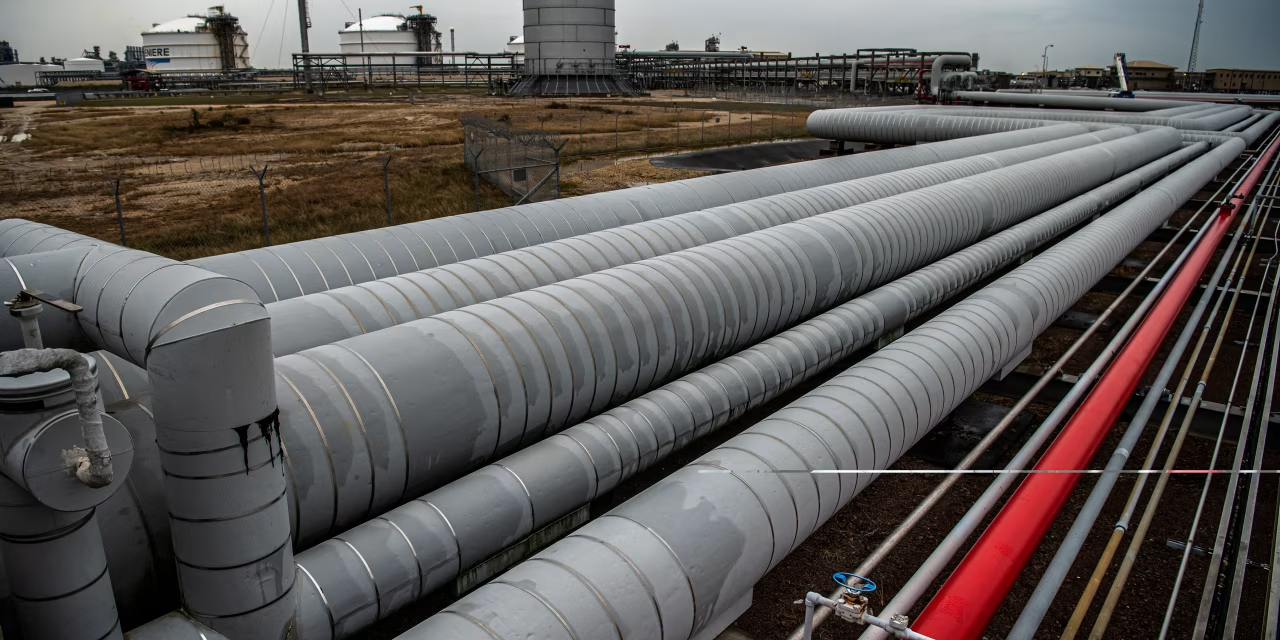
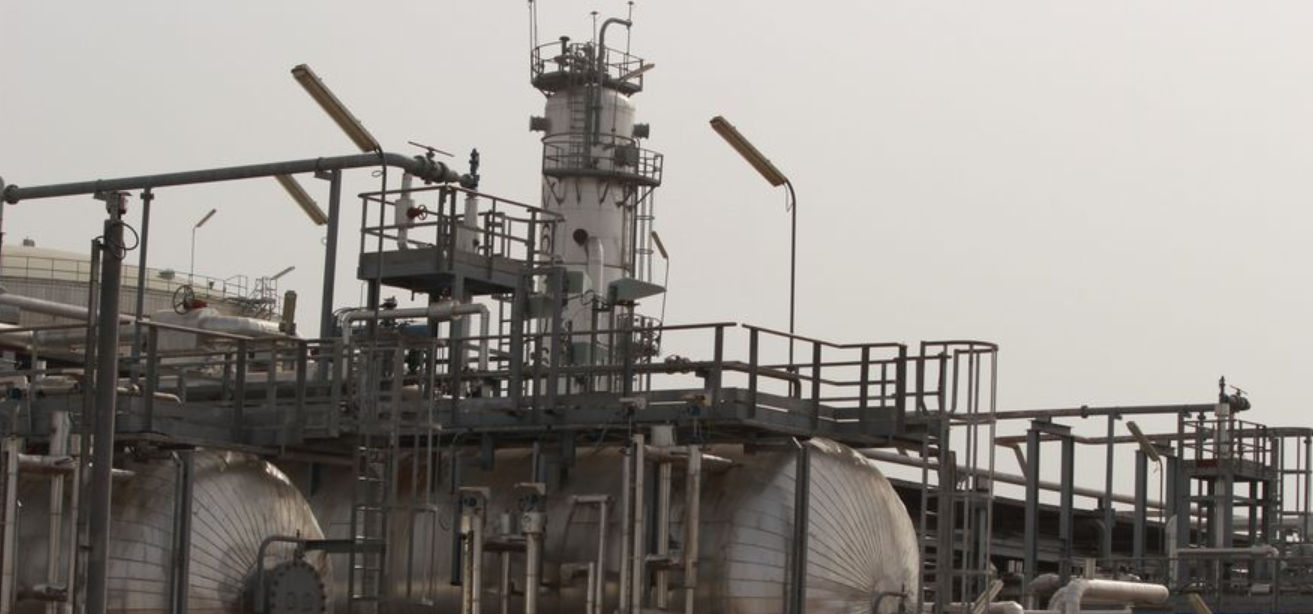
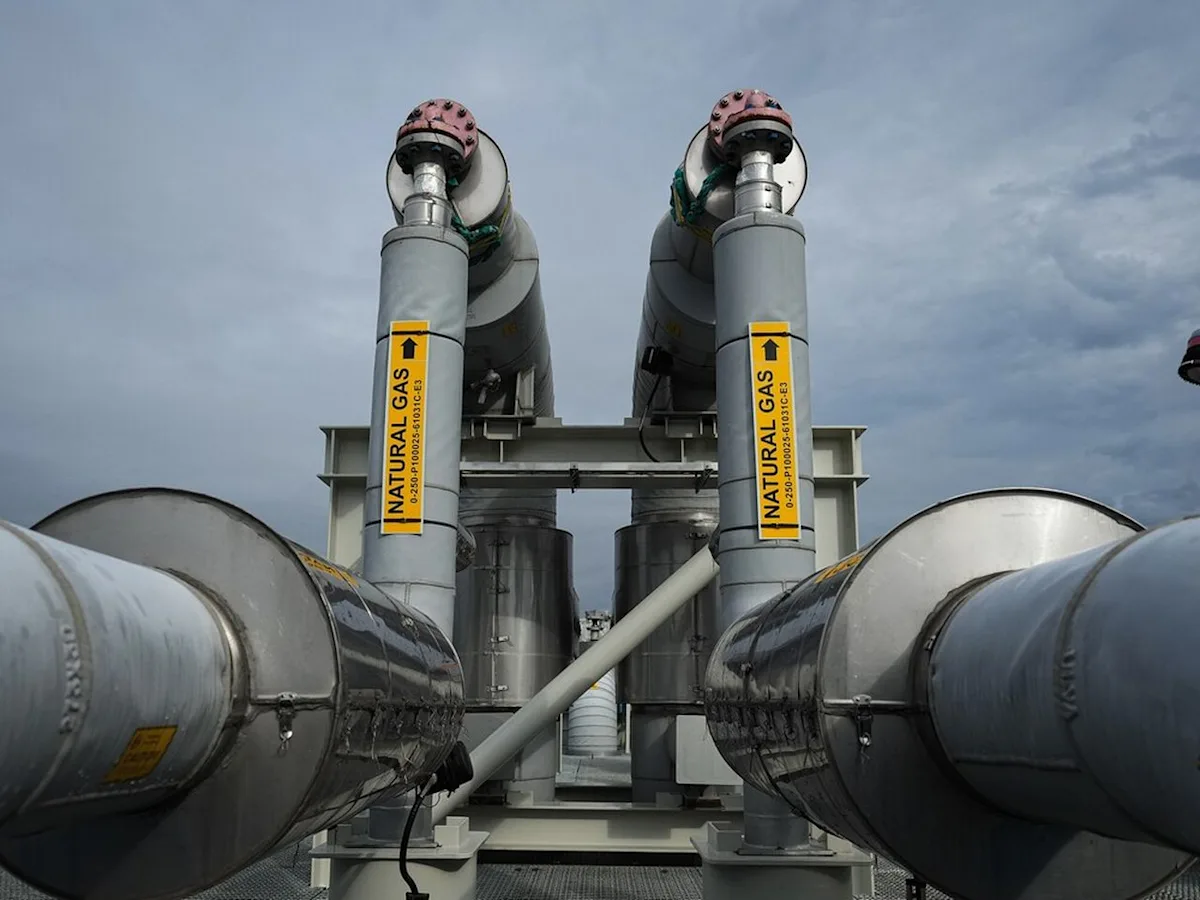
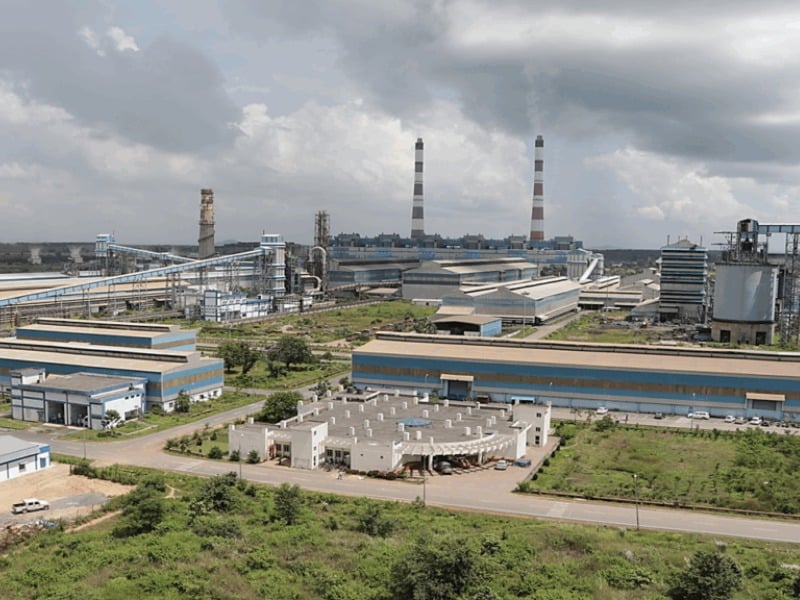
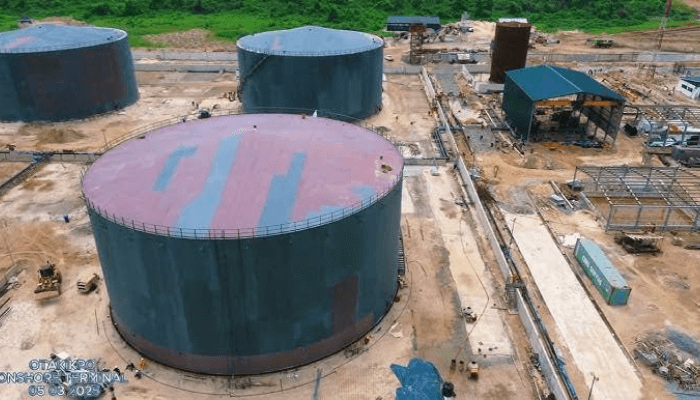
Nigeria has three urea production plants, namely Notore, Indorama, and Dangote, with a collective capacity of 6.5 million metric tons. These facilities are currently operational and collectively produced approximately 3.65 million Metric Tons (MT) of urea in 2023.
Cocoa
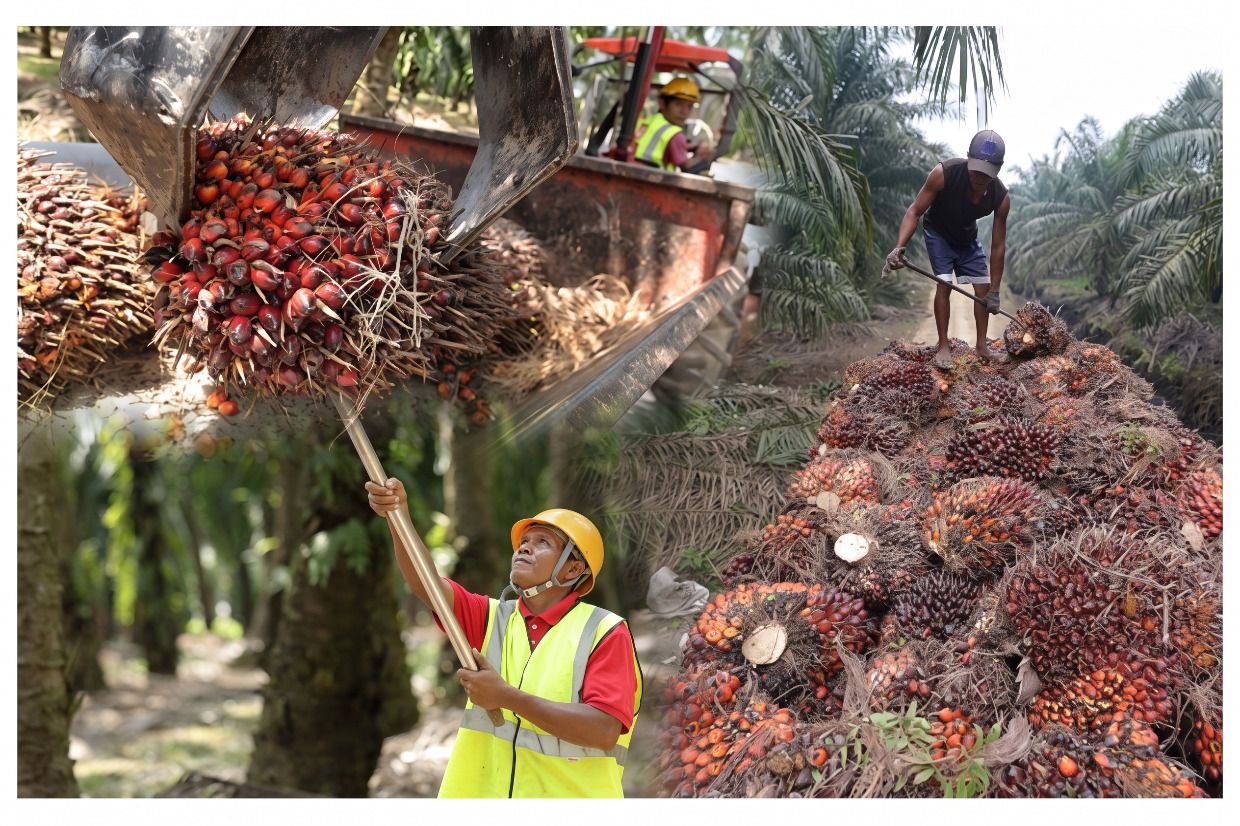
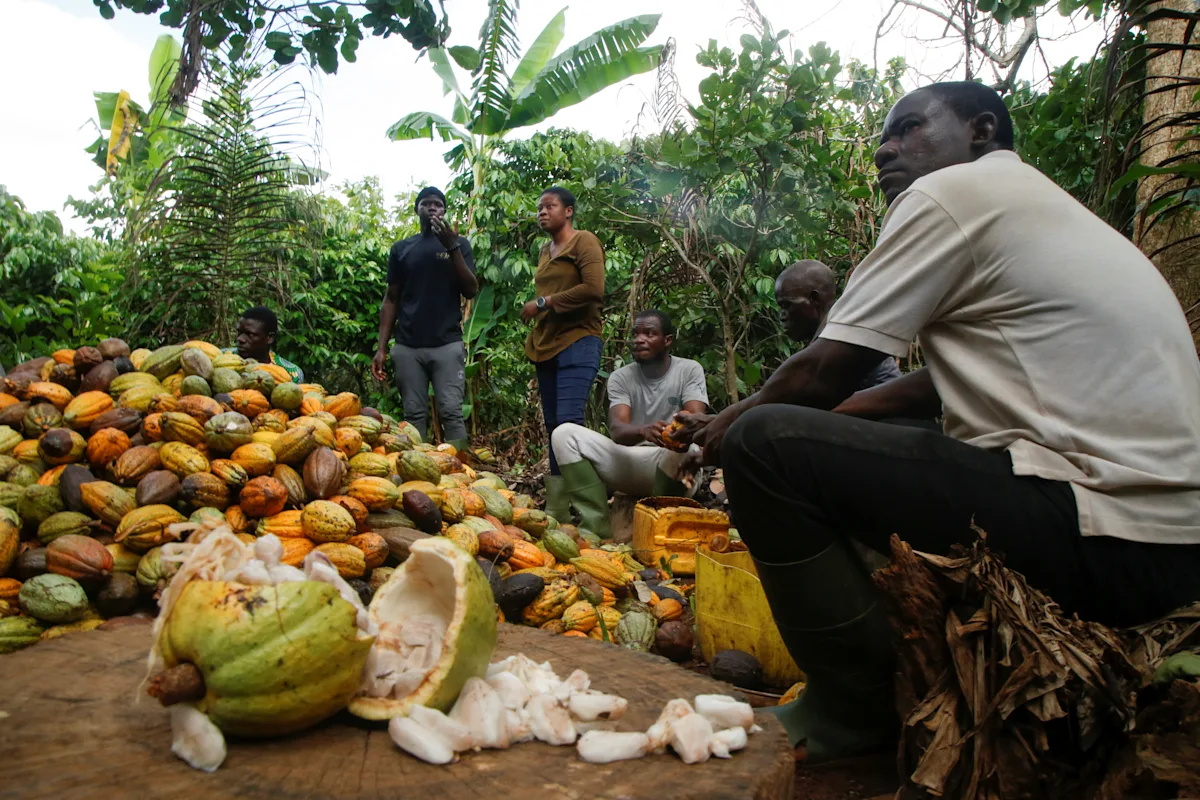
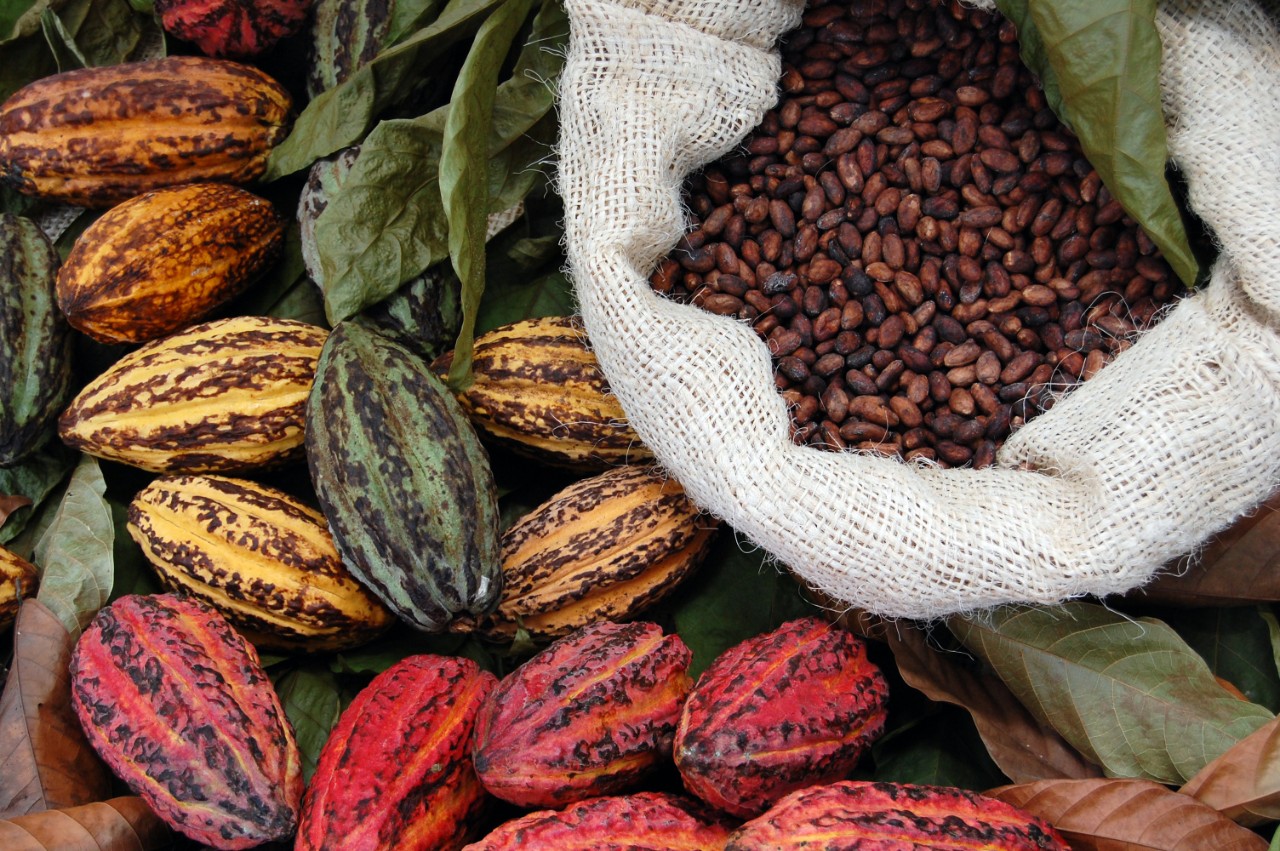
Cocoa, which remains one of the fastest-selling and most desirable agricultural commodities in the international market due to the rapid growth and expansion of chocolate confectioneries and other products, remains the country flagship export crop.
Nigeria is currently the world’s fourth largest producer of cocoa, with 280,000 metric tonnes in the 2022–2023 season, according to the International Cocoa Organisation’s latest data on global production and the third largest exporter, after Ivory Coast and Ghana.
Adeola Adegoke global president and founder, Cocoa and Coffee Farmers Alliance Association of Africa (COCEFAAA), explained that the country can generate more foreign exchange from cocoa with the right incentives.
“With the right policies, support put in place we can earn more from cocoa because Nigeria has the comparative advantage in cocoa,” Adegoke said.
He also emphasized that unlocking Nigeria’s cocoa potential requires the government to establish a dedicated regulatory body to oversee regulation, protect stakeholder interests, enforce environmental compliance, and drive long-term sector development.
Value addition is where the greater potential lies. If Nigeria fully processed all its cocoa, the country’s second-largest export earner after oil, into butter and cake before exporting, the country will earn over 10 times the value. The country earned N1.24trillion from cocoa exports in the first quarter of the year.
Lithium
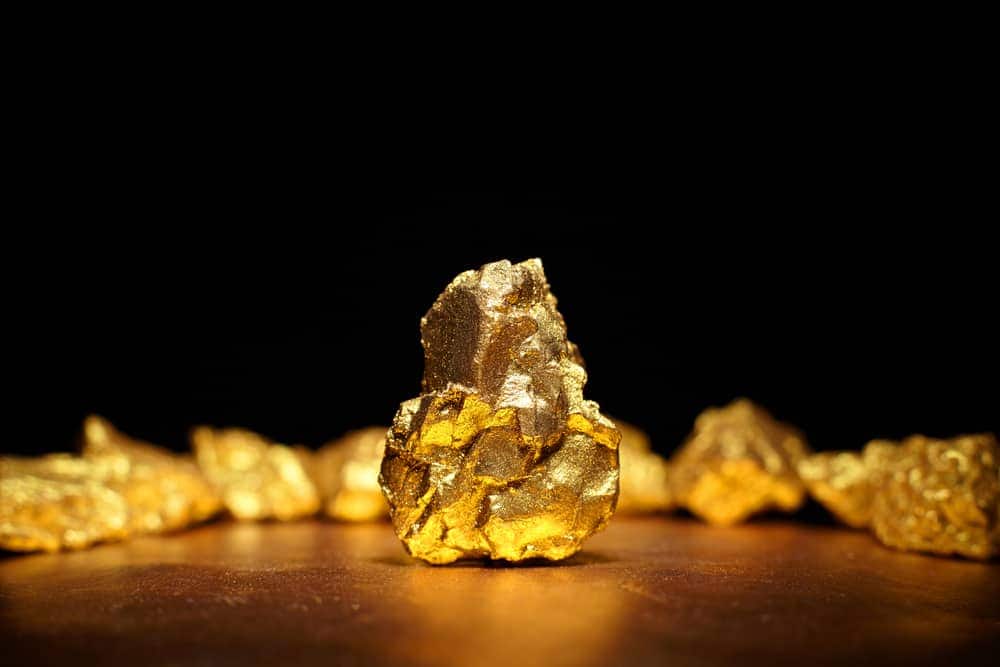
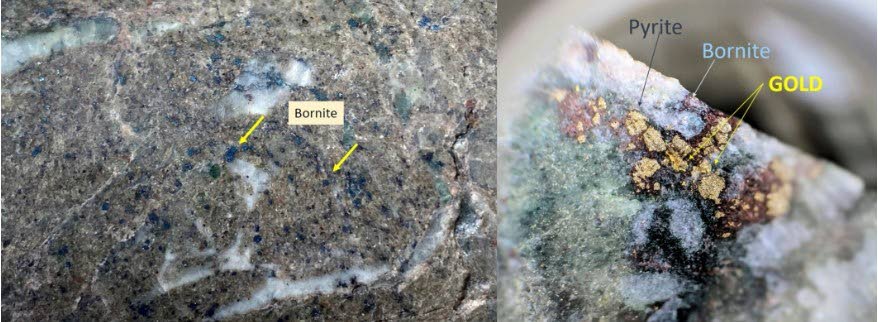
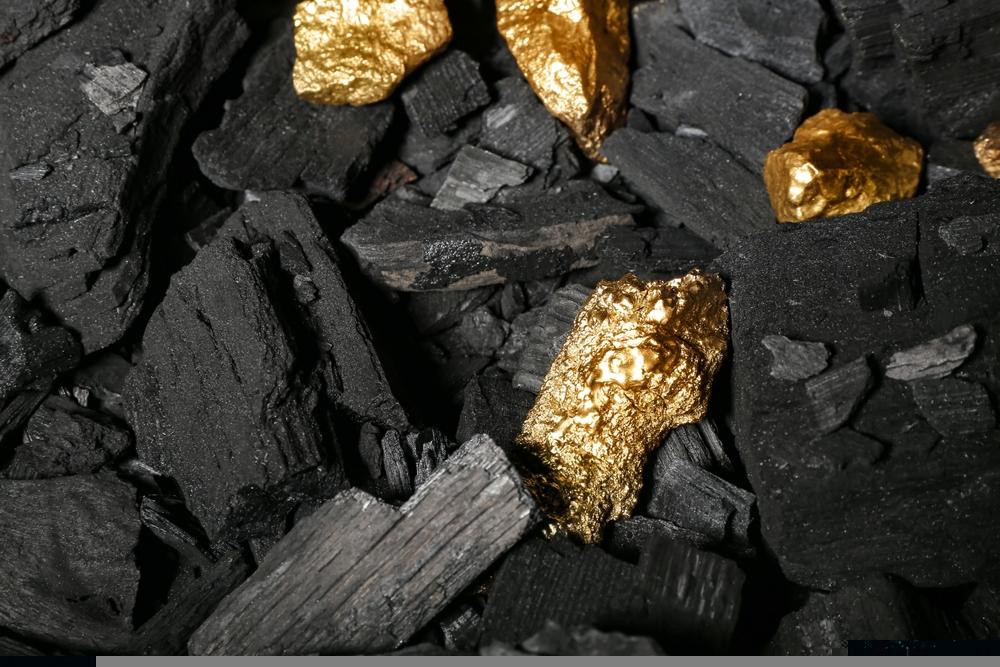
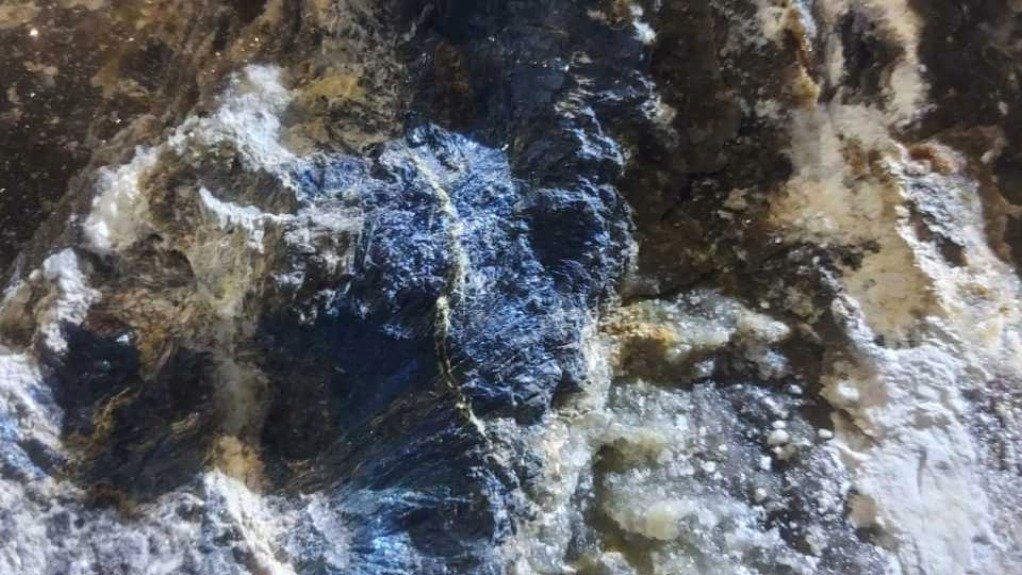
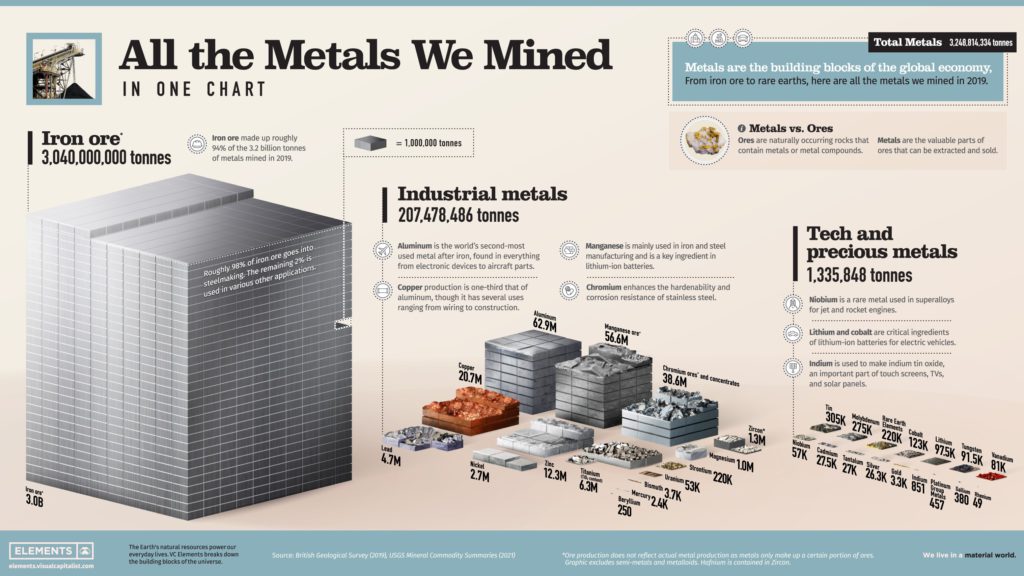
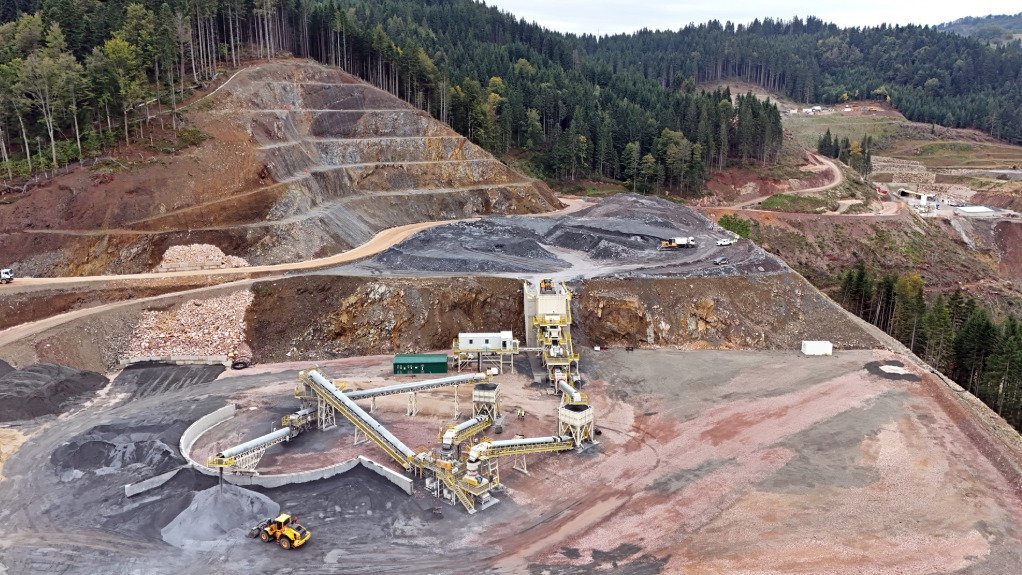
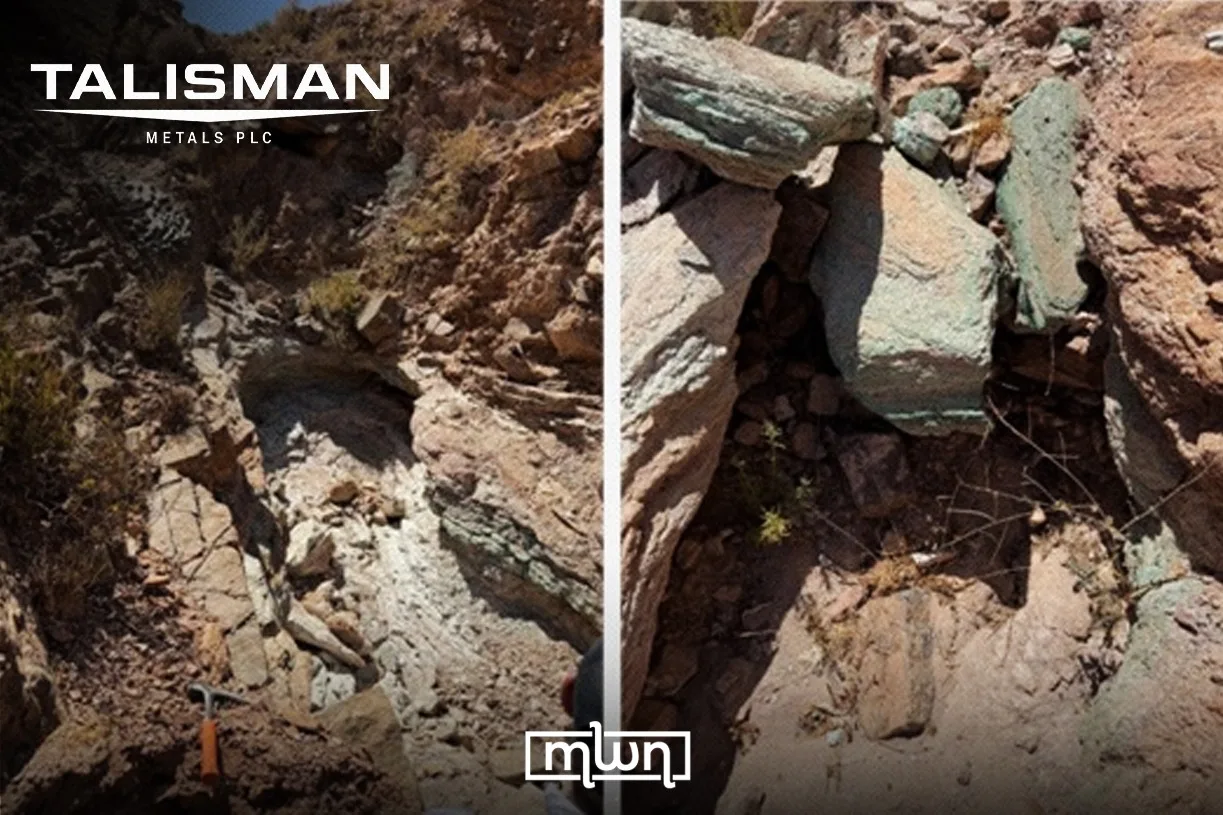
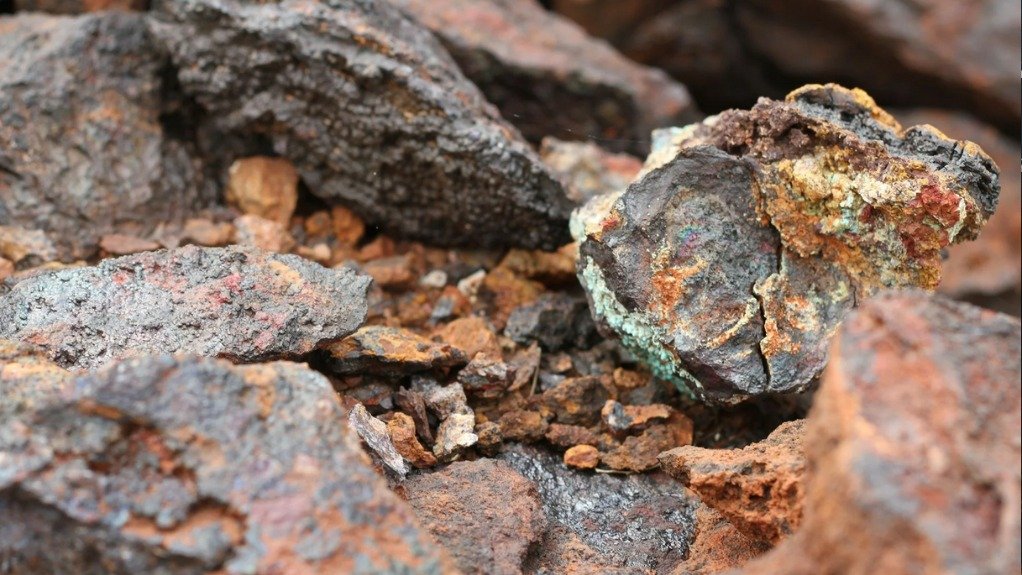
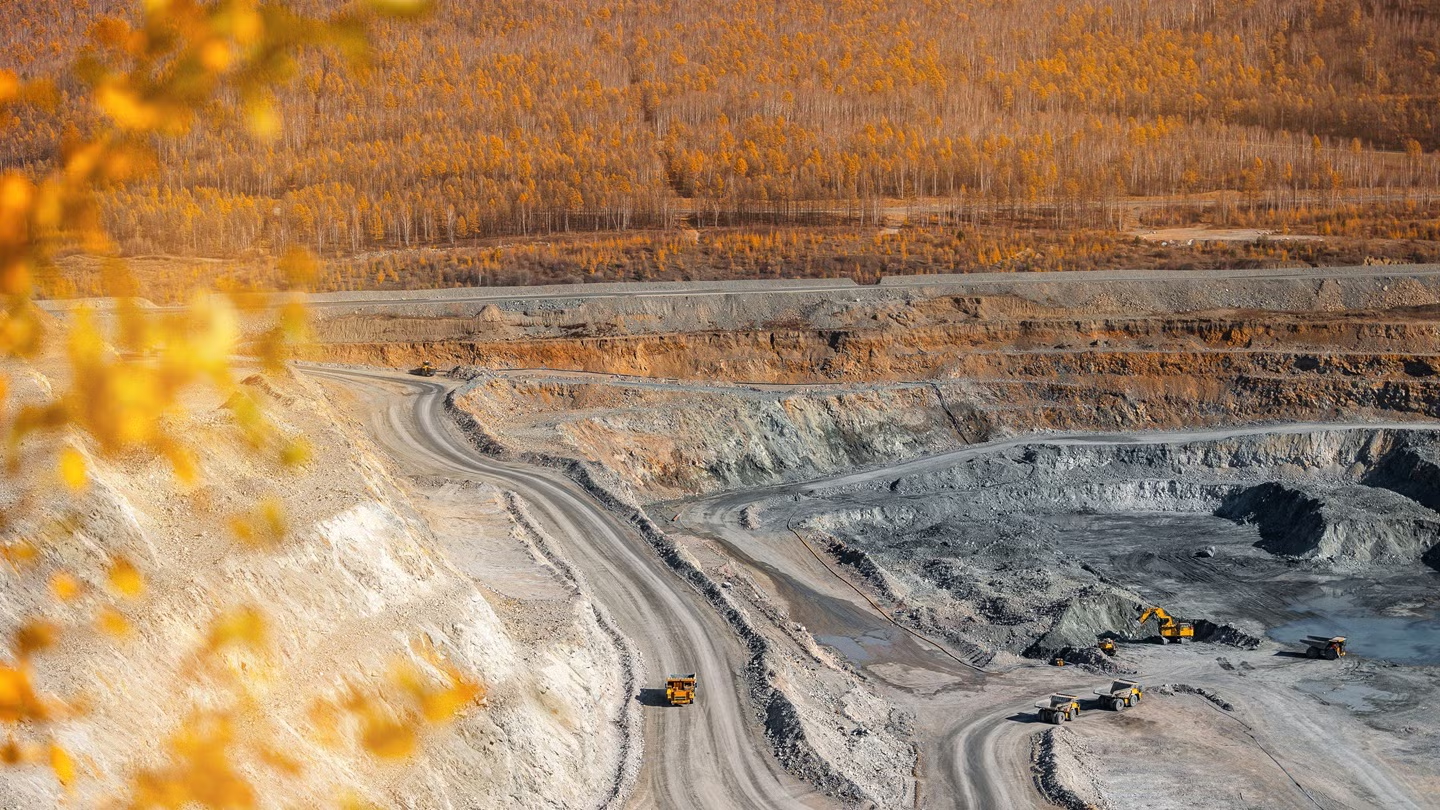
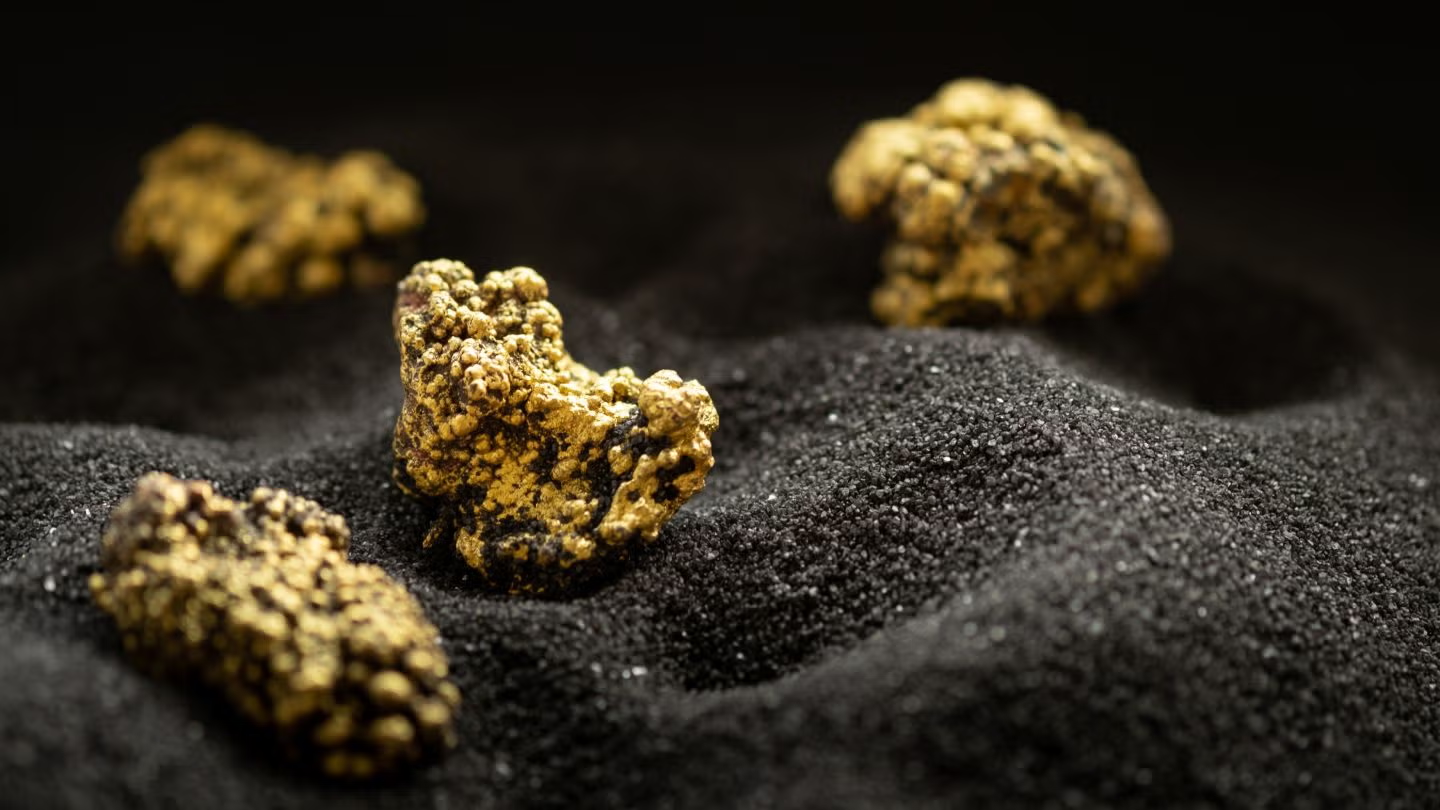
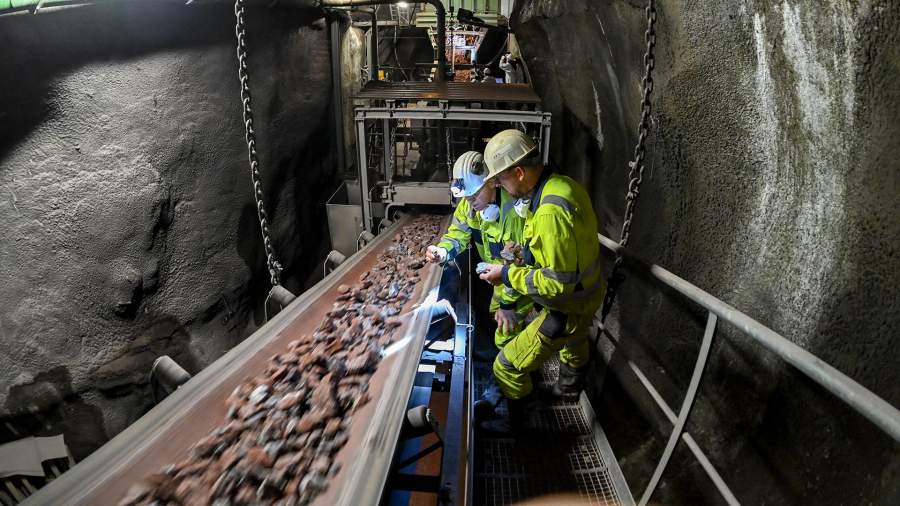
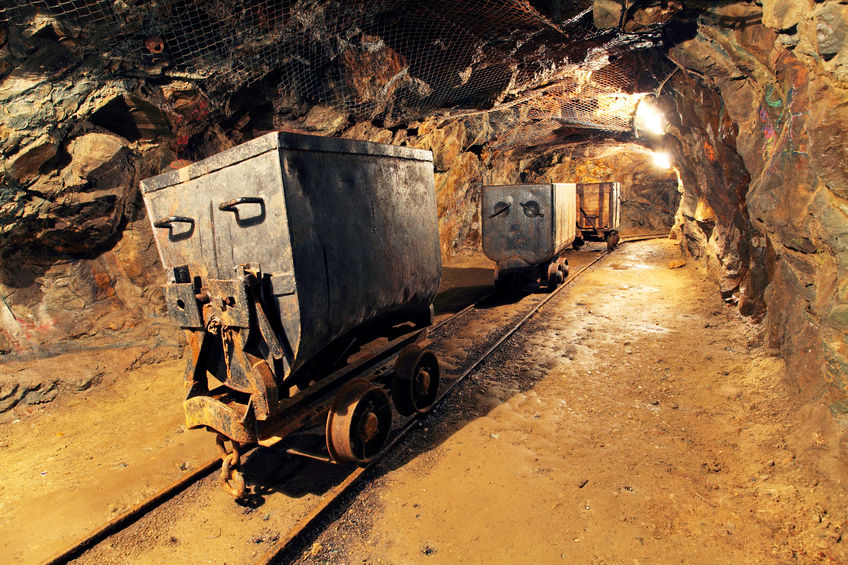
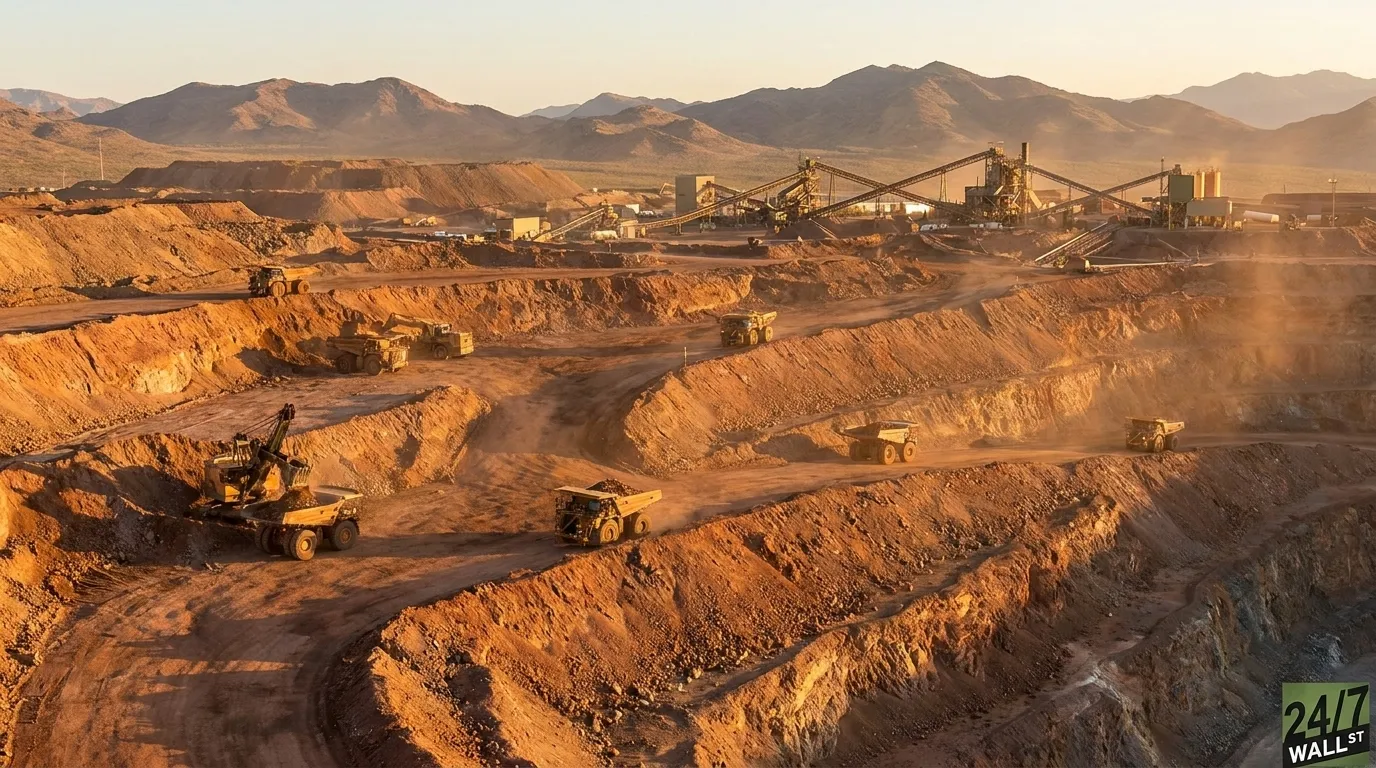
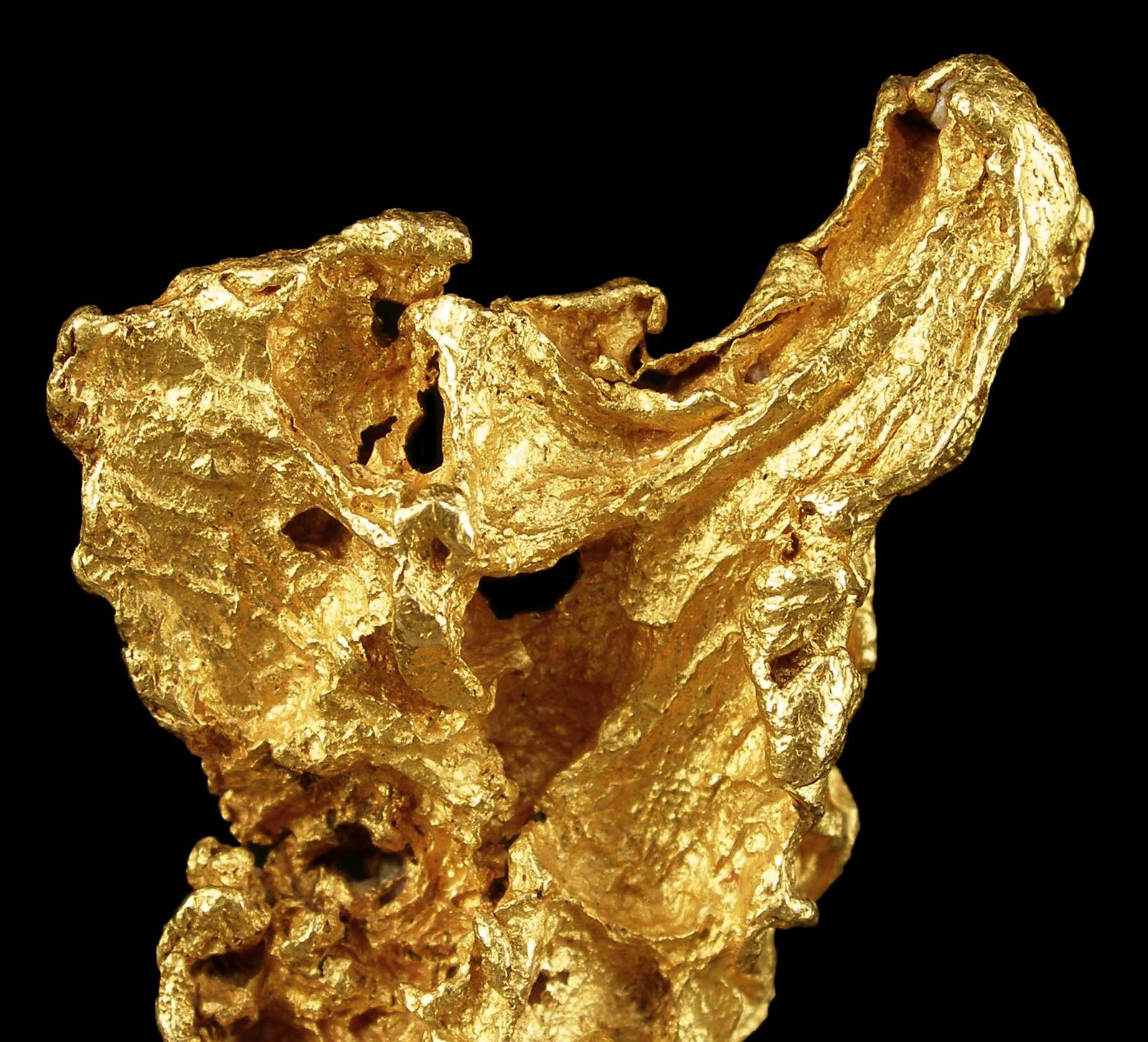
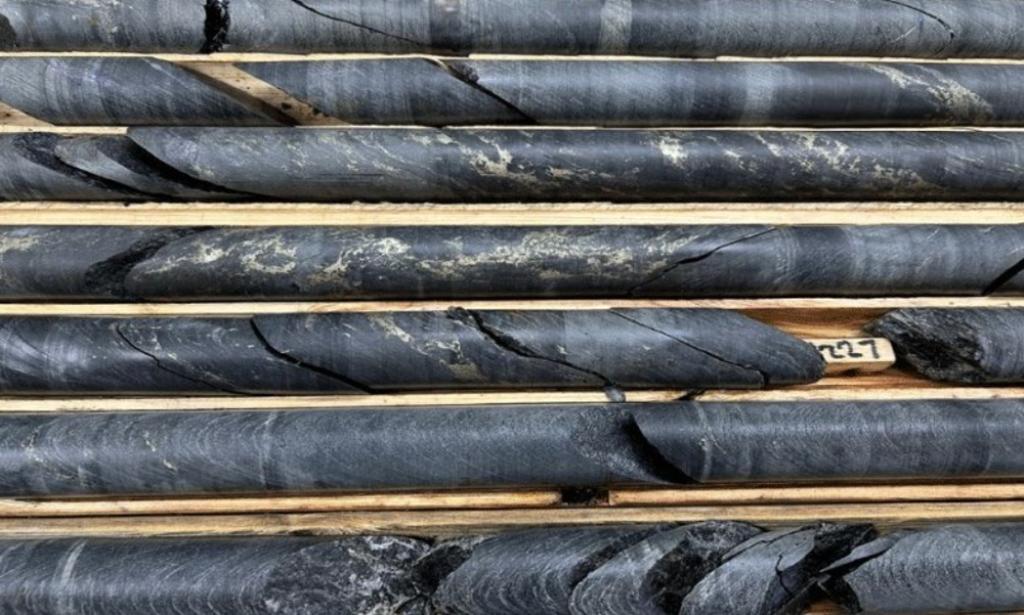
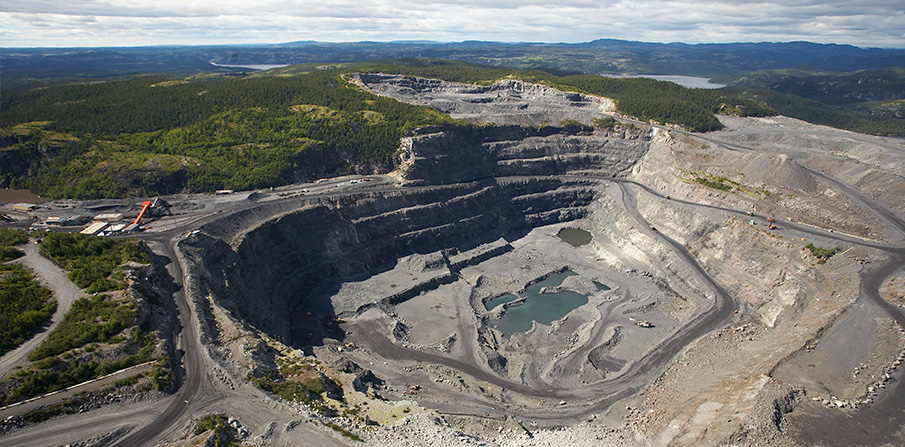
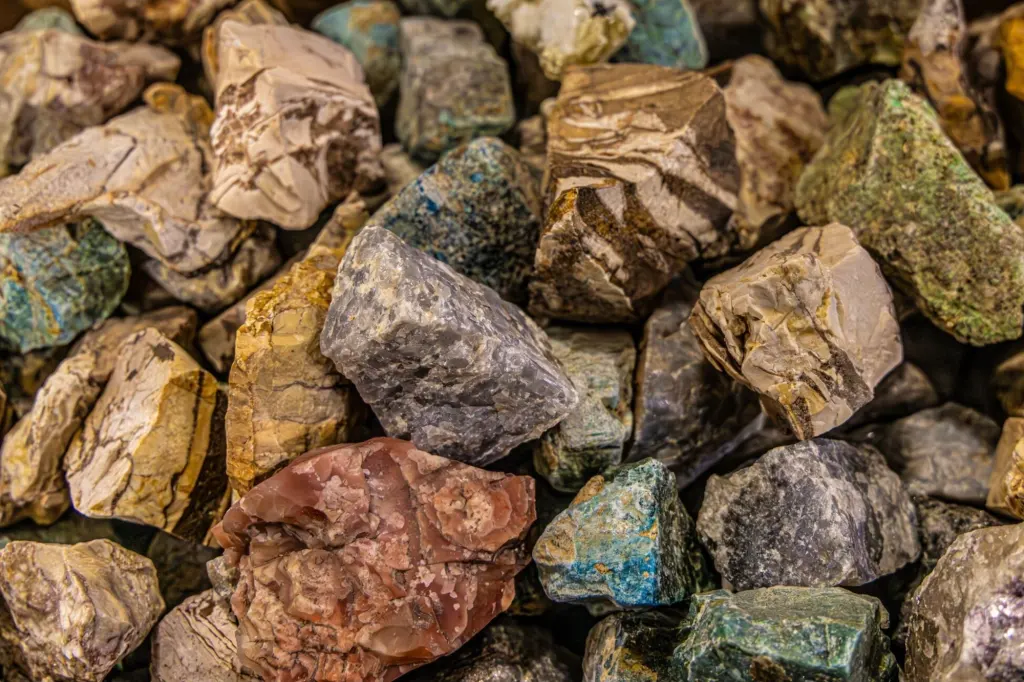
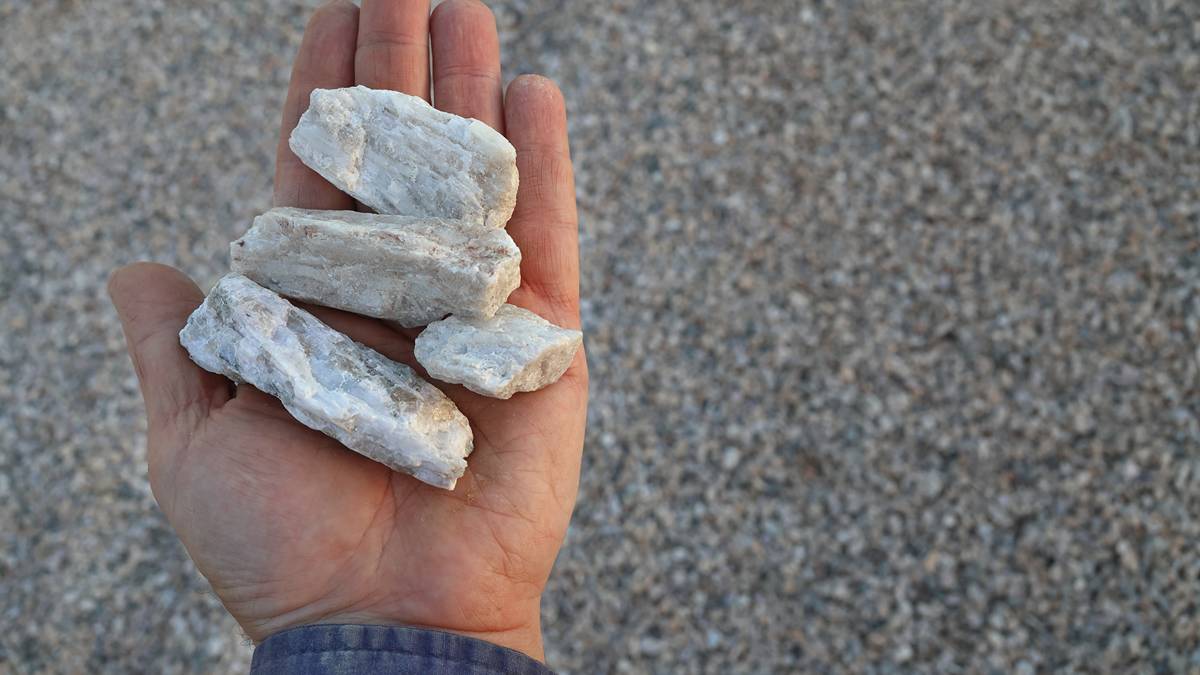
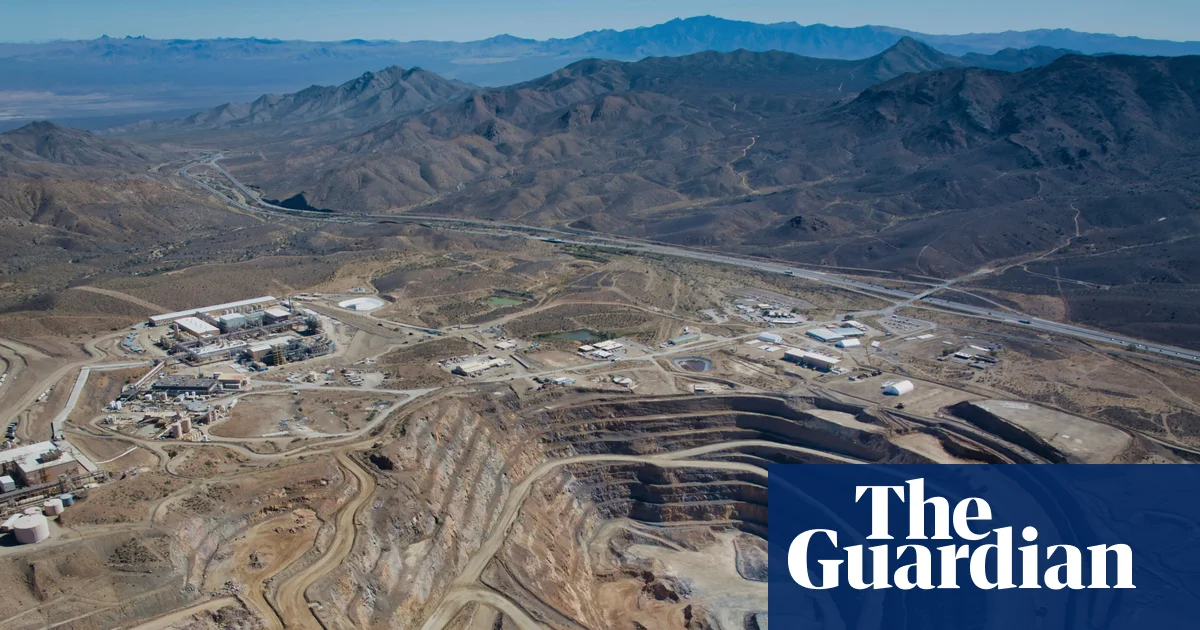
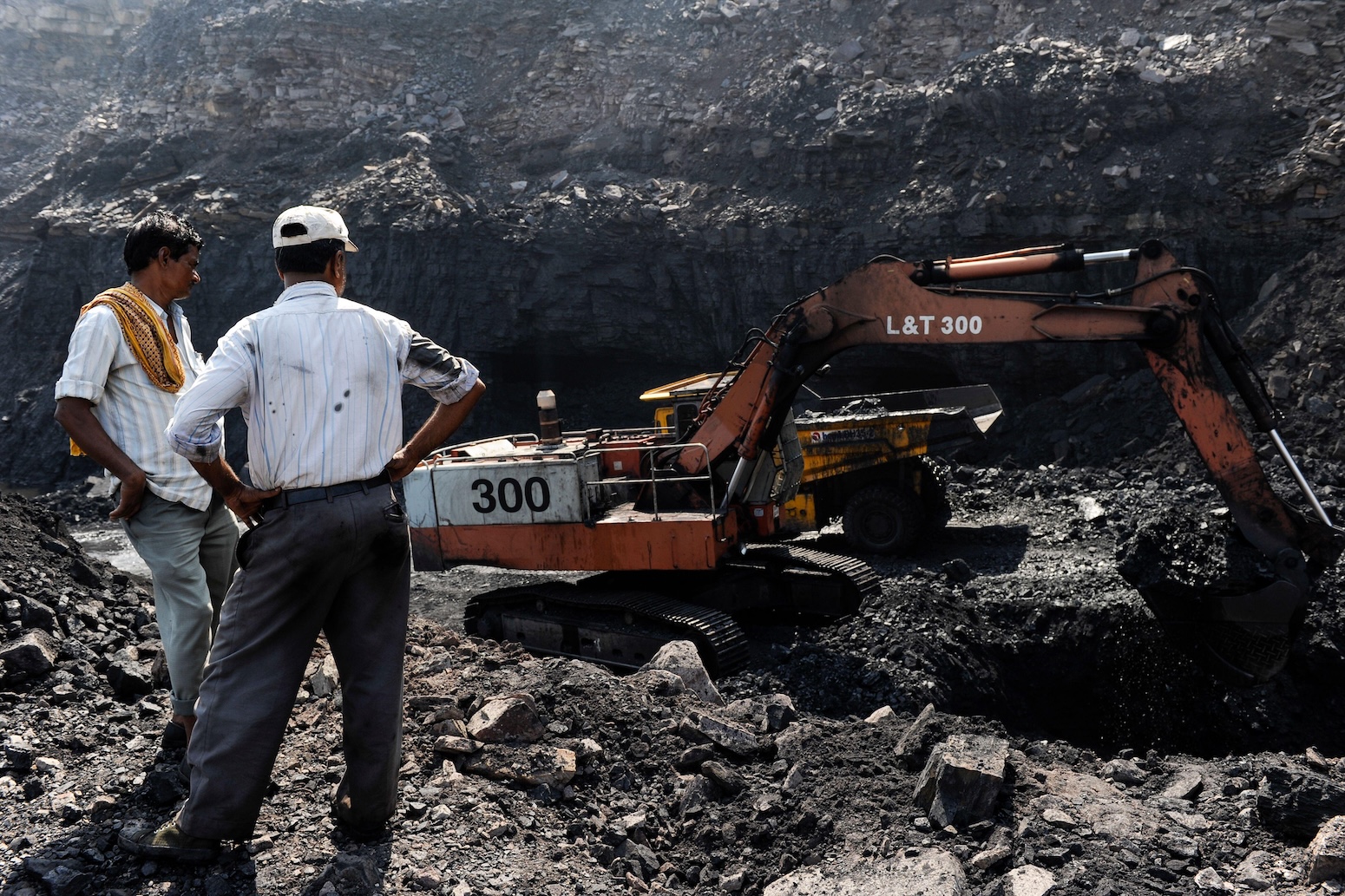
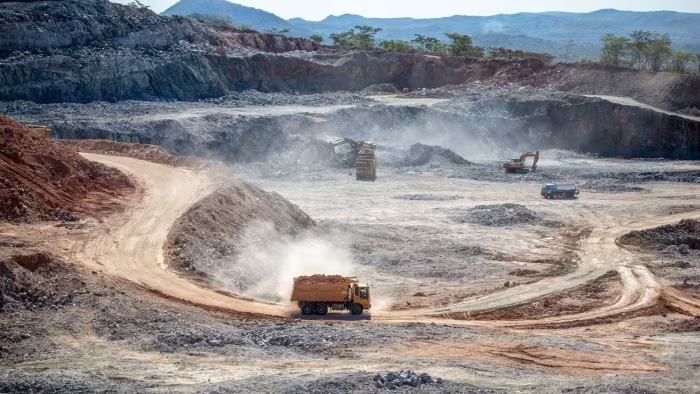
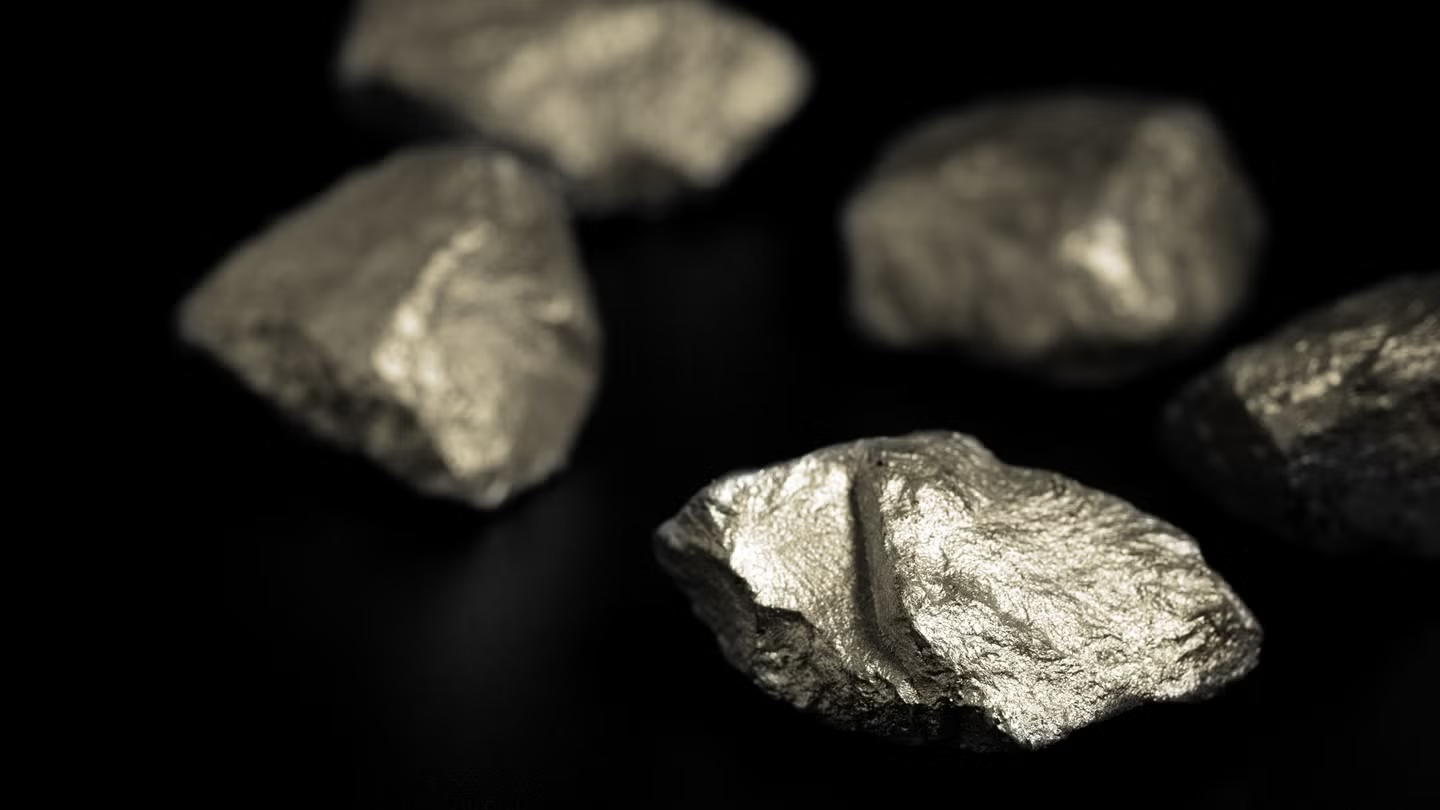
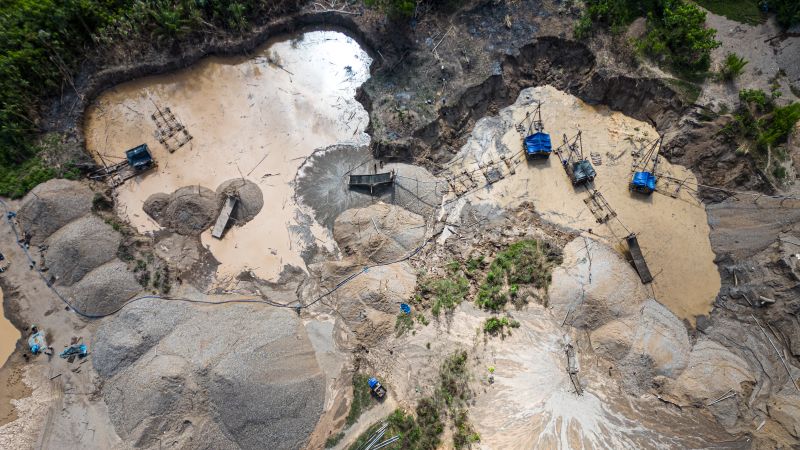
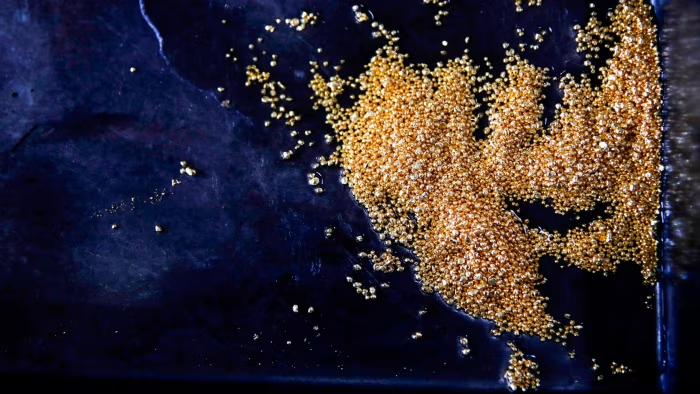
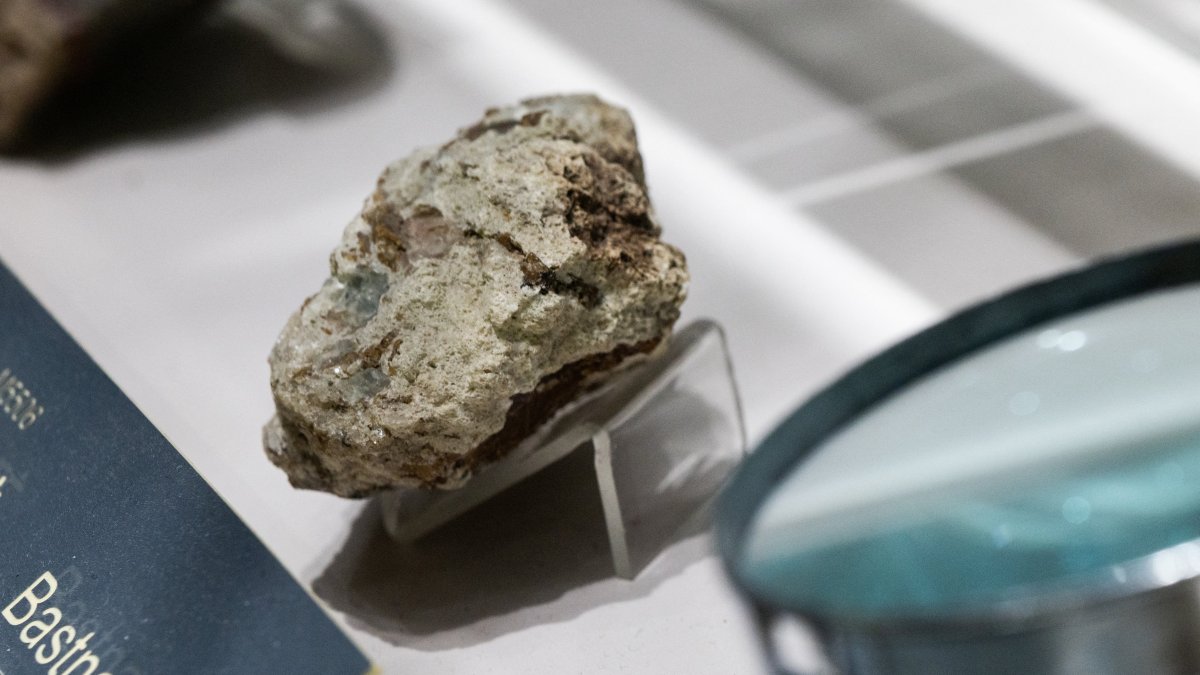
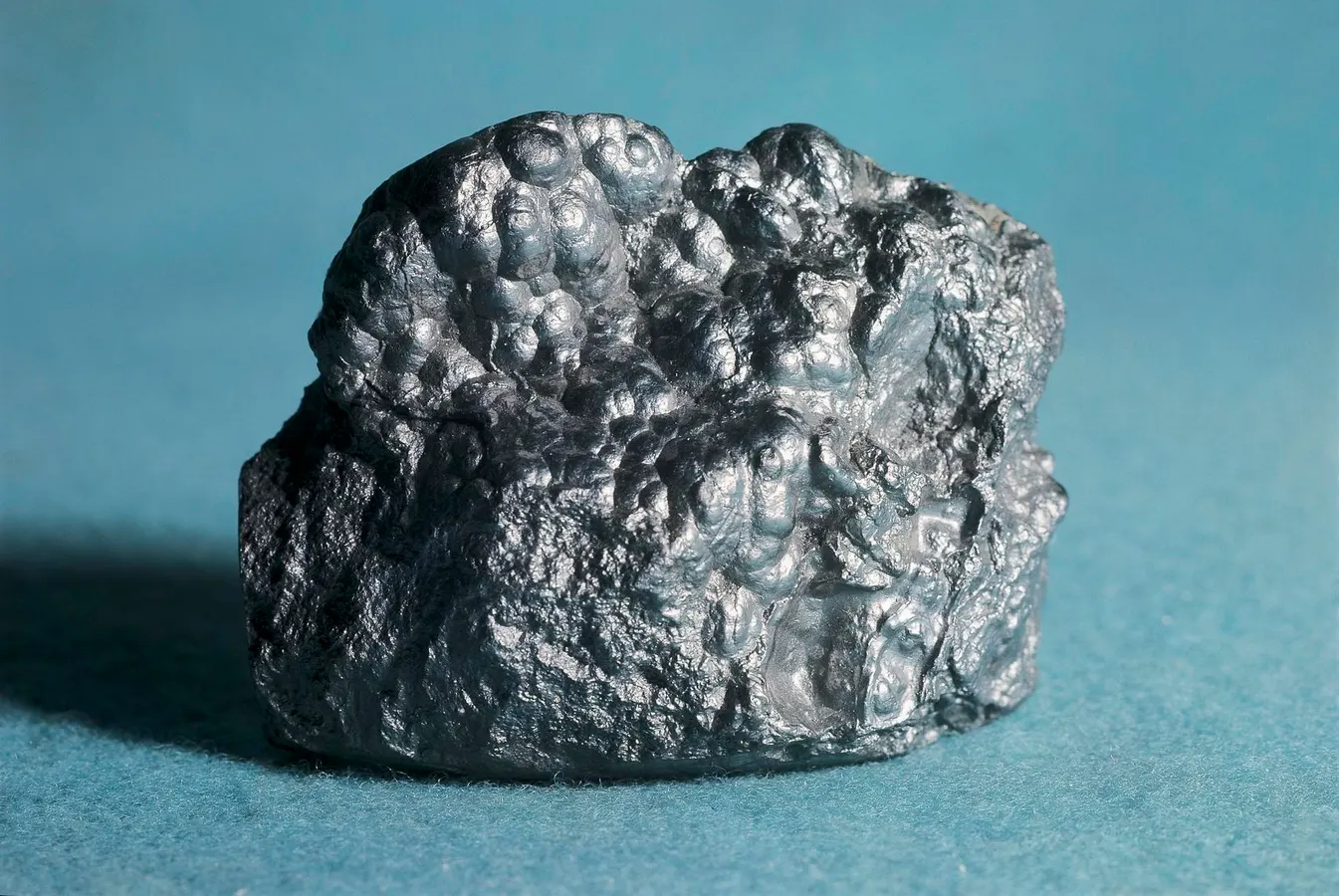
As the global energy transition accelerates demand for electric vehicle batteries and renewable power storage, lithium has emerged as one of the most commercially valuable solid minerals on Earth.
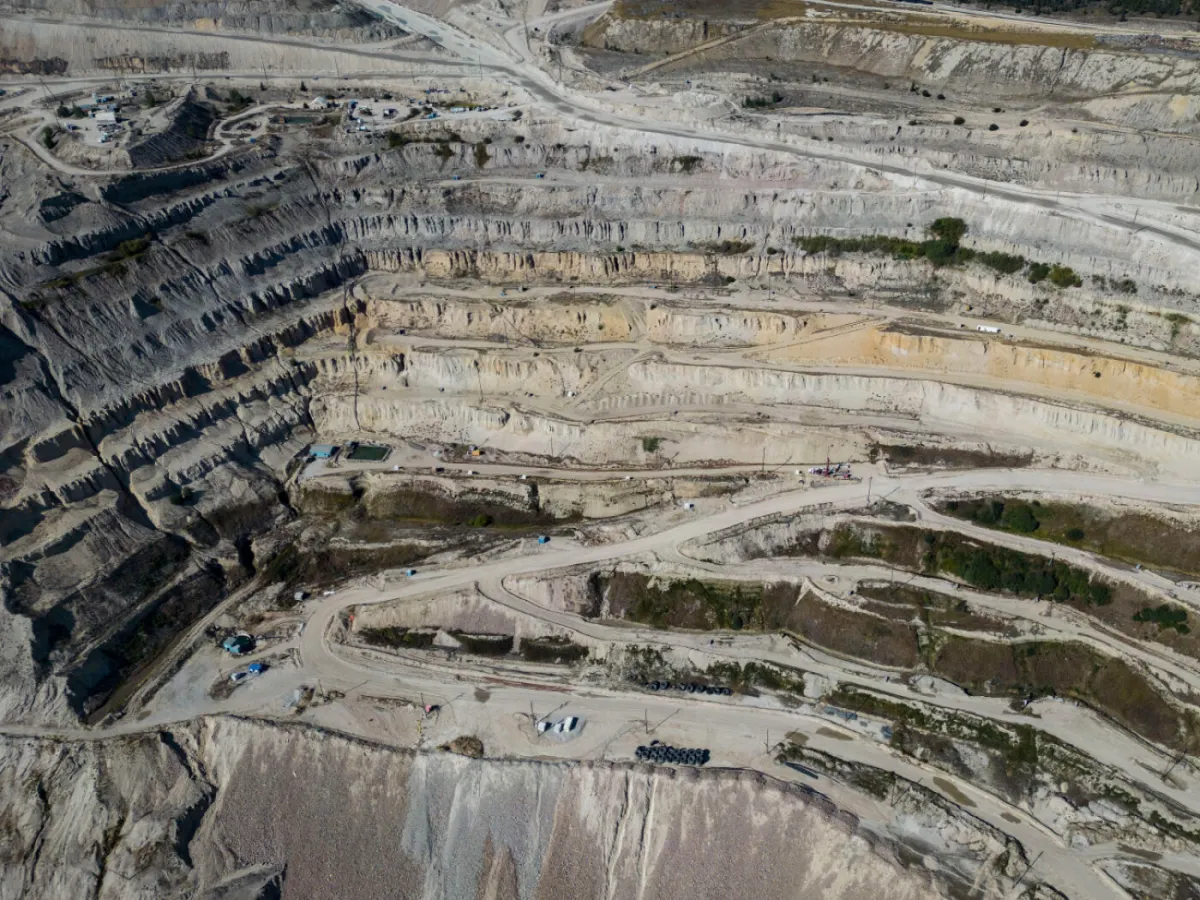
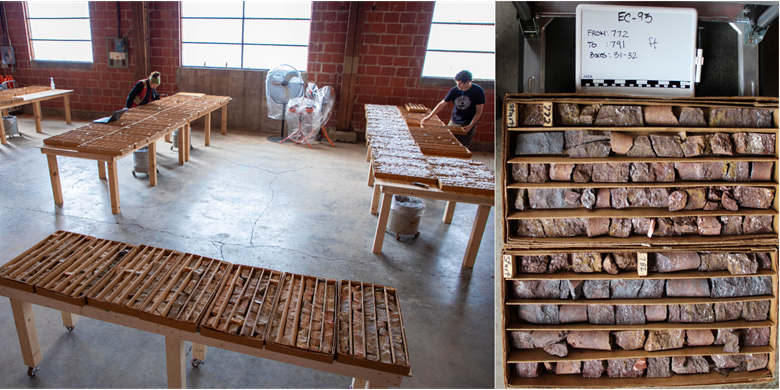
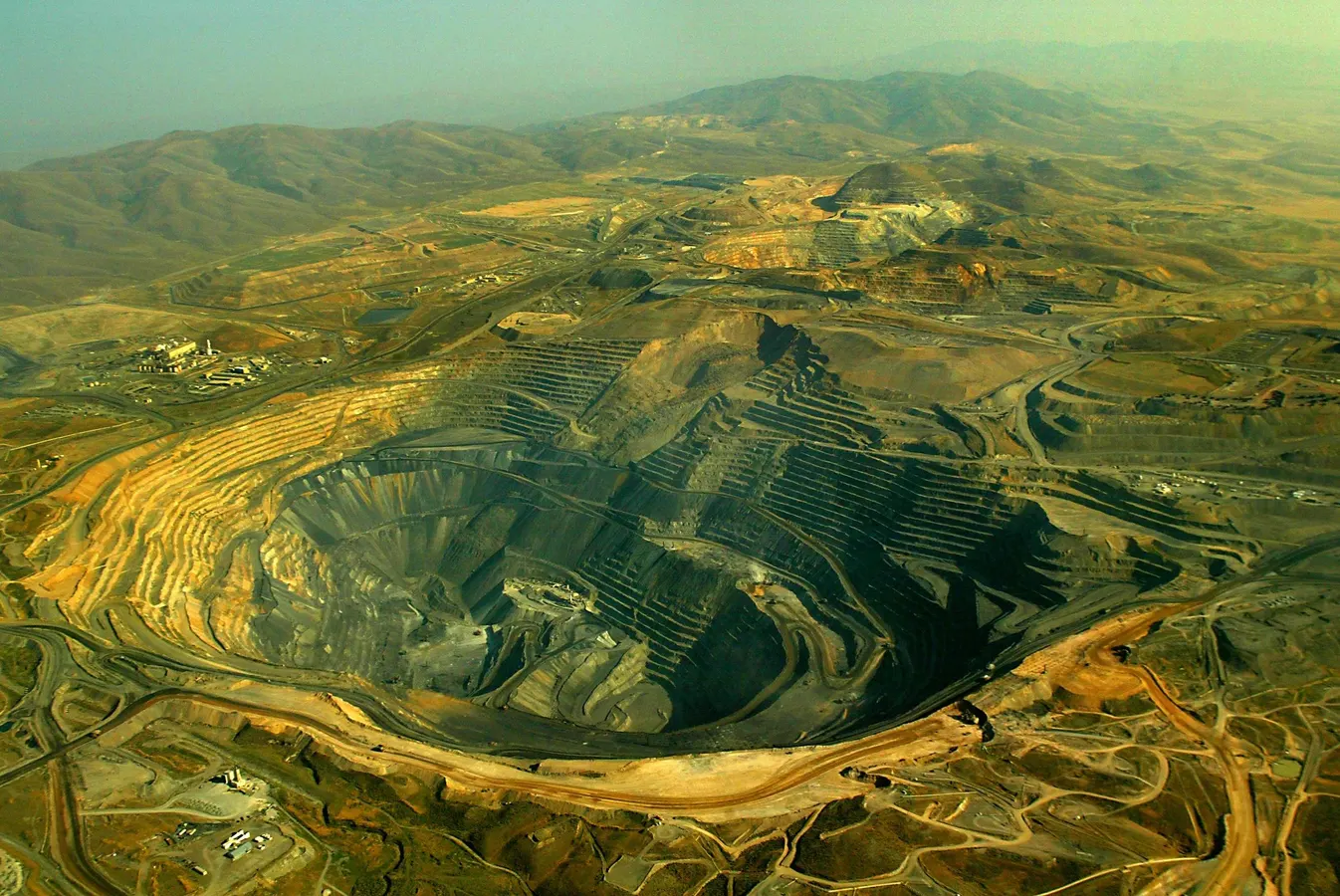
Nigeria sits on vast, high-grade lithium deposits across states such as Nasarawa, Kwara, Kogi, and Kaduna.
Unlike raw agricultural crops, lithium offers industrial-scale export potential. The Federal Government’s policy requiring mining operators to process raw lithium ore locally into battery-grade compounds before export is designed to prevent raw resource flight and unlock multibillion-dollar foreign exchange streams.
Underscoring the value-addition imperative, Olufemi John, a Kaduna-based business analyst, noted that the country’s expanding profile in the critical mineral sector presents the opportunity to earn substantial dollars.
“Nigeria’s expanding profile in the critical minerals sector presents an opportunity to attract substantial foreign direct investment, create thousands of jobs and significantly increase export earnings. However, the country would derive only a fraction of the potential value if it continues exporting raw ore rather than developing domestic processing capacity,” he said
Sesame seeds
As Nigeria explores opportunities to earn substantial dollars through the non-oil export, sesame seeds could play a vital role, as global demand for the crop continues to rise.
“Sesame has a lot of potentials. It has both commercial and medicinal value and oil extracted from the seeds is better than every other seed oil,” Mutairu Mamudu, national president, Sesame Farmers Association of Nigeria told BusinessDay in a telephone response to questions.
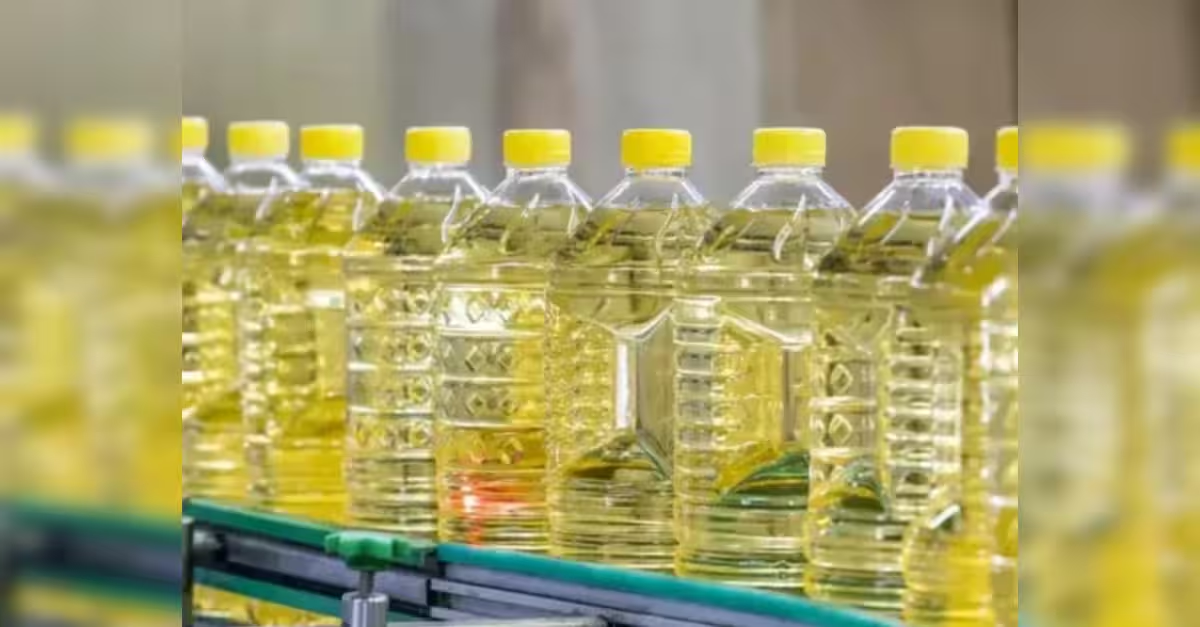
Sesame seed has numerous health and industrial benefits and is widely used for baking, medicine, cosmetics and animal feeds. It also has high oil content of between 44 and 60 percent.
Considering its numerous health benefits and the growing preference for organic foods, the demand for the commodity has continued to grow and this is positive for Nigeria.
It remains in high demand abroad by pharmaceuticals and industries that produce soap, shampoo, lubricant, paints, cosmetics and vegetable oil. A popular women’s body lotion Neutrogena’ is made from sesame oil.
Credit rating giant, Agusto &Co. in a report highlighted the export potential of the crop to reach N120 billion per annum if the country can boost local production.
Sesame seed is Nigeria’s biggest agricultural produce exported to Japan. It is considered as one of the world’s oldest oilseed crop that has the highest oil content than any other seed.
Currently, Nigeria is the second largest producer of sesame seeds in Africa, and the fourth globally, with about 450,000 tonnes in 2024, according to the Food and Agriculture Organisation.
The oil extracted from the seed is used in making vegetable oil and for medicinal purposes for treatment of ulcers and burnt. The stem as well as the oil is used by cosmetic industry in the production of soaps and other beauty products.
Though small in size, sesame seeds are a heavy hitter in Nigeria’s agricultural trade portfolio. Driven by continuous demand from Asian markets principally China, Japan, and India for oil extraction and food processing, sesame consistently ranks among the country’s top agricultural exports, bringing in $300.3 million (N253 billion) in recent trade cycles.
Cashew nuts
Cashew an important nut is fast booming in the Nigerian market as exporters are exporting a larger percentage of the crop to Asia, Europe and the United States of America.
Nigeria is a natural habitat for cashew and among the world’s producers and suppliers of the crop.
The country is currently rated as the fourth-largest producer of cashew nuts in Africa and sixth in the world, with 160,000 metric per annum and is expected to reach 500,000 metric tons by 2020.
Besides cocoa, cashew is another major cash crop in Nigeria that has huge export potentials.
It has become a top-notch cash crop in Nigeria and is eaten and also serves as industrial raw materials in firms producing chemicals, paints, varnishes, insecticides and fungicides, electrical conductress, and several types of oil.
Two good things about cashew are that its return on investment is as high as 55 percent and its payback time is just 12 months, say experts.
But despite the promises, the cultivation of cashew holds, the country is yet to fully harness the potential of the crop owing to several factors.
The country still exports about 95 percent of its cashew nuts unprocessed despite the huge investment opportunity in value addition.