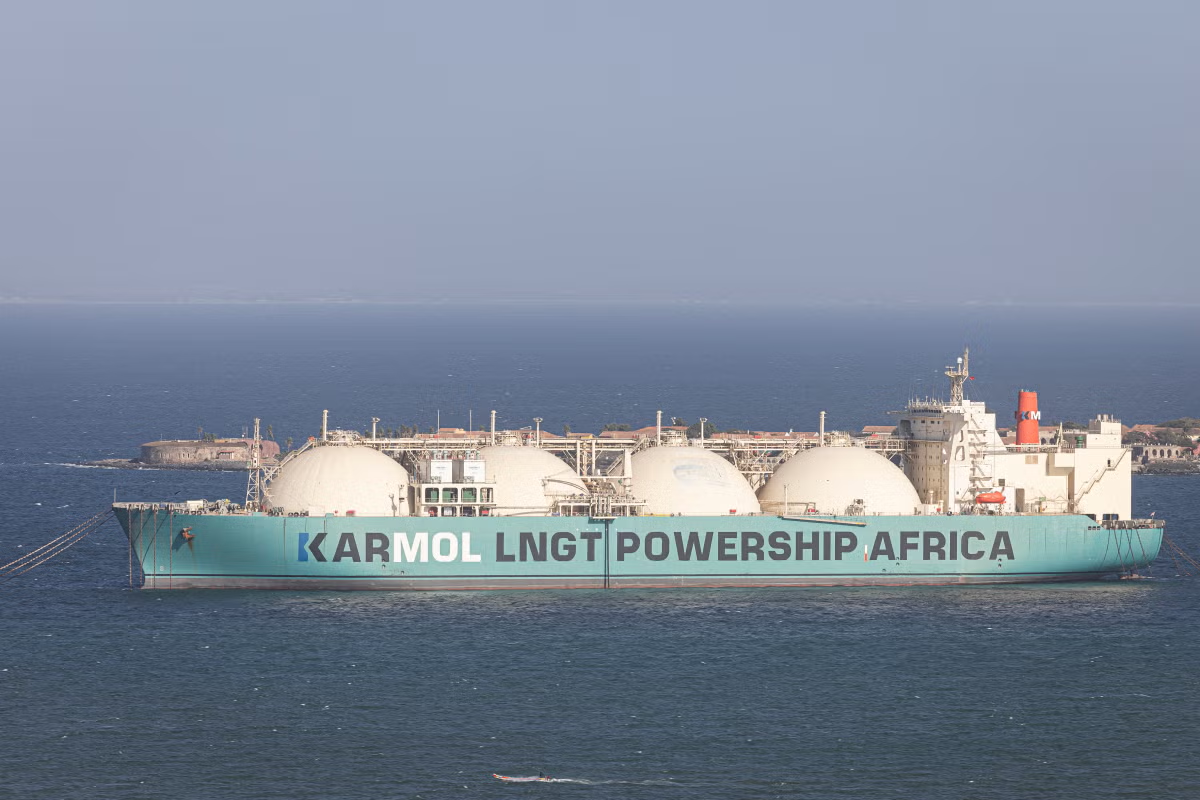
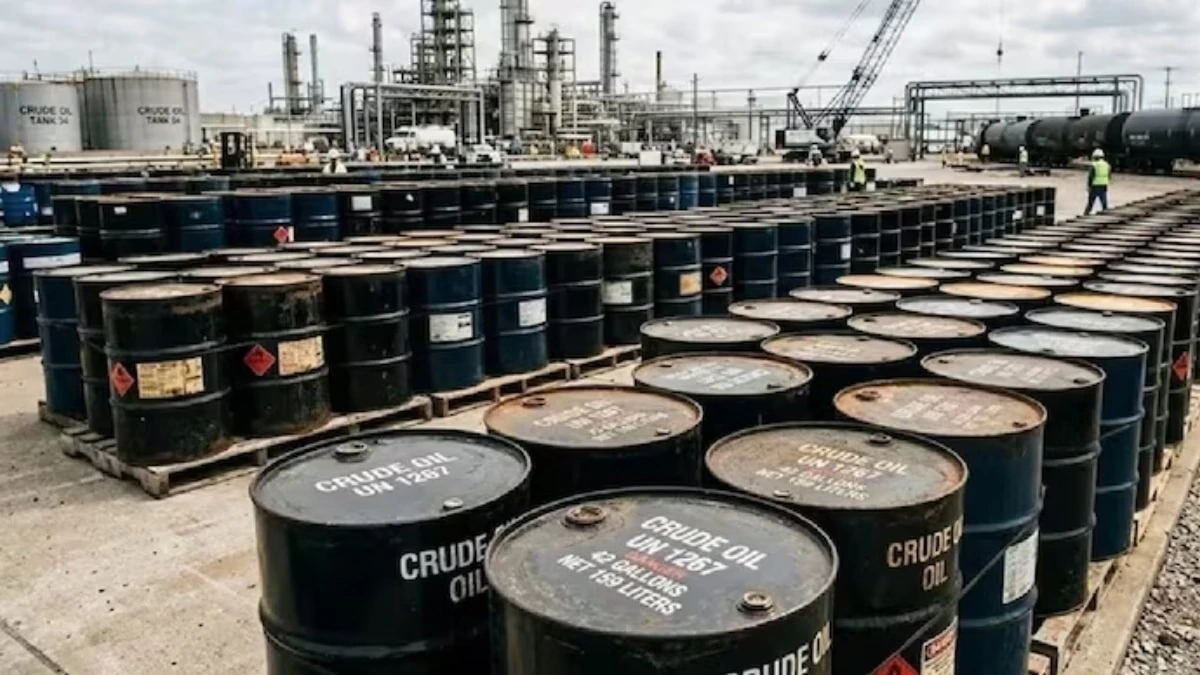
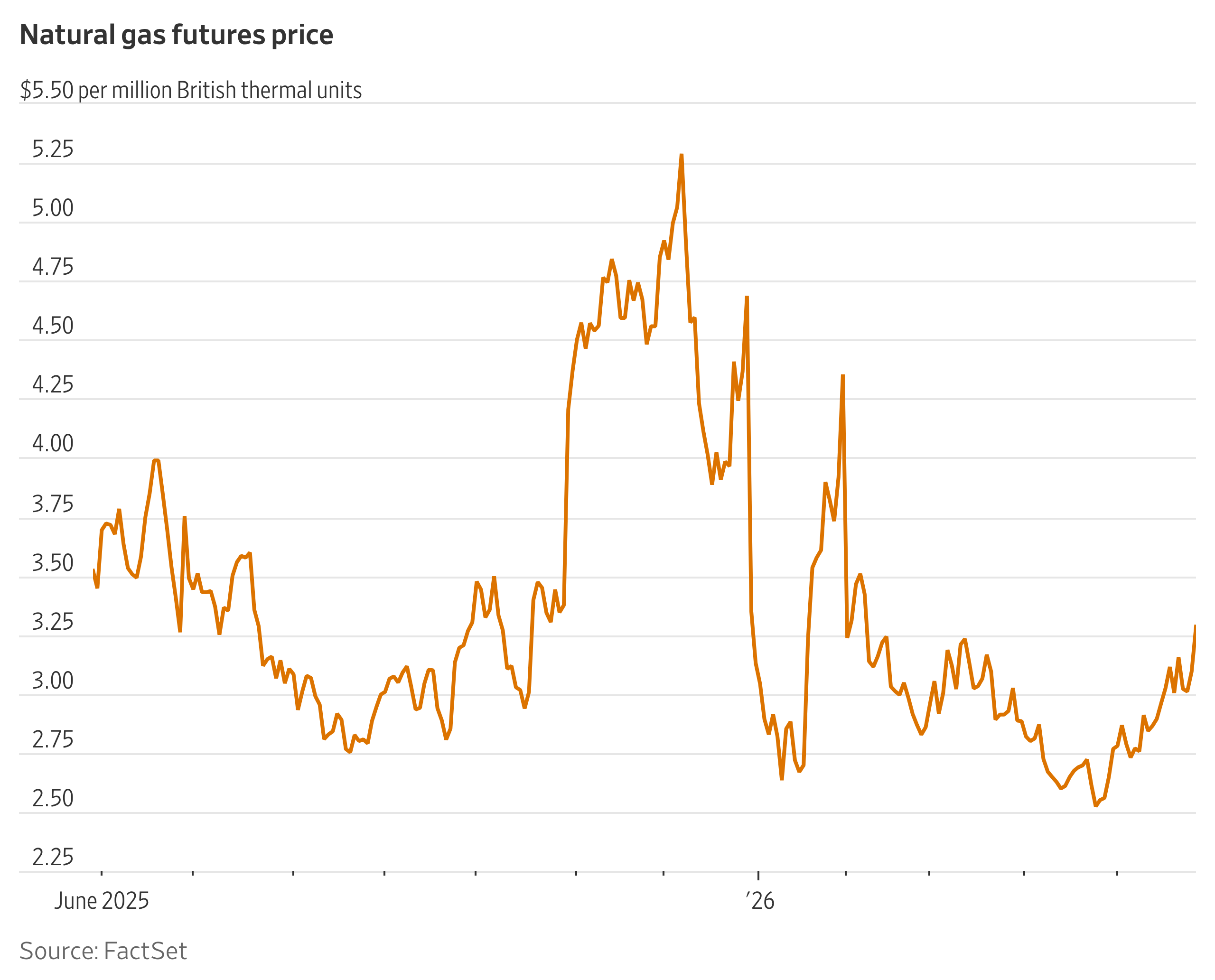
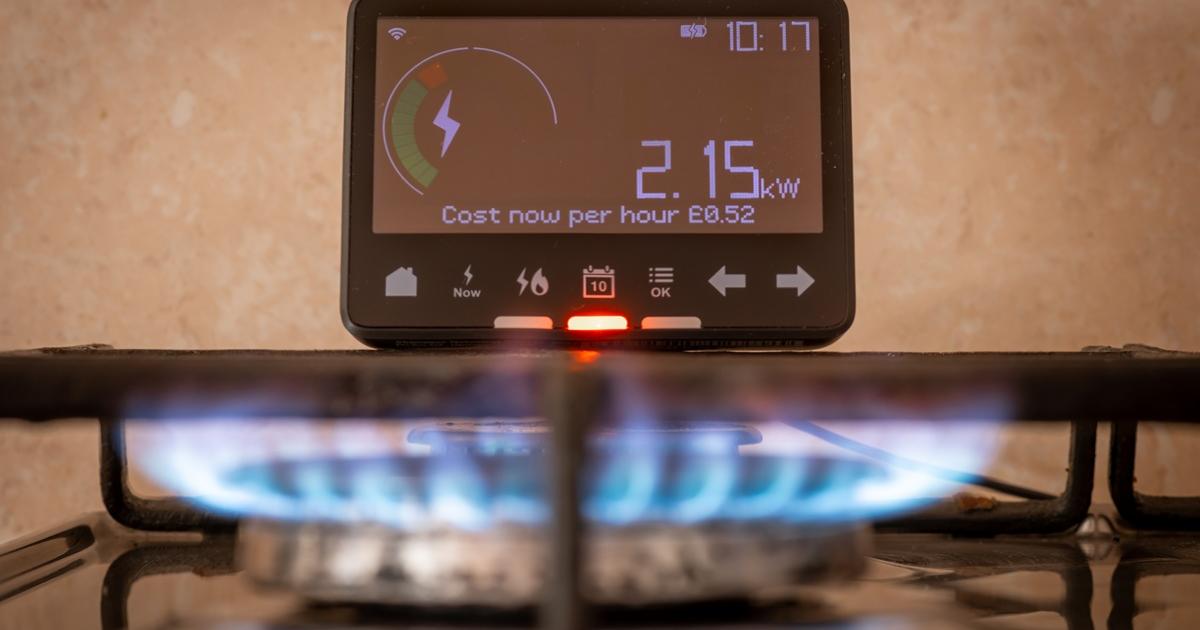
Natural gas prices ended the week on a weaker note as mild weather and strong U.S. production outweighed support from LNG demand and lingering supply concerns. The market remained near the $3-per-MMBtu level, with traders balancing softer near-term consumption against inventories that remain below last year’s level.
At this stage, investors may want to focus on natural gas-related stocks such as The Williams Companies WMB, Range Resources RRC and Expand Energy EXE.
Natural Gas Ends Week Lower
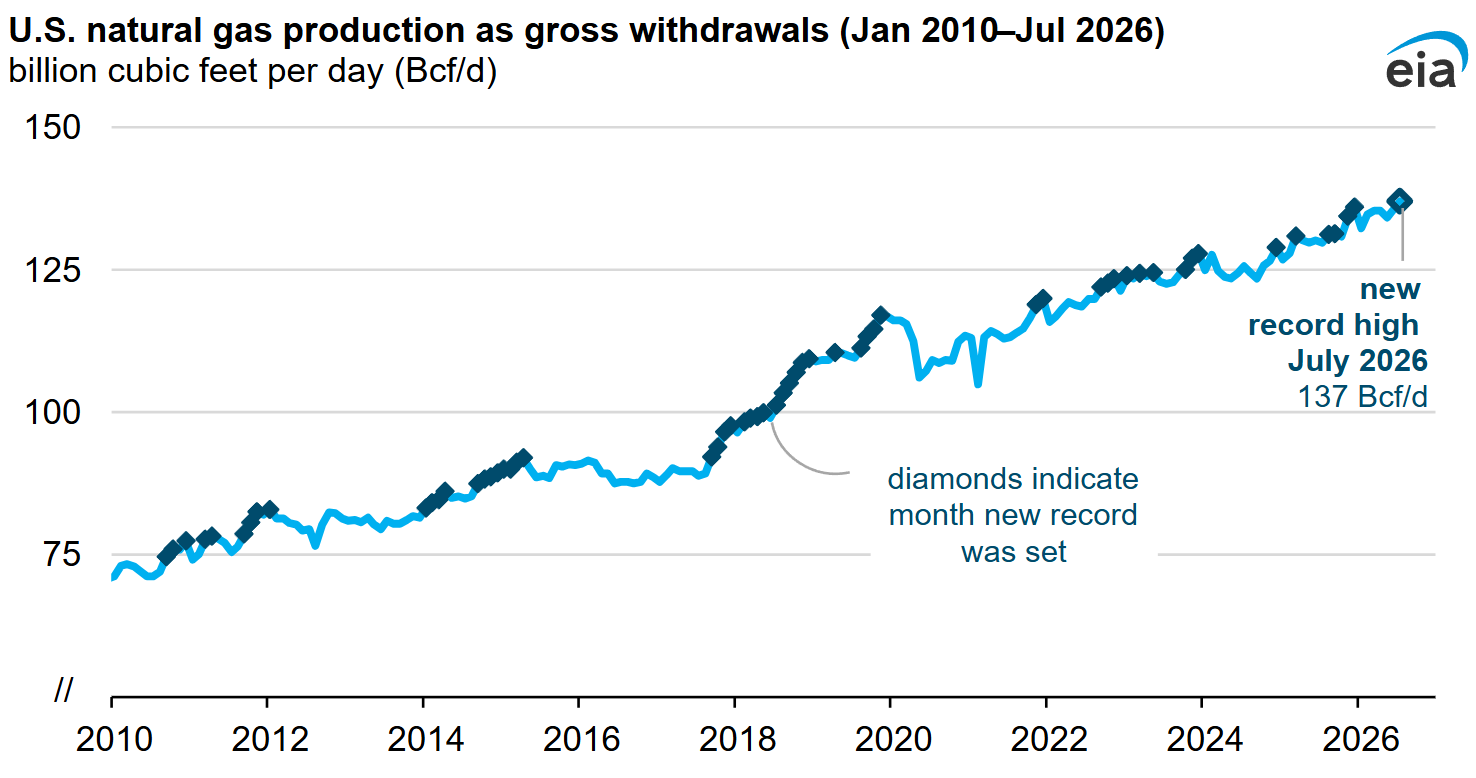
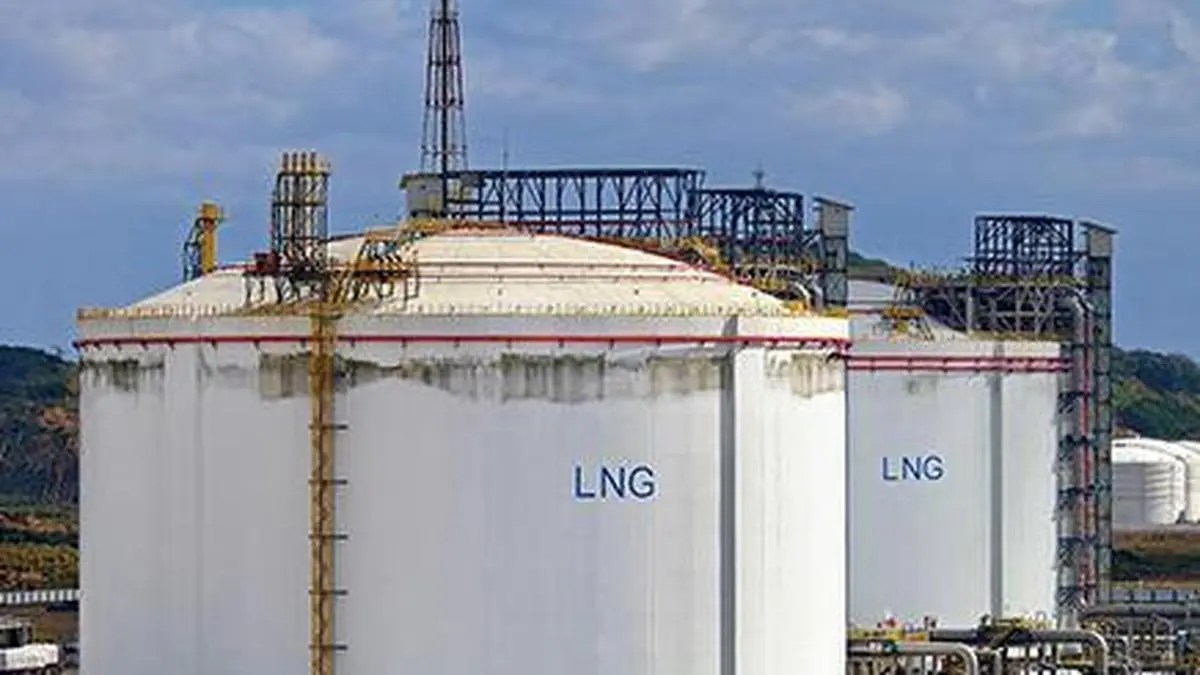
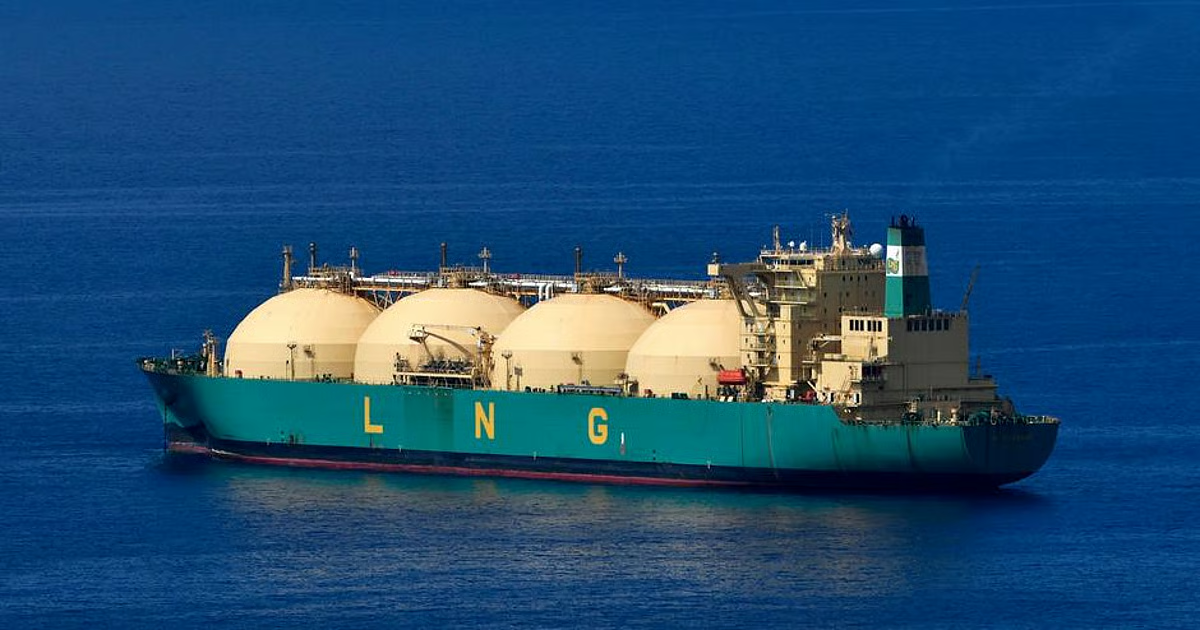
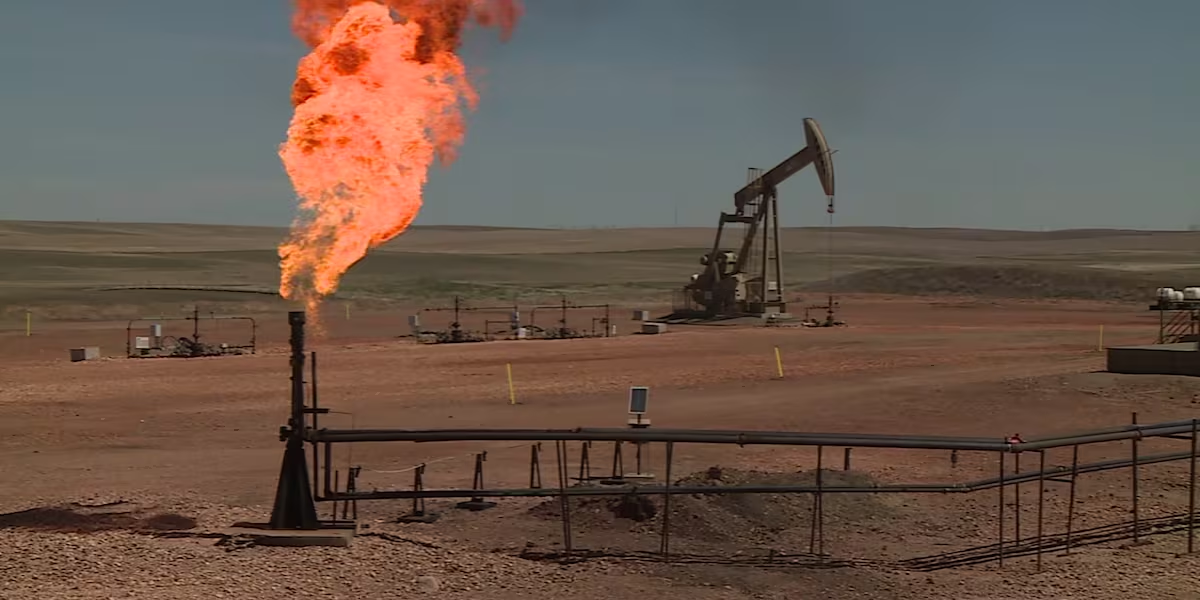
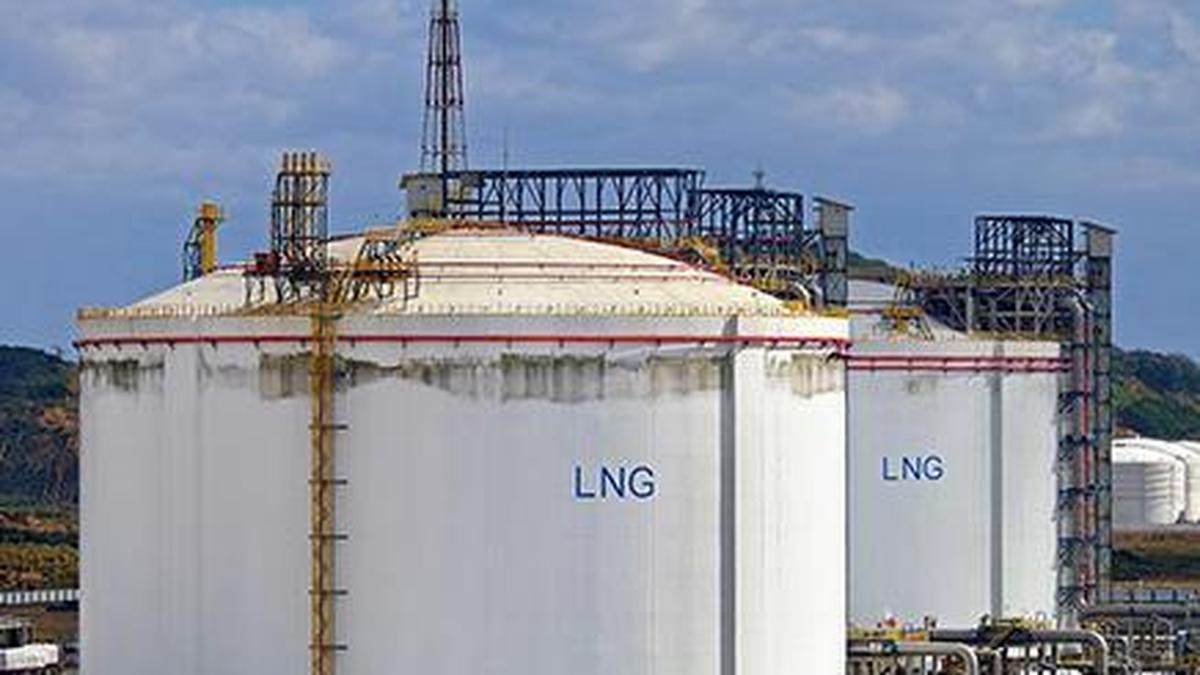
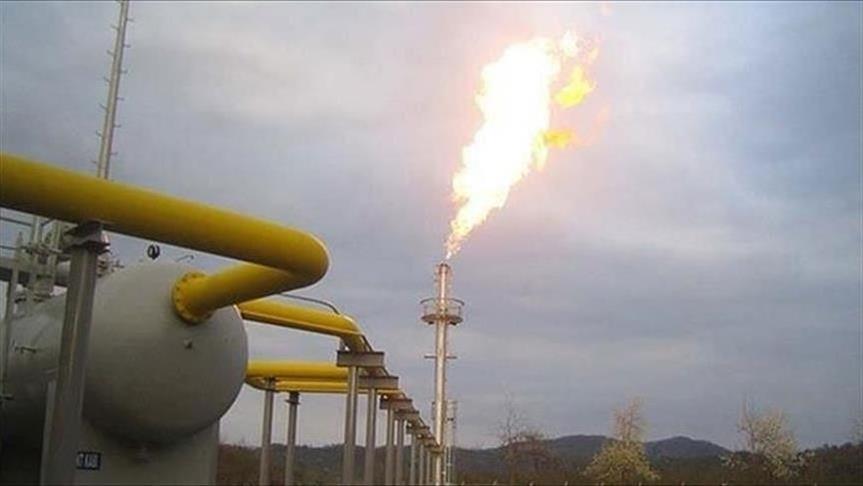
U.S. front-month natural gas futures lost about 3% for the week ending Oct. 2, finishing at $3.035 per MMBtu. Prices came under pressure as milder weather forecasts reduced expectations for heating and power-sector demand, while record U.S. production reinforced supply concerns. The market also gave back part of the previous week’s pipeline-disruption-driven gains as flows normalized. Still, prices found some support near the $3 mark late in the week, helped by uncertainty over winter weather and continued liquefied natural gas (“LNG”) activity. The weekly decline highlights near-term softness, but the market remains sensitive to colder forecasts and any supply disruptions this winter.
Storage Build Matches Expectations
The EIA reported a 64 billion cubic feet (Bcf) storage injection for the week ended Sept. 25, matching the average market estimate. Working gas inventories rose to 3,415 Bcf, 138 Bcf below the year-ago level but 79 Bcf above the five-year average. The build was also smaller than the five-year average injection of 80 Bcf for the same week, although it exceeded last year’s 56-Bcf increase. The data suggest that inventories remain comfortable overall, yet the year-over-year deficit could become more supportive if colder weather lifts demand later in the season.
Winter Could Improve the Setup
Near-term fundamentals remain mixed, with abundant production and mild weather limiting immediate upside. However, the setup is not entirely bearish. U.S. LNG exports remain healthy, gas inventories are still below year-ago levels and winter weather uncertainty can quickly change demand expectations. If temperatures turn colder, stronger heating demand could tighten the balance and improve pricing sentiment. Lower prices may also encourage additional consumption from power generators and industrial users, helping absorb elevated supply.
For natural gas-focused investors, the current weakness may offer a chance to stay selective rather than abandon the space. Strong operators exposed to growing gas demand can benefit if the market strengthens into winter. LNG expansion and rising takeaway capacity also support the longer-term demand outlook.
3 Stocks to Focus On
Against this backdrop, investors may consider maintaining exposure through The Williams Companies, Range Resources and Expand Energy — each carrying Zacks Rank #3 (Hold) — providing different ways to participate in a potential natural gas recovery. You can see the complete list of today’s Zacks #1 Rank (Strong Buy) stocks here.
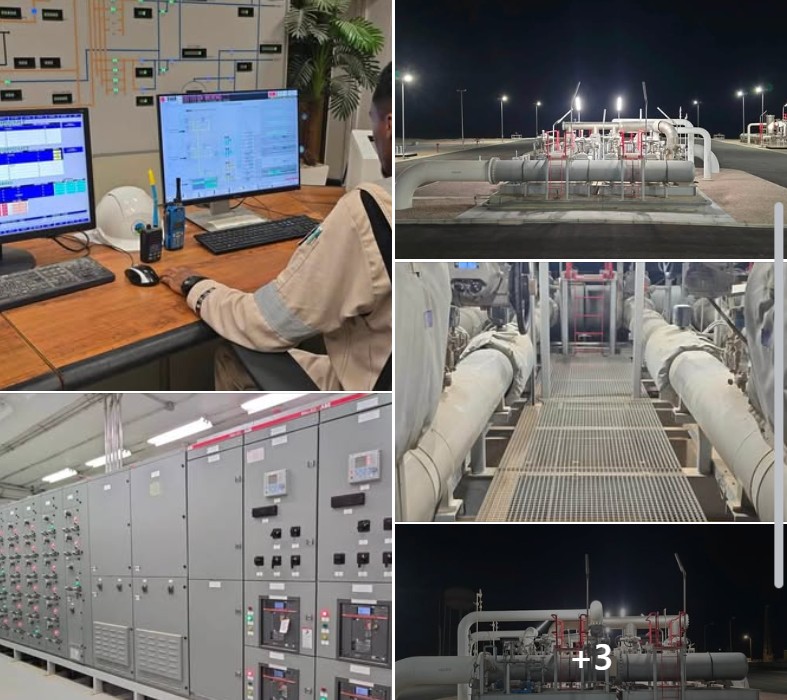
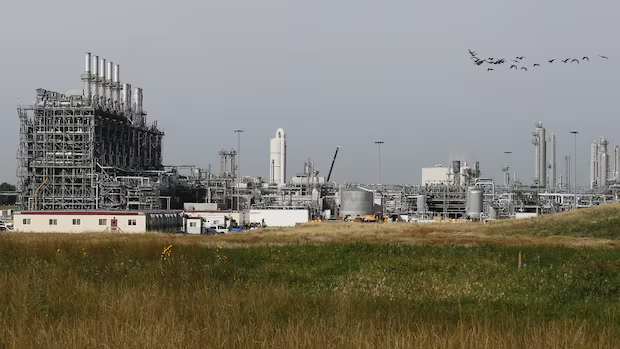
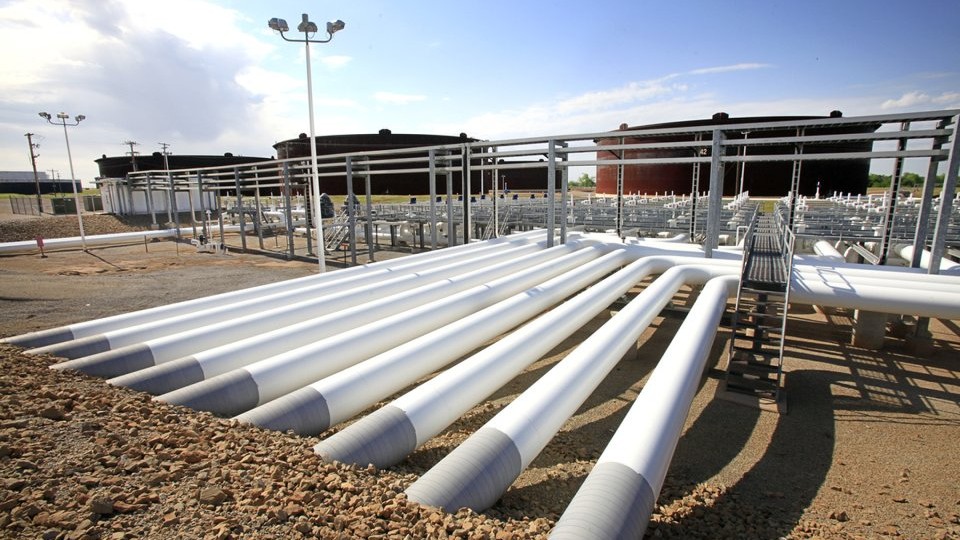
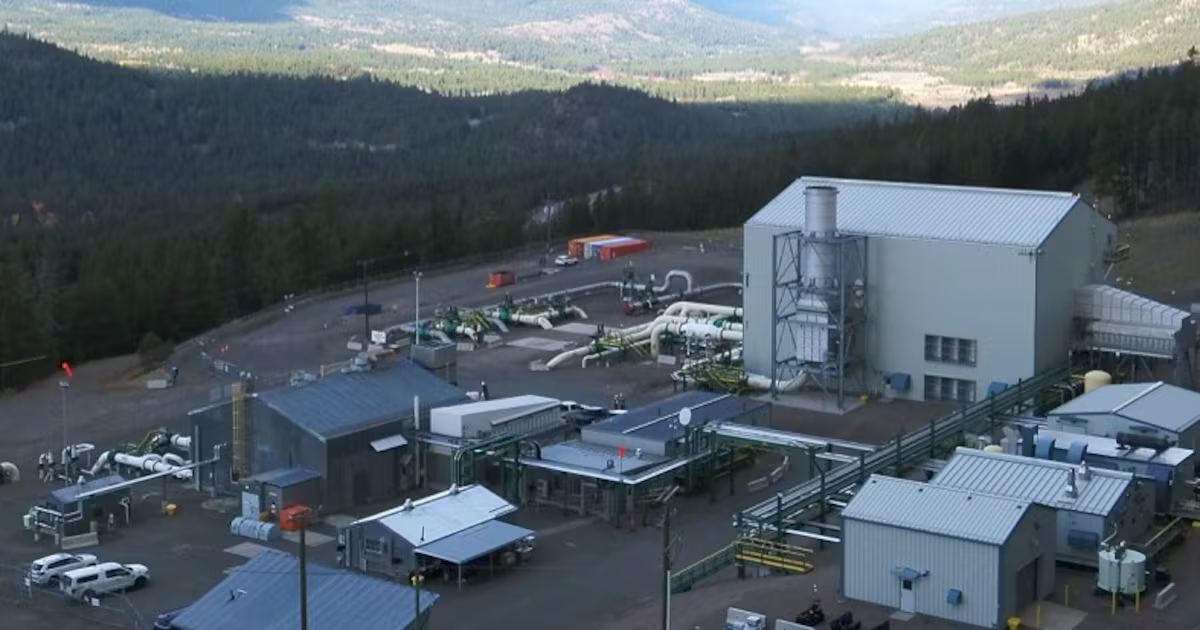
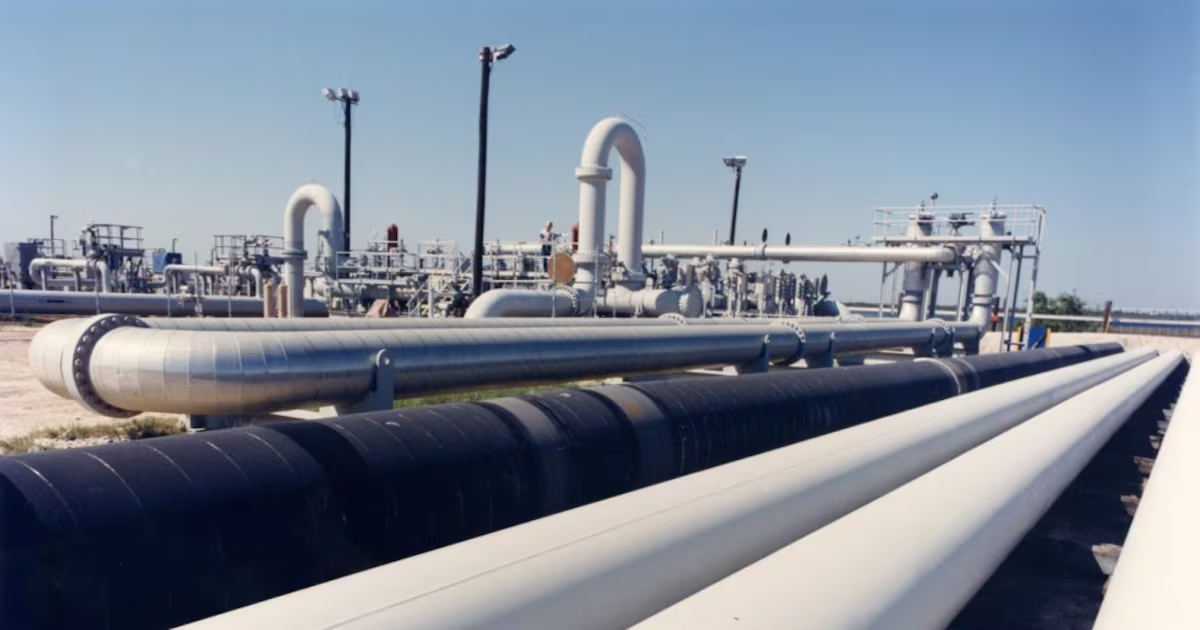
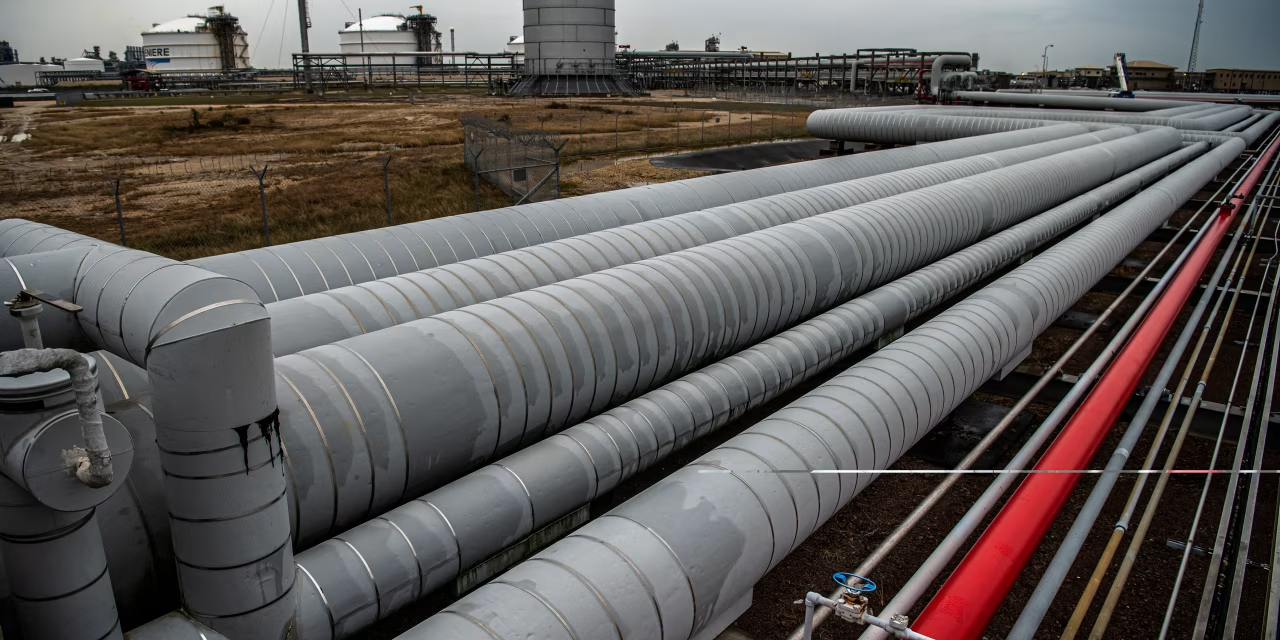
The Williams Companies: Williams Companies is a natural gas infrastructure operator with businesses spanning transmission, gathering, processing, storage and related marketing. Its network is concentrated around major U.S. supply and demand centers, with Transco serving as a key pipeline corridor. The company also has large gathering positions in the Marcellus, Utica and Haynesville, which together account for most of its gathering volumes.
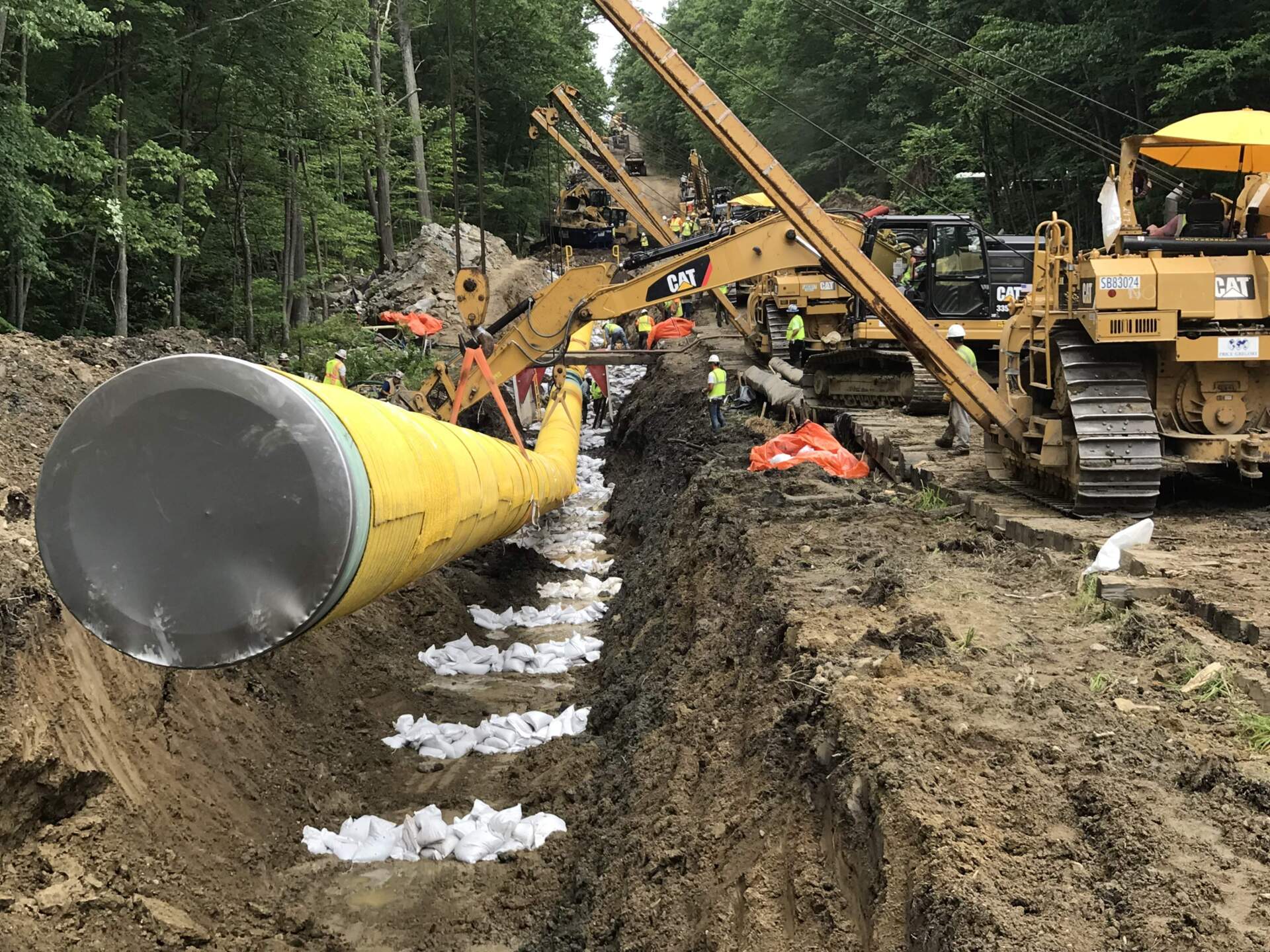
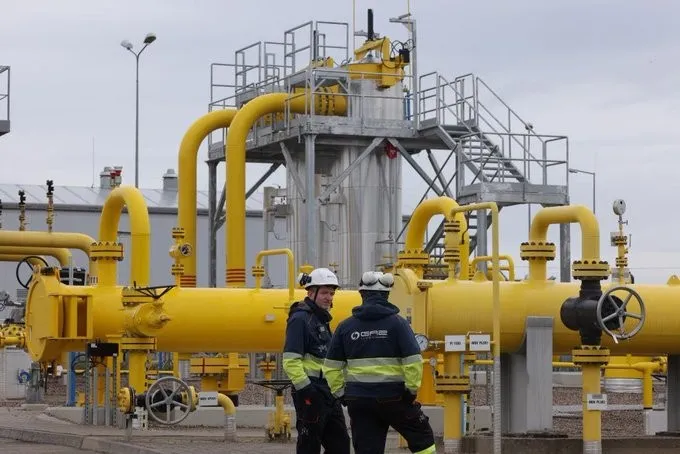
In the Haynesville, Williams is expanding its wellhead-to-market system, supported by gathering capacity, Gulf Coast connections and 120 Bcf of storage. Its assets are positioned to move gas toward power plants, industrial users and LNG export facilities, giving the company broad exposure to rising natural gas demand.
The Zacks Consensus Estimate for the company’s 2026 earnings per share indicates 21% year-over-year growth. Williams Companies’ expected EPS growth rate for three to five years is 19.6%, which compares favorably with the industry’s growth rate of 11.3%.
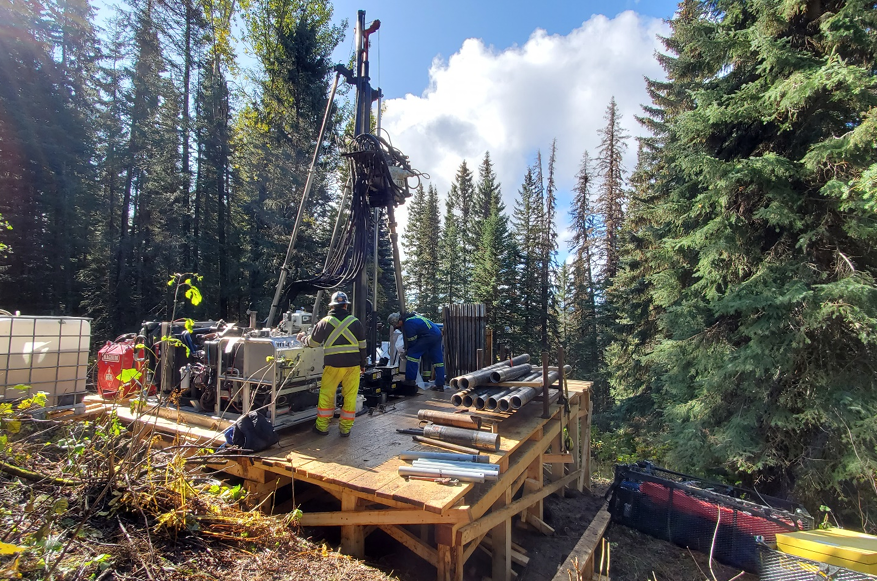
Range Resources: Range Resources is a natural gas-focused producer centered in Pennsylvania’s Appalachian Basin, with development led by its core Marcellus acreage in southwest Pennsylvania. The company controls about 450,000 net acres there and another 70,000 in northeast Pennsylvania. Its large, contiguous position supports efficient drilling and gives RRC more than 30 years of high-quality Marcellus inventory.
Range Resources sells natural gas into several markets rather than relying on one local outlet. Roughly 30% goes to the Midwest, while about 25% each reaches the Gulf Coast and LNG/premium Gulf markets, with the balance serving local and Northeast customers. This market reach supports its long-term gas production strategy.
Range Resources beat the Zacks Consensus Estimate for earnings in each of the last four quarters. The natural gas producer has a trailing four-quarter earnings surprise of roughly 22.5%, on average. The Zacks Consensus Estimate for its 2026 earnings per share indicates a 29.7% year-over-year improvement.
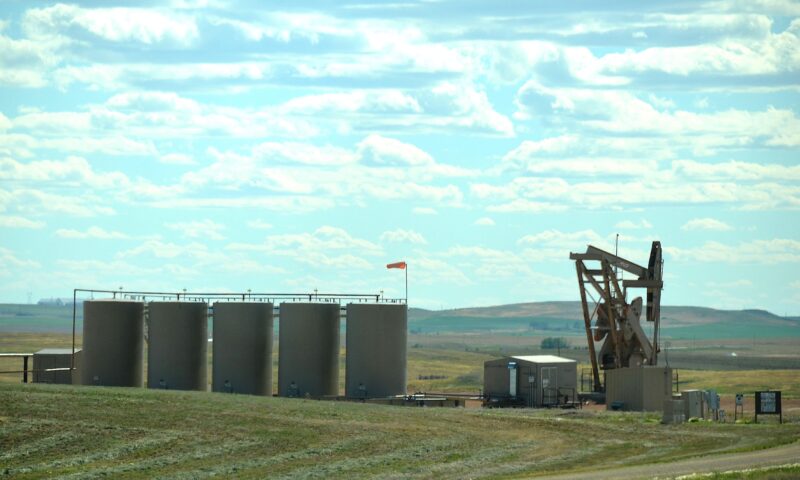
Expand Energy: Expand Energy is North America’s largest natural gas producer, with about 2 million net acres and 2026 production near 7.5 Bcfe per day. Its operations span three main areas: Haynesville, northeast Appalachia and southwest Appalachia. These assets provide deep drilling inventory and place production close to major demand centers, while an interconnected transportation network helps move gas to higher-value markets.
The company is also building a broader natural gas platform beyond production. Its planned Twin Eagle acquisition would expand marketing, storage and firm transportation capabilities across North America. That combination is designed to connect Expand’s gas supply with power, industrial and LNG customers from coast to coast.
The Zacks Consensus Estimate for Expand Energy’s 2026 earnings per share indicates a 42.8% year-over-year improvement. The firm has a trailing four-quarter earnings surprise of roughly 7.2%, on average.
Want the latest recommendations from Zacks Investment Research? Today, you can download 7 Best Stocks for the Next 30 Days. Click to get this free report
This article originally published on Zacks Investment Research (zacks.com).
Zacks Investment Research