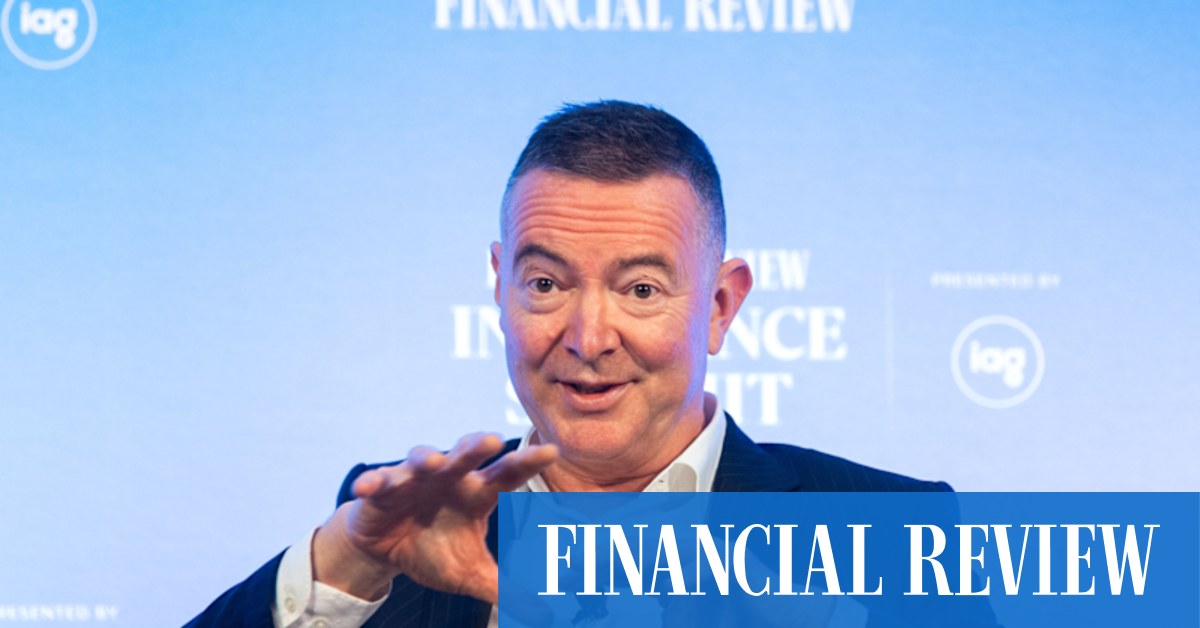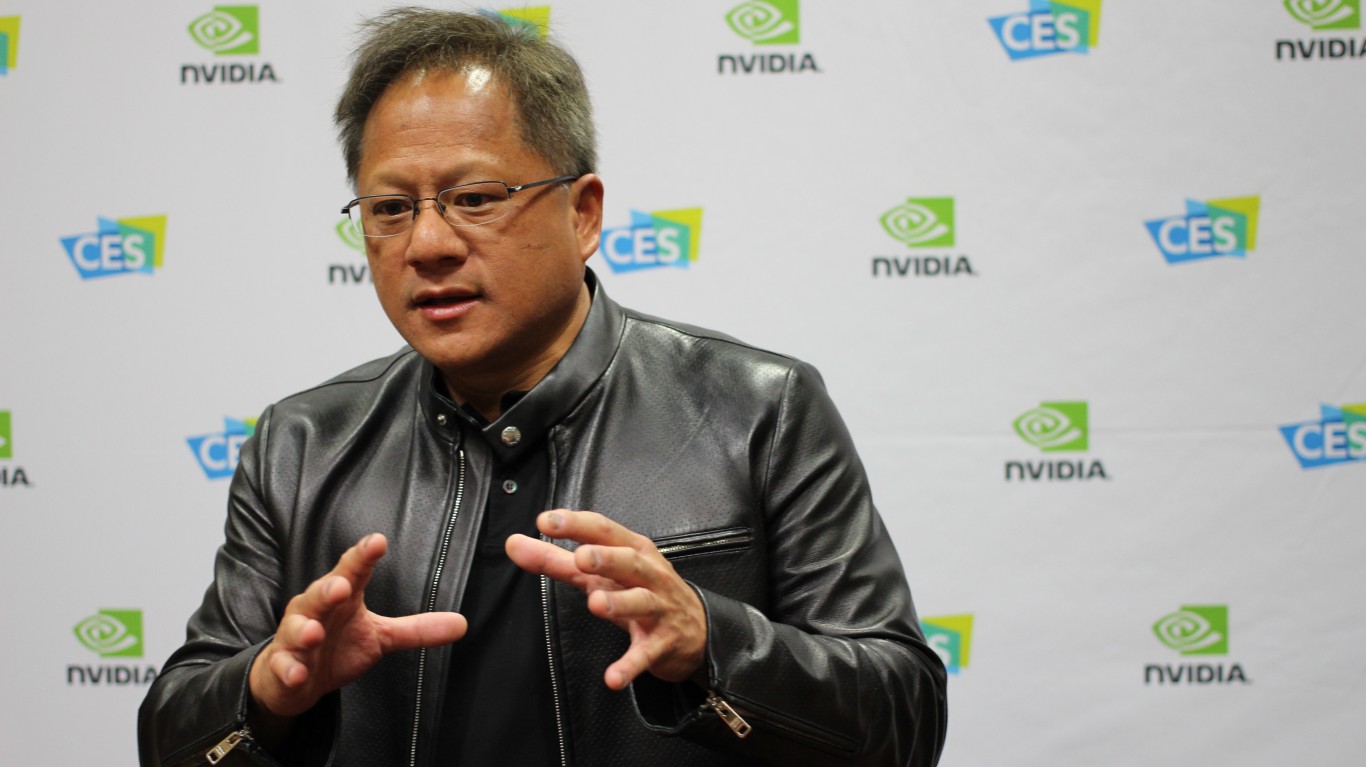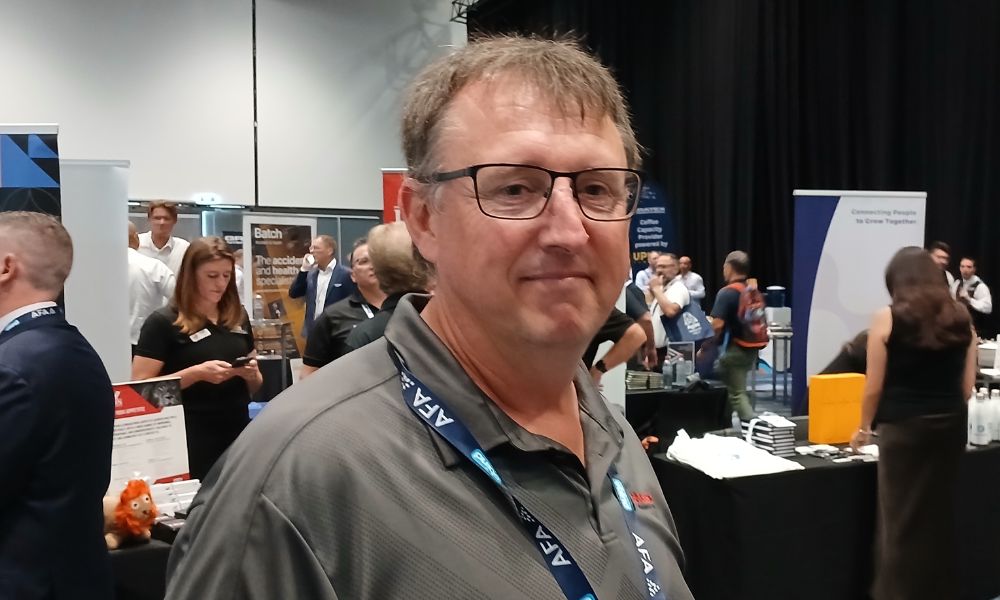
“Most of your visibility isn’t on your site at all,” says Zay Yang, Founder & CEO of Wordflow, a company helping brands track and improve how they are recommended across Generative Engine Optimization (GEO) platforms.
For two decades, the economic bargain at the heart of the internet was reliably straightforward: keyword-heavy SEO was enough for Google’s algorithm. But now users don’t just browse the web; they pose long questions to AI chatbots and receive answers rather than links to follow. Andy Francos, Growth Consultant at Pepperstone, says that AI assistants have now become a more meaningful part of how new customers discover and consider a financial services brand.
“On the questions that actually decide a broker, AI can now hand someone a shortlist of three or four names before they’ve visited a single website. If you are not on that list, there’s no second page to be on,” he says.
With Google now doing the googling for you, securing a coveted spot on that list is more fluid and complex.
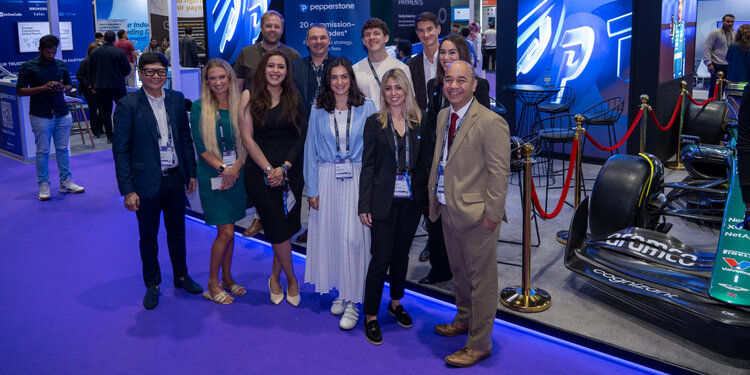
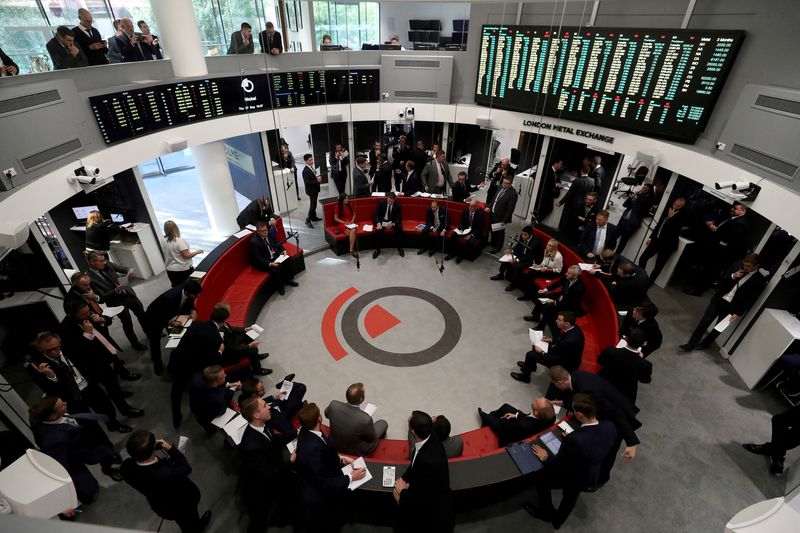
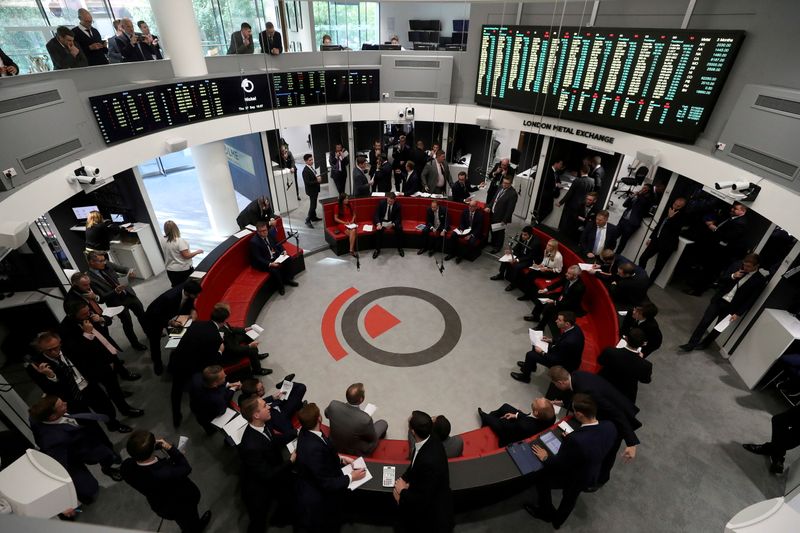
London’s trading industry is coming home!
The Broker’s Homepage is Outranked
ChatGPT name-drops are the new SEO.
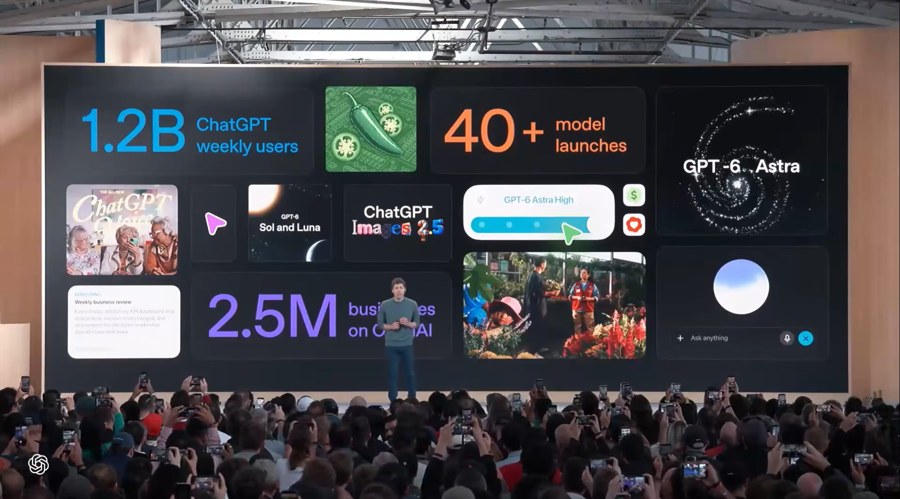
To put things into perspective, ChatGPT has about 1.2 billion weekly active users and over 50% of the AI search market share. Meanwhile, there are now more than a billion monthly active users on Google AI Mode, while standard AI Overviews, the AI summaries at the top of regular Google search pages, reach over 2.5 billion monthly users.
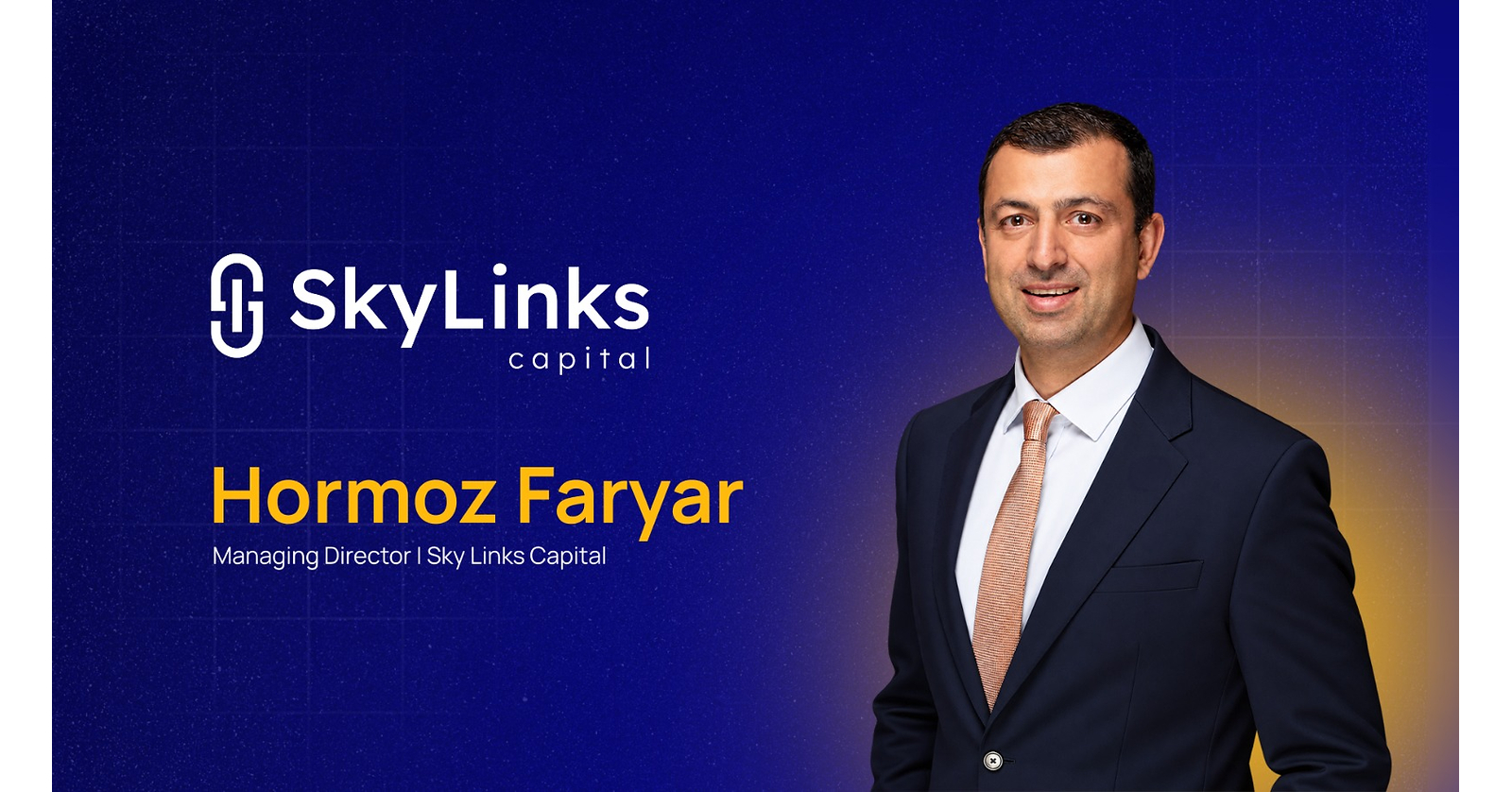
Francos says that Pepperstone now focuses on trying to get cited or recommended in AI questions across all big engines: ChatGPT for its raw volume, Google’s AI Overviews and AI Mode because they are ubiquitous across web browsers and Android devices – Gemini for the same reason – and Claude because that’s disproportionately where business research happens.
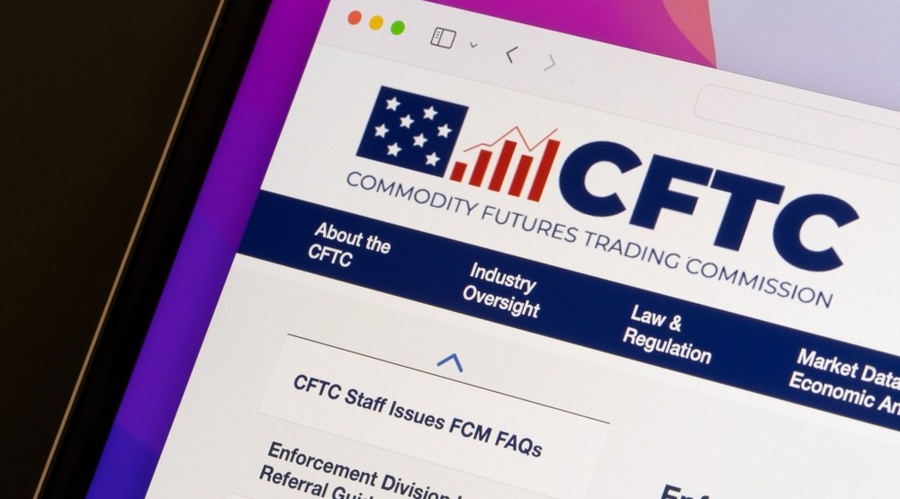
Depending on the question, the AI will crawl different parts of the web. For regulated brands like brokers, when someone asks ChatGPT to establish a broker’s safety or licensing catalogue, the most-cited source will be the relevant regulator. Yang stresses this does not constitute regulatory endorsement, but that the AI search algorithms don’t prioritise what they consider self-promotion.
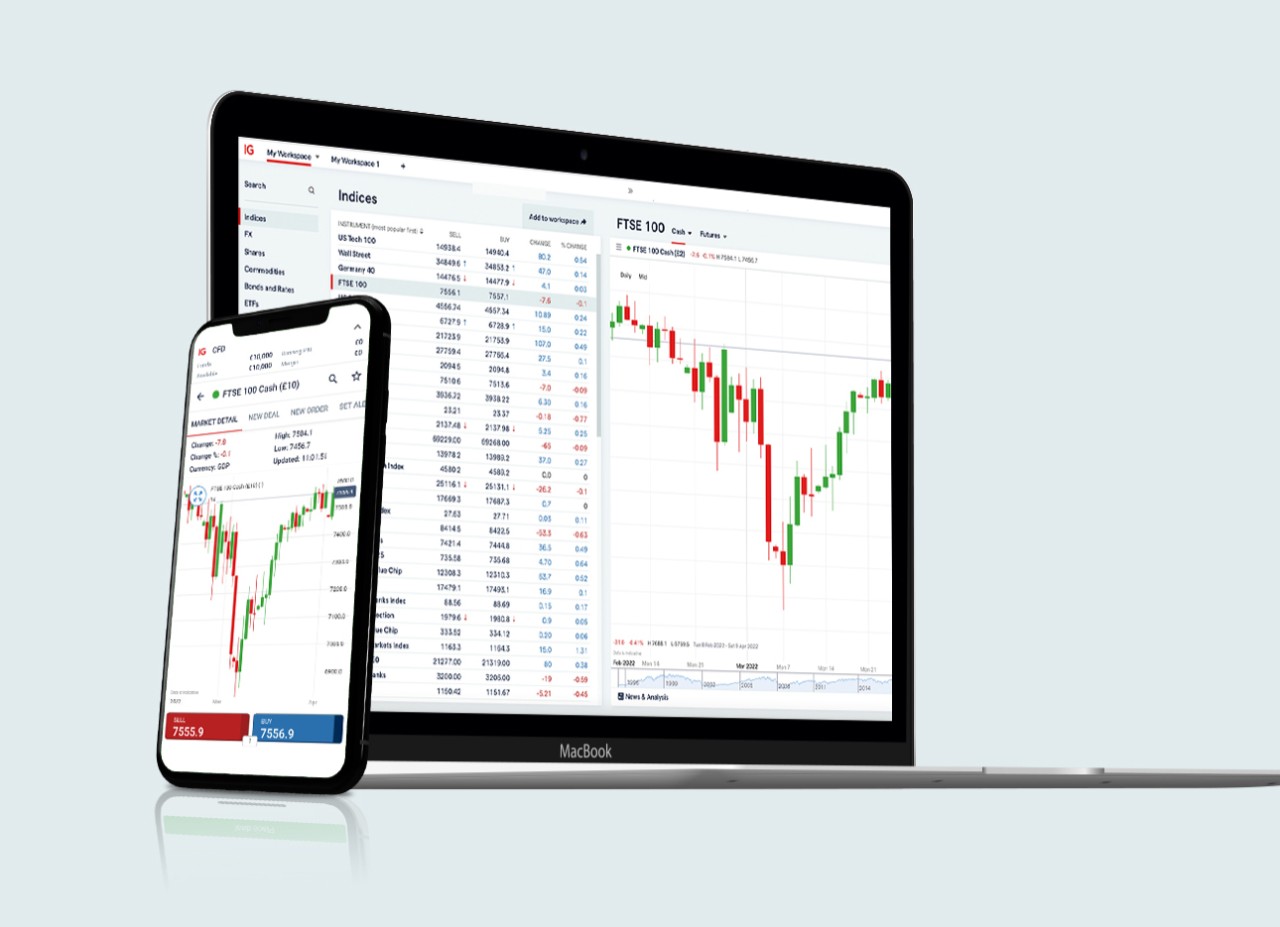
If a trader wants to know specific information only the business will know, say deposit bonuses, the AI will crawl the broker’s website. The catch, though, is that it needs the information in plain text, and it doesn’t handle JavaScript well.
“The things that decide a recommendation- who regulates you, what you charge, which accounts you offer- have to sit in plain text, not buried in a script, a slider, or a PDF,” Yang says.
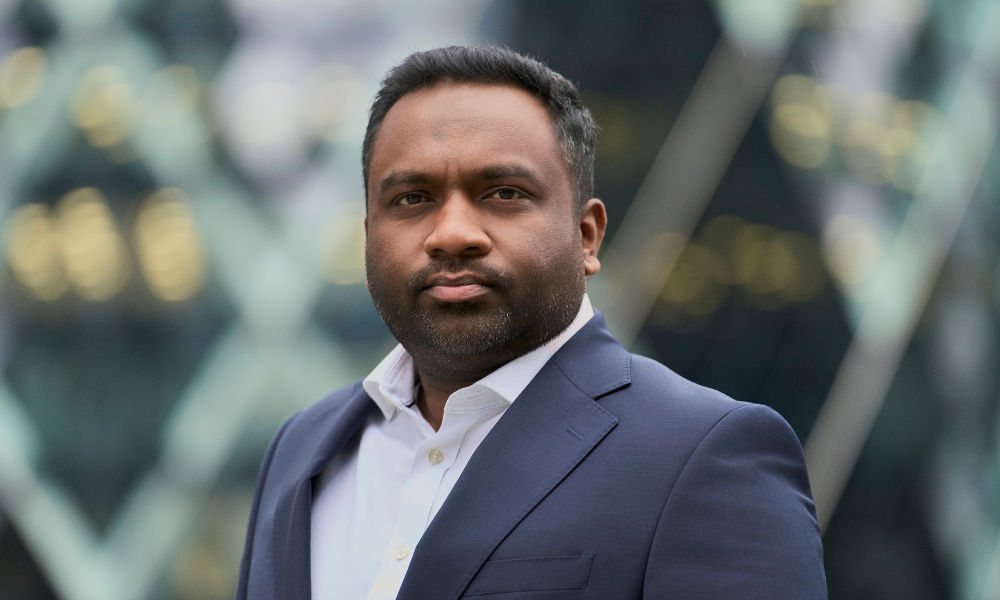
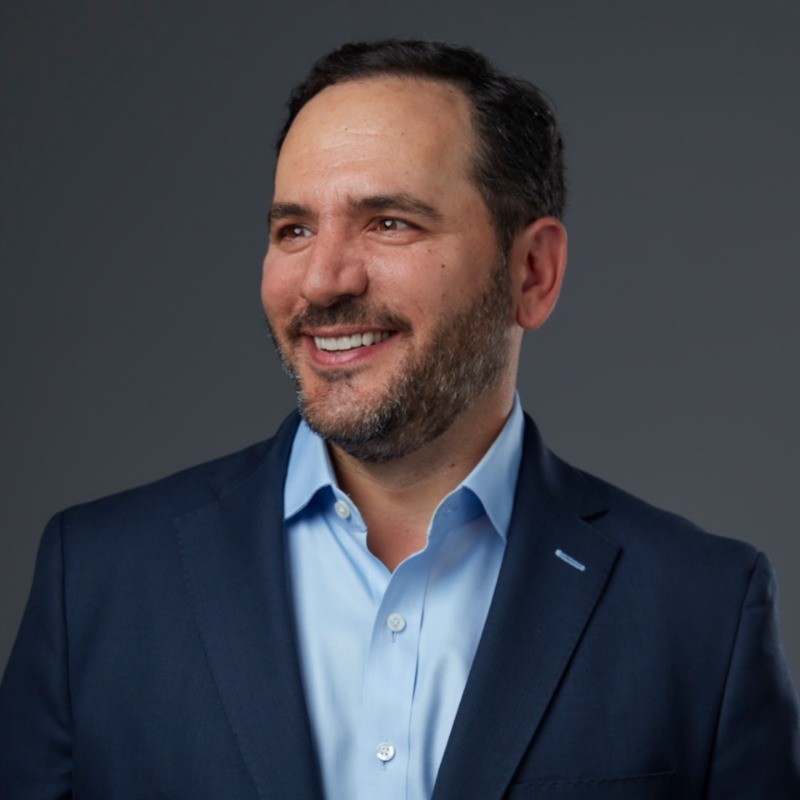
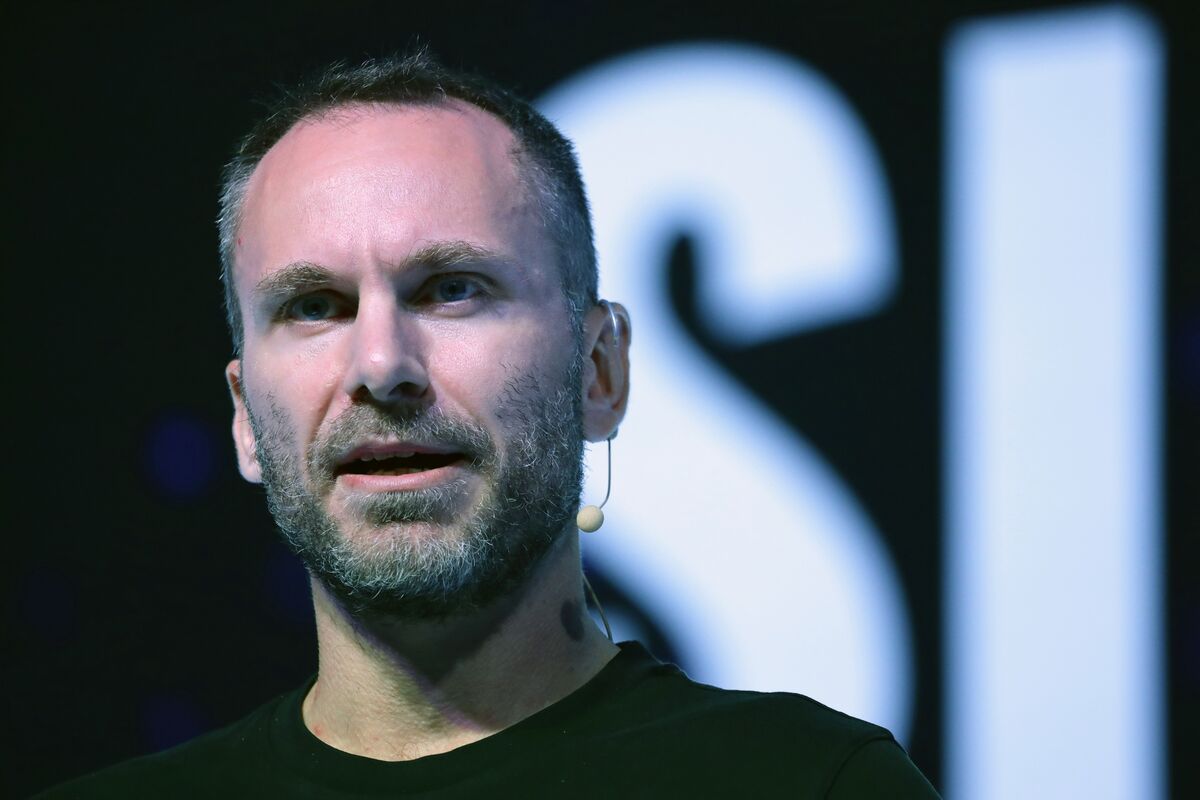
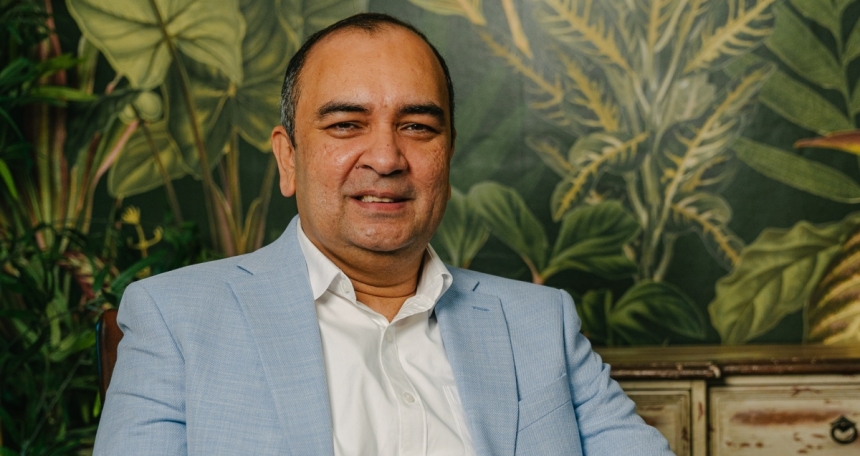
Zay Yang, Founder & CEO, Wordflow (Source: LinkedIn)
Homepages that were exclusively designed for human eyes will now need to be redesigned for the AI’s crawl – not adapting to this architecture means being invisible to millions of people.
Francos notes that third-party sources now account for a significant share of the citations associated with Pepperstone, which is backed by Wordflow’s broker data. Beyond regulators and homepages, recurring sources in AI search include independent comparison and review sites, established finance editorial and local personal-finance media and community.
“For the brokers we track, the brand’s own website is routinely outranked as a cited source by third parties,” he notes. Indeed, much of the work they do at Wordflow is fixing what the engine already believes about a broker. “An AI that gets your fees or licence wrong is not a nuisance; it is a risk,” he says.
“You Can Be Number One on Google and Invisible in AI”
If the AI search engine looks for content that doesn’t look promotional, then the endless variations of “how to trade forex” articles packed with affiliate links and aggressively optimised keywords won’t cut it anymore.
As Yang highlights, “You can be number one on Google and invisible in AI at the same time. The pages that get cited read like a credible source, not a landing page. Thin, promotional, keyword-built content underperforms, and AI spots it faster than Google ever did,” he highlights.
For Pepperstone, this reinforces why media mentions, partnerships and specialist context need to complement the information on their own website.
“There are two speeds to an AI answer, at least from what we’ve observed: a model’s frozen training memory which only shifts with sustained brand-building over years, and live retrieval, where PR, partnerships and content can earn their keep in weeks,” he notes.
Yang adds that structured FAQ and entity markup can help, as they let the engine place a broker correctly and quote it cleanly. “People assume good SEO carries over to AI. It doesn’t,” he notes.
Minimising the Hedging Tax
Not everything is equal in AI search. Training data and referenced citations remain heavily weighted toward US and UK English, so searching the same brand in English and German will yield different answers, sources and framing.
Across the brokers’ Wordflow tracks, the cited sources barely overlap: ASIC, MoneySmart and local comparison sites in Australia; the FCA, Trustpilot and BrokerChooser in the UK; MAS, the local exchange, the broadsheets and homegrown personal-finance sites in Singapore.
So, a broker can be recommended confidently in one market and hedged as newer in the one next door, purely because the local citation core is different. Indeed, Yang says part of Wordflow’s job is to minimise the so-called hedging tax. “A broker can be recommended half the time and still lose deals, because a third of those recommendations come caveated: ‘solid, but newer’, ‘fine, though fees are higher,’ he notes.
There is an upside in all these. “Local sources are less contested, so you can often build authority faster there than in a crowded US market,” Yang notes.
“We Tried Paid Reddit and It Didn’t Pay Back”
Reddit has a special place in the retail trading lore, having been the birthplace of the GameStop saga. In 2024, the platform signed deals with both Google and OpenAI, giving them access to its massive library of human conversations, the very same thing their engines are trying to mimic.
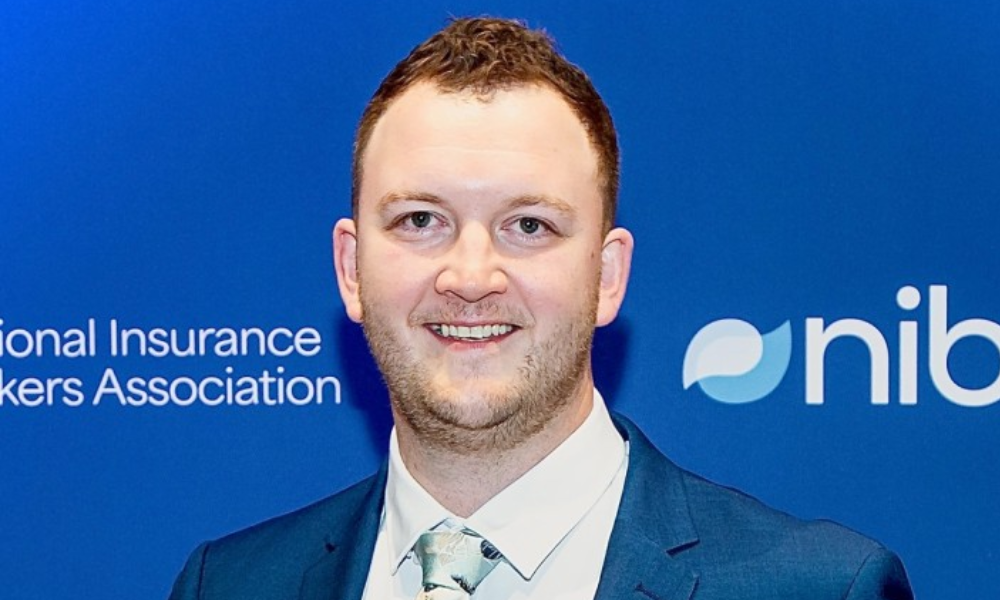
Andy Francos, Growth Consultant, Pepperstone
“In one market we track, a single Reddit comparison thread is among the top sources cited in Google’s AI answers and Perplexity for brokerage questions,” Yang notes.
However, the platform’s weight within AI search appears to be diminishing. Pepperstone maintains dedicated spaces like its r/PepperstoneCrypto hub, and Reddit previously held a place among the firm’s primary source citations.
That changed abruptly when GPT-5.6 was rolled out to general users, causing the site to fall off the reference list completely without recovering its former prominence. “Even as total citations quadrupled,” Francos highlights.
The platform is also now considering not extending its deal with Google.
“Reddit is the most over-generalised data point in AI search,” Francos says. “The line ‘Reddit is everywhere in ChatGPT’ comes from broad consumer data sets. In our UK broker prompts, Reddit ranks 32nd, behind the FCA, gov.uk and a half-dozen competitor sites, according to Obsero citation tracking.”
Indeed, one cannot simply buy their way to an organic Reddit threat the same way they can buy a citation elsewhere. As Francos stresses, those are earned over years by being useful. “Though a well-placed advertorial on a trusted publisher works differently and can earn citations,” he adds. “The honest story is that we tried paid Reddit and it didn’t pay back, so the budget is a small, shrinking line now.
What’s more important on Reddit is community engagement, answering practical questions transparently rather than treating the platform purely as an advertising channel. “If I’m honest about where Reddit growth comes from, our experience is that it isn’t primarily paid at all; it’s a better product getting talked about,” he says.
James Buckley-Thorp, Founder & CEO, Atlian (Source: LinkedIn)
There are also other implications. James Buckley-Thorp, founder and CEO of UK-based AI company Atlian, notes that brokers and prop firms seeding Reddit threads to get ChatGPT recommendations are financial promotion. He equates it with fincluencers, which the FCA and other regulators have been trying to rein in. “A planted thread that an AI then repeats to millions is the same thing with better camouflage, for products where the FCA says 80% of customers lose money,” he says.
“Don’t blame the robot for reading the room. Blame whoever rigged the room. AI is also the best tool we have for catching it: it can spot a hundred accounts praising the same firm in the same week far faster than any human moderator.”
A Brand New World
As the rules of discovery are rewritten, the industry faces an even deeper shift. The immediate headache is attribution, as the customer journey has gone completely dark.
A trader might read a debate on a forum, ask ChatGPT to generate a shortlist of regulated brokers, independently google the chosen brand, and finally open an account. To the broker’s internal metrics, this registers simply as an organic brand search. As Francos notes, every channel that actually influenced the decision remains invisible, while the final, frictionless step claims all the credit.
But this marketing puzzle pales in comparison to what comes next. “The ground is still moving,” Yang warns. “The next shift is agents that don’t just answer but act, comparing and even opening accounts on someone’s behalf.”
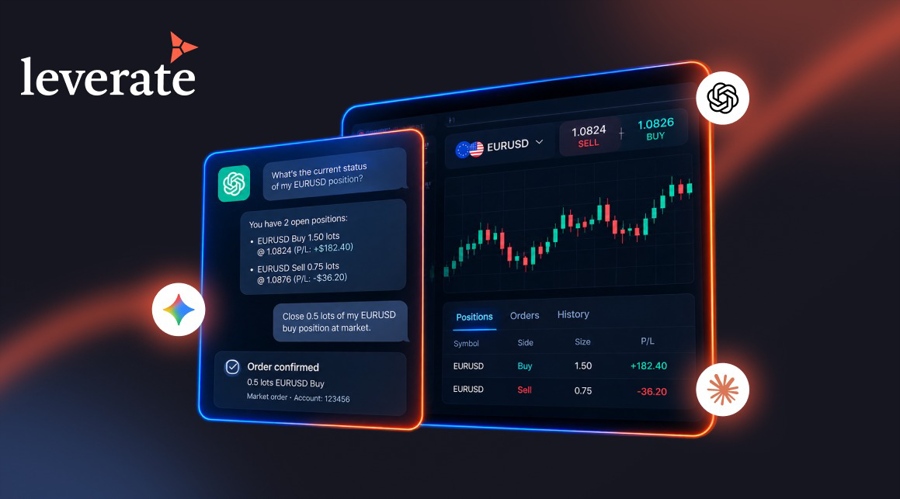
This is not a distant hypothetical. The industry has already begun experimenting with Model Context Protocol (MCP) integrations, allowing traders to connect their accounts directly to AI agents. While current safeguards prevent these bots from executing trades autonomously, the direction of travel is unmistakable.
When AI can manage the mechanics of trading, the traditional consumer-facing app loses its purpose. Industry leaders increasingly view this as the end of the trading app’s role as a distribution layer; instead, the app will quietly become an execution backend.
So, in this brand new world, both the corporate homepage and the trading app are stripped of their relevance – or better yet, are losing their original purpose. The internet is no longer a place users visit to find information; it is a database AI engines crawl and, sooner or later, a matrix for agents to take action.
“The brokers that are consistently found, understood, cited and recommended today are the ones that will be reachable when that happens,” Yang says.