
Major insurance brokers are increasing the share of risks placed through cross-class facilities as insurers compete for premium in a softening market and better data makes it easier to underwrite diversified portfolios.

Aon’s decision to increase its Client Treaty participation to 35% from January 2027 follows expansions at Marsh, Willis and McGill and Partners, while other brokers are broadening the classes their facilities cover.
The structures allow brokers to complete more of a placement behind an approved lead insurer without negotiating separately with every following market.

SOFT MARKET INCENTIVES
The expansion takes place at a time when abundant capacity gives brokers more choice about which insurers receive business, strengthening the position of intermediaries controlling distribution.
Some facilities also offer explicit client discounts. Marsh advertises a 2.5% premium discount through Fast Track, while eligible Aon Client Treaty placements receive a 1.5% reduction on premium allocated to the facility. Both apply to the facility share rather than the whole programme.
Better technology also supports the expansion of portfolio underwriting. McGill and Partners said Auton’s live dashboards gave capacity providers information on premiums, claims, accumulations and modelled losses, while allowing insurers to adjust their participation to reflect underwriting appetite.
UNDERWRITING CONCERNS
The growth has also drawn scrutiny over underwriting control, broker remuneration and the effect on competition.
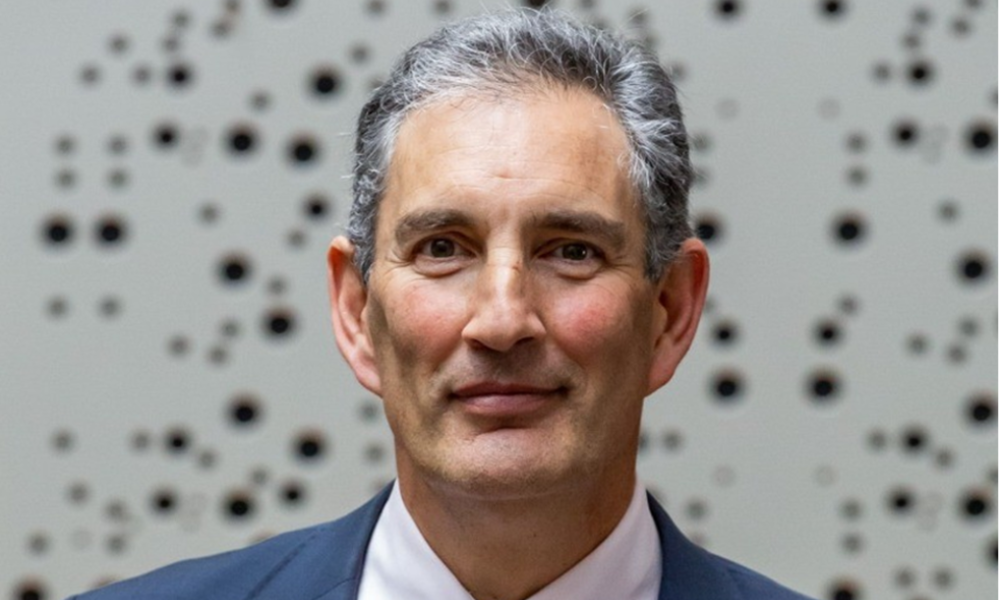
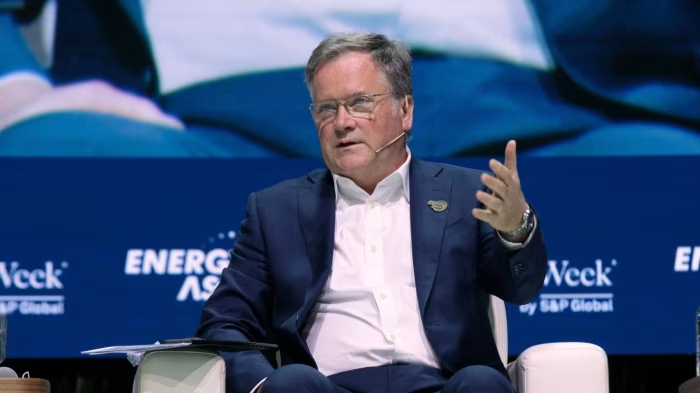
In November 2025, Lloyd’s CEO Patrick Tiernan stressed that facilities needed adequate performance data, safeguards against adverse selection and excessive commissions and demonstrable client benefits.
He also warned their growth could squeeze following capacity, offering neither an efficiency nor an underwriting advantage.
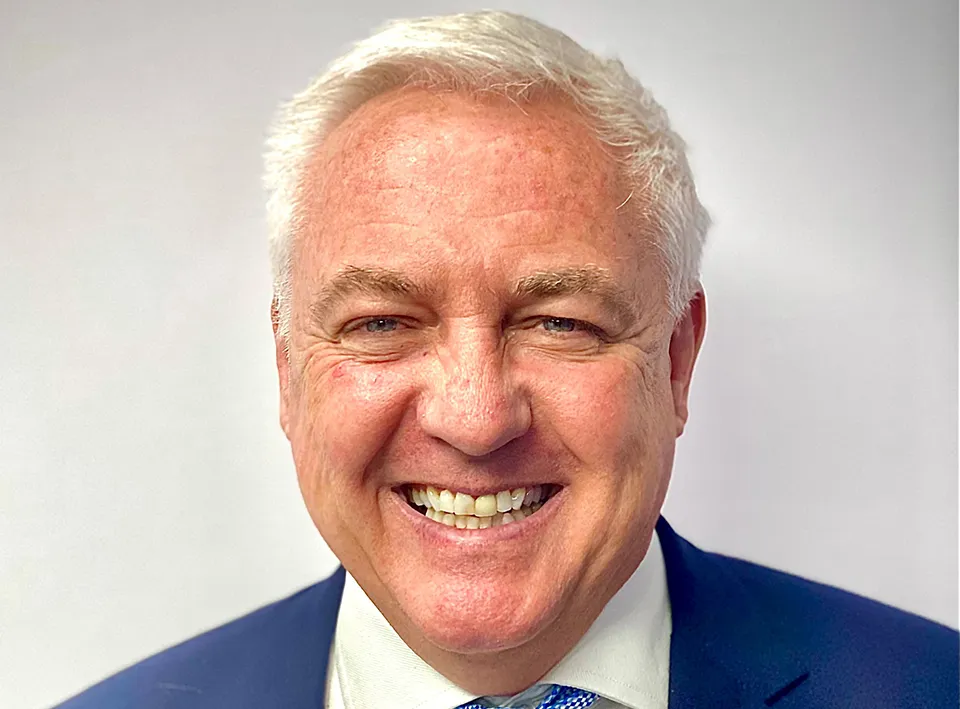
Mike Abdallah, whose retirement as Liberty’s Asia Pacific chief underwriting officer was announced for the end of September 2026, criticised facilities’ expansion into larger, more complex accounts and argued insurers were becoming increasingly dependent on intermediaries.
Their proliferation meant insurers had “less control … to effectively manage the market cycles”, he told Insurance Business, while questioning the loss of direct client relationships and individual risk selection.
Chubb chairman and CEO Evan Greenberg also included broker and blind-follow facilities among sources of capacity upsetting the supply-demand balance on the company’s October earnings call.
It was, he said, “a lot of very naive capacity”.