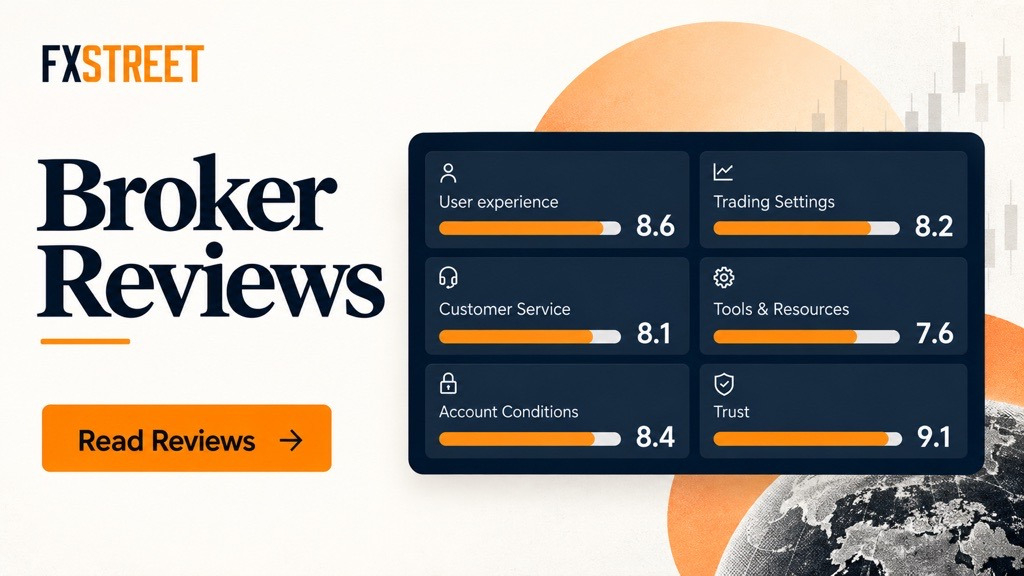
Choosing an online broker may seem like an overwhelming decision at times, but once you focus on a few key issues it can help you narrow down your choices. We’ll take you through the important areas to consider when selecting a broker and you may also find it helpful to check out Bankrate’s in-depth broker reviews for even more information.
Advantages of working with an online broker
One of the biggest benefits of working with an online broker is that you’ll likely avoid paying any commissions on transactions involving stocks or exchange-traded funds (ETFs). Some brokers even offer commission-free options trading.
Online brokers also typically offer low or no account minimums, so you can open an account with just a few dollars. This is an advantage over full-service brokers, who typically only work with well-off clients and charge commissions for basic trades. While you might get investment recommendations or additional services from a full-service broker, online brokers come with a significant cost advantage.
Types of online brokerages
When you decide to invest online, you’ll have a few different ways of getting the job done. Here are a few types of online brokers.
Discount broker
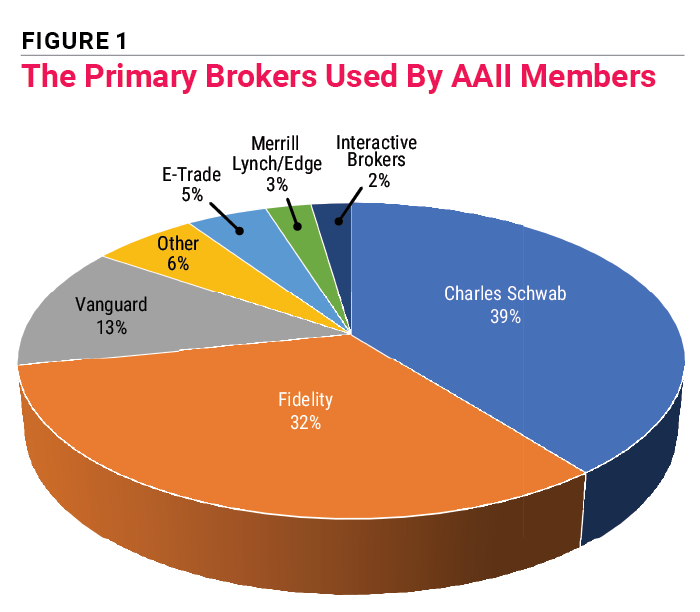
This is probably what you think of when you imagine an online broker. Discount brokers are great for do-it-yourself investors looking for low-cost ways to trade and invest. There’s no shortage of options when it comes to discount brokers, but Charles Schwab, Robinhood and E-Trade are some of the most popular. These brokers allow you to purchase securities, such as stocks and ETFs, with no commissions and typically have low or no account minimums.
If you’re just starting out, Fidelity is a great broker for beginners. It won Bankrate’s 2023 award as the best broker for beginners based on its low trading costs and account fees, along with its wide offering of research and educational content.
Robo-advisors
Robo-advisors have become popular in recent years as a simple way to develop an investment portfolio at a lower cost than traditional financial advisors. Robo-advisors like Wealthfront and Betterment build an investment portfolio for you based on your answers to a handful of questions about your goals, time horizon and risk tolerance. They typically offer features such as automatic daily rebalancing and tax-loss harvesting, which can help reduce your taxes in individual and joint accounts. Check out Bankrate’s reviews of robo-advisors to help determine the best one for you.
Micro-investing
If you’re just starting out with investing and don’t have much in the way of savings, then micro-investing could be for you. You only need a few dollars to get started and you can consistently contribute your savings over time to help build a portfolio. Personal finance apps like Acorns and Stash allow you to round up your purchases to the nearest dollar and invest the additional amount in ETFs and fractional shares of stock. While you’ll likely need to increase your savings beyond a few dollars each month to reach your retirement goals, micro-investing can be a great way to get started early.