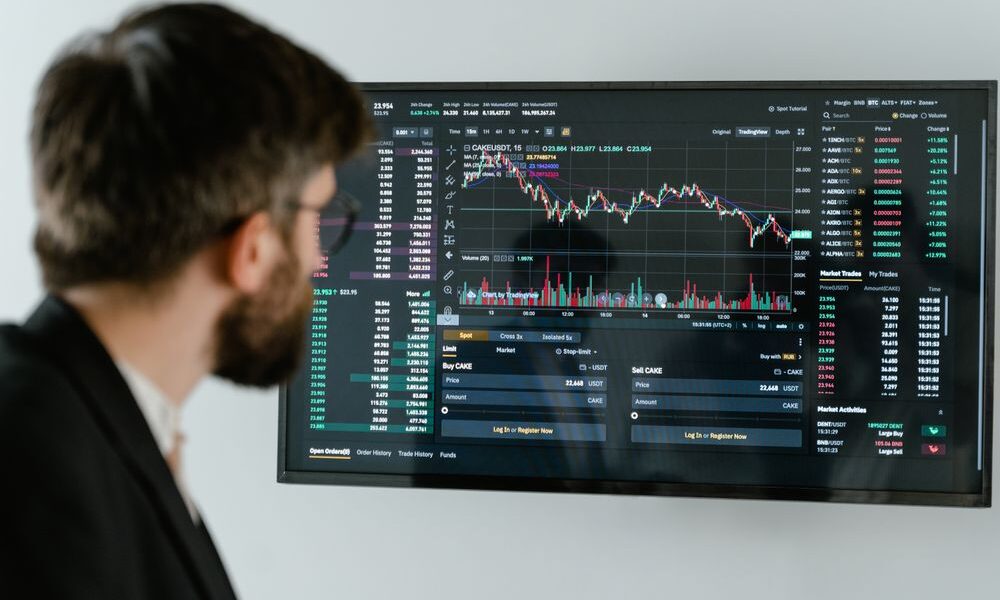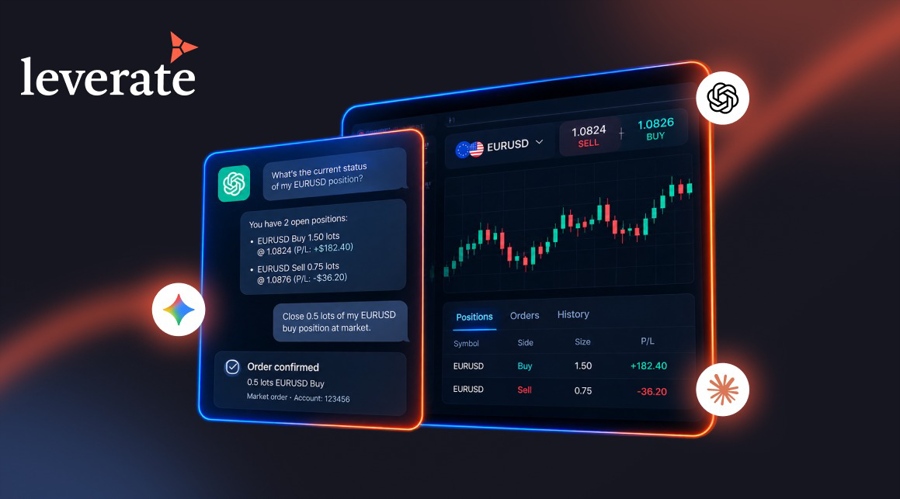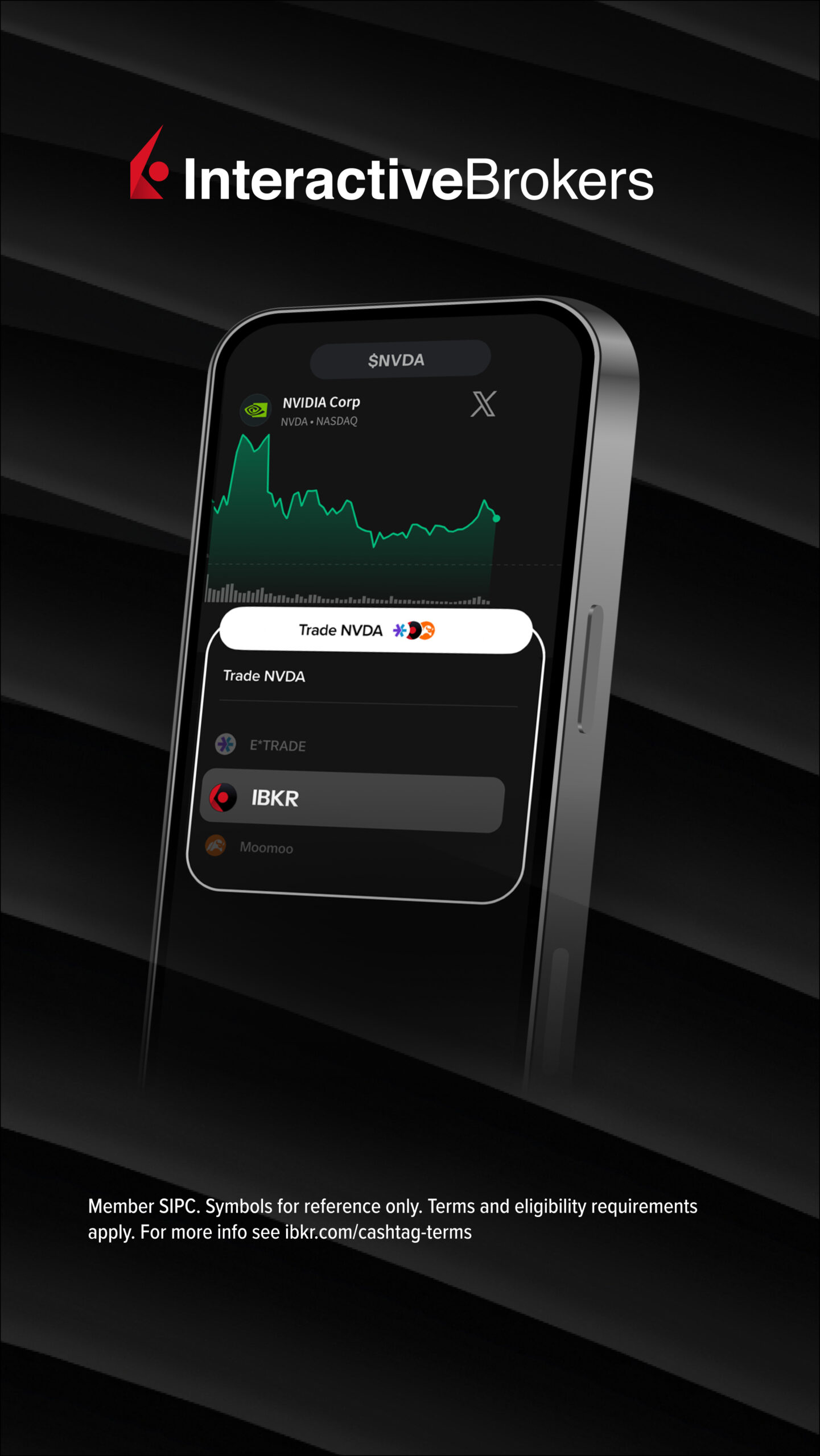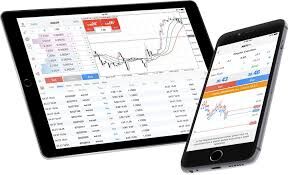

Interactive Brokers (Nasdaq: IBKR) has launched IBKR Autonomous Trading, a capability that allows eligible clients to authorise connected AI platforms to monitor markets and submit orders on their behalf across more than 75,000 listed stocks, options and ETFs worldwide.
The feature centres on a dedicated AI Partition, a ring-fenced allocation within a client’s existing IBKR account funded by internal transfer rather than a new account opening. Within that partition, a connected AI can monitor markets, evaluate opportunities against client-defined instructions and execute supported orders without requiring the client to approve each trade individually.
How the partition works
Clients configure the AI using natural language instructions. The examples Interactive Brokers published in its release cover a range of use cases: volatility screening at a set time of day, position-level drawdown alerts with options pricing context, automatic rebalancing when a holding breaches a portfolio-weight threshold, and covered-call writing triggered by implied volatility percentile. The firm says these parameters and account-level safeguards govern what the AI may and may not do.
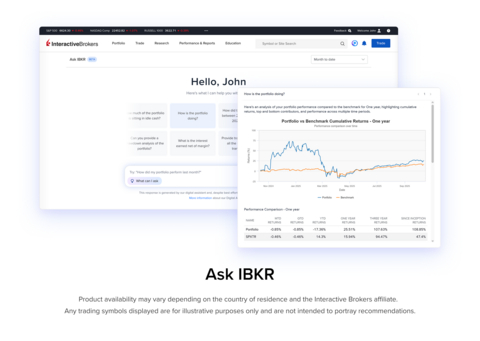
IBKR already offered an AI Integration feature allowing clients to generate trade instructions for manual review and approval via platforms including ChatGPT, Claude, Grok and Perplexity through Model Context Protocol connections. Autonomous Trading extends that by removing the per-order approval step for clients who meet eligibility requirements. The company said eligibility, funding limits and availability will vary by jurisdiction and IBKR affiliate; the capability is live across the US, UK, Europe, Singapore and Australia at launch.
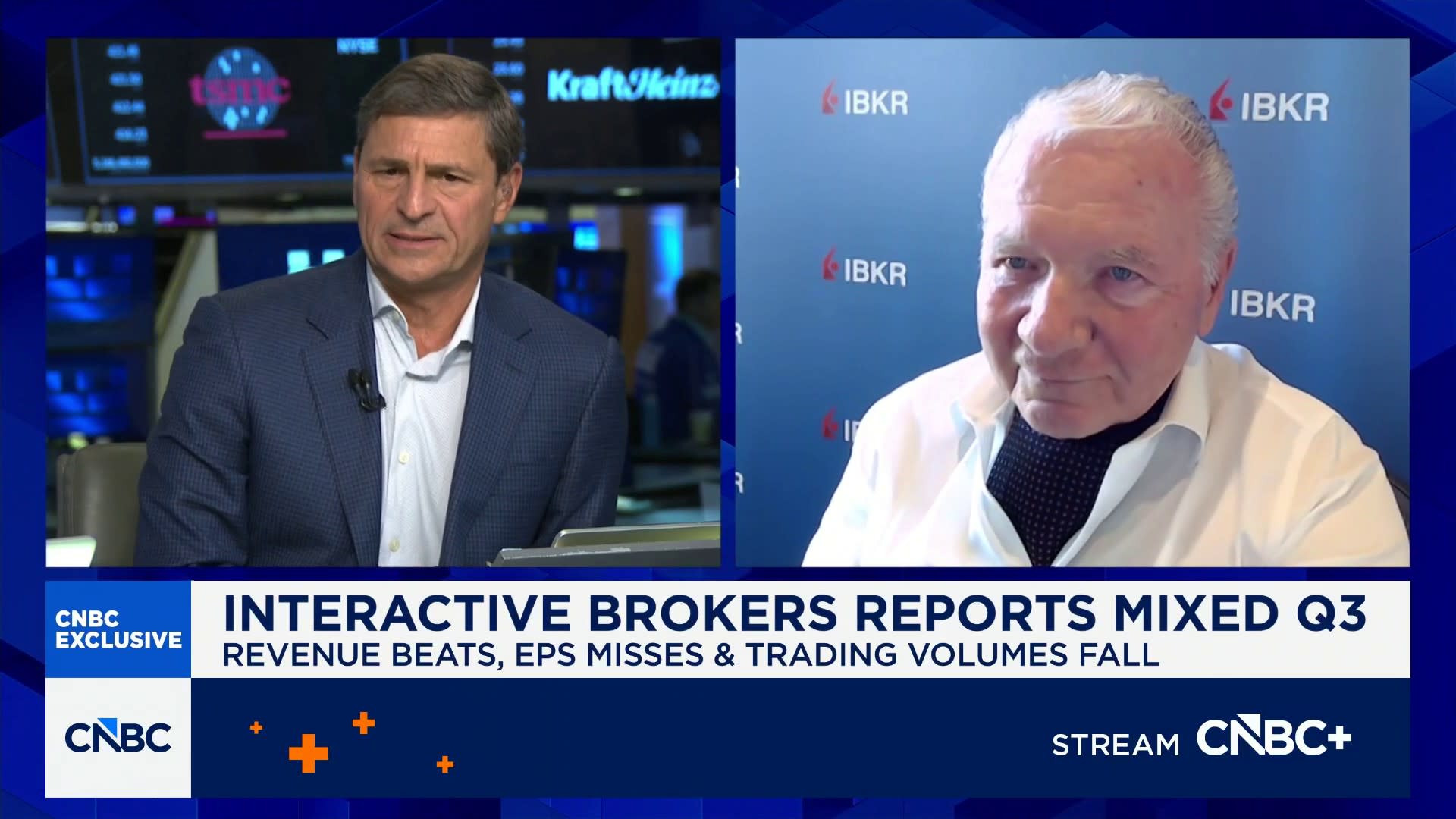
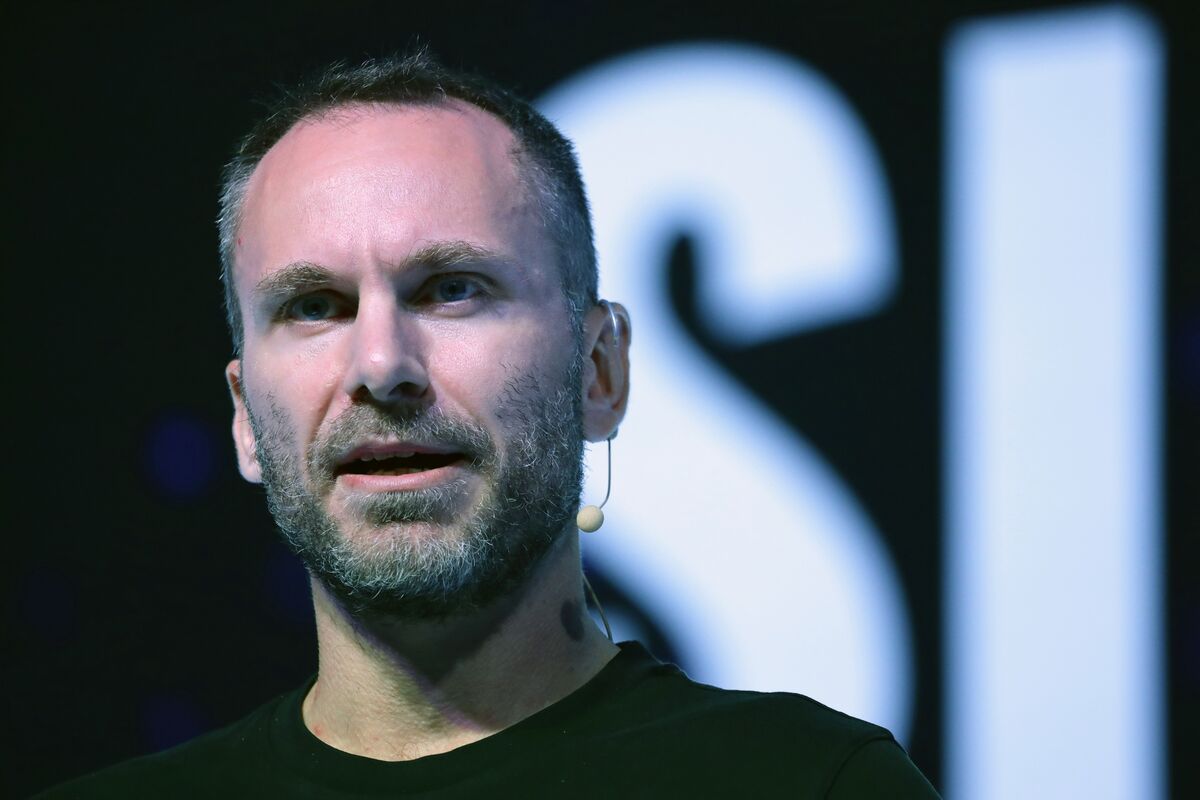
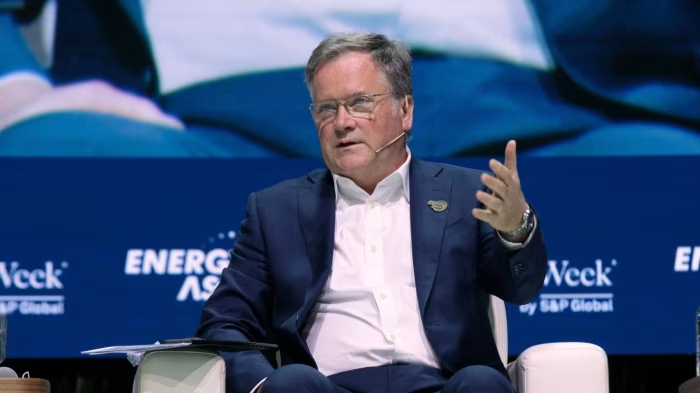
Milan Galik, chief executive of Interactive Brokers, said the product builds on the firm’s longstanding automation philosophy: “IBKR Autonomous Trading builds on that approach, allowing clients to define their trading strategies and safeguards while connected AI monitors markets and executes trades within those parameters.”
Market and regulatory context
IBKR’s move sits inside a broader structural shift in which AI is being embedded at the execution layer of brokerage, not just the research or screening layer. Several algorithmic and quantitative platforms already offer automated strategy execution, but most are aimed at professional or institutional users. A product at a major retail-accessible broker that allows natural-language strategy definition represents a meaningful lowering of the barrier to AI-assisted autonomous execution for individual investors.
The regulatory picture is complicated and will determine how far the product can travel. In the UK, the FCA‘s Consumer Duty framework places responsibility on firms to ensure products are appropriate for the clients who use them, which will apply scrutiny to how IBKR determines eligibility and communicates risk. In the EU, MiFID II suitability obligations similarly govern algorithmic and automated order submission. In the US, the SEC and FINRA have both signalled heightened interest in AI-generated investment advice and automated order flow. IBKR has acknowledged country and entity eligibility restrictions, and the product’s trajectory in each jurisdiction will depend partly on how regulators treat the distinction between a client-configured instruction and a firm-provided recommendation.
The near-term questions for the market are the scale of the AI Partition funding caps at launch, the rate at which eligibility criteria are relaxed, and whether third-party AI providers beyond those already integrated will be able to connect to the framework.
AI level 1 of 5: written by Darlyn Ho; AI helped with tone, structure or wording; edited and signed off by Mark Walker, Editorial Director. What the levels mean