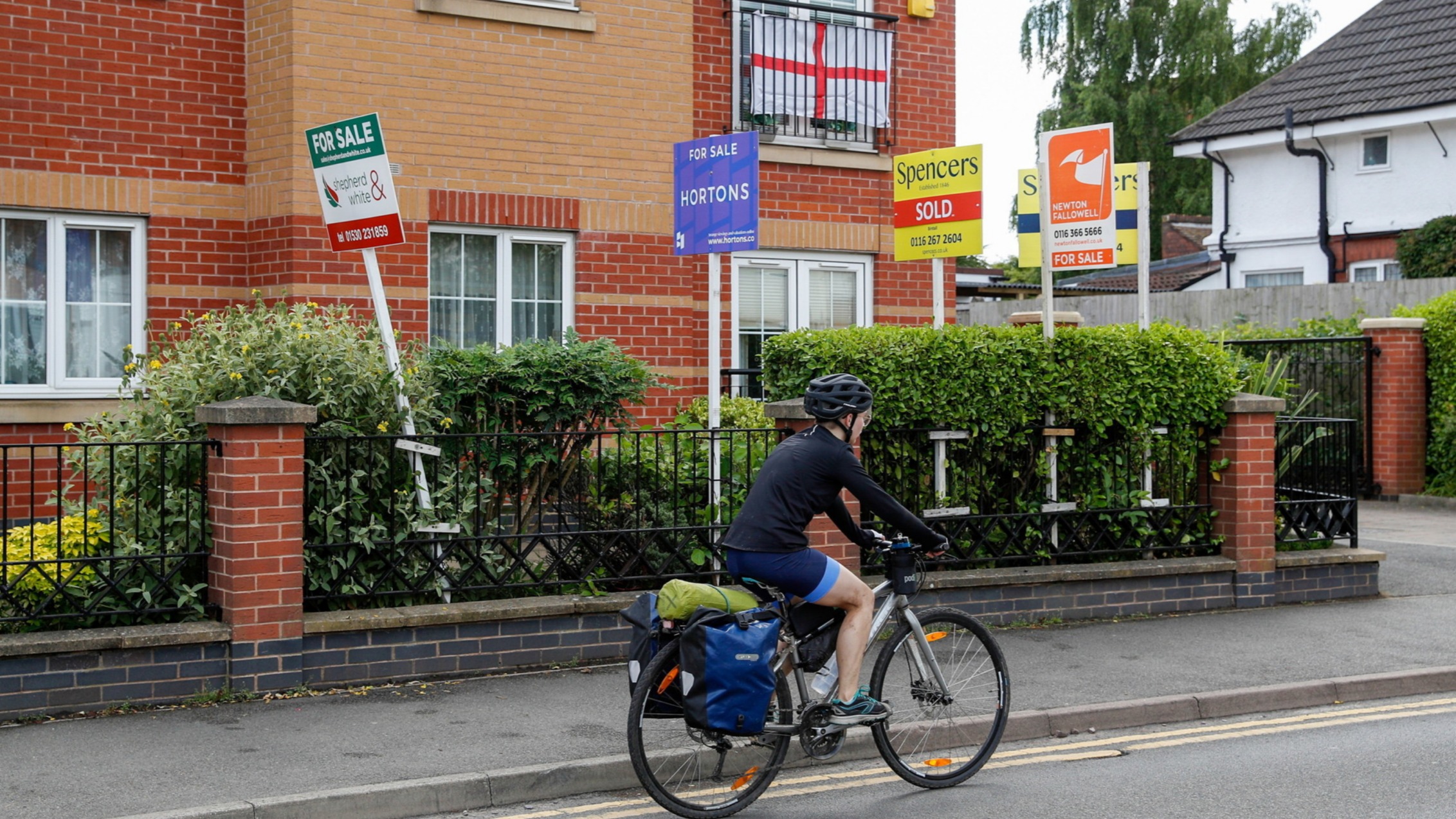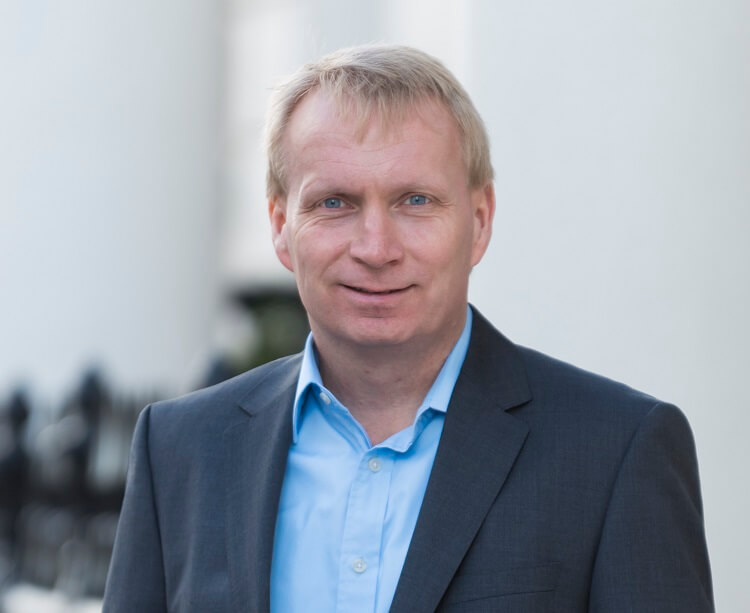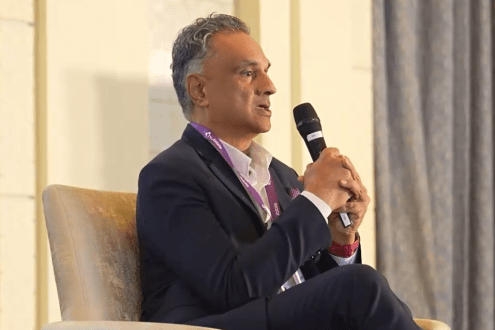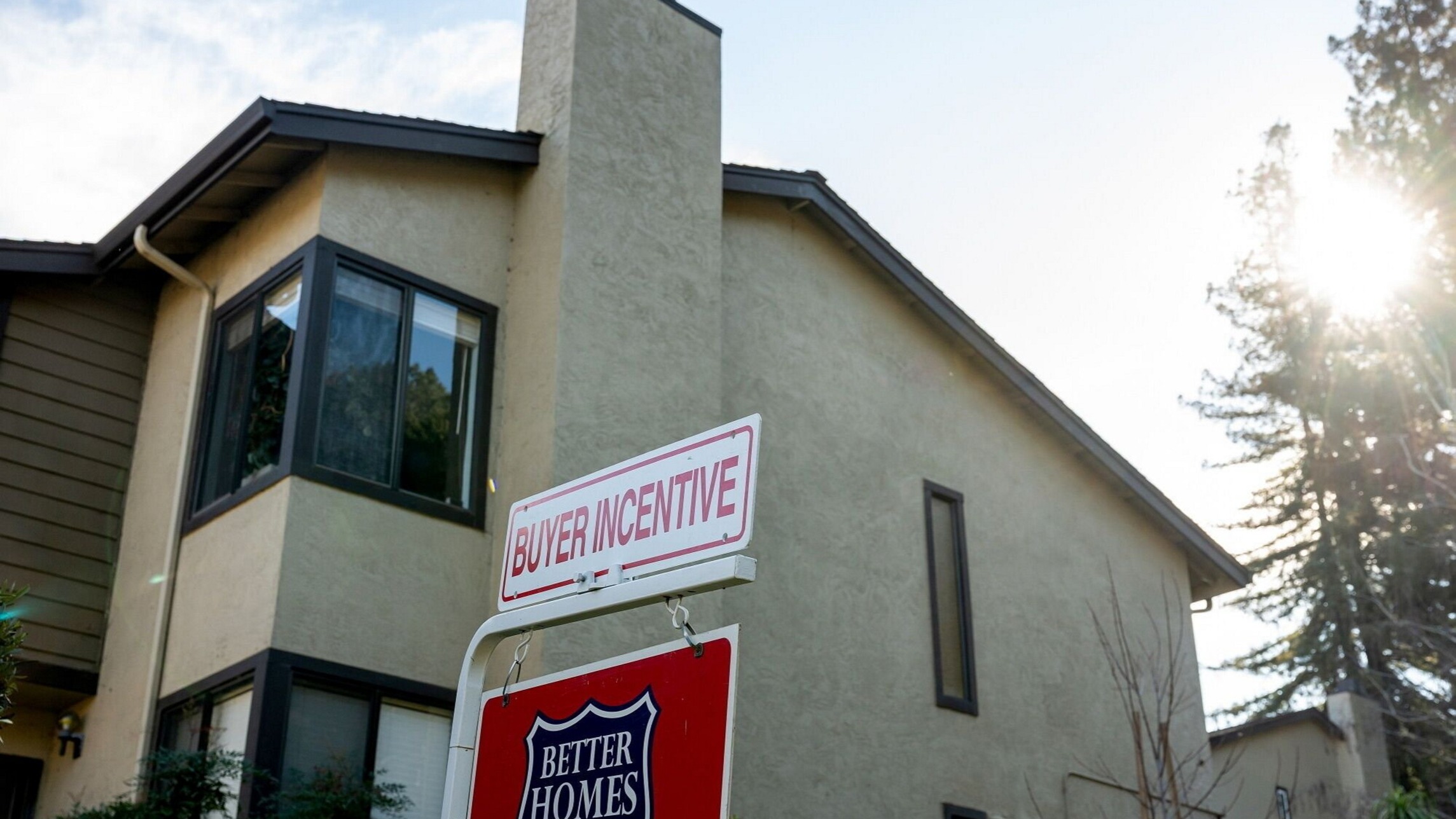
UK landlords facing stamp duty changes and tightening regulation are increasingly seeking specialist guidance to navigate what has become a complex environment. Holiday lets and short-term rental models are another growth area Moustafa anticipates expanding, particularly as policy shifts continue to reshape the longer-term lettings market.
Lender relationships are non-negotiable
Brokers considering the move into complex or buy-to-let lending will need to leave high-street habits behind, Moustafa warns. “In a residential market, you don’t need to discuss each and every deal,” she said. In complex lending, the opposite is true. HMO deals and semi-commercial transactions require pre-placement conversations with lenders, not least because off-high-street lenders routinely charge application and valuation fees that cannot be recovered if a deal falls through.
“If you just go place the deal, probably the deal is not going to go through,” she said. “You can’t really go try your luck.”
Her core advice is to invest time in building relationships with business development managers before placing a single case. She suggests a minimum of 30 to 40 diverse deals before a broker can claim genuine competency, and warns that treating complex lending like residential will lead nowhere. “If you treat it like residential, you got a case, you went and you placed the case, you are absolutely not getting anywhere,” she said.
Moustafa is also watching the semi-commercial market closely. Semi-commercial lending is approaching £1 billion in annual volumes for the first time, with growth driven in part by the appeal of cooperative tenancy agreements and the comparative cost advantage of converting semi-commercial property to residential use under the current stamp duty regime. Lender appetite in the space is high risk but high return, she notes.