Proving income and affordability through overseas tax returns and payslips is the biggest challenge facing mortgage brokers with expat clients, according to new research from Suffolk Building Society. Nearly two-thirds (62%) of respondents cited it as their main challenge.
Concerns about global political instability, uncertainty over lending criteria, and identity and anti-money laundering checks were the next most common issues, each highlighted by 48% of brokers surveyed.
According to the survey, which sought intermediaries’ views on niche areas of mortgage lending, the challenges of expat borrowing begin even before a case is put together: brokers estimate that only a third (34%) of expats are aware that they need a dedicated expat mortgage in the first place.
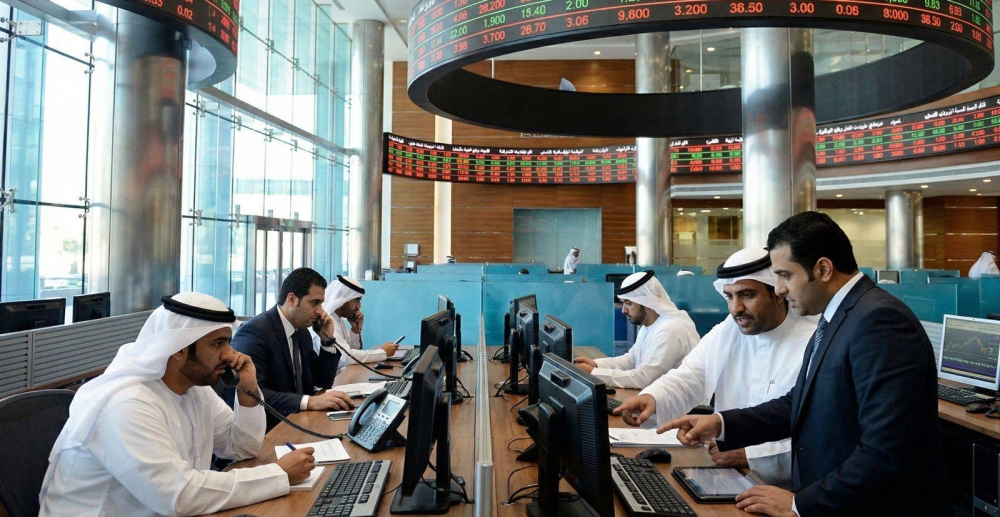
“There’s a widely understood idea of what an expat looks like, perhaps a lawyer or finance professional who has moved to Dubai. But the reality is much broader.
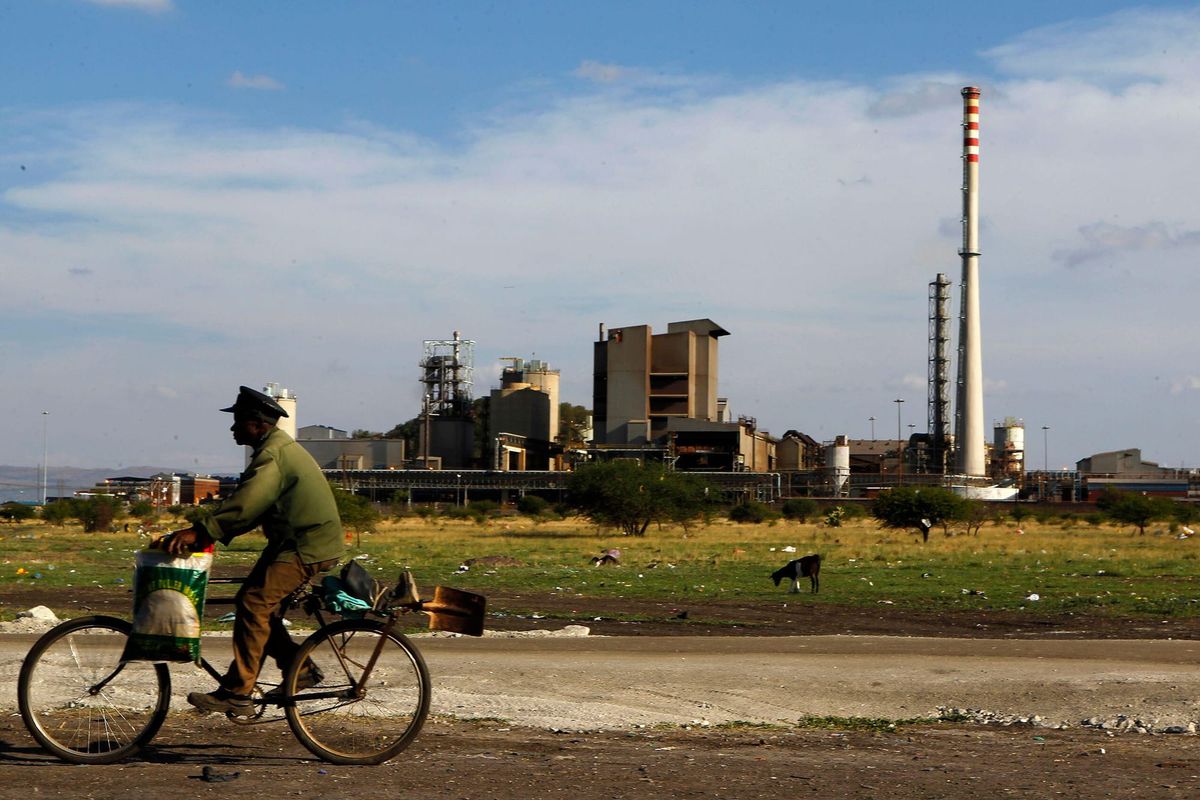
Those working for a UK company but based overseas and under their local tax jurisdiction would count as expats. This might include someone working on an oil rig, in shipping as crew, or at the UK overseas embassy, which can be a surprise if they’re new to living or working overseas.
Given the complexities of an expat mortgage and the fact that many prospective borrowers are unaware that they require one, Suffolk Building Society believes there is a clear case for the value of broker advice.
Intermediaries have a vital role to play in helping clients understand their options, identifying the right mortgage for their circumstances and navigating the additional requirements involved.”
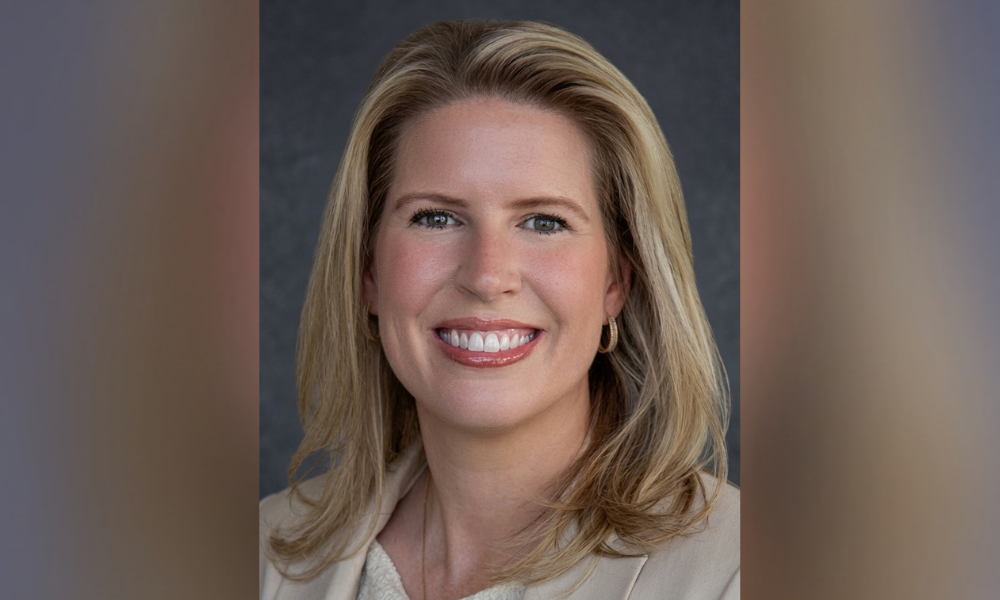
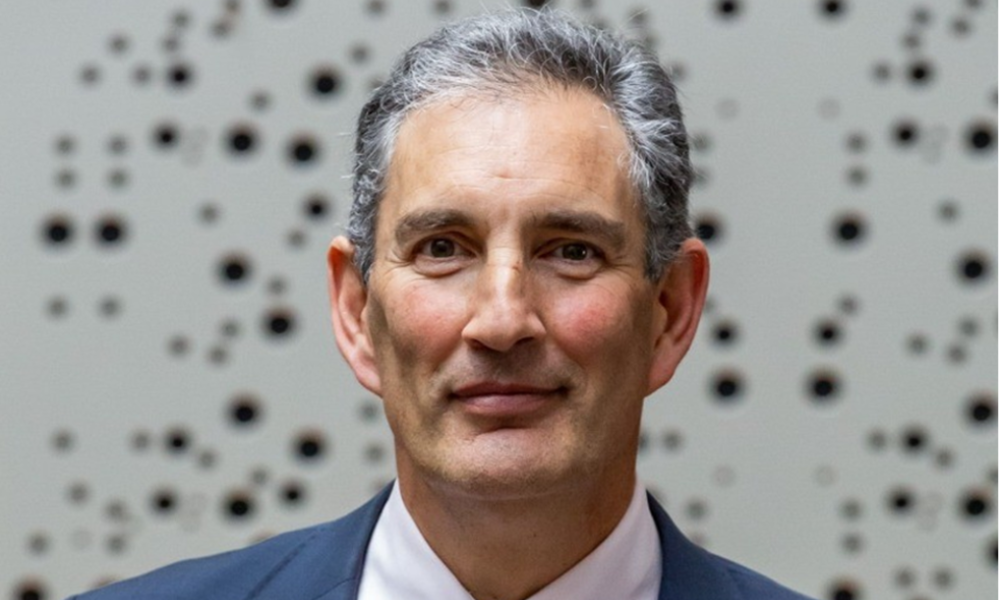
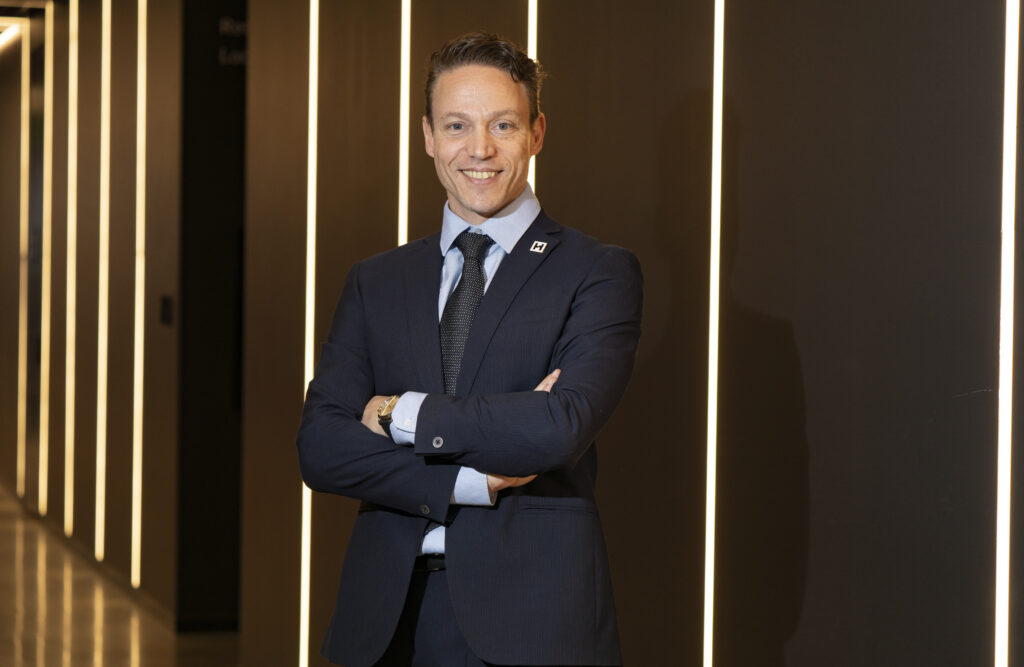
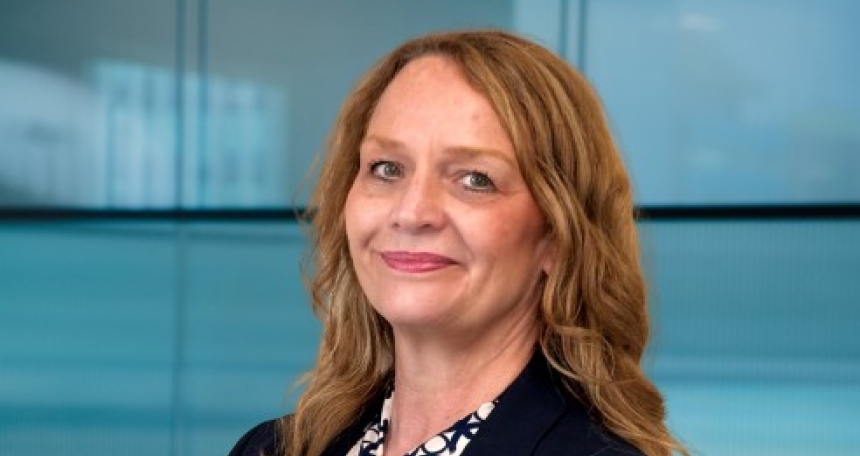
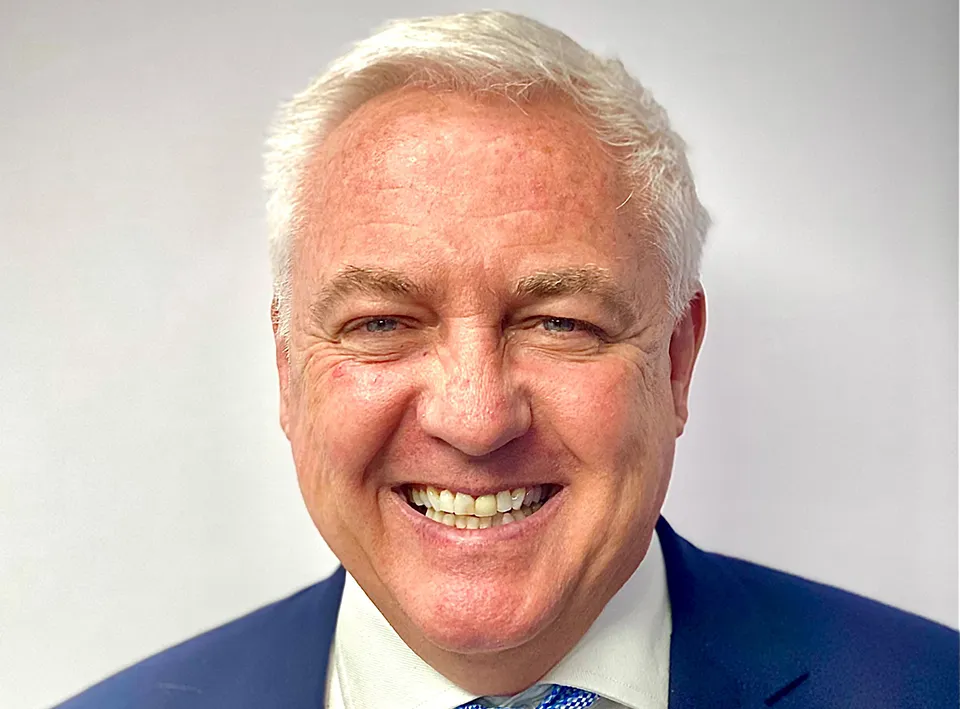
Charlotte Grimshaw, Head of Intermediaries, Suffolk Building Society
Where do brokers add the most value in expat cases?
When brokers were asked where they believe they add most value in expat cases, the overwhelming majority (88%) pointed to finding a lender willing to lend based on a customer’s individual circumstances, such as their country of residence, tax status and the currency in which they are paid.
The second most commonly cited area was explaining the type of expat mortgage a customer needs, with 54% highlighting the value they add in navigating the different options, such as expat buy to let, consumer expat buy to let, expat holiday let and expat residential mortgages.
In third place, 44% of brokers said they add value by explaining the documentation required and helping clients understand why the process may be more complex than a standard UK application.
With around 5 million British expats living around the world and a quarter of a million having left in the past 12 months, there is a strong case for more brokers to develop their expertise in this area of niche lending, where their skills, signposting and advice can add significant value.
Charlotte Grimshaw continued: “Even when clients know they need an expat mortgage, understanding which type of product is most suitable isn’t always straightforward.
Whether they plan to let the property permanently, use it themselves when visiting the UK with flexibility around letting, or it’s to be a home for themselves/family members, this all influences the type of mortgage they may need.
For example, we’ve had brokers come to us looking for a BTL, but after talking through the case, their clients have opted for the added flexibility that a holiday let can bring.
“A broker’s understanding of the customer’s wider circumstances, combined with our knowledge of expat lending, means we can work together to provide a robust solution for expats across the world.
“Expat lending is a great example of where broker advice makes a significant difference. While rate, LTV and income multiples may be the core considerations when dealing with a standard residential case, the value that brokers add to an expat case goes far beyond these.
It’s not simply about navigating what can be a more complex application process and documentation requirements. It’s about identifying the right type of mortgage, anticipating potential obstacles and directing the case towards an appropriate lender from the outset.”