Over the past few weeks, I have spoken with people across
several CFD brokers. Different companies, different markets, but the complaint
was remarkably consistent: campaigns that worked in May and June were
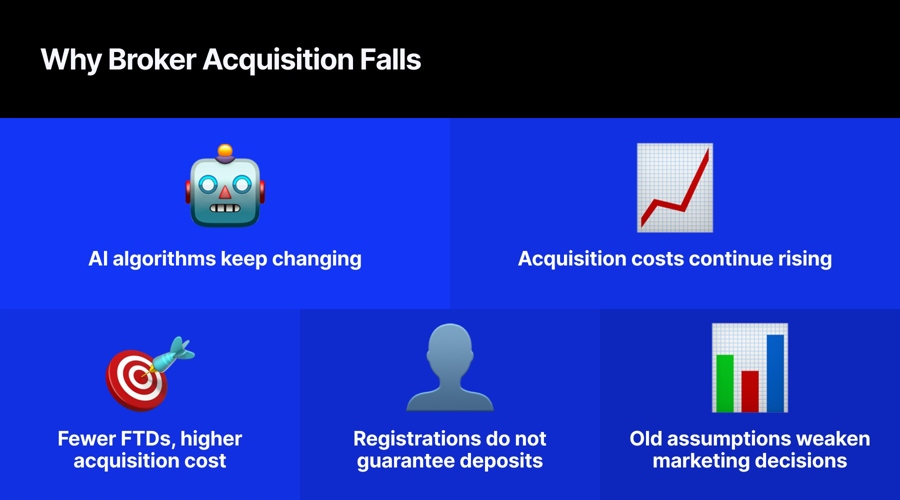
delivering fewer first-time depositors by the end of Q3. Cost per acquisition
and overall customer acquisition costs were rising, and management wanted
answers.
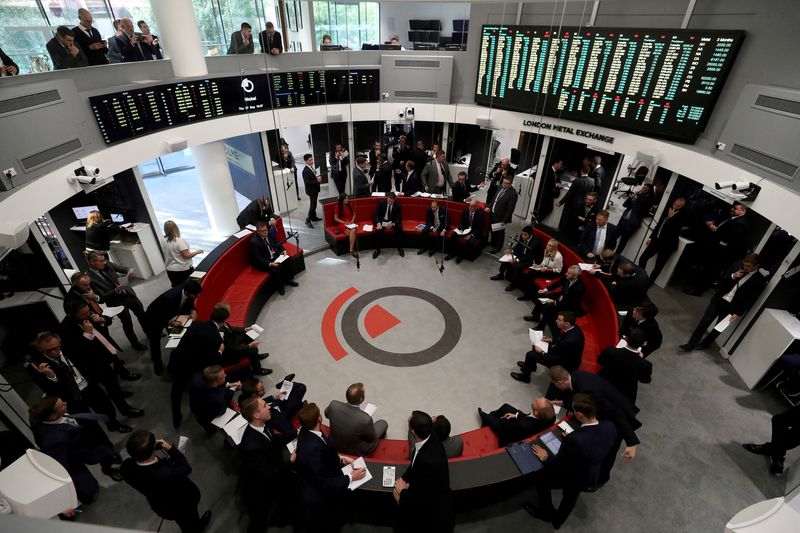
London’s trading industry is coming home!
Some brokers questioned their marketing teams. Others looked
toward new agencies. I understand the instinct. Acquisition budgets are
expensive, and declining results demand action. But I think the industry is
asking the wrong question.
Instead of asking who failed to deliver the FTDs, perhaps we
should ask why brokers with years of client and trading records still rely so
heavily on yesterday’s marketing assumptions.
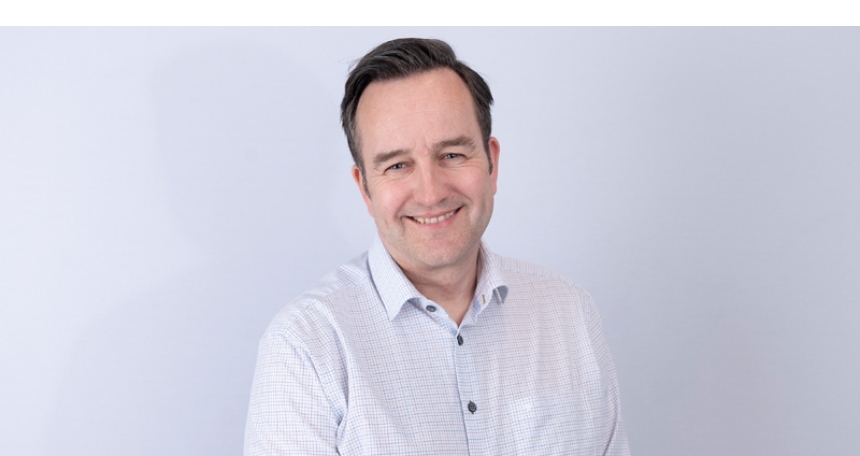
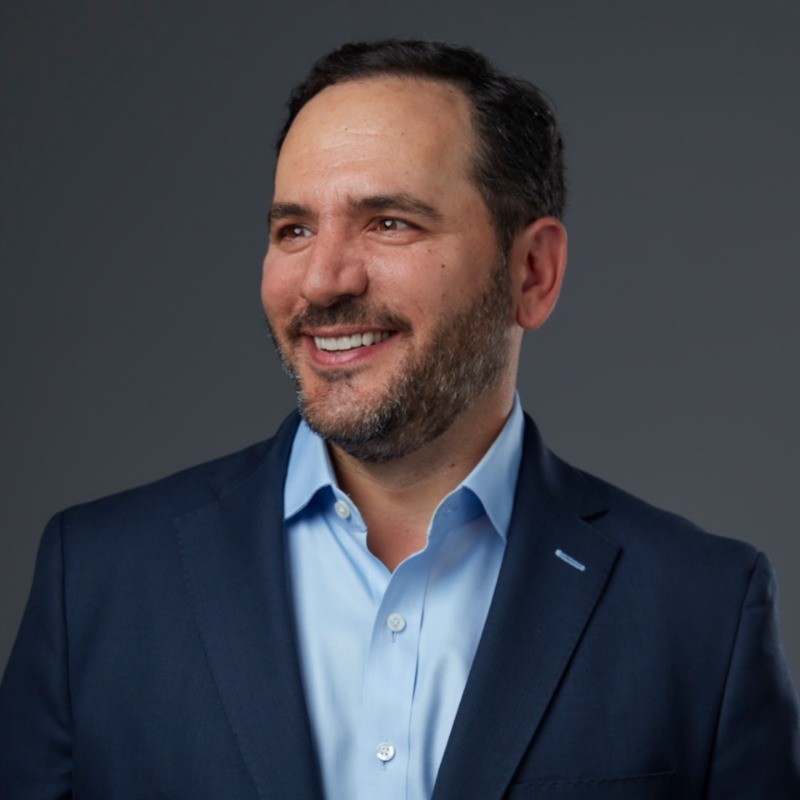
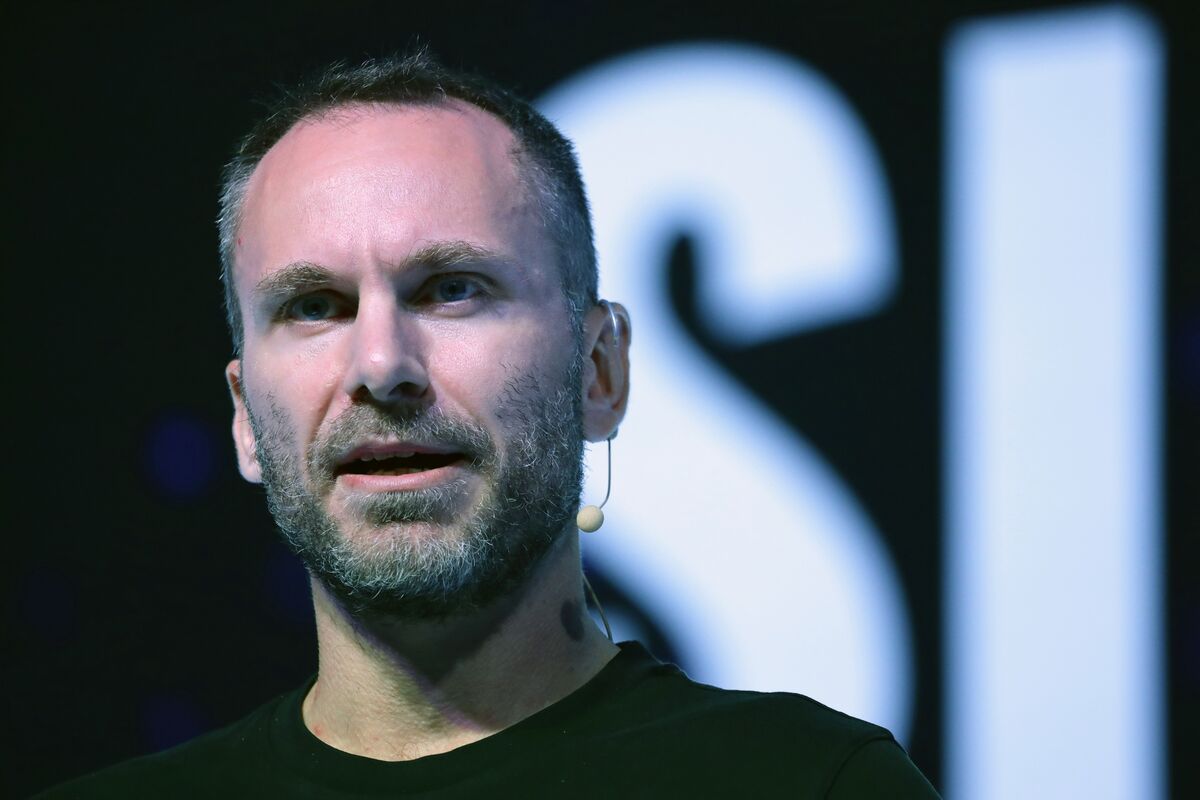
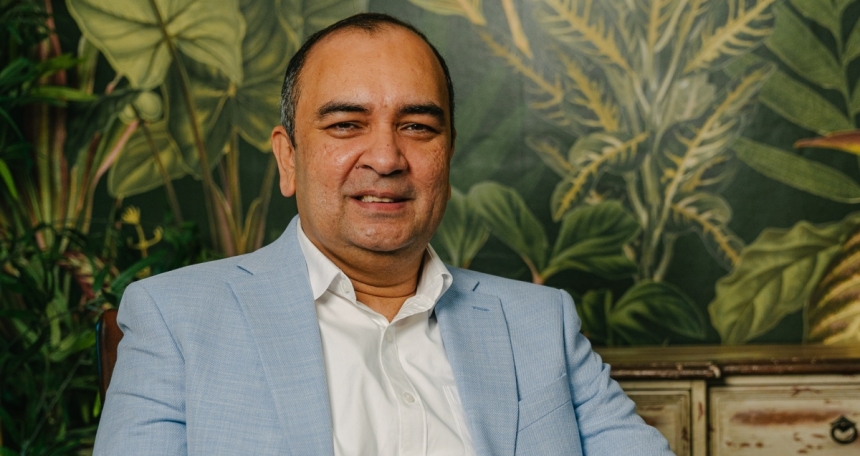
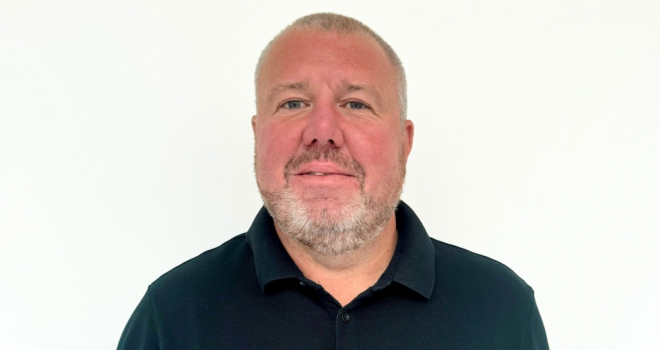
Alexandru Badea, Senior Regional Director, NAGA
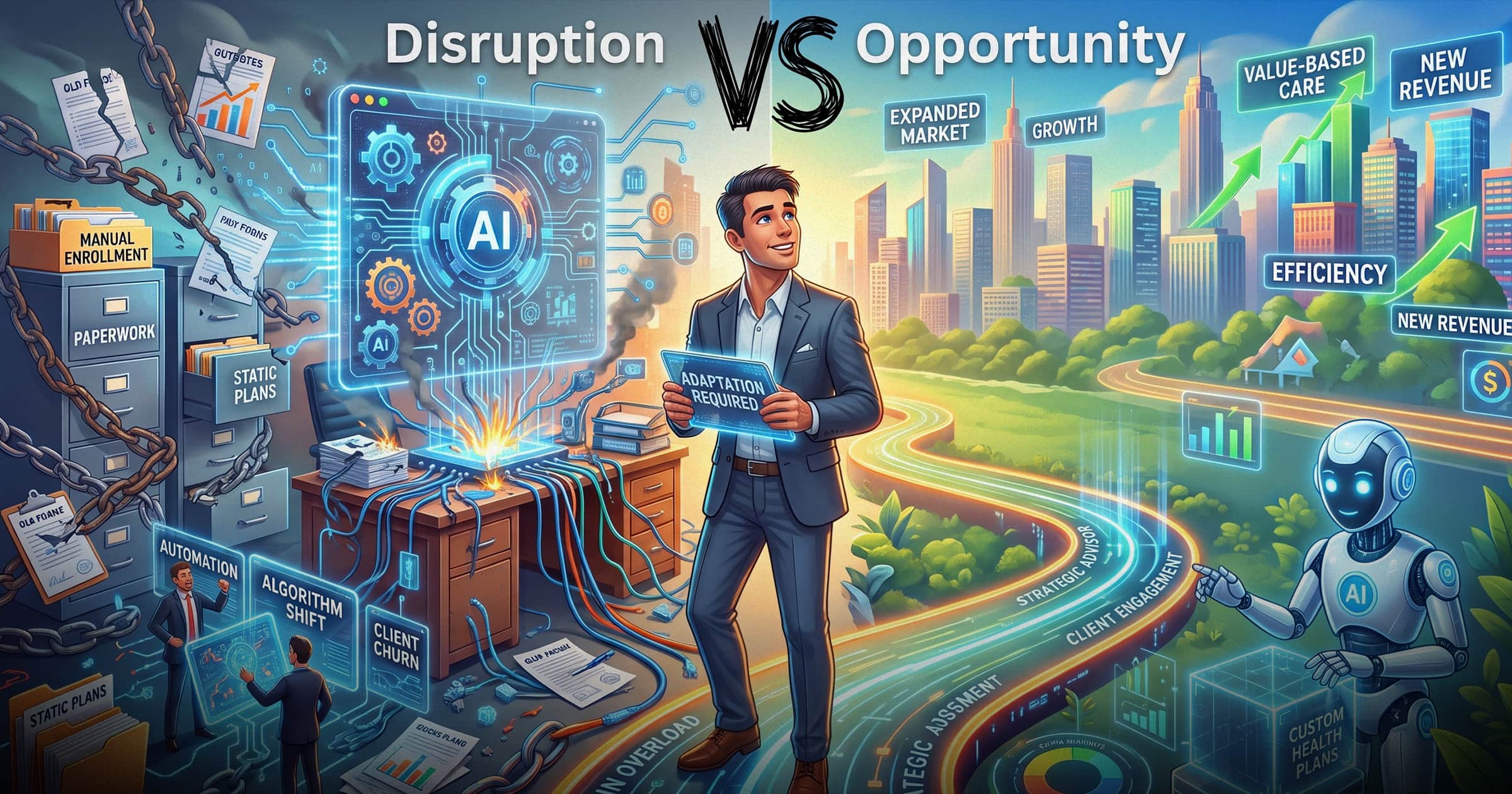
This year, the advertising giants continued their shift
toward AI-driven optimization. Google
began automatically upgrading eligible Search campaigns using certain older
settings to AI Max in September. TikTok revised its Smart+ system during Q3,
combining automated and manual controls. LinkedIn expanded automated creative
testing, while Meta continued developing models that learn across its advertising
surfaces.
Not every change happened in Q3, and none proves that
algorithms caused every broker’s declining performance. Competition, creative
fatigue and changes in client demand also matter. Financial advertising faces
additional restrictions: Google permits eligible CFD campaigns only under
licensing and certification rules, while Meta has long prohibited direct CFD
promotions.
Nevertheless, one thing is clear. The systems deciding who
sees an advertisement are evolving rapidly. Running October’s campaigns on
May’s assumptions is risky.
But the real failure may not be that brokers cannot control
these algorithms. It may be that they have neglected the one advantage they do
control: their own data.
Sitting on a Gold Mine, Marketing with a Guess
A CFD
broker can know far more about its clients than any advertising agency
looking at a campaign dashboard. It can see where funded clients came from, how
long they took to deposit, where onboarding failed, which instruments they
traded, how often they returned and what happened after their first deposit.
Does a particular market attract traders interested
primarily in gold, while another brings more activity in indices? Do certain
campaigns attract registrants who never pass verification? Does one source
generate inexpensive FTDs who disappear after a week, while another brings
clients who remain engaged for months?
These are questions for data, not instinct.
Yet in my experience, marketing discussions too often start
with familiar beliefs: gold works in this region, forex performs in that one,
this audience is younger, this creative converted last quarter. Industry
experience matters. I have relied on it throughout my career. But experience
should generate hypotheses, not substitute for evidence.
I cannot claim that most brokers fail to use big data
without a comprehensive industry study. What I can say is that the gap between
the information a broker collects and the information its marketing team
actually uses deserves far more attention.
A Registration Is Not a Business Outcome
Here is where the disconnect becomes expensive. An ad
platform may report excellent results because it finds people likely to click
or register. But brokers are not paid for clicks, and a registration is not a
funded account.
Even FTD numbers alone do not tell the whole story. An
acquisition channel must be assessed against the cost of attracting eligible
clients, the quality of the onboarding process, retention and sustainable
revenue. Full customer acquisition cost includes more than media spend.
If a broker sends an advertising system only registration
events, it risks teaching the system to find registrations. Google’s
enhanced conversions for leads and offline conversion capabilities are
designed to connect advertising activity with later outcomes; its 2026 changes
to conversion data infrastructure make accurate implementation even more
relevant.
That does not mean uploading clients’ trading histories into
an advertising platform. It means connecting permitted, reliable conversion
signals to campaigns and conducting deeper analysis inside the brokerage.
The more AI automates advertising, the more important the
quality of those signals becomes.
The Solution Is Not Another Agency
Before spending another million on acquisition, I would
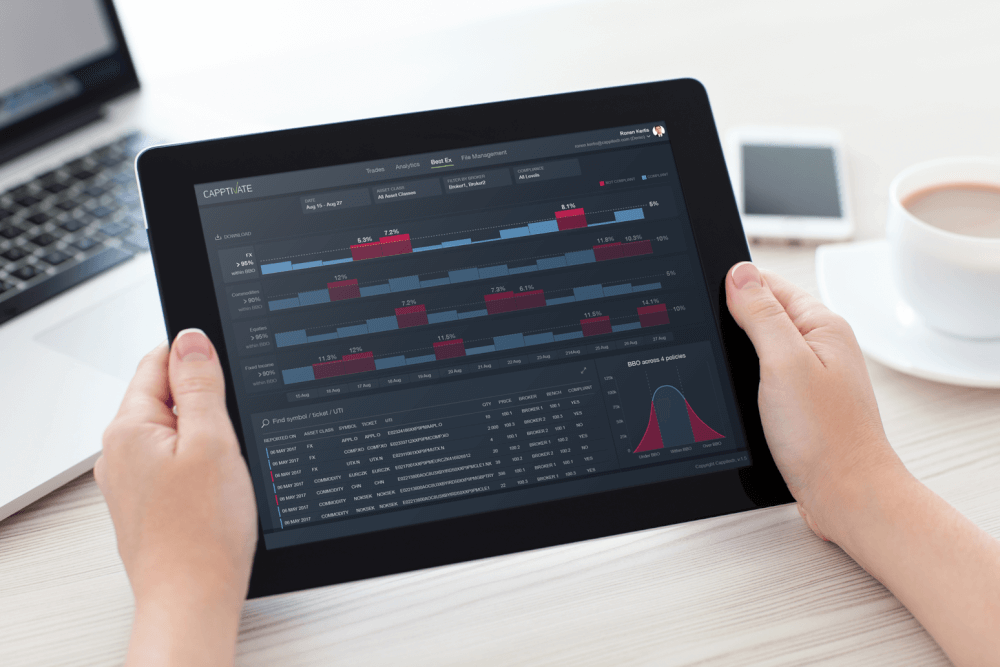
start with a simple exercise: put marketing, CRM, platform activity,
onboarding, deposits and revenue data into one analytical view. Not another
dashboard full of impressions and clicks. A view that follows a client from
first touch to funded account and beyond.
Then compare cohorts. Look at acquisition source, market,
onboarding completion, instrument preferences in aggregate, engagement and
retention. Identify where conversion dropped between June and October. Separate
rising media prices from weaker registration-to-deposit conversion. Test
whether the problem appeared across every channel or only certain campaigns.
If aggregate data shows strong interest in gold, test
relevant, compliant educational content rather than generic advertising. Only
then should a broker change budgets, audiences, creative strategies or
agencies.
Big data does not mean buying an expensive piece of software
and calling it transformation. It means building the ability to ask better
questions and test the answers. Sometimes the result will prove the marketing
team underperformed. Sometimes it will expose weak tracking, an onboarding
bottleneck or a product that no longer matches the audience.
And because these are financial products, the analysis needs
boundaries. Use aggregated insights where possible, respect data protection
laws and platform policies, and never use trading losses or signs of
vulnerability to target people with more speculative advertising. ESMA has
repeatedly stressed the need for appropriate target markets and investor
protection for complex derivatives.
Understanding customers is not the same as exploiting them.
The Advantage Brokers Already Own
Google, Meta, TikTok and LinkedIn will keep changing their
systems. No marketing director can prevent that. What brokers can change is
their dependence on assumptions.
When FTDs fall and acquisition costs rise, replacing a
marketing team may feel decisive. But if the next team receives the same
incomplete data and the same flawed measurement, why should anyone expect a
different result?
Our industry has spent years collecting extraordinary
amounts of information about how clients arrive, trade and stay. The
competitive advantage is no longer simply having that data. It is turning it
into decisions.
Before asking who to fire, I would ask one question: do we actually know our clients, or do we
just know how much we paid to acquire them?