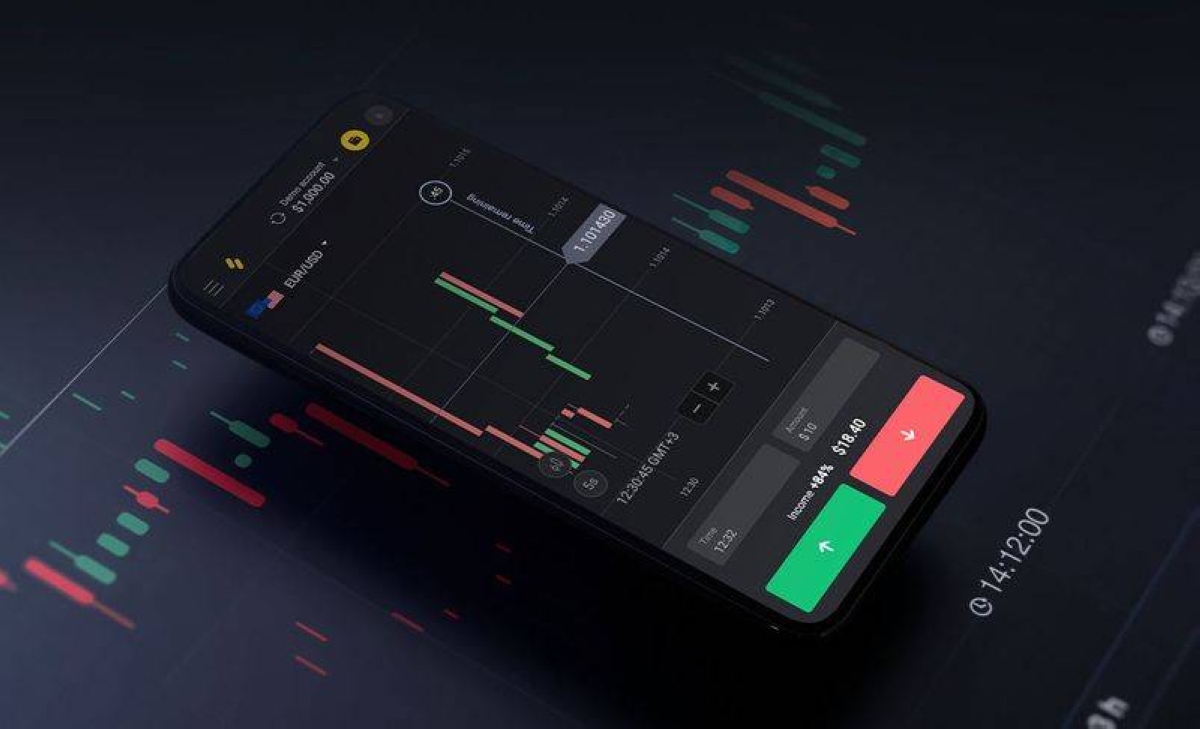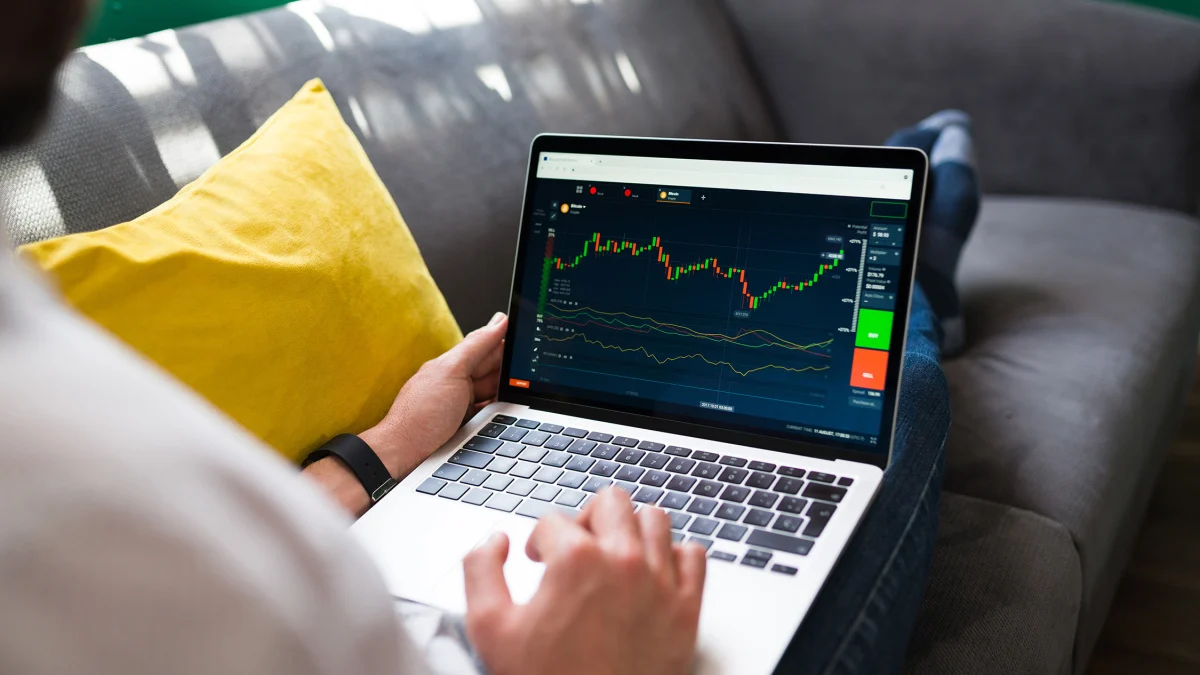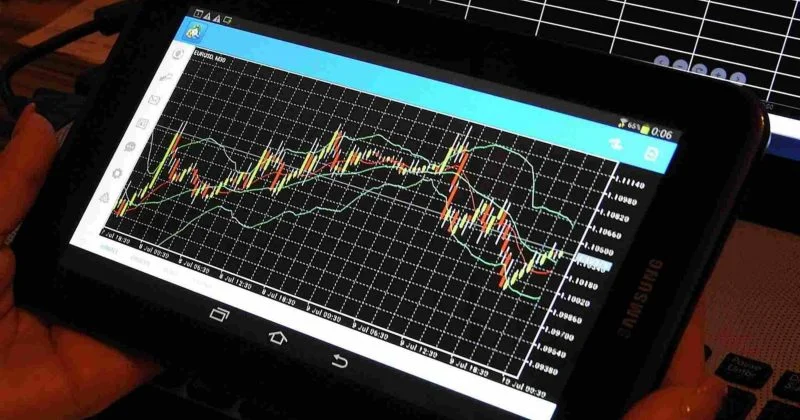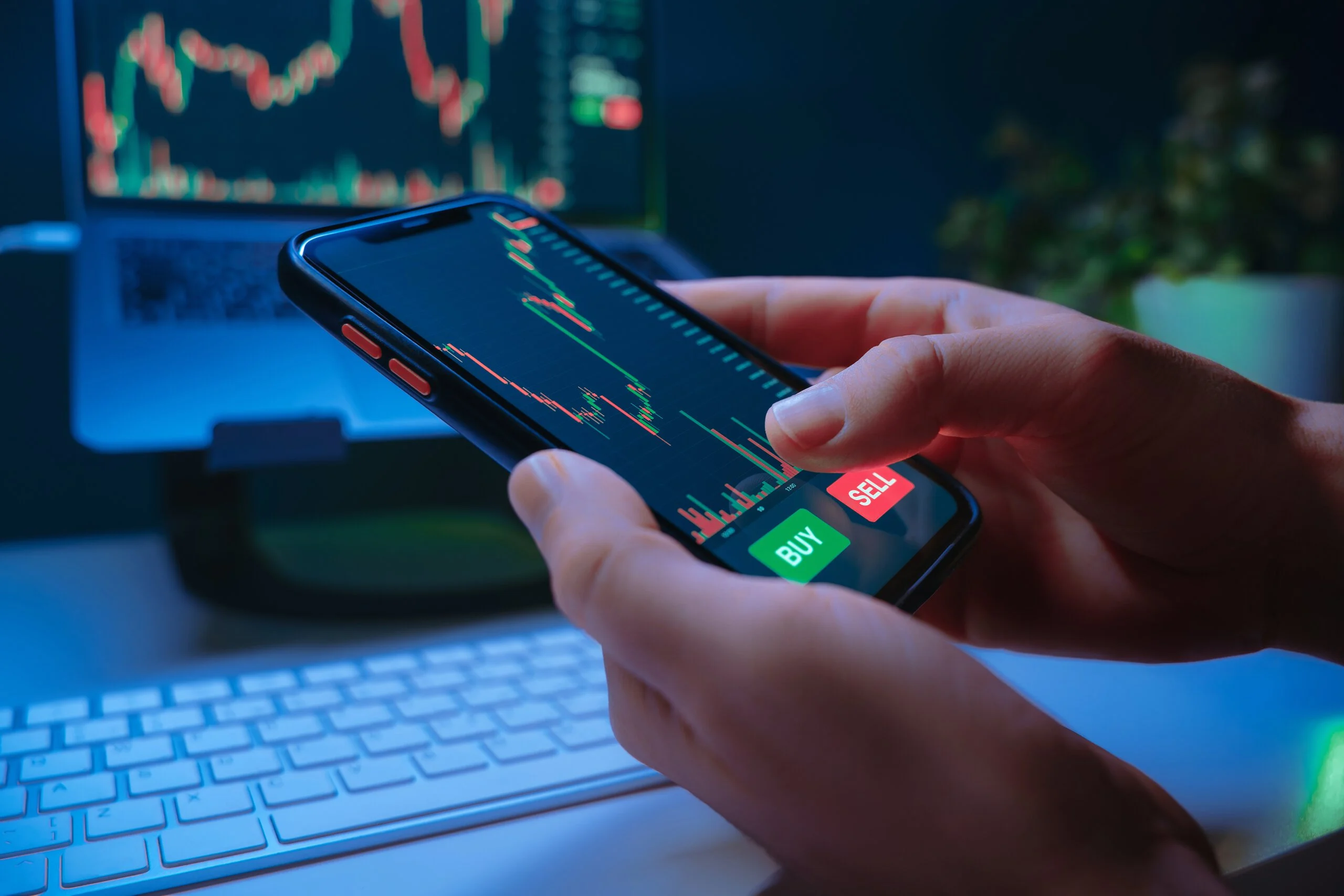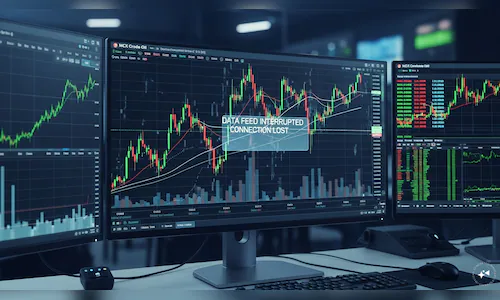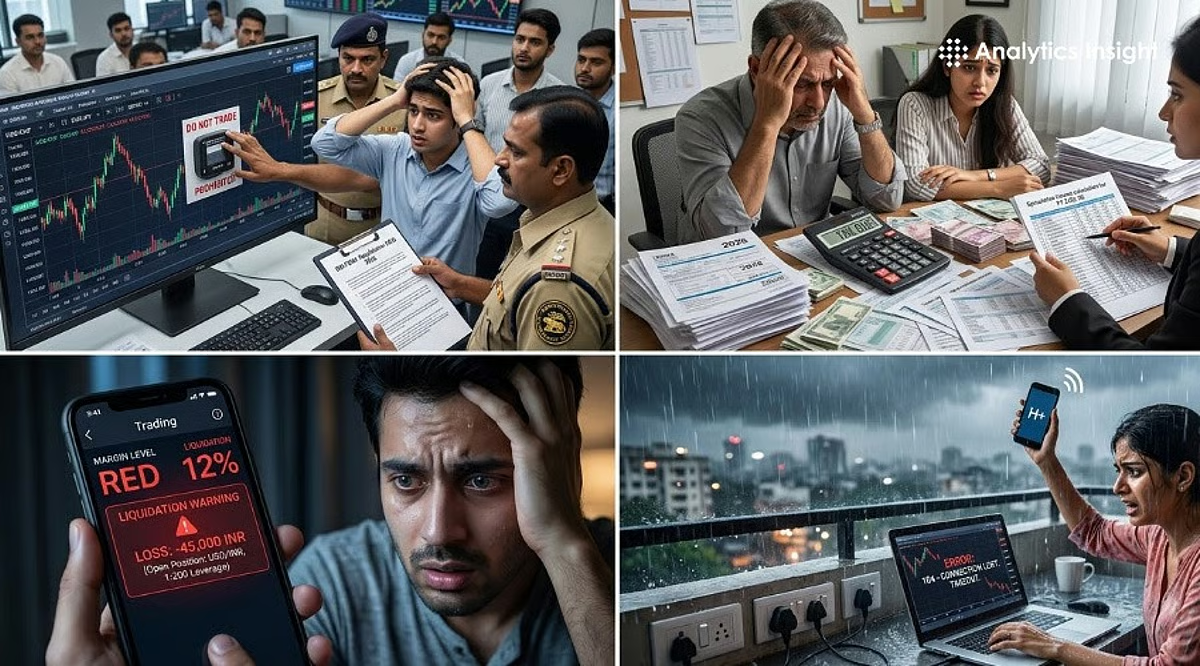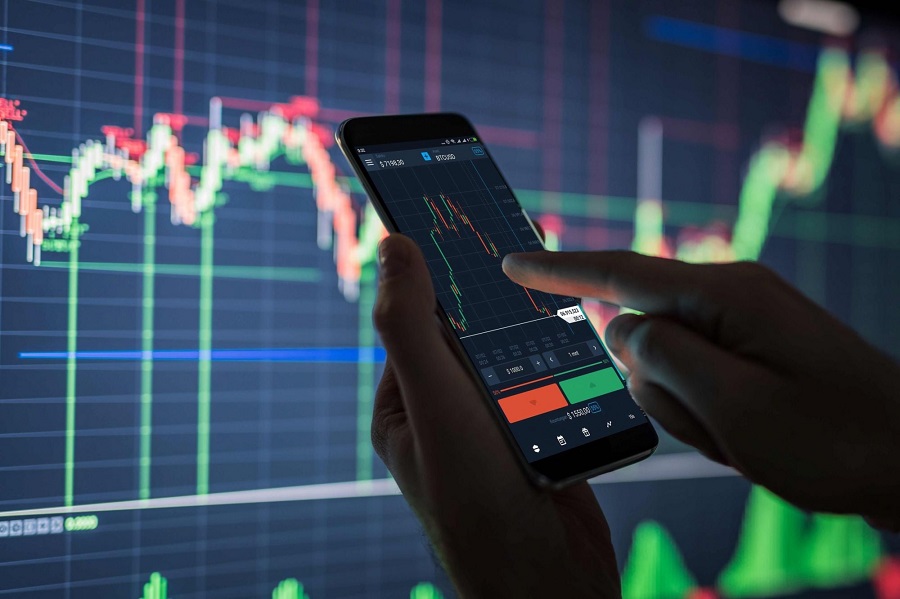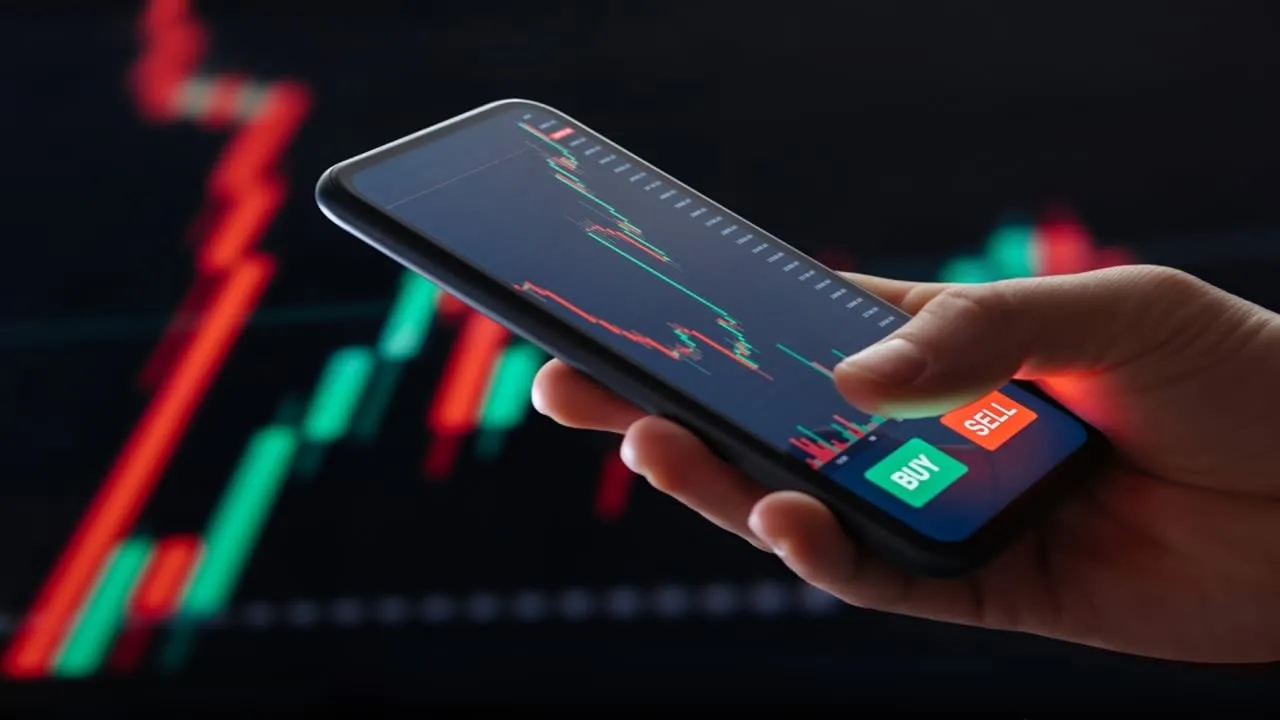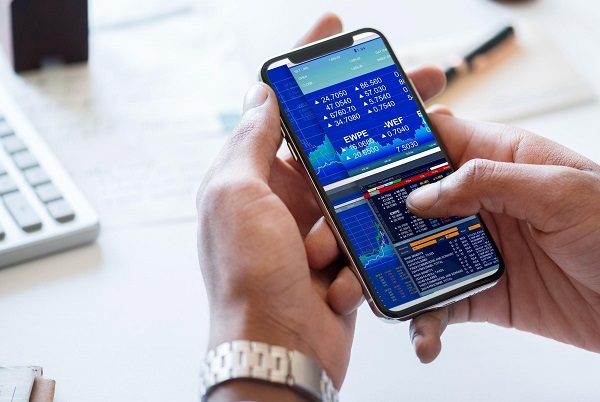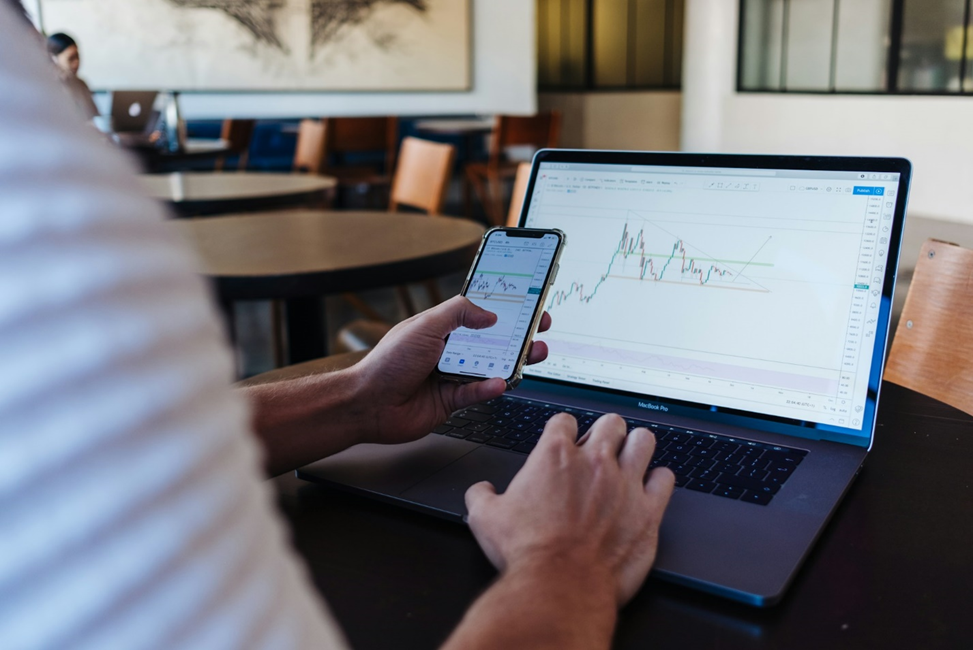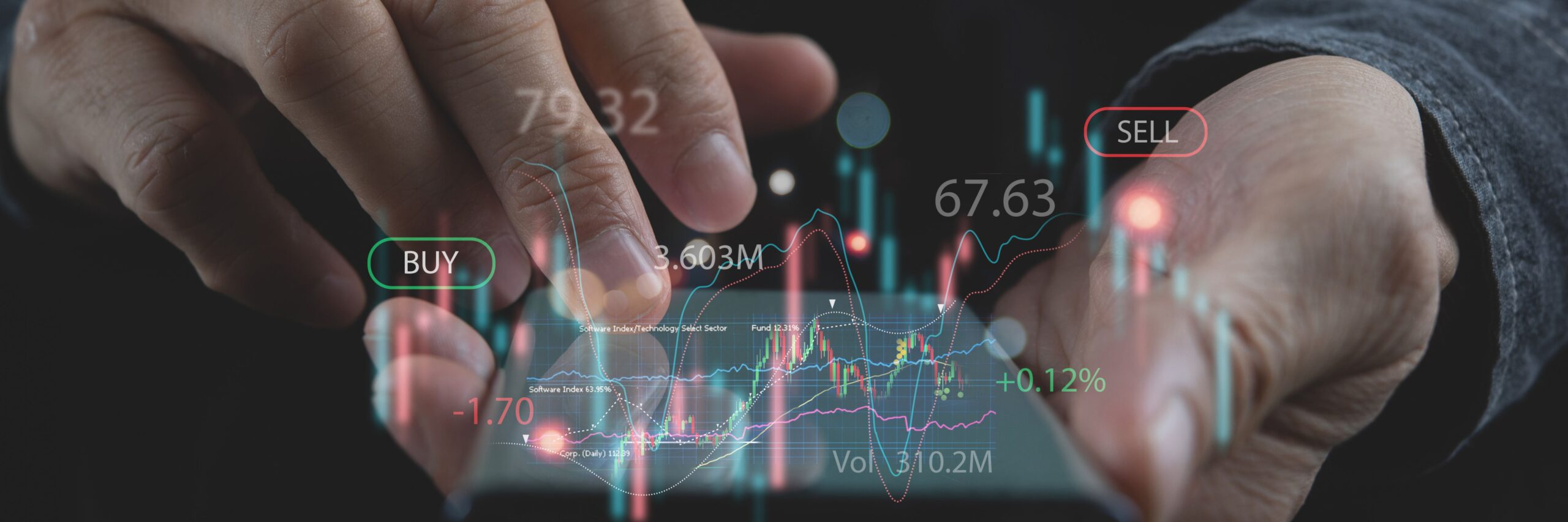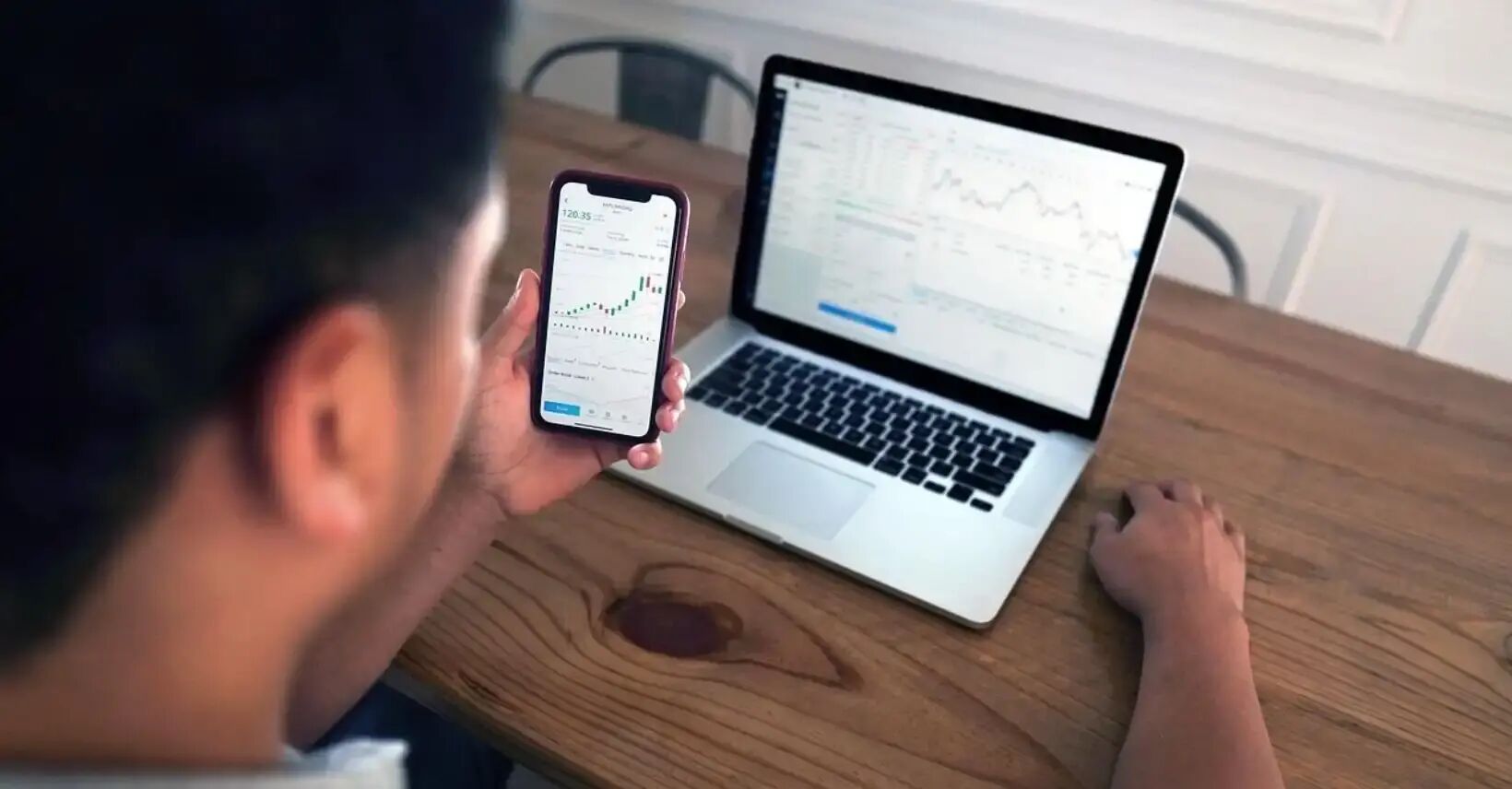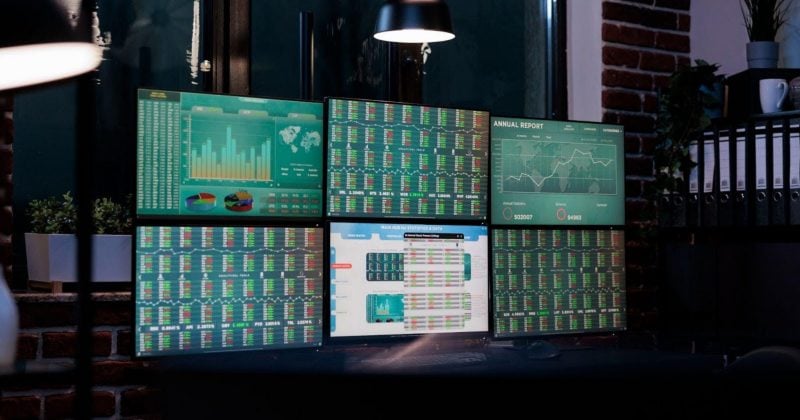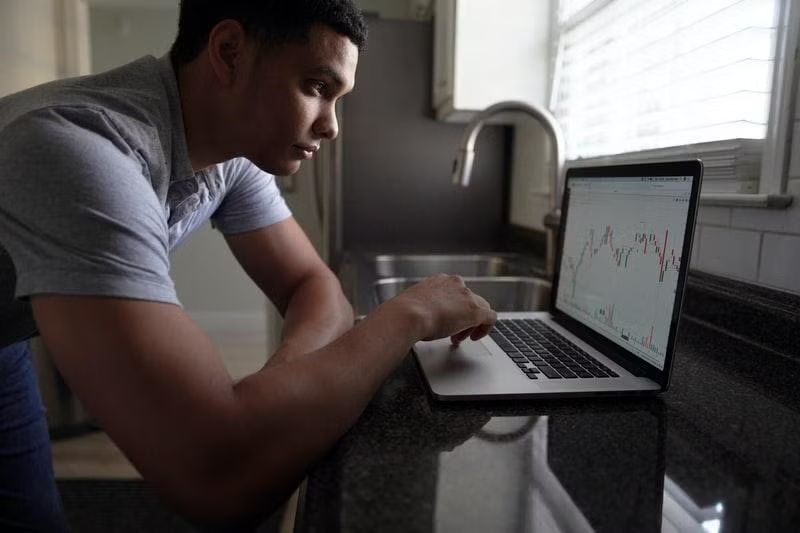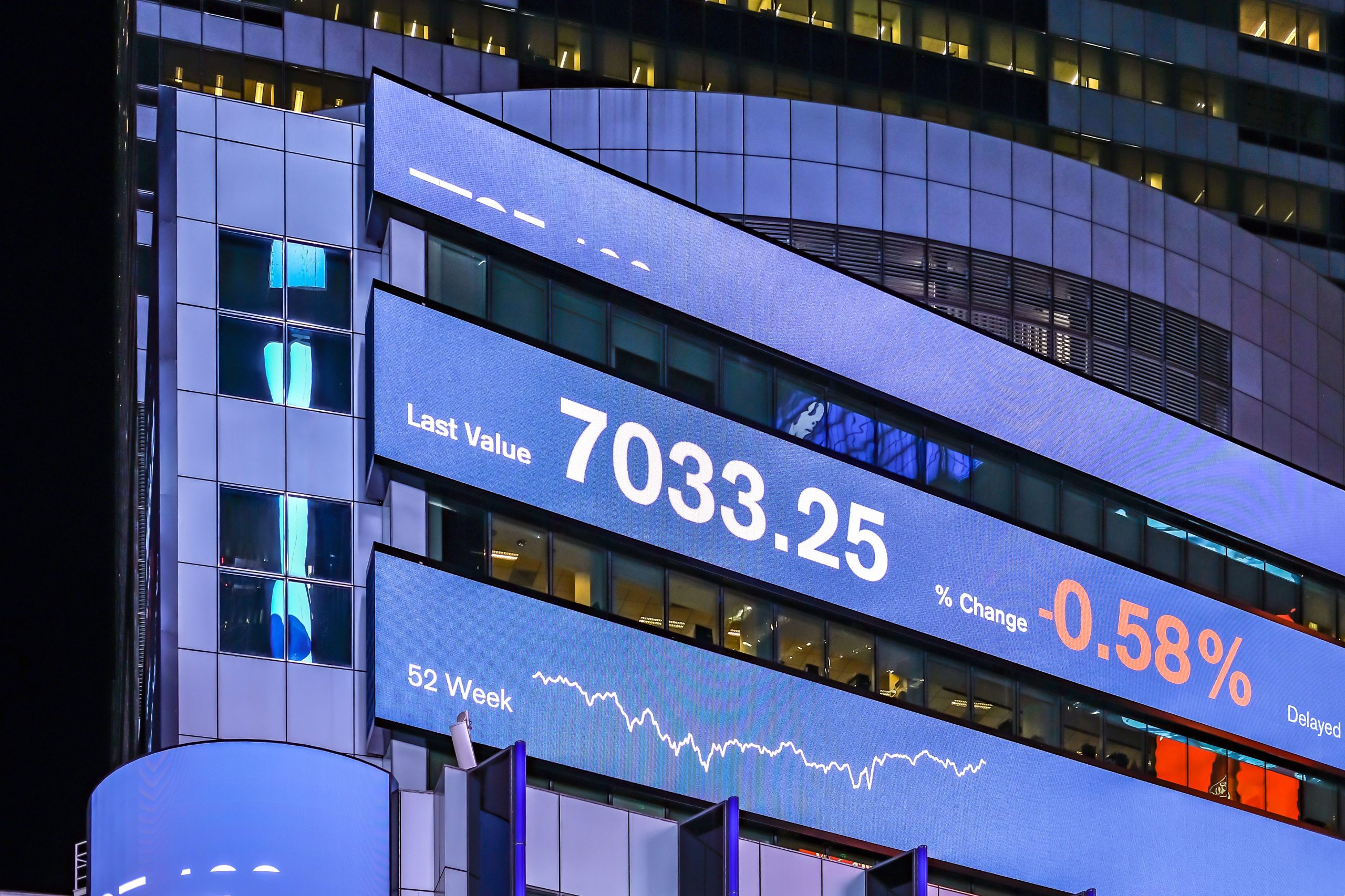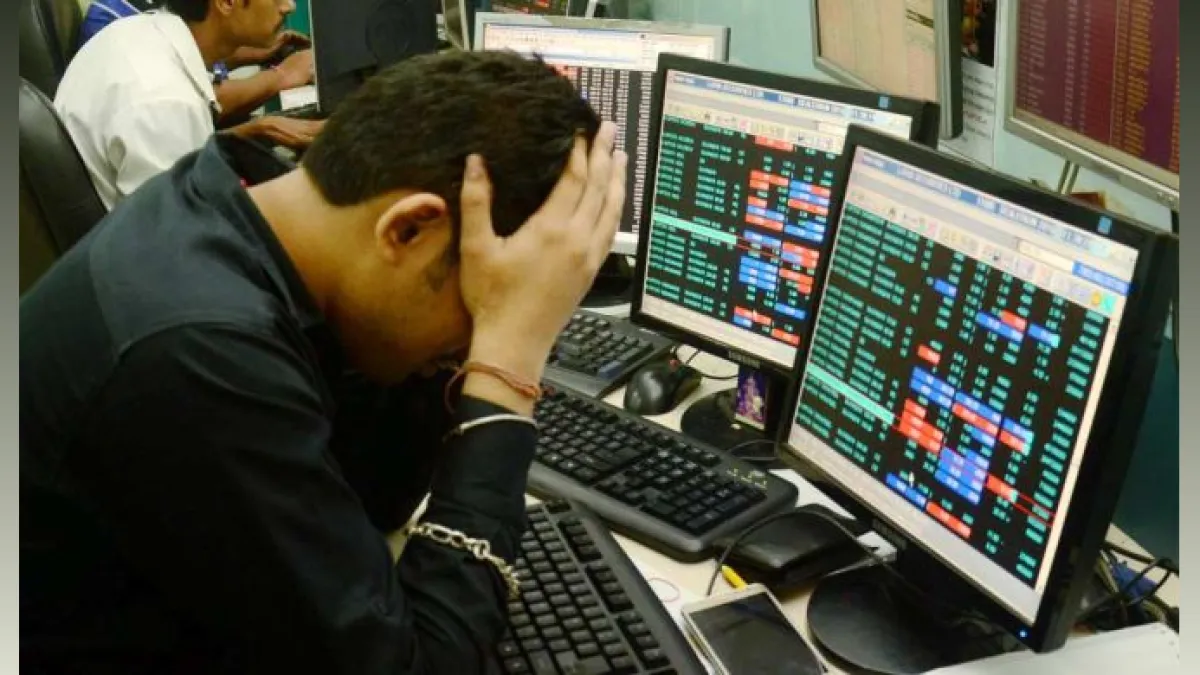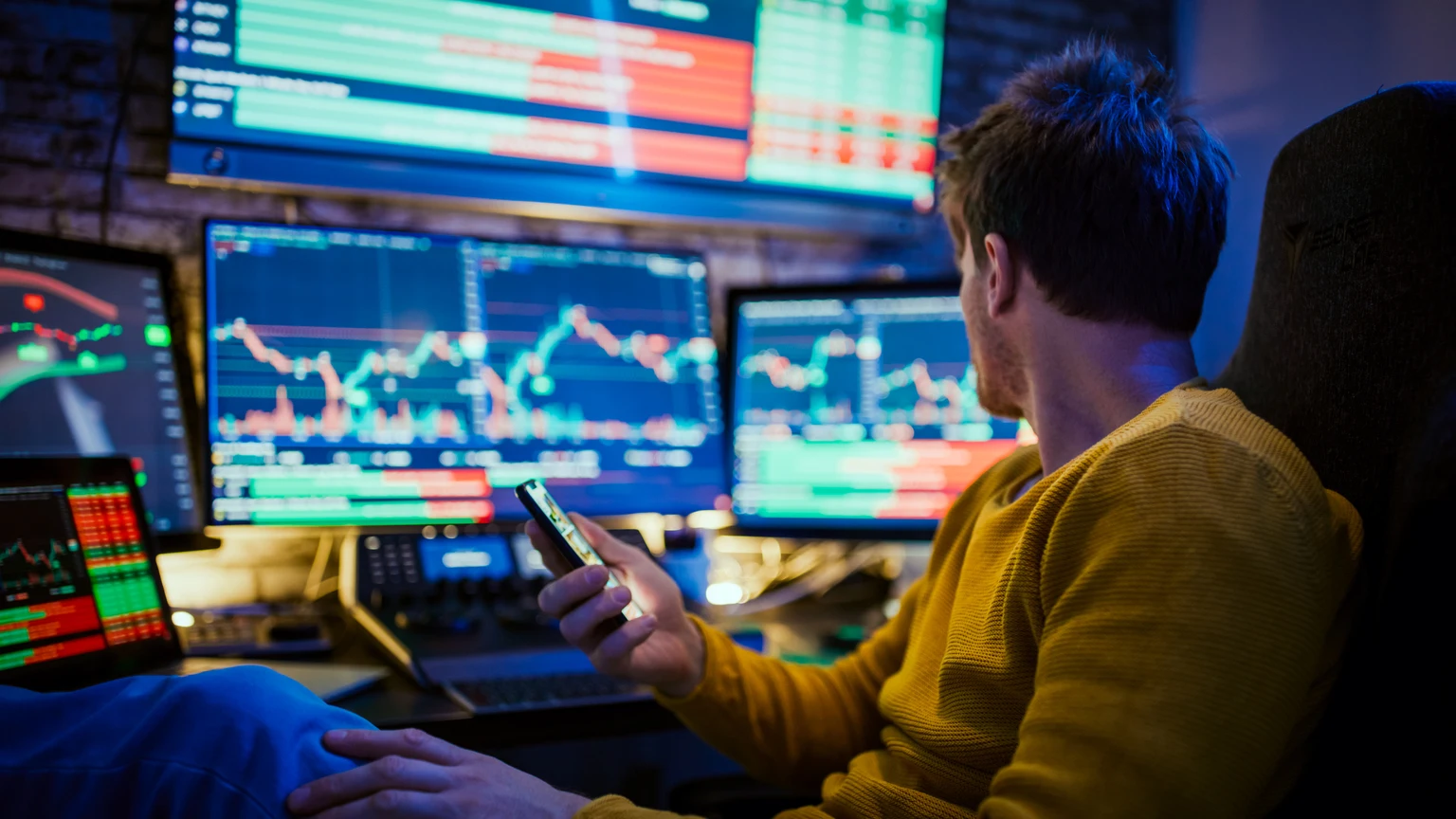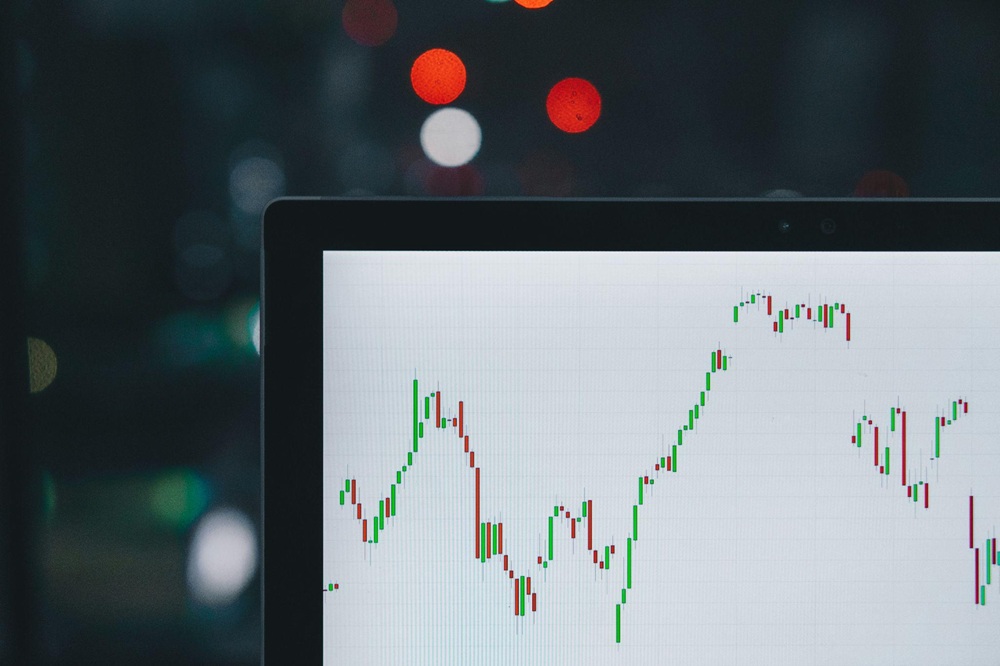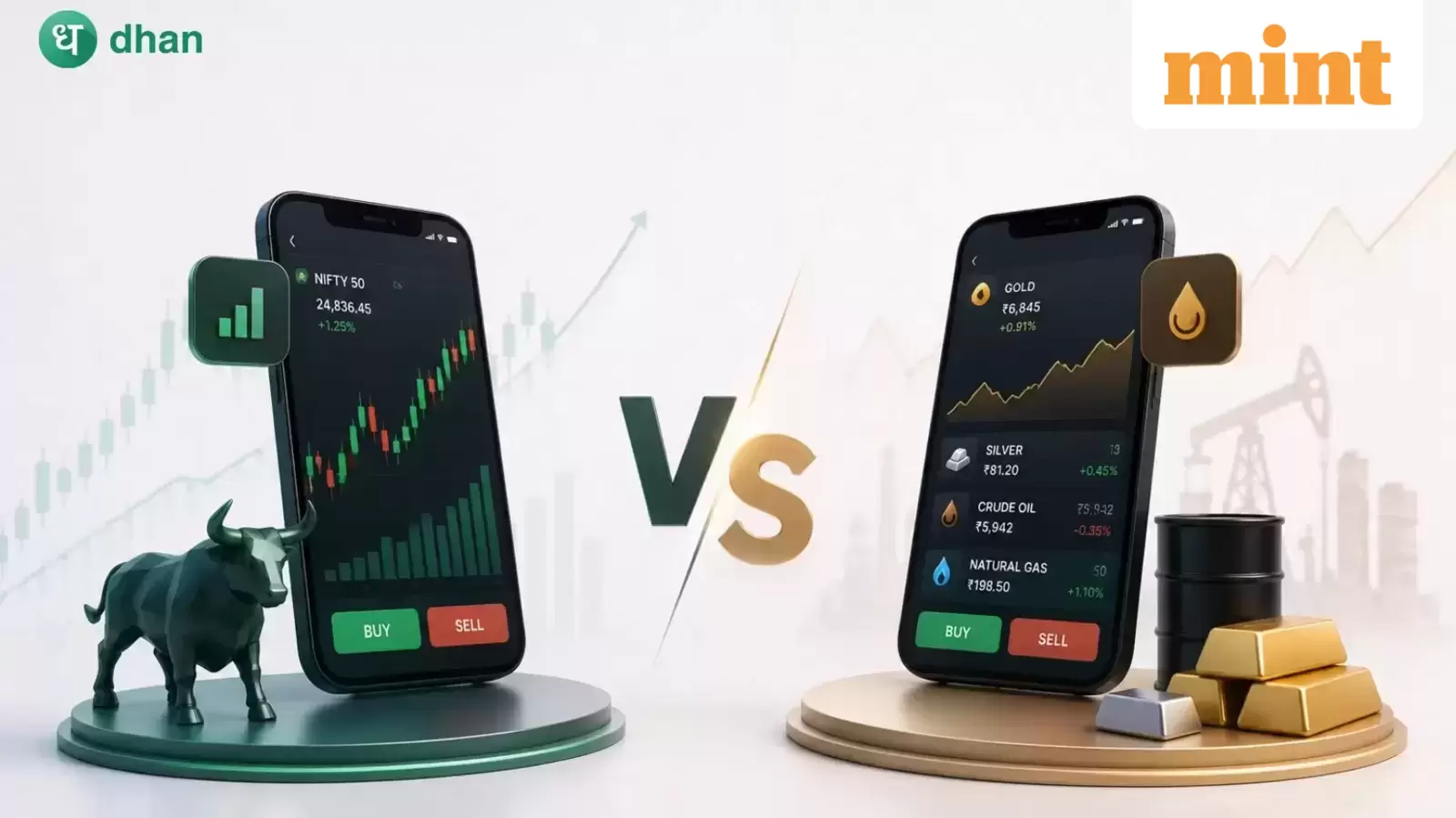
How many times has it happened that you were tracking a stock’s movement and when it finally hit your target entry point, and you tapped ‘buy’, the screen froze. By the time the app caught up, the price had already jumped. As retail trading volumes soar across the country, the average trader is learning a crucial lesson, which is that your trading strategy is only as good as the technology executing it.
In today’s hyper-fast financial markets, a trader’s most critical tool is the technology stack powering their trades. Choosing the right trading broker has become just as essential as deciding which stock or commodity to buy. As the market evolves further, the line between equity and commodity trading is blurring. So, should active traders use separate platforms or opt for an all-in-one ecosystem?
The evolving role of the modern trading broker
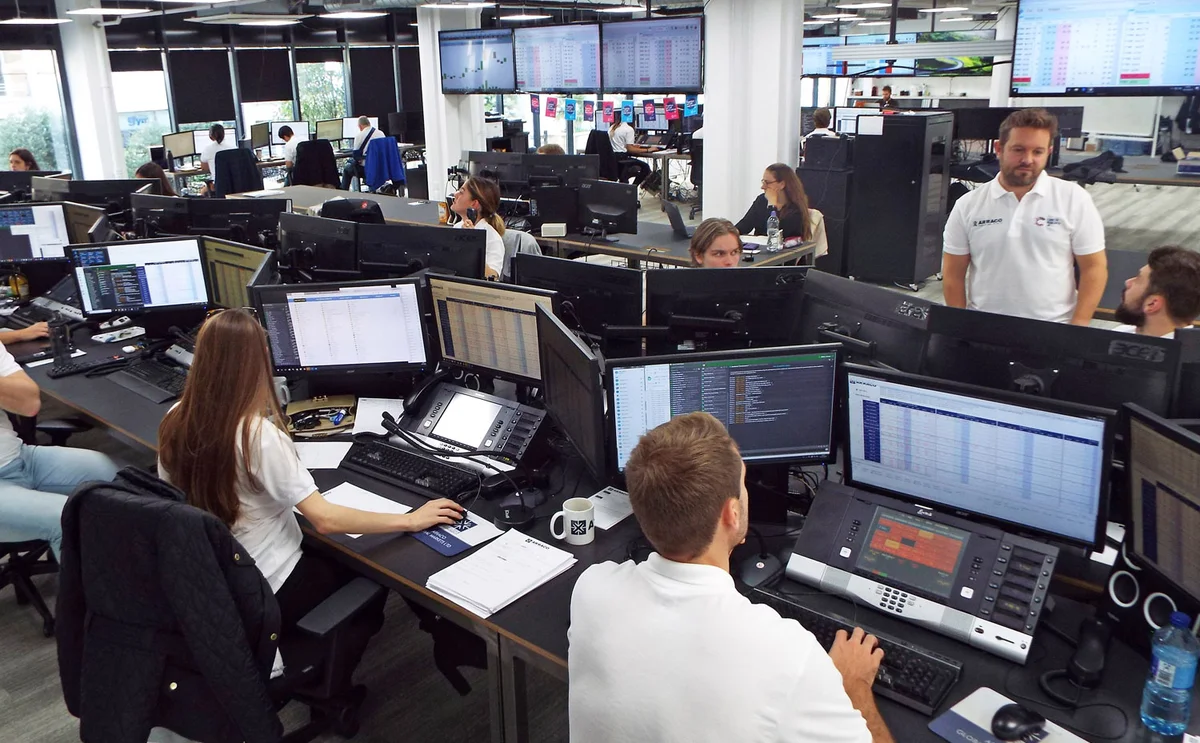
Gone are the days when a broker’s only job was to take an order and execute it on the exchange. Today, brokers are no longer just processing simple transactions. They have become critical technology partners.
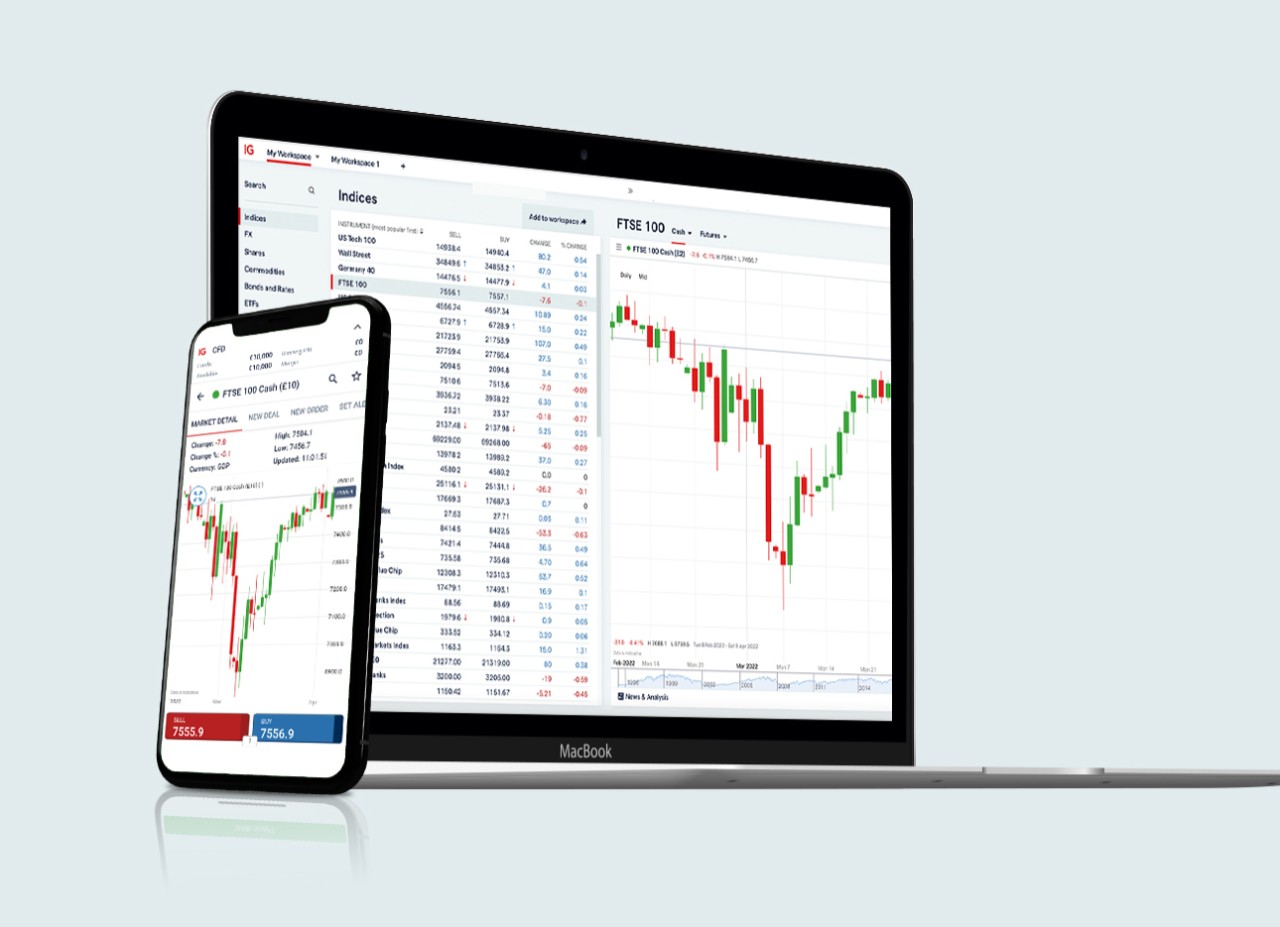
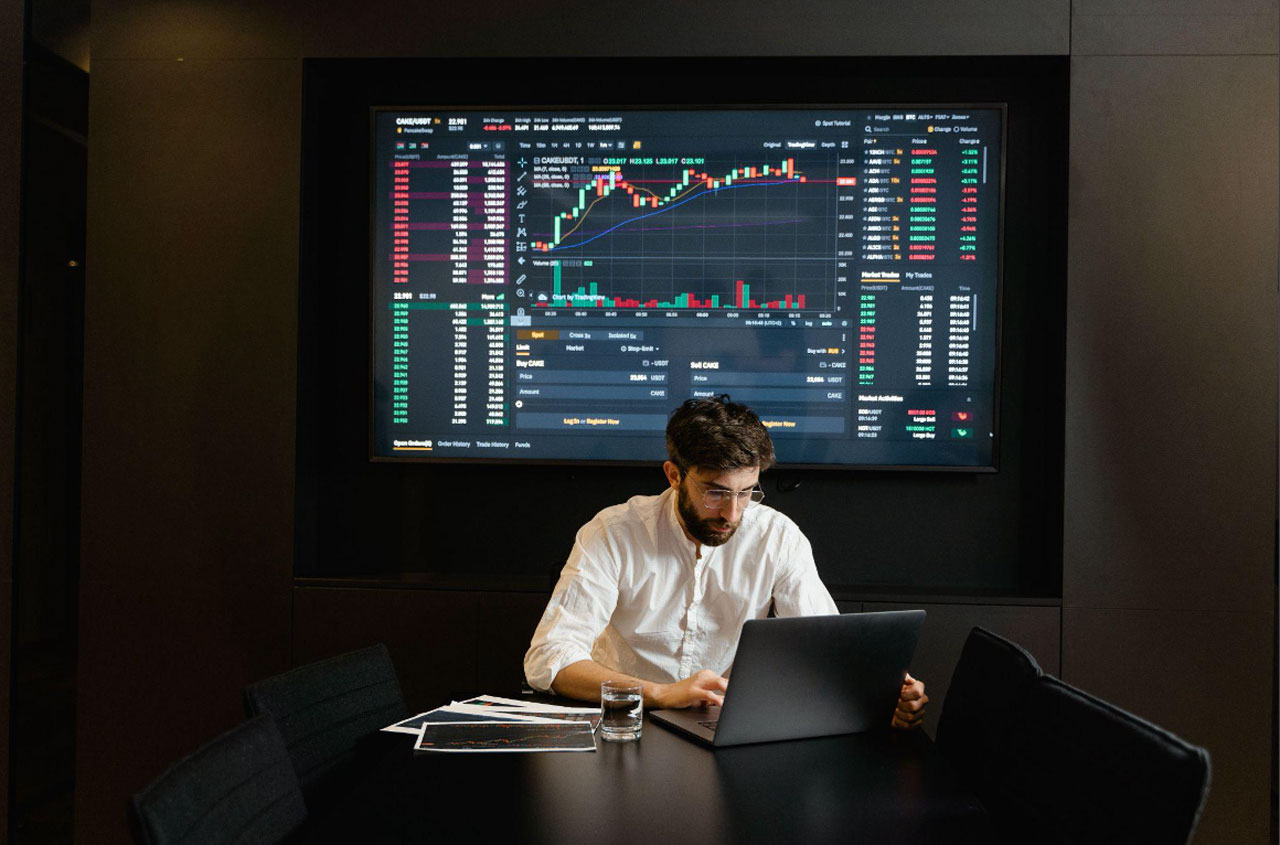
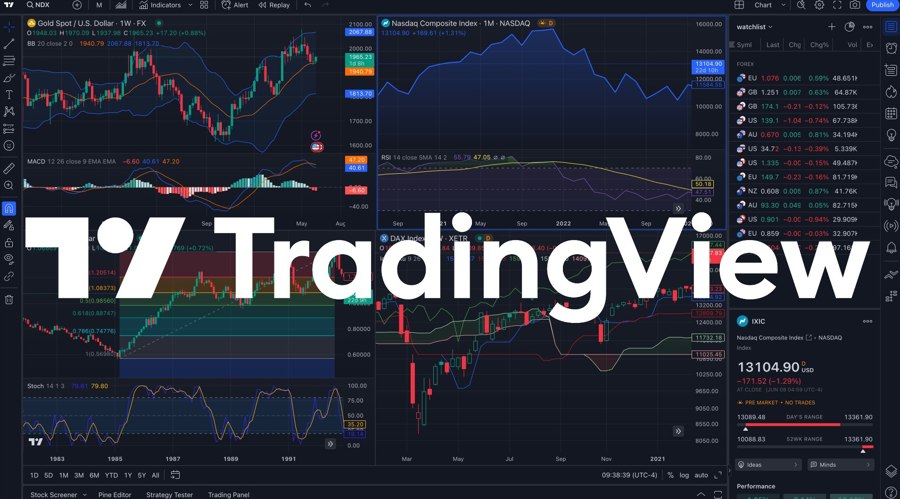
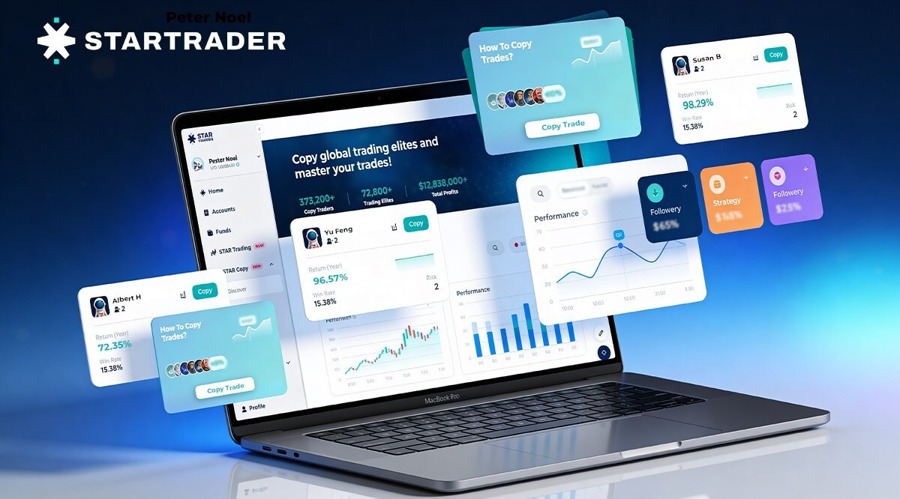
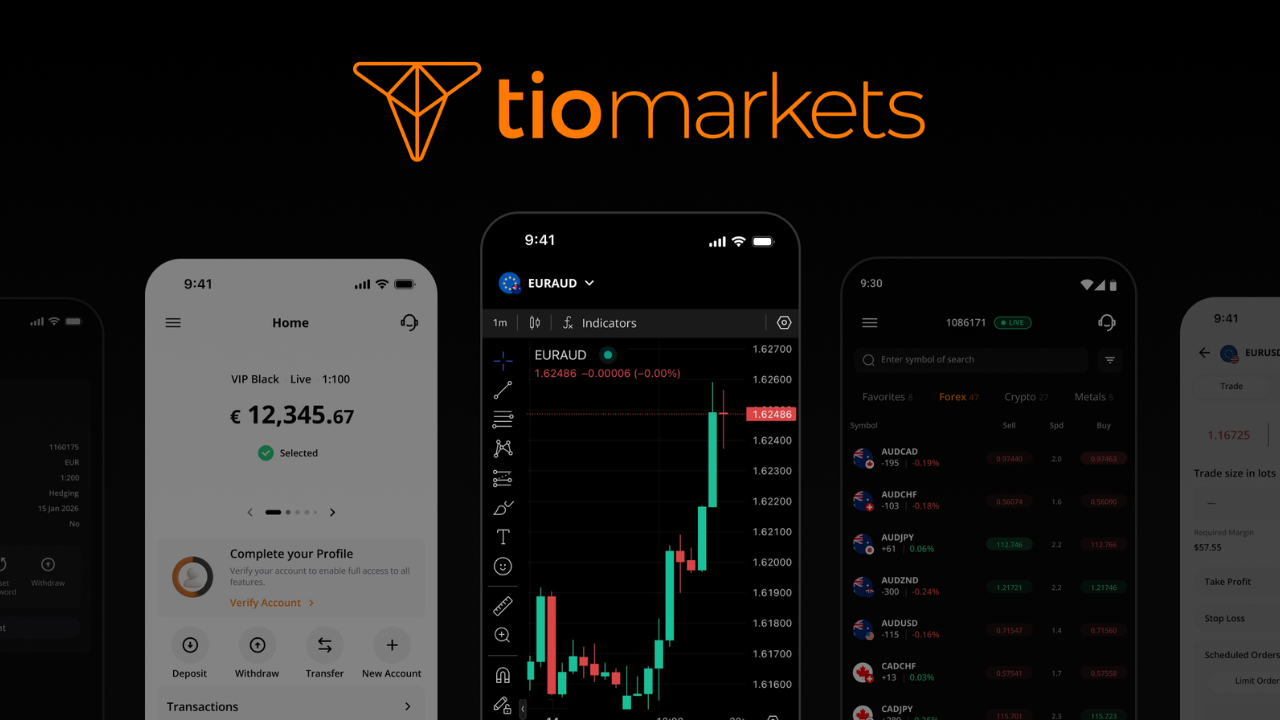
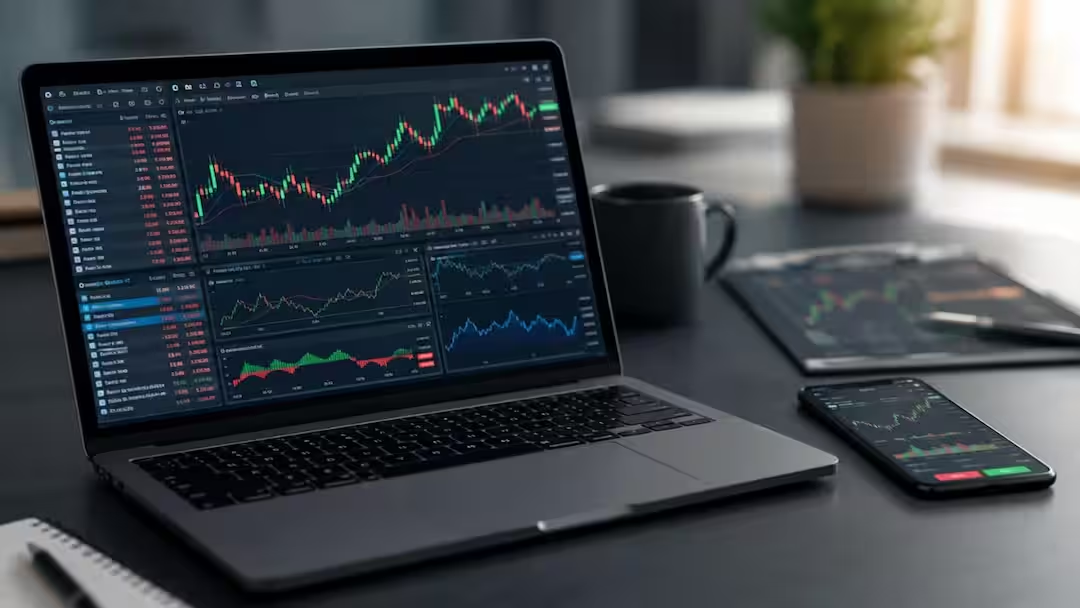
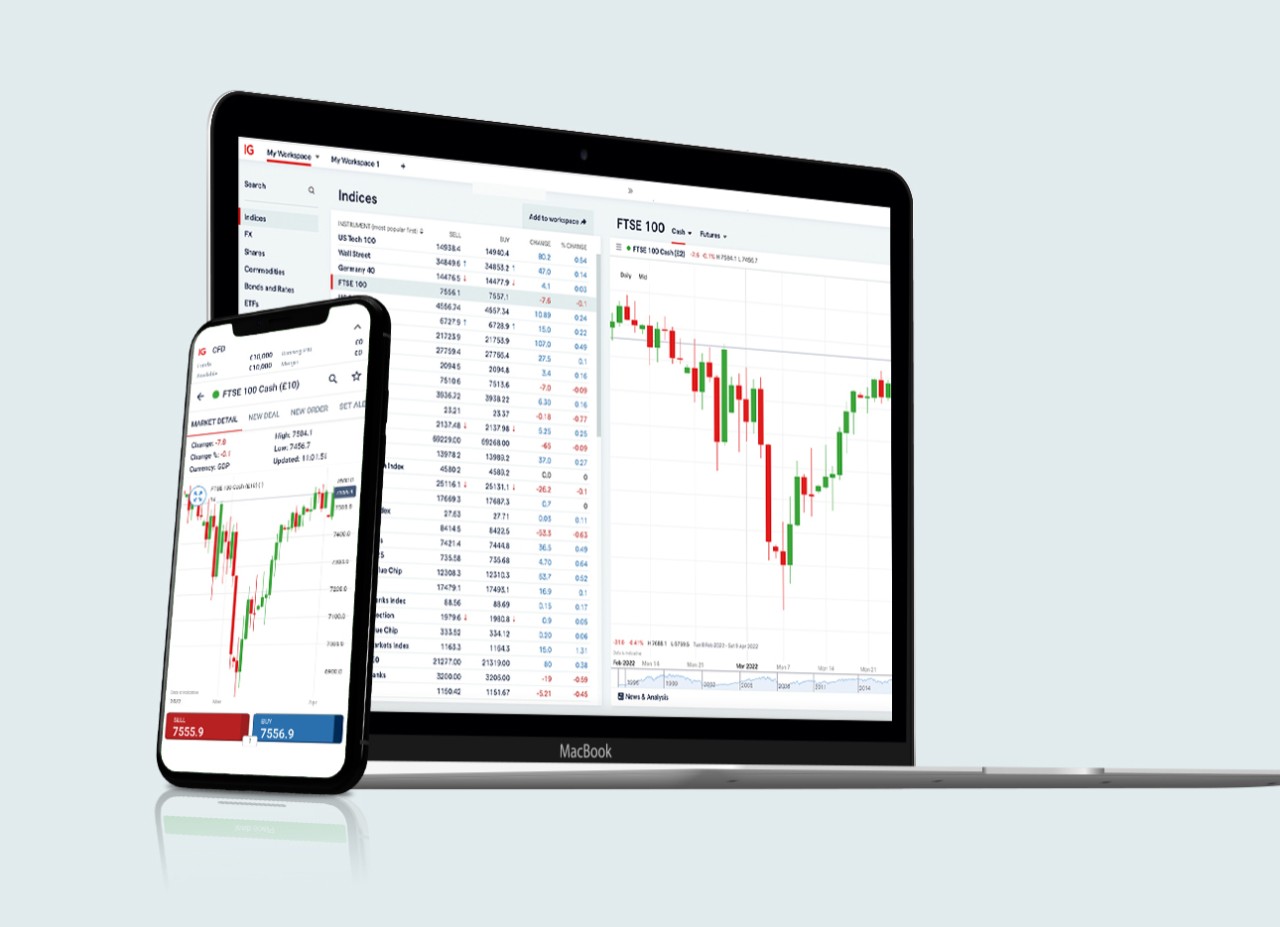
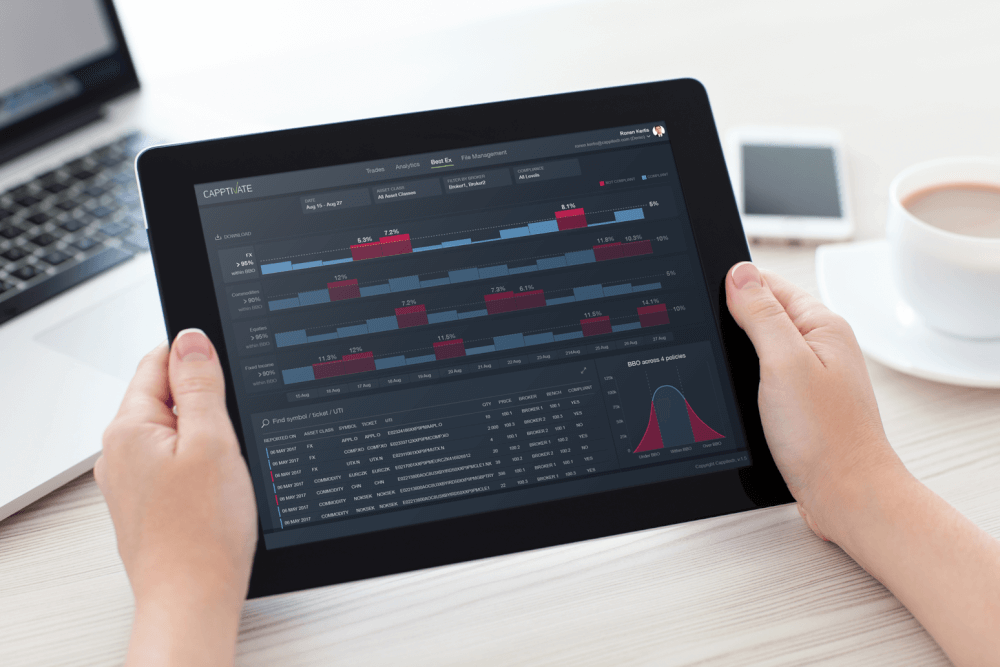
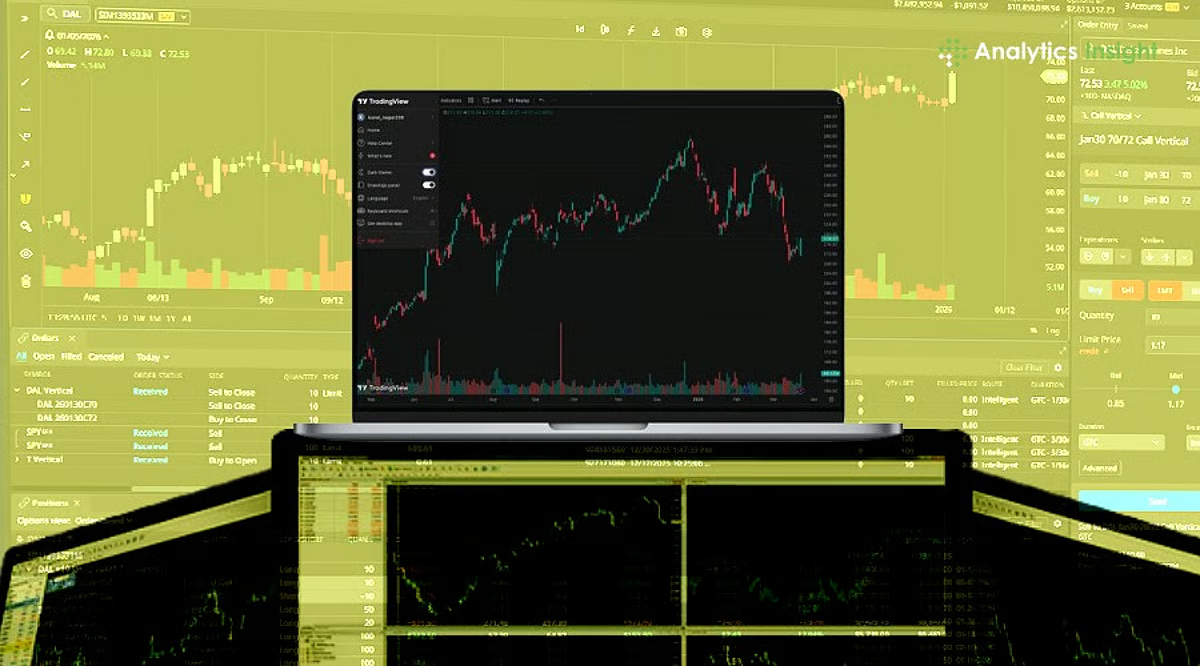
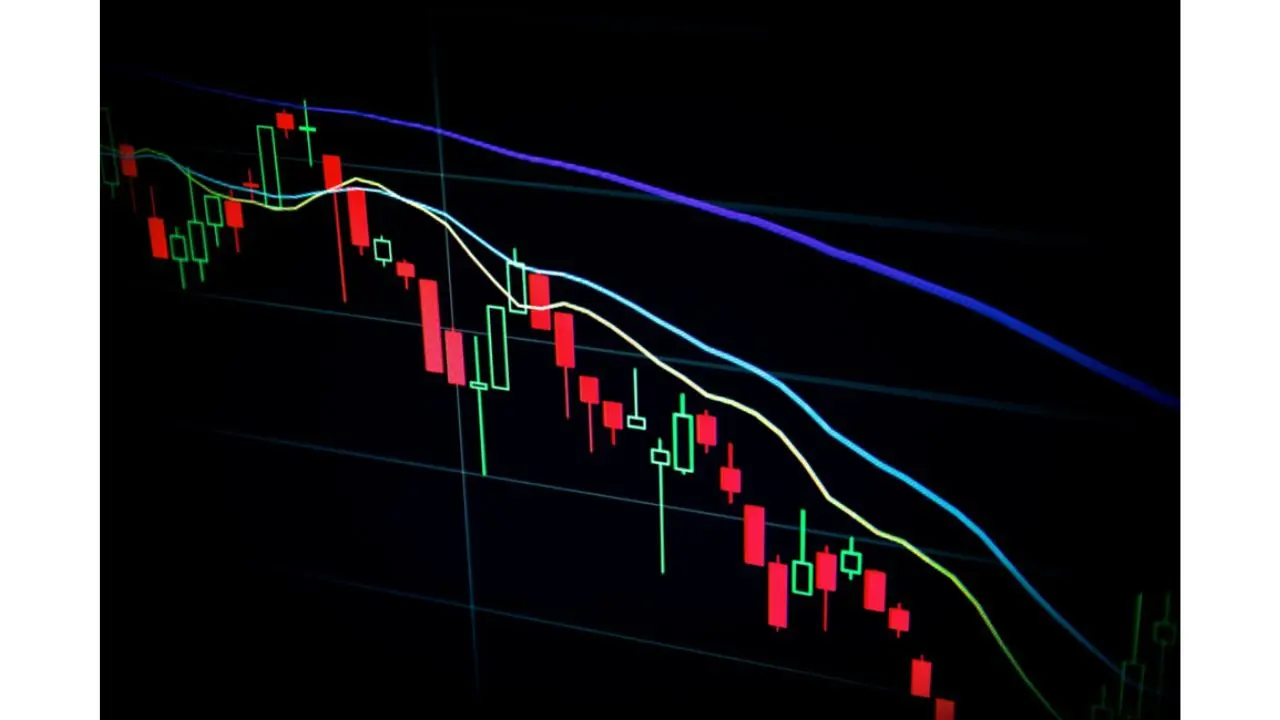
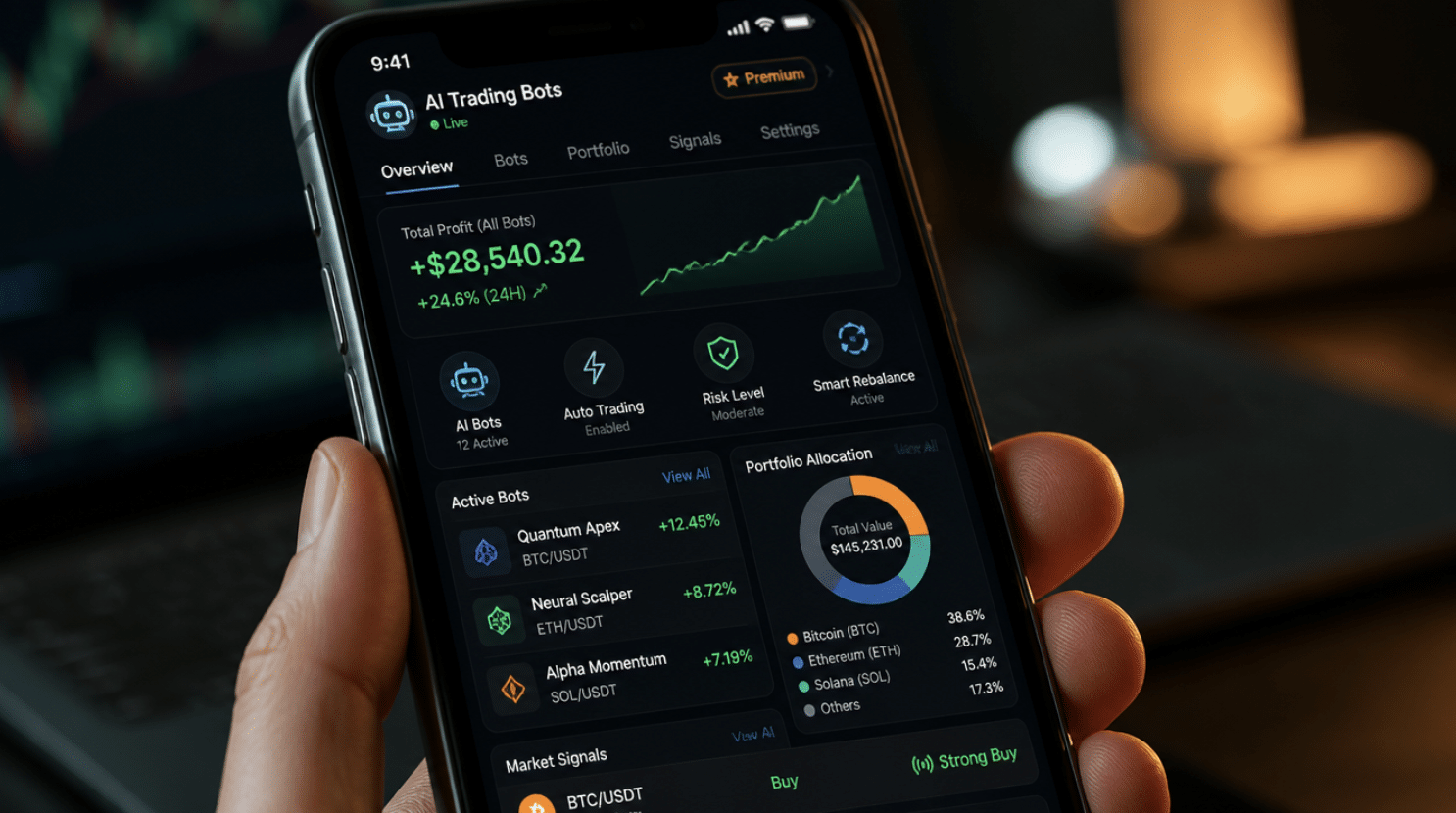
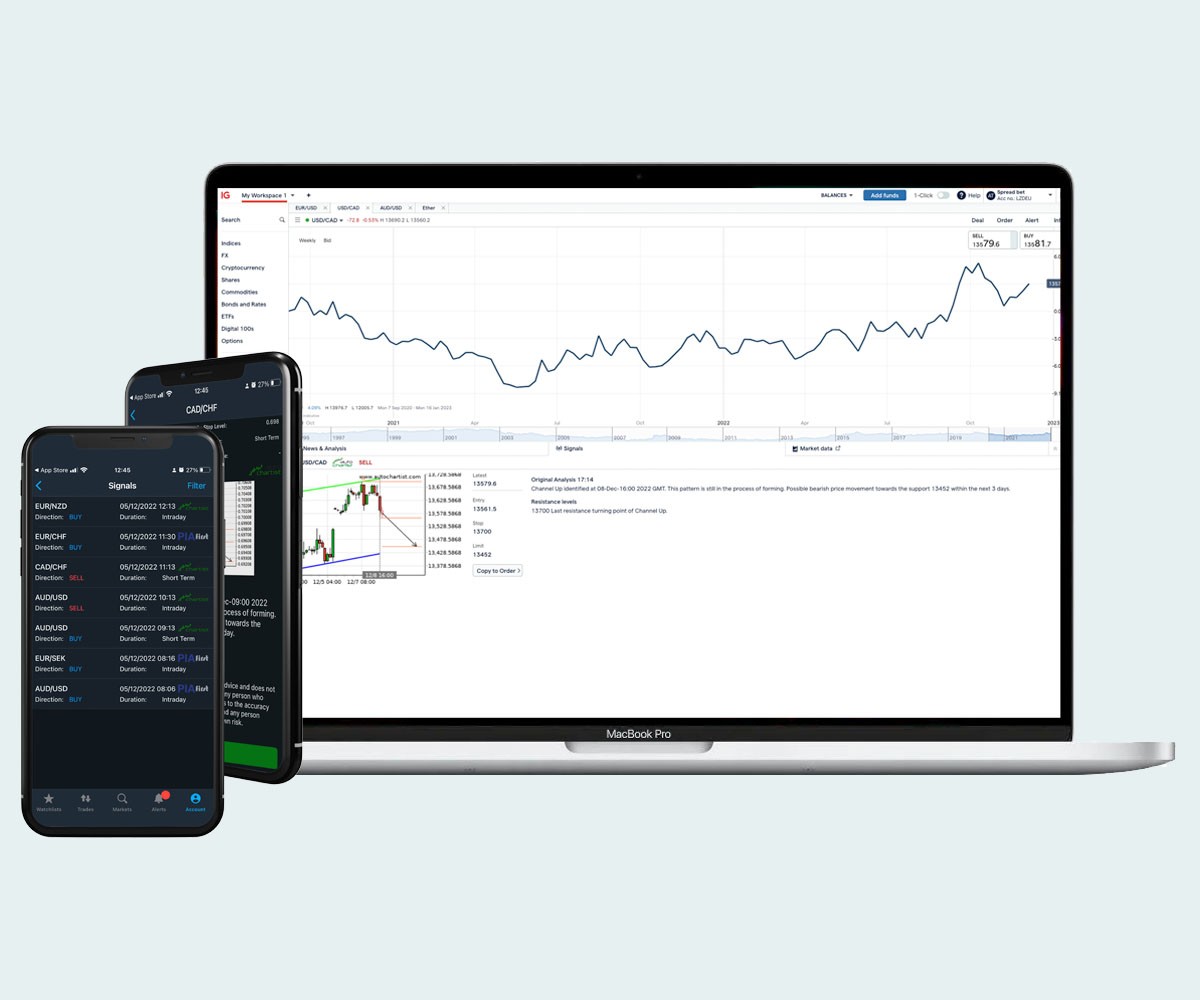
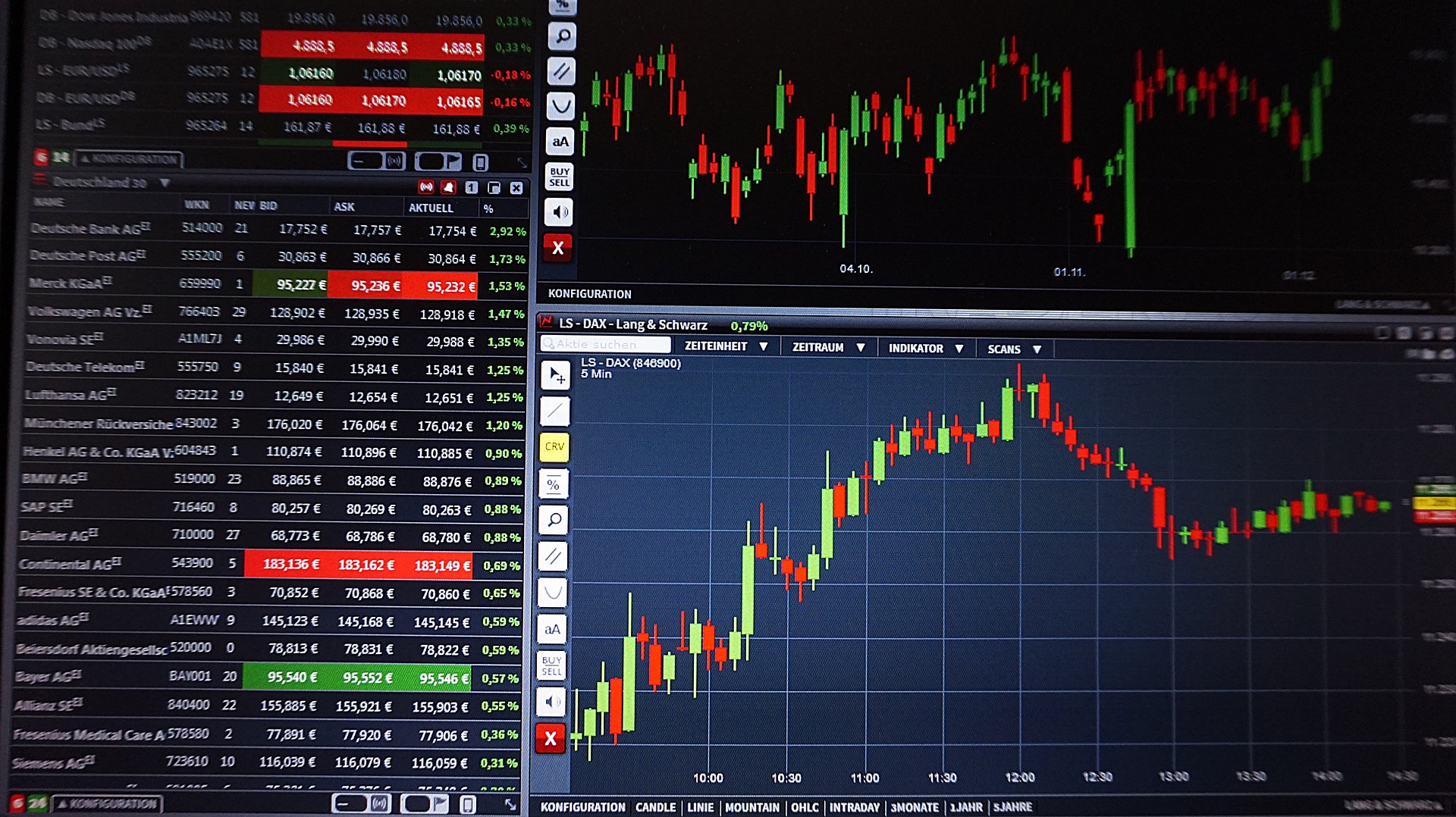
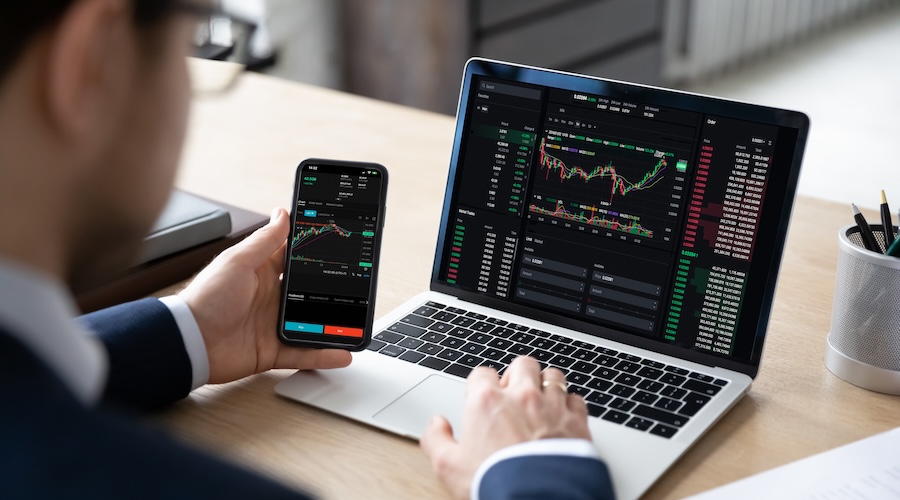
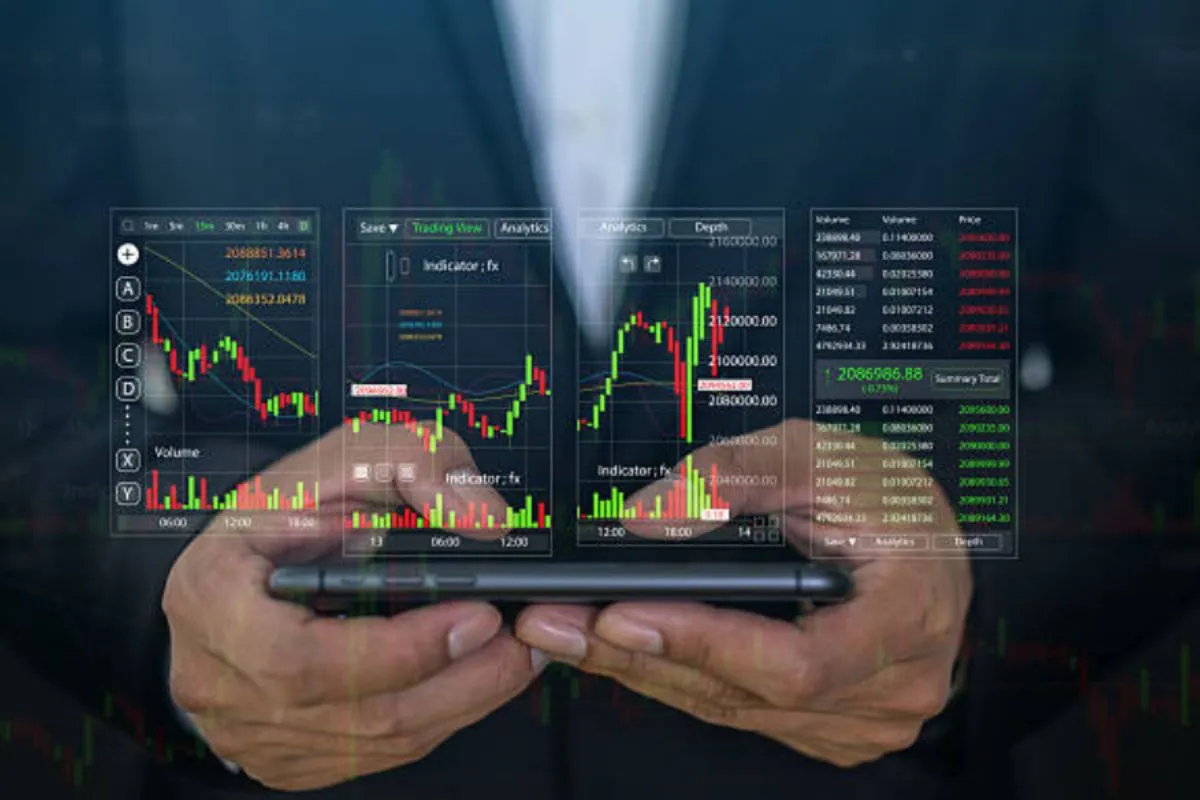
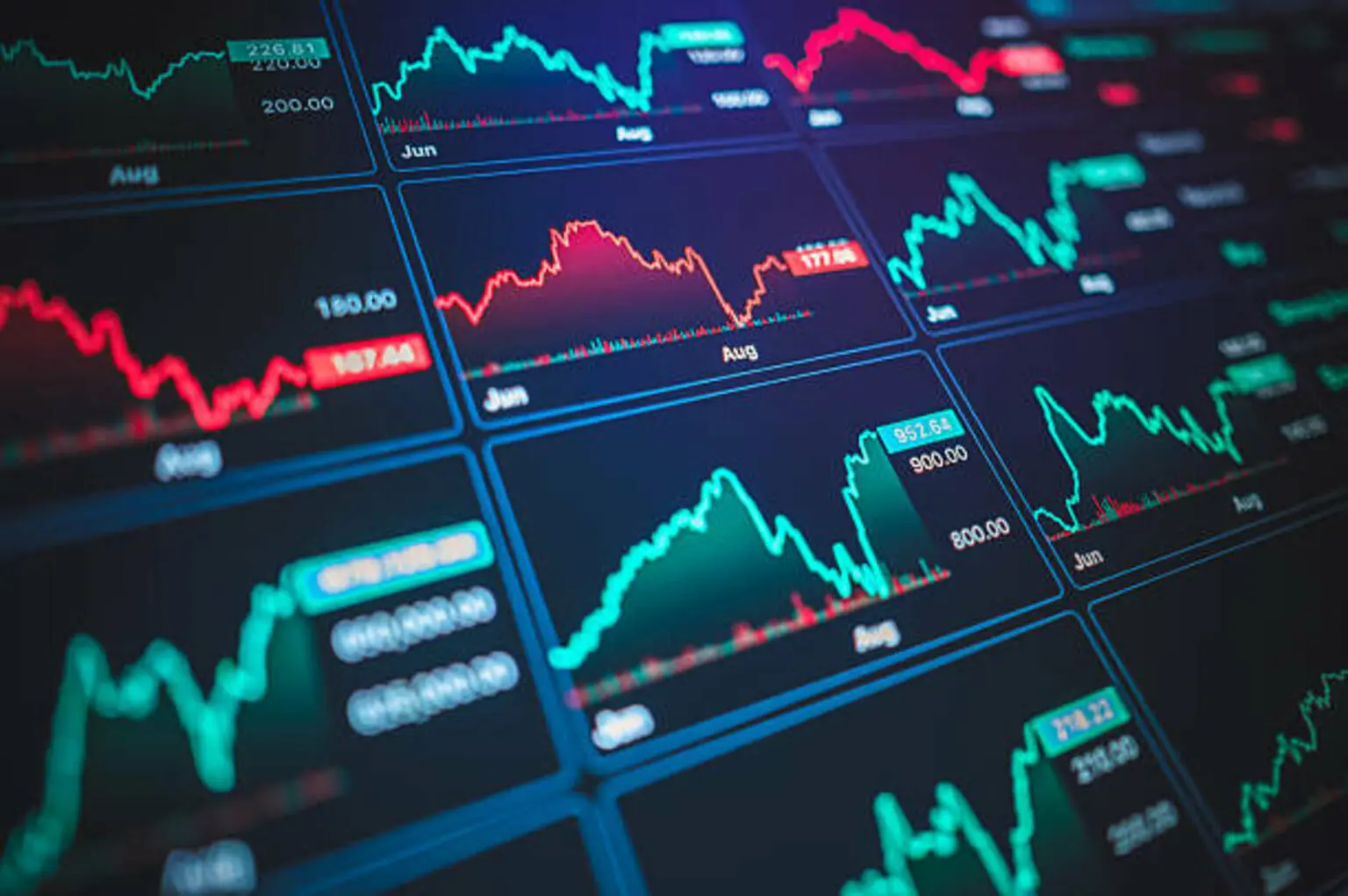
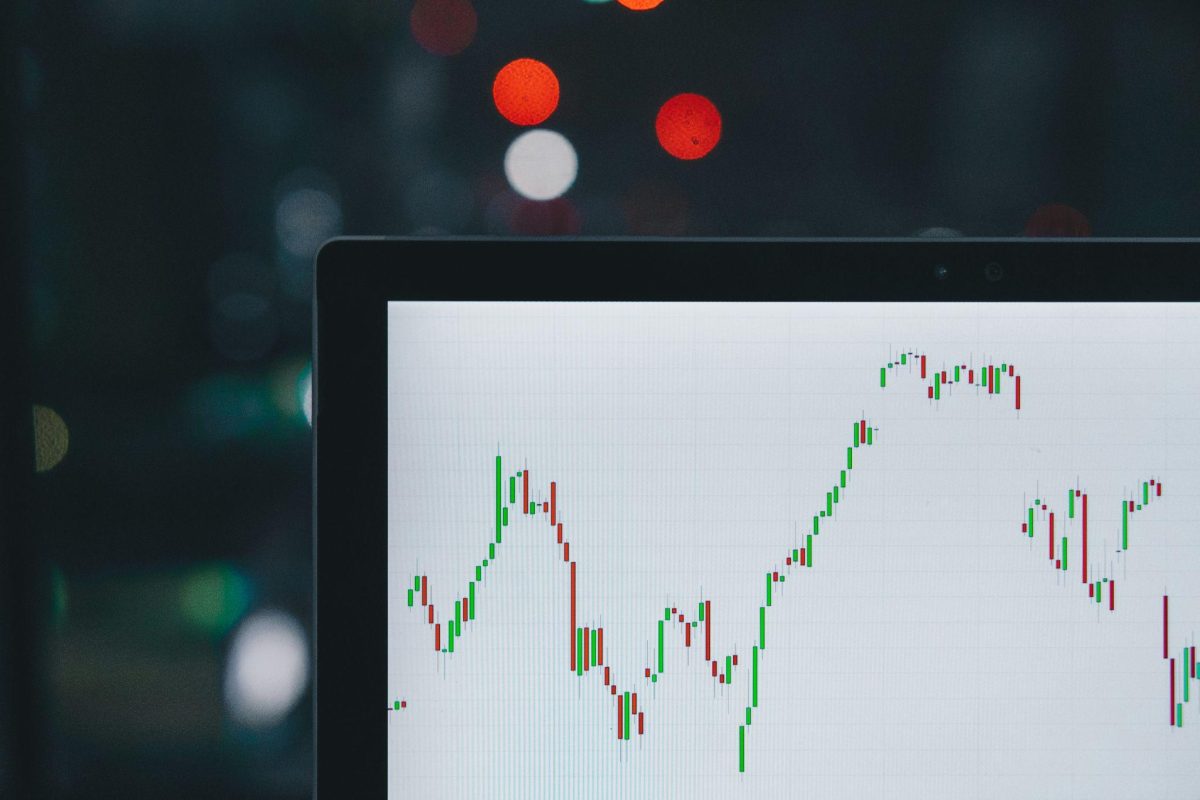
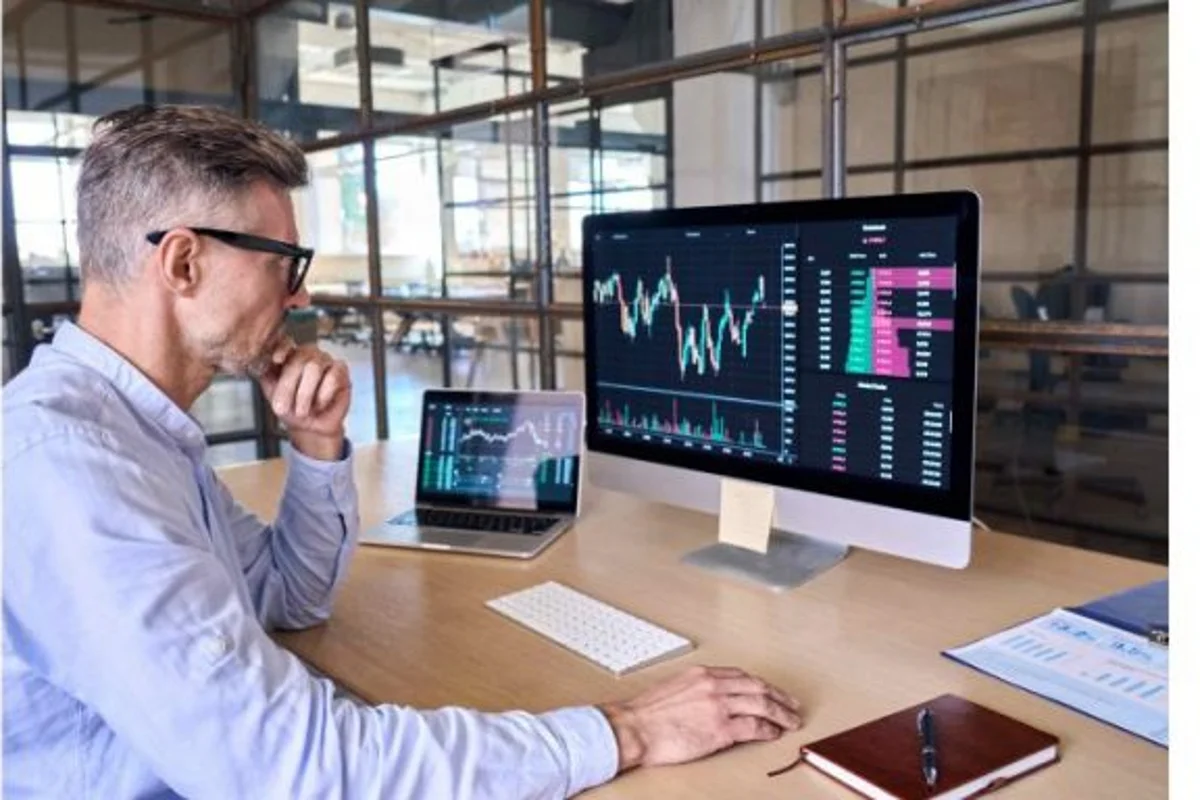
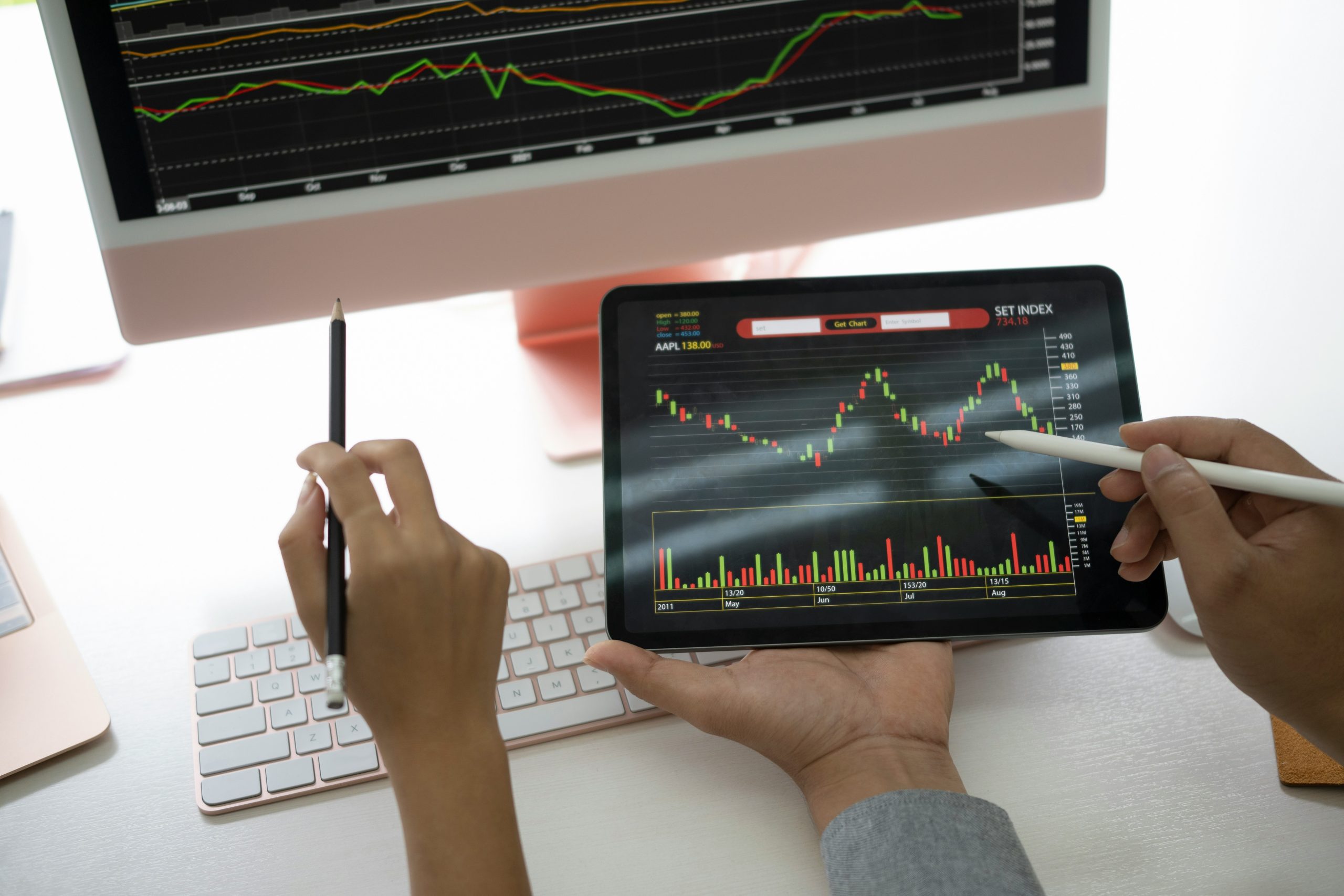
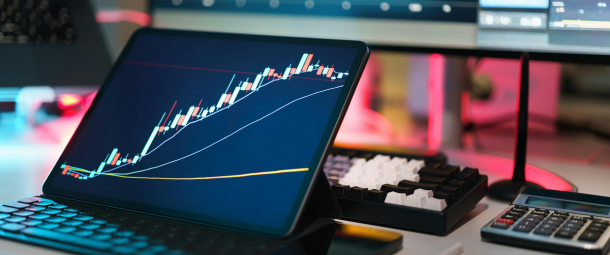
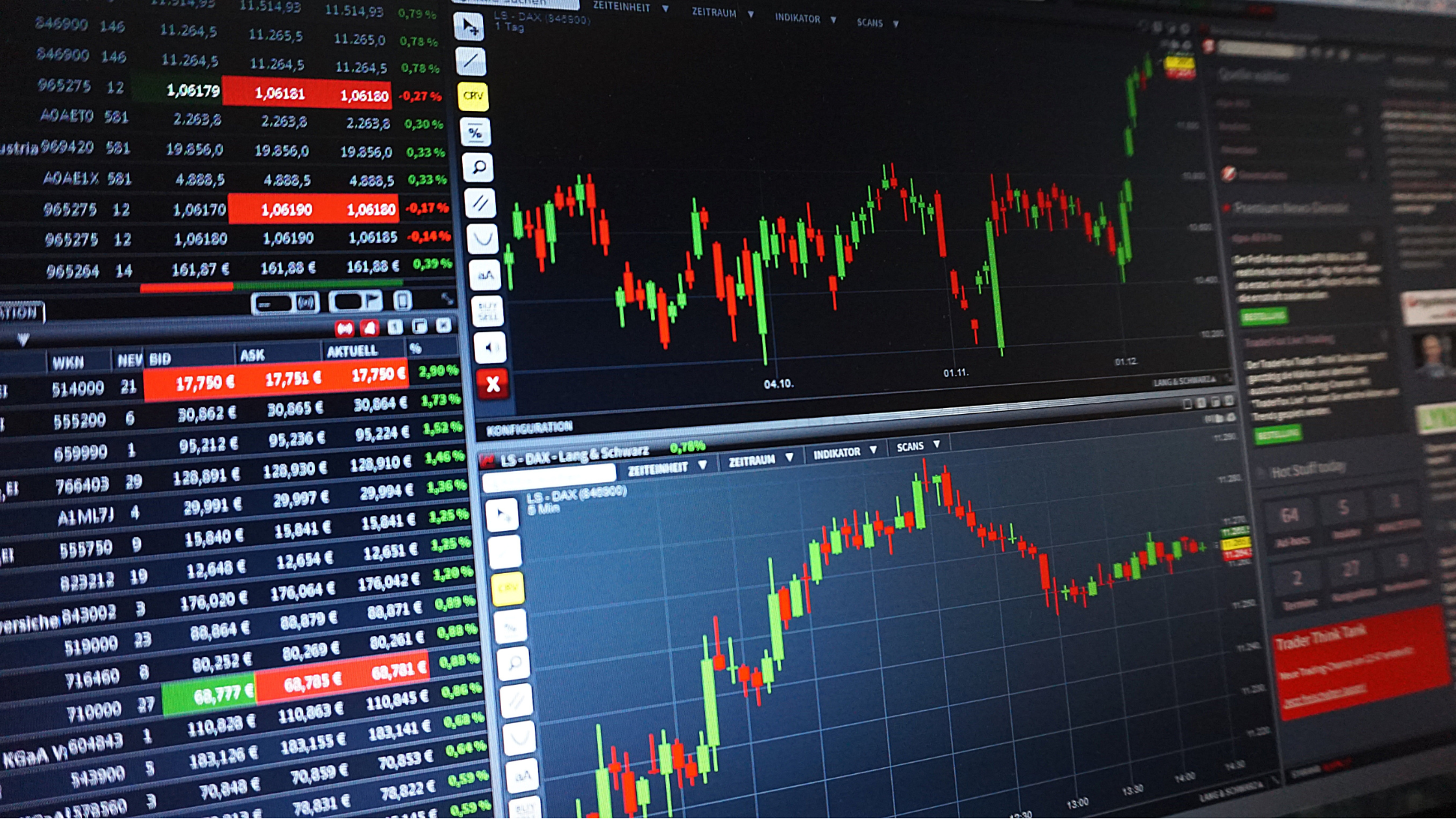
For an active retail trader, split-second delays can mean the difference between a profitable trade and a loss. Modern brokers, like Dhan, have adapted by offering advanced charting tools (like TradingView or ChartIQ integration), lightning-fast order execution engines and deep market analytics directly within their platforms. They provide scanners that track market momentum, real-time news feeds and automated alert systems. In essence, a broker today is judged by the strength, speed and reliability of the digital ecosystem that they use.
Anatomy of a robust stock trading app
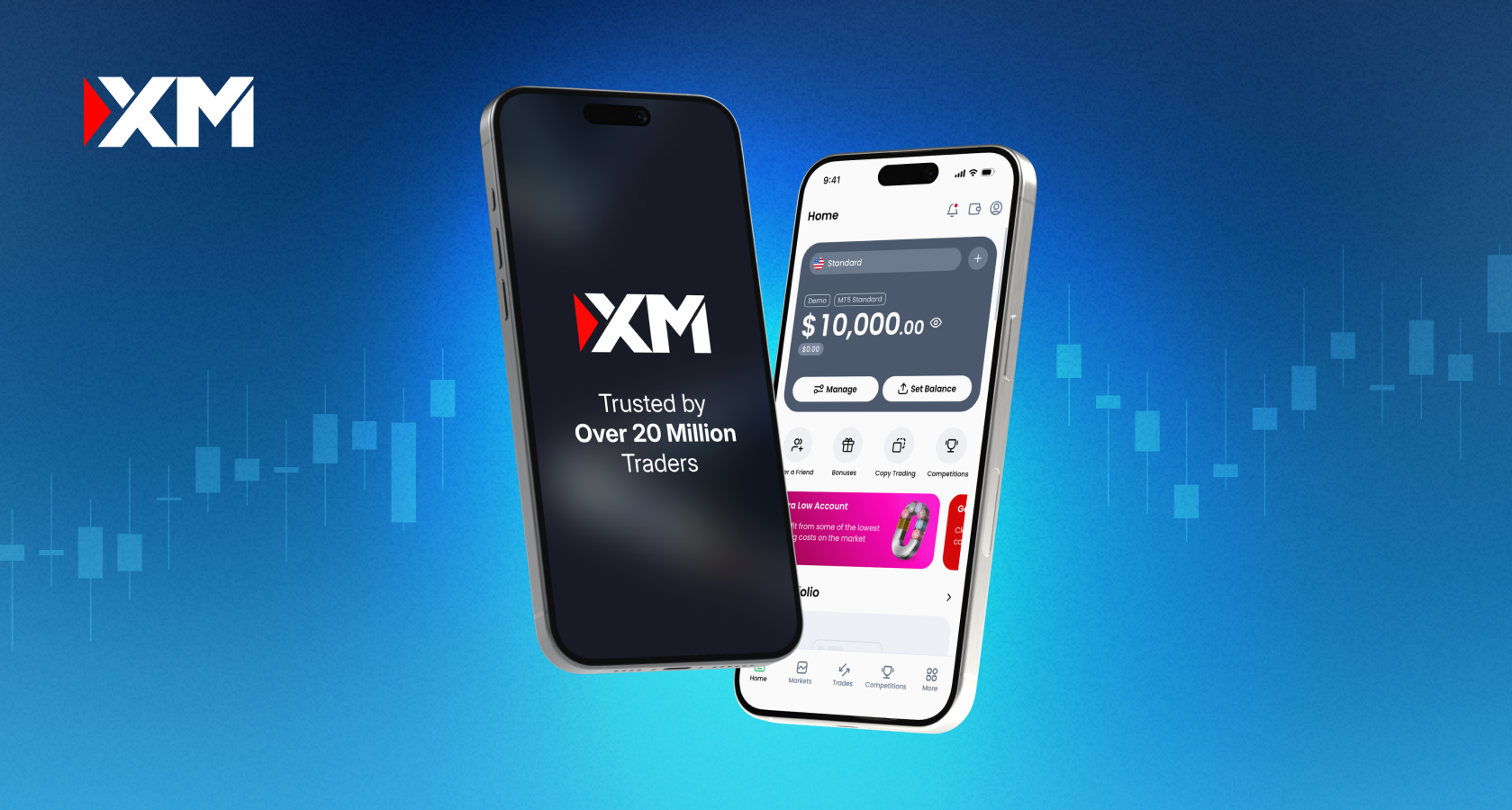
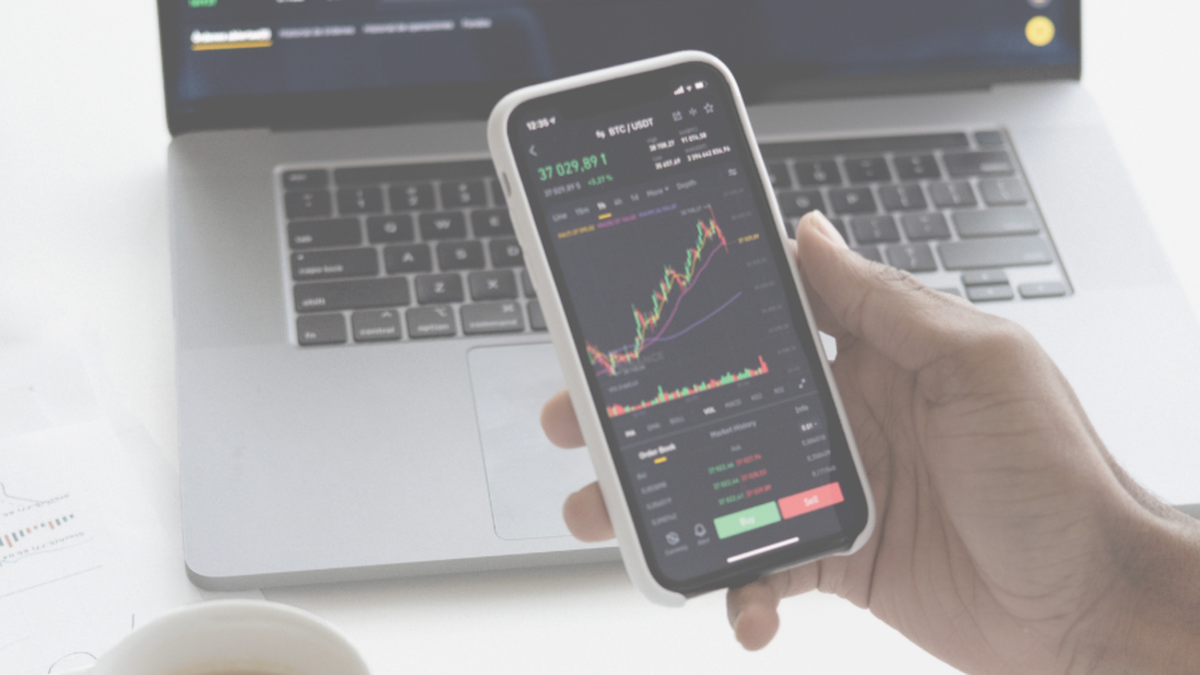
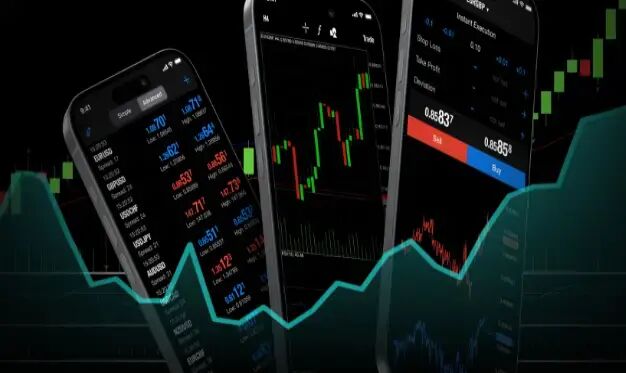
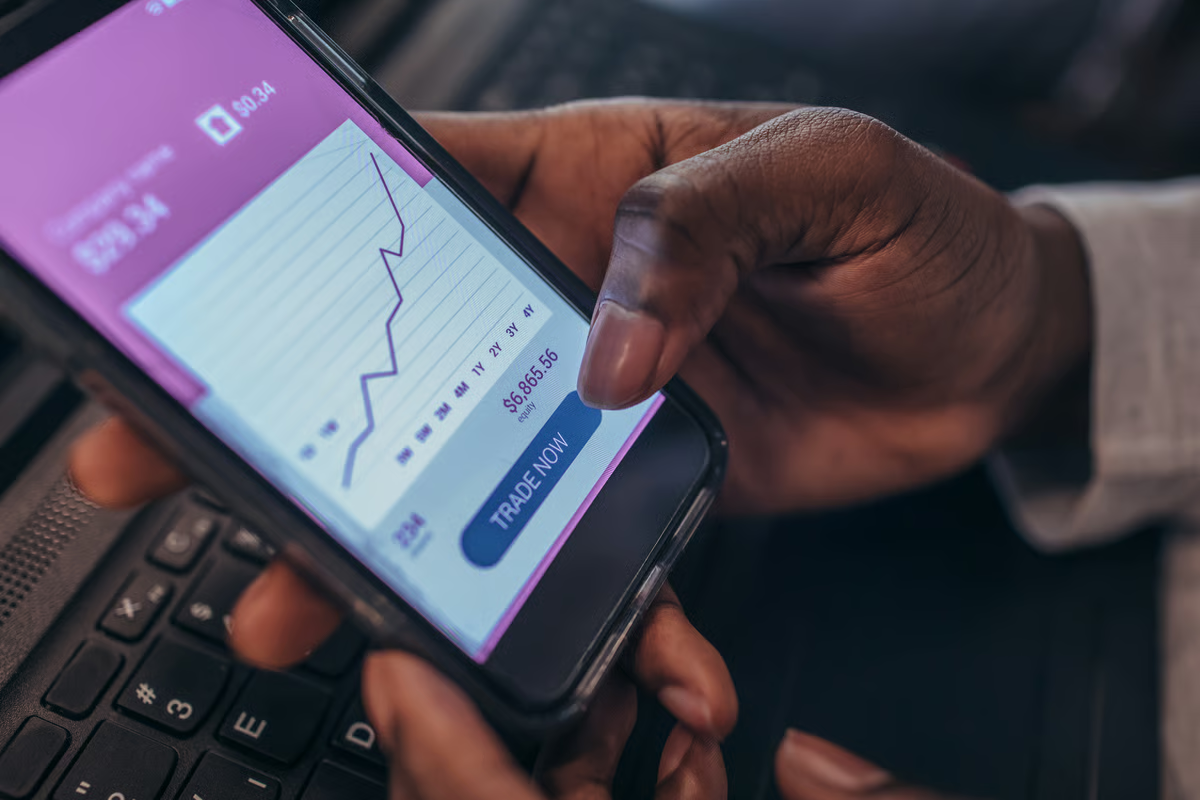
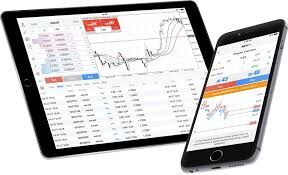
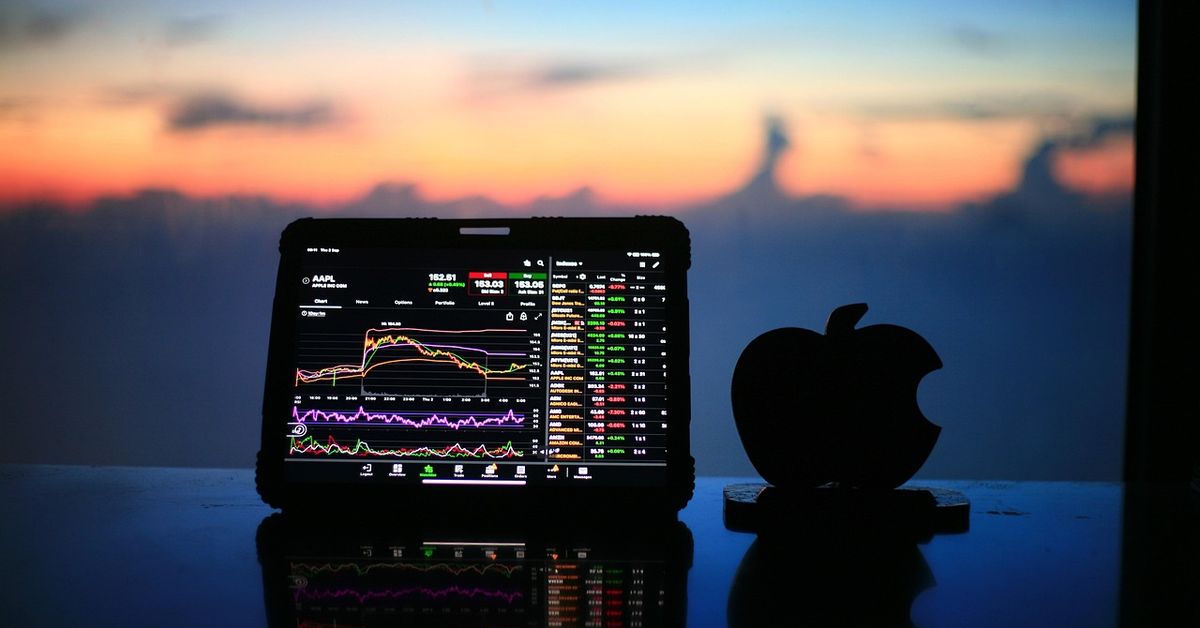
For traders focusing on equity markets, the primary window to the financials is their stock trading app. Equity markets are highly sensitive to corporate earnings, macroeconomic news and immediate liquidity shifts. Therefore, a robust app tailored for equities needs to prioritise specific high-performance features. These include:
Instant order execution: When trading highly volatile stocks or options, prices can change in milliseconds. A dependable app must process market, limit and cover orders instantly without freezing.
Real-time depth of market (Level 2 data): Active traders need to see the live buy and sell walls. Access to deep market liquidity data helps traders understand where the big institutional orders are sitting, allowing them to gauge immediate support and resistance levels.
Robust risk management tools: Good apps protect traders from themselves. Features like bracket orders, trailing stop-losses and instant margin shortfall alerts are crucial to preserving capital when a trade goes against the plan.
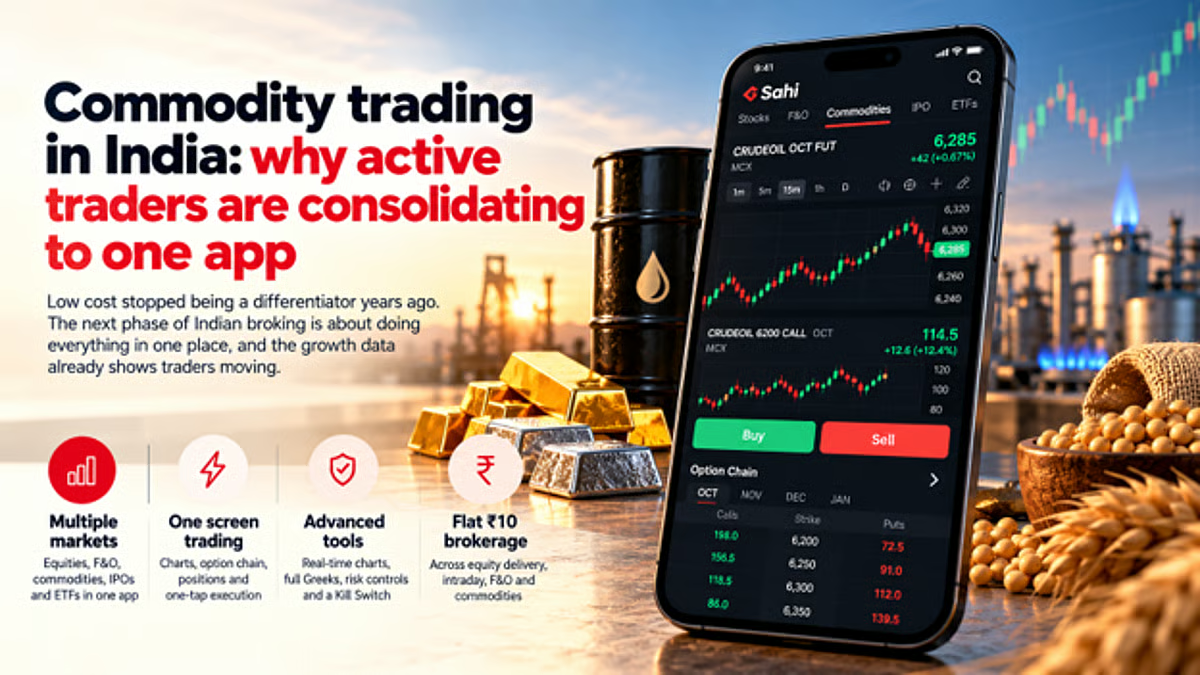
Intuitive options chains: With the growing popularity of derivatives trading in India, a clean and fast-loading options chain with real-time Greeks (Delta, Gamma, Theta) is a kind of necessity for the modern equity trader.
The rise of the commodity trading app
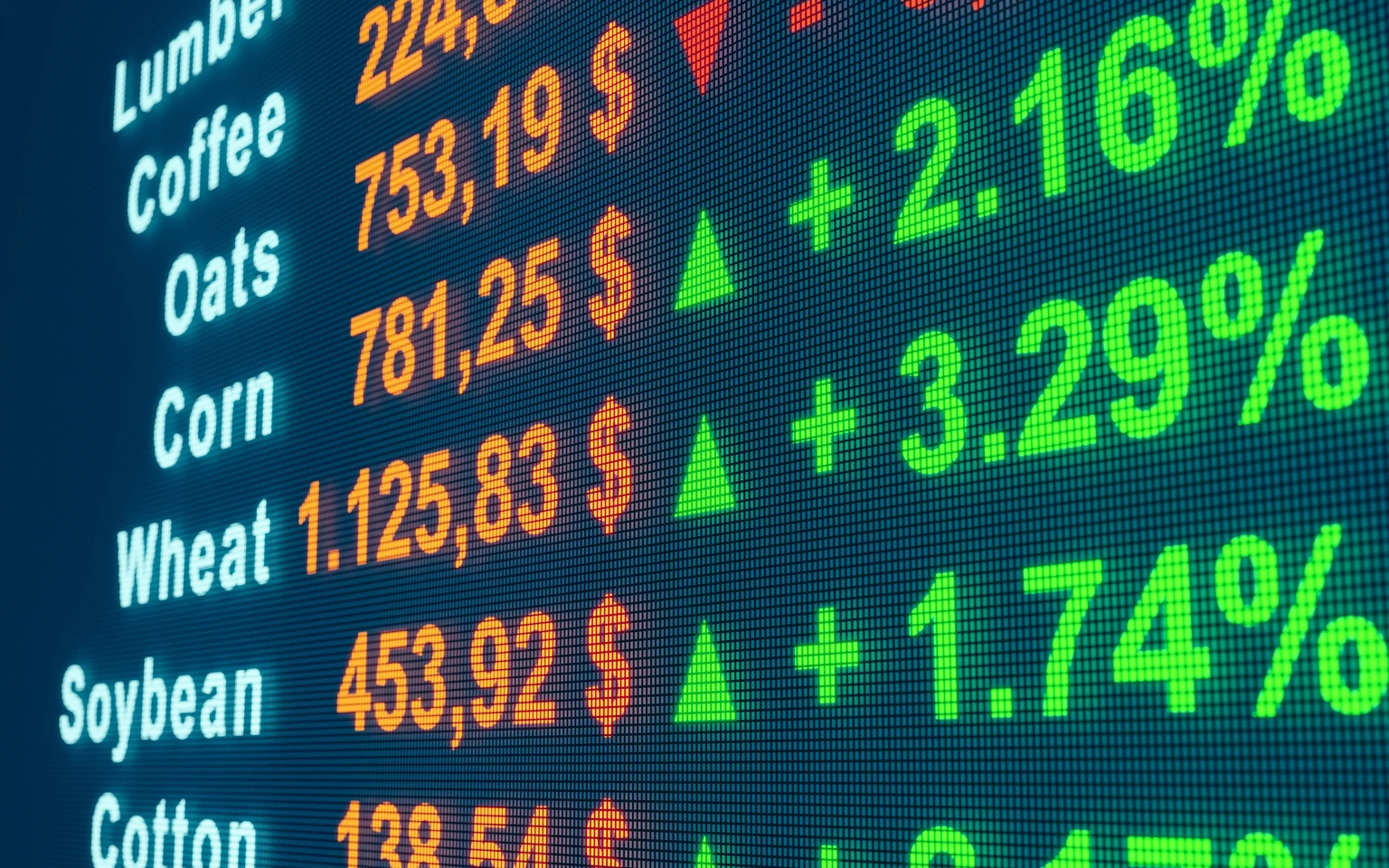
While equity markets capture a lot of mainstream attention, the commodities space has seen a surge in retail participation. Trading asset classes like crude oil, gold, silver and agricultural products is uniquely appealing because these markets stay open much later into the evening, allowing working professionals to trade after office hours.
However, trading these tangible goods requires unique functionalities, which has led to the rise of specialised commodity trading app. Unlike equities, commodities are heavily influenced by geopolitics, global supply chains and currency fluctuations. A dedicated platform must offer features tailored to these realities, like:
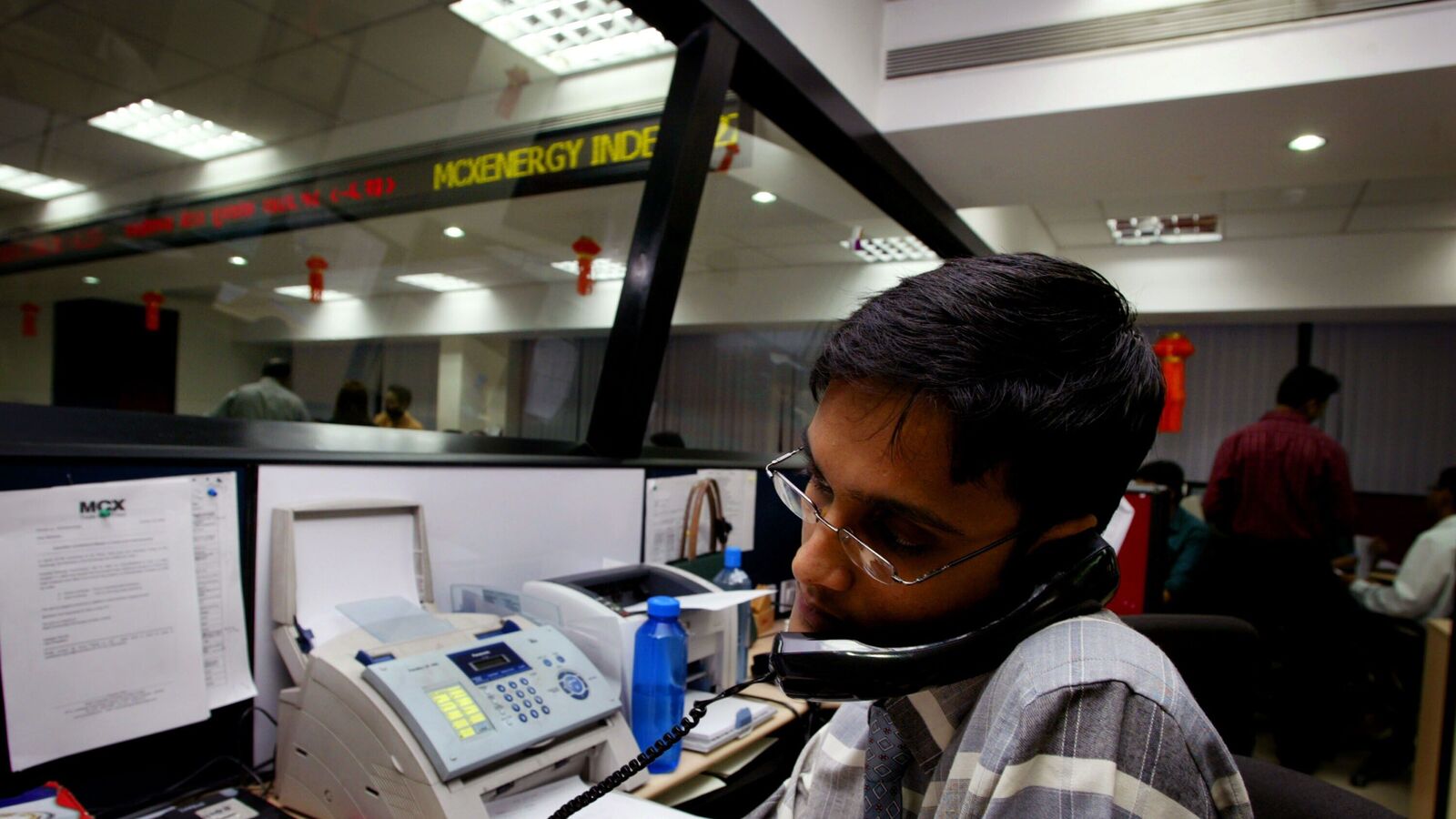
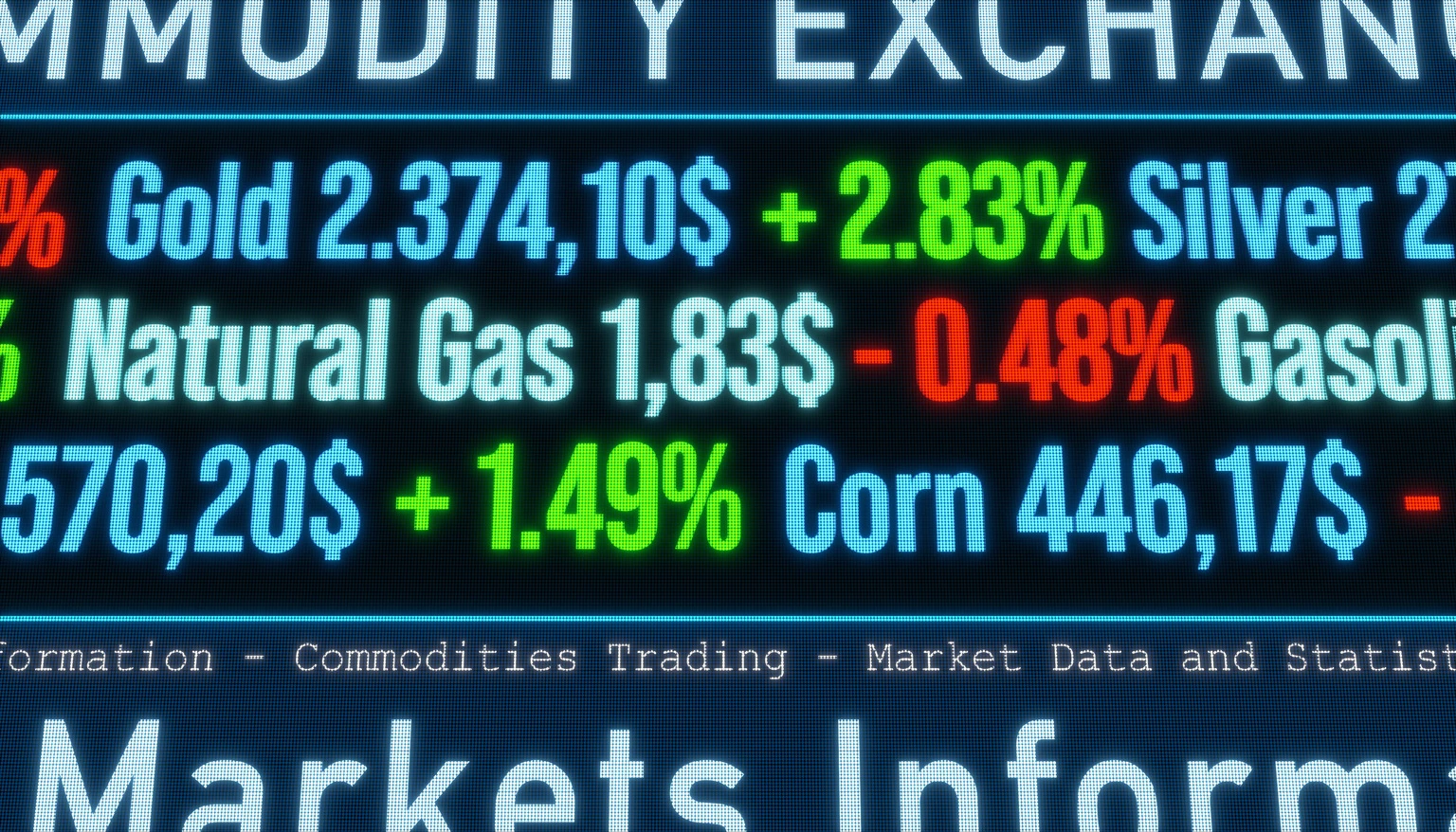
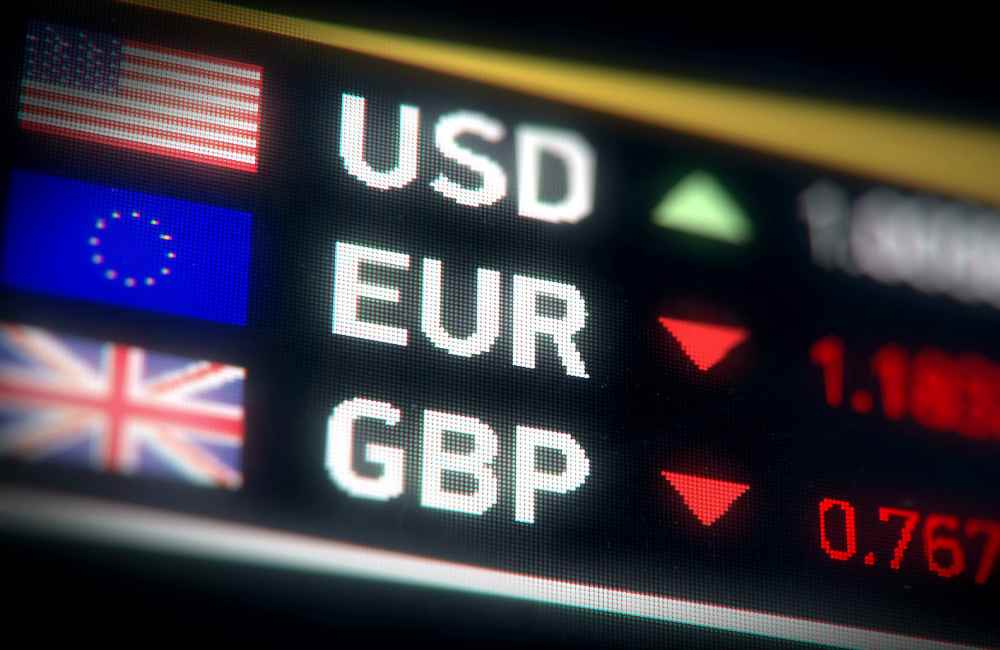
Global market tickers: Indian commodity contracts on exchanges like the MCX closely track international benchmarks (like COMEX gold or Brent crude), so a commodity app must display live global tickers. Traders need to see what is happening in US or European markets in real time to make informed decisions.
Specialised margin calculators: Commodity contracts are highly leveraged. A slight price movement can significantly impact your capital. A robust app needs a built-in margin calculator that clearly shows SPAN and exposure margins required before entering a position.
Expiry and delivery alerts: Unlike stocks, commodity futures contracts involve physical delivery logistics if left open past expiry. A smart app must give clear, proactive alerts to retail traders to square off their positions well before the delivery period starts.
Benchmarks for picking a platform
For an active trader, managing two different apps with two different login credentials, balance statements and user interfaces can be exhausting. The industry is moving toward integrated applications that house both equity and commodity trading under one digital roof.
If you are looking to choose an all-in-one platform, look closely at these three critical benchmarks:
1. Cross-margin capabilities
An excellent integrated platform allows you to use your equity holdings or mutual fund investments as collateral (after a standard haircut) to get margin for your evening commodity trades. Instead of keeping cash idle in two separate accounts, your capital works double duty.
2. Platform uptime during peak hours
A beautiful interface means nothing if the app crashes during high-volume periods, such as the market opening at 9.15 am or when major US economic data drops in the evening. Check user reviews and broker history regarding platform stability and uptime records.
3. User Interface (UI) simplicity
A cluttered screen can cause execution errors. The platform should present complex data like simultaneous charts, order books and open positions in a clean and scannable layout.
The golden rule is to choose an ecosystem that removes technical friction from your day, letting you focus entirely on your risk management and trading strategy.
Final thoughts
As you navigate your trading journey, remember that your choice of technology is a core pillar of your success. Look for a reliable partner that balances power with simplicity, ensuring you have the right tools to tackle whichever market you choose to trade.
Note to the Reader: This article has been produced on behalf of the brand by HT Brand Studio and does not have journalistic/editorial involvement of Mint.