As market volatility becomes a permanent feature of financial markets rather than an occasional disruption, brokers are rethinking what they expect from their infrastructure providers. Competitive spreads and access to liquidity remain essential, but they are no longer sufficient on their own. Brokers today operate in an environment shaped by geopolitical shocks, evolving regulation, rising client expectations and growing technology requirements, forcing them to evaluate providers not only on pricing but also on their ability to deliver reliable execution, operational resilience and long-term support.
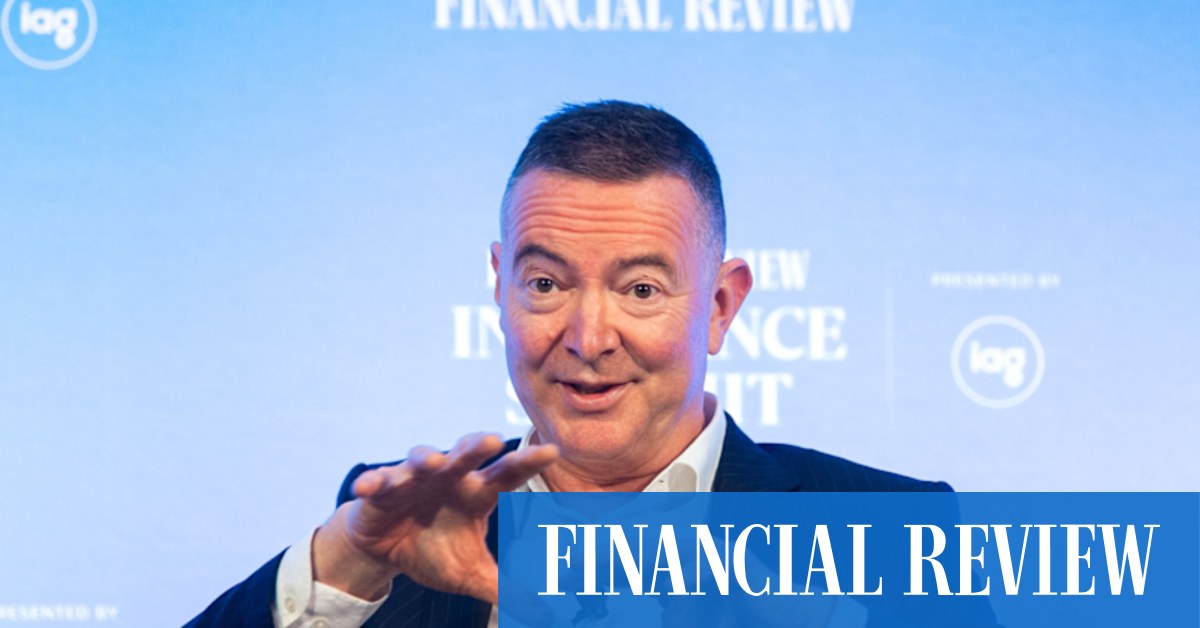
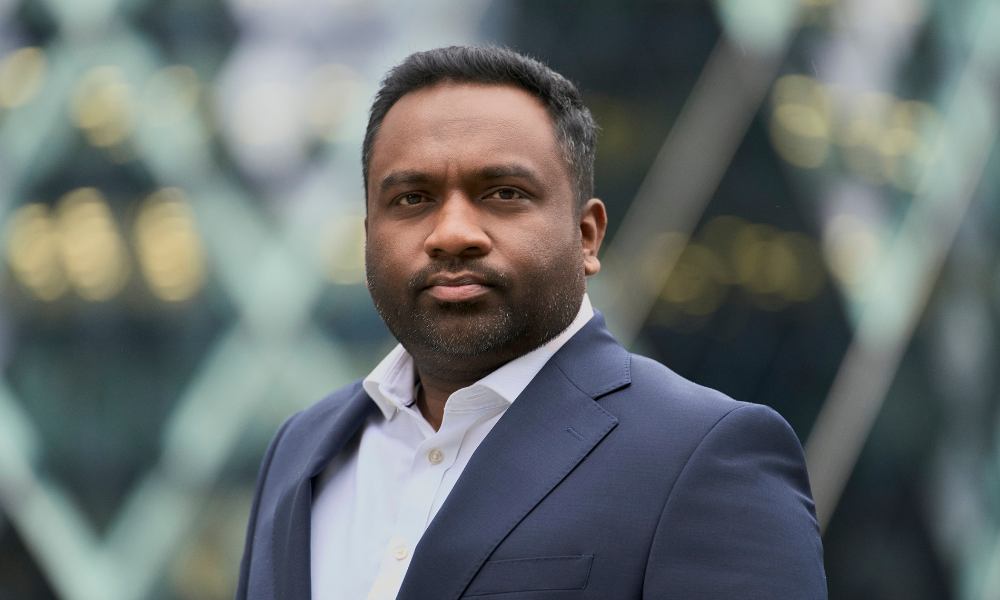
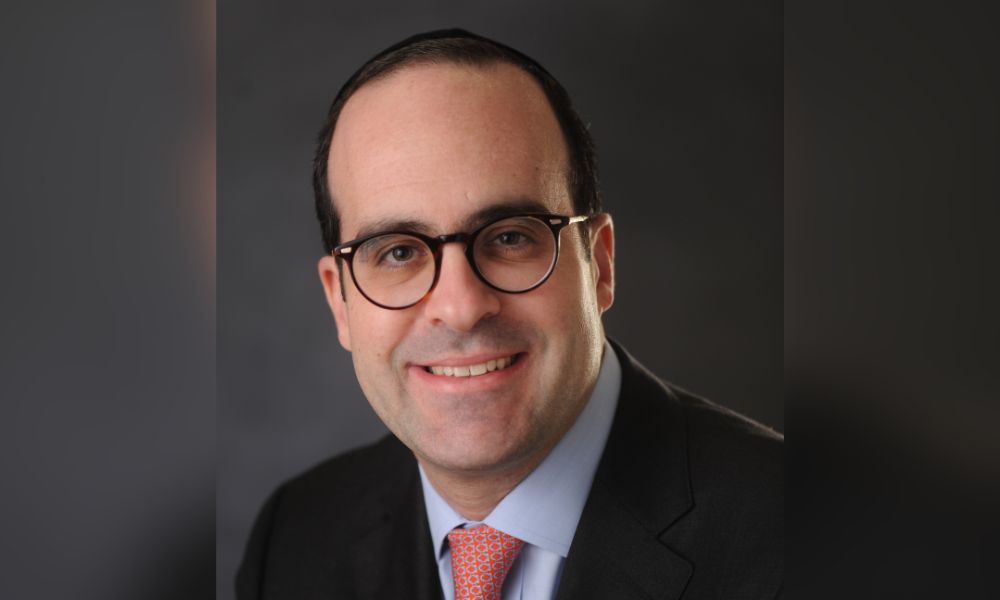
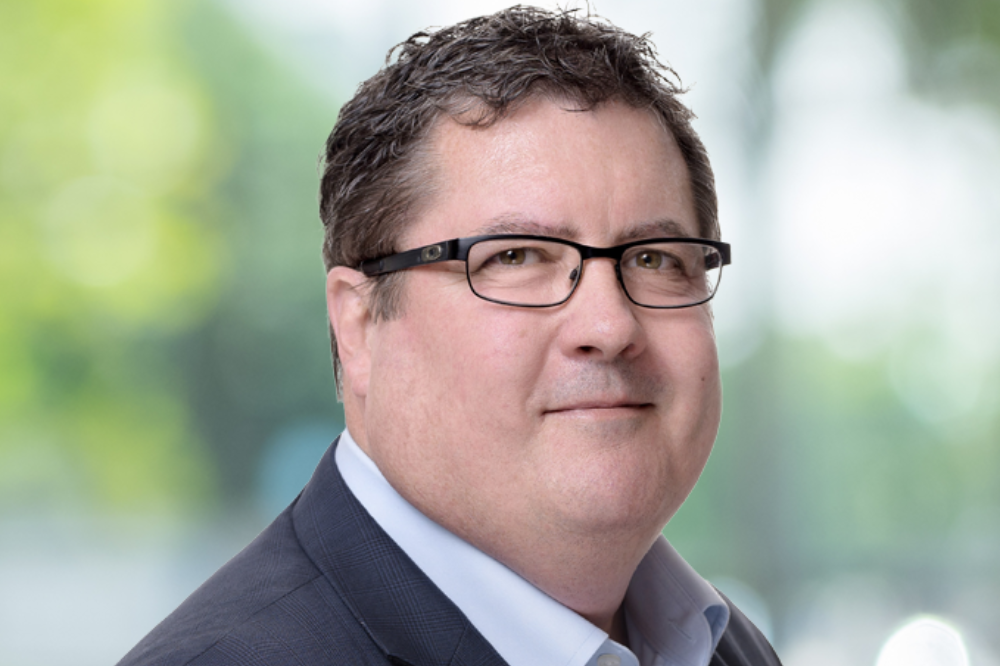
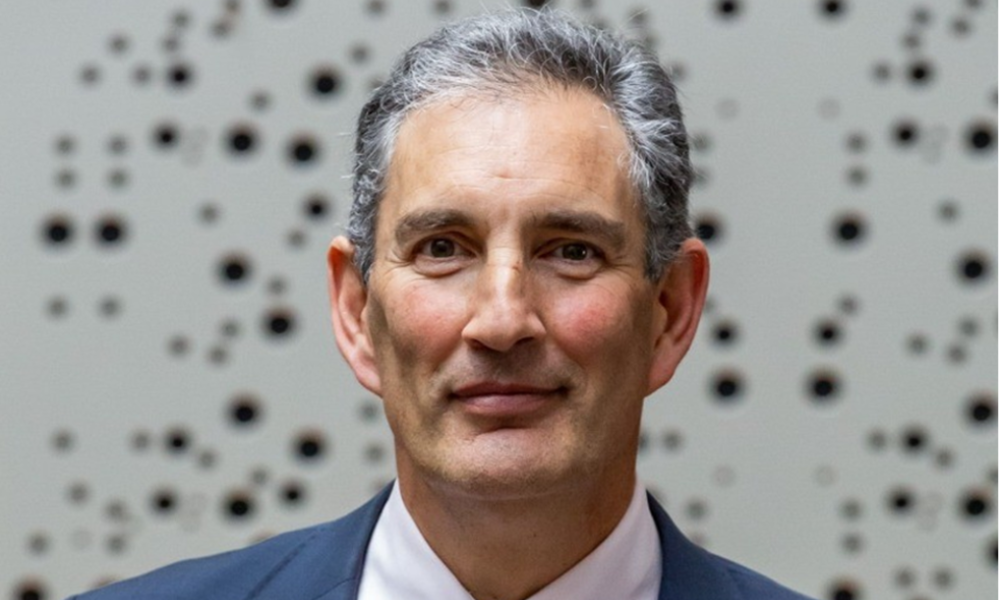
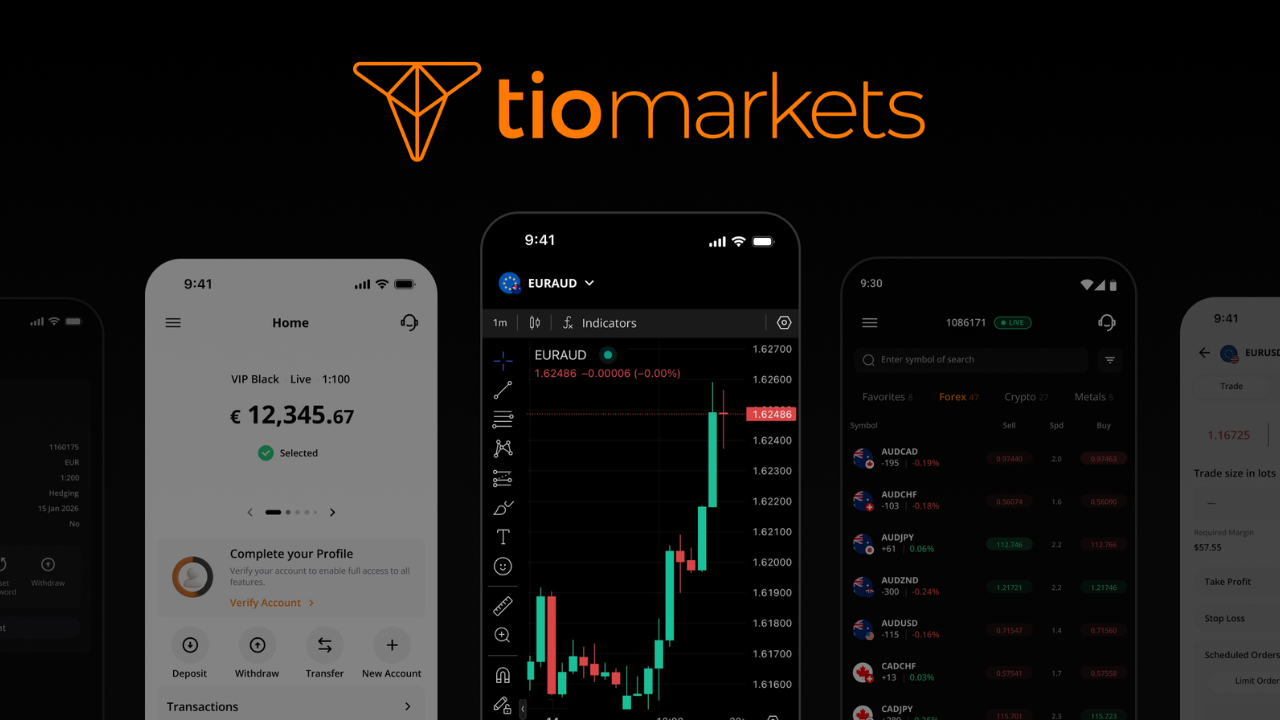
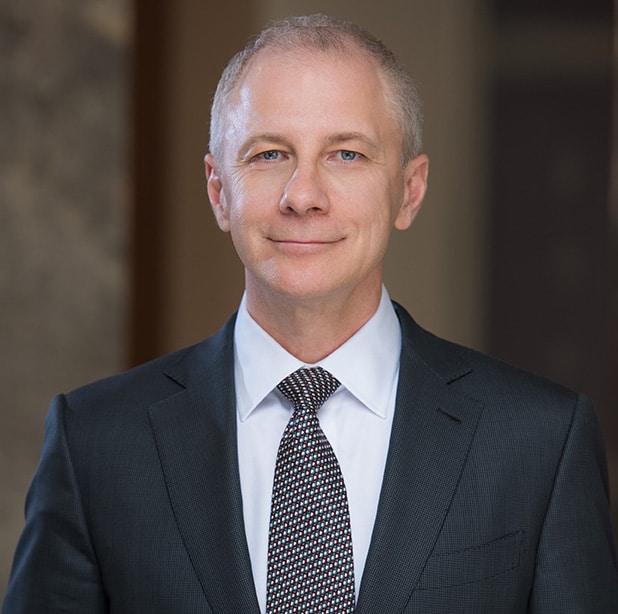
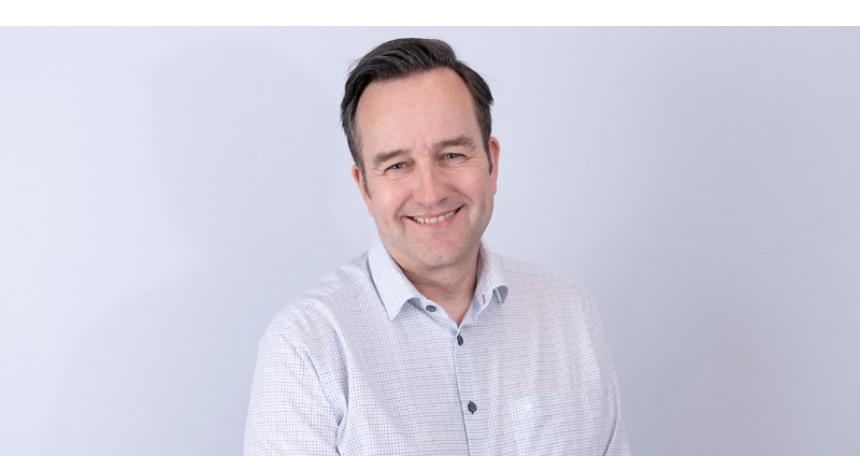
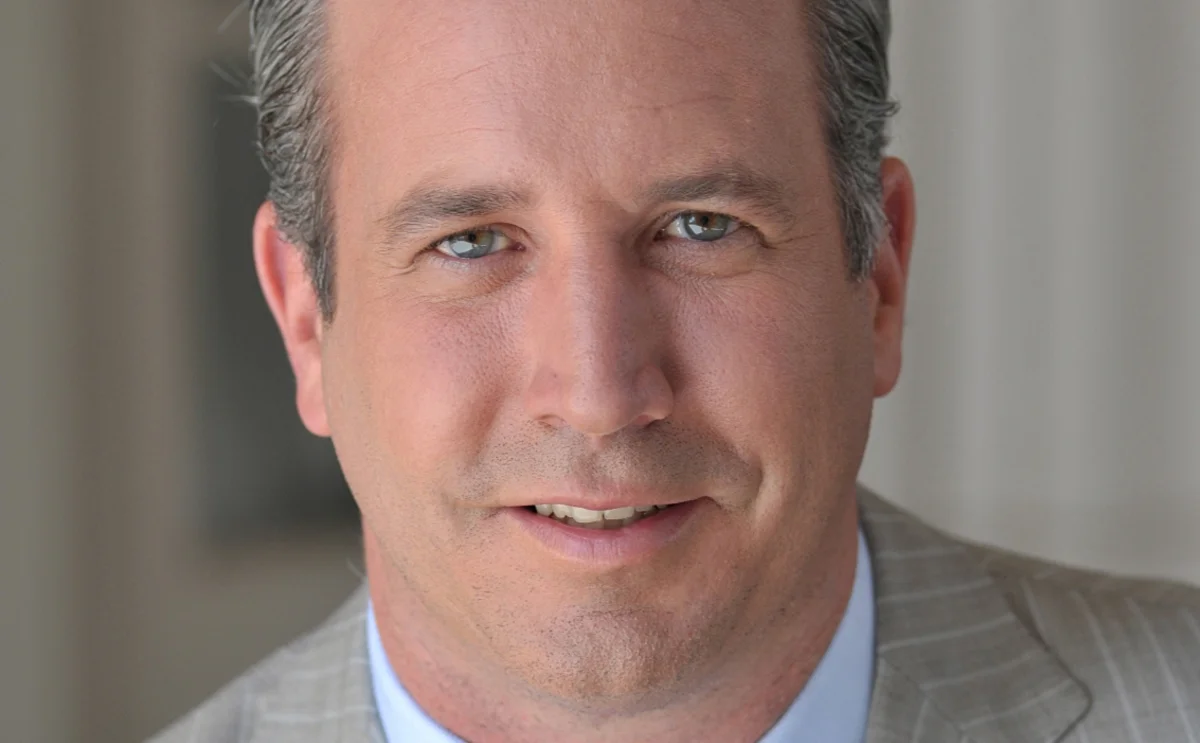
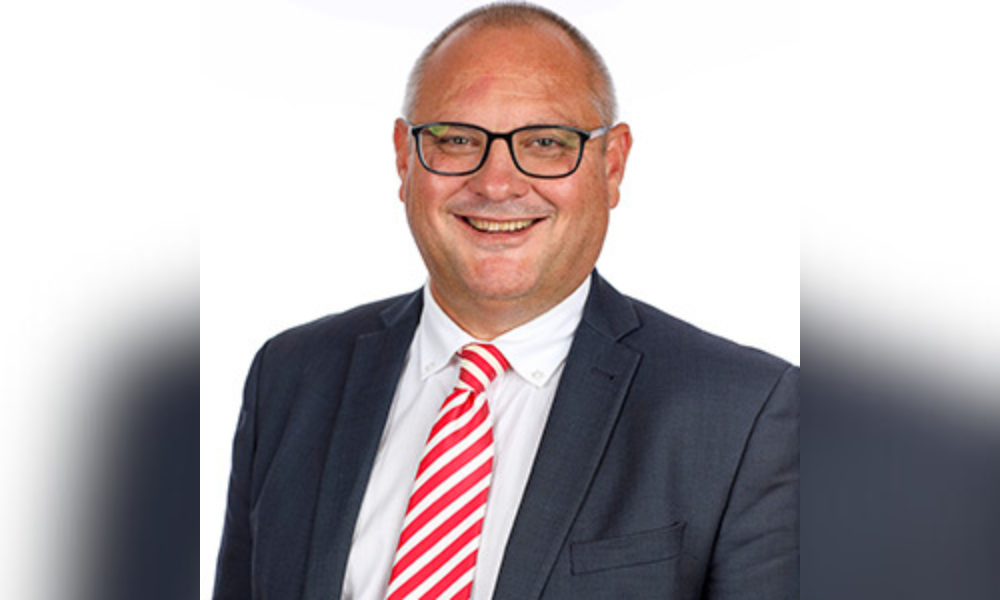
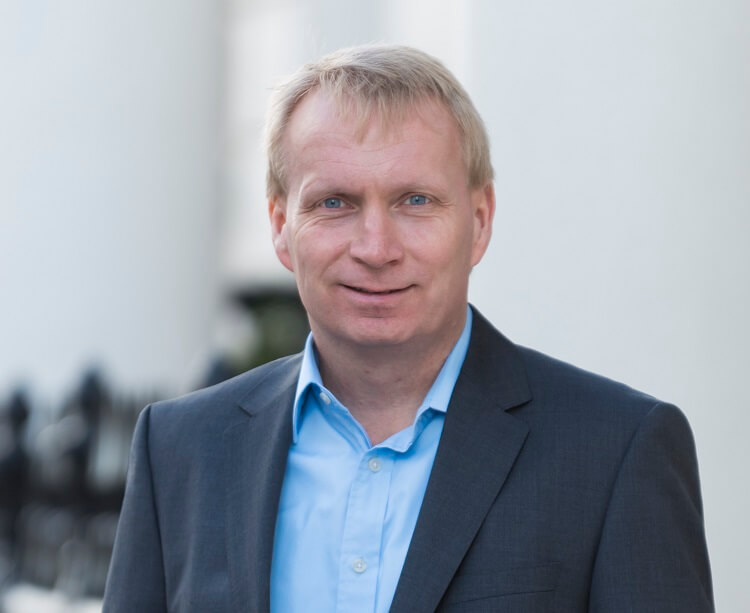
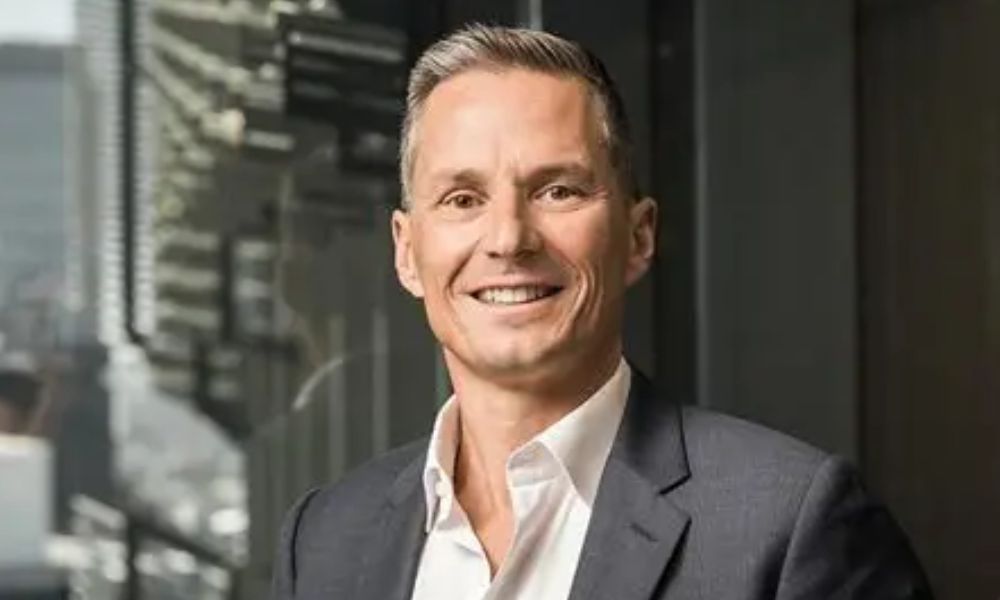
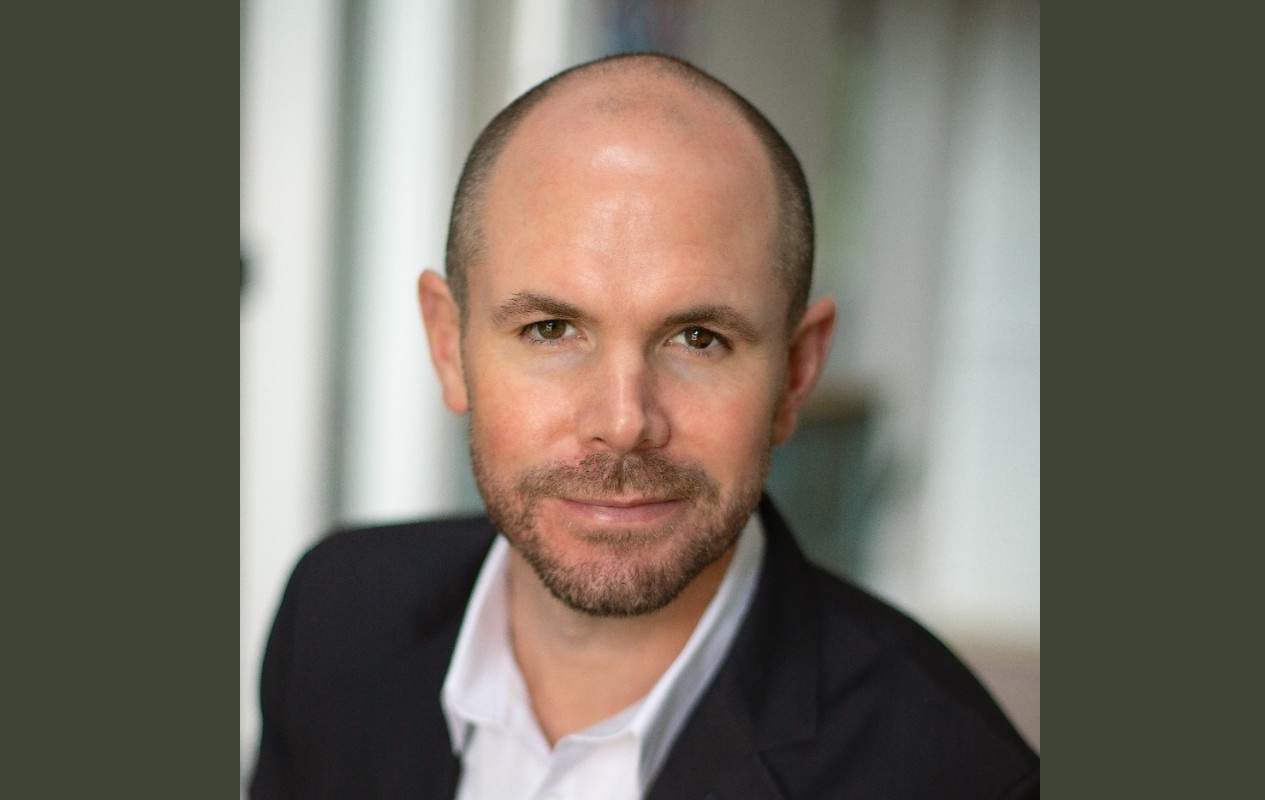
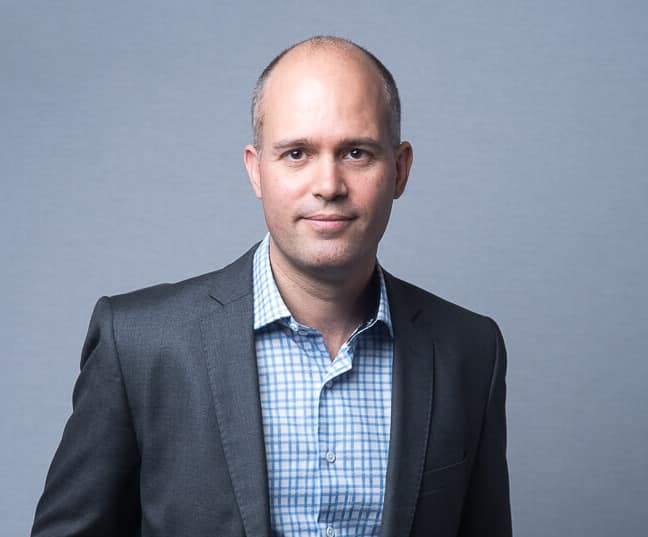
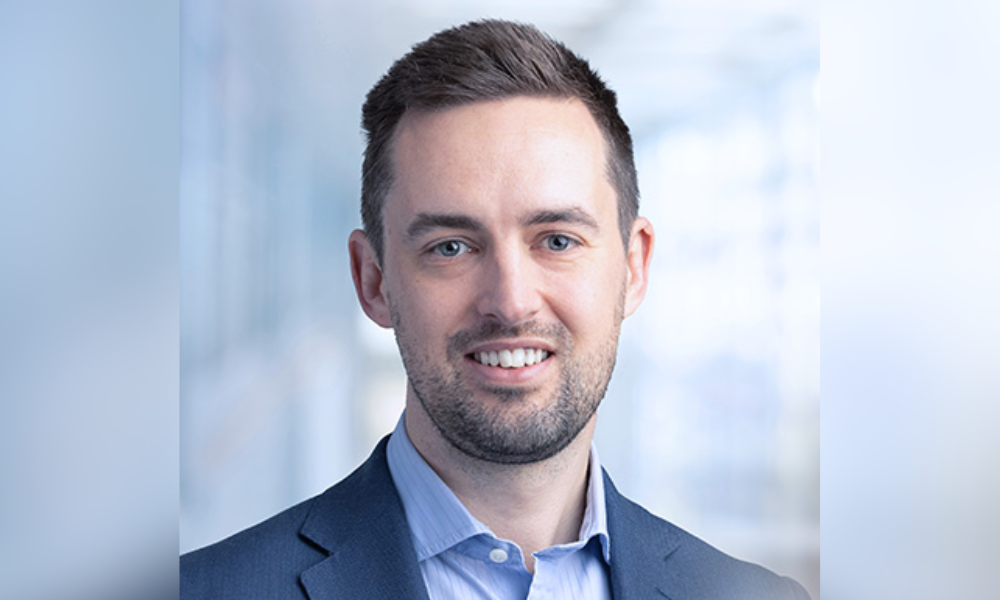
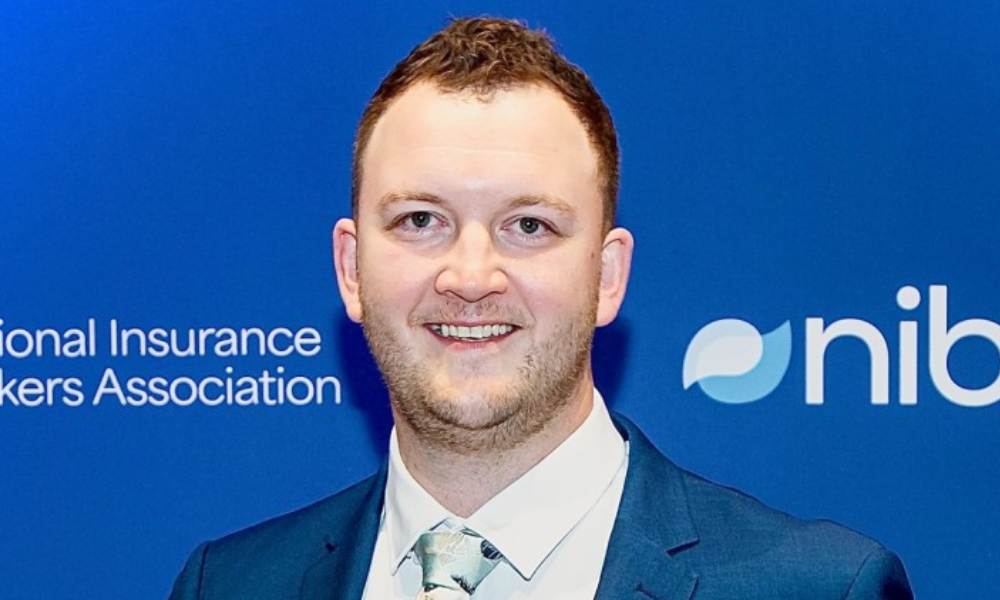
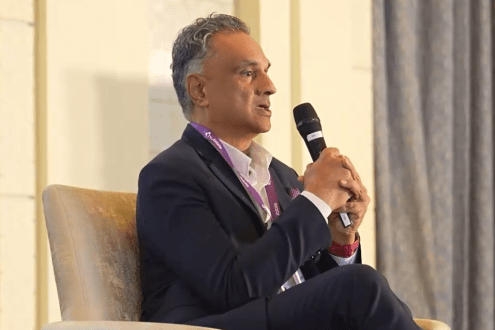
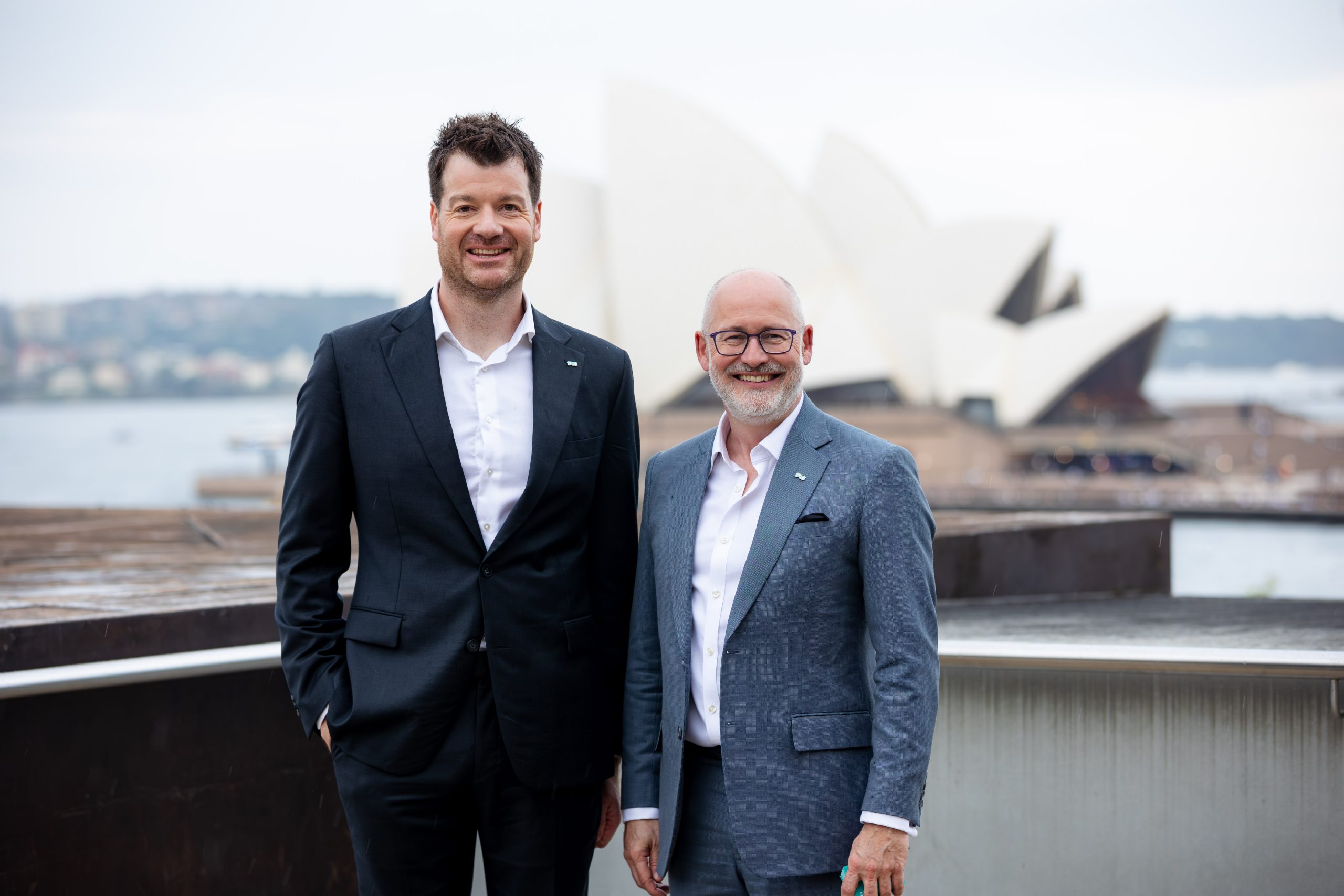
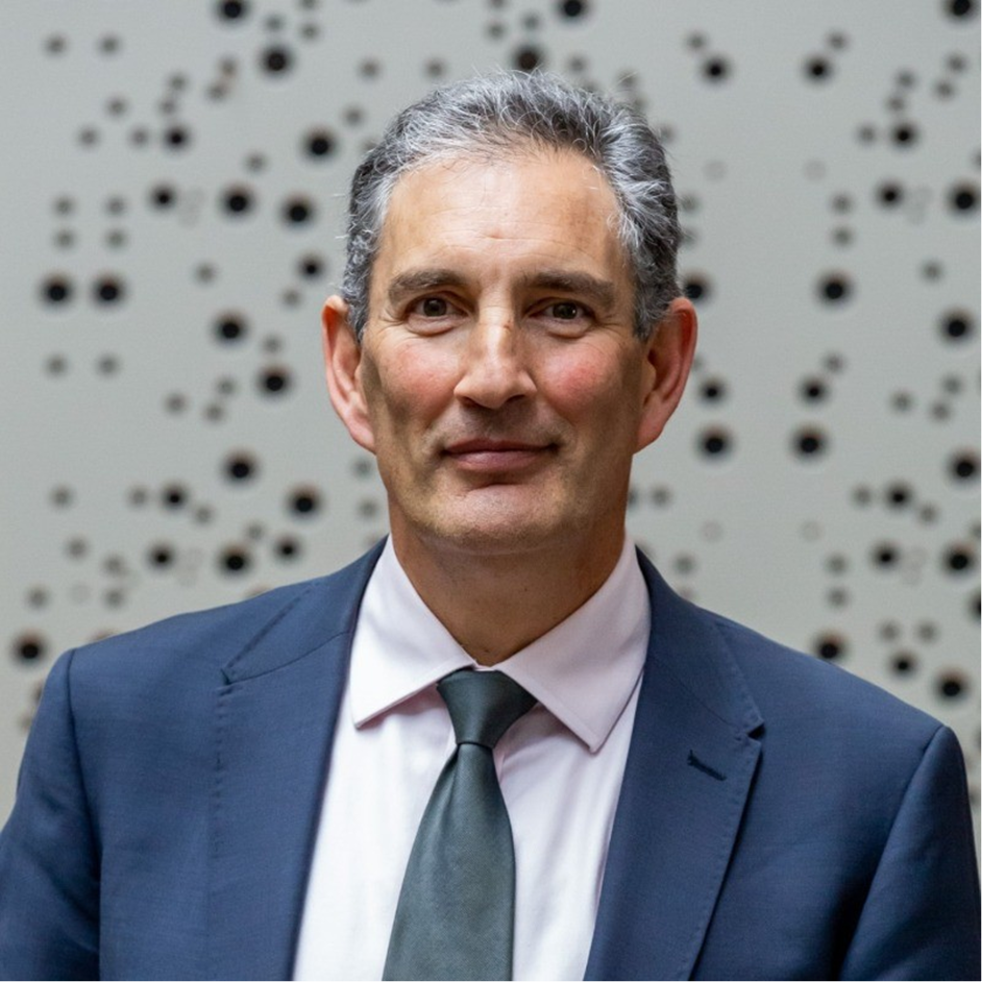
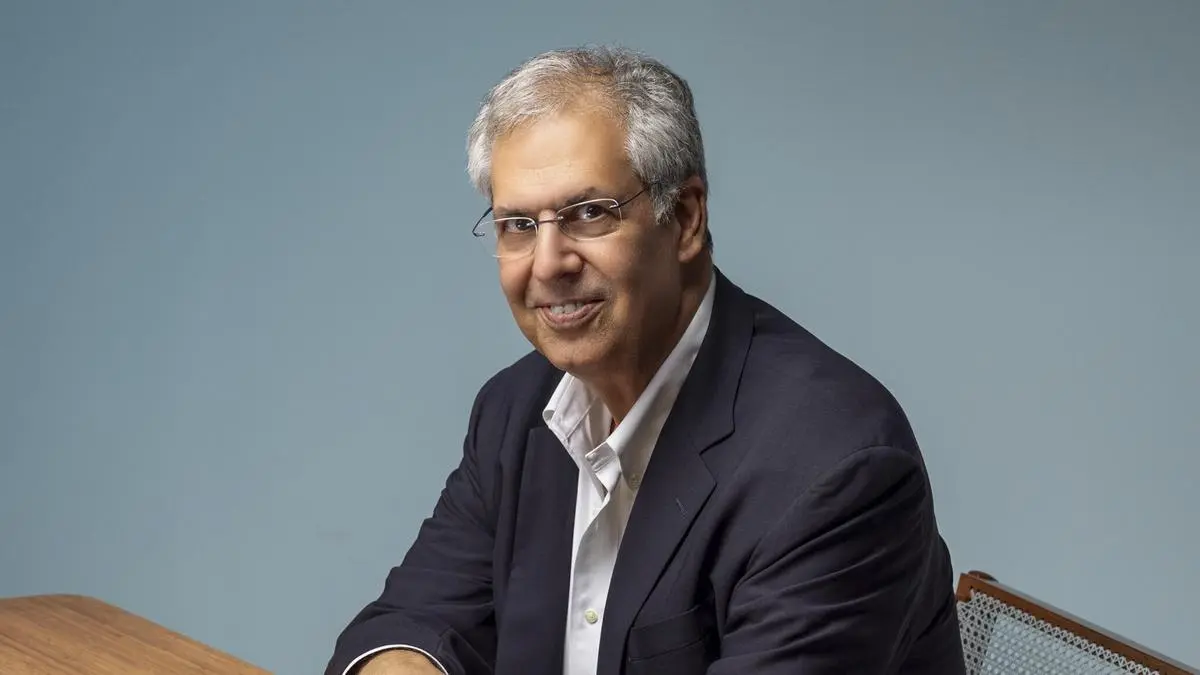
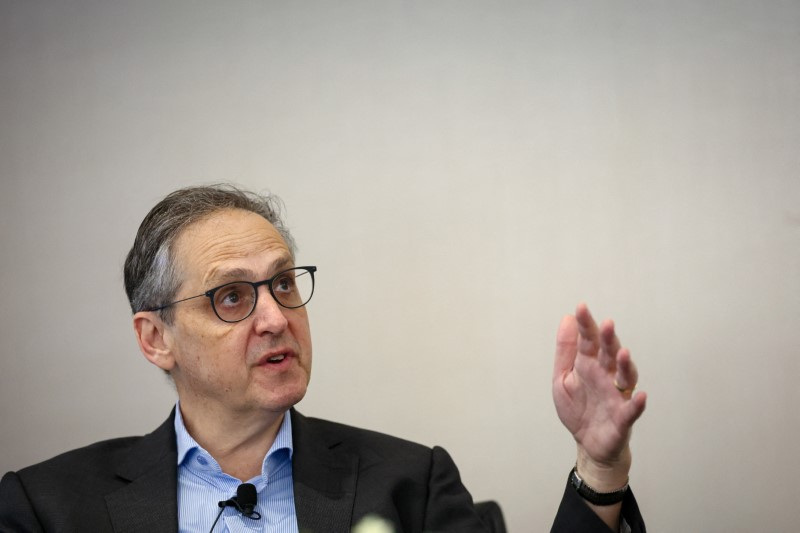
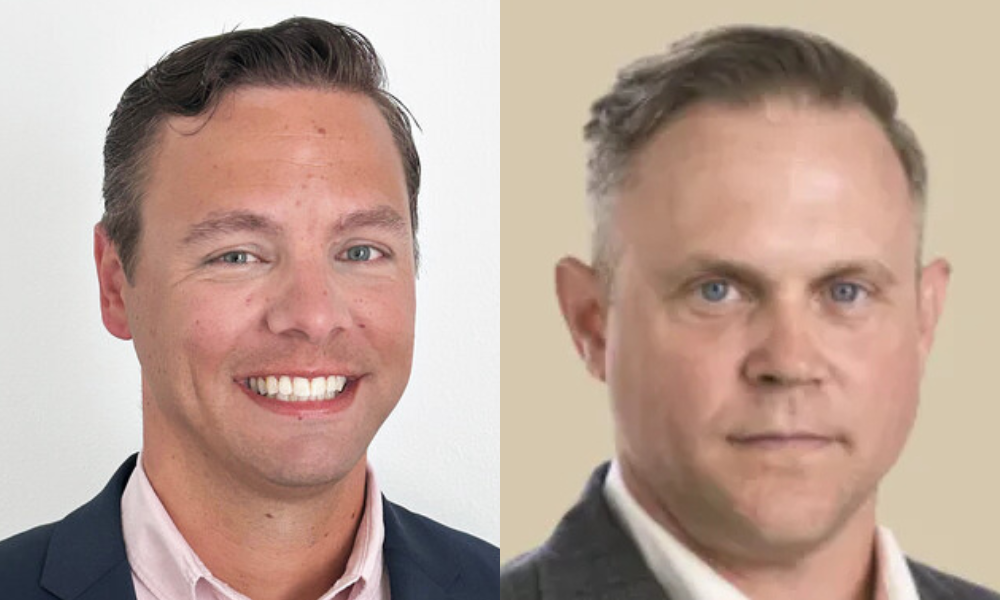
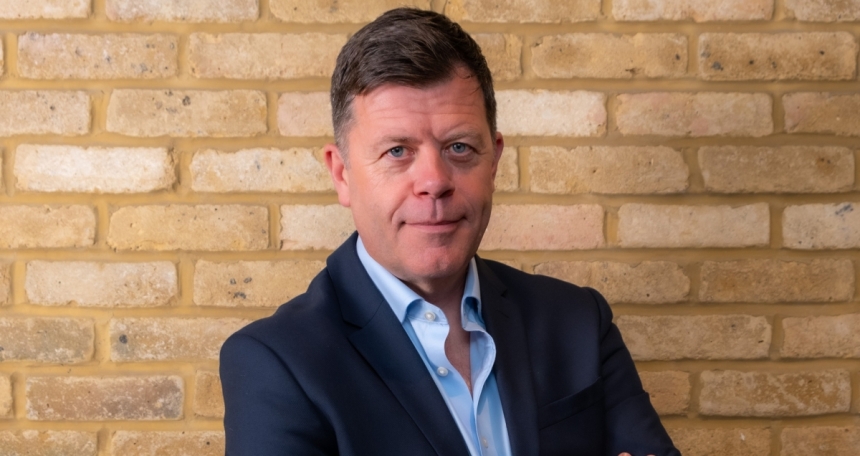
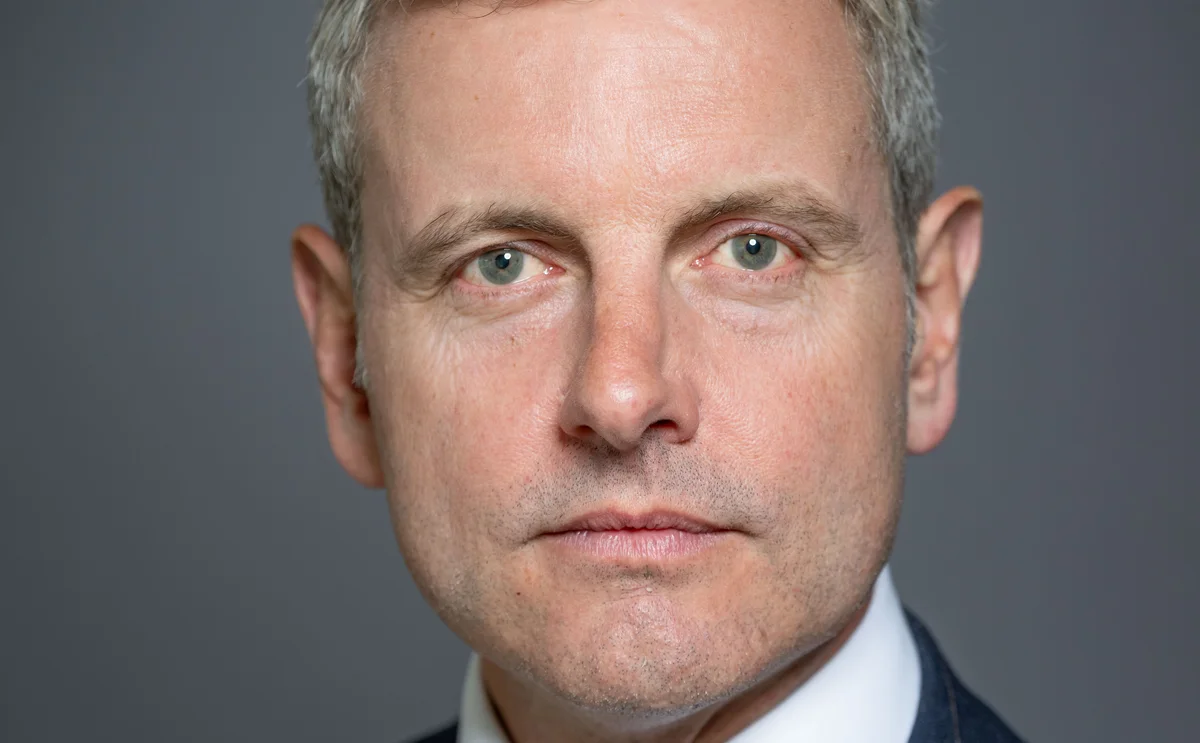
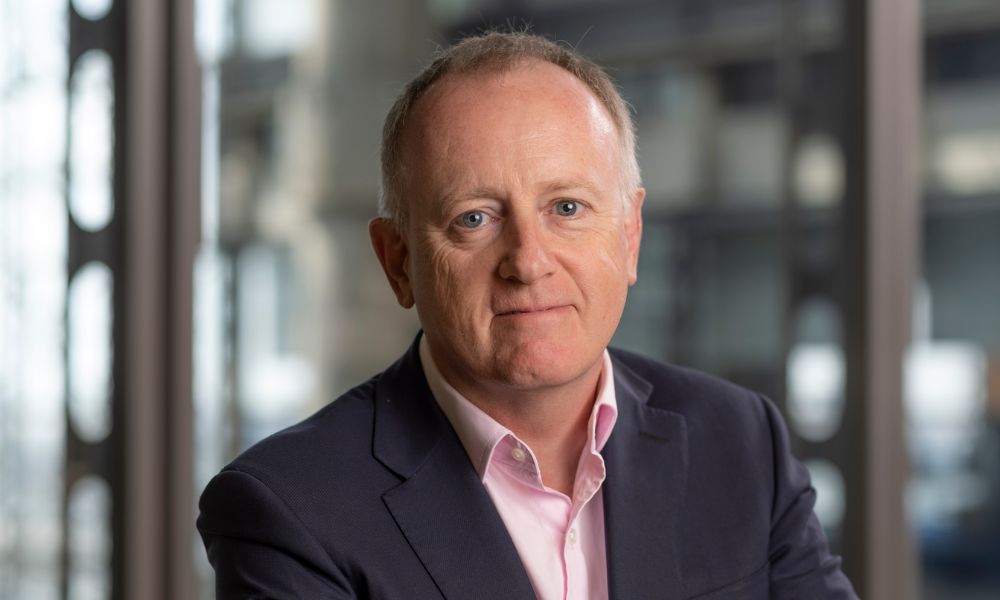
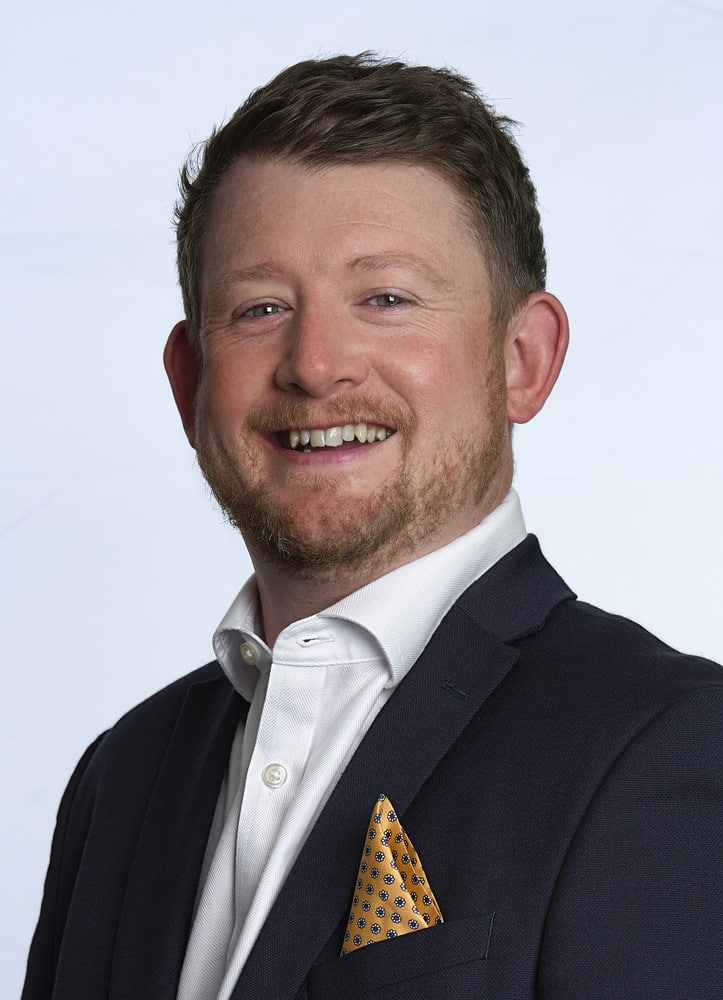
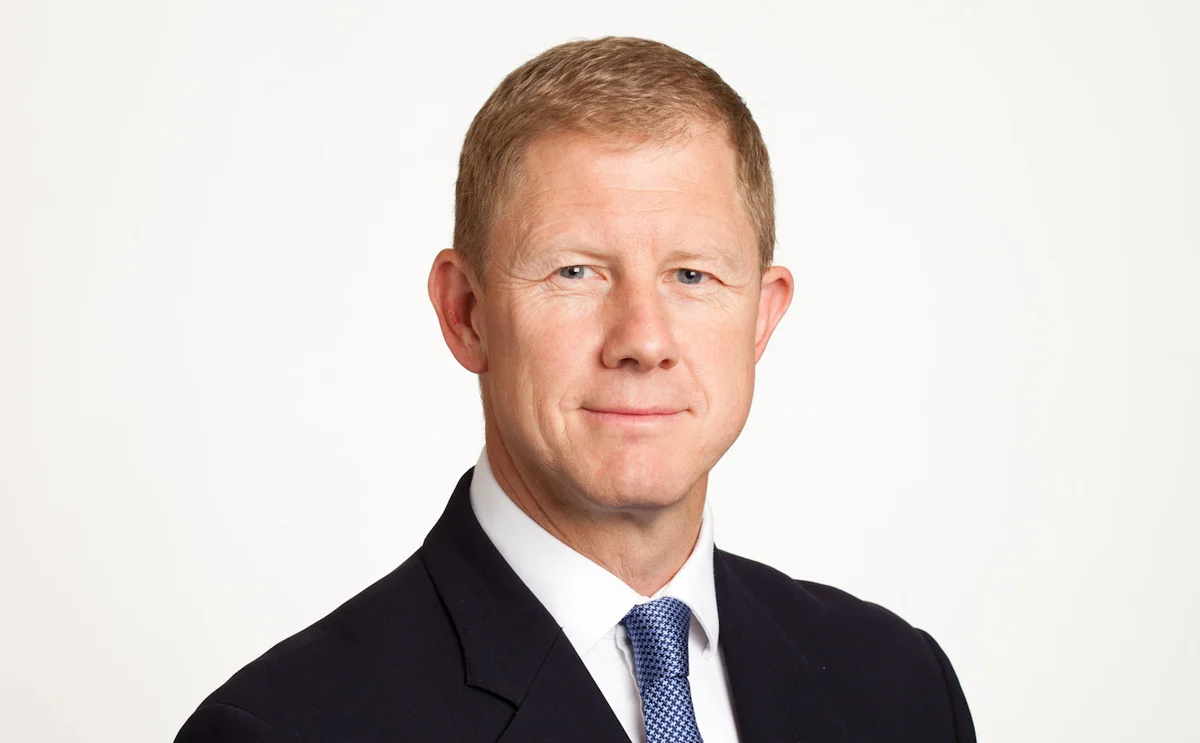
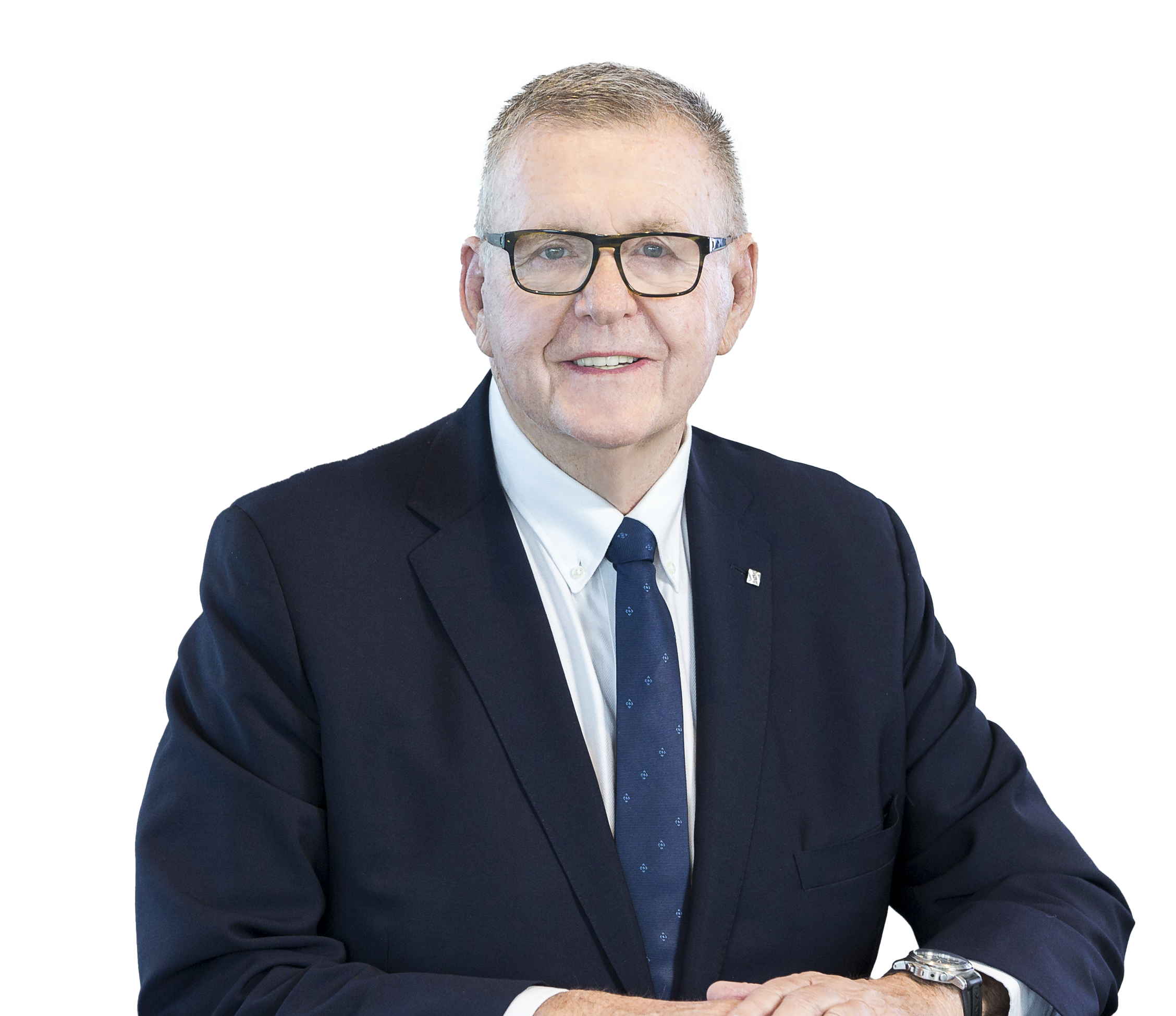
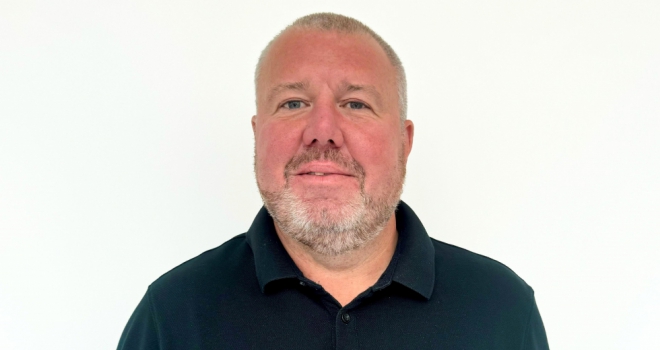
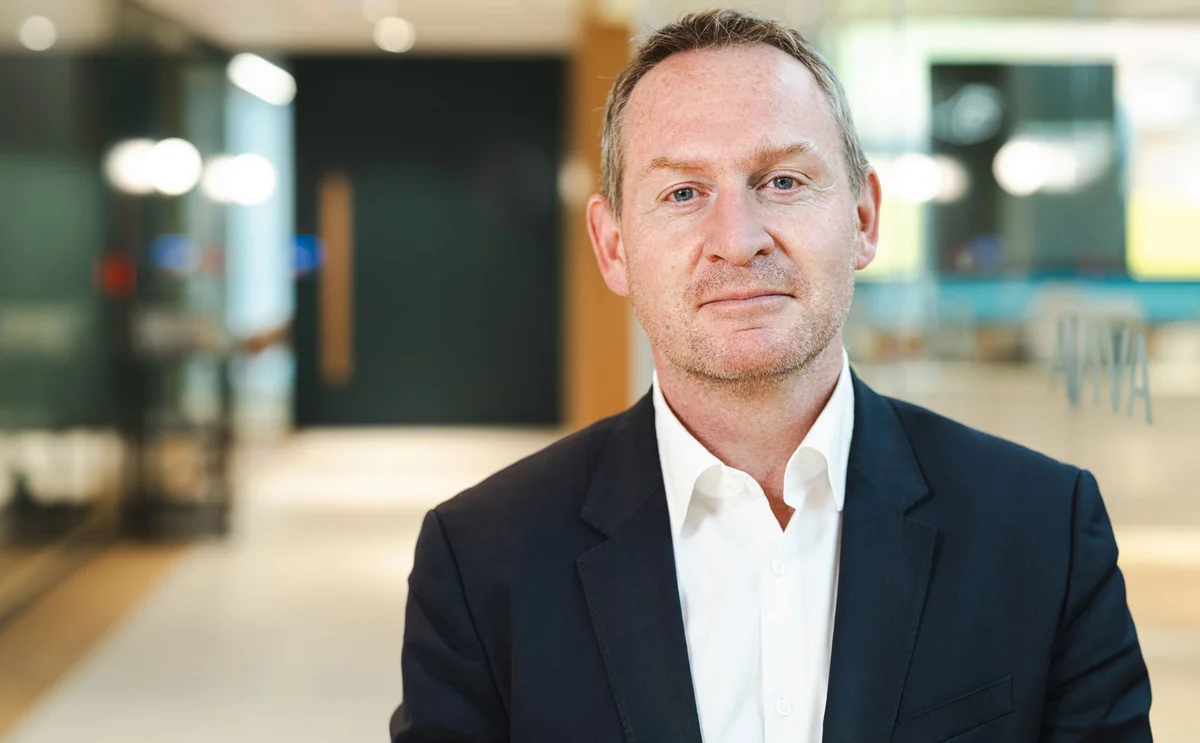
That was the central message from Peter Plester, Head of B2B Sales at Exness, during a conversation with FinanceFeeds Editor-in-Chief Nikolai Isayev. Exness’ B2B offering goes beyond traditional liquidity provision, supplying brokers and institutional clients with execution infrastructure, connectivity, technology and operational expertise designed to support the entire trading ecosystem. Throughout the discussion, Plester argued that the industry’s definition of a liquidity provider is evolving, with brokers increasingly looking for partners capable of helping them navigate regulatory change, infrastructure complexity and volatile market conditions.
Rather than presenting a series of disconnected observations, Plester built a consistent argument around one idea: liquidity may open the door to the market, but long-term success depends on everything surrounding it. Execution quality, technology, compliance, resilience, and trusted relationships all contribute to the experience brokers ultimately deliver to their own clients. As those demands continue to grow, the firms best positioned for the future will be those that treat infrastructure not as a collection of individual services but as an integrated operating model.
Why Liquidity Alone Is No Longer Enough
For years, many broker relationships with liquidity providers have been largely transactional. A broker sourced liquidity, negotiated commercial terms, established technical connectivity, and expected the provider to deliver competitive pricing. Plester believes that model is becoming increasingly outdated as brokers face greater operational complexity and rely more heavily on external technology partners to support their businesses.
Instead of viewing B2B relationships through the narrow lens of execution alone, he believes providers should contribute to the long-term success of the broker itself.
“We view these B2B clients as partners,” Plester said. “We’re looking to build a long-term relationship; we’re looking to help them to grow their businesses, because as their business grows, our business grows. We are looking to help them protect their reputation, engender trust, so that they will potentially recommend us to other people, and we do get lots of recommendations.”
That emphasis on partnership appeared repeatedly throughout the conversation and serves as the foundation for Exness’ broader B2B strategy. Rather than describing the company’s role as simply supplying liquidity, Plester framed it as helping brokers solve a wider set of operational challenges. Infrastructure, execution, technology and regulatory support become interconnected rather than existing as independent services purchased from separate vendors.
The distinction matters because the pressures facing brokers have changed significantly. Product offerings have expanded, client expectations have risen, and operating across multiple jurisdictions requires far greater technological and regulatory sophistication than in the past. At the same time, infrastructure has become increasingly specialised, encouraging brokers to outsource more functions to external providers while still remaining fully accountable for the experience delivered to their own clients.
In that environment, selecting a liquidity provider becomes a much broader business decision. The relationship influences not only pricing and execution, but also operational stability, client confidence, and ultimately the broker’s own reputation. When markets become volatile, clients rarely distinguish between failures originating inside the brokerage and problems caused by an external technology partner. From the client’s perspective, responsibility always rests with the broker.
That is why Plester believes trust becomes one of the industry’s most valuable assets. Relationships built over time, supported by consistent operational performance, naturally generate recommendations from existing clients.
“That’s probably the strongest endorsement that you can get, where somebody actually recommends you to somebody else because it’s their reputation on the line as well,” he said.
The observation reflects how institutional relationships are often built. Unlike retail financial services, where marketing campaigns play a dominant role, many B2B partnerships develop through referrals from firms that have already experienced a provider’s technology and operational support. A recommendation carries weight precisely because it also places the referring firm’s own credibility at stake.
For Plester, those referrals are the outcome of a partnership rather than a transaction. If both parties succeed together, the relationship naturally becomes longer-term. That philosophy also explains why he repeatedly described brokers as partners instead of customers throughout the discussion.
Execution Is The Product
While partnership formed the strategic theme of the interview, execution quality remained its operational foundation. Asked whether supporting brokers across different regions requires substantially different infrastructure planning, Plester acknowledged that connectivity requirements vary according to geography. Despite those differences, however, he argued that the priorities themselves remain unchanged.
“The basics are the same, regardless of where your client is,” Plester said. “They all require first-class execution. They require fantastic service, obviously. If they’re geographically located in different places, then connections to various different servers are important for them, but the overriding requirement is quality of execution and quality of service, regardless of your geographical location.”
For Plester, execution therefore remains the industry’s defining benchmark. Geography influences how infrastructure is built, but not what clients ultimately expect from it. Whether serving retail traders or institutional counterparties, brokers continue to succeed or fail based on the quality of execution and service they consistently deliver. Everything else exists to support those two objectives.
Infrastructure Is Tested During Market Shocks, Not Calm Markets
If regulation represents one source of long-term pressure on brokers, volatility represents the other. Financial markets have experienced repeated episodes of heightened uncertainty in recent years, driven by geopolitical conflict, shifting monetary policy, inflation, elections and broader macroeconomic developments. Rather than viewing those events as isolated incidents, Plester suggested that brokers should prepare for an environment where sudden market shocks become an increasingly normal part of doing business.
Rather than attempting to predict which event will trigger the next period of volatility, he argued that providers should focus on ensuring their infrastructure performs consistently regardless of the catalyst. Brokers cannot eliminate uncertainty from financial markets, but they can reduce the operational disruption caused by that uncertainty if the technology supporting them continues functioning as expected.
That distinction is significant because market volatility often exposes weaknesses that remain hidden during routine trading conditions. Execution quality, pricing consistency and operational resilience become far more visible when trading volumes accelerate and liquidity conditions change rapidly. From the broker’s perspective, infrastructure providers are therefore judged not only by everyday performance but also by how effectively they continue supporting clients when markets become most challenging.
Plester pointed to the market volatility experienced in January as an example where Exness’ existing clients responded positively to the company’s performance.
Although the interview did not delve into performance metrics from that period, the broader point remained clear. The true measure of infrastructure is rarely how it performs during stable markets. It is how consistently it continues to deliver execution, pricing and operational support when markets become unpredictable.
Why Brokers Should Look Beyond Headline Spreads
The interview concluded by returning to execution, this time through the lens of cost. While spread comparisons remain one of the industry’s most common ways of evaluating liquidity providers, Plester argued that they often fail to capture the quality of the overall execution experience delivered to brokers and their clients.
“When we onboard new clients, when a new client comes to us, we will have a discussion with them about spreads,” Plester said. “We say to them, do a comparison, a total execution cost comparison with what you’re currently getting to what you would get from Exness.”
According to Plester, those comparisons frequently reveal differences that are not immediately visible when looking only at quoted spreads.
His point brings together many of the themes discussed throughout the interview. Execution quality is not determined by a single number displayed on a pricing screen. It is the product of the entire infrastructure supporting the broker, including connectivity, technology, operational processes, and the provider’s ability to maintain consistent performance during changing market conditions. Judging a relationship solely by headline spreads risks overlooking the broader factors that ultimately shape client outcomes.
That philosophy also reflects how Plester views the evolution of the B2B market. Liquidity remains fundamental, but brokers increasingly expect providers to contribute across a much broader range of capabilities. Infrastructure resilience, regulatory expertise, operational support, and execution quality are becoming part of the same conversation because they collectively determine how successfully a broker serves its own clients.
Building Partnerships Rather Than Transactions
Taken together, Plester’s observations point towards a broader evolution taking place across the brokerage industry. As technology stacks become more sophisticated and market conditions more demanding, the distinction between a liquidity provider and an infrastructure partner continues to narrow. Brokers are no longer selecting providers solely on the basis of pricing or market access. Increasingly, they are looking for organisations capable of helping them build resilient businesses that can continue performing as regulation evolves and markets become more volatile.
That is why the discussion repeatedly returned to the concept of partnership. Whether the subject was execution, compliance, infrastructure or market shocks, Plester consistently framed Exness’ role around supporting brokers over the long term rather than simply providing access to liquidity. In his view, helping brokers strengthen their own businesses ultimately strengthens the relationship for both parties.
As brokers prepare for an industry defined by continual regulatory change, growing technological complexity and persistent market uncertainty, that broader definition of a B2B partner may become increasingly relevant. Liquidity will always remain essential, but as Plester argued throughout the conversation, the firms best positioned for the future are likely to be those that deliver everything surrounding it just as effectively.