UK mortgage brokers could face fines of up to 10 per cent of their annual turnover under laws banning fake and misleading online reviews, TruthEngine has warned.
The review authenticity platform’s warning relates to the Digital Markets, Competition, and Consumers Act 2024 which came into force last year.
One aspect of the Act was to ban 32 commercial practices which are “unfair in all circumstances”, including submitting, or commissioning another person to submit or write a fake consumer review or a consumer review that conceals the fact it has been incentivised.
It also bans publishing consumer reviews in a misleading way and offering services to traders to submit fake reviews or reviews which hide the fact that they are incentivised, or publish consumer reviews in a misleading way.
While the rules officially came into force on April 6, 2025, TruthEngine warned that many businesses are unaware of the full scope of the legislation which could leave them exposed to “substantial” fines.
Specifically, TruthEngine cautioned that simply improving review practices going forward “may not be enough” as companies could still face enforcement if historic fake or misleading reviews remain live and unaddressed.
Businesses are also expected to take proactive, reasonable steps to monitor and prevent fake reviews, and cannot rely on third-party platforms to manage the issue on their behalf.
Firms found in breach could face penalties of up to 10 per cent of annual turnover of £300,000, whichever is greater.
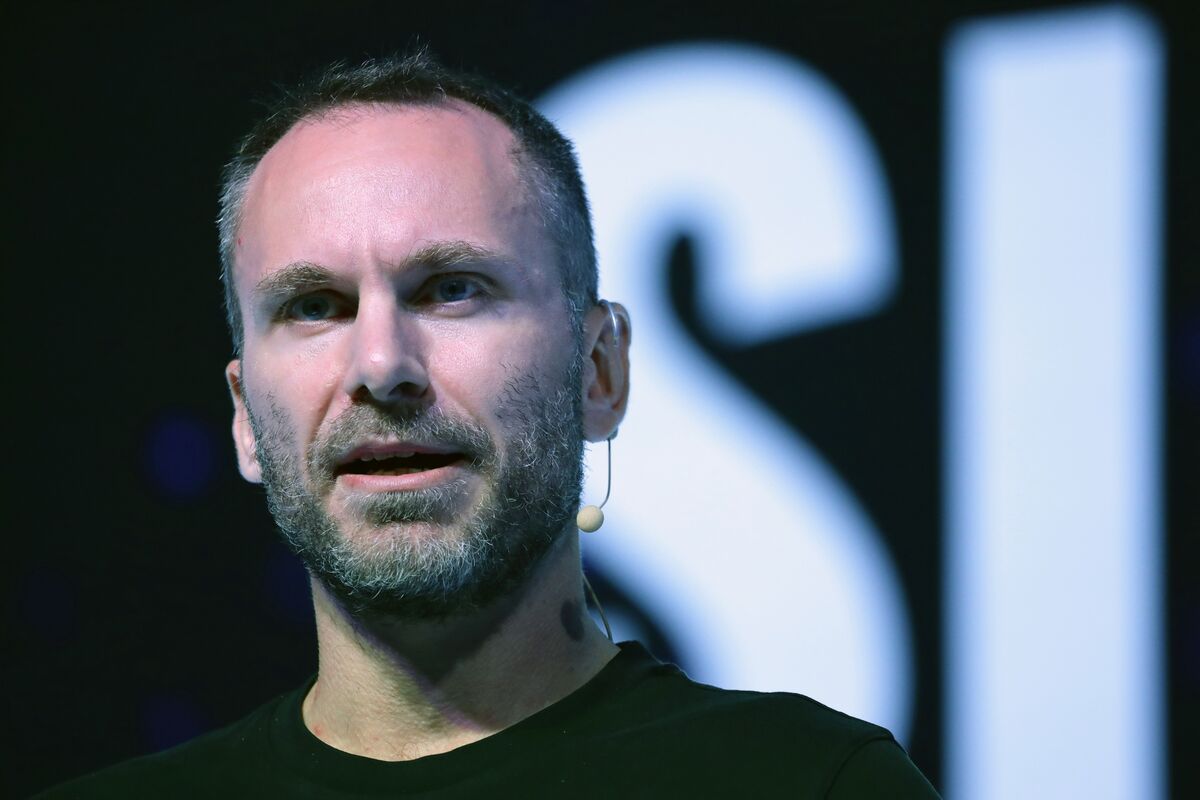
Daniel Mohacek CEO, Truth Engine, said: “The law is now in force, but awareness is still lagging behind. Many businesses don’t realise they’re already expected to be compliant today, not at some point in the future.
“And this isn’t just about changing behaviour going forward. Historic fake or misleading reviews that are still live can still create a risk for businesses today.
“It also goes beyond fake reviews themselves. Practices like filtering out negative feedback, selectively showcasing reviews, or offering incentives for reviews without clear disclosure can all create a misleading picture — and are now against the rules.
“Ultimately, responsibility sits with the business. You can’t pass the buck to platforms like Trustpilot or Google — businesses need to take ownership of the reviews attached to their brand.”
Additionally, TruthEngine pointed to its own analysis that found that over 50 per cent of online reviews may be fake or misleading, highlighting the scale of the challenge regulators face.
It also explained that common practices that could now be illegal include only asking satisfied customers to leave review, filtering or hiding negative feedback, and selectively displaying testimonials to present a biased picture.
Finally, Mohacek acknowledged that for many companies, reviews are a key driver of growth.
“We’re seeing more businesses come to us to understand where they stand, particularly when it comes to historic reviews.
“Those acting early are using this as a chance to build trust, not just manage risk.”
tom.dunstan@ft.com
What’s your view?
Have your say in the comments section below or email us: ftadviser.newsdesk@ft.com