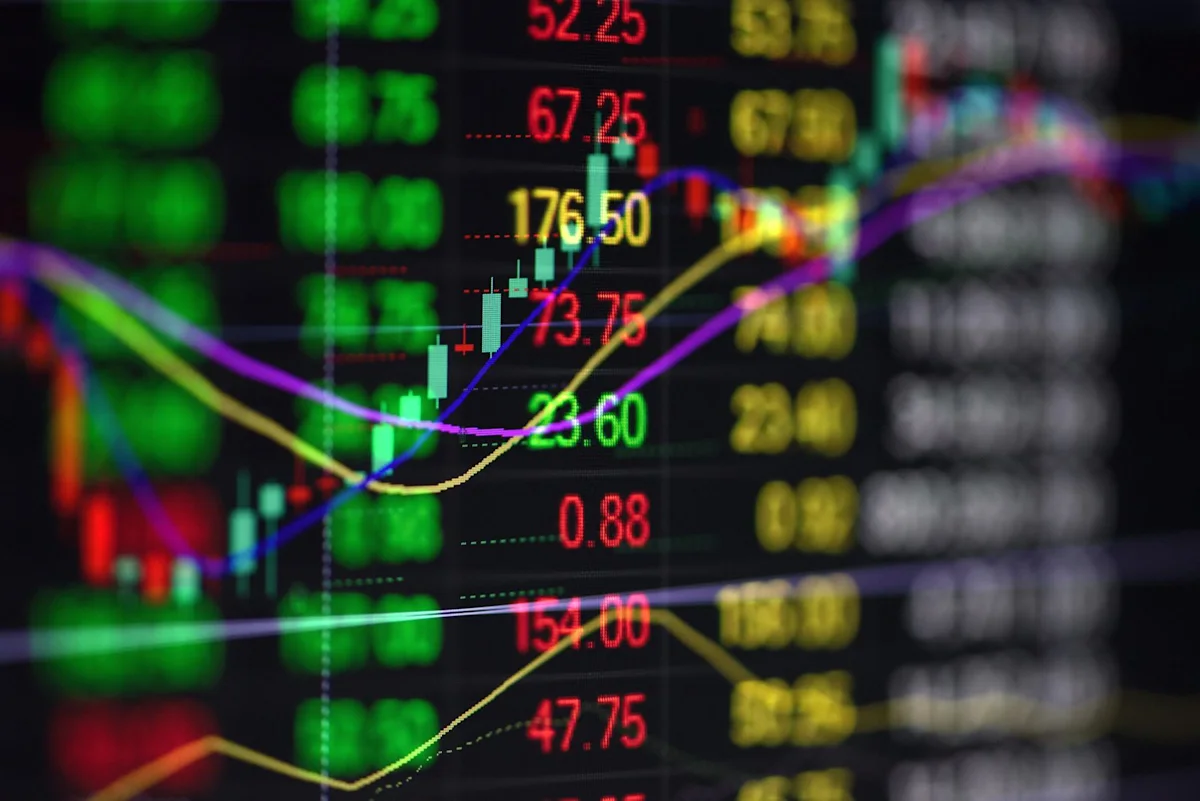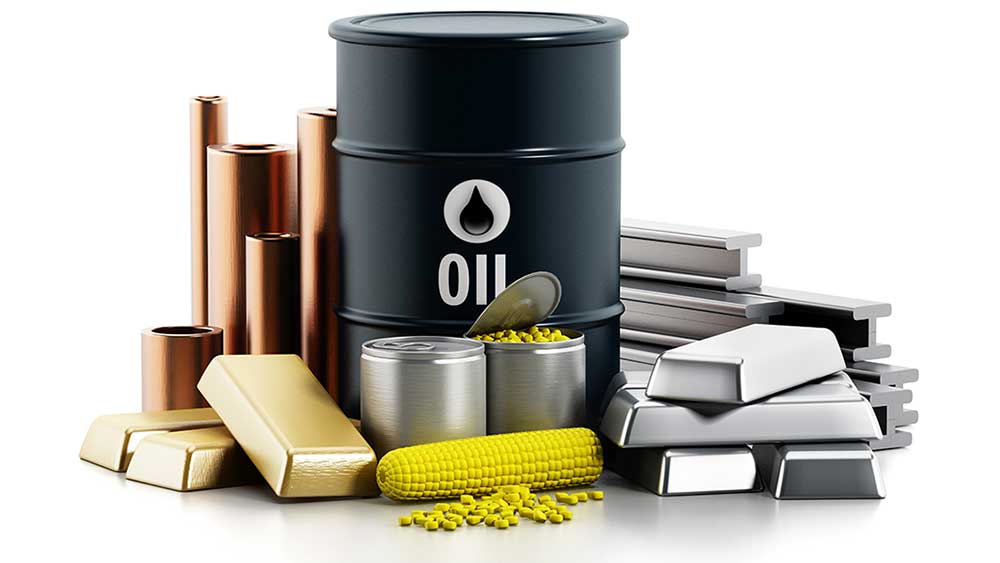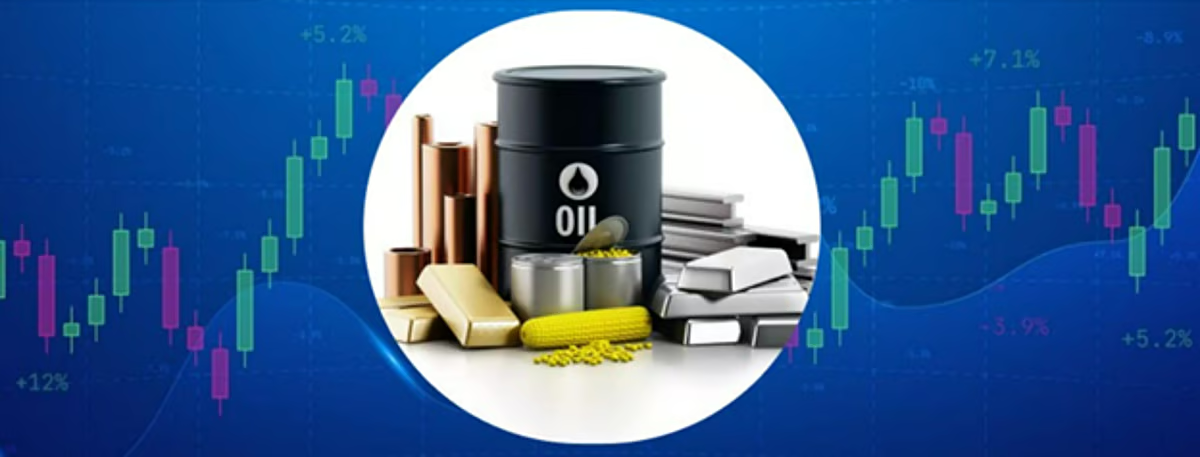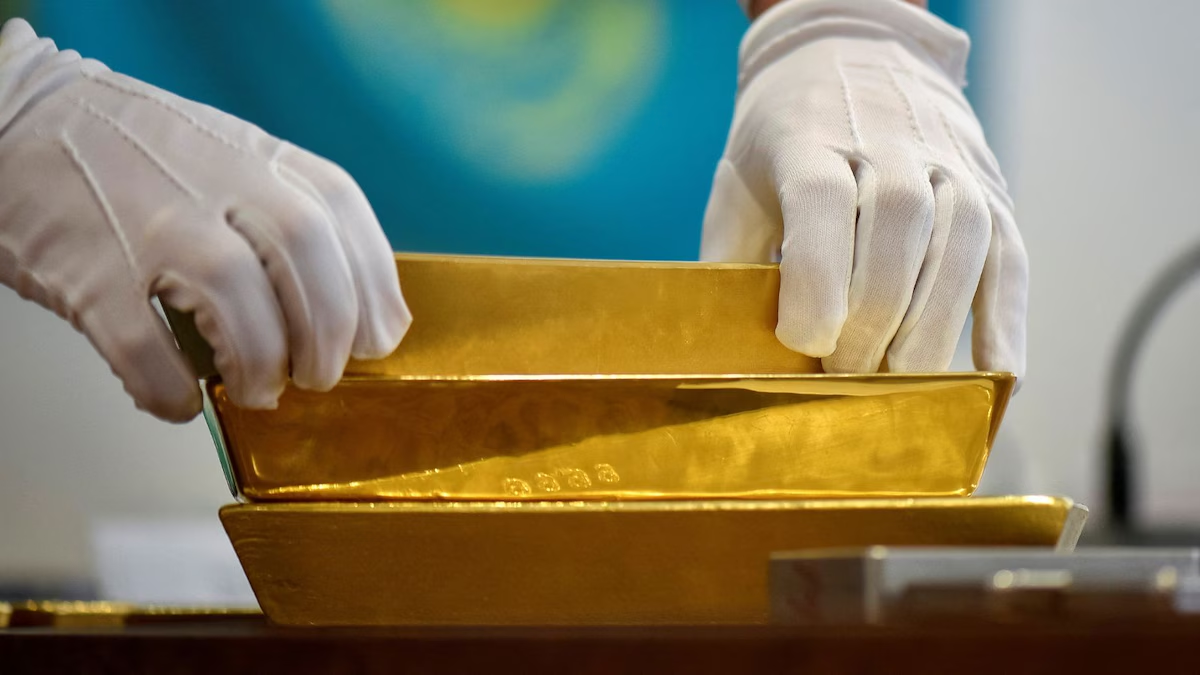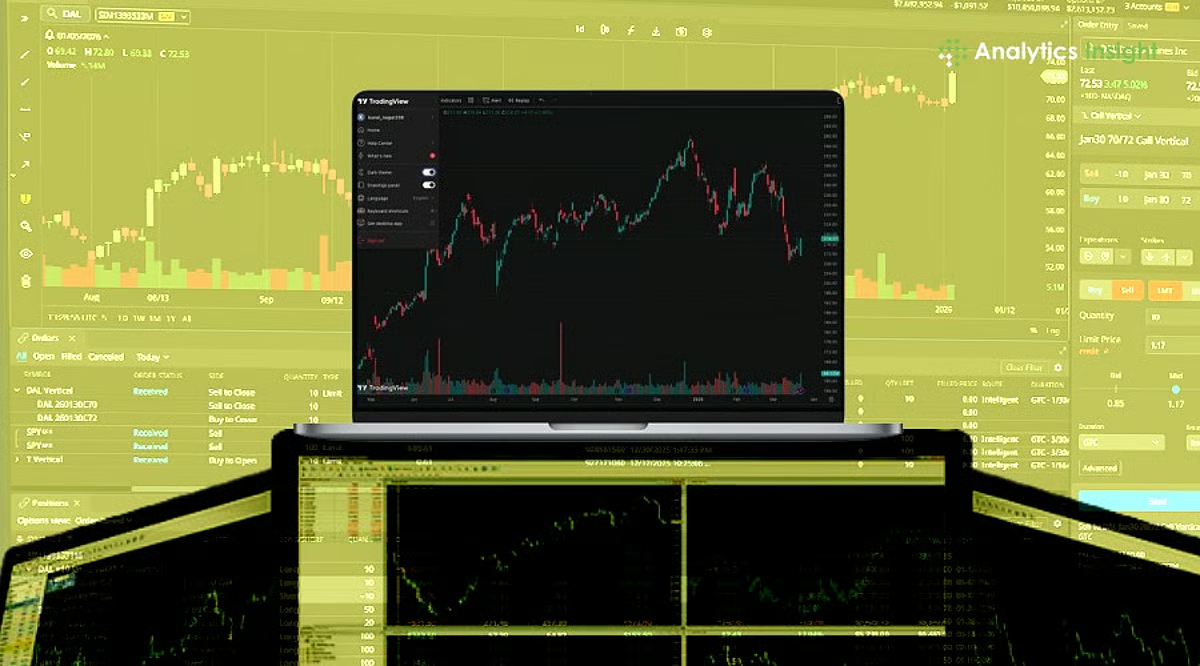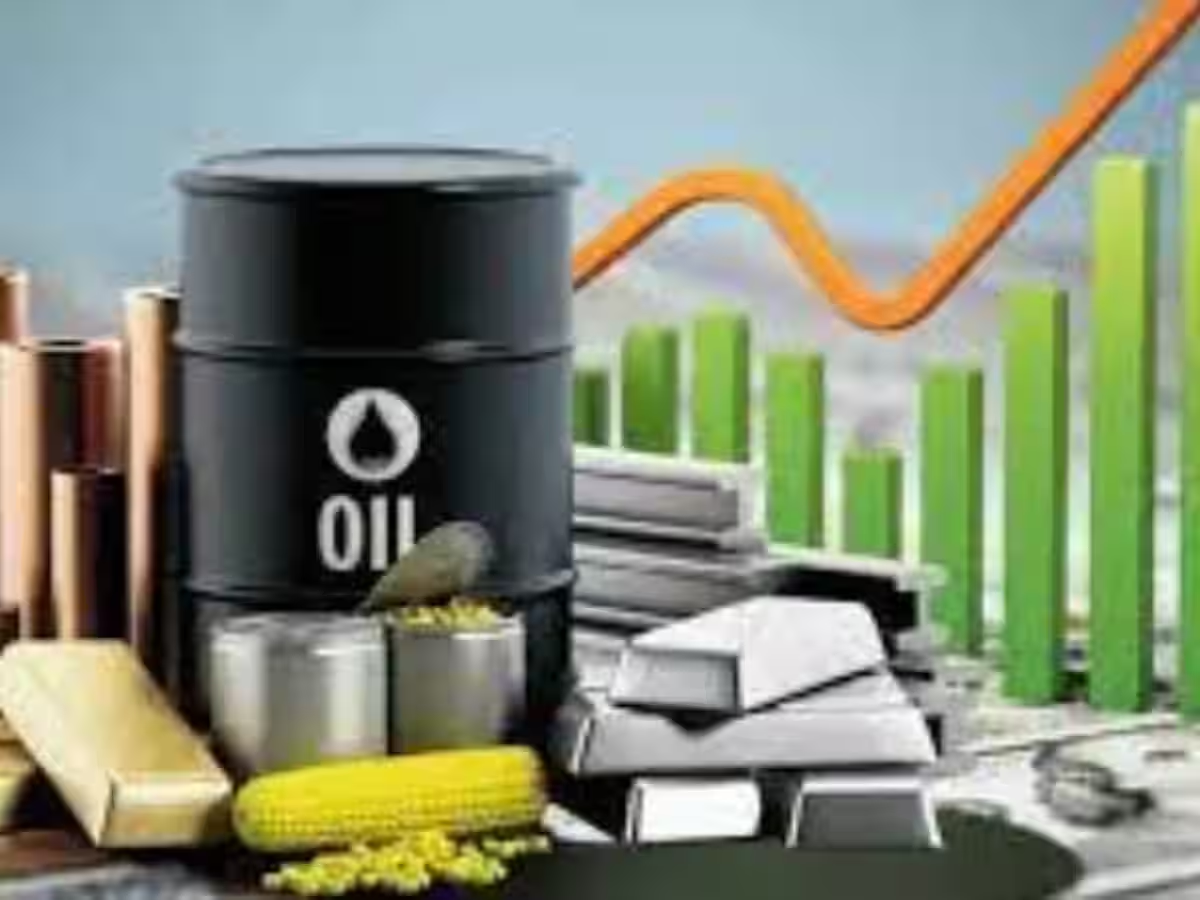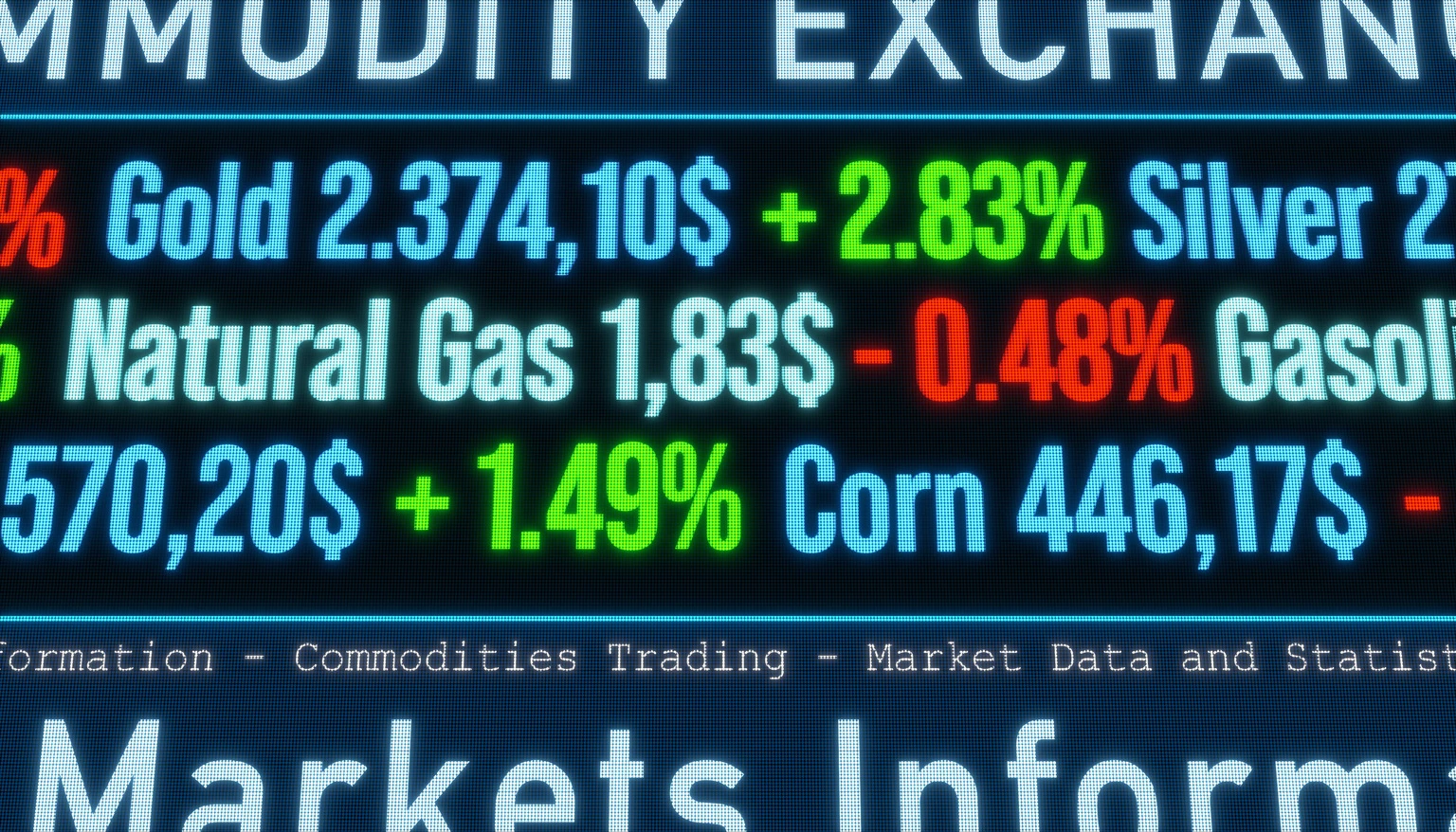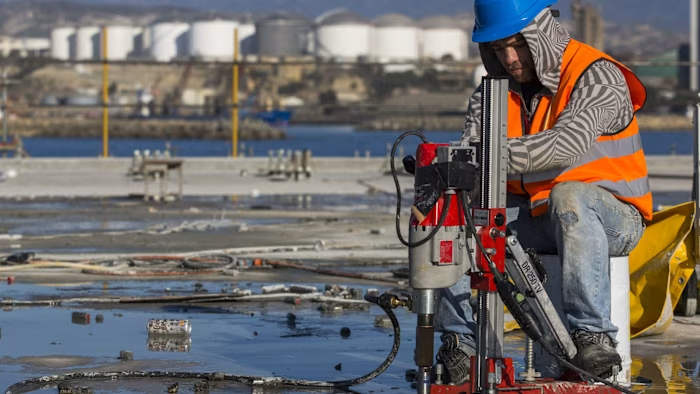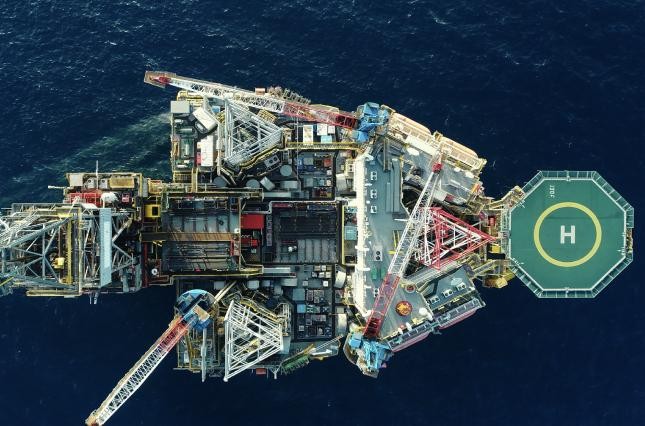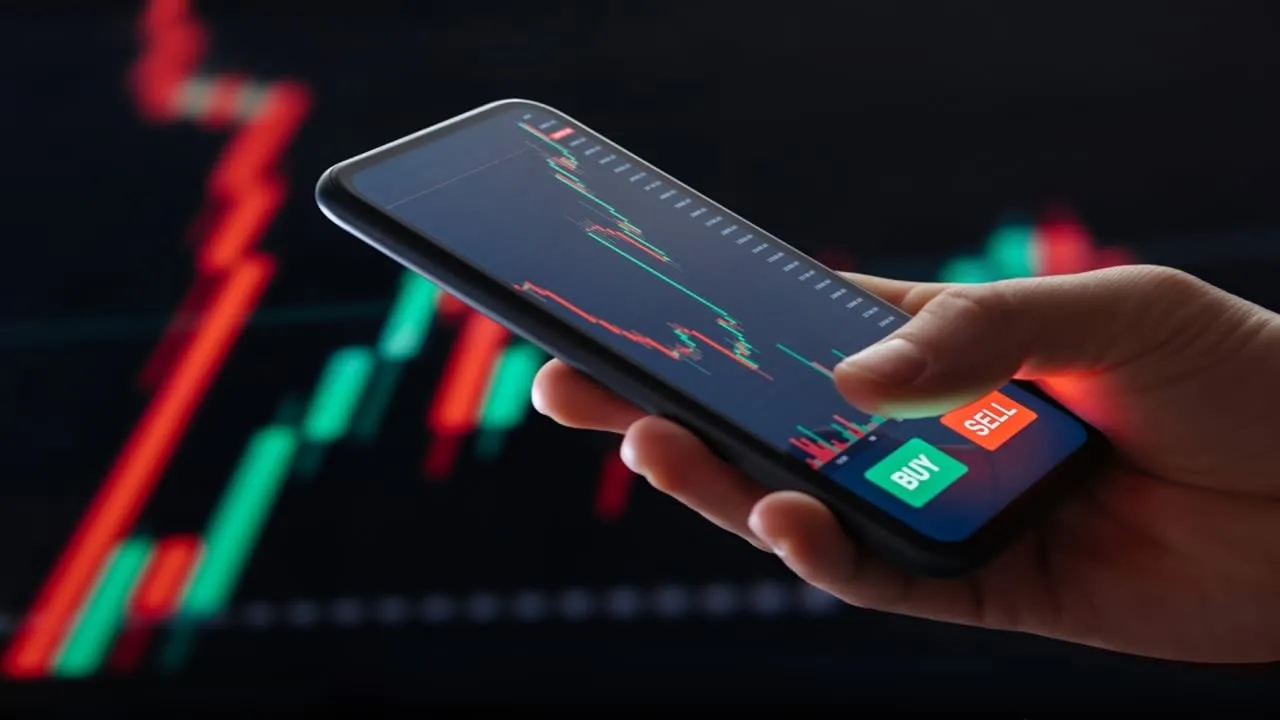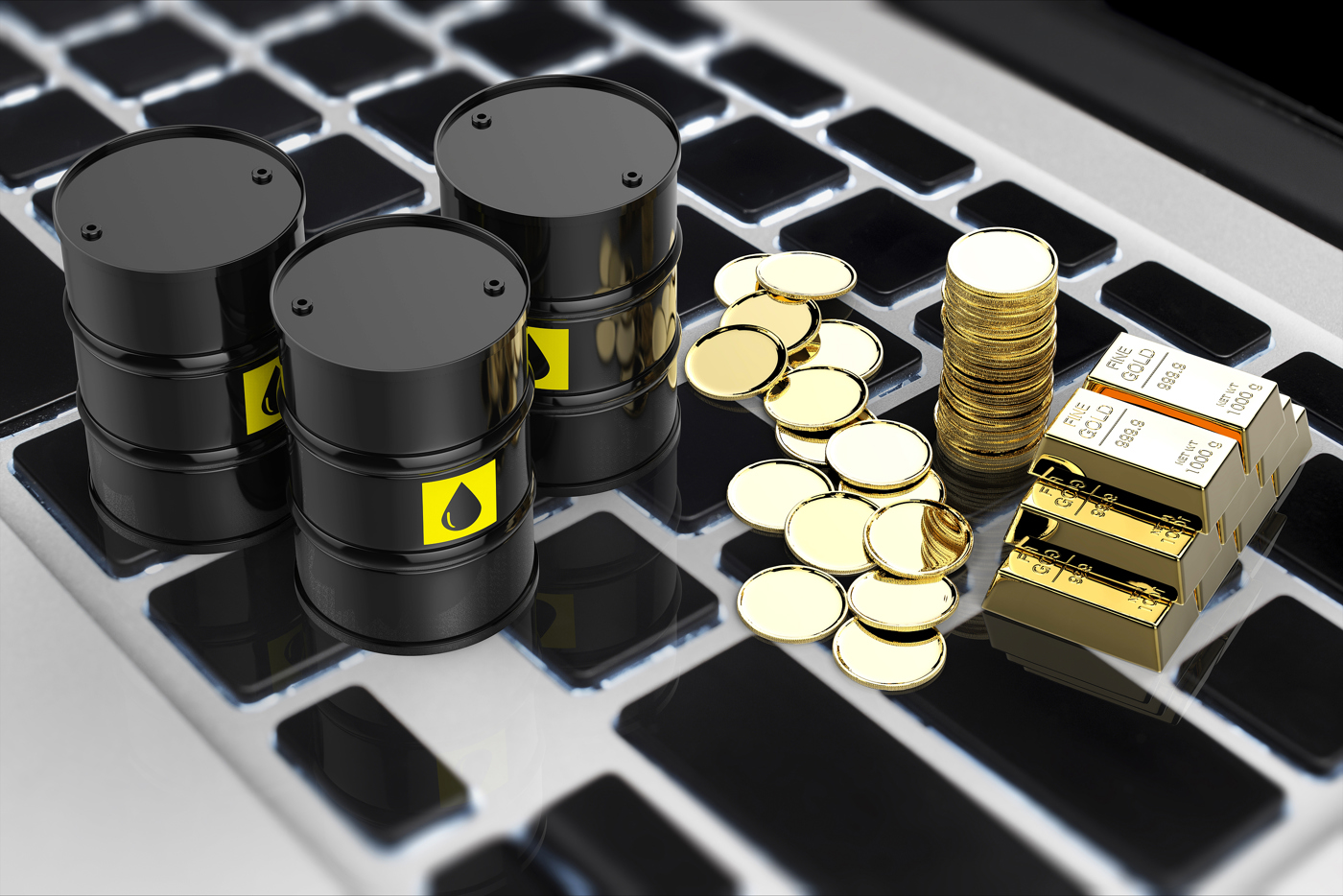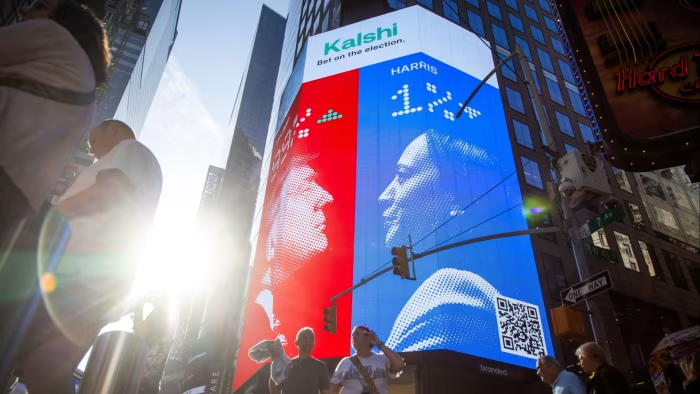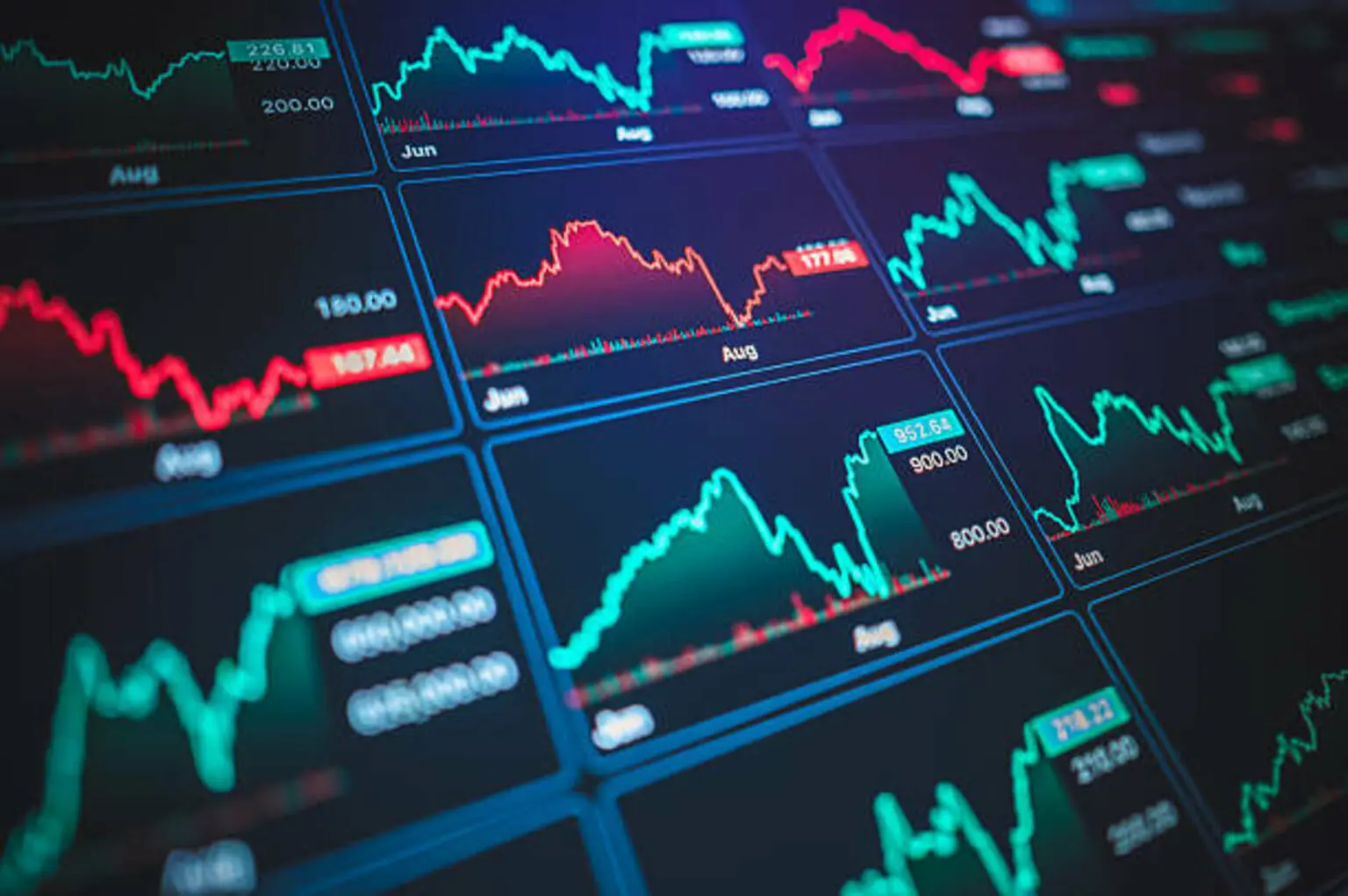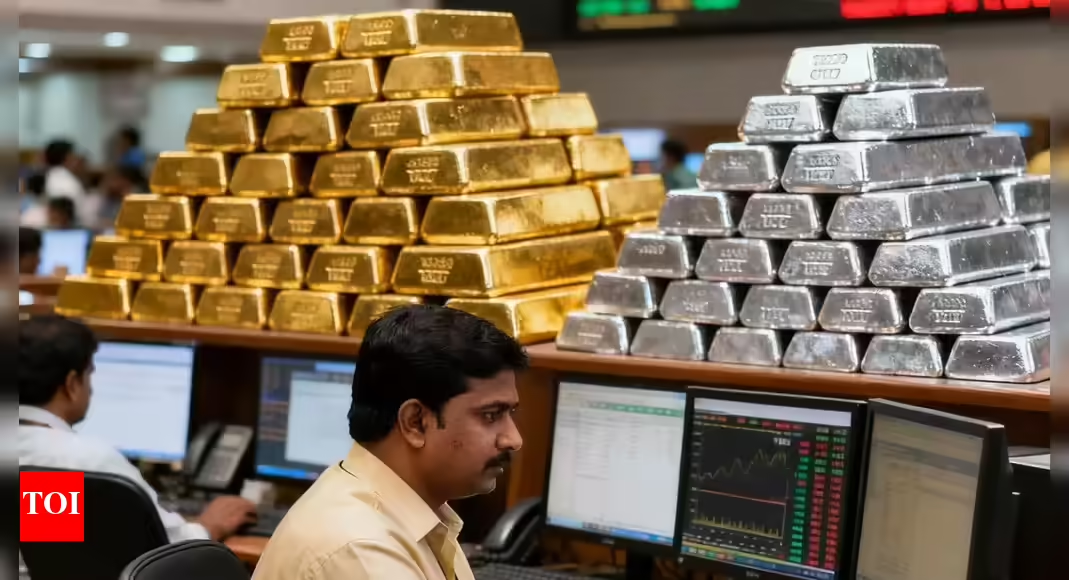
Kalshi, the prediction market platform that made its name letting people bet on everything from interest rate decisions to weather events, just crossed $400 million in monthly commodity trading volume. The milestone arrived only seven months after the company launched contracts on oil, gas, and metals.
For context on how fast that ramp-up is: Kalshi says its commodities vertical is growing at four times the rate its crypto markets achieved at the same stage.
The numbers behind the surge
The $400 million monthly figure sits within a broader Kalshi machine that now regularly posts over $10 billion in total monthly trading volume across all its markets. Sports and event-based predictions still dominate the platform’s activity, but commodities are catching up with surprising speed.
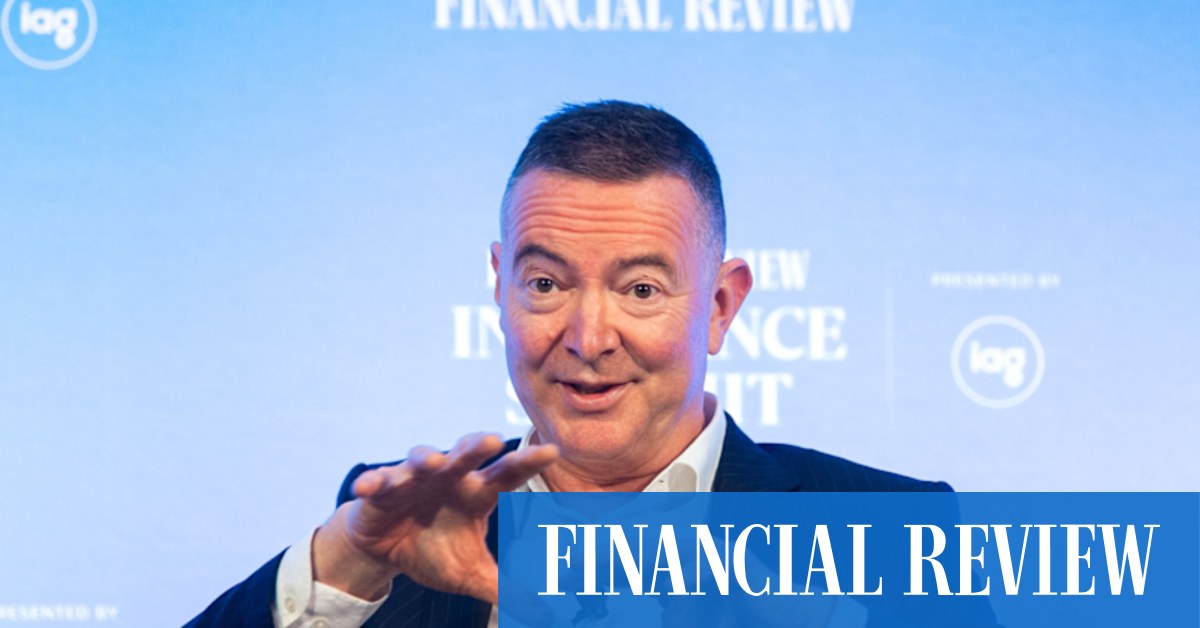
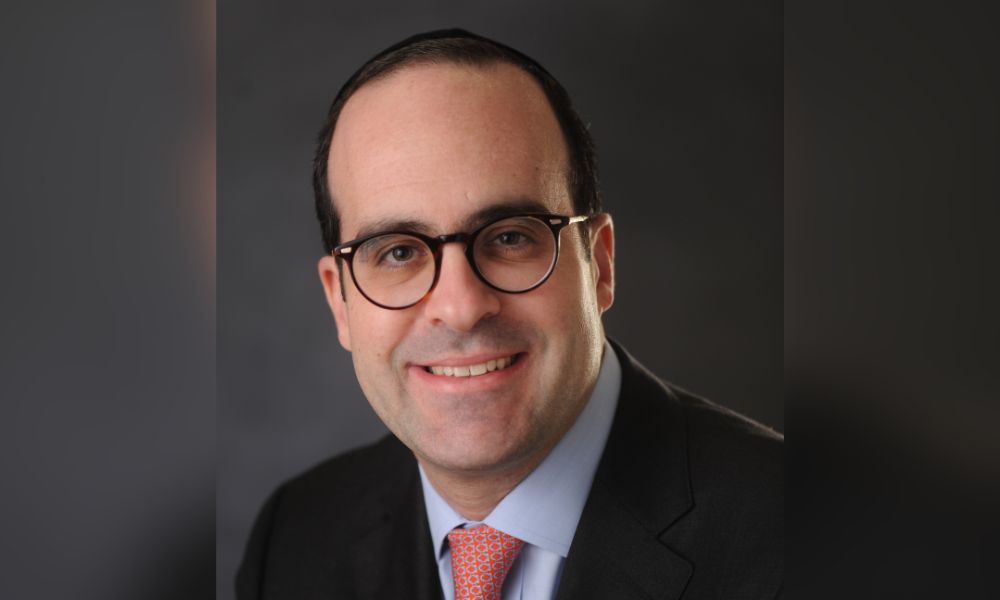
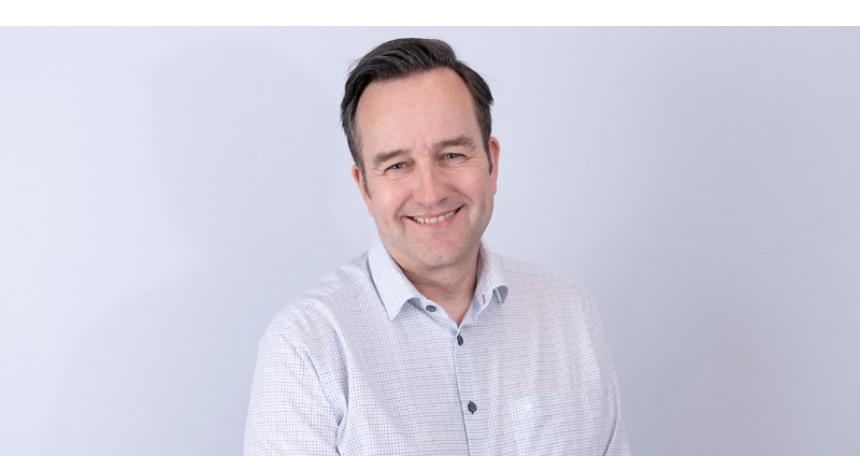
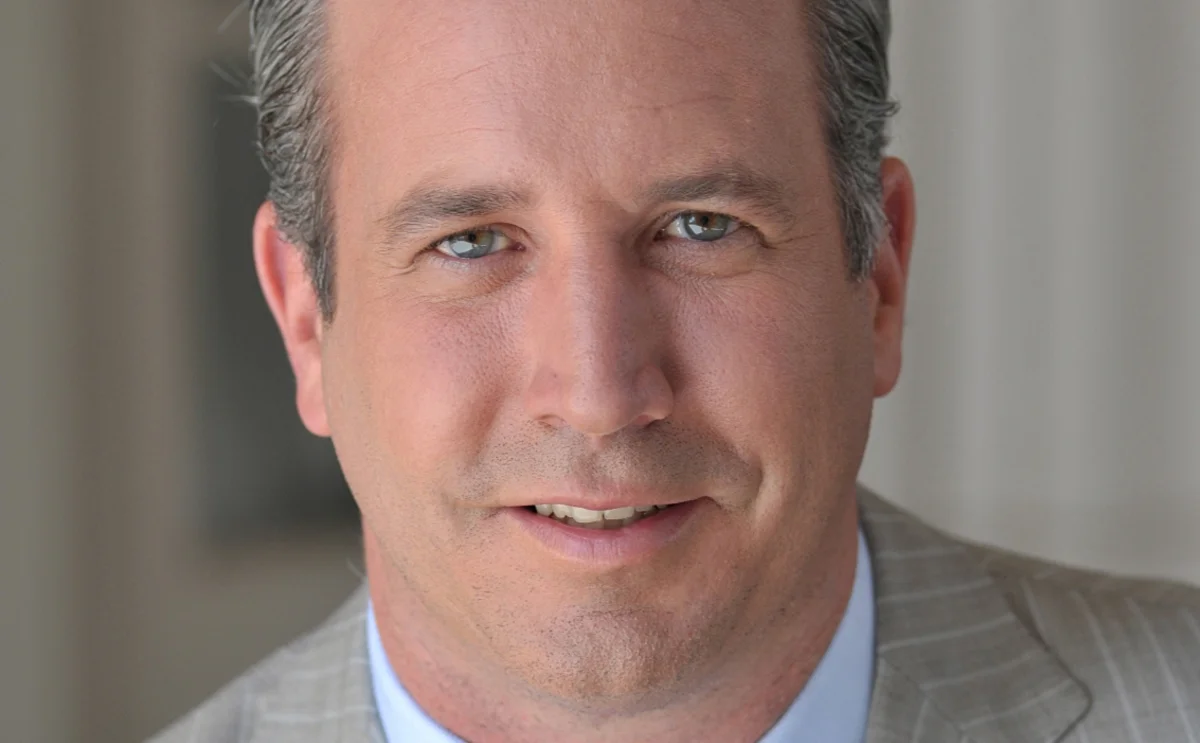
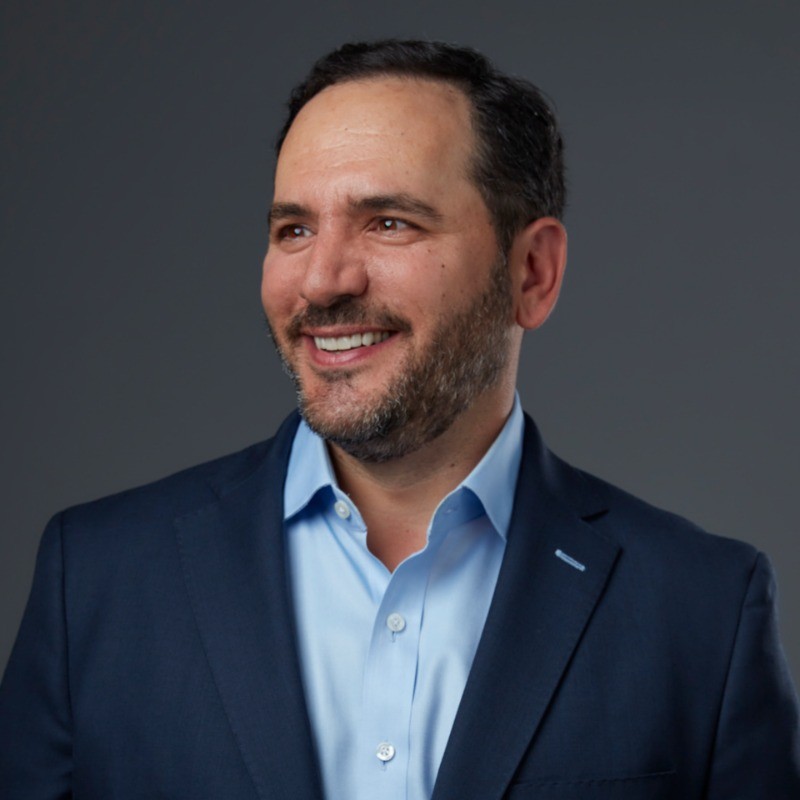
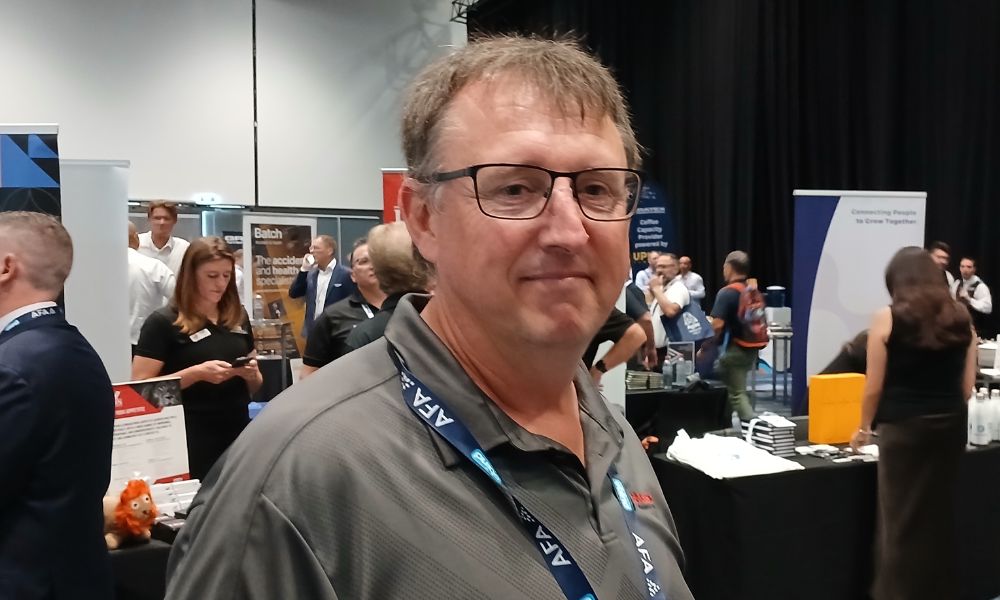
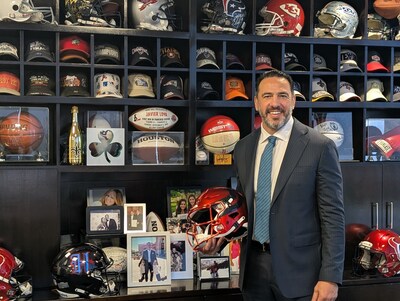
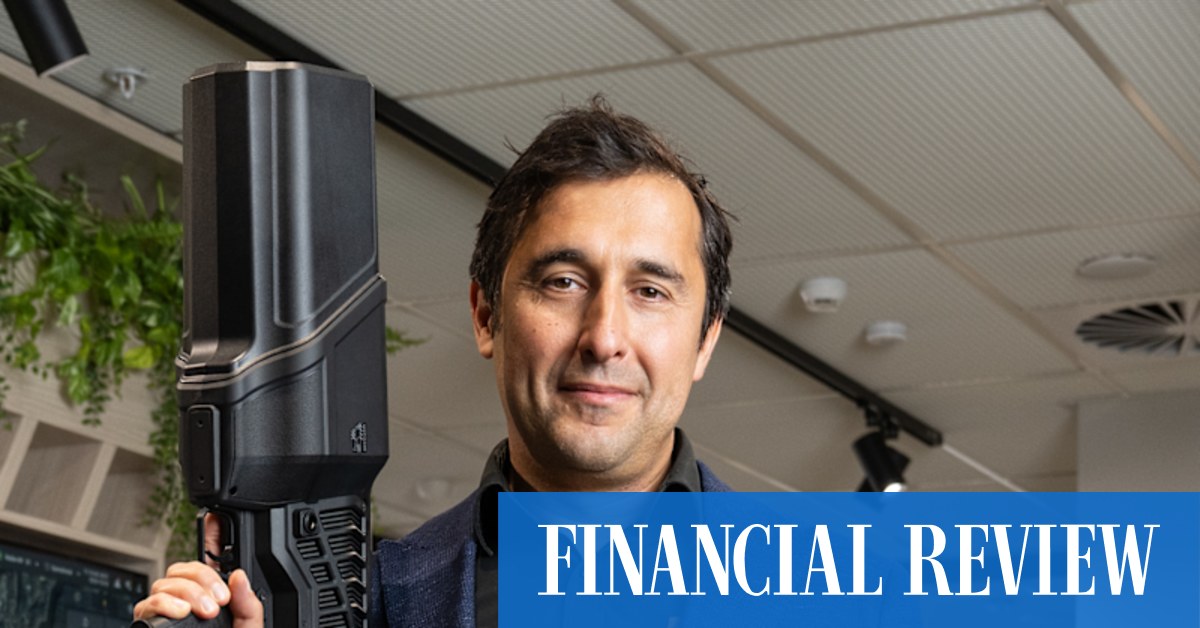
Co-founder Tarek Mansour pointed to improved platform liquidity as the primary driver. Better liquidity means tighter spreads, faster fills, and fewer slippage headaches for traders. It also means the platform can spin up new market categories without the cold-start problem that typically plagues nascent trading venues.
Kalshi is expanding its commodity lineup to include contracts on West Texas Intermediate crude oil, equity indexes, and additional metals. The direction suggests a pivot toward perpetual-style contracts, a format crypto traders know well from exchanges like Binance and Bybit, but applied here to traditional commodities under CFTC regulation.
Following funding rounds in 2025 and 2026, Kalshi’s valuation now sits at approximately $22 billion.
From novelty to heavyweight
Kalshi was founded by MIT graduates Tarek Mansour and Luana Lopes Lara with a fairly specific thesis: Americans wanted to trade on real-world outcomes, and no regulated US platform was letting them do it properly. The CFTC gave Kalshi its blessing as a designated contract market, making it one of the few prediction market platforms operating with full regulatory approval on American soil.
That regulatory moat has proven valuable. While offshore prediction markets like Polymarket grabbed headlines during the 2024 US presidential election, Kalshi could offer something its competitors couldn’t: legal access for US residents across multiple states without the regulatory ambiguity that shadows crypto-native platforms.
The company’s evolution from event contracts to commodities trading represents a meaningful strategic expansion. Event markets are inherently episodic. Elections end, weather events resolve, and Fed meetings conclude. Commodities, on the other hand, offer continuous trading opportunities. Oil prices move every day. Gold reacts to every geopolitical tremor. Natural gas follows its own seasonal rhythms.