Annual report links renewals to almost half of 2025 Code breaches as the revised Code looms
The Insurance Brokers Code Compliance Committee (IBCCC) made 17 formal findings that brokers breached the Code and imposed six sanctions in 2025–26, its highest number of sanctions to date, according to its annual report published Friday.
A review of seven brokers also found weaknesses in how they managed agents and representatives, including conflicts of interest, disclosure and oversight. The committee made nine breach determinations and imposed one sanction as a result. Insurance Business has reported that the review, which focused on strata, also led to two referrals to the Australian Securities and Investments Commission.
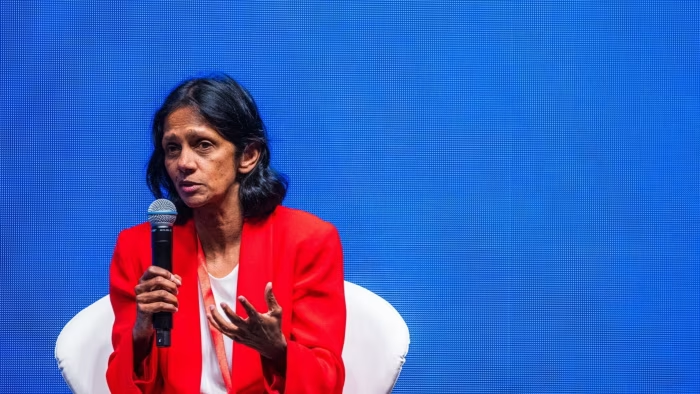
IBCCC chair Oscar Shub said formal action mattered because it required brokers to address problems, not simply acknowledge a breach had occurred.
“The numbers are not the achievement in themselves,” Shub said. “What matters is that brokers confront failures, remedy problems and strengthen their practices. Holding brokers accountable gives substance to the commitments they make to their clients under the Code.”
Renewals remain the biggest problem
Renewal practices stayed the largest source of reported breaches and accounted for almost half of all breaches in 2025. After reviewing the practices of 29 brokers, the IBCCC published guidance on how earlier planning, closer oversight and clearer communication can reduce last-minute pressure and the risk of gaps in cover.
“Renewals are a persistent problem, but they are also an area where brokers can take practical steps to reduce the risk to clients,” Shub said. “Starting early, tracking progress and communicating clearly gives clients more time to understand their options and make informed decisions instead of dealing with important insurance decisions at the last minute.”
The findings come as renewal expectations tighten. The final 2027 Insurance Brokers Code, which the National Insurance Brokers Association (NIBA) is launching at its convention and which takes effect January 1, 2027, doubles the minimum notice before renewal from 14 days to 28, according to NIBA chief executive Richard Klipin, writing in Insurance Business. He also said obligations needing new systems or training must be met within 12 months, and that annual reporting to the IBCCC is now written into the Code.
Industry data shows where problems recur
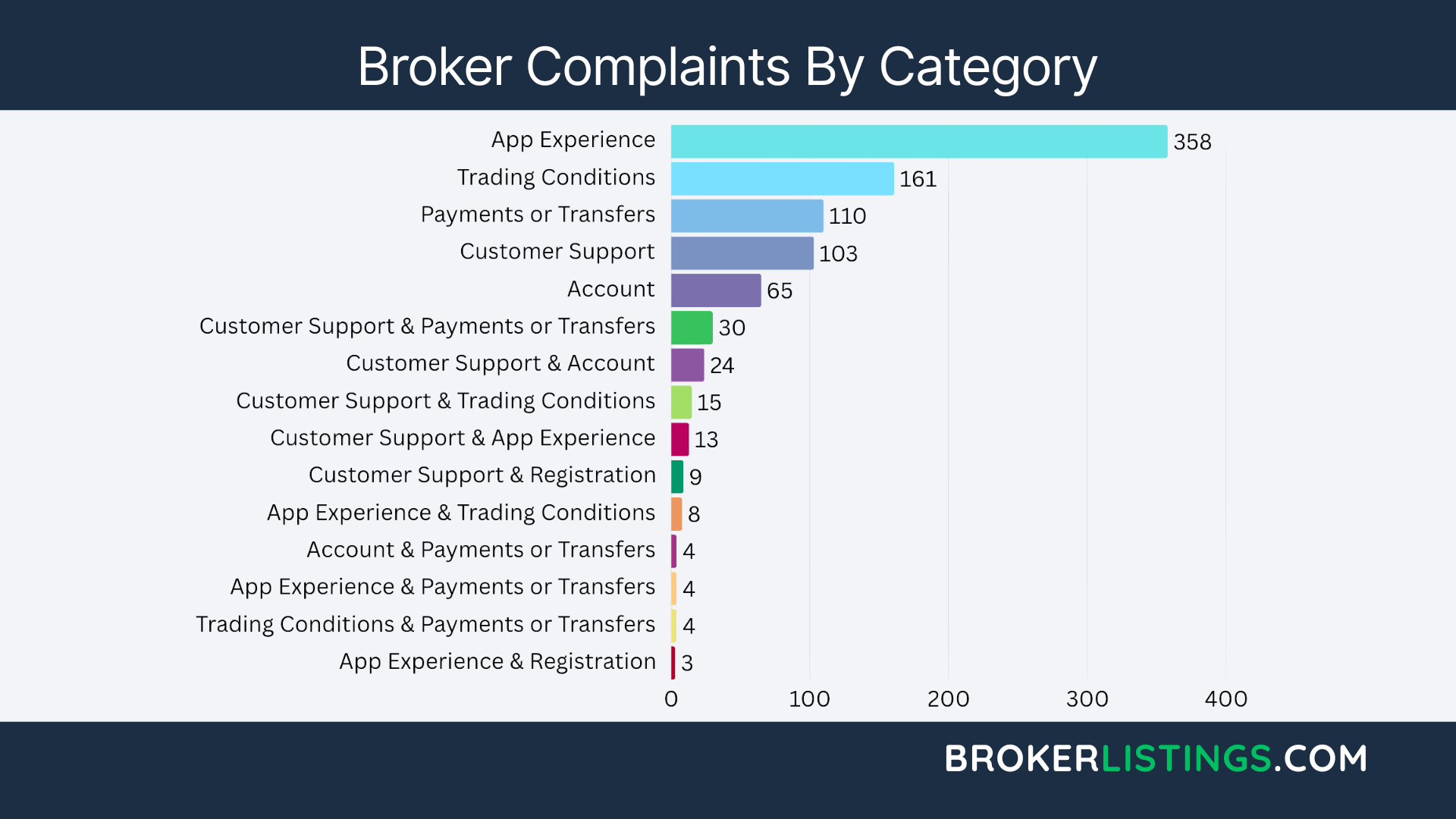
Brokers reported 5,417 Code breaches affecting 14,824 clients, with a reported financial impact of $5.848 million. The IBCCC’s release gave the client figure as 14,824. Renewals and communication were recurring areas of concern.
“Industry data helps us see where problems are recurring and where the Committee needs to look more closely. It also helps brokers compare their own performance and identify weaknesses before they become bigger problems for clients,” Shub said.
Insurance Business’s earlier coverage of that data highlights a detection gap: of six brokers that declared zero breaches in 2024, five recorded breaches in 2025, suggesting weaknesses in internal monitoring rather than clean records. IBCCC sanctions had not been common, with three brokers referred to NIBA after missing annual reporting deadlines.
Revised Code under scrutiny
The IBCCC said it used its monitoring of the current Code to push for stronger client protections in the revised version, including on conflicts of interest, vulnerability, renewals and remuneration disclosure.
Remuneration disclosure remains contested. Shub told a federal inquiry into small business insurance that NIBA’s draft falls short because it does not require brokers to proactively disclose commissions to all individual and small business clients, as covered in a broker code dispute report. The inquiry is scheduled to report on October 27. NIBA does not oppose disclosure in principle but says mandatory templates are too prescriptive.
In 2026–27, the IBCCC will focus on helping brokers implement the revised Code while continuing its work on conflicts of interest and better client communication practices.