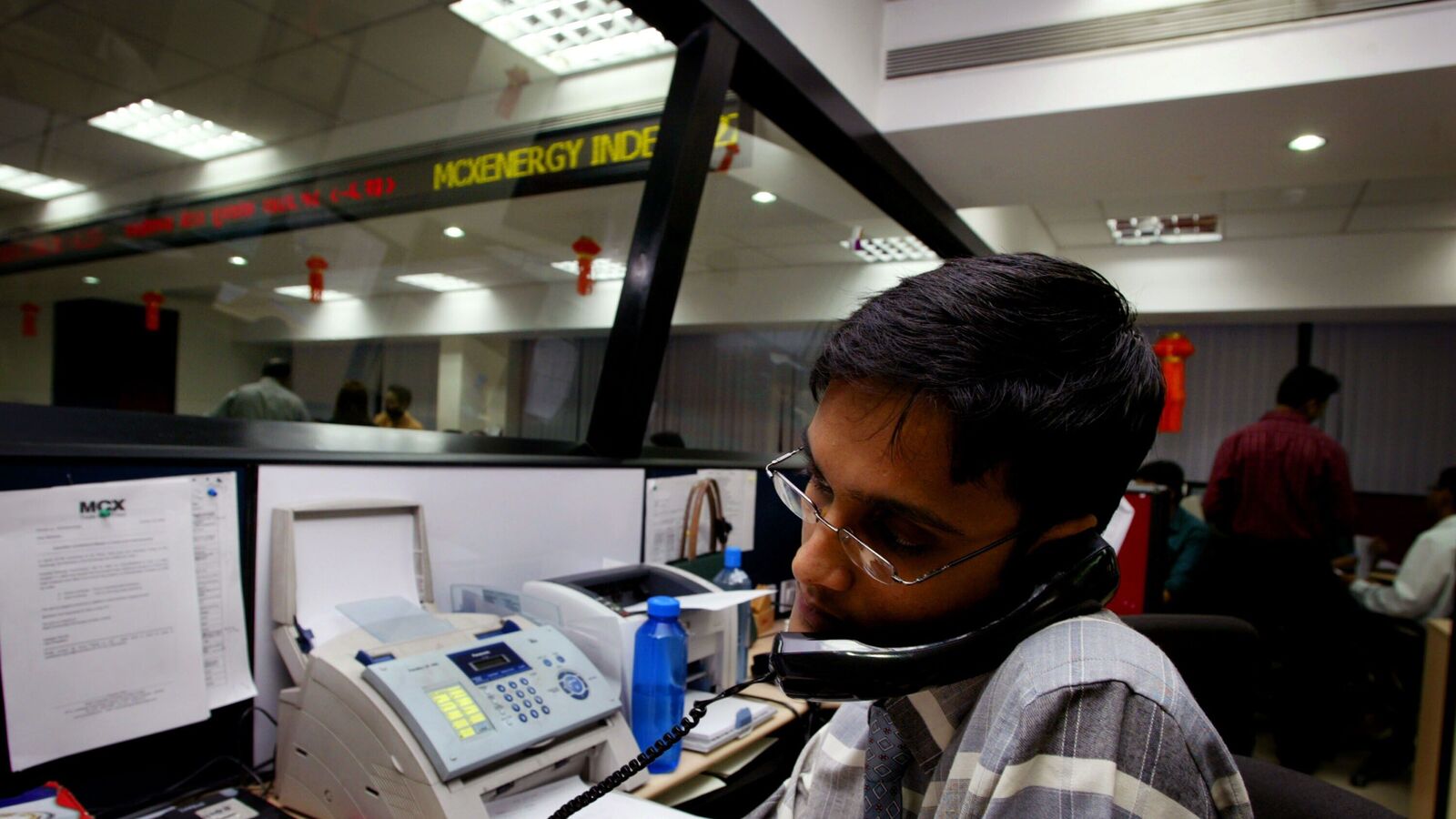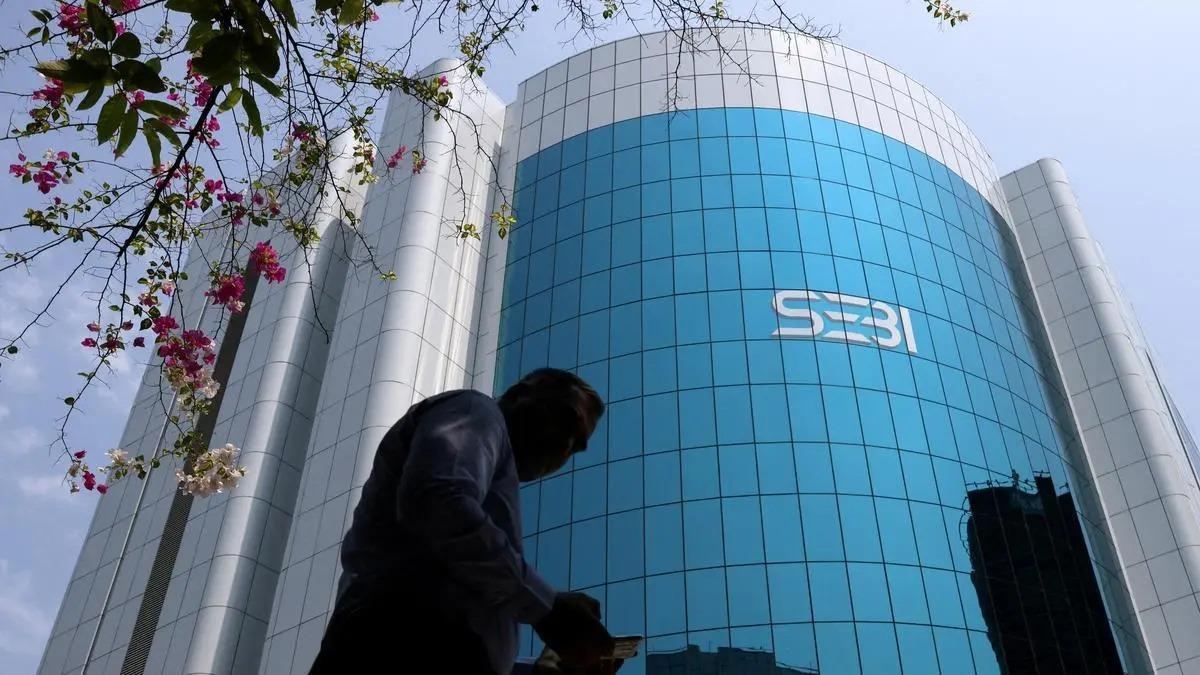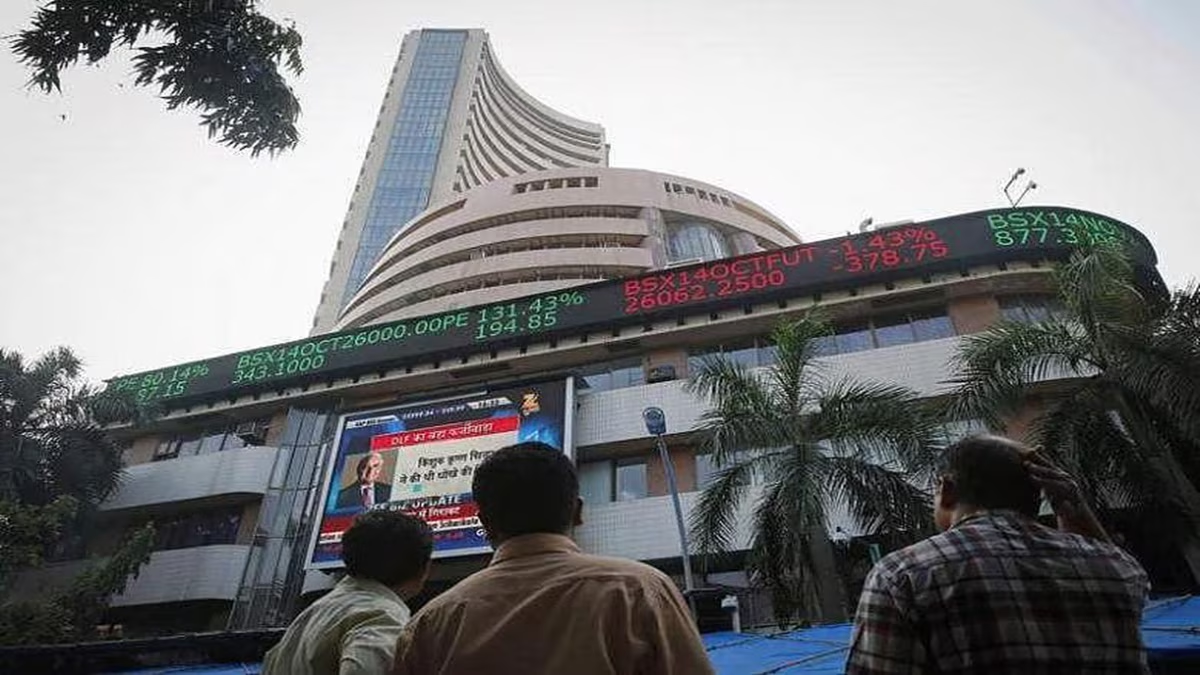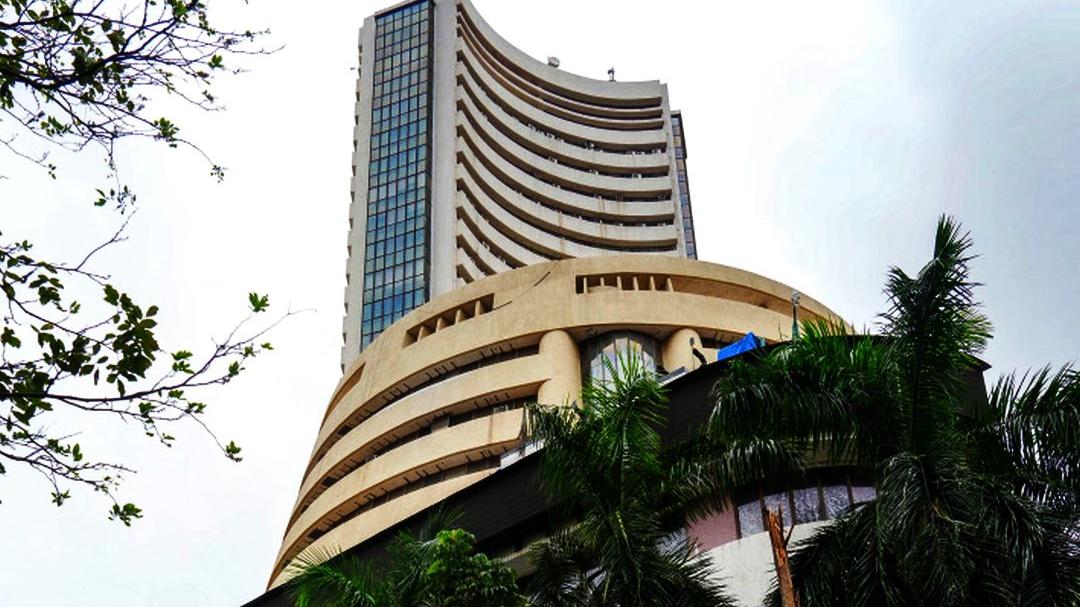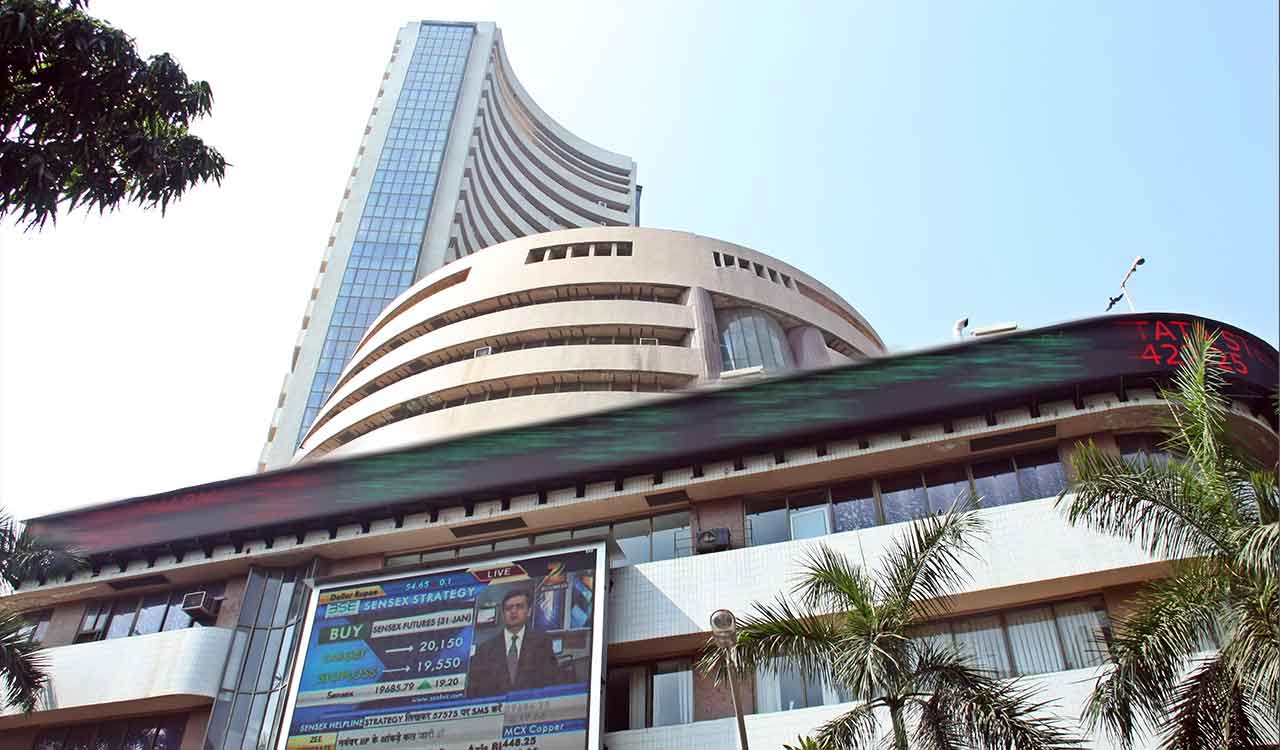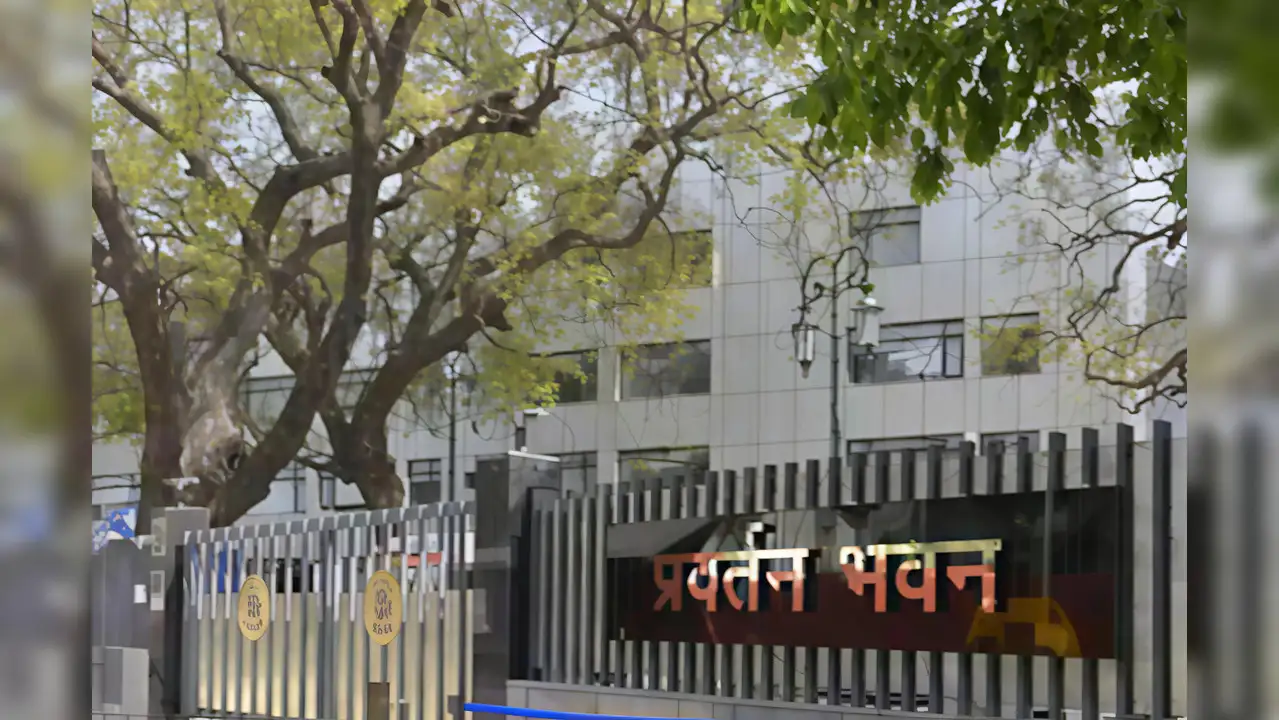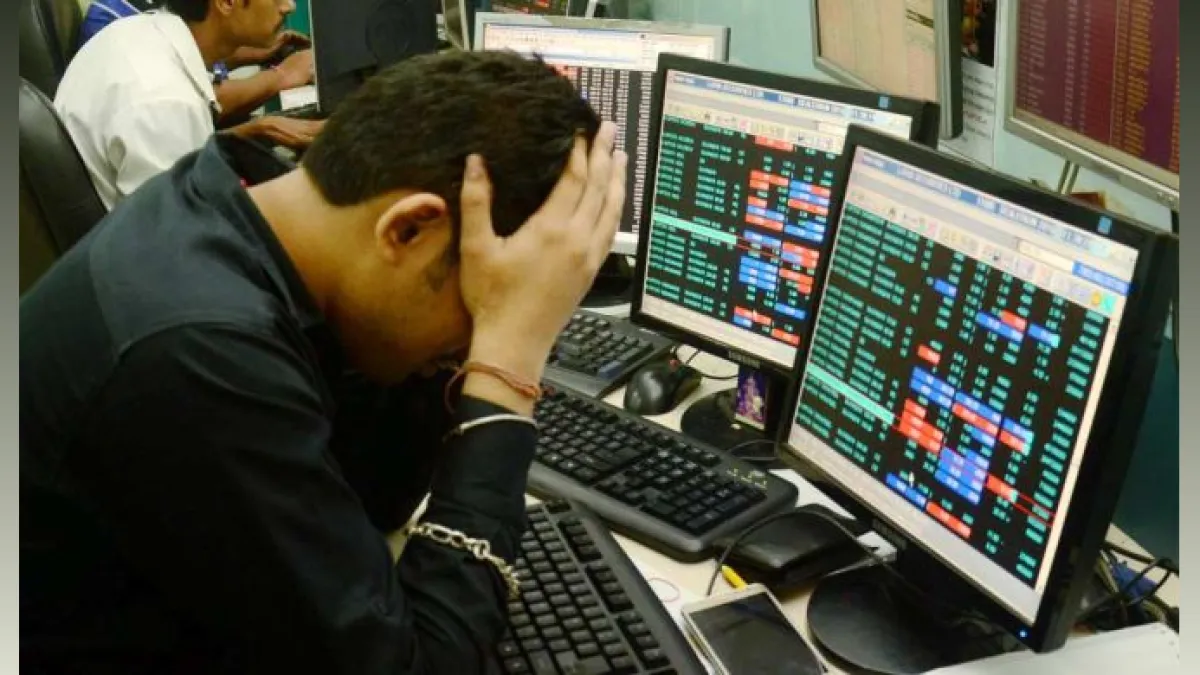
Capital market regulator SEBI has decided to overhaul how it conducts routine checks on stock brokers and depository participants, moving away from frequent routine checks to a smarter, risk-based approach. The change — effective immediately — is set to reduce the market watchdog’s direct inspection load by about two-thirds as the regulator introduces joint inspections by stock exchanges and depositories. The move aims to ease the compliance burden on well-compliant entities while sharpening focus on high-risk players.
Officials say the new framework balances investor protection with ease of doing business, using data-driven shortlisting instead of blanket annual visits.
Stock brokers and depository participants are key intermediaries in the country’s capital markets. While stock brokers execute investors’ buy and sell orders, DPs help investors open and maintain demat accounts and hold securities electronically. Both play an important role in ensuring smoother access to markets and related investor services.
What changes in SEBI’s inspection process?
The new inspection framework marks a shift from separate, routine inspections to coordinated, risk-based joint checks. Here are a few key features of the new framework:
- Joint inspections
- Fewer SEBI visits
- Risk-based selection
- Focus on high-risk firms
- Multiple registrations covered together
- New focus areas
Under the risk-based mechanism, entities will be shortlisted for routine checks using risk scores, exchange alerts, investor complaints and social media inputs from time to time. The shortlisting will be carried out every quarter, say officials.
Well-compliant entities may not face annual inspections, while those with higher risk scores will be scrutinised more closely.
Firms holding multiple registrations — both as broker and DP — will be inspected jointly for all segments in one go.
These checks will specifically look into aspects like technical glitches, cyber incidents, margin reporting, client protection norms and authorised person (AP) activities. APs are individuals, partnership firm or other entities appointed by registered stockbrokers to act as their agent. They provide investors with access to a bourse’s trading platform.
Why has SEBI introduced these new rules?
Officials say the regulator aims to improve market integrity and reduce the chances of broker- or DP-related failures impacting client funds or securities.
Over the years, SEBI has taken number of steps aimed at enhancing the ease of doing business in the market.
How often were these inspections conducted until now?
As of now, SEBI, exchanges and depositories conduct largely separate inspections of brokers and DPs.
In FY26, SEBI and bourses jointly inspected more than 200 brokers and DPs, while exchanges and depositories independently inspected around 1,500 brokers and DPs.
Which laws govern these inspections?
The inspections are rooted in the SEBI Act, 1992 (Section 11B), the SEBI (Stock Brokers and Sub-Brokers) Regulations, 1992, and the SEBI (Depositories and Participants) Regulations, 2018.
Together, the three laws empower the market regulator and market infrastructure institutions (MIIs) — entities that serve as crucial pullars of the capital market, such as exchanges, clearing corporations and depositories — to supervise, probe and enforce compliance across intermediaries.
Will retail investors be impacted?
The changes are seen as having no direct impact on retail investors.