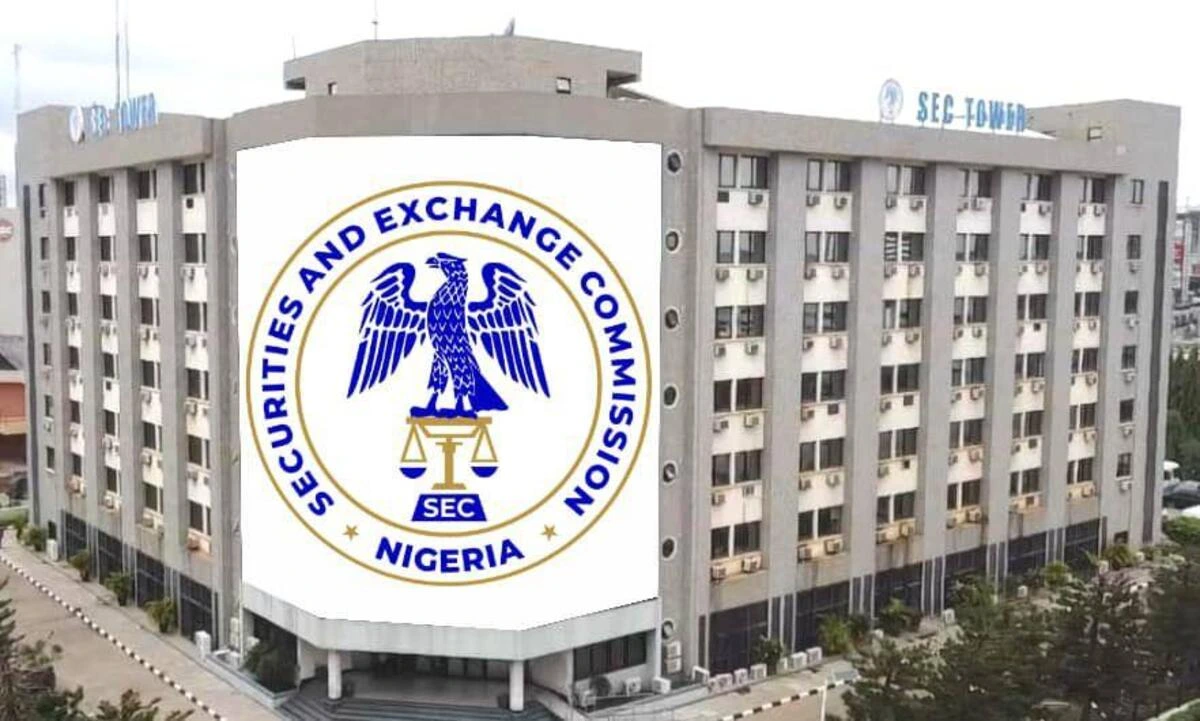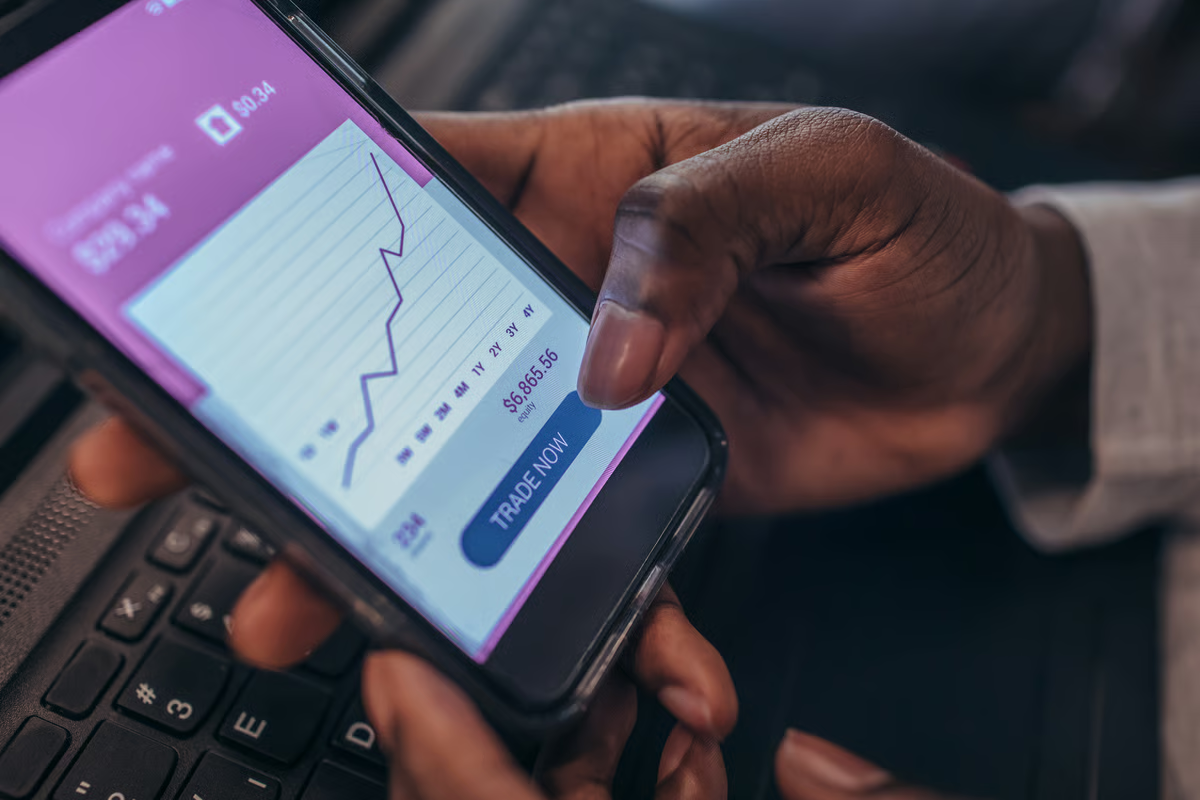
The Securities and Exchange Commission (SEC) is targeting up to N150 billion in fresh capital for Nigeria’s retail forex and Contracts for Difference (CFD) market through proposed minimum capital requirements of N3 billion for market-making brokers and N5 billion for technology and platform providers.
The proposed capital thresholds, contained in the draft Rules on Online Forex Trading and Contracts for Difference issued on September 1, would require operators to commit substantial funds before obtaining licences to operate in Nigeria.
Analysts say the framework, issued under the Investments and Securities Act, 2025, is expected to bring both Nigerian and offshore platforms that target local residents under formal regulation.
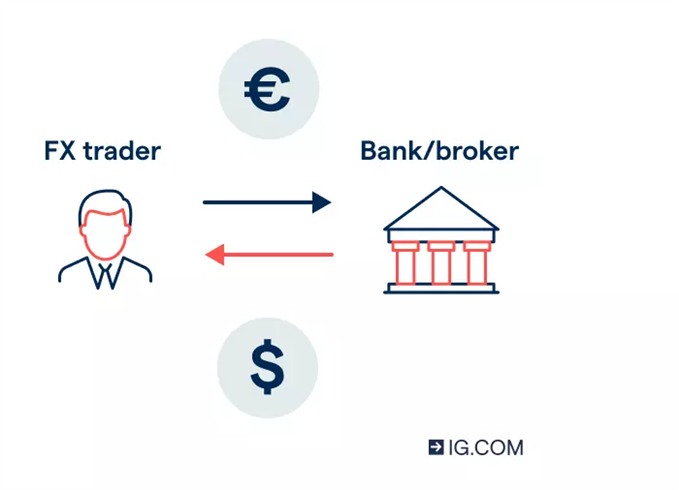
The SEC’s proposal sets a minimum capital requirement of N2 billion for Straight-Through Processing/Electronic Communication Network (STP/ECN) brokers, while B-Book or market-making brokers would require N3 billion.
Technology and platform providers would face the highest threshold of N5 billion. Corporate Introducing Brokers would require N150 million, while individual Introducing Brokers would need N30 million.
The proposed thresholds could mobilise up to N150 billion if a sufficient number of brokers, technology providers and other intermediaries enter the formal market.
However, the actual amount of fresh capital raised will depend on the number of operators that apply for licences, the number approved by the commission, and whether existing platforms choose to remain in the market.
The capital requirements are regulatory minimums and are separate from the additional funds operators may need for offices, technology infrastructure, staff, compliance systems, marketing, customer support, and risk management.
Local Ownership Requirement
The SEC is also proposing a minimum Nigerian ownership requirement for licensed brokers.
Under the draft rules, at least 30 per cent of a broker’s issued and paid-up share capital must be held directly by Nigerian citizens who serve as directors of the company.
At least two directors, including the managing director or chief executive officer, must be resident in Nigeria.
The proposal prohibits ownership arrangements routed through nominees or trusts to circumvent the local ownership requirement. This means an offshore operator would not satisfy the rule simply by incorporating a Nigerian subsidiary without meeting the prescribed ownership and governance conditions.
The local participation requirement could encourage Nigerian investors to provide equity capital to licensed forex businesses. It could also support the growth of local jobs in compliance, legal services, audit, technology, risk management and customer support.
Offshore platforms targeted
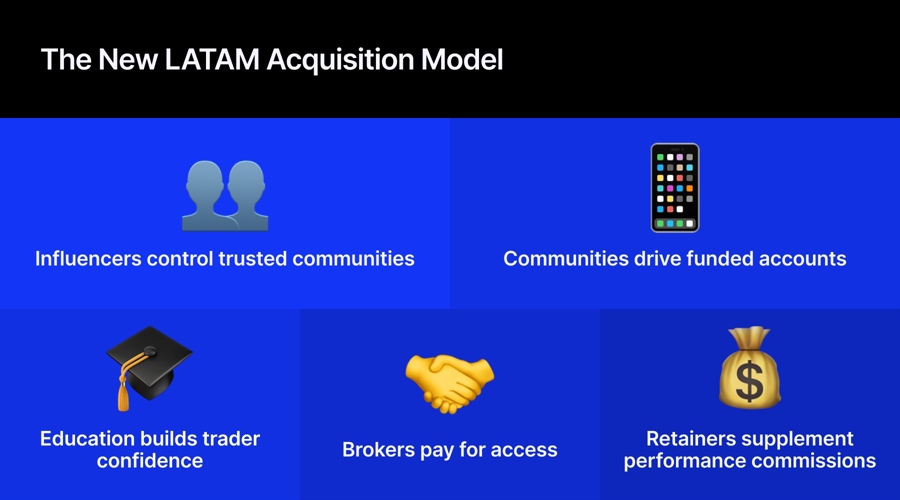
The proposed rules would apply not only to companies incorporated in Nigeria but also to offshore entities that target Nigerian residents through local affiliates, influencers, or customer support channels.
The move is intended to close a regulatory gap that has allowed platforms based outside Nigeria to attract local customers without being subject to the same registration, disclosure and investor-protection obligations as domestic operators.
The SEC has repeatedly warned Nigerians against dealing with unregistered forex and cryptocurrency platforms.
If implemented, the framework would give the commission a clearer basis to demand registration from foreign operators actively soliciting business from Nigerian residents.
The draft rules also introduce measures intended to protect retail traders and improve the transparency of the market.
Operators would be required to keep client funds in segregated accounts with banks licensed by the Central Bank of Nigeria. Client accounts would have to be reconciled daily, while relevant records would be retained for at least seven years.
The proposal provides for negative-balance protection, which would prevent retail clients from losing more than the funds available in their trading accounts.
It also requires the closure of positions when a client’s equity falls to 50 per cent or less of the required margin.
These provisions are designed to reduce the risk of client-fund diversion, excessive leverage, disputed transactions and losses arising from the collapse of unregistered platforms.
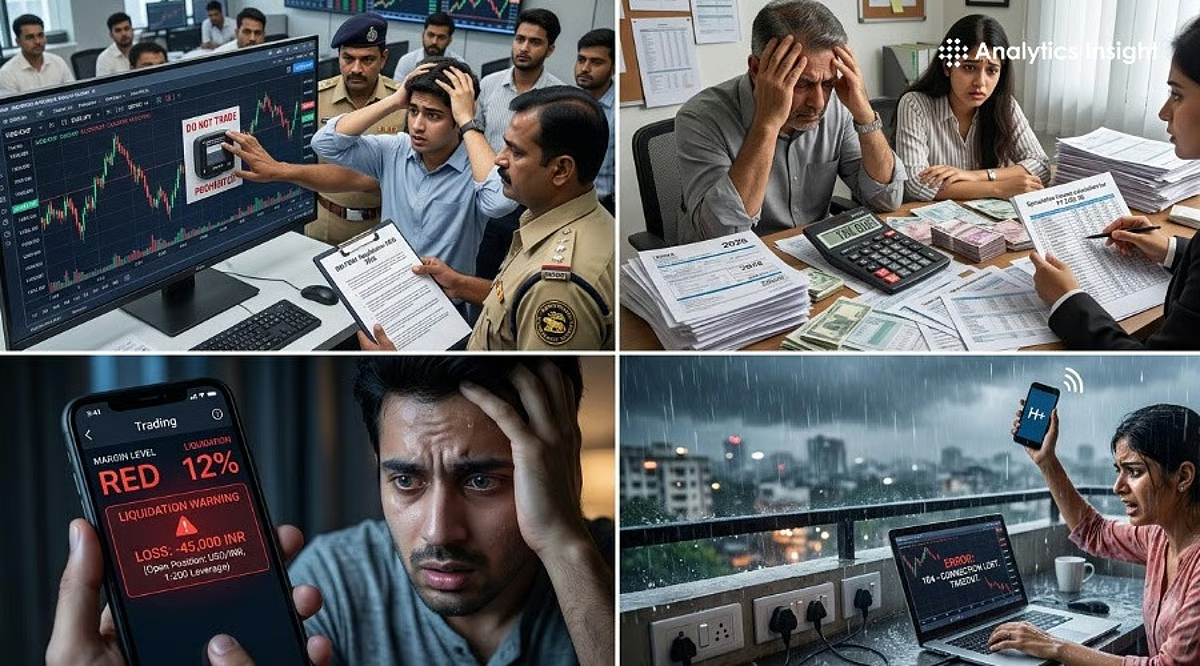
The rules, however, would not remove the underlying risks associated with leveraged forex and CFD trading. Retail investors could still lose money rapidly when markets move against their positions.
Fees and compliance
Registration fees under the proposal would range from N1 million for individual Introducing Brokers to N30 million for technology and platform providers.
Applicants would also pay a N100,000 application fee and a N300,000 processing fee.
The fees would provide the SEC with a new source of registration and supervision revenue, although the proceeds would be relatively small compared with the size of the wider economy.
The more significant economic effect would come from the capital that operators are required to commit, as well as the local employment, tax reporting and financial-services activity generated by licensed businesses.
The commission said existing and informal operators would have three months to submit complete registration applications after the rules take effect.
They would then have six months to achieve full compliance.
Operators that fail to submit applications within the prescribed period must cease regulated activities.
The SEC stressed that the rules are still at the proposal stage and are not yet in force.
If approved substantially in their current form, the rules would represent a major restructuring of Nigeria’s retail forex and CFD market by requiring operators to commit billions of naira, give Nigerian investors a direct ownership stake and bring offshore platforms targeting local customers within the domestic regulatory perimeter.
We’ve got the edge. Get real-time reports, breaking scoops, and exclusive angles delivered straight to your phone. Don’t settle for stale news. Join LEADERSHIP NEWS on WhatsApp for 24/7 updates →