Key Facts
- Brokers extending access past the standard session are being judged on whether liquidity and execution can keep up, not only on the instruments they list.
- Each 24/7 product has its own structure and trading terms. Hours and pricing on one instrument do not carry across to others linked to the same asset.
- Liquidity can thin once participation leaves the peak session, so order handling has to be weighed on the conditions of the specific product.
- XTB Institutional, backed by XTB Group, provides brokers and banks with multi-asset market access, execution and relationship-led support.
- The round-the-clock range includes 24/7 CFDs on tokenised shares such as Google, Tesla, NVIDIA and SpaceX, plus a separate 24/7 GOLD CFD based on tokenised PAX Gold.
- Readiness means setting liquidity, pricing and execution beside availability, and describing each product as itself rather than as blanket access.
Brokers watching access run past the usual session now face a sharper test: not simply which markets a client can open, but whether liquidity and execution can support that access.
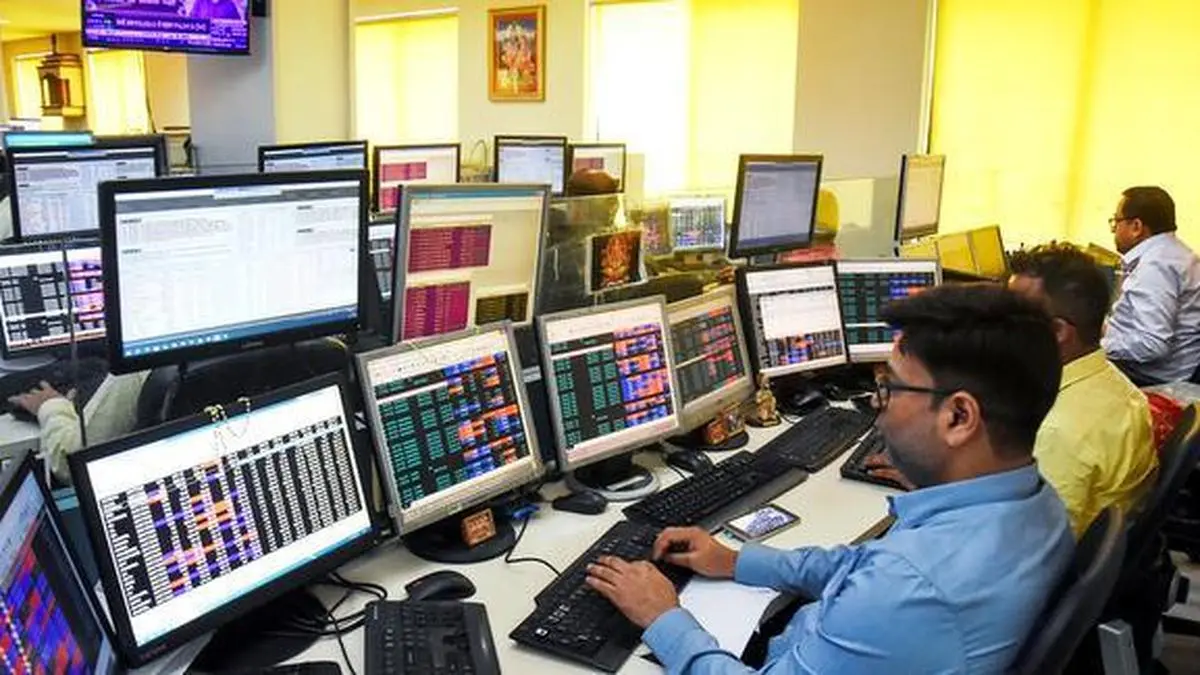
Fixed sessions have long set the rhythm of financial markets and governed how brokers handle instrument availability, client support, liquidity and risk. That rhythm is easing. More products now trade outside the standard session, and selected instruments offer 24/7 market access.
For brokers, the shift opens room to widen the offer and meet client demand that is moving. It also raises a practical question: what happens when trading continues past the hours the underlying market normally keeps?
Listing an instrument is the easy step. The difficult work is pricing, the institutional liquidity, how orders are filled and the operations behind them. What clients can trade is no longer the whole question. The broker’s setup has to be ready for a market off the old timetable.
Availability is becoming part of the offer
Client expectations follow access. Once an instrument trades outside the standard session, that flexibility starts to look normal, and availability becomes one of the tests a broker is judged on.
A product choice then becomes an operating choice. Longer access can meet real demand, yet every instrument carries its own characteristics and trading terms. Round-the-clock dealing in one category says nothing about whether another market can, or should, work the same way.
The point bites hardest where a product gives exposure to an asset whose own market still keeps established hours. Extended access to that product may rest on pricing and liquidity arrangements that belong to the product alone. Those arrangements should not be read across to other instruments linked to the same asset.
Brokers therefore need to be clear about what is available, when it trades, and which terms apply to each 24/7 instrument. Each product should be described for what it is, rather than held out as blanket access across an asset class. That clarity also helps a wider range fit different client groups. Some value flexibility around work hours or time zones. Others value the ability to react when news breaks after the close. Either way, the operational demands behind those expectations sit with the broker.
The operational questions behind round-the-clock access
Longer hours change the environment in which orders are handled. Liquidity conditions shift across the day, and the depth available in peak sessions may thin out at other times. Those gaps shape how a broker weighs the instruments it lists and the providers standing behind them.
Pricing deserves particular care, because the terms attached to a product depend on its structure and on its trading schedule. The characteristics of one product should not be assumed to carry over to another, even when both track a similar underlying asset. Execution calls for the same scrutiny. Accepting an order says little about what filling it will look like once participation drops away from peak-session levels. What matters is how orders are handled under the conditions specific to each product, and whether those conditions fit the broker’s own requirements.
This becomes most pressing when clients expect access during the quieter stretches outside normal session activity. The assessment has to rest on the specific instrument and on how it trades, not on the broad promise of round-the-clock availability.
Liquidity providers adapt alongside the broker
A broker cannot weigh extended access on its own. The institutional partners behind an offering help determine which instruments can be made available, and on what terms.
For banks and brokers, access to broad multi-asset liquidity, workable liquidity arrangements and dependable execution feeds directly into decisions about which products to build and how to run them. The needs differ by instrument, by client base and by the institution’s operating model, which makes the choice of partner a question that reaches well past initial market coverage. What counts is understanding the liquidity and execution behind an offering, and how a provider supports different products and different trading environments.
XTB Institutional provides institutional liquidity and execution access for brokers and banks, backed by the infrastructure and experience of XTB Group. Its offering spans multi-asset market access, reliable execution and relationship-led support for professional market participants. For an institution weighing broader availability, those are among the capabilities that determine how well an expanded offering can be supported.
That product-level reading of hours matches an earlier step on the same desk. From 3 July 2026, XTB Institutional lengthened Friday trading to 23:00 CEST/CET and added COCOA.EU, COFFEE.EU, NATGAS.EU, ORANGE and SUGAR.EU, widening one end-of-week window without resetting every other instrument.
Inside XTB Institutional’s round-the-clock range
XTB Institutional is extending its round-the-clock range, and the clearest reading is product by product, because each instrument has its own structure and trading terms.
The range includes 24/7 CFDs based on tokenised shares such as Google, Tesla, NVIDIA and SpaceX. Separately, it includes a 24/7 GOLD CFD based on tokenised PAX Gold. These are distinct examples rather than a single set of conditions applied across the book, and each should be considered on the terms of the specific product.
For a broker looking at new instruments, that distinction is the practical one. A wider product range can open more ways to serve clients, but each product stands on its own. Availability, pricing, liquidity and execution are connected considerations. They are not interchangeable.
Beyond these examples, the wider institutional proposition covers liquidity and execution access, deep order books and multi-asset coverage for brokers and banks. Together they point to the real question, which is how an institution can support changing patterns of access rather than simply list more products.
Readiness requires more than longer hours
Extended and round-the-clock access leaves the industry with a broader question. If clients can trade more instruments outside standard sessions, brokers have to work out how those products sit within their operations and within the expectations they set.
That means reading the specific terms of each instrument, understanding the liquidity and execution behind it, and describing the access on offer accurately. It also means judging institutional partners on the instruments and services they can genuinely support. No single model fits every market or every product. What a round-the-clock instrument needs depends on how it is built and on the terms under which it trades, and treating availability as the whole story risks missing what actually makes an offering work.
For brokers and banks, then, the next phase of market access is as much an operational question as a product one. The institutions best placed for it will be those that understand what each offering demands and can weigh liquidity, pricing and execution next to availability. Markets may be moving towards trading around the clock, but readiness, on the broker’s side, is what will decide who can meet it.
Want to discuss what 24/7 market access could mean for your brokerage? Get in touch with the XTB Institutional team.
About XTB Institutional
XTB Institutional provides institutional liquidity and execution access for brokers and banks, supported by the infrastructure and experience of XTB Group. Its institutional offering combines broad multi-asset market access, deep order book liquidity, reliable execution and relationship-led support designed around the needs of professional market participants.
Frequently Asked Questions
What is included in XTB Institutional’s 24/7 range?
The range includes 24/7 CFDs based on tokenised shares, with Google, Tesla, NVIDIA and SpaceX given as examples, and, separately, a 24/7 GOLD CFD based on tokenised PAX Gold. XTB Institutional presents these as distinct products. Each has its own structure and trading terms, so the conditions on one instrument are not a template for the rest of the book.
Why can one product’s hours not be applied to another?
Every instrument has its own characteristics, structure and trading schedule. Where a product gives exposure to an asset whose own market keeps established hours, the pricing and liquidity behind the extended access belong to that product. They should not be read across to other instruments linked to the same asset, even when both track a similar underlying. Depth can also thin outside the peak session.
What does XTB Institutional provide to brokers and banks?
XTB Institutional provides institutional liquidity and execution access, backed by the infrastructure and experience of XTB Group. The offering spans multi-asset market access, deep order books, reliable execution and relationship-led support for professional market participants. For a firm weighing wider availability, those are among the capabilities that decide how well an expanded range can be supported.