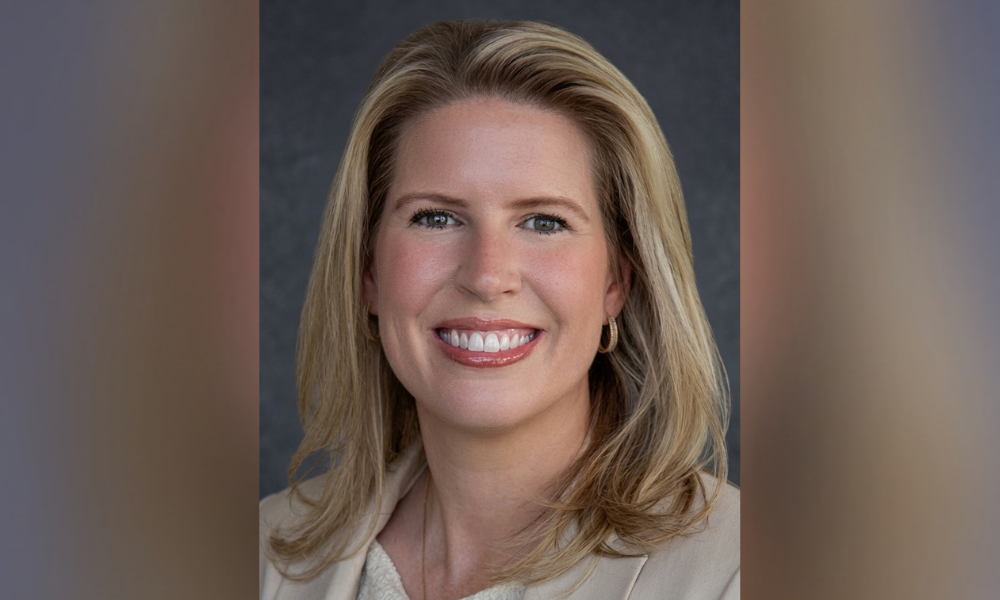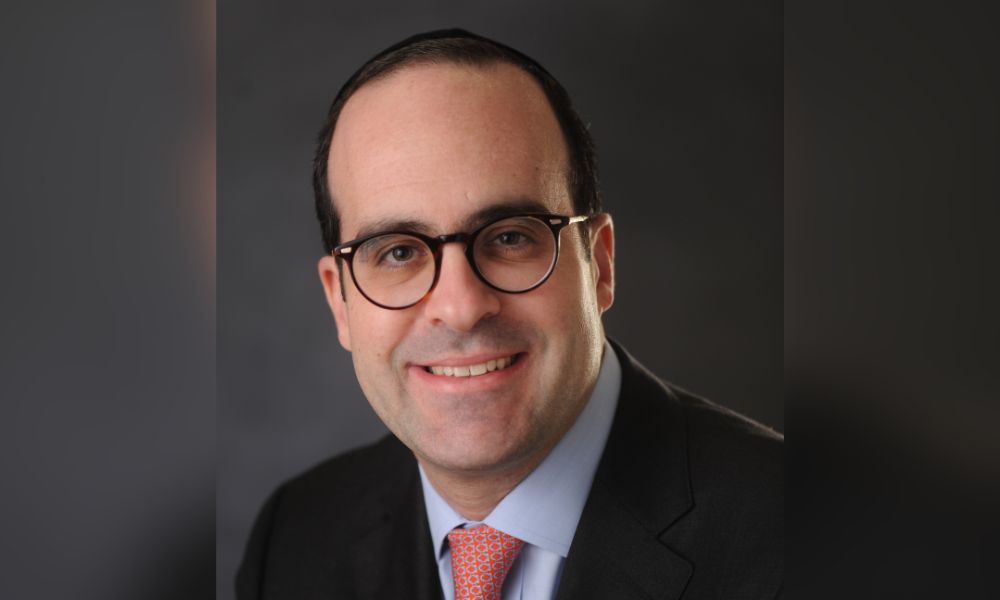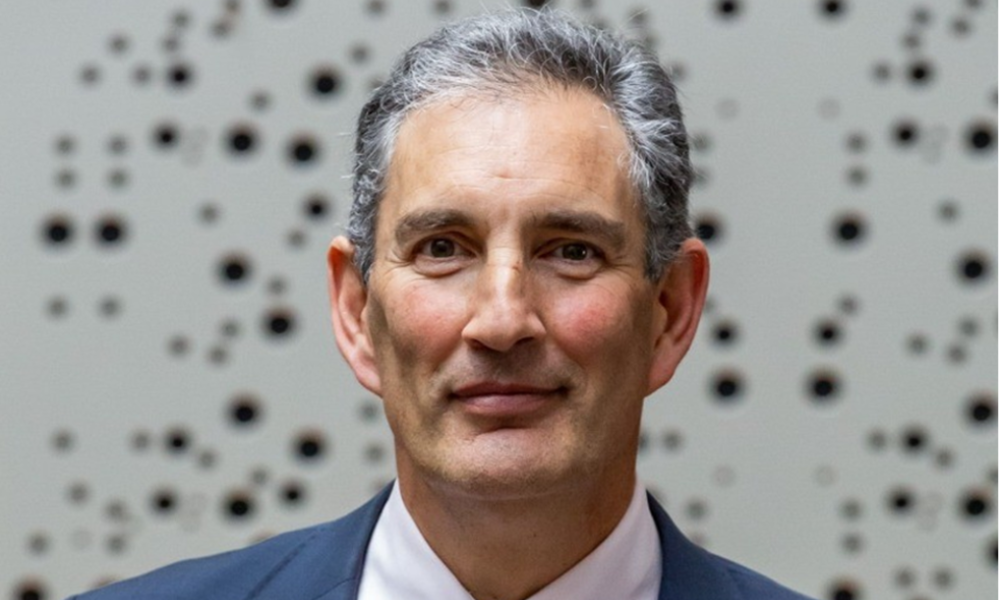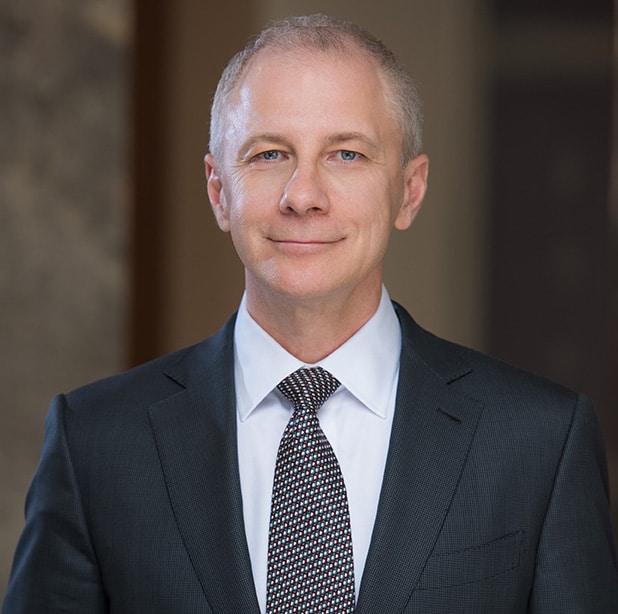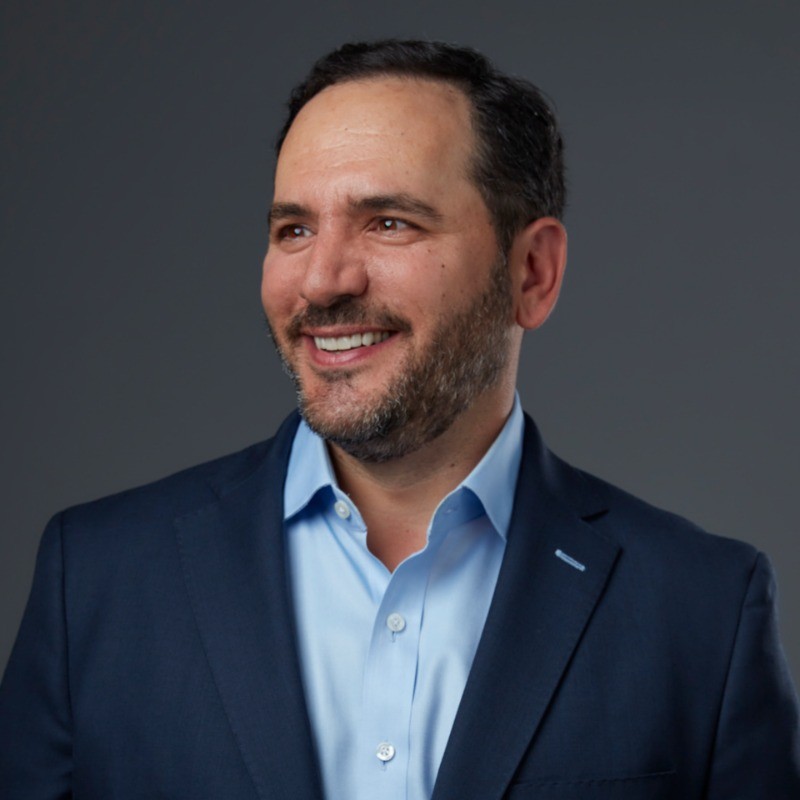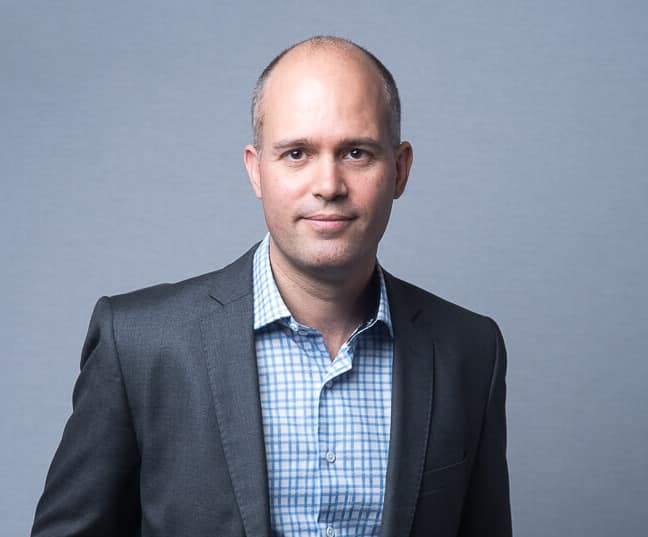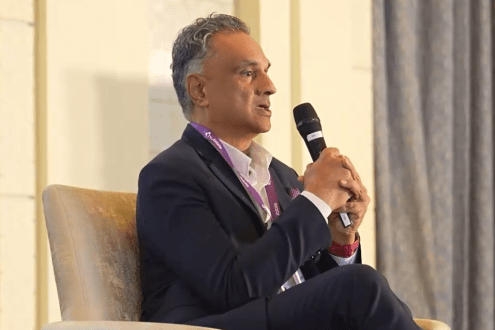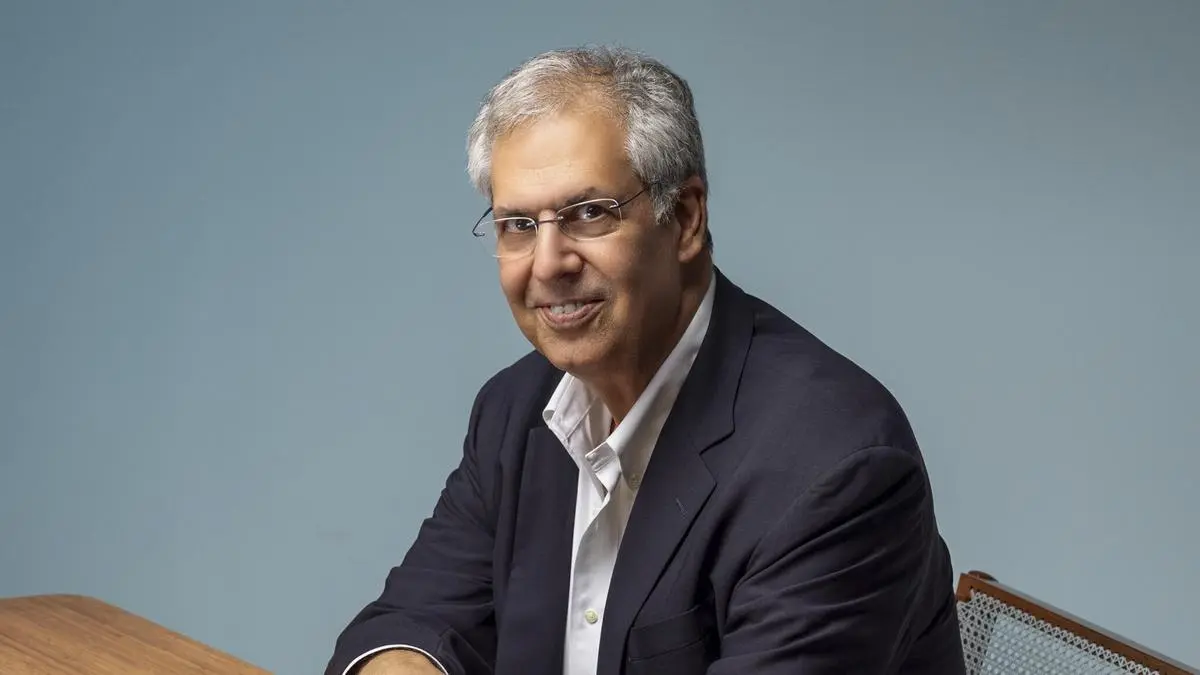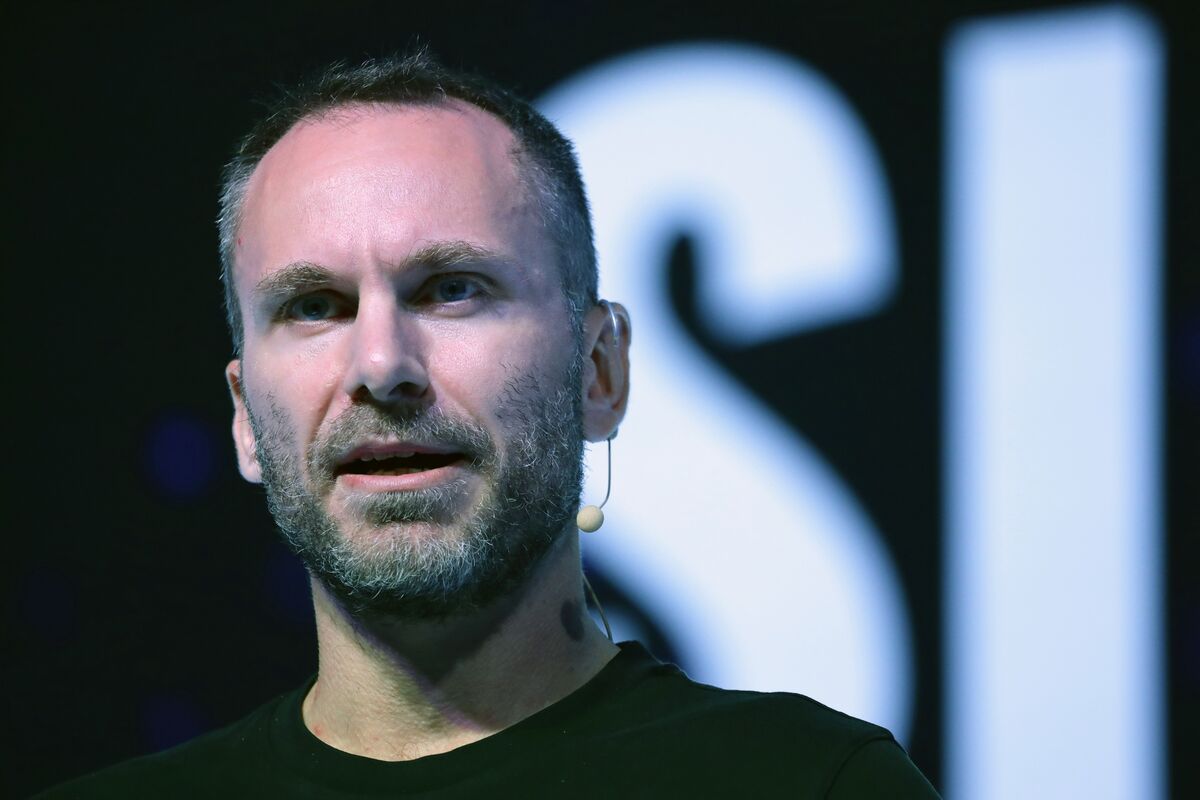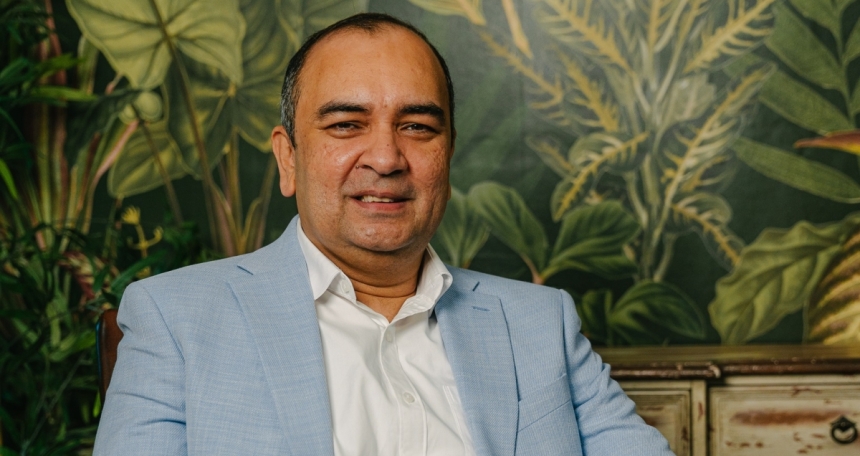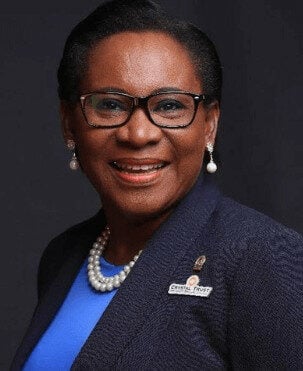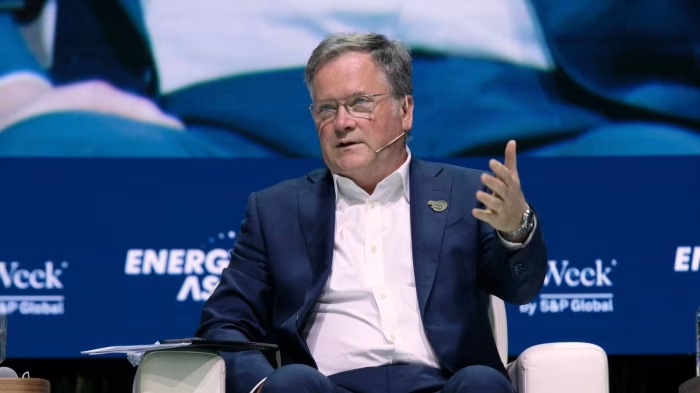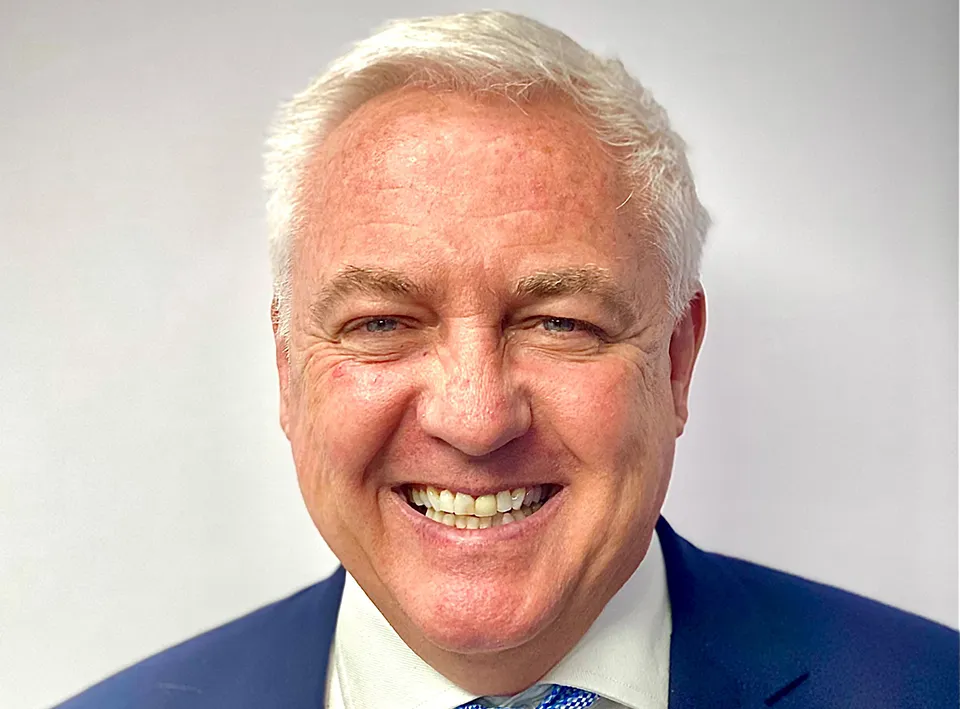
Prominent forex and commodities trader, Uche Paragon, has called on Nigeria’s Securities and Exchange Commission (SEC) to slash its proposed retail forex leverage limit from 1:400 to a range of 1:10 to 1:30.
Reacting to the SEC’s draft framework for online retail forex trading, Paragon warned that high leverage exposes retail investors to extreme capital losses. He recommended adopting tighter limits aligned with global regulatory standards, while allowing experienced traders to apply for higher leverage through formal risk assessments.
Beyond leverage restrictions, Paragon raised critical concerns regarding the SEC’s proposed ₦3bn minimum capital requirement for forex brokers. He cautioned that such a steep financial threshold risks fostering a market monopoly, stifling competition, and driving local traders towards unregulated offshore jurisdictions.
Because Nigeria’s retail market is primarily driven by youth and middle-income earners with average deposits of $100, Paragon argued that traditional domestic investors who generally lack deep familiarity with Contracts for Difference (CFDs) would be hesitant to commit N3bn to the sector.
To address capital constraints for market operators, Paragon proposed a scaled model for “B-Book” brokers, who execute client trades internally rather than routing them to external liquidity pools. Rather than a flat multi-billion-naira requirement, he suggested pegging a broker’s operating capital to total client deposits at a 10:1 ratio.
Under this framework, a broker holding $10,000 in client funds would maintain $100,000 in operating capital, while one managing $100,000 would hold $1m. He emphasised that this approach ensures solvency while preserving market access.
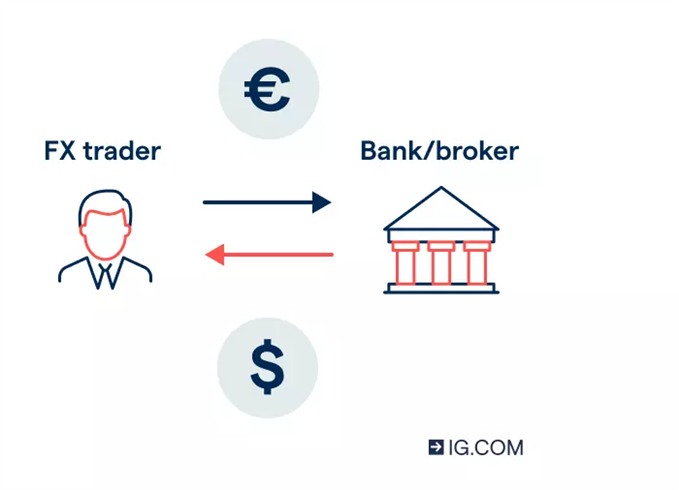
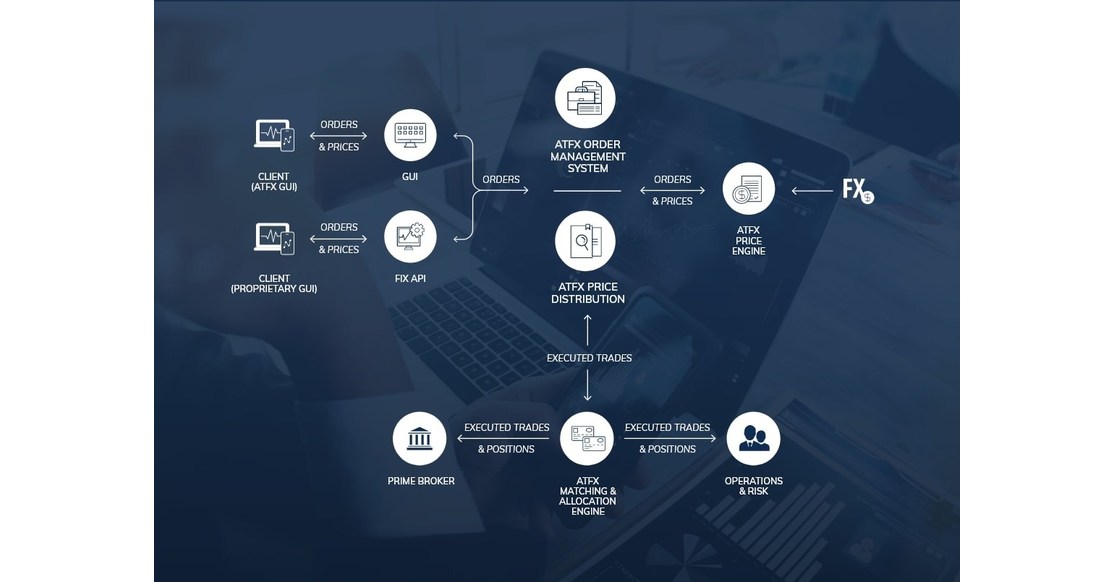
Additionally, Paragon questioned the operational feasibility of requiring Straight-Through Processing (STP) and Electronic Communication Network (ECN) brokers to hold client trading funds strictly in local bank accounts. Because these brokers route orders and margins to international liquidity providers, he urged the SEC to clarify how funds will move across borders without disrupting trade execution.
He also advocated lower entry barriers for Introducing Brokers (IBs), many of whom are young entrepreneurs operating on referral commissions, to prevent severe industry exclusion.
While describing the SEC’s move to regulate the online forex market as a welcome development, Paragon urged the Commission to refine its proposal to balance investor protection with market accessibility, competitive fairness, and financial inclusion.