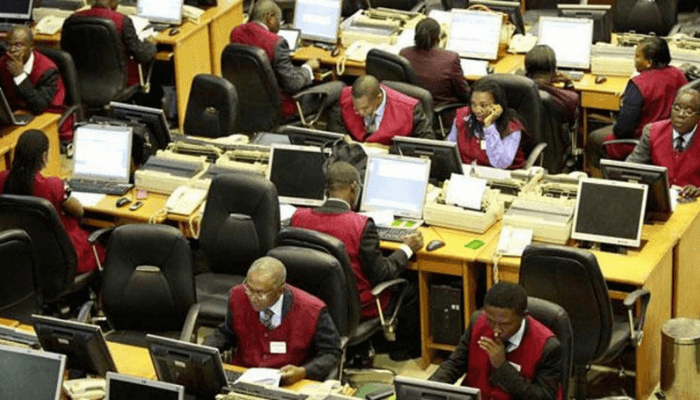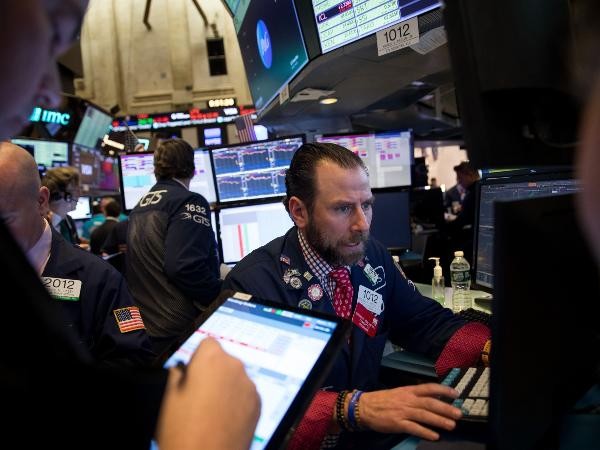
Touted as the world’s first initiative of its kind, the much-anticipated T+0 settlement proposal seems to have been put on the backburner after receiving three consecutive extensions amid resistance from brokers.
Leading stock exchanges NSE and BSE launched the beta version of the T+0 settlement cycle in March 2024, even as the stock markets were operating on a T+1 settlement cycle.
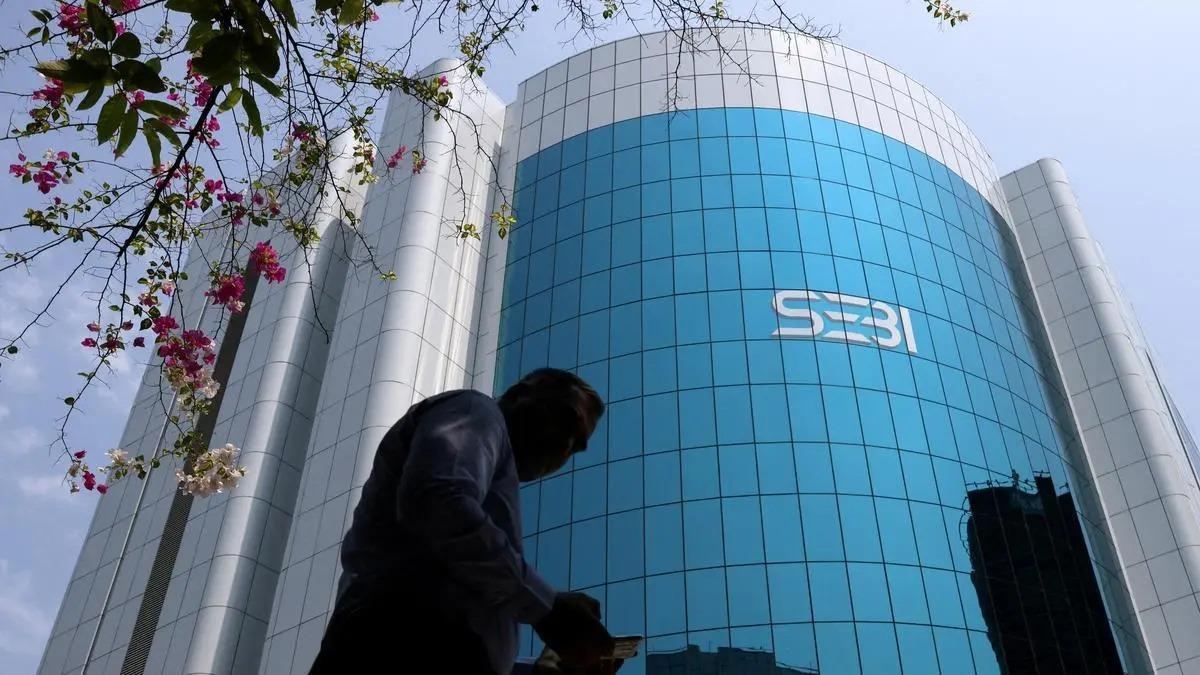
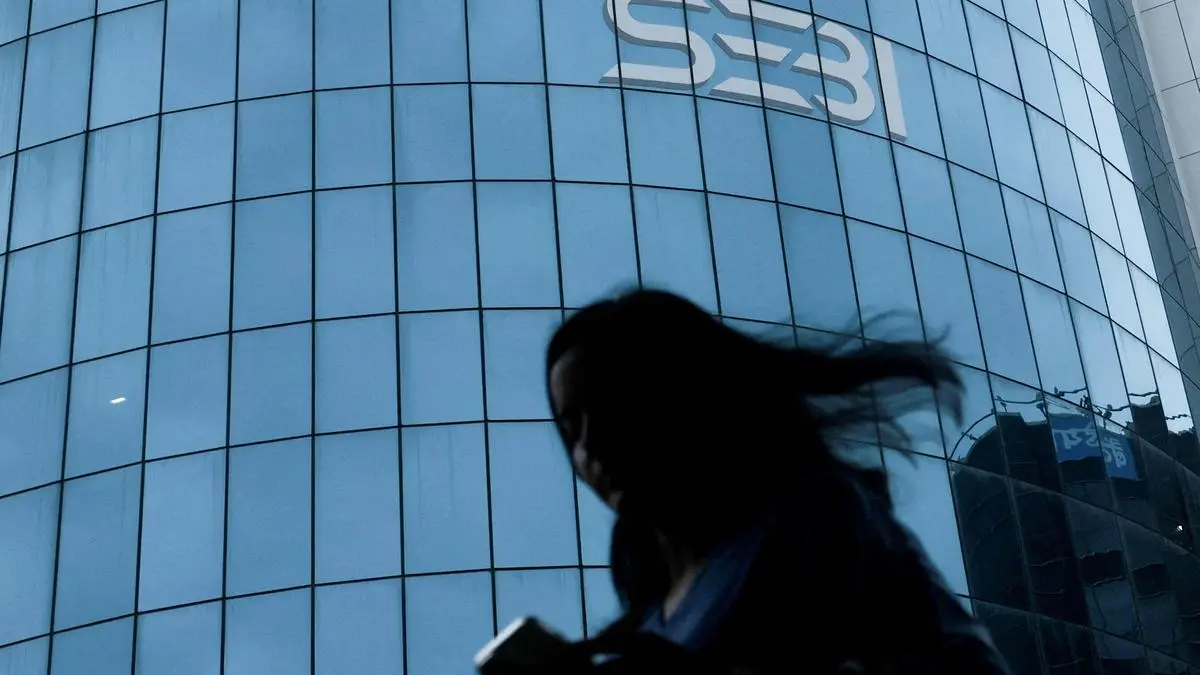
Subsequently, SEBI increased the number of scrips eligible for trading under the optional T+0 settlement cycle from 25 to the top 500 stocks by market capitalisation.
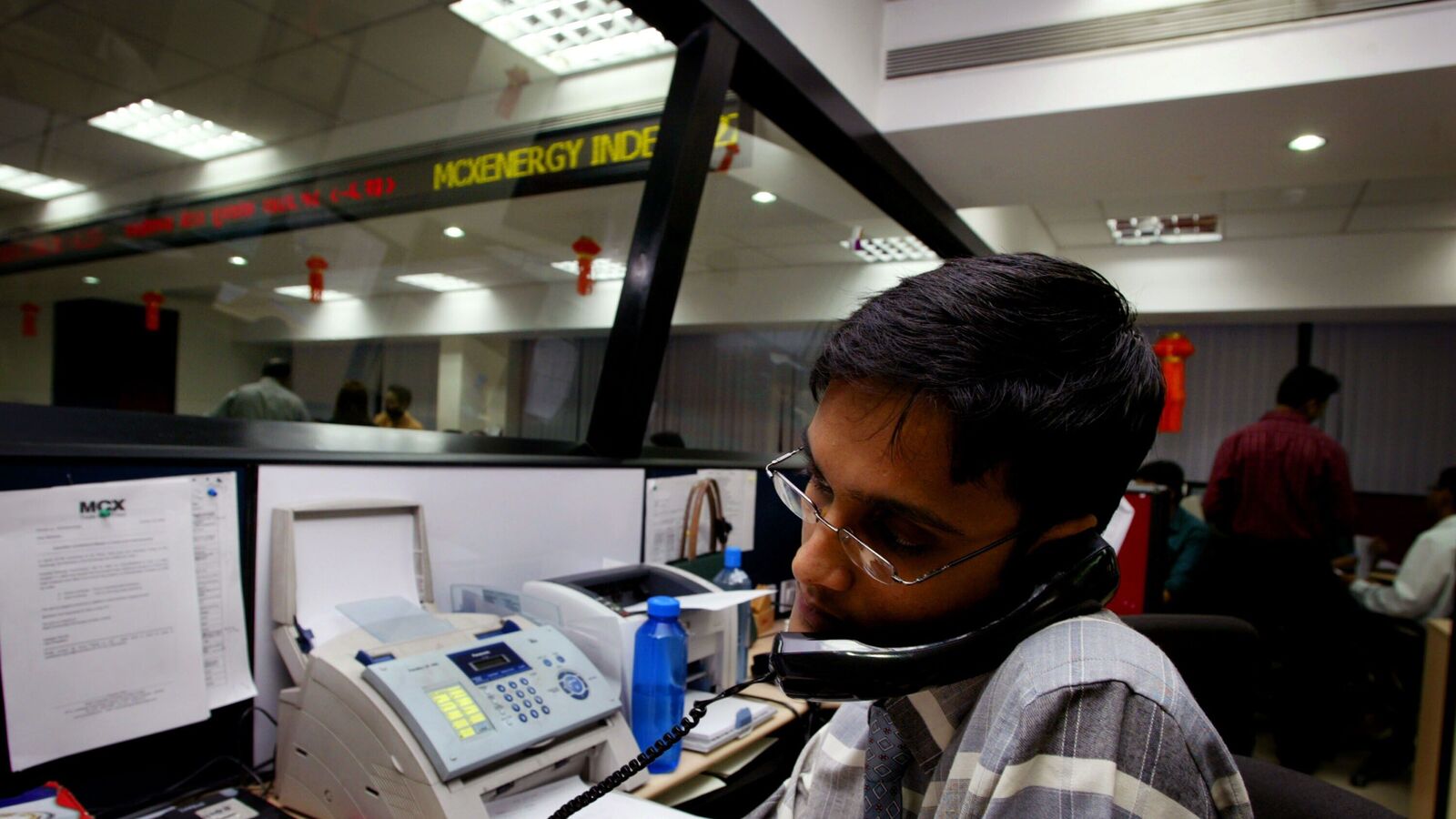
However, the brokers were not ready with the required system to allow investors to trade under the T+0 settlement cycle as the same-day settlement not only reduces their float income but also increases technology-related expenditure.
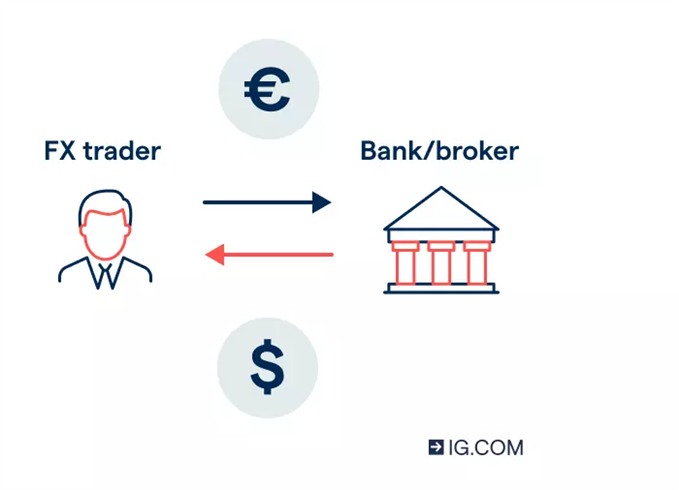
T+0 settlement cycle refers to a mechanism wherein the shares and money are credited to buyers and sellers on the day of the trade.
Initially, SEBI had set the deadline for rolling out the T+0 settlement cycle as May 1, 2025 and extended it to November 1, 2025, before postponing it indefinitely.
Last October, SEBI in a circular said “considering the challenges highlighted by qualified stock brokers (QSBs) in ensuring the timely readiness of systems… it has been decided to extend the timeline and the revised timeline will be communicated at a later date.”
Key challenges
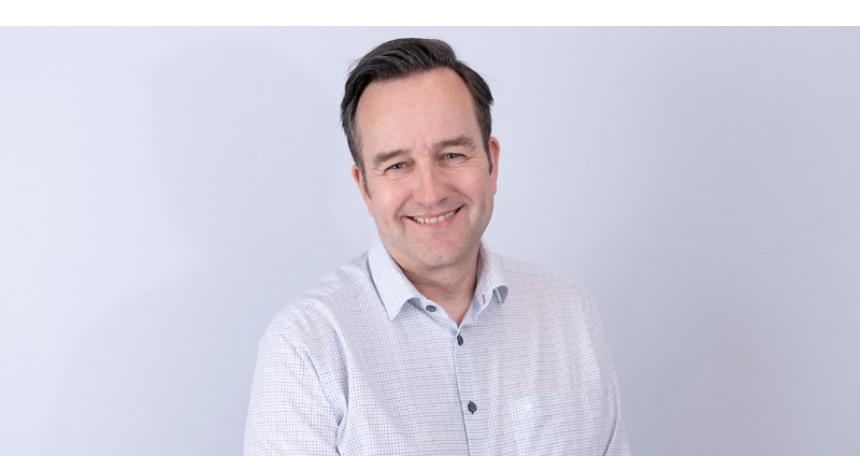
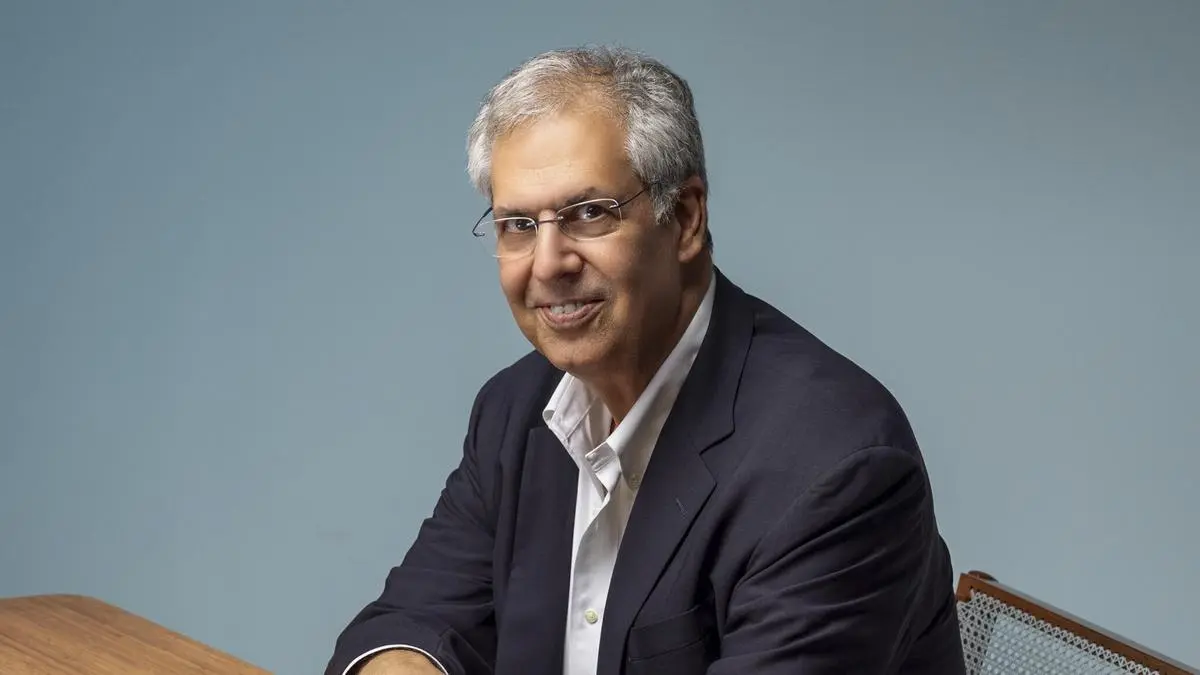
Rajesh Singla, CEO and Fund Manager at Alpha AMC, said, T+0 is a genuinely good idea, but brokers face multiple challenges including running T+0 and T+1 settlements simultaneously for the same securities under the same ISIN. It creates operational complexity since most brokers simply have not built the back-end infrastructure required to handle this, he said.
To qualify for T+0 settlement, trades need to be executed by 1:30 pm and funds must be credited by 4:30 pm. The cut-off excludes afternoon sessions and forces investors to make decisions under a time constraint that does not exist in T+1, he added.
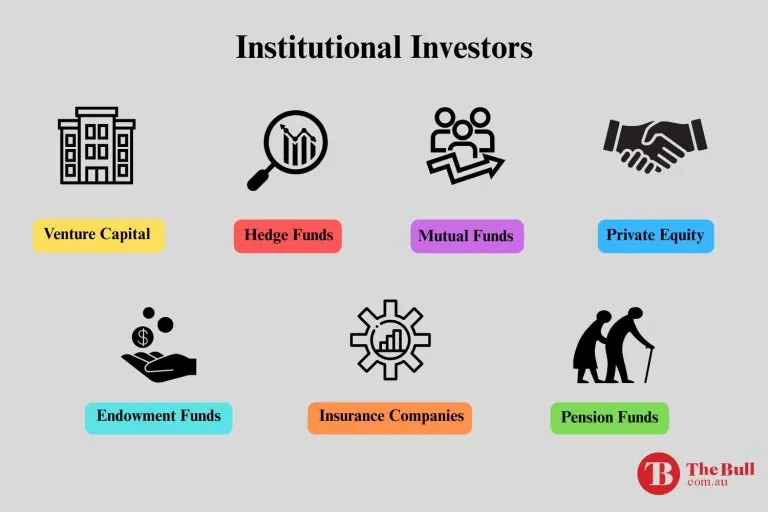
The T+0 also excluded institutional and foreign investors, as custodians need to manage the complex task of arranging foreign exchange along with securities for settlement within the same-day window. Without institutional participation, T+0 volumes will stay thin regardless of retail interest, he added.
Broker infrastructure needs to be upgraded with SEBI support, potentially through incentives or mandatory implementation timelines, said Singla.
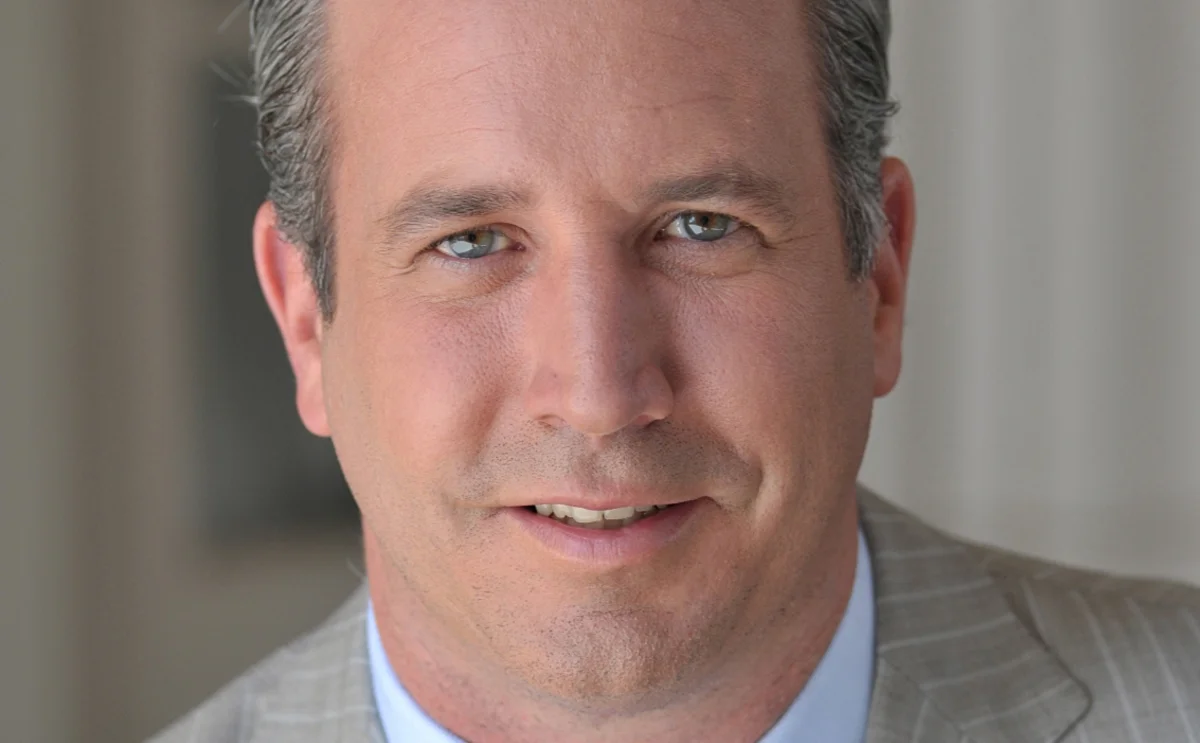
Anand James, Chief Market Strategist, Geojit Investments, said a buyer in a T+0 transaction may not share the same enthusiasm as the seller in arranging funds on the same day, especially when T+1 is already running. At present, there is hardly much visible incentive to move towards T+0, especially for long-term investors.
On the other hand, traders such as day traders and high frequency traders, who may benefit more from high churn and faster capital turnover, are already thriving in the derivatives segment, or are into margin trading, where T+0’s benefits are less relevant, he said.
Published on July 26, 2026