What Is MoonPay Building With Its New Institutional Unit?
MoonPay has acquired key-management infrastructure firm Sodot and launched MoonPay Institutional, a new business targeting banks, asset managers, trading firms, and exchanges entering digital assets.
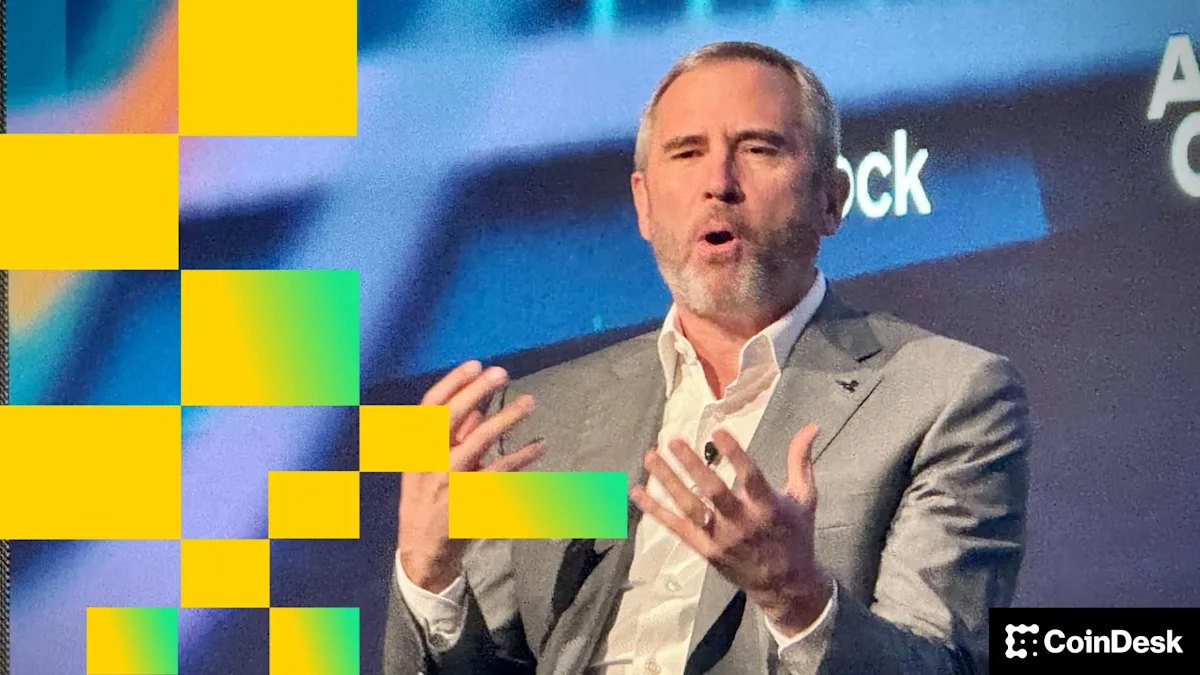
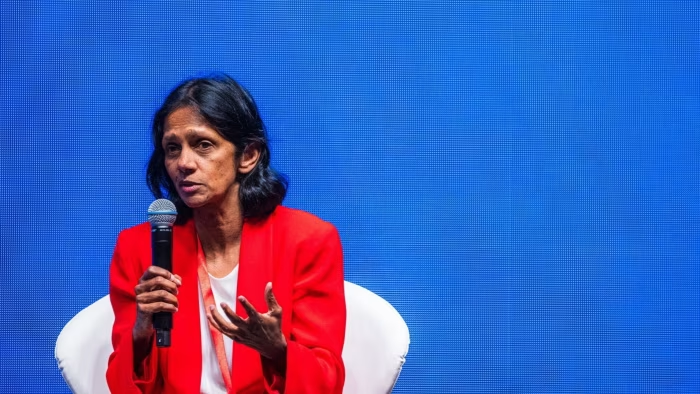
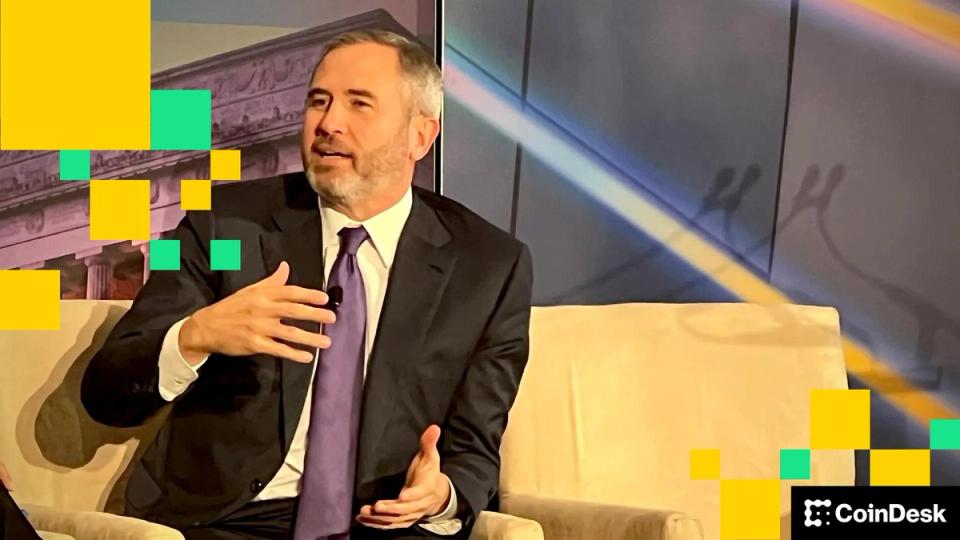
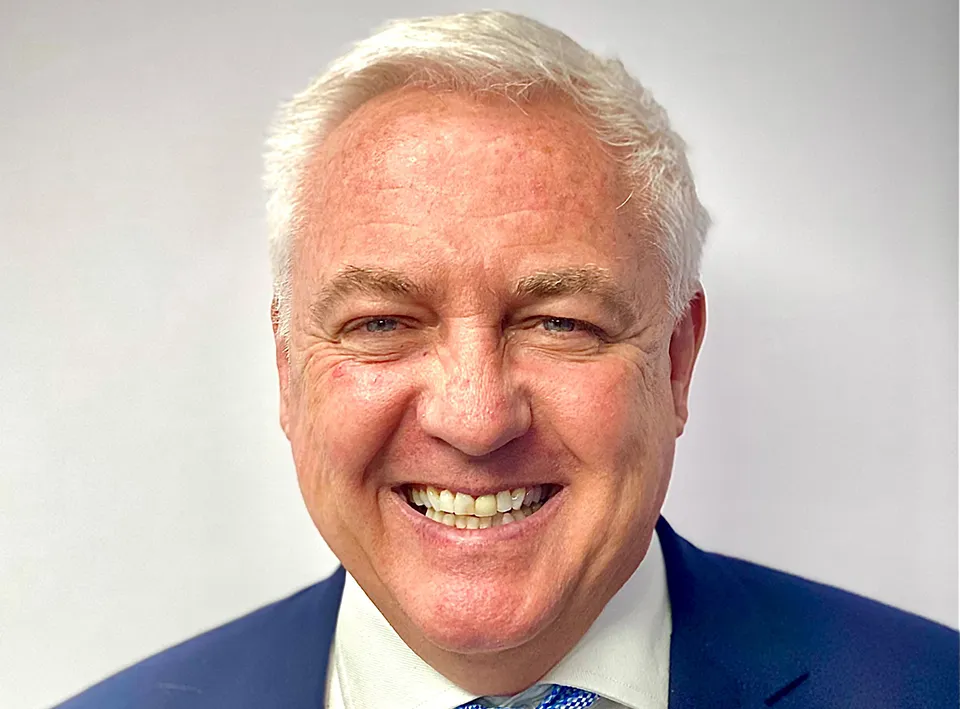
The unit will be led by Caroline Pham, former acting chair of the Commodity Futures Trading Commission, who joined MoonPay in December as chief legal officer and chief administrative officer.
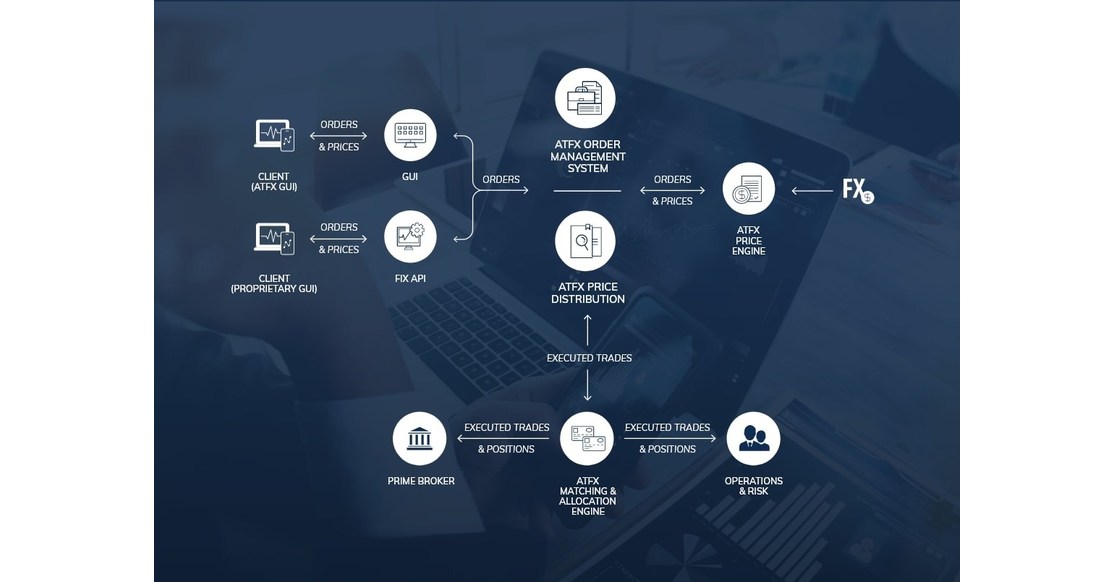
The acquisition is structured to provide a unified infrastructure stack for institutional clients, covering wallets, key management, custody, execution, collateral movement, stablecoin settlement, and compliance. The goal is to replace fragmented vendor setups with a single integrated platform.
Sodot’s technology will serve as the security layer for the offering. The firm has processed more than $50 billion in transactions and secured over 10 million wallets, with clients including eToro, BitGo, Flow Traders, and Exodus. Bloomberg reported the all-stock deal closed this month at a valuation of around $100 million.
Why Does Key Management Matter for Institutional Adoption?
Key management remains one of the core barriers to institutional entry into crypto markets. Managing private keys across multiple systems introduces operational risk, particularly for firms that must meet strict regulatory and custody requirements.
MoonPay’s approach centers on integrating self-hosted MPC and TEE wallet infrastructure into a broader trading and custody stack. This allows institutions to retain control over assets while accessing execution, liquidity, and settlement services within the same environment.
The platform will also provide custody through MoonPay’s New York trust company, alongside onchain order routing, cross-chain collateral movement, and access to both OTC and DeFi liquidity pools.
Investor Takeaway
Control over private keys and integrated infrastructure are central to institutional adoption. Firms are moving away from fragmented setups toward unified platforms that combine custody, execution, and compliance.
How Does This Fit Into MoonPay’s Broader Expansion Strategy?
The Sodot acquisition is part of a broader expansion strategy as MoonPay builds out institutional capabilities. The company has completed several acquisitions across payments, stablecoin infrastructure, and blockchain integration.
Earlier deals include the acquisition of stablecoin infrastructure firm Iron, Solana-based payments company Helio for $175 million, and payments startup Meso. These moves indicate a push to cover multiple layers of the digital asset stack, from payments to trading infrastructure.
MoonPay also secured a New York trust charter and BitLicense in late 2025, strengthening its regulatory positioning in one of the most restrictive US jurisdictions. This allows the firm to offer custody and trading services under a regulated framework.
Investor Takeaway
MoonPay is building a full-stack institutional platform through acquisitions and regulatory licenses. The strategy targets control over infrastructure rather than relying on third-party providers.
What Does This Mean for Competition in Institutional Crypto Infrastructure?
The launch places MoonPay in direct competition with custodians, prime brokers, and infrastructure providers targeting institutional clients. Firms such as Coinbase, BitGo, and traditional financial institutions are expanding similar offerings.
The competitive focus is shifting toward integration, security, and regulatory alignment rather than standalone products. Institutions are increasingly looking for platforms that combine multiple functions into a single environment with clear oversight and risk controls.
MoonPay’s bet is that demand will center on platforms that simplify access to digital assets while meeting institutional standards. Execution quality, custody reliability, and compliance capabilities are likely to define which providers capture long-term market share.