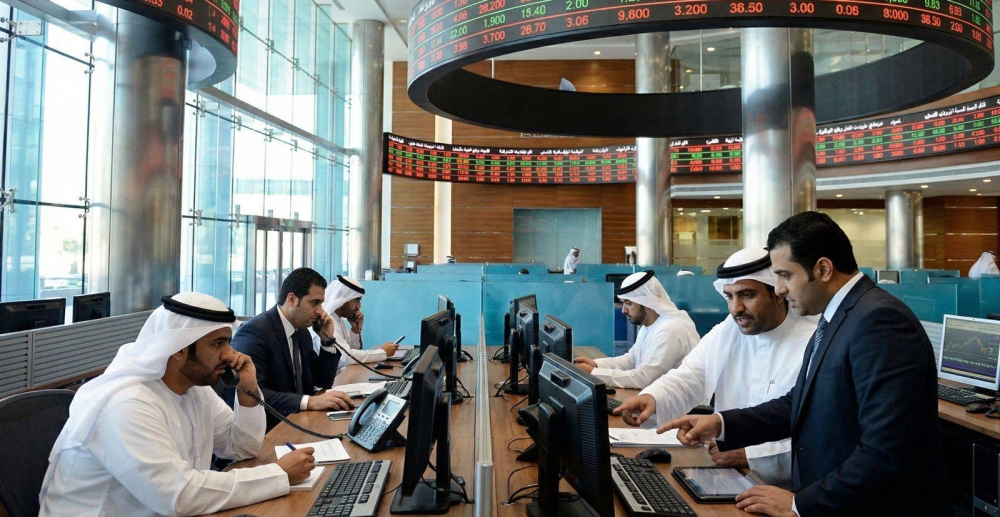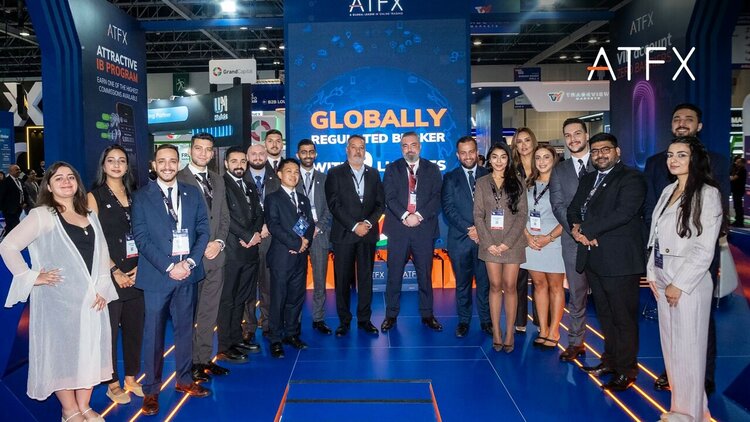
As the trading industry gathers in Hong Kong for iFX EXPO Asia, the APAC conversation feels more practical than it has for some time. Brokers and professional traders are not short of products, platforms or market commentary. What they are looking for now is cleaner access, better execution and partners that can help them manage a more complex trading environment without adding more operational burden.
That matters in APAC because the region is not a single market. India and China still show deep demand for gold. Vietnam remains an active FX market. Australia has seen growing interest in crypto CFDs. Across China and Southeast Asia, more proprietary and high-frequency trading firms are looking at products such as CNH-denominated and kilogram-denominated gold. The themes are connected, but the client needs are different. A broker serving this region has to be broad enough to meet local demand and disciplined enough to deliver the same standard across asset classes.
Diversification has become a revenue issue
Many brokers in the region have built strong businesses around a small number of highly active products. Gold and silver are obvious examples. They are liquid, familiar and respond quickly to macro uncertainty. But concentration cuts both ways. When client activity is crowded into a narrow set of instruments, revenue becomes more exposed to changes in volatility, spreads and trading behaviour.
The opportunity is not to push clients into products they do not want. It is to give them credible ways to diversify when market conditions change. Professional traders want to move between FX, metals, indices, commodities and digital assets without feeling that each market sits on a different stack. Pricing, margining and execution quality have to feel consistent. If they do not, traders notice.
Gold remains central, but the way clients trade it is changing
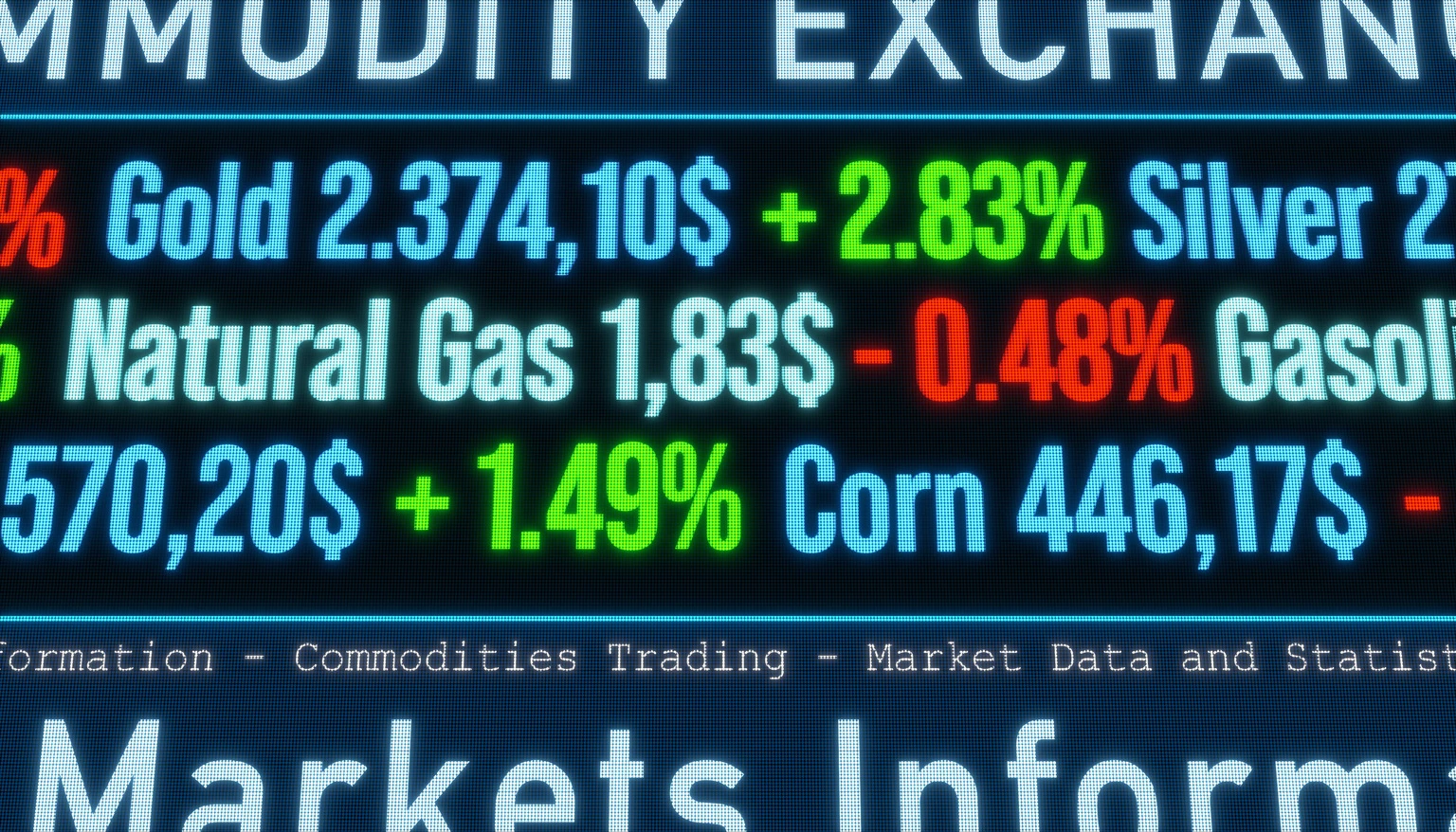
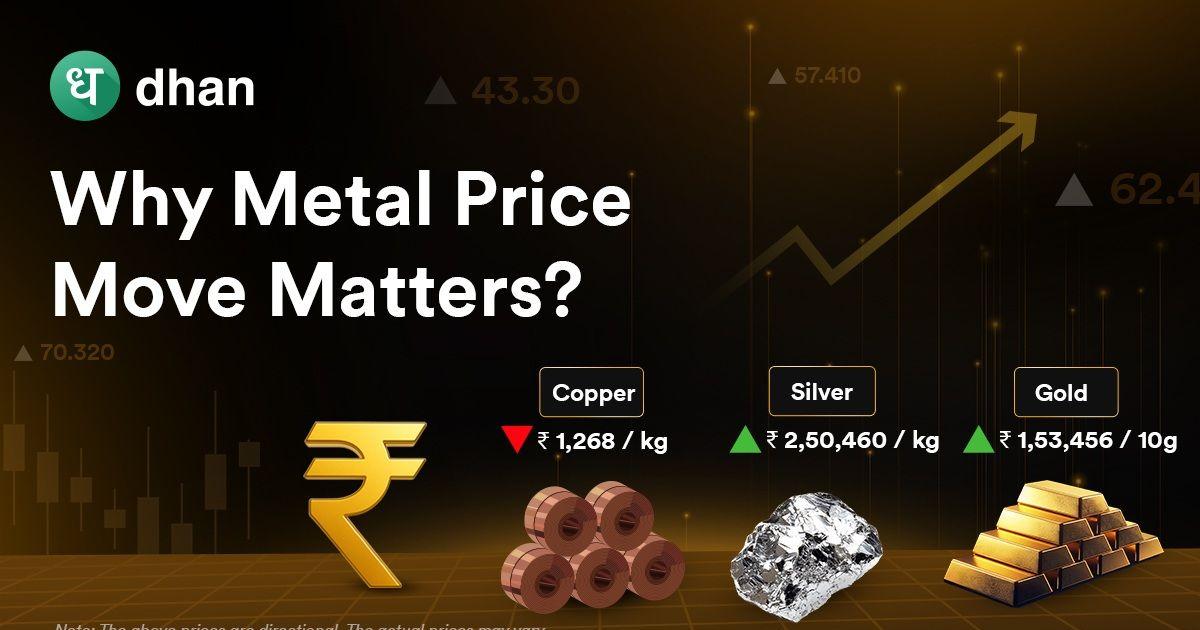
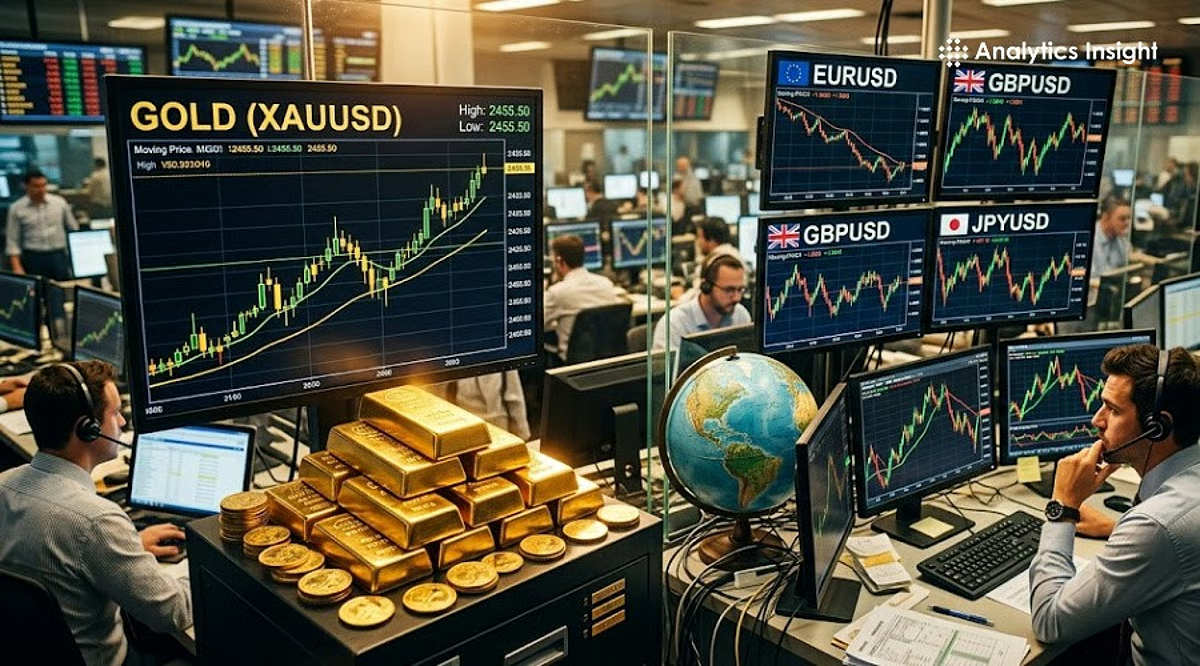
Gold remains central to that discussion. In Asia, it is both a trading instrument and a store of value. It is widely understood, linked to real macro themes and active enough to support a range of strategies. Recent volatility has only made it more relevant.
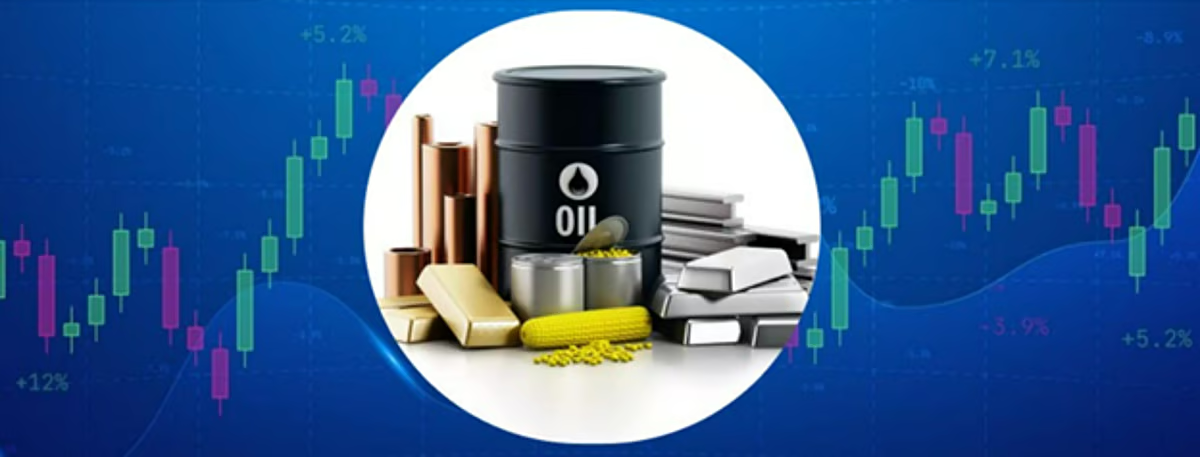
What is changing is how clients want to trade it. Standard spot gold still has a clear place, but more sophisticated clients want greater precision and regional relevance. Direct gold crosses, offshore CNH pricing, three-decimal gold, mini contracts and kilogram-denominated settlement all matter because they solve real trading problems. They reduce unnecessary conversion, help with sizing and make gold easier to align with local market conventions. For brokers, the benefit is straightforward. A deeper metals shelf helps retain active traders and serve different client types without splitting liquidity into disconnected pools.
The digital asset conversation is becoming institutional
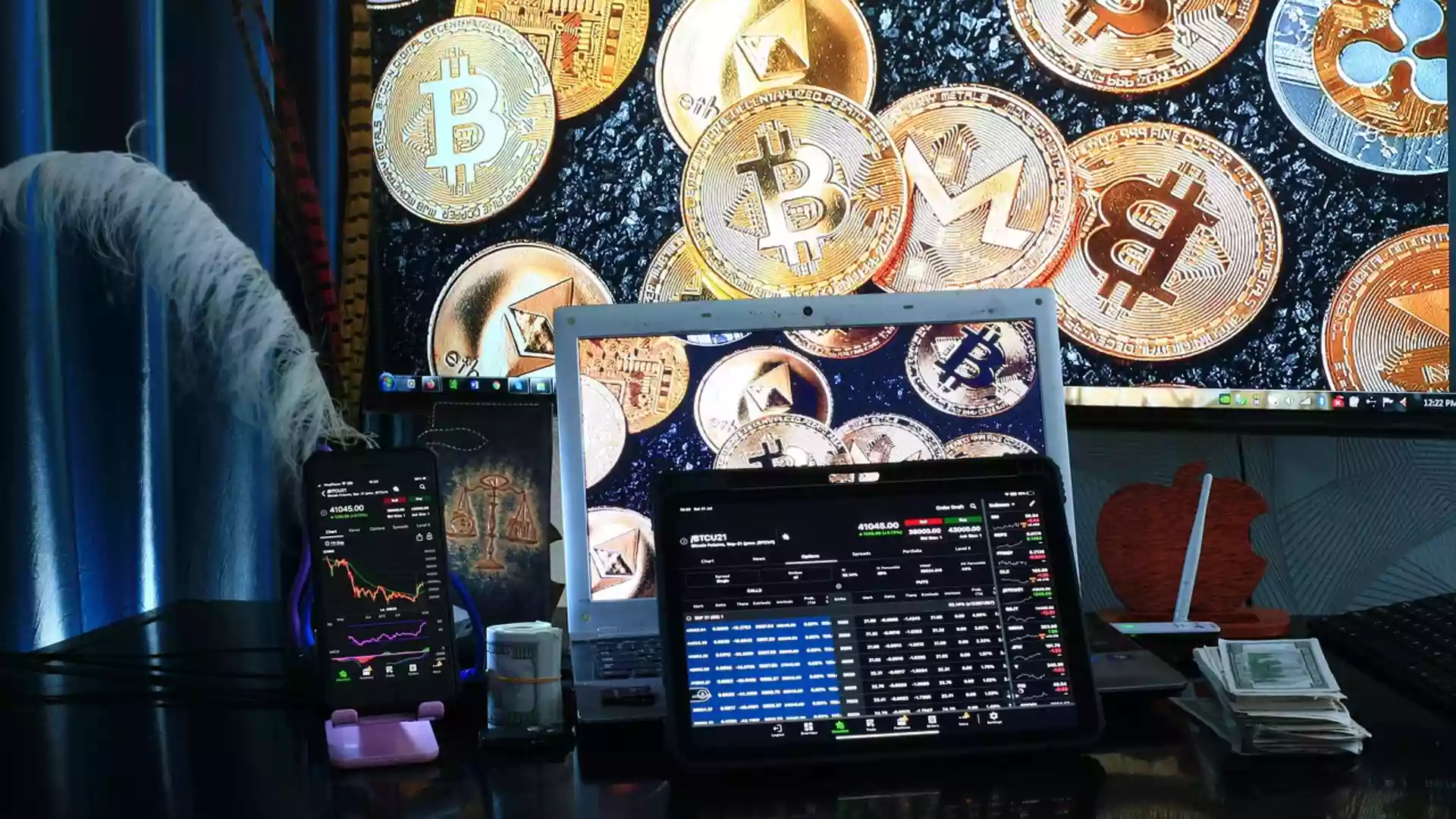
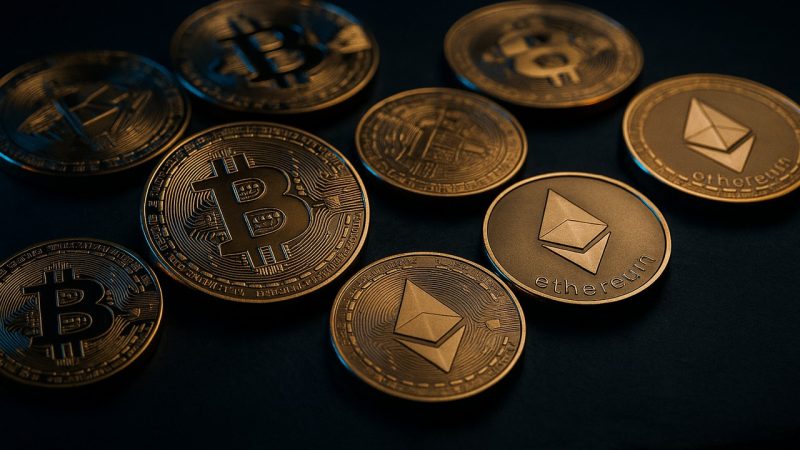
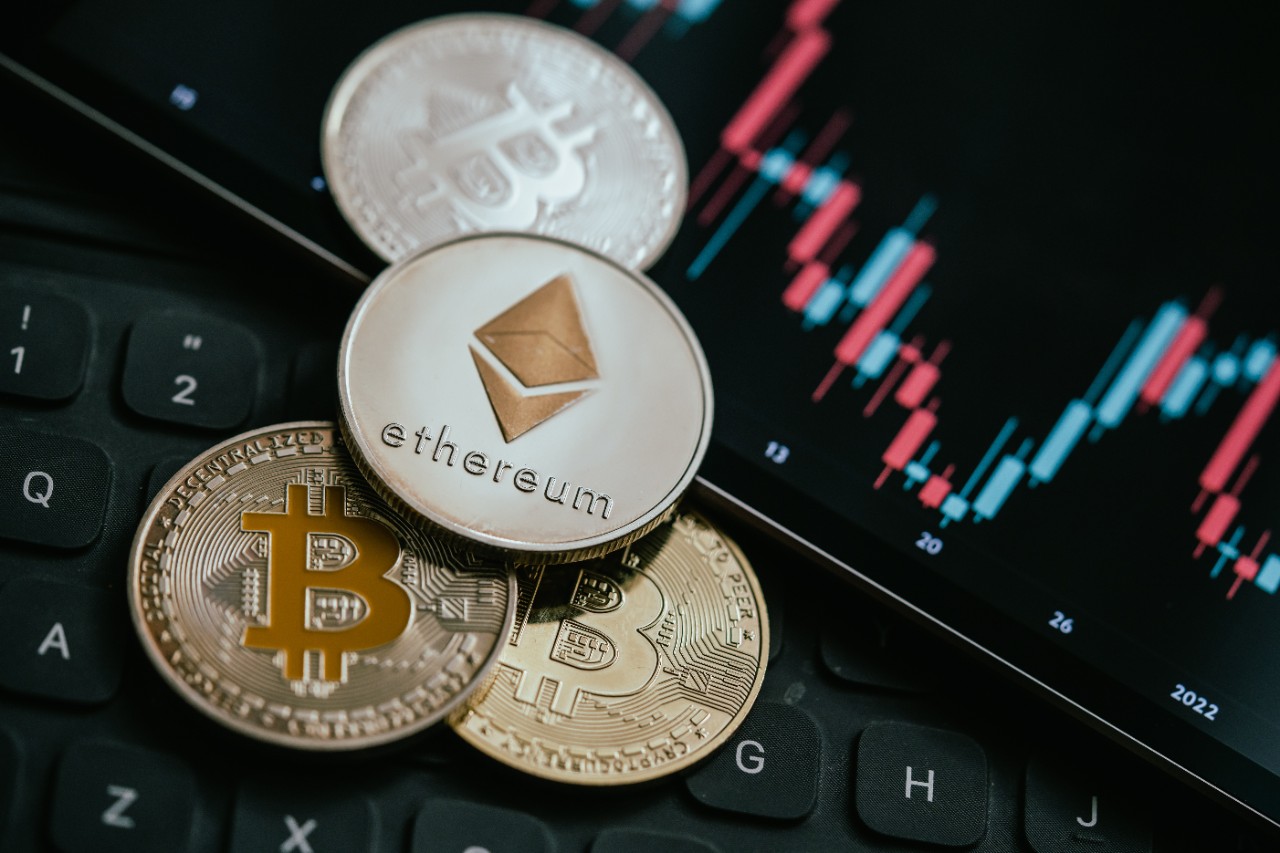
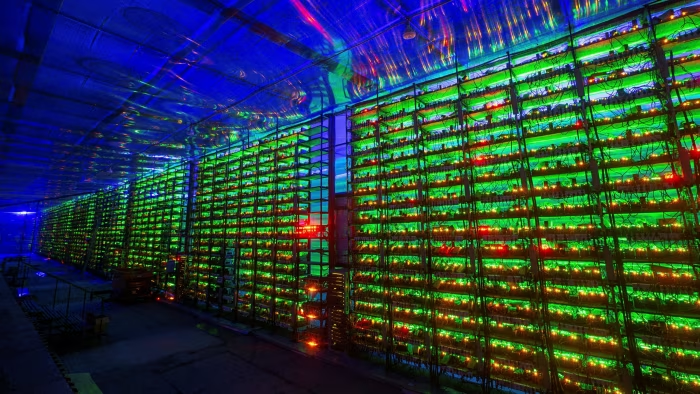
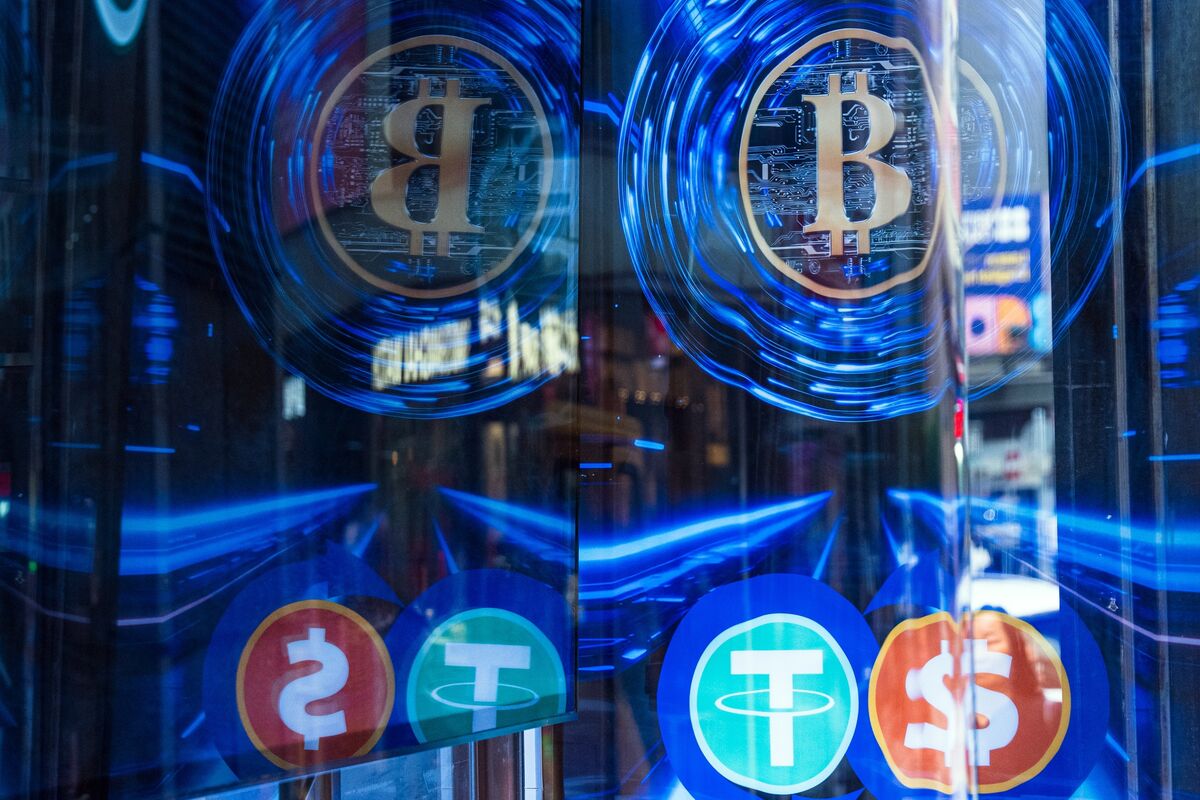
Digital assets are moving through a similar shift. The conversation is less about speculation and more about infrastructure. Banks, fintechs, corporates and professional trading firms are looking at stablecoins, tokenisation and digital asset markets through the lens of settlement, treasury, collateral mobility and always-on liquidity.
For brokers, this is where the challenge sits. Digital assets only become useful institutionally if access is secure, regulated and operationally simple. No one wants more complexity dressed up as innovation. The value lies in faster movement of funds, broader client choice and a more flexible approach to collateral, while keeping control of custody, compliance and risk.
This is also why the gap between traditional and digital finance is narrowing. The winning model is not crypto on one side and FX on the other. It is a trading environment where clients can move across markets with the same expectations around liquidity, transparency and operational control.
Counterparty quality is returning to the centre of the discussion
One trend we expect to become more important over the next 12 to 24 months is counterparty quality. More clients are internalising flow, building sharper execution models and becoming more selective about who they trade with. In quiet markets, weak execution can be hidden. In volatile markets, it shows up quickly.
Institutional brokers and professional traders need liquidity partners that provide firm pricing, transparent execution and technology that holds up under pressure. They also need relationships that can scale as products, client expectations and regulation evolve. Trust is often described as a soft quality, but in trading it is commercial. It affects fill quality, client retention, risk management and the ability to grow.
AI has value when it improves decision-making, not when it promises shortcuts
AI is part of this, but it needs to be kept in perspective. The useful applications are not magic trading signals. They are tools that help firms process information faster, review performance, identify patterns and improve decisions. Used well, AI can support better risk management and a better client experience. Used badly, it becomes another layer of noise.
The same test applies to any technology investment. It should reduce friction, not add it. It should make execution, reporting, payments or collateral management easier. In a market where professional clients are more demanding, infrastructure has to be useful before it is impressive.
Hong Kong is the right place for this conversation
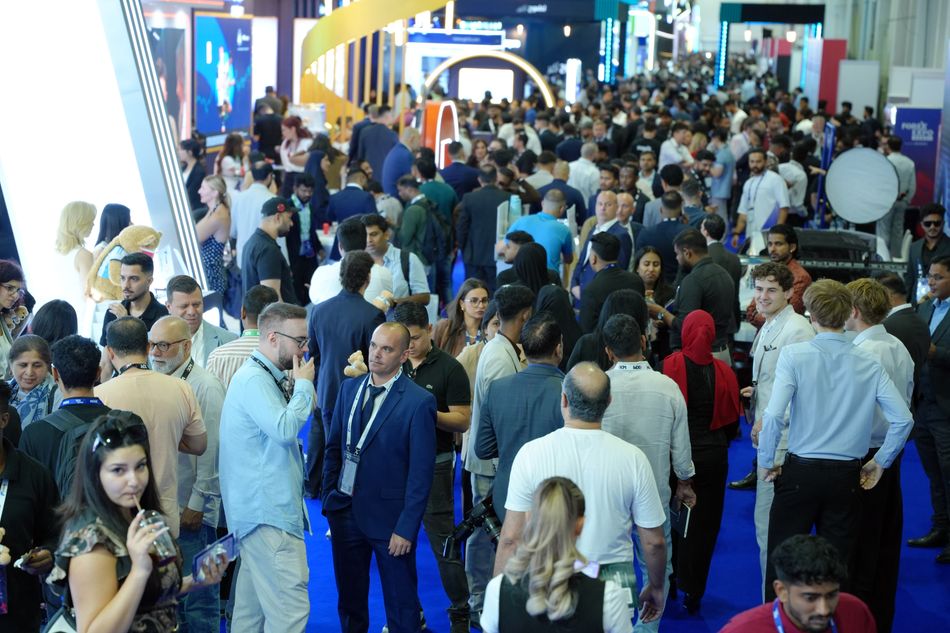
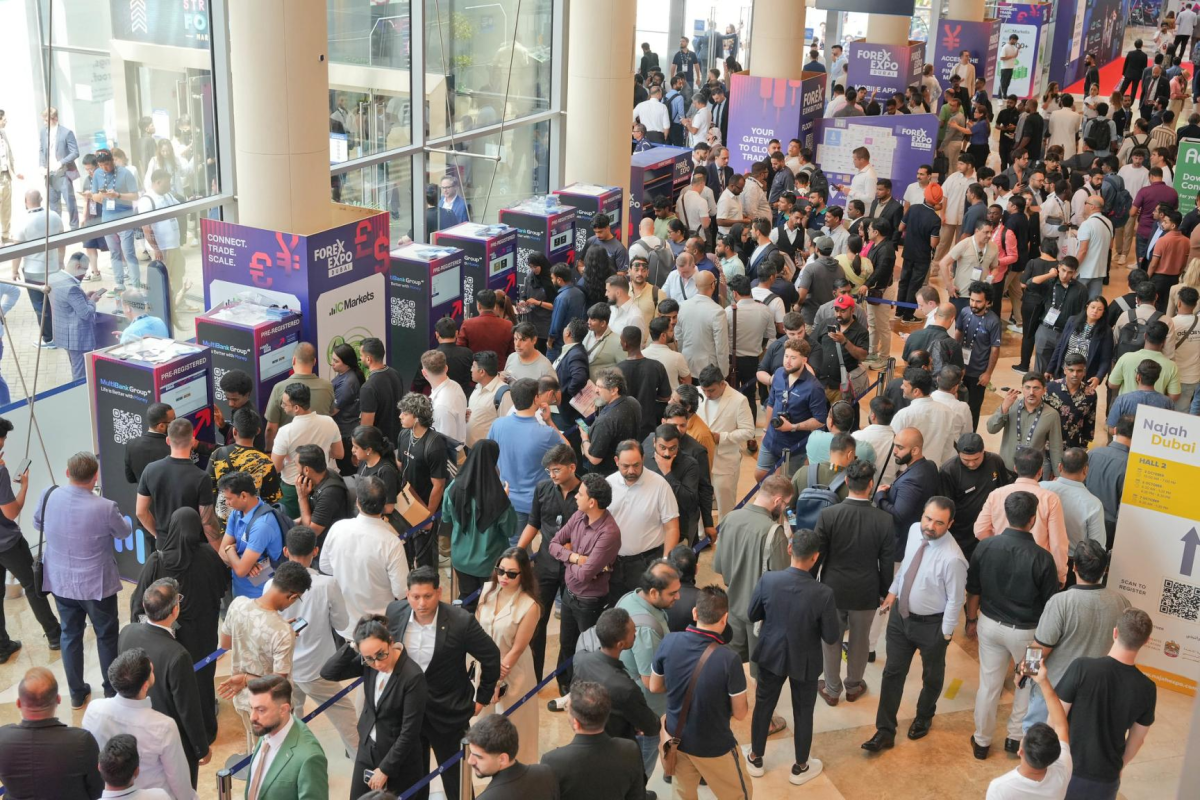
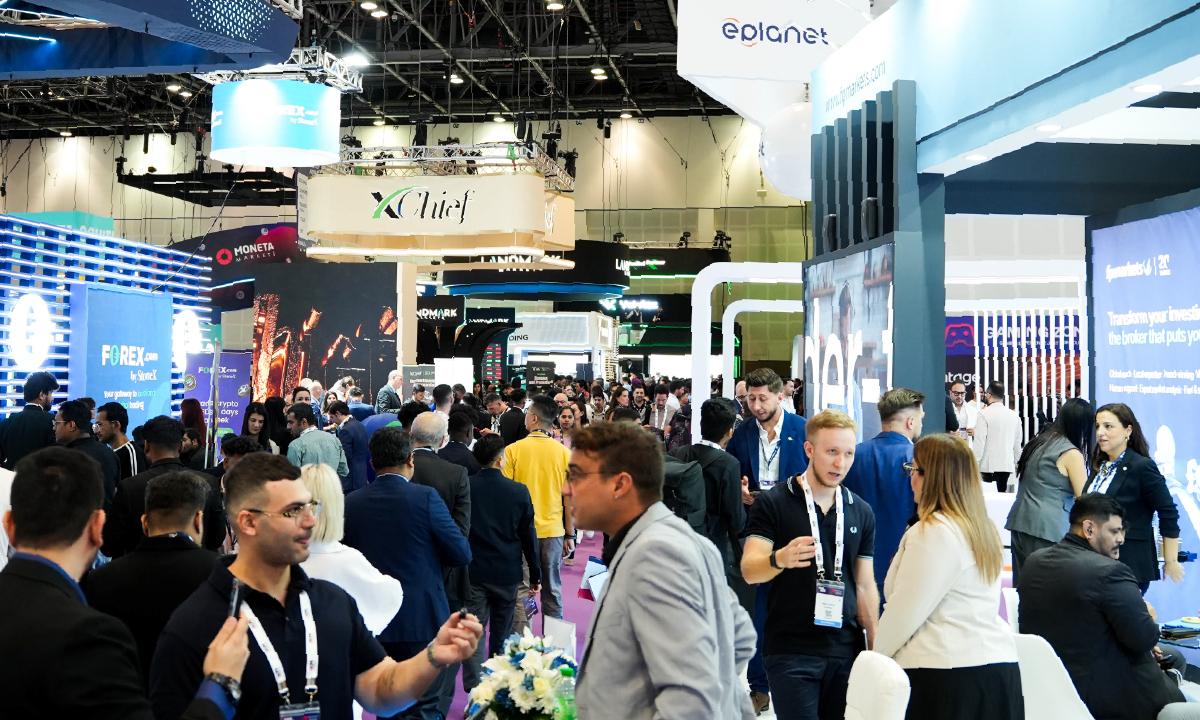
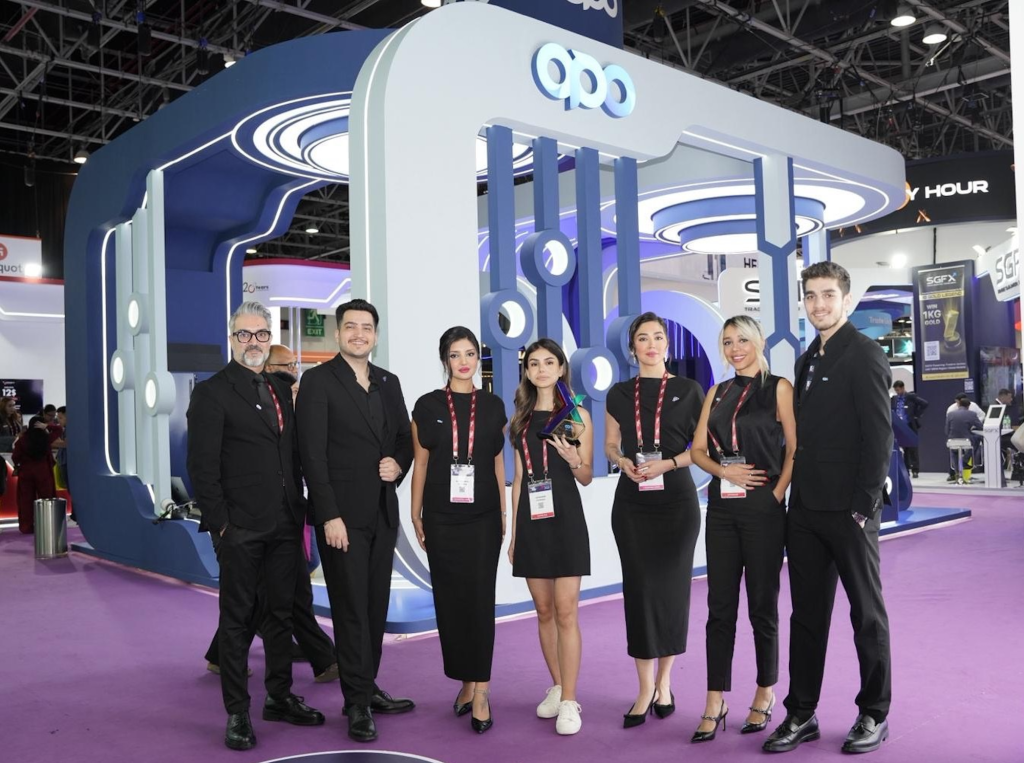
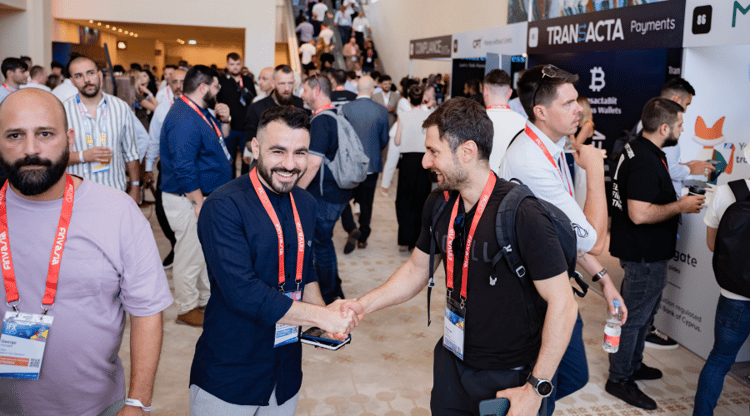
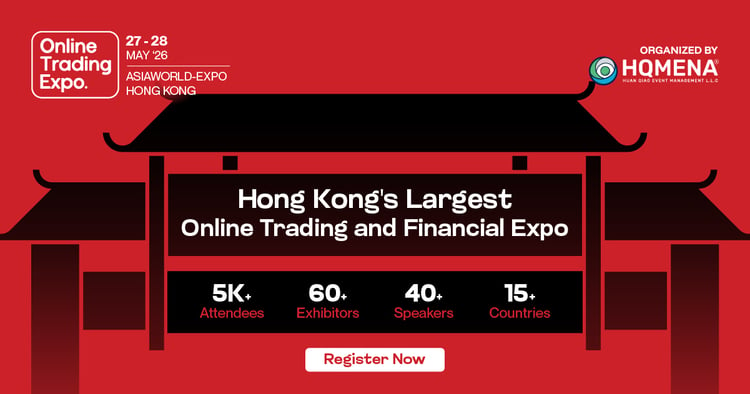
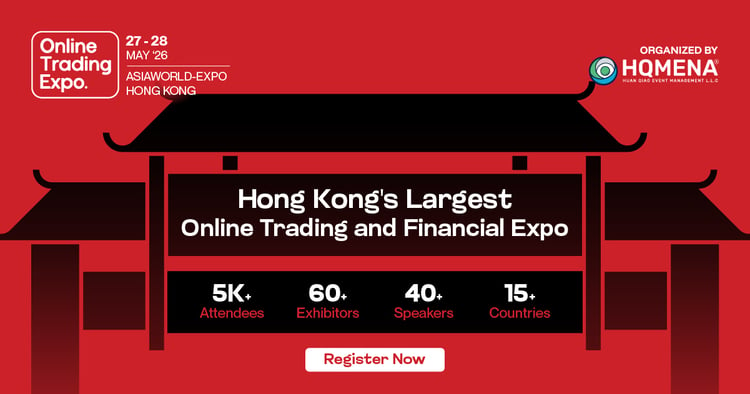
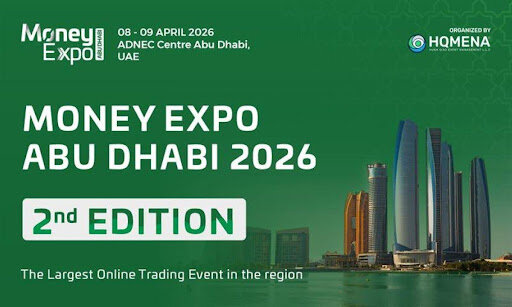
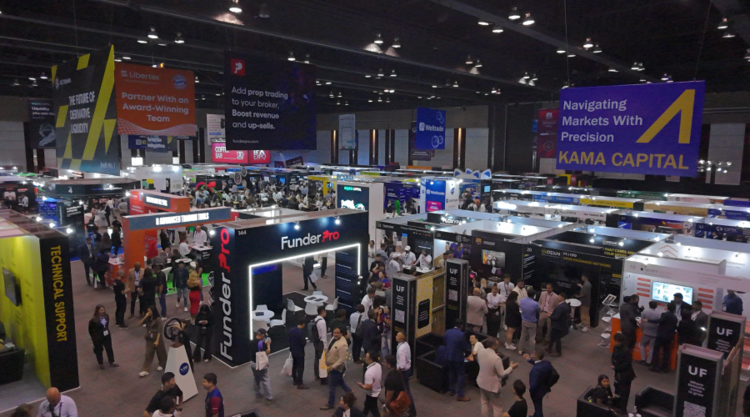
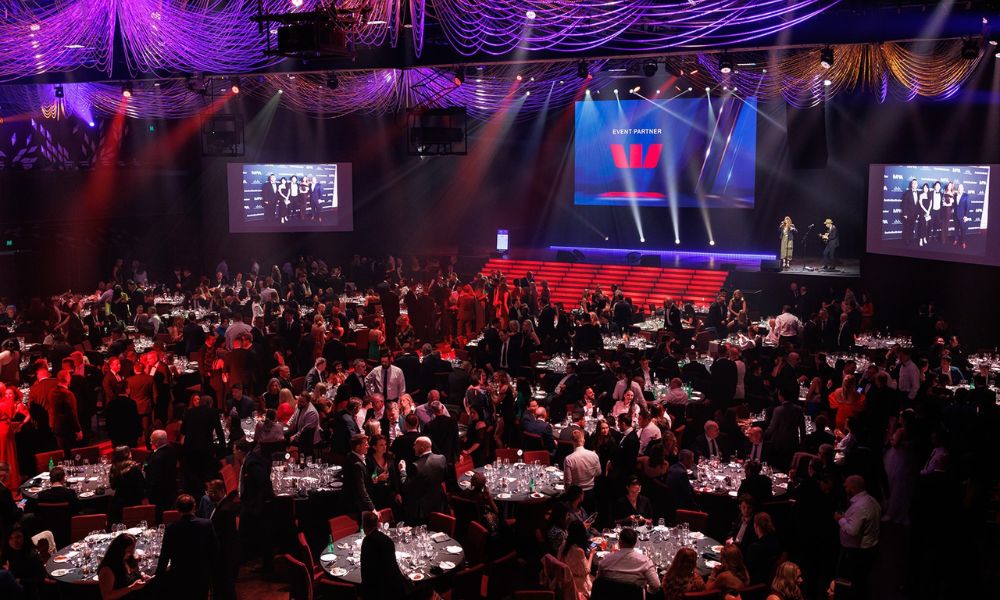
That makes Hong Kong the right place for this discussion. iFX EXPO Asia brings together the firms shaping the next stage of the online trading ecosystem, from brokers and liquidity providers to payment companies, technology firms and digital asset businesses. The event is expected to bring more than 5,000 attendees to Hong Kong, including brokers, liquidity providers, payments firms, banks, exchanges, technology providers and digital asset companies.
For LMAX Group, the direction is simple. Clients want access to more markets, but they do not want access at any cost. They want the confidence that pricing is firm, execution is transparent and infrastructure is built for institutional flow. They want digital asset access to be easier, but not looser. They want innovation that helps them trade, manage collateral and serve clients better.
The next APAC trading cycle will not be defined by one product. It will be defined by how well firms connect products, liquidity and technology into something that is simple to use and strong enough to rely on. For institutional brokers and professional traders, that is where the real edge is likely to come from.
As the trading industry gathers in Hong Kong for iFX EXPO Asia, the APAC conversation feels more practical than it has for some time. Brokers and professional traders are not short of products, platforms or market commentary. What they are looking for now is cleaner access, better execution and partners that can help them manage a more complex trading environment without adding more operational burden.
That matters in APAC because the region is not a single market. India and China still show deep demand for gold. Vietnam remains an active FX market. Australia has seen growing interest in crypto CFDs. Across China and Southeast Asia, more proprietary and high-frequency trading firms are looking at products such as CNH-denominated and kilogram-denominated gold. The themes are connected, but the client needs are different. A broker serving this region has to be broad enough to meet local demand and disciplined enough to deliver the same standard across asset classes.
Diversification has become a revenue issue
Many brokers in the region have built strong businesses around a small number of highly active products. Gold and silver are obvious examples. They are liquid, familiar and respond quickly to macro uncertainty. But concentration cuts both ways. When client activity is crowded into a narrow set of instruments, revenue becomes more exposed to changes in volatility, spreads and trading behaviour.
The opportunity is not to push clients into products they do not want. It is to give them credible ways to diversify when market conditions change. Professional traders want to move between FX, metals, indices, commodities and digital assets without feeling that each market sits on a different stack. Pricing, margining and execution quality have to feel consistent. If they do not, traders notice.
Gold remains central, but the way clients trade it is changing
Gold remains central to that discussion. In Asia, it is both a trading instrument and a store of value. It is widely understood, linked to real macro themes and active enough to support a range of strategies. Recent volatility has only made it more relevant.
What is changing is how clients want to trade it. Standard spot gold still has a clear place, but more sophisticated clients want greater precision and regional relevance. Direct gold crosses, offshore CNH pricing, three-decimal gold, mini contracts and kilogram-denominated settlement all matter because they solve real trading problems. They reduce unnecessary conversion, help with sizing and make gold easier to align with local market conventions. For brokers, the benefit is straightforward. A deeper metals shelf helps retain active traders and serve different client types without splitting liquidity into disconnected pools.
The digital asset conversation is becoming institutional
Digital assets are moving through a similar shift. The conversation is less about speculation and more about infrastructure. Banks, fintechs, corporates and professional trading firms are looking at stablecoins, tokenisation and digital asset markets through the lens of settlement, treasury, collateral mobility and always-on liquidity.
For brokers, this is where the challenge sits. Digital assets only become useful institutionally if access is secure, regulated and operationally simple. No one wants more complexity dressed up as innovation. The value lies in faster movement of funds, broader client choice and a more flexible approach to collateral, while keeping control of custody, compliance and risk.
This is also why the gap between traditional and digital finance is narrowing. The winning model is not crypto on one side and FX on the other. It is a trading environment where clients can move across markets with the same expectations around liquidity, transparency and operational control.
Counterparty quality is returning to the centre of the discussion
One trend we expect to become more important over the next 12 to 24 months is counterparty quality. More clients are internalising flow, building sharper execution models and becoming more selective about who they trade with. In quiet markets, weak execution can be hidden. In volatile markets, it shows up quickly.
Institutional brokers and professional traders need liquidity partners that provide firm pricing, transparent execution and technology that holds up under pressure. They also need relationships that can scale as products, client expectations and regulation evolve. Trust is often described as a soft quality, but in trading it is commercial. It affects fill quality, client retention, risk management and the ability to grow.
AI has value when it improves decision-making, not when it promises shortcuts
AI is part of this, but it needs to be kept in perspective. The useful applications are not magic trading signals. They are tools that help firms process information faster, review performance, identify patterns and improve decisions. Used well, AI can support better risk management and a better client experience. Used badly, it becomes another layer of noise.
The same test applies to any technology investment. It should reduce friction, not add it. It should make execution, reporting, payments or collateral management easier. In a market where professional clients are more demanding, infrastructure has to be useful before it is impressive.
Hong Kong is the right place for this conversation
That makes Hong Kong the right place for this discussion. iFX EXPO Asia brings together the firms shaping the next stage of the online trading ecosystem, from brokers and liquidity providers to payment companies, technology firms and digital asset businesses. The event is expected to bring more than 5,000 attendees to Hong Kong, including brokers, liquidity providers, payments firms, banks, exchanges, technology providers and digital asset companies.
For LMAX Group, the direction is simple. Clients want access to more markets, but they do not want access at any cost. They want the confidence that pricing is firm, execution is transparent and infrastructure is built for institutional flow. They want digital asset access to be easier, but not looser. They want innovation that helps them trade, manage collateral and serve clients better.
The next APAC trading cycle will not be defined by one product. It will be defined by how well firms connect products, liquidity and technology into something that is simple to use and strong enough to rely on. For institutional brokers and professional traders, that is where the real edge is likely to come from.