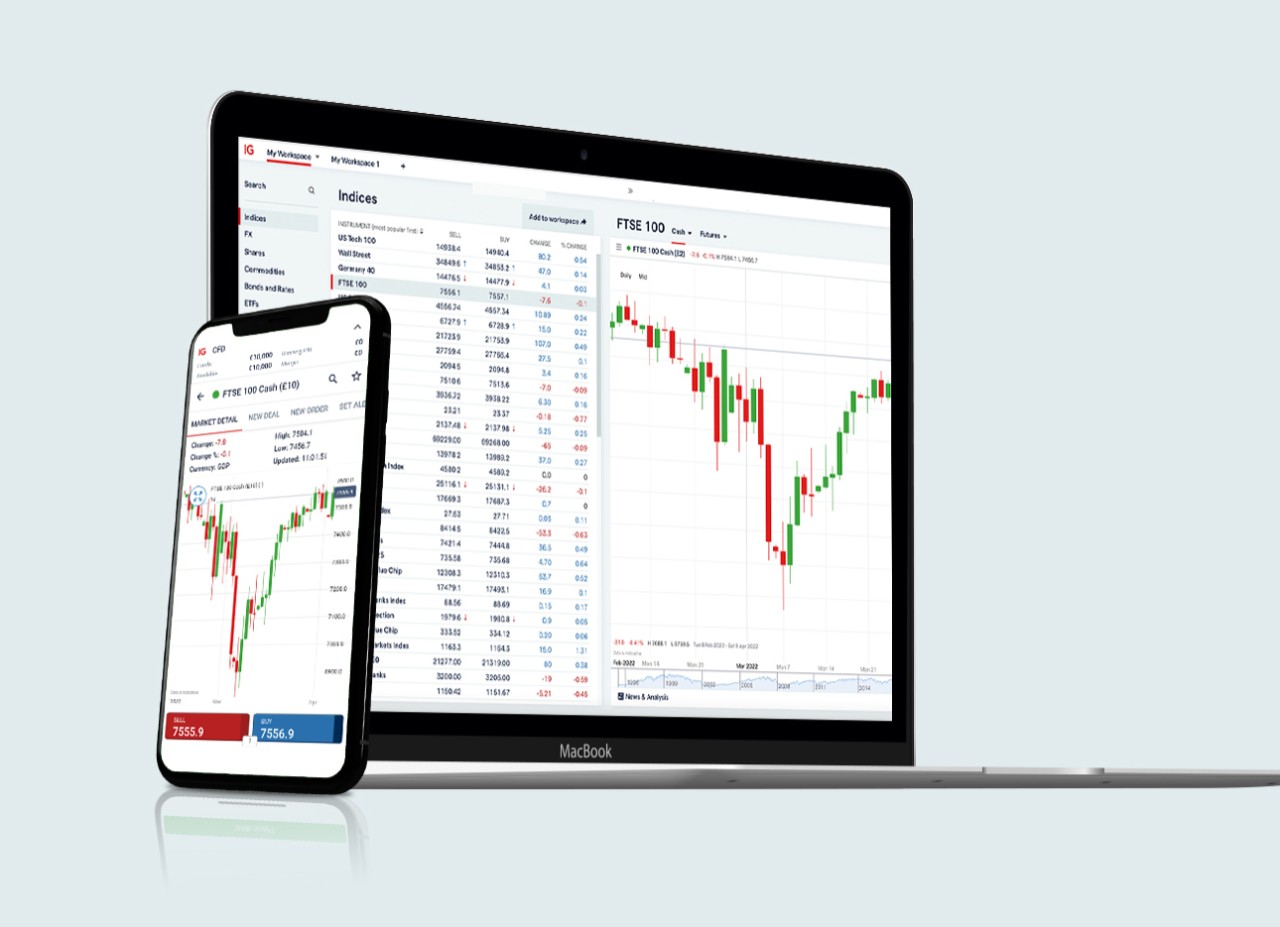
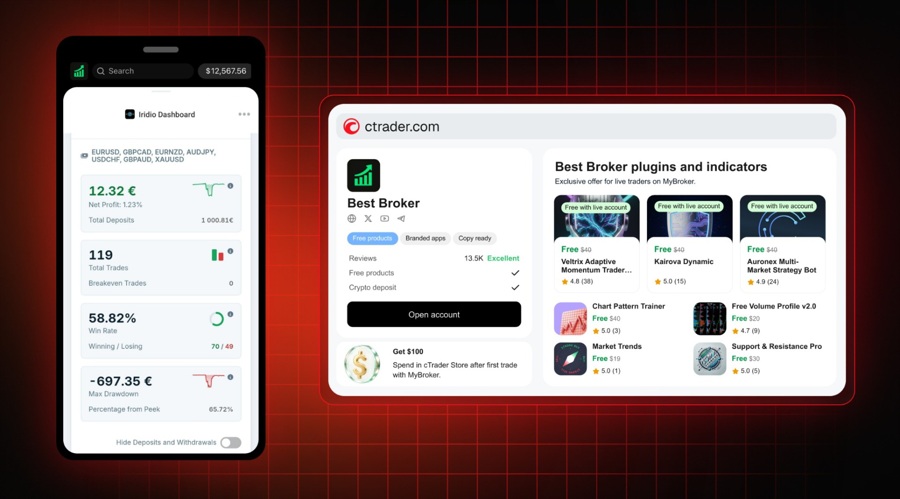
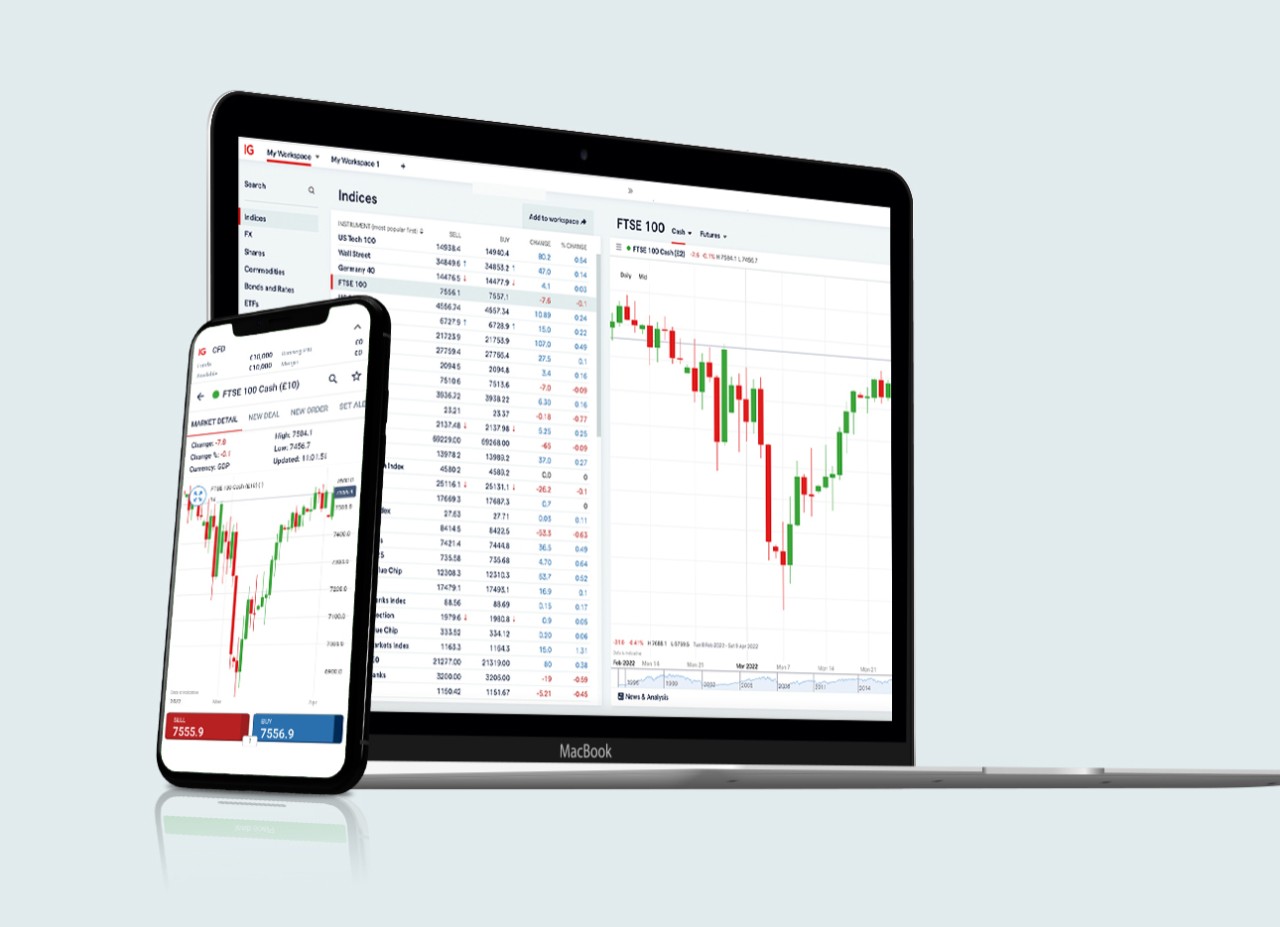
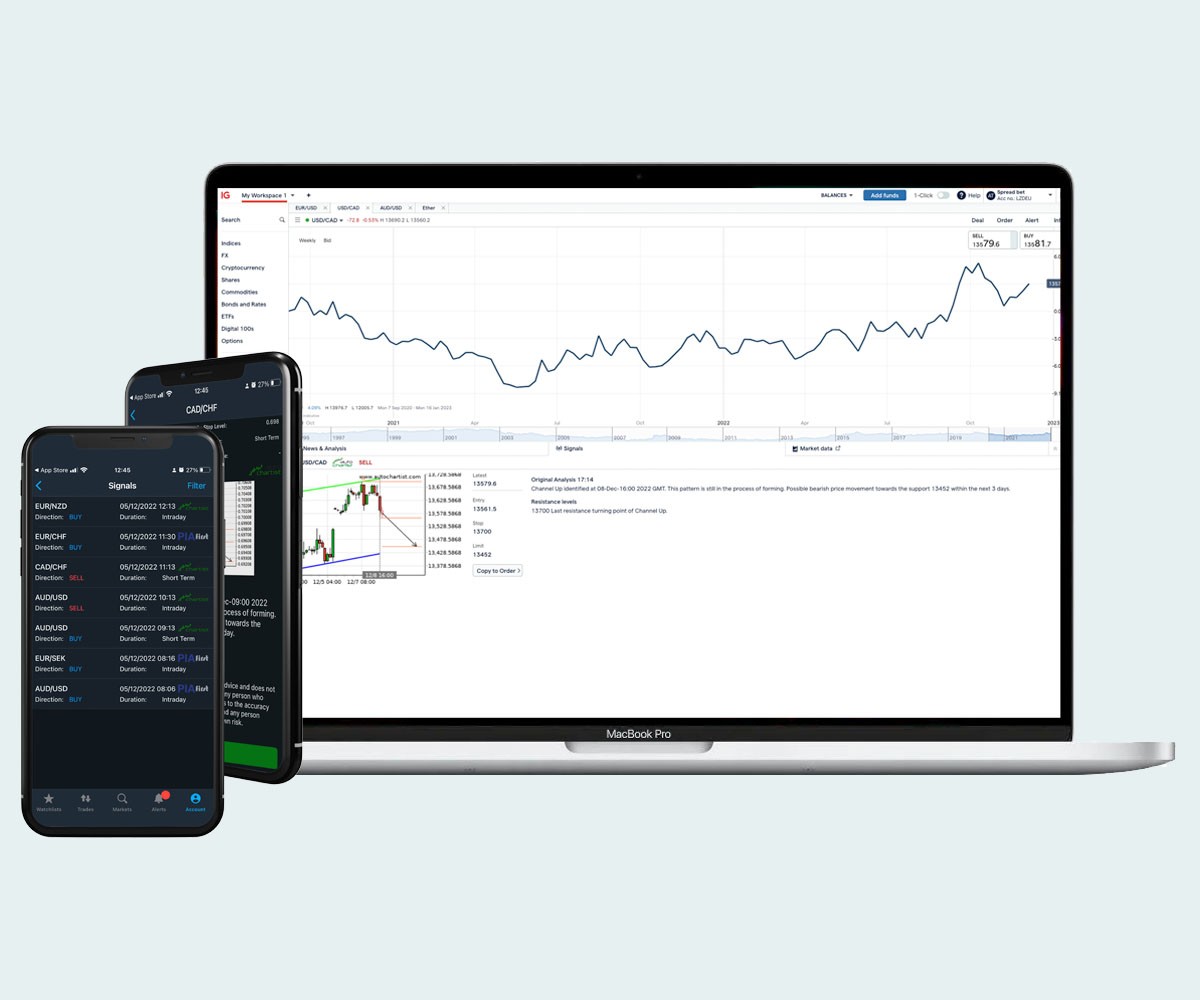
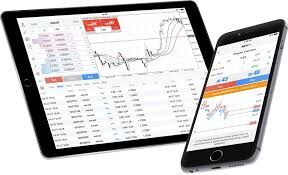
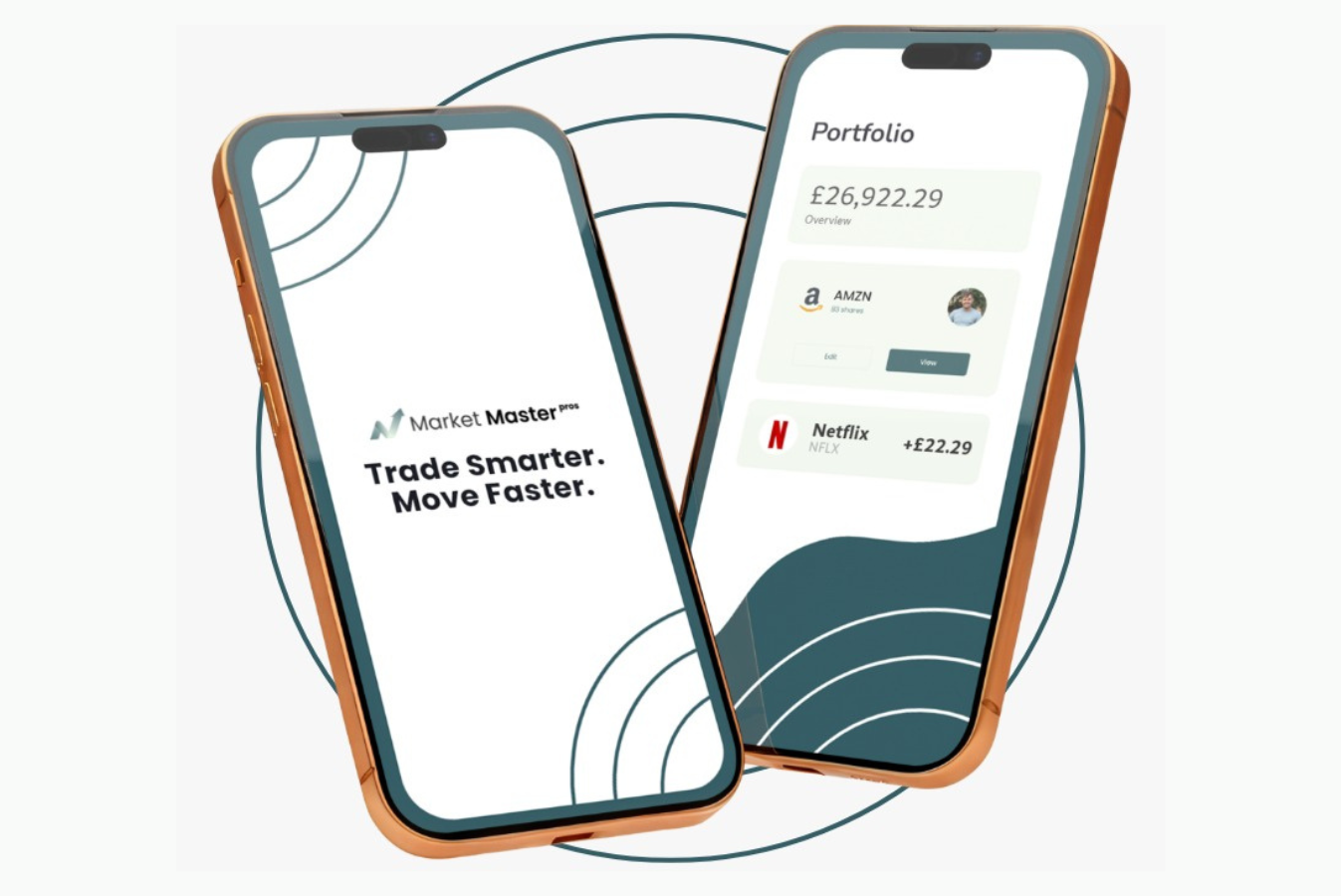
An online stockbroker provides a platform for you to buy and sell stocks on your phone or computer. Technology enables online stock and investment trading facilitated by the brokerage company’s software. Today, most online stockbrokers offer commission-free stock and fund trading.

The best brokerage account for beginners will have low fees and a robust education portal to teach investing concepts. Fortunately, nearly all brokerage accounts offer commission-free stock and exchange-traded fund, or ETF, investing. Other deciding factors to consider when choosing the best brokerage account for beginners are how much money you intend to invest, the mobile app’s rating and the financial assets you expect to trade. Ultimately, figure out what you’re looking for and make sure that your investment criteria are satisfied. For more information on how we choose the Best Brokers, see our methodology.
Before purchasing a stock or ETF, you’ll need to set up a brokerage account. There are a variety of account types, including taxable brokerage accounts, traditional IRA and Roth IRA accounts. A brokerage account typically refers to a taxable account that has either one or two owners. These accounts are called either single or joint taxable brokerage accounts. Unlike some types of retirement accounts, money earned by the investments in the brokerage account is taxable once those gains are realized and there is no tax deduction for your contributions to the account.
After the account is opened, investors transfer cash in from a checking or savings account. You can also transfer financial assets like stocks, bonds and funds from another brokerage firm to the newly opened account.
Once the account is funded, you are authorized to invest the money. You can buy stocks, bonds, ETFs, mutual funds and more within your brokerage account. Most brokerage firms for beginners offer educational resources to help you learn how to invest.
Each brokerage firm has a menu of fees for various services. Today, most brokerage firms do not charge commissions or fees to buy and sell stocks and ETFs. But there might be commissions to buy and sell mutual funds, bonds and other types of investments.
Typical brokerage account fees:
- Wire transfers.
- Annual account maintenance fee or inactivity fees.
- Paper statements.
- Managed and robo advisor accounts.
- Broker-assisted trading commissions.
- Account transfer or closure.
The best brokerage account for beginners fits your financial and lifestyle needs. If you expect to trade with your phone, then scrutinize the mobile app. If you’re starting with a small amount of money, check out the account minimums and whether the broker offers fractional shares.
Financial Assets Offered
Financial assets are types of investments, like stocks, bonds, ETFs and mutual funds. More advanced types of assets include options, futures, cryptocurrency and foreign exchange. In general, beginning investors will be content with stocks and ETFs, but if you expect to progress to more complex financial assets, factor that into your choice.
Fees and Minimums
Some online trading platforms cater to beginners, like SoFi Invest, Robinhood, Webull and M1 Finance. These brokerage accounts for beginners charge no fees to open an account and require low or no investment minimums.
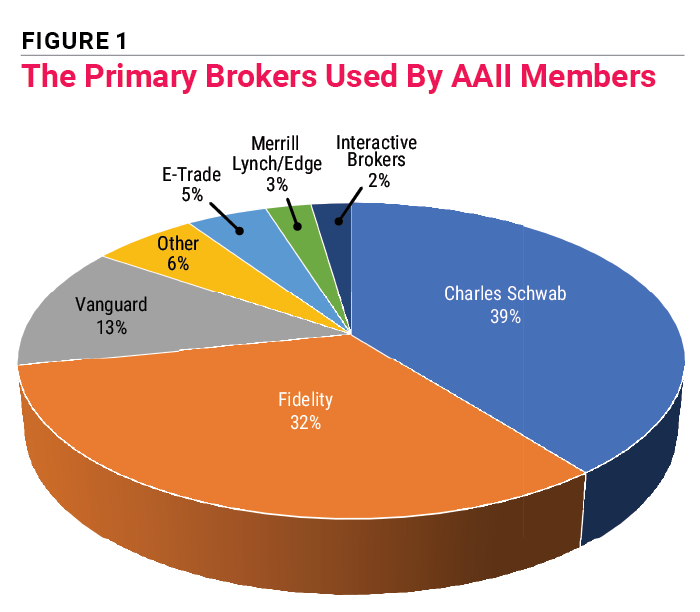
Most of the well-known investment brokers, like Charles Schwab and Fidelity, do not charge account management fees or require a specific minimum investment amount.
Many online stockbrokers charge fees for services such as receiving paper statements, wire transfers and making phone-assisted trades.
Mobile Apps
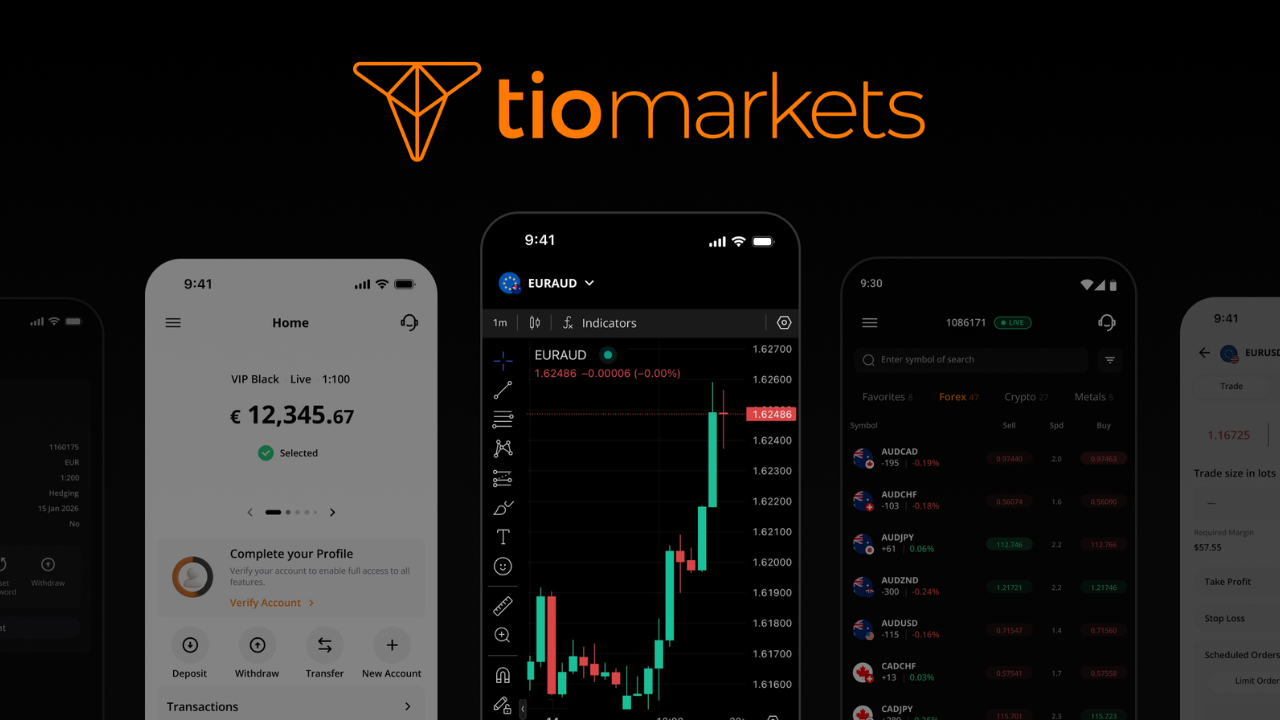
Mobile app information is readily available. You can read reviews and check out services and ratings on Google Play for Android users or the Apple App Store for iOS users. Services available on trading apps will vary greatly. For example, when seeking various research tools on your broker’s app, you might be transferred to the web-based platform. Consider how much you’ll use the app and whether you’ll be trading more on desktop browser, downloadable or mobile platforms.
Tools and Educational Features
For most beginning investors, tools and educational features are important. Although you can learn about investing online, it’s convenient if your investment brokerage firm offers robust educational resources like webinars, videos, articles and courses.
Tools include customizable screeners to help choose investments and calculators. How much you’ll need to invest to become a millionaire is just one of the many uses for online calculators.
Account Types
All beginner investment firms offer individual brokerage accounts. The majority also offer joint and retirement accounts like traditional, Roth and rollover IRAs.
The larger firms also provide custodial, trust, business or other specialty accounts. If you need a specific account type now or expect to use one in the future, it is wise to examine its availability before opening your brokerage account.
Customer Service
Customer service matters, including the ability to reach a representative during or after normal business hours. Typical customer service options include phone, email, chatbots and human chat representatives. Many larger investment firms offer 24/7 phone access to customer service professionals. It’s customary for some firms to staff these positions with well-trained personnel, many of whom also possess securities licenses like Series 7 certification.
Before selecting an online broker, spend a few minutes reviewing both the service hours and ways to contact customer service. A lack of phone customer service might be a negative if you’re just learning to invest. Customer service reviews are helpful and frequently found in mobile app reviews.
The Securities and Exchange Commission, the main federal regulator of investable assets, provides a list of information new customers may need to provide when opening an online brokerage account:
- Name, mailing address, email, telephone number.
- Social Security number (or taxpayer identification number).
- Date of birth.
- Driver’s license, passport information or information from other government-issued identification.
- Employment status and occupation.
- Whether you are employed by a brokerage firm.
- Annual income and approximate net worth.
- Investment objectives and risk tolerance.
It is typically free to open an online brokerage account. On rare occasions, you might encounter an annual account maintenance or low balance fee.
You can buy stocks online yourself or with the assistance of a licensed broker. The steps to buy stocks online without a broker are so simple that in most cases you won’t need to pay the fee to place a trade with a broker.
- Open and fund an investment account.
- Research investments and choose a stock or fund to buy.
- In your brokerage account, choose the “trade” option.
- Indicate the number of shares you would like to buy.
- Choose the order type. Some brokerages offer a “limit” order, which means that you will buy the security only if it is below a certain ceiling price. This ensures that you won’t pay more than you expect. Or, you can choose a “market” order, which means you’ll buy the security at a price based on current supply and demand.
- Check the “orders” screen to find out the price and details of the transaction. If a limit order remains unfilled, you can change the limit price or switch to a market order.
If you’re purchasing an individual bond or would like help with a purchase, then you might consider paying the fee to invest with a human broker.
No. Investment brokers vary substantially.
One distinction is the difference between a discount broker and full-service broker. As their names imply, discount brokers offer services for lower fees than full-service brokers. Yet full-service brokers typically offer a wider range of services that encompass retirement, estate and tax planning, along with more personalized investment management options.
The lines are blurring between discount and full-service brokers as many discount brokers also offer managed accounts and planning, while full-service brokers offer commission-free stock and ETF trading.
Differentiating features of brokers include:
- Fees and investment minimums.
- Financial assets.
- Services.
- Educational offerings.
- Mobile apps.
- Customer service.
You can withdraw your money from an online stock broker, but it might take several days to receive the proceeds from your account. If you withdraw all of your money or transfer all of it out to another brokerage firm, there may be a fee.