
If AI is buying insurance for Canadians, what are insurance carriers and brokers doing differently to attract agentic AI to their products instead of humans?
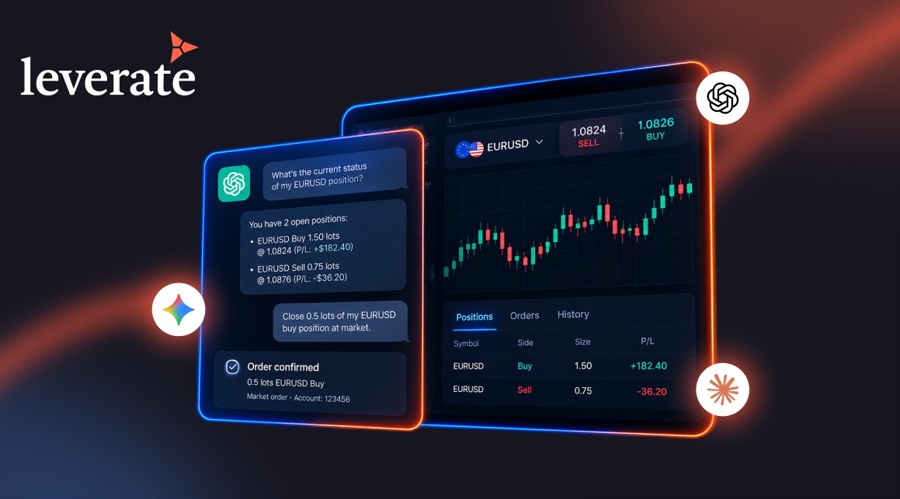
The question now is very real. Two AI-powered insurance apps went live inside ChatGPT on Feb. 9, 2026. That raises the fundamental question appearing in a recent Harvard Business Review article, ‘How Do You Market to an AI Customer?’
Kartik Hosanagar, a professor at The Wharton School of the University of Pennsylvania, wrote about what AI assistants are currently doing in the retail space. And while he’s talking about different retail producers, it’s not hard to see the applicability of the scenario to purchasing highly commoditized insurance products like home and auto insurance.
In his article, Hosanager notes how consumers can now open up ChatGTP and type in a simple query such as: ‘Where can I find cheap tomatoes?’ AI then provides product recommendations, complete with images, prices and details.
“Many of them came from Walmart,” the author notes. “I moved from question to product in a single chat without opening any retailer’s website.”
Hosanager notes how Walmart has announced a partnership with OpenAI around Agentic Commerce Protocol (ACP).
“ACP makes it easy for retailers to share their product feed with OpenAI,” he writes. “Last month, Walmart partnered with Google for its Universal Commerce Protocol (UCP), an end-to-end protocol to allow AI agents to buy and sell.”
For years, retail distributors have based their marketing strategies on human psychology and buying behaviours. For example, think of how a human responds to the difference between saying ‘only $19.99,’ versus ‘only $20.’
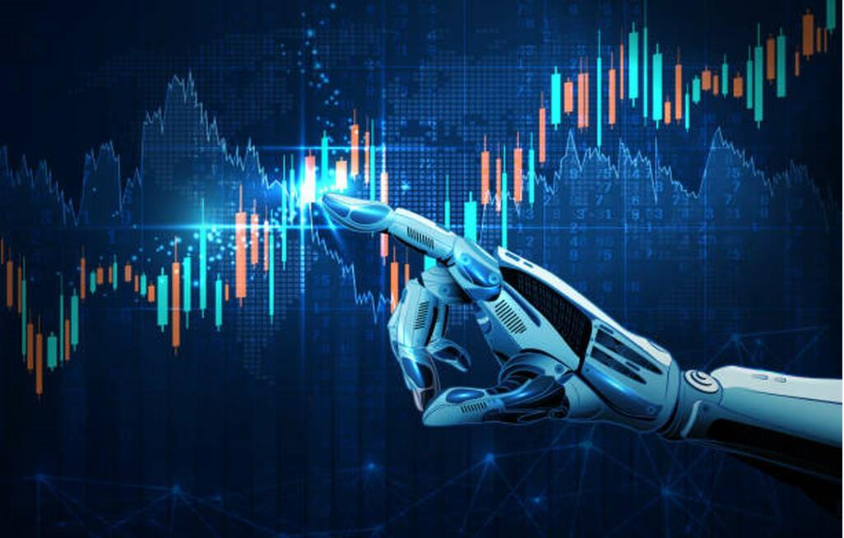
Now, however, product distributors must shift gears by marketing to machines.
Selling to machines
“We have entire disciplines — from behavioral economics to consumer psychology, and neuromarketing to marketing science — built around understanding [human] biological neural networks (BNNs),” Hosanager writes.
“But artificial neural networks (ANNs) have different biases, different framing effects, and different decision rules. The science of human persuasion may not transfer, and we have almost no science for AI agent communication and persuasion (yet).”
Many clients treat risk management as an annual renewal exercise. Effective, year-round risk engineering helps them build resilience.
Also in the news: Who owns the value chain now?
Thus far, fully autonomous, agentic AI purchasing has been a tough nut to crack. Financial institutions must first trust that AI agents are acting on the buying instructions of human beings.
Plus, AI agents and retailers don’t yet have a common digital language to understand each other. So, AI agents still can’t find everything retailers have to offer, unless they share a common platform.
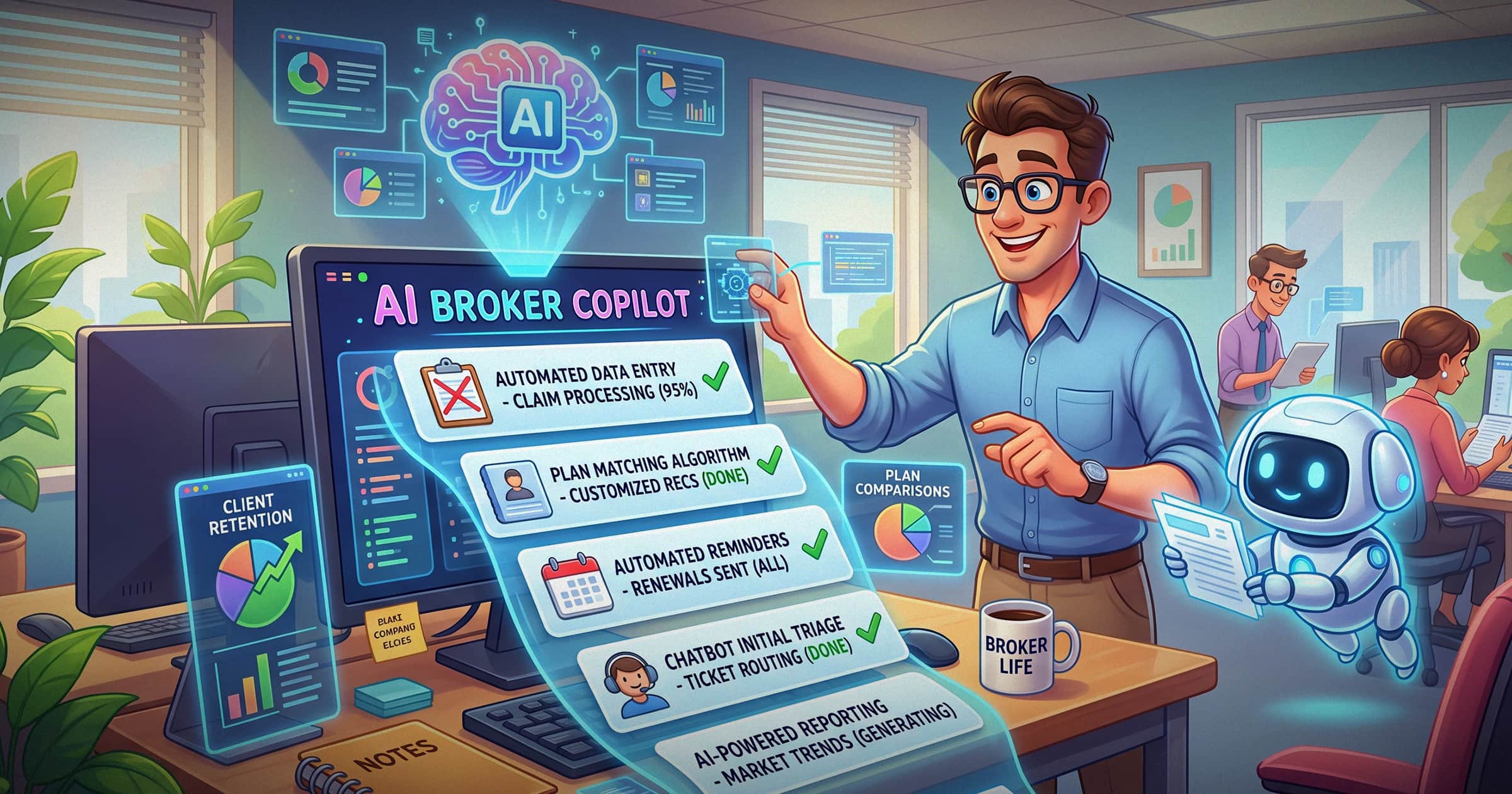
However, AI technology is now in what’s known as the ‘human present’ mode. Essentially, AI assistants can do all of the tedious research into a product and make recommendations based on the specs their humans provide.
For example, a 35-year-old male driver of a 2017 Honda Civic asks AI to research the best deals for car insurance based on lowest price, lowest deductible, and maximal coverage for less than $1,300. In this example, an automatic purchase option would not be triggered unless it met all of the humans’ conditions.
For the P&C insurance industry, it means a new world of marketing insurance products to machines.
AI agents and brokers
As far back as 20 years ago, brokers did not foresee technology tools taking over the brokers’ role in advocacy and advice.
For example, in 2007, Howard Baker, the CEO of the Insurance Brokers Association of Alberta at the time, told CU that technology was unlikely to negate the fundamental role of the broker in an insurance transaction.
“As long as there are some complexities to the automobile product that allows the insurance community to add different kinds of coverages and different types of endorsements to the policy, then it becomes a little more difficult [to sell insurance online],” Baker said at the time. “The Internet is good for: ‘I want the blue-tone, extra-large shirt.’ The product of automobile insurance is just not an extra-large blue tone.”
But now the challenge is for brokers to tell that to AI assistants.
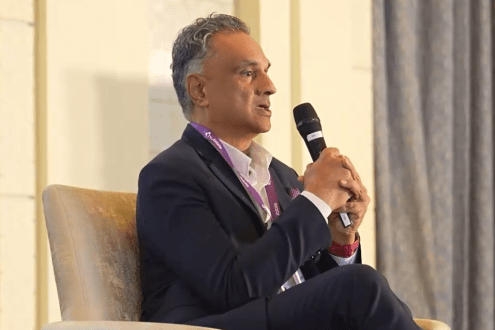
“Carriers and brokers that are panicking about AI disintermediation are asking the wrong question,” says Paul Prendergast, CEO of Kayna, an insurance infrastructure platform that enables embedded insurance. “The right question is not, “Will AI replace us?” It is, “What assets do we have that AI distribution actually needs?”
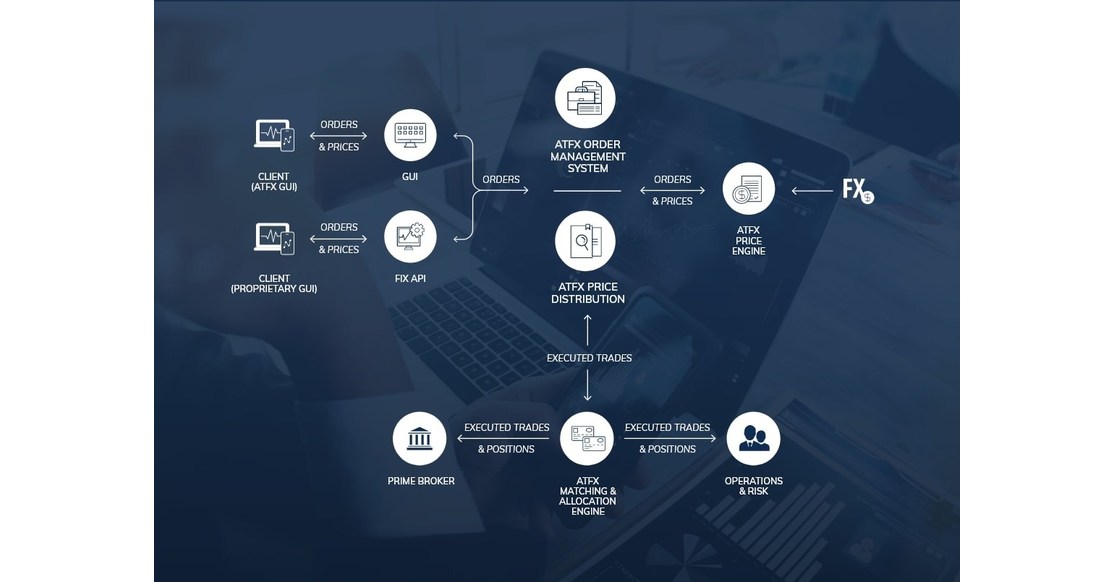
As of now, what AI assistants need is immediate, real-time access to the information contained in P&C carriers’ and brokers’ back-end systems, Prendergast writes.
To this end, Canadian brokers are currently working with carriers and brokers to establish the real-time integration of companies’ back-end systems using Application Programming Interface (API) technology.
This is essential for marketing insurance products to agentic AI agents in the future, Prendergast says.
“For an AI agent to quote and bind your product, whether inside ChatGPT, Claude, Gemini, or a vertical SaaS platform’s embedded AI — your rating engine must respond to real-time API calls,” Pendergast says in his article for insurancethoughtleadership.com. “Get API-ready.”
“Can your systems deliver a real-time quote to a third-party platform today? If not, that is the first priority. Not because ChatGPT is coming for your book tomorrow, but because every emerging distribution channel requires this capability.
“Embedded insurance, partner integrations, comparison platforms, and AI agents all depend on the same thing: open, real-time API access to your rating and binding engines.”

Source link