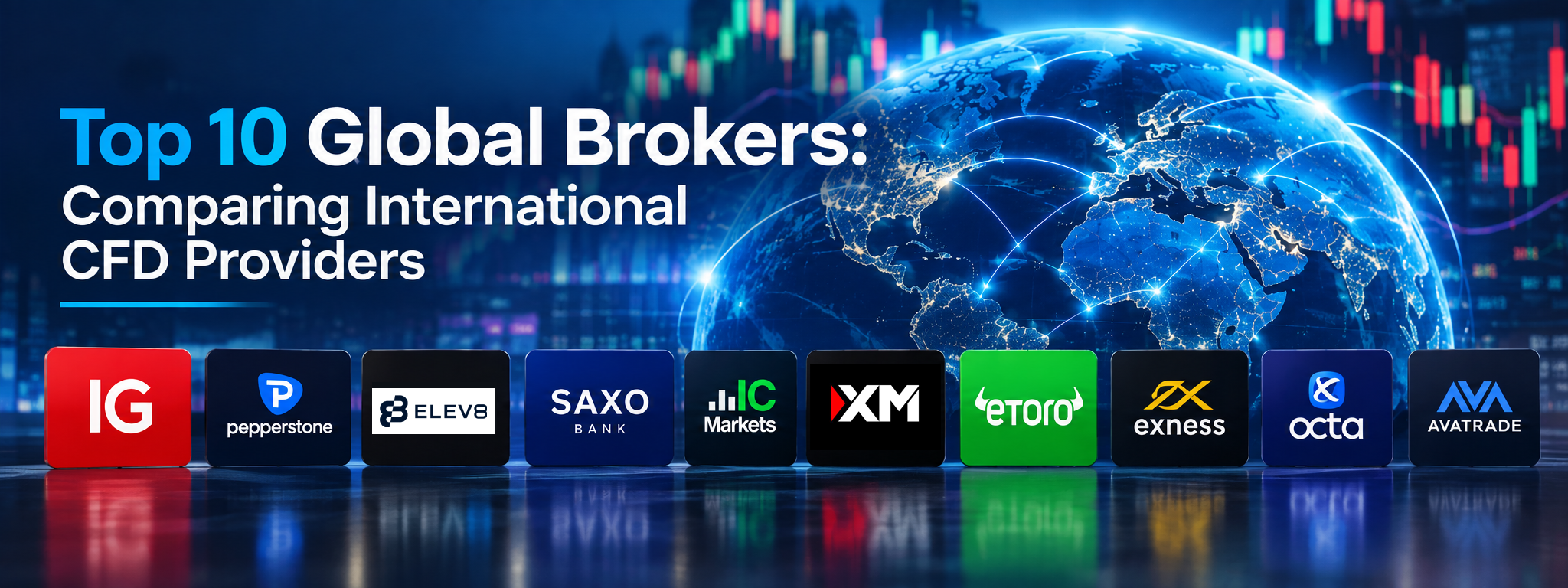
Here’s our roundup of the best online brokers (in no particular order):

Finding a broker with the proper tools and knowledge can be baffling, but there are helpful starting points. After researching dozens of online brokerages, U.S. News has identified the top brokers that can meet the needs of everyday investors. We reviewed their costs, investment offerings and services to help you pick a home for your investments. Our researchers compared dozens of data points to identify the lowest-cost brokers with the broadest investment and financial service offerings and aggregated expert reviews along with those of our own reviews team to assess which firms offer excellent service and tools for their customers. For more information on how we choose the Best Brokers, see our methodology.
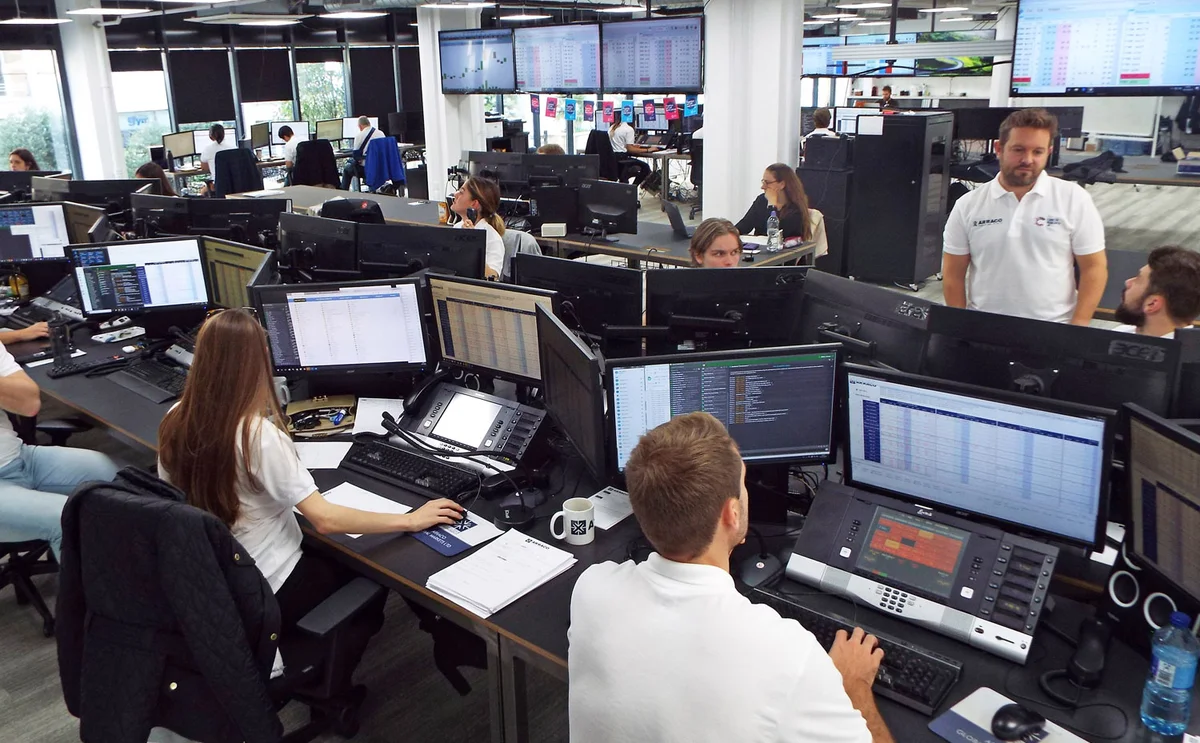
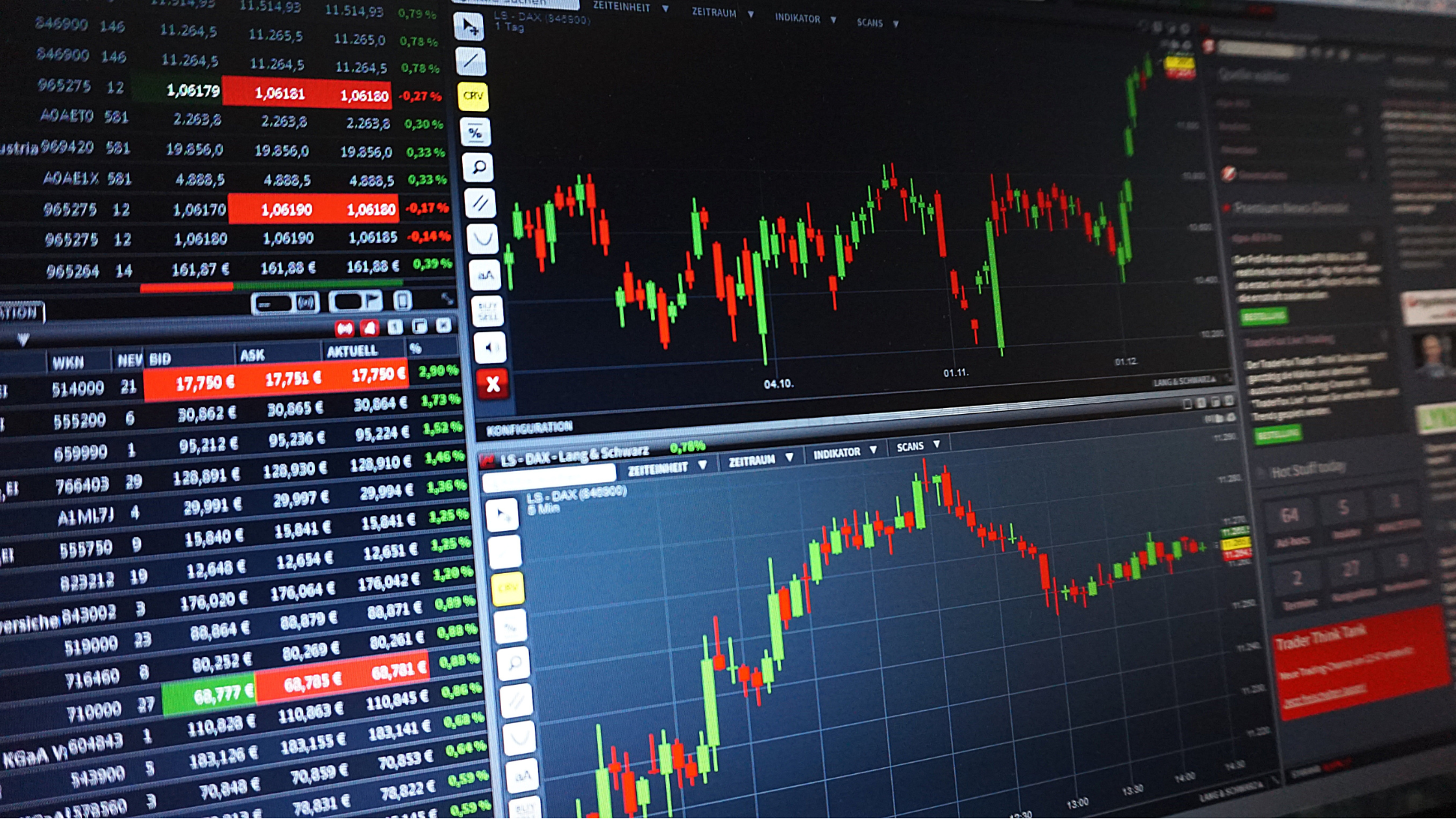
An online broker deals with customers via the internet. Investors and traders buy and sell online rather than going to a physical office.
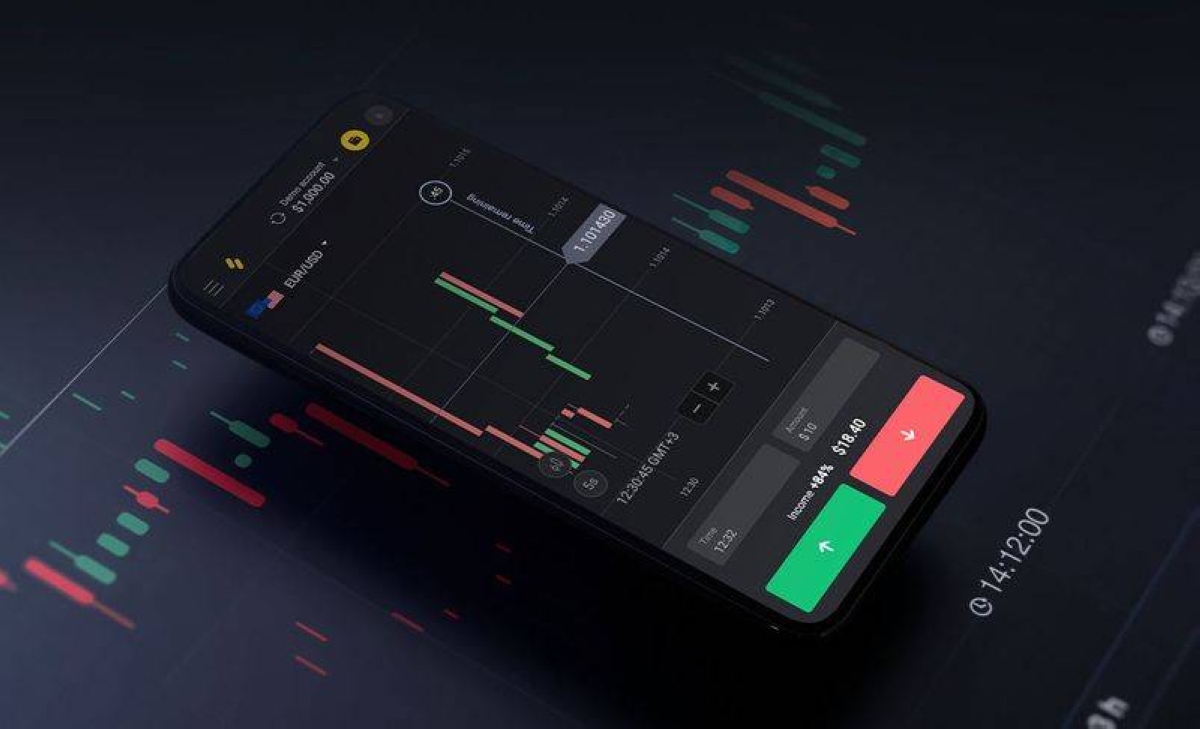
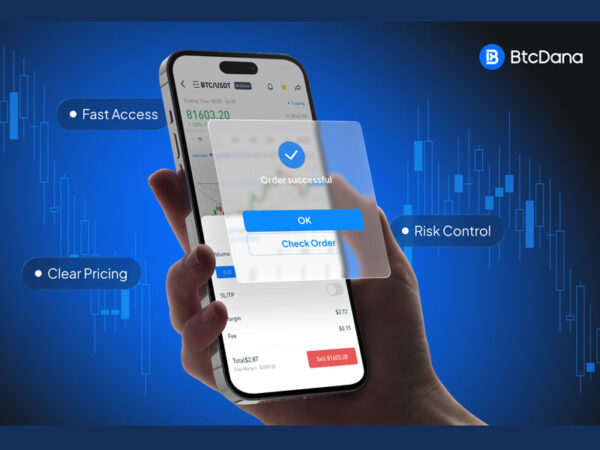
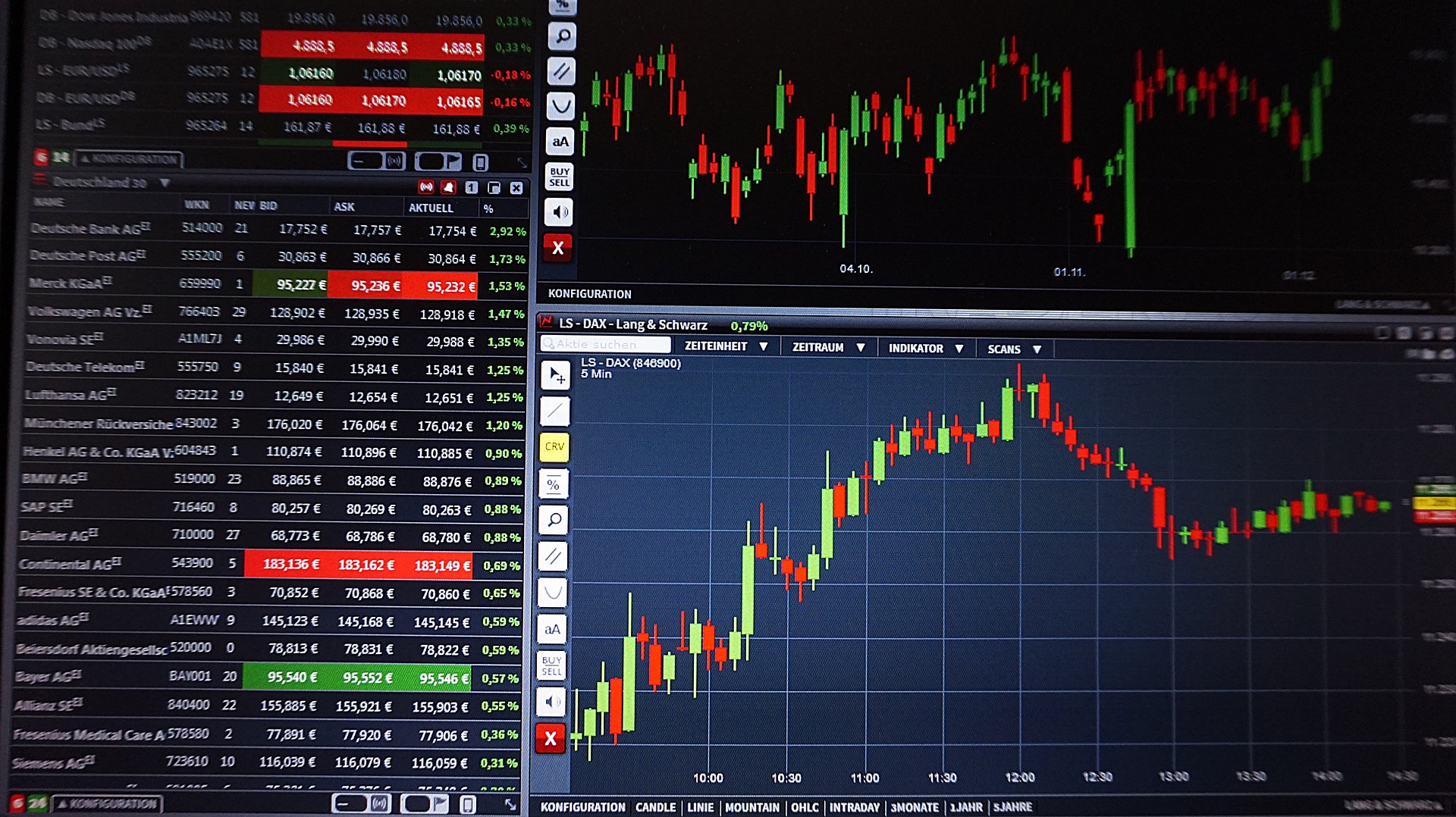
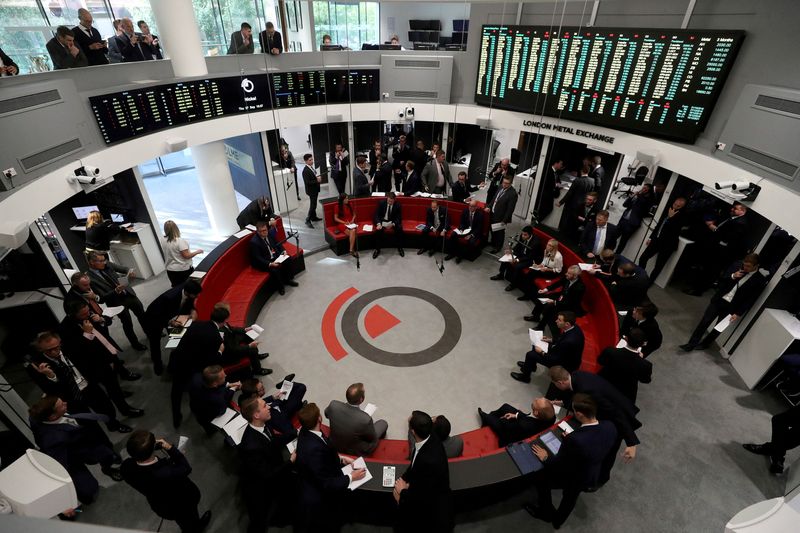
Personal brokers, who used to be the person you placed your trade requests through, have largely been replaced by online trading accounts where no personal interaction is required, says Jim Wyckoff, the proprietor of Jim Wyckoff on the Markets, an analytical, educational and trading advisory service. “Traders just type in their orders and hit the buy or sell button and their order is in place – with a ‘fill’ price showing up on their screen shortly thereafter.”
It’s a pretty efficient system compared to the old system, and one that gives investors more control. An investor should always be in control of the trading account and trading decisions, even if they are inexperienced, Wyckoff says.
Before you can choose the best online broker for you, you need to know what type of account or accounts you want to open with the broker. This may help guide your decision of where to open your account.
There are several different types of brokerage accounts to choose from depending on your investment goals. The first distinction to understand is the difference between a retirement account and a non-retirement account.
Retirement accounts such as an individual retirement account, or IRA, and a solo 401(k) come with tax advantages to help you save for retirement. There are traditional retirement accounts, which let you contribute pre-tax dollars by taking a tax deduction today for any money you put into the account. The money then grows tax-deferred – meaning you don’t have to pay taxes on any proceeds from buying and selling you do within the account – until you withdraw. Any money you take out of a traditional retirement account is taxed at your ordinary income rate at the time you withdraw. And if you take money out before turning 59.5, you’ll owe a 10% early withdrawal penalty.
Roth retirement accounts are the reverse of traditional accounts. With a Roth, you contribute after-tax dollars. So you don’t get to take a tax deduction today for the money you contribute. The upside to this is that you won’t need to pay taxes when you withdraw the money. Since, like traditional accounts, your investments in a Roth aren’t taxed as long as they’re in the account, this means your investment earnings will come to you tax-free. The only caveat is your Roth must be at least five years old before you withdraw; pulling money out sooner will cost you in taxes and a potential 10% penalty.
These are your standard brokerage accounts. They can be individual accounts, meaning there is only one owner, or joint accounts with more than one owner. You could even make your trust the owner of your non-retirement account.
You may hear non-retirement accounts referred to as taxable brokerage accounts because they don’t provide the tax-deferred growth of retirement accounts. Any trading you do within a non-retirement account is subject to taxes. Since there are no tax benefits, non-retirement accounts have fewer restrictions than retirement accounts. You can put however much you want into the account and can take money out whenever you choose. You can also invest in any products offered by the broker, including derivatives, and may be eligible for a margin account.
Cash Account vs. Margin Account
You can think of the difference between cash accounts and margin accounts as the difference between paying in cash and using a credit card. In a cash account, you must pay in full for any investments you buy, like paying in cash. With a margin account, the brokerage firm lends you money to buy investments, called trading on margin. This is much like the way your credit card company extends you a line of credit. When you trade on margin, the investments you buy act as collateral for the loan.
Trading on margin significantly increases the risk involved in your investment. If the investments you buy on margin lose value, the brokerage firm can sell any of the investments – even the ones that didn’t lose value – to cover the shortfall, or it may require you to deposit cash or other investments.
Brokerage firms set their own requirements for opening a margin account. At a bare minimum, you must deposit at least $2,000 to meet the Federal Reserve’s margin account requirement. The Fed also limits investors to borrowing 50% of the initial purchase price. Only non-retirement accounts can be margin accounts. All retirement accounts must be cash accounts.
A margin account is a brokerage account in which the broker lends you money to purchase an equity or investment product. Brokers may charge interest on margin accounts between 1% and 10%. The broker and the size of the account will determine the costs. Expert tip: Don’t let margin calls wipe out your earnings.
There are several important criteria to consider when choosing an online broker, including:
- Investment options: The most important criteria for any online broker is the investment options it offers. You should make sure your broker offers the securities and products you want to invest in, whether they’re index funds, individual stocks and bonds, or derivatives like options. Generally, the broader the available selection, the better, but you should also keep an eye on cost.
- Cost: Different brokers charge different trading and account management fees. While recent trends have been to drop fees across the board, not every firm has gone to the same low-cost level. Some firms may offer proprietary products, like mutual funds or exchange-traded funds, or ETFs, at lower costs, so it’s worth comparing each firm’s proprietary offerings when choosing an online broker. Watch out for any account maintenance fees as well, and try to avoid any firm that charges them. If you think you may want help managing your account, you should also find out what a firm’s management options and fees are.
- Research: Whether you’re new to investing or an experienced trader, you’re probably going to need access to market and investment research to help you choose and manage your investments. Online brokers usually will provide some market research for free, but find out how good and how exclusive it is. You’ll probably want market commentary and analyst reports on various investments. Find out if your broker has additional research, and make sure you know if the broker will keep you informed on market developments that affect share prices.
- Customer service: Ask your broker what the firm does to support its customers. Does the firm return calls promptly? Does it offer explanations when something goes wrong? Follow the advice given by the financial experts: If your accountant doesn’t return your calls, fire him. Investors and traders should keep that in mind when it comes to choosing a broker.
- Security: Brokerage firms must choose a self-regulatory organization, or SRO, to monitor activities. The largest SRO is the Financial Industry Regulatory Authority, or FINRA. The SRO oversees many aspects of brokers and exchanges such as lot size, membership requirements, documentation and procedures and policies. FINRA also offers a site where you can keep up on broker-dealer activity. It audits brokers-dealers periodically and files complaints against any firm or individual dealer who may stray from the right path.
- References: Ask other clients how they have been treated by a particular brokerage. Do you know when your trades are placed? Are you able to reach someone in the firm when you need to talk about your account?
If an investor is ready to start trading, one key question to ask is: What will it cost me? When comparing online broker fees, investors should do due diligence on fees and commissions before placing a trade.
Fees have dropped over the past few years due to the price competition among online brokers. Many brokers have eliminated trading fees on the heels of Robinhood’s no-commission trading platform. Even though the competition has driven fees down or eliminated them, there are still costs to consider.
While fees have dropped to zero among many well-known brokerages, that only applies to the broker’s commission on trades. Investors should ask which instruments don’t have a trading fee. For instance, some brokerages only apply the no-fee break to stocks and ETFs. There may still be fees for trading other investments, like mutual funds. Fees vary widely by brokerages and the type of mutual fund, but they can cost between $20 and $40 to trade. While many brokerages allow you to trade options commission-free, you may still need to pay a fee of 65 cents per contract on option trades.
There can be other fees like account transfer fees and inactivity fees. If you are focused on profit, as most traders and investors are, it’s important to know how much will come out of your earnings. It’s also important to find out if the broker has trading minimums.
Another cost to consider is account minimum deposit requirements. A minimum deposit is the amount that you must pay when setting up a brokerage account. The minimums range from zero to several thousand dollars depending on the instruments you’re trading. Many brokerages have eliminated minimum deposit requirements on basic products as a result of the competition brought about by the no-trading-fee movement. Higher minimums may apply to premium services. Some brokers will lower that minimum if you agree to set up automatic deposits to regularly fund the account. If you don’t meet the minimum requirement, you may be charged fees or have your account closed. That why it’s important to find out all the details from your prospective broker before you hire one.
Because brokerage customers have different needs, please consider our other “Best for” brokers lists:
Find the Broker That’s Right for You
When choosing an online broker, think about the features that are important to you. While having a robust platform for researching individual stocks and market trends may be important to active traders, if you’re only interested in exchange traded funds (ETFs) or mutual funds, this may not be important. Some elements to consider include:
- What investment options does the broker offer?
- What fees does the broker charge?
- What research capabilities does it provide?
- How is the firm’s customer service?
- How is the broker regulated?
You can also ask to speak to current clients of the firm to ask about their experiences.
The best online stock broker for beginners should include a robust research and educational platform to help you identify stocks and develop your investment strategy. It should also have low or no fees for stock trading. Many online stock brokers fit this criteria, such as Fidelity, Vanguard and Interactive Brokers.