
Image source: Getty Images
I’ll be honest with you: I’m not personally participating in the SpaceX IPO. But several people I know have already registered their interest in shares. And I get the appeal — SpaceX is a genuinely remarkable company, and this is set to be the biggest IPO in history.
If you’ve done your research, you understand the risks, and you have cash you’re comfortable investing, here are four top brokers where retail investors can register interest in SPCX before it begins trading.
Quick reminder: Registering interest is not the same as receiving shares. You first need to opt in to your broker’s IPO access program, and if you are allocated SpaceX shares, you probably won’t know until the morning of June 12 — the day trading is expected to open on the Nasdaq under ticker SPCX.
1. E*TRADE from Morgan Stanley — for the more serious retail investor
E*TRADE’s edge with the SpaceX IPO isn’t accidental. It’s a Morgan Stanley company, and Morgan Stanley is one of the lead underwriters on the SPCX deal.
That relationship doesn’t guarantee you’ll receive an allocation, but it’s worth knowing that E*TRADE sits closer to the deal than most retail platforms. Given that SpaceX is allocating a historically large slice of its IPO to retail investors, that proximity can matter.
Who it’s best for: Retail investors who want more than just a shot at shares — they want a broker with genuine Wall Street ties behind allocations. If you have a solid portfolio and want to participate in landmark IPOs through a more traditional platform, E*TRADE is the right fit.
 2026 Award Winner
Bottom Line
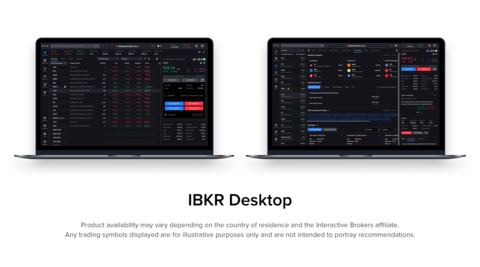
E*TRADE offers low fees and tons of account types. If you need it, chances are, E*TRADE has it. You can access advanced features through its popular Power E*TRADE platform. Open an E*TRADE account to trade fee-free mutual funds and do all your investing in one place.
Fees:
Commission-free; other fees apply
2. SoFi Active Investing — for single-app DIY investors
SoFi® confirmed it will offer access to the SPCX IPO to account holders through its SoFi Active Investing platform. The process is straightforward: open the app, navigate to the Invest tab, select IPO Investing, and submit an Indication of Interest (IOI).
Our team has personally bought IPO shares through SoFi® before and found the process genuinely smooth — intuitive, responsive, and well-integrated. One thing worth knowing: SoFi® has a stricter anti-flipping policy than most. If you sell your allocated shares within 30 days, you could face a restriction period of up to 180 days. And if you sell within 120 days, a $50 fee may apply.
Who it’s best for: Anyone interested in an all-in-one financial ecosystem. SoFi®’s product range covers banking, investing, and borrowing all in one place — making it a natural fit for people who want to manage their SPCX participation alongside the rest of their financial life.
2026 Award WinnerBottom Line
This brokerage is a clear standout for its well-rated mobile app and also has unique investment offerings like IPOs, options, and fractional shares.
Fees:
$0 for stocks, $0 for options contracts
3. Fidelity — our best overall broker for 2026
Specifically for the SpaceX IPO, Fidelity has made the decision to drop its typical $500,000 retail participation threshold down to just $2,000 in a retail brokerage account — a meaningful change that opens the door for everyday investors who’d normally be locked out.
The process is pretty straightforward: On Fidelity’s website, click “IPOs” under the News and Research section in the top navigation bar. When you’re logged in, you’ll see a calendar of offerings, in which you can submit your indication of interest. If demand exceeds supply (which it almost certainly will), Fidelity uses a lottery to distribute shares as equitably as possible.
Fidelity also has a strict anti-flipping policy. Sell within the first 15 days, and you’re blocked from future IPO participation for six months. Do it twice, and you’re out for a year. A third time, and you’re permanently banned.
Who it’s best for: Investors with a standard Fidelity brokerage account who want a legitimate shot at SPCX shares without needing a massive balance to qualify. If you’re already a Fidelity customer, the barrier to entry here is lower than you probably expected.
2026 Award WinnerBottom Line
Fidelity makes investing easy with $0 commission trades, powerful tools, and 24/7 support. Trade stocks, ETFs, options, and even crypto — all in one place. Get expert insights, automate your investing, and potentially earn more on uninvested cash.
Fees:
$0 commission for online U.S. stock and ETFs*. No account fees****.
4. Charles Schwab — for high-balance investors
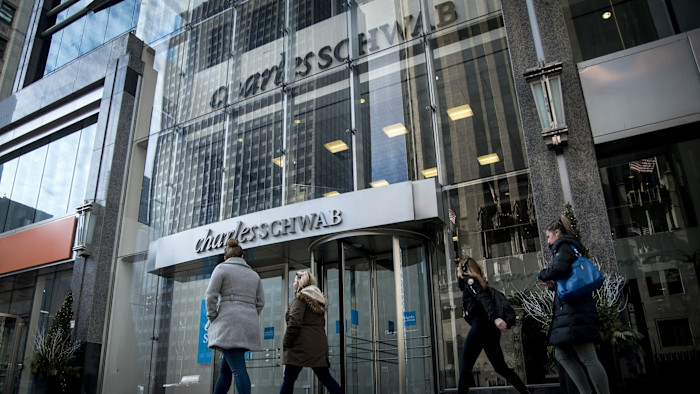
Schwab is on the SpaceX IPO access list, and I can confirm it firsthand. I’m a Schwab customer and can see the SPCX offering listed in my own dashboard right now.
If you already have a Schwab account, just log in, click the “Trade” tab in the top navigation, then select “IPOs” from the dropdown. You can register your interest in SPCX by filling out a conditional offer to purchase (COTP) request. You can also register for notifications when new IPOs become available in the future.
One catch with Schwab: Its IPO platform requires investors to have a “minimum liquid net worth” of $100,000 in brokerage accounts before you can register interest in IPOs. For many retail investors, that’s a barrier. But if you’re already a Schwab client above that threshold, the process is clean, and the platform is rock-solid.
Who it’s best for: Established investors or Schwab customers with significant existing balances who want to participate through a broker they already trust.
2026 Award WinnerBottom Line
Charles Schwab pioneered the low-cost brokerage model decades ago, and that legacy continues with its lineup of no-commission-fee offerings. The robust lineup of account types, investment vehicles, and high quality app round out the stacked feature set.
Fees:
$0 stock, ETF, and Schwab Mutual Fund OneSource® trades. No fees to buy fractional shares.
Our Foolish take
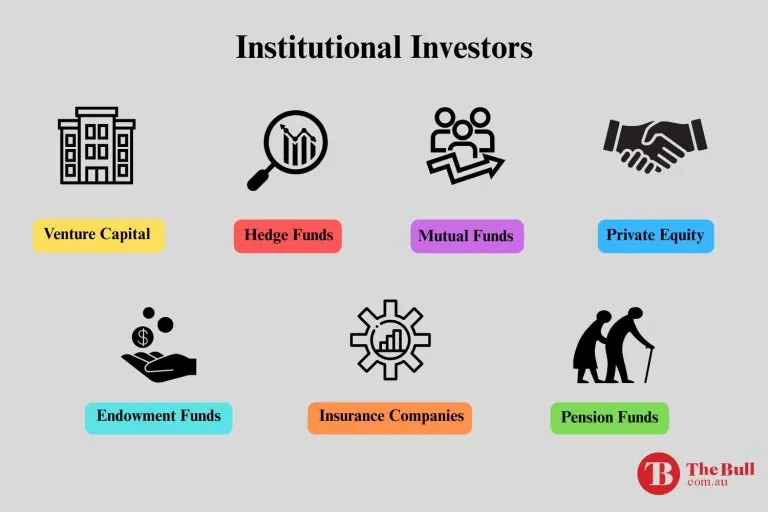
The SpaceX IPO is a genuinely historic event, and SpaceX is allocating roughly 30% of shares directly to retail brokerage platforms — bucking the decades-old trend of handing 90% or more of the book to institutional clients.
SpaceX generated $18.67 billion in revenue in 2025 and posted a $4.9 billion net loss, with a targeted IPO valuation of between $1.8 trillion and $2 trillion. If you participate, go in clear-eyed — know your position size, and don’t treat an allocation as a guaranteed win. The best investing decisions are the ones you make before the hype, not because of it.