(O2O Creative/Getty Images)
Key Takeaways:
- The Supreme Court ruled federal law does not shield brokers from state negligent-hiring lawsuits, removing a defense widely used in litigation.
- Experts say brokers faced these risks before but must now ensure vetting processes are documented, consistent and defensible in court.
- The ruling is prompting brokers, insurers and shippers to reassess vetting practices, contracts and ongoing carrier monitoring.
Legal experts are urging the freight brokerage industry to bolster its carrier-vetting practices in the wake of Montgomery v. Caribe Transport II.
The Supreme Court ruled that brokers aren’t protected by federal law from state lawsuits regarding negligent-hiring claims. The presumed pre-emption stemmed from language in the Federal Aviation Administration Authorization Act that prevents states from regulating certain broker functions. But it also contains a safety carve-out that had split lower federal courts.
“One starting point to keep in mind for all these discussions, and I’ve been telling clients the same, is that the brokers today are facing the very same risks that existed the day before Montgomery,” said Marc Blubaugh, co-chairman of the transportation and logistics group at the law firm Benesch. “What Montgomery did was remove one defense.”
Blubaugh pointed out that the defense was already facing challenges from federal and state courts leading up to the ruling. The Seventh and Eleventh circuit courts ruled that federal law pre-empted state-law negligent-hiring claims against freight brokers. The Sixth and Ninth Circuits had instead held that these state claims were not pre-empted by federal law.
“It has lit a fire under a lot of brokers,” said Josh Lovan, industry business adviser at J.J. Keller & Associates. “Most of your larger brokers have a pretty good idea of how to vet carriers. But a lot of your smaller brokerages, I think this is where it’s going to impact them heavily because they don’t necessarily move the volume of freight that these super carrier brokers do.”
The lower court split didn’t stop brokers from operating in and through states that have rejected the defense already. The unanimous decision by the highest court became necessary to resolve this patchwork of legal liabilities by clarifying what the law actually said.
“This ruling was monumental,” said Adam Green, senior vice president of logistics at the insurance brokerage firm Brown & Brown. “Before the ruling, freight brokers would use federal pre-emption as a strategy for themselves, their attorneys. The insurance companies would try to use federal pre-emption whenever a bodily injury or property damage claim arose.”
Green noted the circuit court successes were enough to make it a presumed protection even with the split. When state lawsuits did get brought up, he pointed out, the defense would often argue it should be in federal court, where they would then invoke the pre-emption.
Chance to Revisit Vetting
“But it does provide a very good opportunity for brokers to revisit their processes,” Blubaugh said. “It has made the issue more apparent to a number of brokers in the marketplace who maybe didn’t fully appreciate the fact that they faced this exposure beforehand. So again, I think, it’s a very healthy exercise for brokers to start evaluating what they have been doing.”
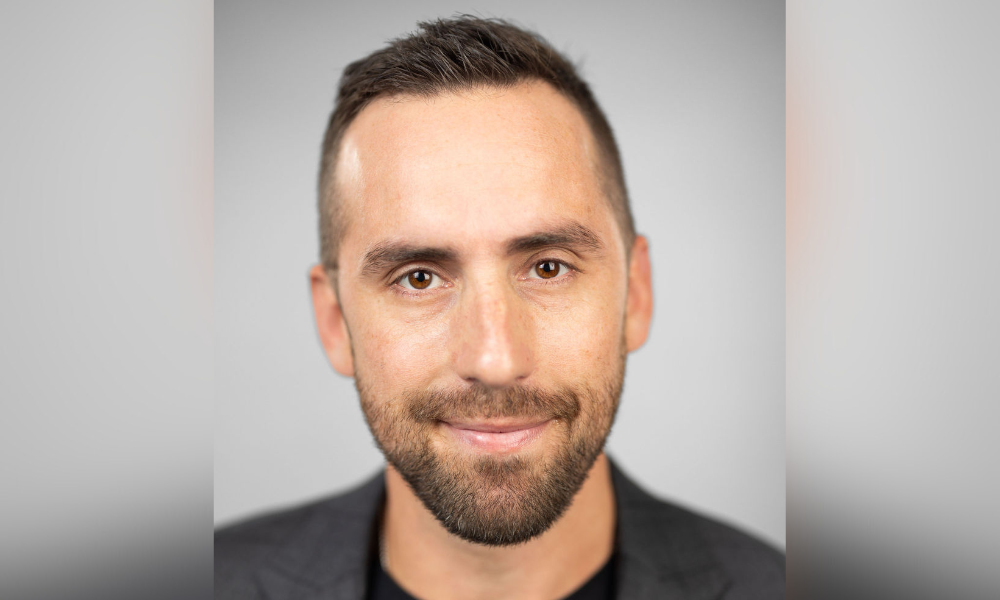
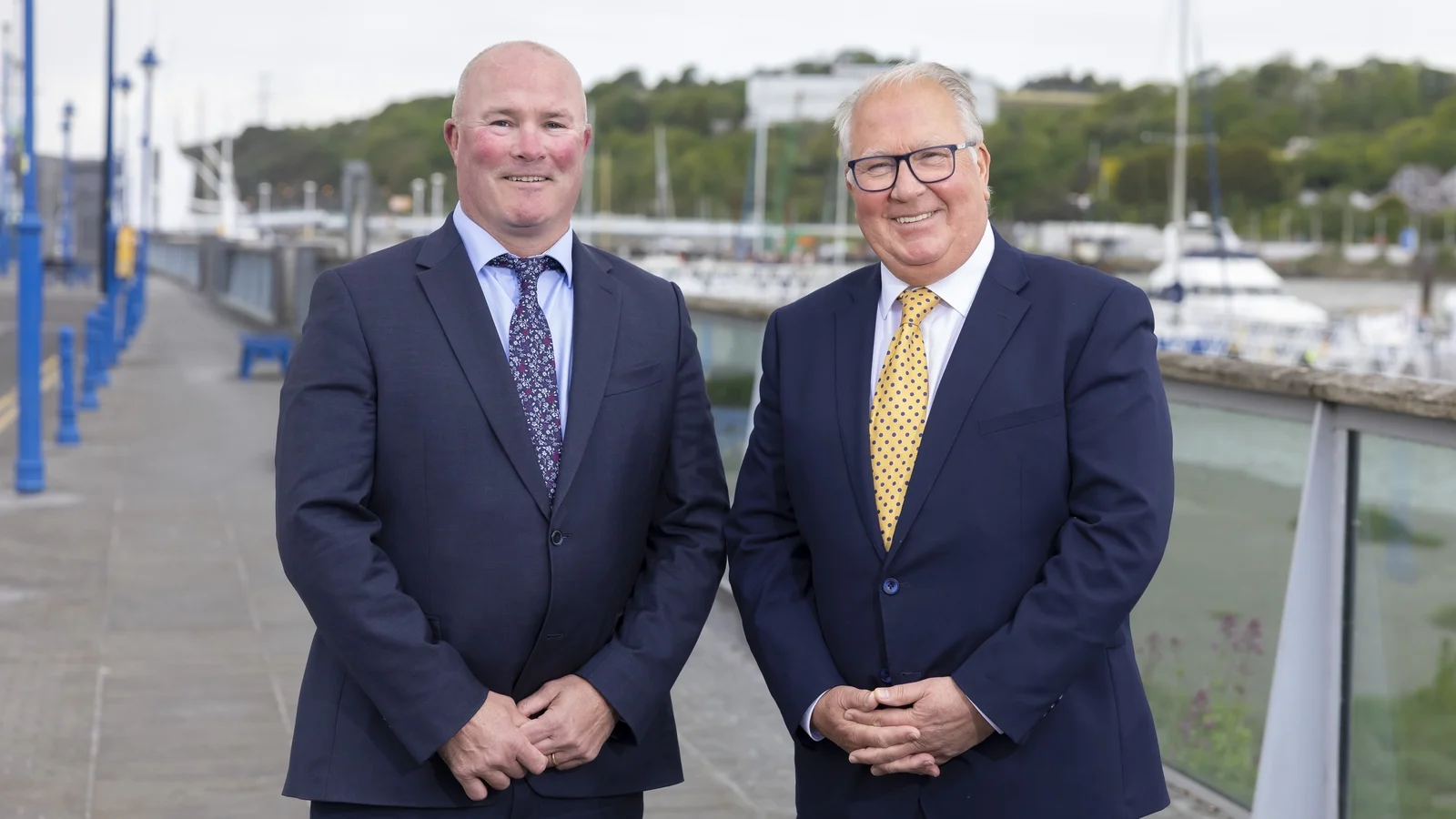
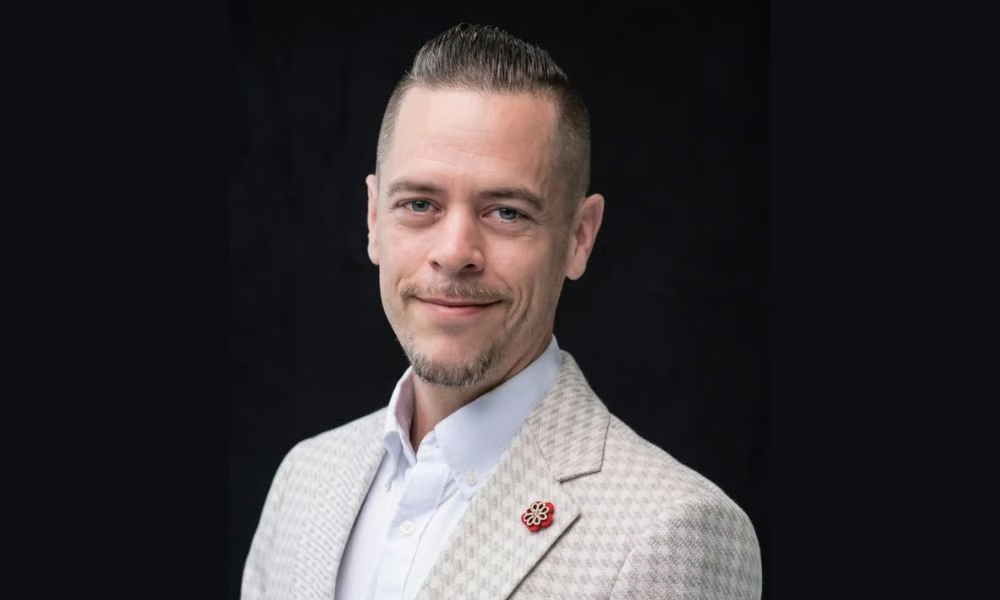
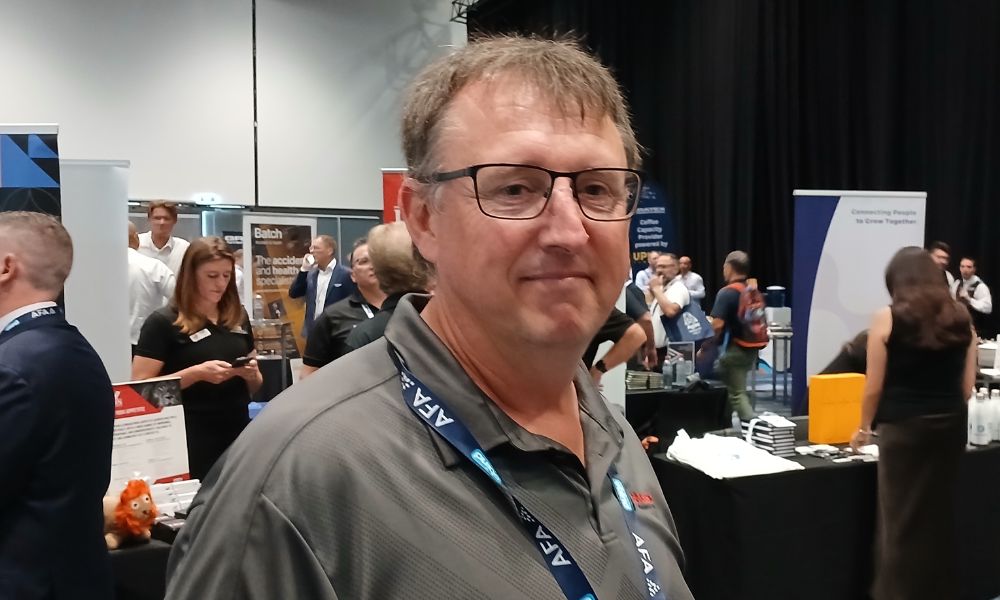
Marc Blubaugh of the law firm Benesch says it’s essential that brokerage personnel who are tasked with onboarding and monitoring motor carriers are trained to understand and to follow the company’s policy. (Benesch)
Blubaugh noted that the majority of brokers were doing much of this already, but he also suspects this was a wake-up call for many and that even good brokers are probably re-evaluating themselves. He stressed that every broker should have a written policy that governs how they onboard and monitor the ongoing eligibility of a carrier within its network.
“The second part of that, once they’ve got that in place, is ensuring that their personnel who have responsibility for onboarding and monitoring motor carriers are trained to understand and to follow the broker’s policy,” Blubaugh said. “The policy has to be operationalized in some fashion, whether it’s through personnel or technology, to ensure that they’re complying with it.”
J.J. Keller issued a notice shortly after the ruling warning companies of the legal changes they now face. The safety- and regulatory-compliance services company has been assisting clients by helping them build their own carrier-evaluation processes or by leveraging its in-house Carrier Risk Review Service.
“It has to be fully documented, it needs to be a process that can be defendable in court, and it needs to be the same process every single time with every single carrier,” Lovan said. “You need to be able to justify exactly why you chose a specific carrier.”
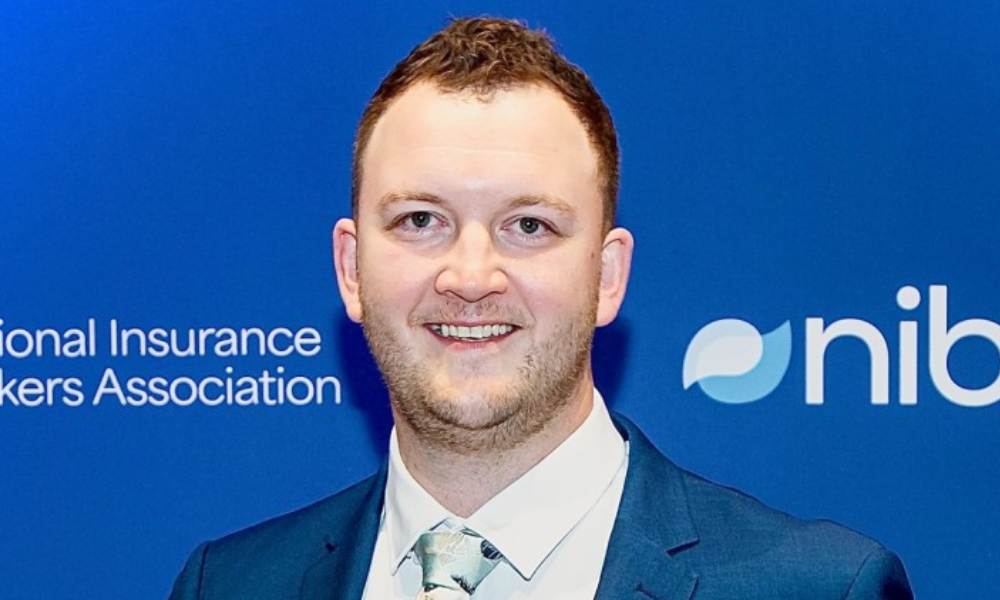
J.J. Keller’s Josh Lovan says, “It’s important for [freight brokers] to ensure that they have written carrier-qualification guidelines in place.” (J.J. Keller & Associates Inc. via LinkedIn)
Lovan noted that brokers need to treat onboarding as an ongoing process instead of a one-time checkbox. He has seen proactive efforts to do that, including brokers reaching out to compare and discuss vetting processes.
“Most established freight brokers have focused on carrier vetting and qualification for the last 10 or 15 years,” Green said. “It’s important for them to ensure that they have written carrier-qualification guidelines in place, carrier-vetting procedures in place. They should be reviewing these vetting requirements and guidelines frequently.”
Green noted that what reasonable care means, and what a proper vetting process looks like, can be a moving target. He views the need to maintain an updated vetting process as brokers’ main takeaway. This means continuing to monitor a carrier even after it has passed the vetting process, which many brokers are trying to do.
Uncertainty Remains
“There’s a lot of panic, I should say, in the insurance marketplace,” Green said. “I’ve had dozens of calls, emails. I have freight brokers that are asking me to take a look, asking us to take a look, at what they’re doing, and asking for any advice or recommendations moving forward.”
Green has even heard from shippers who are now re-evaluating their vetting processes for carriers and brokers. He expects many shippers will be changing their contract and insurance requirements in the coming months to better protect themselves.
“The largest brokers have teams of data analysts and safety resources that they might lean on to base their own scoring protocol on,” Blubaugh said. “Whereas smaller companies are not really going to be in a position to do that.”
Blubaugh noted that it can be difficult to determine what that vetting process looks like beyond the obvious steps, such as brokers ensuring they are using a federally licensed motor carrier with a good safety rating. He noted there are additional criteria that experts and industry players have a range of opinions on.
“Most of our clients that have reached out to us are trying to be as proactive as they can be,” Lovan said. “Their in-house attorney teams are really concentrating on creating a process, or partnering with a third-party, to have a standardized process, and they’re really taking a look at states without tort reform.”