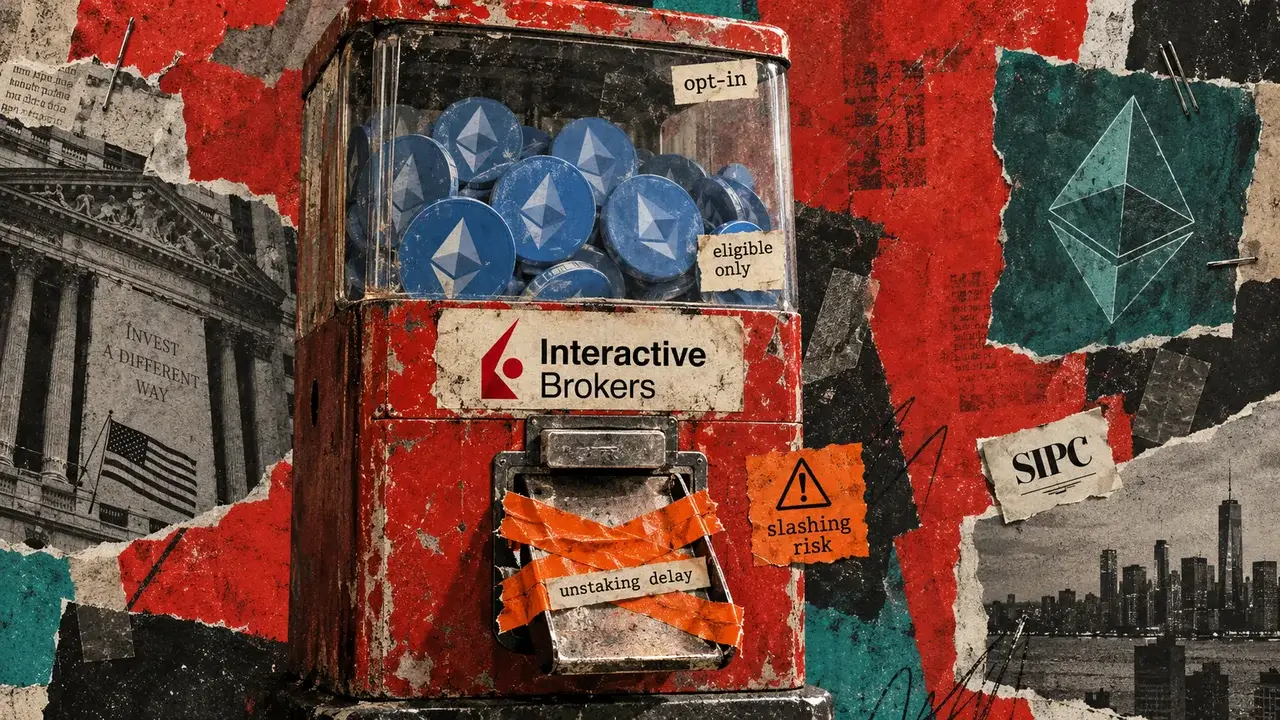
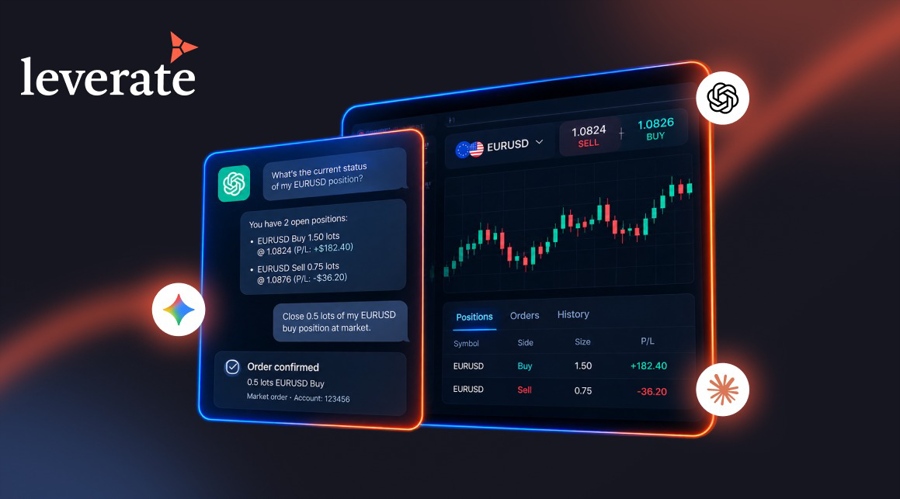
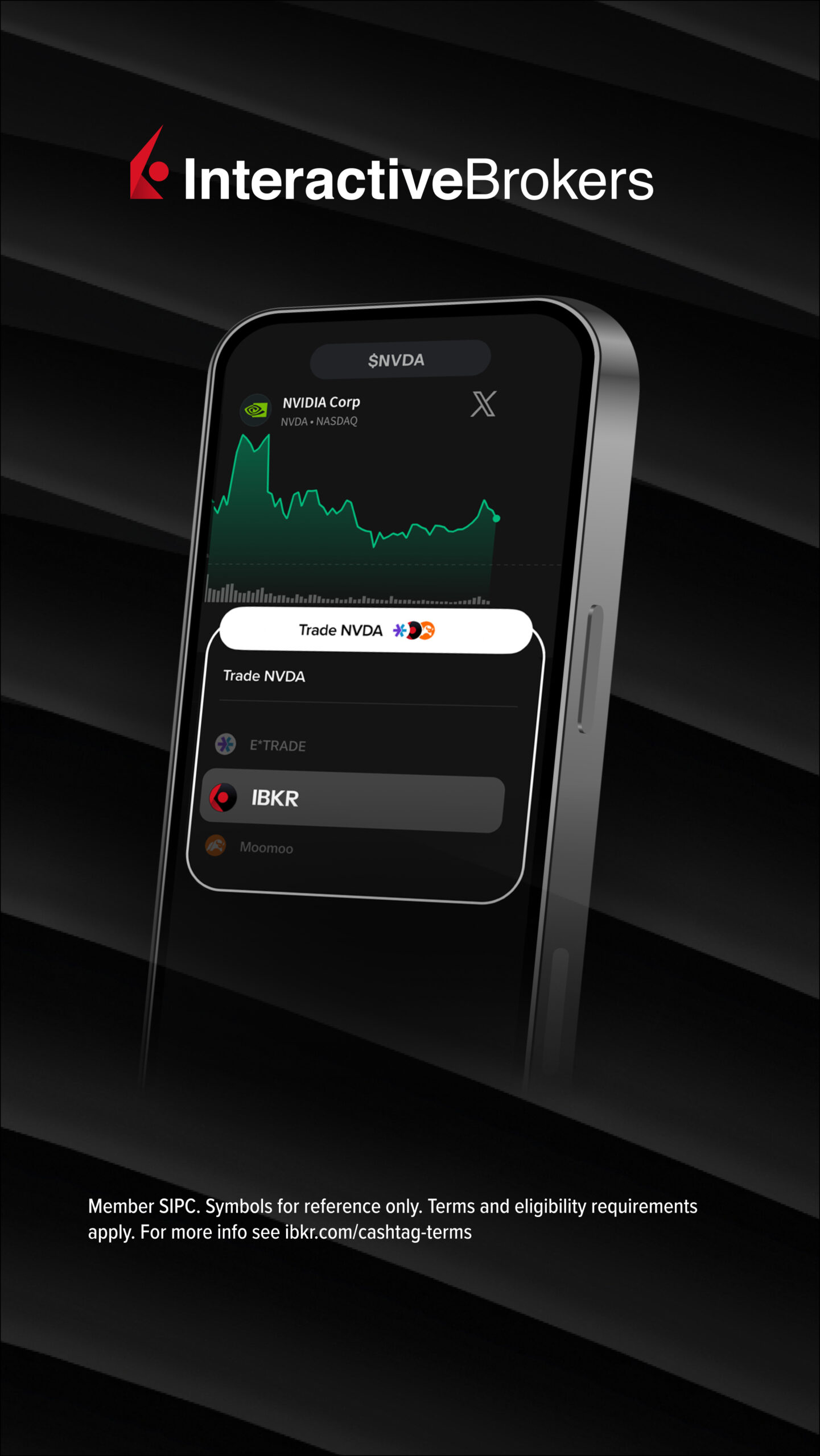
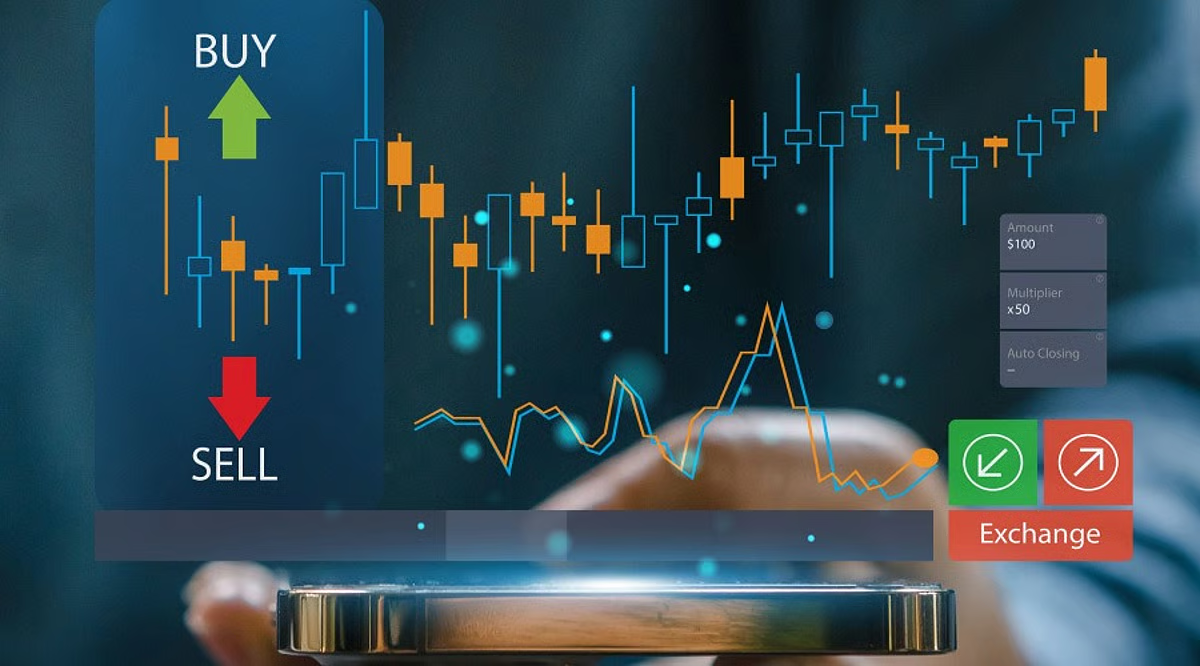
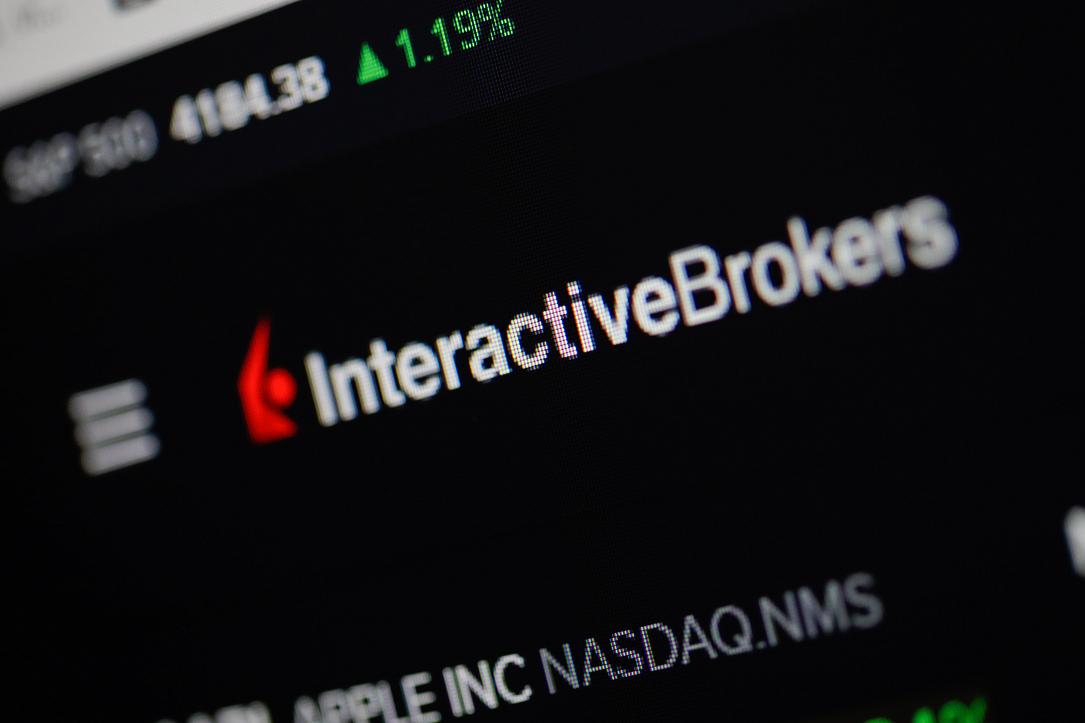
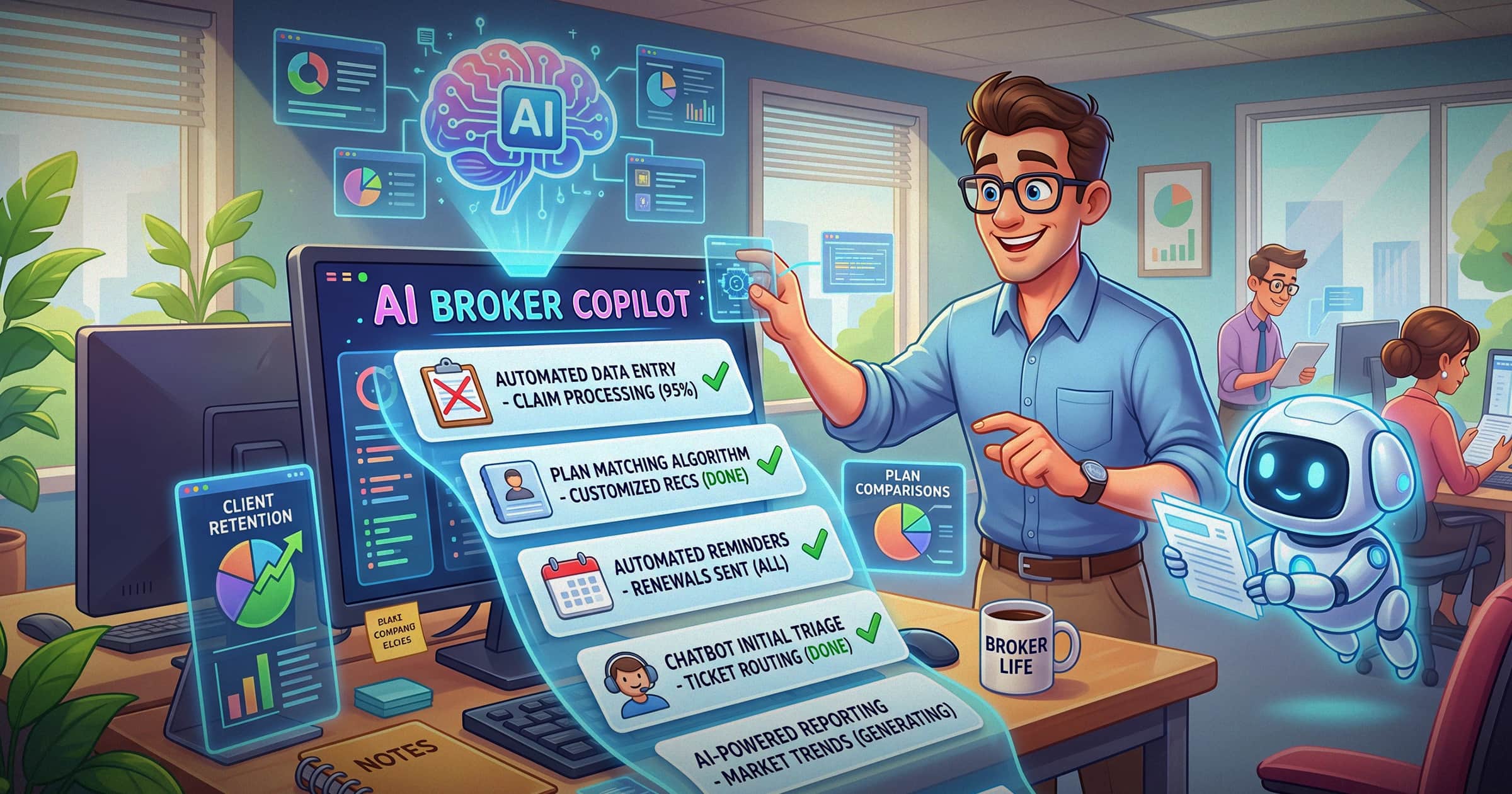
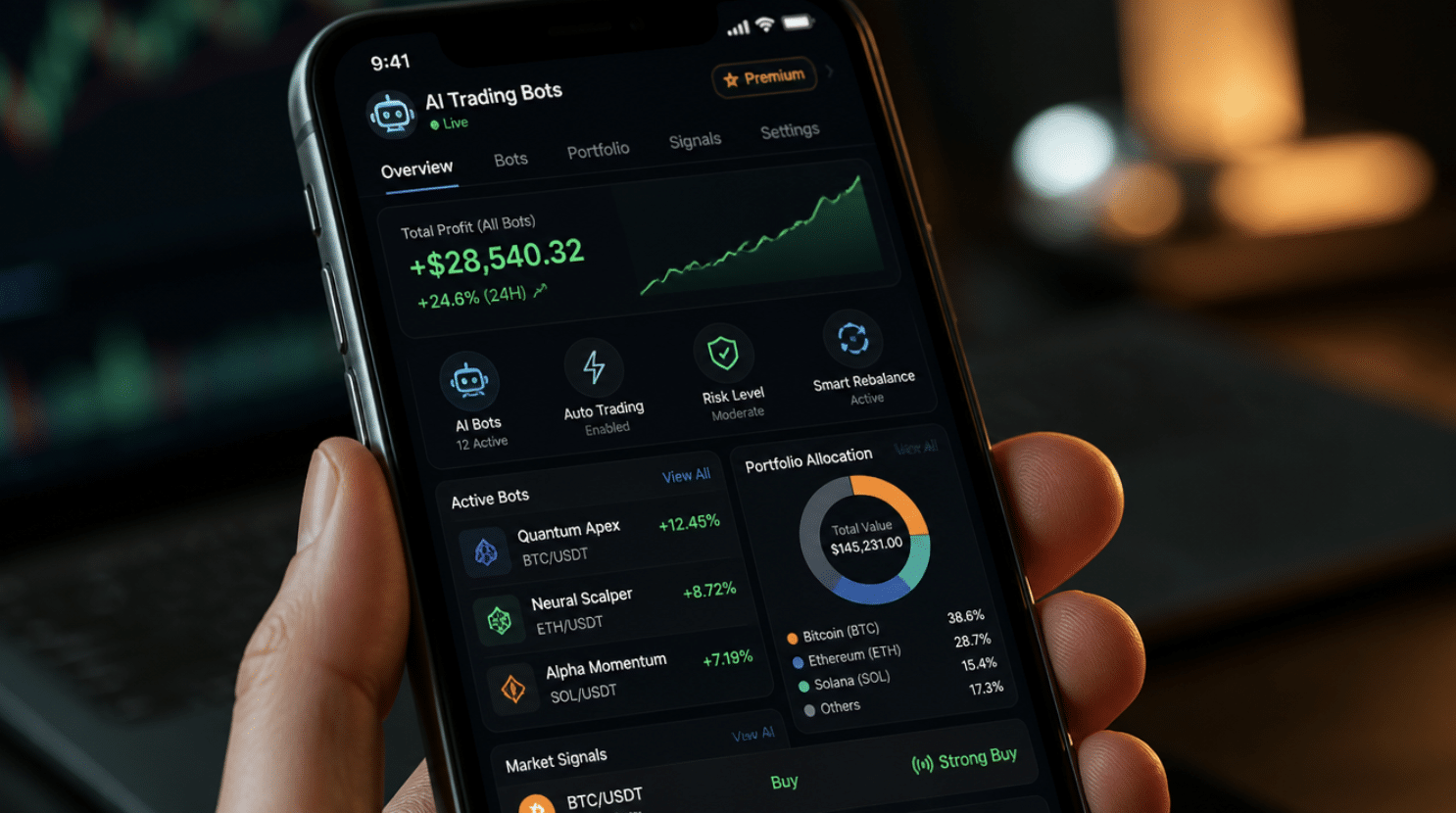
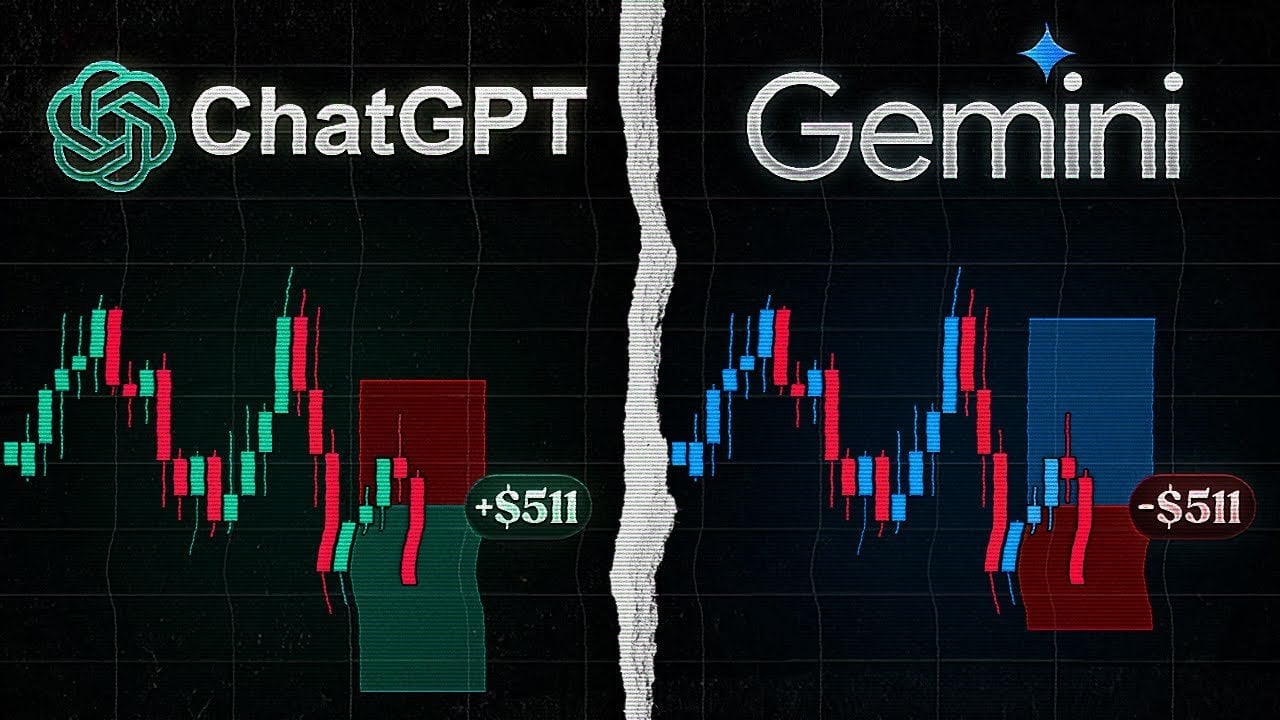
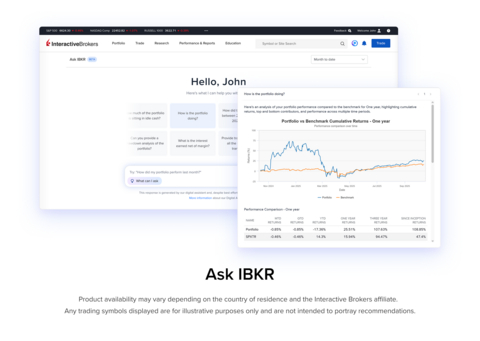
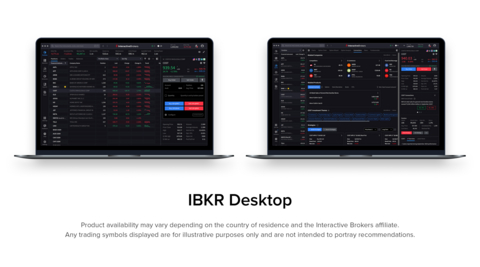
Interactive Brokers Group has launched IBKR Autonomous Trading, allowing eligible clients to fund a dedicated AI Partition and authorize connected AI platforms to identify opportunities and submit supported orders across more than 75,000 stocks, options and ETFs worldwide.
The new AI capability shifts Interactive Brokers Group from using artificial intelligence mainly for idea generation to enabling automated execution. This development could influence how active traders think about scale, discipline and risk controls in their day to day use of the brokerage platform.
The next question is how Interactive Brokers Group’s investment narrative will adapt to automation that lets AI submit orders autonomously.
Activate your watchlist by lining up IBKR beside a curated set of brokers and trading platforms using the 19 high quality undiscovered gems, which is focused on strong fundamentals and under-the-radar potential.
Interactive Brokers Group Investment Narrative Recap
To own Interactive Brokers Group, you need to believe its highly automated brokerage model can keep attracting active traders and partners while defending its premium pricing. The IBKR Autonomous Trading launch fits that thesis, but it mostly looks incremental in the near term. The more immediate swing factor remains client activity and interest rate sensitivity, which drive both commissions and income on cash and margin balances.
The biggest current risk is that rivals compress pricing or match product breadth, just as any cut in benchmark rates could squeeze net interest income. IBKR Autonomous Trading may help deepen engagement with sophisticated users, yet that does not directly solve those structural pressures. If adoption is slow, the near term impact on results is likely limited.
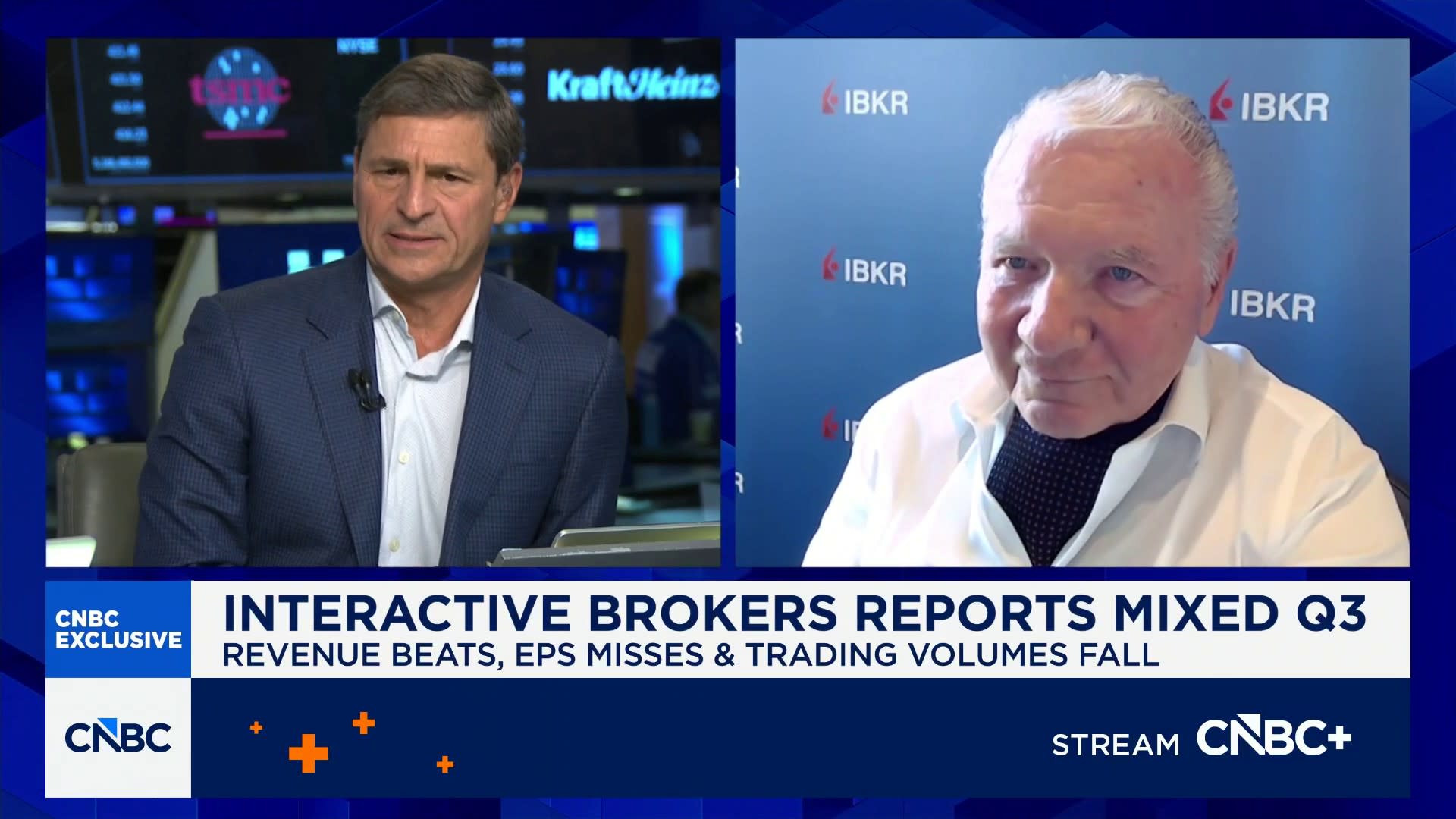
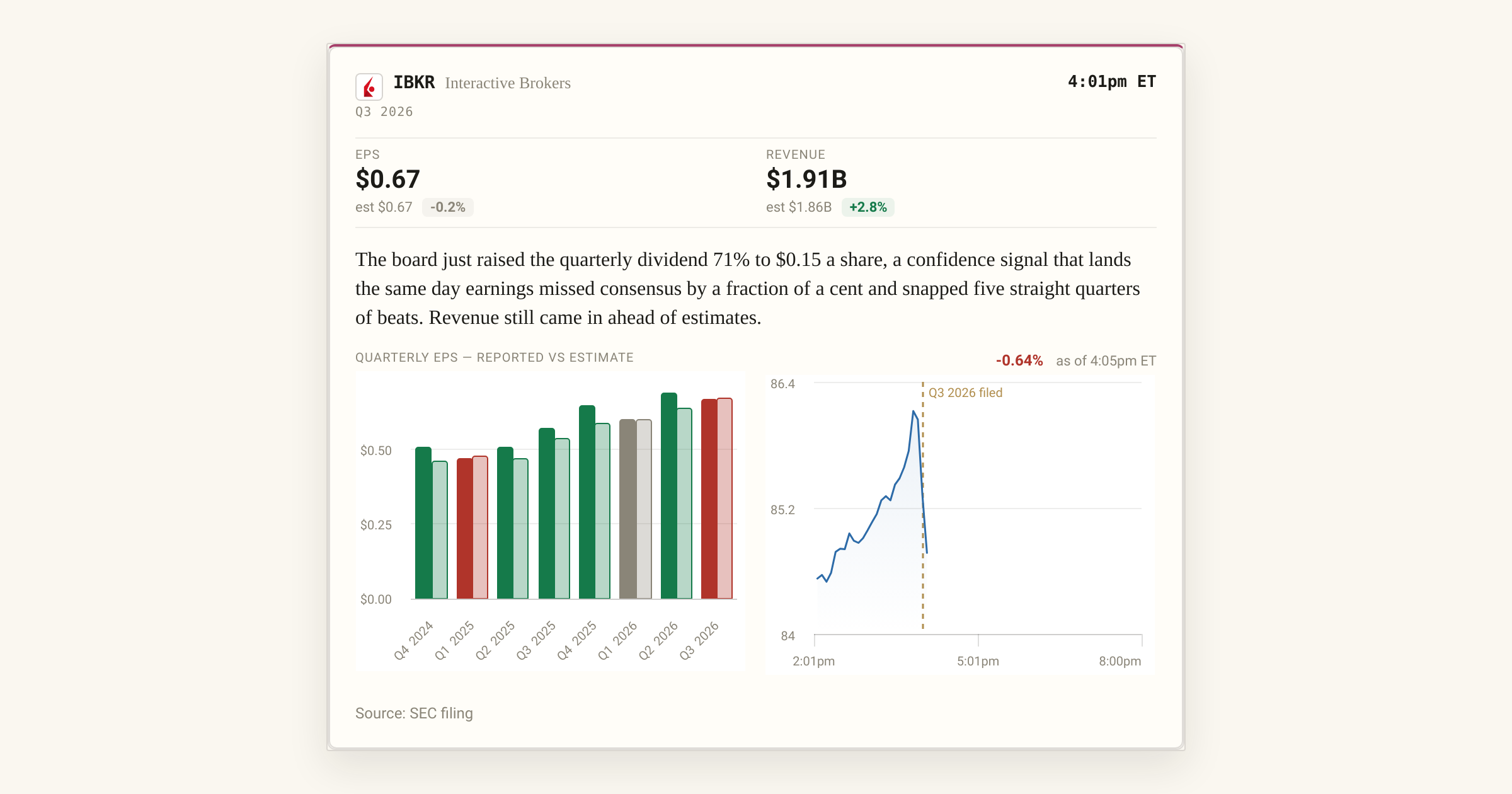
The most relevant supporting development is the October 2026 earnings release. Interactive Brokers Group reported Q3 net income of US$314 million compared with US$263 million a year earlier, and US$893 million over the first nine months versus US$700 million in the prior period. That level of profitability gives the brokerage more room to keep investing in automation and AI capabilities such as IBKR Autonomous Trading.
At the same time, the board lifted the quarterly dividend from US$0.0875 per share to US$0.15 per share, which reflects confidence in cash generation and balance sheet flexibility. For you as a shareholder, the combination of rising earnings, a higher payout and product launches creates a clear test. Management now has to execute on AI driven trading safely while still managing competitive risk, rate exposure and the expectations built into a premium P/E multiple.
Interactive Brokers Group Forecasts Behind the AI Push
Interactive Brokers Group’s narrative projects US$10.7b revenue and US$1.8b earnings by 2029. This rests on analysts assuming 16.0% yearly revenue growth and an earnings increase of about US$700m from US$1.1b today.
One bullish twist on Interactive Brokers Group focuses on the upside from new capital uses rather than rate sensitivity. The most optimistic analysts were already modelling about US$12.0b revenue and US$2.1b earnings by 2029, compared with US$10.7b and US$1.8b in the consensus view, before IBKR Autonomous Trading was even announced. That gap shows how far opinions can stretch, so treat this launch as a fresh reason to compare several narratives and decide which assumptions you find more realistic.
Don’t just follow the ticker. Dig into the data and build a conviction that’s truly your own.
A great starting point for your Interactive Brokers Group research is our analysis highlighting 4 key rewards that could impact your investment decision.
See our latest analysis for Interactive Brokers Group. The report includes a comprehensive fundamental analysis summarized in a single visual, the Snowflake, making it easy to evaluate Interactive Brokers Group’s overall financial health at a glance.
Looking for more investment ideas beyond Interactive Brokers Group?
If IBKR’s automation story has you thinking more broadly about where to deploy fresh capital, it can help to compare it with a wider field of potential opportunities. The Simply Wall St Screener lets you filter for different strengths so you can build a shortlist that fits your own goals and risk comfort.
This article by Simply Wall St is general in nature. We provide commentary based on historical data and analyst forecasts only using an unbiased methodology and our articles are not intended to be financial advice. It does not constitute a recommendation to buy or sell any stock, and does not take account of your objectives, or your financial situation. We aim to bring you long-term focused analysis driven by fundamental data. Note that our analysis may not factor in the latest price-sensitive company announcements or qualitative material. Simply Wall St has no position in any stocks mentioned.