
Interactive Brokers just launched Ethereum staking for U.S. clients, letting holders earn rewards Bitcoin simply cannot offer. But with ETH already lagging Bitcoin in performance, the question is whether this new income stream actually changes anything.
This post may contain links from our sponsors and affiliates, and Flywheel Publishing may receive compensation for actions taken through them.
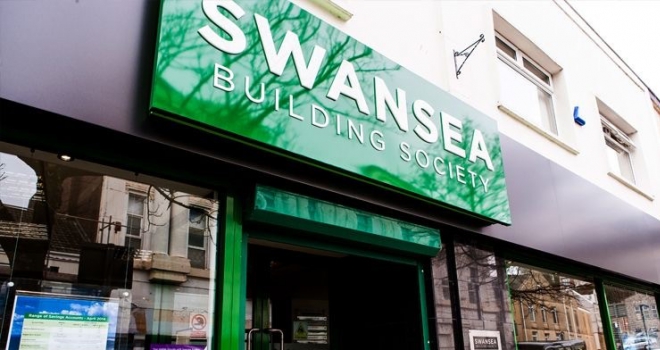
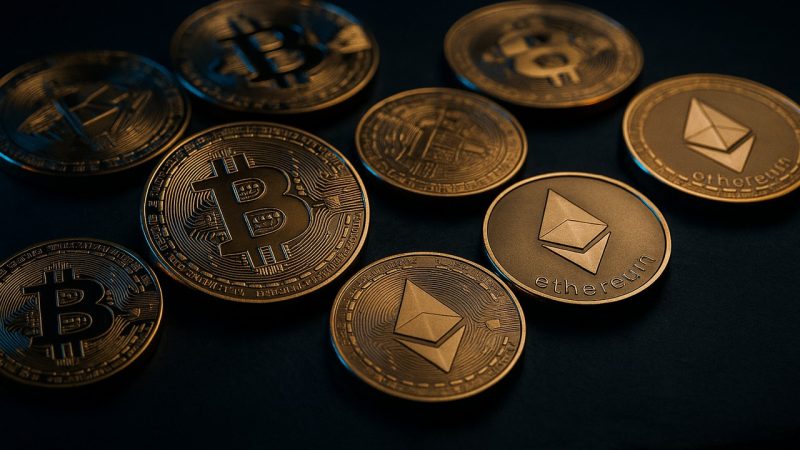
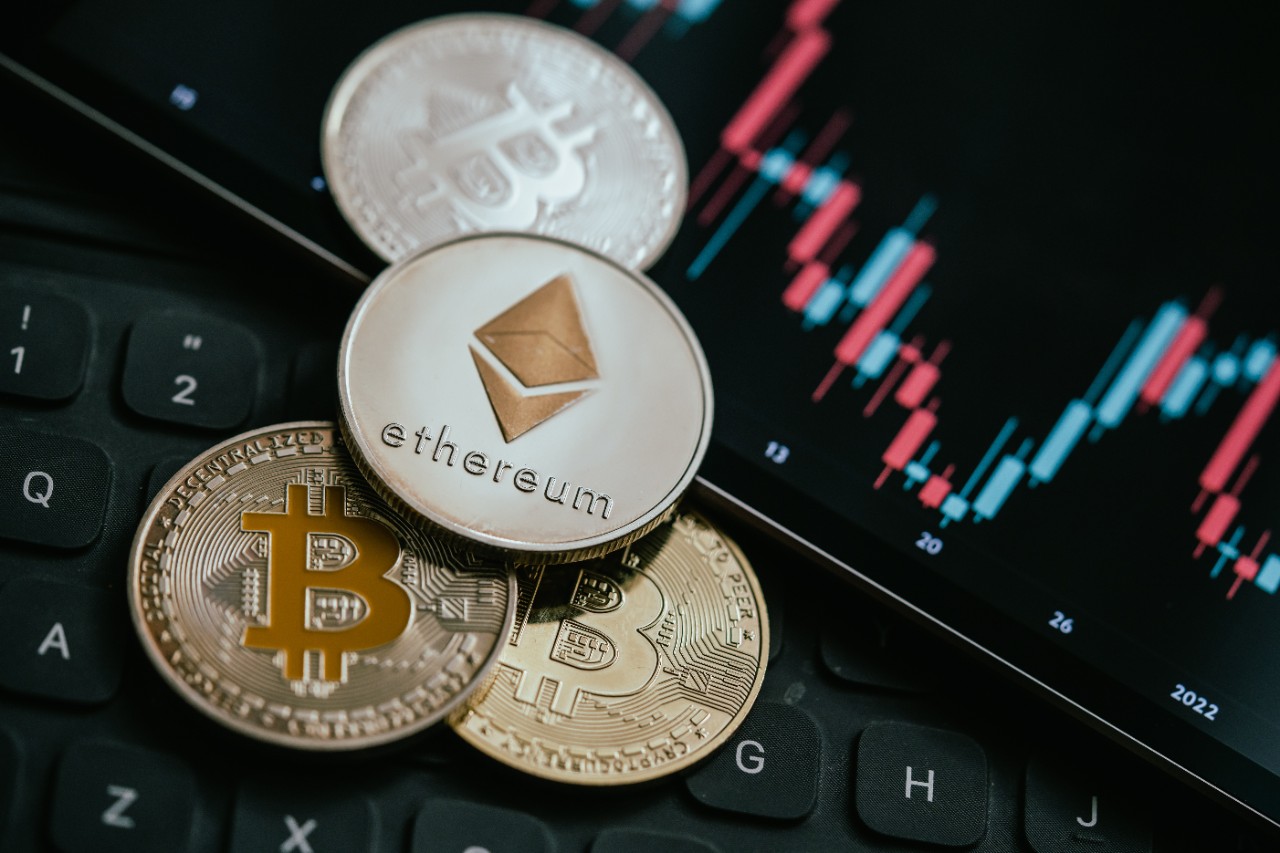
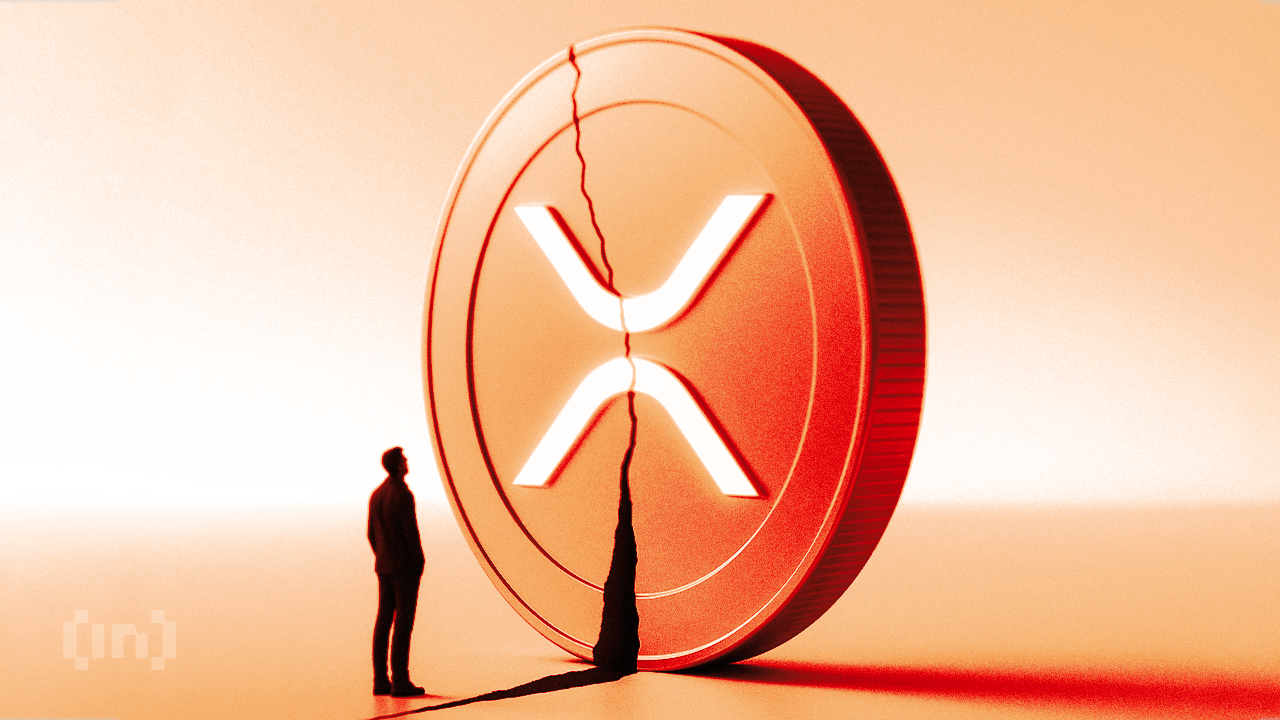
Interactive Brokers (NASDAQ:IBKR | IBKR Price Prediction) has begun offering eligible U.S. clients the ability to stake Ethereum (CRYPTO:ETH) as of October 13, 2026. This marks the broker’s first venture into staking. With Interactive Brokers’ Ethereum staking service, clients can lock up their ETH, which the network uses to verify and record transactions, and earn new ETH in return. Because Bitcoin (CRYPTO:BTC) offers no similar rewards, this feature revives a long-standing debate among investors holding both cryptocurrencies.
As it stands, Bitcoin has recently outperformed Ethereum. On October 15, ETH was priced at $2,451, up 2.1% over the previous 30 days, while Bitcoin was at $82,306, up 8.4%. So, does staking Ethereum through a major broker like Interactive Brokers give ETH an advantage that Bitcoin doesn’t have?
Interactive Brokers Runs ETH Staking Through Zerohash, a Firm It Partly Owns
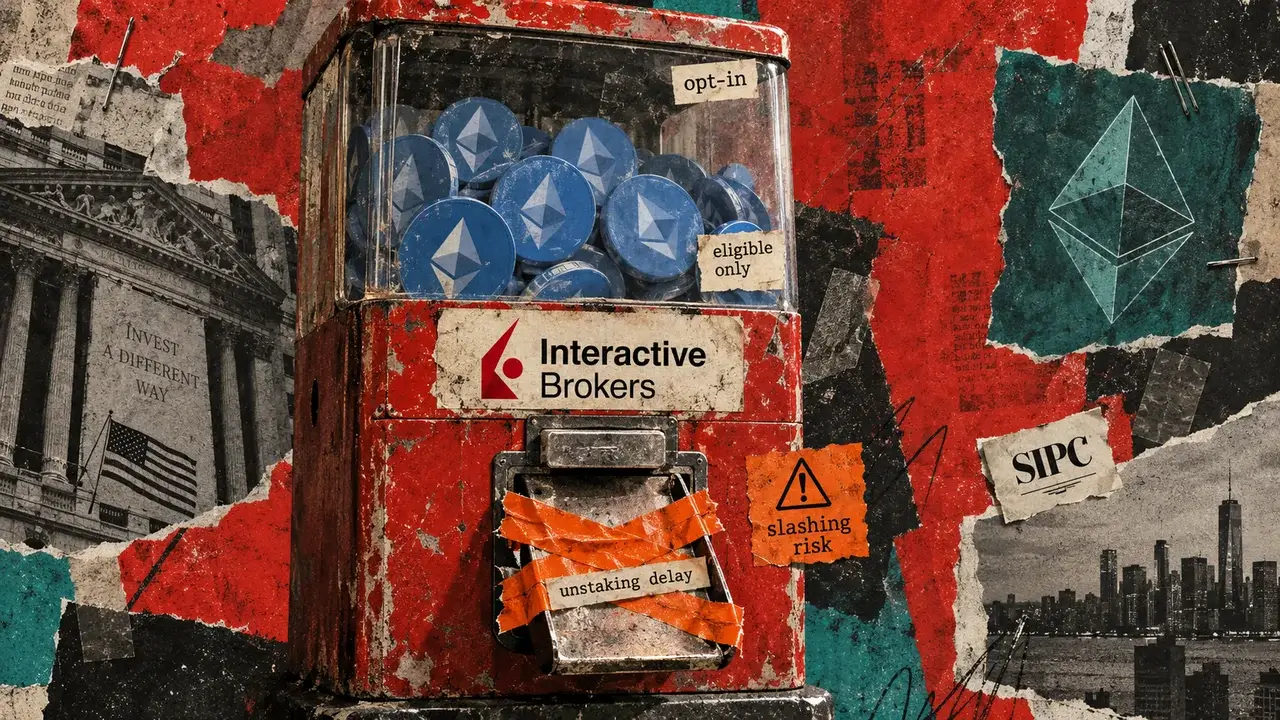
Clients can easily choose how much ETH to stake through the broker’s Client Portal. Interactive Brokers collaborates with Zerohash, a crypto infrastructure firm in which it owns a stake, to manage this staking process. When clients select their amount, Zerohash assigns the staked ETH to validators—computers that propose and verify new blocks on the blockchain. Zerohash adds all earned rewards to the client’s staked balance until the client decides to withdraw their ETH. Zerohash also holds this ETH in a dedicated account under the client’s name.
However, it’s important to note that assets in a Zerohash account do not have the coverage of the Securities Investor Protection Corporation (SIPC), which protects brokerage customers in the event of broker failure. Additionally, clients may lose funds due to “slashing,” a penalty Ethereum imposes on validators who break rules or go offline, and may face delays in receiving rewards or withdrawing funds.
Interactive Brokers and Zerohash share a fee capped at 30% of the rewards earned. Notably, Interactive Brokers led Zerohash’s $104 million funding round in 2025, which valued the company at $1 billion. As CEO Milan Galik explained, staking lets clients earn rewards on the cryptocurrencies they own, similar to its Stock Yield Enhancement Program, which lends clients’ shares to short sellers.
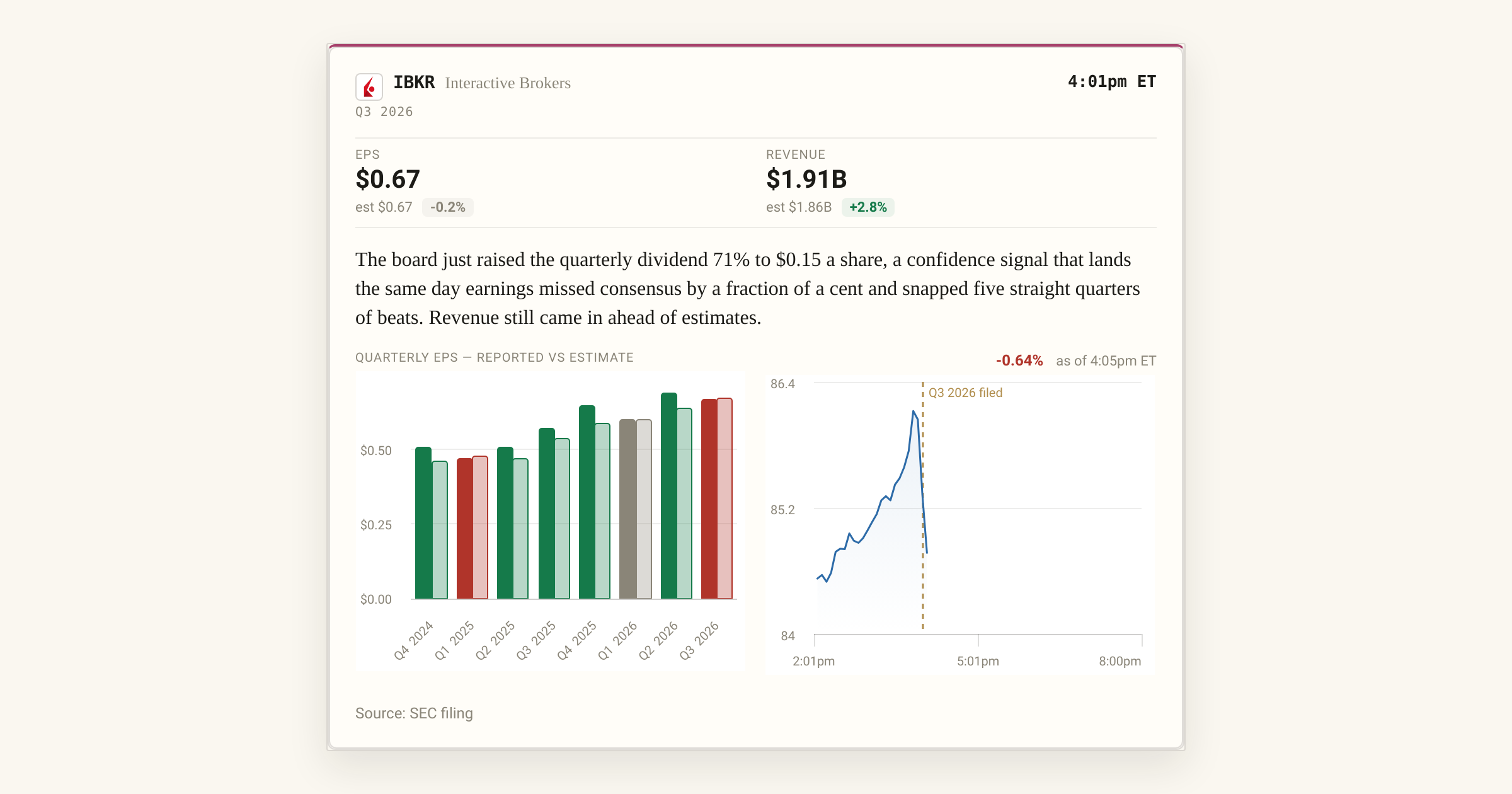
Despite this promising launch, Interactive Brokers provided no details on the reward rate, minimum staking amount, or withdrawal timeline. In the third quarter, Interactive Brokers had 5.58 million client accounts and $964.7 billion in client equity. Staking income will be added to its fee income, which is relatively small compared with interest earnings.
Clients Could Expect Around 1.56% Annually After Fees
Since the broker has not announced a specific reward rate, we can use Lido, a staking service that publishes rates daily, as a benchmark. Lido averaged 2.23% per year after fees during the week leading up to October 15. After applying Interactive Brokers’ full 30% fee, clients could keep about 1.56% of their staked amount, which equates to about 0.16 ETH annually on a 10 ETH stake, valued at about $380 at a price of $2,451.
This fee cap is only applicable if staking yields positive returns. If the stake earns nothing, there are no fees. However, rates can fluctuate with network conditions and validator performance, and all rewards are paid in ETH. With ETH down 1.9% in the week leading up to October 15, any annual gains appear minimal compared with losses.
Interactive Brokers Is Late to Staking Behind Robinhood and eToro
Furthermore, Interactive Brokers enters the staking arena later than competitors like Robinhood (NASDAQ:HOOD), eToro (NASDAQ:ETOR), and Trade Republic, all of which already offer staking services. Reports suggest that Morgan Stanley (NYSE:MS) is also seeking a national trust bank charter to provide similar services. Additionally, anyone with a crypto wallet can stake through Lido as well. Therefore, Interactive Brokers offers convenience, since clients can manage everything with one login and no external wallet, though they may miss out on more favorable terms than Lido stakers.
Bitcoin Offers No Native Yield, but It Still Outperforms ETH
Bitcoin operates on a proof-of-work model, meaning that miners expend energy to secure the network, and holders cannot earn rewards by locking up their coins. Any yield from Bitcoin comes from lending or similar products, adding a layer of counterparty risk if a borrower or platform fails.
Despite lacking native yield, Bitcoin has outperformed Ethereum. As of now, ETH is trading 50.4% below its August 2025 peak, while Bitcoin is only 34.7% below its October 2025 high. Since the end of 2025, ETH has fallen 18.2%, compared with Bitcoin’s 6.7% drop.
Ethereum has provided native staking for several years, so this yield gap has always existed, and it hasn’t stopped ETH from lagging behind Bitcoin. While Interactive Brokers’ launch offers a new platform for clients to earn the same rewards, it has set no specific target for staked ETH, and staking is available only for ETH.
Does Interactive Brokers Ethereum Staking Give ETH an Advantage Over Bitcoin?
In summary, Interactive Brokers’ launch of Ethereum staking provides a new way for ETH holders to earn rewards at a major brokerage, but it isn’t enough to give ETH a clear advantage over Bitcoin right now. Although staking could reduce the amount of ETH available for trading, the broker hasn’t released any figures to support that claim. Furthermore, a meager 1.56% return pales in comparison to a 1.9% weekly decline. Ultimately, Interactive Brokers benefits the most, adding a new income stream through fees from this service.
Contact [email protected] for any questions or corrections.