A strong forex broker review should answer a question that marketing pages cannot settle on their own: which legal entity is offering the account, and what can an official regulator confirm about that entity? Spreads, platforms, market access and customer support matter, but they should come after identity and regulatory status. The most useful review platforms connect a broker brand to a specific legal entity, verify that entity in an official register, distinguish active authorization from registration or historical status, and explain what the result means.
This distinction matters because a familiar trading brand may operate through several companies in different jurisdictions. Those companies can have different licenses, permitted activities and complaint routes. A review that says only that a broker is “regulated” can therefore be incomplete. The real task is entity matching: identify the company named in the account documents, match it with the relevant regulator, then check its status, permissions and associated website where that information is available.

What Makes Regulator Data More Valuable Than a Broker Badge?
A regulator logo on a broker website is only a claim until the underlying record is checked. Official databases provide a better starting point because they can show the registered or authorized entity name, status, license or reference number, and in many cases the activities or services connected with that authorization. Some regulators also publish warning lists, disciplinary history, former firms or approved website domains. These details help a researcher test whether the broker’s own description matches the public record.
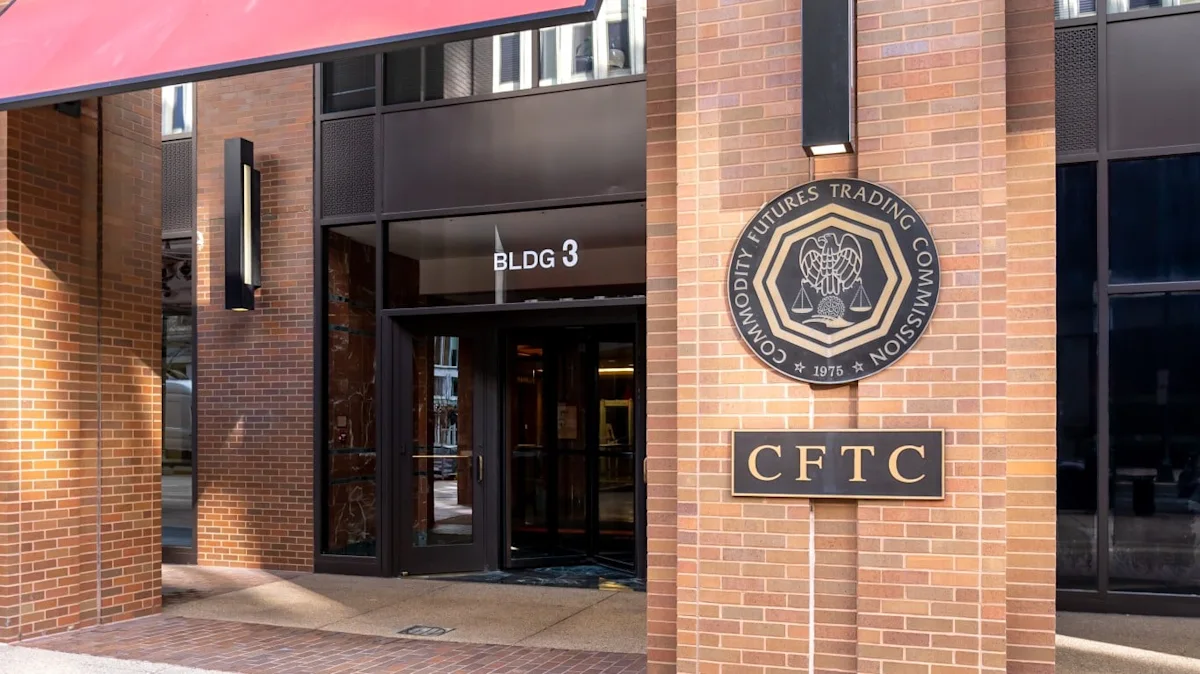
For example, the UK Financial Conduct Authority maintains the Financial Services Register for firms and individuals that are or have been authorized or otherwise recorded by the FCA or PRA. The FCA also warns consumers about unauthorized firms and clone firms that misuse the identity of legitimate businesses. In the United States, the Commodity Futures Trading Commission directs prospective derivatives and forex customers to NFA BASIC, which includes CFTC registration information, NFA membership information and regulatory history. Australia’s ASIC professional registers allow searches by company name or license number and show information such as license status and the services a licensee is authorized to provide. CySEC separately publishes regulated investment firms and approved domains.
The Core Checks a Serious FX Review Platform Should Perform
Regulator-backed research is more than copying a license number into a profile. A defensible workflow checks several fields together because a correct number attached to the wrong company can still mislead. Strong platforms also make the verification path reproducible instead of asking readers to trust a score without context.
| Check | What should be verified | Why it matters |
|---|---|---|
| Legal entity | The company name on the regulator record | A trading brand may be operated by more than one company. |
| Regulatory status | Whether authorization or registration is active, historical, restricted, suspended or otherwise limited | A license number alone does not describe its current standing. |
| Permitted activities | The services the entity is allowed to provide | Being listed in a register does not automatically mean every advertised service is covered. |
| Website or domain | Whether the regulator associates the domain with the entity, when that information is available | This helps detect name copying and some clone-style impersonation risks. |
| Warnings and actions | Public warnings, disciplinary records or enforcement information | Current status should be read together with relevant regulatory history. |
| Customer jurisdiction | The entity that would actually contract with the reader | Different entities in the same group can operate under different rules. |
Why the Legal Entity Matters More Than the Brand Name
Forex research often goes wrong at the brand level. A reviewer finds one regulated company connected with a brand and then treats every website visitor as if that same company will hold the account. That is not always a safe assumption. A multinational broker can route clients to different subsidiaries depending on residence, product eligibility or local rules. A platform should therefore identify which entity appears in the terms, account-opening flow or legal documents and then verify that entity separately.
Regulator tiers, star ratings and aggregate safety scores should not replace source-level verification. A score can help comparison, but it compresses many facts into one number. A review is more transparent when it shows the regulator, entity, status and evidence path first, then explains how those facts influence any broader assessment.
Official Registers and Review Platforms Serve Different Jobs
An official register is the primary source for regulatory status, but it is not designed to answer every practical broker-selection question. It may not compare spreads, platform availability, execution model, account features, market coverage or withdrawal procedures. A review platform adds value when it combines those practical details with regulator verification without blurring the two types of evidence.
A practical workflow uses both layers. Start with the official record for identity, status and regulatory scope. Then use an independent review platform to organize trading conditions, product access, software, fees and operational differences. If the two layers conflict, check the regulatory claim again at the primary source.
How FXSharp Approaches Regulator-First Broker Research
FXSharp’s published methodology says claimed licenses are checked against regulator registers and that broker reviews use a consistent scoring framework with periodic rescanning. Its data-source policy places regulator registries ahead of secondary references for license verification. That approach is useful because it treats a broker review as a repeatable research process rather than a static profile that can remain unchanged after a license, warning or entity relationship changes.
For readers who want a consolidated fx broker review resource, the practical value is not merely having many broker pages in one place. The more important feature is whether each conclusion can be traced back to a named regulator, a matching legal entity and a source that can be checked independently. That makes the review more useful as a screening tool before the reader performs final due diligence on the regulator’s own register.
How to Judge a Review Platform Before Trusting Its Rankings
A polished comparison table can look precise even when the underlying research is weak. Before relying on rankings, inspect the methodology. A credible platform should explain where license information comes from, how it handles multiple entities, whether warning lists are checked, what happens when a claim cannot be verified, and how regulatory data is revisited.
- Look for primary-source references. Regulatory claims should be traceable to the regulator, not merely repeated from the broker’s footer or another comparison site.
- Check entity-level detail. The review should name the company behind the account rather than discussing only the consumer-facing brand.
- Separate status from reputation. Authorization is a factual regulatory question. Service quality, platform usability and customer experience are separate evaluation questions.
- Expect uncertainty to be visible. If a license, domain or entity relationship cannot be confirmed, the platform should say so instead of filling the gap with an assumption.
- Check for update discipline. Regulatory data can change. A platform should have a defined process for revisiting licenses, warnings and entity information.
- Be cautious with unexplained scores. A numerical rating is more useful when the reader can see which verified inputs affected it.
Common Regulatory Research Errors
One common mistake is treating registration and authorization as interchangeable. The exact meaning depends on the jurisdiction and activity. The FCA, for example, explicitly distinguishes firms that are authorized from firms that are merely registered for particular purposes, and it notes that consumer protections can differ. Another mistake is assuming that a clean search result proves safety. NFA itself notes that registration and a clean disciplinary record do not guarantee protection from fraud. Regulatory verification reduces uncertainty about identity and status, but it does not eliminate trading risk, counterparty risk or the possibility of future misconduct.
Domain matching is another important control. A fraudster can imitate a legitimate firm’s name, reference number or branding. Where a regulator publishes approved or associated domains, the website should be compared with that record. Where no domain field is available, the reviewer should use other primary-source details such as the entity name, address, contact information and regulator warnings to look for inconsistencies. The FCA’s guidance on clone firms and CySEC’s approved-domain list show why name recognition alone is not enough.
What Regulator Data Cannot Tell You
Regulatory status is essential, but it is not a complete broker review. An official register usually cannot tell a trader whether a platform is intuitive, whether an account structure fits a strategy, how spreads behave in relevant market conditions, or how efficiently support resolves routine issues. Those questions require separate evidence and can vary by account type, location, instrument and market conditions.
User reviews can help identify recurring service themes, but they should not be used as a substitute for legal verification. A highly rated broker can still have an entity mismatch, while a broker with negative comments can still hold a valid license. The two evidence types answer different questions. Regulator records address legal identity and status. User reports can provide context about experience, but they may be incomplete, subjective or difficult to authenticate.
A Practical Verification Sequence Before Opening an Account
- Identify the contracting entity. Find the company name that appears in the account terms, onboarding documents or legal disclosures.
- Locate the relevant official register. Search by legal name and, when possible, by license or reference number.
- Check the current status and scope. Confirm that the entity is authorized or registered for the relevant activity rather than simply present somewhere in the database.
- Compare domains and contact details. Use approved-domain information or other regulator-published identifiers where available.
- Review warnings and disciplinary history. Search for public notices that may affect how the record should be interpreted.
- Only then compare trading conditions. Evaluate fees, platforms, instruments, account requirements and service features after the identity question is resolved.
This sequence keeps marketing claims from leading the research process. It also makes broker comparisons more consistent because every candidate is first checked against the same type of primary evidence. No review platform can remove the financial risks of leveraged trading or replace a regulator’s own records, but a well-designed regulator-first platform can make due diligence faster, clearer and easier to repeat. The key standard is simple: a broker review should not ask the reader to trust a regulatory claim that the reader cannot independently trace back to the relevant authority.