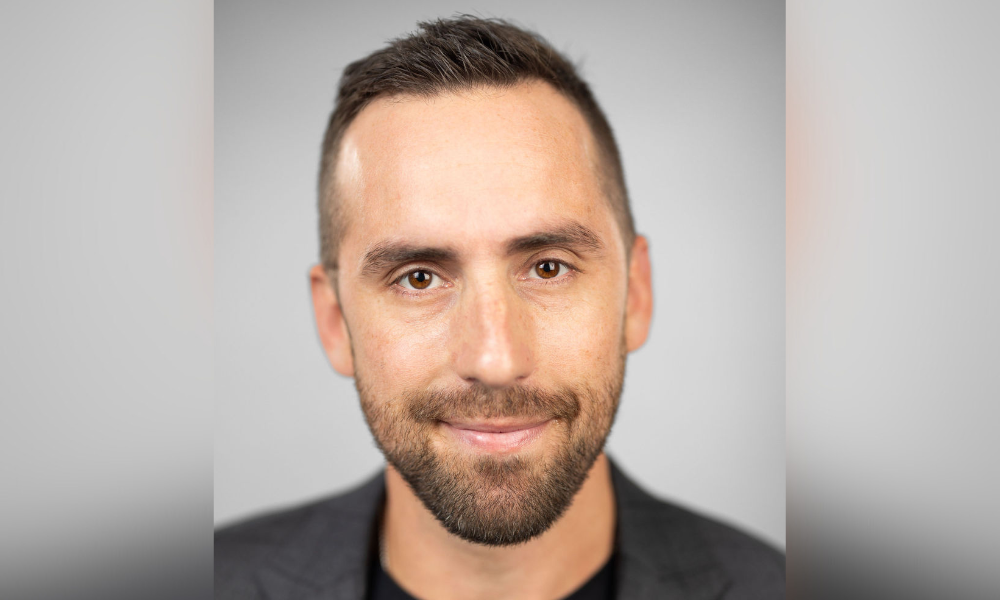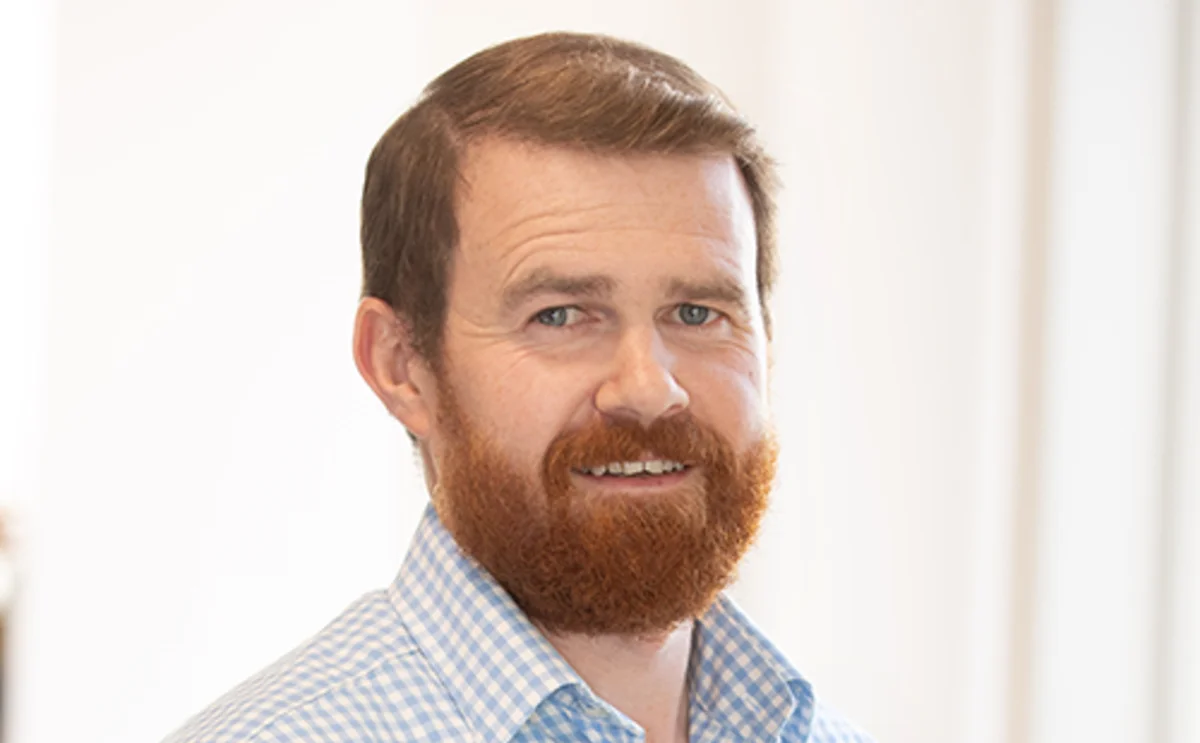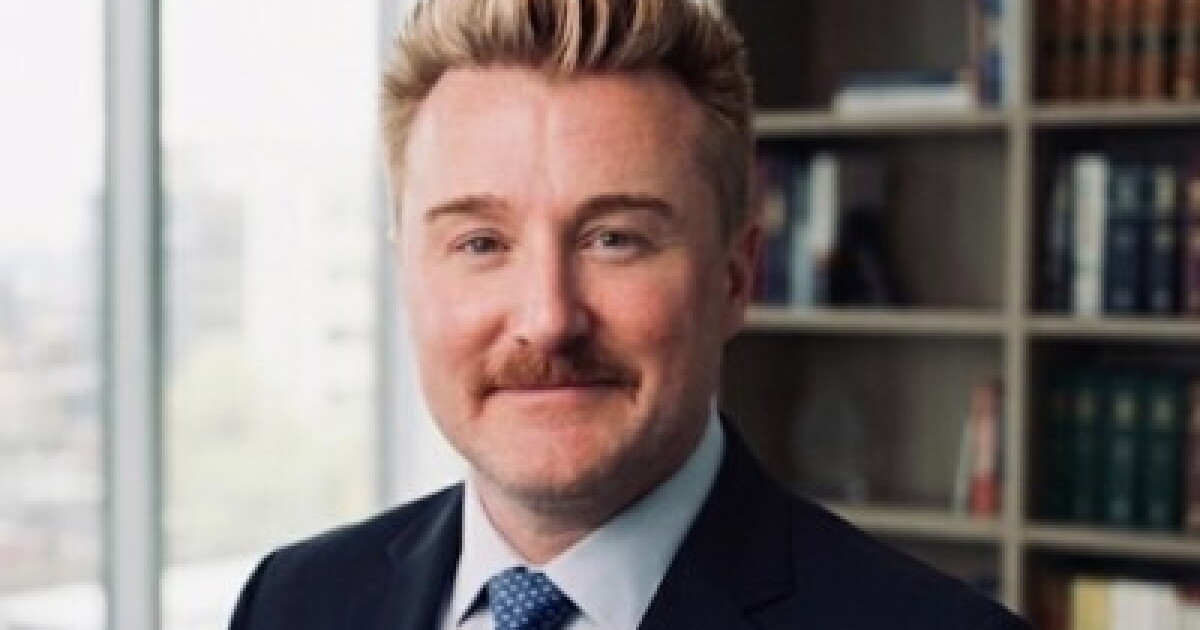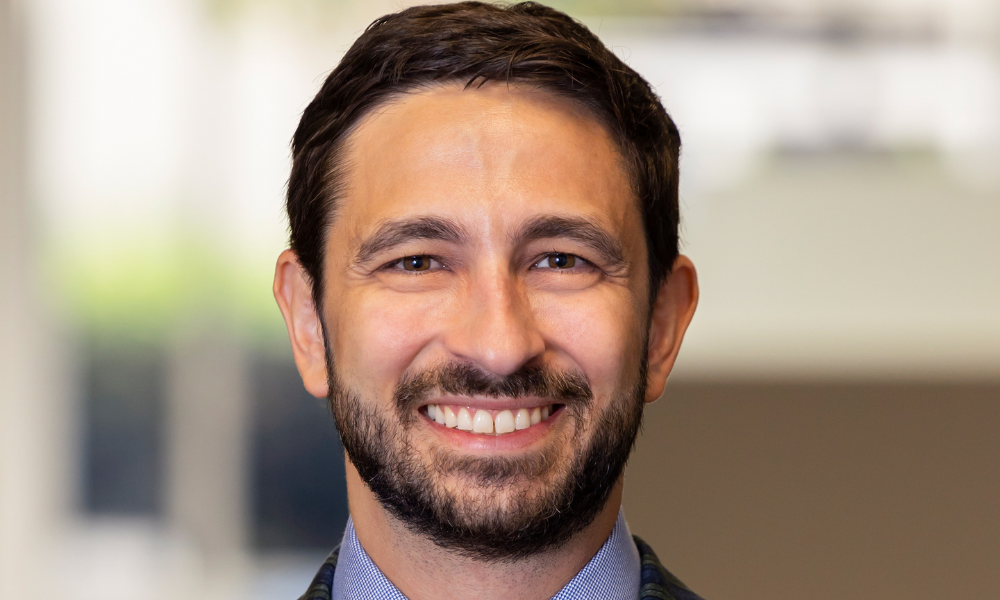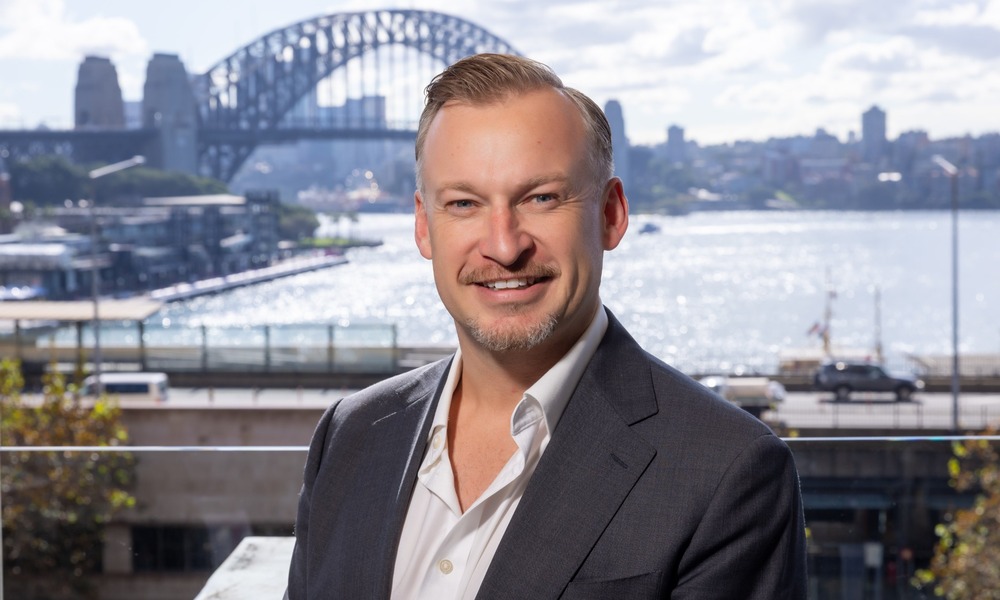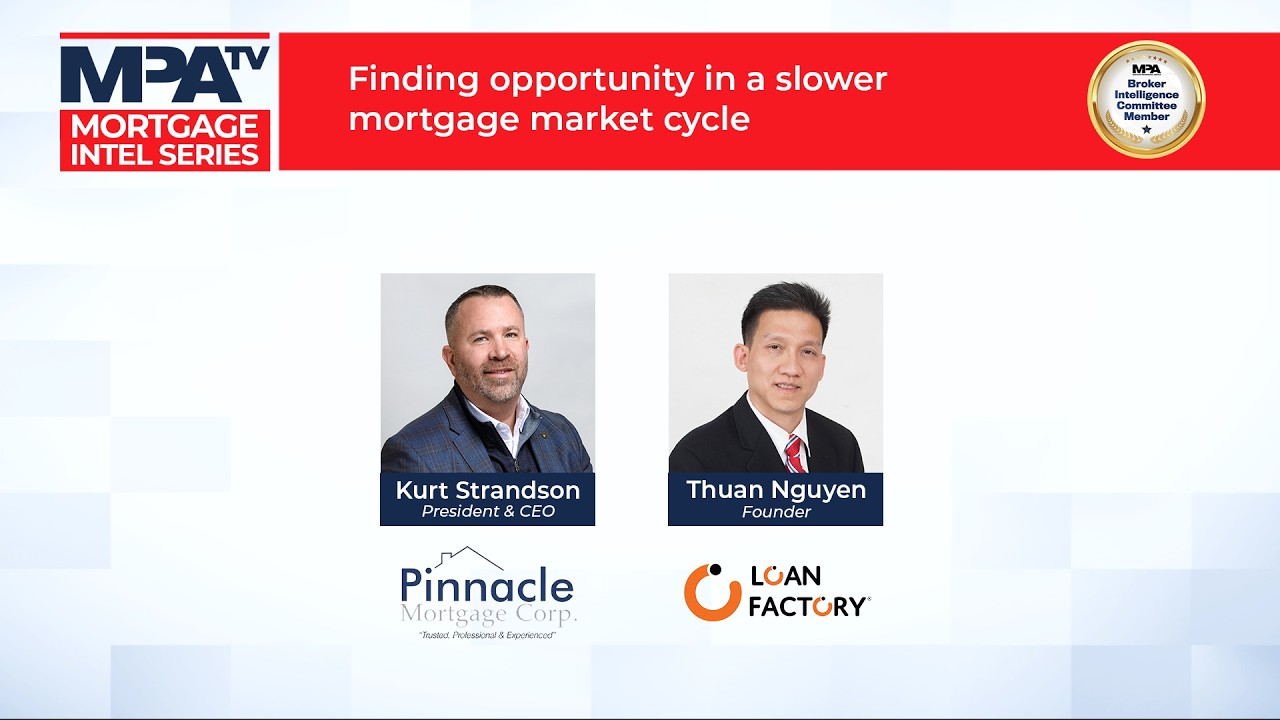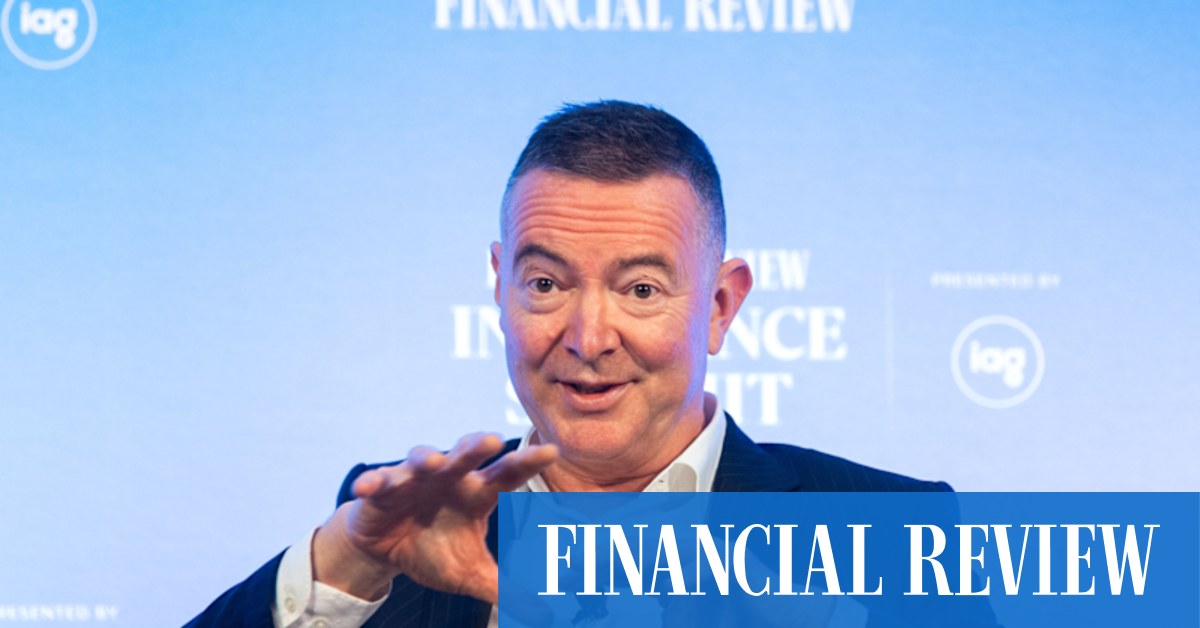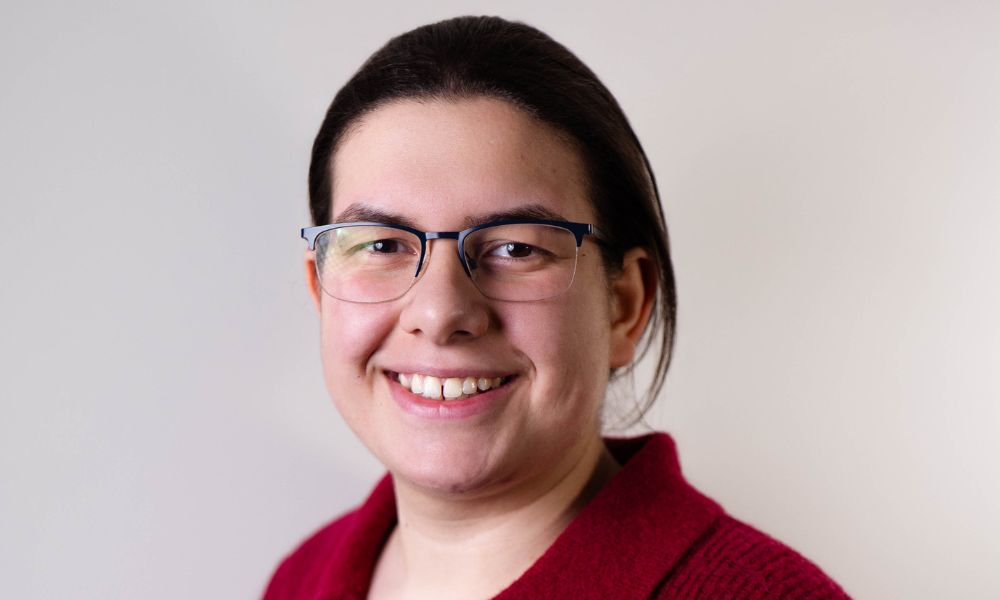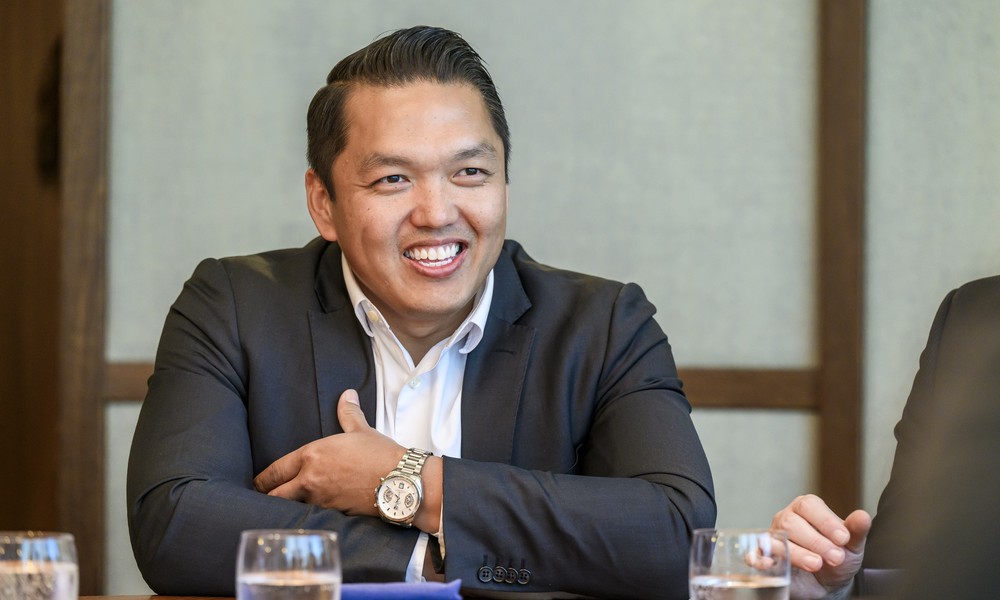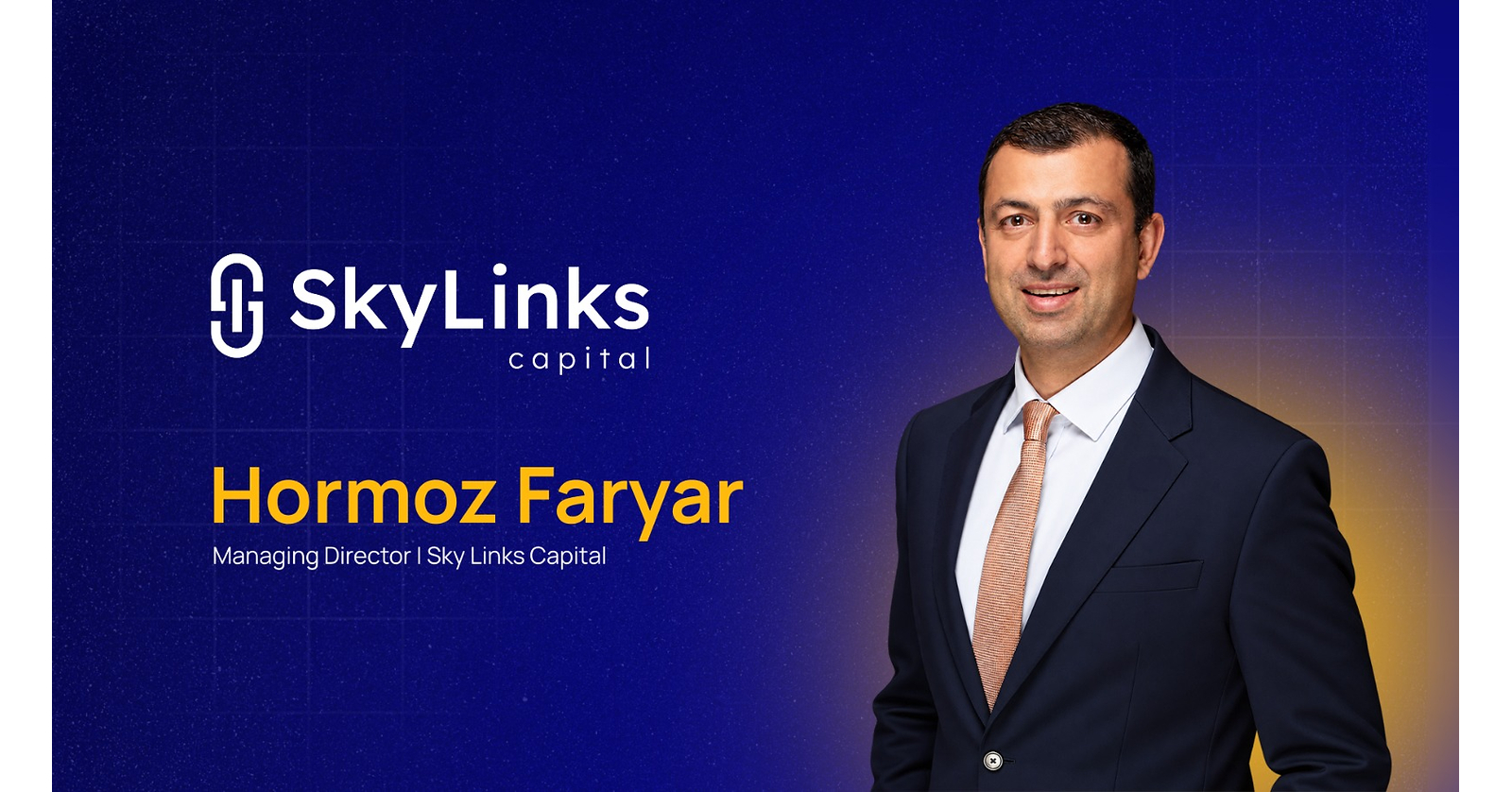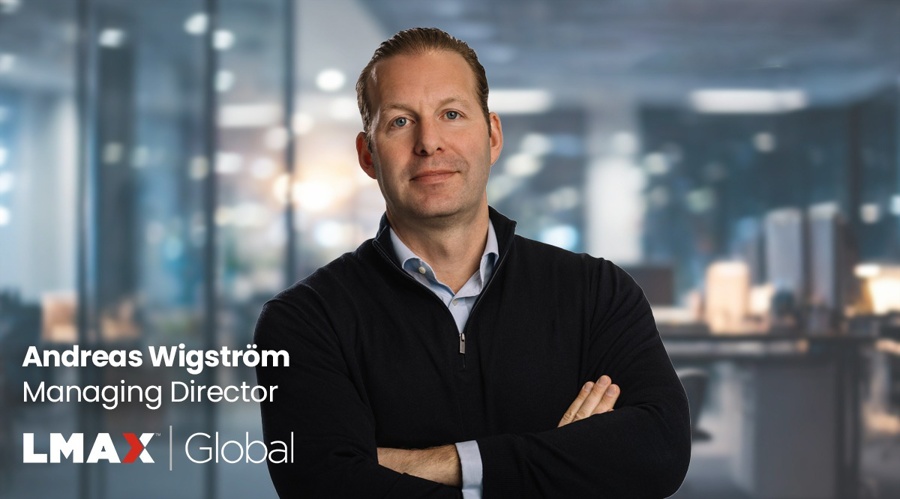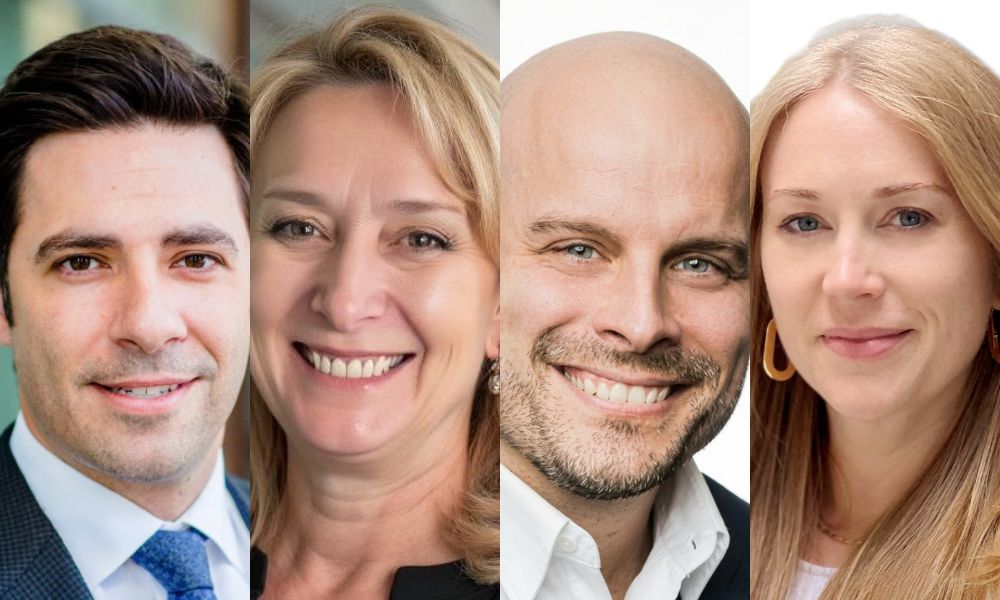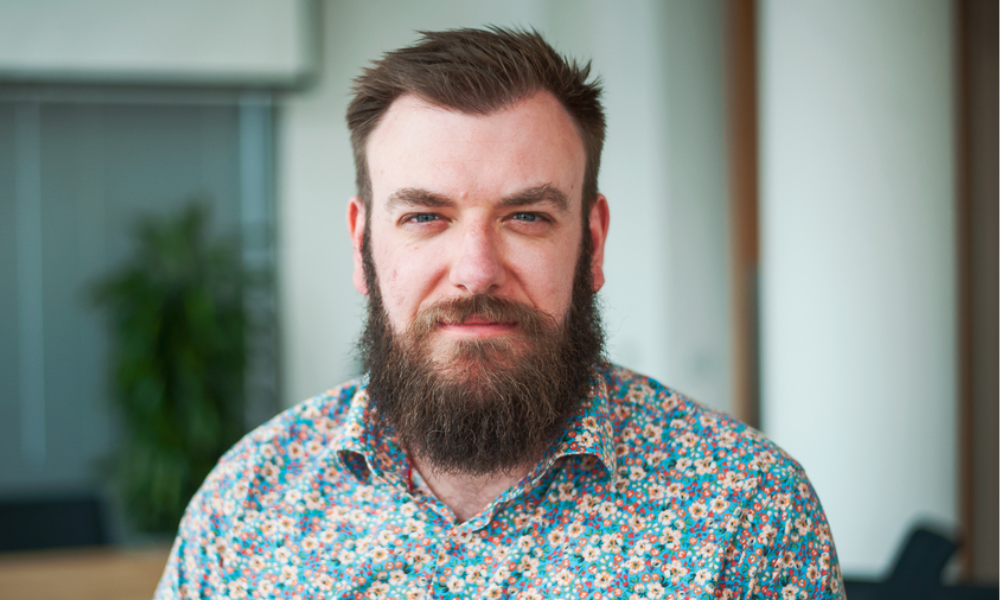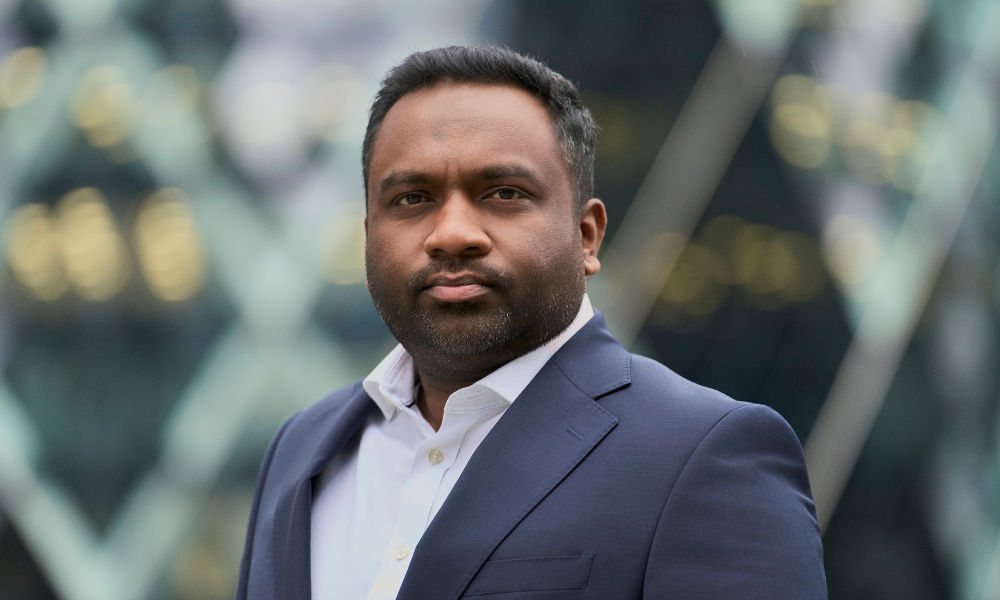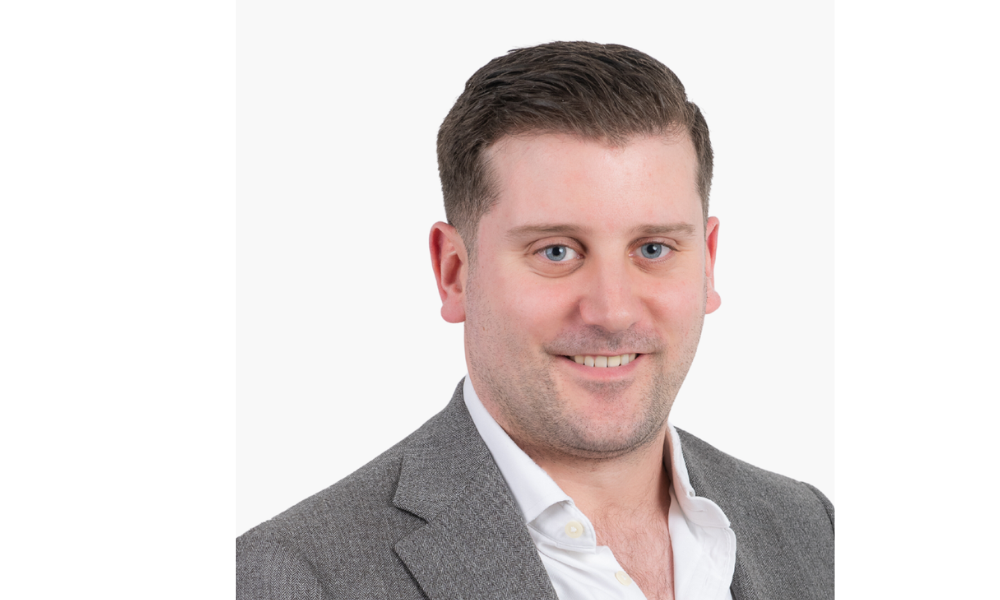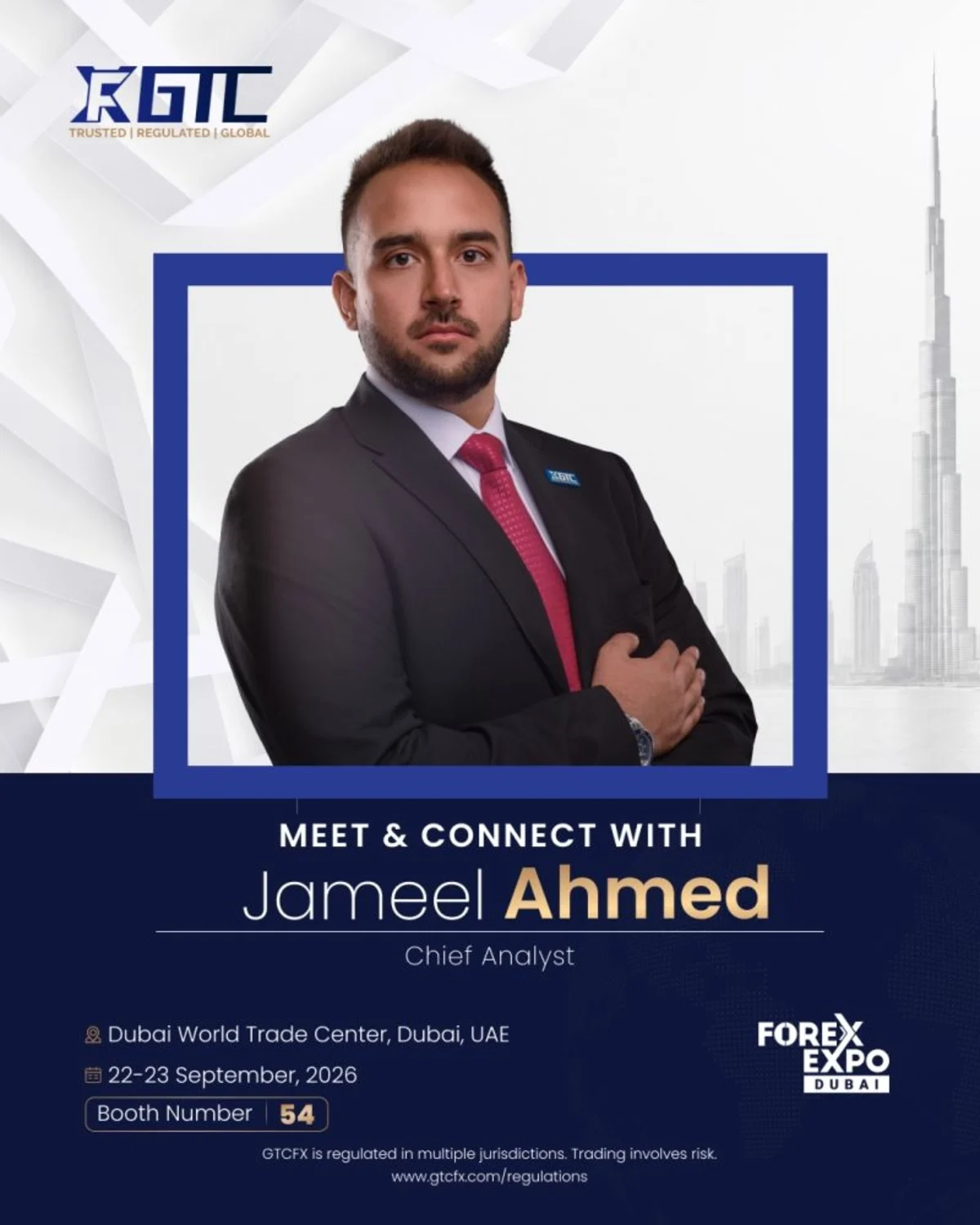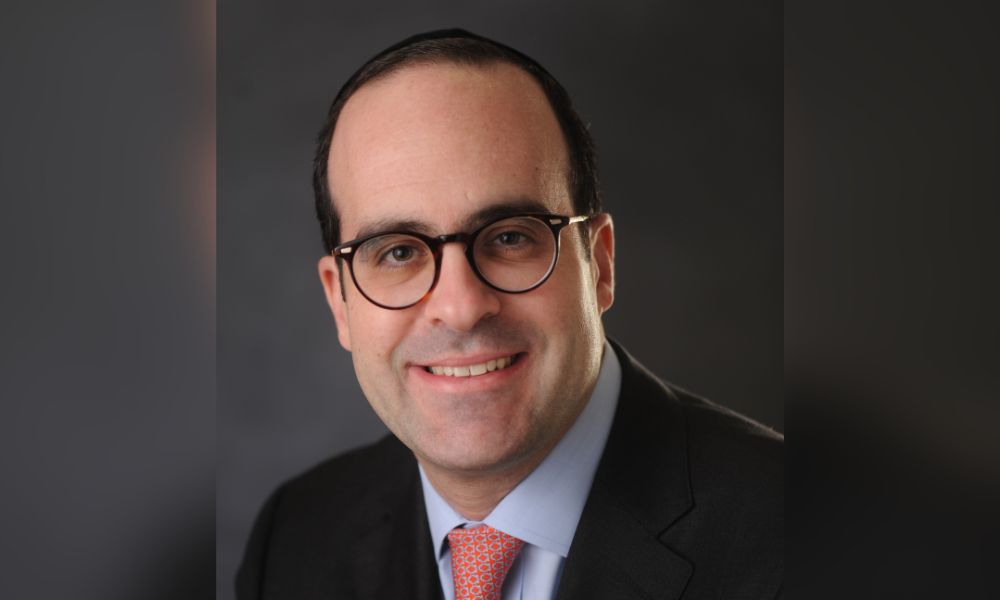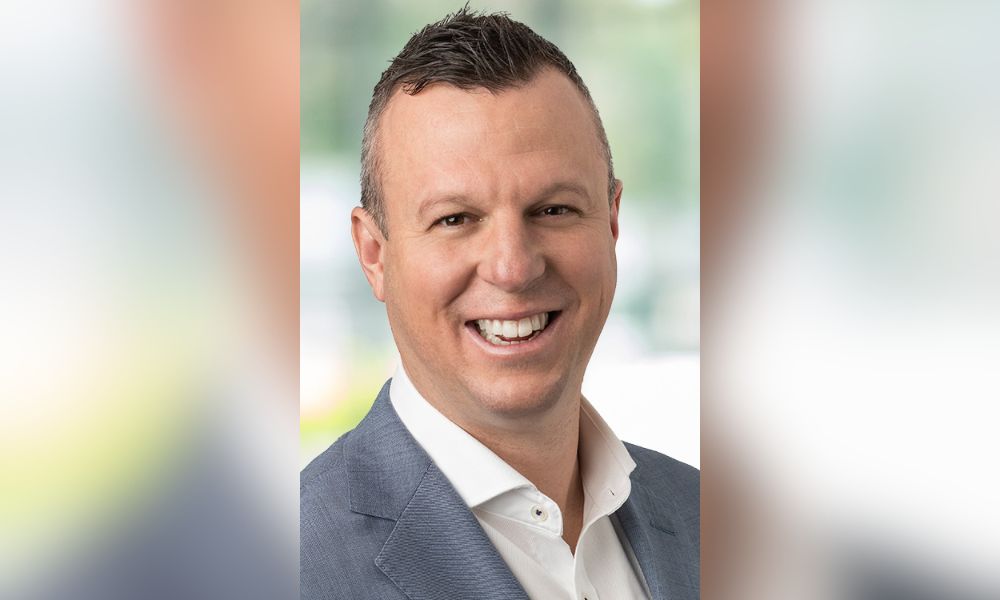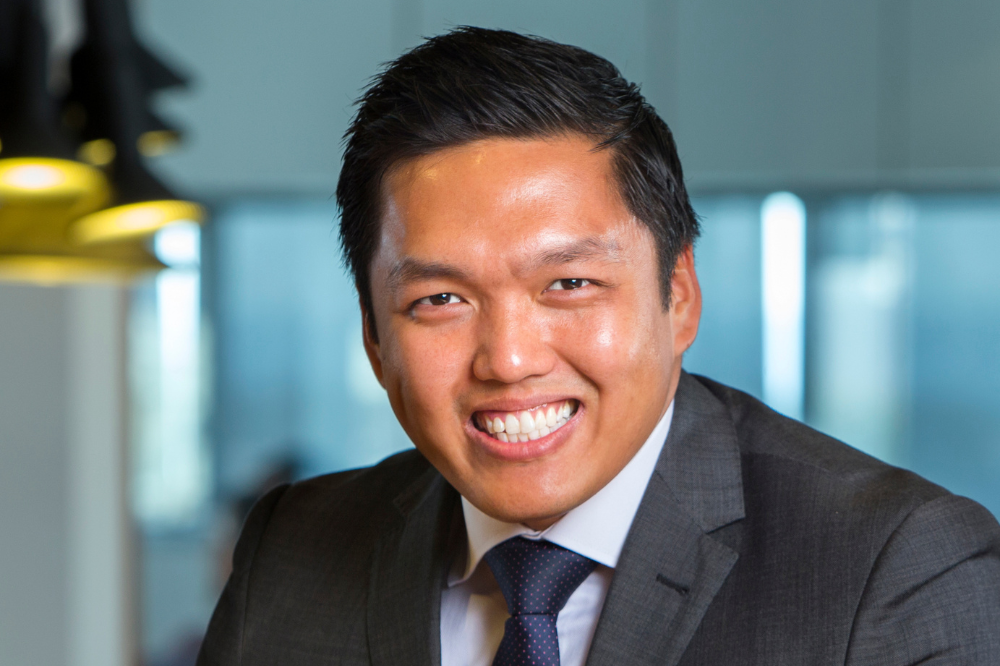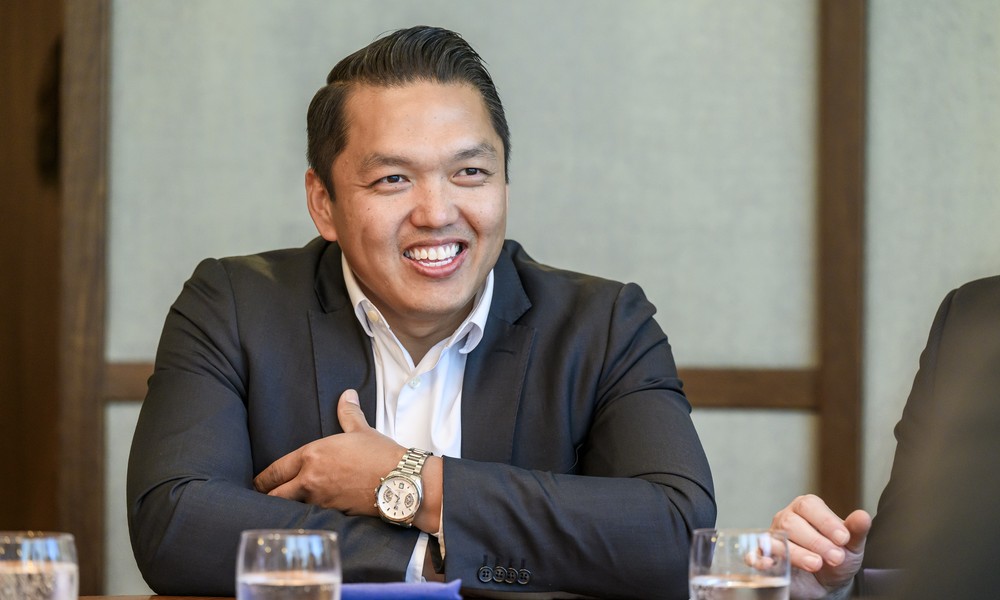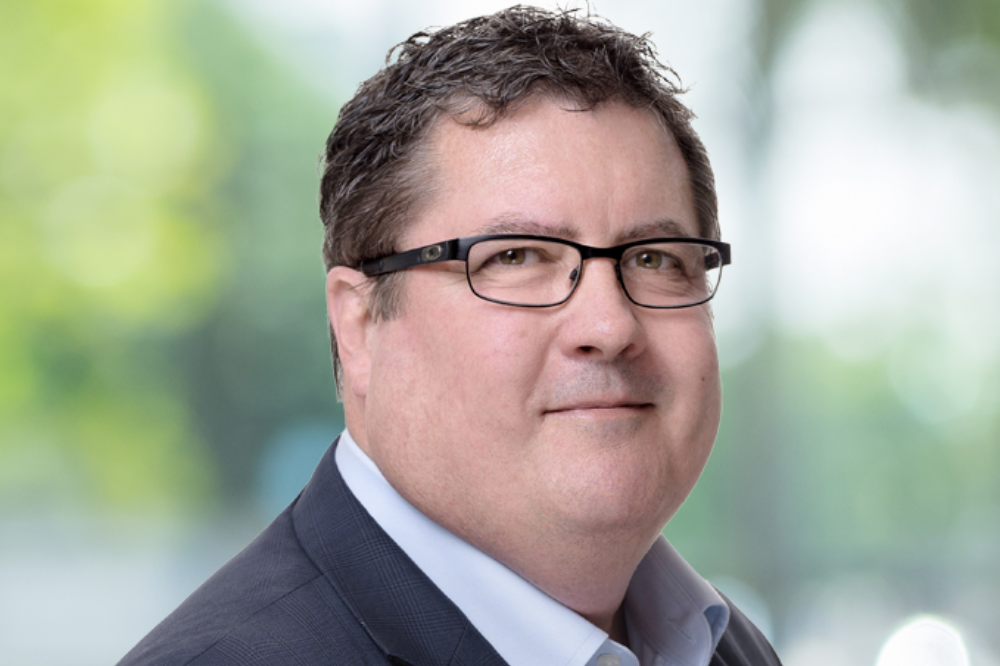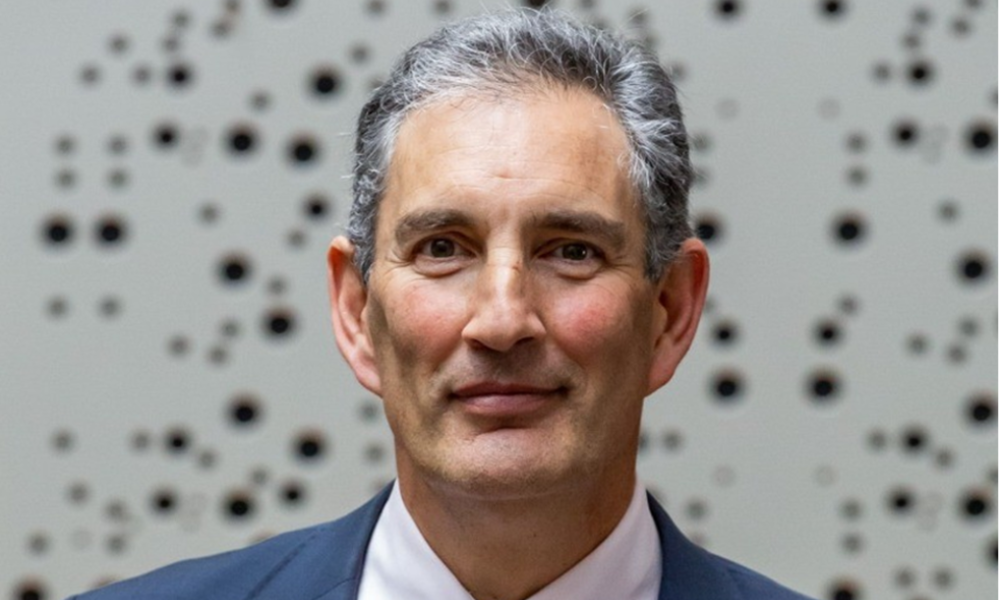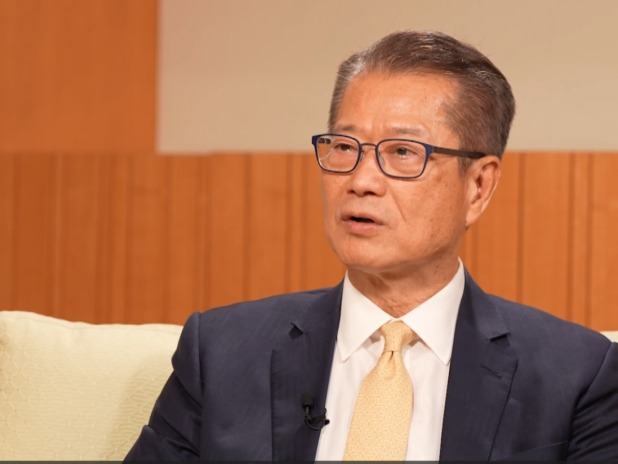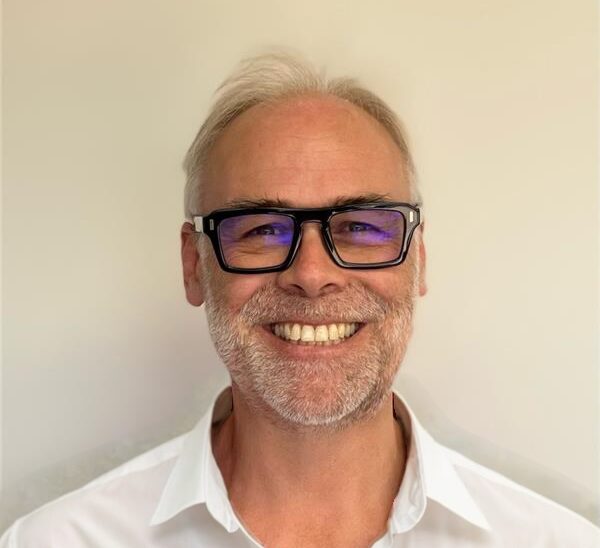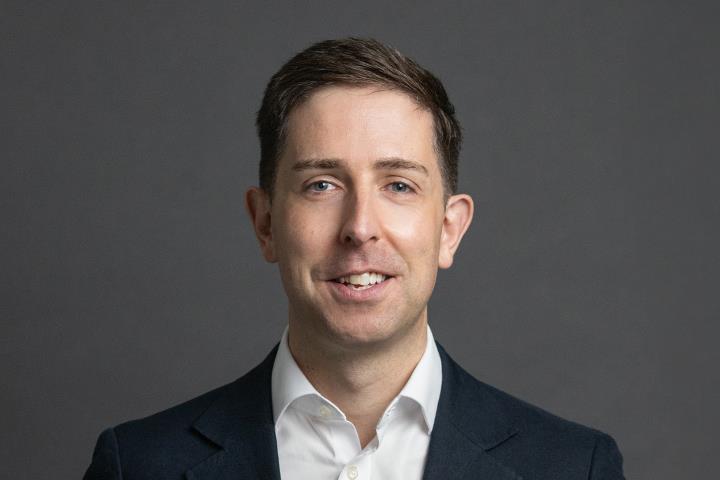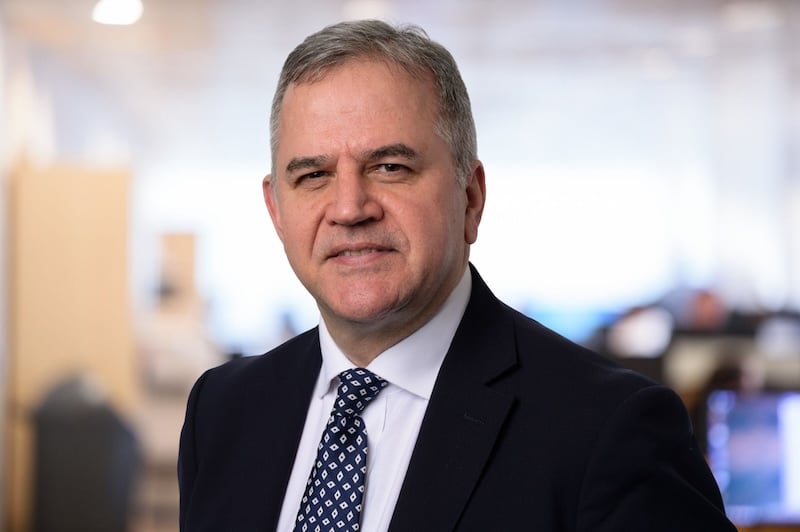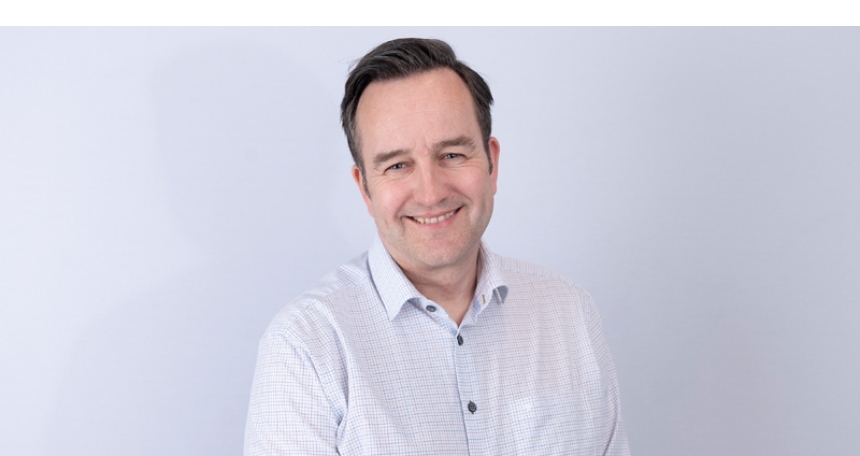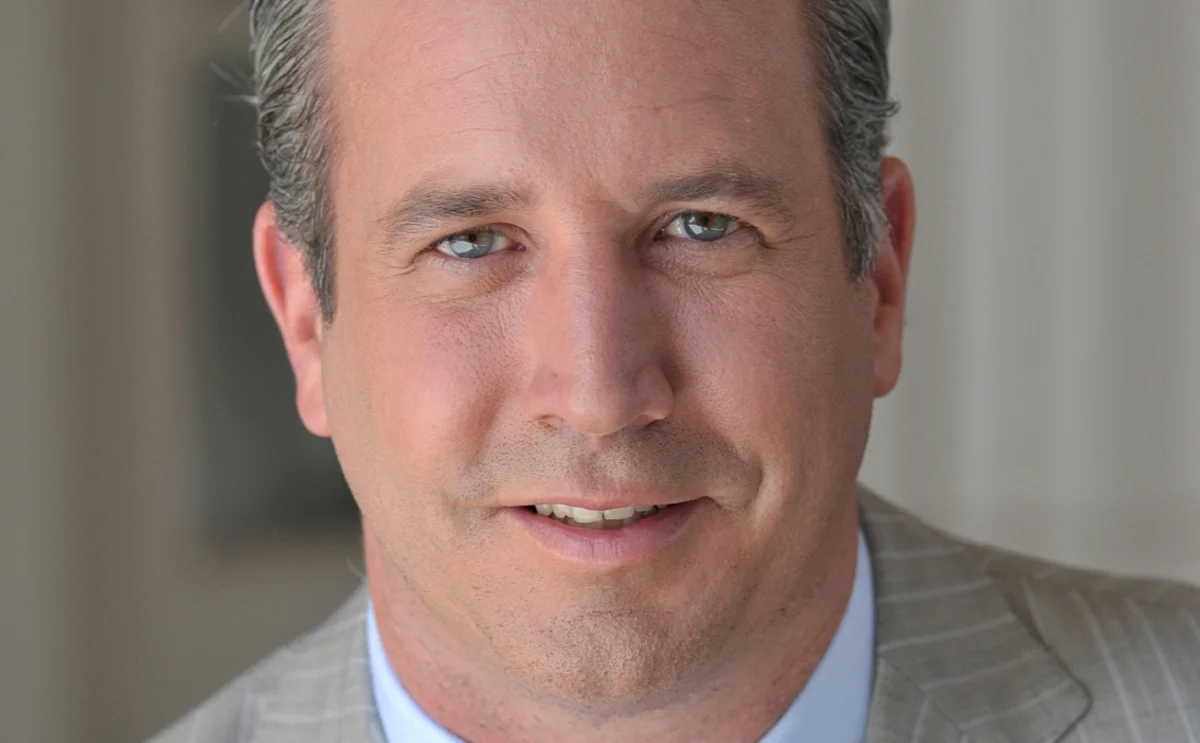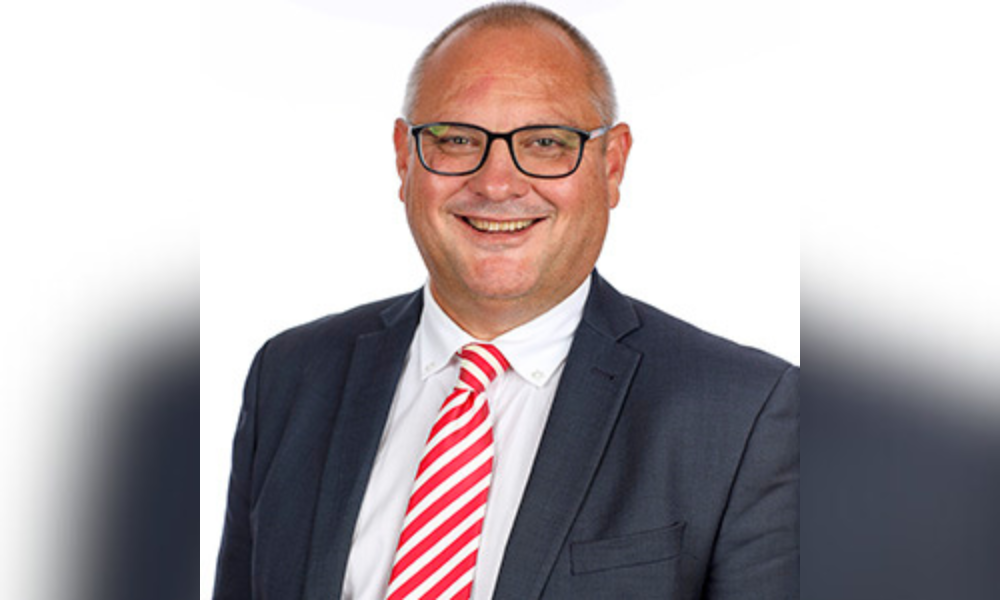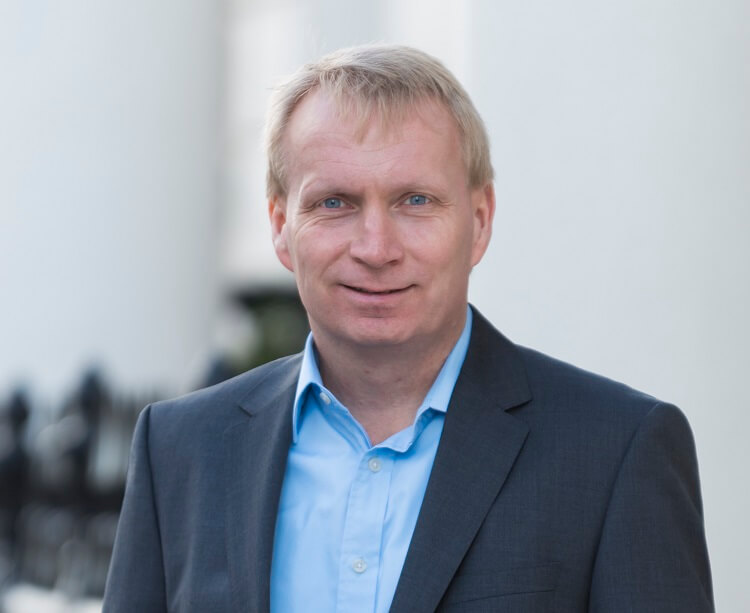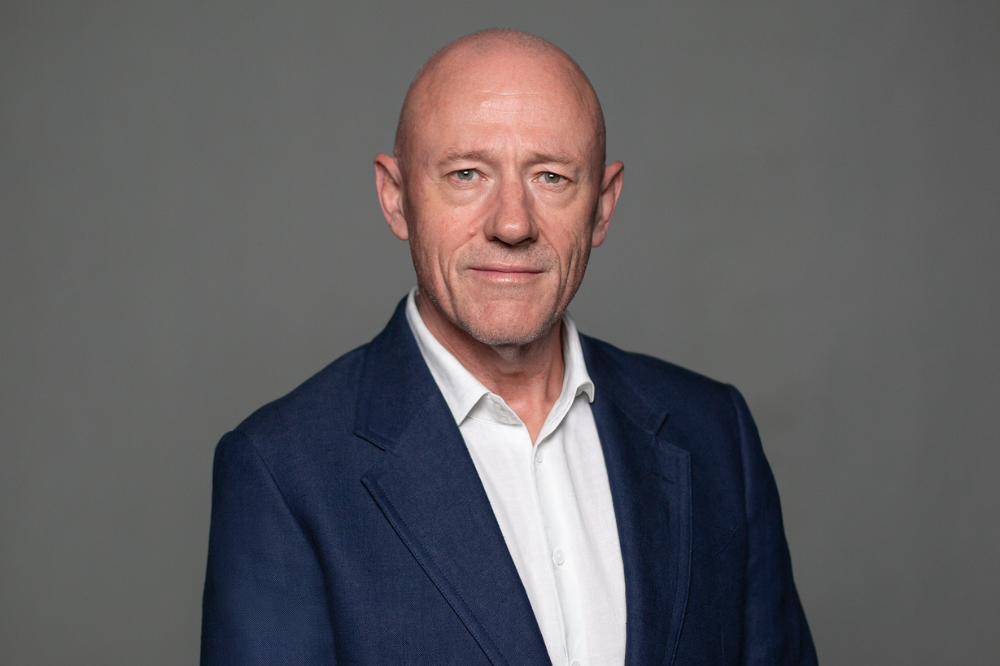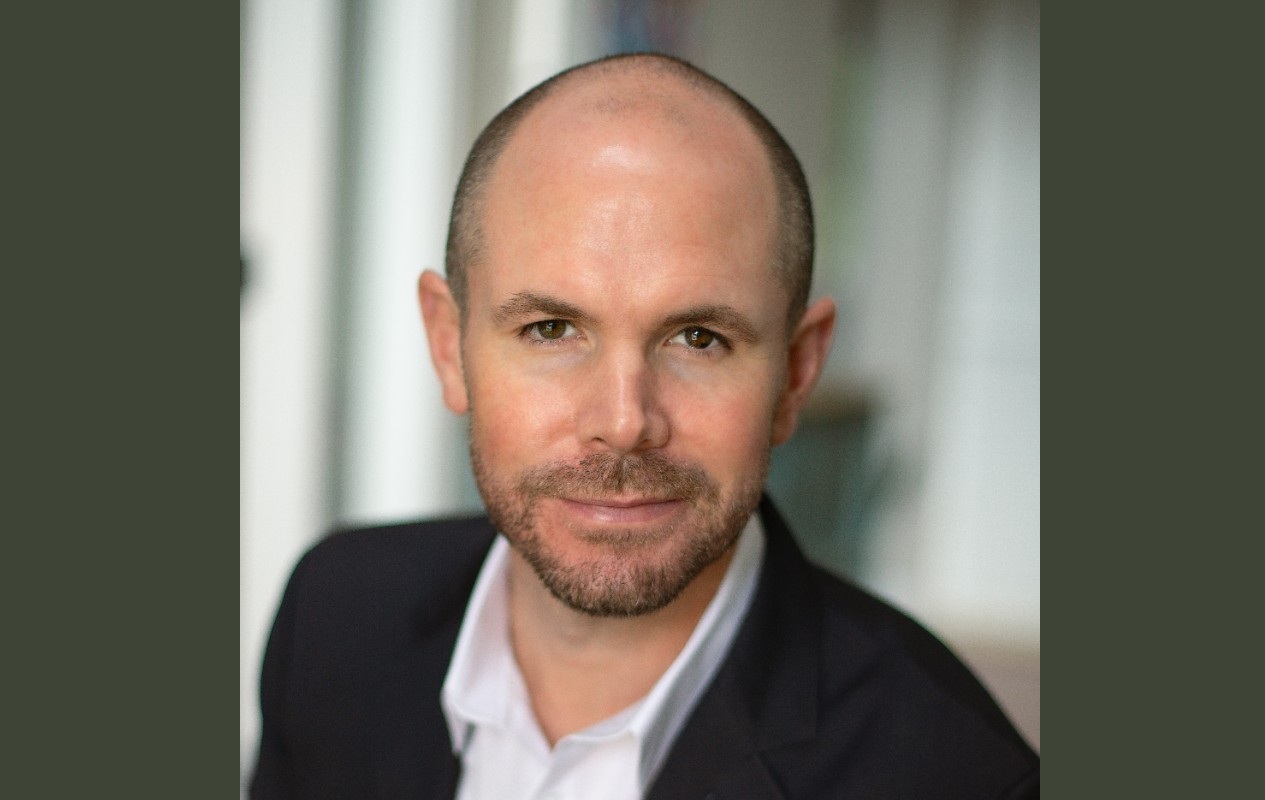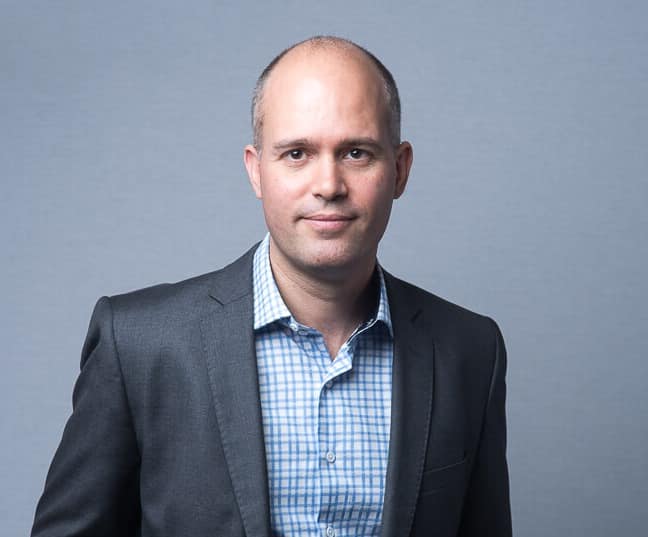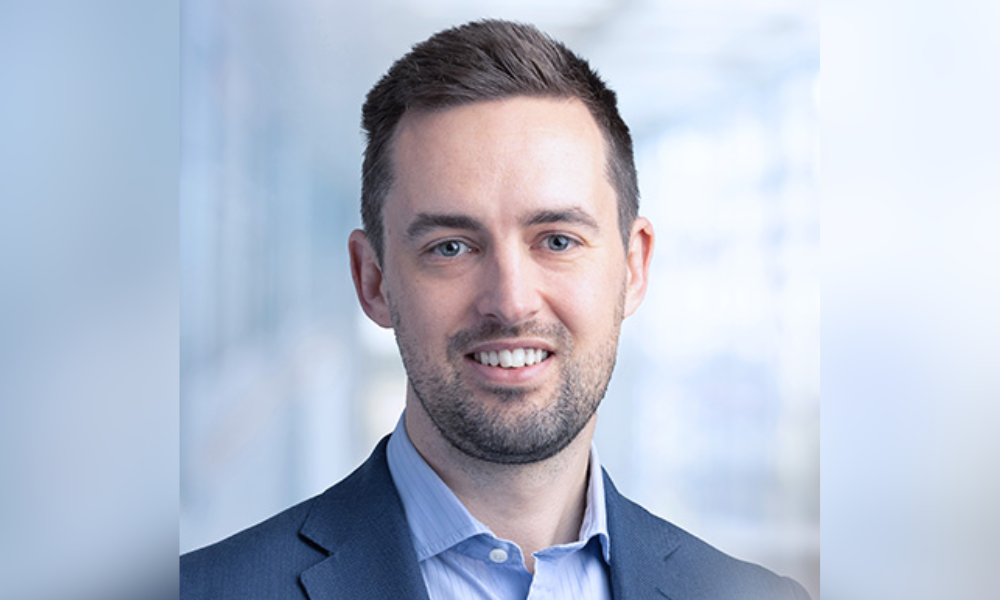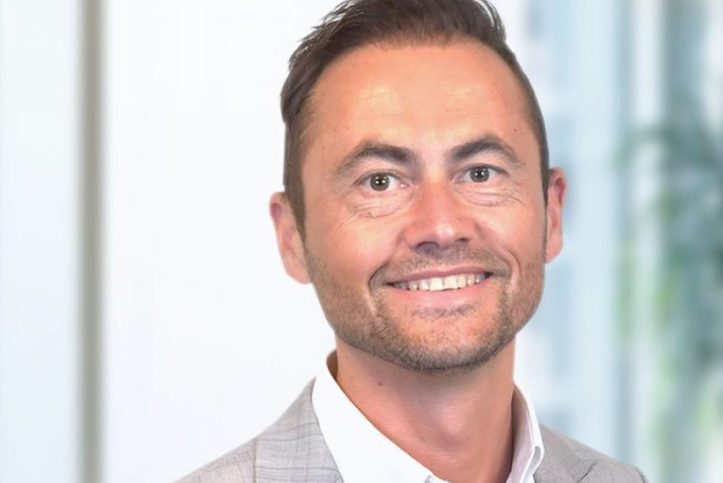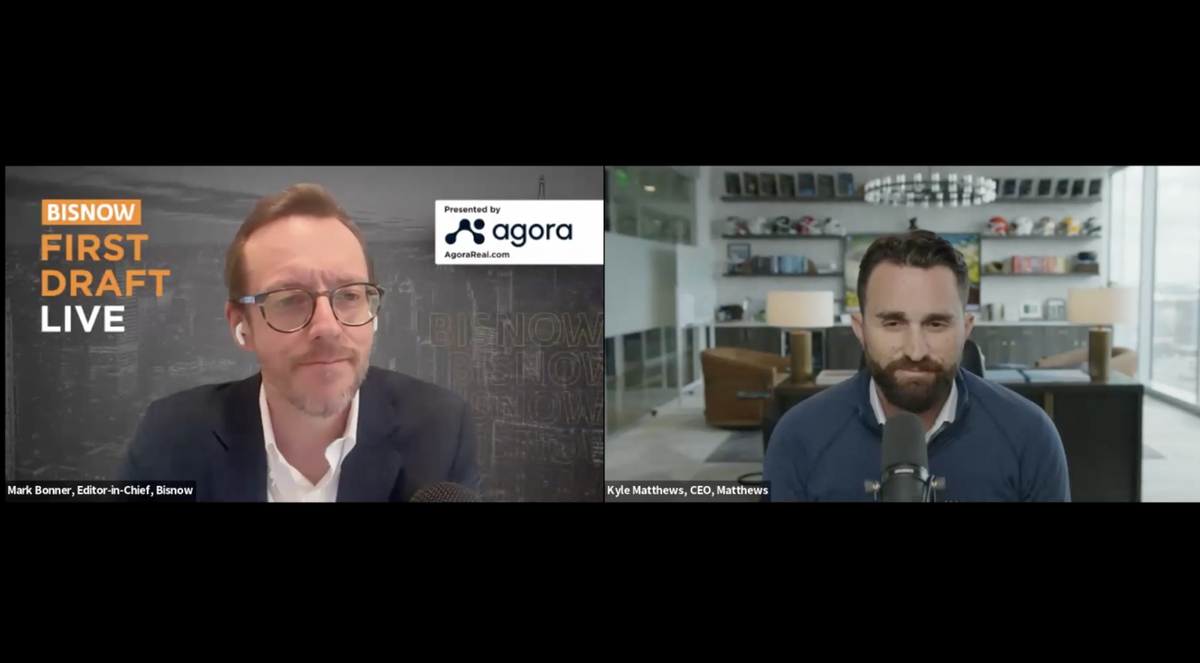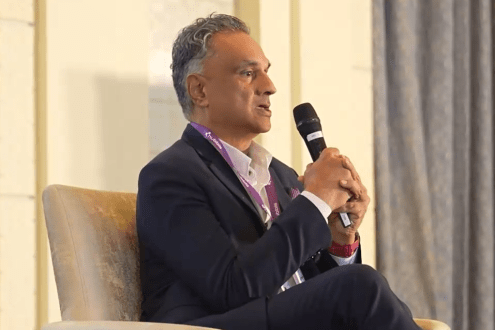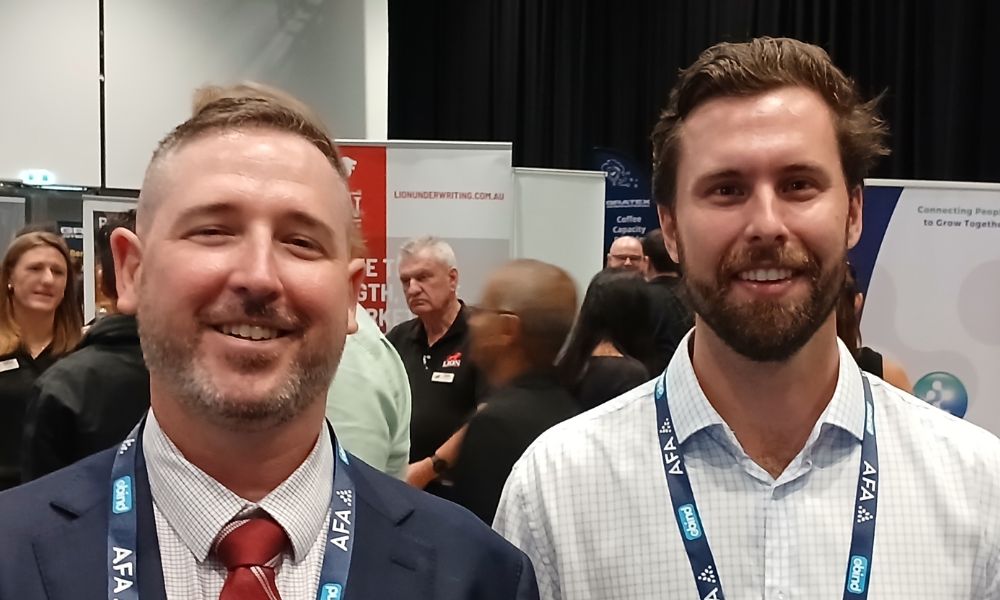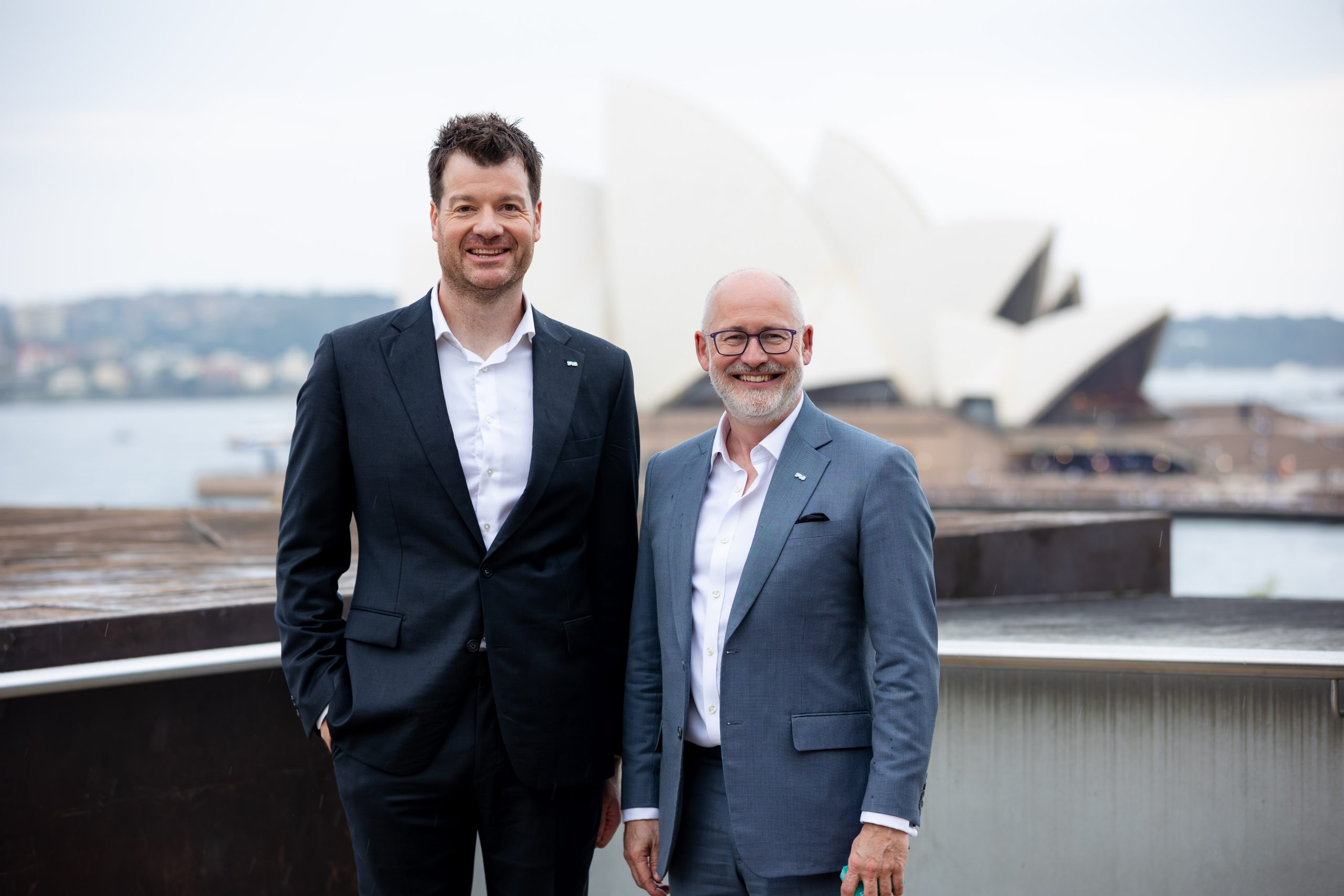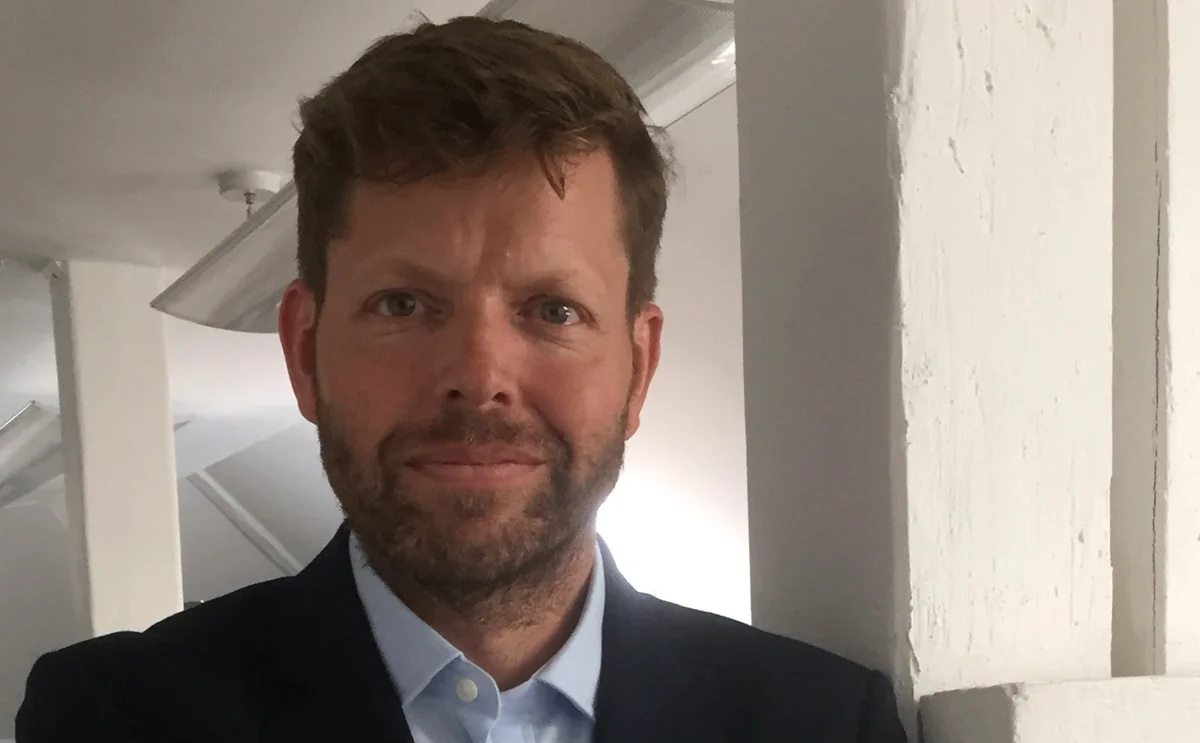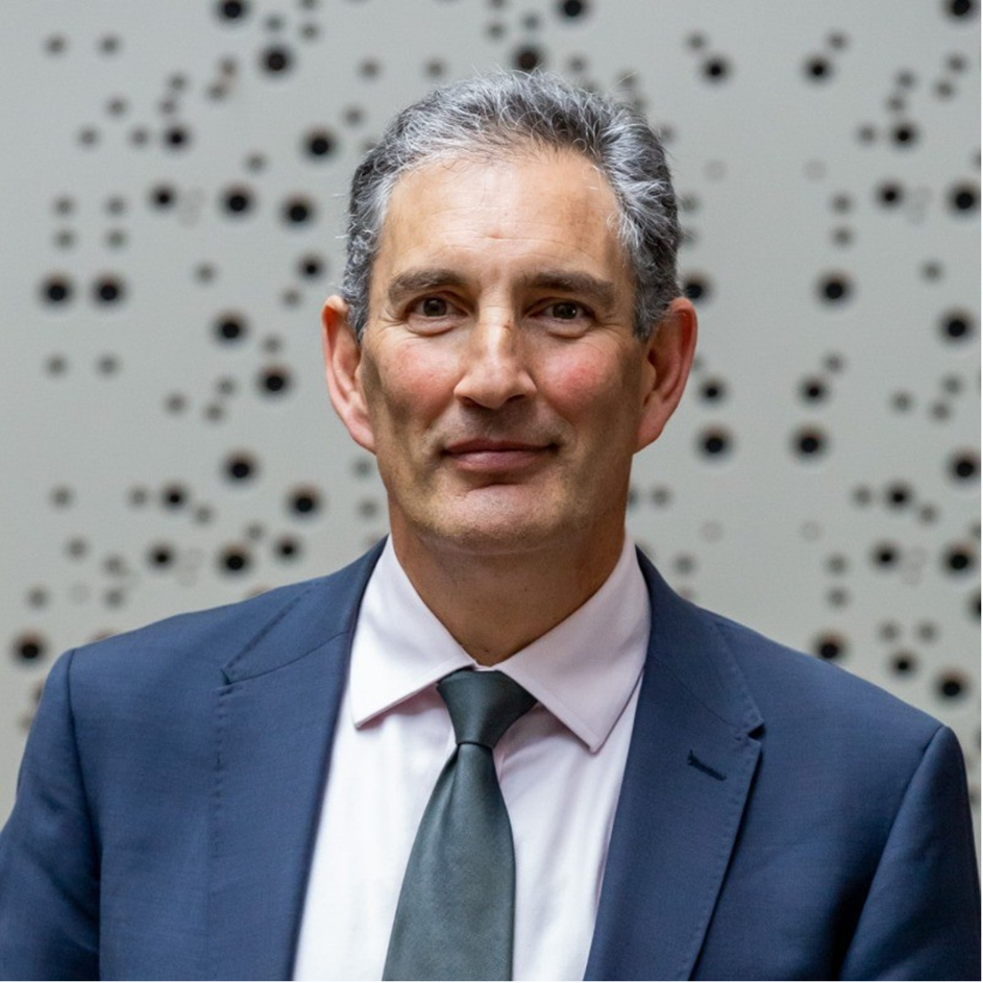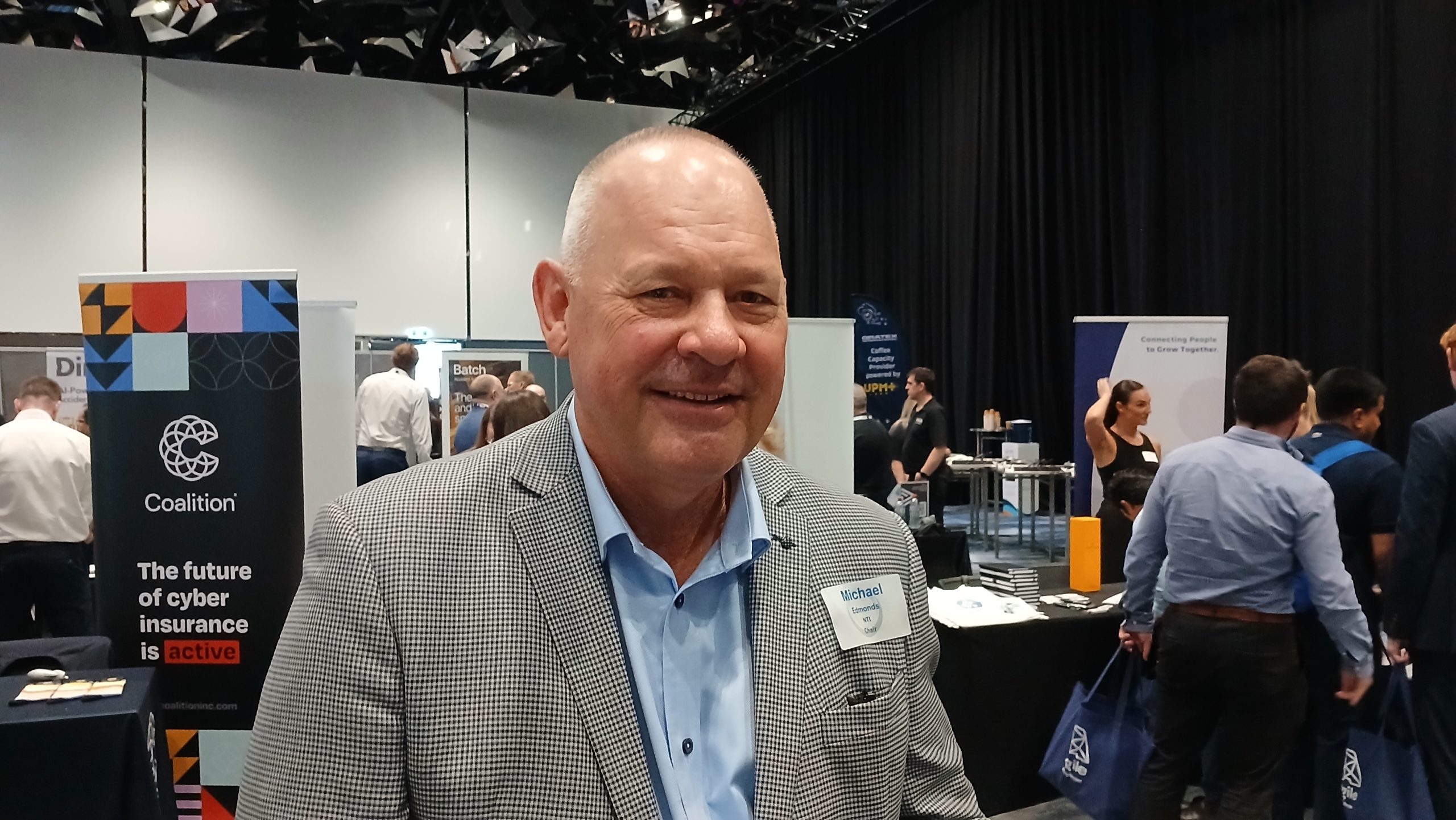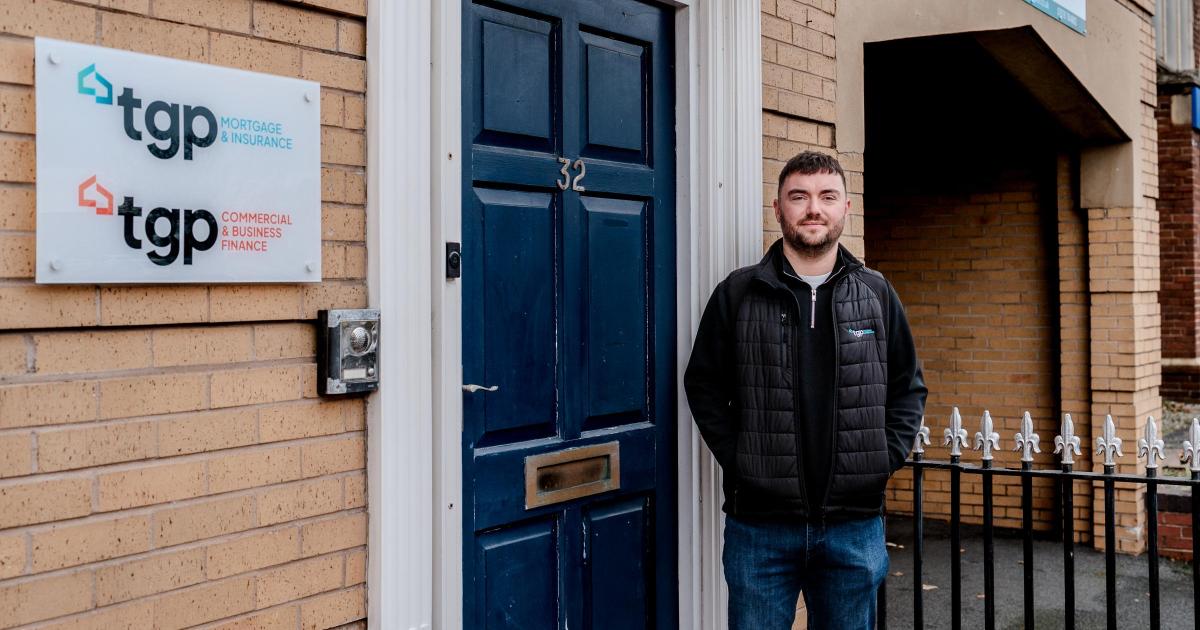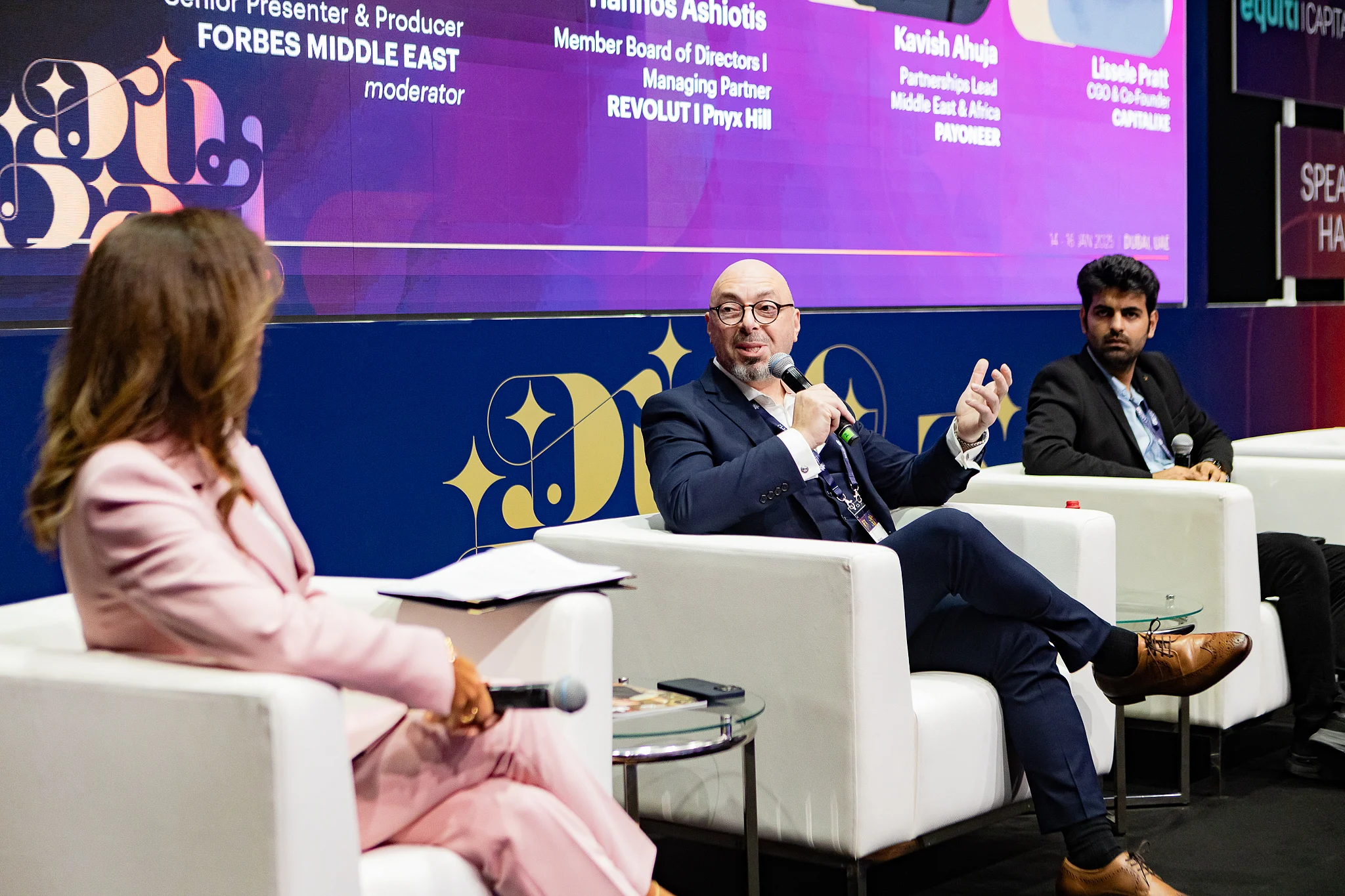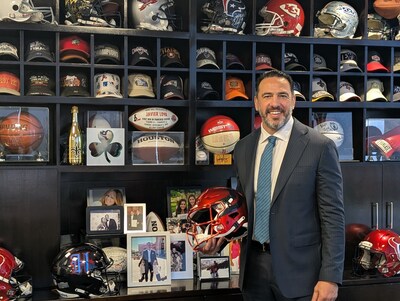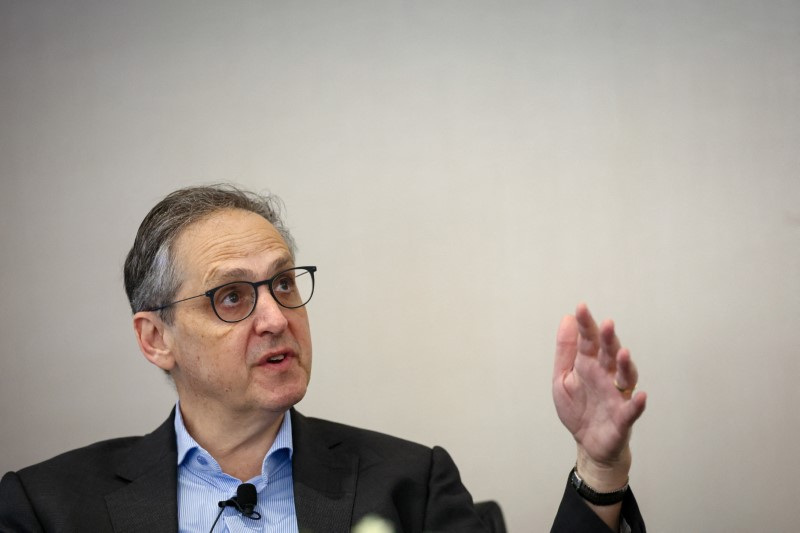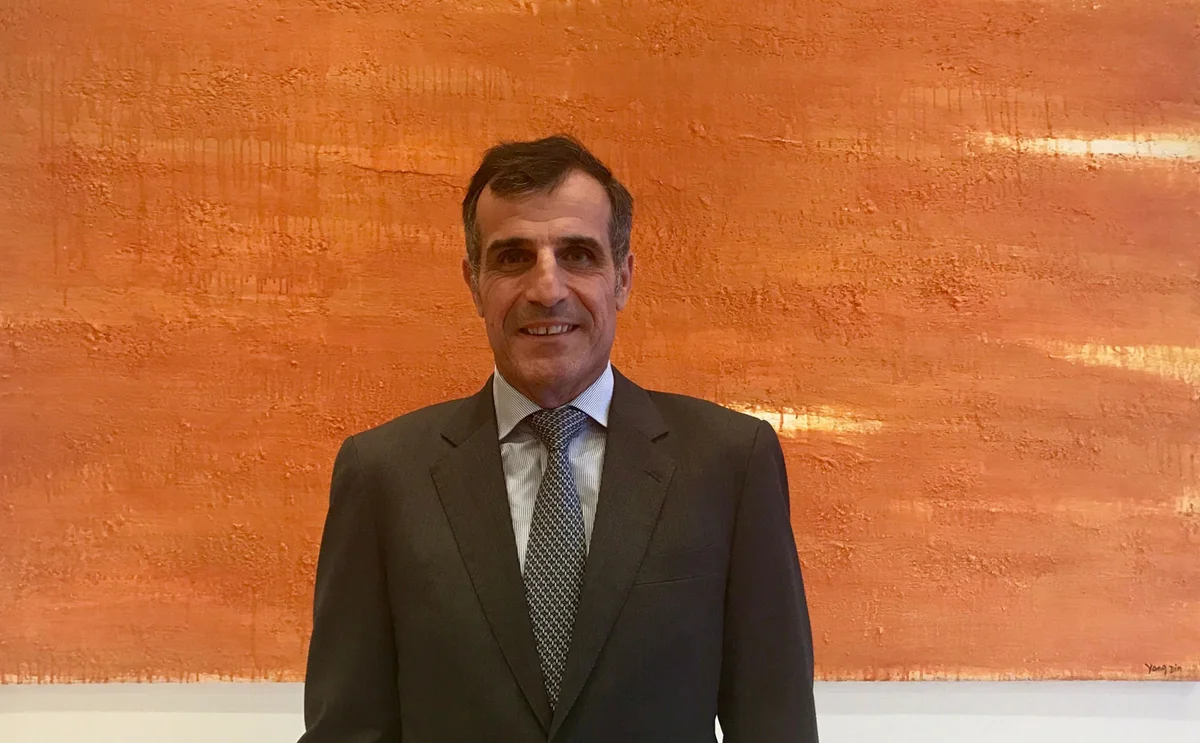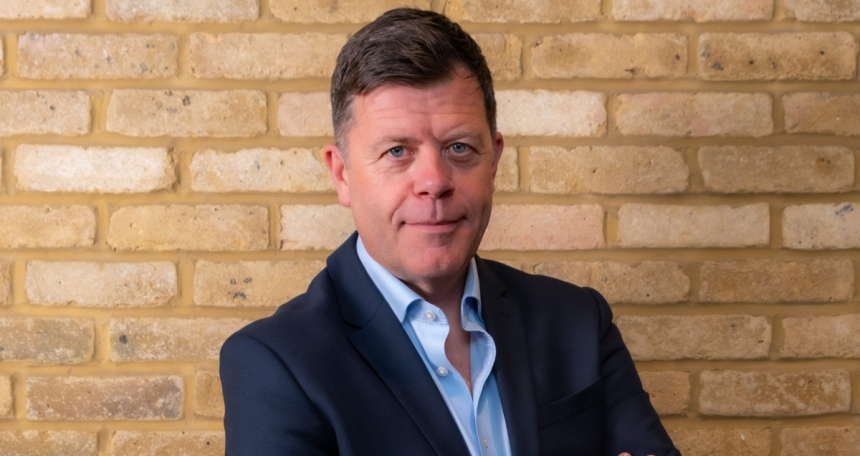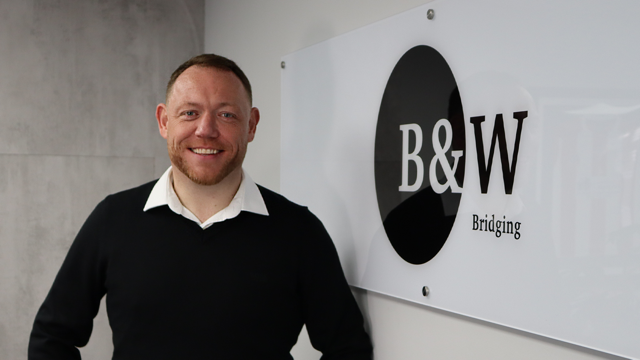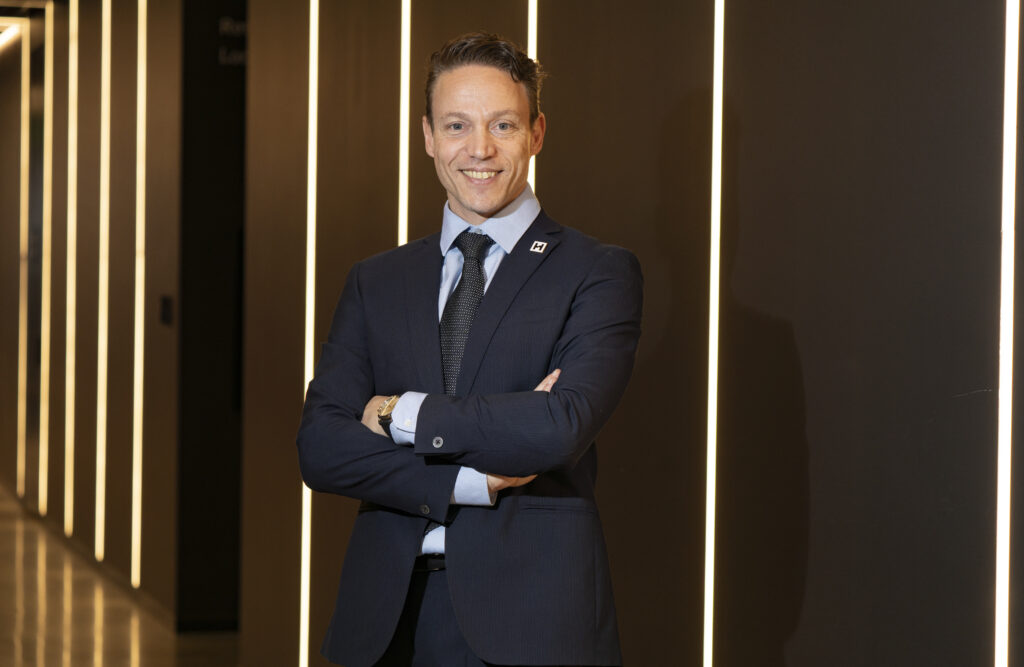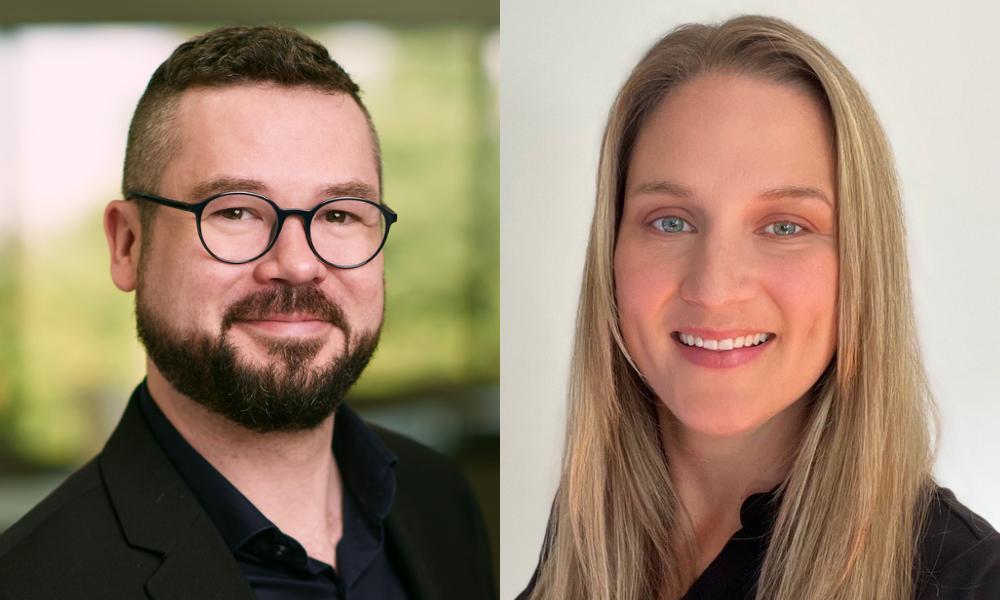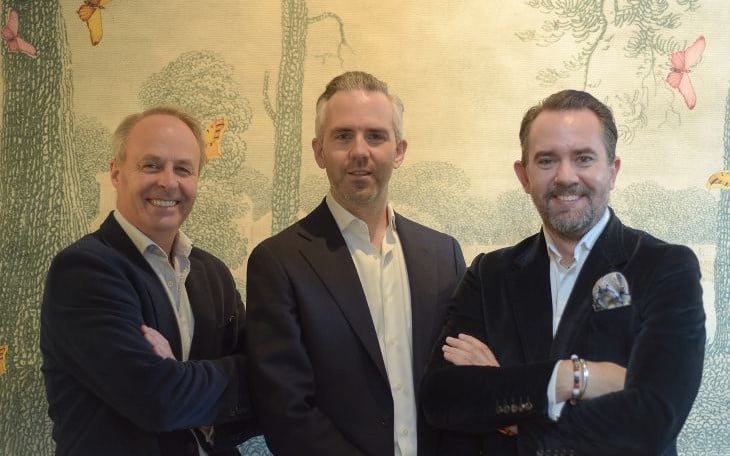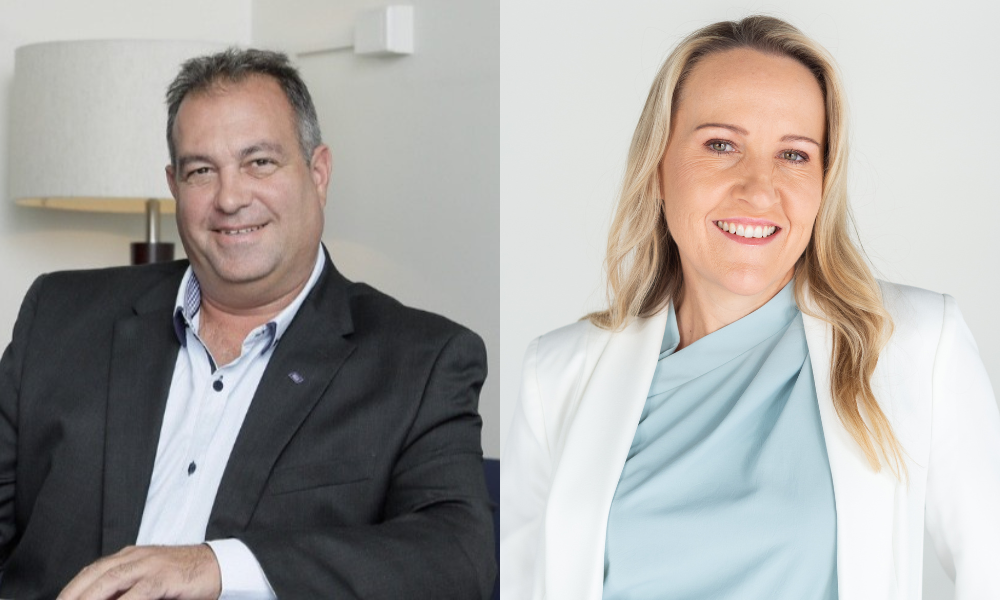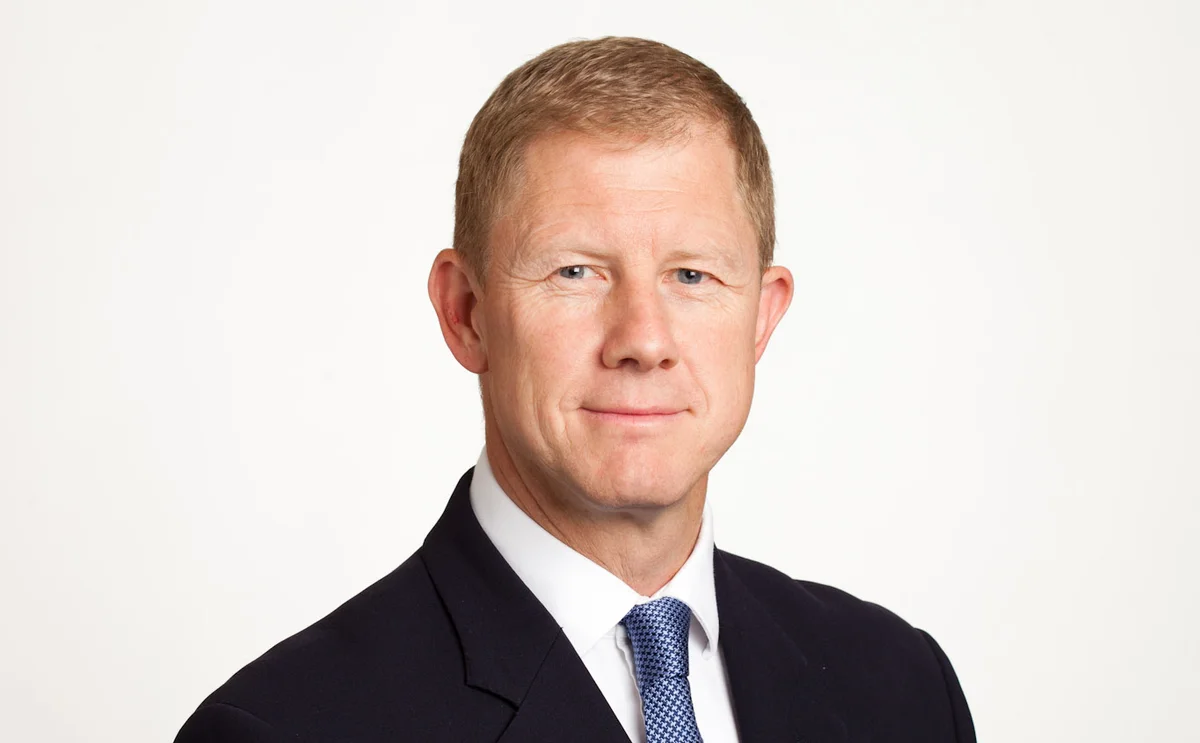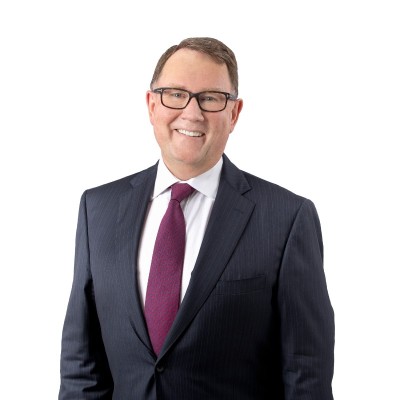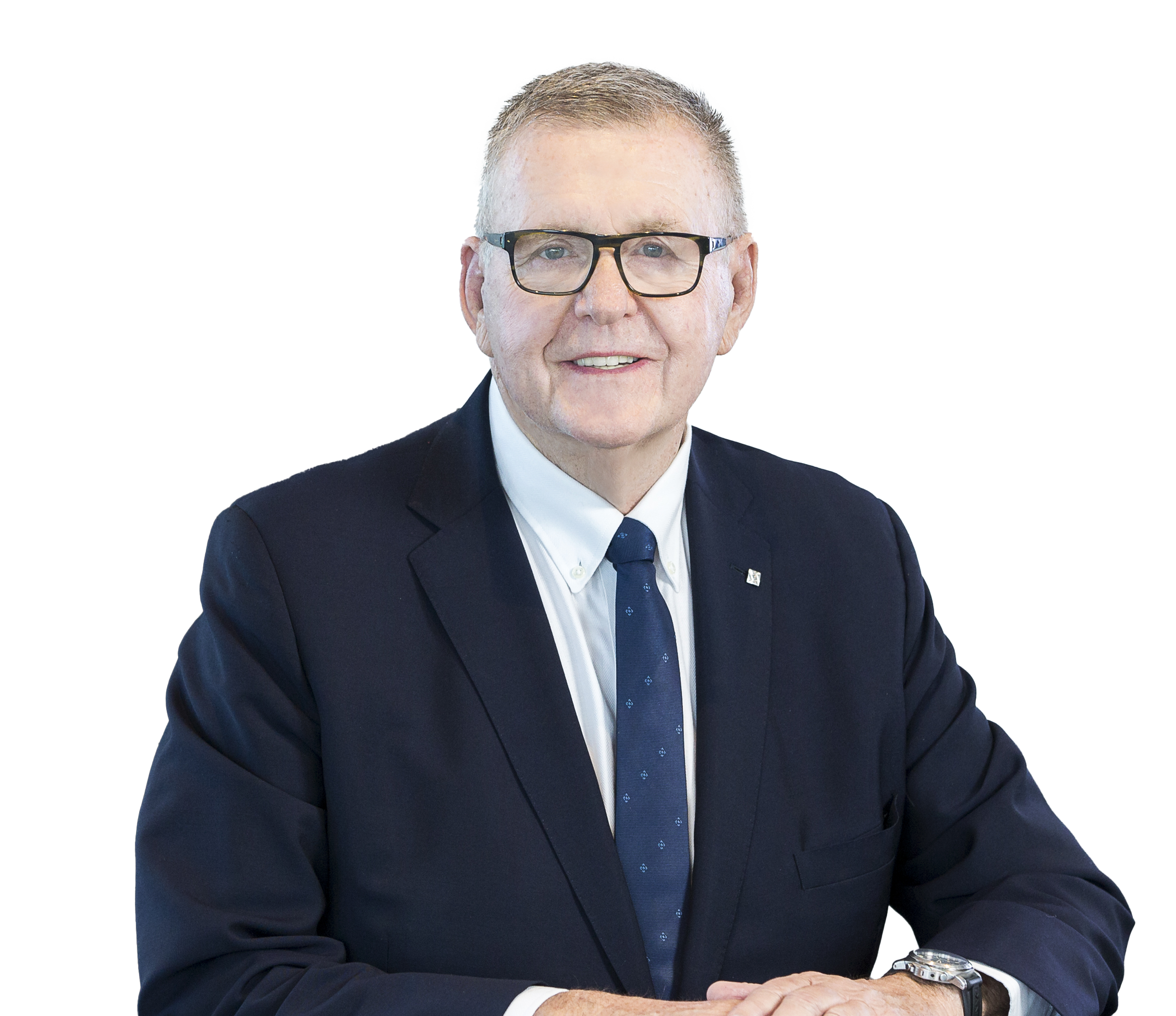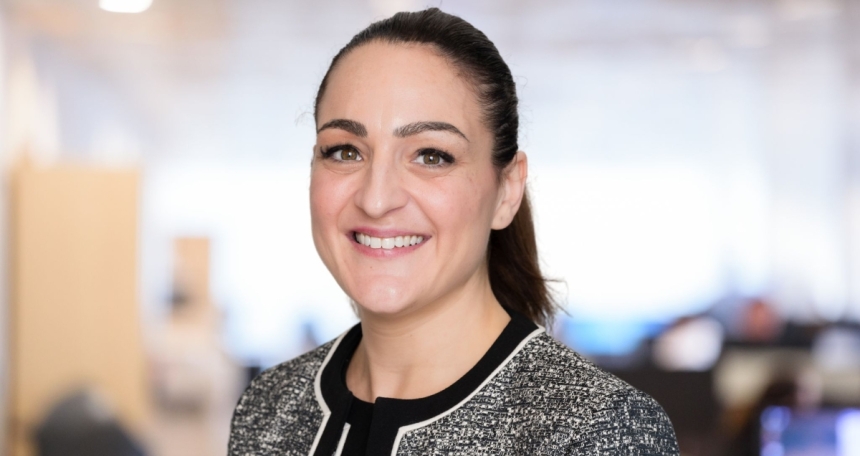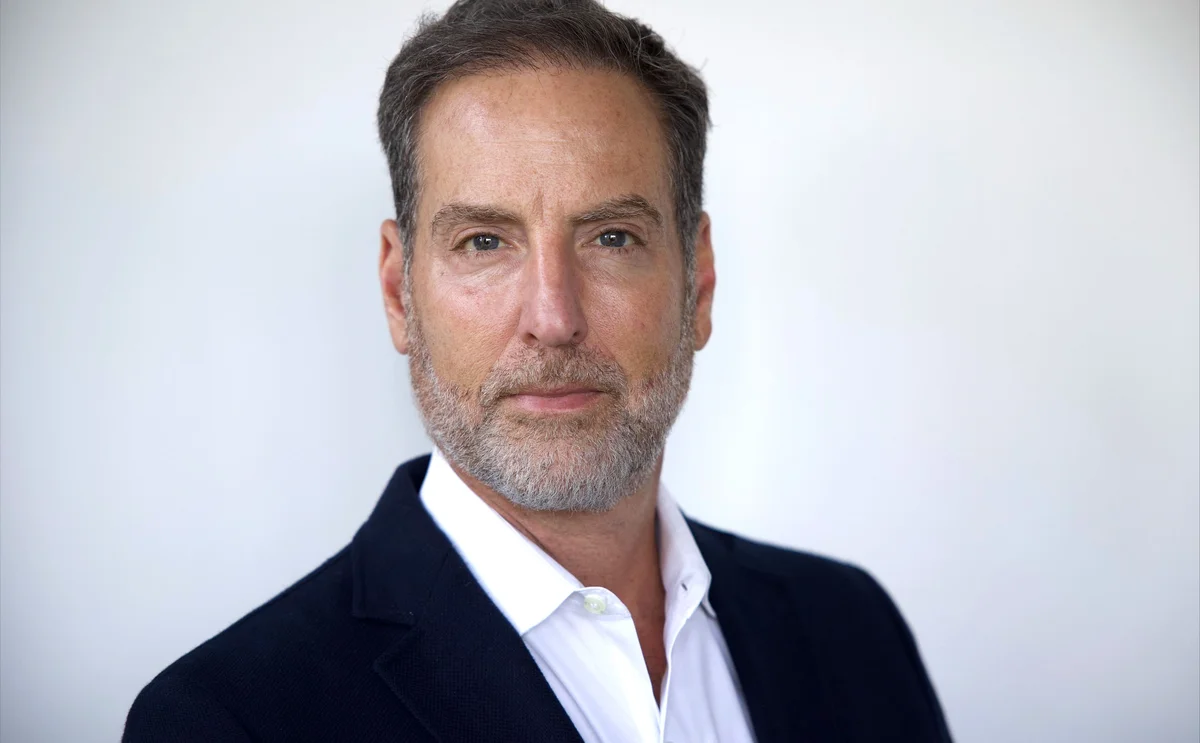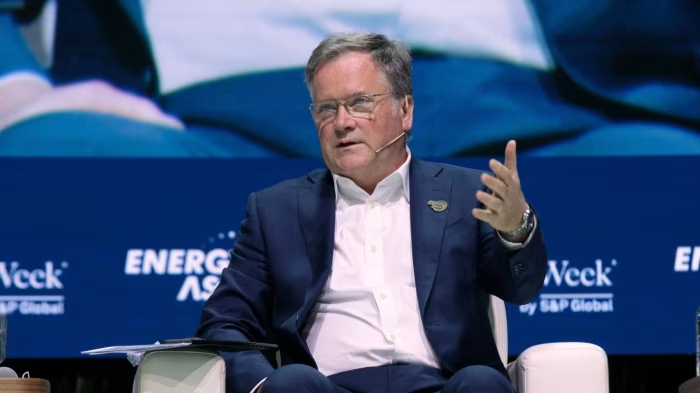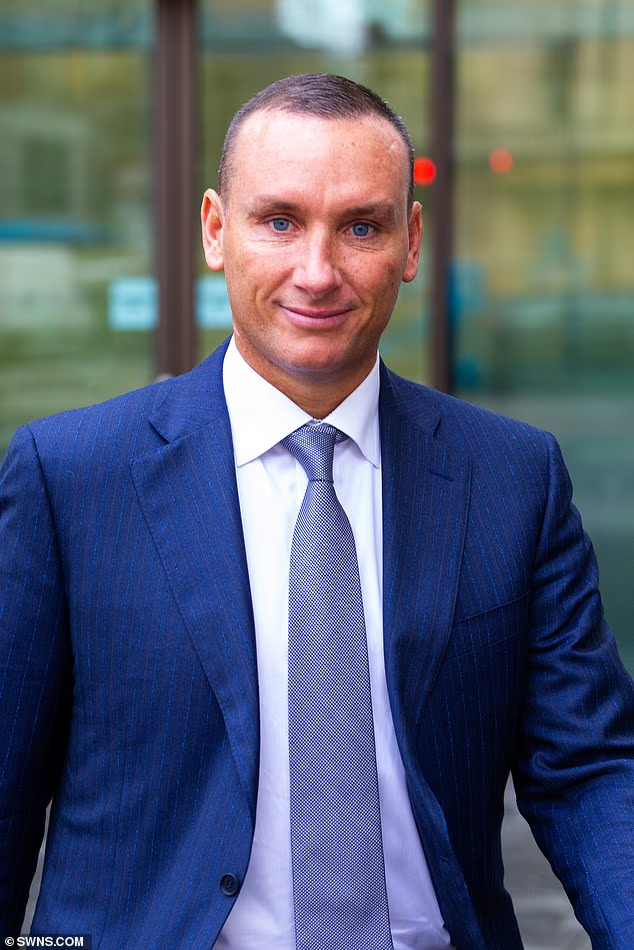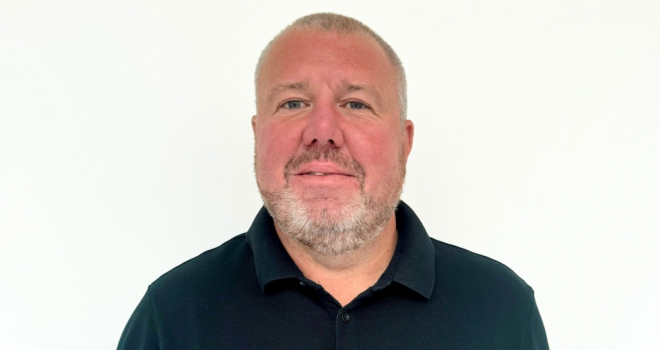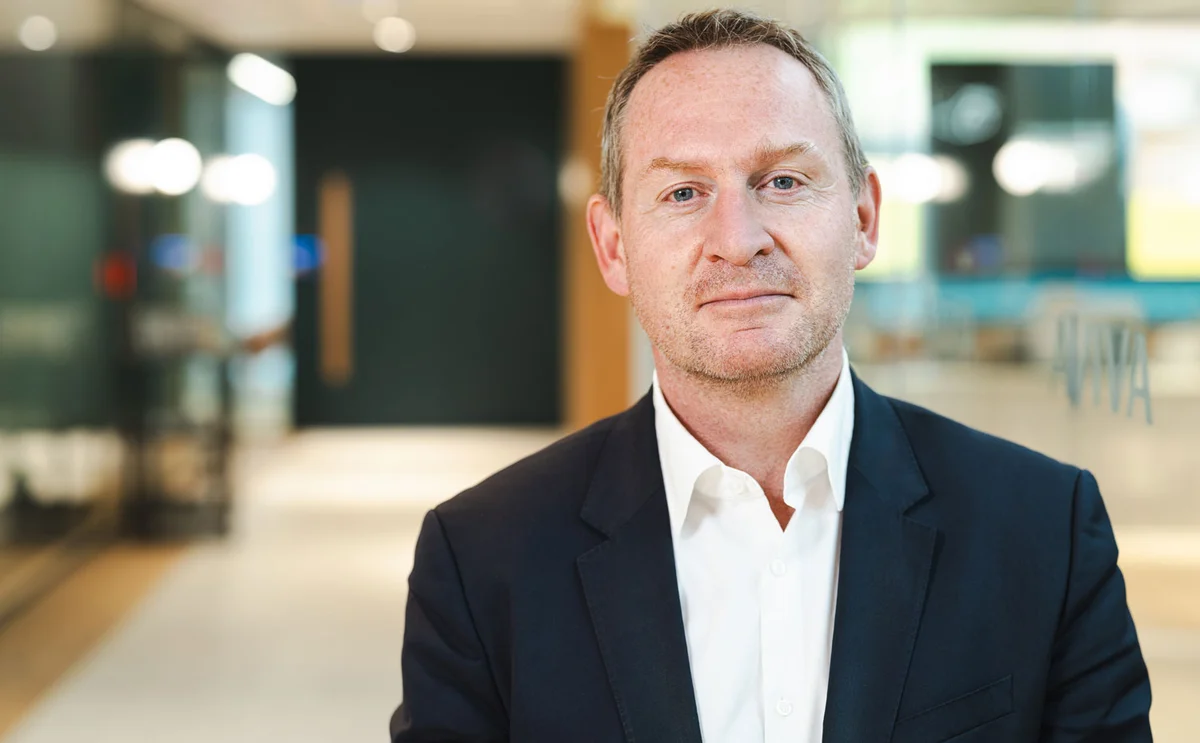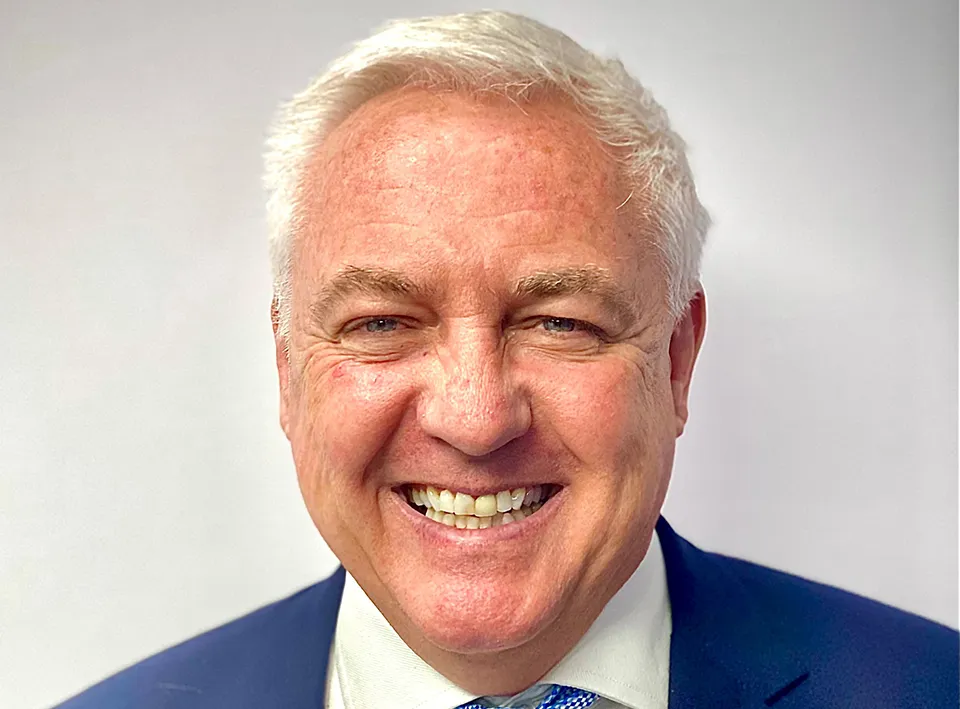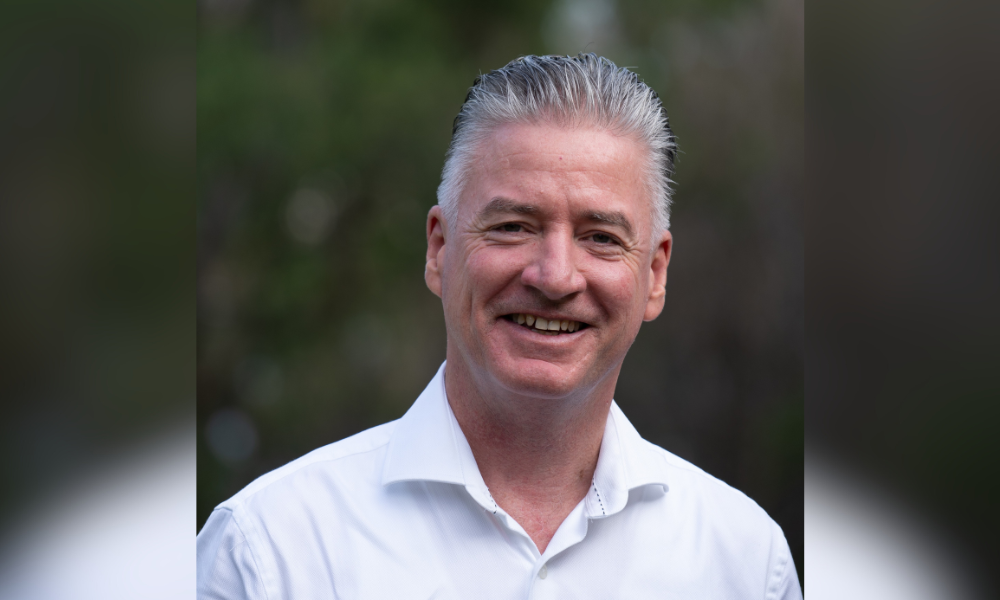

Commercial lines has been far slower than personal lines to move online. Martyn Mathews (pictured left), managing director of SSP UK and Ireland, and Simon Pritchard (pictured right), founder and managing director of IS2, said brokers have a part to play in changing that.
Mathews said brokers should be “putting the pressure on the likes of Simon and I to continually innovate” and make sure the best cover is available to their clients.
The acquisition of IS2, a commercial lines policy administration and distribution technology provider, completed on October 27. It is SSP UK and Ireland’s first major deal since it was restructured into a standalone business in July, and Mathews said further acquisitions are actively being explored. IS2 will keep its own brand and continue to be led by Pritchard and its existing management team.
IS2 works with insurers, insurtechs, MGAs and scheme brokers through Atlas, its API-first policy administration platform, and RAPID, which lets a scheme product be sold through multiple channels with channel-specific rules rather than separate versions of the same product. It has digitised around 100 schemes over time, from pet through to contractors’ all risks and commercial combined. Pritchard said IS2 operated as an R&D-led business for many years before launching a growth plan five years ago, and that revenue this year will be four times its 2021 level. Private equity approaches came and went, but he wanted a partner that “would leave the business alone to innovate”, along with the scale to pursue more tier 1 insurers than a business of around 40 people could alone.
Where commercial trading gets stuck
Mathews said commercial lines business is more complex and can be more difficult to digitise. Personal lines question sets are relatively standardised, he explained, whereas underwriting a commercial risk can demand far more information, and complex risks will continue to need underwriters. Even so, SSP UK and Ireland’s broker customers “are crying out for access to more products and more digitisation”, he said.
Referrals are often cited as the point where the speed of digital trading unravels. Pritchard said many referrals are triggered by risks falling just outside basic parameters such as turnover limits, and that better MI can show where underwriting rules could be revised. When a case does refer, IS2’s approach is to keep it inside the digital journey. It lands in an underwriting portal, the underwriter varies terms or adds endorsements, and revised terms go straight back to the customer without the case being taken offline.
Insurers, brokers and distribution partners all have a role in bringing referral rates down, according to Mathews, though manual intervention will always be needed depending on the complexity of the risk. The aim is straight-through processing that still fits each insurer’s appetite.
Distribution is the other sticking point. “People pay lip service to multichannel and omnichannel, but it isn’t really there,” Pritchard said. IS2’s principle, he said, is to build a product once and place it across retail, wholesale and embedded channels with a single set of pricing to maintain, so a journey started online can be finished in a broker’s back office. For brokers, Mathews said, the outcome should be broader and stronger choice for their clients rather than the same product sold in more places.
What brokers should be asking
The starting point with any e-trading provider, Mathews said, is which products and choices are available today, then what the development roadmap looks like. Anyone looking to diversify, insurer or broker, needs a partner willing to invest to support that, he added, and should ask how much configuration and change they can handle themselves rather than routing it through the provider.
Software providers change hands often, and Mathews also urged firms to look at the motivation behind the business they buy their technology from. SSP’s parent, Vencora, an operating group of Constellation Software that acquired SSP in 2021, runs a buy-and-hold model, and he argued that a long-term owner makes product and investment decisions for sustained growth rather than a quick return.
Pritchard said self-sufficiency is still often missing in commercial lines. “If you’ve got a policy with an average premium of £400, how many of those people are still pricing midterm adjustments manually?” he said.
As more commercial business moves online, the question for brokers is less whether e-trading will grow than whether their systems give them the product access and control to grow with it.