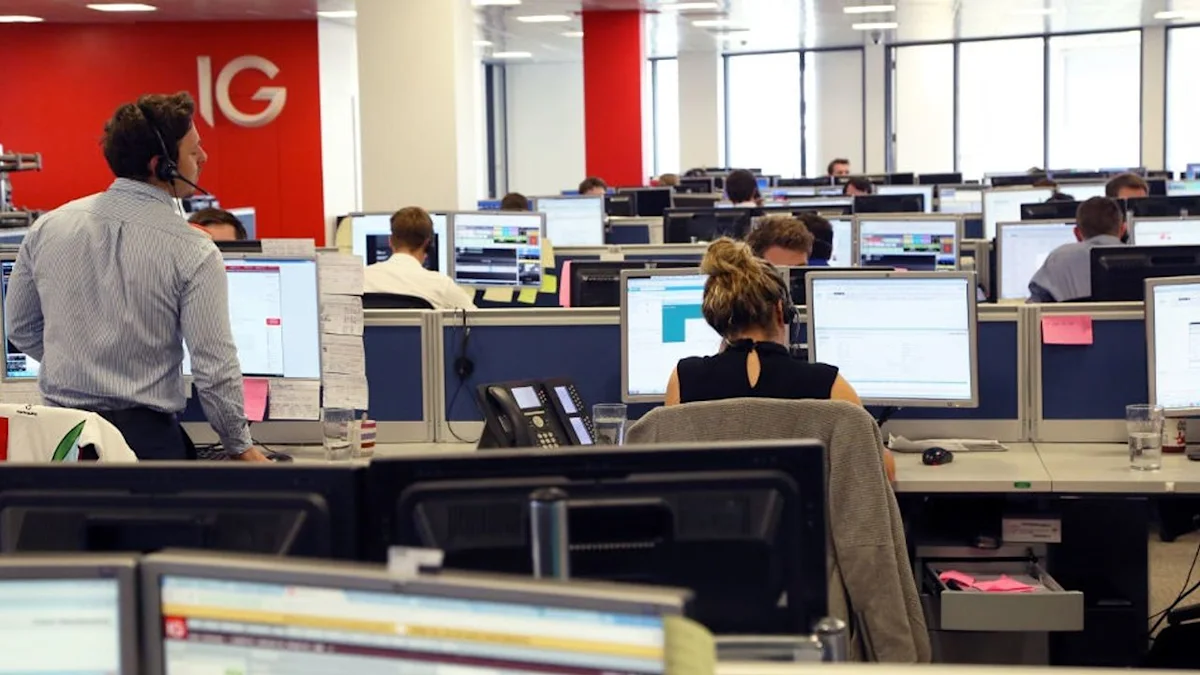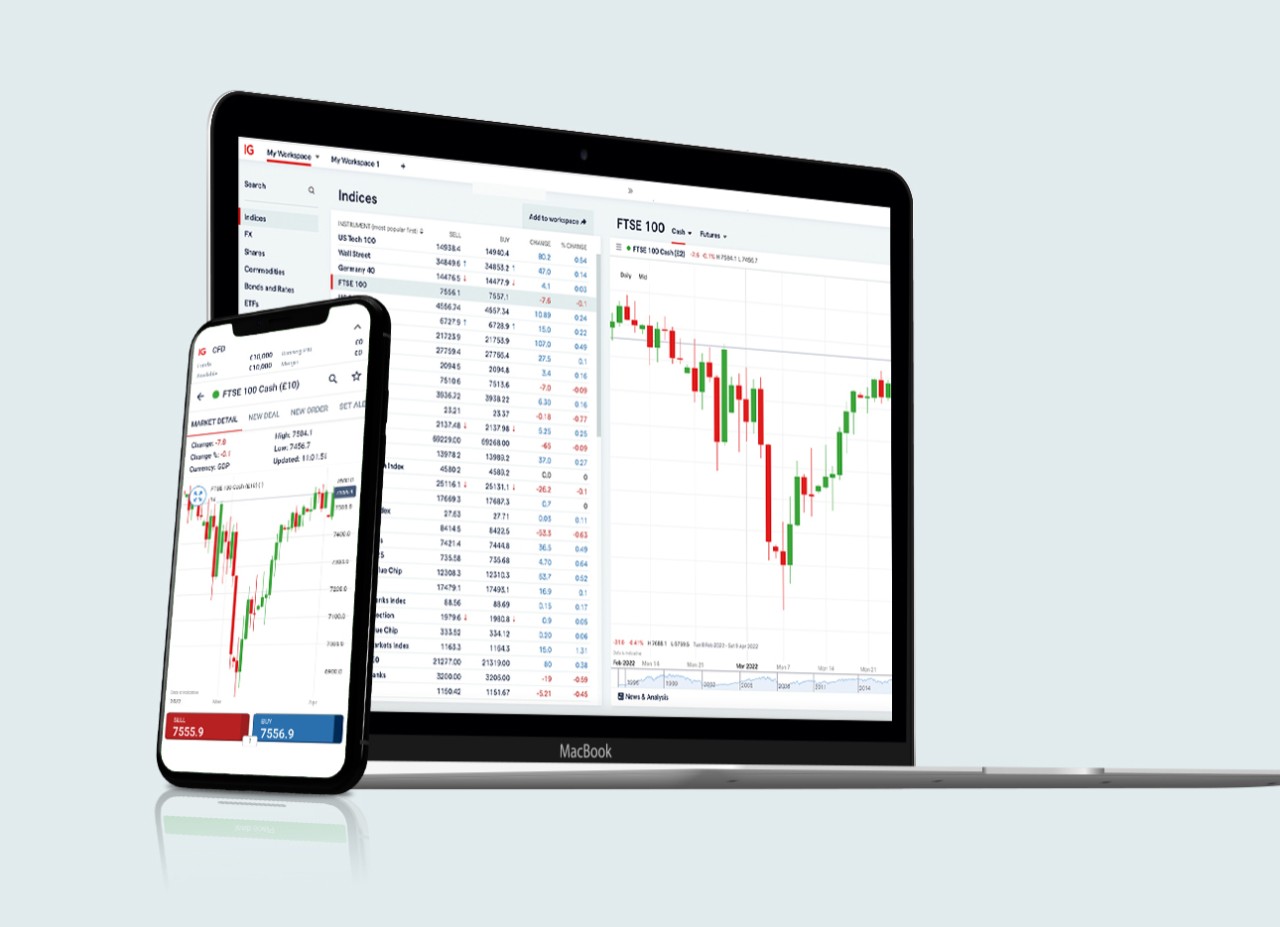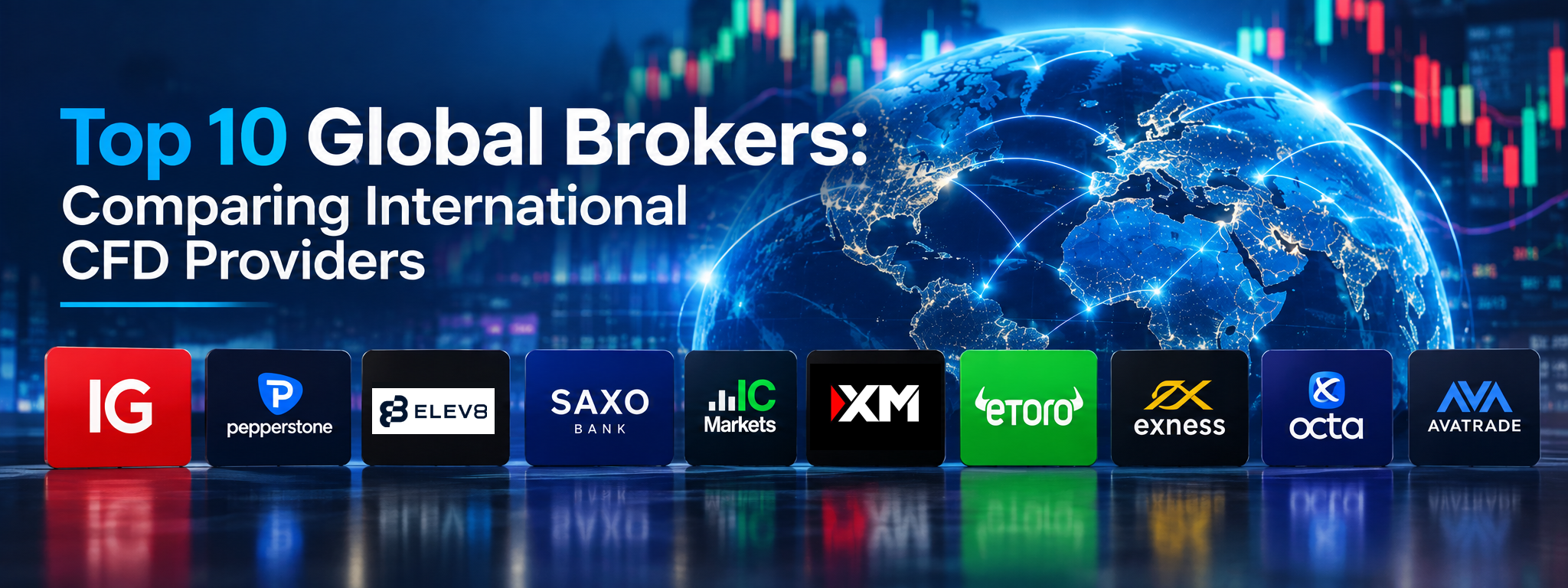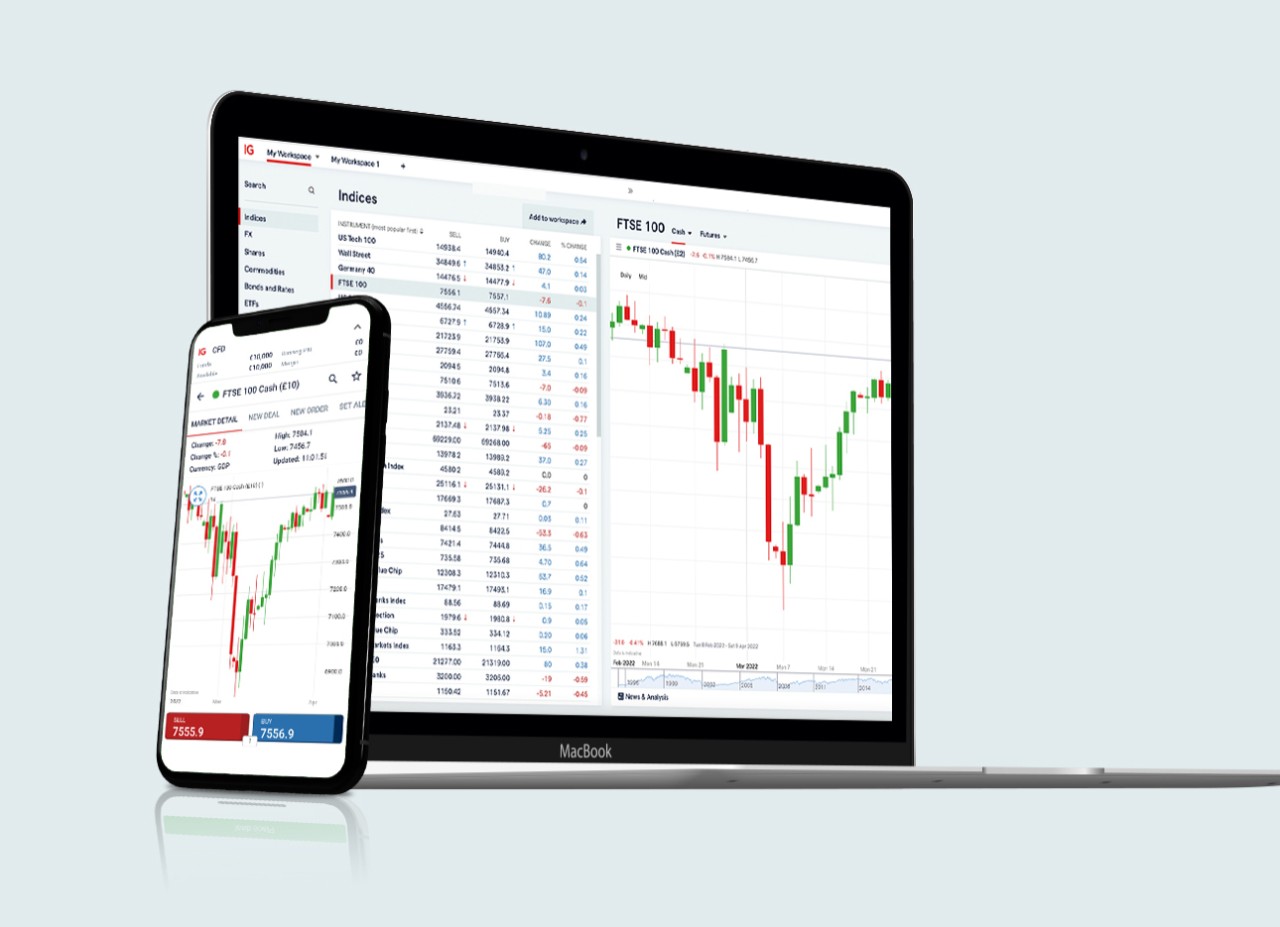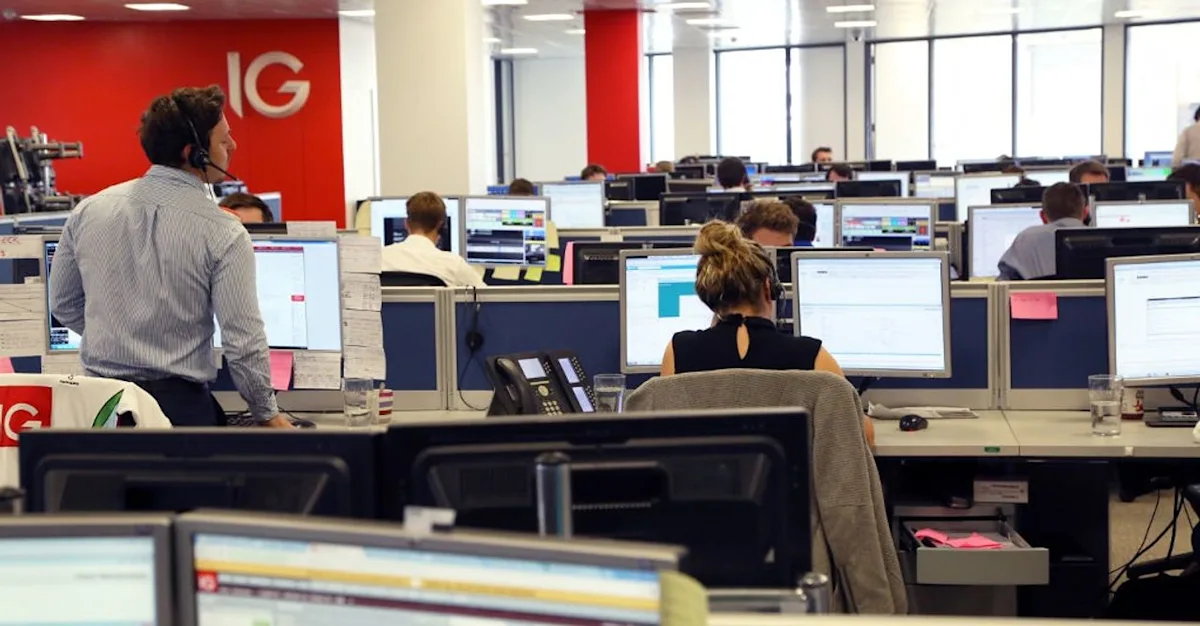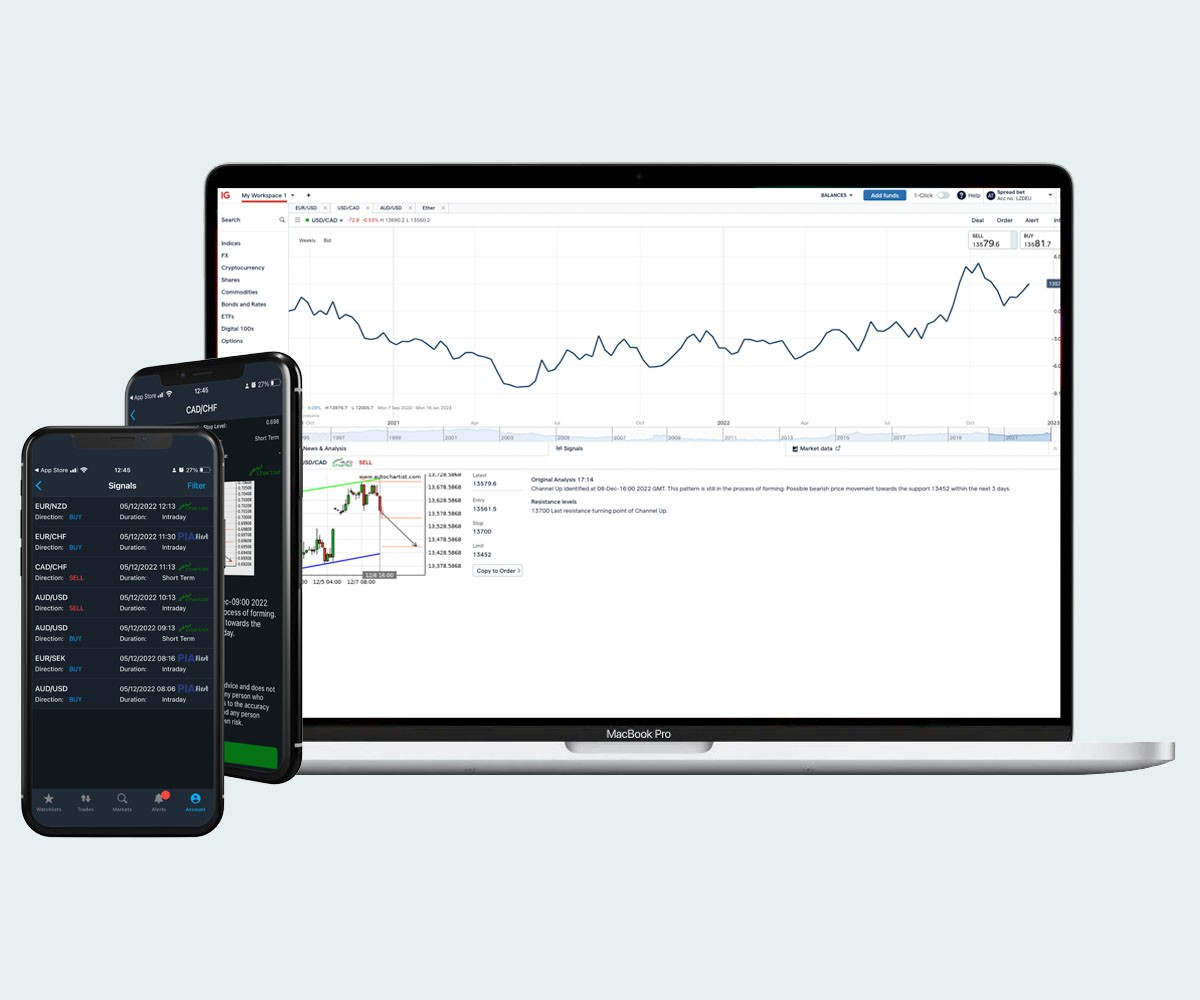

IG Group Holdings Plc (LSE:IGG), the online trading platform operator, has won renewed support from UBS and Jefferies after outlining a strategy to expand across trading, investing and entertainment.
UBS reiterated its ‘buy’ rating and 1,425p price target, while Jefferies maintained its ‘buy’ recommendation with a 1,200p target, following IG’s capital markets event on 22 October.
Both brokers see potential in IG’s plan to attract more active customers, expand its product range and improve the revenue generated from client trading.
The strategy update followed a sharp share price decline after IG’s acquisition of Underdog and a reduction in profit guidance for the 2026 financial year.
IG reiterated its medium-term target of annual revenue growth above 10% from a 2025 base of £1.1 billion, alongside an earnings before interest, tax, depreciation and amortisation (EBITDA) margin in the mid-40% range, excluding Underdog.
Jefferies analyst Fangfei Li and colleagues highlighted early evidence that IG’s revamped UK customer acquisition strategy could support those ambitions.
The UK business recorded low-teens growth in new trading revenue and a 22% increase in active customers in 2026 to date, compared with revenue growth of 3% to 7% and active customer growth of 13% elsewhere in the group.
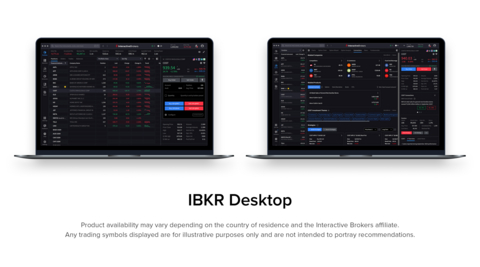
IG plans to extend this approach internationally through a unified platform that brings its products together and encourages customers to use multiple services.
UBS analyst Haley Tam and colleagues also highlighted the potential but warned that execution will determine whether the growth strategy translates into stronger earnings.
UBS forecasts no earnings per share growth in 2026 and expects the first meaningful test of IG’s renewed strategy to come with its half-year results in 2027.
The bank expects revenue trends to improve before the benefits become fully visible in profitability, as IG invests in marketing and technology to accelerate customer acquisition.
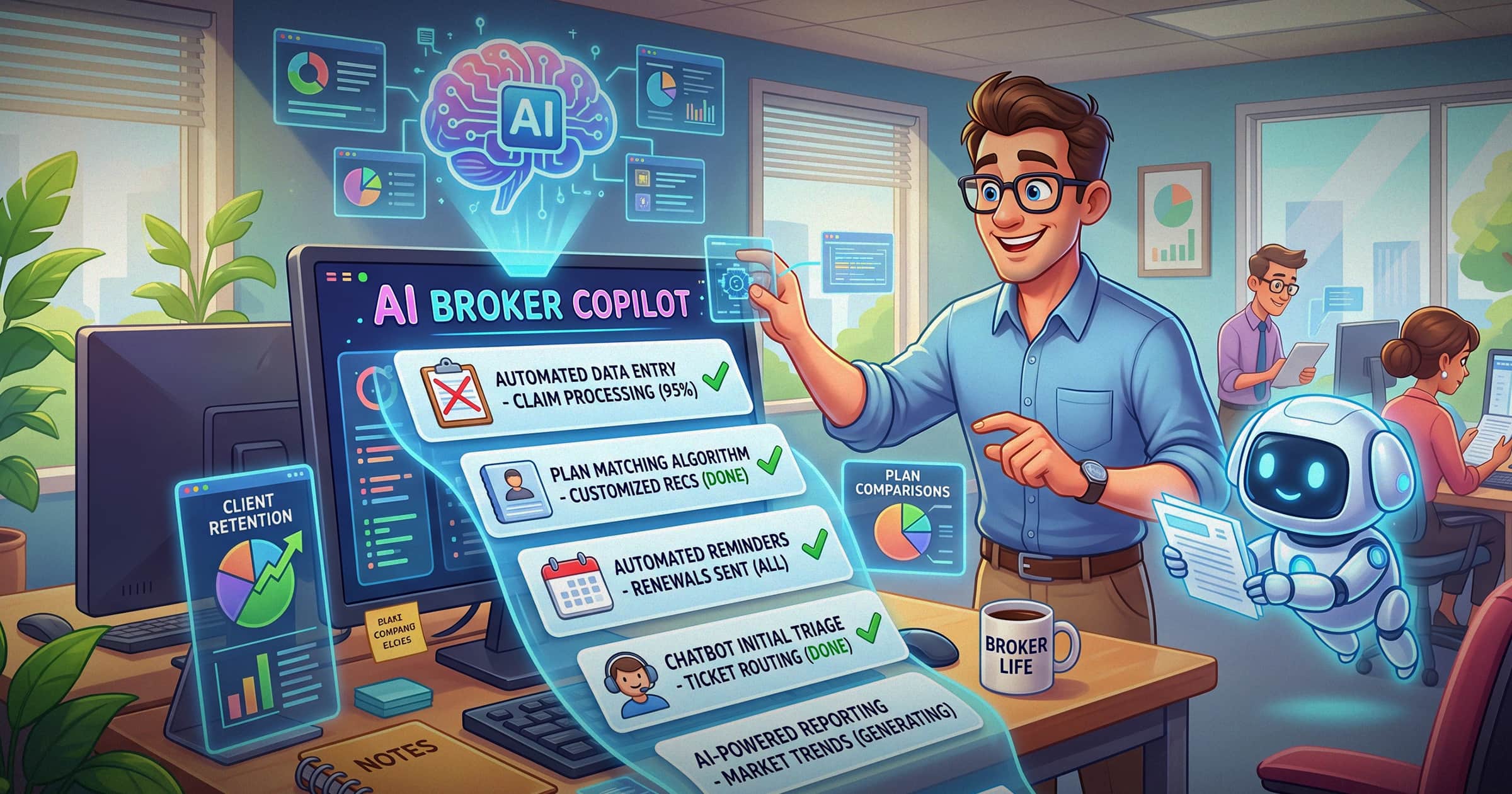
IG is also targeting a reduction of about 30% in the IG Consumer workforce, using automation and artificial intelligence to improve productivity and help fund growth investment.
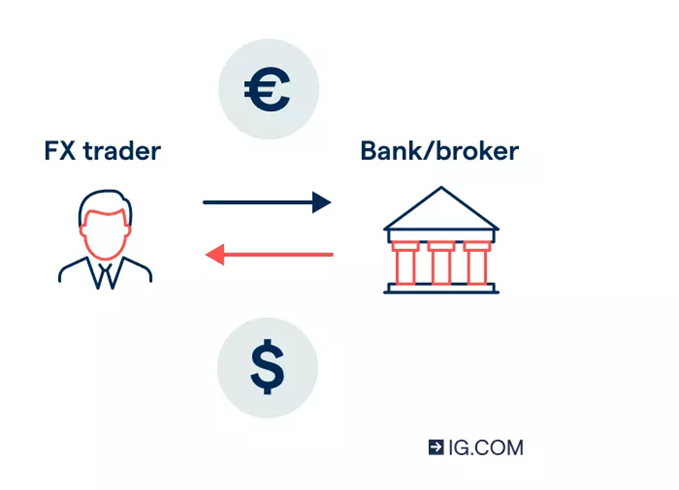
Both brokers highlighted improvements in pricing, risk management and hedging as important to increasing revenue from over-the-counter derivatives, where IG acts as the counterparty to customer trades.
The approach carries risks because holding market positions for longer can improve average returns while increasing volatility, a factor that contributed to the weakness in IG’s third-quarter performance.