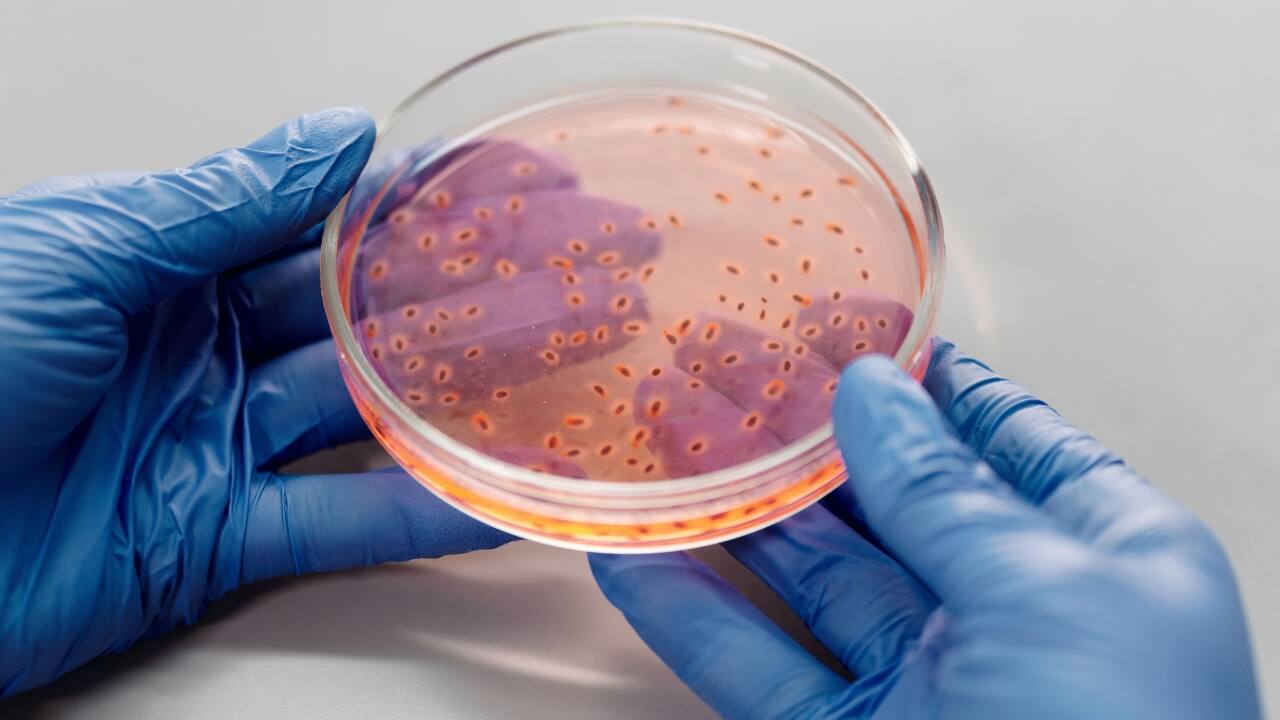
After a 4-year-old child in Kerala’s Kozhikode died of Shigella infection, health authorities have stepped up the vigil. The news has caught everyone off guard. There’s also a certain sense of panic about the virus infection. As per a recent report, a total of 21 samples were sent for laboratory testing in the state, of which two have returned positive for Shigella. Results of the remaining 19 samples are awaited.
Questions like what causes Shigella infection, what are its symptoms and what one can do to prevent catching the virus infection are looming large on the minds of many. Moneycontrol team spoke to Dr Meghana Phadke Sultania, Senior Consultant and Head Unit III, Pediatrics and Adolescent Health, Asian Hospital, to understand more about Shigella infection in detail.
What is Shigella infection and how it is caused
Shigella infection is caused by a group of germs called shigella bacteria, resulting in inflammation of the intestine and the inner lining of abdominal cavity (peritonitis), Dr Sultania said. “It usually spreads easily from person to person through infected water, or contaminated food (including dairy). Shigellosis, the medical term for Shigella infection, can cause symptoms such as severe stomach cramps, diarrhea (with or without blood), fever, nausea, and loss of appetite,” he highlighted.
Also read: This Mumbai-based fitness influencer eliminated 7 foods from her diet and lost 55 kilos
Early warning symptoms of Shigella infection
Early warning symptoms of Shigella infection usually occur within one to seven days of exposure. Some of the early signs include:
Diarrhea
Abdominal cramps
Fever
Nausea
Loss of appetite
“In certain cases, those infected may develop diarrhea before developing an infection. Besides, those who develop blood or mucoid stools may have a severe case of infection. In severe cases, dehydration and other complications, such as developing weakened immune system is also seen,” Dr Sultania cautioned.
Treatment plan for Shigella infection
“The main focus of treatment is to maintain hydration by providing sufficient fluids and oral rehydration solutions to prevent dehydration. Supportive care is often sufficient in mild cases, but physicians may elect to treat these patients with antibiotics if they are severely infected or at risk (e.g., elderly or immunosuppressed). It is not recommended to self-medicate with anti-diarrhoea medications unless a physician specifically advises it, as they can sometimes result in greater complications than the disease itself,” he highlighted.
Who is at most risk of Shigella infection?
Young children
Elderly people
Immunocompromised folks
People living in areas where there is poor sanitation, high-density housing and difficult access to safe water
Precautions to avoid getting Shigella infection
“It is advisable to wash hands thoroughly with soap and water, especially after using the toilet and before preparing or eating food to prevent the spread. Drink safe drinking water, follow food safety practices and do not eat food that may come from unsafe sources. Those with diarrhoea are advised not to prepare food for others. Also, practice good hygiene and clean surfaces that are touched often,” Dr Sultania advised.
Also read: Why VO2 max is touted as an important longevity metric? Expert explains
FAQs on Shigella infection
1. What exactly is a Shigella infection?
It is a highly contagious bacterial infection that attacks the lining of your intestines, leading to severe digestive distress.
2. What is the #1 telltale symptom?
Severe, bloody diarrhea. It is often accompanied by intense stomach cramps, fever, and a constant, painful feeling of needing to pass stool even when the bowels are empty.
3. How do people catch it?
Through the fecal-oral route—meaning you accidentally ingest microscopic amounts of the bacteria from the stool of an infected person. This usually happens via contaminated food, water, or unwashed hands.
4. How long does the sickness last?
Symptoms typically show up 1 to 2 days after exposure and clear up on their own within 5 to 7 days for most healthy adults.
5. When should you absolutely see a doctor?
Seek medical care immediately if you notice blood in the stool, run a high fever, or show signs of severe dehydration (like extreme thirst, dry mouth, or dark urine).
Disclaimer: This article, including health and fitness advice, only provides generic information. Don’t treat it as a substitute for qualified medical opinion. Always consult a specialist for specific health diagnosis.