Here is a simple breakdown of how this new financial world works and what is happening right now.
What are Tokenised Real-World Assets?
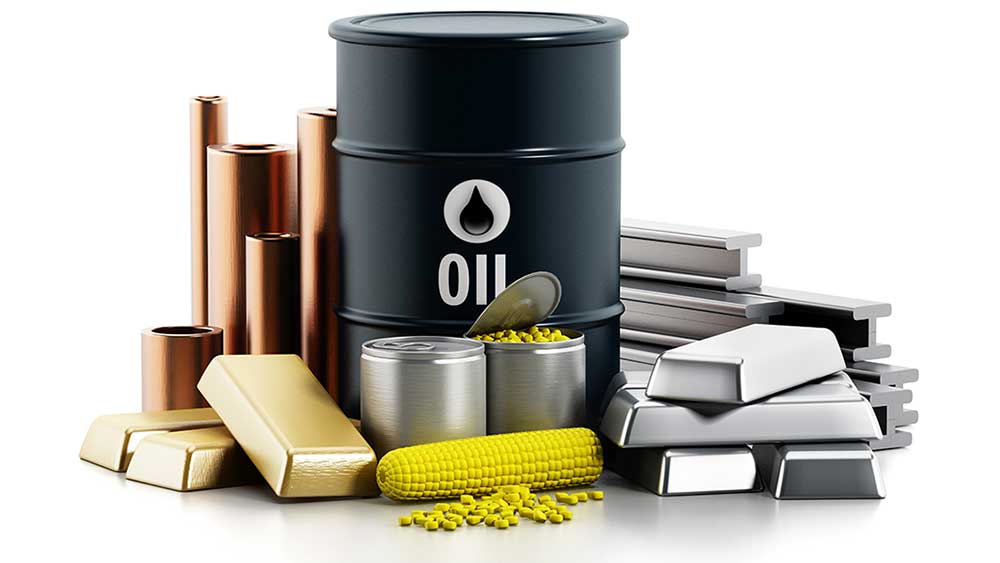
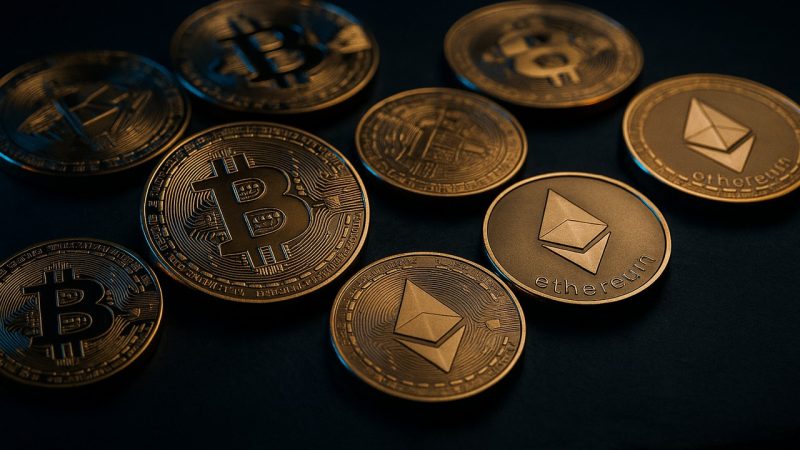
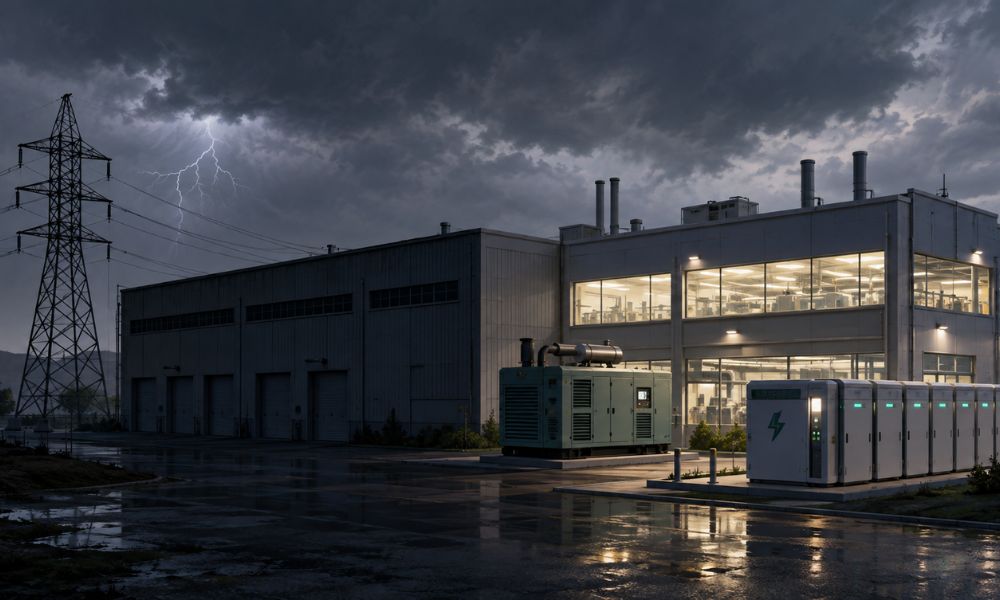
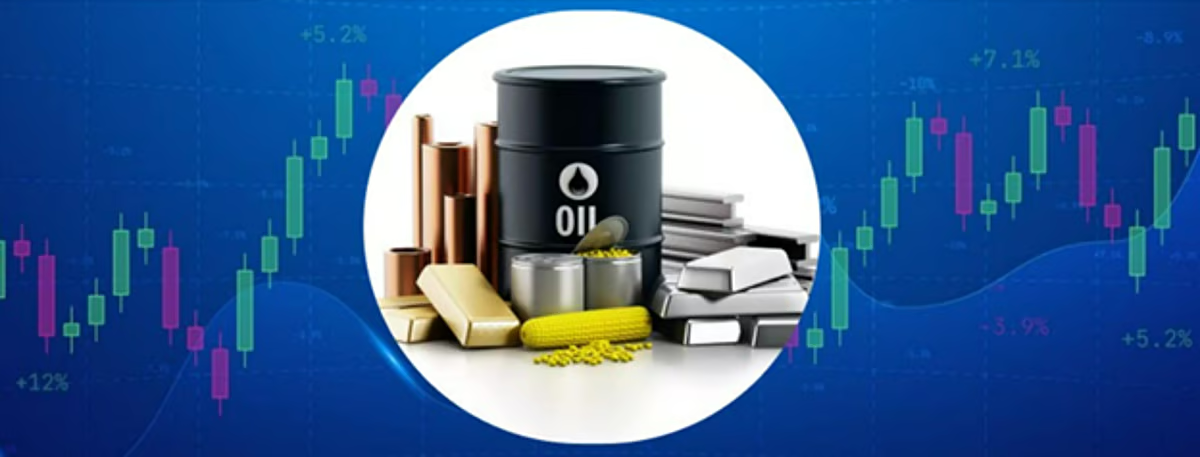
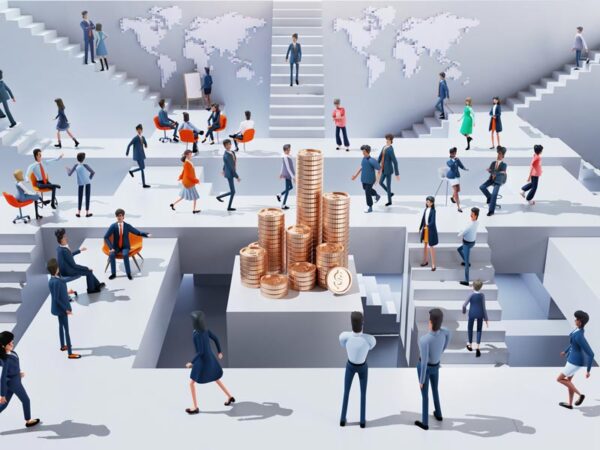
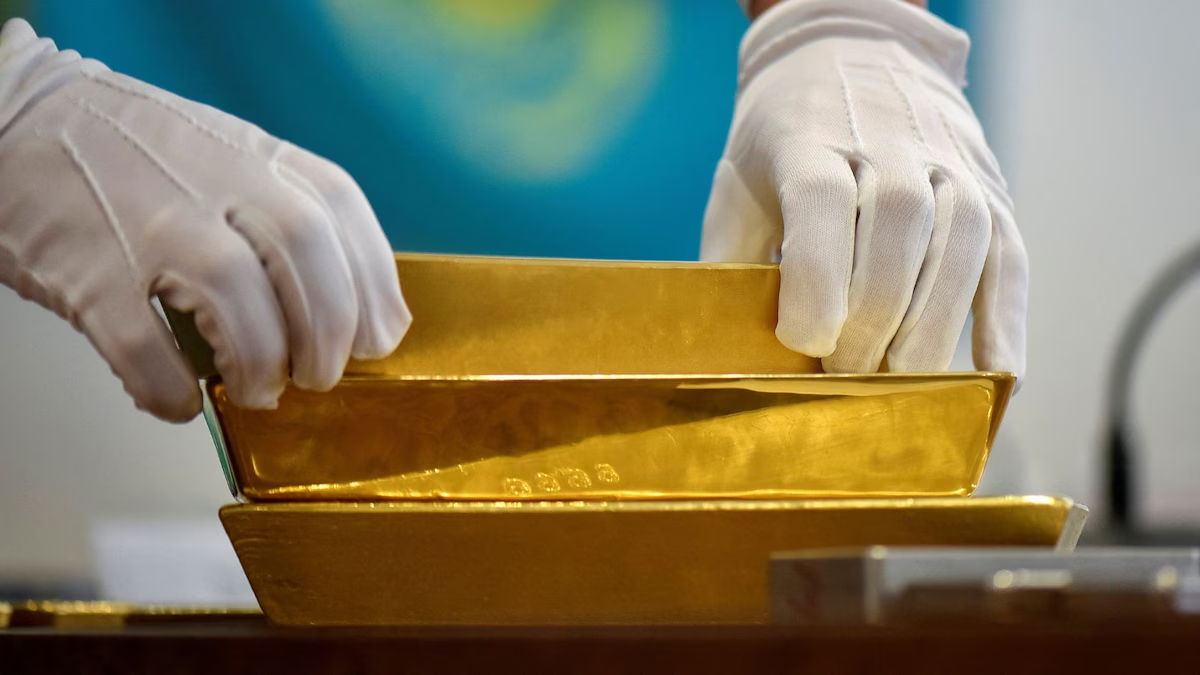
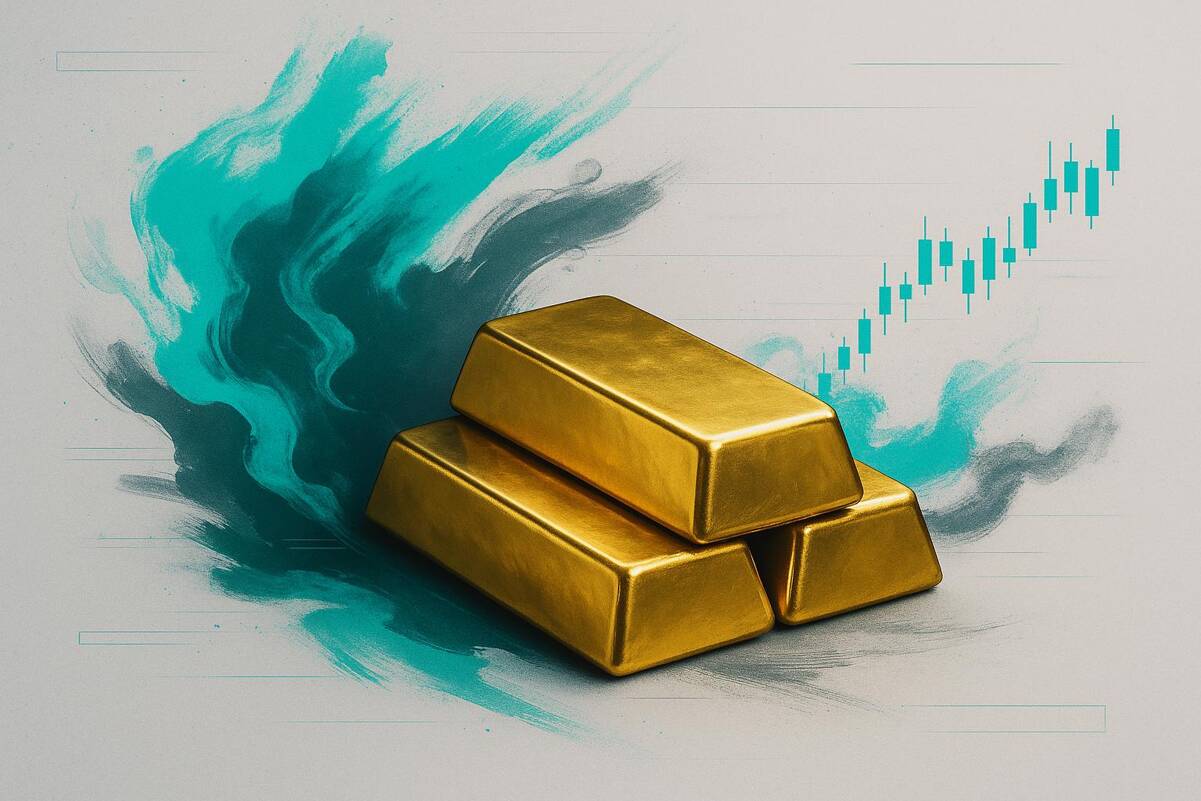
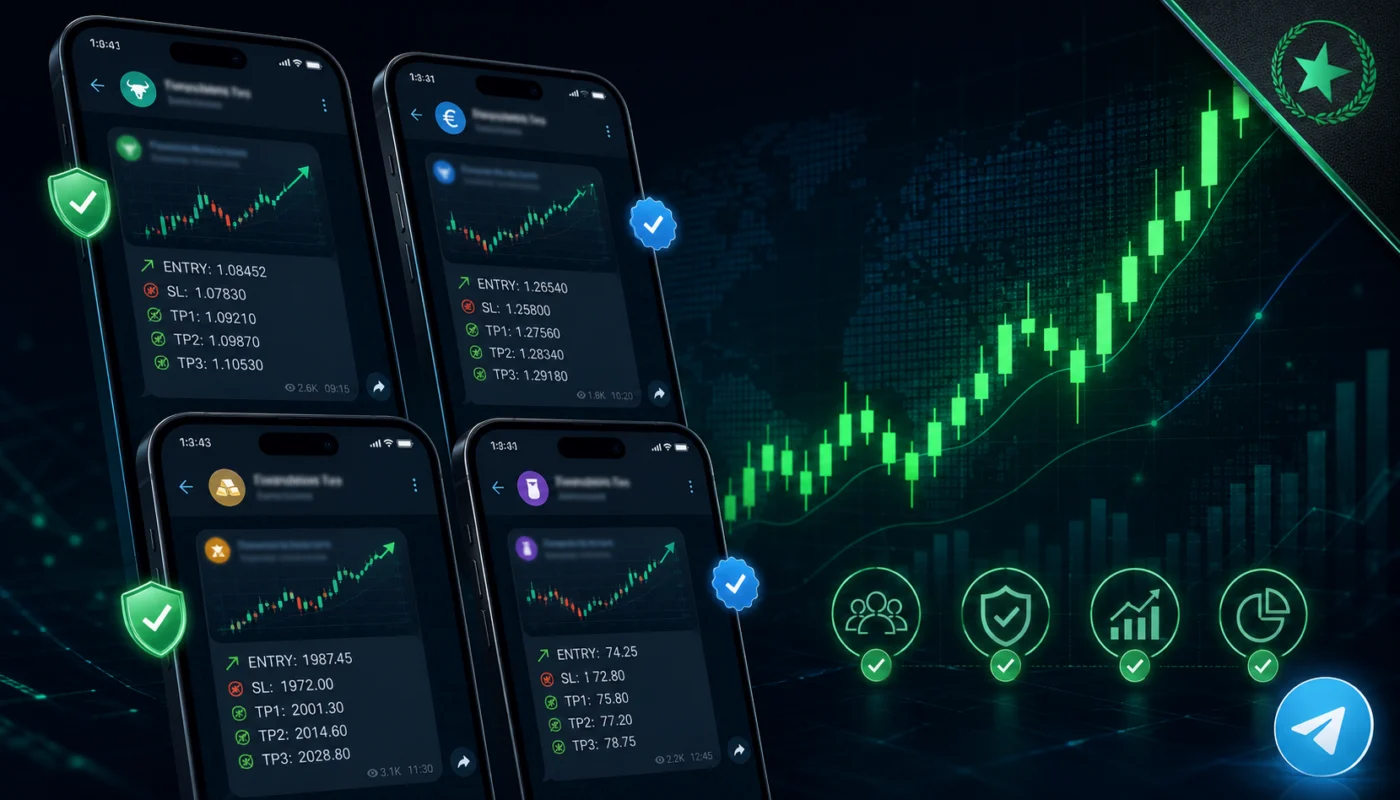
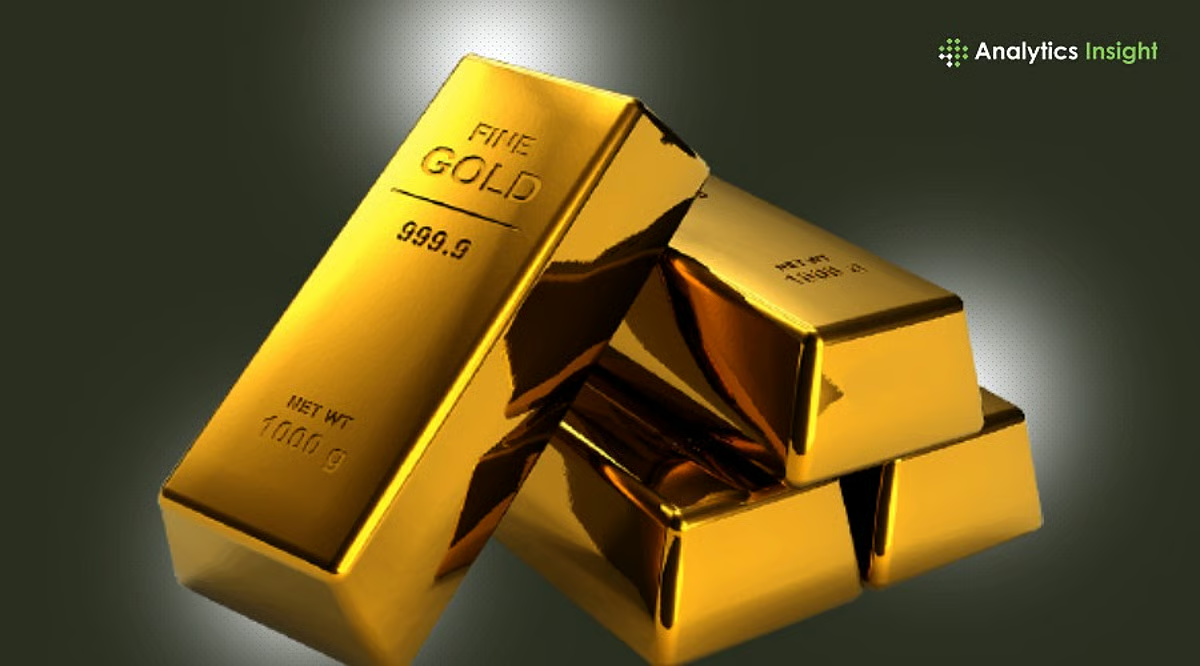
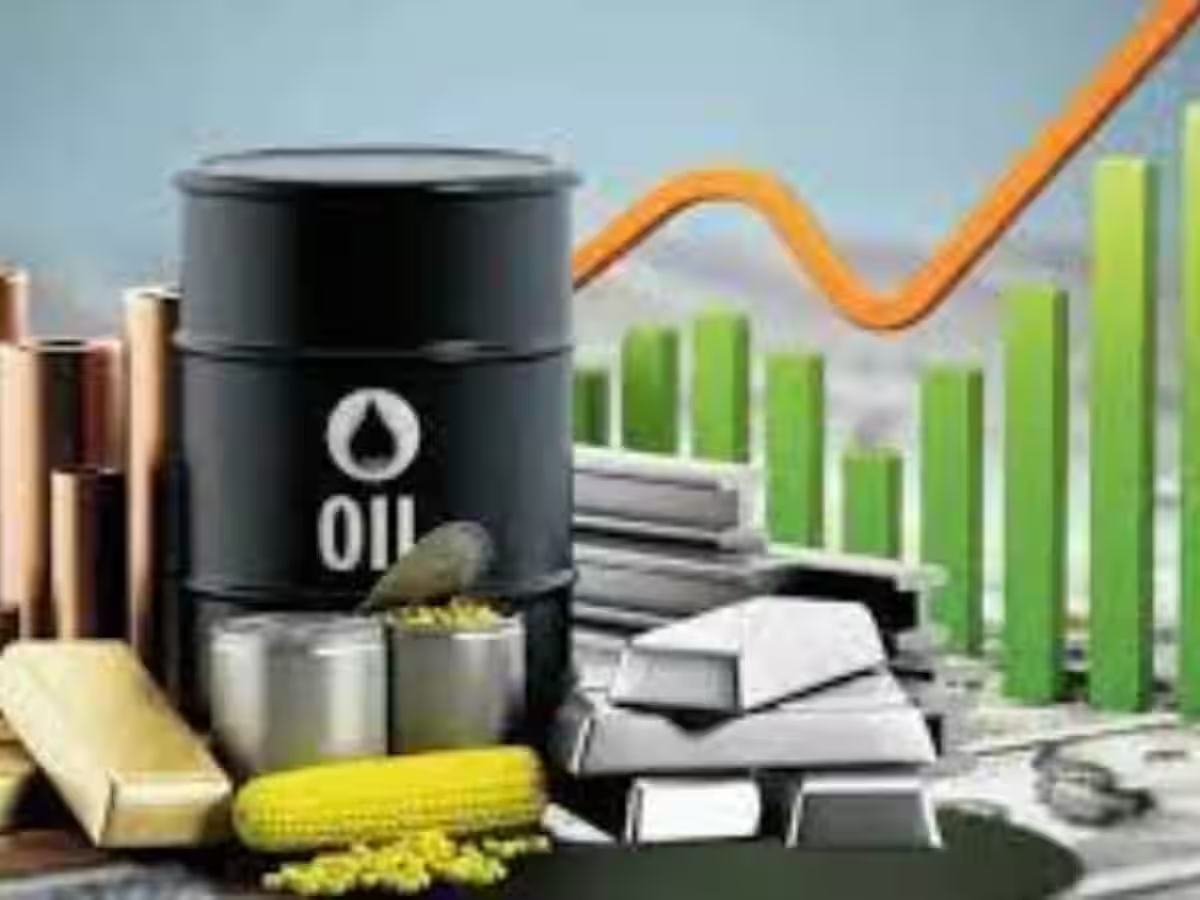
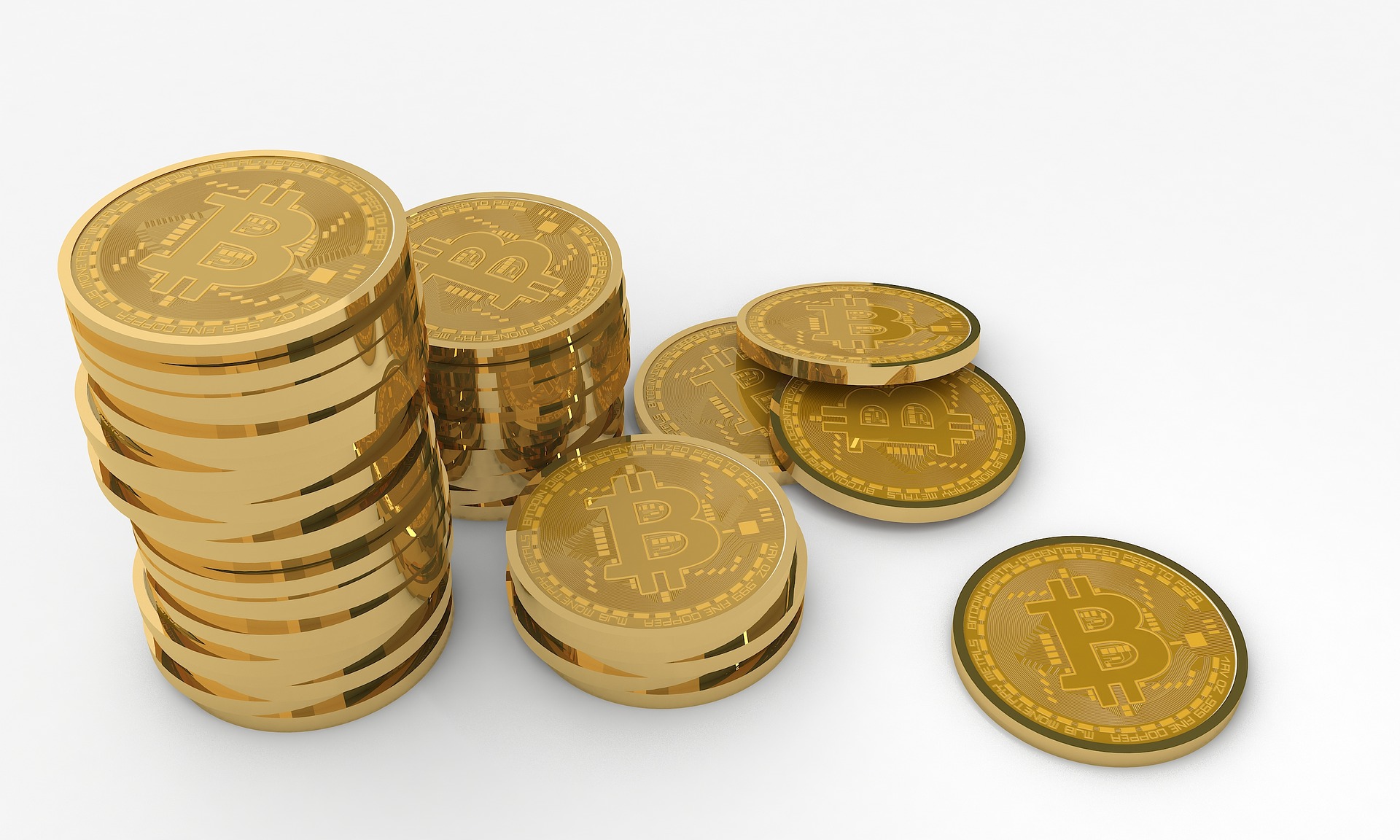
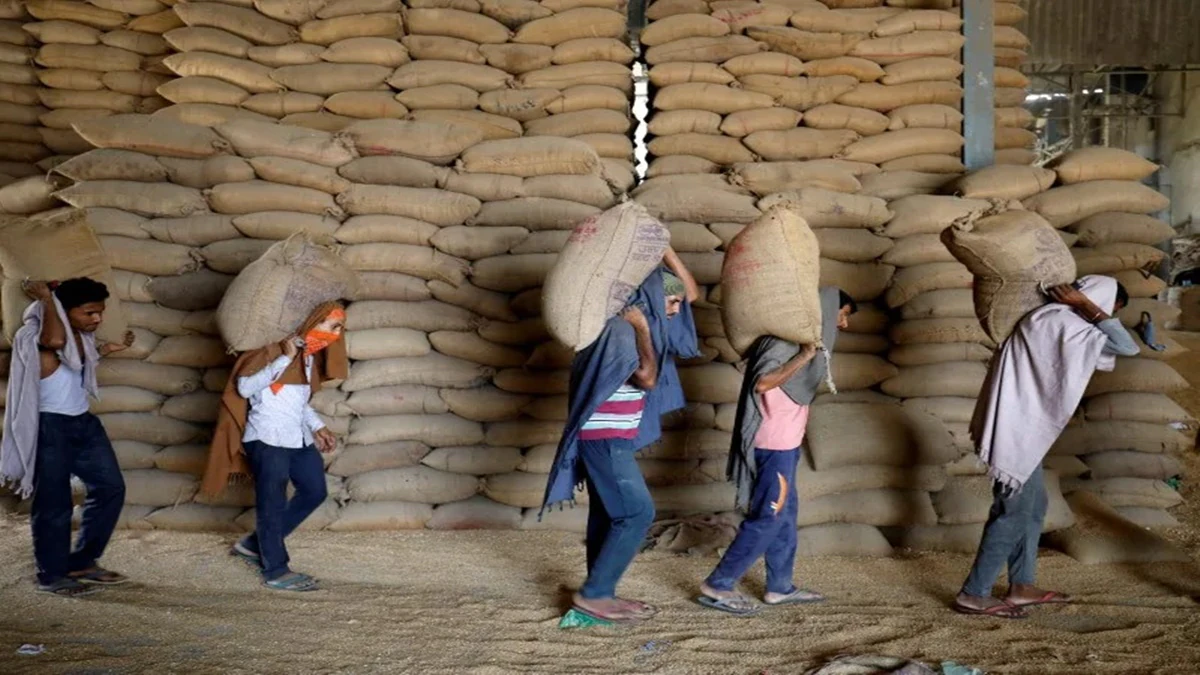
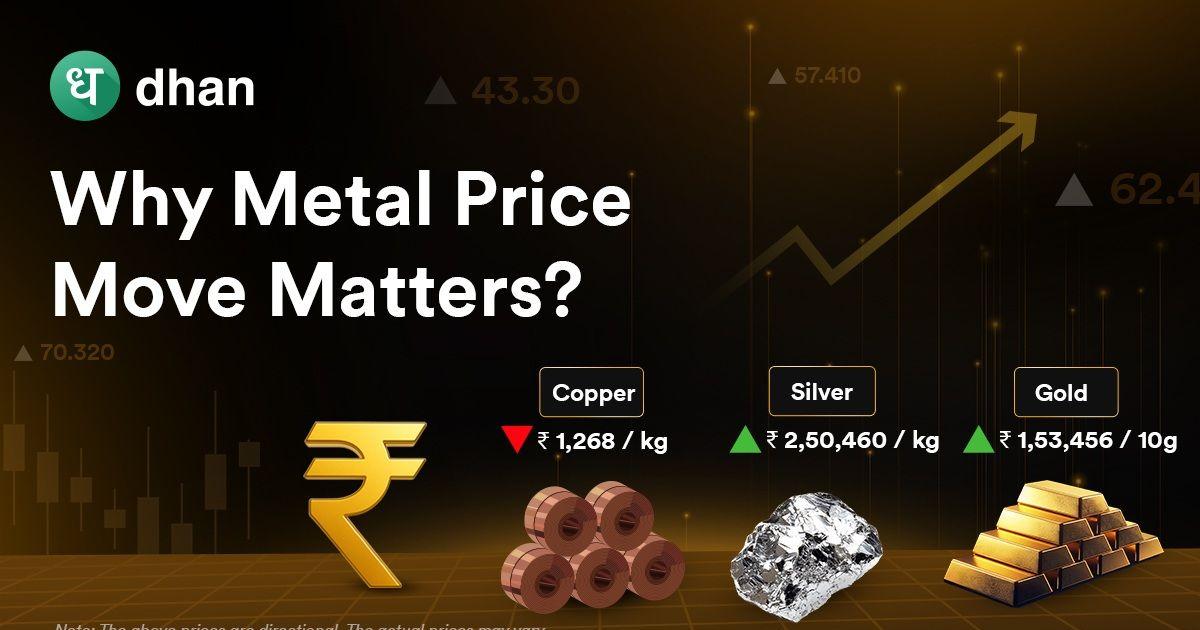
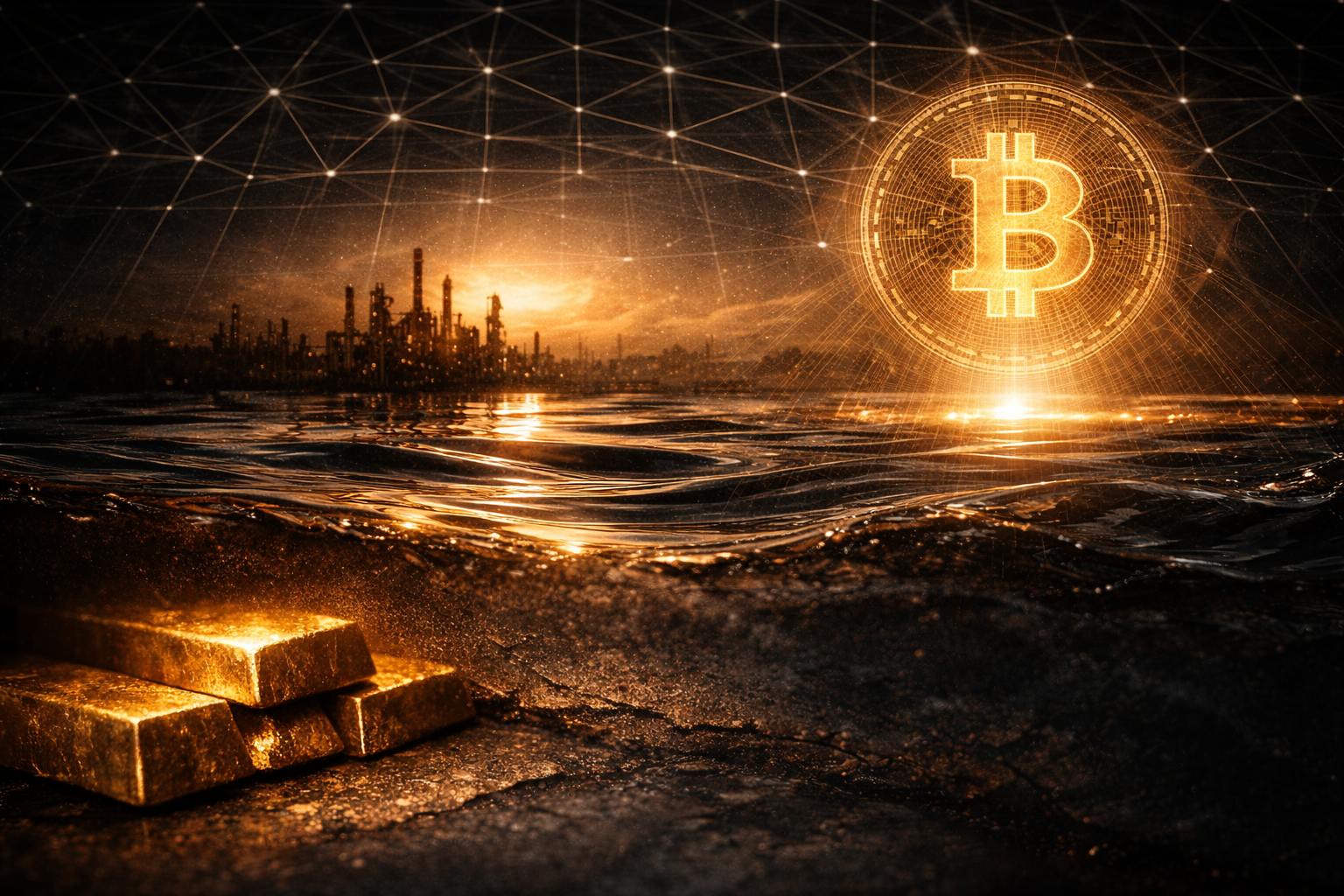
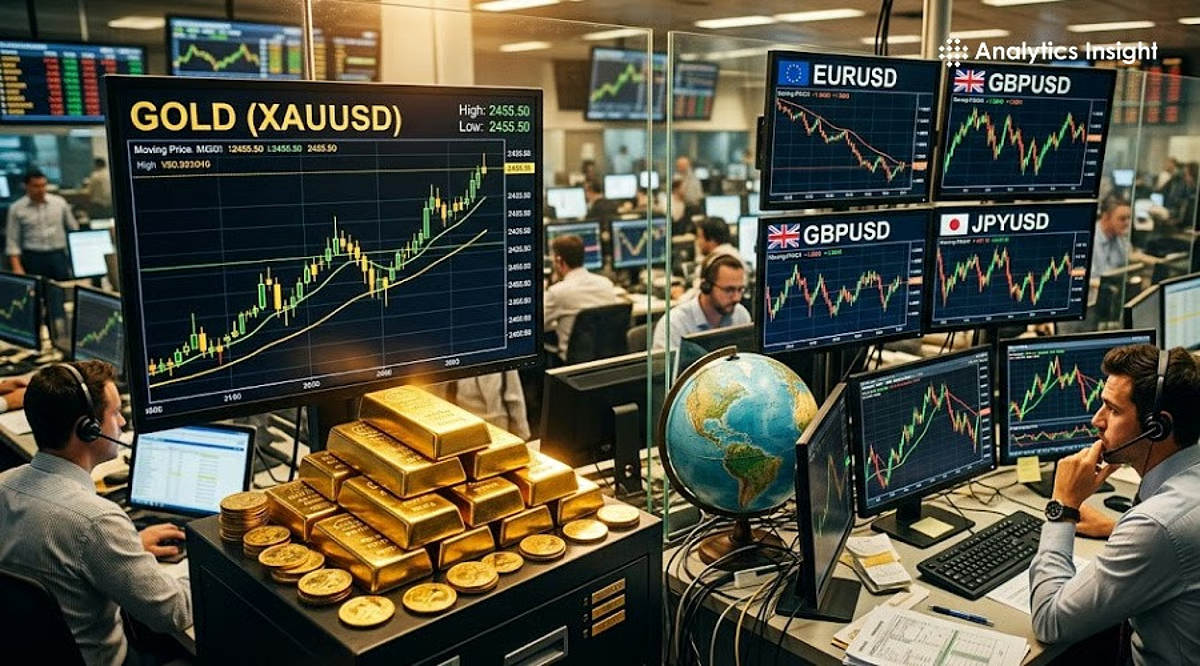
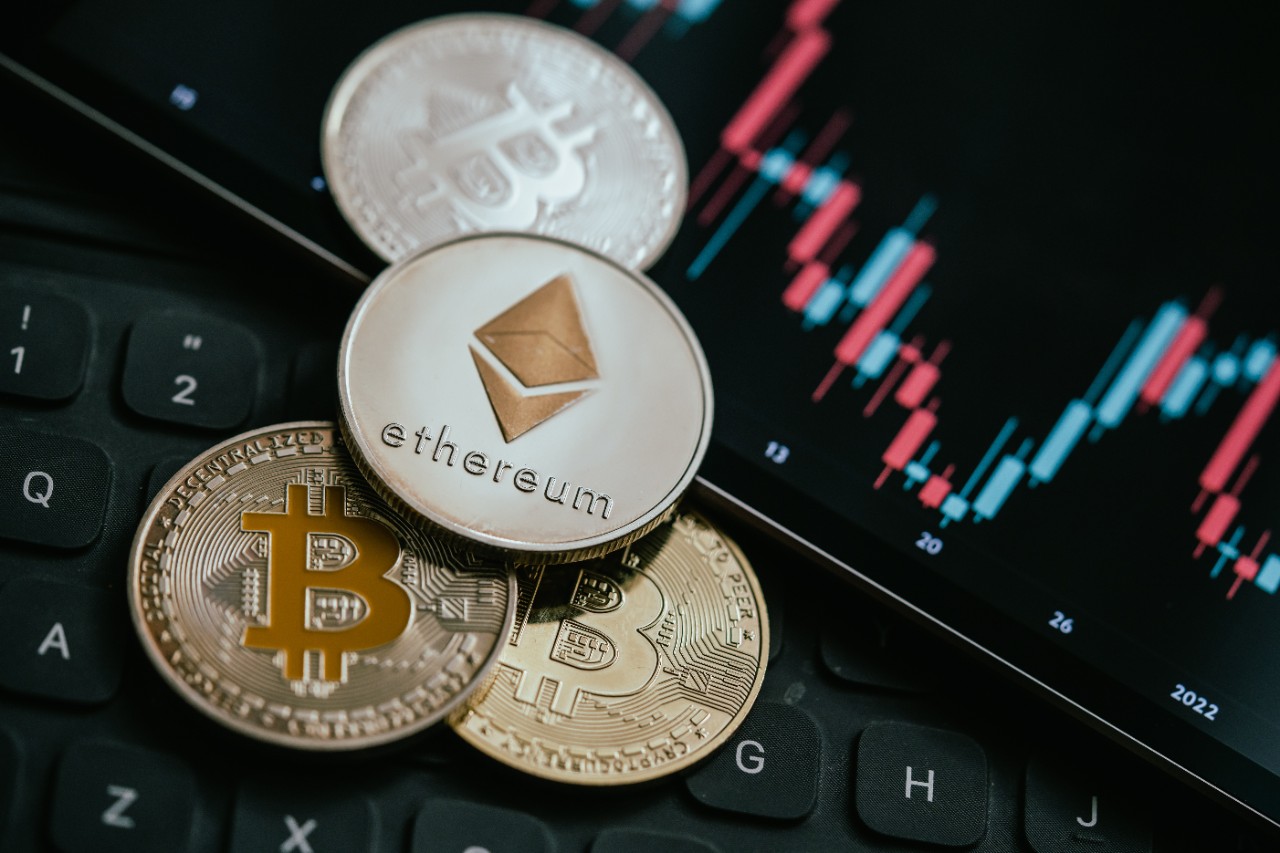
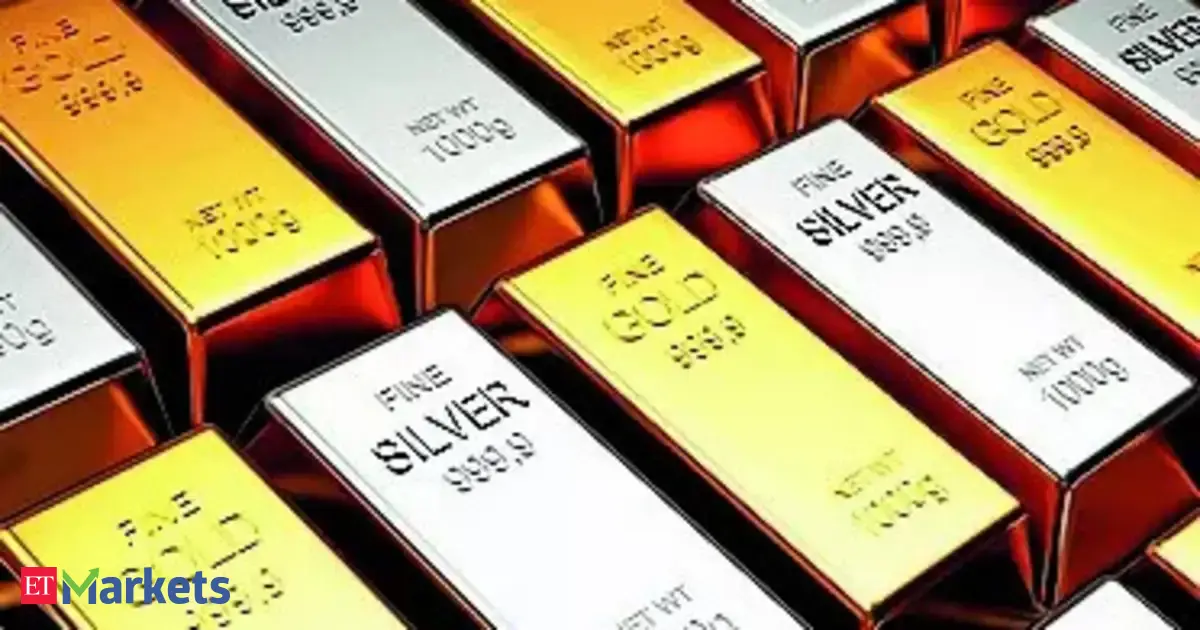
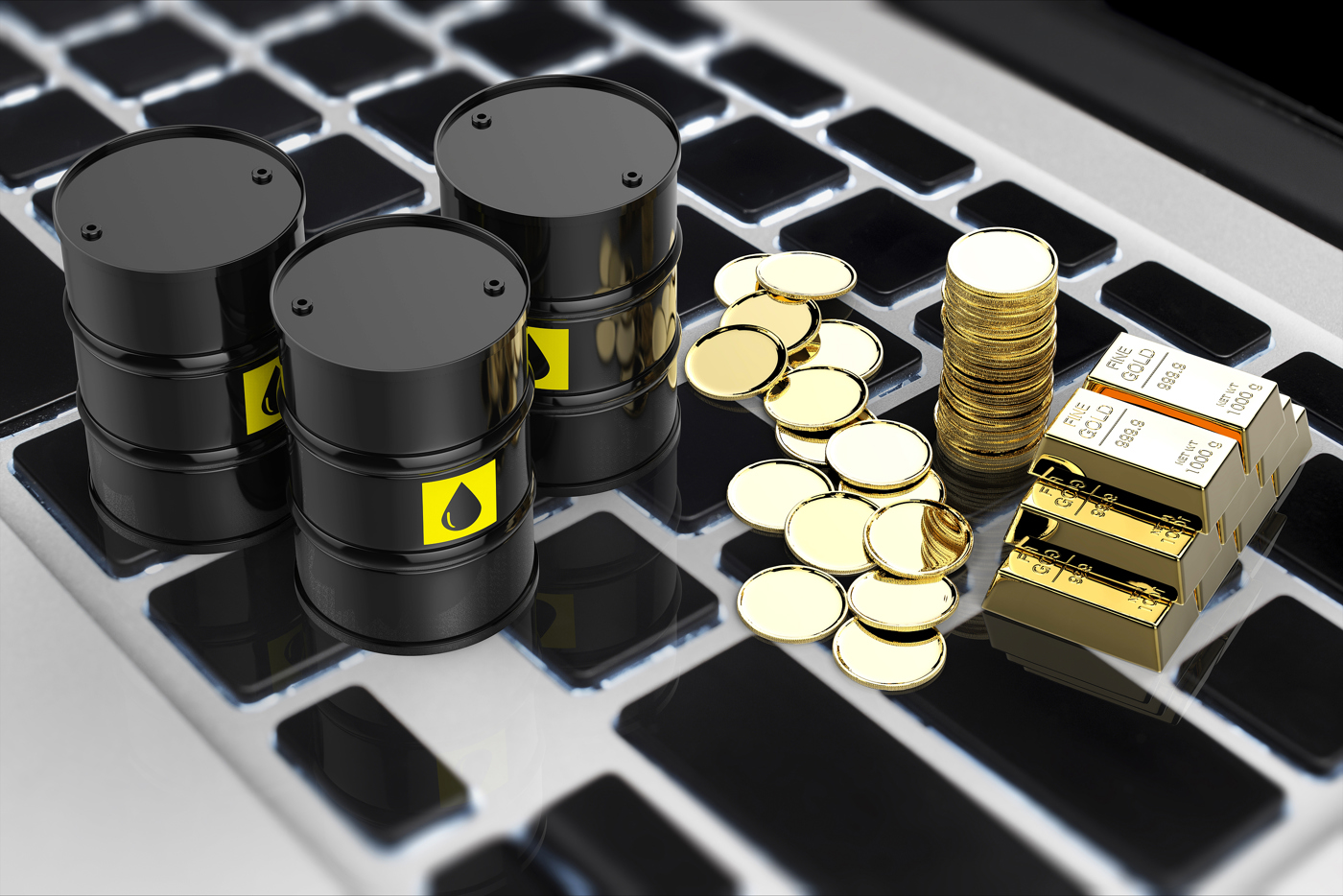
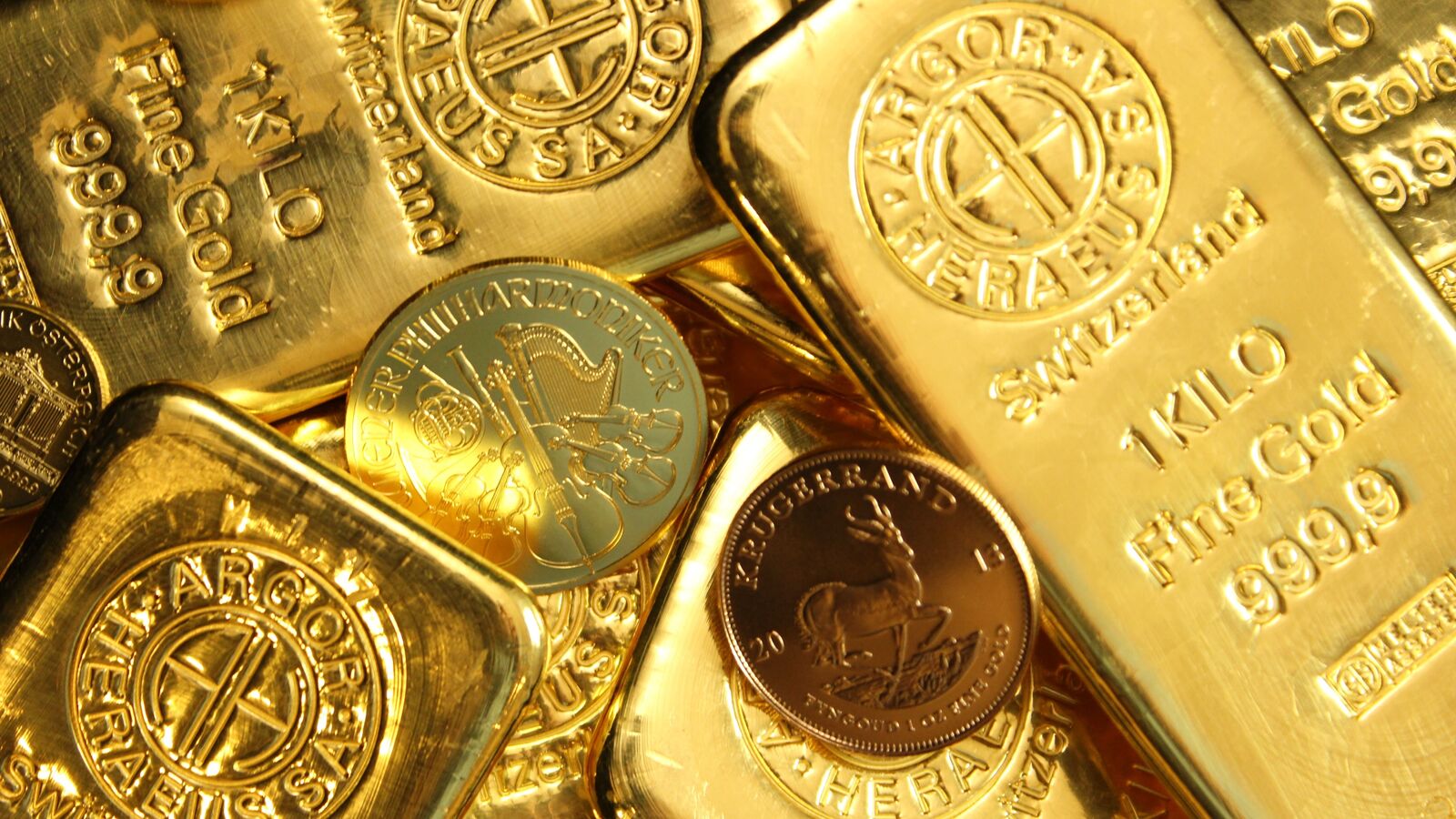
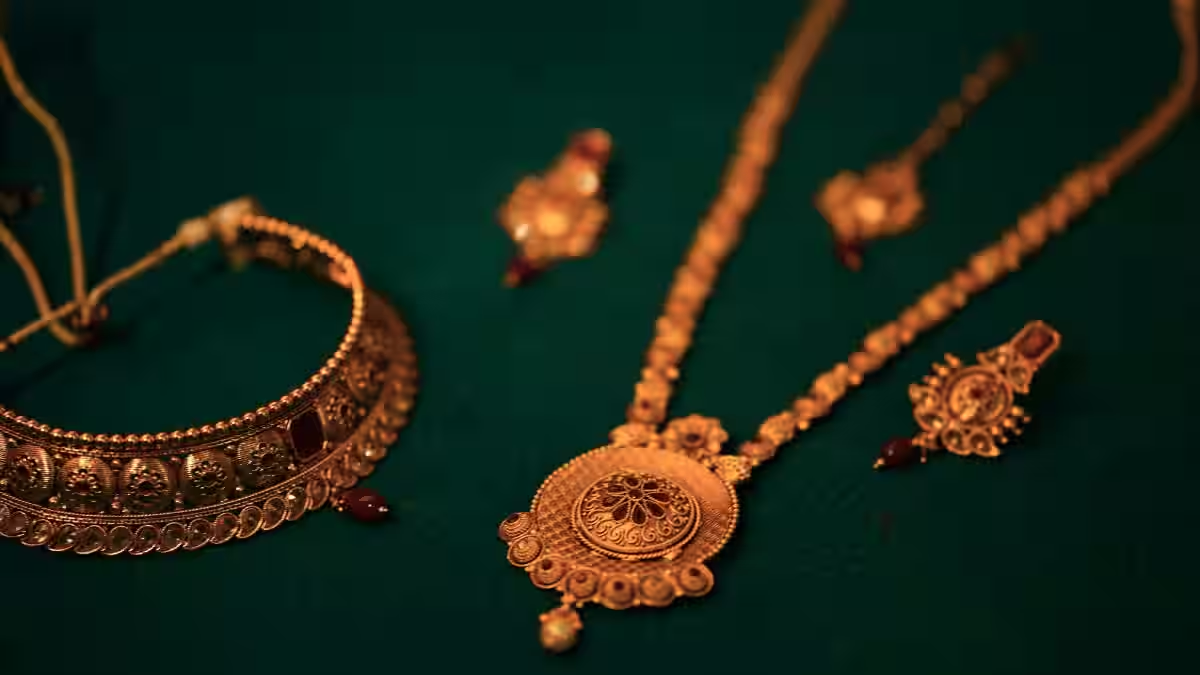
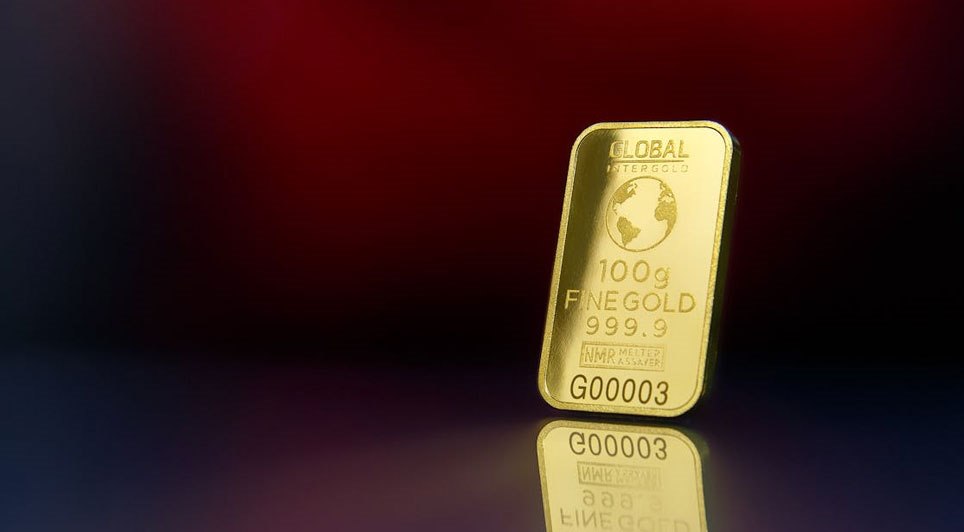
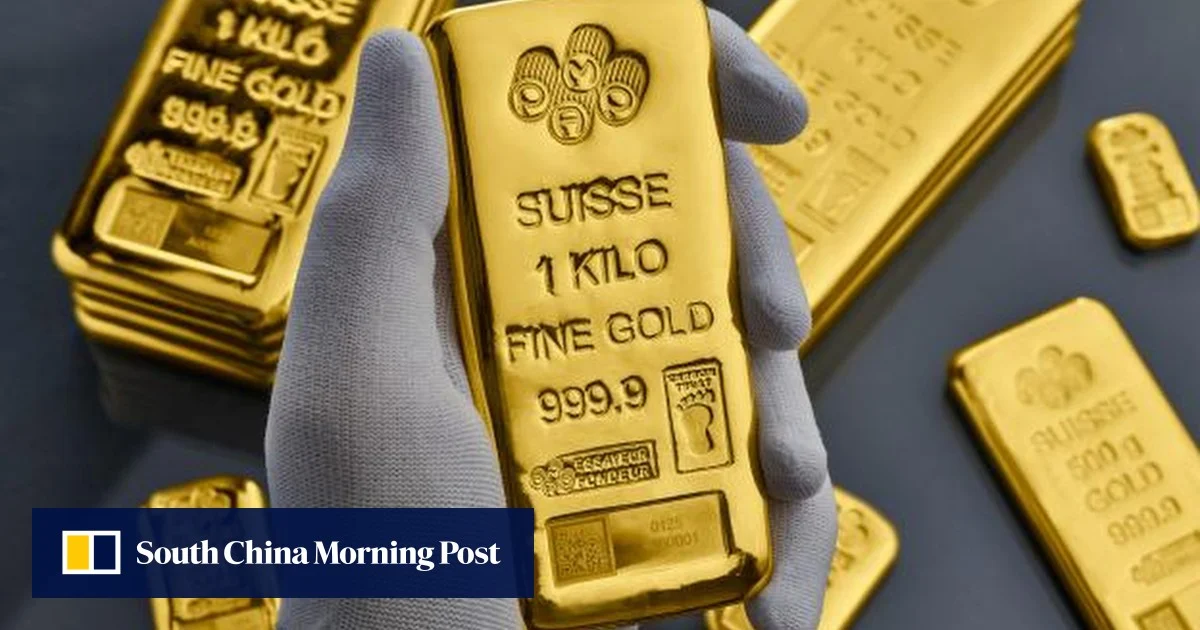
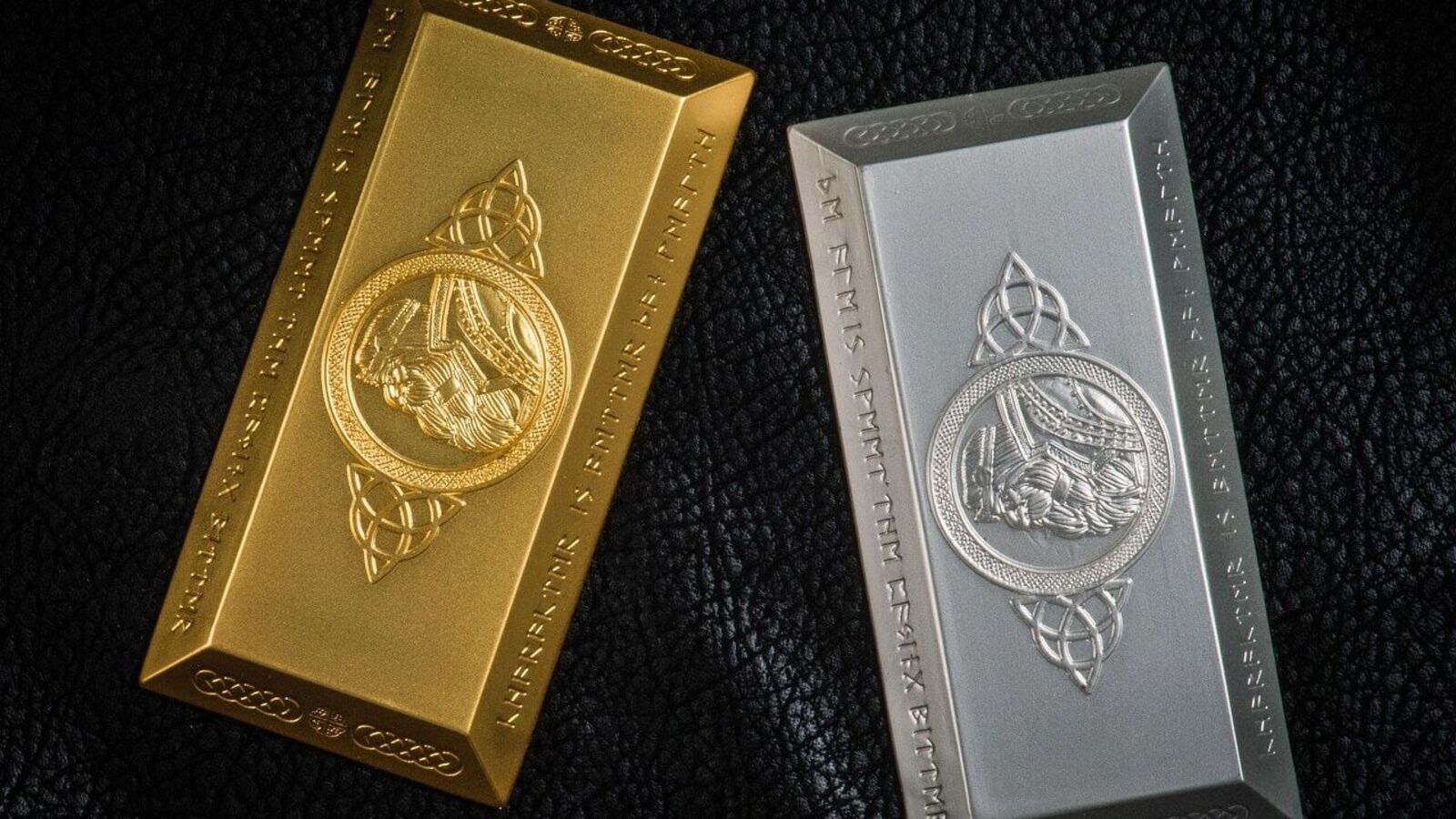
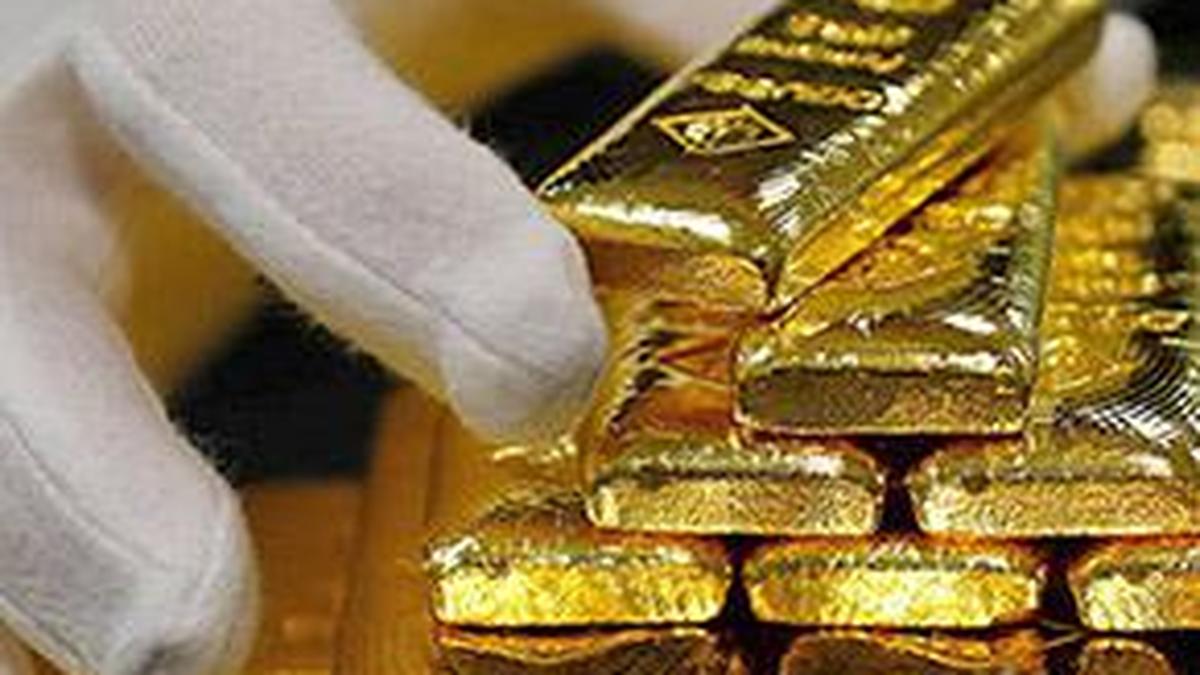
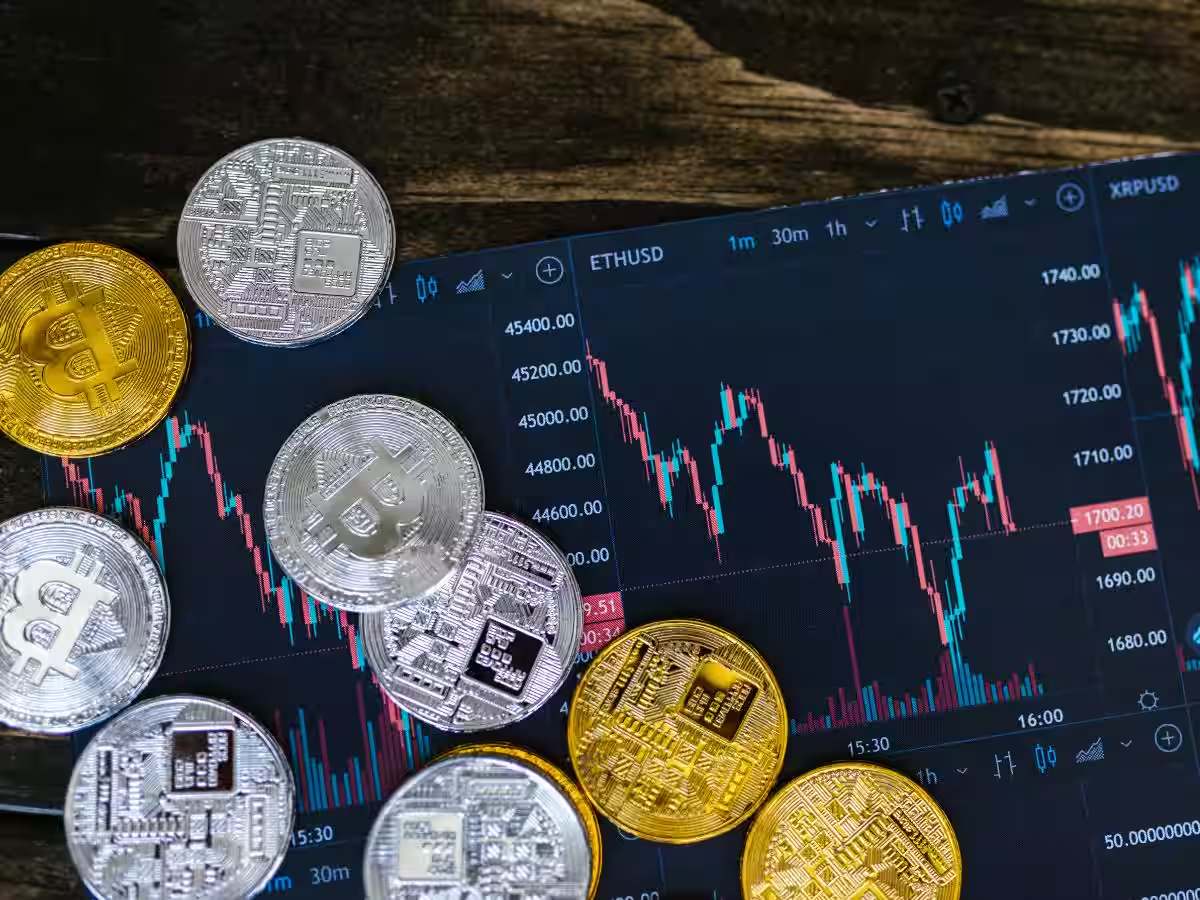
Tokenisation turns a physical asset, such as a bar of gold, a barrel of oil, or a sheet of copper, into a digital token on a blockchain network. Think of these tokens as digital receipts, which are securely backed 1:1 by the actual physical item stored in a warehouse.
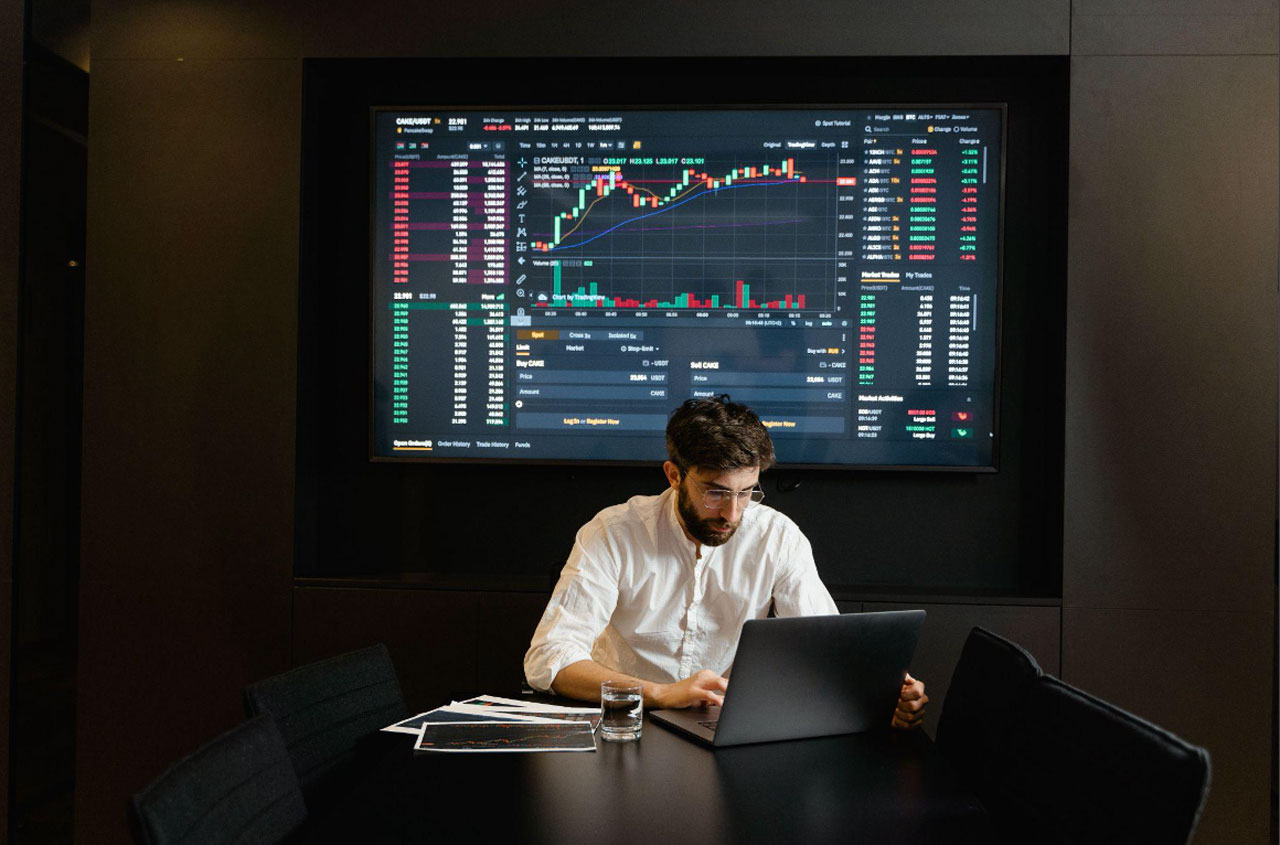
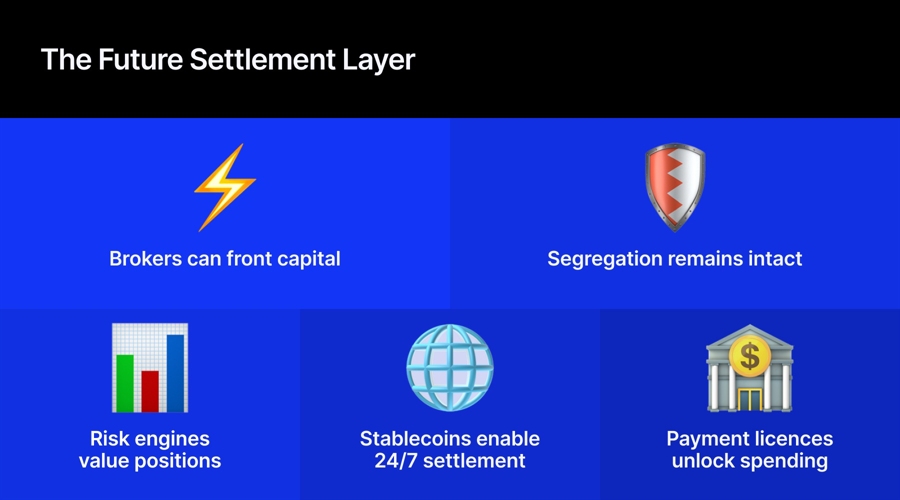
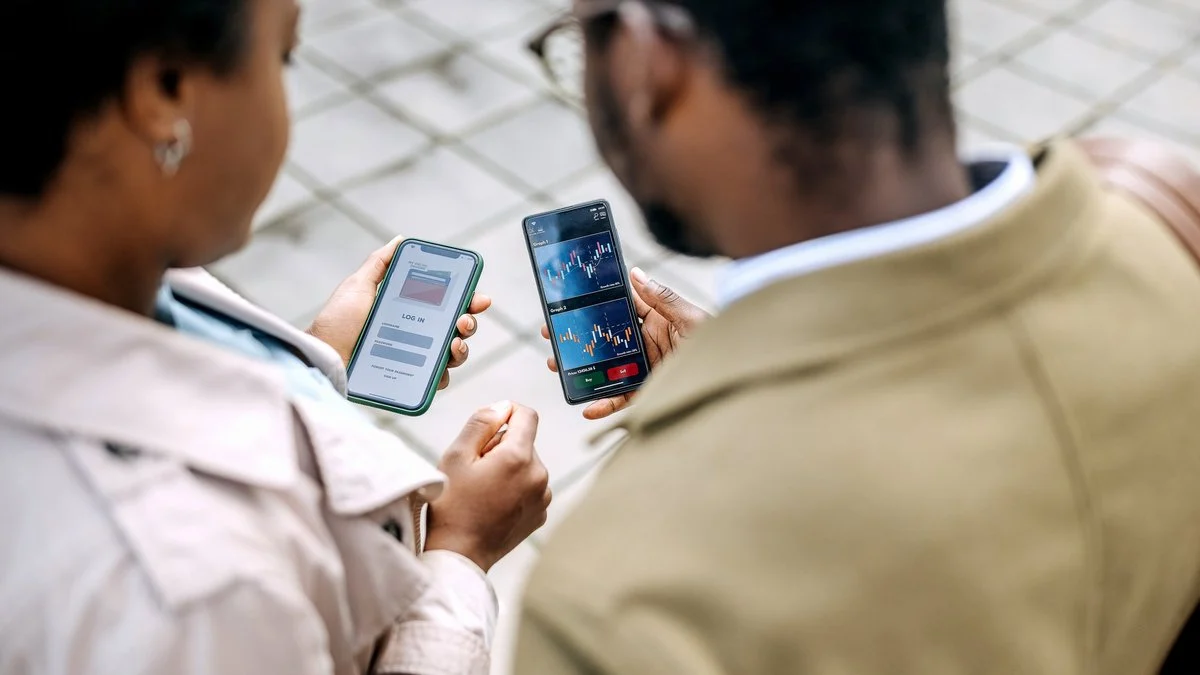
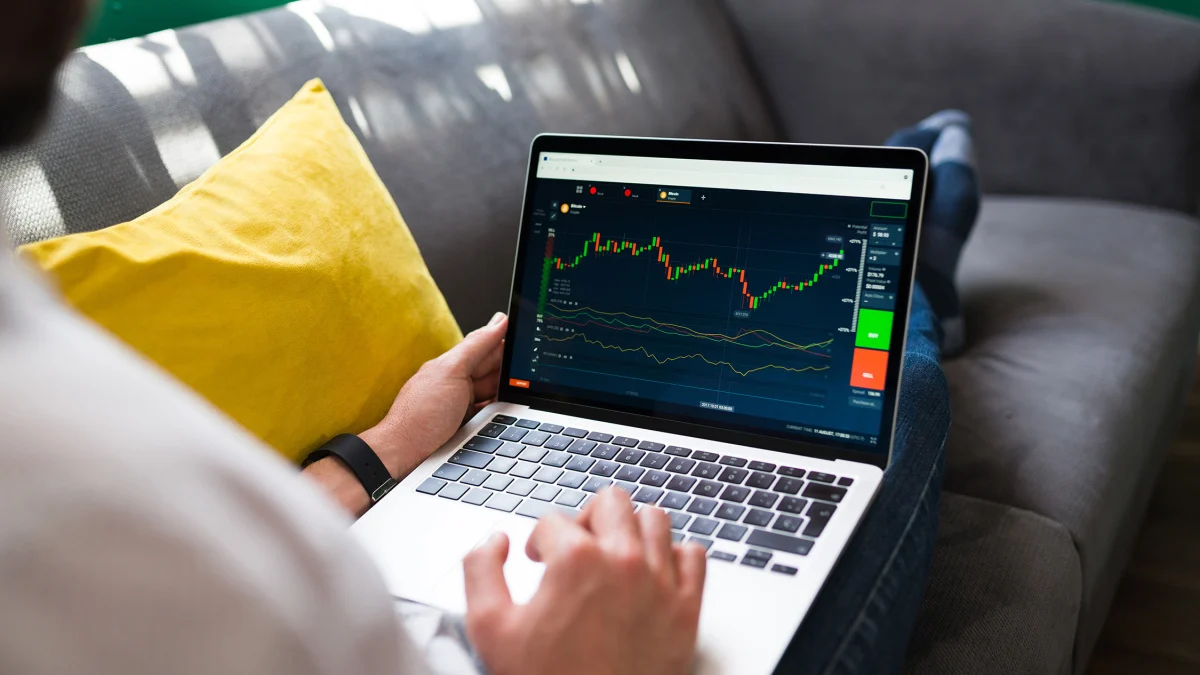
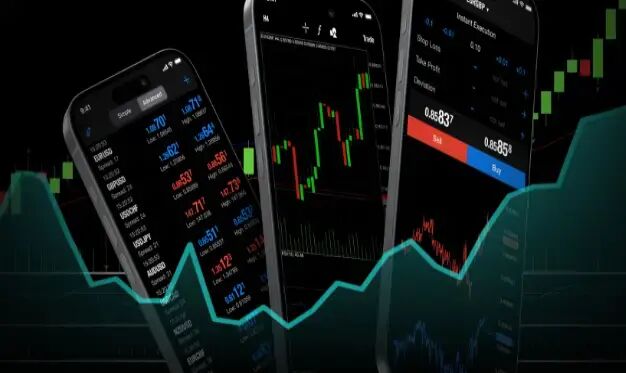
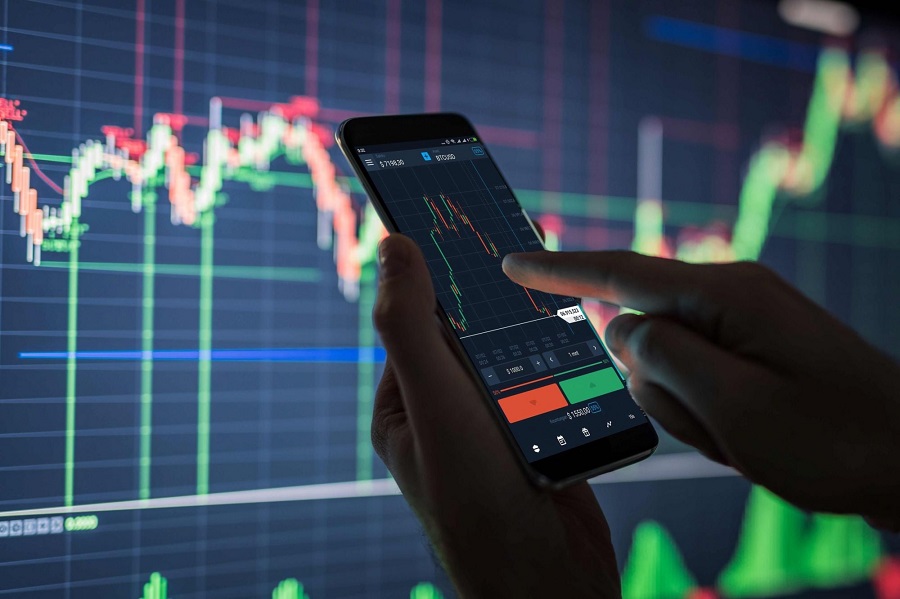
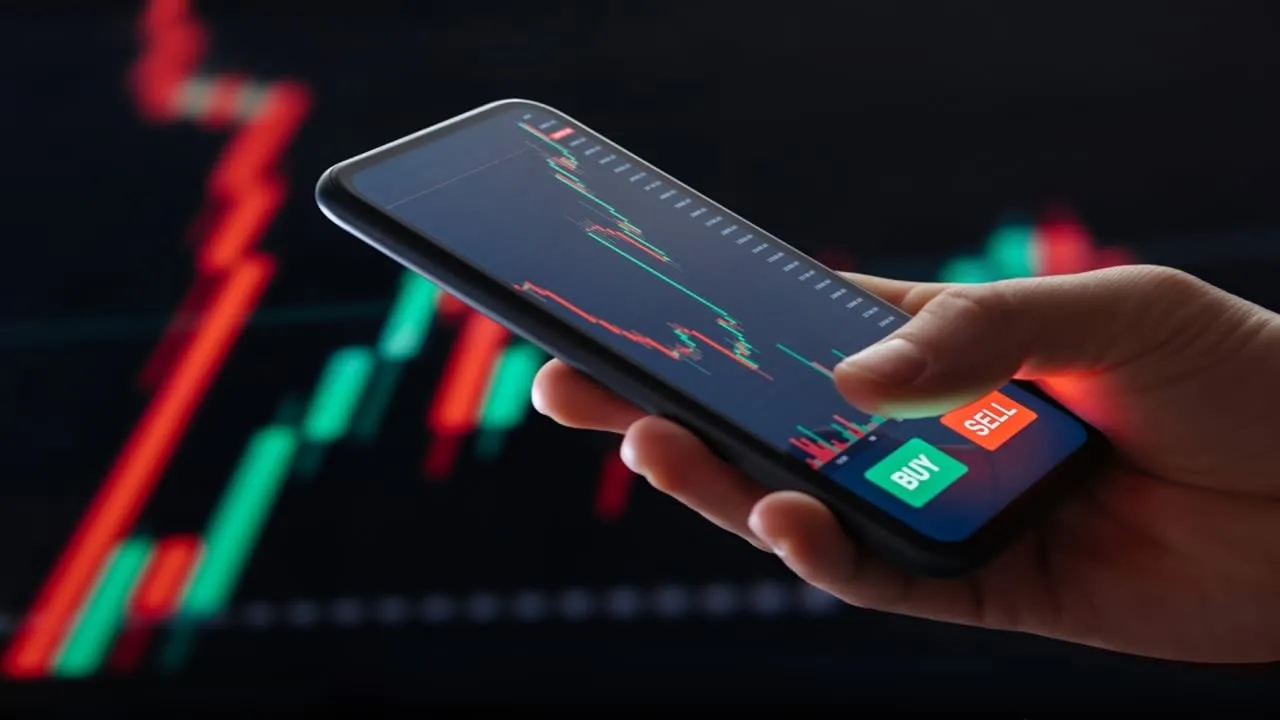
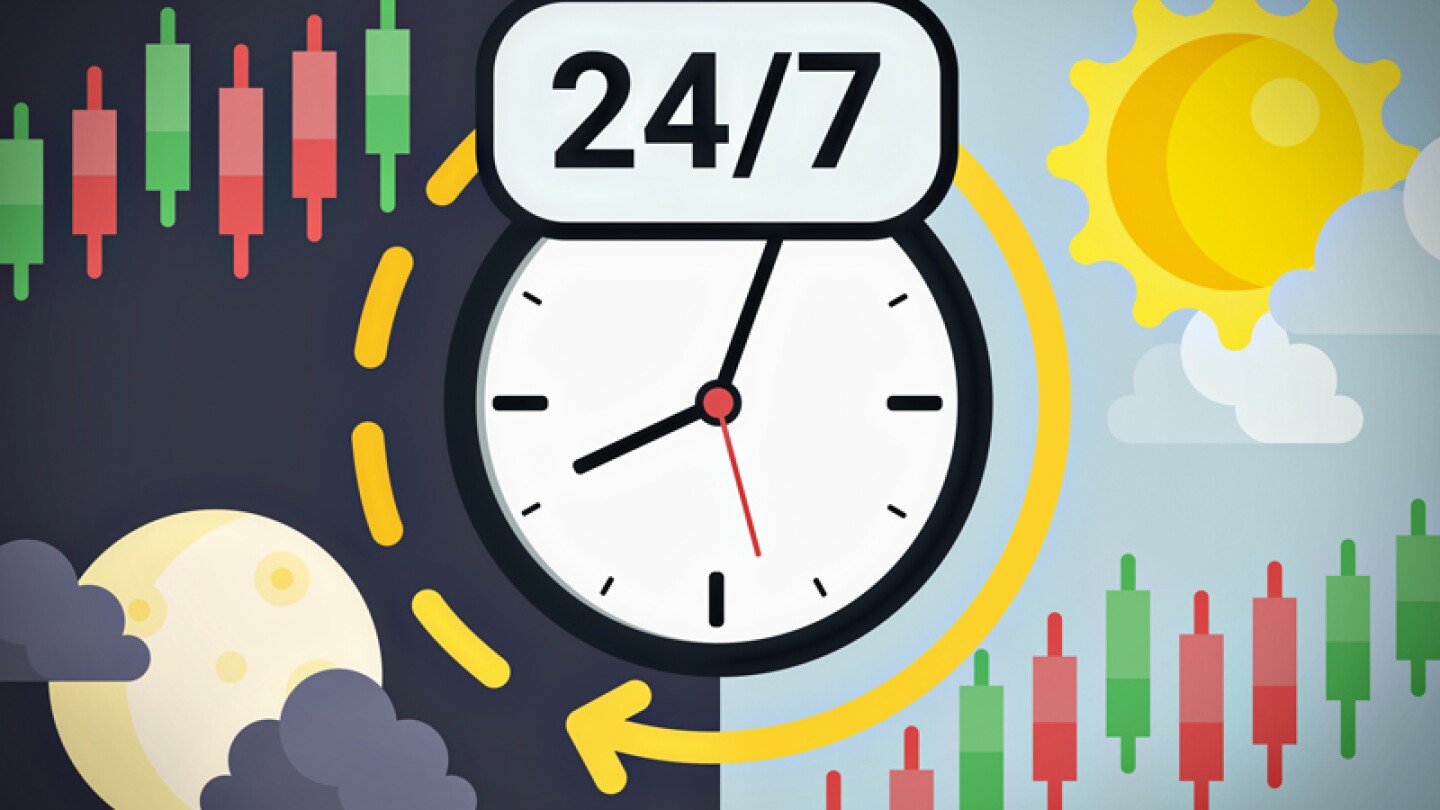
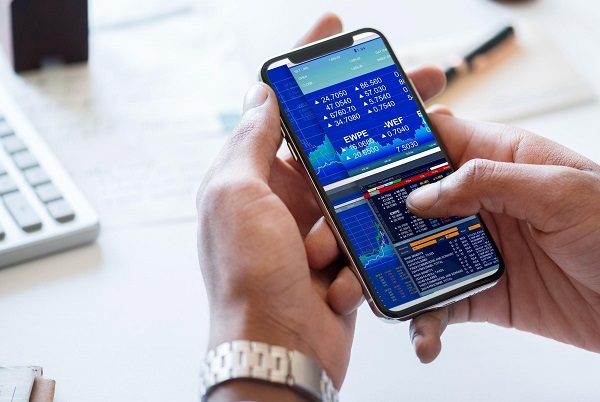
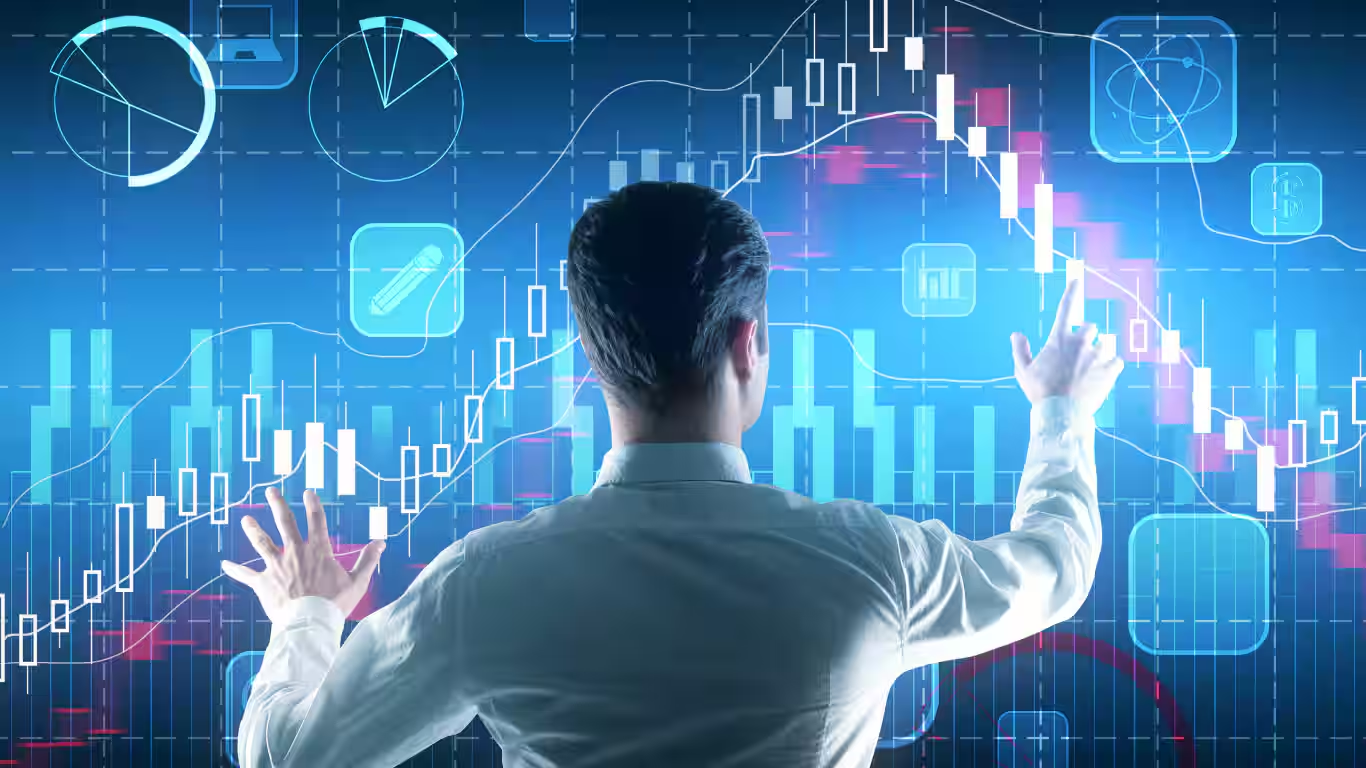
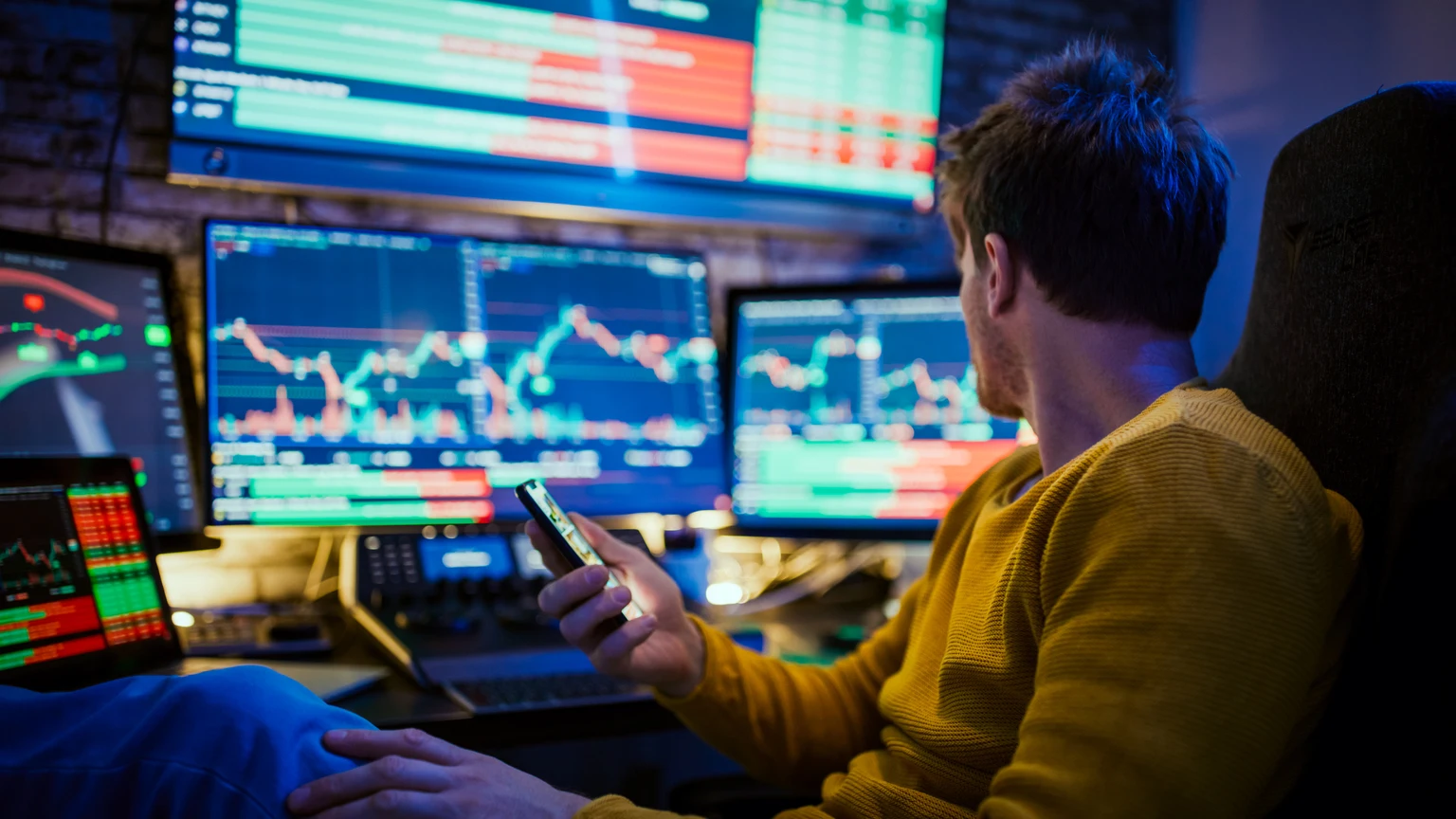
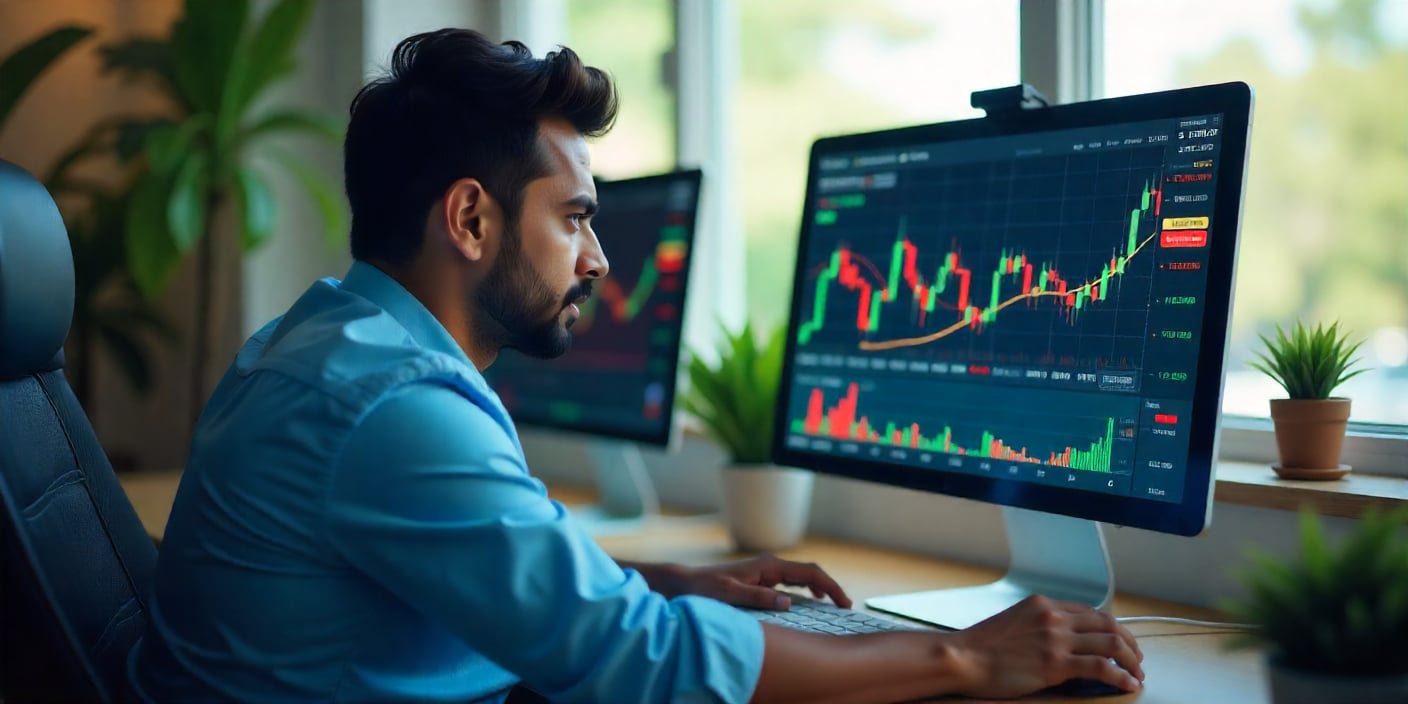
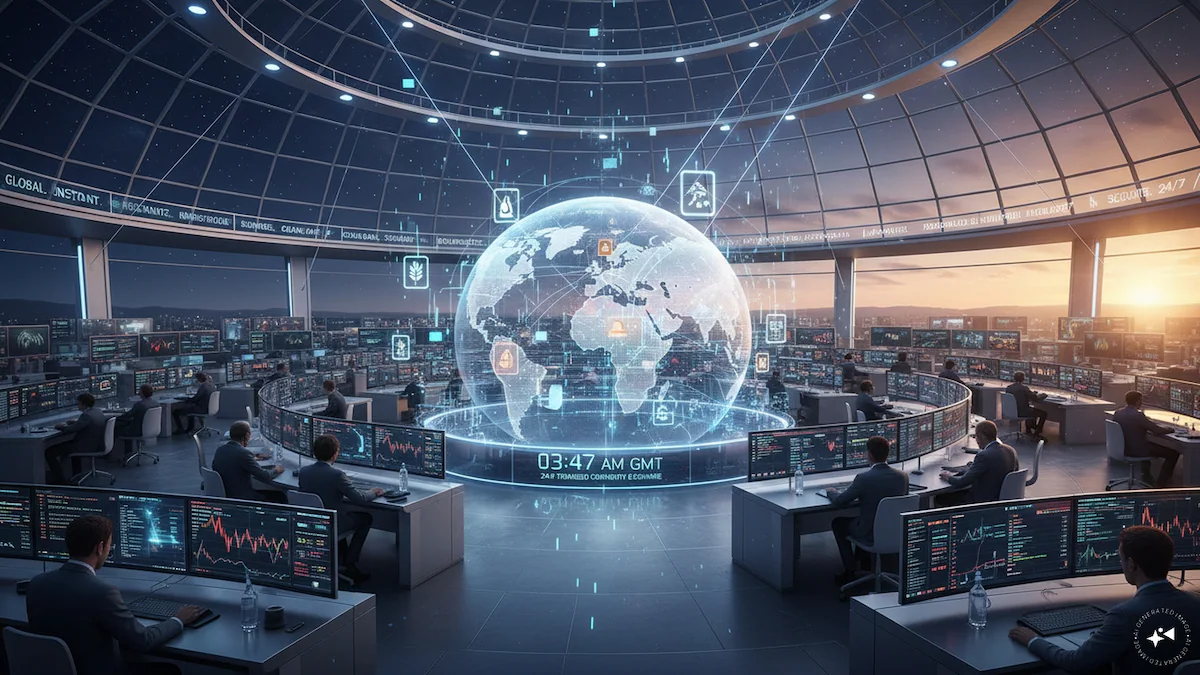
As these digital assets live on 24/7 crypto rails (underlying blockchain networks), traders can buy, sell, and swap them at any time of day or night.
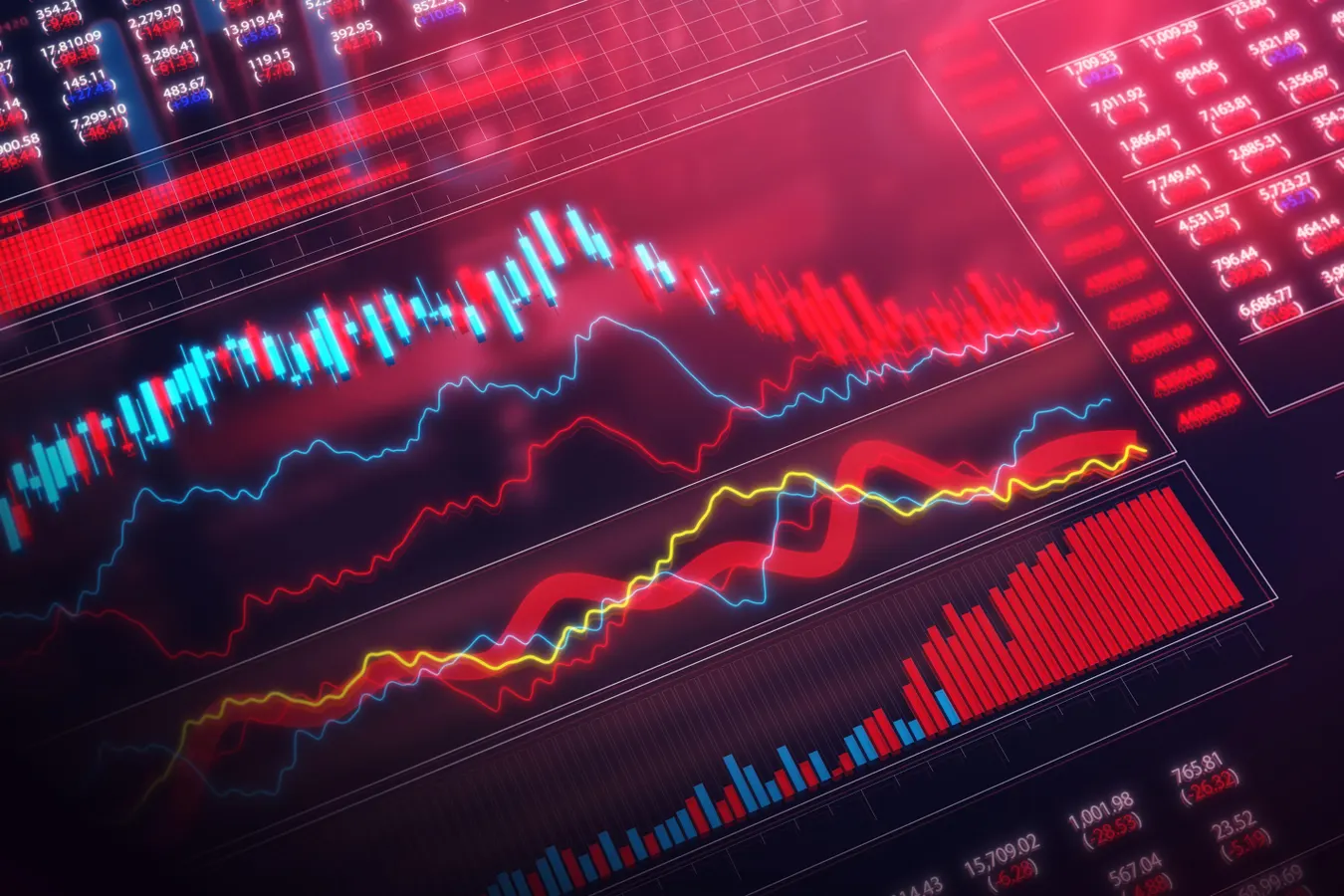
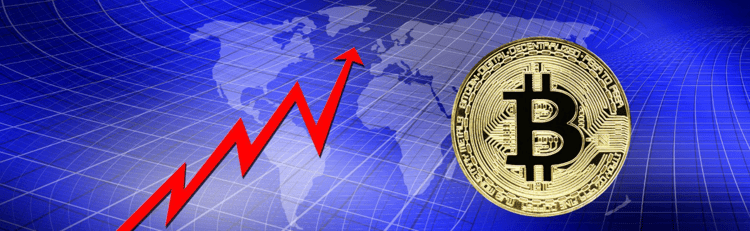
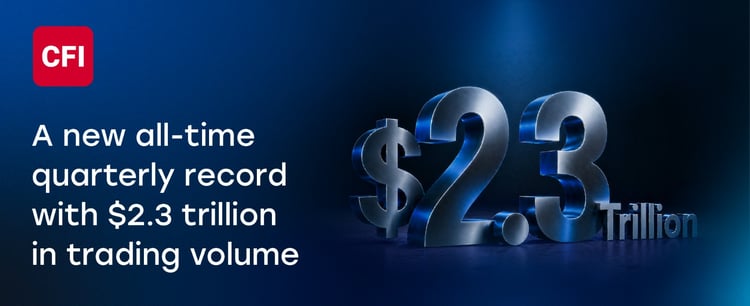
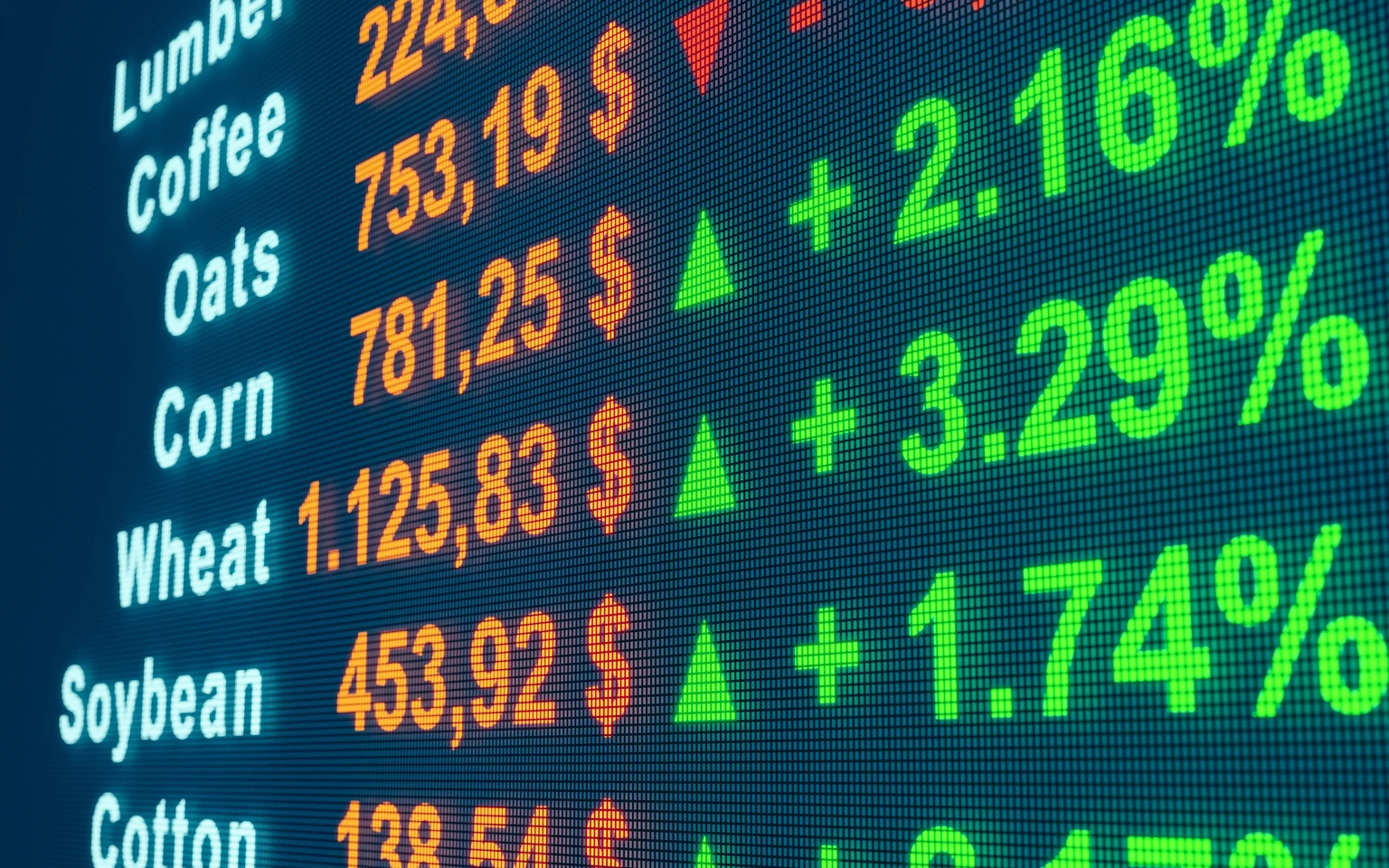
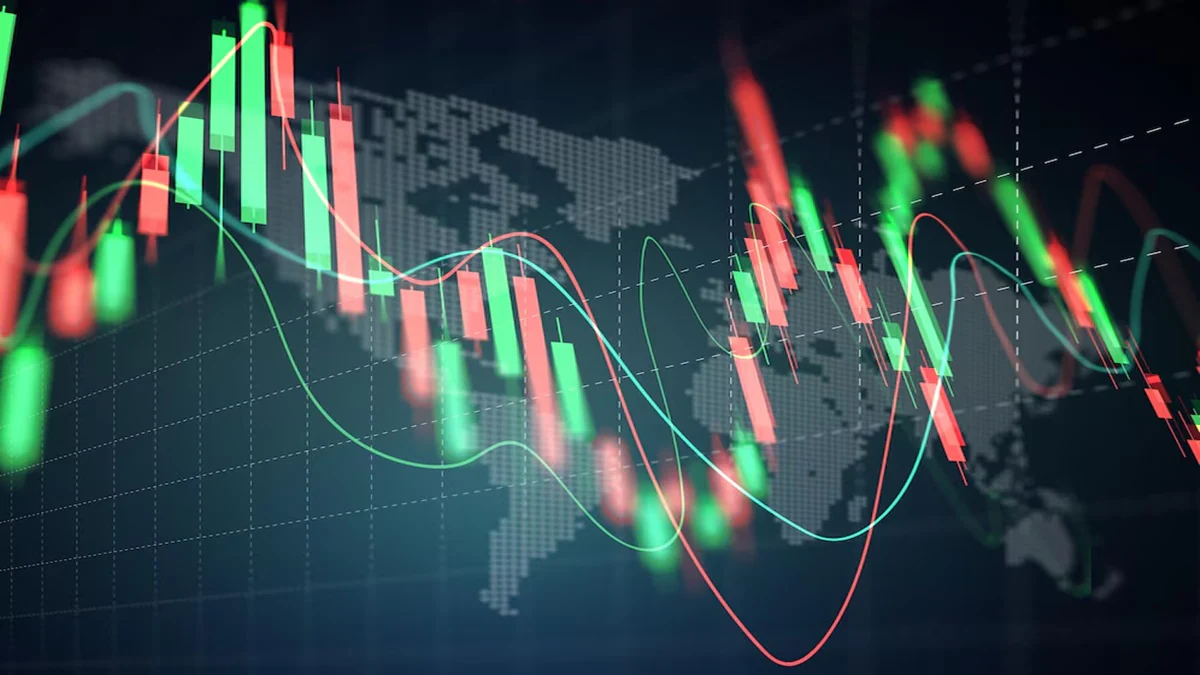
The on-chain tokenised real-world asset market is experiencing massive activity, especially in early 2026. Total Tradable Volume: $33.5 billion. Derivatives Market: Reached $524.8 billion in trading volume during the first quarter. Commodity trading volumes on decentralised exchanges (DEXs), which are run entirely by code rather than a central company, have shot up nine times in 2026.
Gold and Silver Lead the Way
The total market valuation for tokenised commodities sits between $4.7 billion and $5.5 billion in market capitalisation (the total value of all tokens), down slightly from a peak market cap of $5.8 billion earlier this year.
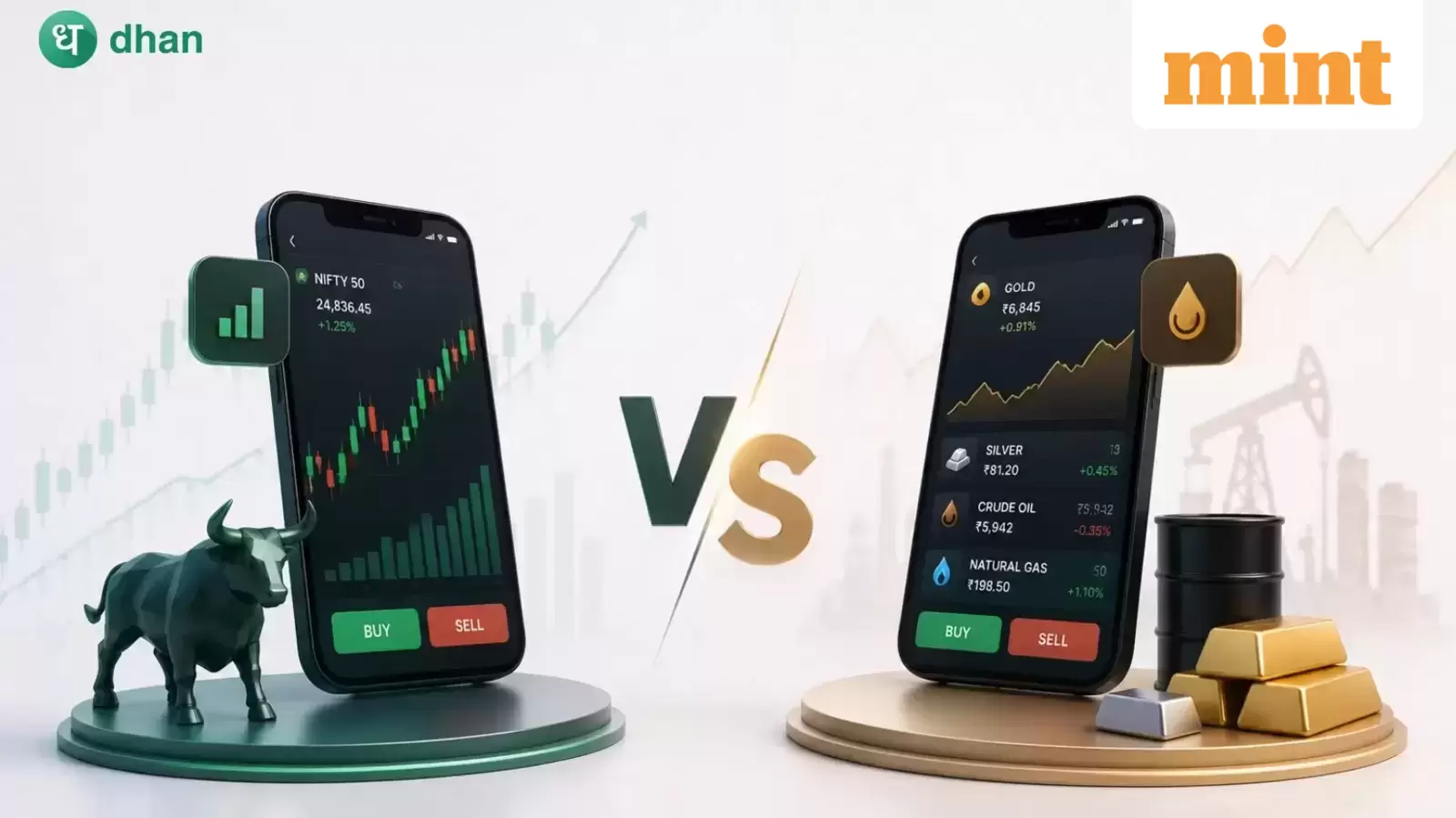
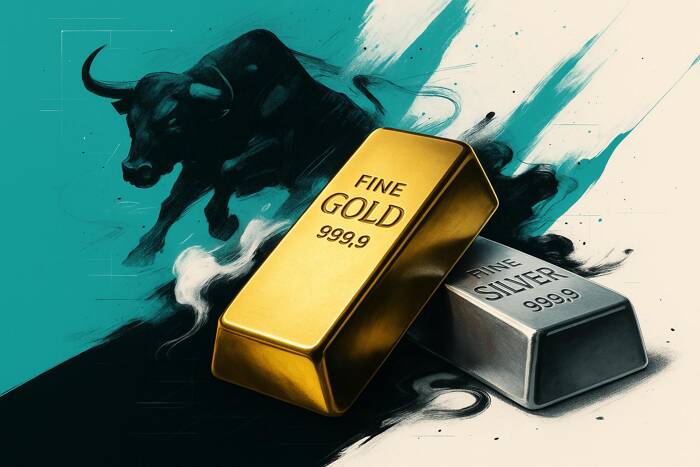
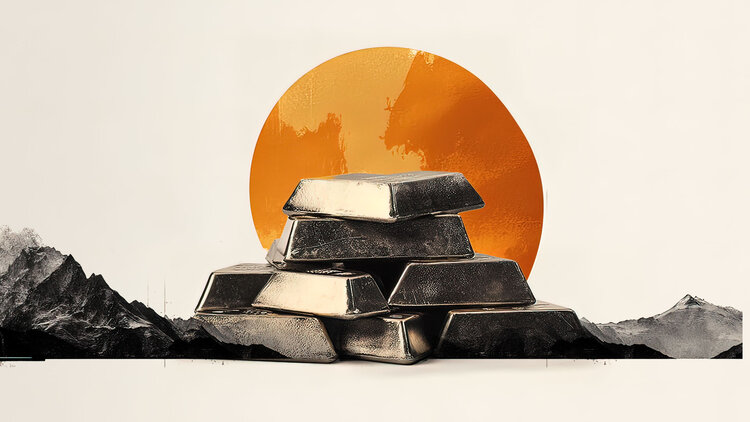
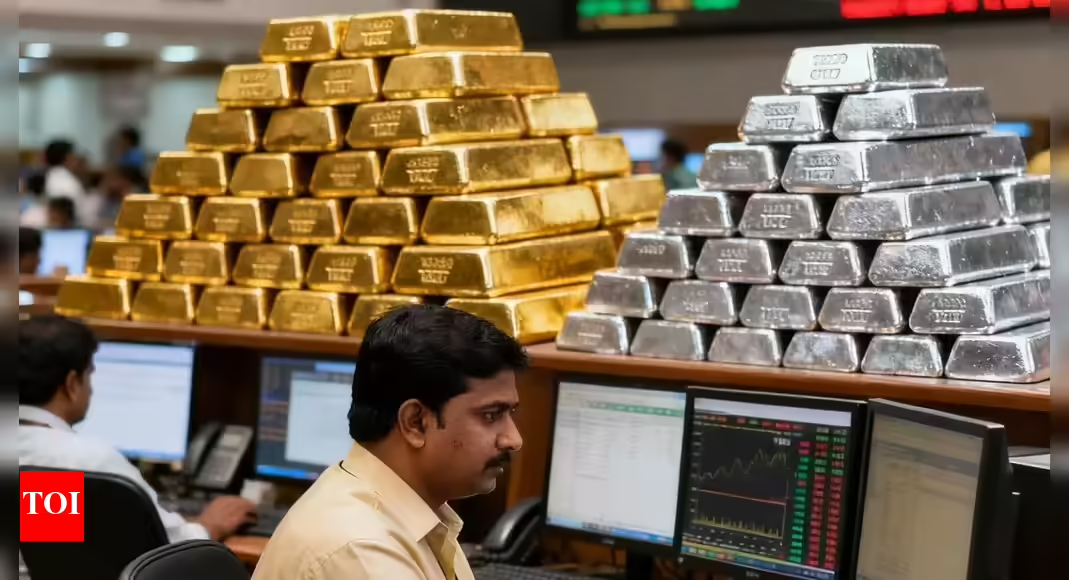
Gold is the undisputed king of this sector, accounting for over 95% of the tokenised commodity market. Two main tokens dominate the space: Tether Gold (XAUT) with a 54% market share, and PAX Gold (PAXG) with 46%.
Tokenised silver accounts for $434 million of the market. This sector is led by Kinesis Silver, which is a tokenised version of the well-known iShares Silver Trust. Additionally, Silver Futures traded on a platform called Hyperliquid, with a daily volume of nearly $1 billion.
Other vital resources are also moving to the blockchain, often driven by global news and supply changes.
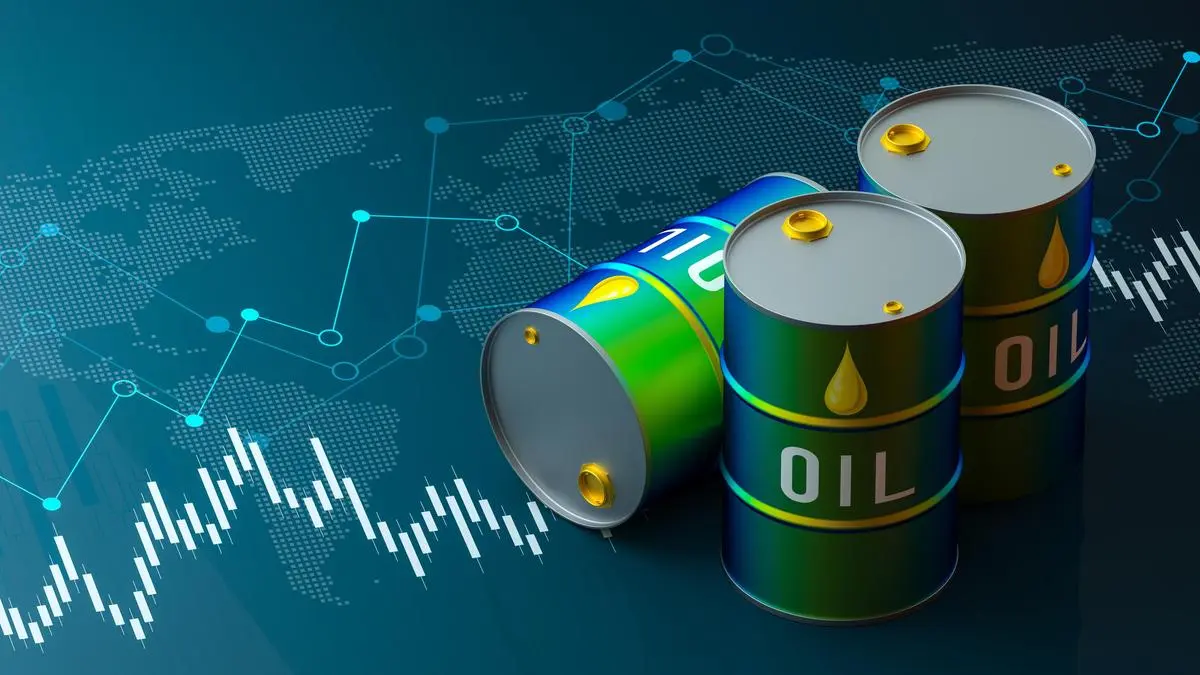
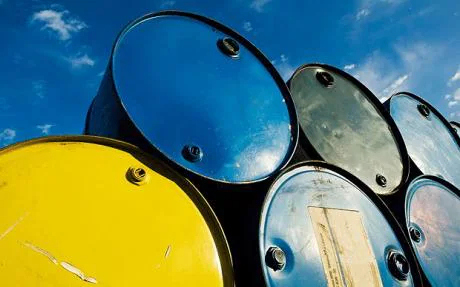
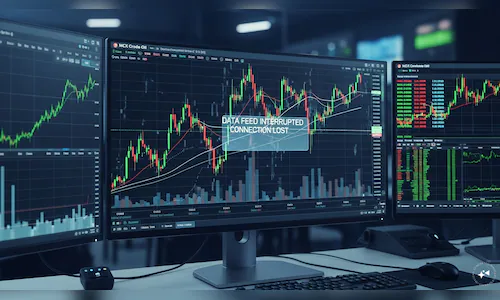
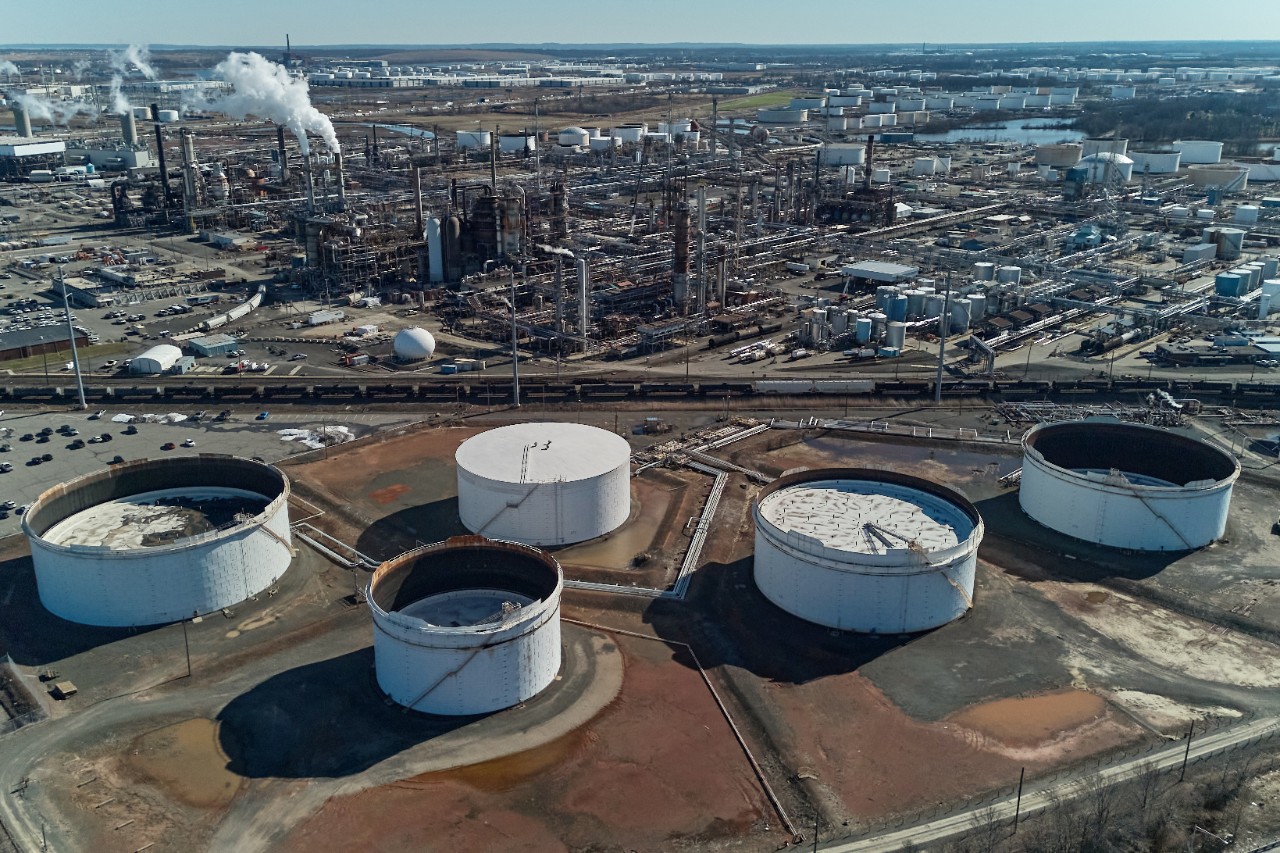
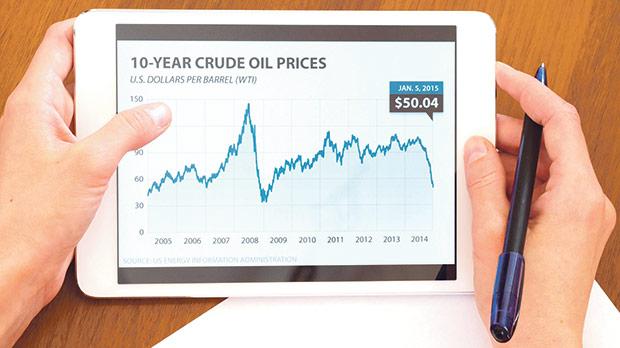
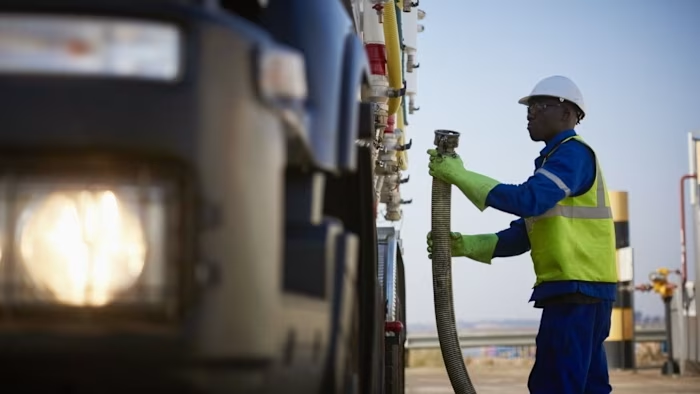
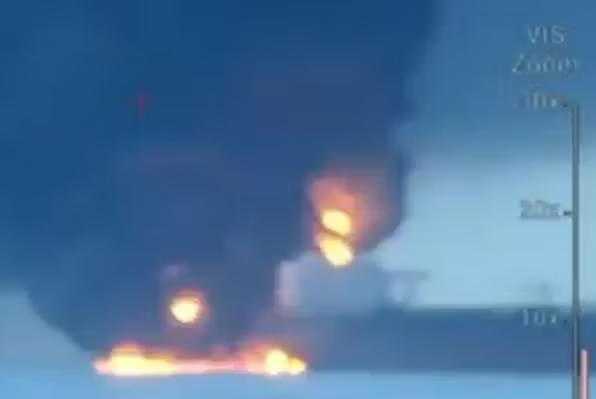
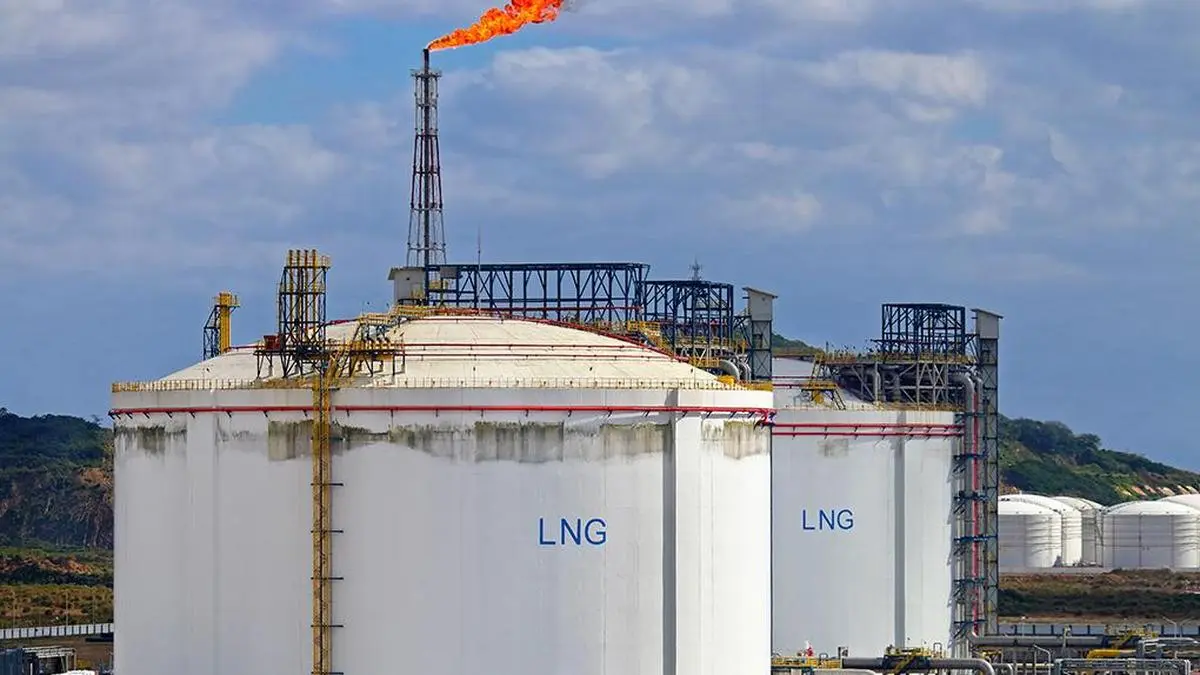
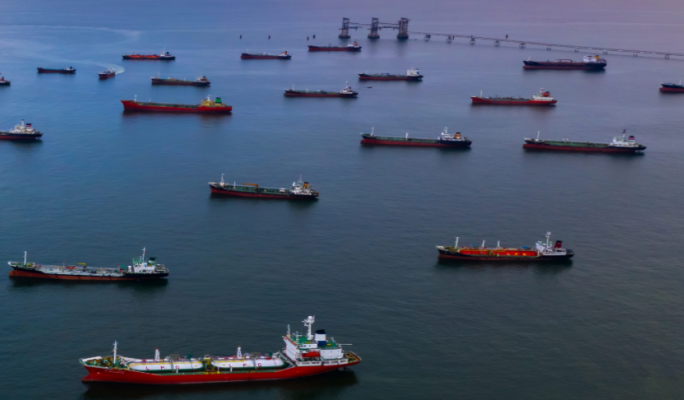
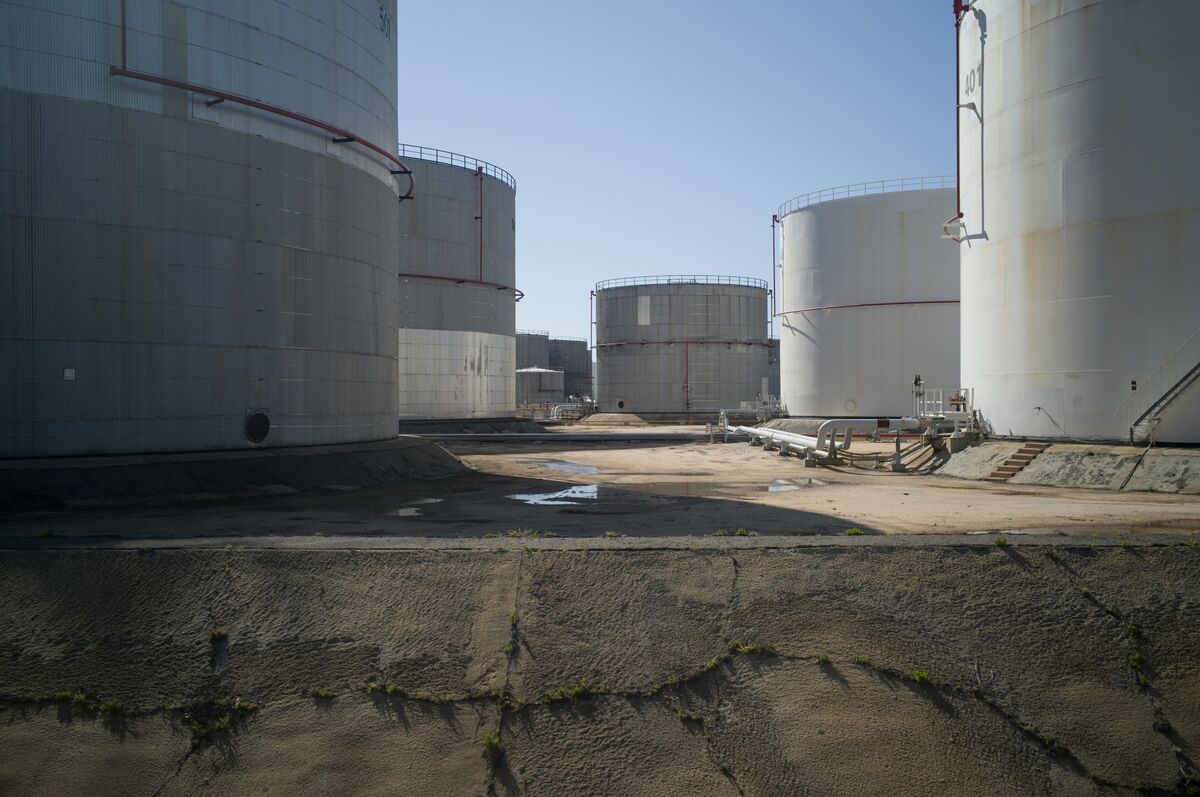
Crude Oil is the most heavily traded commodity on weekends, often influenced by events like the West Asia Conflict. A project called OilCoin is designed to tokenise underlying physically backed oil reserves so people can trade oil at any hour.
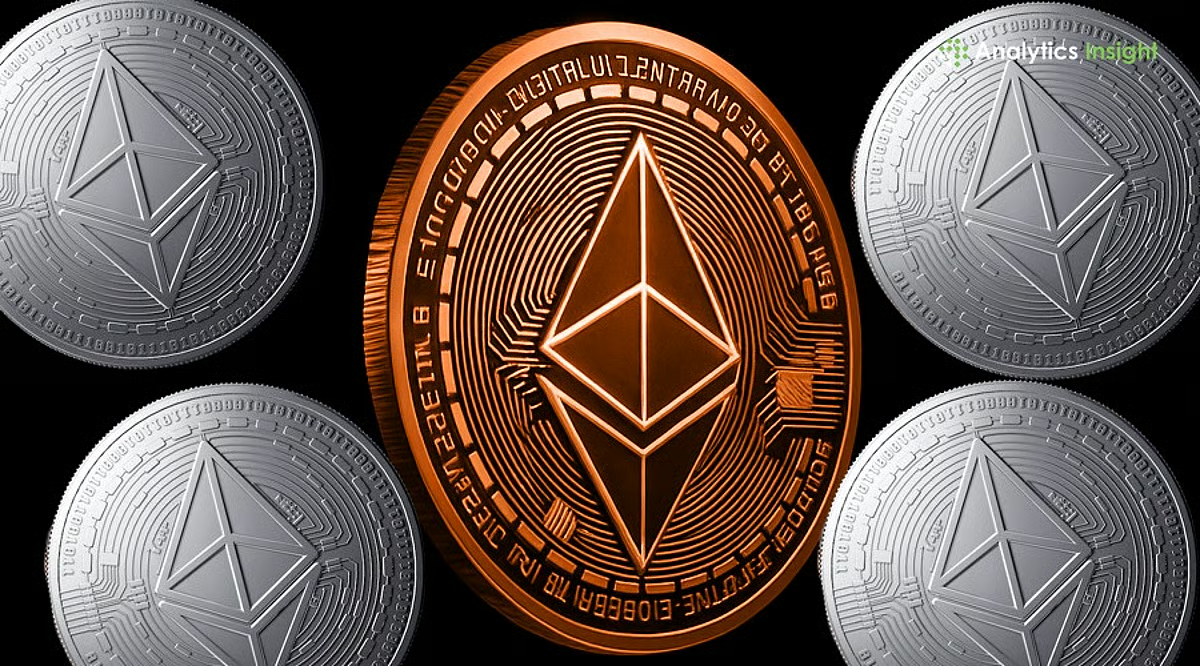
Copper trading on blockchains has gained popularity due to physical shortage narratives. To keep things safe, tokenised copper relies on strict 1:1 physical backing using industrial warehouse receipts. These receipts are turned into fluid, borderless ERC-20 tokens (a standard type of digital token) on the Ethereum blockchain.
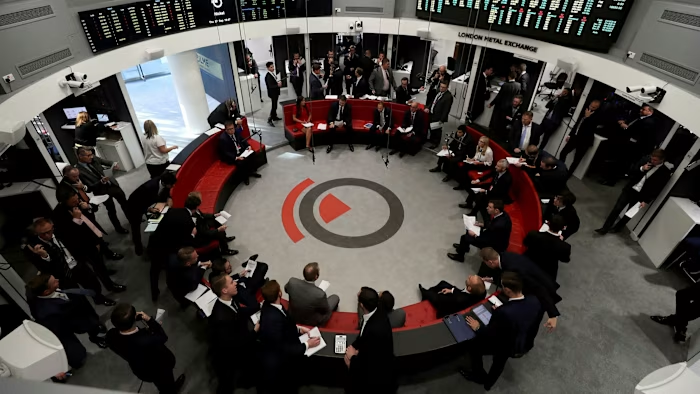
Wall Street is Taking Notice
Here is where those plans stand right now:
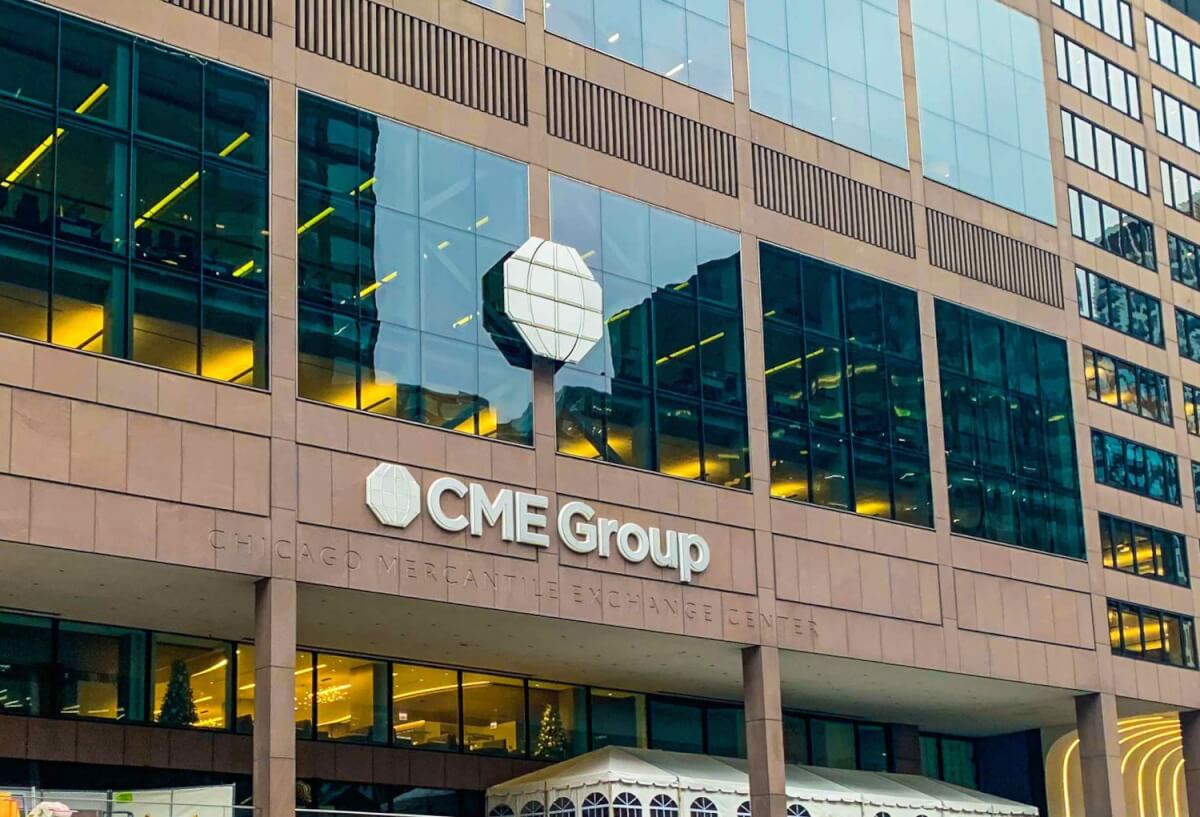
Gold Futures: The CME completed a self-certification process with the Commodity Futures Trading Commission (CFTC) on July 2, 2026. They are scheduled to launch continuous, round-the-clock weekend trading for 1-ounce gold futures on July 24, 2026. However, other traditional gold contracts will remain closed over weekends.
The crypto-style weekend trading for crude oil is paused. The CFTC has put a stay on the CME’s round-the-clock crude oil trading proposal for the time being.
(Edited by : Sriram Iyer)
First Published: Jul 15, 2026 9:40 AM IST