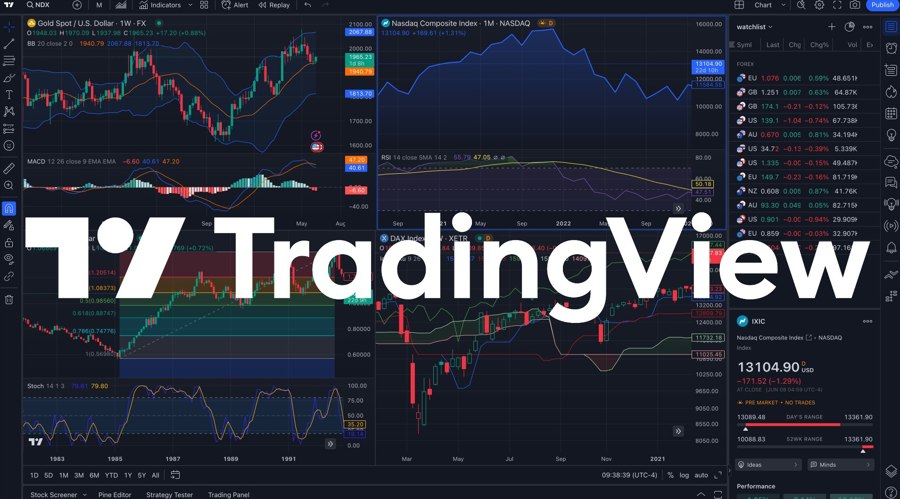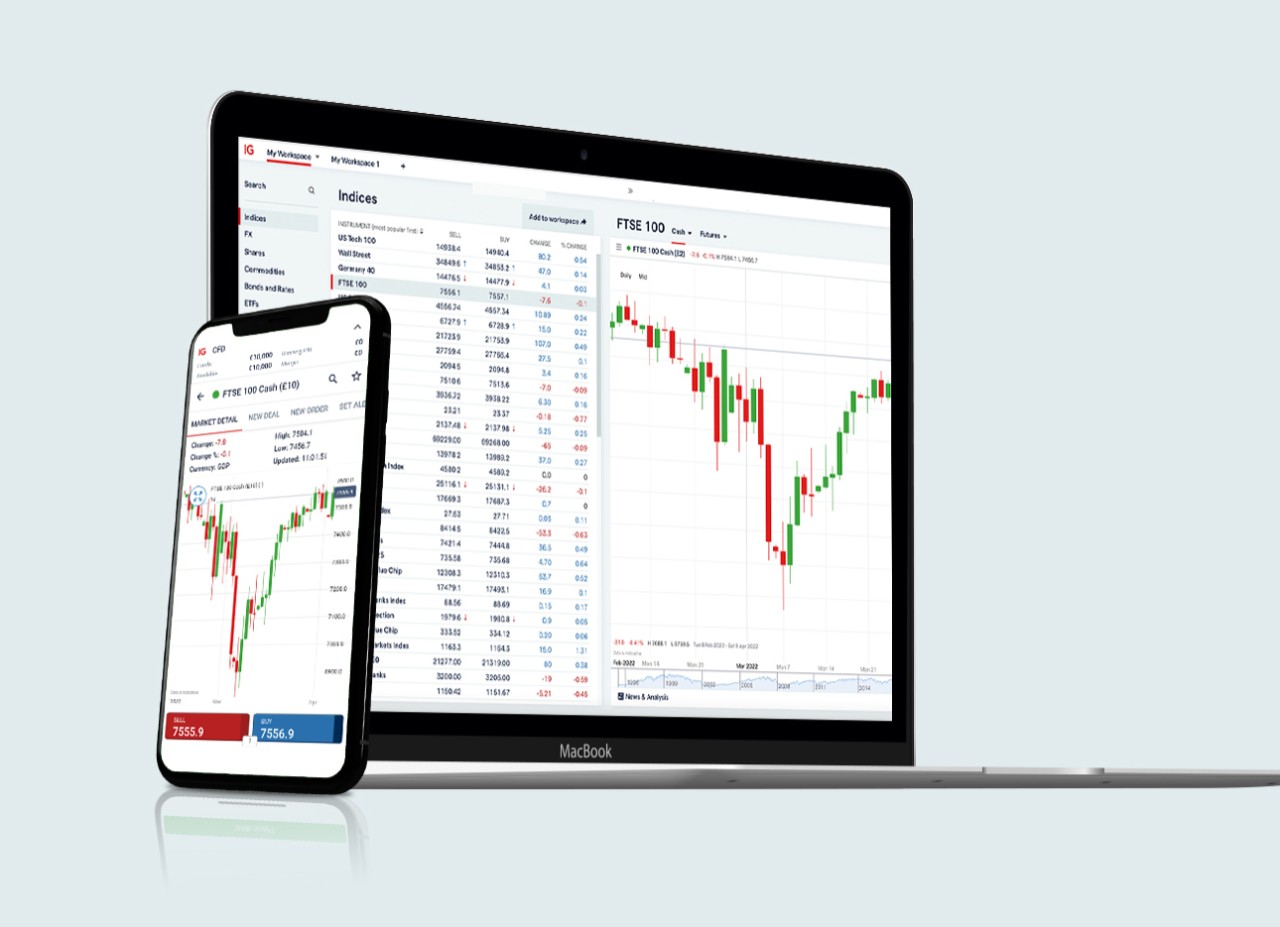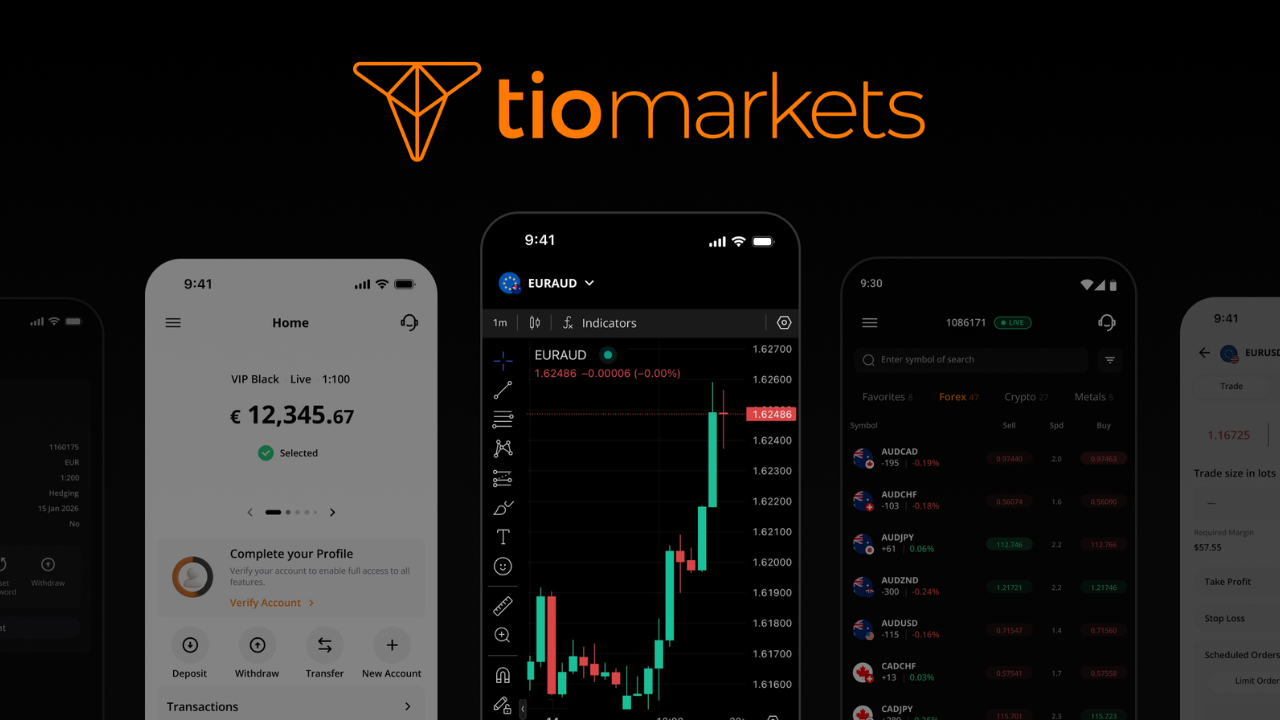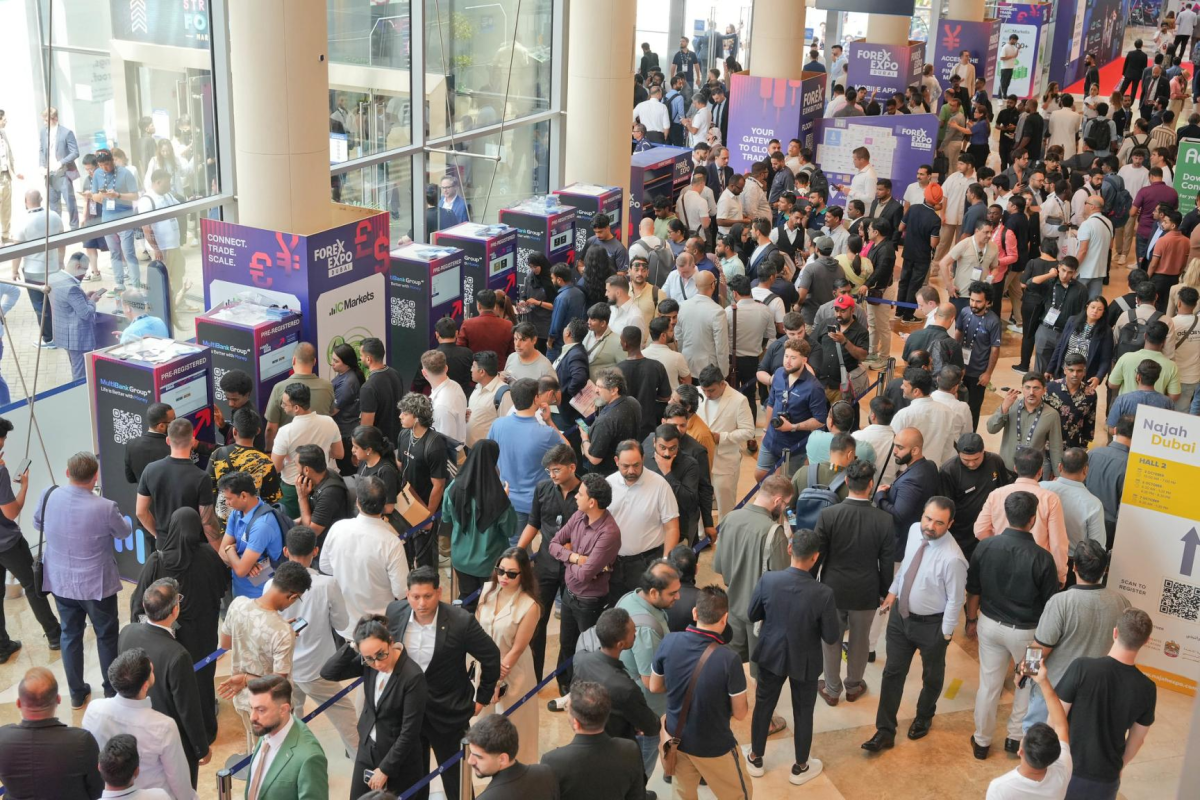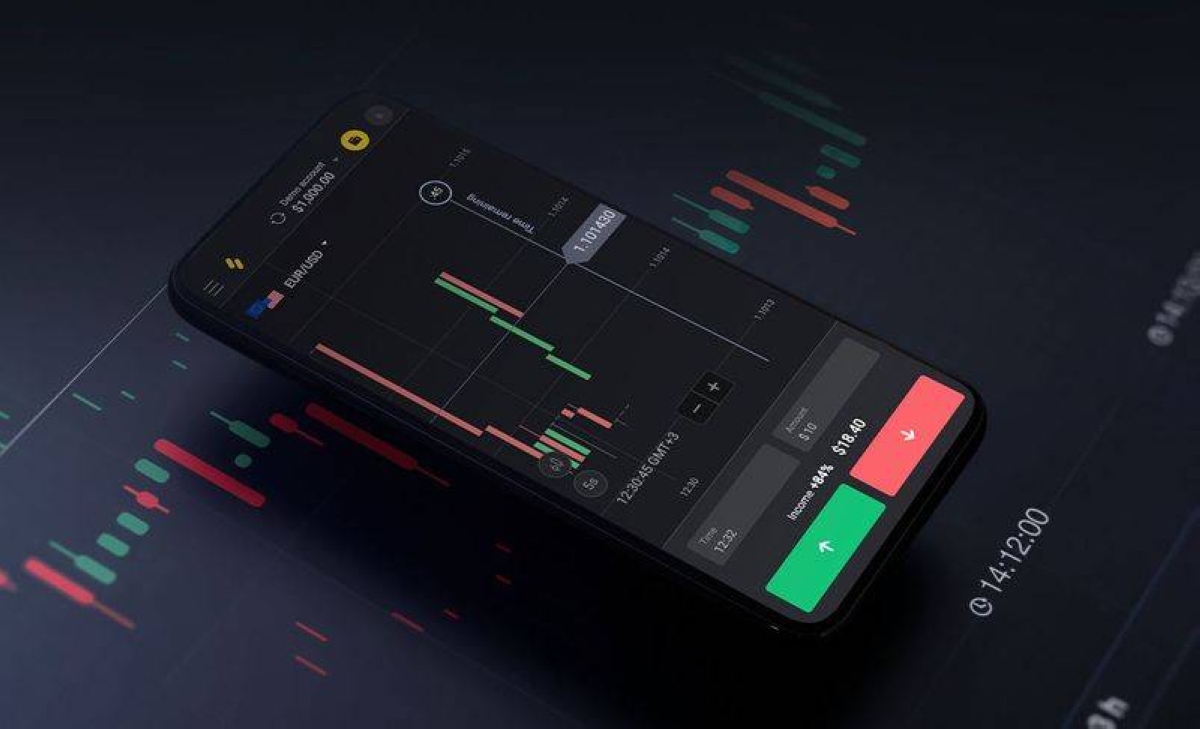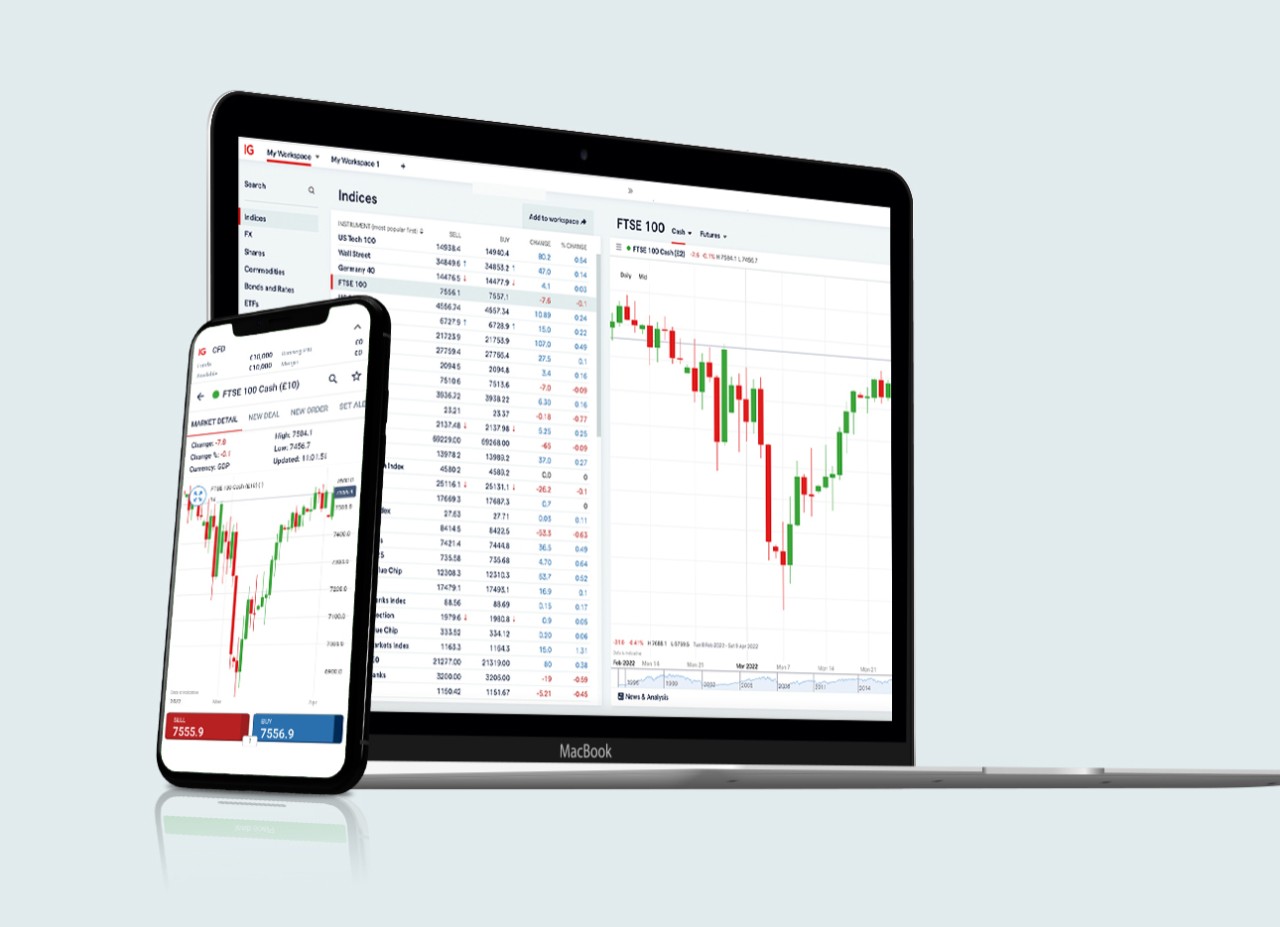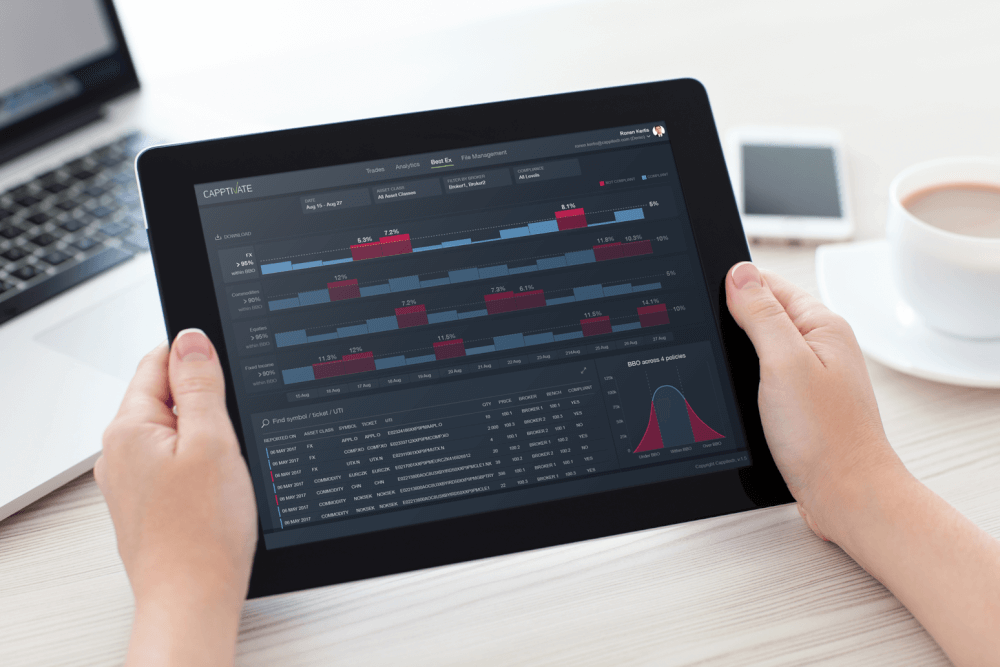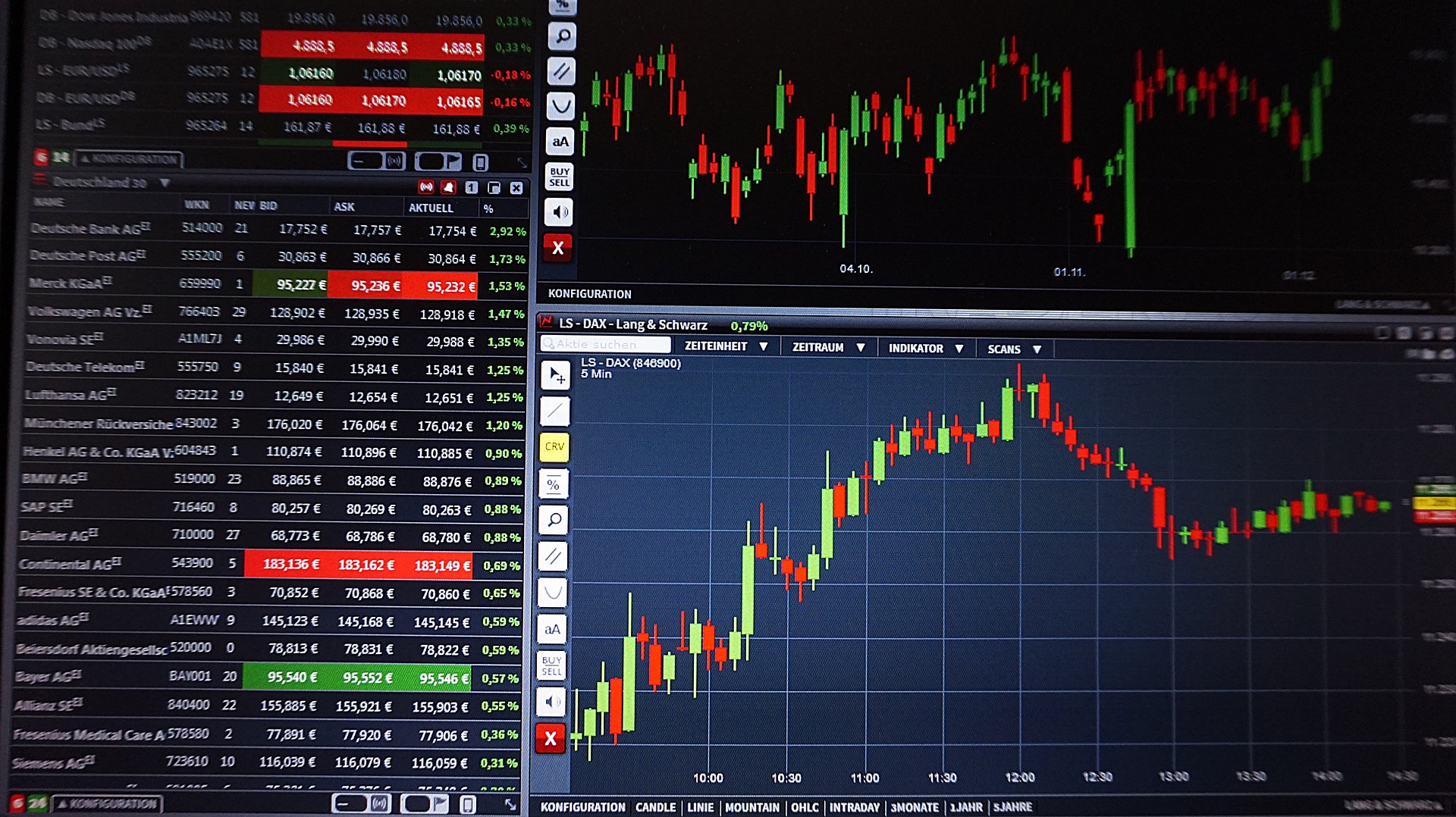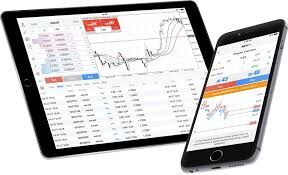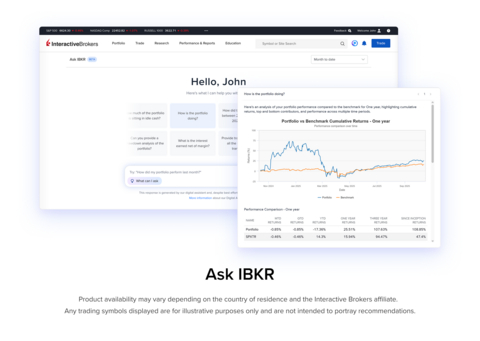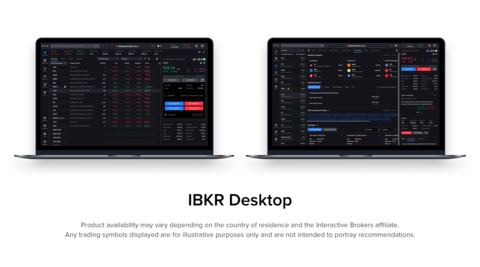
Multi-asset brokers can support the trading activities of retail investors by providing them with access to unified account management, cross-market diversification and advanced analytical tools. These modern sites allow traders to optimize their strategies and risk management from a single login.
Retail trading has evolved from simple market speculation into a highly sophisticated endeavor in the modern financial industry. In the past, retail investors found themselves constrained by disjointed systems, juggling separate accounts, sites and capital tools in order to trade various assets. This fragmentation created a significant obstruction to workflow for retail investors, leading to inefficient use of capital and trade execution.
In the modern world, sustainable trading relies on structural efficiency as opposed to market forecasting and the emergence of the multi-asset broker including platforms such as ArkBridge, has completely transformed this dynamic by offering traders a unified infrastructure that consolidates separate markets into a single interface. Providing streamlined access to equities, forex, commodities, crypto and fixed-income products under one roof has allowed these brokers to provide greater operational flexibility for retail traders.
Consolidating Capital and Eliminating Systemic Resistance
In a traditional disconnected system, a trader who spots a sudden opportunity in the commodities market while holding capital in an equity account was faced with a tedious and laborious process.
Transferring funds between specialized brokerages typically included:
-
Multi-day settlement delays
-
Wire feed
-
Significant opportunity costs
As such, the consolidation of capital into a single account structure is probably one of the biggest benefits of the multi-asset brokers. When your capital sits in a single, unified pool, your collateral instantly becomes fluid. This means you can close a position in a technology stock and immediately redeploy those liquid funds into a gold or forex position within seconds.
The resulting fluidity drastically reduces your transaction costs and prevents the structural drag that’s typically associated with maintaining idle cash across multiple accounts. Eliminating the effort required to coordinate multiple platforms will make it possible for you to improve the efficiency of capital allocation. This will ensure that your purchasing power is always positioned right where market opportunity is greatest.
Advanced Margin Models and Cross-Collateralization
A consolidated multi-asset system gives you access to corporate-level capital efficiency through advanced margin models. The traditional single-asset sites evaluate risk only within the parameters of their specific market but multi-asset brokers are able to calculate systemic risk across your entire portfolio.
Cross-Collateralization
This holistic oversight is what enables cross-collateralization, which is a mechanism where the value of an equity or fixed-income position can be used as leverage to back a leverage requirement in a commodities or forex trade.
Cross-collateralization can improve capital efficiency by allowing eligible assets within a portfolio to support margin requirements across multiple positions. However, it also requires careful risk management, as increased leverage or adverse market movements may amplify portfolio exposure if positions are not monitored appropriately. For this reason, traders should understand how margin policies, asset correlations, and risk controls apply within their chosen platform before using these features.
Instant Reinvestment
Advanced sites also permit the instant reinvestment of unrealized profits. This means that if you’re holding a highly profitable long-term position in an index EFT, the open equity from that position can immediately serve as margin for short-term tactical trades in alternative markets.
Reduced Average Margin
Calculating the margin requirements across a diverse basket of uncorrelated markets is what enables multi-asset brokers to significantly reduce the average margin that’s required to maintain complex portfolios. This optimization essentially expands your purchasing power safely, allowing you to improve capital efficiency without necessarily exposing yourself to unmitigated leverage.
Elevating Trading Performance Through Superior Execution Quality
Trade execution has become an increasingly important factor in overall trading performance as financial markets have become more electronic and interconnected. Even the most meticulously crafted strategy can fail if it encounters hurdles in the form of:
-
Poor execution
-
High slippage
-
Wide bid-ask spreads
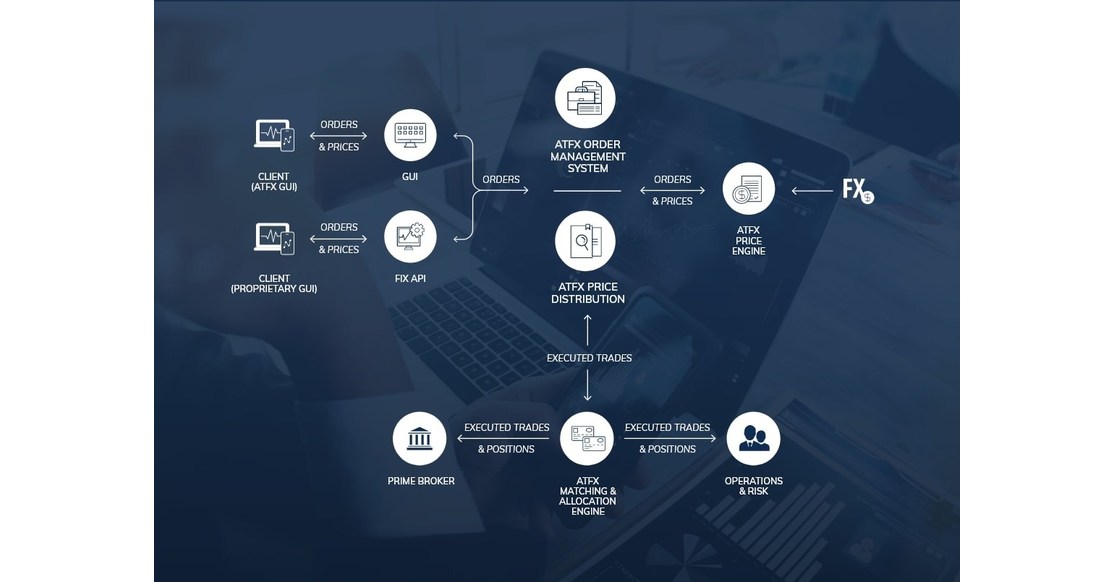
Mukti-asset brokers directly mitigate these risks by investing in professional-grade smart order routing and deep cross-market liquidity. A modern, advanced multi-asset broker gives you simultaneous direct access to aggregated tier-one liquidity providers across multiple asset classes.
When a retail order is placed, the broker’s underlying technology stack automatically routes the order to the optimal execution venue, minimizing market impact and significantly reducing execution latency. The improvements in execution quality as a result of this process preserve the value of your portfolio by ensuring that your trades are filled closer to the intended benchmark prices.
Over the span of hundreds of transactions, the reduction in hidden trading costs like slippage and execution delays may contribute to improved trading outcomes over time to your bottom-line performance.
Streamlined Access For Optimal Performance
Multi-asset brokers are an useful tool for modern retail traders who are looking to diversify their portfolio by trading across various different asset classes. Now, you don’t need to juggle multiple accounts or keep track of your capital over several sites because it can all be unified under a single login.
The benefits of cross-collateralization are immense, not the least of which is providing greater flexibility in capital allocation. When combined with appropriate risk management and a well-defined investment strategy, multi-asset platforms can support more efficient portfolio management and streamlined access across multiple asset classes.