VibeQuant covers automated trading, quantitative strategy, and risk management, with a focus on cutting through hype toward realistic, evidence-based expectations. For this guide, VibeQuant set up and ran each bot reviewed — first on demo accounts, then with small live allocations — over a three-week period in June 2026, tracking setup time, risk-control behavior, and stability during volatile sessions.
- Areas of focus: automated trading systems, quantitative strategy design, risk management, forex and equity markets
- Connect: LinkedIn
Over three weeks in June 2026, our team ran eight AI stock and forex bots side by side — on demo accounts first, then small live allocations — to answer one question readers keep asking on Reddit and in our inbox: which ones actually work? This ranking is the result. No affiliate fluff, no invented profit screenshots — just what we saw when we set each bot up and let it trade.
How We Tested These Trading Bots
Transparency first — here is exactly what we did, so you can weigh our verdict:
- Duration: 3 weeks (demo accounts, then small live allocations).
- What we measured: setup time, whether coding was required, how risk controls (stop-loss, position sizing) behaved, interface clarity, and stability during volatile sessions.
- Markets: major forex pairs (EUR/USD, GBP/USD) and large-cap US stocks.
- What we did not do: publish specific return figures. Short tests cannot prove profitability, and past results never guarantee future ones. We report process and behavior, not promises.
A grounding point from our experience: the best automated trading bots are not fortune tellers. They win on discipline, speed, and risk management — not on predicting the market.
Quick Comparison: Top AI Stock & Forex Bots 2026
| Bot | Best For | No-Code | Markets | Free to Try |
| SaintQuant | Hands-off beginners | ✅ | Stocks, forex-adjacent, crypto, futures | ✅ ($99 trial) |
| Trade Ideas (Holly AI) | Stock idea generation | ✅ | Stocks | Trial |
| 3Commas | Multi-exchange bots | Partial | Crypto, some FX | Free tier |
| MetaTrader 4/5 + EAs | Forex expert advisors | ❌ | Forex | Varies |
| Forex Fury | Set-and-forget FX | Partial | Forex | ❌ |
| Tickeron | AI pattern signals | ✅ | Stocks, FX | Trial |
1. SaintQuant — Best Overall for Hands-Off Beginners
Best for: Traders who want automated stock and forex-style strategies without coding.
SaintQuant was the fastest to get running in our test. Setup took minutes: we picked a pre-built strategy, set an allocation, and it began executing without any configuration or scripting. For a beginner, that gap between “signed up” and “actually automated” is where most other tools lose people — and SaintQuant closed it fastest.
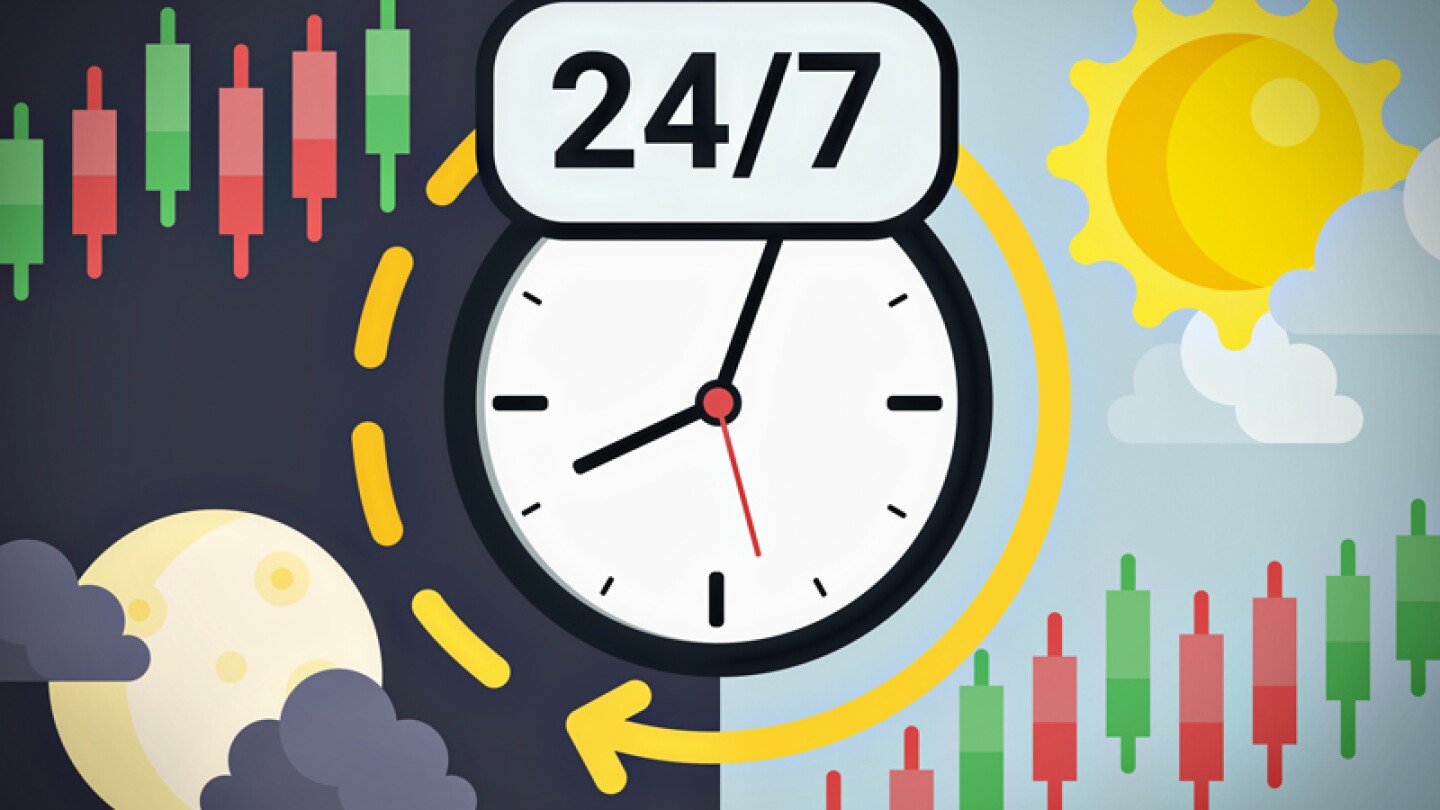
What earned it the top spot was the risk handling. Controls like exposure limits and position sizing are built into each strategy rather than left to you, and during a volatile forex session the strategy scaled exposure down rather than doubling into the move — the behavior we most want to see. It runs 24/7 across crypto, stocks, and futures from one account.
In our experience:
- Easiest onboarding of any bot tested — genuinely no-code.
- Risk controls behaved conservatively under volatility.
- One dashboard for multiple markets simplified monitoring.
New users can test it with a $99 free trial credit plus a $7 registration bonus, with no deposit required — enough to observe live behavior before committing your own funds.
Pros: No-code, built-in risk management, multi-market, free trial. Cons: Deep manual customization is limited by design; returns are pursued, not guaranteed.
2. Trade Ideas (Holly AI) — Best for Stock Idea Generation
Best for: Active stock traders who want AI to surface setups.
Trade Ideas’ “Holly” scans the market and highlights candidates in real time. In testing, it was excellent at surfacing ideas quickly, but it is a discovery assistant, not a hands-off autopilot — you still make the decisions.
The interface rewards experience and carries a learning curve. Active traders will value the firepower; passive beginners may find it more than they need.
Pros: Powerful real-time scanning, strong for research. Cons: Steep learning curve; not truly hands-off; stocks only.
3. 3Commas — Best for Multi-Exchange Bot Trading
Best for: Users comfortable configuring their own bots.
3Commas offers grid, DCA, and other bot types across many exchanges. Setup took longer in our test because meaningful results depend on how you configure it — powerful, but not plug-and-play.
Its risk behavior is only as good as your settings, so it rewards users willing to learn. Primarily crypto-focused, with limited FX reach.
Pros: Flexible, multi-exchange, free tier. Cons: User-managed risk; configuration takes time.
4. MetaTrader 4/5 with AI Expert Advisors — Best for Forex EAs
Best for: Forex traders who want the classic forex EA ecosystem.
MetaTrader remains the backbone of retail forex automation, and its huge library of expert advisors (EAs) — including AI-enhanced ones — is unmatched for FX. In testing, the depth was impressive but the barrier is real: installing and tuning an EA is not beginner-friendly.
Quality varies enormously across EAs, so vetting each one matters. This is the most capable forex route for those willing to learn it.
Pros: Vast EA ecosystem, deep forex control, established standard. Cons: Not no-code; EA quality is inconsistent; steep for beginners.
5. Forex Fury — Best for Set-and-Forget FX
Best for: Forex users wanting a simple, low-touch EA.
Forex Fury is a long-standing forex robot marketed for consistency in specific market conditions. In our test it was simpler than building an EA from scratch, running within MetaTrader on a defined session window.
It is narrow by design — a forex tool, not a multi-market platform — and, like any trading robot, its results hinge on market conditions matching its assumptions.
Pros: Simple to run, focused FX strategy. Cons: Forex-only; paid; performance is condition-dependent.
6. Tickeron — Best for AI Pattern Signals
Best for: Traders who want AI signals with confidence scores.
Tickeron generates AI pattern detections with stated confidence levels across stocks and FX. We liked that it acknowledges uncertainty rather than promising certainty — a healthier framing than most.
Confidence scores are not accuracy guarantees, though, and interpreting them well takes practice. Best used as an analytical second opinion.
Pros: Pattern recognition, confidence scoring, multi-market. Cons: Signals need interpretation; tiered pricing.
Stock Bots vs Forex Bots: What Actually Differs
A point we learned firsthand: the two are not interchangeable.
- Forex bots must handle 24/5 currency sessions, leverage, and pair-specific volatility. The MetaTrader/EA ecosystem dominates here.
- Stock bots work within exchange hours and lean on scanners, ratings, and portfolio logic (Trade Ideas, Tickeron).
- Multi-market platforms like SaintQuant abstract this away — one interface, several asset classes — which is why they suit beginners who don’t yet know their niche.
Are AI Trading Bots Worth It? Our Honest Take
After three weeks, our view is nuanced. AI bots are genuinely useful for automated trading strategies that demand discipline and speed — removing the emotional mistakes that cost human traders most. They are not a guaranteed income switch, and any tool implying otherwise is a red flag.
For beginners, the biggest real-world win was simply doing nothing during volatility — letting a rules-based system act while we sat still. That behavioral edge, more than any prediction, is the honest case for using a bot.
Frequently Asked Questions
Is AI good for forex trading?
It’s good at executing rules, managing risk, and reacting fast across 24/5 sessions — not at reliably predicting price. Use it for discipline, not forecasting.
What is the best AI bot for beginners?
In our testing, SaintQuant was the easiest to start with thanks to no-code setup and built-in risk controls across multiple markets.
Are free AI stock trading bots worth it?
A best ai stock trading bot free option or free tier is fine for learning, but free tools often shift risk management onto you. Treat them as a sandbox before committing capital.
Can you make money with a trading robot?
Possibly, but never guaranteed. All trading carries risk of loss, and short-term results say little about long-term outcomes.
Disclaimer: This article reflects our hands-on testing during June 2026 and is for educational purposes only — not financial advice. Trading stocks, forex, and crypto involves significant risk, including the possible loss of capital. No bot guarantees profit, and past behavior does not predict future results. Verify current features and terms directly with each provider.