Bankers across the upper Midwest saw farm income decreases, capital spending down and household spending up in recent months.
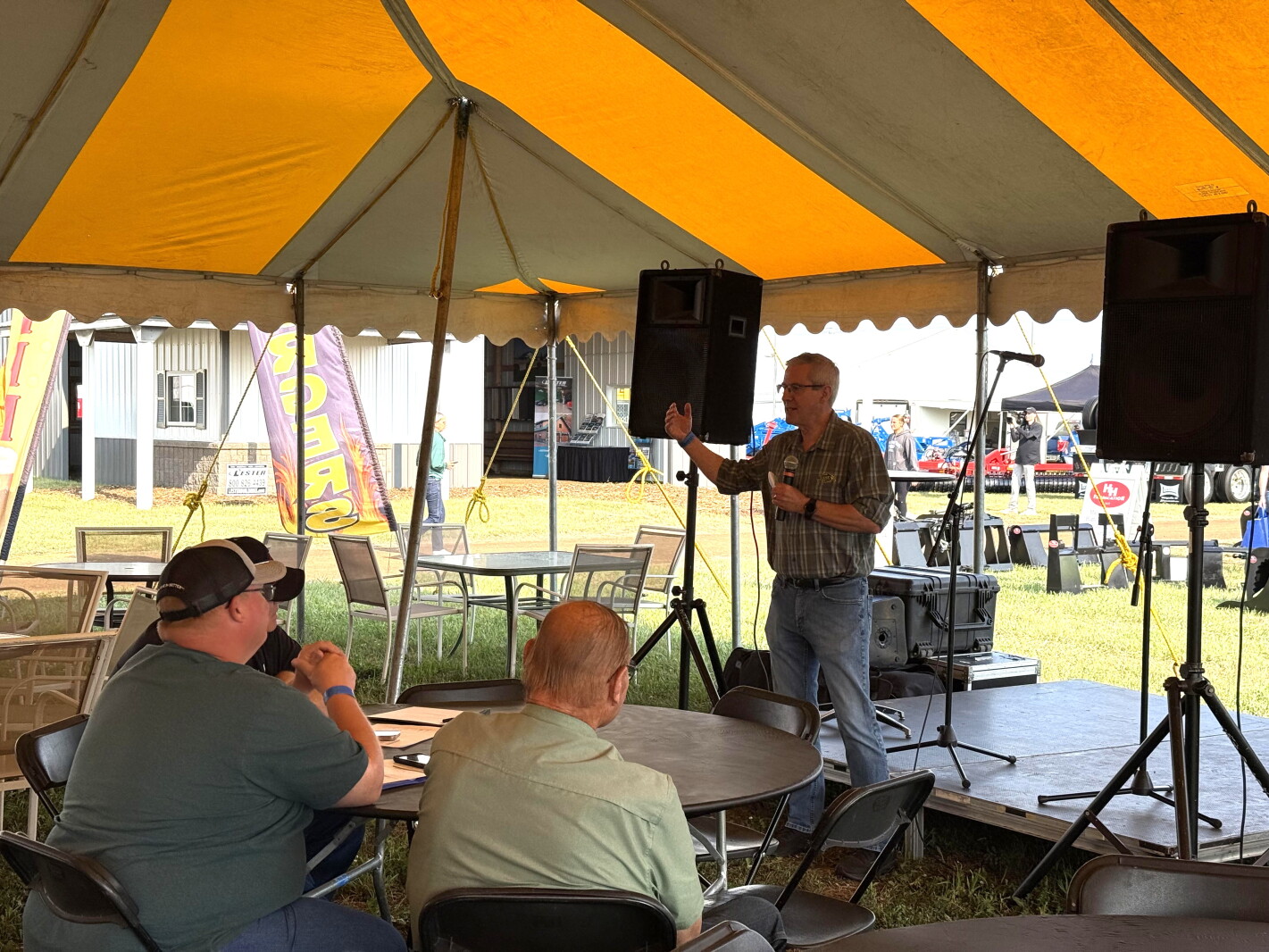
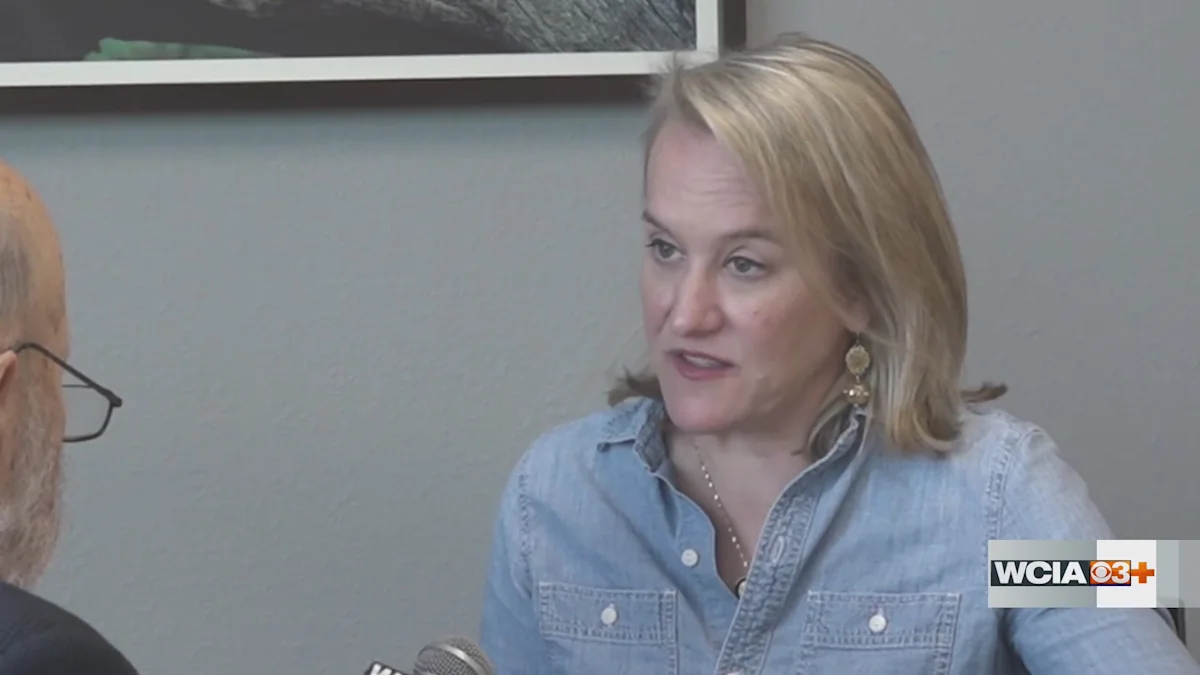
Joe Mahon, regional outreach director for the Federal Reserve Bank of Minneapolis, dug deeper into what those observations mean in a webinar on Nov. 13, 2026, focused on lenders in the Ninth District, which includes Montana, North Dakota, South Dakota, Minnesota, and portions of Wisconsin and Michigan.
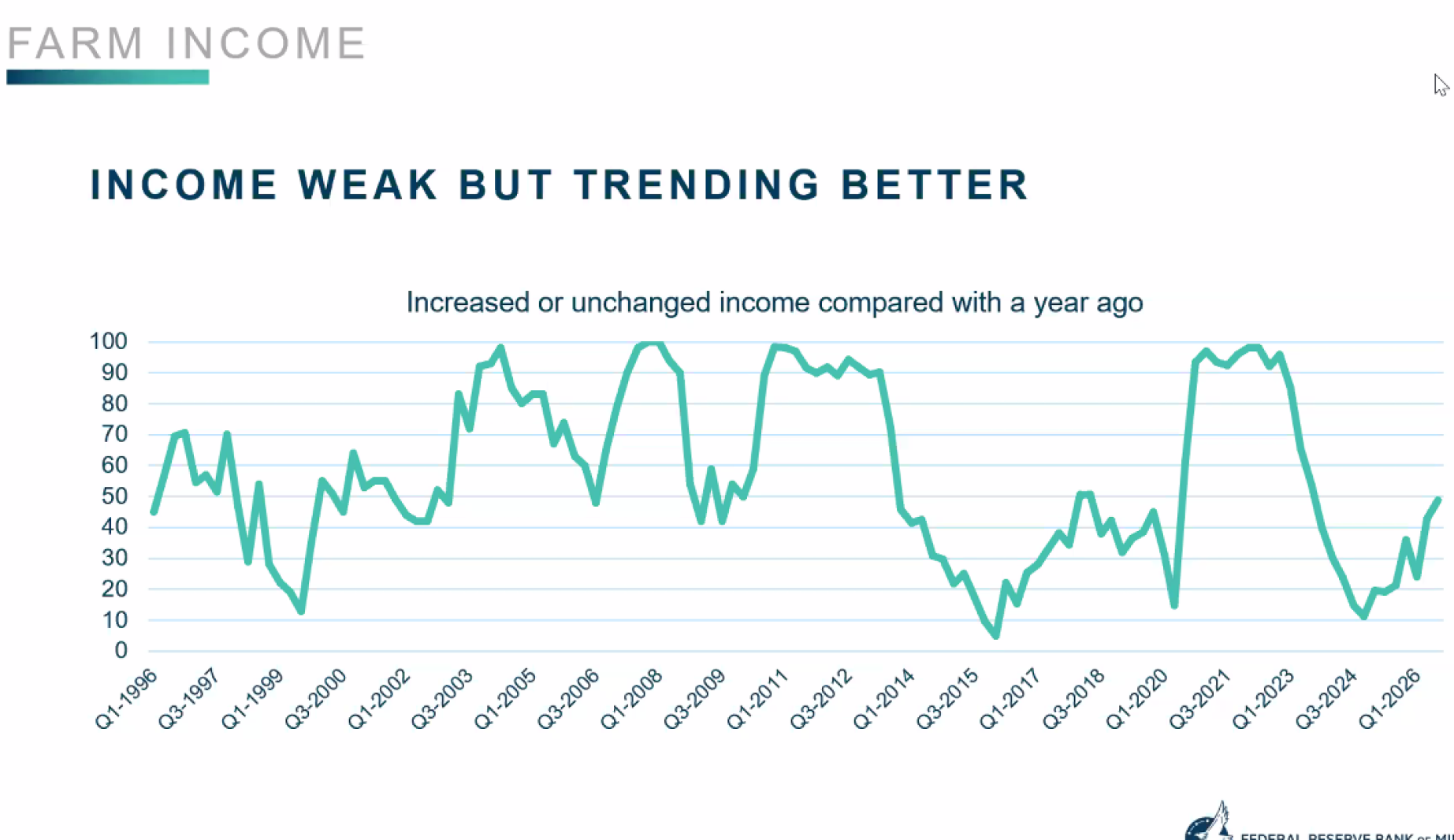
Mahon pointed out the chief negative observed is that most lenders see decreased income from the October survey. Even producers with cattle are seeing added pressure from high operating costs.
“As a result, much of the agricultural community remains financially stressed,” wrote a Montana lender in a release shared by the Federal Reserve.
North Dakota led with 67% expecting decreased net farm income, 40% in South Dakota and 49% across the Ninth District.
With lower incomes comes a drop in capital expenditures. About 54% of respondents reported decreased investment in equipment and buildings from a year ago. North Dakota topped the list with 78% expecting decreased spending.
On top of that, 39% of respondents reported increased household spending, while 46% said it was unchanged.
It’s not all negative. One banker in Minnesota commented that strong production in 2026, along with some improvements in crop prices, is leading to some optimism headed into 2027. A slim majority of bankers looked to the fourth quarter to be stronger.
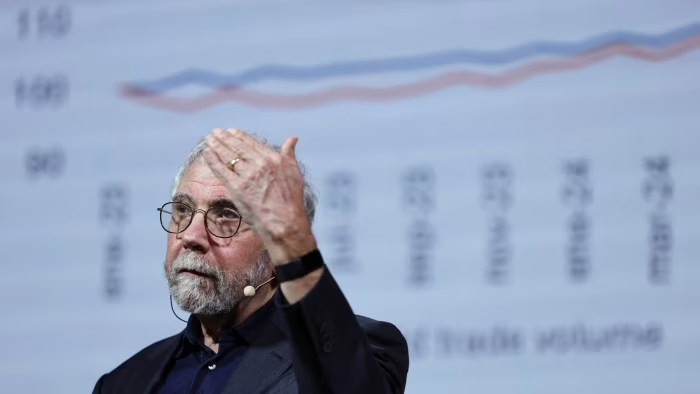
“Not to be too optimistic, but the trend is in a positive direction,” Mahon said, pointing to charts that show the rise and fall trends of the ag economy.
However, comments from a North Dakota banker cautioned that high operating costs and poor crop yields were making for a difficult 2026. Optimism depends highly on the operation and location.
Due to tighter cash and higher operating costs, there is also higher loan demand alongside rising interest rates. Loan demand increased for 29% of lenders, and 34% saw an increase in loan renewals or extensions. A rise in collateral was seen in 22% of respondents. No banks reported refusing a loan because of a shortage of funds.
The lower economic conditions contrast with some land value increases, especially in North Dakota. Meanwhile, cash rents for land saw small increases or were flat across the northern Plains. A Minnesota lender reported that land purchases are still very high. North Dakota bucked the trend with a 9% increase in cash rents.

Courtesy / Federal Reserve Bank of Minneapolis
Across the Ninth District, non-irrigated and irrigated cropland values increased by about 2.5% on average. North Dakota was up about 6% and Montana jumped about 15%. Minnesota was unchanged.
The lower incomes are caused largely by weak crop prices for the last several years that are not keeping up with operating costs.
Because this has been putting pressure on farm operations for several years, Mahon said those surveyed were asked a unique question this time around. They were asked how recent agricultural economic conditions affected broader economic conditions and business activity in their lending areas.
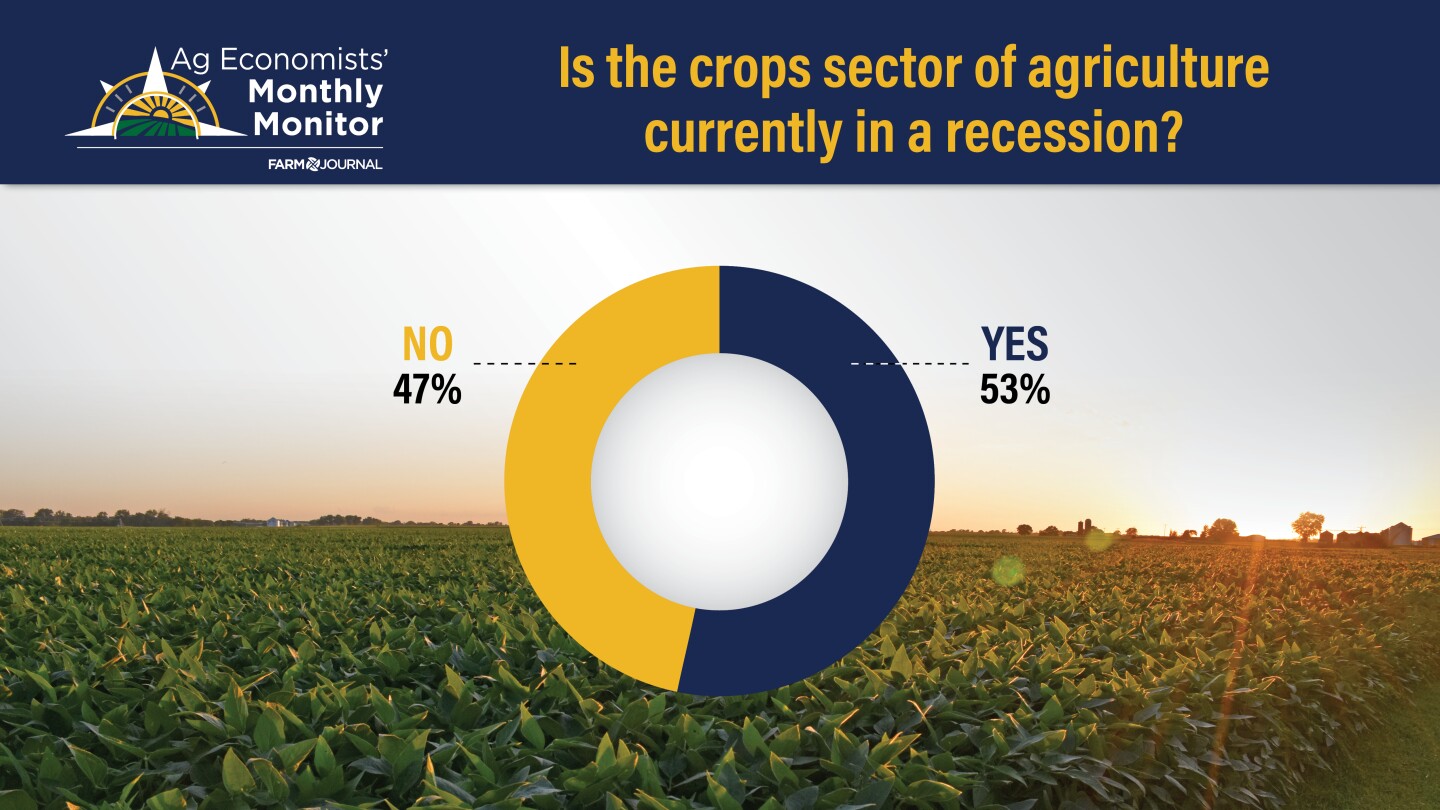
A majority, 58%, said it was having a modest negative effect, compared to 22% who said it was having a modest positive effect.
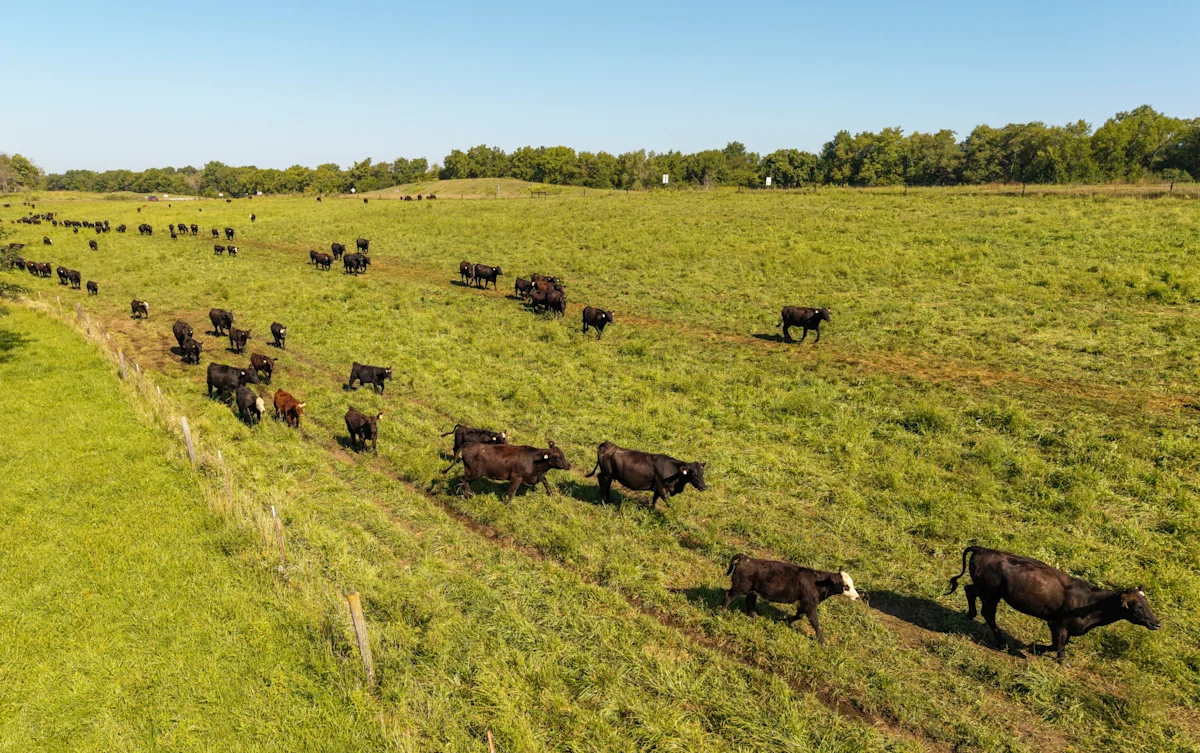
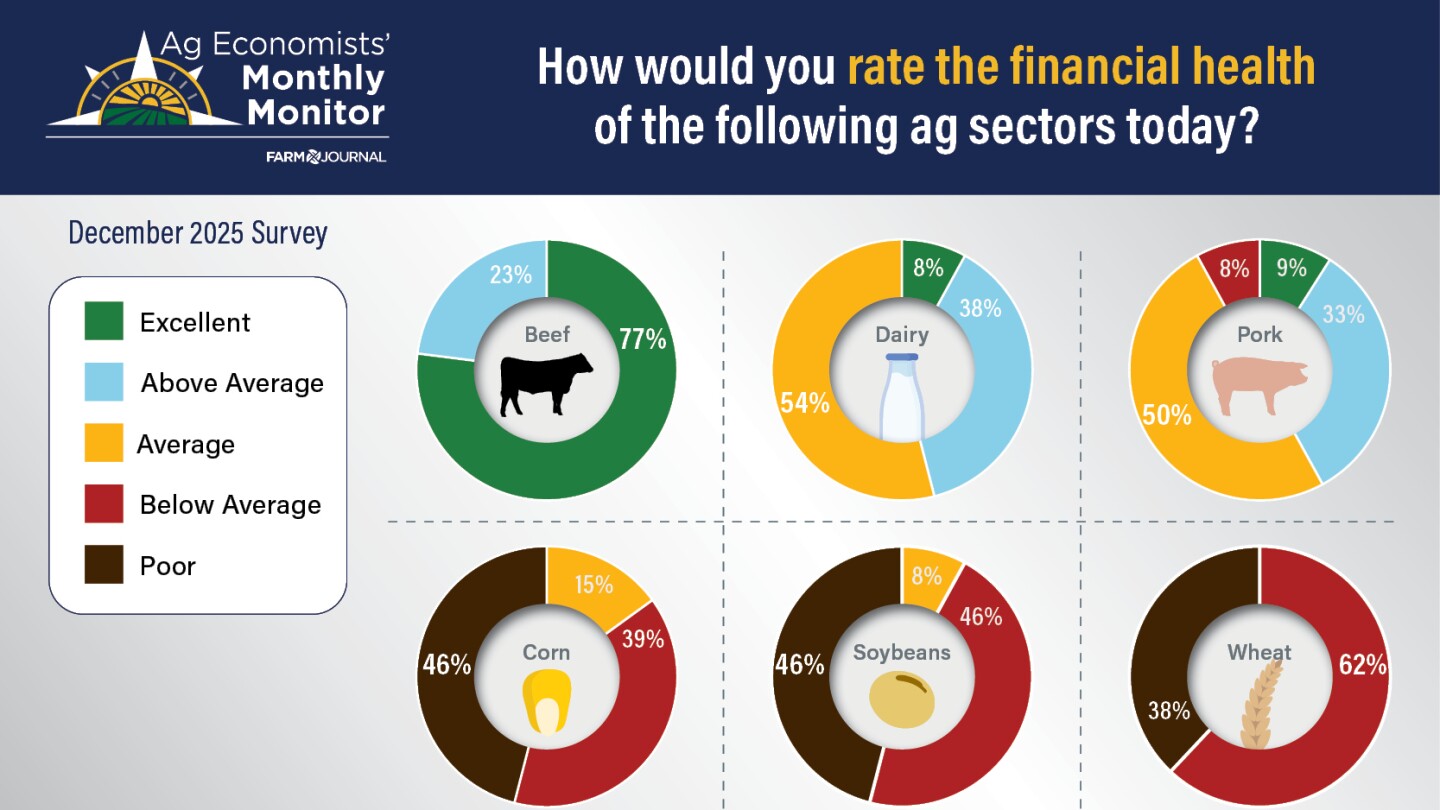
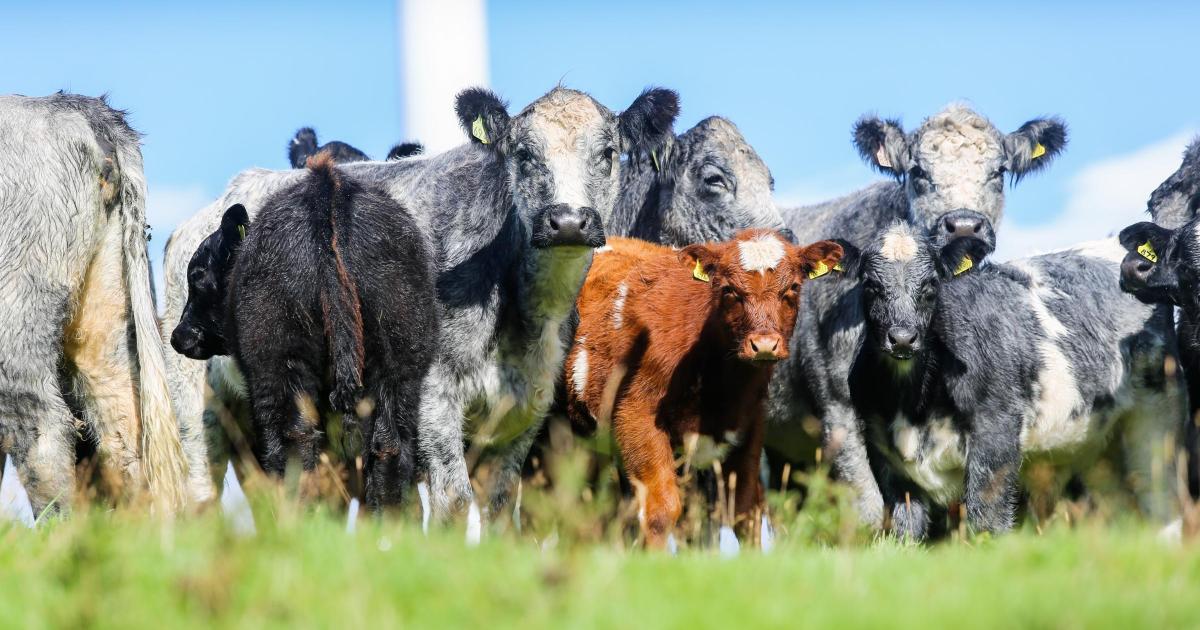
“I’m guessing a lot of these lenders are coming from areas where there’s a bit more livestock production because livestock producers have done relatively well over the last couple of years,” Mahon said.
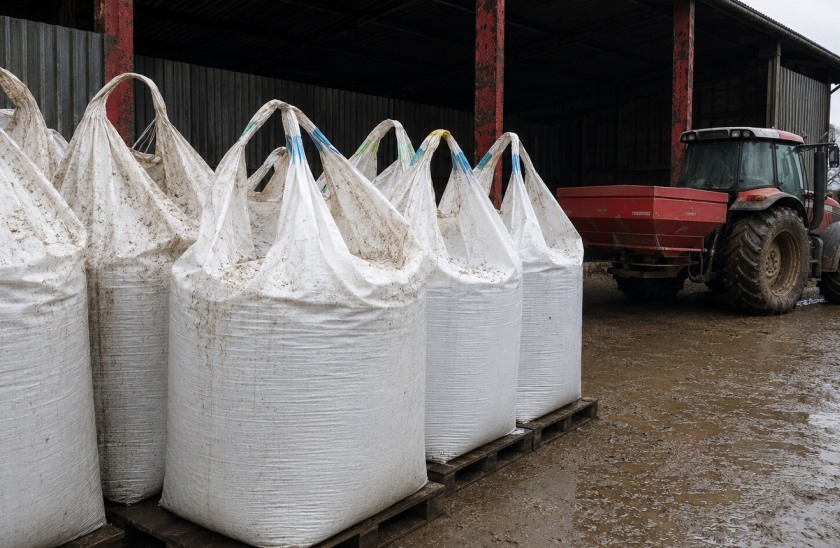
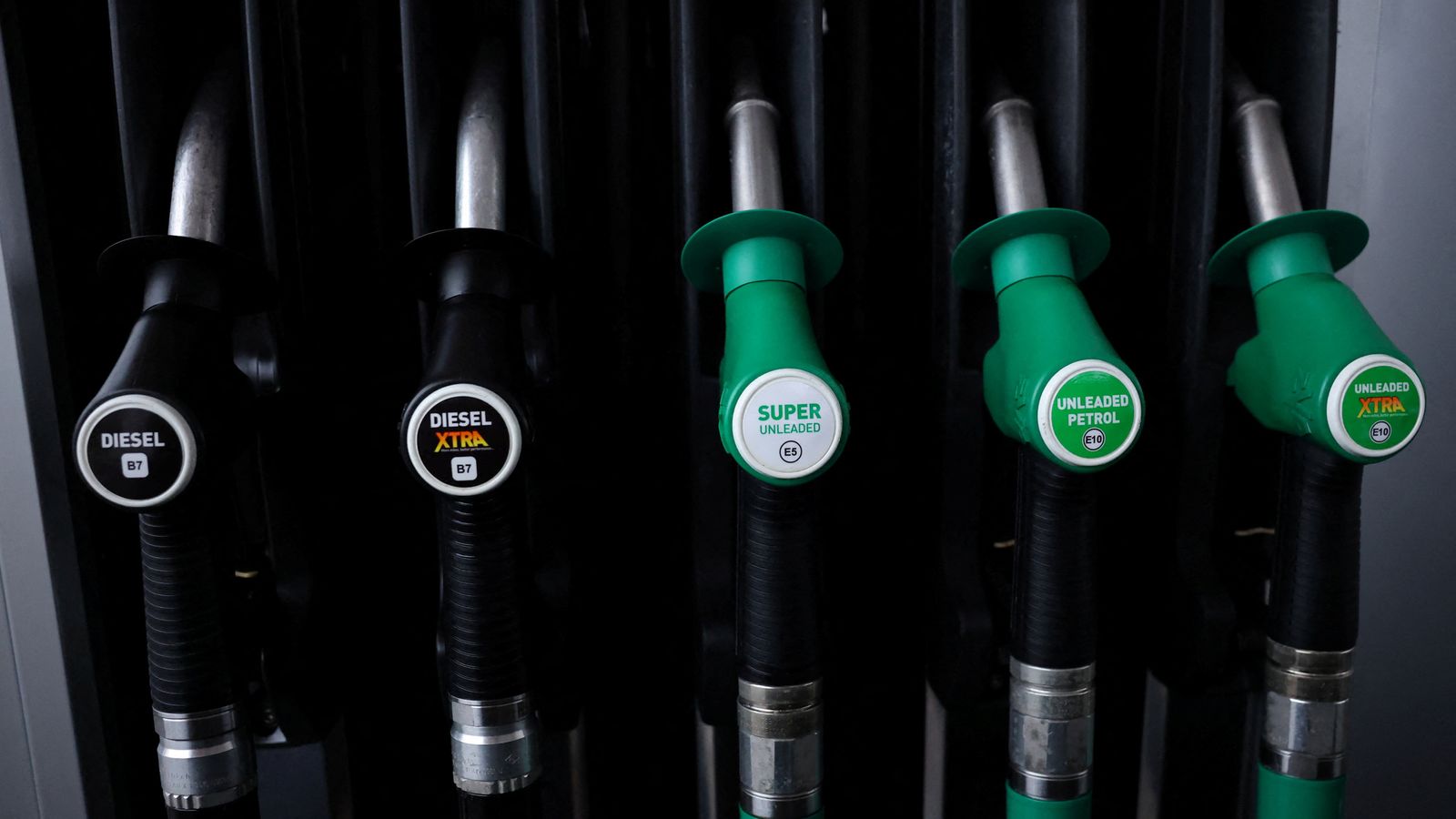
When asked about why it appeared that farm expenses were higher but perhaps lower than price increases that have been seen, Mahon said to consider that many producers likely prebought fertilizer and fuel before the major increases hit during the harvest season. The actual hit may not be felt until 2027.
Part of the impact being lower is because the numbers are adjusted for inflation. Another is that the increases were based on August data.
“I wouldn’t undersell how large of an increase this is,” Mahon said. “What I’ve heard anecdotally from a lot of contacts in the industry is that a lot of producers had already prebought fertilizer for the 2026 year, last year before the big surge in fertilizer costs was in effect, so depending on how things shake out in terms of geopolitics, that could have a bigger effect in 2027 than we’ve seen so far.”
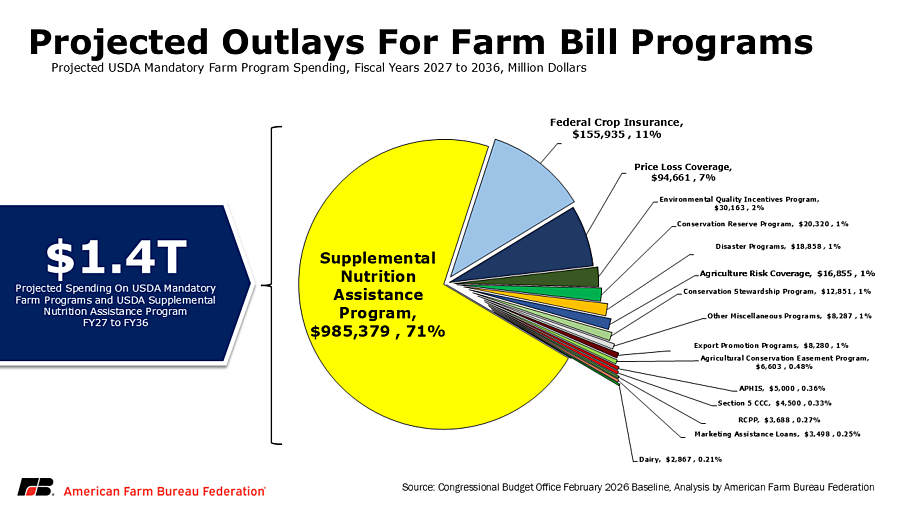
Asked to comment on the impacts of the midterm elections, Mahon said one factor that continues to weigh on the farm economy is the inability to pass a comprehensive farm bill. He said some of his contacts are speculating that a farm bill may get pushed down the road further as new leadership steps in.

Michael Johnson is the news editor for Agweek. He lives in rural Deer Creek, Minn., where he is starting to homestead with his two children and wife.
You can reach Michael at mjohnson@agweek.com or 218-640-2312.