
What Are Specialised Investment Funds?
Introduced by SEBI in 2025, SIFs operate within the mutual fund regulatory framework but offer access to more specialised investment strategies. They combine the pooled structure and regulatory oversight associated with Mutual Funds with greater flexibility in portfolio construction. The minimum investment requirement is Rs 10 lakh, calculated at the PAN level.
Unlike conventional Mutual Fund schemes, which largely follow defined investment categories and limits, SIFs can use a wider range of strategies, including permitted long-short positions through derivatives. A long position aims to benefit when an investment rises in value, while a short position seeks to benefit when its value falls. Such strategies can help fund managers respond to different market conditions, although they also bring additional risks and require careful management.
How Are SIFs Different from Mutual Funds?
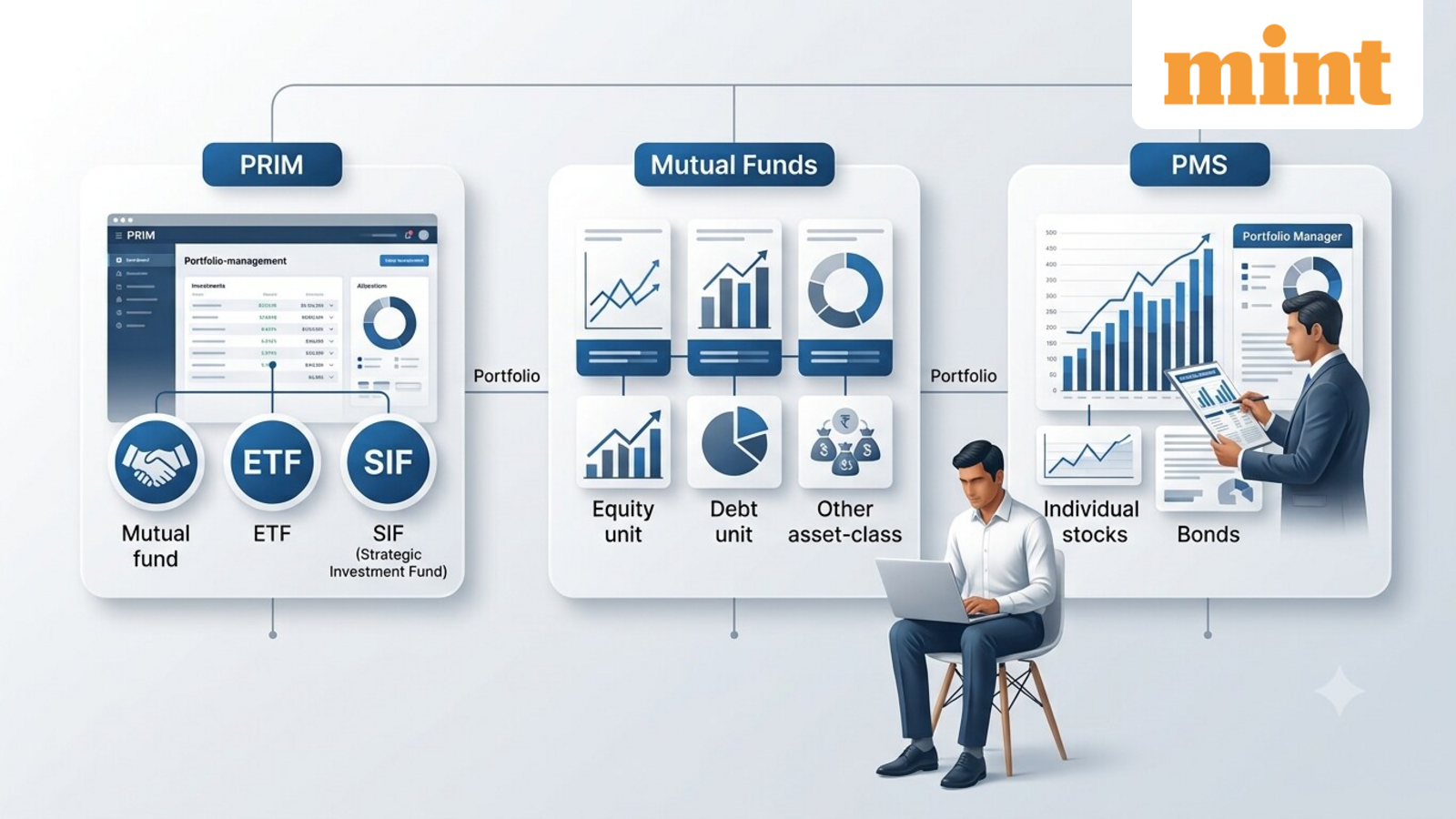
The key difference lies in the range of strategies and the flexibility available to fund managers. Conventional Mutual Funds offer a wide choice of equity, debt and hybrid schemes, generally designed around specified investment mandates. SIFs, on the other hand, allow more specialised approaches across these segments. Their permitted strategies include equity-oriented, debt-oriented and hybrid options, with some using long-short positions or actively changing exposure between asset classes.
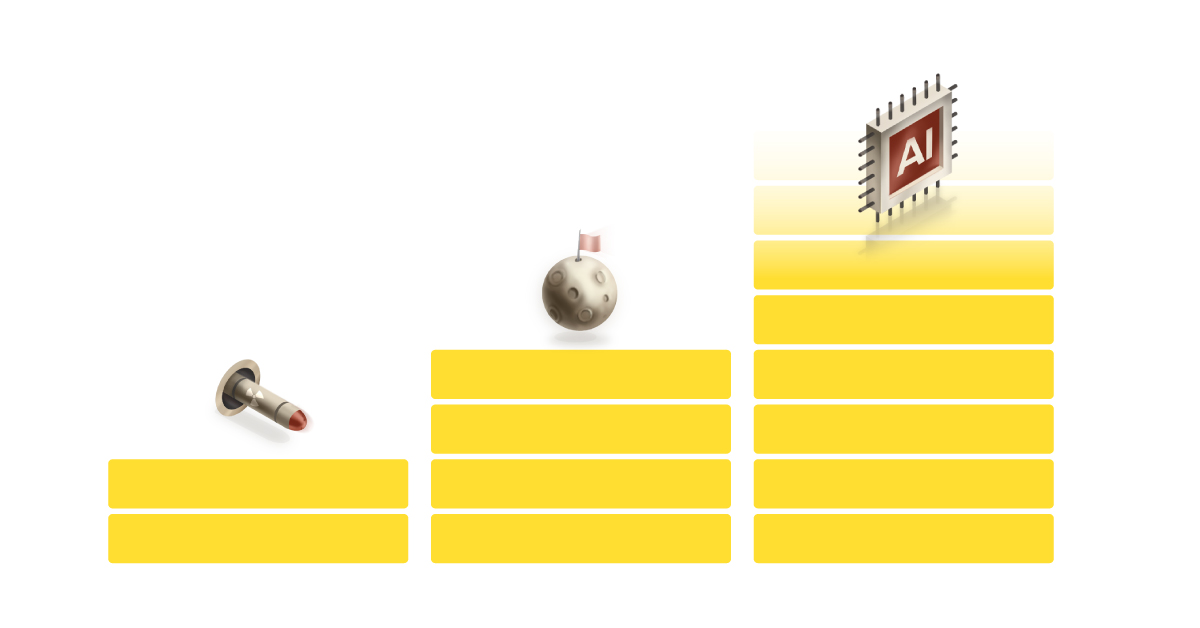
SIFs therefore occupy a space between conventional Mutual Funds and PMS/AIFs. While PMS and AIF structures can offer customised or specialised investment approaches, they generally come with higher entry requirements. SIFs lower this entry point to Rs 10 lakh while retaining a pooled investment structure under SEBI’s mutual fund framework. However, they are not simply another version of a regular Mutual Fund and should not be viewed as a substitute for one.
Who Should Consider SIFs?
SIFs may be suitable for investors who have a higher risk appetite, a sound understanding of market-linked products and the financial capacity to invest at least Rs 10 lakh. They may appeal to those who already have experience with conventional Mutual Funds and are looking to explore more specialised strategies as part of a wider portfolio. Investors should also be comfortable with the use of derivatives, the possibility of short positions and the risks that can arise from more complex investment approaches. Understanding the investment strategy, its liquidity terms, costs and risk factors is equally important before investing.
To conclude, SIF is an interesting investment avenue as they offer greater strategic flexibility within a mutual fund structure, but that flexibility comes with added complexity and risk. For investors who understand these features, SIFs may provide an additional avenue to diversify their investment approach. The choice, however, should always be guided by individual goals, risk tolerance and investment horizon rather than the appeal of a new product.