
Counselors of Real Estate® has released its study, “2027 Top Ten Issues Affecting Real Estate.”
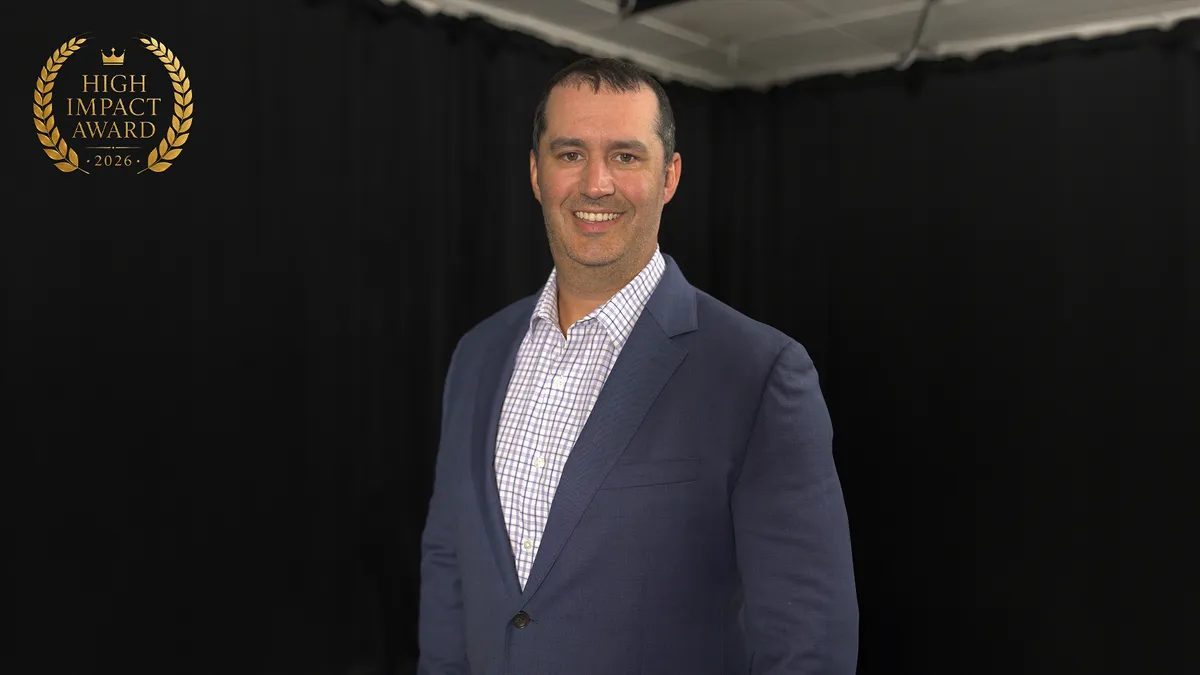
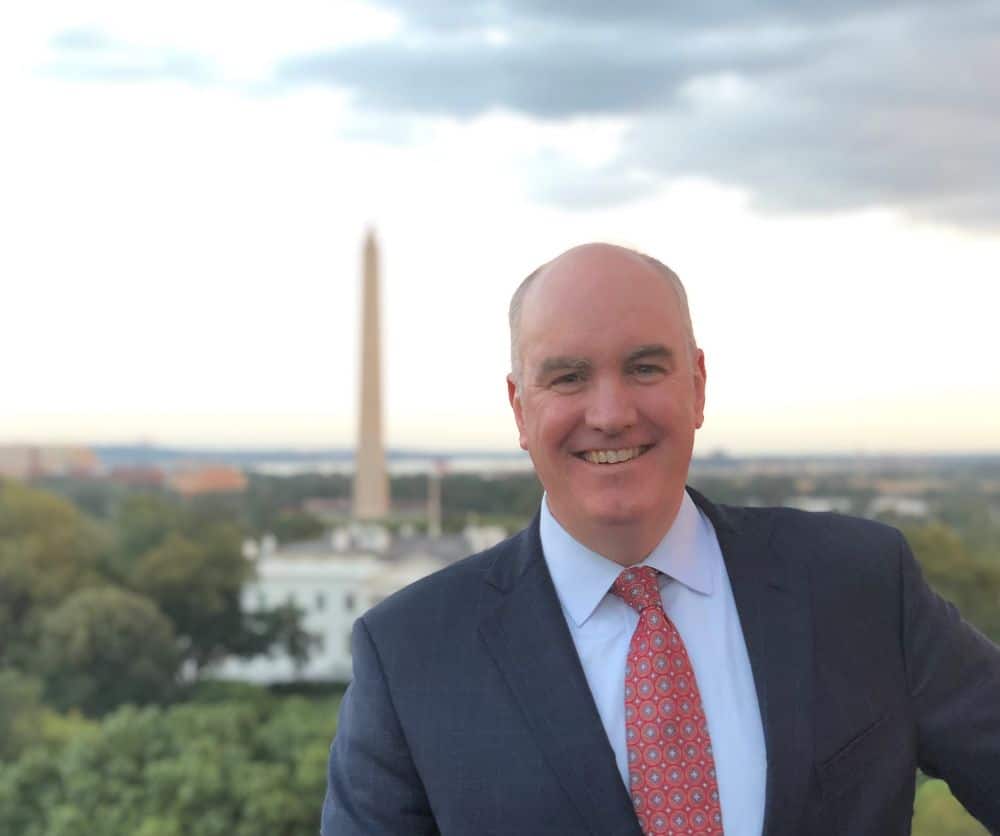
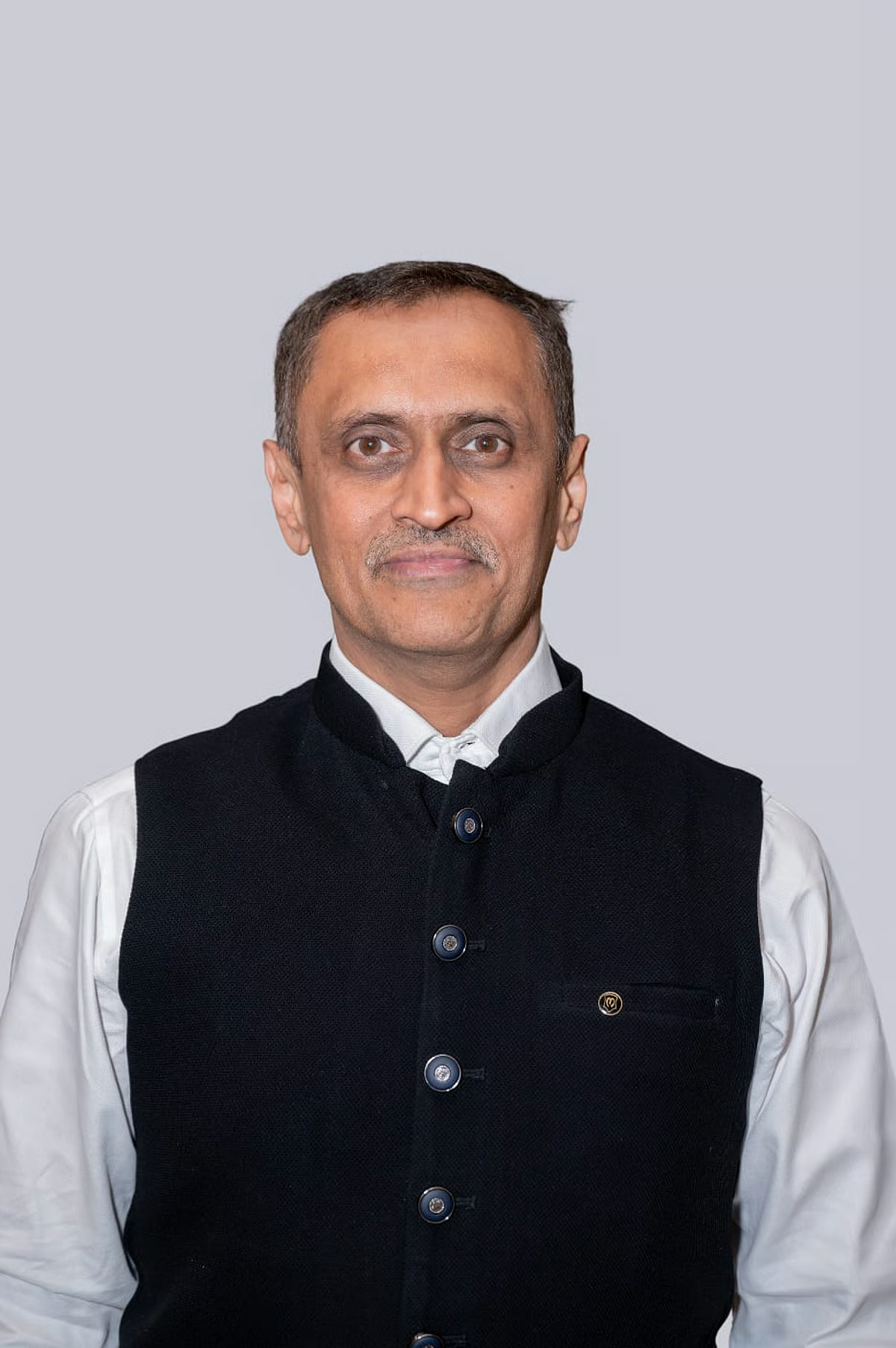
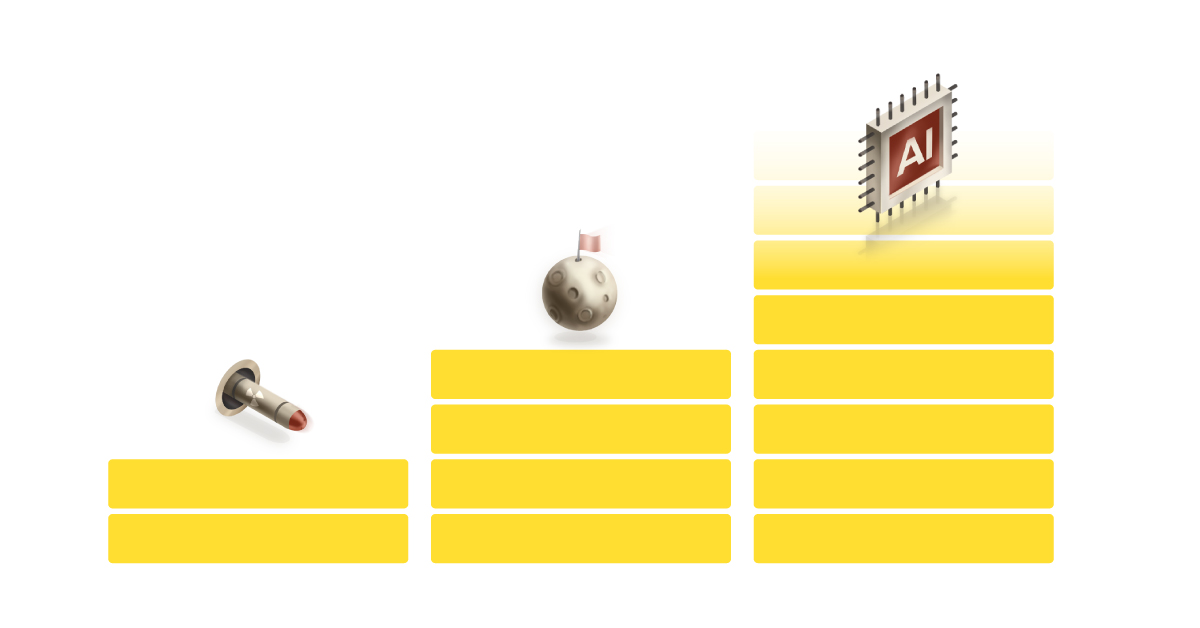
®Realtor David J. Caracausa notes that, as in many industries, Artificial Intelligence leads the list of current and emerging trends expected to have the greatest impact across the real estate industry. The issues are based on extensive polling, discussion, and debate among the organization’s approximately 900 credentialed real estate advisors worldwide.
This year’s report finds that the issues share four common denominators—property, people, technology, and capital—and are increasingly interrelated. AI drives energy and water demand. Demographics drive migration. Migration influences housing. Climate risk affects insurance, migration, and capital markets. Interest rates affect development, refinancing, and distress.
“The forces shaping real estate today are increasingly interrelated, said Caracausa, with artificial intelligence driving unprecedented demand for power and data infrastructure. Demographic shifts are influencing migration patterns, which in turn affects housing demand and economic development. At the same time, climate risk, capital market conditions, and geopolitical uncertainty are reshaping real estate investment decisions, and, in most cases, asset management. Success in this environment requires a clear understanding of how these trends converge and influence one another.”
The 2027 Top Ten Issues Affecting Real Estate are:
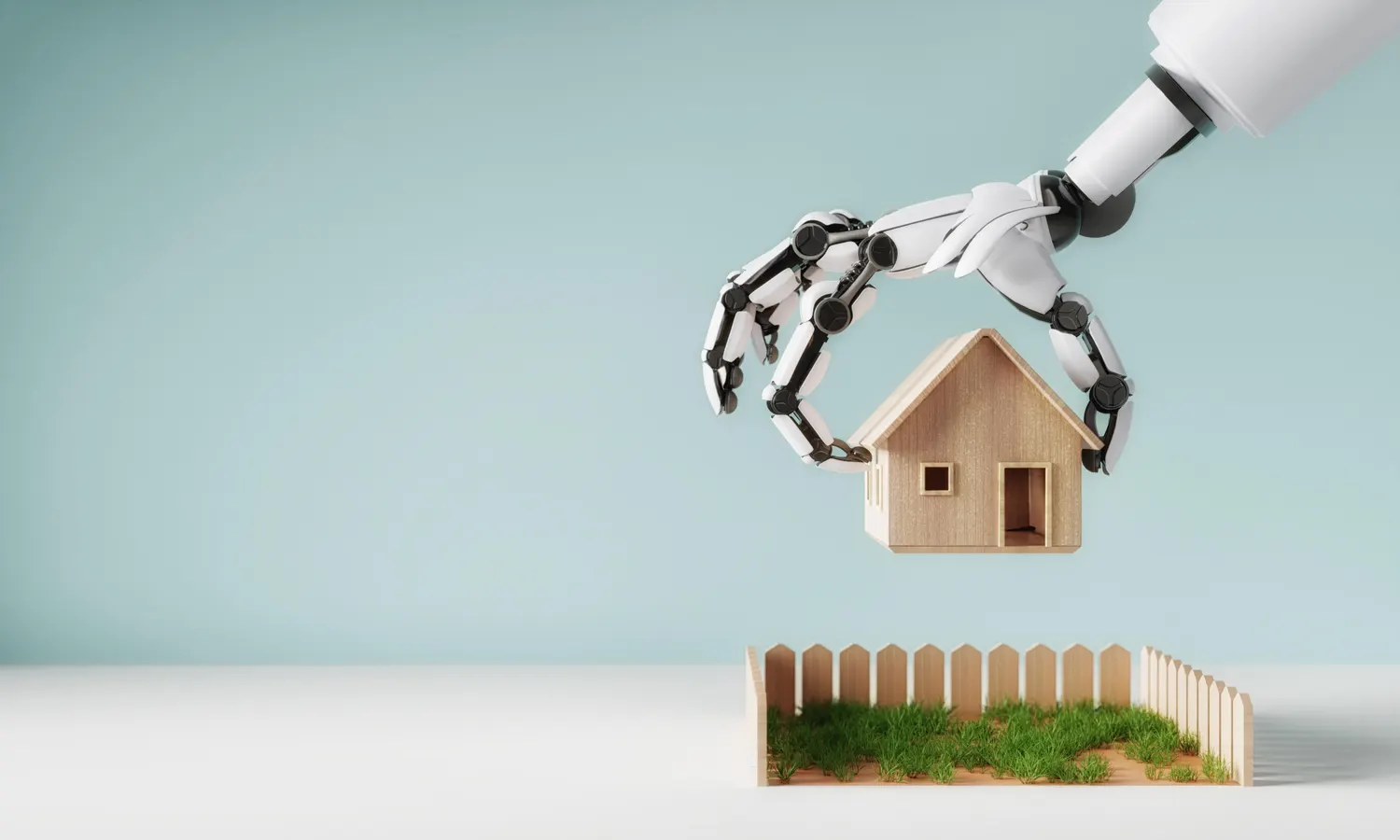
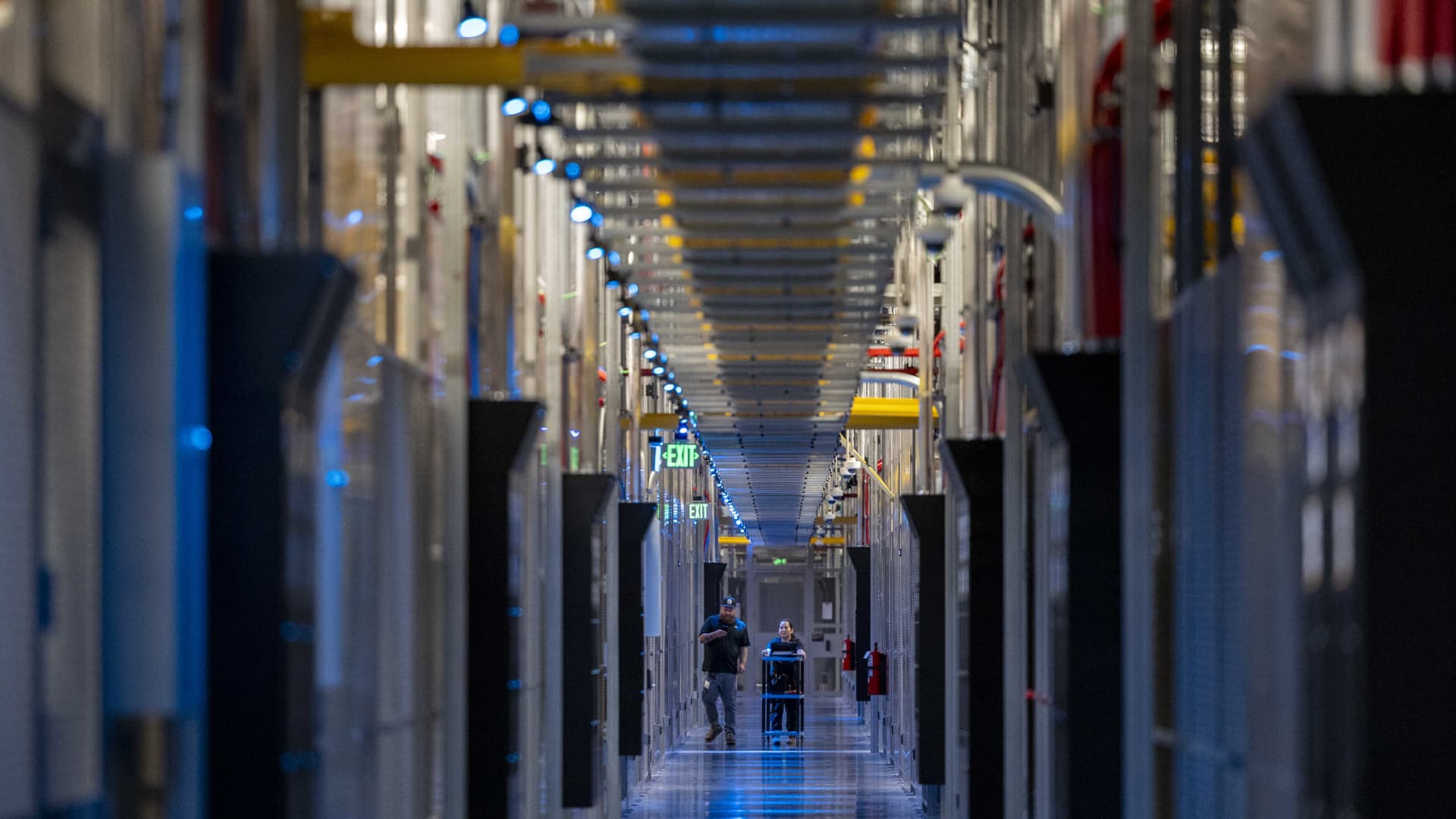
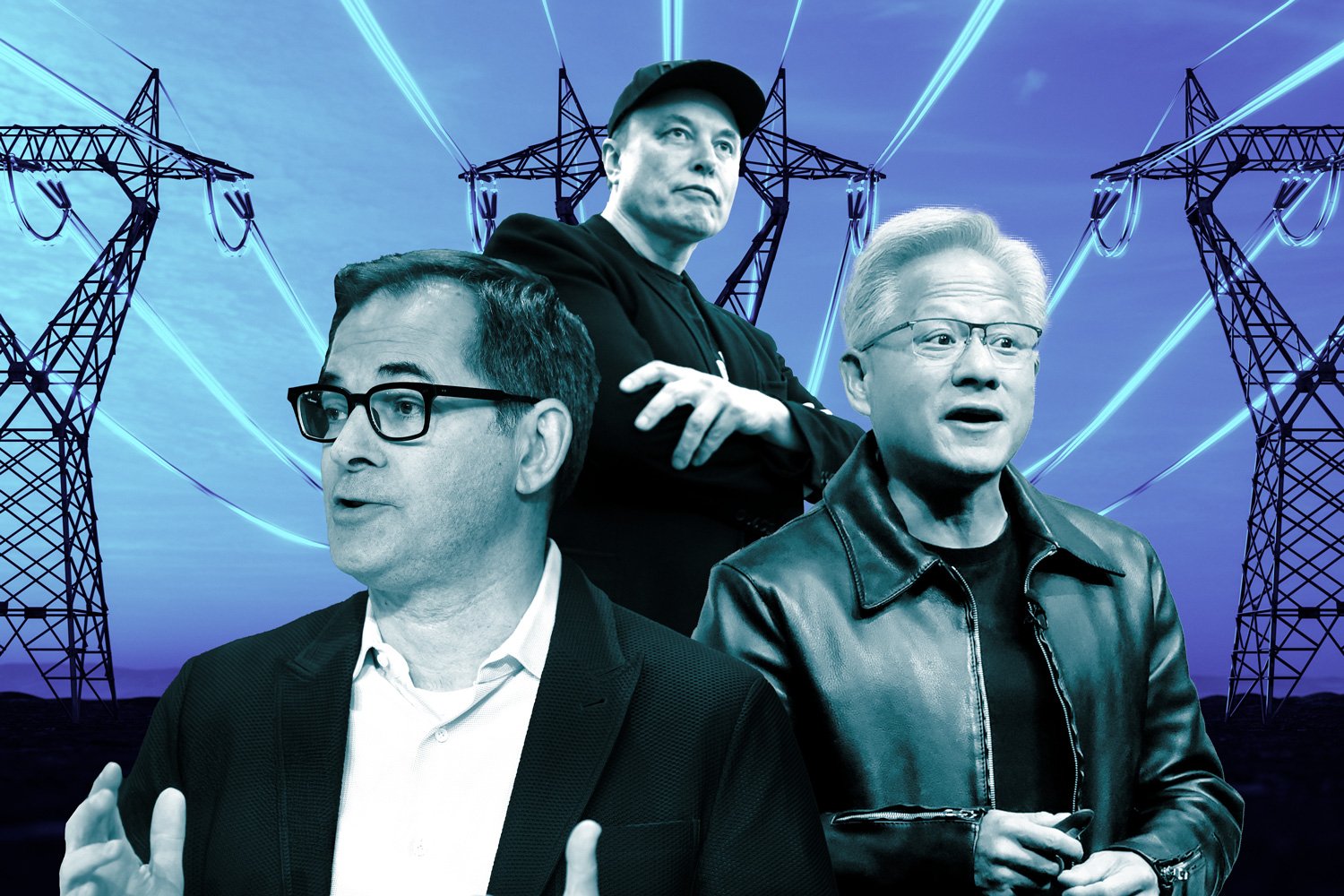
1. The Power of AI: Data centers, energy demand, and smarter decision-making are reshaping real estate.
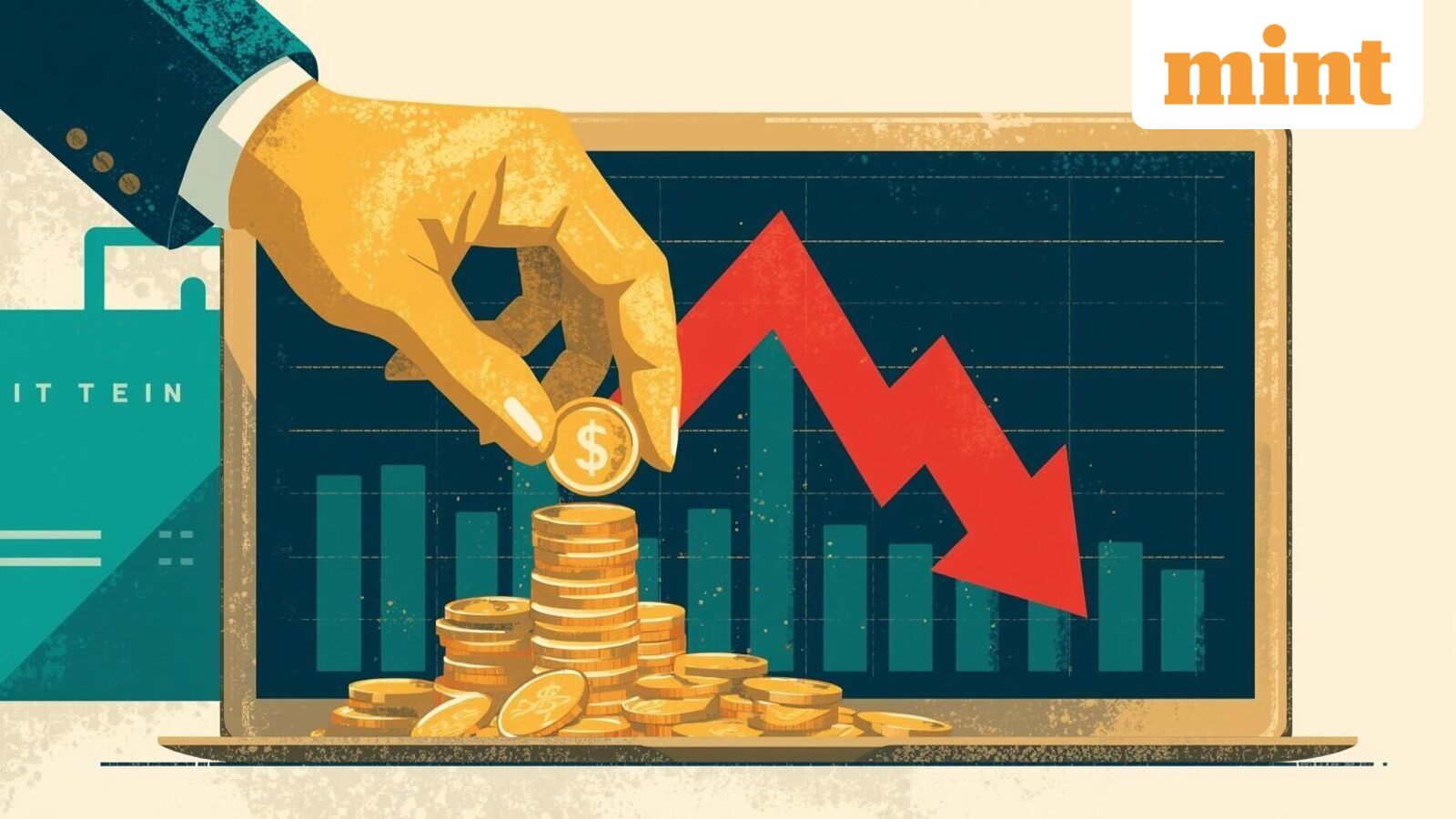
2. The Mortgage/Capital Markets: Rate cuts aren’t coming to the rescue. The winners will focus on fundamentals.
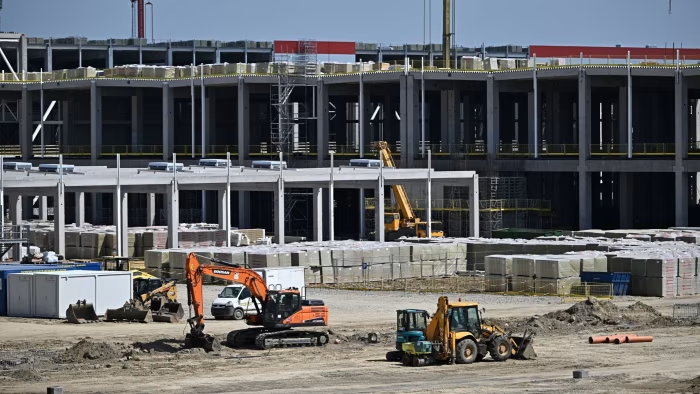
3. New Home Construction Costs & The Supply Chain: Rising costs make new land development projects and new construction harder to pencil.
4. Geopolitics – Pricing Risk in a Complex World: Wars, trade policy, and supply chain disruption are now risks that must be considered and priced in.
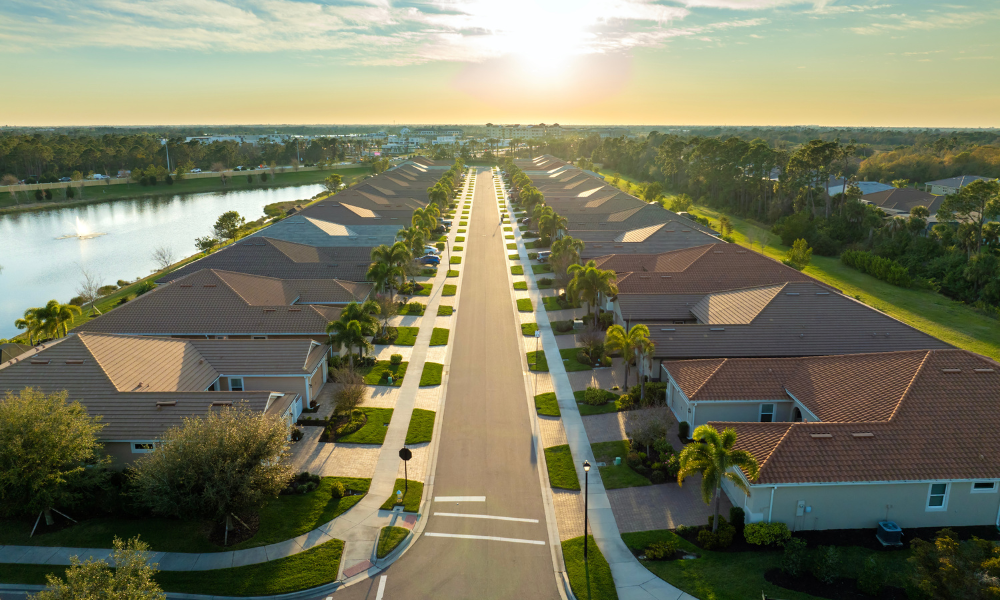
5. The New Migration Equation: People now move for lifestyle, not just jobs, and real estate needs to catch up.
6. Housing Attainability: Teachers, nurses, and first responders are being priced out. For most, every site selection decision is now a housing attainability decision. 7. Distressed Assets & The Refinancing Risk: Commercial markets have more than $1 trillion in debt maturing in the next 18 months; distress is being delayed, not eliminated. 8. The High Cost of Climate, Utility, and Development Risk: Insurance, energy, and governmental regulation are turning resilience into a bottom-line issue.
9. The Labor Crunch: Fewer workers in the trades and pressure from booming data center demand are driving up labor costs and stretching timelines.
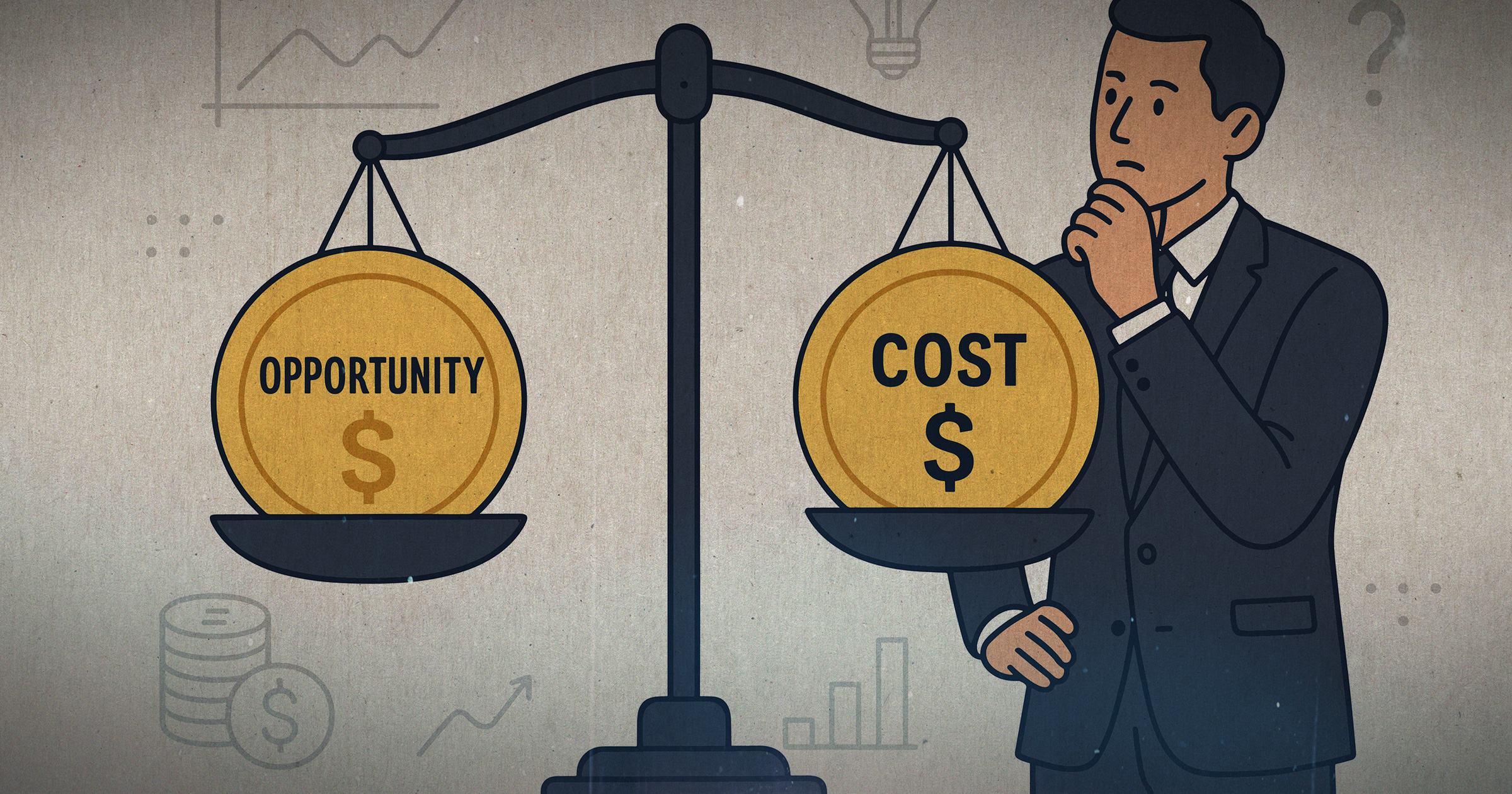
10. Office Sector Transformation: Opportunity vs. obsolescence. The right buildings in the right locations will win.
Caracausa suggests, “Rather than address each issue in isolation, the report encourages readers to consider how technology, demographics, financial conditions, labor, and regulatory risks interact when evaluating land development, use conversions, and market resilience. Its goal is to move the conversation beyond identifying issues toward understanding their strategic implications and developing actionable solutions.”
Caracausa has been a member of The Counselors of Real Estate (CRE) since 2013. CRE is a global organization of real estate advisors recognized as experts in real estate, finance, law, academia, and government. Experienced, innovative, and credentialed problem solvers, David J. Caracausa can be contacted at davidc@cbprem.com or at his mobile 215-699-2600.