
Khalifa Aldhaheri is the Vice Chairman of Vertix Holdings.

Every institutional argument for private real estate rests on the same claim: Pay for illiquidity and operational complexity, and the asset class will reward that patience with a return public markets cannot match. In my years overseeing large commercial and development platforms, I have watched that claim get repeated in pitch meetings far more often than it gets tested against the number that actually matters to an investor, which is not what the asset earned but what reached the account after every fee was deducted.
The Number Before The Fee Line
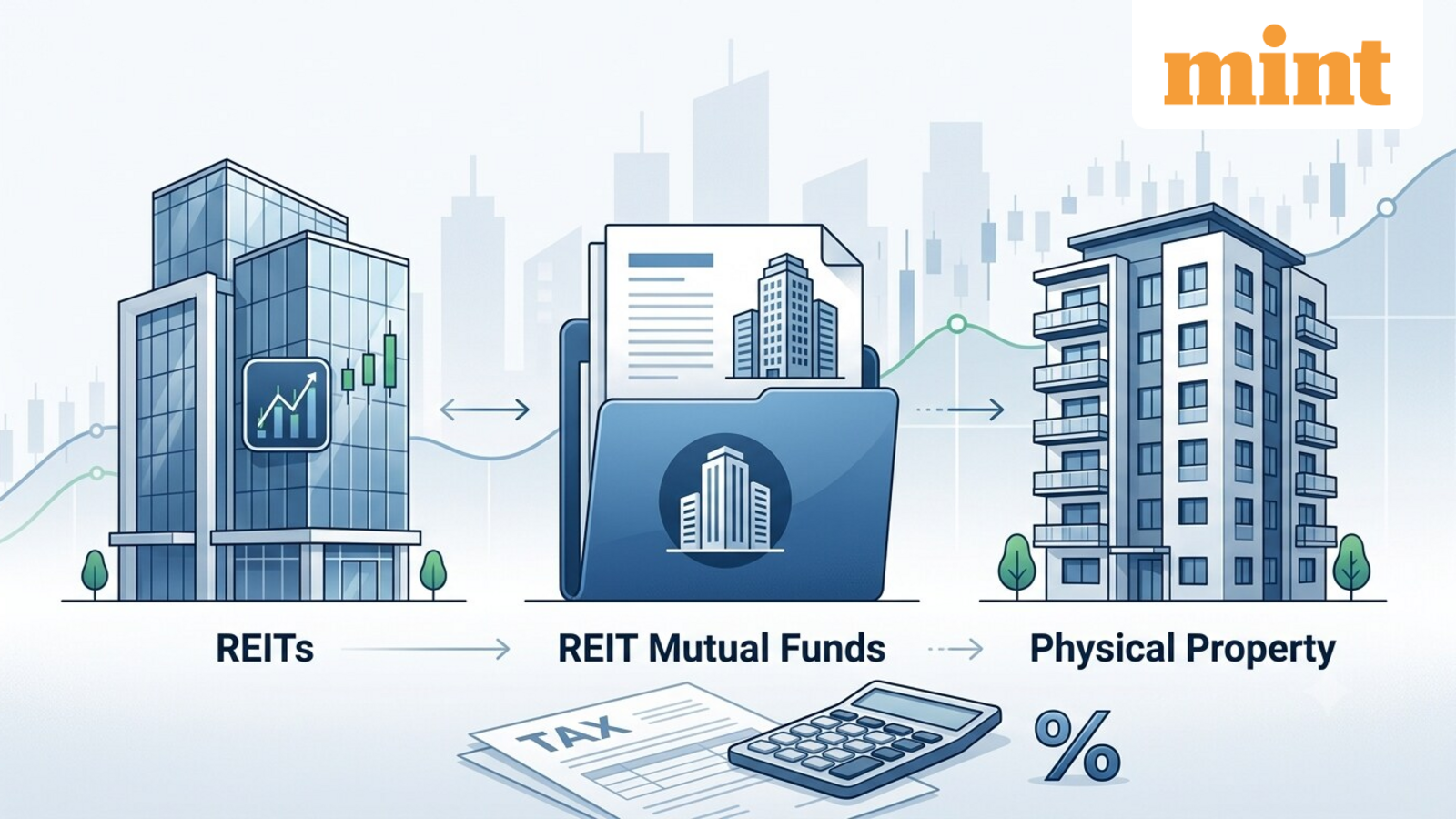
A recent benchmarking study puts a figure on the gap most allocators never see. CEM Benchmarking, drawing on 26 years of realized performance data from public and private pension funds managing close to $4 trillion in combined assets, found that private real estate generated a gross value-added return of 1.08% above benchmark, ahead of the 0.87% produced by REIT allocations over the same period. On a gross basis, private real estate wins, exactly as its advocates argue. The skill embedded in sourcing, operating and repositioning physical assets is real, and the data confirms it.
Where The Advantage Disappears
The reversal happens the moment fees are applied. Net of costs, private real estate’s value-added return falls to negative 0.62%, while REIT portfolios retain a positive 0.34%. The asset class with the stronger raw performance becomes the weaker investment the instant its true cost structure is counted. Nothing about the underlying properties changed between those two numbers. What changed is how much of the value created between acquisition and disposition an investor actually keeps.
What Net IRR Doesn’t Show
Most allocation committees never see this reversal because most reporting stops at net IRR measured against a peer universe rather than a public benchmark. A fund can post a respectable net IRR relative to its peers and still be quietly destroying the value its underlying assets generated, if enough of that value is absorbed on the way from the property to the limited partner. Management fees, promote structures, fund-level operating expenses and the layered costs of acquisition and disposition all sit between gross asset performance and what lands in an investor’s account, and none of it shows up in a glance at a fund’s return relative to its peers because every peer in that comparison carries some version of the same drag.
Why This Matters More From The Gulf
The gap matters more, not less, for institutional capital based in the Gulf region. Family offices, sovereign-adjacent pools and regulator-supervised funds here have become significant allocators into global private real estate vehicles over the past decade, frequently through structures where the fee bridge is harder to interrogate across jurisdictions and reporting standards than it would be inside a domestic pension plan reporting into the CEM dataset. A regulator reviewing a fund’s disclosures, or a family office comparing two competing managers, is often working from net IRR alone, the exact figure the CEM data shows can mask a negative value-added outcome sitting underneath a fee structure that looks unremarkable on paper.
Why The Fee Structure Deserves The Same Rigor As The Asset
The practical shift this demands is in what an allocator asks a manager to show, not in whether real estate belongs in a portfolio. A gross-to-net bridge, broken into its component charges, shows an investor where value is created and where it disappears in a way a single net IRR figure cannot. A manager confident in its cost discipline will produce that bridge without resistance because a well-run vehicle keeps more of its gross value-add intact than a poorly run one, and that difference is what separates a fund worth its fee load from one that simply has access to good assets. Asking for it changes the conversation with a manager from projected returns to where, specifically, value leaks between the asset and the investor.
The Discipline That Protects Capital
None of this argues for abandoning private real estate in favor of REITs. Liquidity, control and structuring flexibility carry institutional value that a single performance comparison will never fully price. It argues for underwriting the fee structure with the same rigor applied to the underlying asset, since the data shows plainly that fee load, not asset selection, was the variable that turned outperformance into underperformance across a 26-year sample spanning nearly $4 trillion of institutional capital.
Gross returns describe what an asset did. Net returns describe what an investor actually owns, and only one of those numbers belongs in an allocation decision.
The information provided here is not investment, tax or financial advice. You should consult with a licensed professional for advice concerning your specific situation.
Forbes Finance Council is an invitation-only organization for executives in successful accounting, financial planning and wealth management firms. Do I qualify?