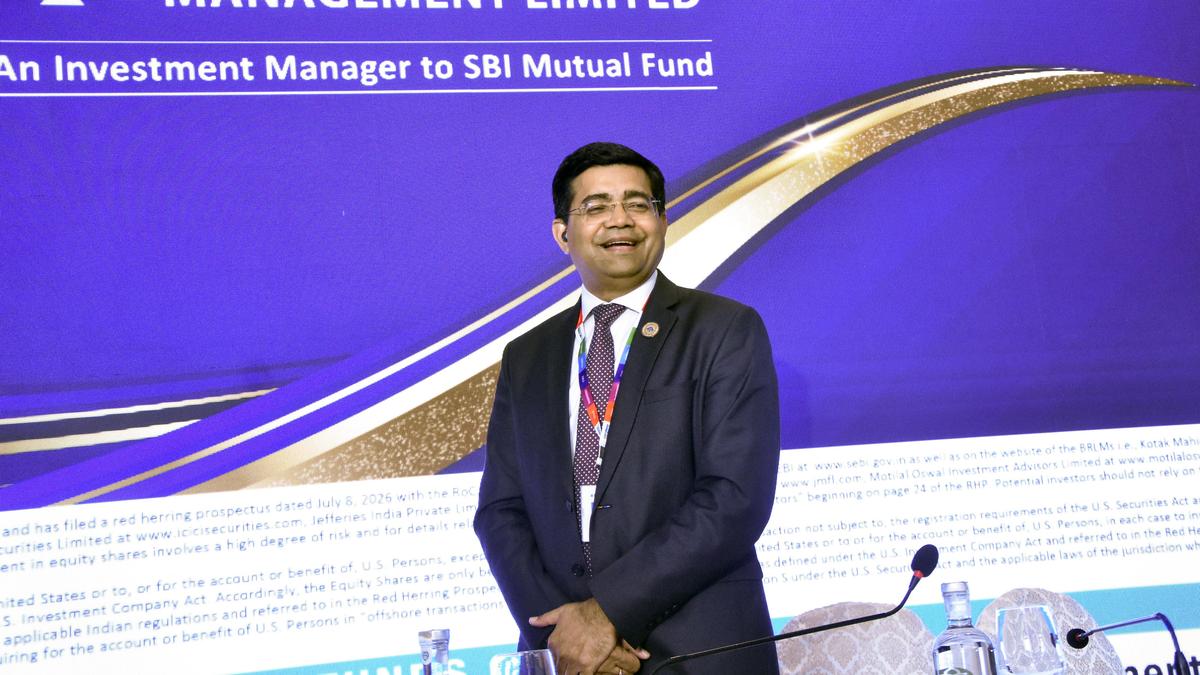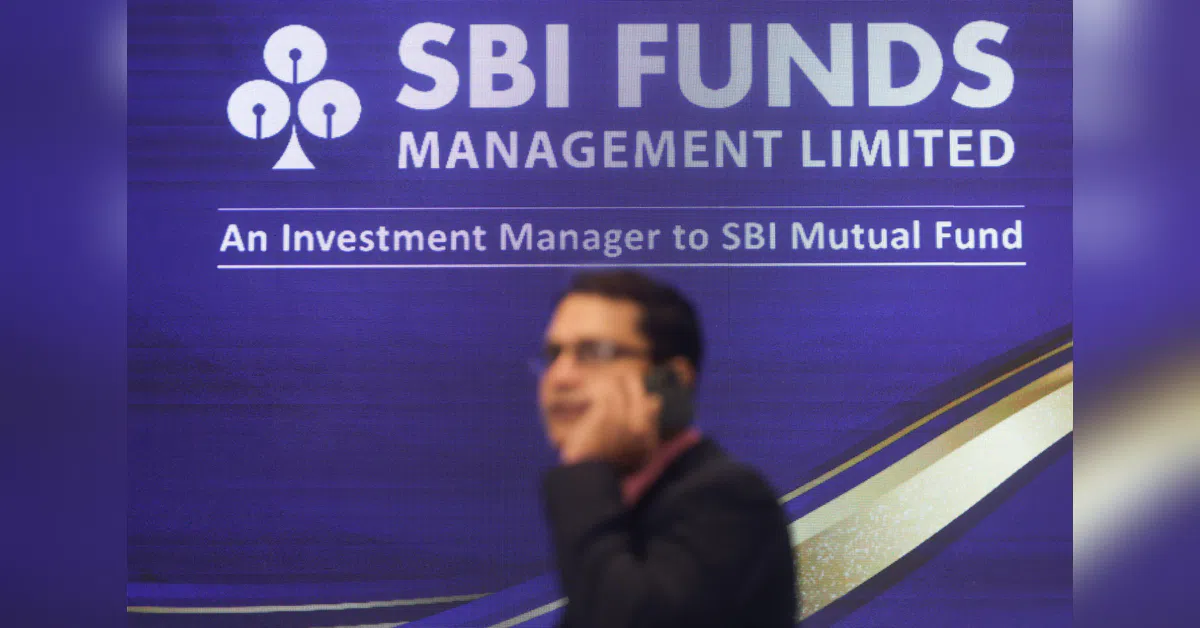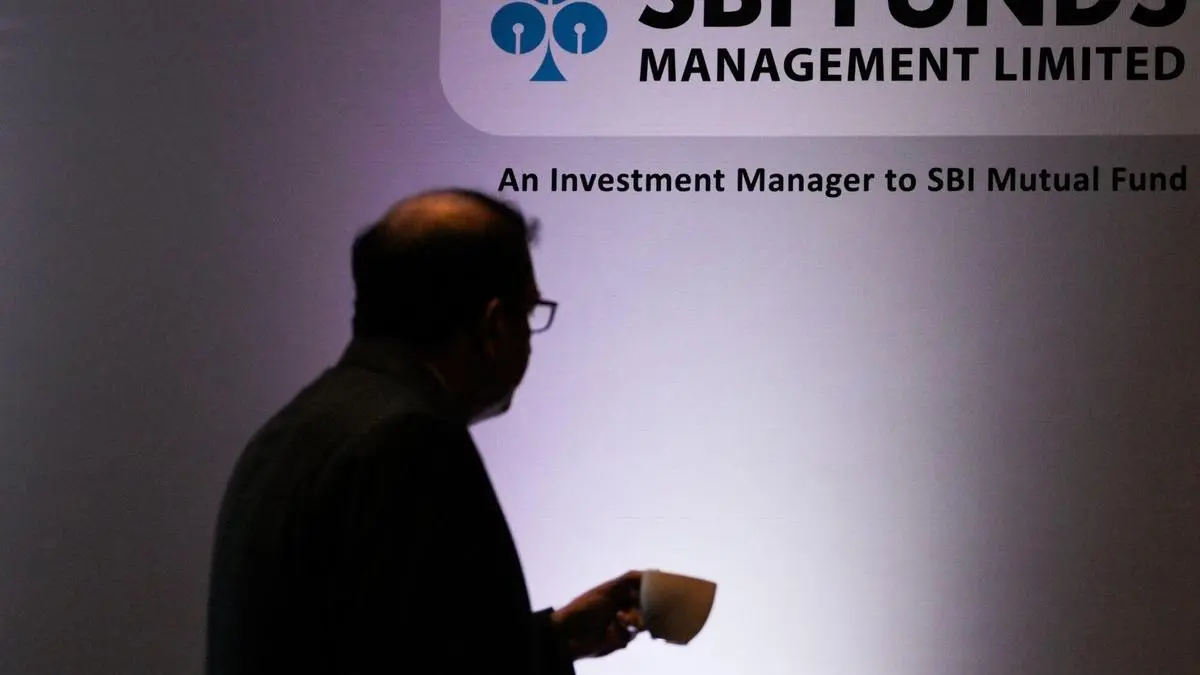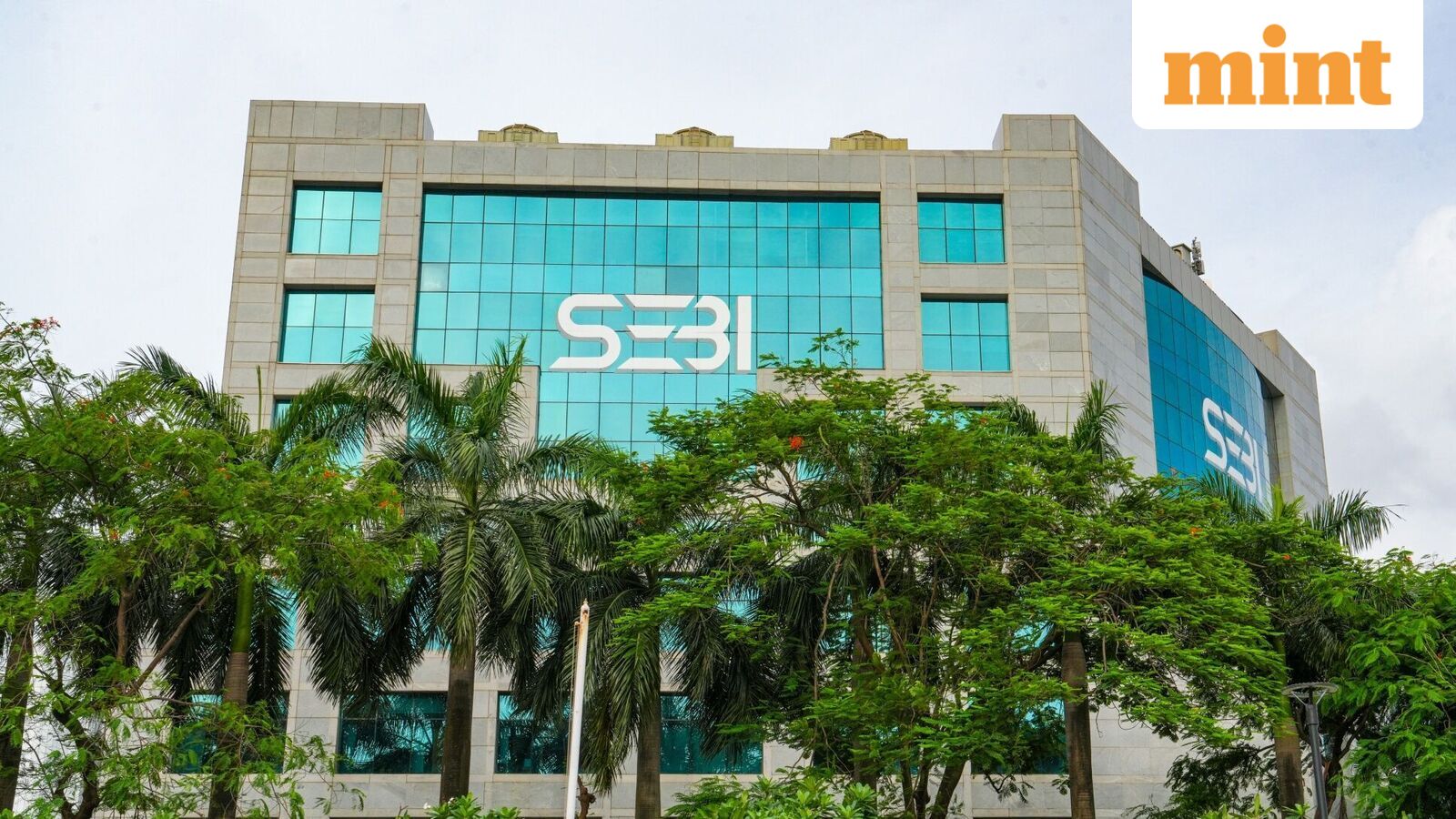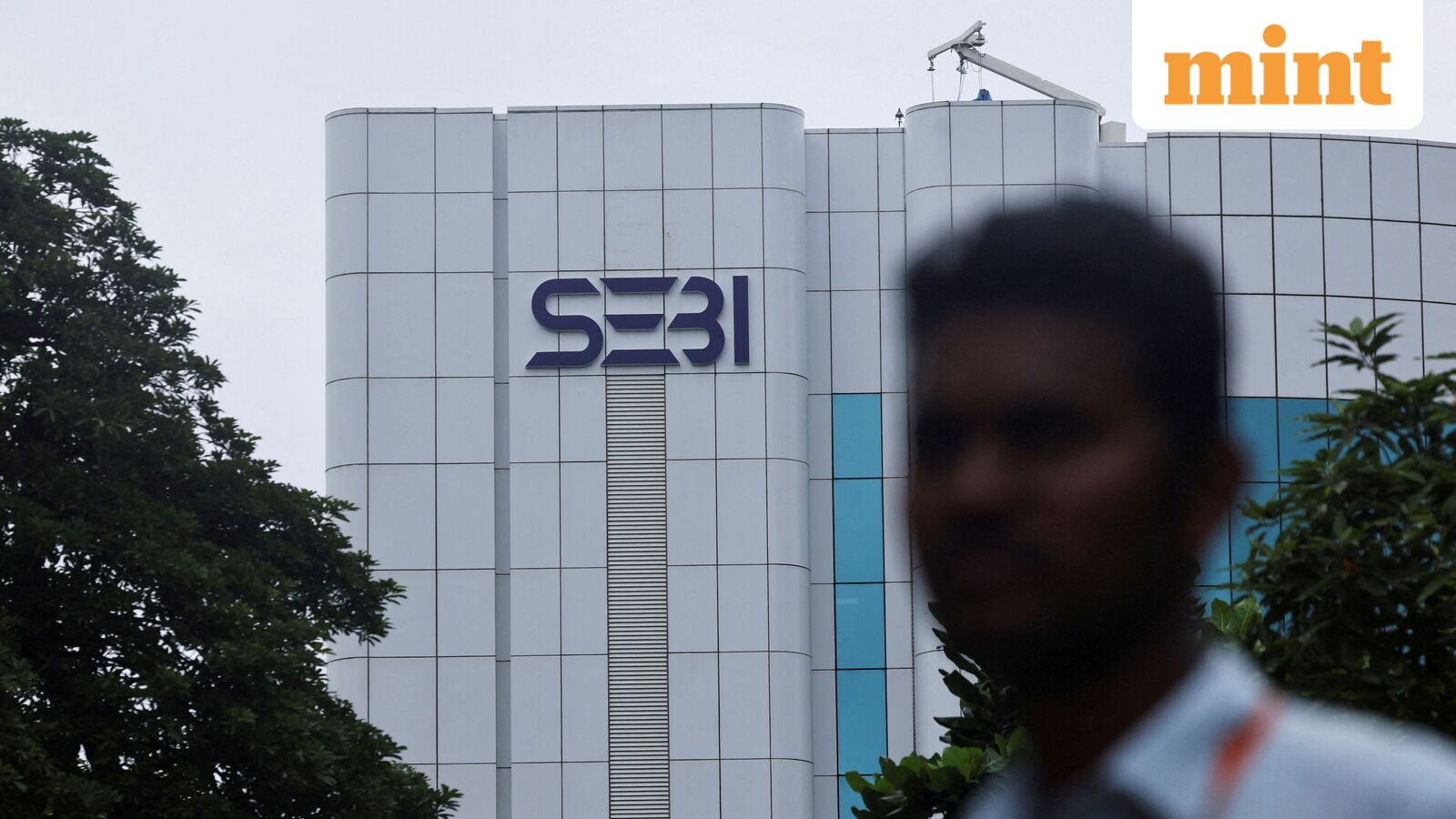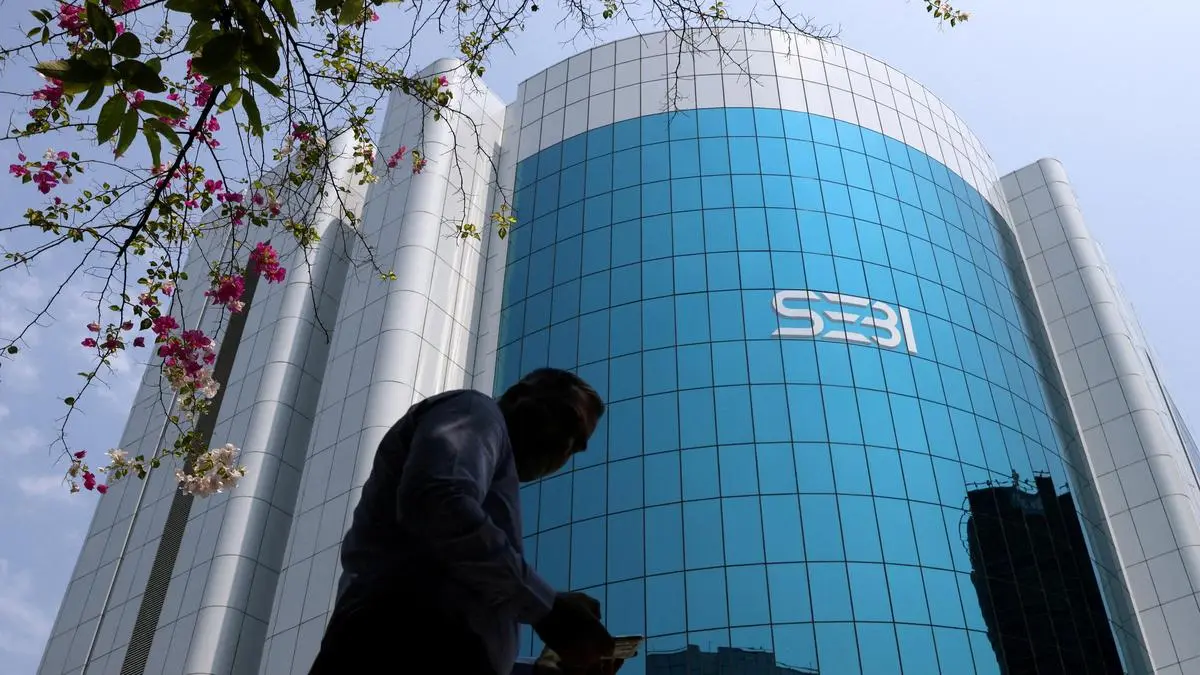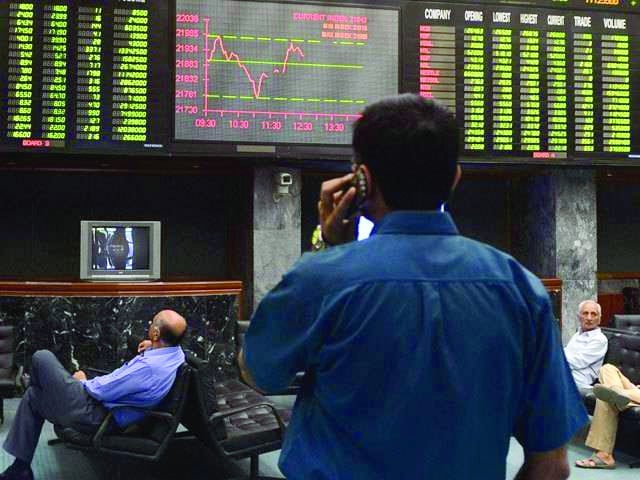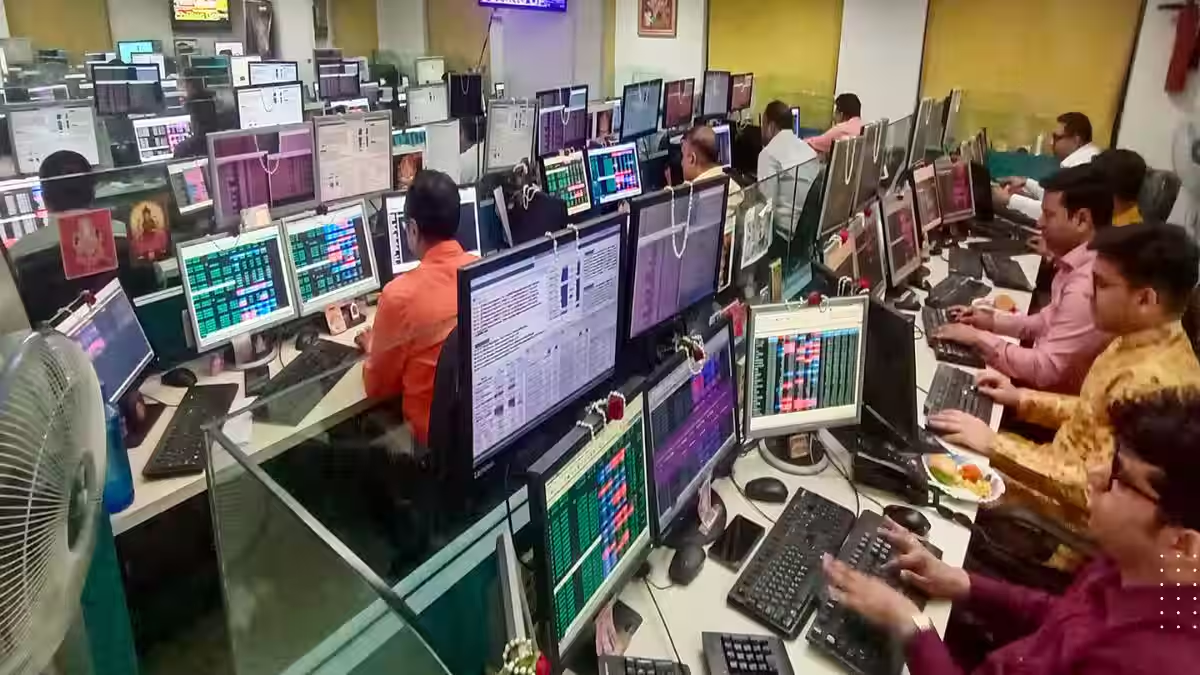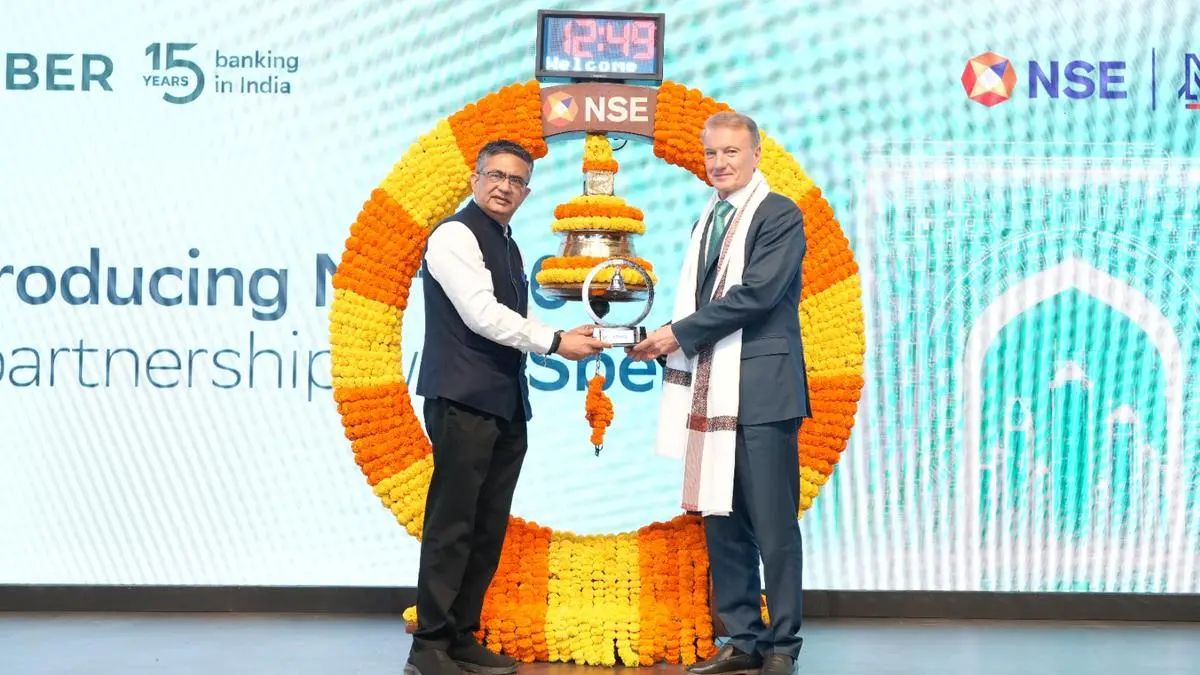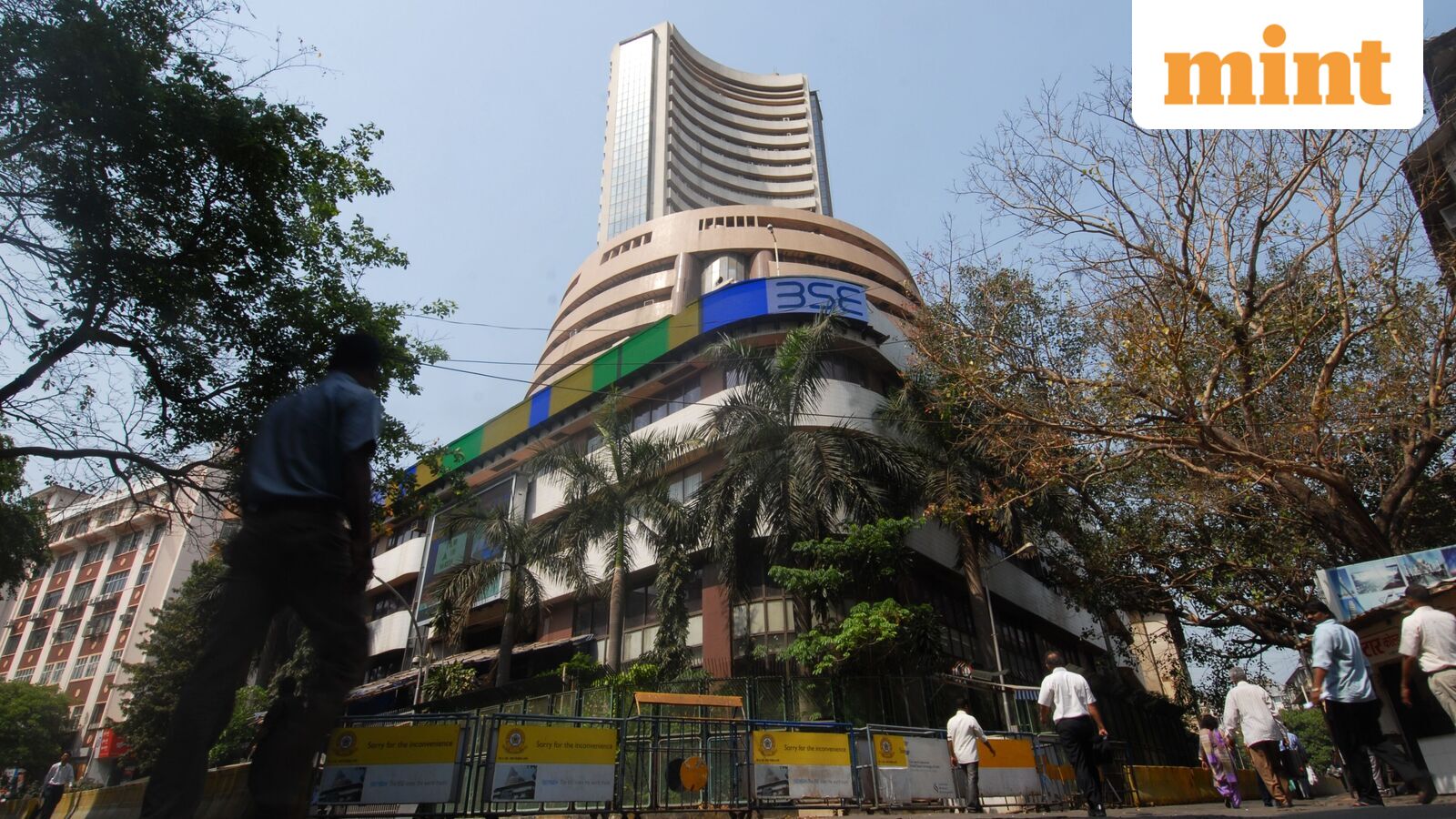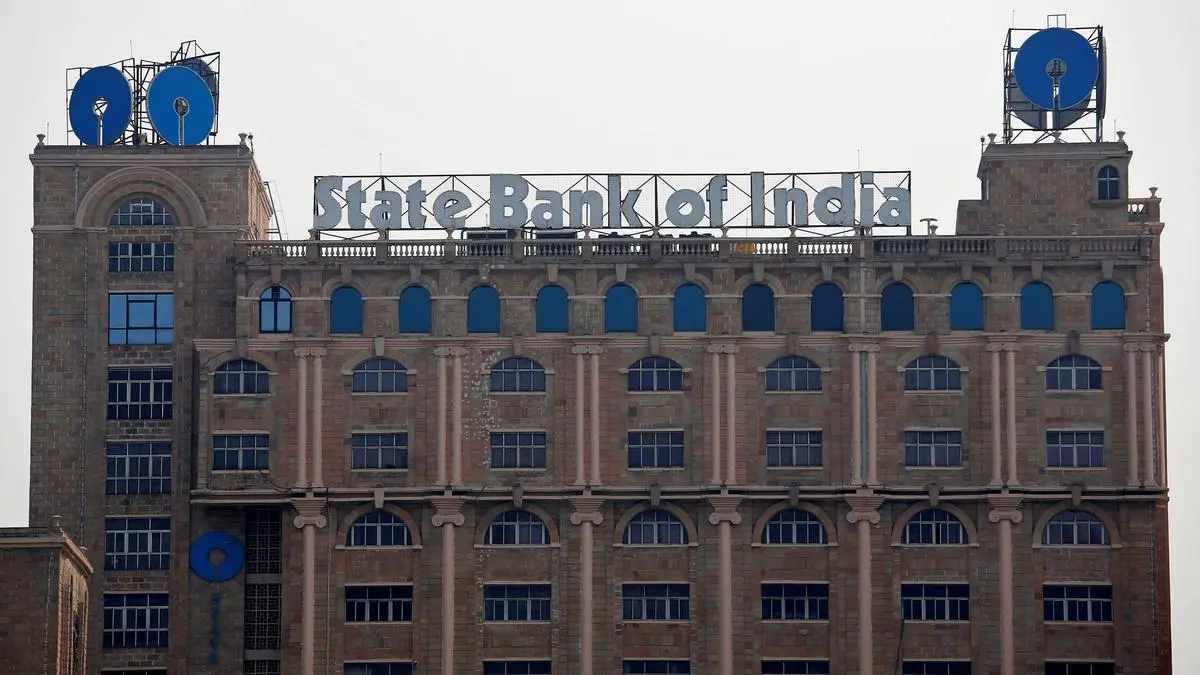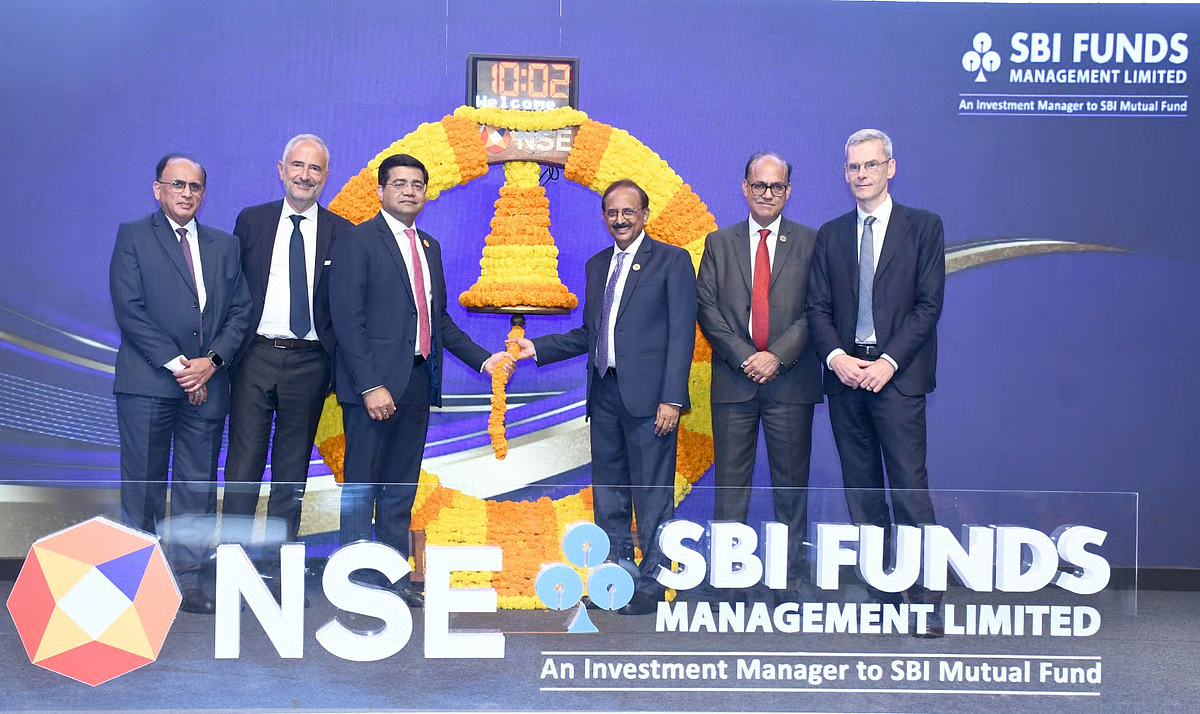
Shares of SBI Funds Management made a positive debut on the stock exchanges on Tuesday, albeit it fell short of Street expectations, as investors turned cautious amid a weak broader market and elevated geopolitical tensions.
The asset management arm of SBI Mutual Fund listed at ₹610 on the BSE, a premium of 6.27% over its issue price of ₹574 per share. On the NSE, the stock debuted at ₹613.30, reflecting a gain of 6.85%.
Post-listing, the stock extended its gains to hit an intraday high of ₹625 on the BSE and ₹624.95 on the NSE.
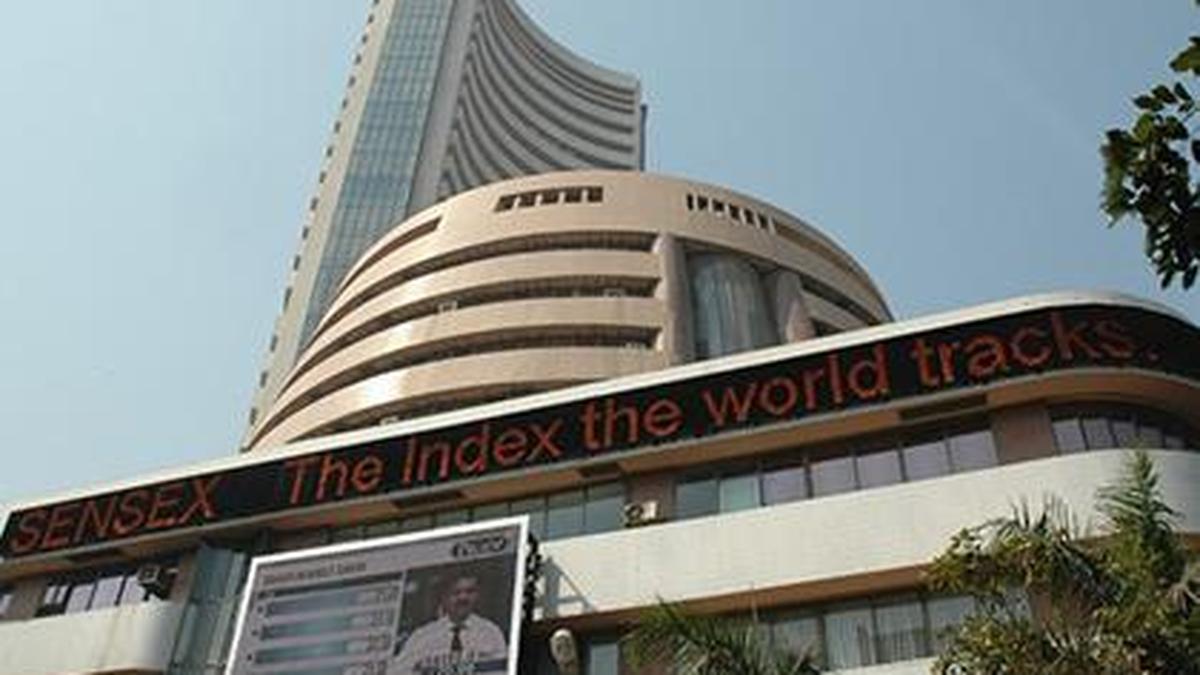
Meanwhile, the benchmark Sensex and Nifty were trading around 0.4% lower, tracking weak global cues as escalating tensions in West Asia weighed on investor sentiment.
Despite the positive debut, the listing was well below expectations in the grey market. Ahead of the listing, SBI Funds Management was commanding a grey market premium (GMP) of around ₹95.5 per share, implying an expected listing price of nearly ₹669.5 and a potential listing gain of about 16.6%.
The ₹9,813-crore IPO had received a strong response from investors, closing with an overall subscription of 41.66 times, led by robust demand from qualified institutional buyers (QIBs), whose quota was subscribed around 140 times.
Market experts believe the modest listing should not be viewed as a reflection of the company’s long-term prospects, arguing that SBI Funds Management’s dominant position in India’s fast-growing mutual fund industry, strong parentage, and scalable business model continue to make it an attractive long-term investment.
Shivani Nyati, Head of Wealth at Swastika Investmart Ltd., said the listing gain of around 6.8% still offered positive returns to IPO investors, while the long-term investment thesis remains compelling.
“Despite a moderate listing, the long-term investment story remains strong due to the company’s leadership in the asset management industry, strong brand backed by SBI, extensive distribution network, scalable asset-light business model, and relatively comfortable valuation compared to peers,” she said.
She recommended that investors who received the IPO allotment continue to “hold” the stock from a long-term perspective, while fresh investors may consider “accumulating” it on dips. For short-term traders, a stop-loss around ₹585–590 can be maintained.
Ravi Singh, Chief Research Officer at Master Capital Services Ltd., said the subdued listing reflected realistic market pricing rather than any weakness in the business fundamentals.
“The company’s future stock performance is likely to be driven more by quarterly business execution than listing-day enthusiasm. Long-term investors should view it as a play on the structural growth of India’s mutual fund industry rather than a high-growth momentum stock,” he said.
He further said that rising financial savings and increasing mutual fund penetration across the country continue to support the long-term investment case.
Notably, SBI Funds Management is India’s largest asset management company by quarterly average assets under management (QAAUM), managing mutual fund QAAUM of ₹12.51 lakh crore with a market share of 15.3% as of March 31, 2026. Including portfolio management services (PMS) and advisory mandates, its total QAAUM stood at ₹29.46 lakh crore.
According to Tushar Badjate, Director at Badjate Stock & Shares Pvt. Ltd., the market has appropriately differentiated between a quality franchise and a listing-day momentum play.
“SBI Funds Management’s 6.85% listing premium against the issue price of ₹574 is worth pausing on, especially because the grey market had been pricing the stock closer to an 18% premium for weeks. That gap between the unofficial premium and the actual listing tells you that much of the demand was driven by scarcity rather than sustainable franchise value. This is a franchise trade, not a listing-pop trade,” he said.
Badjate said investors should focus on the company’s long-term operating metrics rather than day-one returns.
Gaurav Garg of Lemonn Markets said the restrained listing suggests investors have priced the business on its fundamentals despite overwhelming institutional demand during the IPO.
“The market is pricing the business appropriately. India’s largest AMC also trades at one of the most reasonable earnings multiples among listed peers, but it also offers a comparatively lower yield. The restrained debut reflects a balanced assessment of both its strengths and valuation,” he said.
(DISCLAIMER: The views and opinions expressed by investment experts on fortuneindia.com are either their own or of their organisations, but not necessarily that of fortuneindia.com and its editorial team. Readers are advised to consult certified experts before taking investment decisions.)