
Imagine retiring tomorrow with R10 million. You have spent decades working, saving and investing. Now that money needs to provide an income for potentially the next 30 years.
You have an important decision to make.
ADVERTISEMENT
CONTINUE READING BELOW
You could purchase a life annuity from an insurer, providing a guaranteed income for life. Alternatively, you could invest your retirement capital in a living annuity, retain control over your investments and decide how much income to withdraw.
The second option sounds attractive. After all, who wouldn’t want control over their retirement savings?
But there is a catch. With control comes responsibility. And if your retirement capital runs out, there isn’t another R10 million waiting for you.
Living annuities are widely used by South African retirees, but understanding their advantages and disadvantages is essential before making a decision.
Read: A living annuity is a strategy, not simply a product
The advantages of a living annuity
One of the biggest advantages is investment flexibility. Unlike a traditional life annuity, where an insurer takes responsibility for providing your income, a living annuity allows you to choose how your retirement capital is invested.
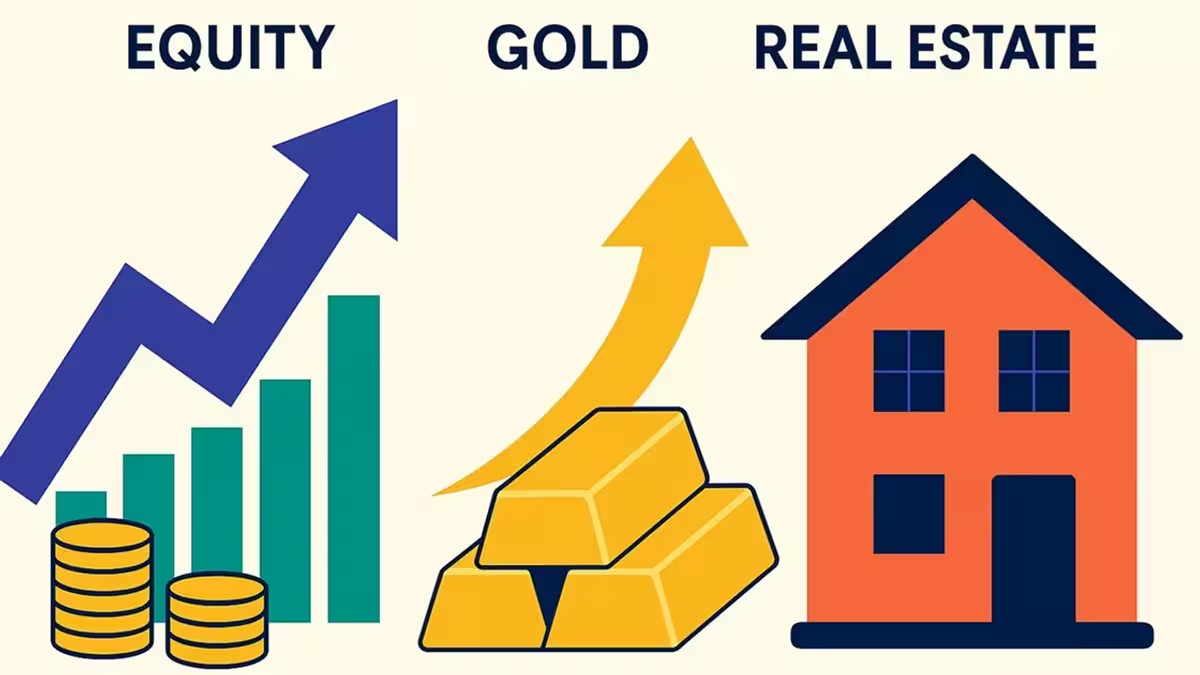
You can invest in equities, bonds, cash, property and offshore investments, depending on your objectives and risk tolerance. This flexibility matters because retirement doesn’t mean your investment horizon disappears.
Someone retiring at 60 could potentially need their investments to provide income for another 30 years. One mistake I regularly see is retirees becoming too conservative too quickly.
Cash might feel safe, but inflation isn’t. Your investments still need to support rising living expenses, including groceries, electricity and healthcare, potentially decades into the future.
Another advantage is income flexibility. South African legislation allows living annuity investors to withdraw between 2.5% and 17.5% of their investment value annually, with the selected income generally reviewed once a year.
This allows retirees to adjust their income as their circumstances change.
However, the maximum you’re legally allowed to withdraw and the maximum you can sustainably withdraw are two very different numbers.
Living annuities also offer estate planning advantages.
Read: Your retirement portfolio fell R500 000. Are you R500 000 poorer?
When you die, the remaining capital can pass to your nominated beneficiaries, who may have different options regarding how they receive the benefit.
But I always remind clients that a living annuity is primarily a retirement income investment, not an inheritance account. Your retirement savings should first provide for you and your spouse.
The biggest risk: Withdrawing too much
Let’s return to our retiree with R10 million. Consider three different annual withdrawal rates:
- At 4%, the annual income is R400 000.
- At 8%, the annual income is R800 000.
- At 12%, the annual income is R1.2 million.
All three amounts might initially appear affordable when looking at a R10 million investment portfolio. But retirement planning isn’t about whether your capital can support your lifestyle this year.
It’s about whether that capital can continue supporting you for the next 20 or 30 years. Every rand withdrawn today is a rand that can no longer generate investment returns tomorrow.
And excessive withdrawals become particularly dangerous when investment markets decline. This introduces another important consideration: sequence-of-returns risk.
ADVERTISEMENT:
CONTINUE READING BELOW
Imagine markets decline by 20% shortly after you retire. Not only has your investment portfolio lost value, but you’re simultaneously withdrawing money to cover living expenses.
Selling investments during market downturns can permanently reduce the capital available to participate in a subsequent recovery.
Even reasonable average investment returns over time cannot necessarily compensate for excessive withdrawals during difficult early retirement years.
Read: Your retirement reserve is there to be spent – when should you refill it?
Tax benefits, fees and restrictions
Living annuities also offer valuable tax advantages. Investment growth within a living annuity is generally exempt from income tax, dividends tax and capital gains tax.
However, income withdrawn from the living annuity is taxable according to your applicable marginal income tax rate. Tax-efficient does not mean tax-free.
Fees are another consideration. Administration charges, investment management fees and financial advice fees can all affect long-term investment performance.
And although living annuities provide income flexibility, your capital isn’t freely accessible. You generally cannot withdraw a large lump sum whenever you choose, except under specific circumstances permitted by legislation.
Living annuity or life annuity?
I believe this is often the wrong question. A life annuity primarily provides certainty. A living annuity provides flexibility and control.
With a life annuity, an insurer assumes significant investment and longevity risk. With a living annuity, you retain those risks.
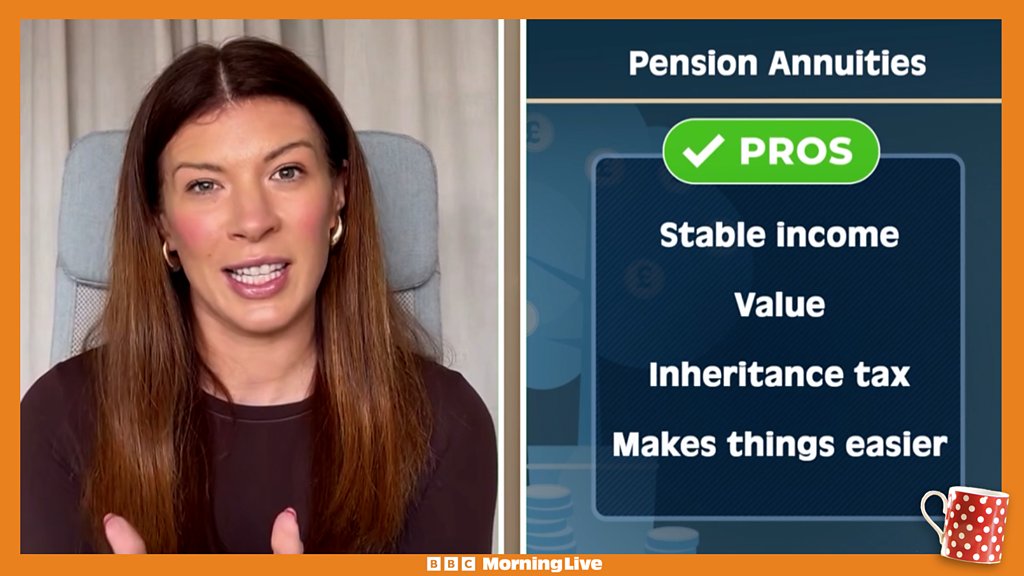
Importantly, retirees don’t necessarily have to choose only one. For example, a retiree might use a life annuity to cover essential monthly expenses while keeping additional retirement capital in a living annuity for flexibility and long-term growth.
The appropriate solution depends on individual circumstances. Ultimately, a living annuity isn’t simply an investment product.
Read: Living annuity or life annuity? The right choice could define your retirement
It’s a retirement income strategy.
Its success depends on investment returns, withdrawal rates, fees, tax planning and, perhaps most importantly, your behaviour.
A living annuity gives you freedom, but that freedom comes with responsibility.
The objective isn’t simply to maximise investment returns. It’s to ensure your retirement capital can support the life you want to live, for as long as you need it.