Mahindra Manulife Multi Cap Fund and ICICI Prudential Multicap Fund followed with five-year direct returns of 18.55% and 17.67%, respectively.
Other top-performing funds over a five-year period included Baroda BNP Paribas Multi Cap Fund with returns of 16.74% and Aditya Birla Sun Life Multi Cap Fund at 15.41%.
| Fund | 5-year direct return (%) |
| Nippon India Multicap Fund | 21.05 |
| Mahindra Manulife Multi Cap Fund | 18.55 |
| ICICI Prudential Multicap Fund | 17.67 |
| Baroda BNP Paribas Multi Cap Fund | 16.74 |
| Aditya Birla Sun Life Multi Cap Fund | 15.41 |
(Source: AMFI)
In April, Multi-cap mutual funds saw higher investor inflows as market volatility and shifting sectoral trends prompted investors to look at diversified equity strategies.
According to data from the Association of Mutual Funds in India (AMFI), multi-cap funds recorded net inflows of ₹3,806 crore in April, accounting for nearly 10% of total inflows into equity mutual funds during the month.
The category currently manages assets exceeding ₹2.28 lakh crore.
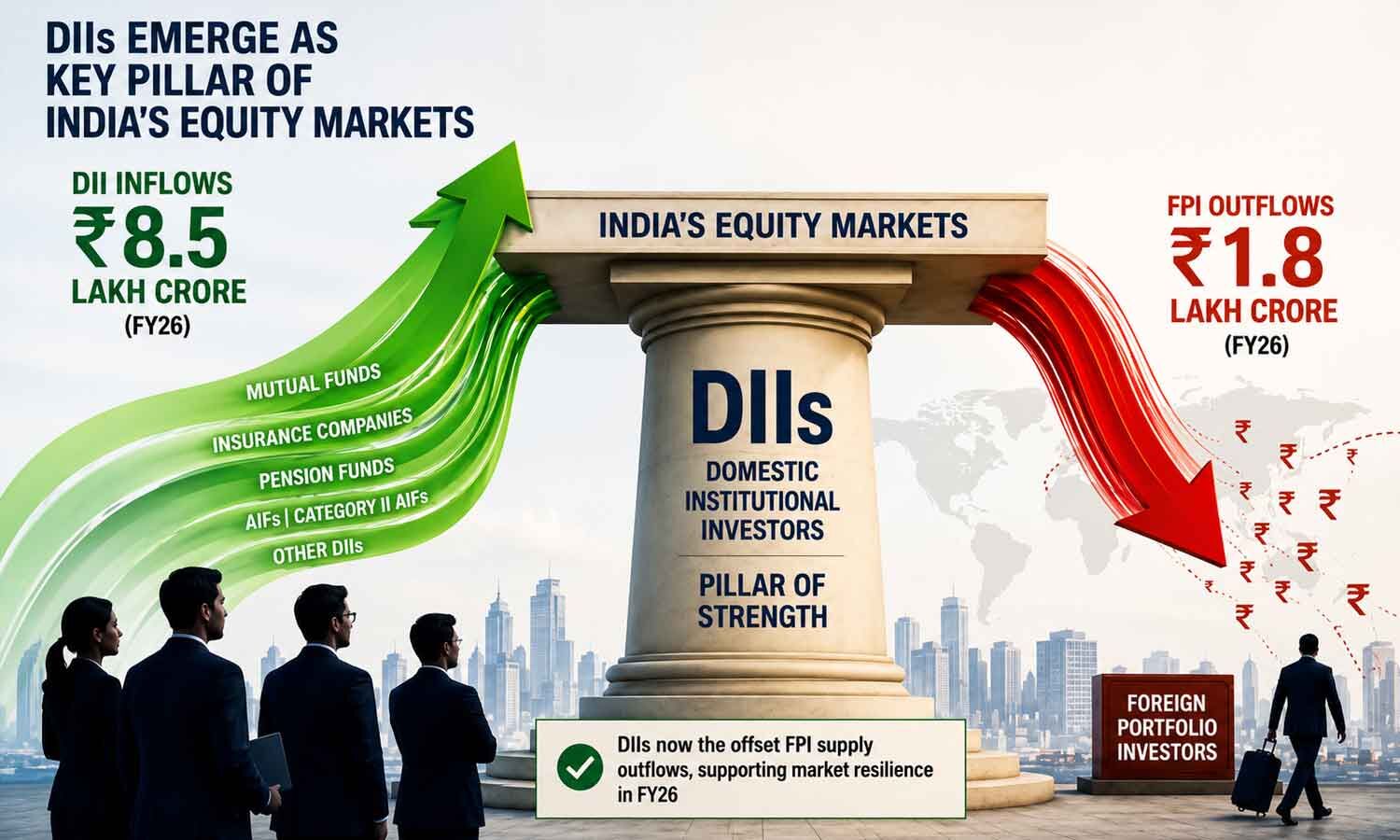
The increase in inflows came amid uncertainty in domestic equity markets driven by rising crude oil prices, continued foreign portfolio investor outflows, currency pressures and geopolitical tensions. While benchmark indices such as the Nifty 50 and Sensex remained under pressure, broader market indices including the Nifty Midcap 100 continued to outperform.
On a one-year basis, Groww Multicap Fund emerged as the top performer in the category with returns of 16.6%, according to Value Research data as of May 27.
Bank of India Multi Cap Fund delivered returns of 11.51%, while Tata Multicap Fund, Mahindra Manulife Multi Cap Fund and ITI Multi Cap Fund posted returns of 9.71%, 9.68% and 9.63%, respectively.
Analysts said diversified allocation strategies may continue to attract investor attention if volatility persists and sectoral leadership remains uneven across market segments.
First Published: May 29, 2026 9:22 AM IST