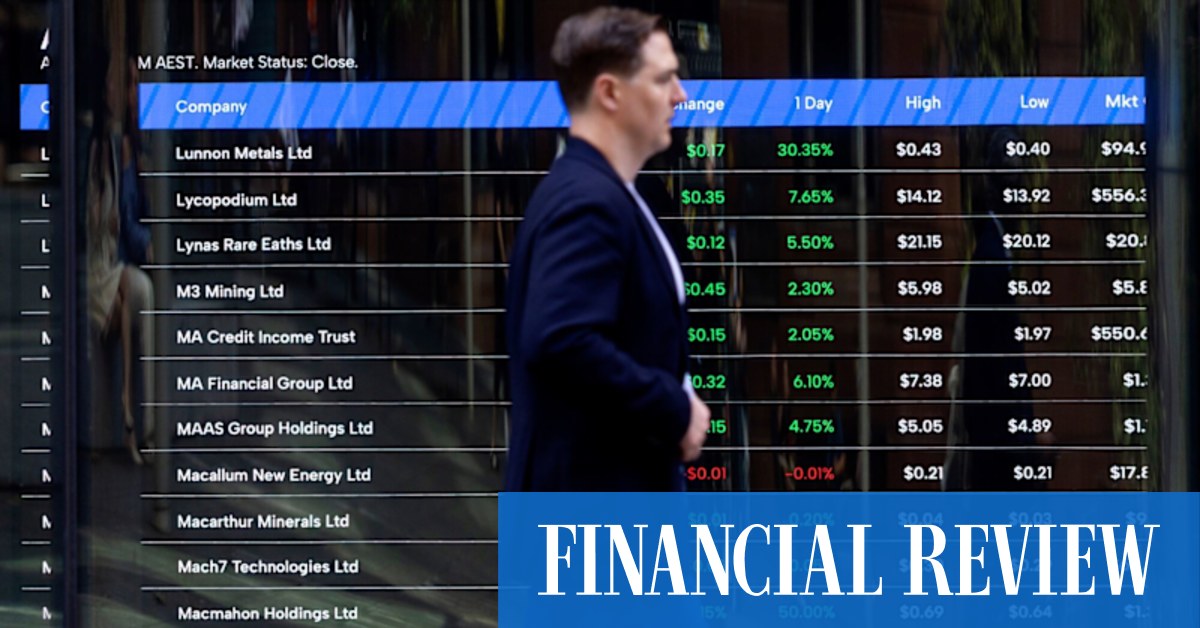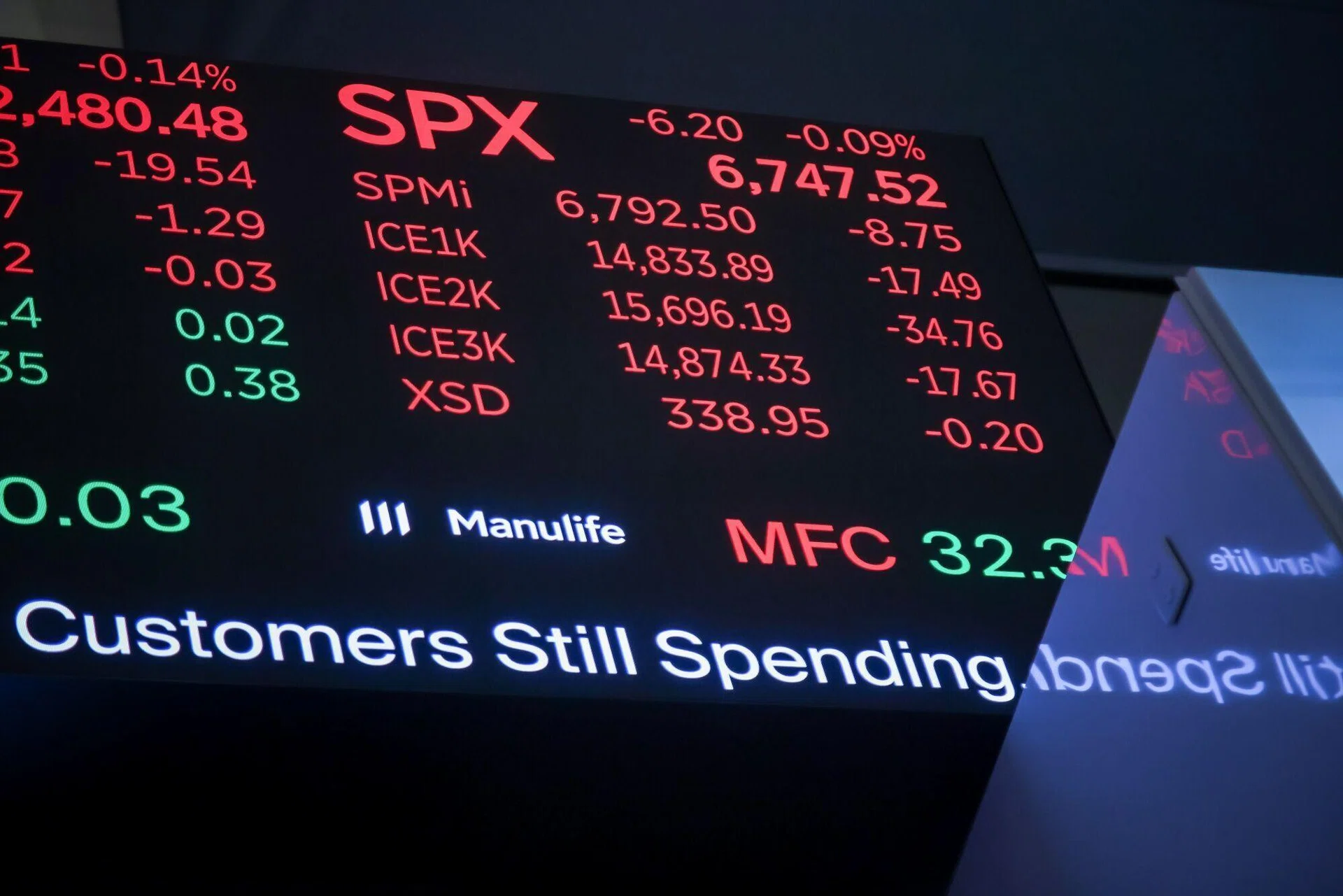

A number of stocks jumped in the afternoon session after the U.S.-Iran ceasefire announcement triggered a broad decline in energy-driven inflation.
For the insurance sector, particularly property and casualty (P&C) carriers, lower oil prices translate to reduced claims severity. The cost of petroleum-based construction materials and auto parts is expected to stabilize, allowing insurers to improve their underwriting margins after years of battling high repair and replacement costs.
Additionally, the relief rally in the broader equity markets bolstered the value of insurance companies’ vast investment portfolios. As the “geopolitical risk premium” evaporates, the increased valuation of their equity holdings and the stabilization of credit markets provide a significant boost to book value. Investors are viewing the de-escalation as a stabilizing force for both the balance sheets and the operational outlook of the industry.
The stock market overreacts to news, and big price drops can present good opportunities to buy high-quality stocks.
Among others, the following stocks were impacted:
F&G Annuities & Life’s shares are somewhat volatile and have had 10 moves greater than 5% over the last year. In that context, today’s move indicates the market considers this news meaningful but not something that would fundamentally change its perception of the business.
The biggest move we wrote about over the last year was about 2 months ago when the stock dropped 9.6% on the news that the company reported weaker-than-expected fourth-quarter earnings and a significant drop in profitability compared to the previous year.
The insurance solutions provider posted adjusted earnings per share of $0.91, missing analyst expectations of $1.20 by 24.4%. Additionally, its book value per share of $33.49 fell well short of the $47.05 consensus estimate. The company’s pre-tax profit margin also declined by 16.7 percentage points compared to the same quarter last year. While the results showed some strength, with revenue of $1.77 billion beating estimates and growing 10.8% year-on-year, investors appeared to focus on the weaker bottom-line figures.