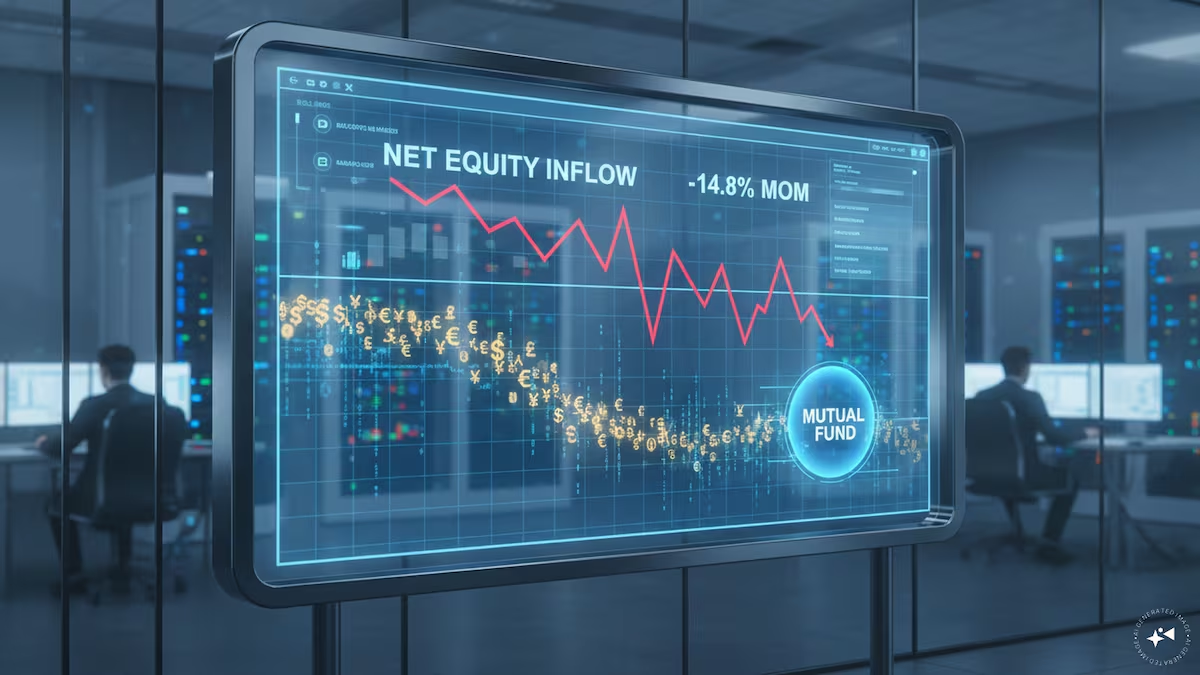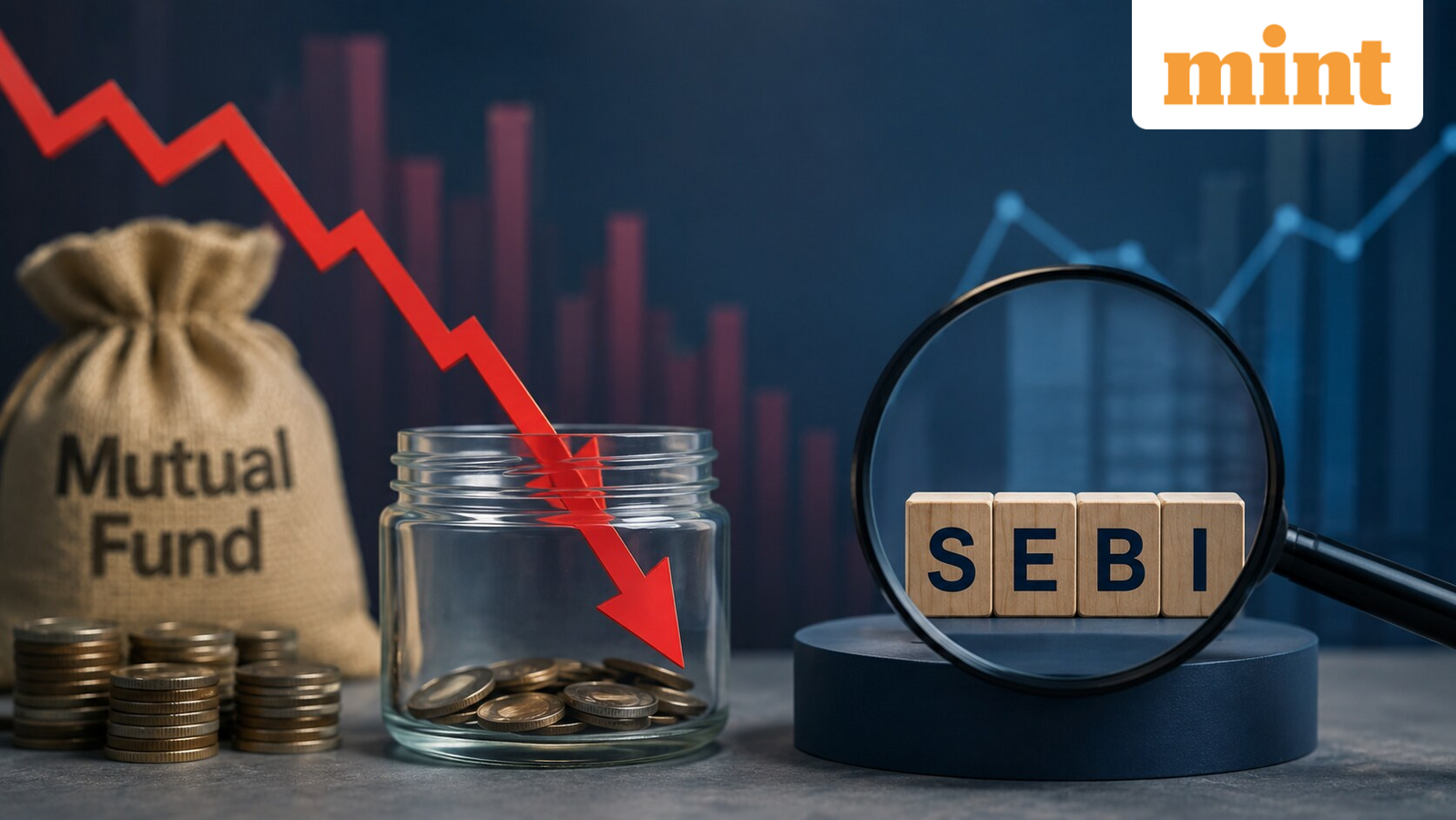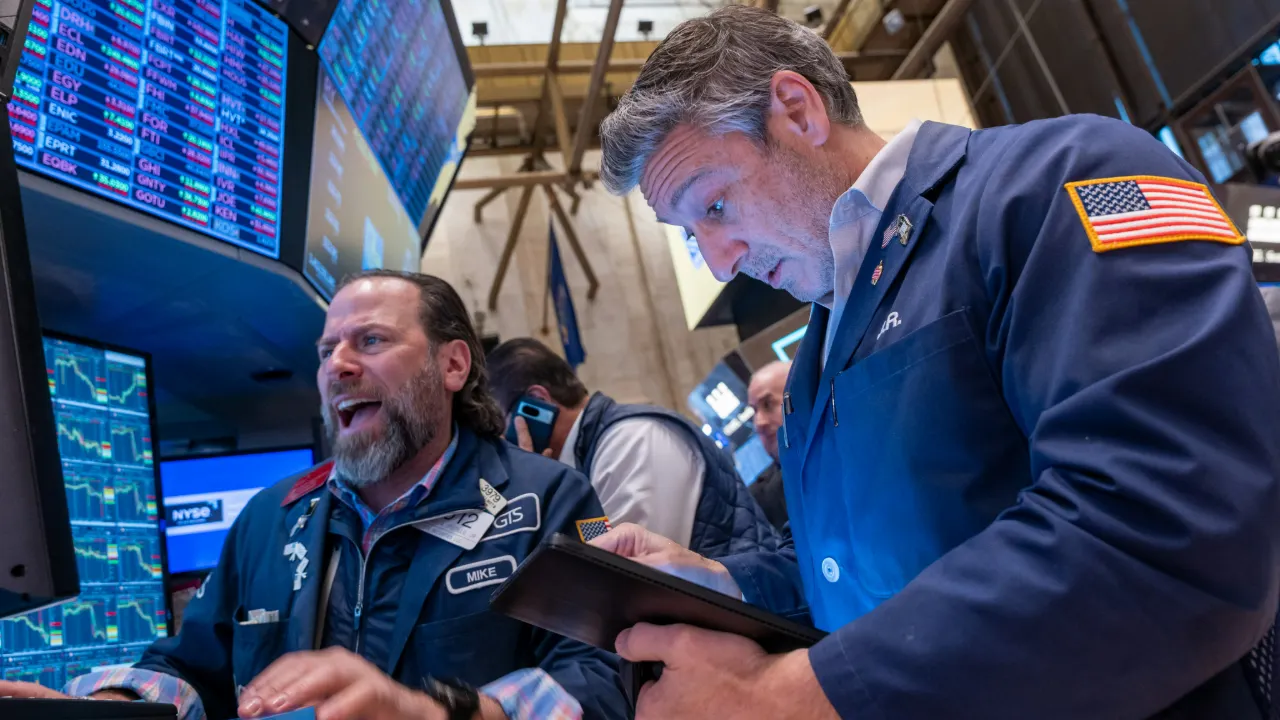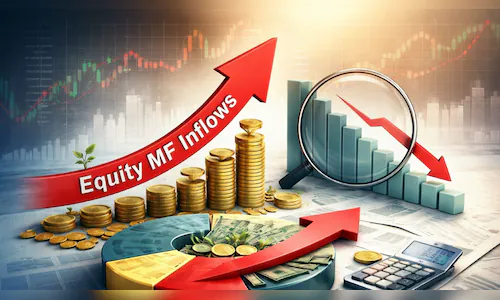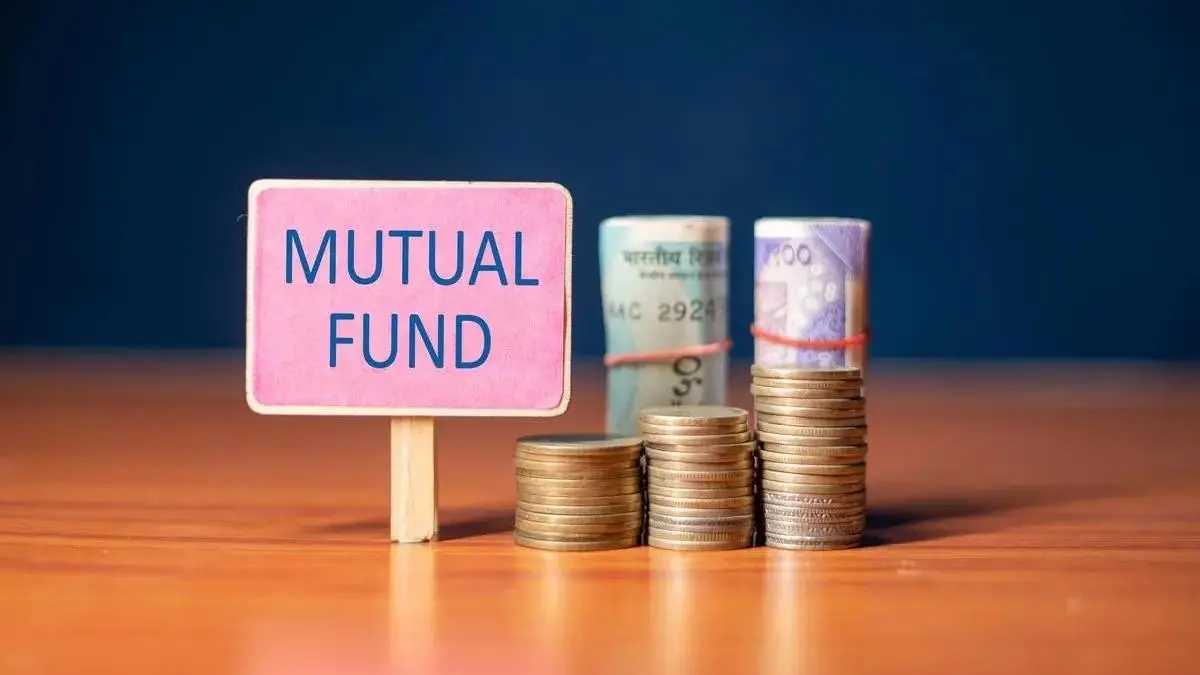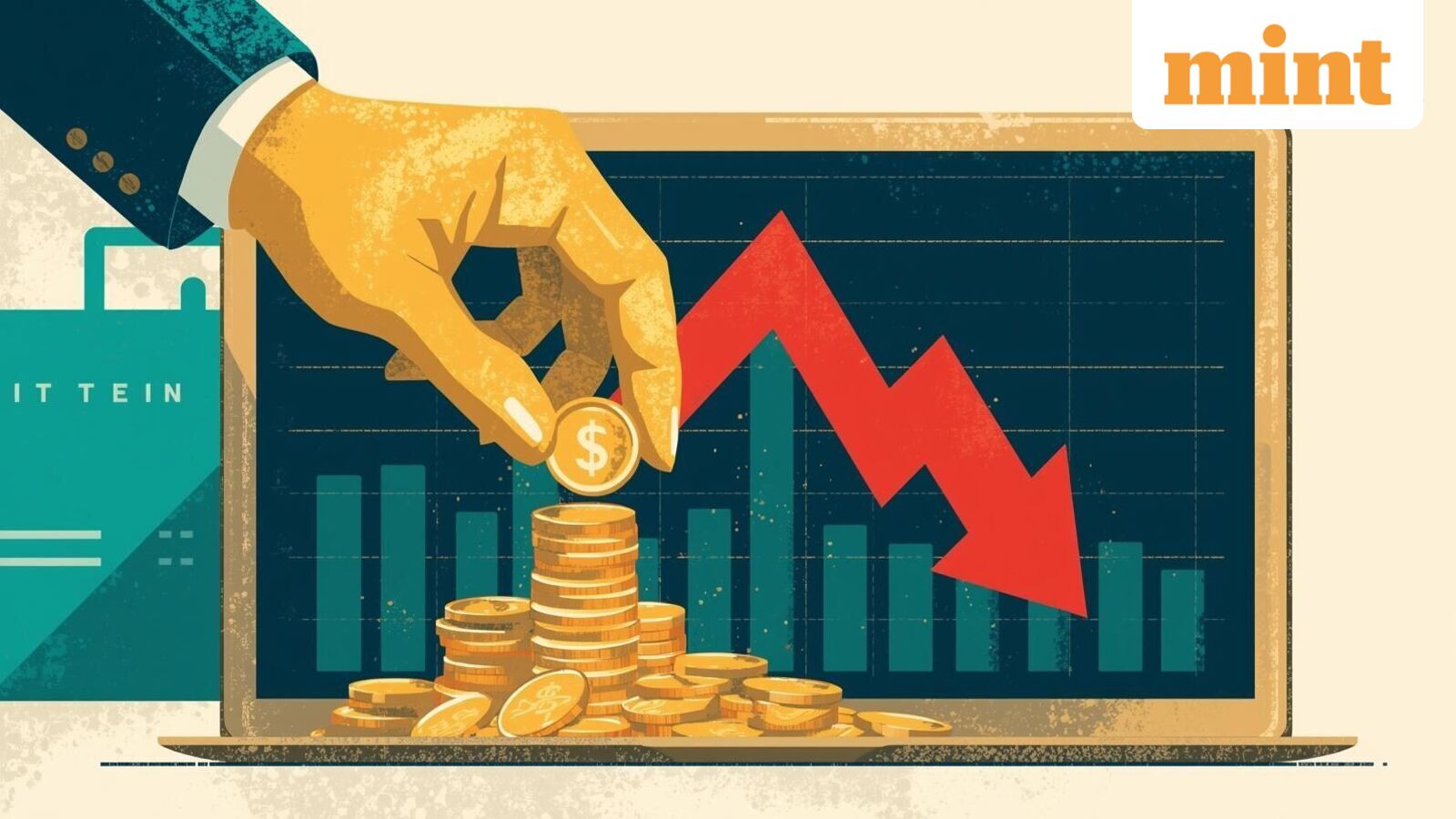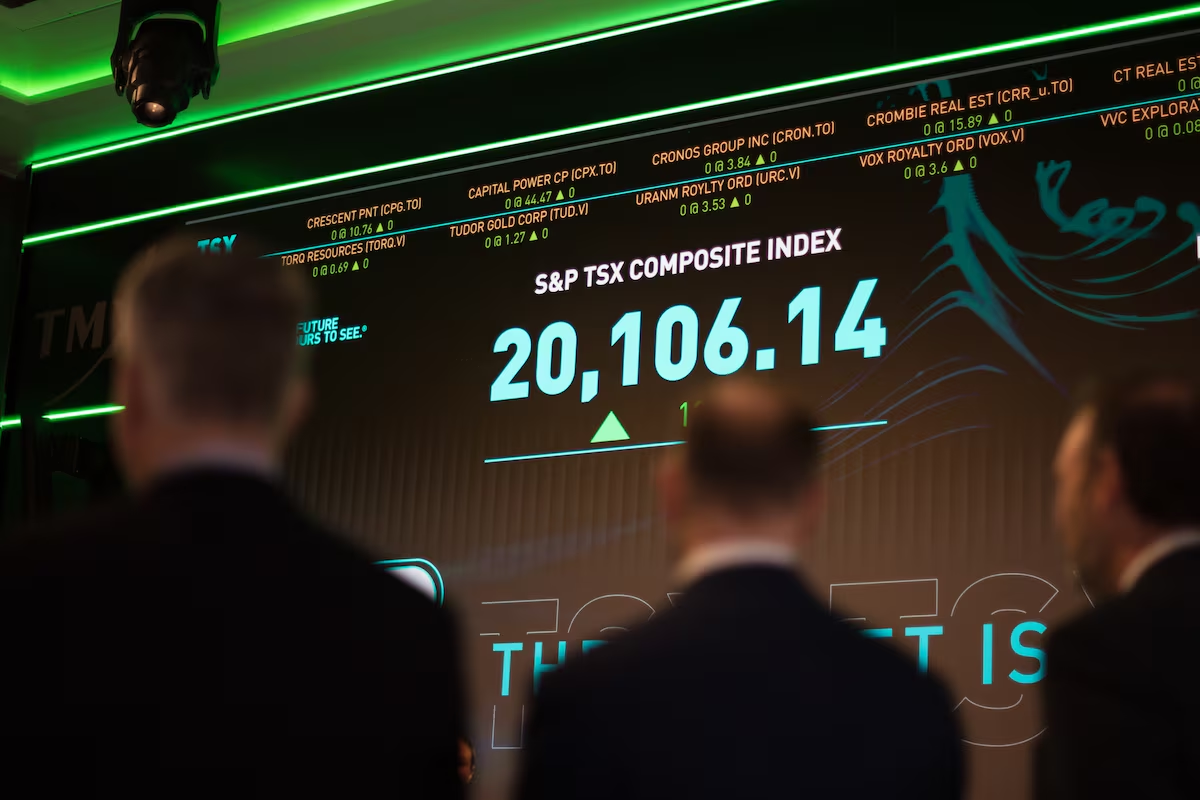
The Indian mutual fund industry faced a sharp reversal in May 2026. Data from the Association of Mutual Funds in India (AMFI) confirms that net inflows into equity-oriented schemes plummeted by 40% month-on-month, settling at ₹22,908 crore. This figure is the lowest monthly inflow since May 2025, thus marking a significant departure from the momentum observed earlier this year.
The cooling of investor sentiment is part of a broader industry change. While equity schemes attracted ₹38,440 crore in April 2026, the May data shows a widespread retreat as market participants prioritize capital preservation over expansion.
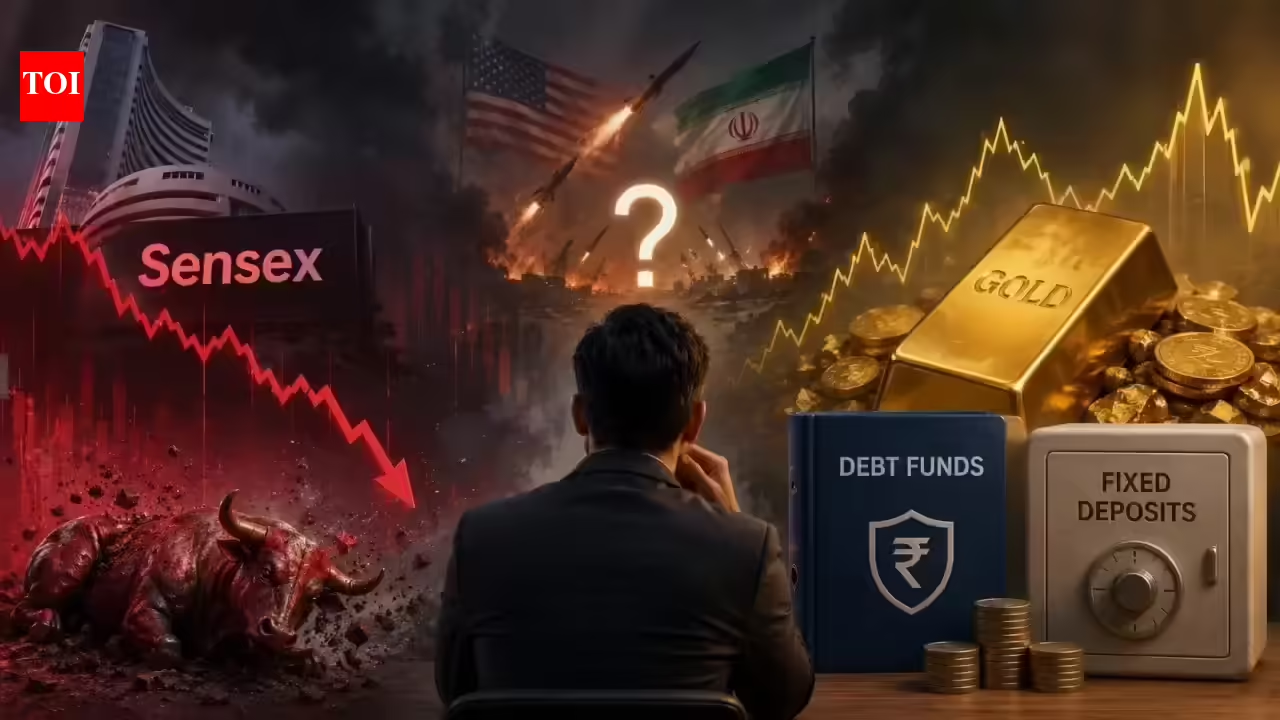
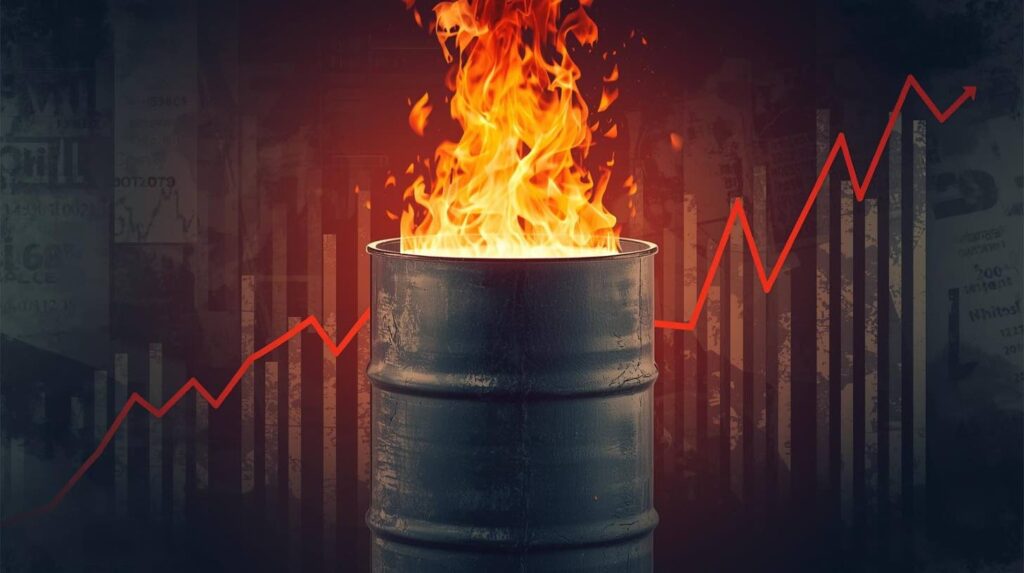
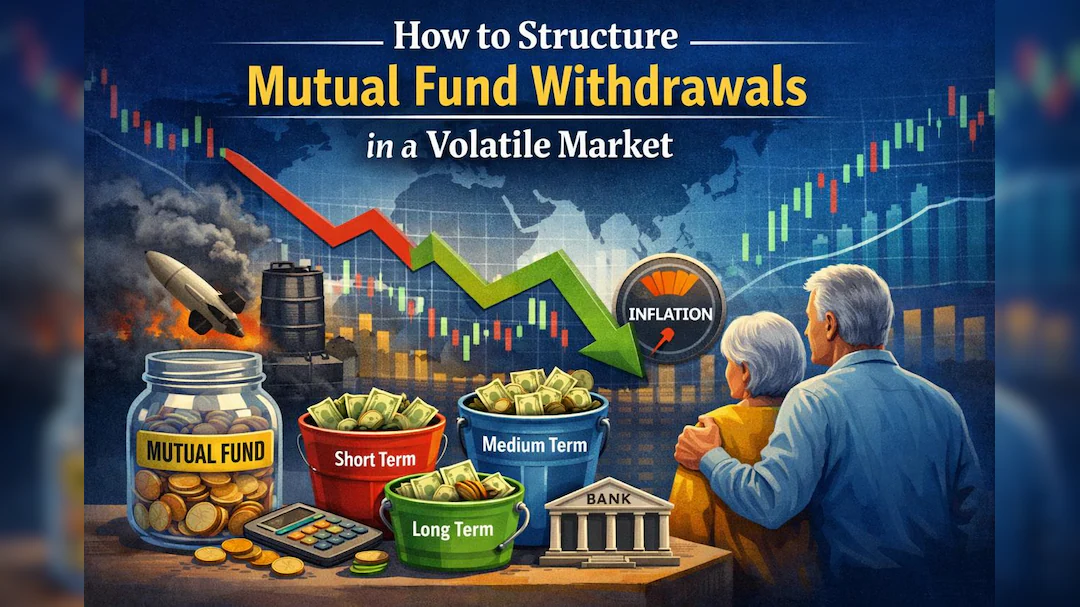
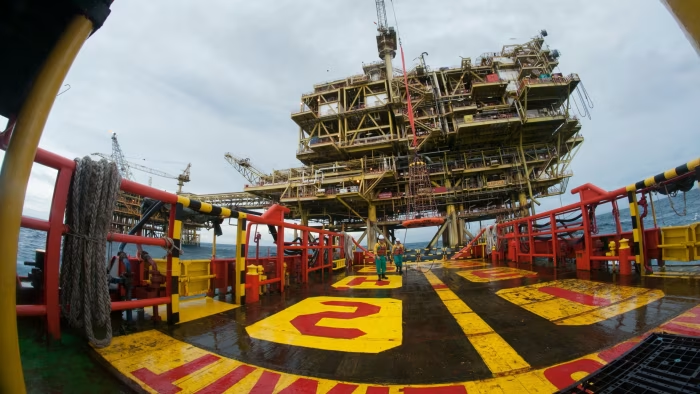
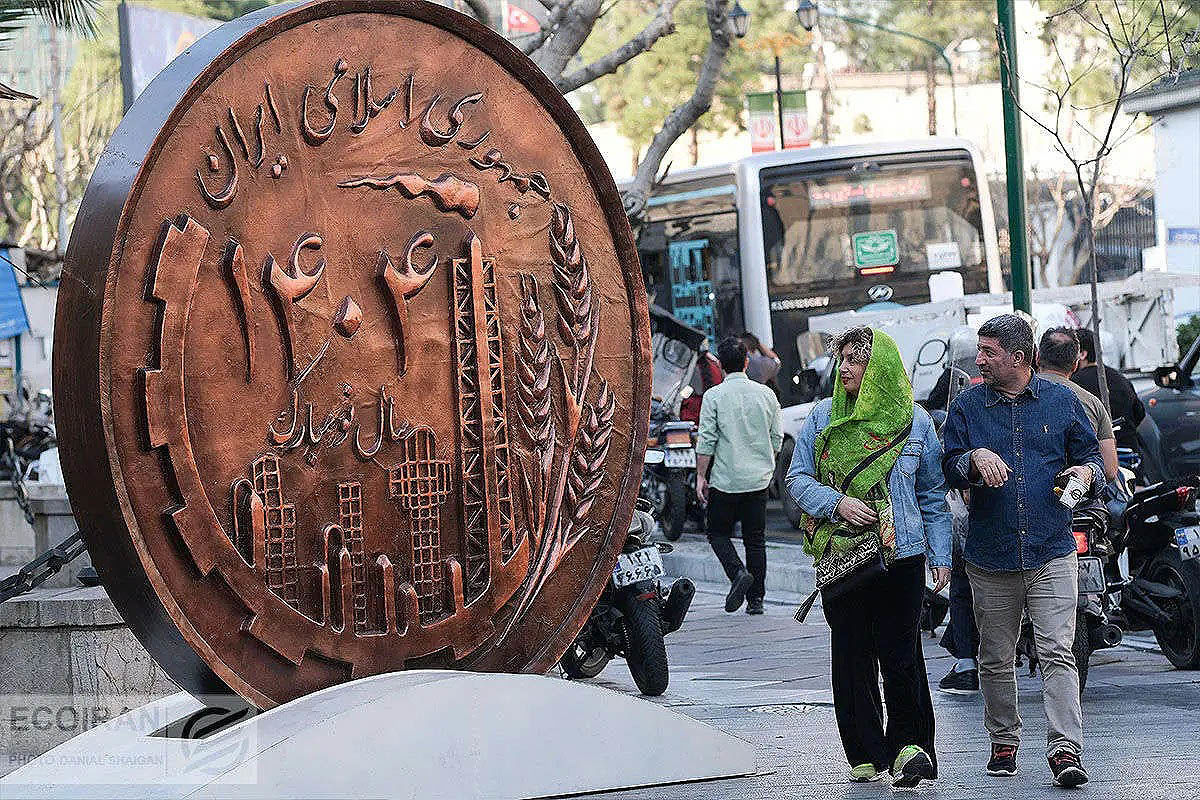
The primary reason behind this stance is the renewed geopolitical instability, specifically the intensifying friction between the United States and Iran. This uncertainty has kept global crude oil prices volatile, hovering near $90–$95 per barrel, which is a major headwind for India, since it’s a top oil importer.
Rising energy costs have heightened inflation fears and pressured corporate margins. Thus, prompting investors to hit the “pause” button on fresh equity deployments.
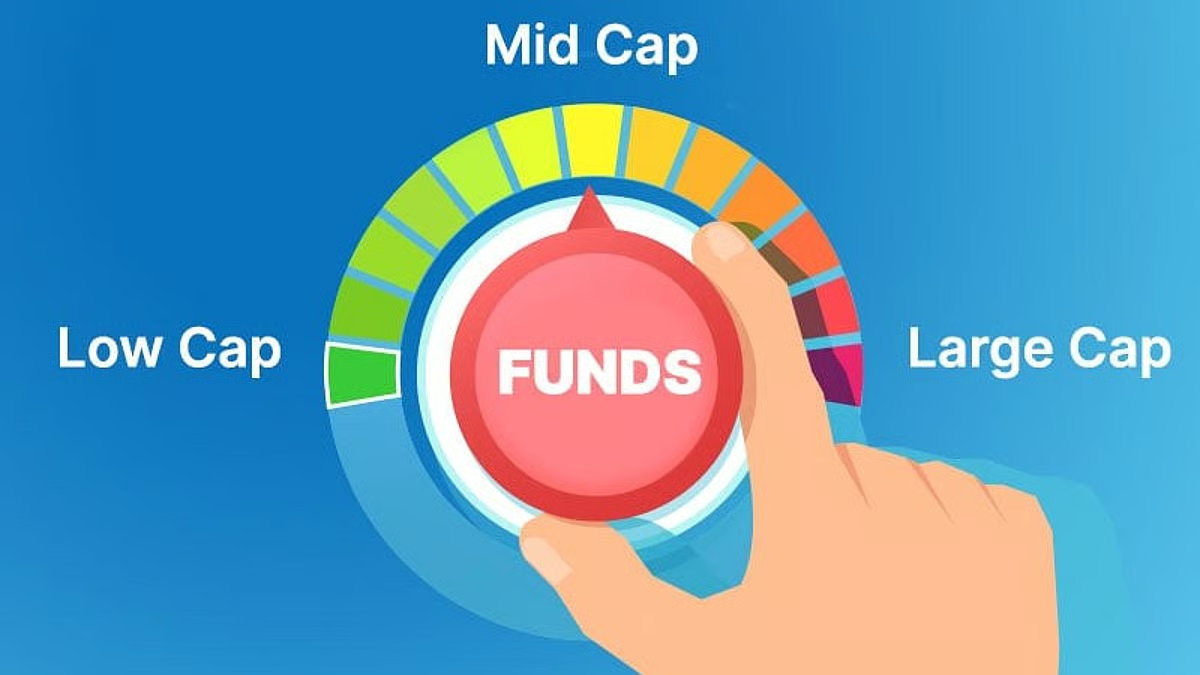
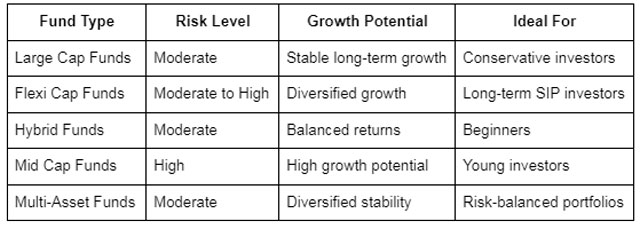
The cautious sentiment is visible across all major equity fund categories. According to AMFI data, the shift toward defensive strategies resulted in the following declines in monthly net inflows:
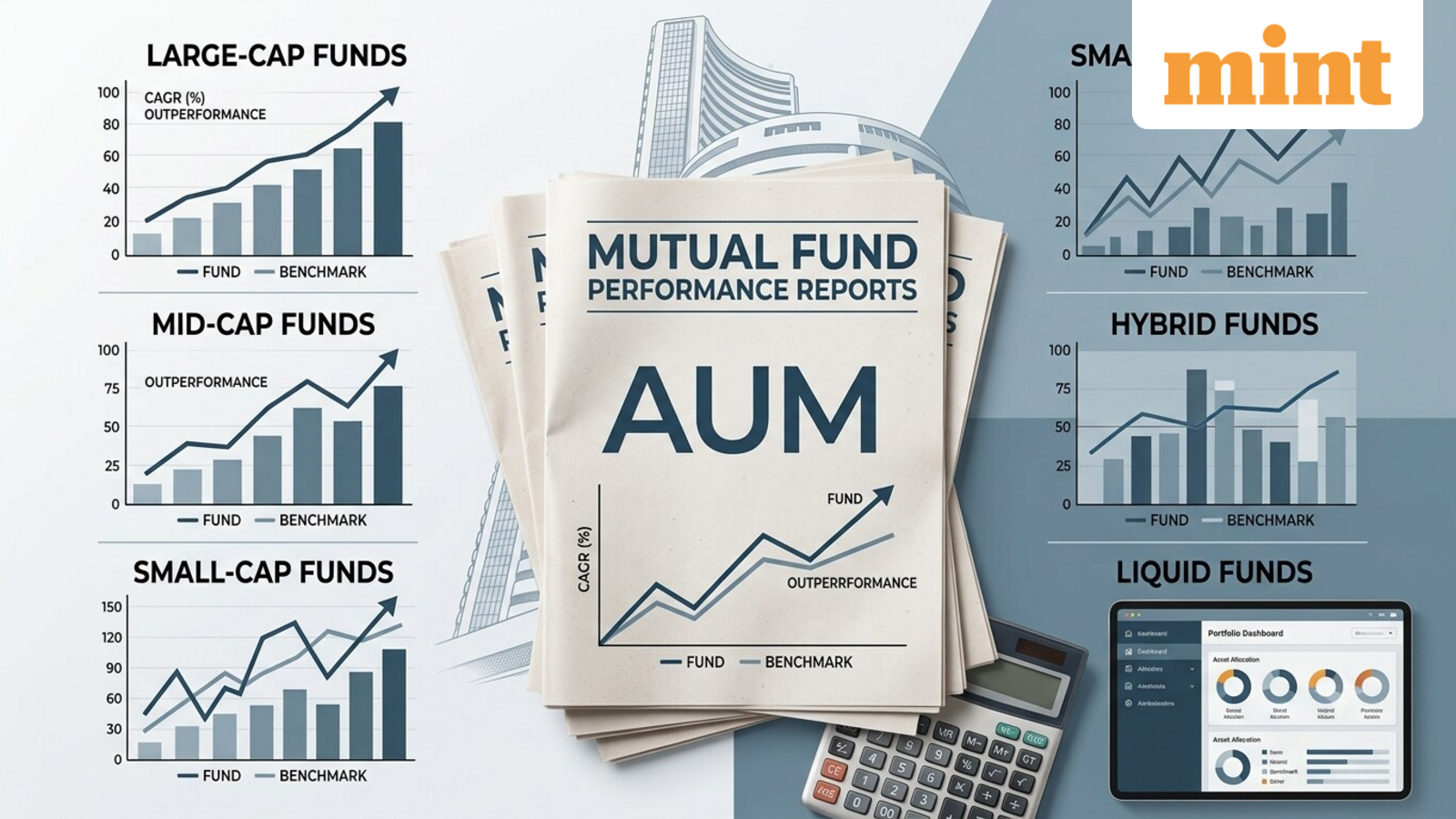
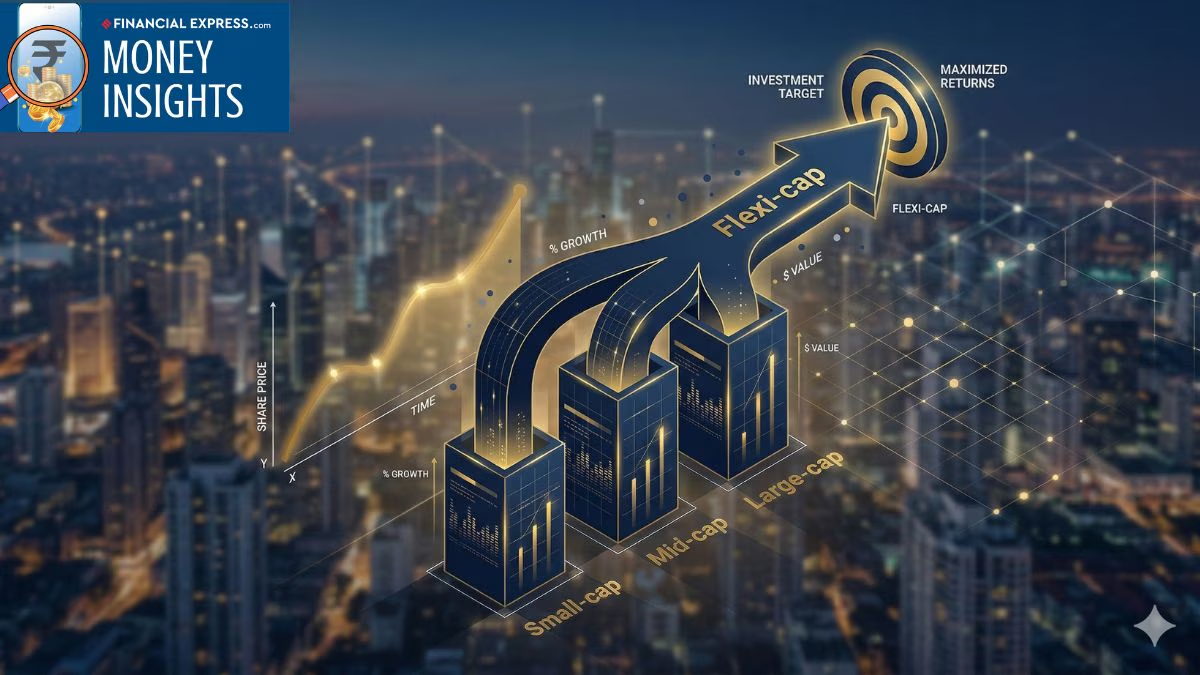
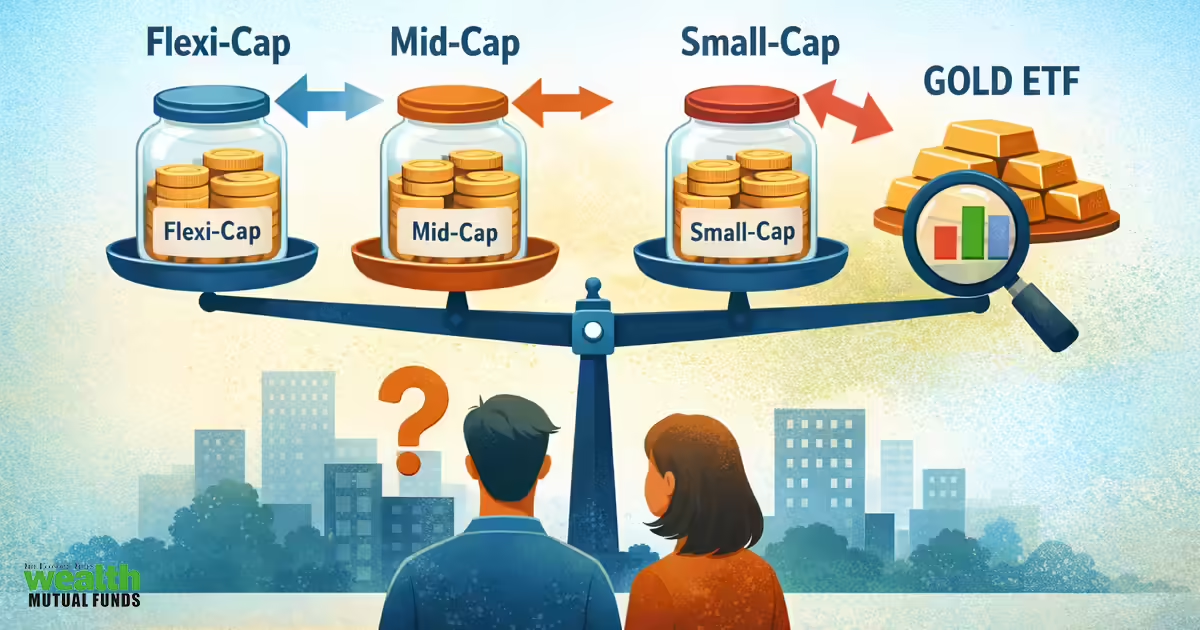
Large-cap funds: Witnessed a significant cooling, receiving ₹1,593 crore.
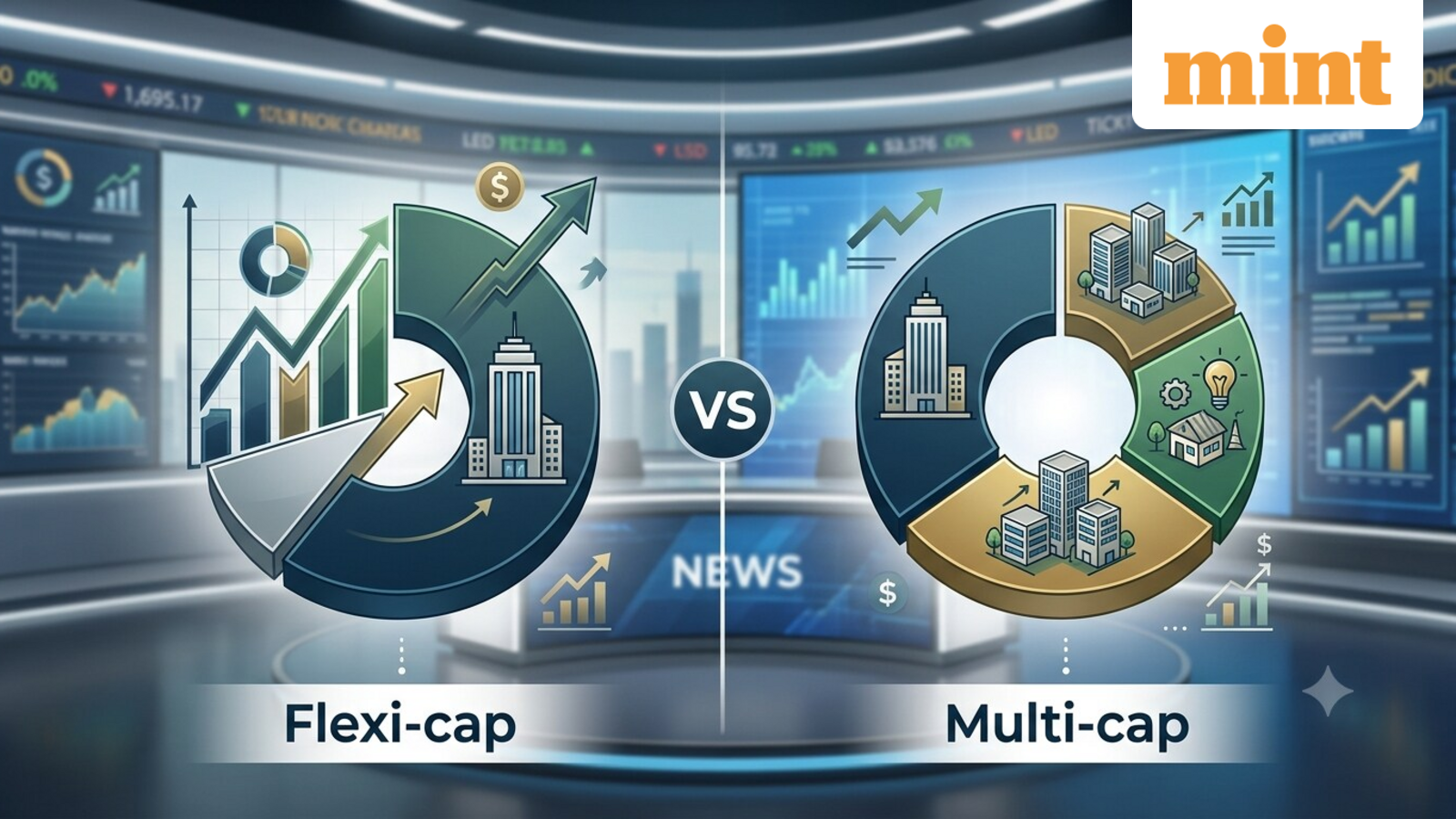
Flexi-cap funds: Remained the preferred choice, garnering the highest inflow at ₹5,175 crore.
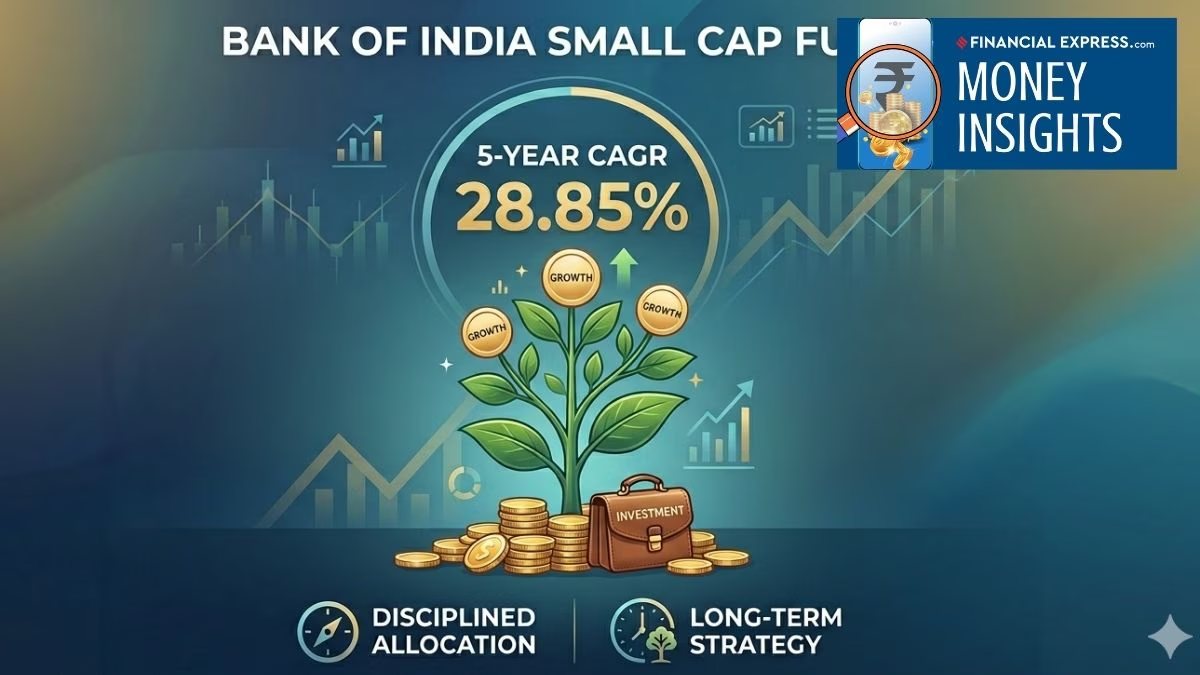
Mid-cap and Small-cap funds: Faced substantial pressure, with inflows settling at ₹4,385 crore and ₹4,945 crore, respectively.
While these categories remain in positive inflow territory, the sharp deceleration shows rotation. Some conservative categories, such as Dividend Yield Funds and ELSS, even recorded net outflows during the month. This signals that investors are currently seeking liquidity rather than locking in growth.
The current volatility is likely to persist as long as oil prices remain elevated and geopolitical jitters continue to influence global trade routes. While the structural long-term story for the Indian economy is often cited as a key support, the immediate priority for retail and institutional investors remains risk management.
As the industry navigates this environment, the wait-and-see approach is expected to dominate June’s trading activity. Market participants are now closely watching U.S. inflation data and central bank policies, which are expected to dictate the next major move for Indian equities.